All species › Swifts › Swifts
Swifts | Apodidae
Gierzwaluwen | Vencejos
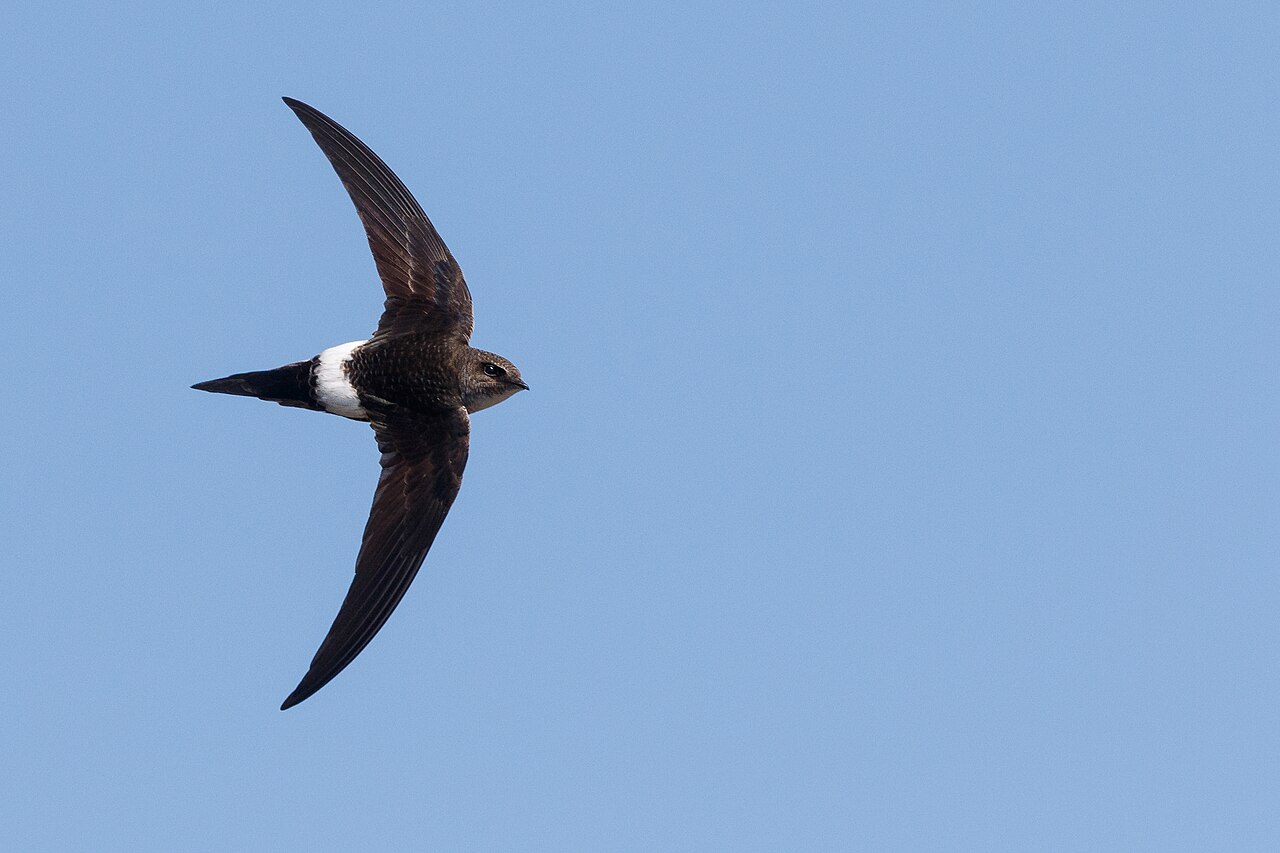
A cigar-shaped body, long scythe-like wings held stiff in a glide, and a short tail, square or forked; the bill is tiny, but the gape tears open to below the eye, so that the head itself is the net. Everything happens in the air: the catching of drifting insects and spiders, drinking, bathing, picking up nest material, mating, and outside the breeding season sleeping too, circling at height. The catch is bound together in the throat with saliva into a ball and given to the chick in one delivery; the nest is a shallow cup of material caught on the wing, also glued with saliva, in a crevice, under a roof tile or in a chimney. One to three white eggs, a long stay in the nest, and a fledgling that leaves with a fully grown wing and is independent from that moment; the four short toes carry strong hooked claws and in many species can all be turned to point forward.
Native species 6 species
Species that occur here by nature: breeding birds, winter visitors and passage migrants. They are arranged by genus, in the sequence of the list.
Tachymarptis 1 species
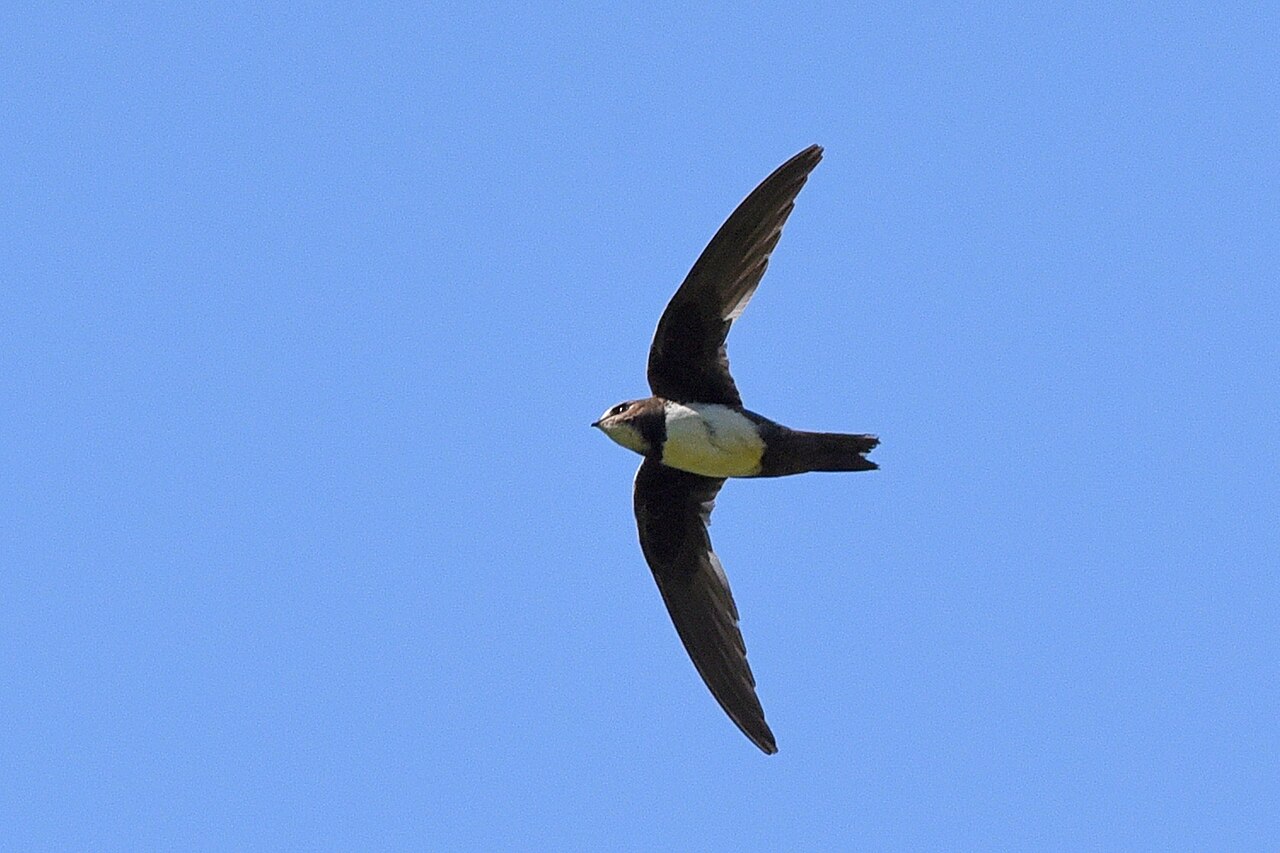

Apus 5 species
-
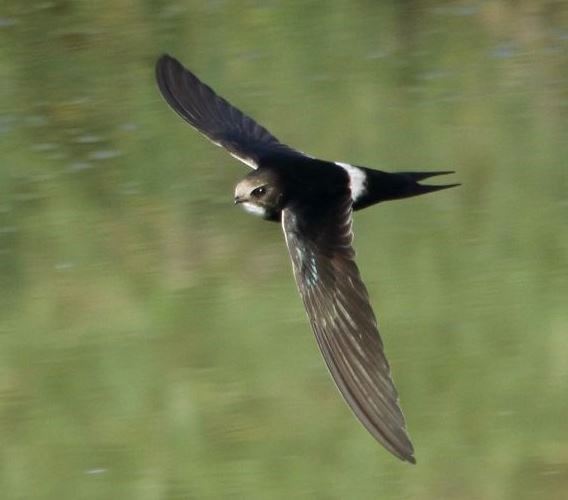
White-rumped swift
Apus caffer Transport networks and other hard-surfaced areas
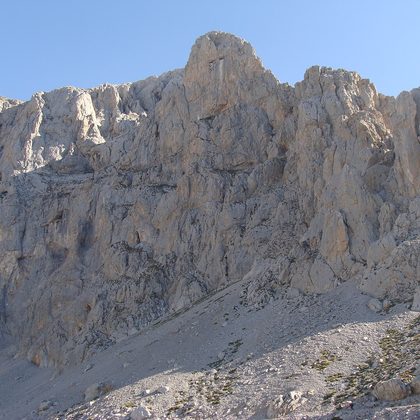 Inland cliffs, rock pavements and outcrops
 Sparsely wooded grasslands
-
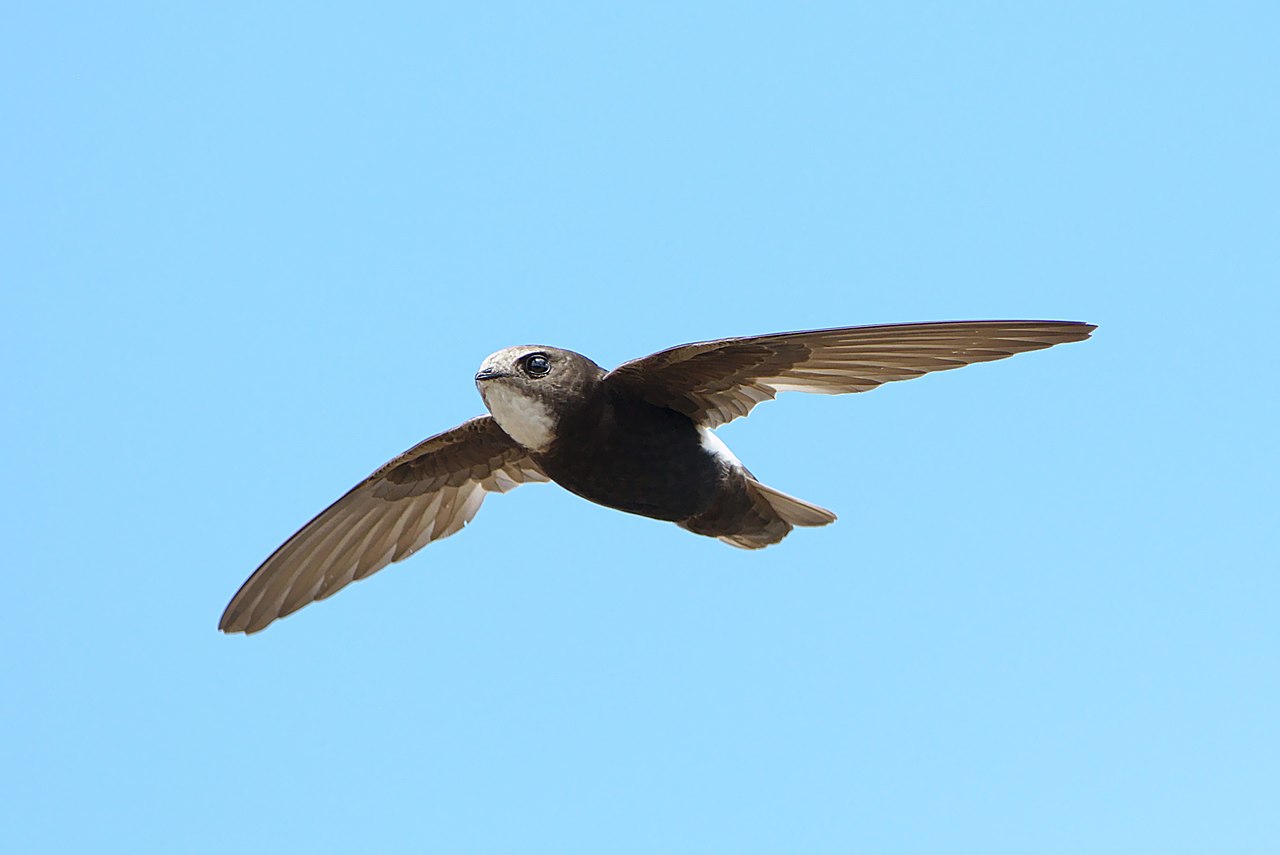
Little swift
Apus affinis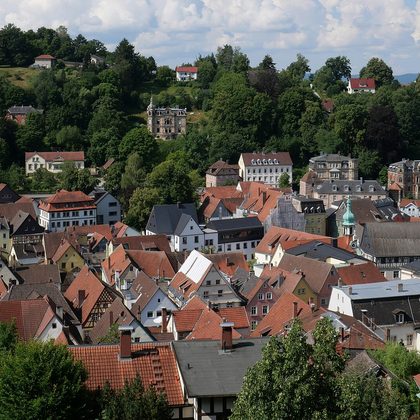 Buildings of cities, towns and villages
- Inland cliffs, rock pavements and outcrops
- Transport networks and other hard-surfaced areas
-
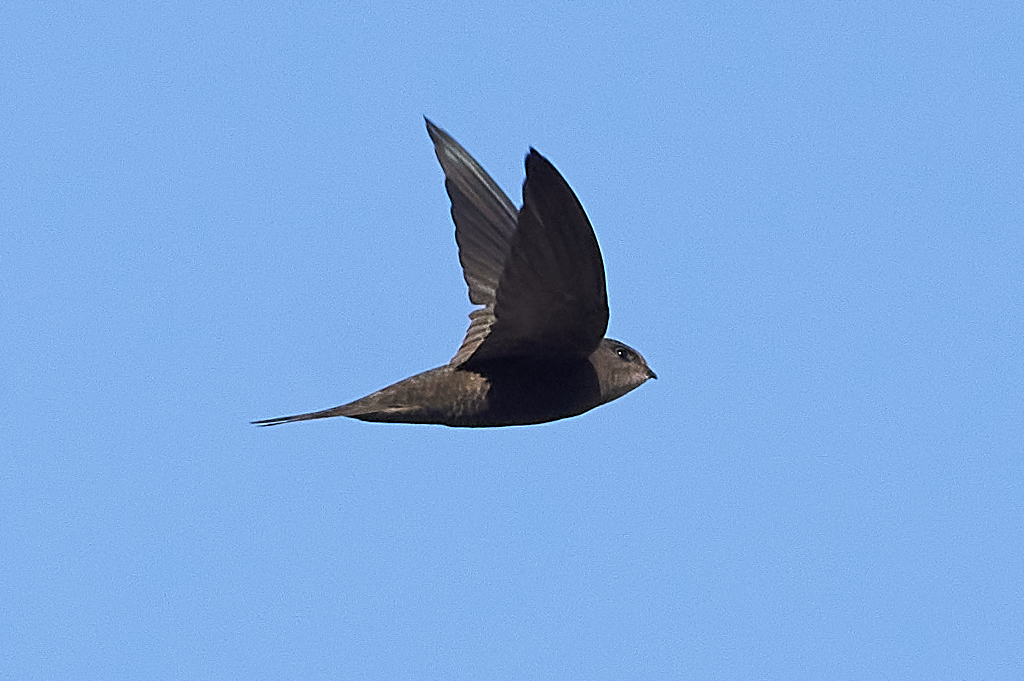
Plain swift
Apus unicolor Rock cliffs, ledges and shores
- Inland cliffs, rock pavements and outcrops
- Buildings of cities, towns and villages
-

Common swift
Apus apus- Buildings of cities, towns and villages
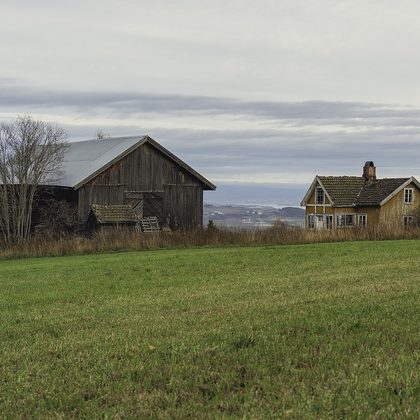 Low density buildings
-

Pallid swift
Apus pallidus- Buildings of cities, towns and villages
- Low density buildings
- Rock cliffs, ledges and shores
- Inland cliffs, rock pavements and outcrops
Vagrants 1 species
Birds blown in from other continents. They have no range here, and so no distribution map.