All species › Waterfowl › Ducks, geese and swans › Northern shoveler
Northern shoveler | Spatula clypeata
Slobeend | Cuchara común
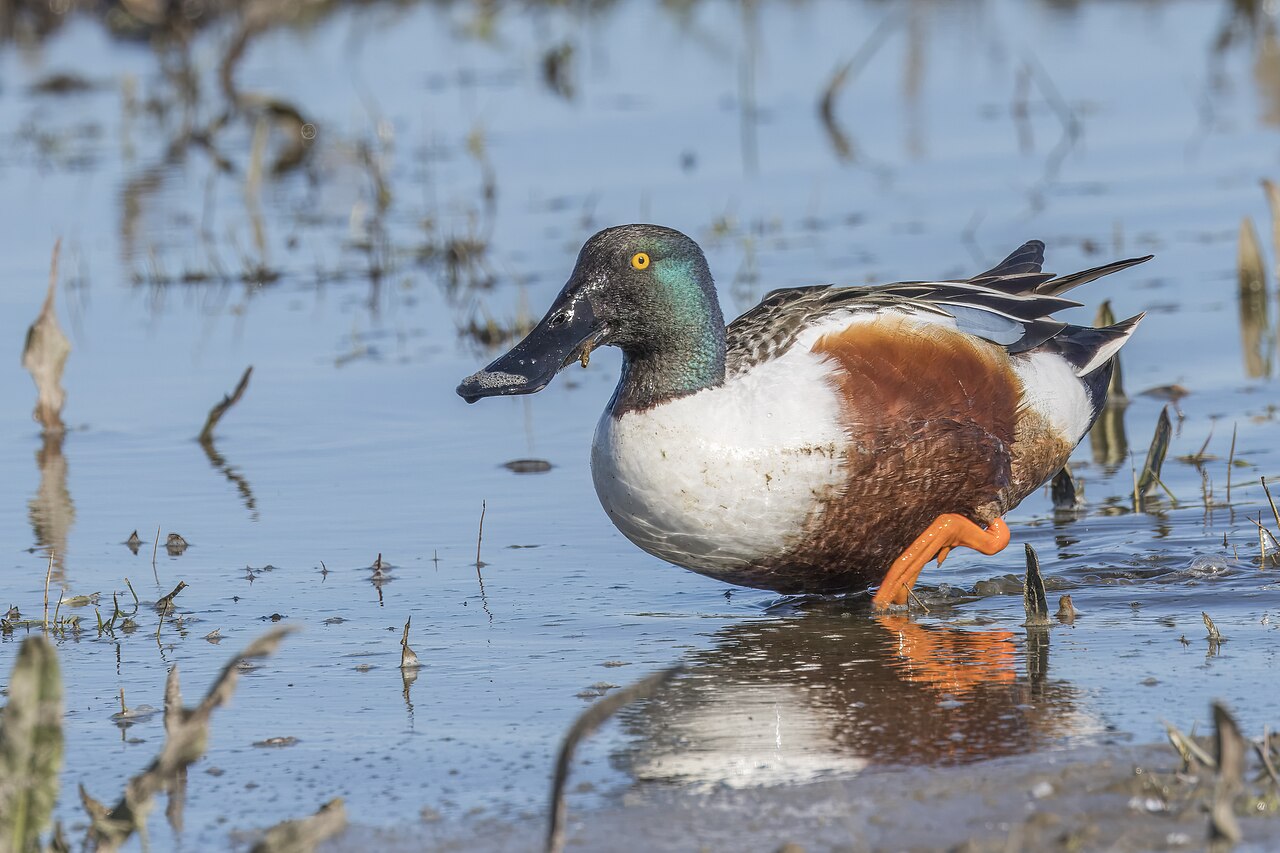
No European duck is easier to name by its bill: a spatulate shovel that sieves the water. Shovelers swim low and front-heavy, often in small circling parties that stir the sediment together.
Click a thumbnail to switch the photo above.
Voice
The male gives a muffled, wooden double took-took or shlop-shlop, like two sticks tapped together; the female a soft descending series of quacks. Heard mainly in March and April during display flights, when males drive a female over the marsh.
Recording: Bubulcus — CC BY 3.0 · Wikimedia Commons
Identification
The huge bill, widened towards the tip, decides every plumage. The male has a dark green head, white breast, chestnut flanks and yellow eyes; in eclipse he turns mottled brown but keeps the pale blue forewing and the yellow iris. The female is mottled brown with orange bill sides and a green speculum behind a pale blue forewing.
Confusion species
Only females raise doubt, usually against Mallard or Garganey. The bill is always longer and broader than the head looks deep, and it tips the bird forward in the water. She shares the pale blue forewing with Garganey, but that species is much smaller and far finer-built.
Habitat
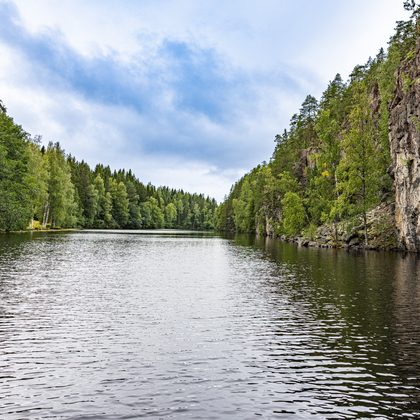
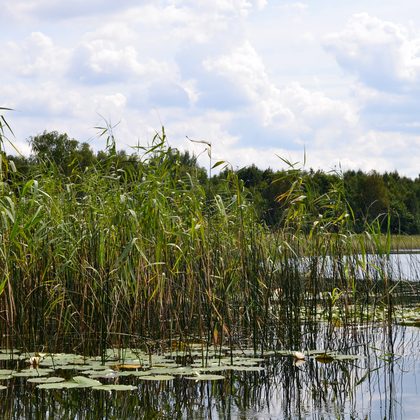
Shallow, plankton-rich and silty water: marshes, wet grassland with muddy shallows, clay pits, saltmarsh and algae-rich ditches. Breeds in rough grassland close to water. Feeds by filtering at the surface, and parties sometimes rotate in a carousel behind one another to stir food up from the bottom.
Where the bird is most at home, classified with EUNIS — the European standard for habitats.


Range and movements
Breeds from western Europe to Siberia. The Netherlands, with its peat meadow districts and the Delta, holds one of the key west European breeding populations. Large numbers pass through and winter in Iberia, concentrated at Doñana, the Ebro delta and the Albufera rice fields.
- Resident
- Breeding (summer)
- Winter
- Passage
- dark = core range, pale = thinly spread
How and when to look
Visit shallow flooded grassland in the peat meadows in April and go early in the morning. Look for ducks ploughing the surface with the bill, and watch for display flights: a female pursued by several white-breasted males on fast, humming wings.
Conservation status
Slowly declining in Europe through drainage, early mowing and the loss of herb-rich wet grassland. In the Netherlands numbers outside reserves have fallen while managed marshes still hold good densities. The species is sensitive to spring water-level drawdown and to nest predation in short grass.
Scientific name
Spatula clypeata | (Linnaeus, 1758)
Linnaeus described the species in 1758 as Anas clypeata; because it was later moved to another genus, the author and year stand in brackets. The genus Spatula was introduced in 1822 by Boie. Spatula is Latin for 'spoon' or 'spatula', after the broad, spoon-shaped bill of the shoveler. clypeata is Latin for 'shield-bearing', from clypeus 'shield'. The specimen the first description was based on came from southern Sweden.