All species › Waterfowl › Ducks, geese and swans › Garganey
Garganey | Spatula querquedula
Zomertaling | Cerceta carretona
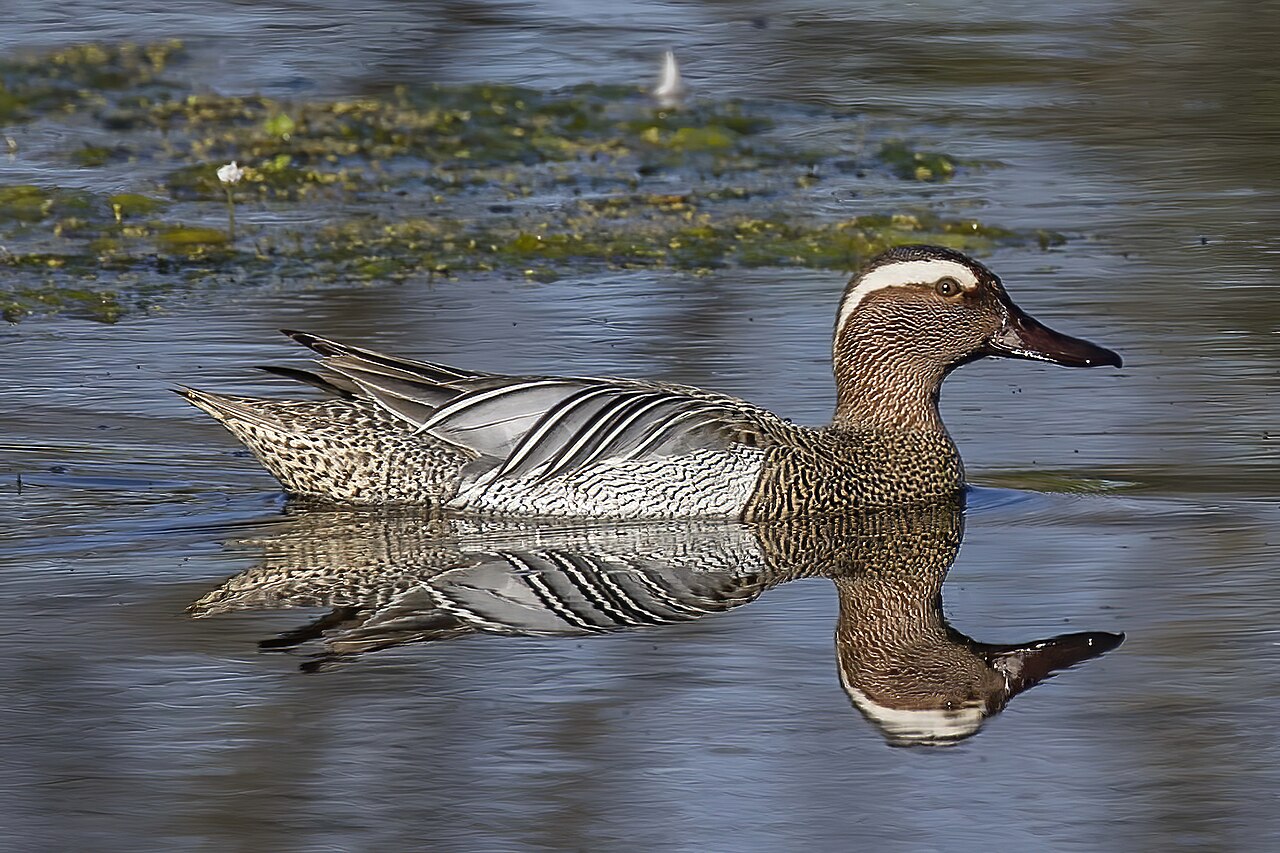
The only duck to leave the Netherlands completely: every Garganey winters in tropical Africa. In spring the male carries a broad white supercilium sweeping like a sickle across the brown head.
Click a thumbnail to switch the photo above.
Voice
The male's call is unique and unmistakable: a dry rattling krrrrr, like running a nail down a comb. It is given mainly in April and May, at dusk and through the night, and carries far across the marsh in calm weather.
Recording: Jochem verweij — CC BY-SA 4.0 · xeno-canto
Identification
The male has a chocolate-brown head with a broad white supercilium reaching onto the nape, a mottled breast and pale, finely vermiculated flanks with a drooping black-and-white scapular. The female and eclipse male are brown with a strongly marked face: dark eye-stripe, pale supercilium, pale spot at the bill base and a whitish throat.
Confusion species
The female is confused mainly with Teal. Garganey shows a far more contrasting face, with an obvious pale spot beside the bill base and a white throat, and her speculum is dull grey-green with broad white borders instead of glossy green. The bill is also longer and uniformly grey.
Habitat
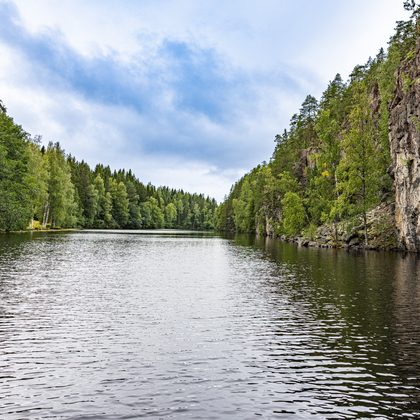
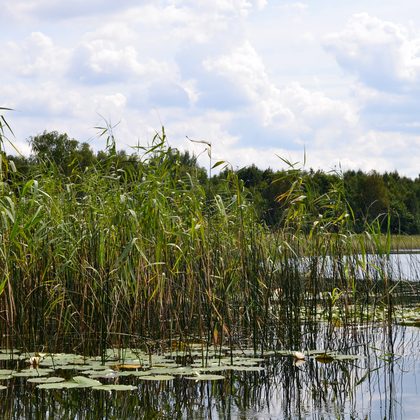
Shallow, herb-rich marsh and wet grassland with open water among sedge and reed: washland, saltmarsh, fen meadow and old clay pits. Avoids deep or bare water. Nests hidden in tall vegetation, usually within a few tens of metres of a ditch or shallow pool.
Where the bird is most at home, classified with EUNIS — the European standard for habitats.


Range and movements
Breeds across temperate Europe to Siberia; in the Netherlands mainly in the peat marshes, the river district and on Wadden saltmarsh. In autumn it crosses Iberia to the Sahel, and the Ebro delta, the Albufera and Doñana are important stopovers in March and August.
- Resident
- Breeding (summer)
- Winter
- Passage
- dark = core range, pale = thinly spread
How and when to look
The best chance is mid-April at sunrise along flooded washland. Stand still and listen for the rattle; Garganey often sit tight against the reed edge and give themselves away by voice before sight. In August eclipse plumages are hard, so work on the face pattern instead.
Conservation status
Declining across Europe through drainage, intensive grassland management and early mowing, compounded by drought and hunting in Sahelian wintering grounds. In the Netherlands it has become a scarce breeder, holding on mainly in reserves with high water tables and late mowing regimes.
Scientific name
Spatula querquedula | (Linnaeus, 1758)
Linnaeus described the species in 1758 as Anas querquedula; because it was later moved to another genus, the author and year stand in brackets. The genus Spatula was introduced in 1822 by Boie. Spatula is Latin for 'spoon' or 'spatula', after the broad, spoon-shaped bill of the shoveler. querquedula is a Latin name for a small duck or teal, thought to imitate the bird's rattling call. The specimen the first description was based on came from Sweden.