All species › Waterfowl › Ducks, geese and swans › Snow Goose
Snow Goose | Anser caerulescens
Sneeuwgans | Ánsar nival | Schneegans | אווז שלג | Oie des neiges
A white North American goose with black wingtips, known in Europe mostly from feral birds. Genuine vagrants from arctic North America turn up among White-fronted and Barnacle Geese and demand careful assessment.
Click a thumbnail to switch the photo above.
Voice
A high, nasal, almost dog-like bark: la-look or a repeated howk-howk, faster and shriller than Greylag or Greater White-Fronted Goose. Large flocks produce continuous yapping. In Europe it is heard most often from birds lifting off among other geese, from October to March.
Recording: Hans Lütgens — CC BY-SA 3.0 · Wikimedia Commons
Identification
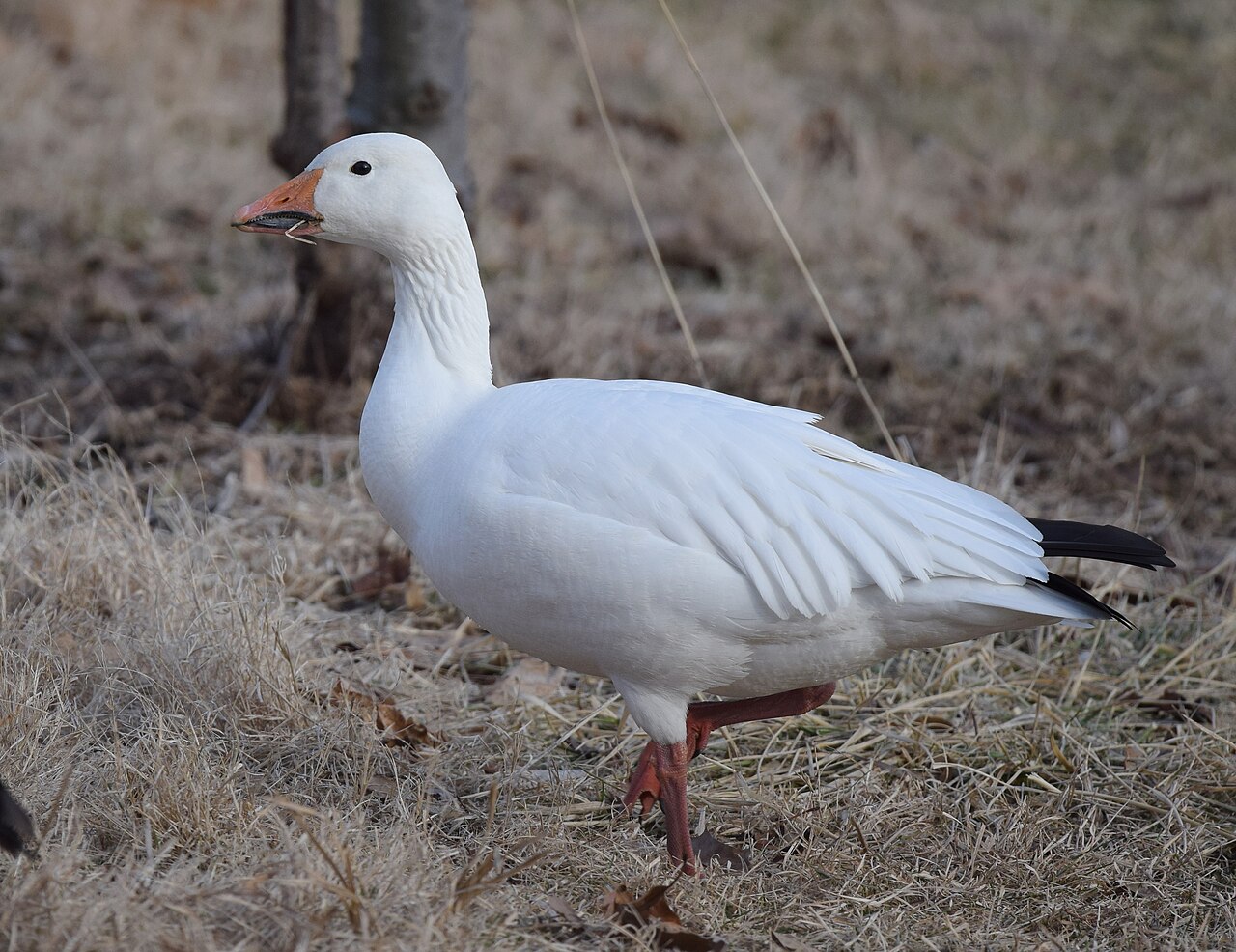
A medium-sized, short-necked goose, snow white with sharply cut black primaries. The heavy pink bill shows a black line along the cutting edge, the grinning patch, and that is the best single feature. The dark morph, the Blue Goose, has a white head and neck on a slate-brown body. Juveniles are dingy grey with a dark bill and dark legs.
Confusion species
Ross's Goose is clearly smaller, with a short triangular bill lacking a grinning patch and a bluish warty base. White farmyard and feral domestic geese account for most false claims: they are heavier-bodied, orange-billed and orange-legged, and lack black primaries. Always take bill colour, leg colour and wingtips together.
Habitat
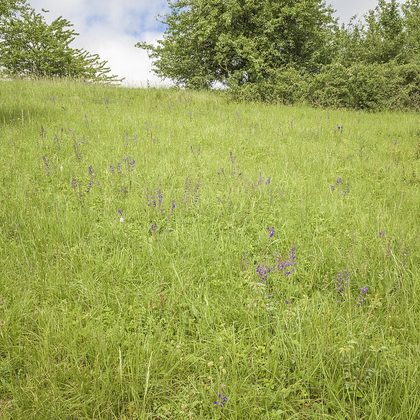
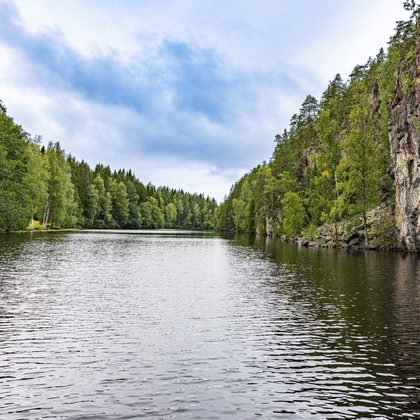
Outside the breeding season on grassland, arable, saltmarsh and flooded polder, almost always in the company of other geese. Roosts on open water and mudflats. Breeds in dense colonies on arctic tundra, often close to the coast and near colonies of eiders or skuas.
Where the bird is most at home, classified with EUNIS — the European standard for habitats.


Range and movements
It breeds across arctic North America, Alaska included, and north-east Siberia and winters further south in North America. In north-west Europe most records concern feral birds from park populations, which breed in the Wadden Sea area among others. Genuine wild birds arrive rarely with arctic White-fronts. In Iberia it is a vagrant.
- Resident
- Breeding (summer)
- Winter
- Passage
- dark = core range, pale = thinly spread
How and when to look
October to March, among the White-fronted and Barnacle Geese of the northern polders and the Wadden islands. Scan big flocks for a white block that does not belong, and work the flock systematically, since the bird often stands at the back. Check for rings and for behaviour: feral birds let people approach closely.
Conservation status
In North America the population has grown explosively, to the point where overgrazing of arctic tundra has led to liberal control shooting. The feral European population stays small but persists and is slowly spreading. Concerns centre on hybridisation with other geese and on the confusion this creates when assessing genuine vagrants.
Scientific name
Anser caerulescens | (Linnaeus, 1758)
Linnaeus described the species in 1758 as Anas caerulescens; because it was later moved to another genus, the author and year stand in brackets. The genus Anser was introduced in 1760 by Brisson. Anser is the Latin word for 'goose'. caerulescens is Latin for 'bluish', from caeruleus 'dark blue', after the blue-grey dark morph. The specimen the first description was based on came from Hudson Bay.