All species › Birds of prey › Kites, Old World vultures, eagles and hawks
Kites, Old World vultures, eagles and hawks | Accipitridae
Havikachtigen | Águilas, milanos y afines | Gaviões, abutres do Velho Mundo e águias
All members share the same equipment: a hooked bill without the tooth falcons carry in the cutting edge, a powerful four-toed foot with sharp talons for holding prey or carrion, and broad wings with spread primary tips for gaining height on thermals, the tail serving as a rudder. They build a stick nest or take over someone else's, and lay small clutches of one to a few eggs, incubated mainly by the female while the male brings in the food. The eggs hatch one after another, so the young differ in size; they are fed on torn-off scraps and do not fledge for weeks. After that they wear a distinct juvenile plumage for one or more years, which makes putting a name to a bird harder in this family than in most other groups. This guide covers 51 species in 26 genera. The rainforest of Amazonia and the Atlantic Forest holds the Harpy Eagle (Harpia), the Crested Eagle (Morphnus), the hawk-eagles of the genus Spizaetus and forest hawks such as Leucopternis and Pseudastur; along marshes and rivers the Snail Kite (Rostrhamus) and Helicolestes hunt apple snails and the Black-collared Hawk (Busarellus) takes fish, and savanna, Cerrado, Llanos and Pantanal are the terrain of the Savanna Hawk (Buteogallus meridionalis), the White-tailed Hawk (Geranoaetus), the White-tailed Kite (Elanus) and the harriers (Circus). The Roadside Hawk (Rupornis) can be seen in almost any semi-open landscape. Also present are hawks of the genera Accipiter, Astur and Microspizias, buteos (Buteo, Parabuteo), Gampsonyx, Leptodon, Chondrohierax, Harpagus and Geranospiza; the Swallow-tailed Kite (Elanoides) and the Plumbeous Kite (Ictinia) are partly migratory. Kites of the genus Milvus occur in the guide area only as vagrants from the Old World.
Native species 50 species
Species that occur here by nature: breeding birds, winter visitors and passage migrants. They are arranged by genus, in the sequence of the list.
Gampsonyx 1 species

Elanus 1 species

Leptodon 2 species
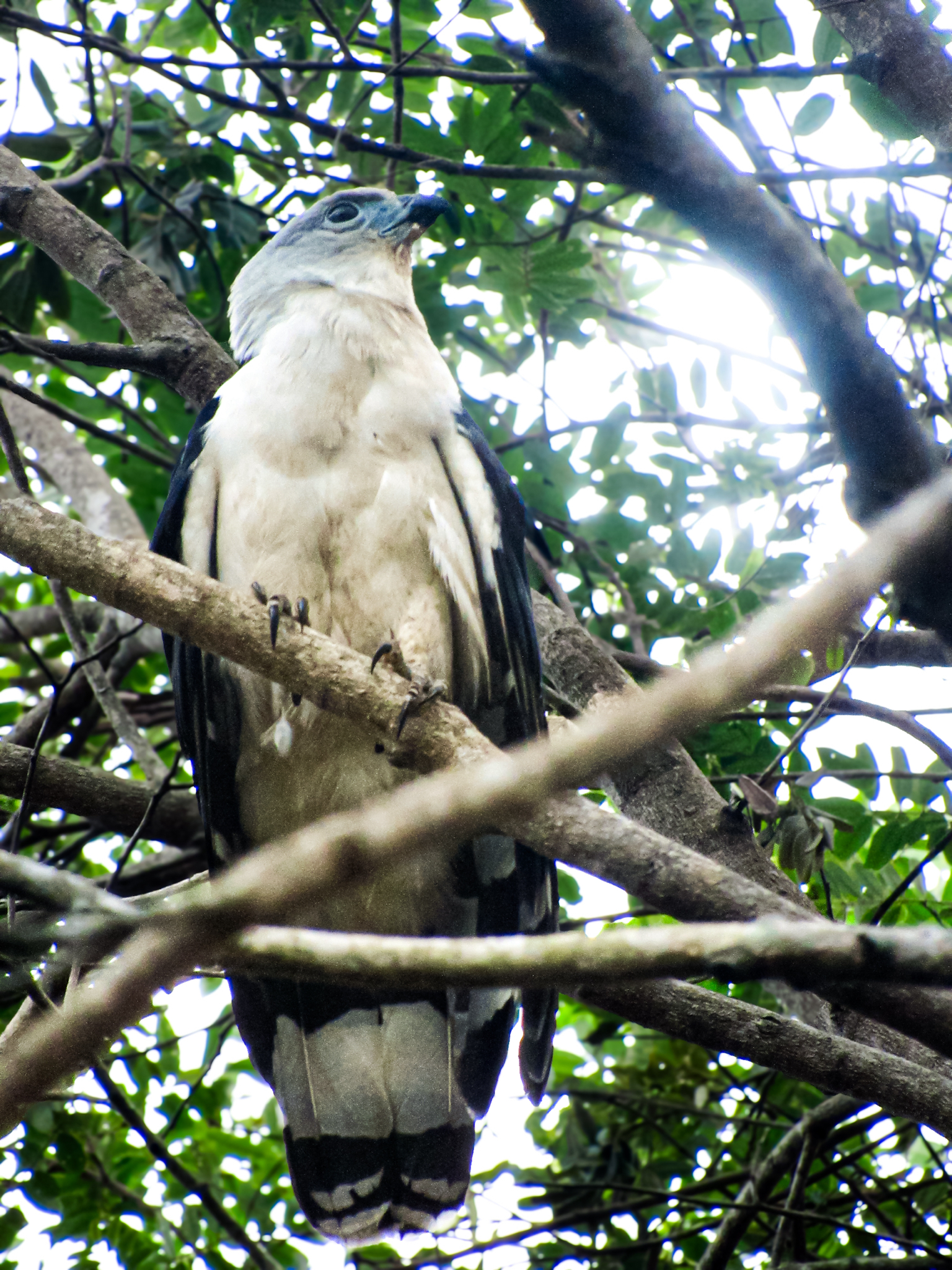

Chondrohierax 1 species


Spizaetus 4 species
-

Black Hawk-Eagle
Spizaetus tyrannus Tall terra firme forest
 Coastal lowland forest
 Secondary forest and forest edge
 Montane forest of the Serra do Mar
 Várzea (whitewater flooded forest)
-

Black-and-white Hawk-Eagle
Spizaetus melanoleucus- Tall terra firme forest
- Secondary forest and forest edge
- Várzea (whitewater flooded forest)
- Coastal lowland forest
-

Ornate Hawk-Eagle
Spizaetus ornatus- Tall terra firme forest
- Coastal lowland forest
- Várzea (whitewater flooded forest)
 Highland forest of the Guiana Shield
 Montane forest of the Venezuelan coastal range
-

Black-and-chestnut Eagle
Spizaetus isidori Montane forest of the Venezuelan Andes and Perijá
- Montane forest of the Venezuelan coastal range
Harpia 1 species

Morphnus 1 species

Accipiter 2 species
-

Grey-bellied Hawk
Accipiter poliogaster- Tall terra firme forest
- Várzea (whitewater flooded forest)
- Coastal lowland forest
 Interior semi-deciduous forest
-

Sharp-shinned Hawk
Accipiter striatus- Montane forest of the Serra do Mar
 Araucaria forest
- Interior semi-deciduous forest
- Montane forest of the Venezuelan Andes and Perijá
- Highland forest of the Guiana Shield

Circus 2 species



Harpagus 2 species
-

Rufous-thighed Kite
Harpagus diodon- Interior semi-deciduous forest
- Coastal lowland forest
 Cerradão and dry woodland
 Veredas and gallery forest
- Tall terra firme forest
-

Double-toothed Kite
Harpagus bidentatus- Tall terra firme forest
- Secondary forest and forest edge
- Várzea (whitewater flooded forest)
- Coastal lowland forest
- Highland forest of the Guiana Shield
Microspizias 2 species
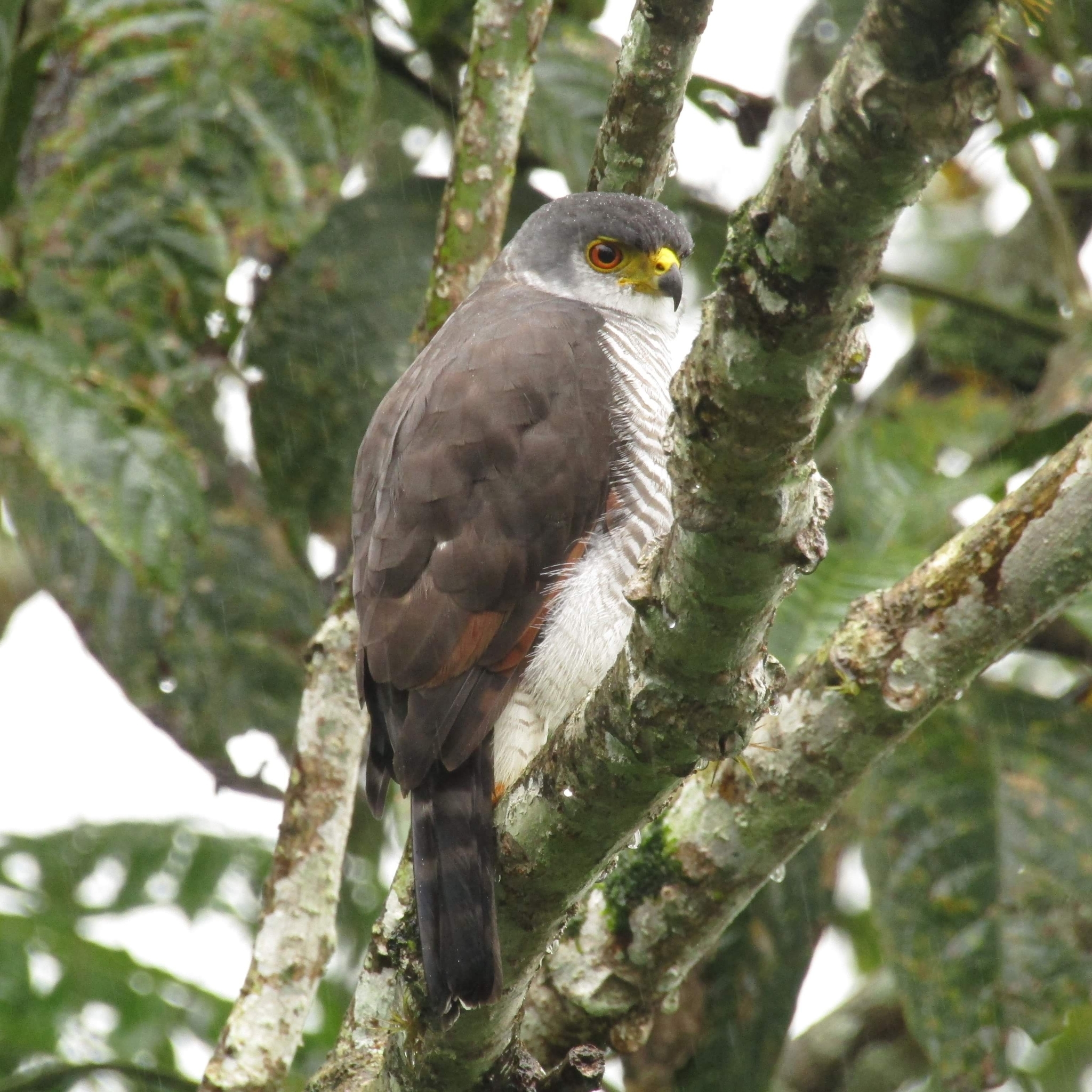

Ictinia 2 species
-

Plumbeous Kite
Ictinia plumbea- Secondary forest and forest edge
- Tall terra firme forest
- Várzea (whitewater flooded forest)
- Veredas and gallery forest
- Coastal lowland forest
 Gallery forest and woodland islands of the Pantanal
-

Mississippi Kite
Ictinia mississippiensis- Cerradão and dry woodland
- Gallery forest and woodland islands of the Pantanal
 Cerrado savanna
- Secondary forest and forest edge
 Pasture and arable land





Helicolestes 1 species


Buteogallus 8 species
-

Slate-colored Hawk
Buteogallus schistaceus- Várzea (whitewater flooded forest)
 Igapó (blackwater flooded forest)
 Blackwater rivers and small streams
 Palm swamps
-

Common Black Hawk
Buteogallus anthracinus Mangroves
 Mudflats, lagoons and salt flats
 Flooded Llanos and esteros
 Dry forest and thorn scrub of northern Venezuela
-

Rufous Crab Hawk
Buteogallus aequinoctialis- Mangroves
- Mudflats, lagoons and salt flats
- Palm swamps
-

Savanna Hawk
Buteogallus meridionalis Llanos savanna
 Savannas of the Guianas
- Cerrado savanna
 Seasonally flooded plain
- Flooded Llanos and esteros
- Pasture and arable land
-

White-necked Hawk
Buteogallus lacernulatus- Coastal lowland forest
 Northeastern coastal forest
- Interior semi-deciduous forest
- Montane forest of the Serra do Mar
-

Great Black Hawk
Buteogallus urubitinga- Várzea (whitewater flooded forest)
 Large rivers and sandbars
- Gallery forest and woodland islands of the Pantanal
- Secondary forest and forest edge
- Mangroves
- Flooded Llanos and esteros
-

Solitary Eagle
Buteogallus solitarius- Montane forest of the Venezuelan coastal range
- Montane forest of the Venezuelan Andes and Perijá
- Highland forest of the Guiana Shield
- Tall terra firme forest
-

Chaco Eagle
Buteogallus coronatus- Cerrado savanna
- Cerradão and dry woodland
 Woodland and scrub of the southern hills
 Pampa grassland
- Gallery forest and woodland islands of the Pantanal

Parabuteo 2 species
-
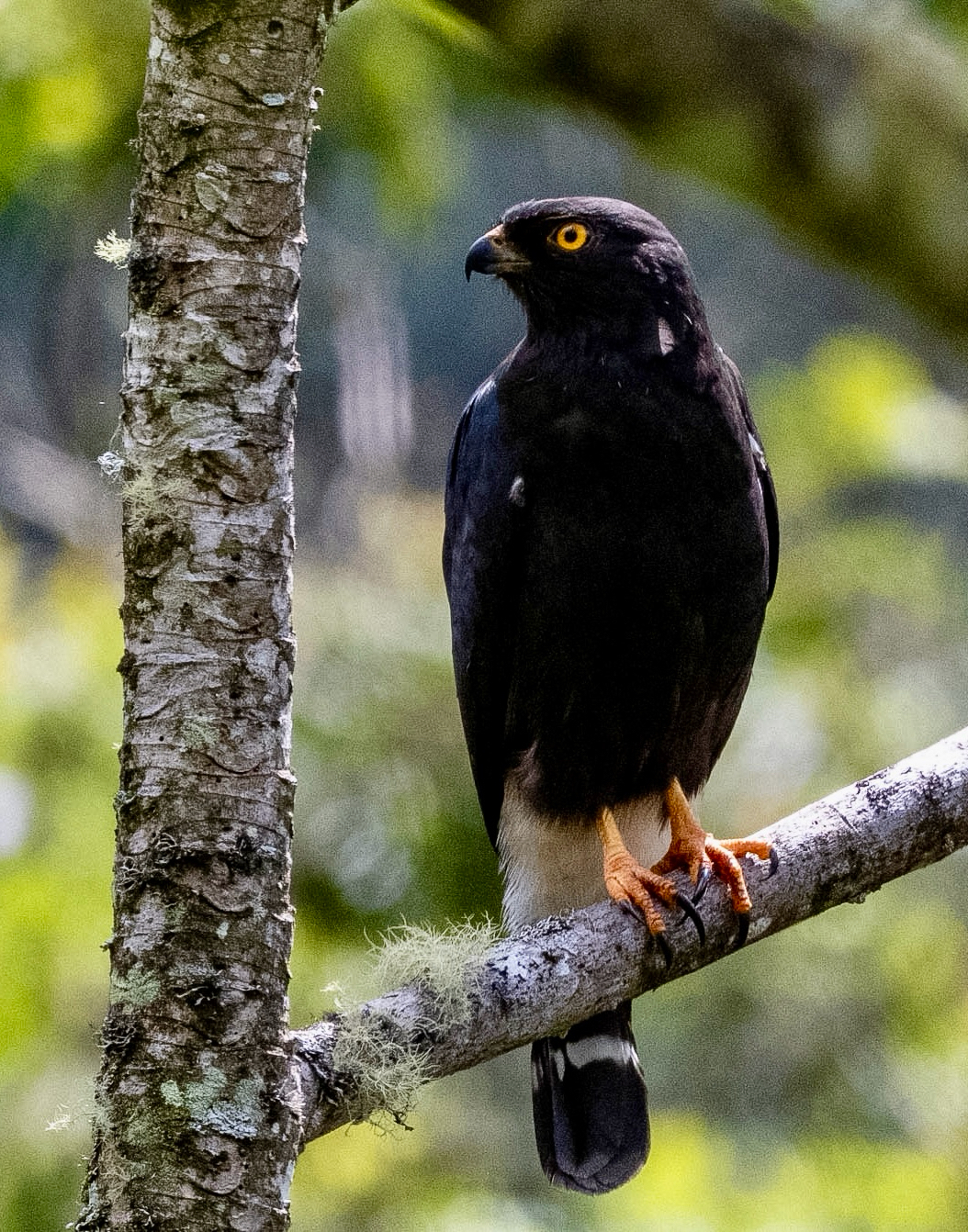
White-rumped Hawk
Parabuteo leucorrhous- Montane forest of the Serra do Mar
- Araucaria forest
- Montane forest of the Venezuelan Andes and Perijá
- Interior semi-deciduous forest
-

Harris's Hawk
Parabuteo unicinctus- Dry forest and thorn scrub of northern Venezuela
 Caatinga scrub
- Llanos savanna
- Seasonally flooded plain
- Pampa grassland
Pseudastur 2 species


Geranoaetus 2 species
-

White-tailed Hawk
Geranoaetus albicaudatus- Cerrado savanna
- Savannas of the Guianas
- Llanos savanna
- Caatinga scrub
- Pasture and arable land
- Pampa grassland
-

Black-chested Buzzard-Eagle
Geranoaetus melanoleucus Campo rupestre and mountain grassland
- Woodland and scrub of the southern hills
- Pampa grassland
- Araucaria forest
- Montane forest of the Venezuelan Andes and Perijá
- Montane forest of the Serra do Mar
Leucopternis 2 species



Buteo 6 species
-

Grey-lined Hawk
Buteo nitidus- Secondary forest and forest edge
- Várzea (whitewater flooded forest)
- Veredas and gallery forest
- Gallery forest and woodland islands of the Pantanal
- Cerradão and dry woodland
- Llanos savanna
-

Broad-winged Hawk
Buteo platypterus- Montane forest of the Venezuelan coastal range
- Montane forest of the Venezuelan Andes and Perijá
- Secondary forest and forest edge
- Highland forest of the Guiana Shield
 Plantations and agroforestry
-

Zone-tailed Hawk
Buteo albonotatus- Secondary forest and forest edge
- Dry forest and thorn scrub of northern Venezuela
- Cerradão and dry woodland
 Dry forest of the north-east
- Veredas and gallery forest
- Savannas of the Guianas
-

White-throated Hawk
Buteo albigula- Montane forest of the Venezuelan Andes and Perijá
-

Short-tailed Hawk
Buteo brachyurus- Secondary forest and forest edge
- Cerradão and dry woodland
- Coastal lowland forest
- Interior semi-deciduous forest
- Tall terra firme forest
 Towns, cities and gardens
-

Swainson's Hawk
Buteo swainsoni- Pampa grassland
- Pasture and arable land
- Llanos savanna
- Cerrado savanna
Vagrants 1 species
Birds blown in from other continents. They have no range here, and so no distribution map.
