All species › Jacamars and puffbirds › Puffbirds
Puffbirds | Bucconidae
Baardkoekoeken | Bucos | Joões-bobos e afins
In this guide the family numbers 29 species in nine genera. Most live in humid lowland forest of Amazonia and the Guianas, among them the nunbirds (Monasa), Bucco, Nonnula, Malacoptila, Micromonacha and Notharchus; beyond it the Crescent-chested Puffbird (Malacoptila striata) lives in the Atlantic Forest, the puffbirds of the genus Nystalus, such as the White-eared and Spot-backed Puffbirds, in the Cerrado, the Caatinga and dry woodland, and Hypnelus in the Llanos and dry forests of Venezuela. They are stocky birds with a large head, a short neck and loose, fluffy plumage in brown, black and white, which makes them look plumper than they are. The bill is stout, often with a small hook at the tip or a crossed point, and is surrounded by bristles. The foot is zygodactyl, with two toes forward and two back. Puffbirds are patient sit-and-wait hunters: they perch motionless for long periods on an open branch in the middle storey, then sally suddenly at a large insect, a spider or a small lizard and beat the prey against the branch before swallowing it. This stillness means they are often overlooked. The nunbirds are the exception, noisy birds that move through the forest in small groups and join in loud, chattering choruses. The Swallow-winged Puffbird (Chelidoptera) is different again: it hunts flying insects from high, bare branches over clearings and rivers, with a swallow-like flight. The nest lies at the end of a tunnel in the ground or in an arboreal termite nest, with two or three white eggs.
Native species 29 species
Species that occur here by nature: breeding birds, winter visitors and passage migrants. They are arranged by genus, in the sequence of the list.
Bucco 3 species
-

Chestnut-capped Puffbird
Bucco macrodactylus Várzea (whitewater flooded forest)
 Secondary forest and forest edge
 Igapó (blackwater flooded forest)
-

Spotted Puffbird
Bucco tamatia- Igapó (blackwater flooded forest)
- Várzea (whitewater flooded forest)
 White-sand forest and campina
 Palm swamps
- Secondary forest and forest edge
-

Collared Puffbird
Bucco capensis Tall terra firme forest
- White-sand forest and campina
- Várzea (whitewater flooded forest)
Nystalus 4 species
-
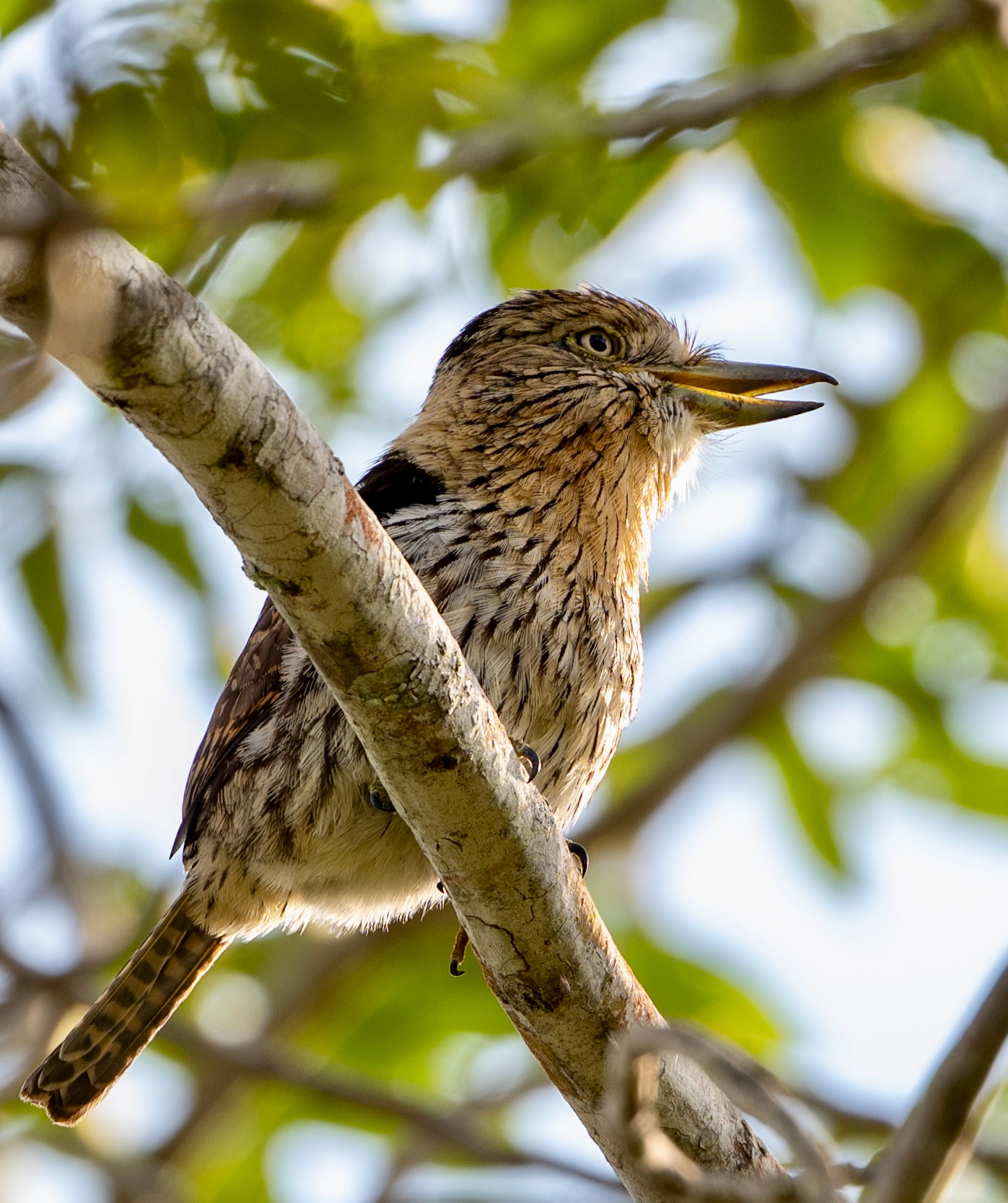
Western Striolated Puffbird
Nystalus obamai- Secondary forest and forest edge
- Tall terra firme forest
 Bamboo and liana forest
-

Eastern Striolated Puffbird
Nystalus striolatus- Secondary forest and forest edge
- Tall terra firme forest
-

White-eared Puffbird
Nystalus chacuru Cerrado savanna
 Cerradão and dry woodland
 Veredas and gallery forest
 Pasture and arable land
 Interior semi-deciduous forest
-

Spot-backed Puffbird
Nystalus maculatus Caatinga scrub
 Dry forest of the north-east
- Cerrado savanna
- Cerradão and dry woodland




Monasa 4 species
-

Black Nunbird
Monasa atra- Tall terra firme forest
- Secondary forest and forest edge
- Igapó (blackwater flooded forest)
-

Black-fronted Nunbird
Monasa nigrifrons- Várzea (whitewater flooded forest)
 Floating meadows and river islands
- Secondary forest and forest edge
 Gallery forest and woodland islands of the Pantanal
- Veredas and gallery forest
-

White-fronted Nunbird
Monasa morphoeus- Tall terra firme forest
- Secondary forest and forest edge
- Bamboo and liana forest
 Coastal lowland forest
-

Yellow-billed Nunbird
Monasa flavirostris- Secondary forest and forest edge
- Tall terra firme forest
- Várzea (whitewater flooded forest)
Nonnula 4 species
-

Rusty-breasted Nunlet
Nonnula rubecula- Tall terra firme forest
- Interior semi-deciduous forest
- Coastal lowland forest
- Veredas and gallery forest
- Secondary forest and forest edge
-

Fulvous-chinned Nunlet
Nonnula sclateri- Tall terra firme forest
- Bamboo and liana forest
- Várzea (whitewater flooded forest)
-

Rufous-capped Nunlet
Nonnula ruficapilla- Tall terra firme forest
- Bamboo and liana forest
- Secondary forest and forest edge
- Igapó (blackwater flooded forest)
-

Chestnut-headed Nunlet
Nonnula amaurocephala- Igapó (blackwater flooded forest)
- Várzea (whitewater flooded forest)
Malacoptila 5 species
-

White-chested Puffbird
Malacoptila fusca- Tall terra firme forest
- Várzea (whitewater flooded forest)
- Secondary forest and forest edge
-

Semicollared Puffbird
Malacoptila semicincta- Tall terra firme forest
- Bamboo and liana forest
- Secondary forest and forest edge
-

Crescent-chested Puffbird
Malacoptila striata- Coastal lowland forest
 Montane forest of the Serra do Mar
- Interior semi-deciduous forest
- Secondary forest and forest edge
-

Rufous-necked Puffbird
Malacoptila rufa- Tall terra firme forest
- Várzea (whitewater flooded forest)
- Secondary forest and forest edge
-

Moustached Puffbird
Malacoptila mystacalis Montane forest of the Venezuelan Andes and Perijá
 Montane forest of the Venezuelan coastal range
 Plantations and agroforestry
Micromonacha 1 species

Hypnelus 2 species





Notharchus 5 species
-

White-necked Puffbird
Notharchus hyperrhynchus- Tall terra firme forest
- Secondary forest and forest edge
- Várzea (whitewater flooded forest)
- Pasture and arable land
-

Guianan Puffbird
Notharchus macrorhynchos- Tall terra firme forest
- Secondary forest and forest edge
- Pasture and arable land
-
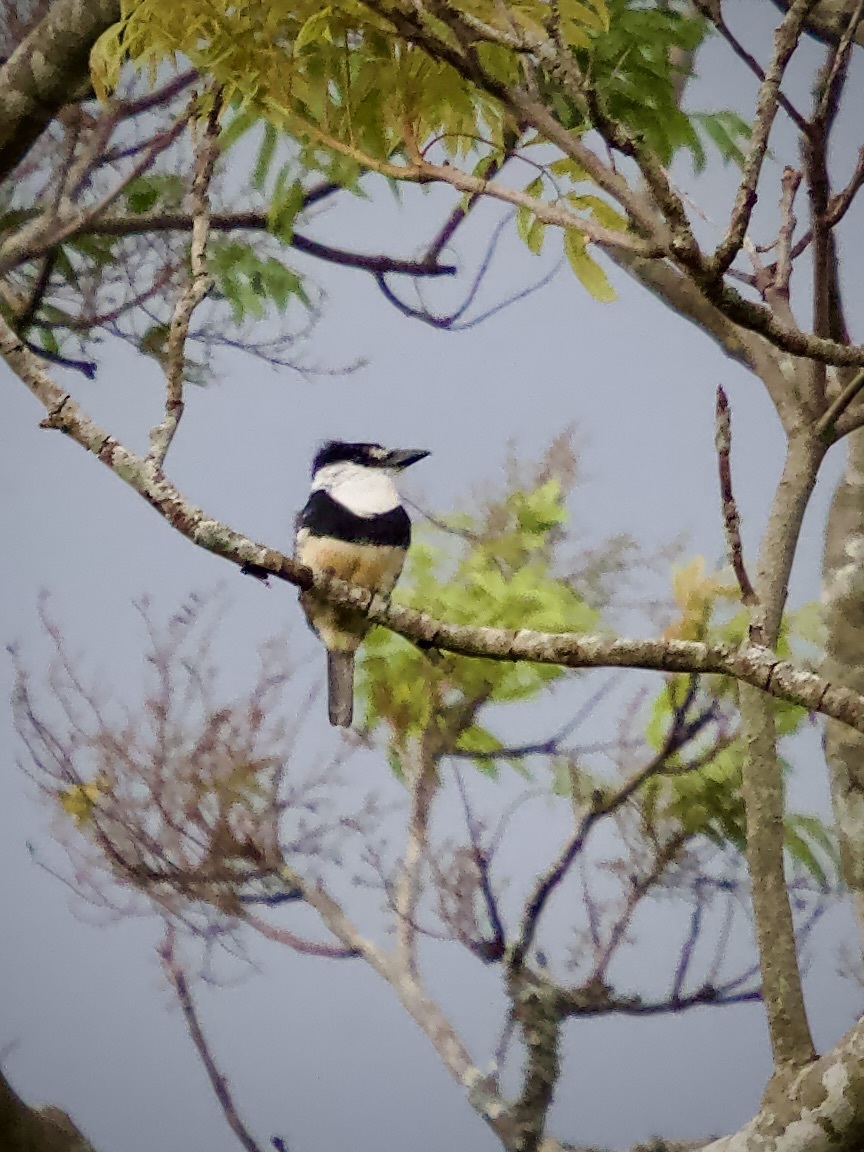
Buff-bellied Puffbird
Notharchus swainsoni- Coastal lowland forest
- Interior semi-deciduous forest
- Montane forest of the Serra do Mar
- Plantations and agroforestry
-
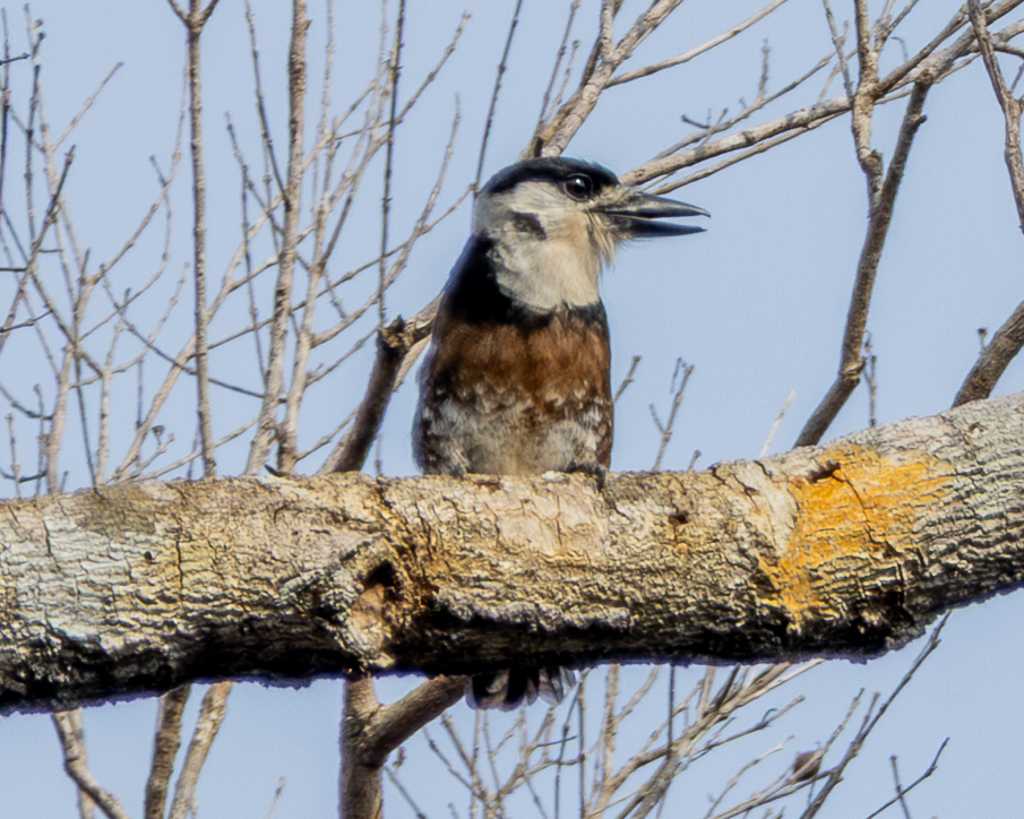
Brown-banded Puffbird
Notharchus ordii- White-sand forest and campina
- Tall terra firme forest
- Igapó (blackwater flooded forest)
-

Pied Puffbird
Notharchus tectus- Secondary forest and forest edge
- Tall terra firme forest
- Várzea (whitewater flooded forest)
 Mangroves
- Plantations and agroforestry