All species › Passerines › New World blackbirds, troupials and allies
New World blackbirds, troupials and allies | Icteridae
Troepialen | Ictéridos | Graúnas, corrupiões e afins
An exclusively American family that does something different from other songbirds with its bill. The bill is straight, sharp and unhooked, and is used not to pinch things shut but to prise them open: the bird pushes the closed tip into a leaf sheath, a fruit or a crack in the bark and then forces the mandibles apart, exposing the food. In this guide the family numbers 47 species in twenty genera, from oropendolas (Psarocolius) and caciques (Cacicus) through the orioles (Icterus) to meadowlarks, marshbirds and cowbirds (Molothrus). In many species the males are boldly patterned in yellow, orange or red against black, while the females stay duller. The oropendolas, such as Crested and Green Oropendolas, and the caciques, such as Yellow-rumped and Red-rumped Caciques, nest in colonies and weave long hanging nests at the branch tips of an isolated tree, often near a wasp nest; the orioles weave smaller pouch nests, and other species build a cup in reeds or a bush. Cowbirds lay their eggs in the nests of other birds: Shiny Cowbird is one of the commonest brood parasites of open country, and Giant Cowbird lays in the nests of oropendolas and caciques. In the Llanos, the Pantanal, the Pampa and the coastal marshes live the species of open, wet grassland, such as Yellow-hooded Blackbird and Scarlet-headed Blackbird. There are also species with small ranges, such as Golden-tufted Grackle on the tepuis and Forbes's Blackbird in north-eastern Brazil, and Saffron-cowled Blackbird of the southern grasslands has declined steeply. In the northern winter orioles arrive from North America, and Bobolink passes through the region to its wintering grounds in the south of the continent. Pampas Meadowlark has been recorded as a vagrant.
Native species 46 species
Species that occur here by nature: breeding birds, winter visitors and passage migrants. They are arranged by genus, in the sequence of the list.
Dolichonyx 1 species

Sturnella 1 species

Leistes 2 species


Amblycercus 1 species

Psarocolius 4 species
-

Russet-backed Oropendola
Psarocolius angustifrons Montane forest of the Venezuelan coastal range
 Montane forest of the Venezuelan Andes and Perijá
 Várzea (whitewater flooded forest)
 Secondary forest and forest edge
 Plantations and agroforestry
-

Green Oropendola
Psarocolius viridis Tall terra firme forest
- Secondary forest and forest edge
- Várzea (whitewater flooded forest)
 Highland forest of the Guiana Shield
-

Crested Oropendola
Psarocolius decumanus- Secondary forest and forest edge
- Várzea (whitewater flooded forest)
- Plantations and agroforestry
 Veredas and gallery forest
 Gallery forest and woodland islands of the Pantanal
 Coastal lowland forest
- Montane forest of the Venezuelan coastal range
-

Olive Oropendola
Psarocolius bifasciatus- Tall terra firme forest
- Várzea (whitewater flooded forest)
- Secondary forest and forest edge
Cacicus 8 species
-

Solitary Cacique
Cacicus solitarius- Várzea (whitewater flooded forest)
 Floating meadows and river islands
- Gallery forest and woodland islands of the Pantanal
- Veredas and gallery forest
- Secondary forest and forest edge
-

Golden-winged Cacique
Cacicus chrysopterus Araucaria forest
 Interior semi-deciduous forest
 Montane forest of the Serra do Mar
 Woodland and scrub of the southern hills
- Veredas and gallery forest
-

Scarlet-rumped Cacique
Cacicus uropygialis- Montane forest of the Venezuelan Andes and Perijá
-

Yellow-rumped Cacique
Cacicus cela- Secondary forest and forest edge
- Várzea (whitewater flooded forest)
 Palm swamps
- Plantations and agroforestry
 Northeastern coastal forest
 Llanos savanna
-

Mountain Cacique
Cacicus chrysonotus- Montane forest of the Venezuelan Andes and Perijá
-
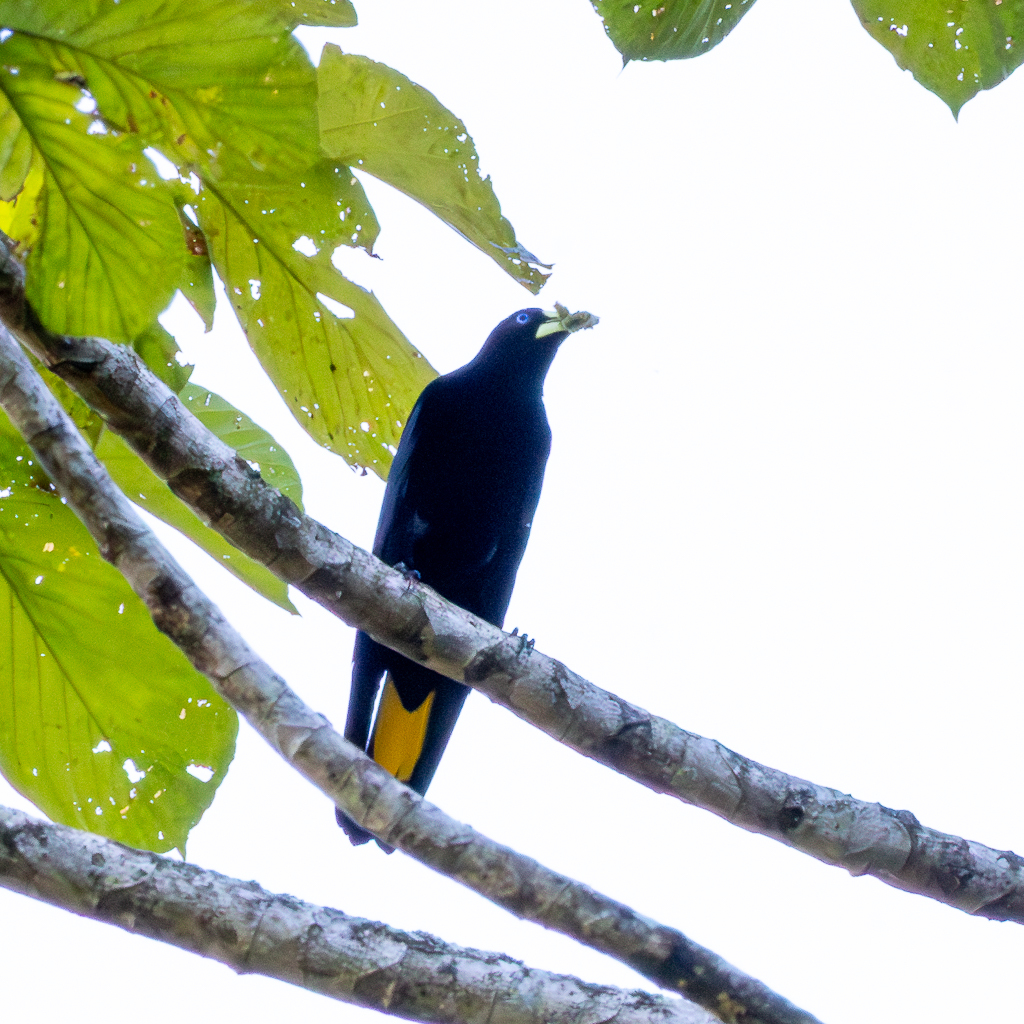
Band-tailed Cacique
Cacicus latirostris- Floating meadows and river islands
- Várzea (whitewater flooded forest)
 Large rivers and sandbars
-

Red-rumped Cacique
Cacicus haemorrhous- Coastal lowland forest
- Tall terra firme forest
- Secondary forest and forest edge
- Interior semi-deciduous forest
- Várzea (whitewater flooded forest)
- Montane forest of the Serra do Mar
-

Casqued Cacique
Cacicus oseryi- Tall terra firme forest
- Várzea (whitewater flooded forest)
- Secondary forest and forest edge
Icterus 9 species
-

Orchard Oriole
Icterus spurius Dry forest and thorn scrub of northern Venezuela
- Plantations and agroforestry
 Towns, cities and gardens
- Secondary forest and forest edge
-

Yellow-backed Oriole
Icterus chrysater- Montane forest of the Venezuelan coastal range
- Montane forest of the Venezuelan Andes and Perijá
- Dry forest and thorn scrub of northern Venezuela
- Plantations and agroforestry
- Secondary forest and forest edge
-

Orange-crowned Oriole
Icterus auricapillus- Dry forest and thorn scrub of northern Venezuela
- Llanos savanna
- Plantations and agroforestry
- Secondary forest and forest edge
- Montane forest of the Venezuelan coastal range
-

Yellow-tailed Oriole
Icterus mesomelas- Secondary forest and forest edge
- Plantations and agroforestry
- Montane forest of the Venezuelan Andes and Perijá
-

Epaulet Oriole
Icterus cayanensis- Secondary forest and forest edge
- Várzea (whitewater flooded forest)
- Palm swamps
- Veredas and gallery forest
- Interior semi-deciduous forest
 Dry forest of the north-east
-
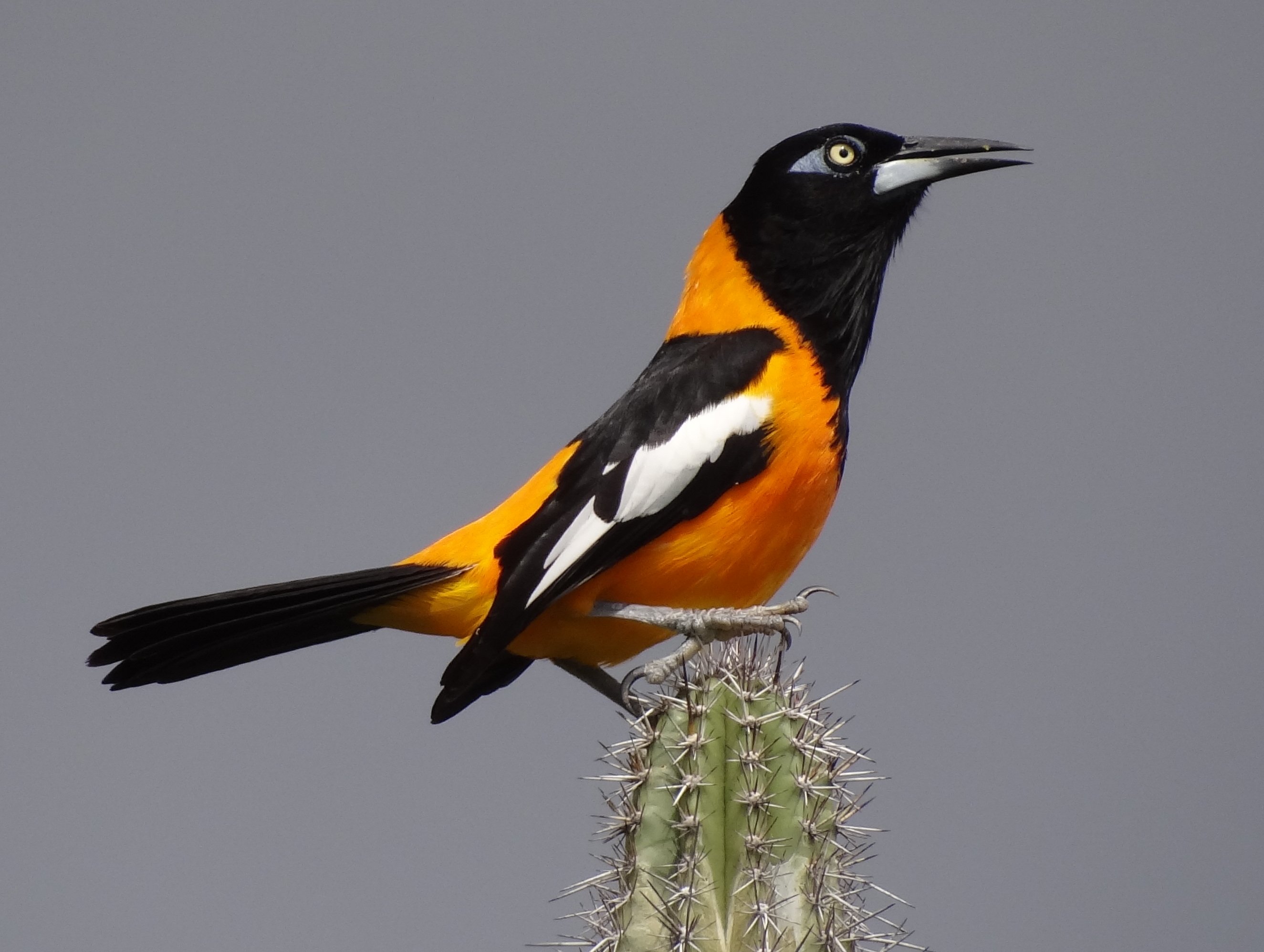
Venezuelan Troupial
Icterus icterus- Dry forest and thorn scrub of northern Venezuela
- Llanos savanna
- Towns, cities and gardens
-

Campo Troupial
Icterus jamacaii Caatinga scrub
- Dry forest of the north-east
 Cerradão and dry woodland
- Towns, cities and gardens
-

Yellow Oriole
Icterus nigrogularis- Dry forest and thorn scrub of northern Venezuela
 Mangroves
- Llanos savanna
- Towns, cities and gardens
 Savannas of the Guianas
-

Baltimore Oriole
Icterus galbula- Montane forest of the Venezuelan Andes and Perijá
- Montane forest of the Venezuelan coastal range
- Plantations and agroforestry
- Towns, cities and gardens
Molothrus 3 species
-

Screaming Cowbird
Molothrus rufoaxillaris Pampa grassland
 Pasture and arable land
 Seasonally flooded plain
 Cerrado savanna
- Caatinga scrub
- Towns, cities and gardens
-

Shiny Cowbird
Molothrus bonariensis- Pasture and arable land
- Towns, cities and gardens
- Secondary forest and forest edge
- Cerrado savanna
- Llanos savanna
- Seasonally flooded plain
-

Giant Cowbird
Molothrus oryzivorus- Secondary forest and forest edge
- Várzea (whitewater flooded forest)
- Large rivers and sandbars
- Pasture and arable land
- Plantations and agroforestry
Quiscalus 2 species


Macroagelaius 1 species
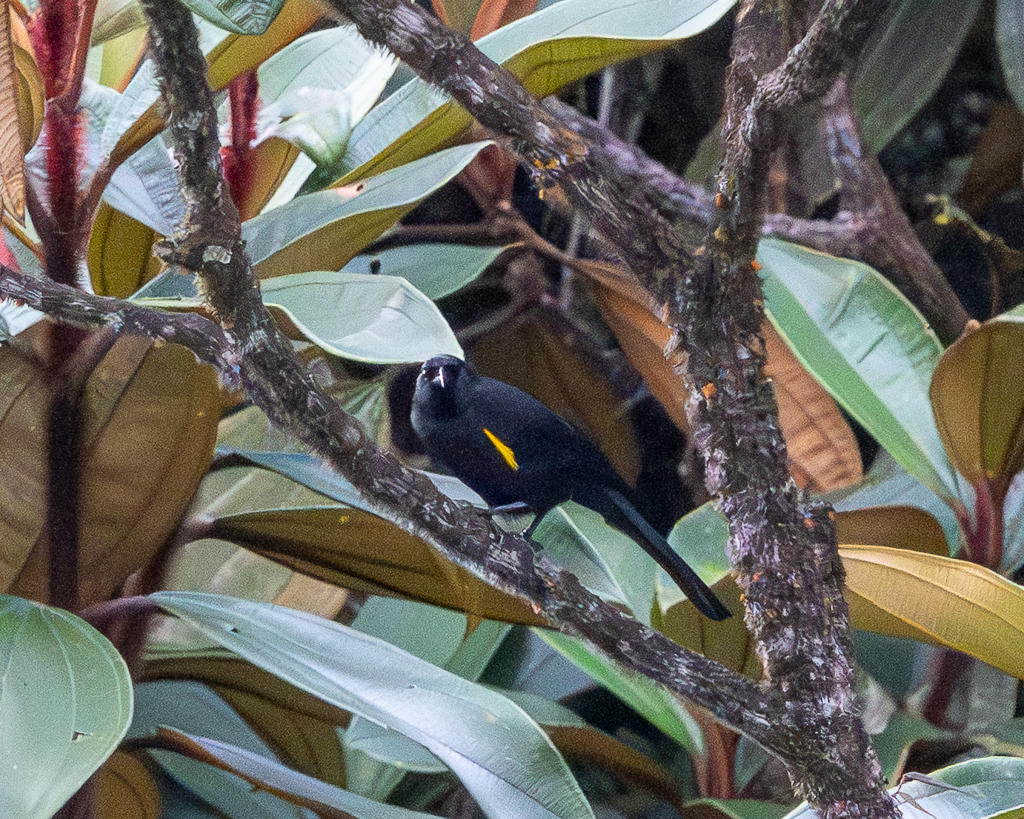

Lampropsar 1 species


Gymnomystax 1 species

Amblyramphus 1 species


Gnorimopsar 1 species

Agelasticus 2 species


Agelaioides 2 species


Chrysomus 2 species
-

Chestnut-capped Blackbird
Chrysomus ruficapillus Southern marshes and lagoons
 Lakes, baías and aquatic vegetation
- Pasture and arable land
- Seasonally flooded plain
 Lakes and reservoirs
-

Yellow-hooded Blackbird
Chrysomus icterocephalus Flooded Llanos and esteros
- Floating meadows and river islands
- Lakes and reservoirs
- Pasture and arable land
 Mudflats, lagoons and salt flats
Xanthopsar 1 species

Pseudoleistes 2 species



Vagrants 1 species
Birds blown in from other continents. They have no range here, and so no distribution map.
