All species › Passerines › Dippers
Dippers | Cinclidae
Waterspreeuwen | Mirlos acuáticos | Dippers
Squat birds with a stubby cocked tail, powerful legs with long toes and strong claws, and exceptionally dense, greasy plumage carrying far more feathers than a songbird of the same size usually does; the preen gland above the tail is proportionally enormous and supplies the oil that keeps the feathers waterproof. Most species dive in from a rock or straight out of flight, row underwater with short rounded wings, and walk along the bed into the current with the head down, so that the flow presses them against the gravel. Below the surface a flap closes the nostrils, a transparent third eyelid slides across the eye, and a heavy skeleton with little air in the bones holds them down. They feed on caddis, mayfly and stonefly larvae and small crustaceans taken from under the stones. The nest is a domed ball of moss with a side entrance, built behind a waterfall, in a rock crevice or bank wall or under a bridge, often just above the spray. In most species the song is loud and sustained and pitched exactly where it will carry over the roar of the water. Worldwide the family holds only five species, every one of them tied to fast-flowing water; in this guide these are the White-capped Dipper, which lives along fast, rocky streams and rivers of the Andes, from the foothills to high in the mountains, and the Rufous-throated Dipper.
Native species 2 species
Species that occur here by nature: breeding birds, winter visitors and passage migrants. They are arranged by genus, in the sequence of the list.
Cinclus 2 species
-
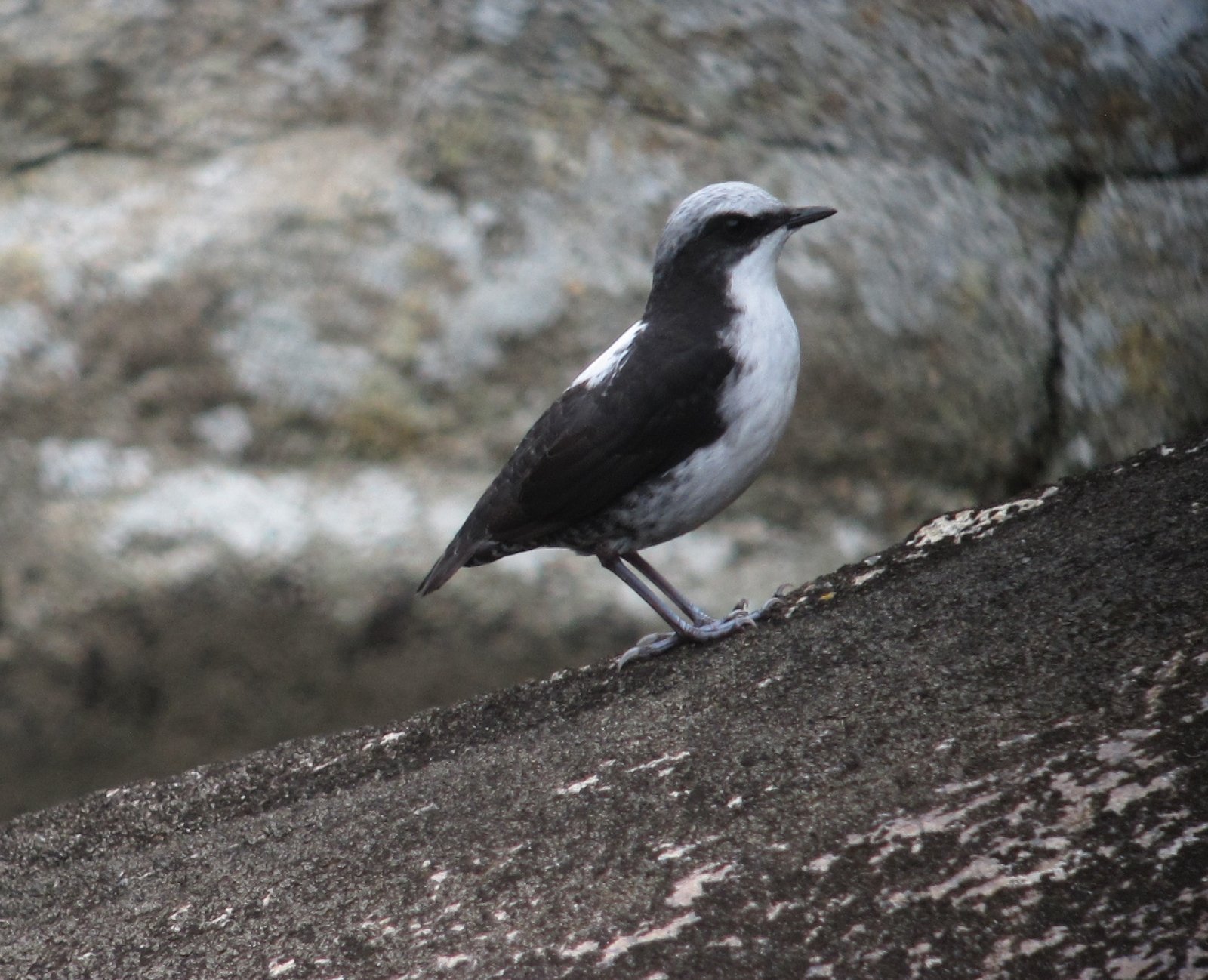
White-capped Dipper
Cinclus leucocephalus Andean rivers and torrents
 Northern Andean cloud forest and temperate forest
 Northern Andean subtropical forest
 Upper Yungas cloud forest
 Lower Yungas forest
 Riparian woodland of the Andes and coastal valleys
-
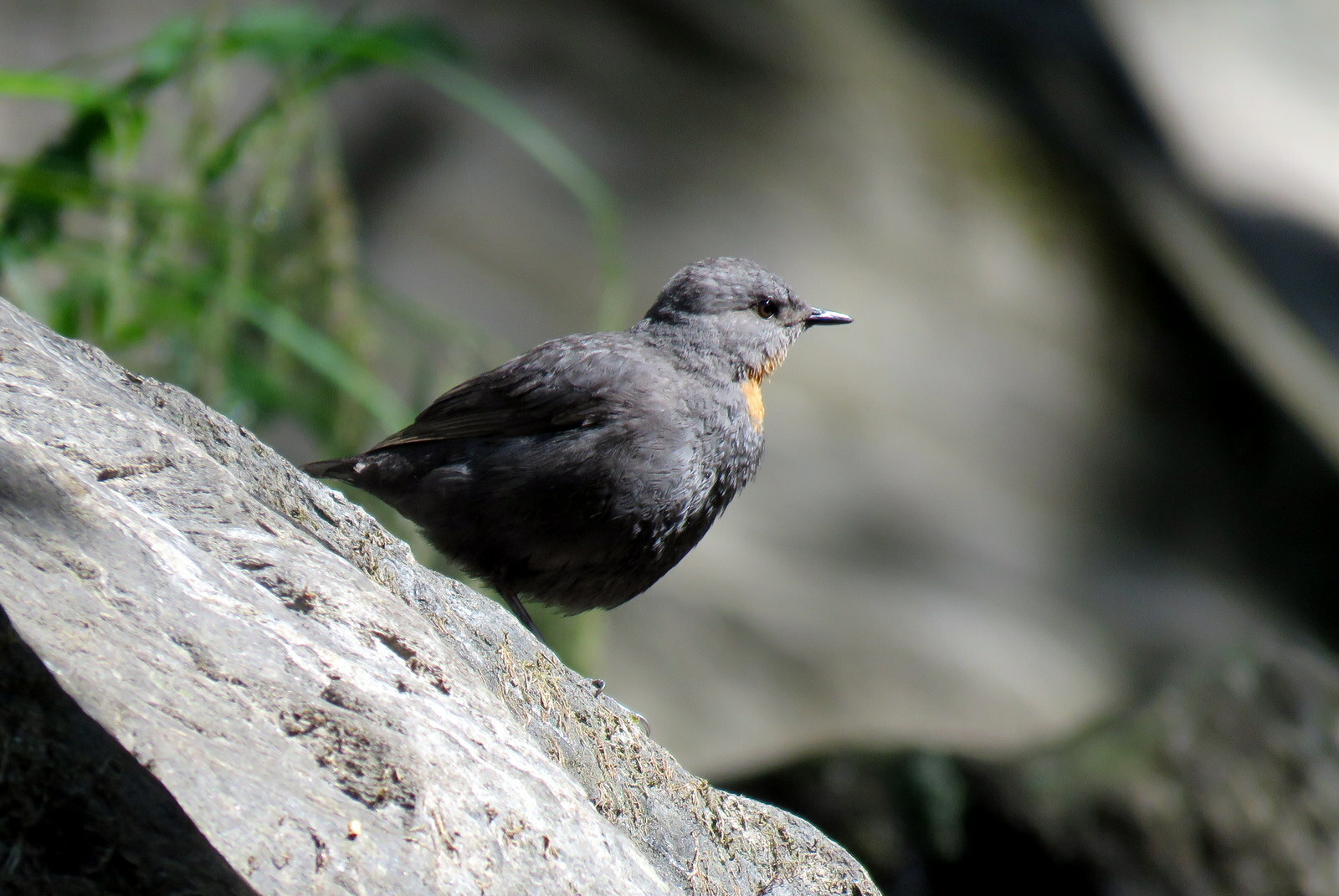
Rufous-throated Dipper
Cinclus schulzii- Andean rivers and torrents
- Upper Yungas cloud forest
- Lower Yungas forest
- Riparian woodland of the Andes and coastal valleys