All species › Waders, gulls and terns › Jaegers and skuas
Jaegers and skuas | Stercorariidae
Jagers | Págalos | Jaegers and skuas
Gull-like in shape, but with a heavier chest, a strongly hooked bill made up of separate horny plates with a fleshy cere over the base, and sharp, curved claws on webbed feet; females are larger than males. The plumage is brown or grey-brown, in several species with a pale and a dark morph side by side, and a white patch at the base of the primaries flashes in flight. They live largely on what other seabirds catch, forcing gulls and terns in long chases to give up their prey, and they also take eggs, chicks and carrion. The five species in this guide breed elsewhere, three on the Arctic tundra and two on the coasts of southern South America and Antarctica, where they lay two eggs in a scrape and defend it with diving attacks; here they are visitors to the fish-rich waters of the Humboldt Current off the west coast.
Native species 5 species
Species that occur here by nature: breeding birds, winter visitors and passage migrants. They are arranged by genus, in the sequence of the list.
Stercorarius 5 species
-
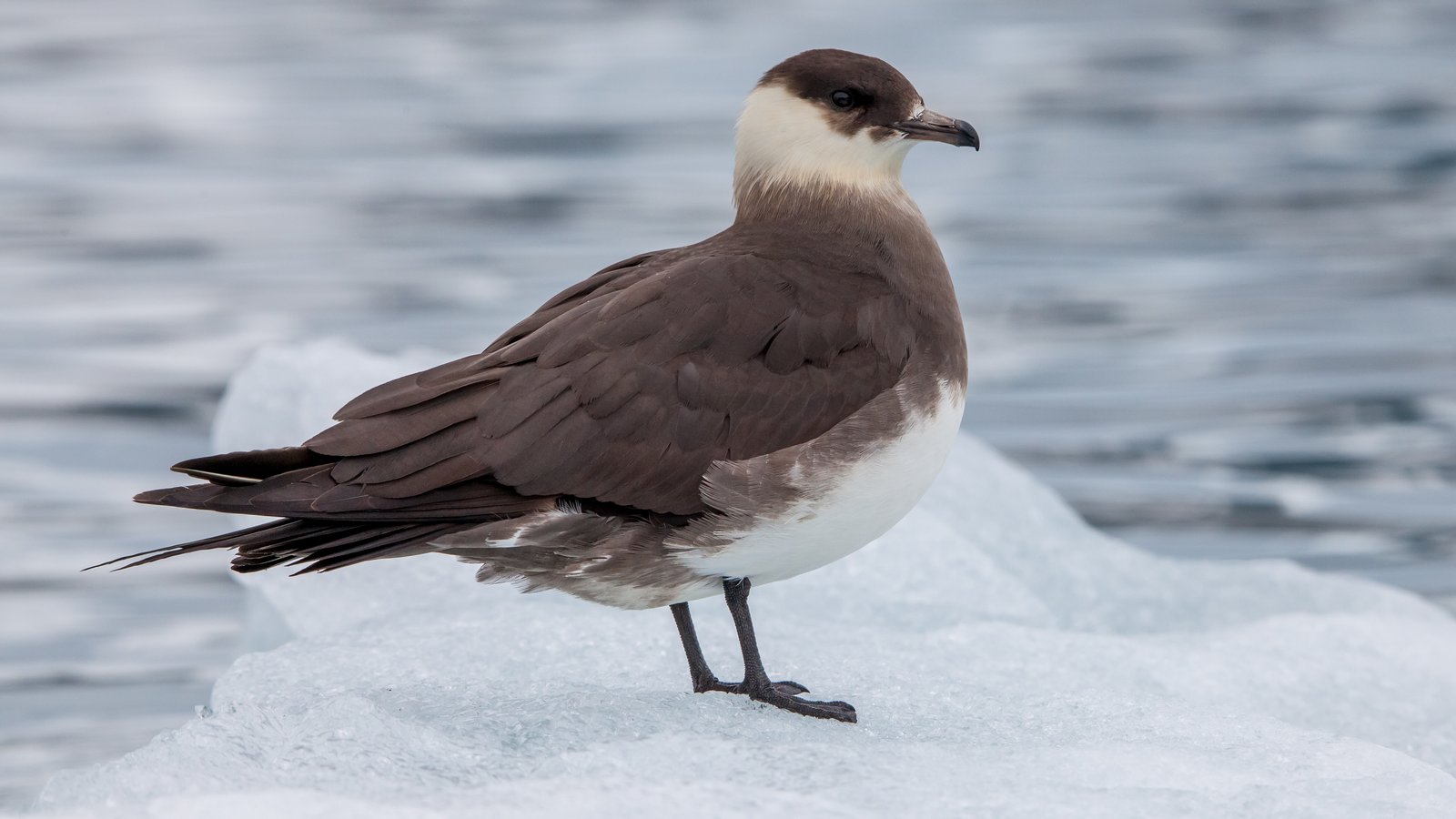
Parasitic Jaeger
Stercorarius parasiticus Humboldt Current and inshore waters
 Sandy beach and dunes
 Tidal flats, lagoons and estuaries
 Open ocean
-
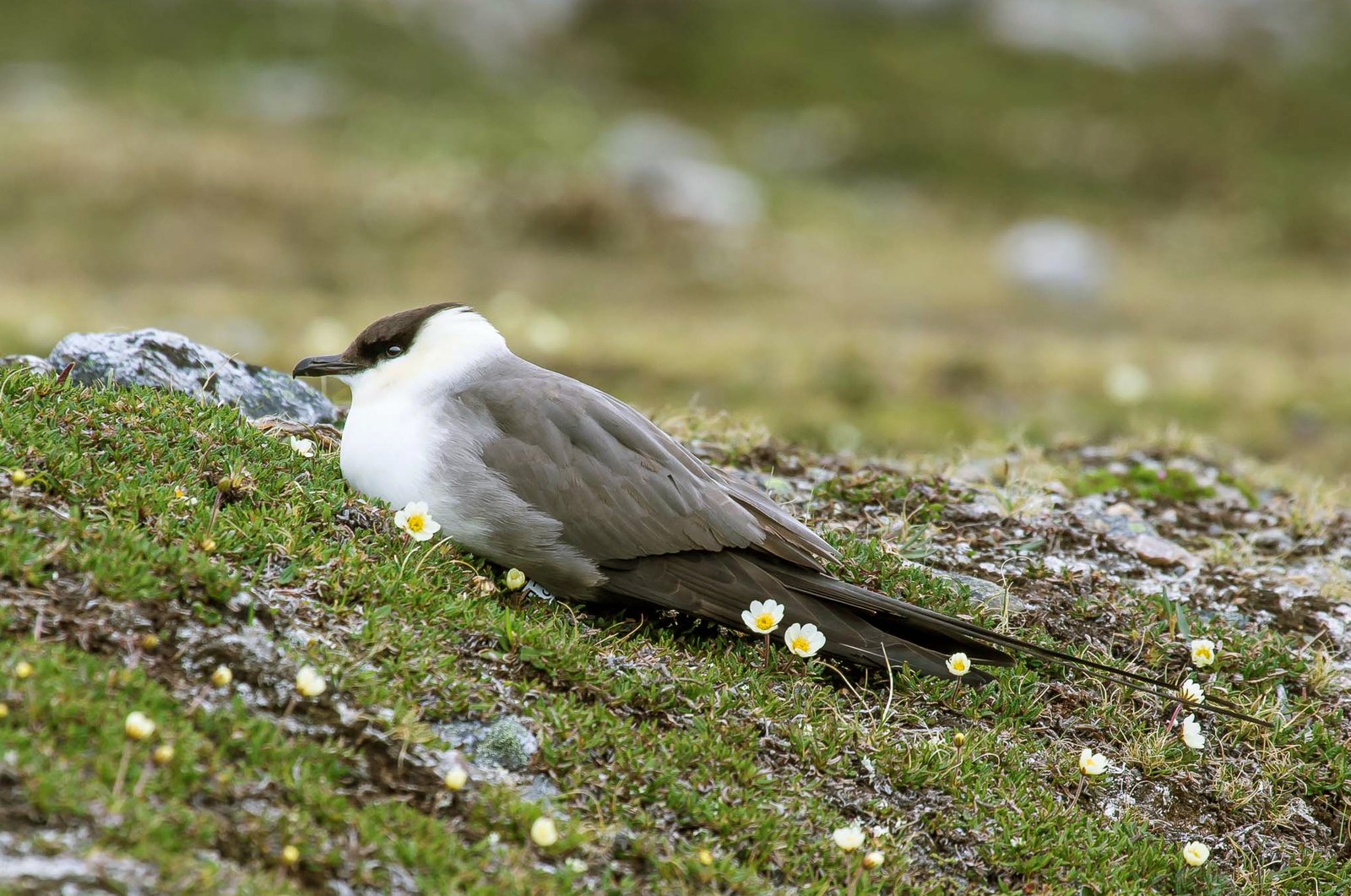
Long-tailed Jaeger
Stercorarius longicaudus- Open ocean
- Humboldt Current and inshore waters
-
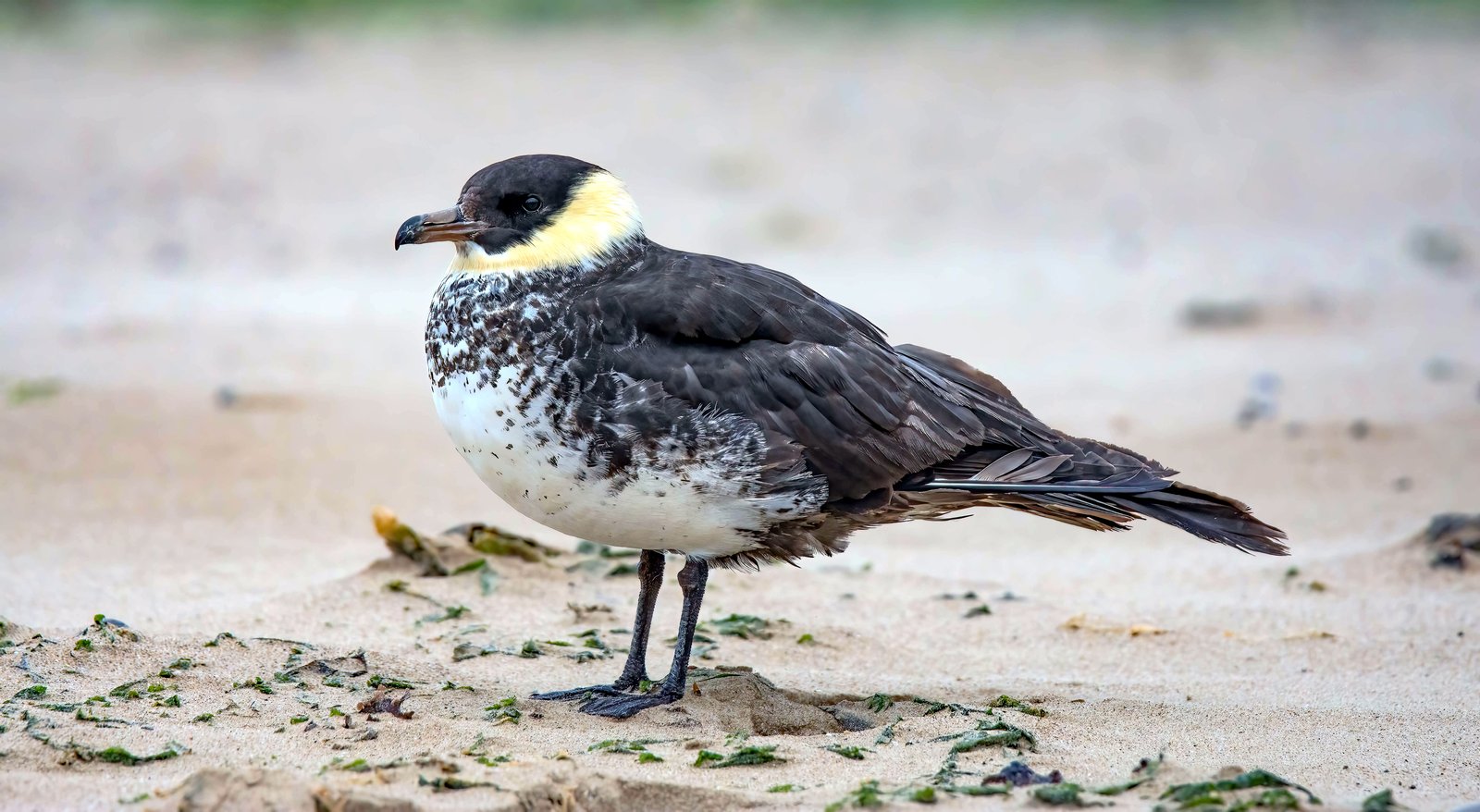
Pomarine Jaeger
Stercorarius pomarinus- Humboldt Current and inshore waters
- Open ocean
- Sandy beach and dunes
-
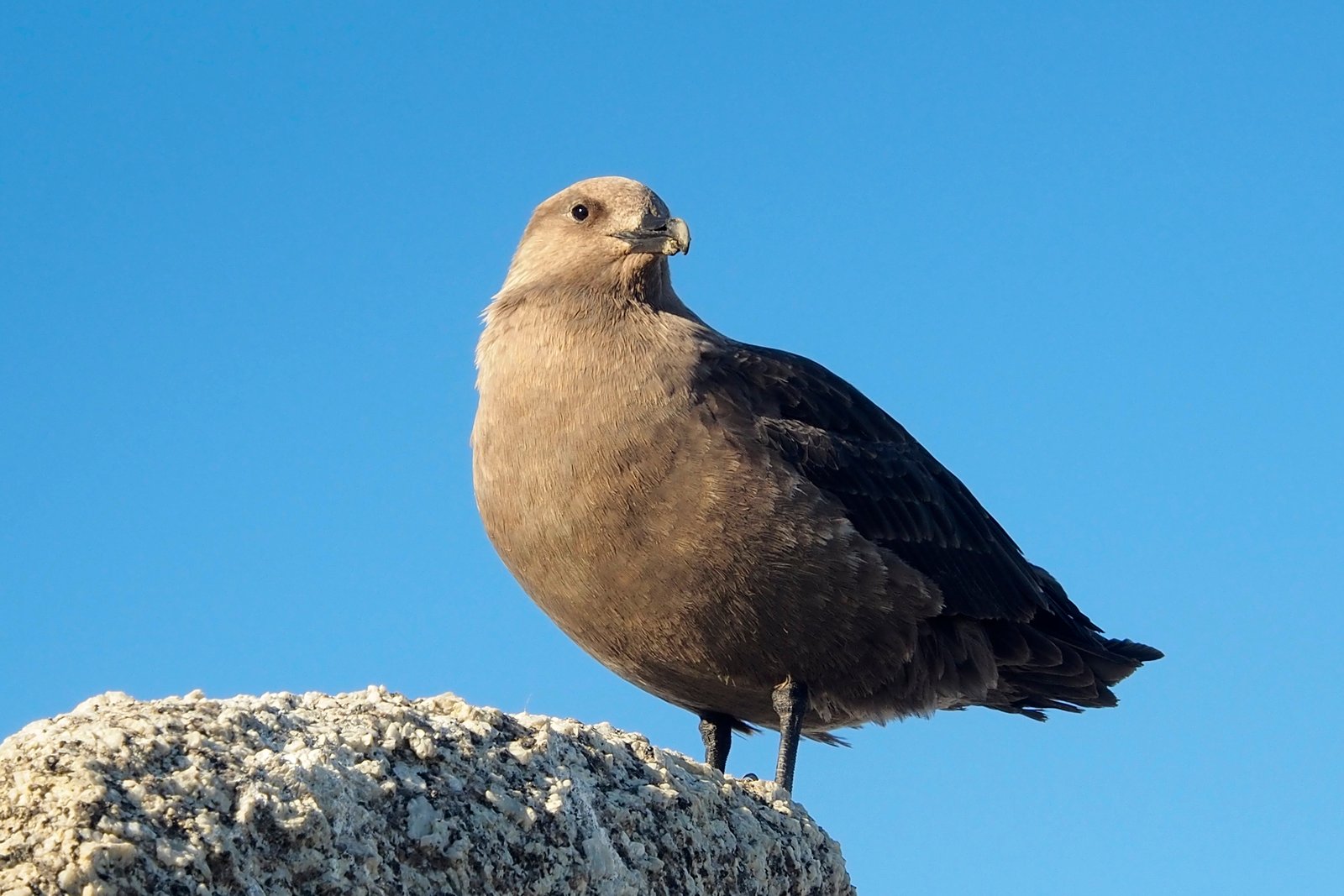
South Polar Skua
Stercorarius maccormicki- Open ocean
- Humboldt Current and inshore waters
-
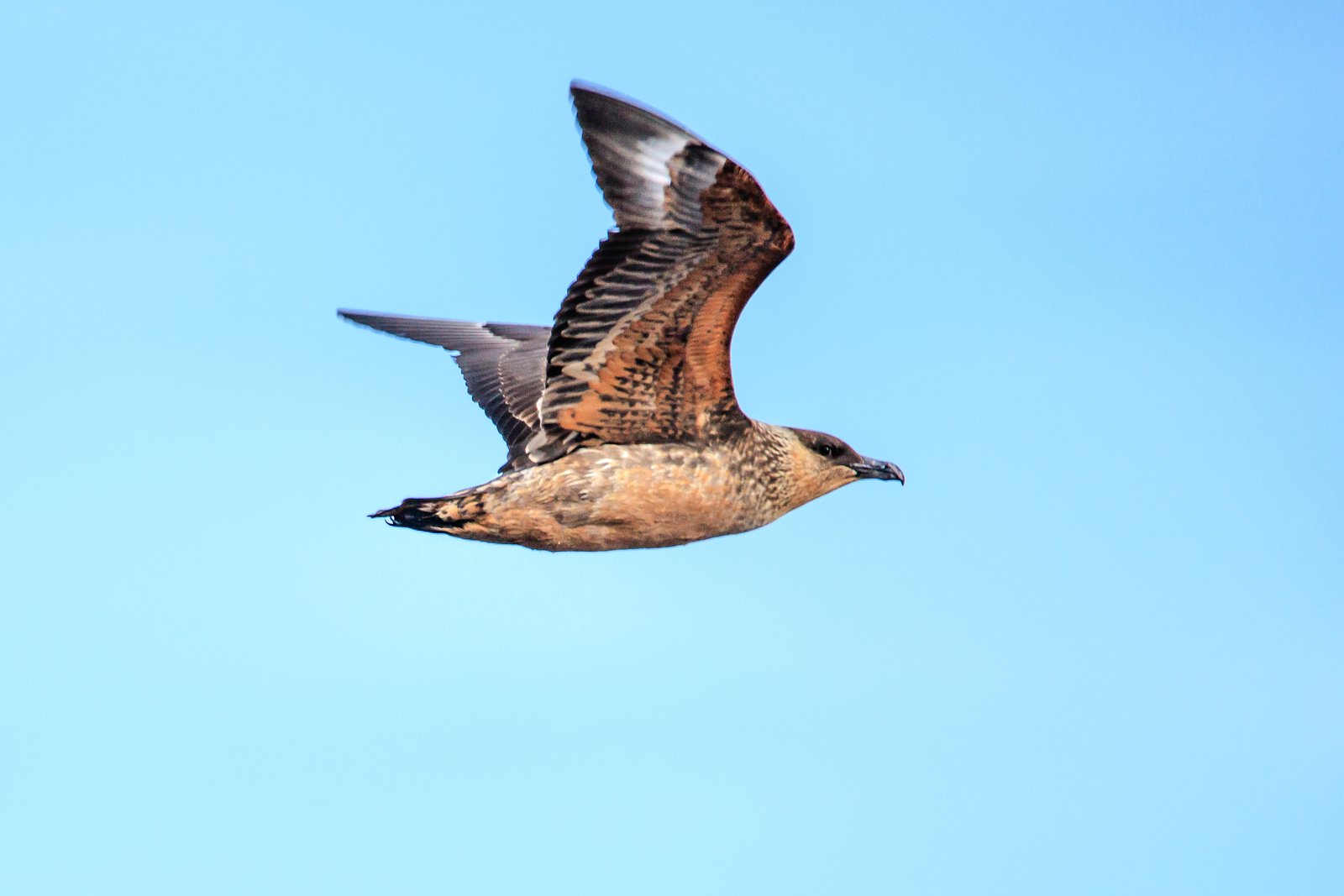
Chilean Skua
Stercorarius chilensis- Humboldt Current and inshore waters
 Guano islands and seabird colonies
 Rocky shore and sea cliffs
- Sandy beach and dunes