Todas as espécies › Storks › Storks
Storks | Ciconiidae
Ooievaars | Storks | Cigüeñas
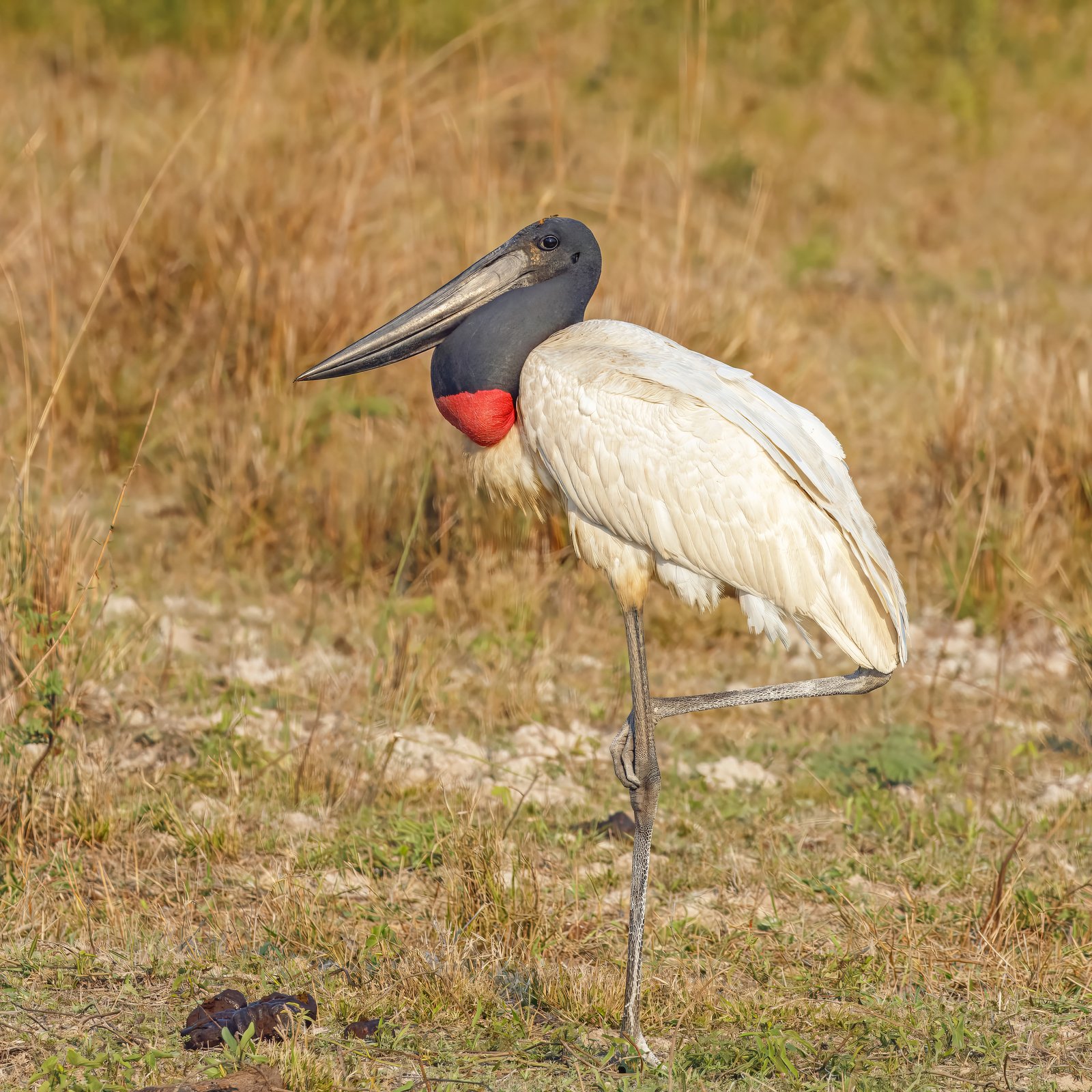
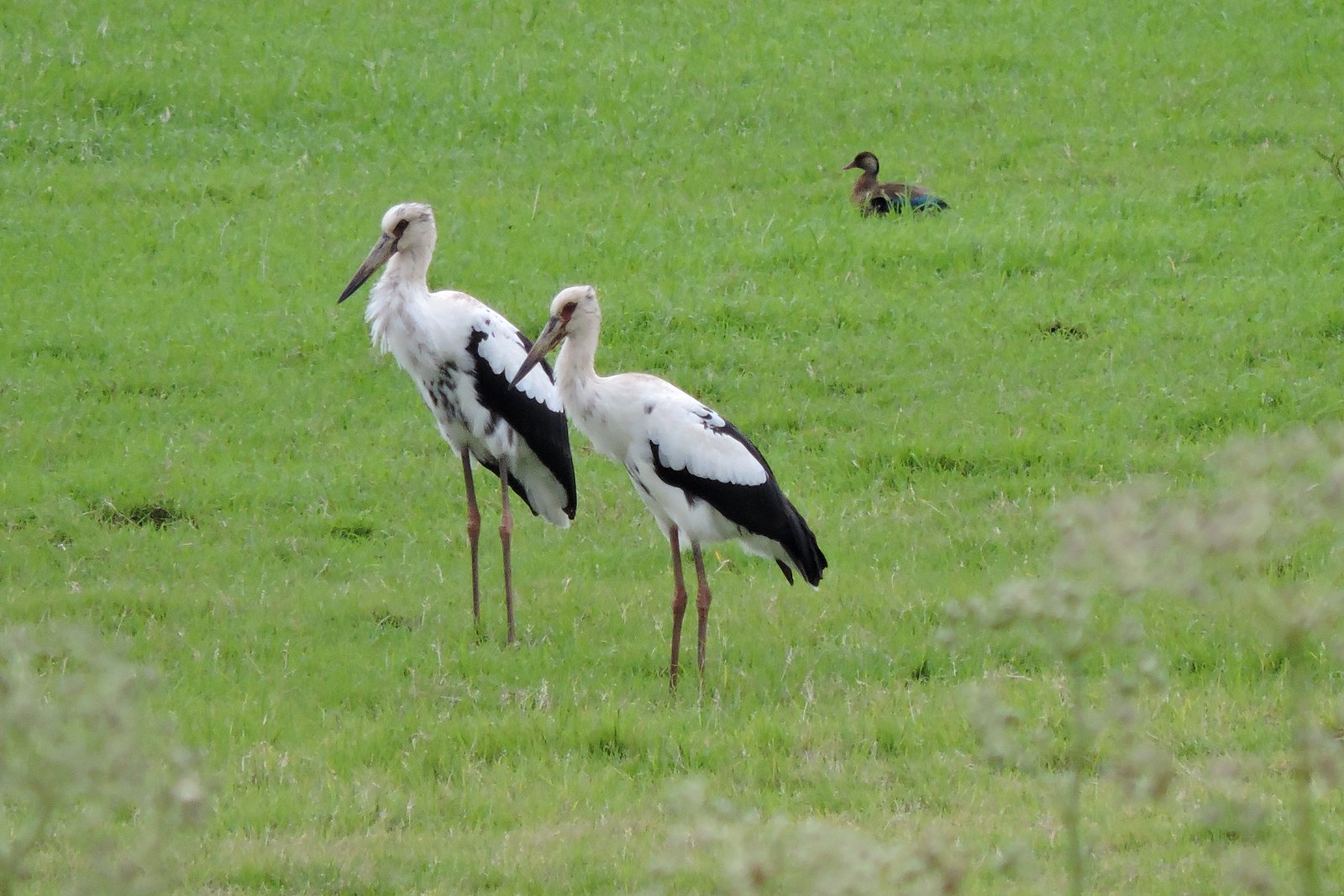
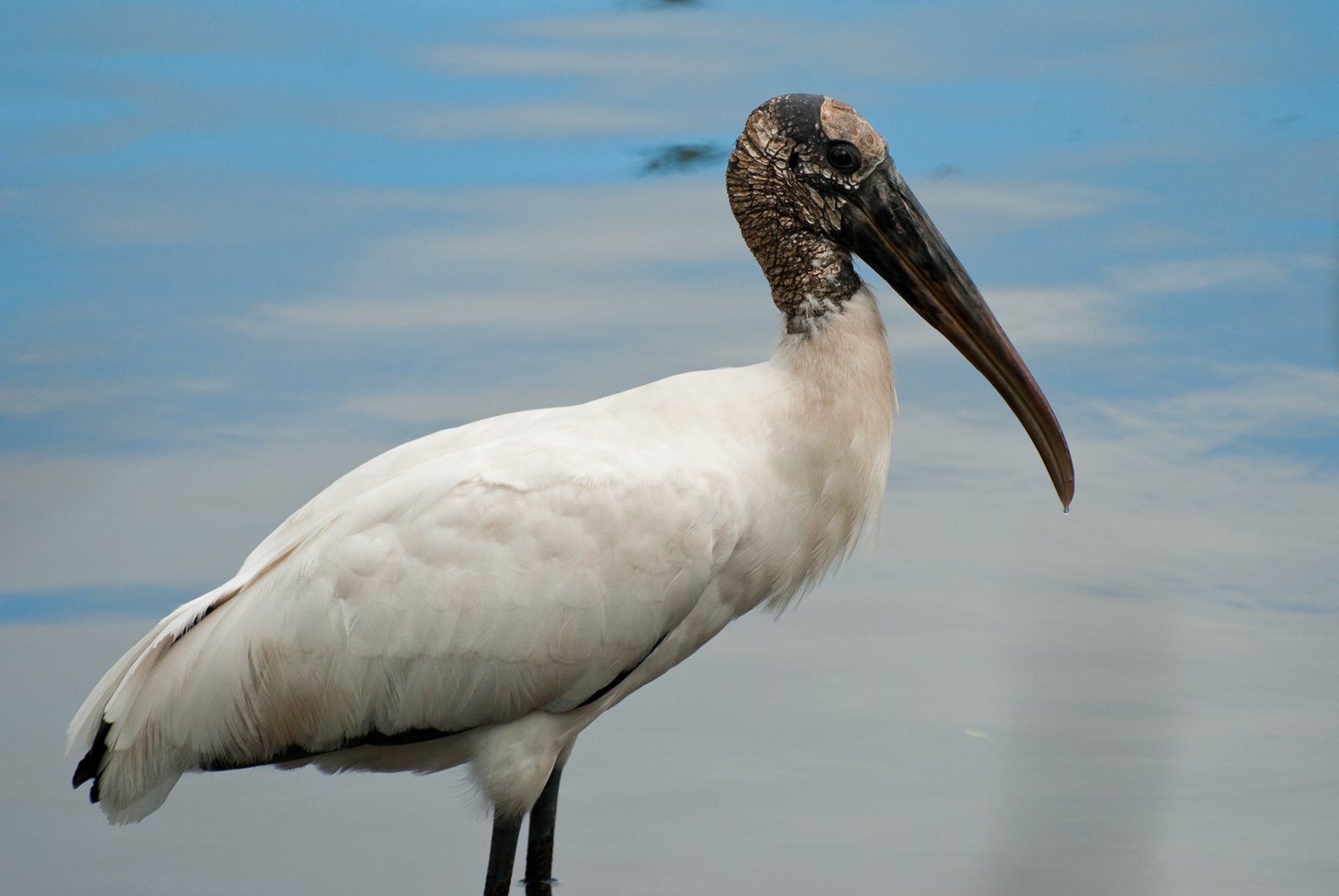
Bill shape differs sharply between the genera and betrays the way each hunts: straight and pointed in the Maguari Stork (Ciconia), for probing in shallow water and seizing prey on dry land; heavy and slightly decurved in the Wood Stork (Mycteria), swept through turbid water half open and snapped shut the moment it touches a fish; huge and slightly upturned in the Jabiru, the continent's largest stork, with a bare black head and neck and a red band of skin at the base of the neck. In this region they are birds of the lowlands: the marshes and savannas of the Amazonian foothills east of the Andes and, for the Wood Stork, also the wetlands and mangroves of the Pacific coast; they are absent from the high mountains. At the nest the birds clatter the bill; this clattering takes the place of song, for the adults are all but voiceless. They void onto their own legs to keep cool, which often leaves them looking whitewashed rather than red or black. The nest is a bulky heap of sticks in a tall tree, in the Maguari also low in marsh vegetation or on the ground; the young are fed by the parents disgorging food onto the nest floor.
Espécies nativas 3 espécies
Espécies que ocorrem aqui naturalmente: reprodutoras, visitantes de inverno e migrantes de passagem. Estão organizadas por gênero, na sequência da lista.
Mycteria 1 espécie


Jabiru 1 espécie