Todas as espécies › Tubenoses › Albatrosses
Albatrosses | Diomedeidae
Albatrossen | Albatrosses | Albatros
Just over twenty species in four genera, centred on the oceans around Antarctica. This guide covers five, in two genera. The Waved Albatross (Phoebastria irrorata) is the only albatross that breeds in the tropics: almost the entire world population nests on Española in the Galápagos, with a small number on Isla de la Plata off the coast of Ecuador, and outside the breeding season it forages in the cold, productive waters of the Humboldt Current off Ecuador and Peru. The four species of the genus Thalassarche breed on islands in the southern oceans and come to those same waters as non-breeding visitors. The wings are long and narrow, and a tendon in the shoulder joint locks them open without muscular effort, so albatrosses glide over the waves for hours without a wingbeat and cover thousands of kilometres on a single foraging trip. They have two tubular nostrils on either side of the bill, an excellent sense of smell and glands above the eyes that excrete excess salt. They eat mainly squid, fish, crustaceans and carrion from the surface, often at night. Pairs stay together for life and greet each other with dances full of bill-clattering and calls to the sky. A single egg is laid on the ground in a colony, and the birds can live for several decades. Drowning as bycatch in fisheries is the greatest threat, for the Waved Albatross too off the coast of Peru.
Espécies nativas 5 espécies
Espécies que ocorrem aqui naturalmente: reprodutoras, visitantes de inverno e migrantes de passagem. Estão organizadas por gênero, na sequência da lista.
Phoebastria 1 espécie
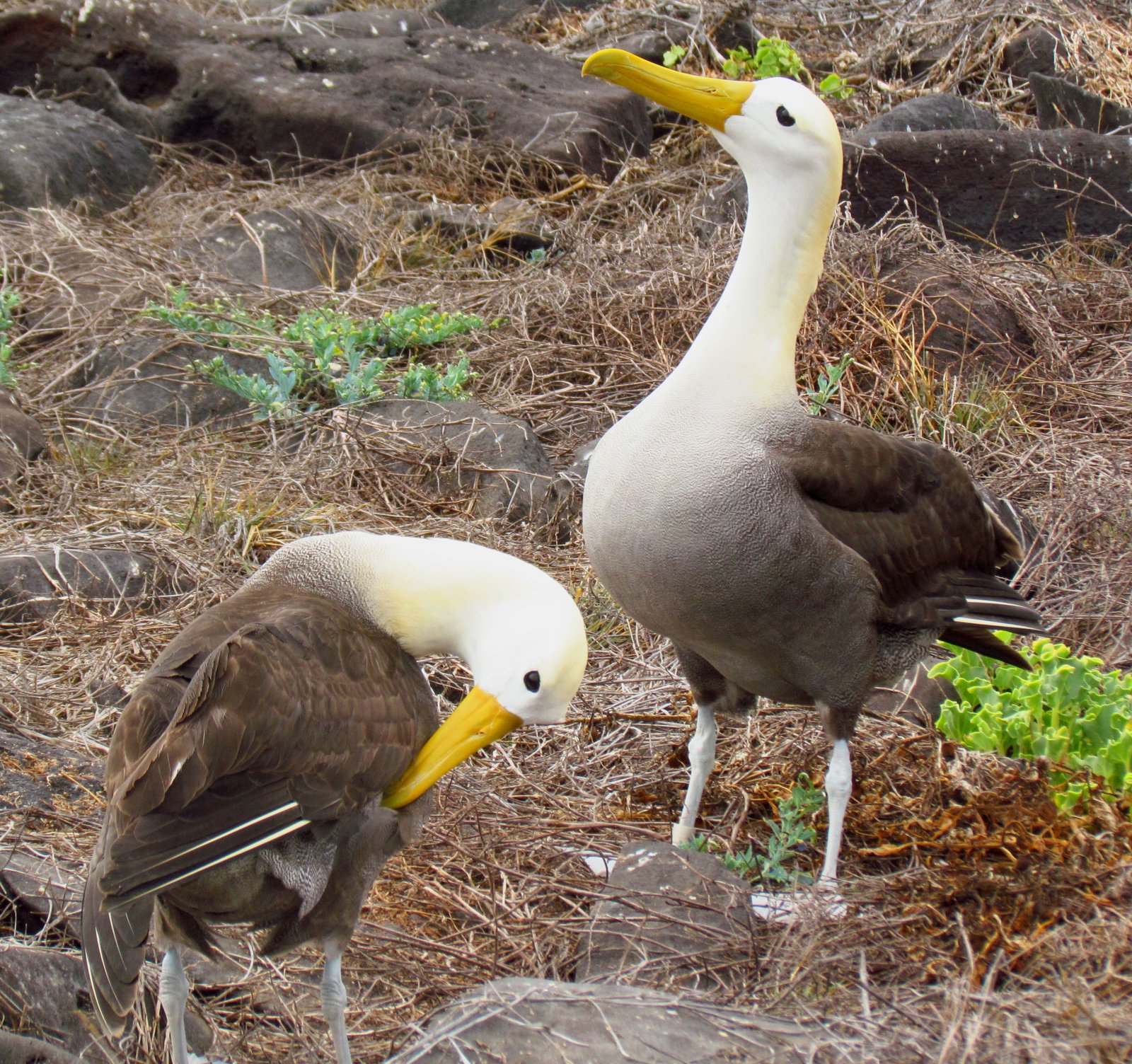


Thalassarche 4 espécies
-
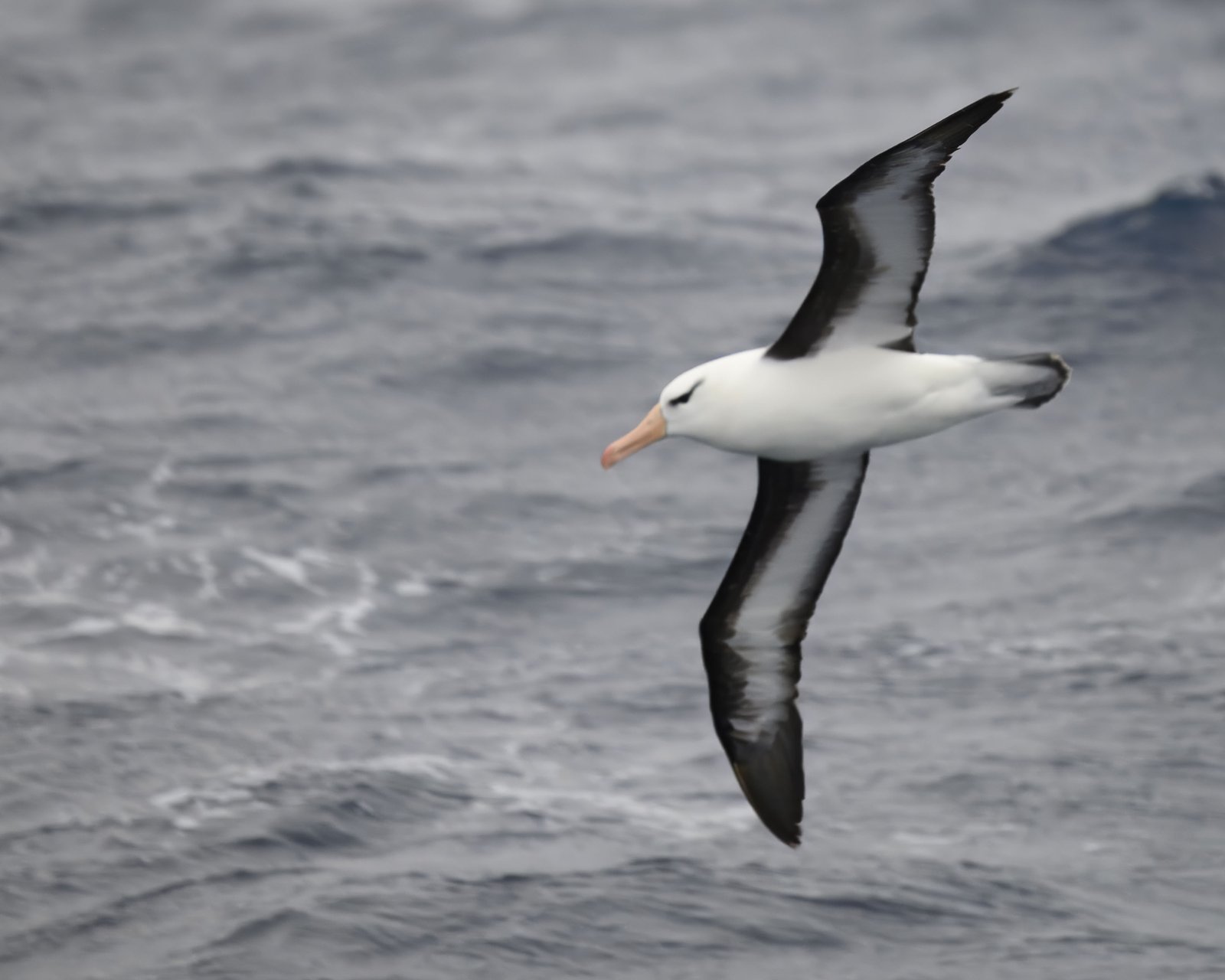
Albatroz-de-sobrancelha
Thalassarche melanophris Open ocean
 Humboldt Current and inshore waters
-
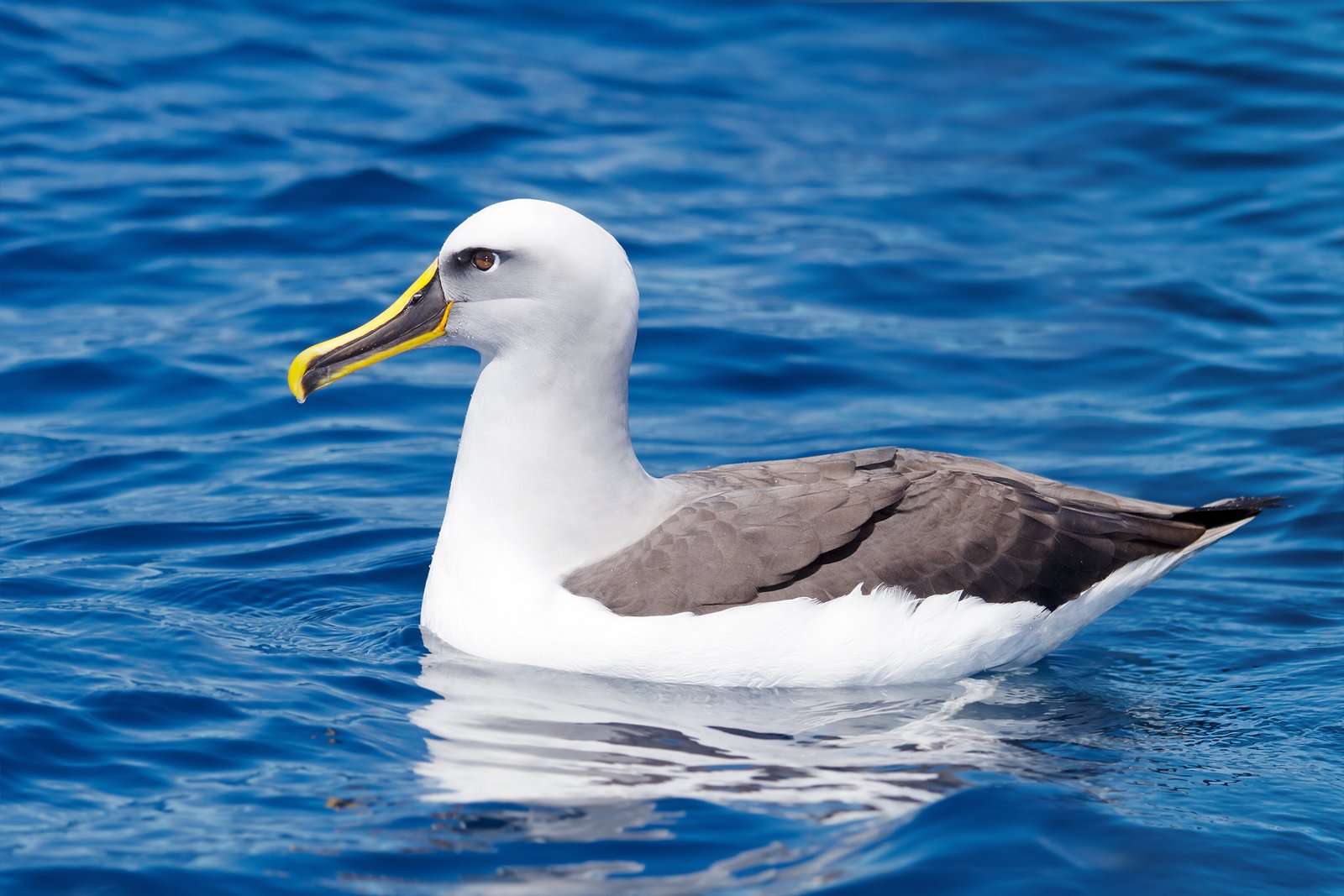
Albatroz-de-buller
Thalassarche bulleri- Open ocean
- Humboldt Current and inshore waters
-
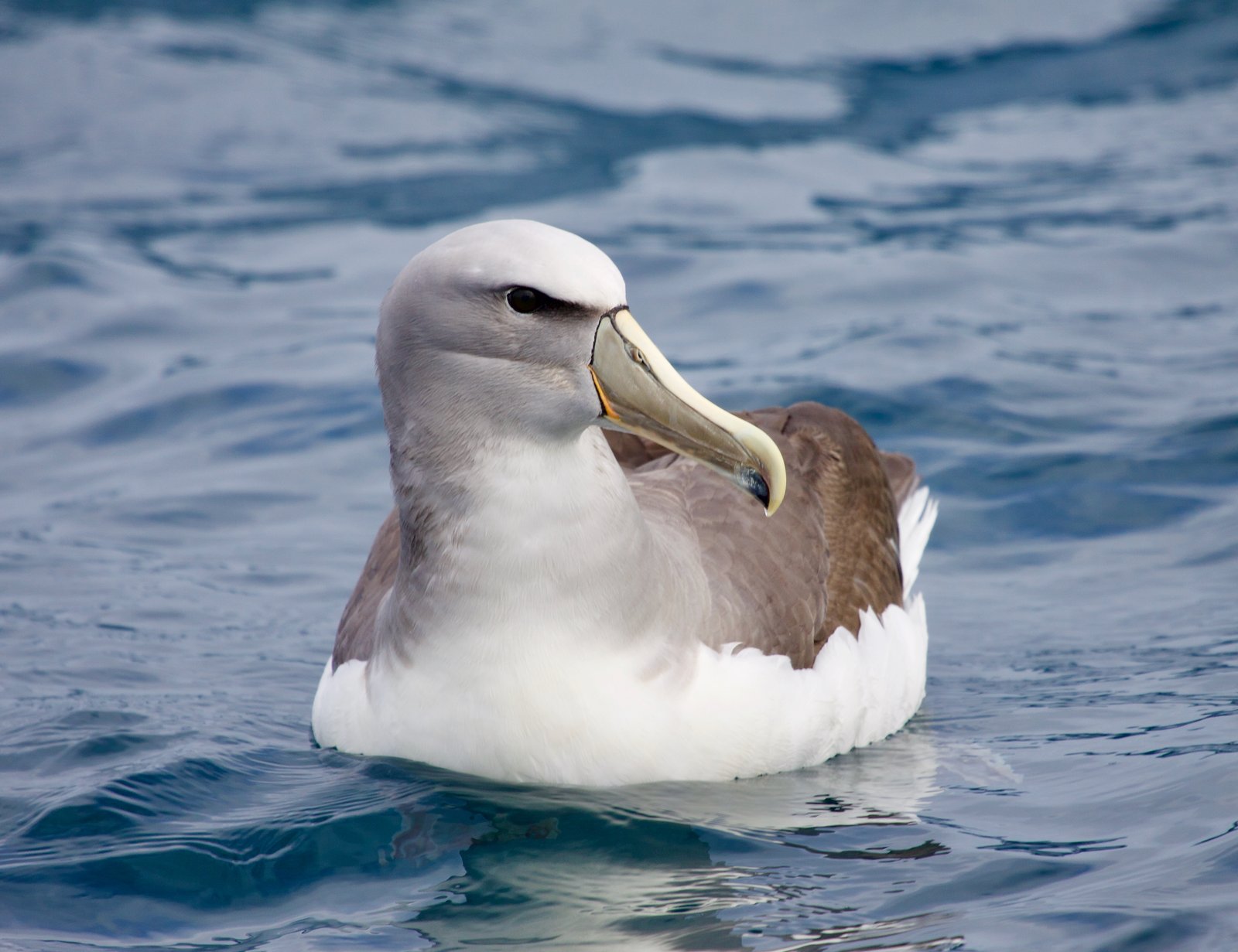
Albatroz-de-salvin
Thalassarche salvini- Humboldt Current and inshore waters
- Open ocean
-
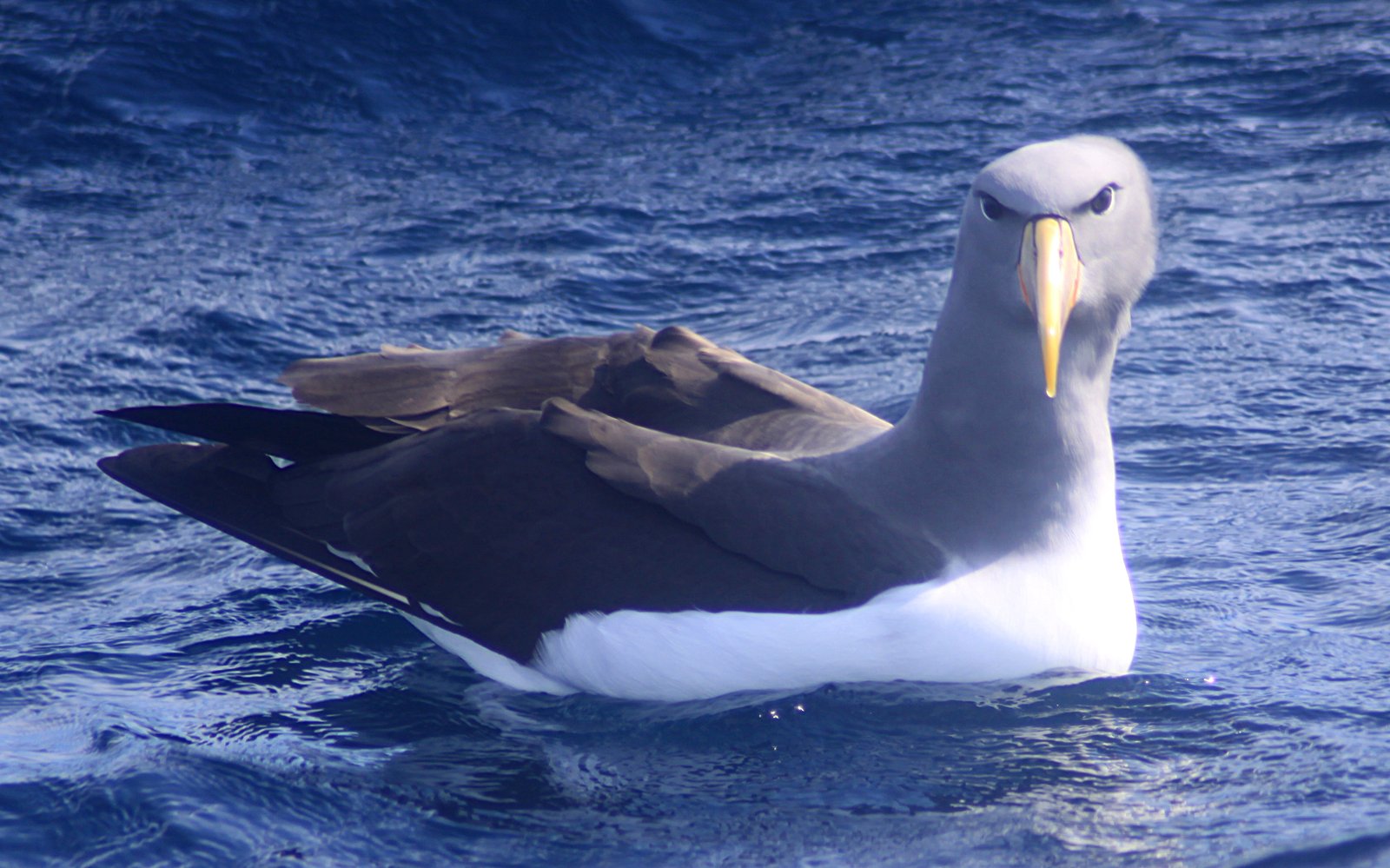
Albatroz-de-chatham
Thalassarche eremita- Humboldt Current and inshore waters
- Open ocean