All species › Passerines › Mockingbirds and thrashers
Mockingbirds and thrashers | Mimidae
Spotlijsters | Sinsontes
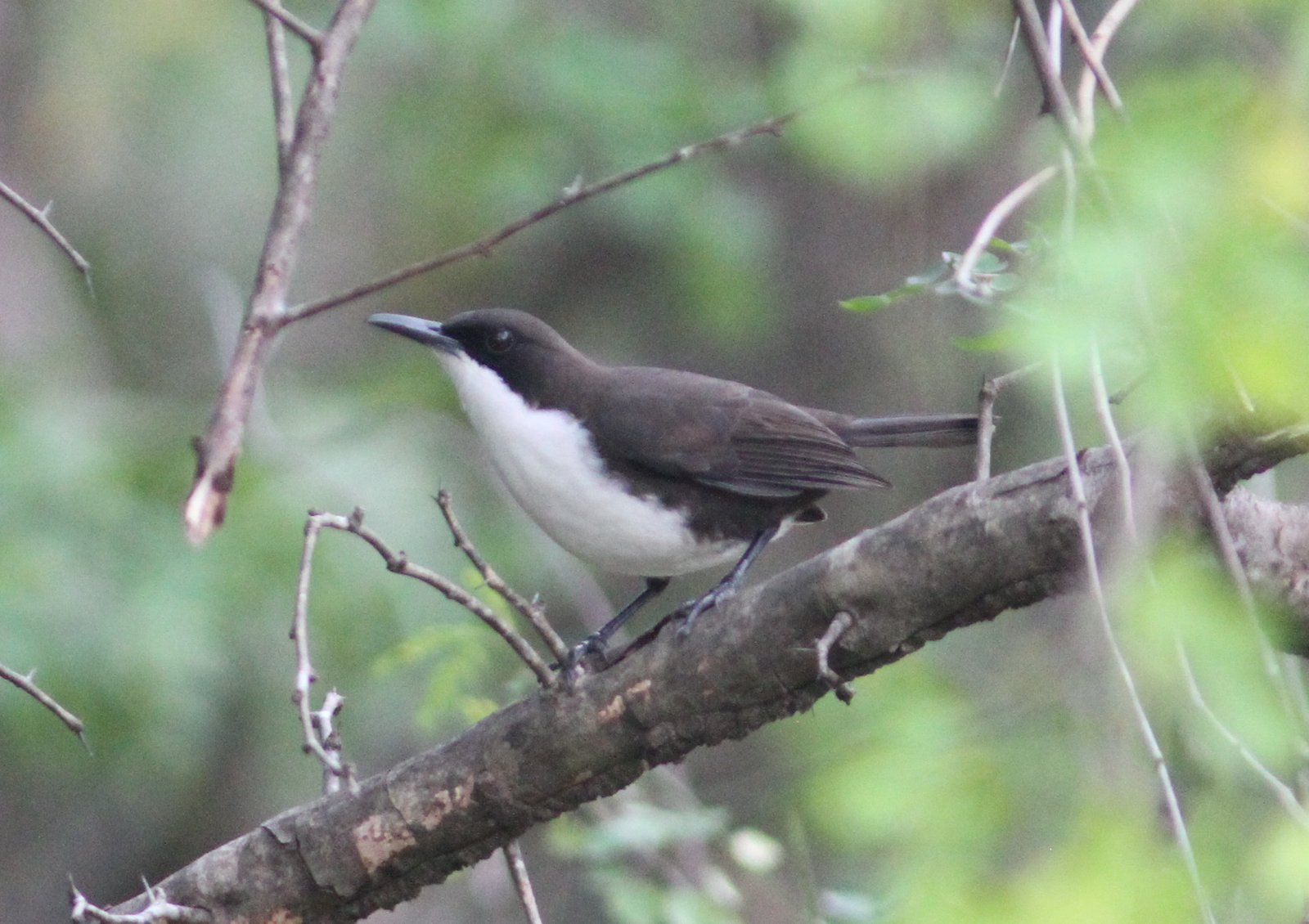
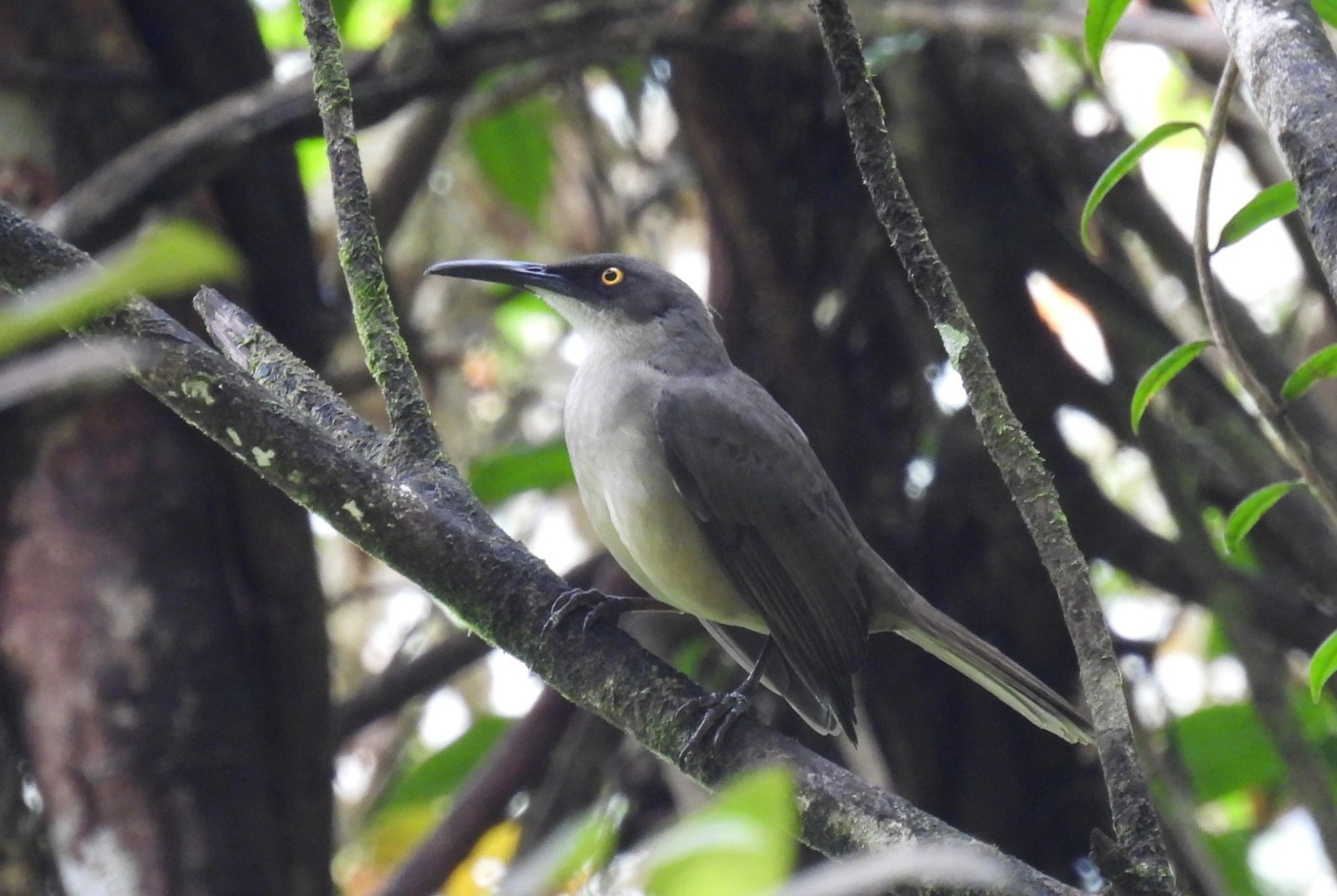
Medium-sized, slim songbirds with a long tail, sturdy legs and an often slightly decurved bill, much used on the ground in leaf litter. The family takes its name from mimicry; the mockingbirds in particular pick up the calls and song phrases of other birds. The song is long and repetitive, with phrases often delivered several times over. The family occurs only in the Americas; nine species live in the region. Northern Mockingbird is common in the Greater Antilles and the Bahamas, Tropical Mockingbird in the Lesser Antilles and Trinidad and Tobago, and Bahama Mockingbird in the Bahamas and on a few small islands off Cuba and Jamaica. Four genera are Caribbean: Pearly-eyed Thrasher, which nests in cavities and also eats the eggs and young of other birds, Scaly-breasted Thrasher, the two tremblers with their long bill and drooping wings, and White-breasted Thrasher of Martinique and Saint Lucia. Grey Catbird is a winter visitor from North America.
Native species 10 species
Species that occur here by nature: breeding birds, winter visitors and passage migrants. They are arranged by genus, in the sequence of the list.
Dumetella 1 species


Ramphocinclus 2 species

Allenia 1 species





Cinclocerthia 2 species


Mimus 3 species
-

Bahama Mockingbird
Mimus gundlachii Coastal and beach scrub
 Thorn scrub and cactus scrub
 Coastal woodland
 Dry deciduous forest
 Limestone karst forest
 Villages, towns and gardens
-
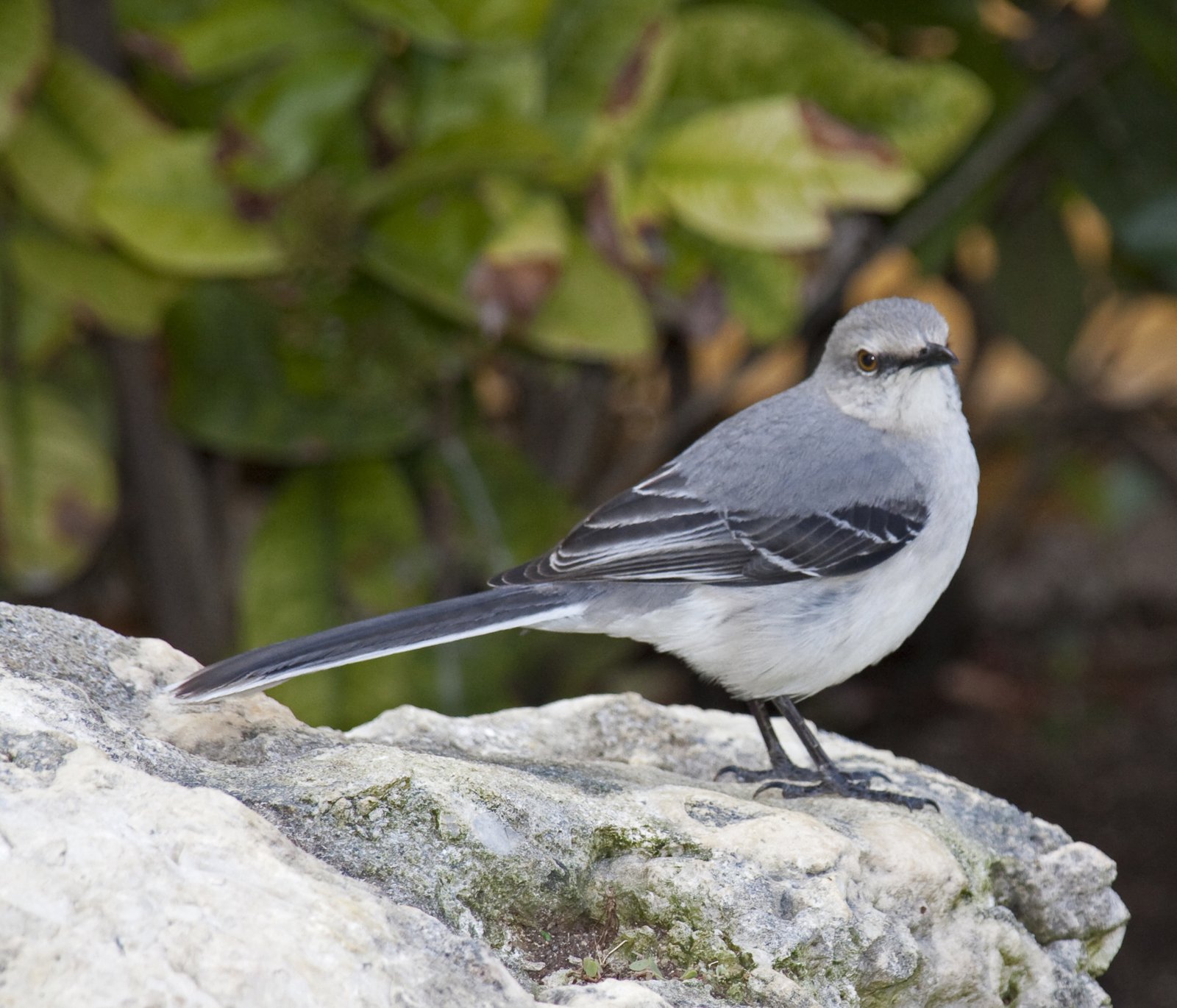
Tropical Mockingbird
Mimus gilvus- Thorn scrub and cactus scrub
- Coastal and beach scrub
 Savanna and open grassland
 Pasture and small-scale farm mosaic
 Coconut, citrus and fruit plantations
- Villages, towns and gardens
-

Northern Mockingbird
Mimus polyglottos- Villages, towns and gardens
- Thorn scrub and cactus scrub
- Coastal and beach scrub
- Pasture and small-scale farm mosaic
- Savanna and open grassland
- Dry deciduous forest
- Coconut, citrus and fruit plantations