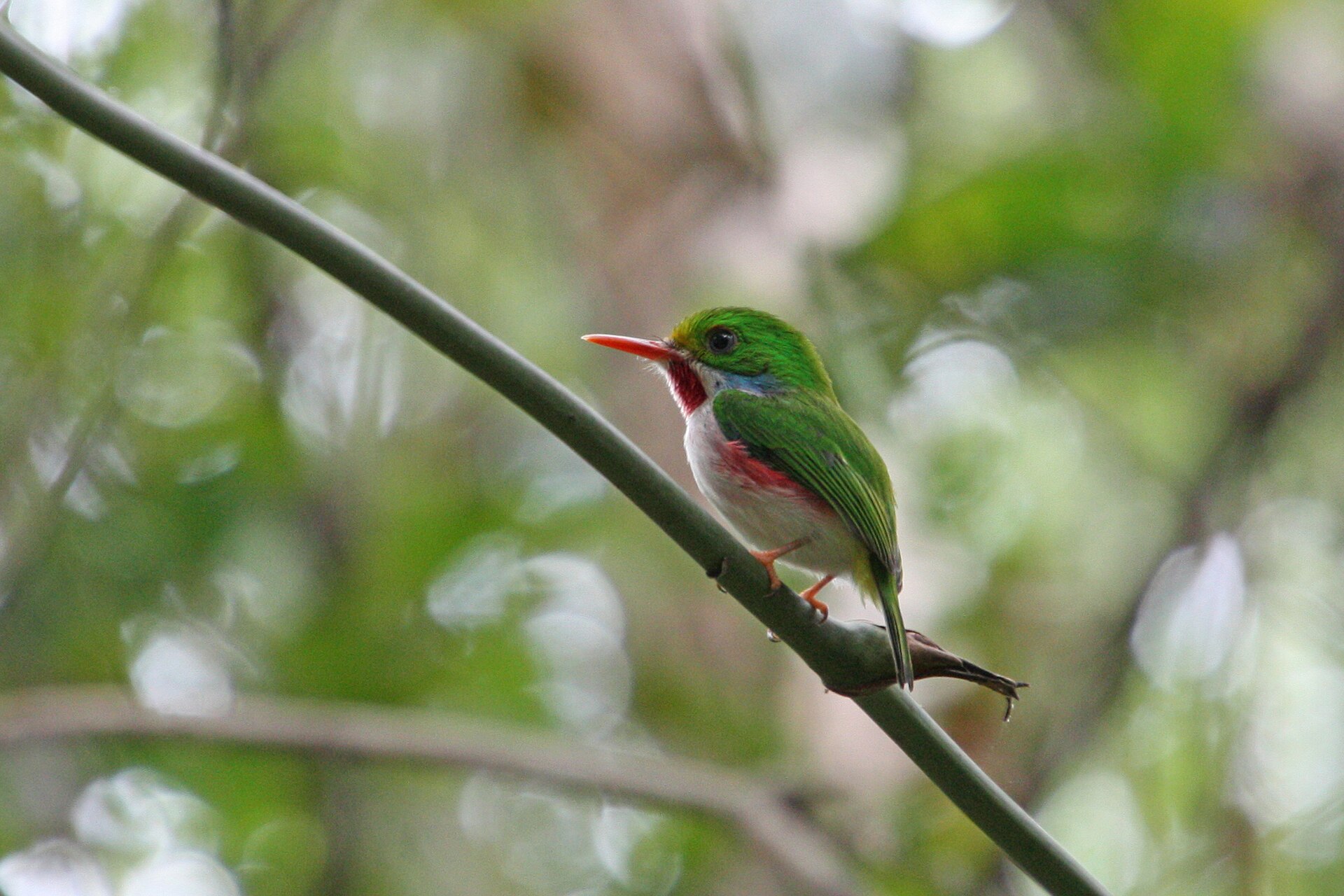
Vorstman's Guide to the Birds of the Caribbean
A guide for birdwatchers: field marks, confusion species, sound and the best moments to look — arranged by order, family and genus.
Scope and method
Field identification rests to a large degree on sound. Many species are heard before they are seen, and among closely similar species call or song is often the only character that settles the matter at any distance. Each account therefore sets a recording alongside the field marks, the species with which confusion genuinely occurs, and the conditions under which the bird is to be expected: season, time of day, habitat and range.
The species follow the order of the family tree: by clade, order, family and genus. It shows at a glance why a wryneck sits with the woodpeckers, a bittern with the herons and a falcon with the passerines.
The family tree of the birds of the Caribbean
25 clades, 28 orders, 88 families, 794 species
The tree works down layer by layer: from the main branches of the bird tree through ever smaller clades to orders, families and species. Every clade has a name — some familiar, some only coined in 2024. Where the genetic support is weak, it says so.
-
Birds Aves
794 species
-
Ratites and tinamous Palaeognathae
The oldest branch of modern birds, standing opposite all other birds together. In the Caribbean represented by the tinamous of Trinidad. 1 species
-
Birds with a flexible palate Neognathae
793 species
-
Fowl Galloanserae
With the gamebirds, the oldest branch of modern birds apart from the ratites. 40 species
-
All other modern birds Neoaves
Nineteen out of twenty bird species belong here; the group fanned out rapidly after the mass extinction 66 million years ago. 753 species
-
Flamingos and grebes Mirandornithes
The first branch of Neoaves: two groups that look nothing alike yet are each other's closest relatives; in this guide represented only by the flamingos. 3 species
-
Doves, turacos and allies Columbaves
Doves and sandgrouse alongside bustards, turacos and cuckoos. 47 species
-
Bustards, turacos and cuckoos Otidimorphae
The turacos stand opposite bustards and cuckoos together; the branches follow one another so closely that their order differs between studies. 16 species
-
Doves and sandgrouse Columbimorphae
Sandgrouse of the dry plains alongside the pigeons and doves; two groups that are each other's closest relatives. 31 species
-
-
Elementaves Elementaves
Newly named in 2024, after birds that excel in earth, air, water and sun. Support for this branch is reasonable but not equally strong in every analysis. 213 species
-
Cranes and waders Gruimorphae
Rails and cranes form one branch with all waders, gulls and terns — plus the hoatzin, the least certain position in the whole tree. 99 species
-
Phaethoquornithes Phaethoquornithes
The waterside in its broadest sense: from tropicbirds far out at sea to herons in the reeds. 51 species
-
Phaethontimorphae Phaethontimorphae
A small, ancient branch; the study could not rule out that it belongs elsewhere in the tree. 2 species
-
Core waterbirds Aequornithes
Penguins, storks, cormorants and herons; with tropicbirds and sunbittern they form Phaethoquornithes. 49 species
-
-
Strisores Strisores
Aerial insect-eaters with a short bill and a huge gape. 63 species
-
-
Landbirds Telluraves
The great branch of raptors, owls, woodpeckers, falcons and passerines. 490 species
-
Raptors, owls, kingfishers and woodpeckers Afroaves
The branch where diurnal raptors and owls meet the colourful array of mousebirds, trogons, hornbills and woodpeckers. 83 species
-
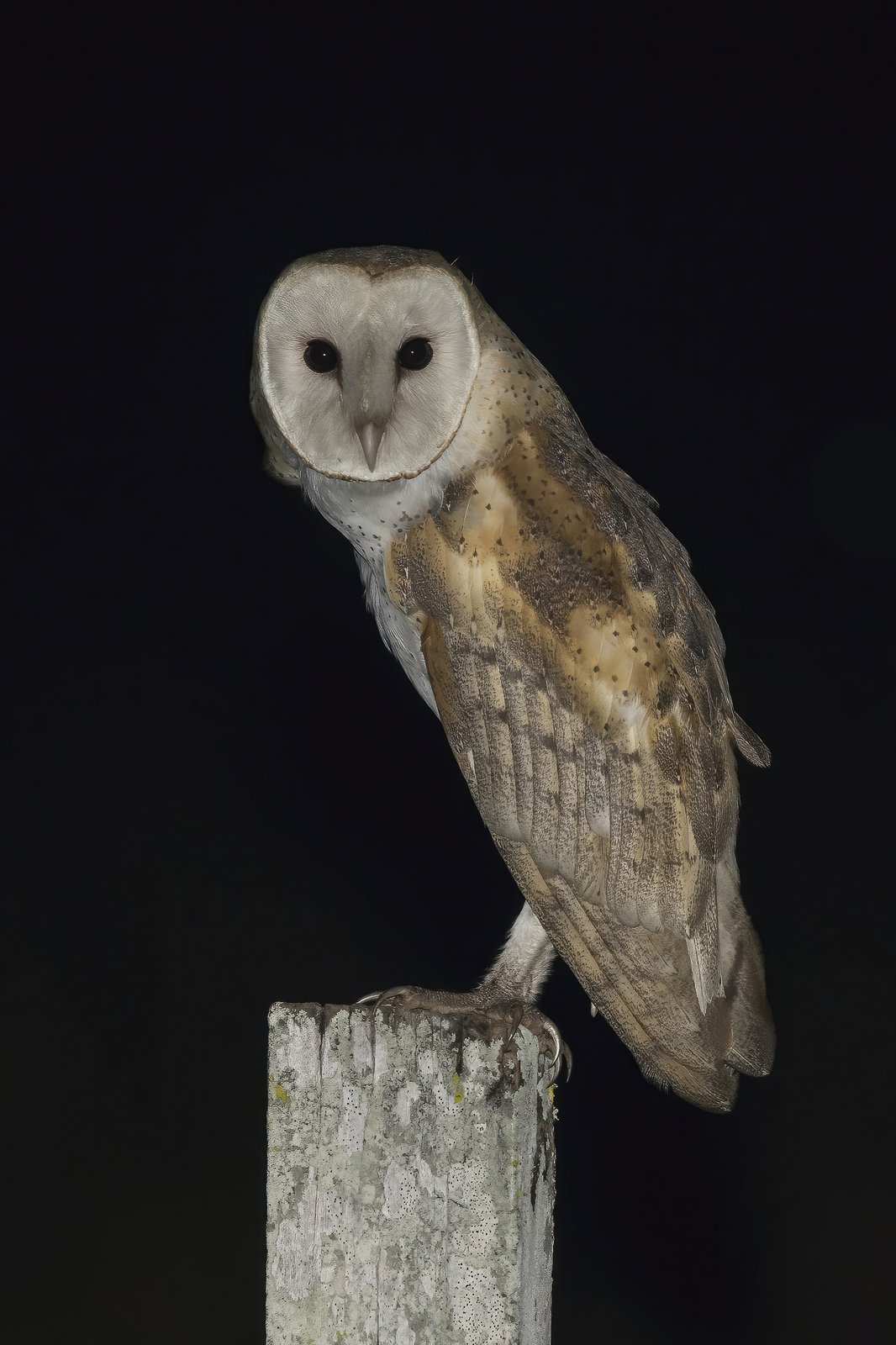
Hawks and owls Hieraves
Whether owls really are the sister group of the diurnal raptors is still contested: the genes are almost evenly split. 48 species
-
Mousebirds, rollers and woodpeckers Coraciimorphae
The mousebirds, the only bird order confined to Africa, form the first branch; the rest is called Cavitaves. 35 species
-
Trogons and cavity nesters Cavitaves
Nearly all birds of this branch nest in a cavity, in a tree or in a bank; the trogons branch off first. 35 species
-
 Trogons
Trogoniformes
5 species
Trogons
Trogoniformes
5 species
-
Hornbills, kingfishers and woodpeckers Picocoraciae
With hoopoes and hornbills branching off first; the rest is called Picodynastornithes. 30 species
-
Kingfishers, bee-eaters and woodpeckers Picodynastornithes
Cavity nesters that excavate their own nest, in a bank or in wood. 30 species
-
-
-
-
-
Falcons, parrots and passerines Australaves
The surprise of the modern tree: falcons belong here, not with the hawks. 407 species
-
Falcons and passerines Eufalconimorphae
The falcons branch off first; parrots and passerines remain together as Psittacopasserae. 407 species
-
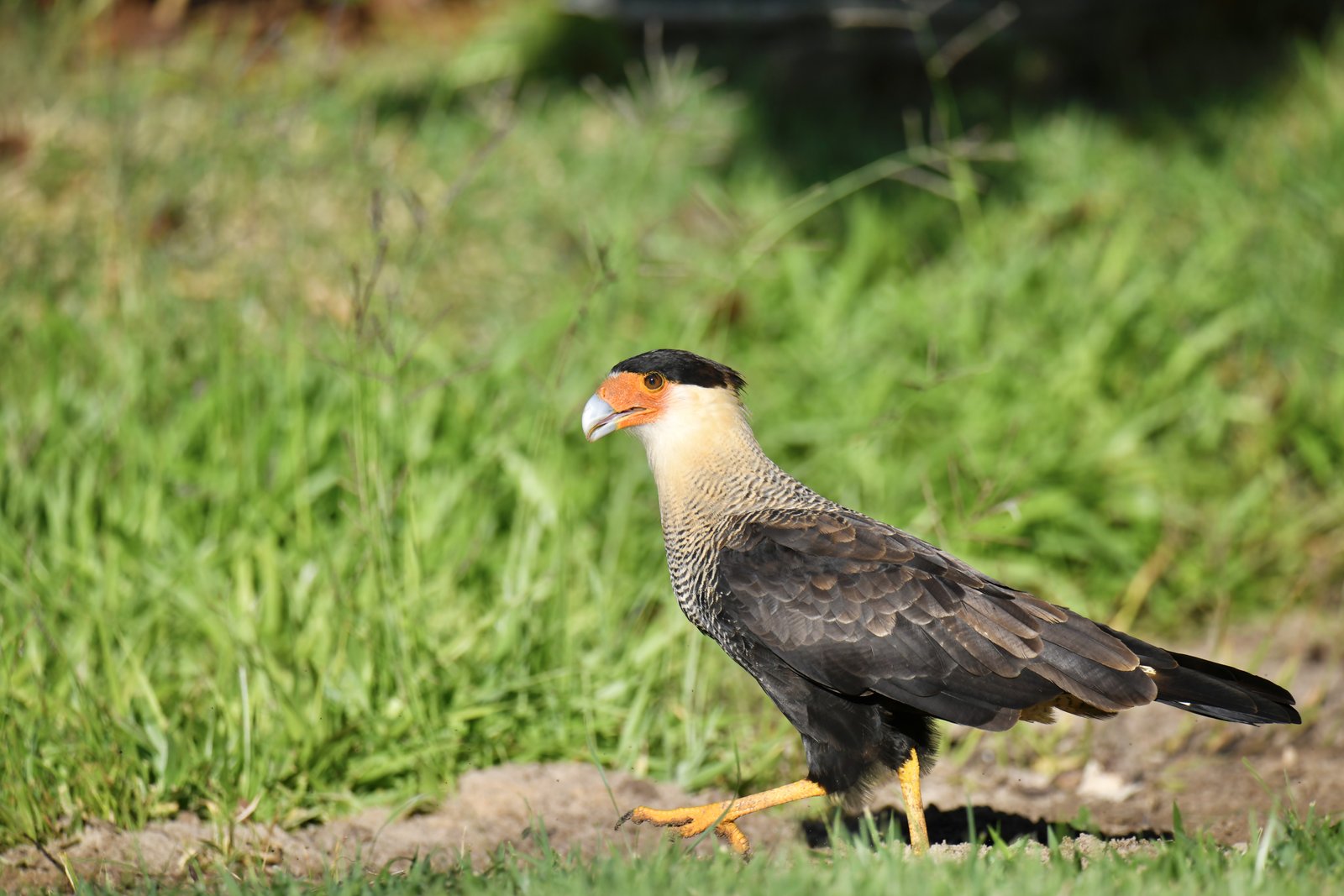 Falcons
Falconiformes
8 species
Falcons
Falconiformes
8 species
-
Parrots and passerines Psittacopasserae
Two groups with each their own form of intelligence: learning to sing and learning to talk. 399 species
-
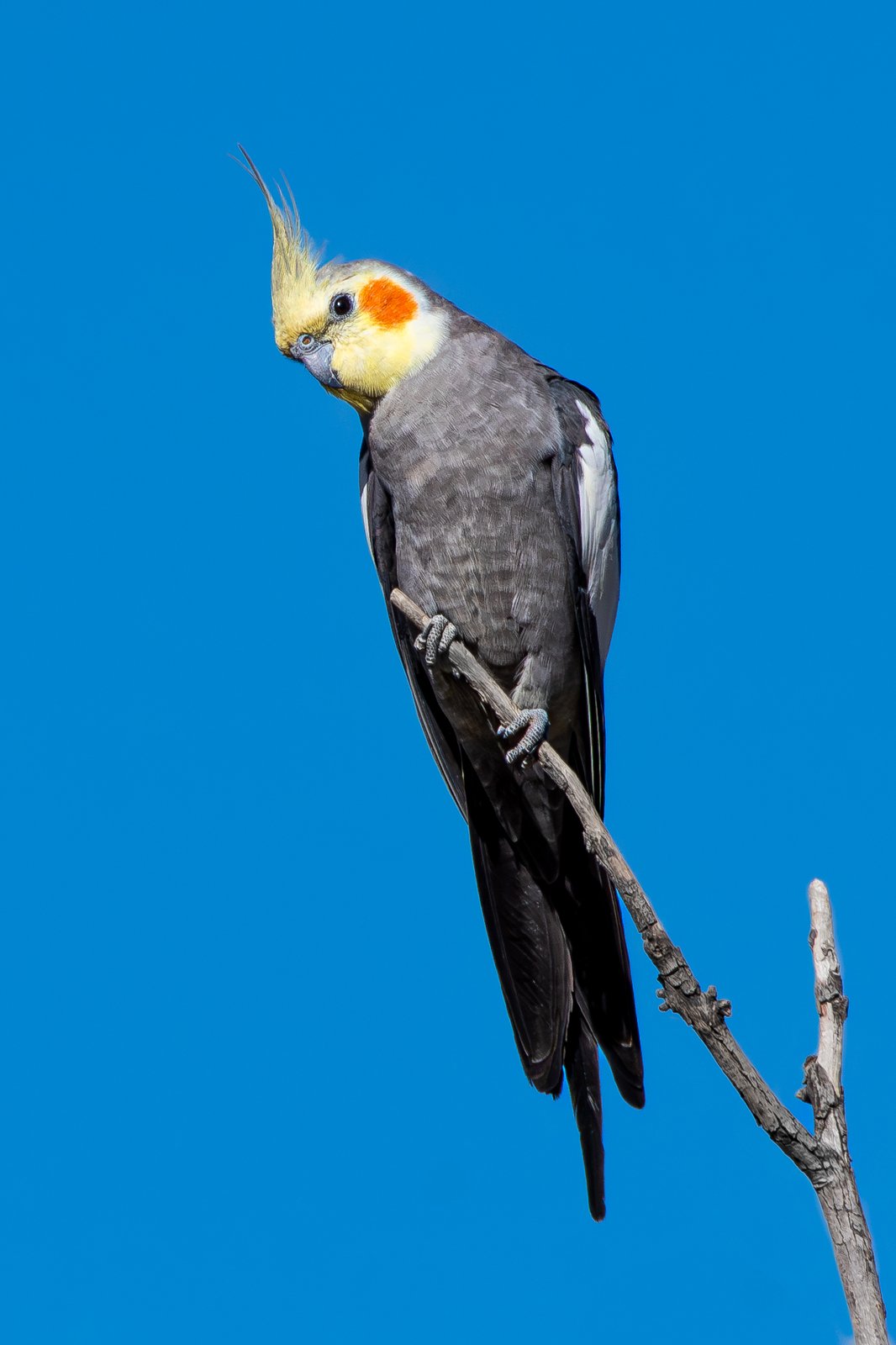 Parrots
Psittaciformes
37 species
Parrots
Psittaciformes
37 species
-
 Passerines
Passeriformes
362 species
Manakins Pipridae 3Cotingas Cotingidae 1Tityras and becards Tityridae 3Tyrant flycatchers Tyrannidae 66Typical antbirds Thamnophilidae 8Antthrushes Formicariidae 1Ovenbirds and woodcreepers Furnariidae 10Vireos Vireonidae 19Crows and jays Corvidae 6Swallows and martins Hirundinidae 16Palmchat Dulidae 1Waxwings Bombycillidae 1Kinglets Regulidae 1Gnatcatchers Polioptilidae 3Wrens Troglodytidae 8Mockingbirds and thrashers Mimidae 10Starlings Sturnidae 1Thrushes Turdidae 20Weavers Ploceidae 3Indigobirds and whydahs Viduidae 1Waxbills Estrildidae 10Sparrows Passeridae 1Wagtails and pipits Motacillidae 1Finches Fringillidae 9New World sparrows Passerellidae 9Chat-tanagers Calyptophilidae 2Hispaniolan tanagers Phaenicophilidae 4Puerto Rican tanager Nesospingidae 1Spindalises Spindalidae 4Cuban warblers Teretistridae 2New World blackbirds Icteridae 33New World warblers Parulidae 54Cardinals Cardinalidae 9Tanagers Thraupidae 41
Passerines
Passeriformes
362 species
Manakins Pipridae 3Cotingas Cotingidae 1Tityras and becards Tityridae 3Tyrant flycatchers Tyrannidae 66Typical antbirds Thamnophilidae 8Antthrushes Formicariidae 1Ovenbirds and woodcreepers Furnariidae 10Vireos Vireonidae 19Crows and jays Corvidae 6Swallows and martins Hirundinidae 16Palmchat Dulidae 1Waxwings Bombycillidae 1Kinglets Regulidae 1Gnatcatchers Polioptilidae 3Wrens Troglodytidae 8Mockingbirds and thrashers Mimidae 10Starlings Sturnidae 1Thrushes Turdidae 20Weavers Ploceidae 3Indigobirds and whydahs Viduidae 1Waxbills Estrildidae 10Sparrows Passeridae 1Wagtails and pipits Motacillidae 1Finches Fringillidae 9New World sparrows Passerellidae 9Chat-tanagers Calyptophilidae 2Hispaniolan tanagers Phaenicophilidae 4Puerto Rican tanager Nesospingidae 1Spindalises Spindalidae 4Cuban warblers Teretistridae 2New World blackbirds Icteridae 33New World warblers Parulidae 54Cardinals Cardinalidae 9Tanagers Thraupidae 41
-
-
-
-
-
-
-






Source of the arrangement: The arrangement and sequence of orders, families, genera and species follow AviList; the clades above them follow the family-level genome tree of the B10K project and carry names from the PhyloCode. AviList v2025b · Stiller et al. 2024, Nature 629, 851-860 (B10K)
About this site
Vorstman's Guide to the Birds of the Caribbean is an educational site about the birds of the Caribbean islands, from the Bahamas and Cuba to Trinidad and Tobago, made for people who want to go beyond a first identification. It is deliberately lightweight: static HTML, no trackers, no cookies.
As an app on your phone
You can add this guide to your phone's home screen. It then gets its own icon and opens like an app, without the browser's address bar.
iPhone and iPad (Safari)
Open the site in Safari, tap the share icon (the square with the arrow pointing up) and choose “Add to Home Screen”.
Android (Chrome)
Open the site in Chrome, tap the menu (the three dots in the top right) and choose “Install app” or “Add to Home screen”.
Removing it again
On iPhone: press and hold the icon and choose “Remove App”. On Android: press and hold the icon and drag it to “Remove”, or choose that from the menu.
The language you were reading carries over: the app opens in whichever language it was in when you added it.
Nothing else changes: the app is the same site, just without the browser's address bar around it.