All species › Cuckoos › Cuckoos
Cuckoos | Cuculidae
Koekoeken | Cucos
Most species do not raise their own young: in a few seconds the female lays a single egg in the nest of a much smaller bird and removes one of the host's eggs as she goes. A female is tied to one host species and lays eggs that match it in colour and marking; the shell is thick and incubation short, so her chick hatches first. It grows far beyond its foster parents and either heaves the remaining eggs over the rim of the nest or simply commandeers everything that is brought in. There is no pair bond and no care of the nest: the adults often leave the breeding grounds in midsummer, well before the young, which set off alone some weeks later.
Native species 16 species
Species that occur here by nature: breeding birds, winter visitors and passage migrants. They are arranged by genus, in the sequence of the list.
Crotophaga 3 species
-

Greater Ani
Crotophaga major Floodplain and gallery forest
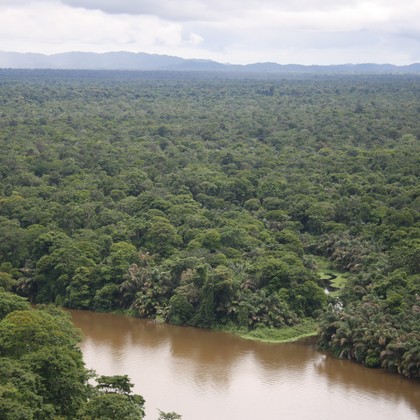 Swamp forest and palm swamp
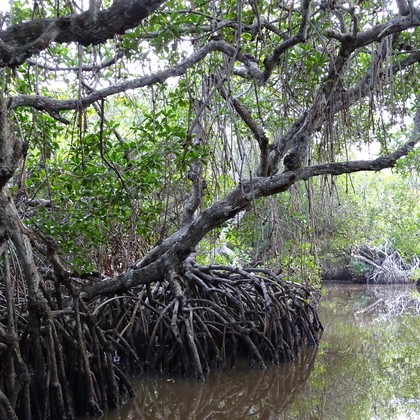 Mangrove
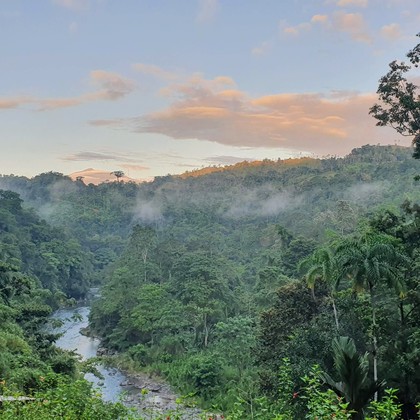 Rivers and streams
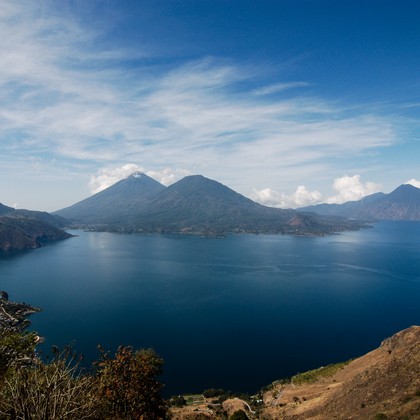 Lakes, reservoirs and ponds
-

Smooth-billed Ani
Crotophaga ani Pasture and grazing land with trees
 Lowland savanna and open grassland
 Arable fields and milpa
 Villages, towns, gardens and parks
 Secondary forest and forest edge
 Freshwater marsh and wet grassland
-
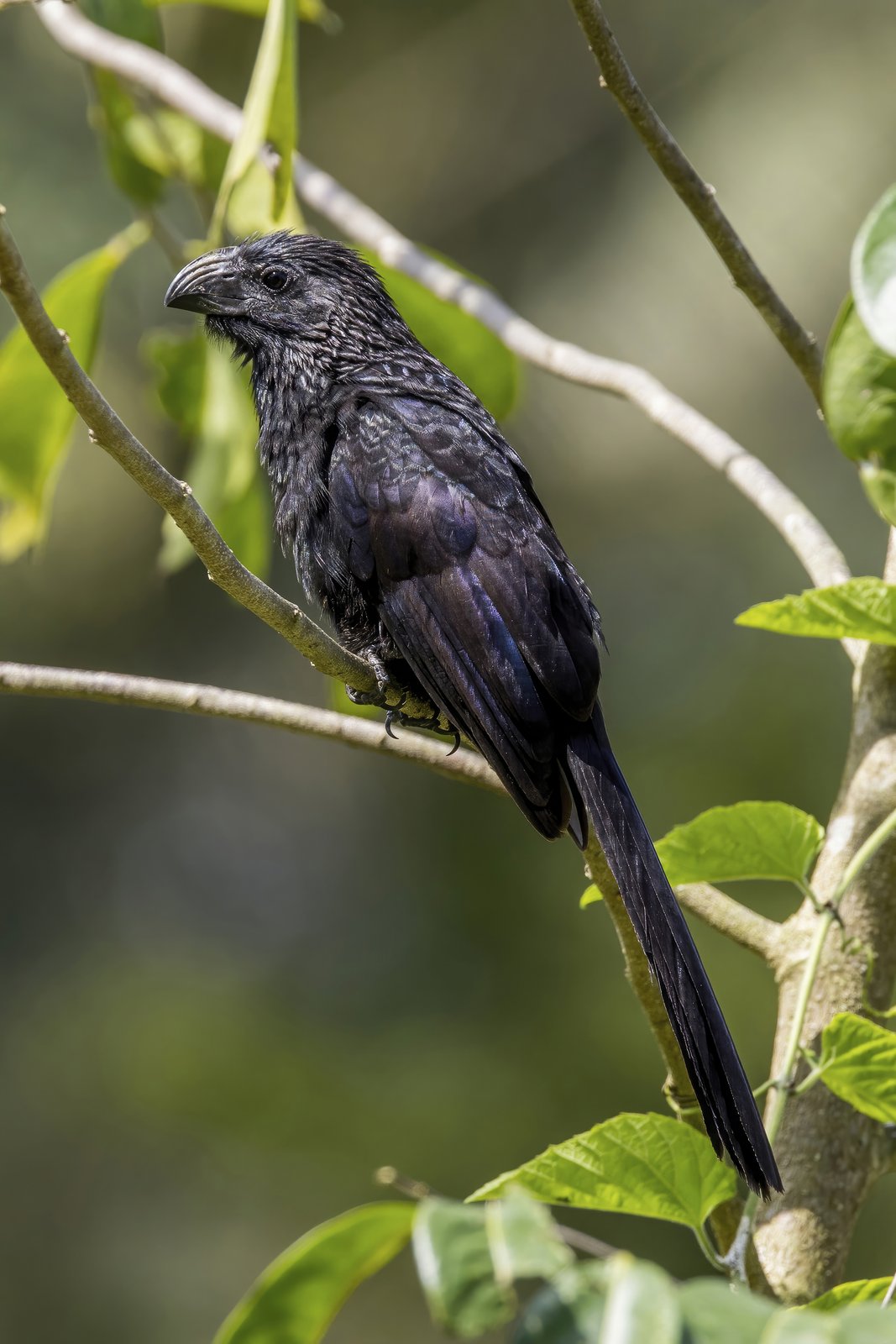
Groove-billed Ani
Crotophaga sulcirostris- Pasture and grazing land with trees
- Lowland savanna and open grassland
 Pacific tropical dry forest
 Thorn scrub and cactus forest
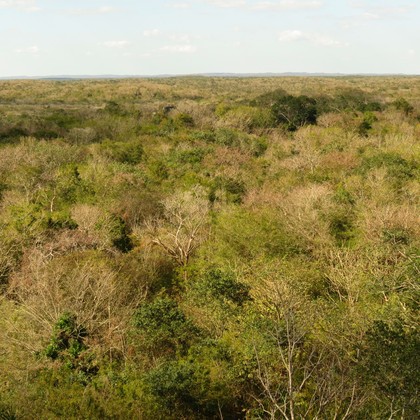 Yucatán and Caribbean-interior seasonal forest
- Secondary forest and forest edge
- Villages, towns, gardens and parks

Dromococcyx 1 species
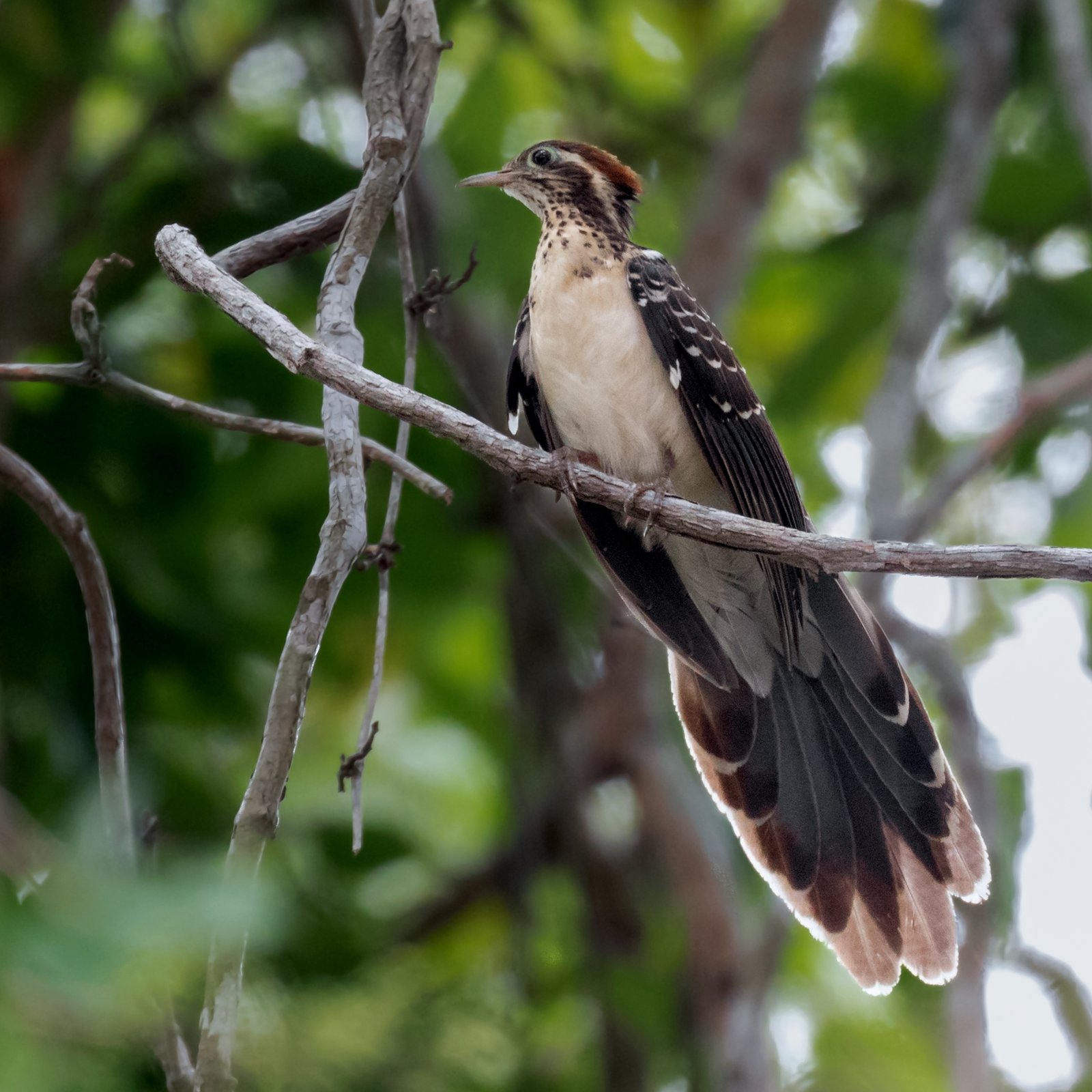

Geococcyx 2 species
-

Greater Roadrunner
Geococcyx californianus Chihuahuan Desert and plateau scrub
 Sonoran Desert
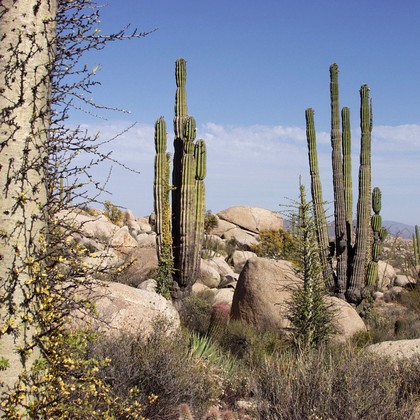 Baja California desert
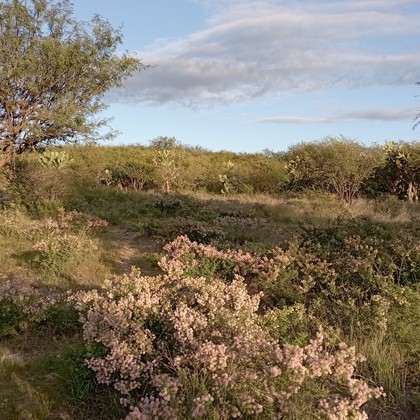 Semi-desert grassland
 Chaparral and coastal sage scrub
- Thorn scrub and cactus forest
- Arable fields and milpa
-

Lesser Roadrunner
Geococcyx velox- Pacific tropical dry forest
- Thorn scrub and cactus forest
- Yucatán and Caribbean-interior seasonal forest
- Pasture and grazing land with trees
- Arable fields and milpa
Neomorphus 1 species
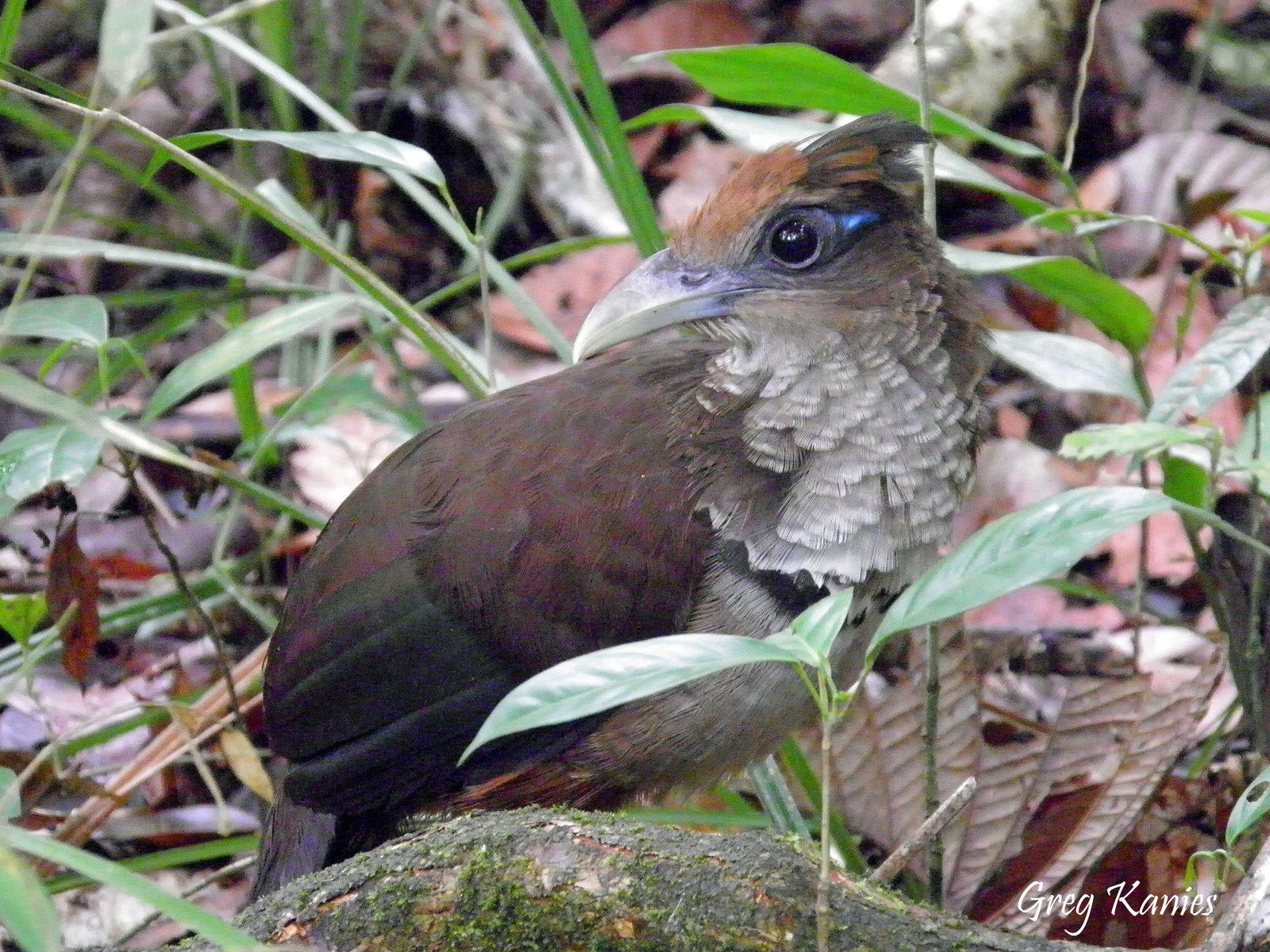

Coccycua 1 species
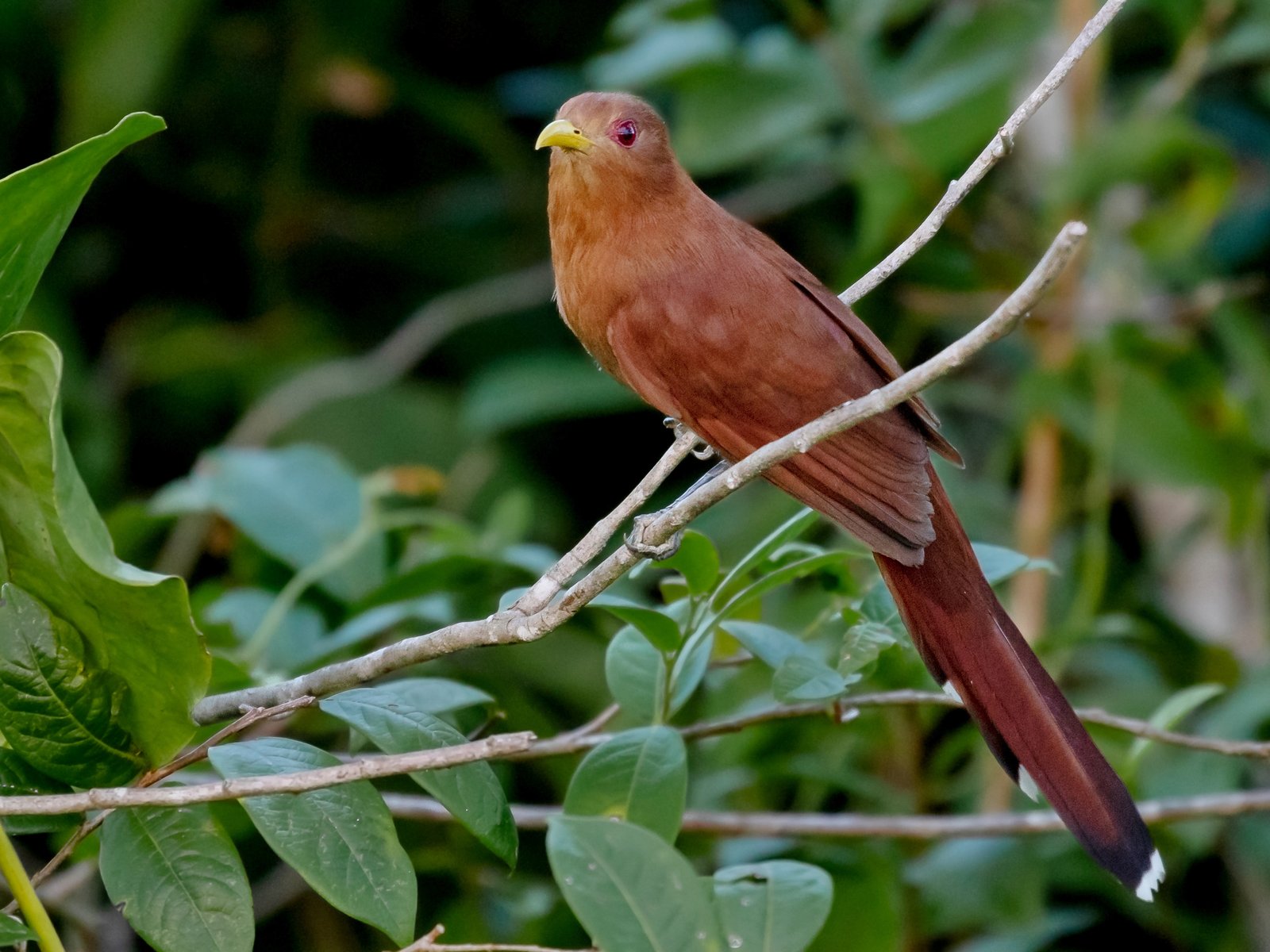
Piaya 2 species
-
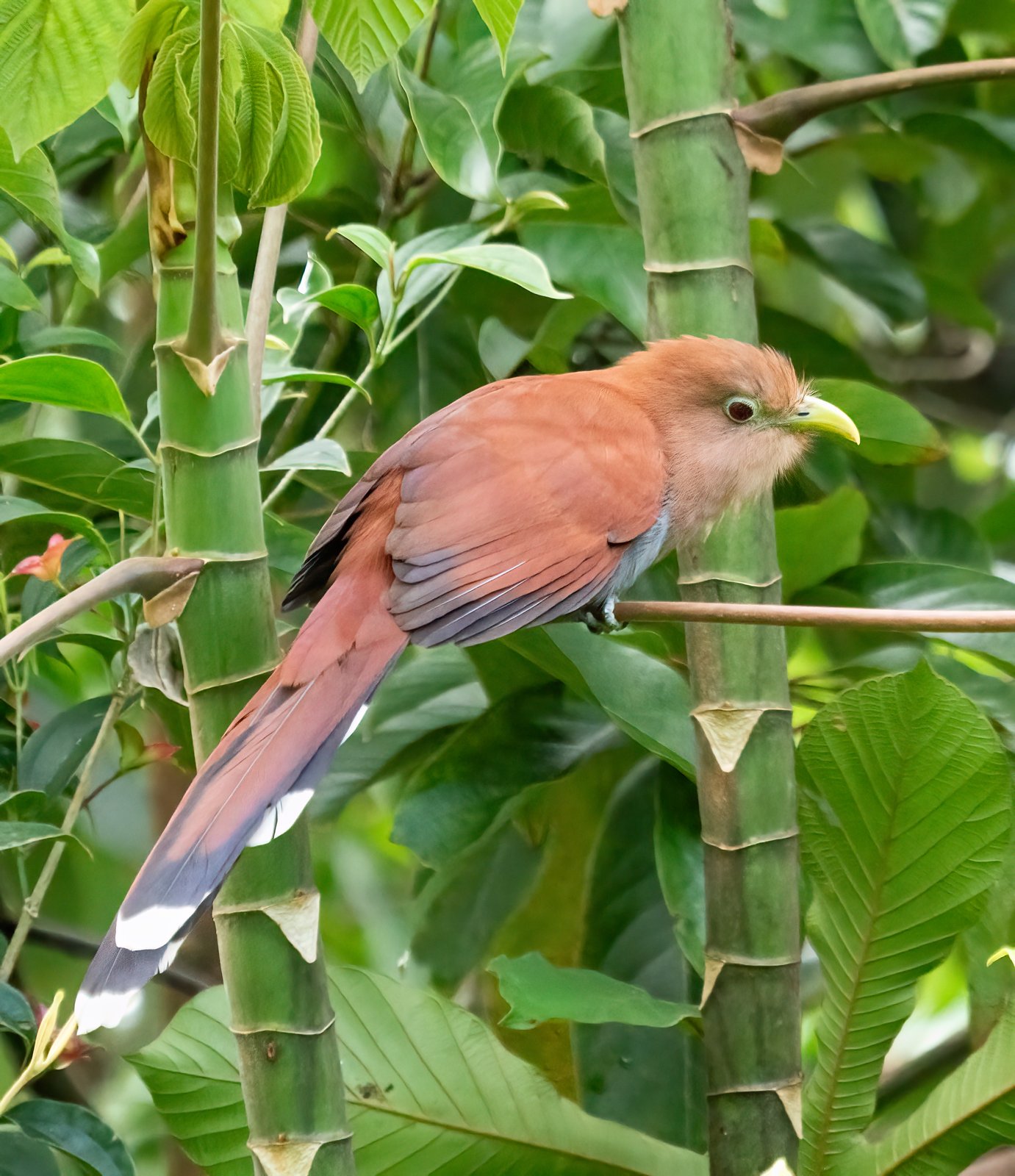
Common Squirrel Cuckoo
Piaya cayana Lowland rainforest
 Foothill (submontane) forest
- Secondary forest and forest edge
- Yucatán and Caribbean-interior seasonal forest
- Floodplain and gallery forest
 Shade coffee, cacao and agroforestry
-

Mexican Squirrel Cuckoo
Piaya mexicana- Pacific tropical dry forest
- Thorn scrub and cactus forest
 Riparian woodland in arid and temperate regions
- Secondary forest and forest edge
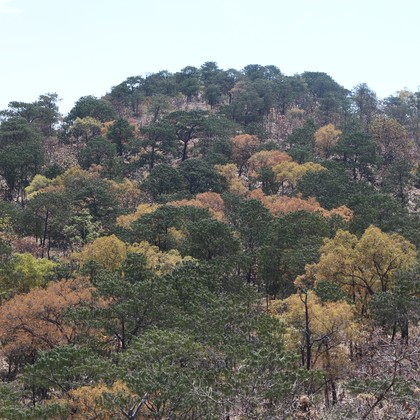 Madrean oak and pine-oak woodland
Coccyzus 4 species
-

Yellow-billed Cuckoo
Coccyzus americanus- Riparian woodland in arid and temperate regions
- Pacific tropical dry forest
- Yucatán and Caribbean-interior seasonal forest
- Secondary forest and forest edge
- Villages, towns, gardens and parks
-

Mangrove Cuckoo
Coccyzus minor- Mangrove
- Pacific tropical dry forest
- Yucatán and Caribbean-interior seasonal forest
- Thorn scrub and cactus forest
- Secondary forest and forest edge
-
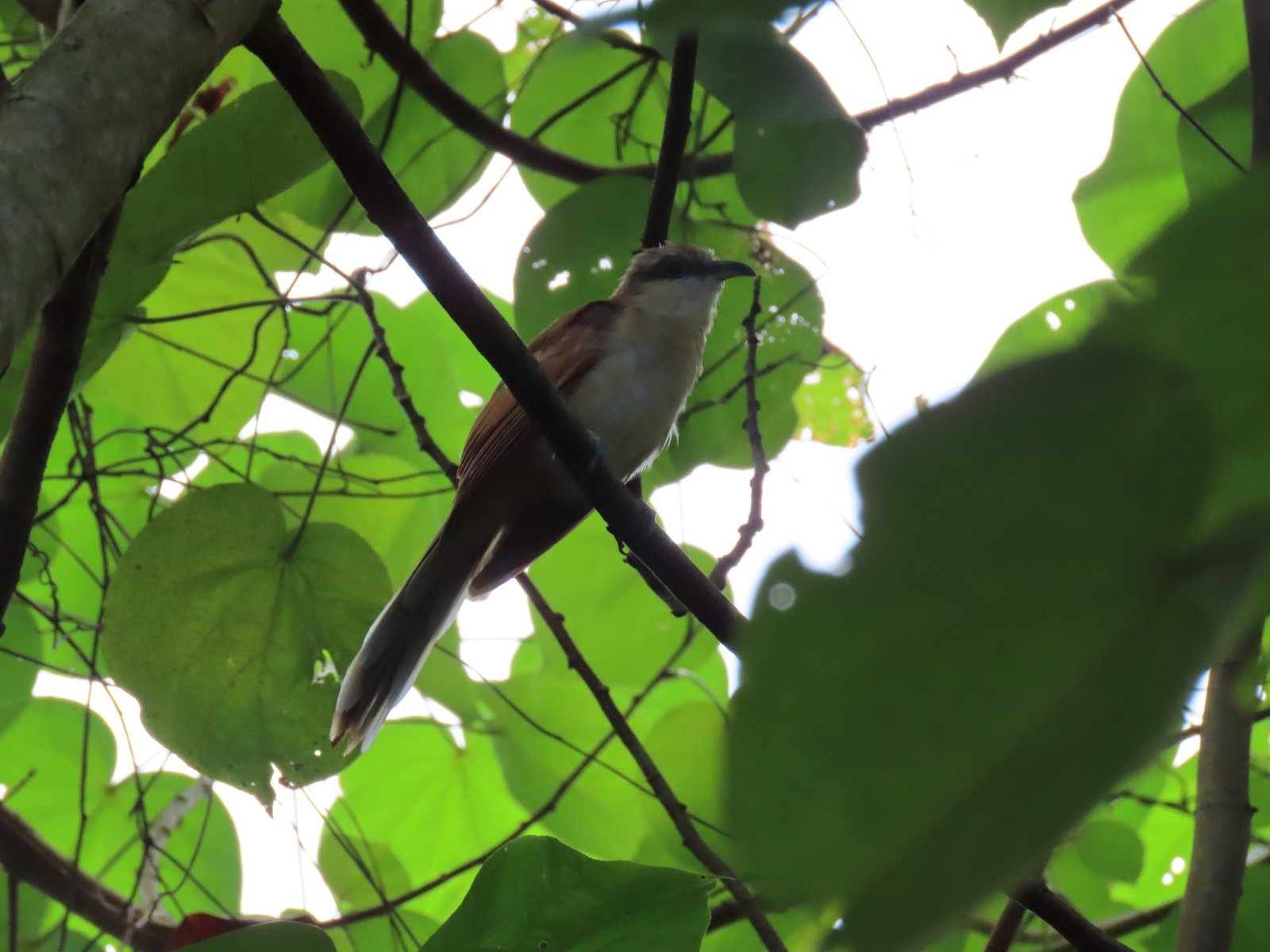
Cocos Cuckoo
Coccyzus ferrugineus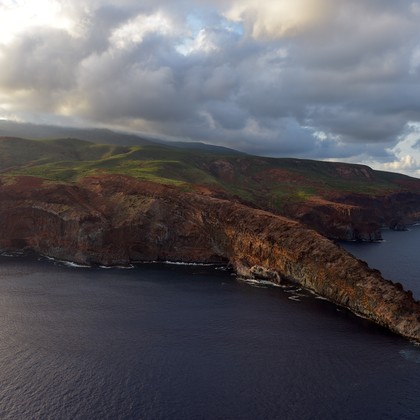 Oceanic islands
- Lowland rainforest
- Secondary forest and forest edge
-
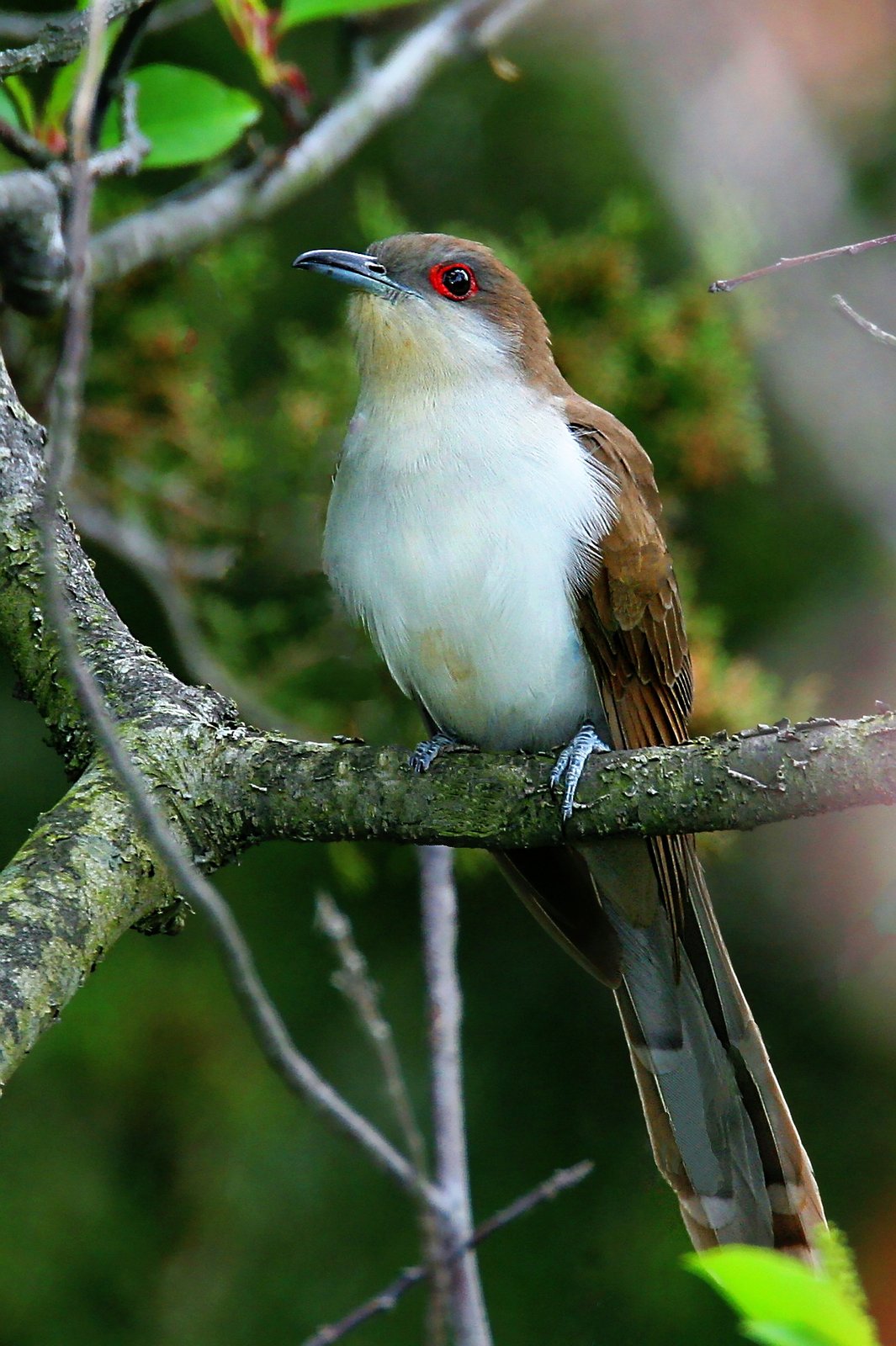
Black-billed Cuckoo
Coccyzus erythropthalmus- Secondary forest and forest edge
- Lowland rainforest
- Foothill (submontane) forest
- Yucatán and Caribbean-interior seasonal forest
Vagrants 3 species
Birds blown in from other continents. They have no range here, and so no distribution map.
-
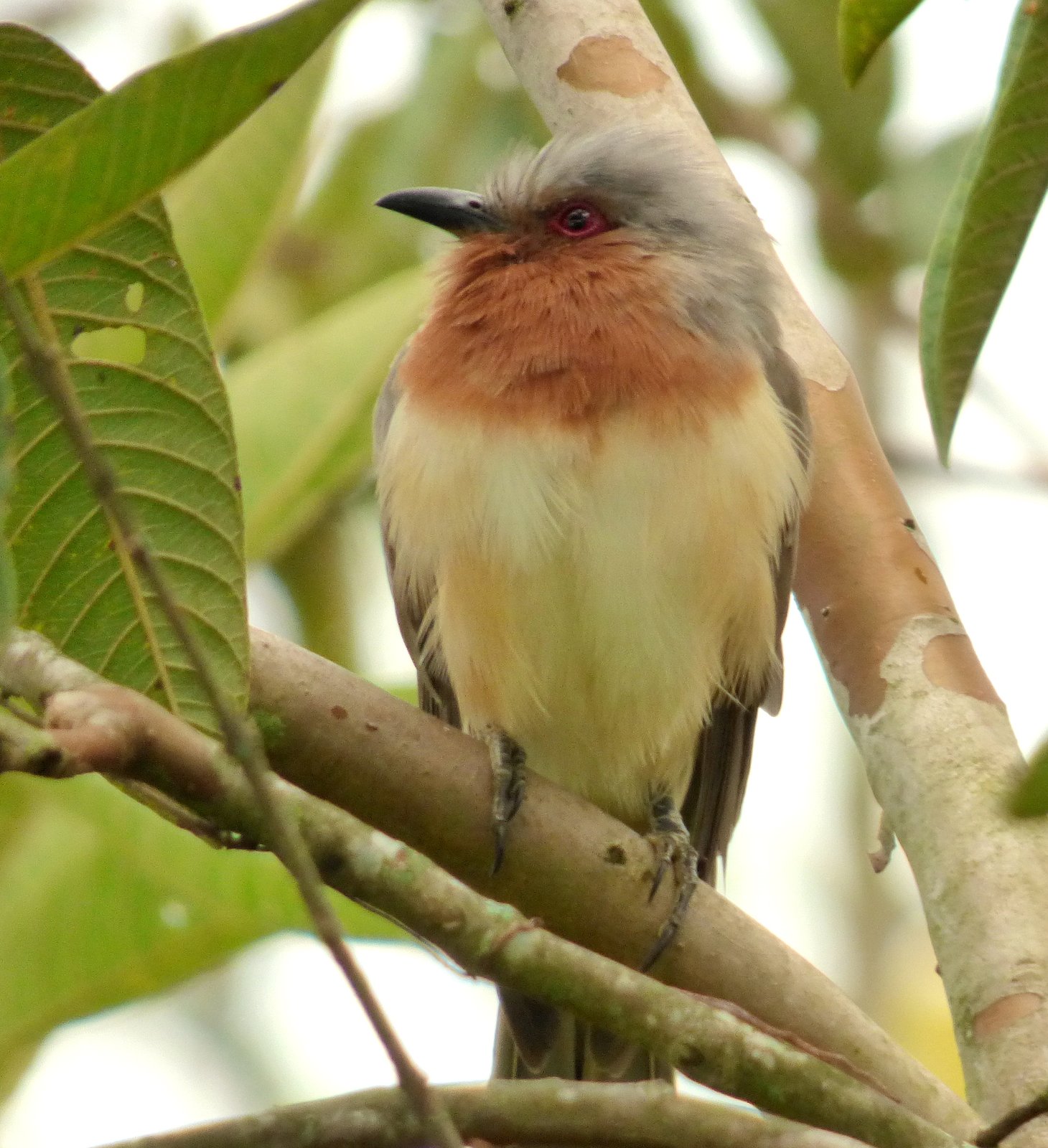
Dwarf Cuckoo
Coccycua pumila- Lowland savanna and open grassland
- Pasture and grazing land with trees
- Secondary forest and forest edge
- Floodplain and gallery forest
-
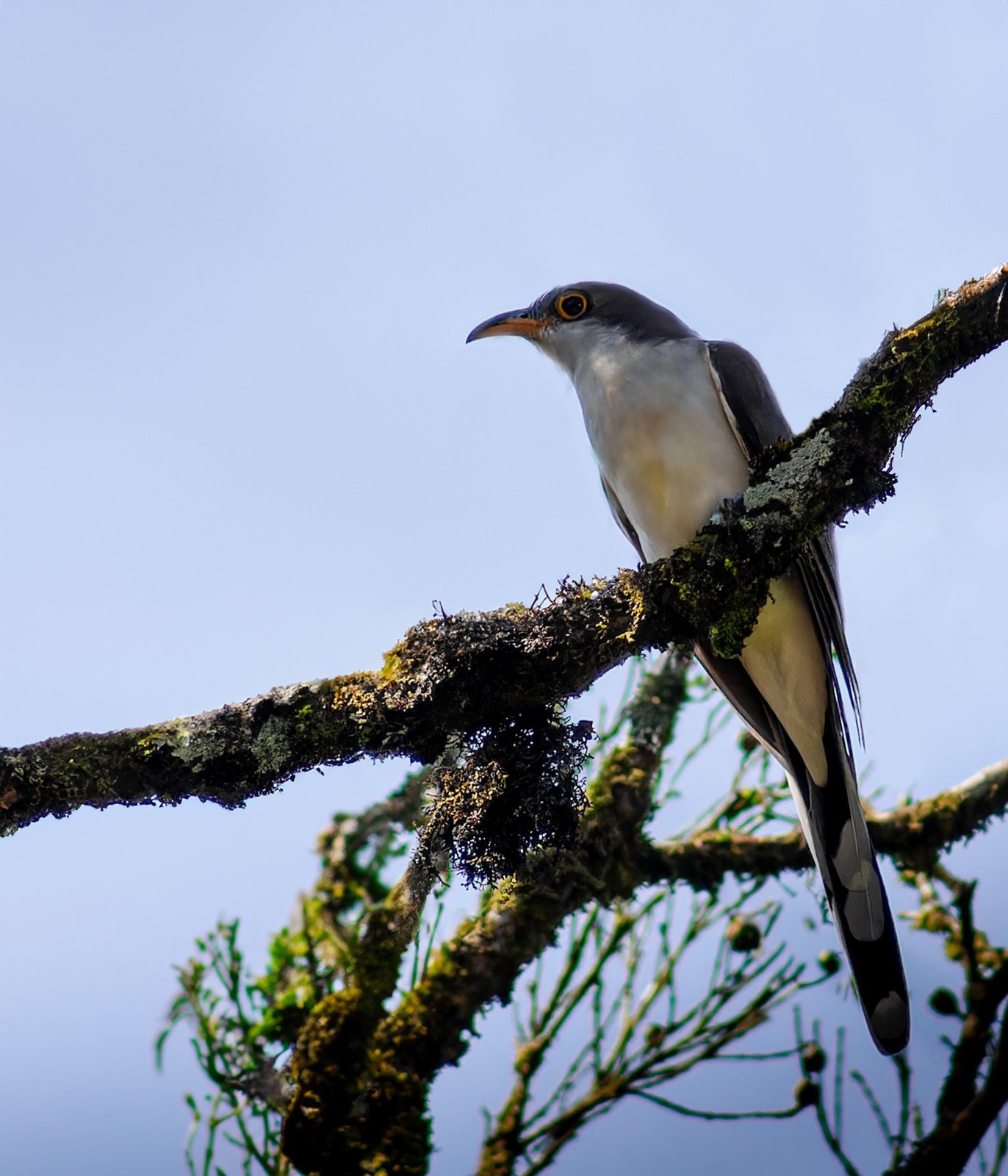
Pearly-breasted Cuckoo
Coccyzus euleri- Secondary forest and forest edge
- Lowland rainforest
- Floodplain and gallery forest
-
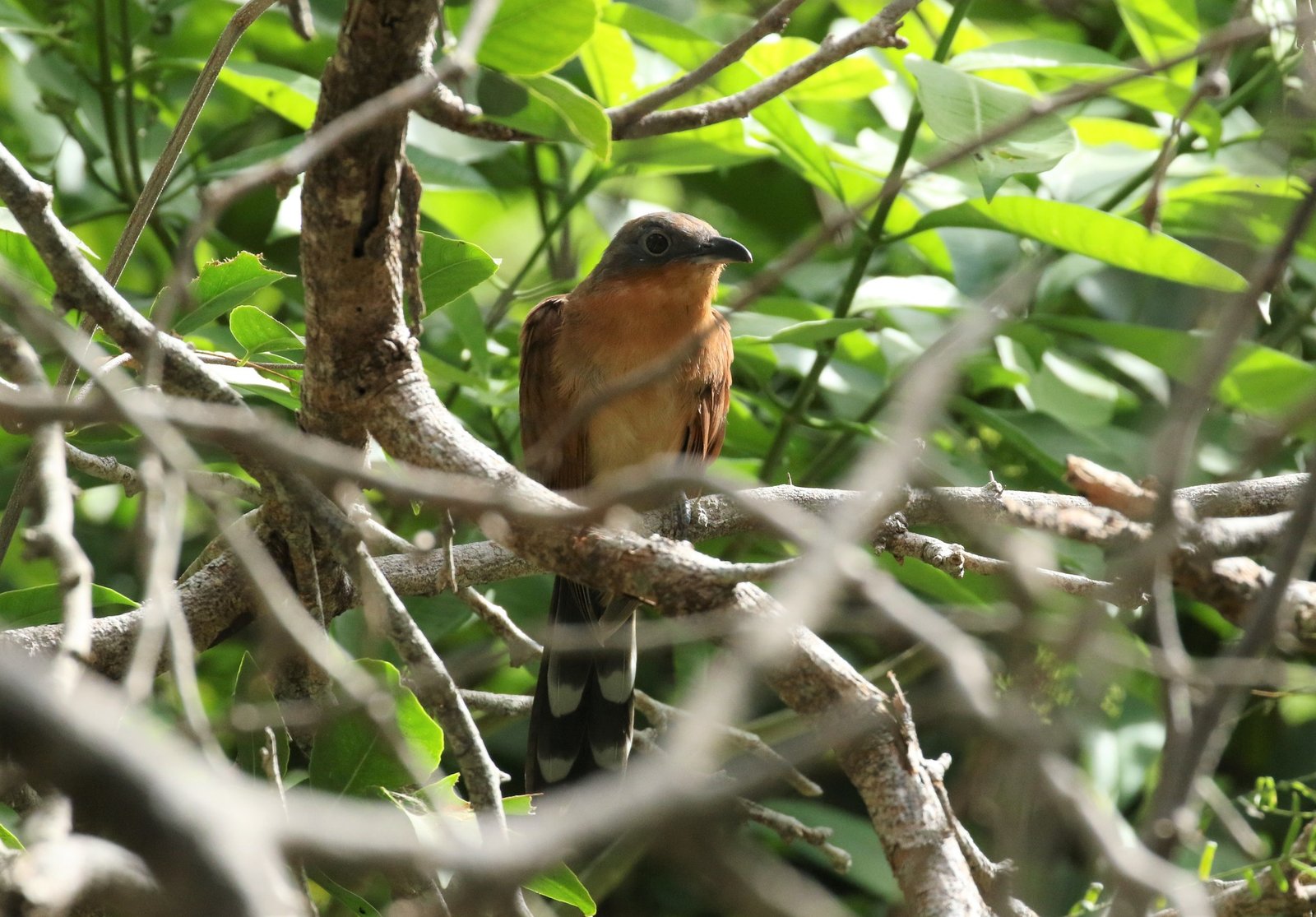
Grey-capped Cuckoo
Coccyzus lansbergi- Pacific tropical dry forest
- Secondary forest and forest edge
- Floodplain and gallery forest