All species › Passerines › Weavers › Golden-Backed Bishop
Golden-Backed Bishop | Euplectes aureus
Goudrugwever | Obispo Dorado
The Golden-Backed Bishop is a bishop with a very small range: the coastal plain and escarpment of western Angola, plus São Tomé. The breeding male is black with a glowing golden-yellow back.
Voice
A soft, sizzling, grating song of short chirps and buzzing notes, chip-chip-zzzee, from a bush or tall grass stem. The call is a dry chik.
Recording: Phil Gregory — CC BY-NC-SA 4.0 · converted to mono · xeno-canto
Identification
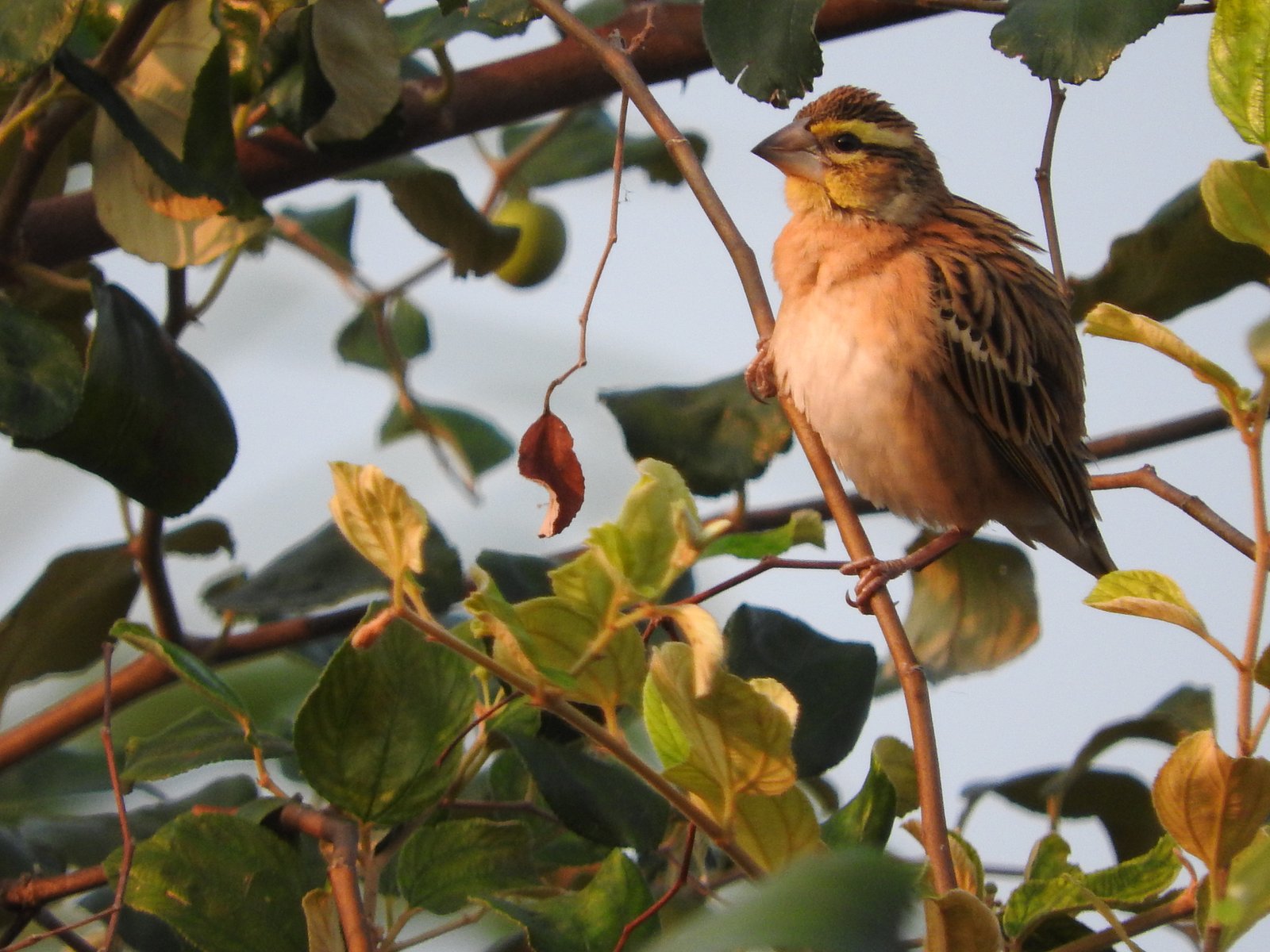
About 12 cm, with a short tail and a heavy conical bill. The breeding male is black on head and underparts, with a golden-yellow mantle and back that glows like a saddle; wings and tail are blackish brown with pale edges. The female and non-breeding male are tawny and dark-streaked, with a pale supercilium and a yellowish, finely streaked breast, and closely resemble other female bishops in the field.
Confusion species
Yellow-Crowned Bishop (Euplectes afer) is smaller and has a yellow crown above the black face. Yellow Bishop (Euplectes capensis) is larger, with yellow shoulders and a yellow rump but a black mantle. Yellow-Mantled Widowbird (Euplectes macroura) also has a yellow mantle, but also yellow shoulders and a clearly longer tail, and does not share the same dry habitat in western Angola. In the female, range and the company of males help most.
Habitat
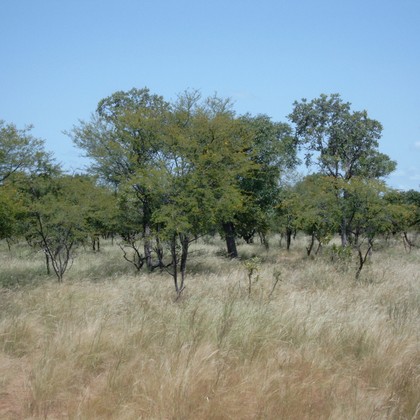
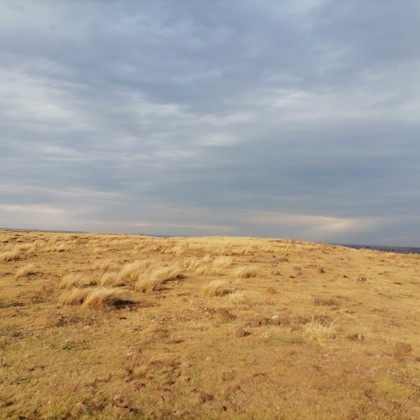
Dry savanna with bushes and tall grass, thorn scrub, grassland on the coastal plain and escarpment slopes, and fields and fallow land. It breeds in the rainy season; outside it, it forms small flocks.
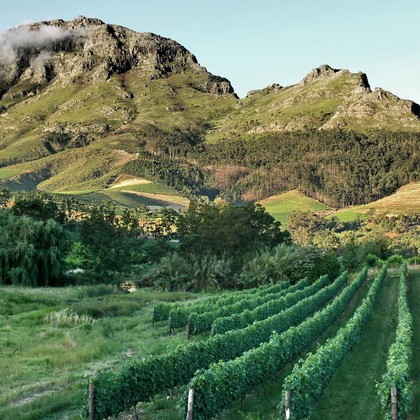
Where the bird is most at home, classified by the vegetation units of southern Africa.
Range and movements
A near-endemic of western Angola, from the coastal plain around Luanda and Bengo south through Cuanza Sul and Benguela into western Huíla, mainly below about 1,000 m. Elsewhere only on São Tomé, where it may have been introduced by people. There are no records elsewhere in the region.
- Resident
- dark = core range, pale = thinly spread
How and when to look
Best in the rainy season, December to April, along the coast road and the roads up the escarpment in Cuanza Sul and Benguela, where singing males perch on bushes along verges and fields.
Conservation status
Not threatened; locally common within its small range and tolerant of farmland, but little studied.
Scientific name
Euplectes aureus | (Gmelin, 1789)
Gmelin described the species in 1789 as Loxia aurea; because it was later moved to another genus, the author and year stand in brackets. The genus Euplectes was introduced in 1829 by Swainson. Euplectes joins Greek eu 'fine, good' to New Latin plectes 'weaver'. aureus is Latin for 'golden' — for the male's golden-yellow back. The specimen the first description was based on came from Benguela, Angola.