All species › Waterfowl › Ducks and geese › South African Shelduck
South African Shelduck | Tadorna cana
Kaapse casarca | Tarro Sudafricano
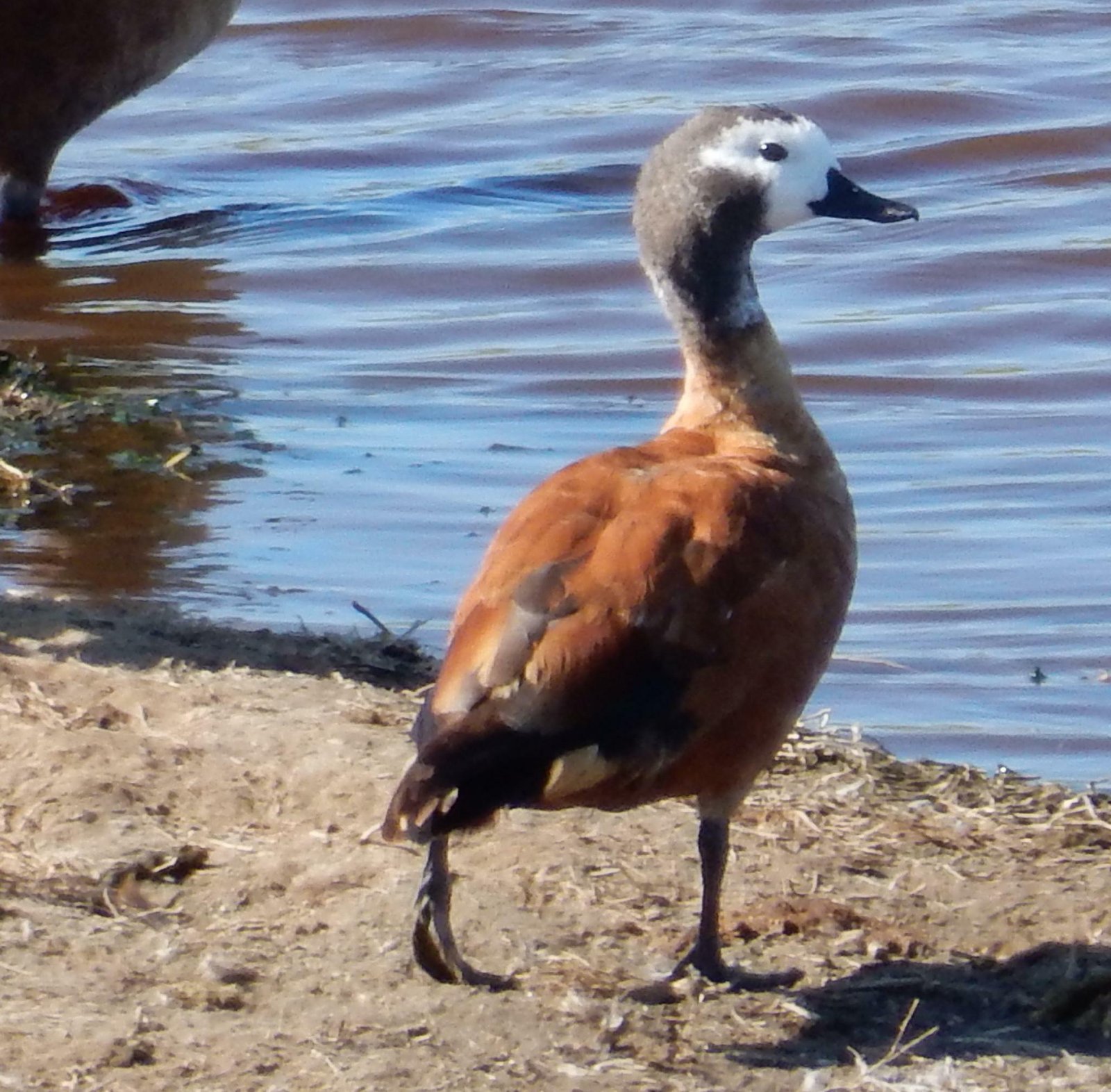
The South African Shelduck is a rufous shelduck of the dry interior of southern Africa, virtually endemic to the region. The male has a plain grey head, the female a white face; both show a large white wing panel in flight. Pairs and flocks are a familiar sight on the dams and pans of the Karoo and the highveld.
Click a thumbnail to switch the photo above.
Voice
The male gives a deep, hollow honk, hoo or hoo-hoo; the female a louder, harsh, nasal haak, often in series when disturbed or in pair greeting. It also calls a lot in flight.
Recording: Dawie de Swardt — CC BY-NC-SA 4.0 · shortened to the first 60 s, mono · xeno-canto
Identification
61–66 cm. The body is warm chestnut to rufous, slightly paler and more orange on the breast and mantle, with a black tail and black flight feathers. The male has a plain pale grey head and neck; the female a grey head with a white face, whose extent varies between individuals, from a small patch to almost the whole front of the head. The bill and legs are black. In flight the forewing is entirely white, with a glossy green speculum. Juveniles are duller brown with a grey-brown head and little white on the face.
Confusion species
Egyptian Goose Alopochen aegyptiaca shows the same white wing panel in flight, but is pale buff-brown with a dark eye patch, a dark breast blotch and a pink bill and legs. Fulvous Whistling Duck Dendrocygna bicolor can suggest the rufous colour, but has a different shape, no white in the wing and a white rump.
Habitat
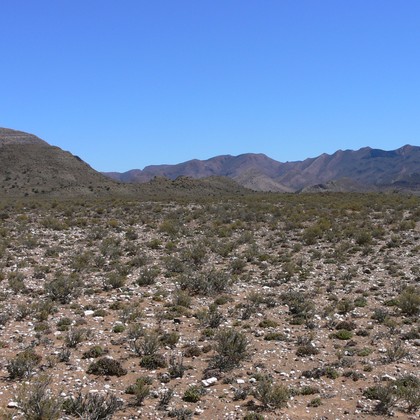
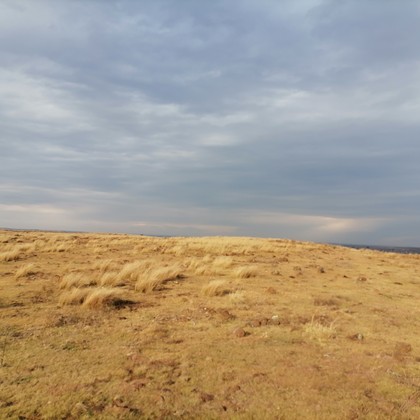
Shallow fresh and brackish dams, pans, vleis and rivers in open, dry country: Karoo, highveld, grassland and grain-growing areas. It dabbles and grazes for seeds, aquatic plants and small invertebrates. It nests in holes in the ground, mainly in disused burrows of Aardvarks, springhares and porcupines, sometimes far from water; after hatching the female leads the ducklings overland to a dam.
Where the bird is most at home, classified by the vegetation units of southern Africa.

Range and movements
Almost confined to the region: in South Africa in the Karoo, the Free State, on the highveld and in the Northern, Eastern and Western Cape; also in Lesotho, southern and central Namibia and southern Botswana. Absent from the humid east and the northern countries. Beyond the region only a rare vagrant.
- Resident
- Summer visitor (c. Oct–Mar)
- Winter visitor (c. Apr–Sep)
- dark = core range, pale = thinly spread
How and when to look
On any farm dam in the Karoo and the Free State, best in spring when pairs lead lines of ducklings across the water. In summer hundreds of birds gather to moult on large dams such as those in the Free State and the Eastern Cape; males and females can then be compared side by side.
Conservation status
Not threatened; the building of farm dams has extended its habitat in the Karoo and numbers are stable to increasing. It is hunted locally and sometimes regarded as a pest on grain fields.
Scientific name
Tadorna cana | (Gmelin, 1789)
Gmelin described the species in 1789 as Anas cana; because it was later moved to another genus, the author and year stand in brackets. The genus Tadorna was introduced in 1822 by Boie. Tadorna comes through French tadorne from an older, probably Celtic name for a pied waterfowl. cana is Latin for 'grey', for the male's grey head. The specimen the first description was based on came from Cape of Good Hope.