All species › Waterfowl › Ducks and geese
Ducks and geese | Anatidae
Eenden en ganzen | Patos y gansos
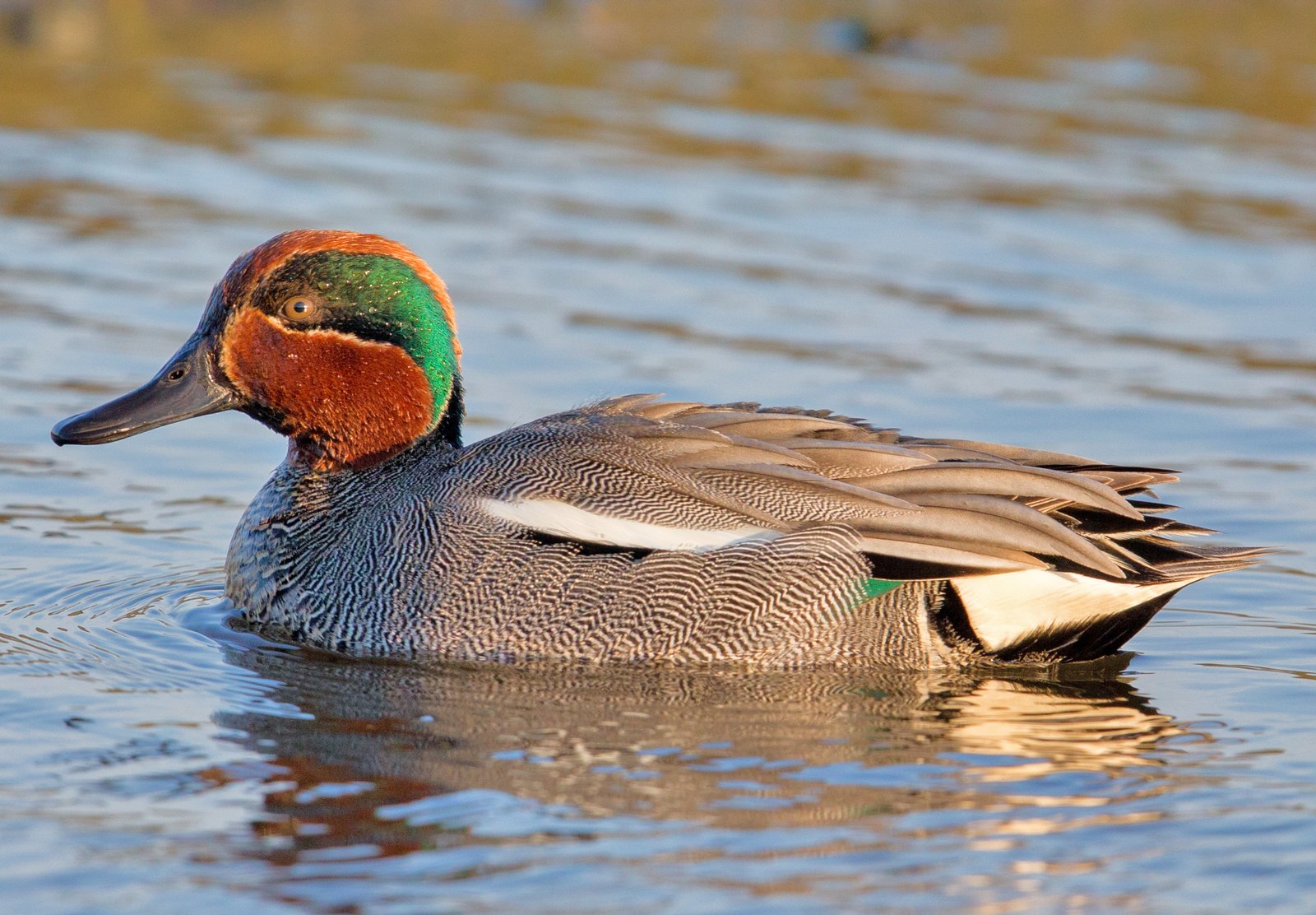
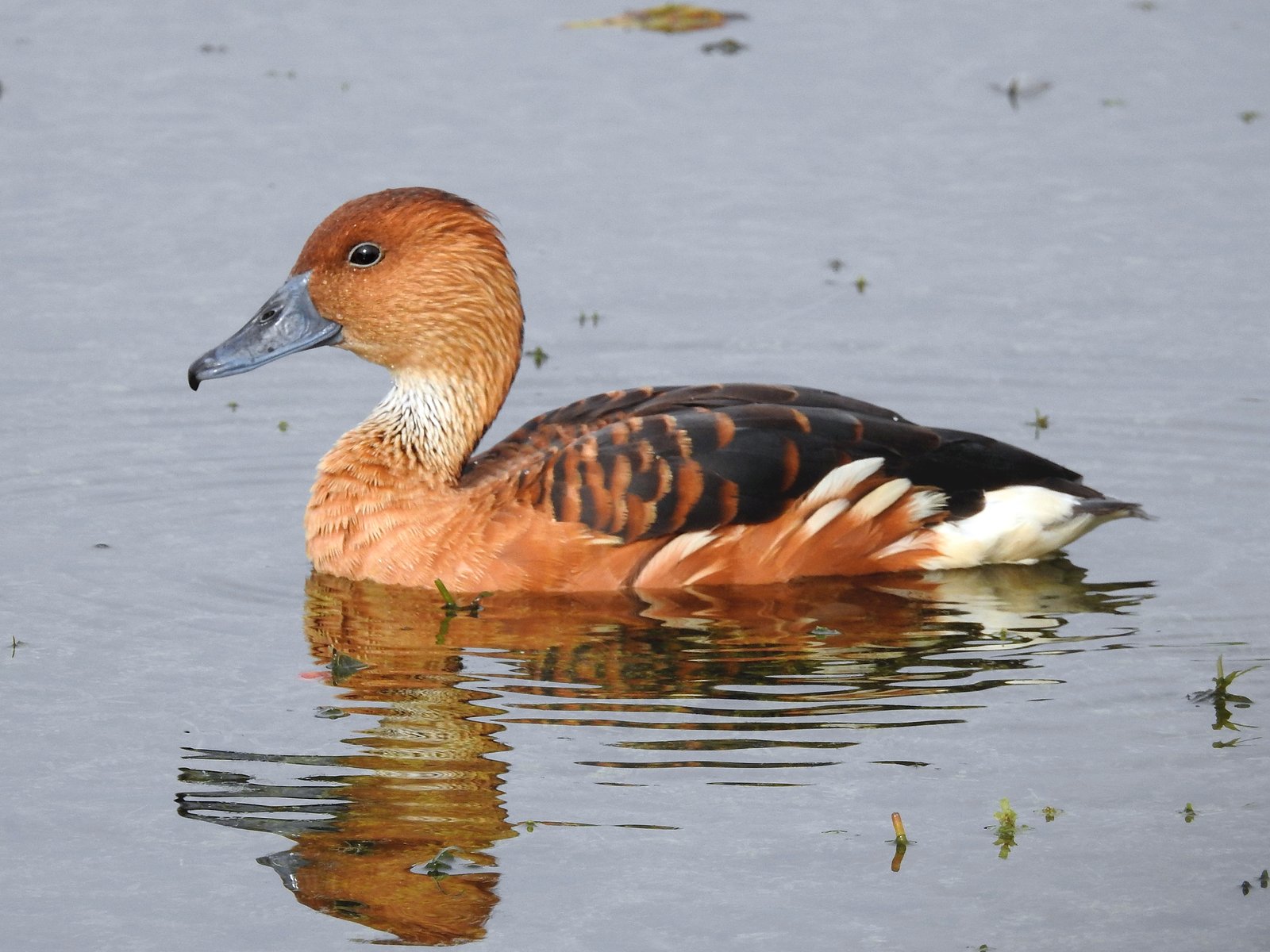
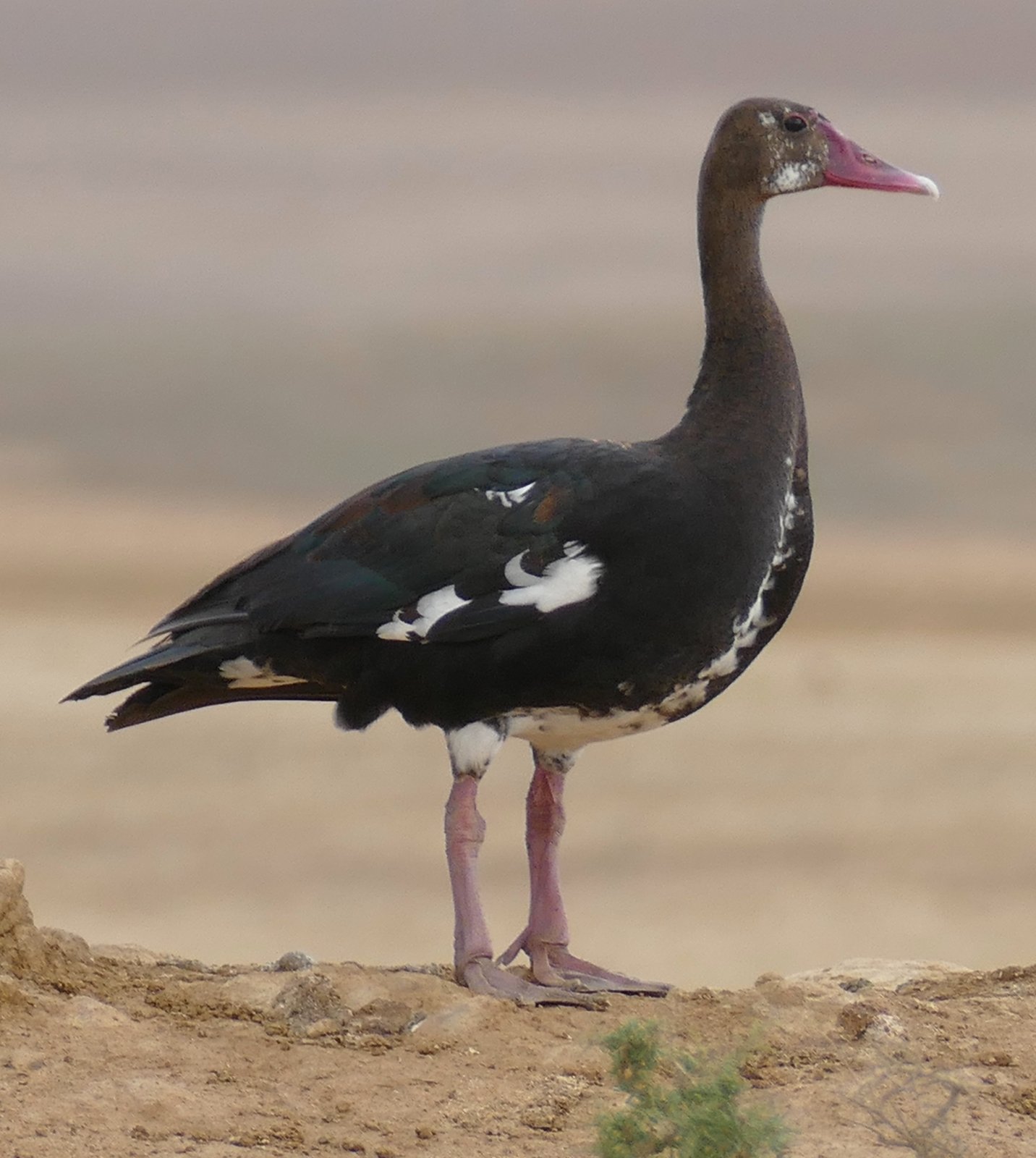
The length of the neck decides how a species reaches its food: grazing on short waterside growth, sieving at the surface, upending with the tail in the air, or diving to the bottom — on a single pan or dam these methods often occur side by side. Besides the true ducks the family here holds goose-like forms with long legs and an upright stance, whistling ducks that are active mainly at dusk and by night and take their name from the clear flight call, pygmy geese that feed on floating water lilies, and stiff-tails that lie low in the water and display with the tail cocked. Unlike the ducks of the northern temperate zone, in most species here the sexes differ little or not at all and there is no eclipse plumage; the distinctions lie in bill and eye colour, in the size of a knob or spur, and in the pattern of the speculum. Breeding follows not a fixed season but the water: after rain, flocks move hundreds of kilometres to filling pans, where large clutches are raised quickly in a scrape lined with the female's own breast down, in a cavity, or in an abandoned nest. The female almost always incubates alone and leads the downy young, which feed themselves from the first day.
Native species 19 species
Species that occur here by nature: breeding birds, winter visitors and passage migrants. They are arranged by genus, in the sequence of the list.
Dendrocygna 2 species

Thalassornis 1 species

Oxyura 1 species

Plectropterus 1 species
Sarkidiornis 1 species

Nettapus 1 species
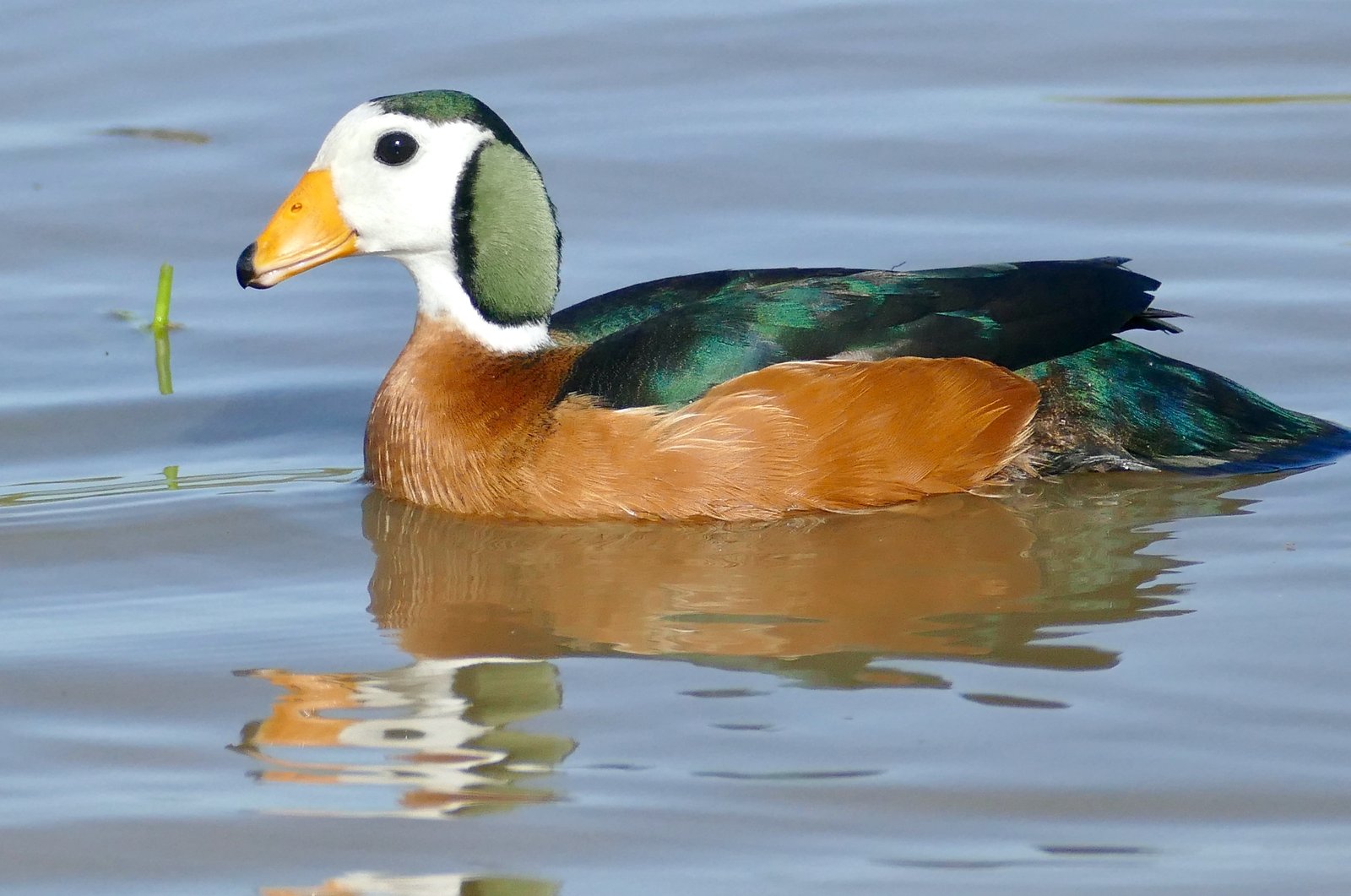
Alopochen 1 species
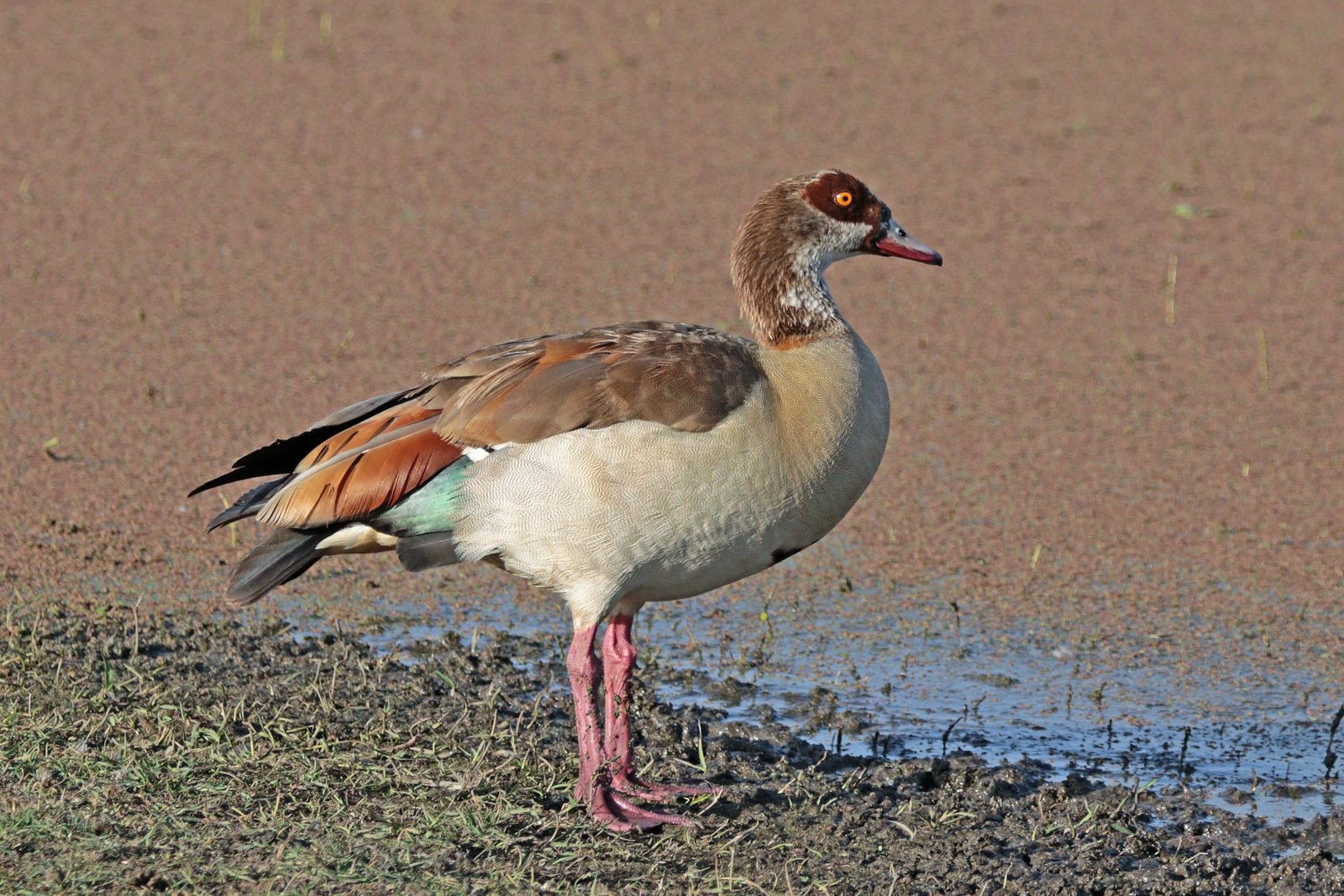
Tadorna 1 species
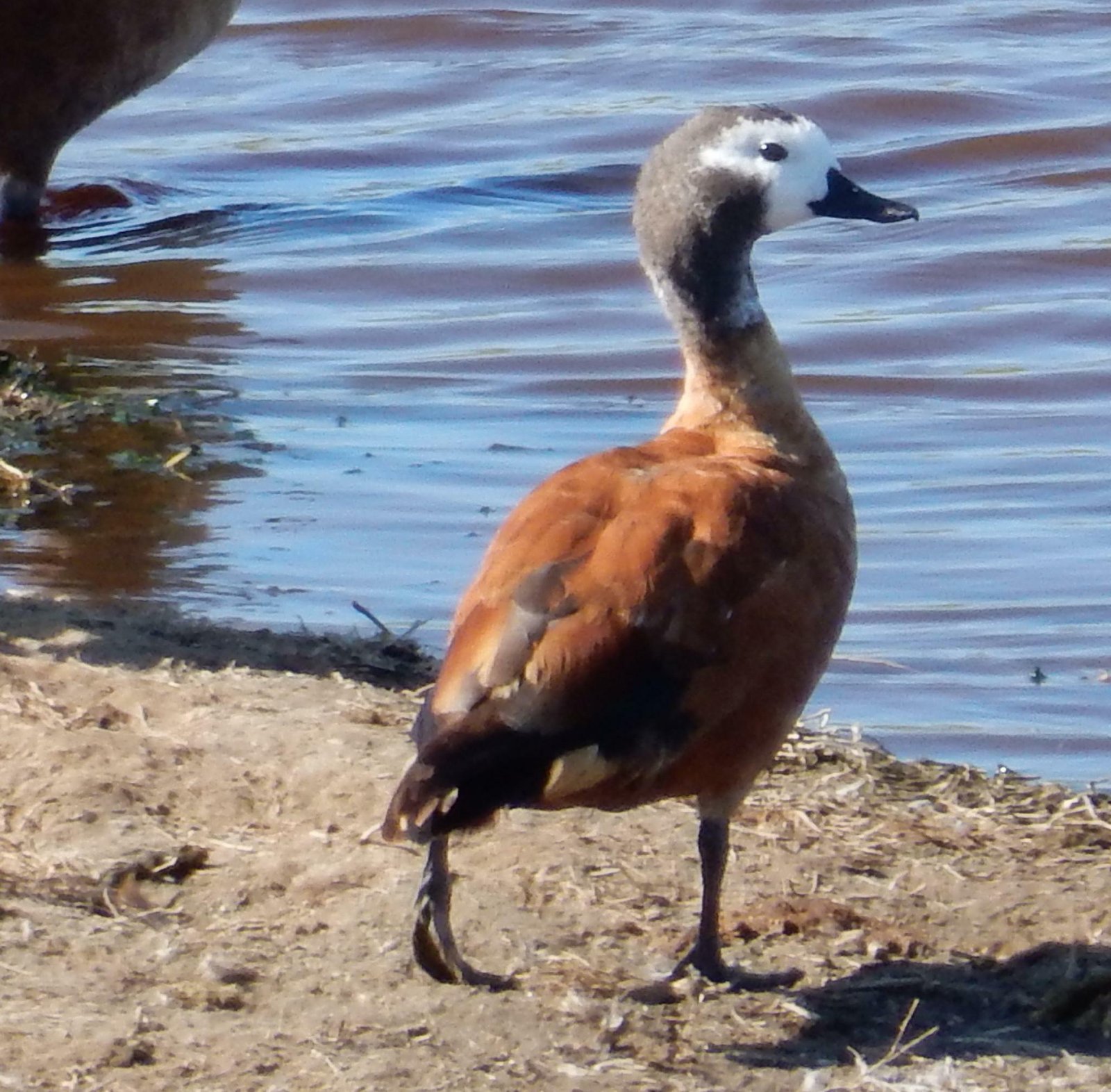
Netta 1 species

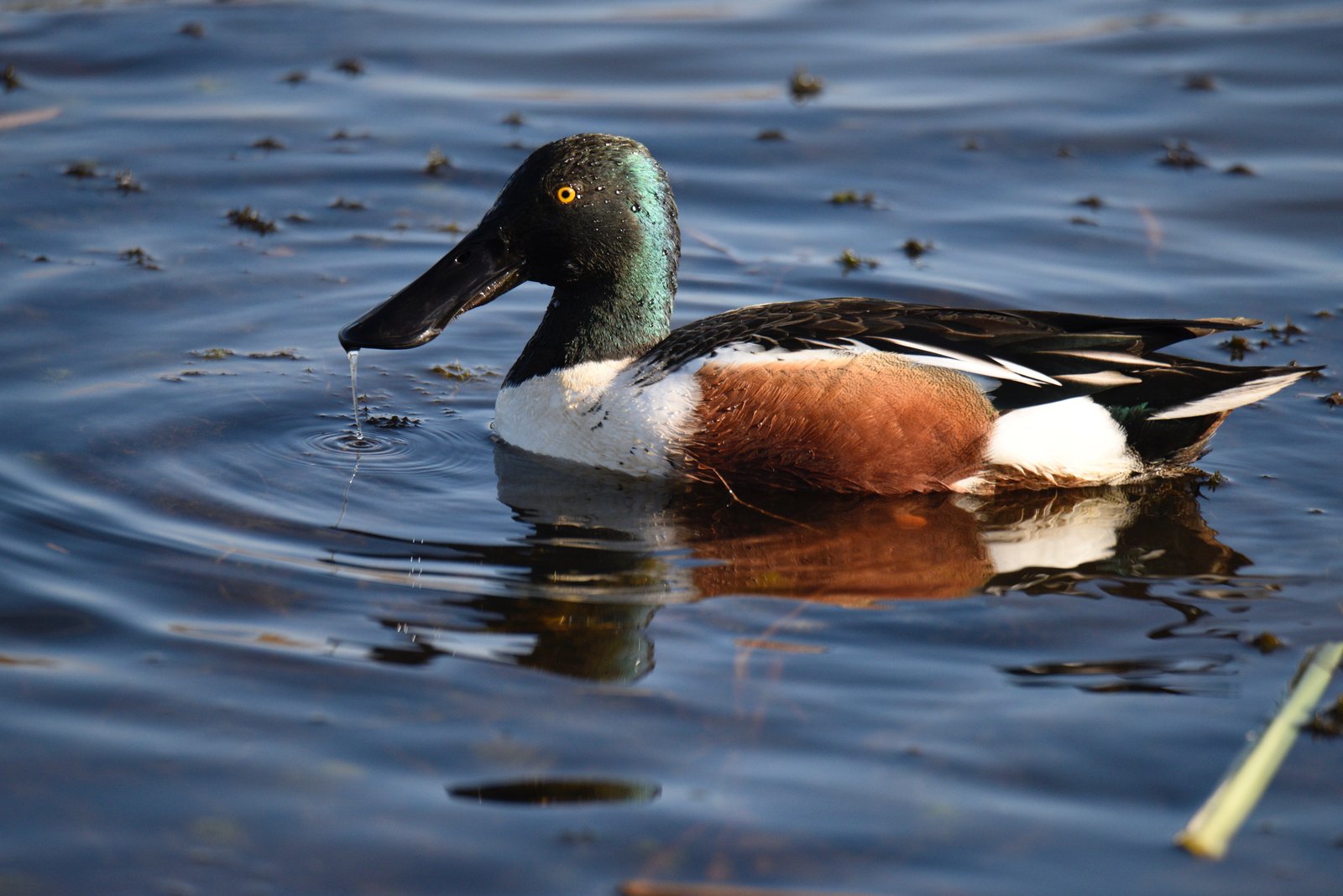
Spatula 4 species
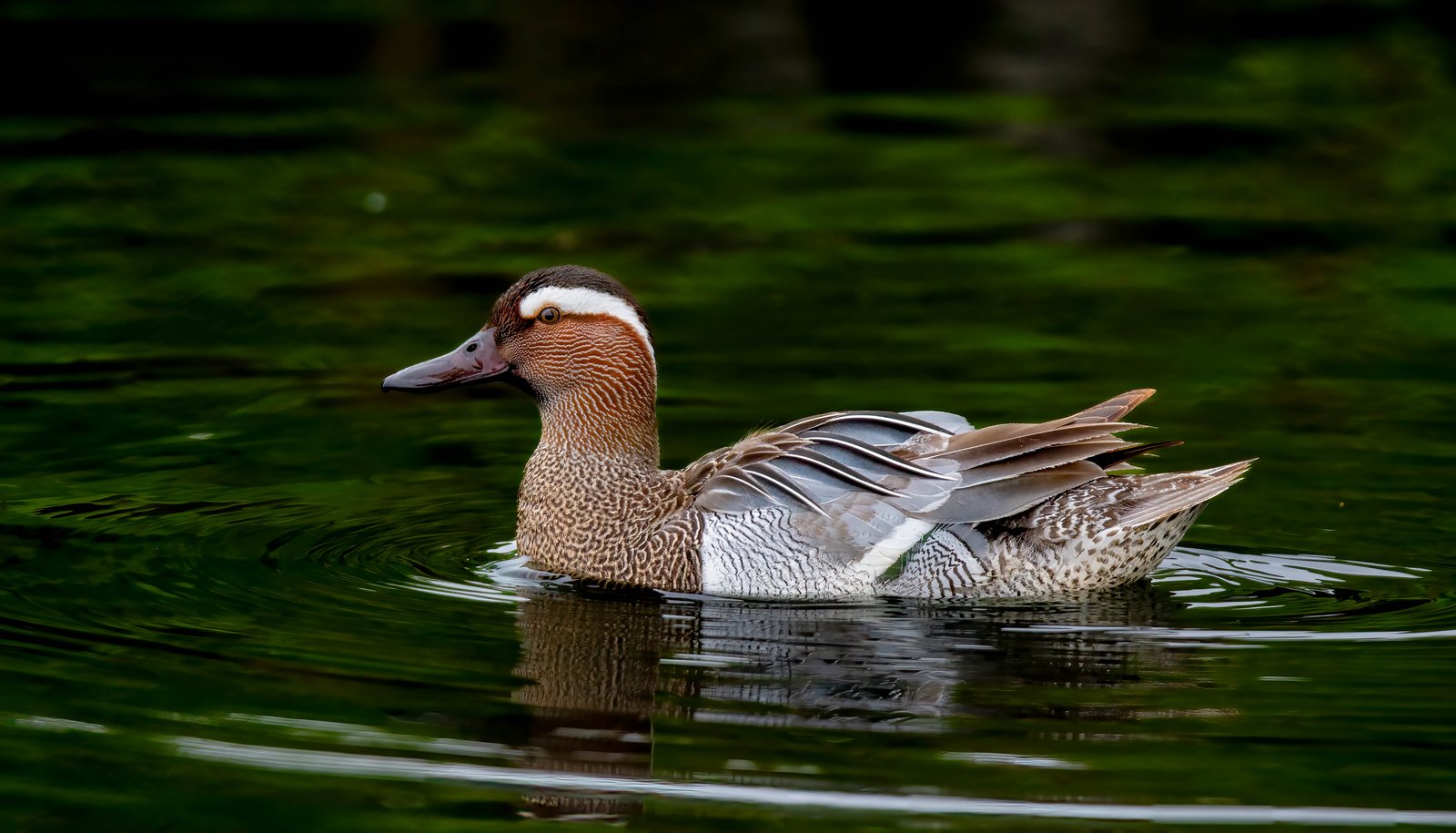


Anas 5 species
-
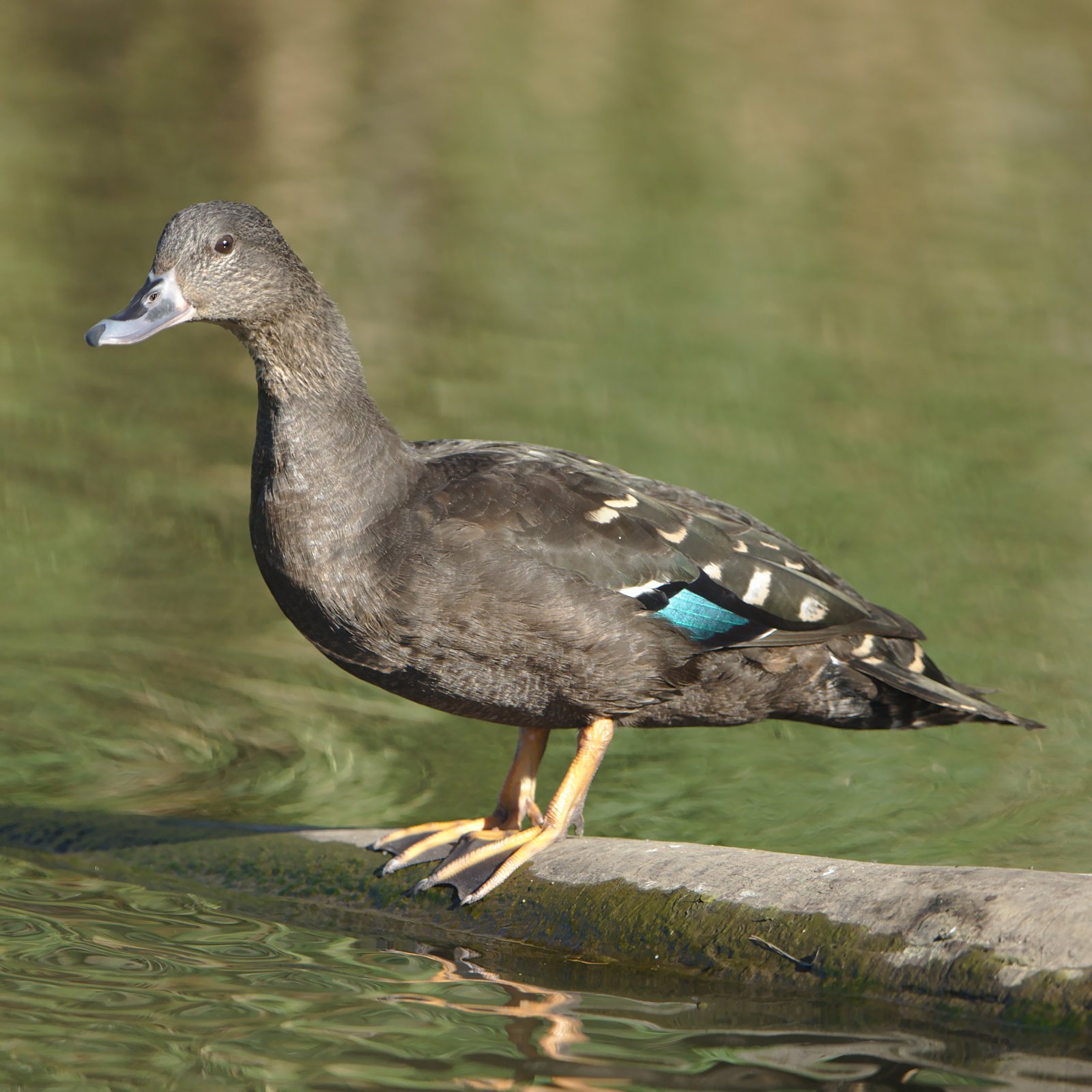
African Black Duck
Anas sparsa Rivers, marshes and vleis
 Riverine forest
-
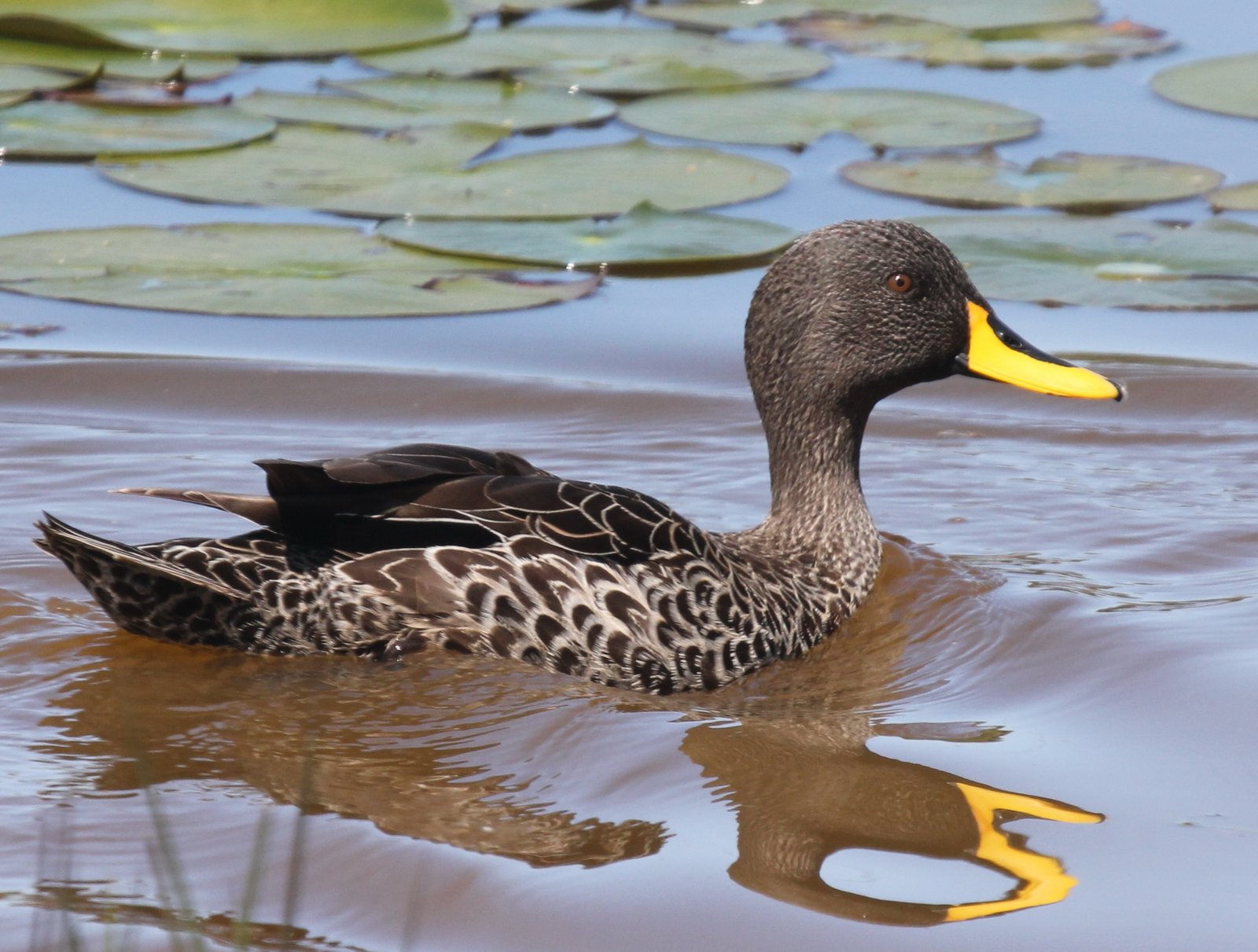
Yellow-Billed Duck
Anas undulata- Rivers, marshes and vleis
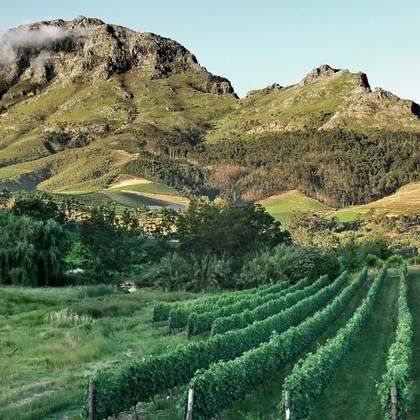 Farmland
-
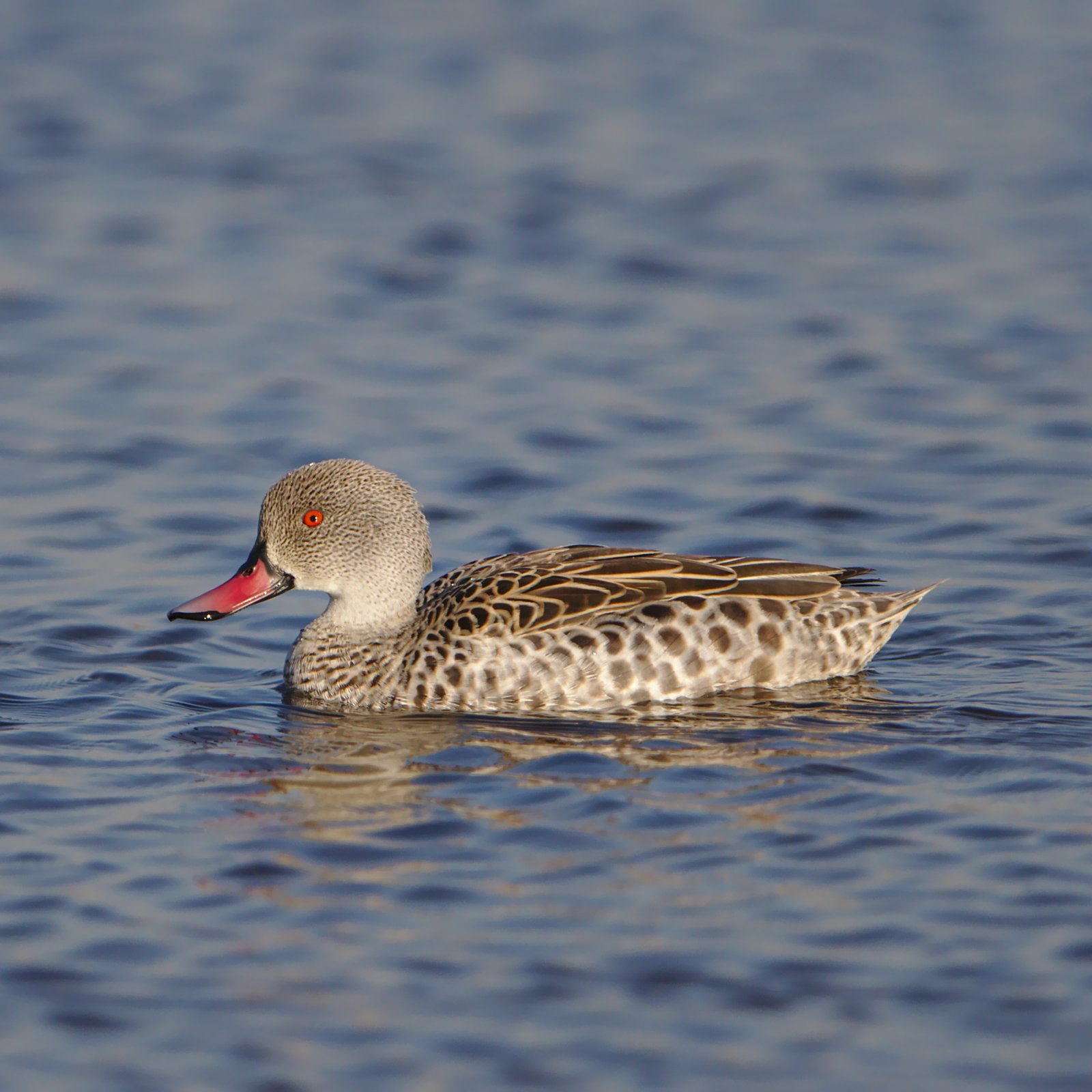
Cape Teal
Anas capensis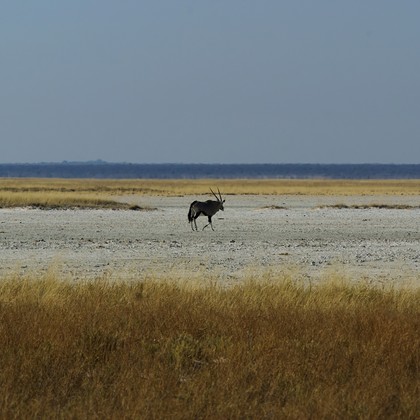 Salt pans
- Rivers, marshes and vleis
-
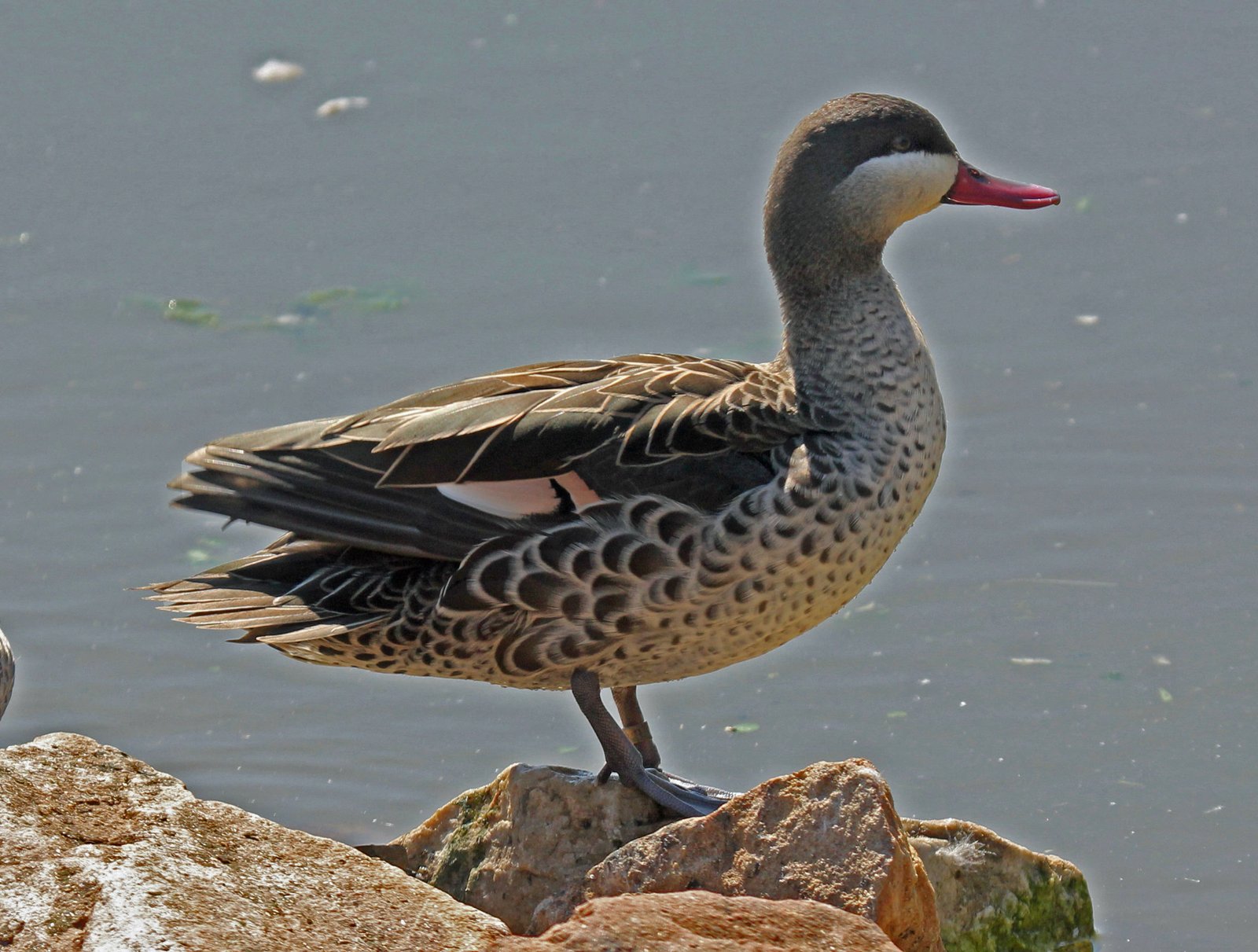
Red-Billed Teal
Anas erythrorhyncha- Rivers, marshes and vleis
- Farmland
-
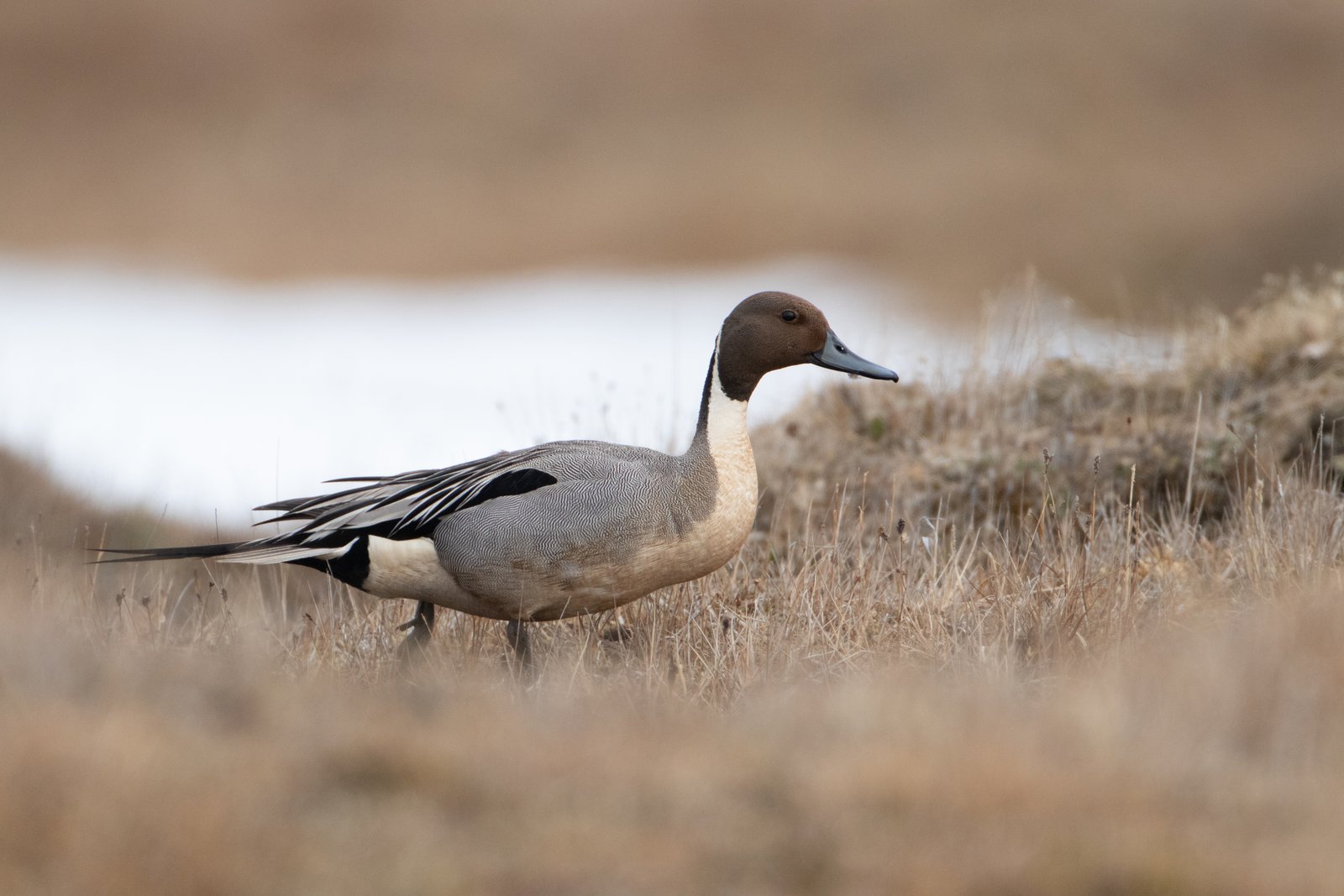
Northern Pintail
Anas acuta- Rivers, marshes and vleis
Introduced species 1 species
Species that do not occur here by nature but were brought in or escaped and have held on since. They follow the sequence of the list, not the genera.


Vagrants 1 species
Birds blown in from other continents. They have no range here, and so no distribution map.