All species › Hedgehogs, shrews and moles › Hedgehogs › Western European Hedgehog
Western European Hedgehog | Erinaceus europaeus
West-europese egel | Erizo Europeo Occidental
The hedgehog (Erinaceus europaeus) is a nocturnal insectivore of western and central Europe with a coat of spines on its back and flanks. It lives mainly along the edges of the landscape: woodland margins, hedgerows, gardens and villages. Numbers have declined steeply over recent decades in much of its western European core range; since 2024 the species has been listed as Near Threatened (NT).
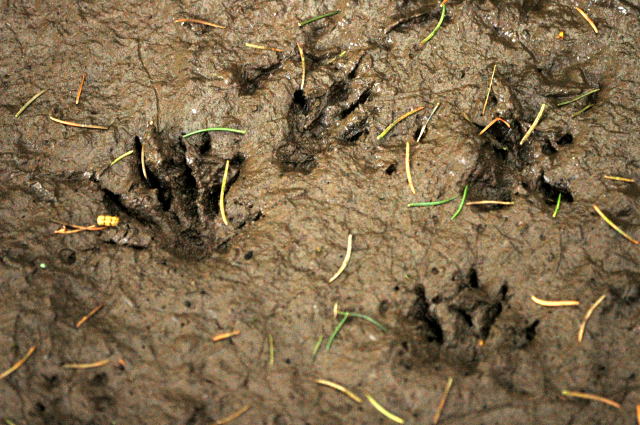
Tracks
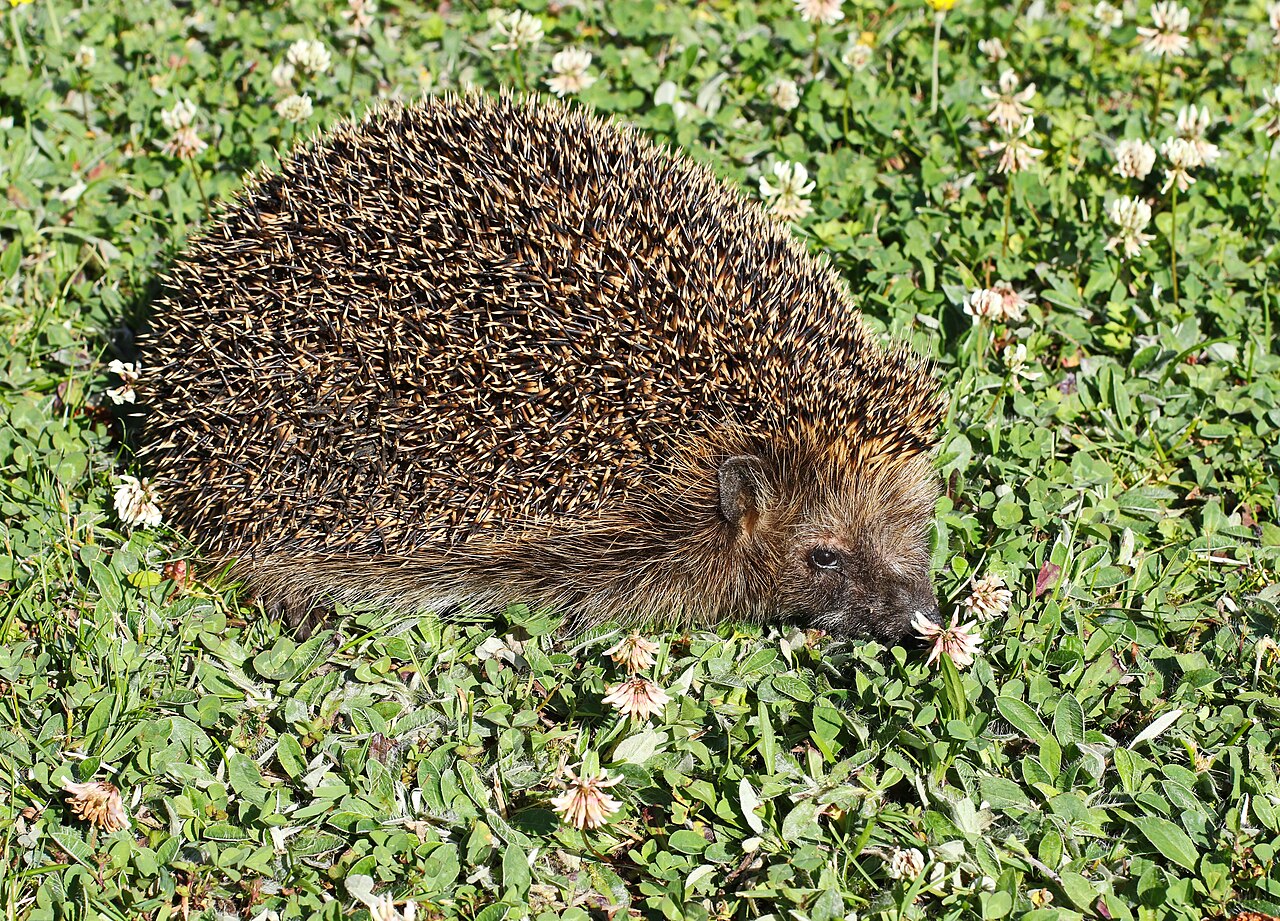
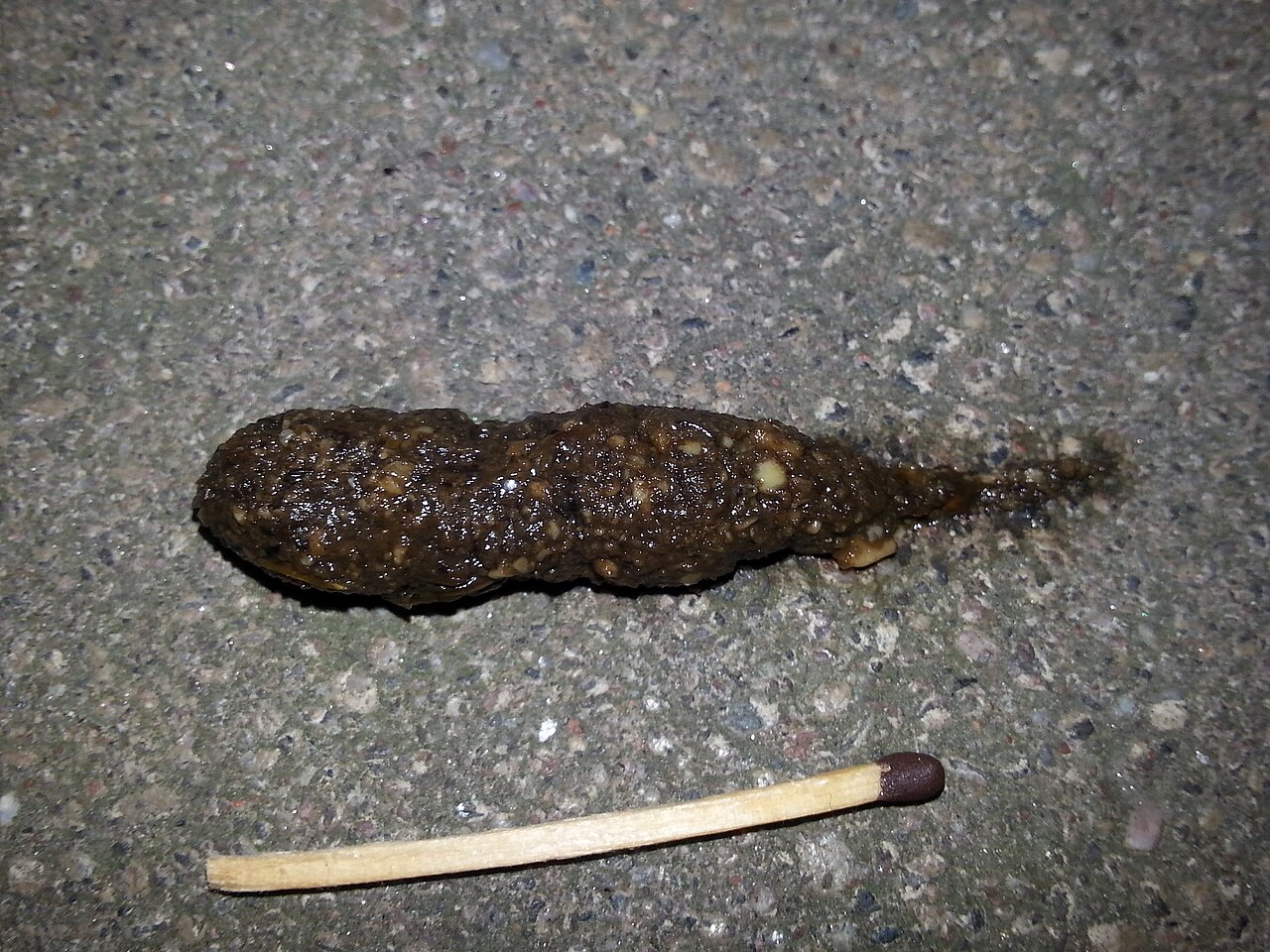
The species is recorded from signs more often than from sightings. The dropping is the most frequently found sign: 3 to 5 cm long, about 1 cm thick, cylindrical and blunt at both ends, black and slightly glossy when fresh, and full of blue- and green-glossed wing cases and legs of beetles. It lies in the open on a lawn, a paved path or a woodland track, never buried and seldom on a raised spot; this distinguishes it from the twisted, tapering scat of mustelids and from that of a cat, which is buried in loose soil. On short-mown grass there are also snout pokes: conical holes 1 to 2 cm deep and wide, made with the nose in the turf while searching for leatherjackets, usually dozens together. The print is visible only in soft mud or damp sand and is small relative to the animal: about 2.5 to 3 cm long, with five toes and sharp, far-projecting claw marks; the hind foot is narrower and longer than the fore foot and often registers only with the toes, so the trail is irregular and the prints lie far apart. Sound is also a sign: a foraging hedgehog snuffles, huffs, smacks and rustles in the leaf litter, audible up to about ten metres, and during courtship in May and June the male makes a continuous, panting puffing while circling the female for hours; at night in a garden this sound is characteristic. The nest lies under a brush pile, a stack of prunings, a shed or a dense bramble: a compact, hollow ball of dry leaves, about the size of a football, in winter woven in among dead wood. Road casualties are the most frequent records of the species.
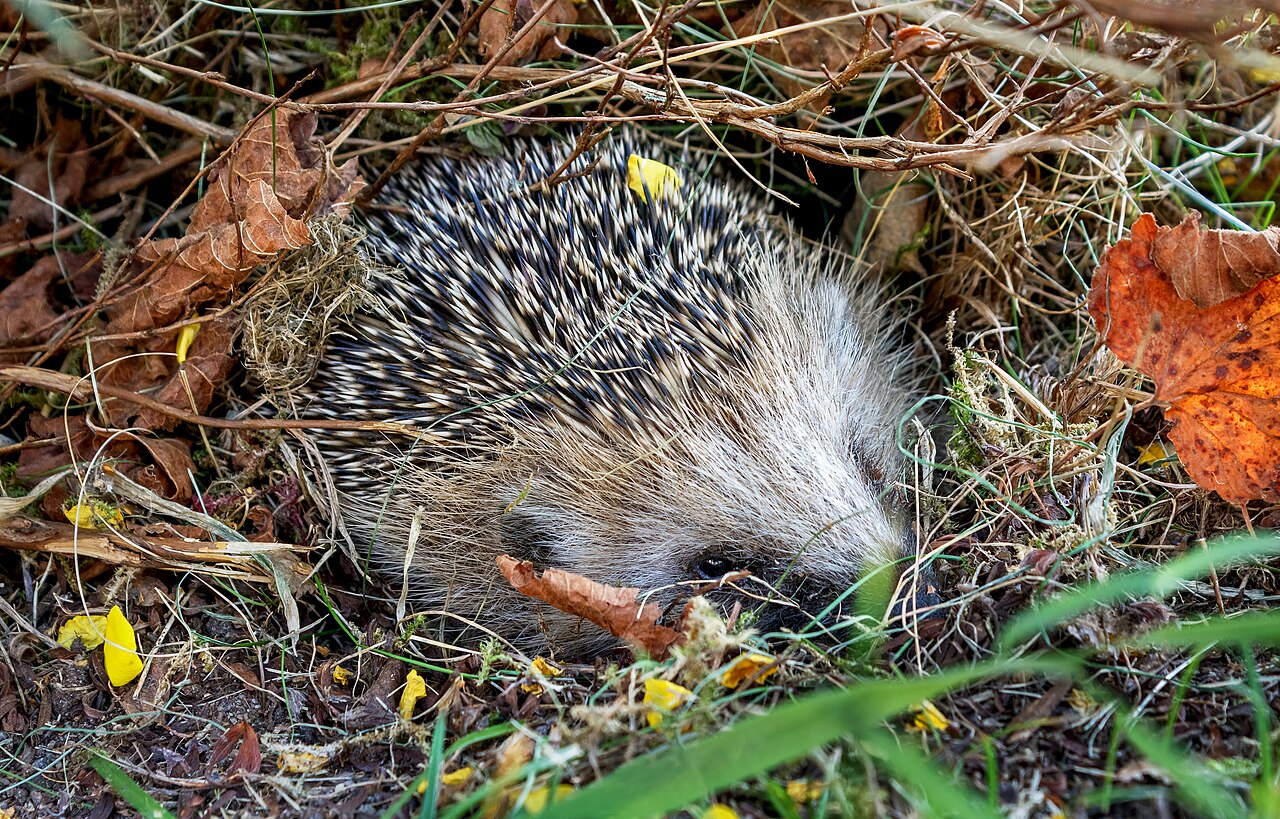
In its habitat

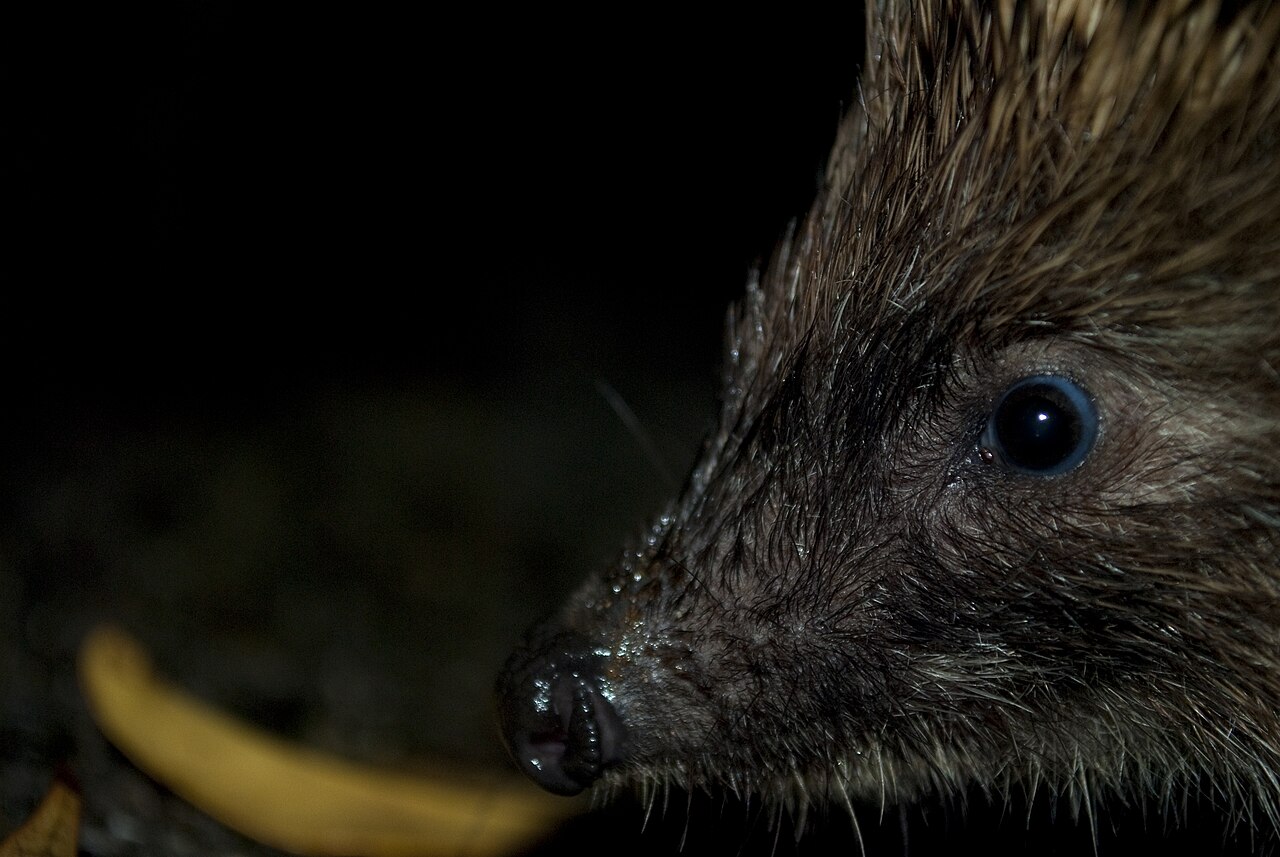
Head close-up
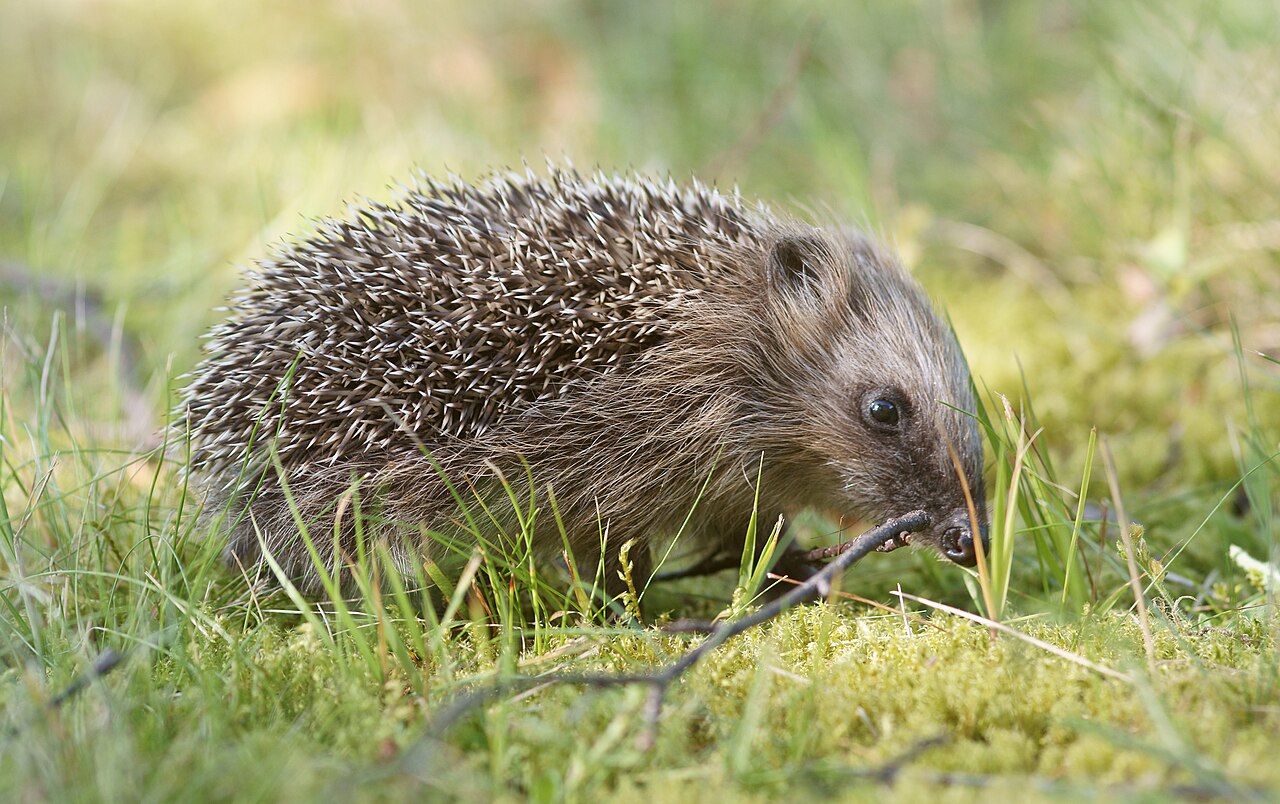
The young
Identification
A rounded, short-legged insectivore whose back and flanks are covered with 5,000 to 7,000 smooth, buff-and-black banded spines of just over 2 cm; head, throat, belly and legs carry coarse greyish-brown hair. The snout is long and pointed and ends in a glossy black, mobile nose; the ears are small and barely project above the spines; the eyes are small and black. The legs are longer than they appear: a walking hedgehog keeps its belly clear of the ground and can move fast. The tail is at most 4 cm long and is not noticeable in the field. When threatened the animal rolls into a closed ball in which head and legs disappear completely; apart from the hedgehogs, no other European mammal does this. Males are on average larger and heavier than females. Weight varies greatly with the season, as a hedgehog lays down fat for the winter in late summer.
Similar species
In Europe and North Africa other hedgehog species occur alongside this one; they are distinguished mainly by coat and head. The Northern White-breasted Hedgehog (Erinaceus roumanicus) replaces it from eastern Poland, Czechia and Austria eastwards; it has a sharply defined white patch on chest and throat, against the uniformly greyish-brown underside of the West European hedgehog, and stands slightly higher on its legs. In the narrow contact zone through central Europe that chest mark is the only usable character, and it is not fully reliable: animals occur that fit neither species clearly, and hybrids are known. In south-eastern Spain, on the Balearics, along the Mediterranean and throughout the Maghreb lives the North African Hedgehog (Atelerix algirus): smaller, paler, longer-legged, with large ears and a bare parting on the crown where the spines divide; the latter is the best character. The Crested Porcupine of Italy, Greece and North Africa is much larger and heavier and carries long black-and-white banded quills; confusion is possible only at long range.
Habitat
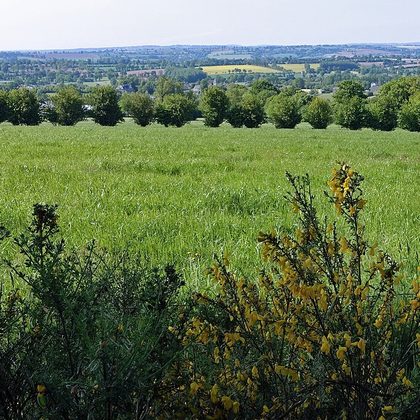
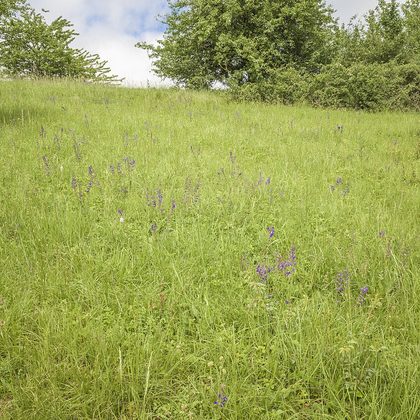
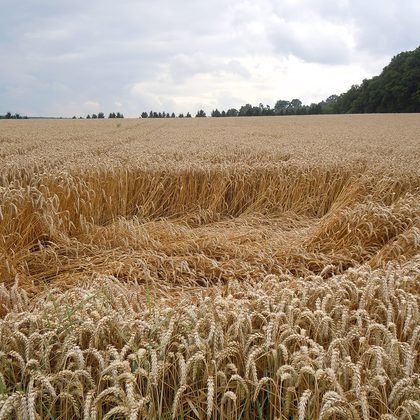
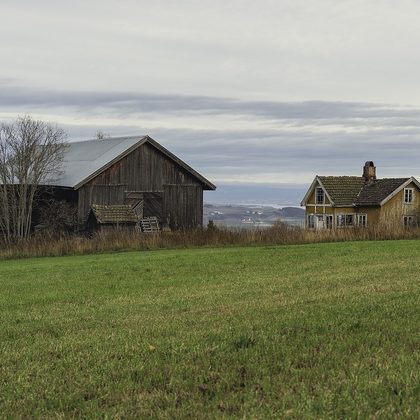
Small-scale landscape with edges: broadleaved woodland with a deep litter layer and above all woodland margins, hedgerows, banks, dykes, rough field margins, extensive grassland, orchards and dune scrub, as well as comparable man-made habitats: gardens, parks, cemeteries, allotments, campsites and farmyards. Dense conifer forest, extensive wetland, open arable land without margins and high mountains are avoided; in the Alps the species hardly occurs above the treeline. The hedgehog needs cover to rest in by day and moist soil rich in worms and insects to forage over at night; for this reason a village with gardens often holds more hedgehogs than the adjacent woodland.
Where the animal is most at home, classified with EUNIS — the European standard for habitats.



Distribution
Western and central Europe, from northern Spain and Italy far into Scandinavia, with an eastern limit running through Poland and the Baltic states. In the Iberian Peninsula it occupies roughly the northern half: the Cantabrian region, Galicia, Portugal, the Pyrenees, Catalonia and the Ebro valley; towards the south and east it becomes scarcer and is replaced by the North African Hedgehog. The exact distribution of the two species in the centre of the peninsula is insufficiently known. It is absent from the Canary Islands. In Great Britain it occurs throughout the mainland and on many islands; in Ireland, where it was introduced by people, probably in medieval times, it is equally widespread. In the Outer Hebrides (Uist) introduced hedgehogs have become a problem for breeding waders. In the Netherlands and Belgium it occurs almost everywhere, with the highest densities in small-scale landscape, villages and suburbs, low densities in open, intensively farmed clay polders, and it is absent from most of the Wadden Islands. Counts in Great Britain, Ireland, the Netherlands and Belgium have shown a continuous decline since about 2000, strongest in the countryside; in Great Britain the rural population has roughly halved since 2000, while populations in urban gardens are more stable.
- Native
- dark = core range, pale = thinly spread
Way of life
Nocturnal; the hedgehog leaves its day nest shortly after sunset and covers 1 to 2 km a night, males more than females. The diet consists of large invertebrates: beetle larvae, ground beetles, earwigs, caterpillars, earthworms, centipedes and slugs, supplemented with carrion, fallen fruit and occasionally a nest of young mice or birds' eggs. Milk is not tolerated. Males court from April; after a gestation of about five weeks four to five young are born in June or July, blind and pink, with soft white spines that break through within a few hours. At about six weeks they follow the female and shortly afterwards become independent. Young from a second litter in September seldom reach the weight needed to survive the winter. The hedgehog is a true hibernator: from about November to March body temperature falls to a few degrees above ambient temperature and the heart beats a few times a minute. During this period the animal wakes several times and sometimes moves to another nest. Animals of less than half a kilogram seldom survive the winter. Few wild hedgehogs live beyond three years; seven years is exceptional.
Where and when to look
Sit in a garden or park from half an hour after sunset and listen: a hedgehog is usually heard before it is seen. May and June are the best months, because the courtship puffing can then be heard at night; August and September produce the most records, because the young animals are then dispersing. A trail camera at a gap in a fence or by a dish of water in an ordinary garden often produces images within a week. By day, look for droppings on the lawn and snout pokes in the turf; they indicate the presence of a hedgehog even without a sighting. A hedgehog out in daylight is sick, injured or an orphaned juvenile and should be taken to a rescue centre.
Conservation status
Near Threatened (NT, 2024). In 2024 the species was moved from Least Concern to Near Threatened after counts in Great Britain, Flanders, the Netherlands and Germany showed that it has been declining for decades across most of its western European core range. The causes are related to human land use: traffic, the loss of hedgerows and rough margins, the decline of insects, fragmentation by gardens with solid fences, robotic mowers and strimmers used in vegetation at night, and new housing developments without cover. Measures are simple: a 13 by 13 cm gap at the foot of a fence connects gardens into one habitat, a corner with leaves and prunings provides a winter nest, and not mowing in the dark prevents injuries and deaths.
Scientific name
Erinaceus europaeus | Linnaeus, 1758
Linnaeus described the species in 1758 and placed it straight away in the genus where it still stands. Erinaceus is the Latin word for 'hedgehog'. europaeus is Latin for 'European'. The specimen the first description was based on came from Sweden, Gotland.