All species › Waders, gulls and terns › Gulls and terns › Black-legged kittiwake
Black-legged kittiwake
Rissa tridactyla | Drieteenmeeuw | Gaviota tridáctila
The Kittiwake is Europe's only truly oceanic gull: outside the breeding season it spends months on end over open water, far out of sight of land. Its Dutch name refers to the near-absent hind toe, but in the field you know it by a wingtip that looks dipped in ink.

Voice
The call is its English name: a nasal, insistent, three-part kitti-waaake, which in a colony of hundreds swells into a deafening, rocking chorus. There is also a short, high kek-kek during squabbles on the ledge. It is heard from April to August at cliffs in Scotland, Norway, Iceland and Brittany, and in the Netherlands out on the gas platforms; inshore and on migration the bird is almost always silent.
Recording: Wikimalte — CC BY-SA 4.0 · Wikimedia Commons
Identification
A medium-sized, short-legged gull with a gentle rounded head, a small dark eye and an unmarked yellow-green bill without a red spot. The legs are short and black, which makes the bird look squat on a ledge or a sea wall. The mantle is medium grey; the primaries end in a cleanly cut, pure black triangle with no white mirrors at all, as if the tip had been dipped in ink. In flight the wings are narrow and pointed and the beat is stiff and springy, more shearwater than gull, while the secondaries show a pale panel that glows in backlight. Winter birds add a dark grey half-collar on the nape and a dark ear spot. First-years are unmistakable: a black W across the spread wings, a black collar on the neck and a black band on a slightly forked tail.
Confusion species
Common Gull is the standing confusion on a seawatch: longer yellow-green legs, a bigger and gentler eye, and above all obvious white mirrors in the black wingtip. Little Gull is far smaller, with rounded wingtips and, in adults, a dark underwing; young Little Gulls share the W pattern but add a dark cap and lack the black neck band. Sabine's Gull, the rarity that turns up in the same autumn gales, shows a tricoloured wing with a big white triangle and a genuinely forked tail. On brief views at sea the jizz decides: the Kittiwake shears low through the wave troughs on stiff beats, the Common Gull flies looser and higher.
Habitat
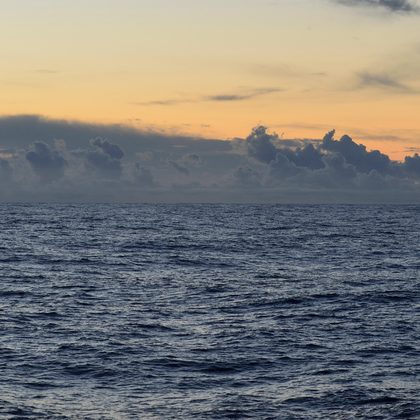
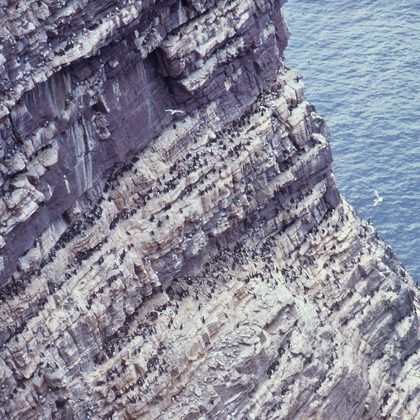
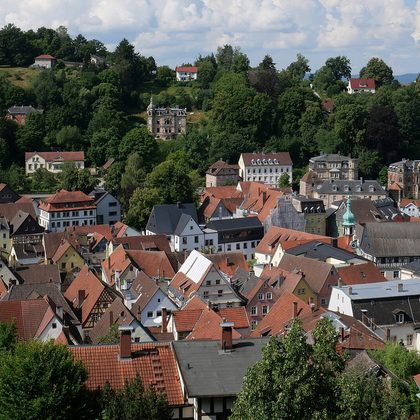
Wholly pelagic outside the breeding season, over the shelf edge and above upwellings, where it picks sprat, sandeel and crustaceans from the surface rather than diving. It breeds on narrow ledges of sheer cliffs, cementing a muddy nest cup to the rock, and on artificial cliffs too: quayside buildings, piers and offshore installations. Unlike most gulls it never visits landfill or farmland.
Where the bird is most at home, classified with EUNIS — the European standard for habitats.
Range and movements
Circumpolar in the northern Atlantic and Pacific, with European strongholds in Iceland, Norway, Svalbard, the Faroes, Britain and Ireland. The Netherlands has an unusual breeding population of more than three hundred and fifty pairs on North Sea gas and oil platforms, while inshore birds are mainly migrants and storm-driven wanderers. In Spain it winters in the Bay of Biscay and off Galicia, in smaller numbers into the Mediterranean.
- Resident
- Breeding (summer)
- Winter
- Passage
- Migration direction
- dark = core range, pale = thinly spread
Where and when to look
Seawatching is the way to see it from land: in a firm north-westerly gale between October and January take up position at Westkapelle, the Brouwersdam, Camperduin or the IJmuiden pier and count from first light. Birds pass low in loose strings, and after a real storm they sometimes linger inside the breakers for days. A ferry crossing or a pelagic trip gives far calmer views of birds feeding behind the ship, with time to check the black tip and the black legs.
Conservation status
Since 2017 the Kittiwake has been listed as Vulnerable on the global Red List; the European assessment matches it, and within the EU the species counts as Endangered. Food is the reason: warming seas shift the plankton and with it the sandeel, precisely in the weeks when chicks must be fed, and industrial sandeel fisheries sharpened the effect. Colonies in Scotland, Norway and Svalbard have halved or emptied within a few decades; the Dutch platform population is growing, but is far too small to reverse the European trend.