All species › Waders, gulls and terns
Waders, gulls and terns
Charadriiformes
Families and genera in this order
- Plovers and allies CharadriiPlovers, lapwings, oystercatchers, avocets, stilts, thick-knees and the sheathbills of the southern coasts: waders that see their prey instead of feeling for it. Hence the large eyes, the short bill and the characteristic run-stop-peck gait - a plover standing still is a plover looking.
- Avocets and stilts Recurvirostridae 2 speciesHimantopus · Recurvirostra
- Oystercatchers Haematopodidae 1 speciesHaematopus
- Plovers and lapwings Charadriidae 7 speciesAnarhynchus · Charadrius · Eudromias · Pluvialis · Vanellus
- Sandpipers and snipes ScolopaciSandpipers, snipes, curlews, godwits, shanks, phalaropes and jacanas: waders that probe the ground with a long, sensitive bill. The bill tip carries pressure sensors with which they locate a worm in the mud without ever seeing it - which is why they feed as well in the dark as by day.
- Sandpipers and snipes Scolopacidae 24 speciesActitis · Arenaria · Calidris · Gallinago · Limosa · Lymnocryptes · Numenius · Phalaropus · Scolopax · Tringa
- Gulls, terns and auks LariGulls, terns, skuas, auks, pratincoles, the crab-plover and - entirely unexpectedly - the buttonquails. This is the branch of the waders that are not tied to the shoreline: here sit the species that hunt on the open sea and can rest afloat, the auks even rowing with their wings underwater.
- Skuas Stercorariidae 4 speciesStercorarius
- Auks Alcidae 4 speciesAlca · Alle · Fratercula · Uria
- Gulls and terns Laridae 19 speciesChlidonias · Chroicocephalus · Gelochelidon · Hydrocoloeus · Hydroprogne · Ichthyaetus · Larus · Rissa · Sterna · Sternula · Thalasseus
Avocets and stilts Recurvirostridae
2 species
-

Black-winged stilt
Himantopus himantopus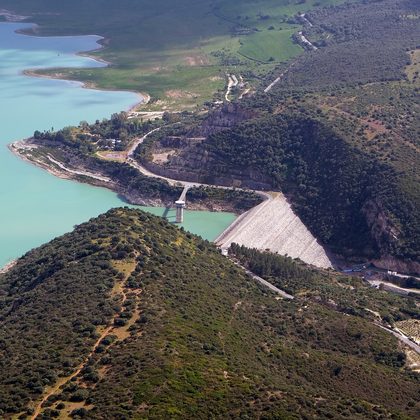 Highly artificial man-made waters
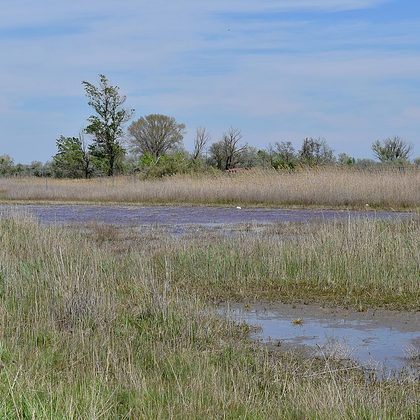 Inland saline and brackish marshes and reedbeds
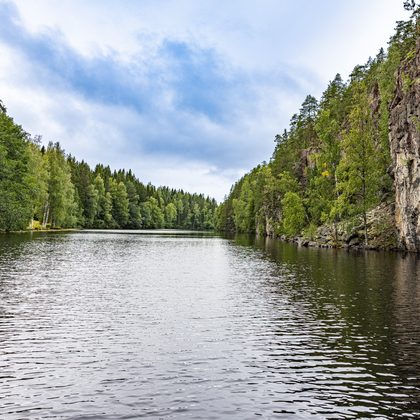 Surface standing waters
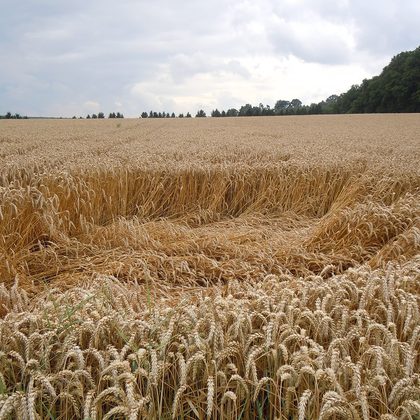 Arable land and market gardens
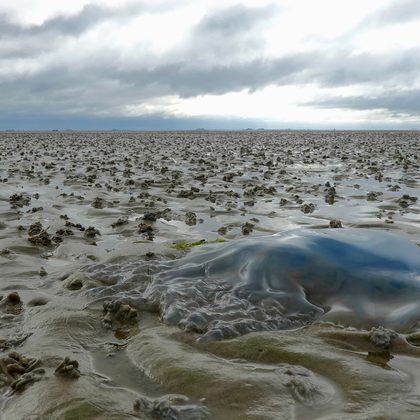 Littoral sediment
-

Pied Avocet
Recurvirostra avosetta- Littoral sediment
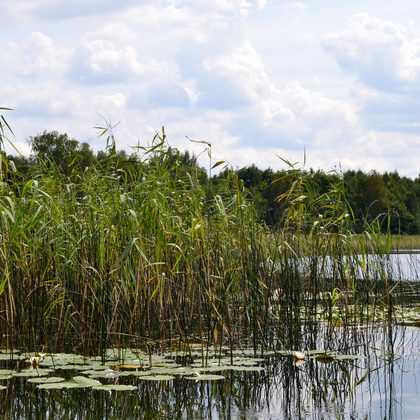 Littoral zone of inland surface waterbodies
- Inland saline and brackish marshes and reedbeds
- Highly artificial man-made waters
Oystercatchers Haematopodidae
1 species

Plovers and lapwings Charadriidae
7 species
-

Kentish plover
Anarhynchus alexandrinus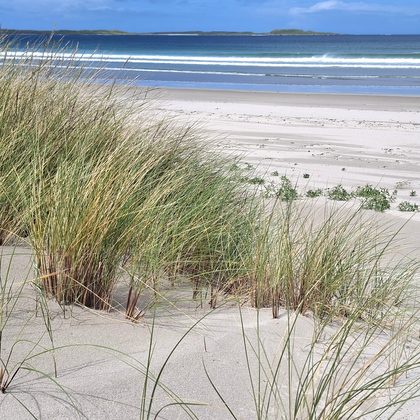 Coastal dunes and sandy shores
- Highly artificial man-made waters
- Littoral sediment
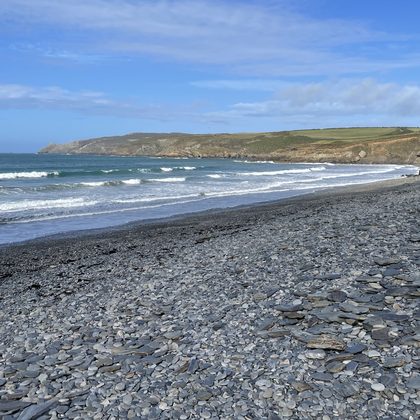 Coastal shingle
-

Little ringed plover
Charadrius dubius- Littoral zone of inland surface waterbodies
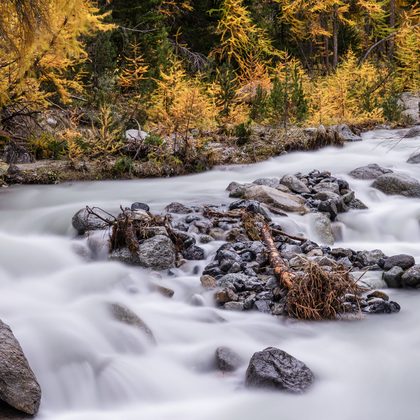 Surface running waters
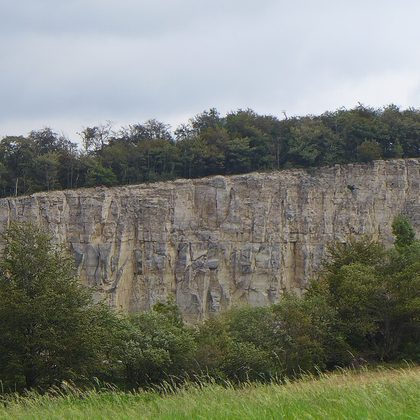 Extractive industrial sites
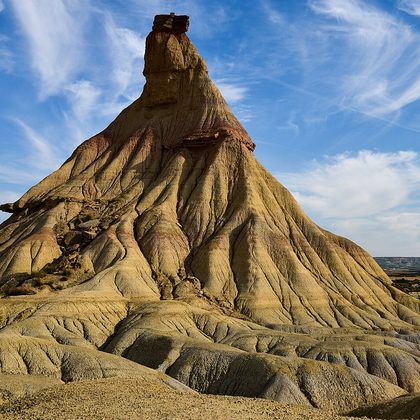 Miscellaneous inland habitats with sparse or no vegetation
-

Common ringed plover
Charadrius hiaticula- Littoral sediment
- Coastal dunes and sandy shores
- Coastal shingle
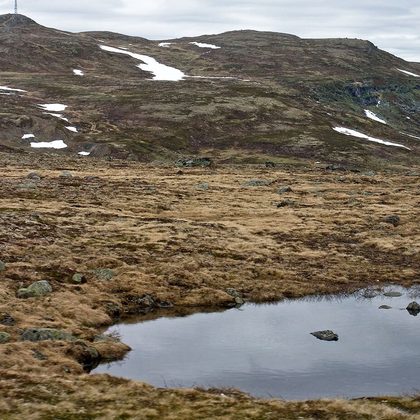 Tundra
-

Eurasian dotterel
Eudromias morinellus- Tundra
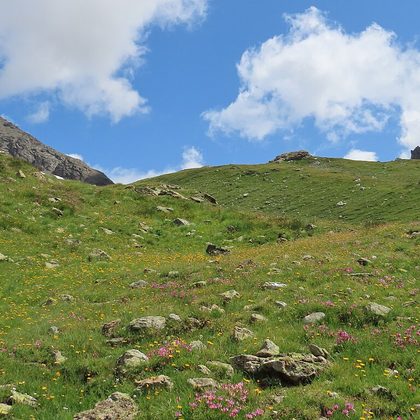 Alpine and subalpine grasslands
- Arable land and market gardens
- Miscellaneous inland habitats with sparse or no vegetation
-

European golden-plover
Pluvialis apricaria- Arable land and market gardens
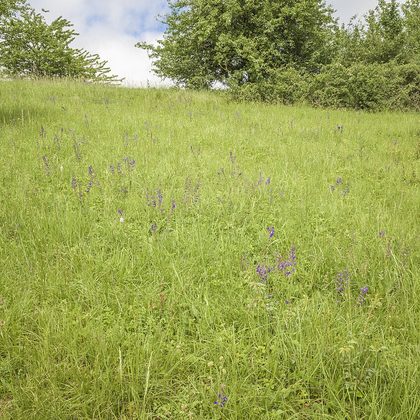 Mesic grasslands
- Littoral sediment
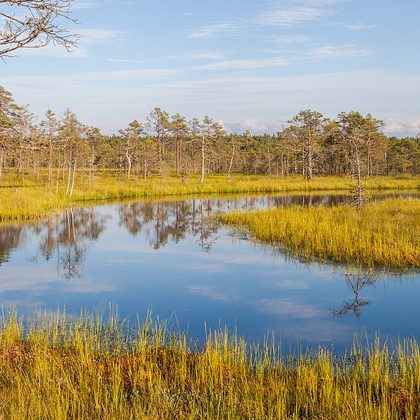 Raised and blanket bogs
- Tundra
-

Black-bellied plover
Pluvialis squatarola- Littoral sediment
- Coastal dunes and sandy shores
-

Northern Lapwing
Vanellus vanellus- Arable land and market gardens
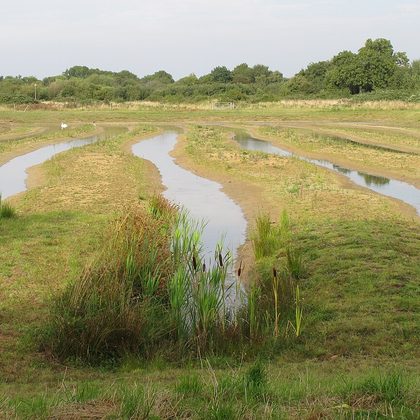 Seasonally wet and wet grasslands
- Mesic grasslands
- Littoral sediment
Sandpipers and snipes Scolopacidae
24 species
-

Common sandpiper
Actitis hypoleucos- Surface running waters
- Littoral zone of inland surface waterbodies
- Surface standing waters
- Littoral sediment
-

Ruddy turnstone
Arenaria interpres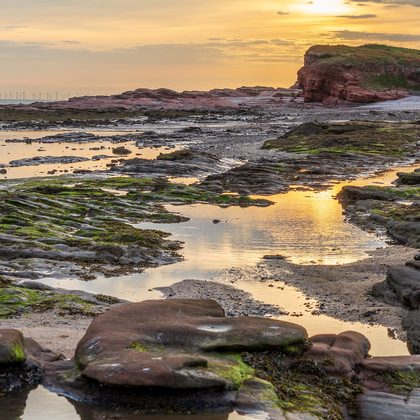 Littoral rock and other hard substrata
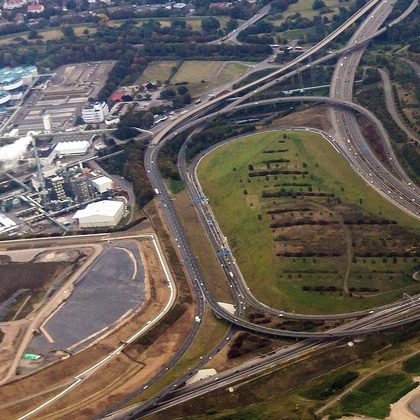 Transport networks and other hard-surfaced areas
- Littoral sediment
- Coastal dunes and sandy shores
- Tundra
-

Sanderling
Calidris alba- Coastal dunes and sandy shores
- Littoral sediment
- Tundra
-

Dunlin
Calidris alpina- Littoral sediment
- Tundra
- Raised and blanket bogs
- Coastal dunes and sandy shores
-

Red Knot
Calidris canutus- Littoral sediment
- Coastal dunes and sandy shores
-

Curlew sandpiper
Calidris ferruginea- Littoral sediment
- Littoral zone of inland surface waterbodies
- Inland saline and brackish marshes and reedbeds
-

Purple sandpiper
Calidris maritima- Littoral rock and other hard substrata
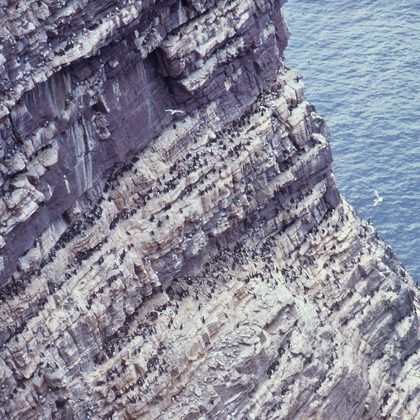 Rock cliffs, ledges and shores
- Transport networks and other hard-surfaced areas
- Tundra
-

Little stint
Calidris minuta- Littoral sediment
- Littoral zone of inland surface waterbodies
- Highly artificial man-made waters
- Tundra
-

Ruff
Calidris pugnax- Seasonally wet and wet grasslands
- Arable land and market gardens
- Littoral zone of inland surface waterbodies
- Littoral sediment
- Tundra
-

Temminck's stint
Calidris temminckii- Littoral zone of inland surface waterbodies
- Highly artificial man-made waters
- Seasonally wet and wet grasslands
- Tundra
-

Common snipe
Gallinago gallinago- Seasonally wet and wet grasslands
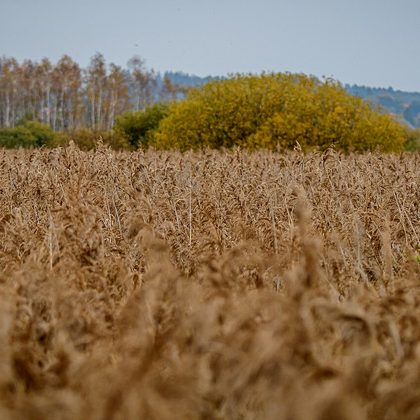 Sedge and reedbeds without free-standing water
- Littoral zone of inland surface waterbodies
- Arable land and market gardens
-
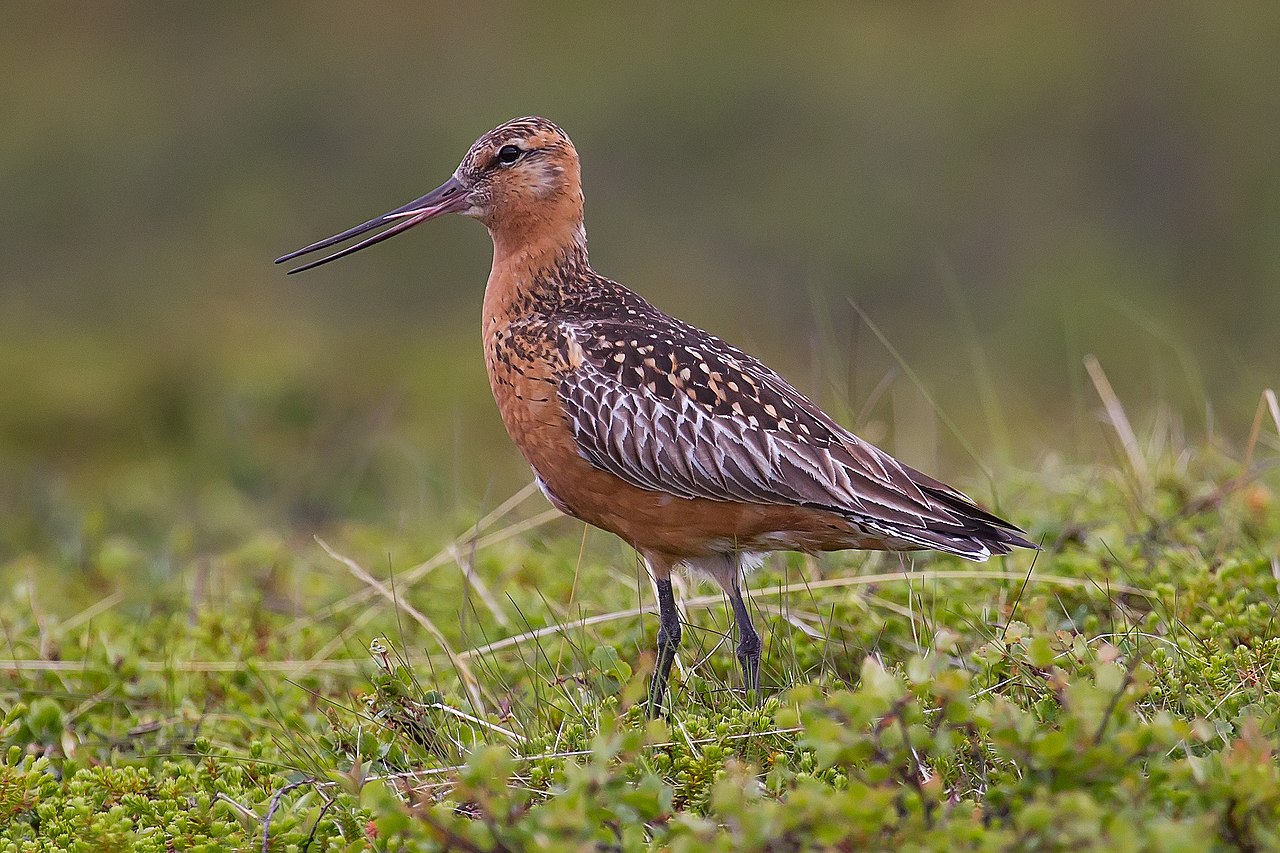
Bar-tailed godwit
Limosa lapponica- Littoral sediment
- Coastal dunes and sandy shores
- Tundra
-

Black-tailed Godwit
Limosa limosa- Seasonally wet and wet grasslands
- Littoral sediment
- Arable land and market gardens
- Mesic grasslands
-

Jack snipe
Lymnocryptes minimus- Sedge and reedbeds without free-standing water
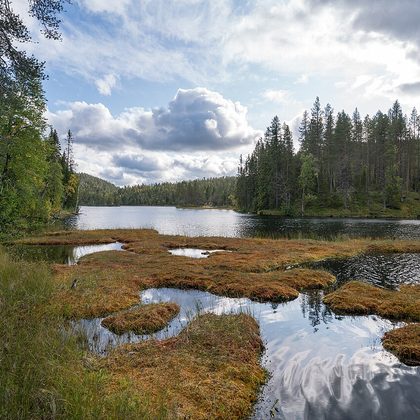 Valley mires, poor fens and transition mires
- Seasonally wet and wet grasslands
- Raised and blanket bogs
- Arable land and market gardens
-

Eurasian Curlew
Numenius arquata- Littoral sediment
- Seasonally wet and wet grasslands
- Raised and blanket bogs
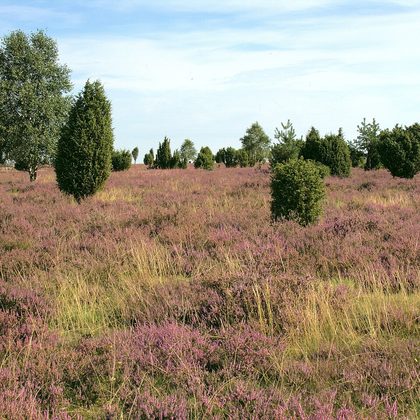 Temperate shrub heathland
- Coastal dunes and sandy shores
-

Whimbrel
Numenius phaeopus- Littoral sediment
- Mesic grasslands
- Arable land and market gardens
- Tundra
- Raised and blanket bogs
- Temperate shrub heathland
-

Red phalarope
Phalaropus fulicarius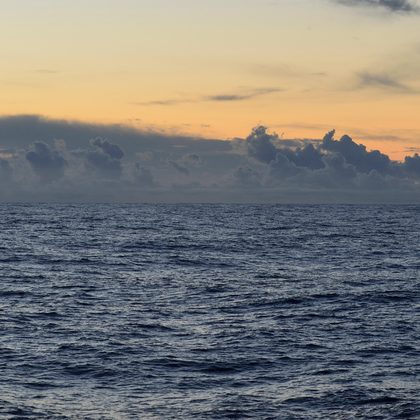 Pelagic water column
- Tundra
-

Red-necked phalarope
Phalaropus lobatus- Surface standing waters
- Highly artificial man-made waters
- Pelagic water column
- Tundra
- Sedge and reedbeds without free-standing water
-

Eurasian woodcock
Scolopax rusticola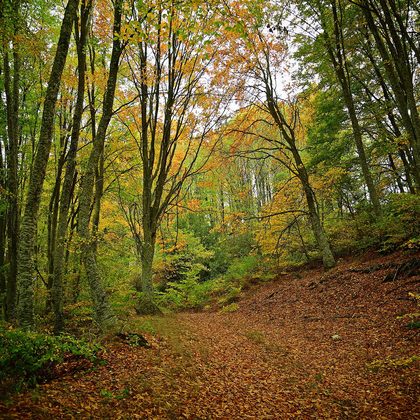 Broadleaved deciduous woodland
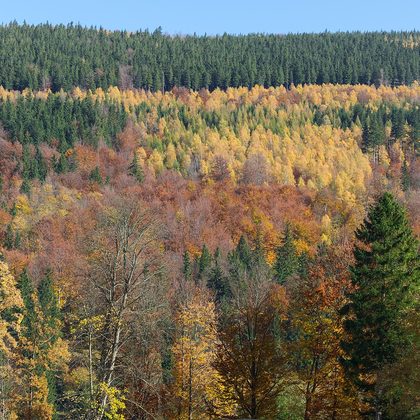 Mixed deciduous and coniferous woodland
- Seasonally wet and wet grasslands
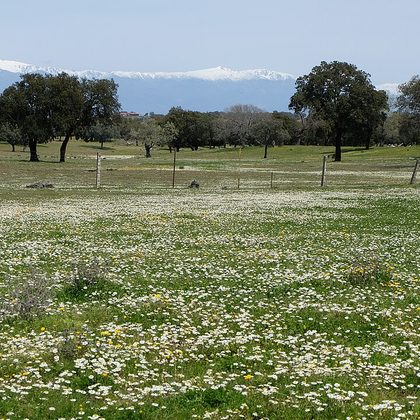 Sparsely wooded grasslands
-

Spotted redshank
Tringa erythropus- Littoral sediment
- Surface standing waters
- Highly artificial man-made waters
- Seasonally wet and wet grasslands
-

Wood sandpiper
Tringa glareola- Littoral zone of inland surface waterbodies
- Seasonally wet and wet grasslands
- Raised and blanket bogs
- Highly artificial man-made waters
- Arable land and market gardens
-

Common greenshank
Tringa nebularia- Littoral sediment
- Littoral zone of inland surface waterbodies
- Highly artificial man-made waters
- Raised and blanket bogs
- Surface standing waters
-

Green sandpiper
Tringa ochropus- Littoral zone of inland surface waterbodies
- Surface running waters
- Highly artificial man-made waters
-

Common redshank
Tringa totanus- Littoral sediment
- Seasonally wet and wet grasslands
- Highly artificial man-made waters
- Littoral zone of inland surface waterbodies
Skuas Stercorariidae
4 species
-

Long-tailed jaeger
Stercorarius longicaudus- Pelagic water column
- Tundra
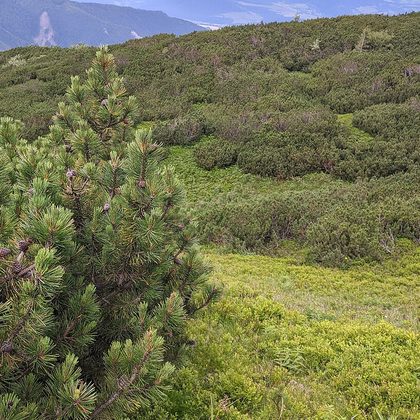 Arctic, alpine and subalpine scrub
-

Parasitic jaeger
Stercorarius parasiticus- Pelagic water column
- Tundra
- Temperate shrub heathland
-

Pomarine jaeger
Stercorarius pomarinus- Pelagic water column
-

Great skua
Stercorarius skua- Pelagic water column
- Temperate shrub heathland
- Tundra
Auks Alcidae
4 species


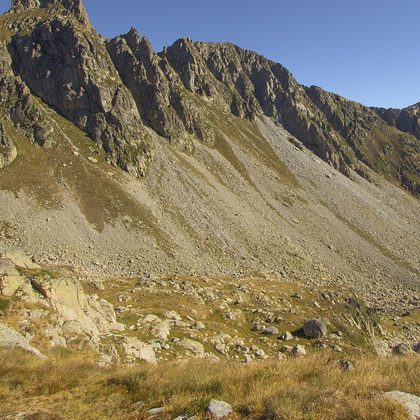


Gulls and terns Laridae
19 species
-

Whiskered tern
Chlidonias hybrida- Surface standing waters
- Highly artificial man-made waters
- Arable land and market gardens
- Seasonally wet and wet grasslands
-

White-winged tern
Chlidonias leucopterus- Surface standing waters
- Sedge and reedbeds without free-standing water
- Seasonally wet and wet grasslands
- Highly artificial man-made waters
-

Black tern
Chlidonias niger- Surface standing waters
- Sedge and reedbeds without free-standing water
- Littoral zone of inland surface waterbodies
- Pelagic water column
-

Black-headed gull
Chroicocephalus ridibundus- Surface standing waters
- Arable land and market gardens
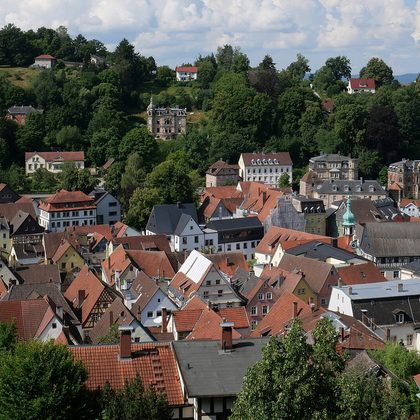 Buildings of cities, towns and villages
- Mesic grasslands
- Littoral sediment
-

Gull-billed tern
Gelochelidon nilotica- Littoral sediment
- Arable land and market gardens
- Highly artificial man-made waters
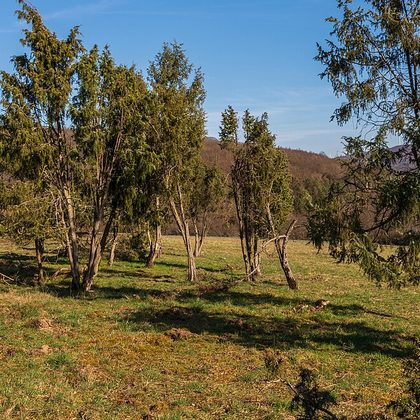 Dry grasslands
-

Little gull
Hydrocoloeus minutus- Surface standing waters
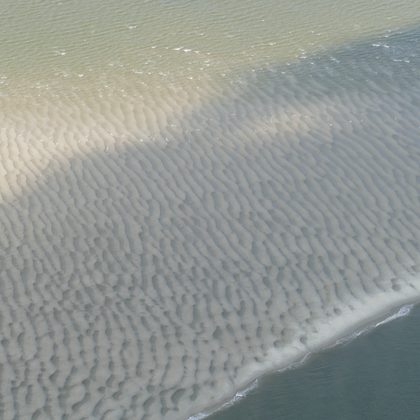 Sublittoral sediment
- Sedge and reedbeds without free-standing water
- Littoral sediment
-

Caspian tern
Hydroprogne caspia- Surface standing waters
- Littoral sediment
- Coastal dunes and sandy shores
- Sublittoral sediment
-

Mediterranean gull
Ichthyaetus melanocephalus- Arable land and market gardens
- Mesic grasslands
- Littoral sediment
- Coastal dunes and sandy shores
- Highly artificial man-made waters
-

European Herring Gull
Larus argentatus- Littoral sediment
- Buildings of cities, towns and villages
- Coastal dunes and sandy shores
- Arable land and market gardens
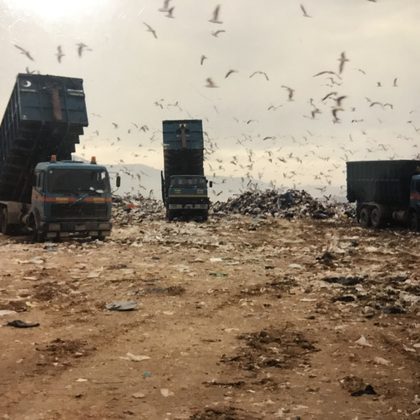 Waste deposits
-

Caspian gull
Larus cachinnans- Surface running waters
- Waste deposits
- Surface standing waters
- Highly artificial man-made waters
-

Common gull
Larus canus- Mesic grasslands
- Littoral sediment
- Coastal dunes and sandy shores
- Surface standing waters
- Buildings of cities, towns and villages
-

Lesser black-backed gull
Larus fuscus- Coastal dunes and sandy shores
- Pelagic water column
- Buildings of cities, towns and villages
- Waste deposits
- Arable land and market gardens
-

Great black-backed gull
Larus marinus- Rock cliffs, ledges and shores
- Sublittoral sediment
- Littoral sediment
- Transport networks and other hard-surfaced areas
-

Yellow-legged gull
Larus michahellis- Rock cliffs, ledges and shores
- Buildings of cities, towns and villages
- Waste deposits
- Highly artificial man-made waters
- Surface running waters
- Coastal dunes and sandy shores
-

Black-legged kittiwake
Rissa tridactyla- Pelagic water column
- Rock cliffs, ledges and shores
- Buildings of cities, towns and villages
-

Common Tern
Sterna hirundo- Littoral sediment
- Coastal dunes and sandy shores
- Surface standing waters
- Highly artificial man-made waters
-

Arctic tern
Sterna paradisaea- Coastal dunes and sandy shores
- Pelagic water column
- Littoral sediment
- Rock cliffs, ledges and shores
- Tundra
-

Little tern
Sternula albifrons- Coastal dunes and sandy shores
- Coastal shingle
- Littoral sediment
- Highly artificial man-made waters
- Surface running waters
-

Sandwich tern
Thalasseus sandvicensis- Littoral sediment
- Coastal dunes and sandy shores
- Sublittoral sediment
- Coastal shingle
- Highly artificial man-made waters