All species › Waders, gulls and terns › Sandpipers and snipes › Gray-tailed tattler
Gray-tailed tattler
Tringa brevipes | Siberische grijze ruiter | Playero siberiano
A plain grey shorebird from the stony rivers of north-east Siberia, recorded in Britain twice and in the whole of Europe barely a handful of times. On a groyne or a rock platform it looks compact and low-slung, uniform slate above and standing on strikingly short yellow legs.

Voice
A clear, upslurred disyllabic too-weet, usually given in flight and carrying well over surf. Agitated birds run it into a hurried tu-wi-wi, sometimes with a sharp klee. Wandering Tattler instead gives a rippling trill of six to ten notes, and that difference is more reliable in the field than any plumage character.
No freely licensed recording is available for this species yet.
Identification
Crown, hindneck, mantle, rump and tail are one even shade of slate grey, with none of the white rump wedge that most other Tringa species flash in flight. The bill is straight and blackish with a yellowish base, the loral stripe dark, and the narrow white supercilium shows best in front of the eye. Breeding birds carry fine grey chevrons across the breast and flanks that stop well short of the undertail coverts; winter birds have a plain grey breast cut cleanly against a white belly. The legs are short and bright yellow.
Confusion species
The real pitfall is Wandering Tattler Tringa incana, equally improbable but not impossible: on that species the barring continues onto the undertail coverts and the nasal groove runs more than half the length of the bill. A winter Redshank can suggest it at range but shows orange-red legs and a white rump wedge, and Terek Sandpiper has an upturned bill, orange-yellow legs and a far more frantic gait.
Habitat
Breeds on gravel bars and stony beds of fast mountain rivers in north-east Siberia, often far inland. Outside the breeding season it is a bird of sheltered coasts: reefs, rock platforms, boulder revetments and the intertidal mud between them, and in the wintering range also mangrove creeks. It picks small crabs and shrimps from wet rock, bobbing the rear body as it goes.
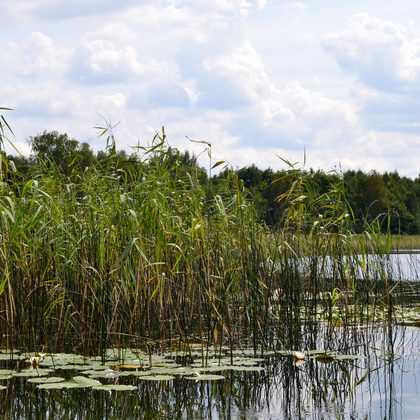
Where the bird is most at home, classified with EUNIS — the European standard for habitats.



Range and movements
Breeds from the lower Yenisey east to Chukotka and Kamchatka, and winters along the coasts of South-East Asia, Indonesia and Australia. The two British records are an autumn bird on the Dyfi Estuary, Ceredigion, from 13 October to 17 November 1981, and a juvenile at Burghead Bay, Moray, from 27 November to 27 December 1994. A third European bird spent an hour on the pier at IJmuiden, the Netherlands, in August 2010.
Where and when to look
Both British birds were long-staying autumn and early-winter individuals on open coast, so the species is worth keeping in mind on estuary shingle and harbour walls well into December rather than only during the classic wader passage. Work through Redshank and Turnstone flocks with the legs and the rump in mind: yellow legs plus no white rump is the combination that stops the search.
Conservation status
Listed as Near Threatened. Numbers along the East Asian–Australasian Flyway are falling, chiefly through reclamation and loss of the intertidal flats around the Yellow Sea where the birds refuel on passage. The Siberian breeding grounds themselves remain largely free of direct human pressure, so the bottleneck lies in the staging sites.