All species › Waterfowl › Ducks, geese and swans › Marbled teal
Marbled teal
Marmaronetta angustirostris | Marmereend | Cerceta pardilla
A sandy duck freckled with cream spots and wearing a dark eye mask, and the most threatened duck in southern Europe. This is not a bird you stumble across: you travel for it, to a handful of shallow lagoons in Alicante, Murcia and Andalusia.

Voice
Usually silent. The drake gives a short nasal jeep in display and the female a run of the same note, pleep-pleep, carrying only ten metres or so across a lagoon. A still morning in April or May, with pairs close to the reed edge, is the one realistic chance; outside the display period you will not hear it.
Recording: Joost van Bruggen — CC BY-SA 4.0 · Wikimedia Commons
Identification
Sandy brown to grey-buff, spotted all over the back, flanks and breast with round cream blotches, and with a dark smudge around the eye that carries back as a mask. The nape has a loose, shaggy crest and the bill is long, narrow and dark grey. The sexes look alike; in flight there is no speculum at all, the secondaries being plain creamy white, and the pale tail is often held slightly cocked.
Confusion species
At range a female Garganey or Teal in mottled plumage can suggest Marbled Duck, and female Ferruginous Duck gets mentioned too. Three things settle it: round, sharply defined cream spots rather than scalloped or streaked feather edges, the dark eye mask on an otherwise pale head, and the complete absence of a speculum. Marbled Duck also swims high and pale with the tail raised, and looks longer and thinner in the bill than any teal.
Habitat
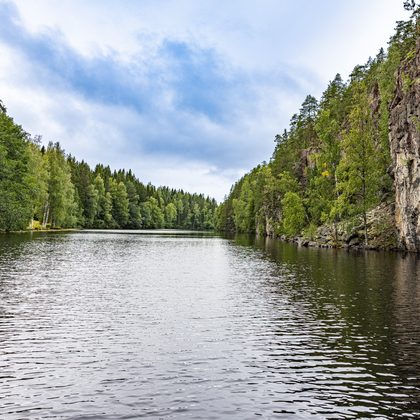
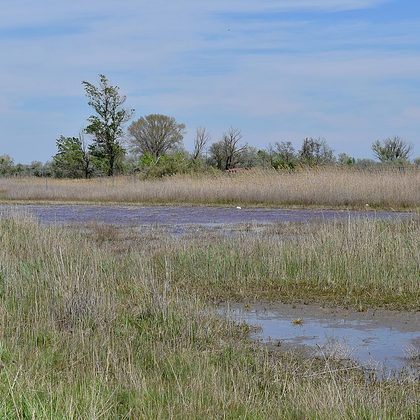
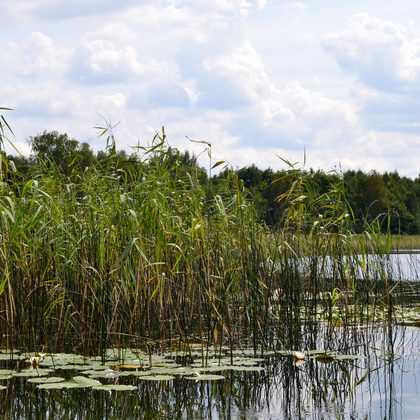
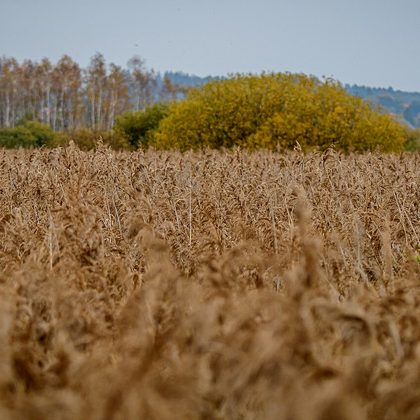
Shallow, warm brackish or fresh lagoons with a dense fringe of reed, rush and tamarisk, together with temporary pools and old saltworks basins that half dry out in summer. The bird feeds by sieving and head-dipping in less than half a metre of water and retreats into the vegetation edge during the day. Weedy shallow margins rich in invertebrates are where the broods are raised.
Where the bird is most at home, classified with EUNIS — the European standard for habitats.
Range and movements
A species of the western Mediterranean, North Africa and the Middle East; within Europe only Spain holds a regular breeding population, centred on Alicante and Murcia and on the Guadalquivir marshes. Spanish numbers have climbed past a hundred and seventy pairs after years of decline, and the species is settling into new wetlands in Valencia, Murcia and Castilla-La Mancha. North of that it is a genuine rarity, and all British records sit in Category D, outside the British List proper, so a British or Irish birder has to go to Spain for it.
- Resident
- Breeding (summer)
- Winter
- Passage
- dark = core range, pale = thinly spread
Where and when to look
Go to El Hondo near Elche in July or August and use the hides on the southern basins, or work El Clot de Galvany and the Salinas de Santa Pola a short drive away. Scan the reed edge and the shallow margins early in the morning rather than the open middle, and watch for families with ducklings. The Guadalquivir marshes and the lagoons around the Mar Menor are worth a second trip.
Conservation status
Near threatened globally, vulnerable on the European Red List, and listed as in danger of extinction in the Spanish catalogue of threatened species. The Spanish recovery programme, LIFE Cerceta Pardilla, pairs captive breeding and releases with the restoration of more than three thousand hectares of wetland, and more than fourteen hundred chicks have now fledged in the wild. Water remains the bottleneck: lagoons drying out mid-season through abstraction and drought, poor water quality from agricultural run-off, and alongside those lead shot, poaching and predation.