All species › Passerines › Tyrant flycatchers and allies › Black Phoebe
Black Phoebe | Sayornis nigricans
Zwarte phoebe | Mosquero Negro
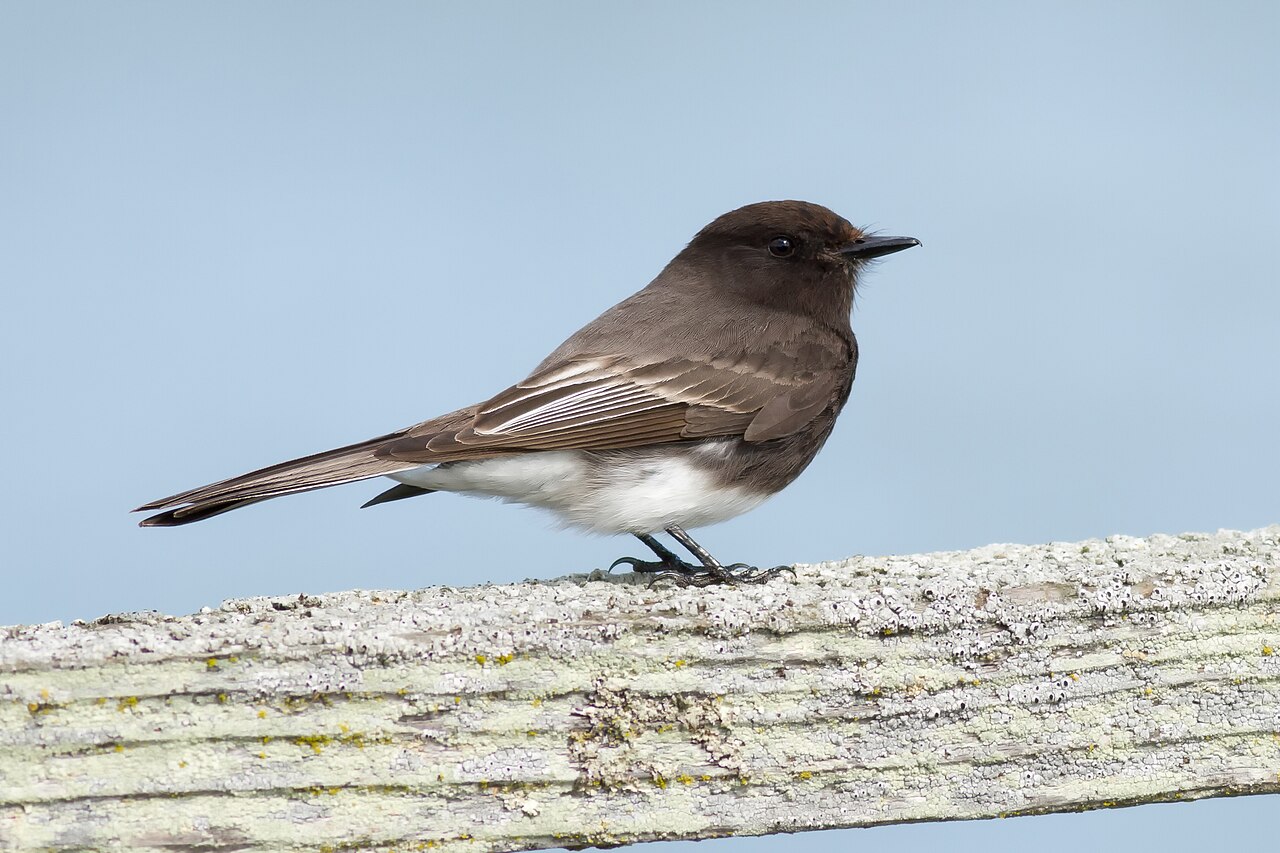
The Black Phoebe is sooty black with a sharply cut-off white belly and is almost always within a few metres of water: a creek, a pond edge, a fountain basin or a ditch. It builds a mud cup under a bridge, an eave or an overhanging rock, and pumps its tail continuously while perched.
Voice
The song consists of two alternating phrases, roughly tsee-hee and tsee-ho, the first rising and the second falling; it repeats them in turn, chiefly at first light. The call is a clear, short chip or tseep, often given on landing. Males sing more than females, though females do sing during nest-site selection.
Recording: Jonathon Jongsma — CC BY-SA 3.0 · Linda Vista Park, Santa Clara, California, United States · xeno-canto
Identification
Head, breast, back, wings and tail are sooty black, the head darker still; belly and undertail coverts are white, the border rising into an inverted V on the lower breast. The flight feathers and outer tail feathers have narrow pale edges. The bill is thin and straight, the tail medium-length and square-tipped. Young birds are browner with cinnamon feather edges and cinnamon wingbars. It hunts with short sallies from a low perch and pumps the tail on every landing.
Confusion species
Say's Phoebe shares the tail pumping but is grey-brown with a cinnamon belly and no sharp border. Eastern Phoebe is grey-brown above and dingy white below, without the black-and-white contrast. A dark junco is far smaller, has a conical pink bill and feeds on the ground. Eastern Kingbird is blackish grey above and white below, but has a white terminal tail band and a much heavier bill, and hunts high in the open air.
Habitat
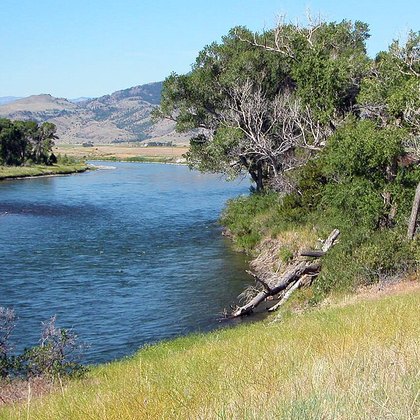
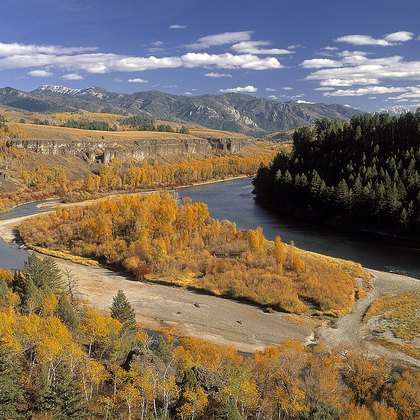
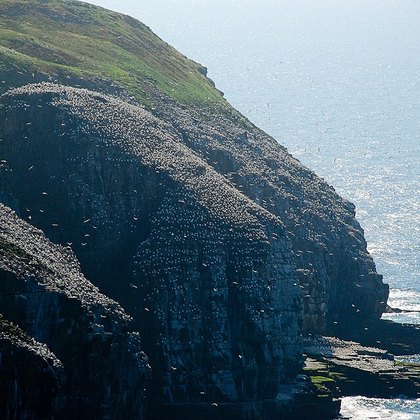
Almost always near water: streams, rivers, lake shores, irrigation ditches, stock tanks, park ponds, fountains and the rocky coast. It needs two things — a low perch with a clear view over water or bare ground, and a sheltered vertical surface plus mud for the nest. Bridges, culverts, eaves and walls under an overhang serve as well as a rock ledge. It does not use dense woodland.
Where the bird is most often found, arranged by the USNVC — the vegetation classification of the United States and Canada — and CMECS for sea and coast.




Range and movements
In the United States it occurs in south-western Oregon, California, the Colorado River valley, southern Nevada, south-western Utah, Arizona, central and southern New Mexico and south-western and southern Texas. From there the range runs through Baja California and all of Mexico, Central America and on south into the Andes. Over most of that area it is resident; only the northernmost and highest breeders shift to lower and more southerly water in winter. The range spread north and inland during the twentieth century with the building of bridges, culverts and irrigation works.
- Resident
- Breeding (summer)
- Winter
- Passage
- dark = core range, pale = thinly spread
Where and when to look
Walk to a bridge or culvert over a creek and look underneath the structure: the mud nest is often there, and the bird sits within thirty metres on a post or a stone. The constant tail pumping gives it away at a distance, even when the black and white cannot be made out in shade.
Conservation
Partners in Flight puts the global breeding population at about 5 million birds; the species scores 8 out of 20 on the Continental Concern Score. The Breeding Bird Survey shows an increase of over two per cent per year between 1966 and 2019, partly because bridges, culverts and buildings added nest sites. Since the species stays tied to water, that trend depends on water quality and on the retention of stream and riparian habitat.
Scientific name
Sayornis nigricans | (Swainson, 1827)
Swainson described the species in 1827 as Tyrannula nigricans, from material of the Mexican tableland; Nelson designated the Valley of Mexico as the type locality in 1900. Because the species was later placed in Sayornis, author and year stand in parentheses. Sayornis means 'Say's bird', after the American naturalist Thomas Say, with Greek ornis 'bird'; nigricans is Latin for 'blackish'. The six subspecies are sometimes divided into two groups, the northern nigricans group and the southern latirostris group, whose birds are wholly sooty grey with white wing edgings.