All species › Passerines › Wagtails and pipits › Gray Wagtail
Gray Wagtail | Motacilla cinerea
Grote gele kwikstaart | Lavandera cascadeña
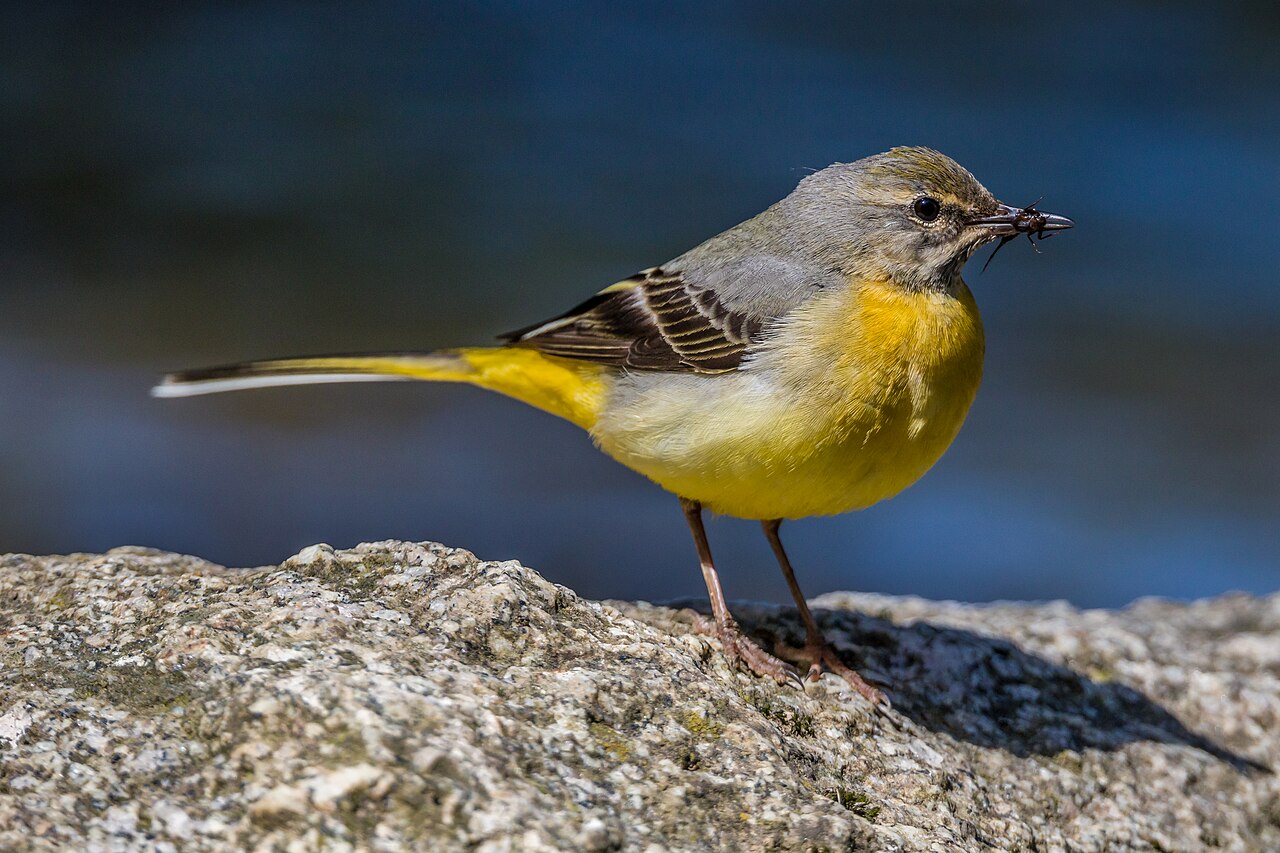
The Gray Wagtail is a Eurasian wagtail of fast-running water, with the longest tail in the genus. In North America it is a vagrant: nearly all records come from the Aleutians and the Bering Sea islands of Alaska, with a few farther down the west coast.
Voice
The call is a sharp, metallic tsee-tseet, usually of two or three syllables and higher and harder than White Wagtail's; it is given mostly in the bounding flight and carries over the noise of a stream. The song, not to be expected in North America, is a short hurried series of sharp notes, delivered from a rock or in a brief song flight. When flushed the bird flies some way upstream, calling repeatedly.
Recording: Lionel TRIBOULIN — CC0 · Ponte dos Sete Arcos (near Nordeste), Nordeste, Açores, Portugal · xeno-canto
Identification
A slender wagtail with a very long black-and-white tail, pumped up and down almost continuously at rest. The upperparts are slate-grey, the rump yellow-green and the undertail coverts and vent bright yellow; the legs are flesh-coloured to brown, not black. In summer the male has a black throat with a white moustachial stripe and a white supercilium; females and winter birds lack the black throat and often show yellow only on the vent. In flight a white wing stripe shows against the dark wing.
Confusion species
Eastern Yellow Wagtail has a shorter tail, an olive-green rather than slate-grey back, black legs and yellow across the whole underside, not only on the vent. White Wagtail is black, white and grey with no yellow at all. Even in winter plumage, when the yellow is confined to the vent, the grey back, yellow-green rump, pale legs and strikingly long tail remain decisive together.
Habitat
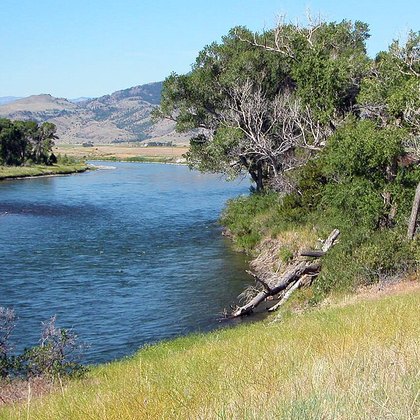
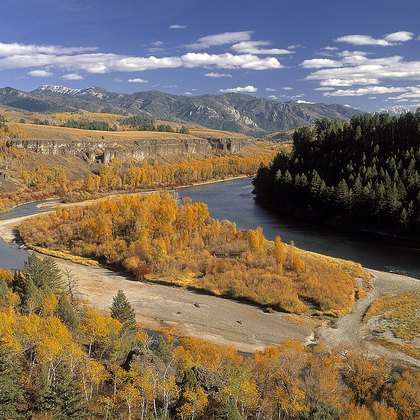
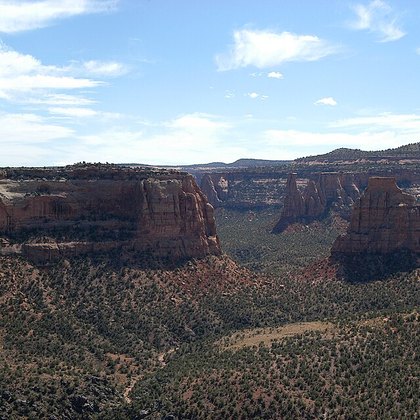
On the breeding grounds fast streams and rivers with stones, gravel and waterfalls, often in hill and mountain country, with the nest in a crevice or under a bridge. Outside the breeding season also lake shores, ditches, saltpans, rocky coasts and wet ground in villages and harbours. The Alaskan vagrants are usually on a wet road, a ditch edge or a streamside near a settlement on one of the islands.
Where the bird is most often found, arranged by the USNVC — the vegetation classification of the United States and Canada — and CMECS for sea and coast.



Range and movements
The breeding range runs from the Atlantic islands and western Europe through North Africa and all of temperate Asia to Kamchatka and Japan; northern populations move to southern Asia and tropical Africa. Kamchatkan and Japanese birds winter in Southeast Asia and pass the Kurils and the Aleutians on the way, which accounts for the Alaskan records. There it amounts to a handful of records per decade, chiefly on Attu, Shemya and the other outer Aleutians, on St. Paul and on St. Lawrence Island, in May and June and in late summer. Farther south there are scattered records in California and British Columbia.
Where and when to look
On the outer Aleutians late May gives the best chance: walk the wet verges, ditches and the edges of meltwater rills and watch for a wagtail with a strikingly long tail. Any wagtail in Alaska with yellow on the vent and grey on the back deserves a second look; note the leg colour, which separates it at once from Eastern Yellow Wagtail.
Conservation
The species is listed as Least Concern: the range is very large and the world population runs into millions. In parts of western Europe numbers have fallen, attributed to hard winters and to declining water quality in streams. For North America the species is too rare to have a trend of its own; the number of records there depends mainly on how many observers visit the Aleutians in spring.
Scientific name
Motacilla cinerea | Tunstall, 1771
Marmaduke Tunstall described the species in 1771 as Motacilla Cinerea; because it still stands in that genus, author and year take no parentheses. Motacilla is the Latin word Varro used for a wagtail, a diminutive of motare 'to move about'; the ending was later misread as cilla 'tail', so that the name came to be understood as 'tail-mover'. The species name cinerea means 'ash-grey' and refers to the back. The specimen described came from Wycliffe in Yorkshire, England.