All species › Passerines › Wagtails and pipits › Meadow Pipit
Meadow Pipit | Anthus pratensis
Graspieper | Bisbita pratense
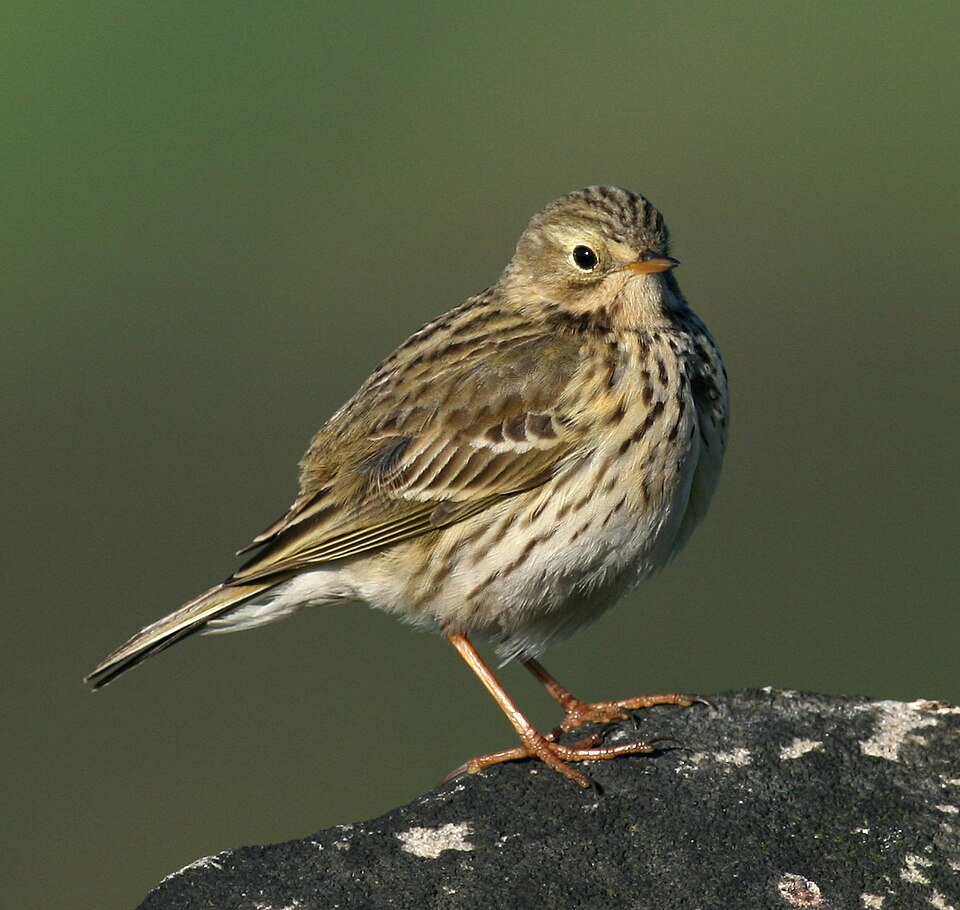
The Meadow Pipit is a small streaked songbird of open treeless ground that in this guide's area breeds only in southeastern Greenland. This is the western edge of a range that otherwise lies in Iceland and Europe; on the North American mainland it is an exceptional visitor.
Voice
The call is a thin high tseep, usually two or three times in quick succession and sharper as the bird grows uneasy. The song is a long series of short thin notes that accelerate towards the end and change in pitch. It is delivered in a display flight: the male climbs at an angle from the ground or a post, then parachutes down again with stiff spread wings and raised tail, the run of notes passing into a slow trill.
Recording: Amadeo A. Pombo Eirín — CC BY-SA 4.0 · Terra Chá (near O Barreiro), Lugo, Galicia, Spain · xeno-canto
Identification
Brown above with dark streaking on mantle and crown, dingy white to buff below with fine black streaking on breast and flanks. The outer tail feathers are white and show as the bird flushes. The legs are pale pink to flesh-coloured rather than dark, and the hind claw is long and barely curved — longer than the hind toe itself. The bill is thin and pointed, the head round and without strong markings apart from a pale eye-ring.
Confusion species
American Pipit, the species that may stand on the same ground in North America, has dark legs, a plainer grey-brown upperside with much vaguer streaking and warmer buff underparts; its call is a sharp two-syllable pi-pit rather than the thin tseep. Tree Pipit is greener in tone, has a short strongly curved hind claw and takes to a tree when disturbed, which Meadow Pipit almost never does. Red-throated Pipit has a rusty throat in summer and in all plumages a more heavily streaked, higher-contrast back.
Habitat
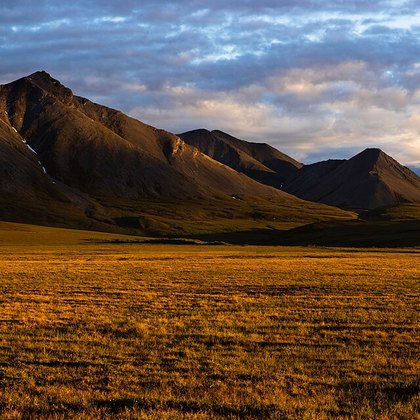
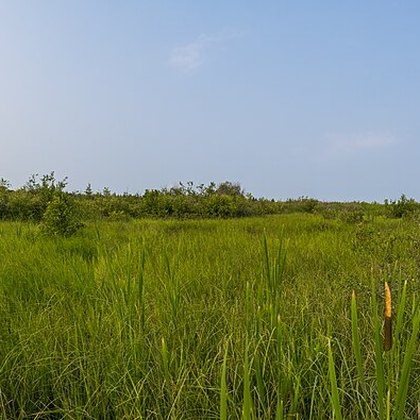
Open, low, treeless ground: dwarf shrub heath and sedge on the Greenland coast, moorland, blanket bog, rough grassland and lightly grazed pasture. It forages on foot for insects and spiders and uses a stone, post or wire as a lookout. Closed woodland is absent from its ground altogether; in winter, elsewhere in the range, it moves to stubble, saltmarsh and shorelines.
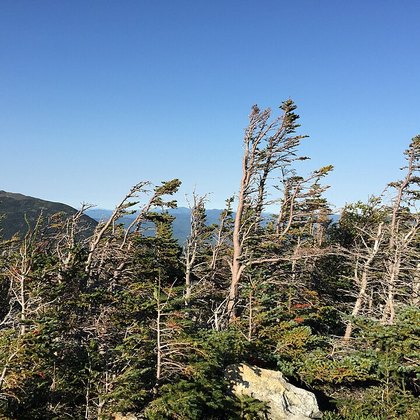
Where the bird is most often found, arranged by the USNVC — the vegetation classification of the United States and Canada — and CMECS for sea and coast.


Range and movements
The breeding range runs from southeastern Greenland and Iceland through western and northern Europe to just east of the Urals, with wintering in southern Europe, North Africa and southwestern Asia. Greenland birds are summer visitors, arriving in May and leaving across the Atlantic in August and September. Outside Greenland there are virtually no accepted North American records, which makes the species a marginal presence in this guide.
- Breeding (summer)
- Passage
- dark = core range, pale = thinly spread
Where and when to look
In June on the coastal heath of southeastern Greenland the display flight is the most reliable way in: look for a bird climbing at an angle from a stone and then parachuting down. On a perched bird check leg colour first — pale pink legs rule out American Pipit before you reach the streaking.
Conservation
The species is listed as of least concern, but European numbers have been falling for decades; on French farmland the decline has been put at about 68 per cent. Grassland intensification, fertiliser, earlier mowing and the loss of heath and bog are the main causes. The Greenland population is small and not systematically counted, so no trend is available there.
Scientific name
Anthus pratensis | (Linnaeus, 1758)
Linnaeus described the species in 1758 as Alauda pratensis, 'lark of the meadow'; because it was later placed in Anthus, author and year stand in parentheses. The genus Anthus goes back to Latin anthus, a small grassland bird in Pliny, and the species name pratensis means 'of the meadow'. The English word pipit is onomatopoeic, after the call. The type material came from Sweden.