All species › Nightjars › Nightjars and nighthawks
Nightjars and nighthawks | Caprimulgidae
Nachtzwaluwen | Chotacabras | Bacuraus e curiangos
Long pointed wings and a long tail give most species a light, floating flight in which insects are hawked low over open ground and along woodland edges. The claw of the middle toe is drawn out along one side into a small comb with fine teeth, with which the bird grooms its head and facial bristles. The song, from a perch or from the ground, differs from species to species, from repeated whistles to churring or clucking series; in display the male shows white spots at the wingtips and tail corners, and in several species he claps his wings together above his back. Two eggs are laid straight onto the litter with no nest; hunting goes best by moonlight, and breeding is timed so that the young are being raised through the bright half of the lunar month. This guide covers 29 species in fourteen genera, from the rainforest of Amazonia and the Atlantic Forest to the Cerrado, the Llanos and the tepuis of the Guiana Highlands, home of Tepuiornis. The Short-tailed Nighthawk (Lurocalis) hunts at dusk above the canopy, the Band-tailed Nighthawk (Nyctiprogne) over rivers, and the Blackish Nightjar (Nyctipolus) roosts on bare rock outcrops; in the Scissor-tailed Nightjar (Hydropsalis) the male has a very long, forked tail.
Native species 28 species
Species that occur here by nature: breeding birds, winter visitors and passage migrants. They are arranged by genus, in the sequence of the list.
Lurocalis 2 species



Nyctiprogne 2 species
-

Plain-tailed Nighthawk
Nyctiprogne vielliardi Large rivers and sandbars
 Caatinga scrub
 Dry forest of the north-east
 Veredas and gallery forest
-

Band-tailed Nighthawk
Nyctiprogne leucopyga- Large rivers and sandbars
 Blackwater rivers and small streams
 Igapó (blackwater flooded forest)
 Várzea (whitewater flooded forest)
 Flooded Llanos and esteros
Nyctipolus 2 species

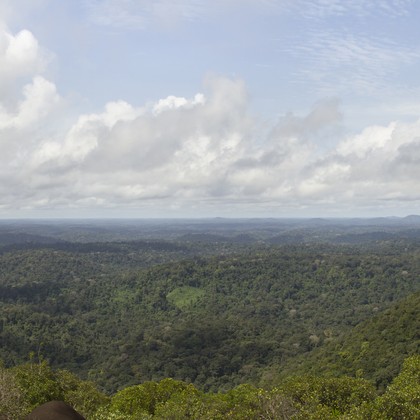



Tepuiornis 1 species


Uropsalis 1 species

Setopagis 3 species
-
Todd's Nightjar
Setopagis heterura Dry forest and thorn scrub of northern Venezuela
 Llanos savanna
 Towns, cities and gardens
-

Little Nightjar
Setopagis parvula Cerrado savanna
 Cerradão and dry woodland
- Caatinga scrub
 Interior semi-deciduous forest
 Gallery forest and woodland islands of the Pantanal
-
Cayenne Nightjar
Setopagis maculosa Tall terra firme forest
 Secondary forest and forest edge


Eleothreptus 2 species



Antiurus 1 species

Hydropsalis 4 species
-

White-tailed Nightjar
Hydropsalis cayennensis- Llanos savanna
 Savannas of the Guianas
- Dry forest and thorn scrub of northern Venezuela
 Pasture and arable land
-

Ladder-tailed Nightjar
Hydropsalis climacocerca- Large rivers and sandbars
 Floating meadows and river islands
- Várzea (whitewater flooded forest)
-

Scissor-tailed Nightjar
Hydropsalis torquata- Cerrado savanna
 Pampa grassland
 Seasonally flooded plain
- Savannas of the Guianas
- Pasture and arable land
-

Long-trained Nightjar
Hydropsalis forcipata Montane forest of the Serra do Mar
 Coastal lowland forest
 Araucaria forest
- Interior semi-deciduous forest
Nyctiphrynus 1 species

Antrostomus 2 species
-
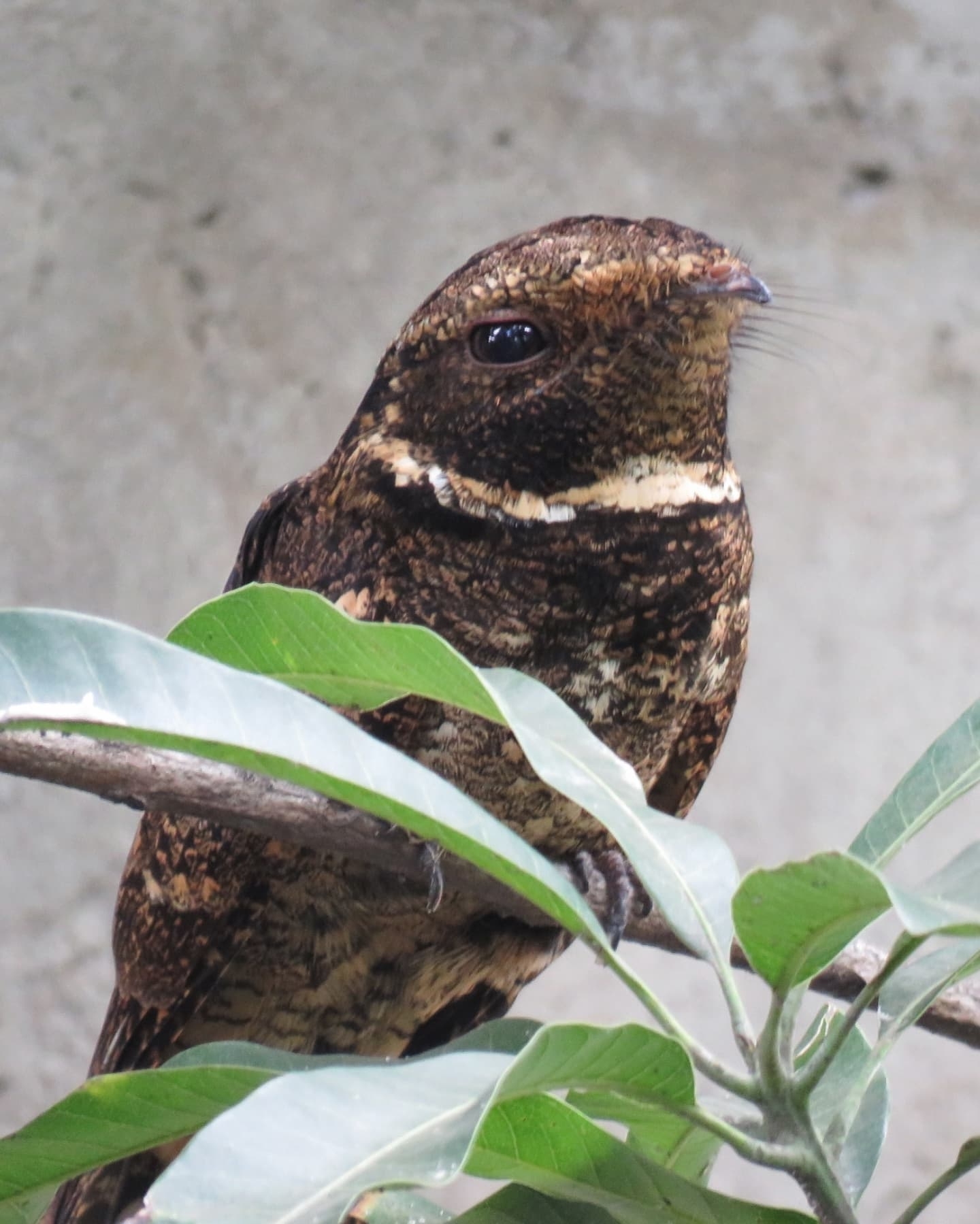
Rufous Nightjar
Antrostomus rufus- Cerradão and dry woodland
- Dry forest of the north-east
- Dry forest and thorn scrub of northern Venezuela
- Interior semi-deciduous forest
- Secondary forest and forest edge
-

Silky-tailed Nightjar
Antrostomus sericocaudatus- Coastal lowland forest
- Interior semi-deciduous forest
- Montane forest of the Serra do Mar
- Tall terra firme forest
 Bamboo and liana forest
Chordeiles 5 species
-

Nacunda Nighthawk
Chordeiles nacunda- Cerrado savanna
- Seasonally flooded plain
- Llanos savanna
- Large rivers and sandbars
- Savannas of the Guianas
- Pasture and arable land
-

Least Nighthawk
Chordeiles pusillus- Cerrado savanna
- Savannas of the Guianas
 White-sand forest and campina
- Llanos savanna
- Caatinga scrub
-

Sand-colored Nighthawk
Chordeiles rupestris- Large rivers and sandbars
- Floating meadows and river islands
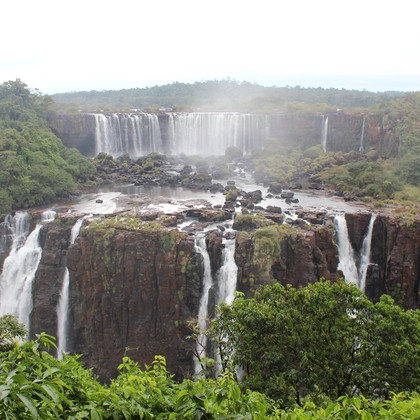 Rapids and waterfalls
-

Lesser Nighthawk
Chordeiles acutipennis- Dry forest and thorn scrub of northern Venezuela
- Llanos savanna
- Savannas of the Guianas
 Sandy beaches and dunes
- Large rivers and sandbars
- Pasture and arable land
-
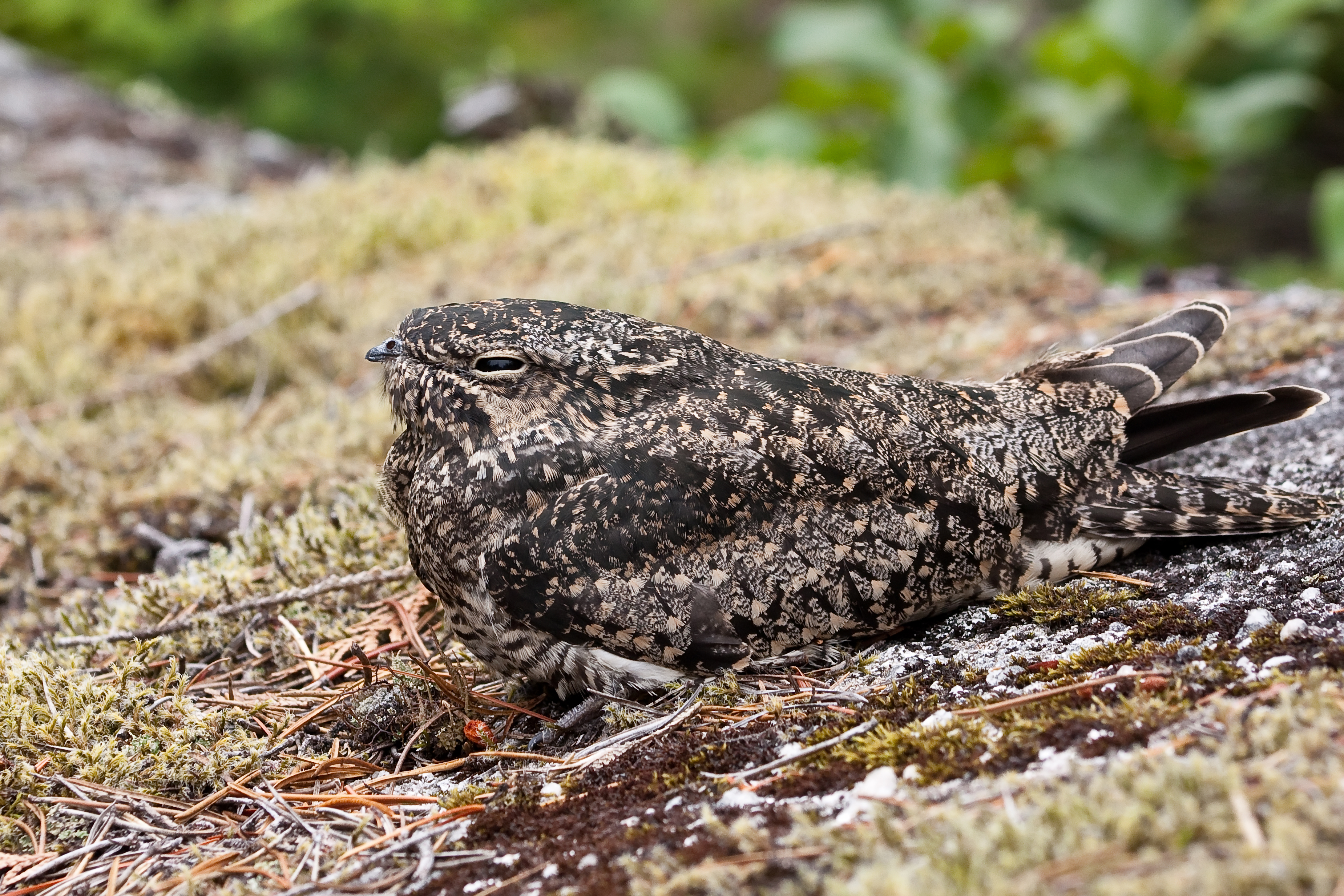
Common Nighthawk
Chordeiles minor- Cerrado savanna
- Tall terra firme forest
- Large rivers and sandbars
- Seasonally flooded plain
- Towns, cities and gardens
Vagrants 1 species
Birds blown in from other continents. They have no range here, and so no distribution map.
