All species › Passerines › New World sparrows
New World sparrows | Passerellidae
Amerikaanse gorzen | Chingolos | Tico-ticos e afins
The sparrows of the New World: seed-eaters with a short conical bill, sturdy legs and a fairly long, rounded tail, often brown and streaked above. Many species feed on the ground in leaf litter and under shrubs, using a way of scratching typical of the family: both feet kicked backwards at once in a short hop, so that the litter flies away and seeds and insects are exposed. In the streaked species identification turns mainly on the head pattern: crown stripes, supercilium, eye-stripe and malar stripe in fixed patterns. The nest is a small cup on the ground or low in a shrub. Since about 2017 they have been placed in a family of their own, separate from the Emberizidae. In this guide the family numbers 26 species in six genera: Chlorospingus, Ammodramus, Arremonops, Arremon, Zonotrichia and Atlapetes. Arremon is the largest genus and lives in the forest undergrowth: Pectoral Sparrow in Amazonia and the Guianas, Saffron-billed Sparrow in the interior of Brazil, Half-collared Sparrow in the Atlantic Forest and São Francisco Sparrow in the dry forest of the São Francisco valley, and several species in the mountains of northern Venezuela. The brushfinches of Atlapetes and the Chlorospingus species, which unlike the rest move through the canopy in small flocks, belong to montane forest in the Venezuelan Andes and on the tepuis. Ammodramus lives in grassland and savanna, Arremonops in dry scrub in the north. Rufous-collared Sparrow is found in open country everywhere, from towns, villages and fields to the summits of the tepuis. Grasshopper Sparrow has been recorded as a vagrant.
Native species 25 species
Species that occur here by nature: breeding birds, winter visitors and passage migrants. They are arranged by genus, in the sequence of the list.
Chlorospingus 2 species


Ammodramus 2 species
-

Grassland Sparrow
Ammodramus humeralis Cerrado savanna
 Savannas of the Guianas
 Llanos savanna
 Pasture and arable land
 Campo rupestre and mountain grassland
-

Yellow-browed Sparrow
Ammodramus aurifrons- Pasture and arable land
 Large rivers and sandbars
 Floating meadows and river islands
 Secondary forest and forest edge
 Towns, cities and gardens
Arremonops 2 species
-

Black-striped Sparrow
Arremonops conirostris- Secondary forest and forest edge
 Dry forest and thorn scrub of northern Venezuela
- Towns, cities and gardens
 Plantations and agroforestry
 Montane forest of the Venezuelan coastal range
-

Tocuyo Sparrow
Arremonops tocuyensis- Dry forest and thorn scrub of northern Venezuela
Arremon 11 species
-
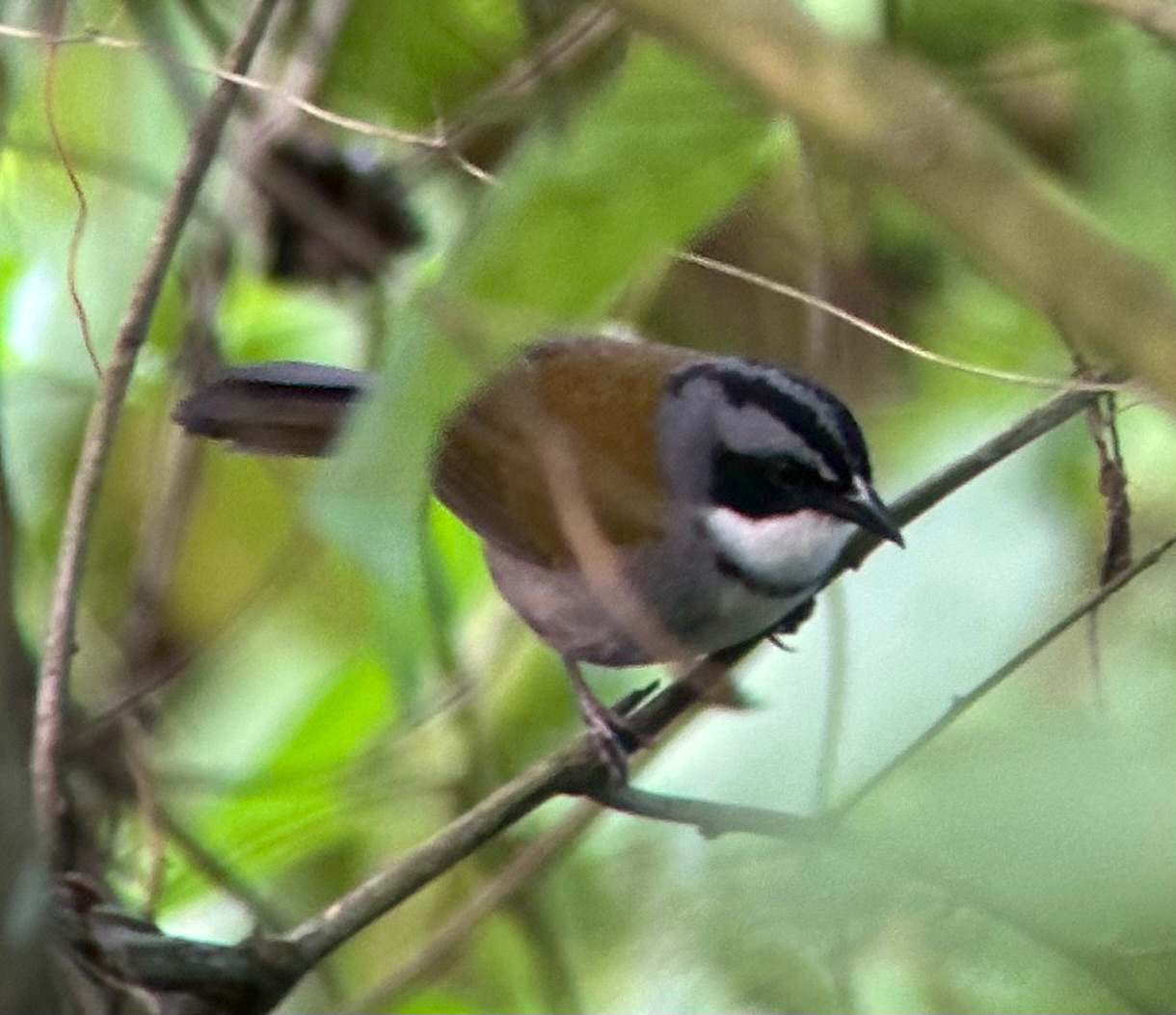
Perija Brushfinch
Arremon perijanus Montane forest of the Venezuelan Andes and Perijá
-
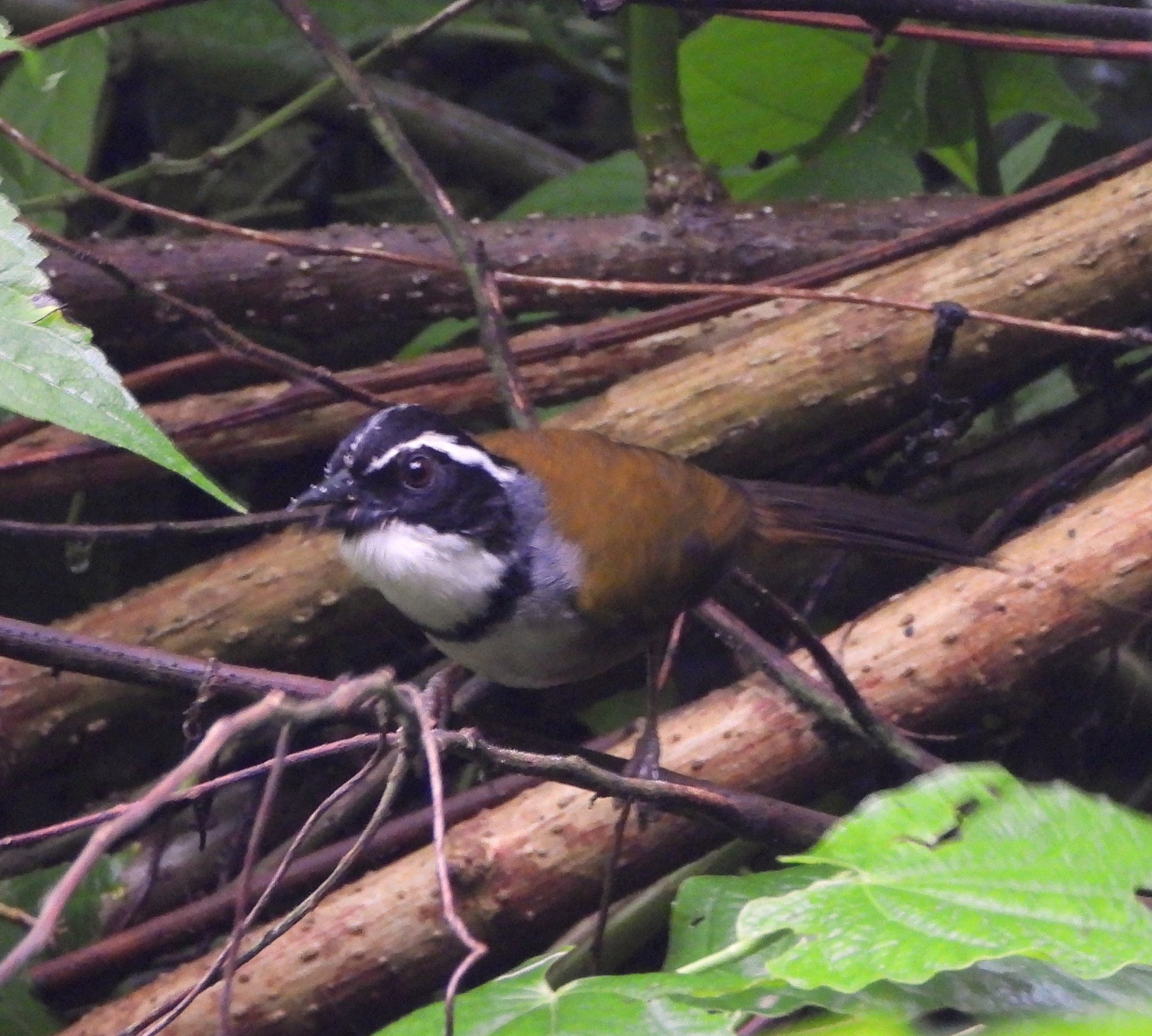
Caracas Brushfinch
Arremon phaeopleurus- Montane forest of the Venezuelan coastal range
-
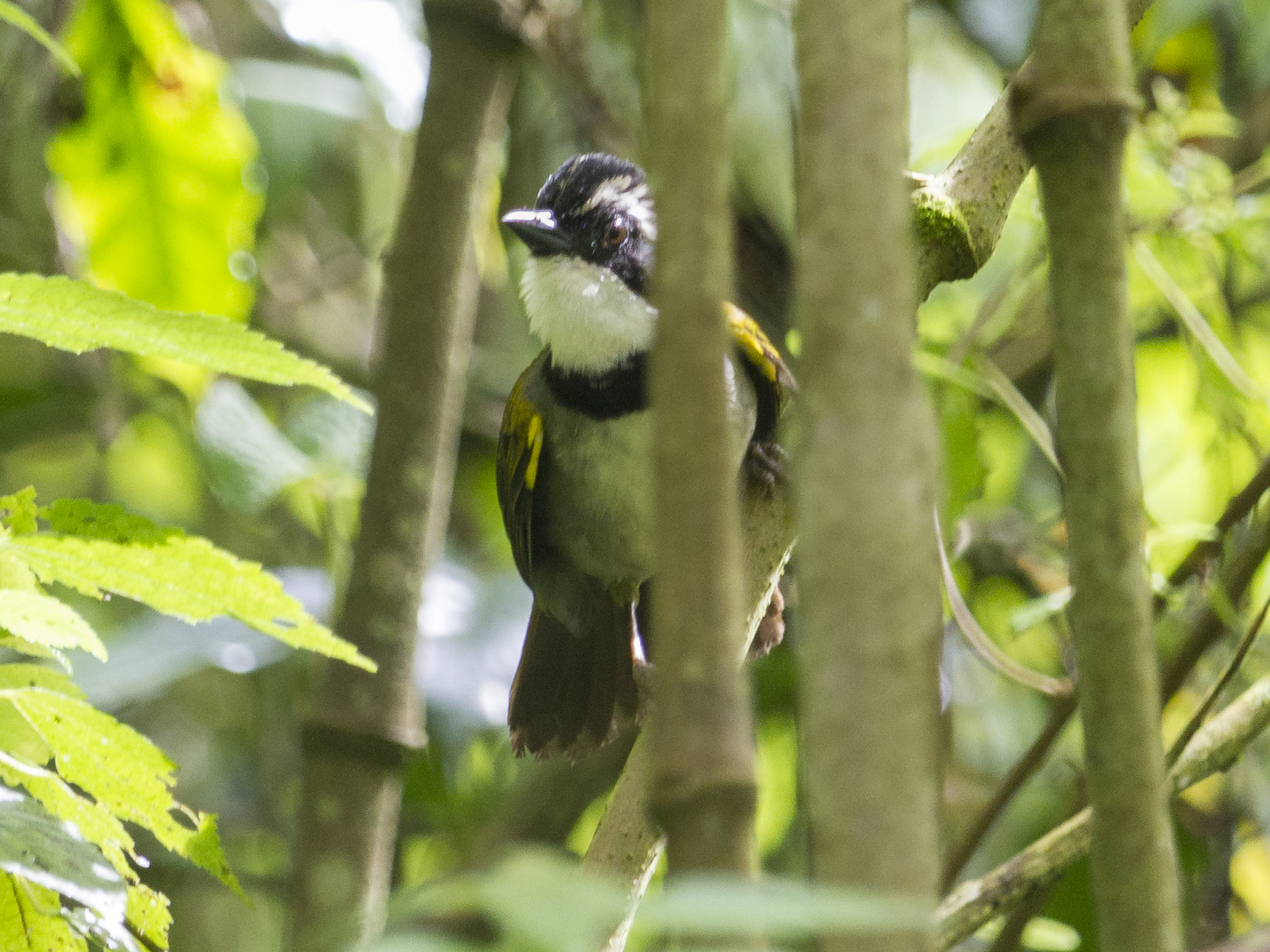
Paria Brushfinch
Arremon phygas- Montane forest of the Venezuelan coastal range
-

Grey-browed Brushfinch
Arremon assimilis- Montane forest of the Venezuelan Andes and Perijá
-

Golden-winged Sparrow
Arremon schlegeli- Dry forest and thorn scrub of northern Venezuela
- Montane forest of the Venezuelan coastal range
-

Pectoral Sparrow
Arremon taciturnus Tall terra firme forest
- Secondary forest and forest edge
 Highland forest of the Guiana Shield
 Coastal lowland forest
 Northeastern coastal forest
-
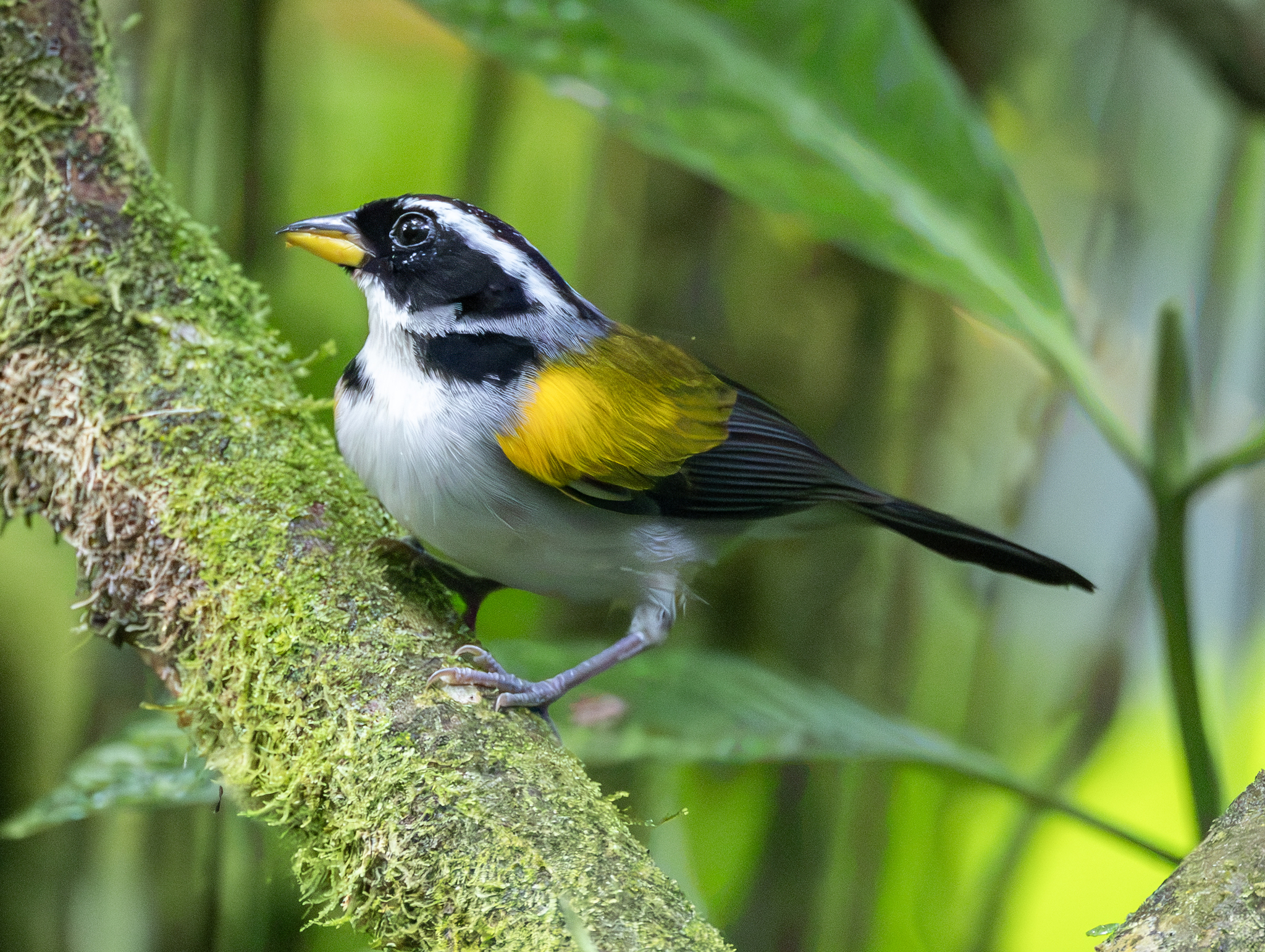
Yellow-mandibled Sparrow
Arremon axillaris- Montane forest of the Venezuelan Andes and Perijá
- Secondary forest and forest edge
-

Sao Francisco Sparrow
Arremon franciscanus Dry forest of the north-east
 Caatinga scrub
 Cerradão and dry woodland
-

Half-collared Sparrow
Arremon semitorquatus Montane forest of the Serra do Mar
- Coastal lowland forest
 Araucaria forest
 Interior semi-deciduous forest
-

Saffron-billed Sparrow
Arremon flavirostris Veredas and gallery forest
- Cerradão and dry woodland
- Interior semi-deciduous forest
 Gallery forest and woodland islands of the Pantanal
- Dry forest of the north-east
-

Chestnut-capped Brushfinch
Arremon brunneinucha- Montane forest of the Venezuelan Andes and Perijá
- Montane forest of the Venezuelan coastal range


Atlapetes 7 species
-

Moustached Brushfinch
Atlapetes albofrenatus- Montane forest of the Venezuelan Andes and Perijá
-

Tepui Brushfinch
Atlapetes personatus- Highland forest of the Guiana Shield
 Tepui summits and sandstone scrub
-

Ochre-breasted Brushfinch
Atlapetes semirufus- Montane forest of the Venezuelan Andes and Perijá
- Montane forest of the Venezuelan coastal range
-

Slaty Brushfinch
Atlapetes schistaceus- Montane forest of the Venezuelan Andes and Perijá
-

Pale-naped Brushfinch
Atlapetes pallidinucha- Montane forest of the Venezuelan Andes and Perijá
-

Yellow-breasted Brushfinch
Atlapetes latinuchus- Montane forest of the Venezuelan Andes and Perijá
-
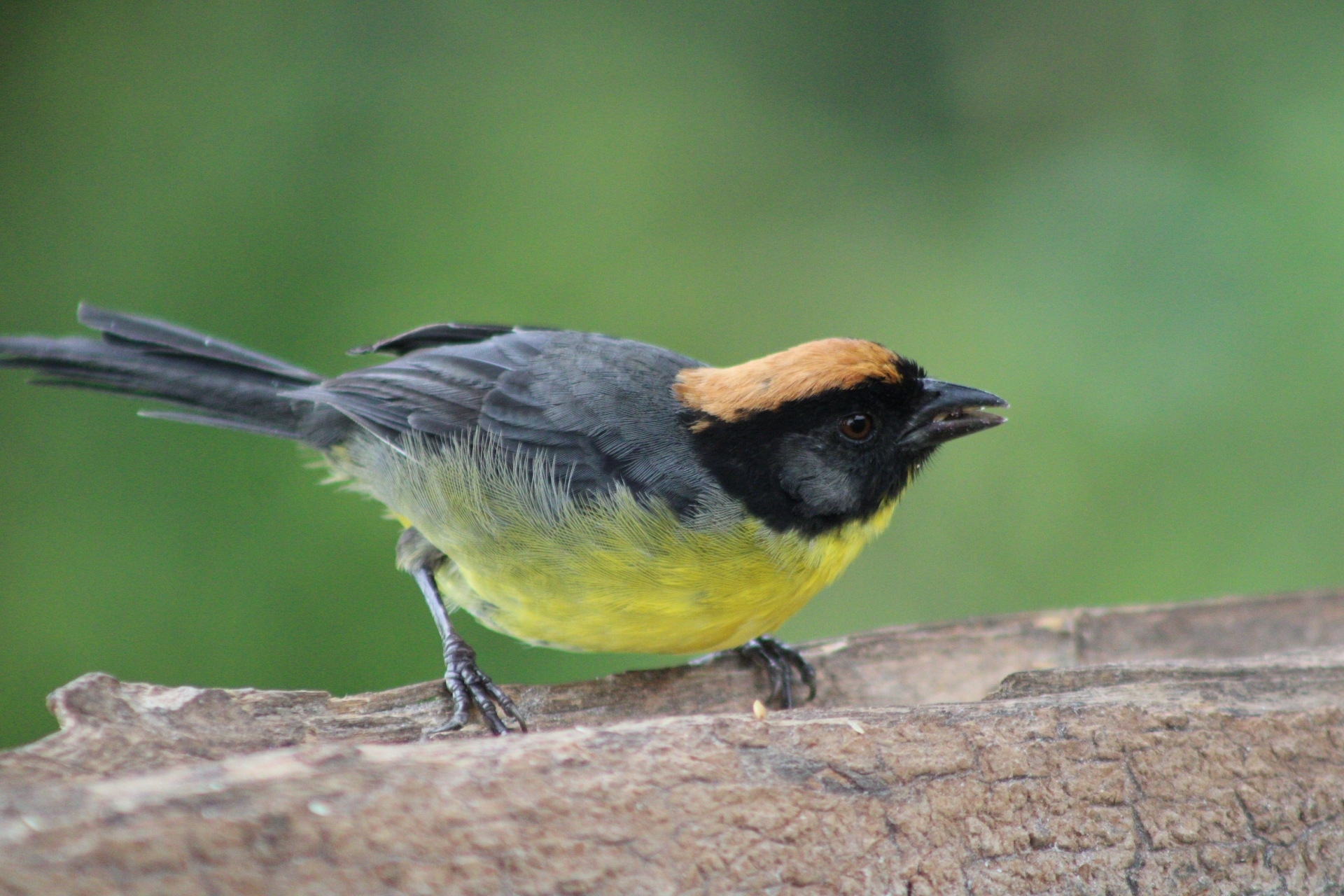
Black-fronted Brushfinch
Atlapetes nigrifrons- Montane forest of the Venezuelan Andes and Perijá
Vagrants 1 species
Birds blown in from other continents. They have no range here, and so no distribution map.
