All species › Tubenoses › Petrels, shearwaters and diving petrels
Petrels, shearwaters and diving petrels | Procellariidae
Pijlstormvogels | Petreles y pardelas | Petréis, pardelas e petréis-mergulhadores
Twenty-six species in twelve genera occur in this guide, over the Atlantic off Brazil, the Guianas and Venezuela; seventeen of them are seen regularly, nine are vagrants. Nearly all breed far outside the guide area. The centre of gravity lies over the productive water off southern and south-eastern Brazil, where southern species such as the White-chinned Petrel, the Spectacled Petrel (Procellaria) and the Southern Giant Petrel (Macronectes) forage outside the breeding season; in addition the Great and Sooty Shearwaters (Ardenna) and, from the north, the Manx Shearwater (Puffinus) and Scopoli's Shearwater (Calonectris) pass along the coast. Medium-sized to large seabirds with a stout hooked bill and long, narrow wings held stiff and straight in the glide: they shear low over the waves and use the difference in wind speed just above the water to make headway without a wingbeat. Food is snatched from the surface or chased underwater, several species diving tens of metres with half-folded wings. The legs are set far back, so on land they shuffle and push along on the breast; nesting is in self-dug burrows or rock crevices on islands. The chick is stuffed with oil-rich food until it outweighs its parents, and is then left to itself.
Native species 17 species
Species that occur here by nature: breeding birds, winter visitors and passage migrants. They are arranged by genus, in the sequence of the list.
Daption 1 species

Macronectes 2 species

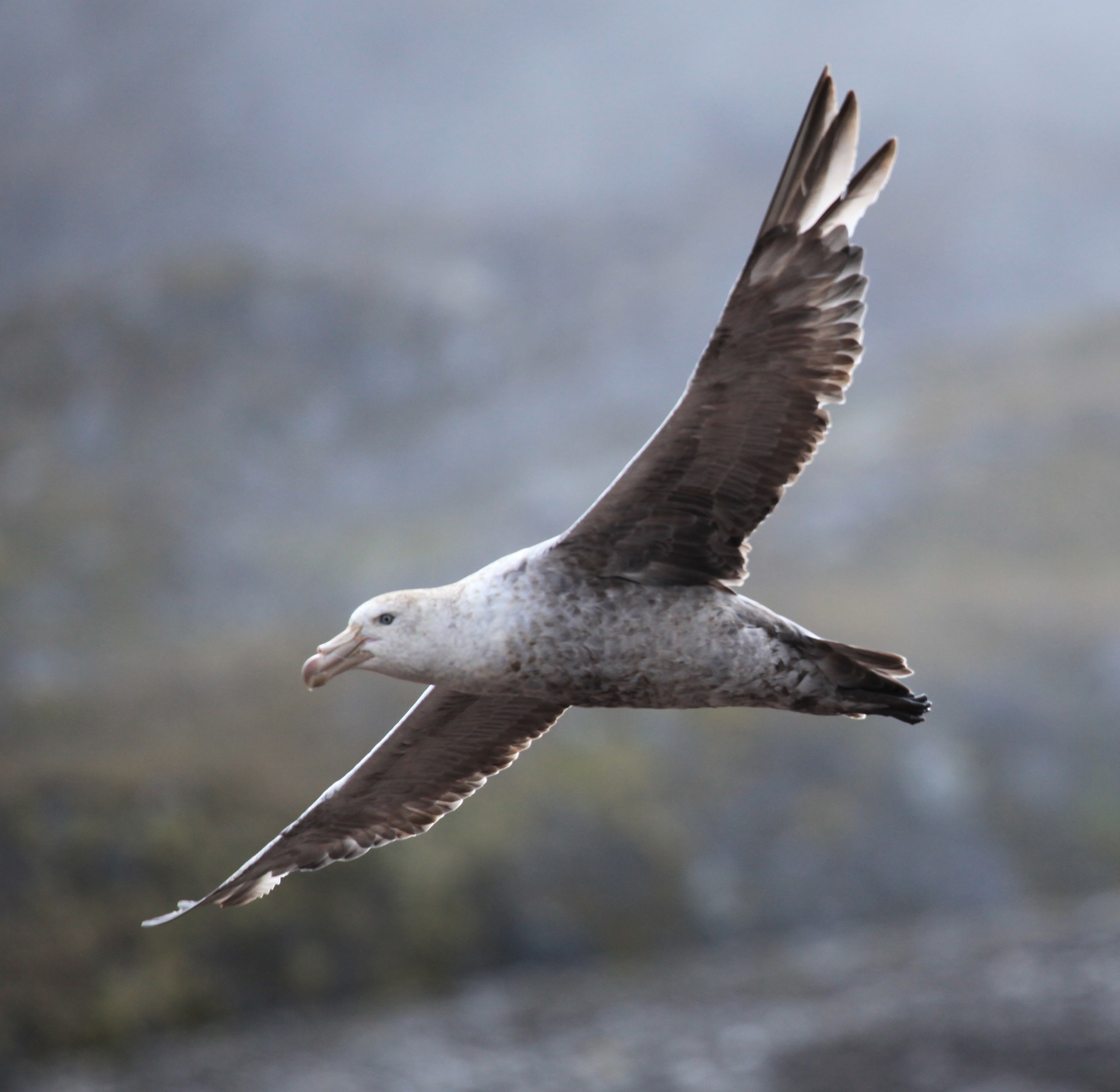
Fulmarus 1 species

Procellaria 2 species


Calonectris 2 species


Ardenna 2 species


Puffinus 2 species



Pachyptila 1 species


Vagrants 9 species
Birds blown in from other continents. They have no range here, and so no distribution map.
-

Bulwer's Petrel
Bulweria bulwerii Open Atlantic Ocean
-
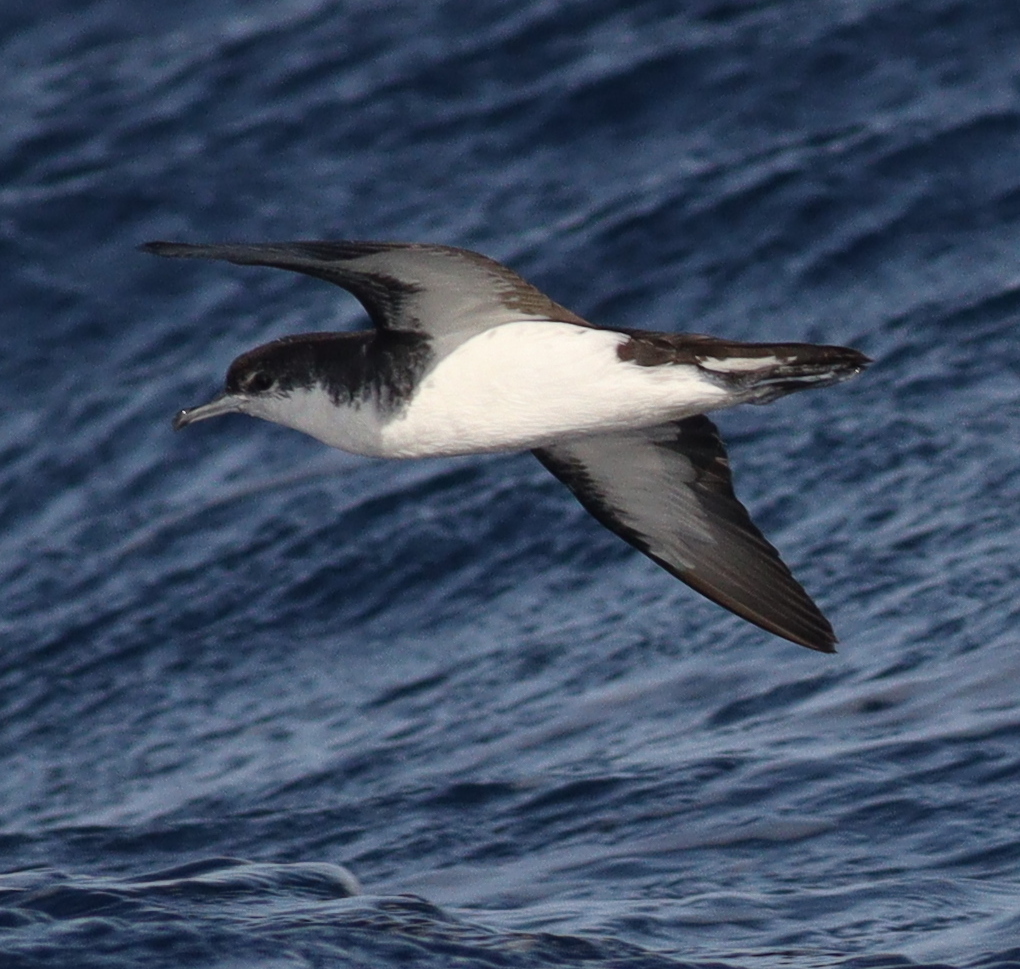
Boyd's Shearwater
Puffinus boydi- Open Atlantic Ocean
-

Blue Petrel
Halobaena caerulea- Open Atlantic Ocean
 Inshore waters and continental shelf
-

Broad-Billed Prion
Pachyptila vittata- Open Atlantic Ocean
- Inshore waters and continental shelf
-

Antarctic Prion
Pachyptila desolata- Open Atlantic Ocean
- Inshore waters and continental shelf
-

Kerguelen Petrel
Aphrodroma brevirostris- Open Atlantic Ocean
-
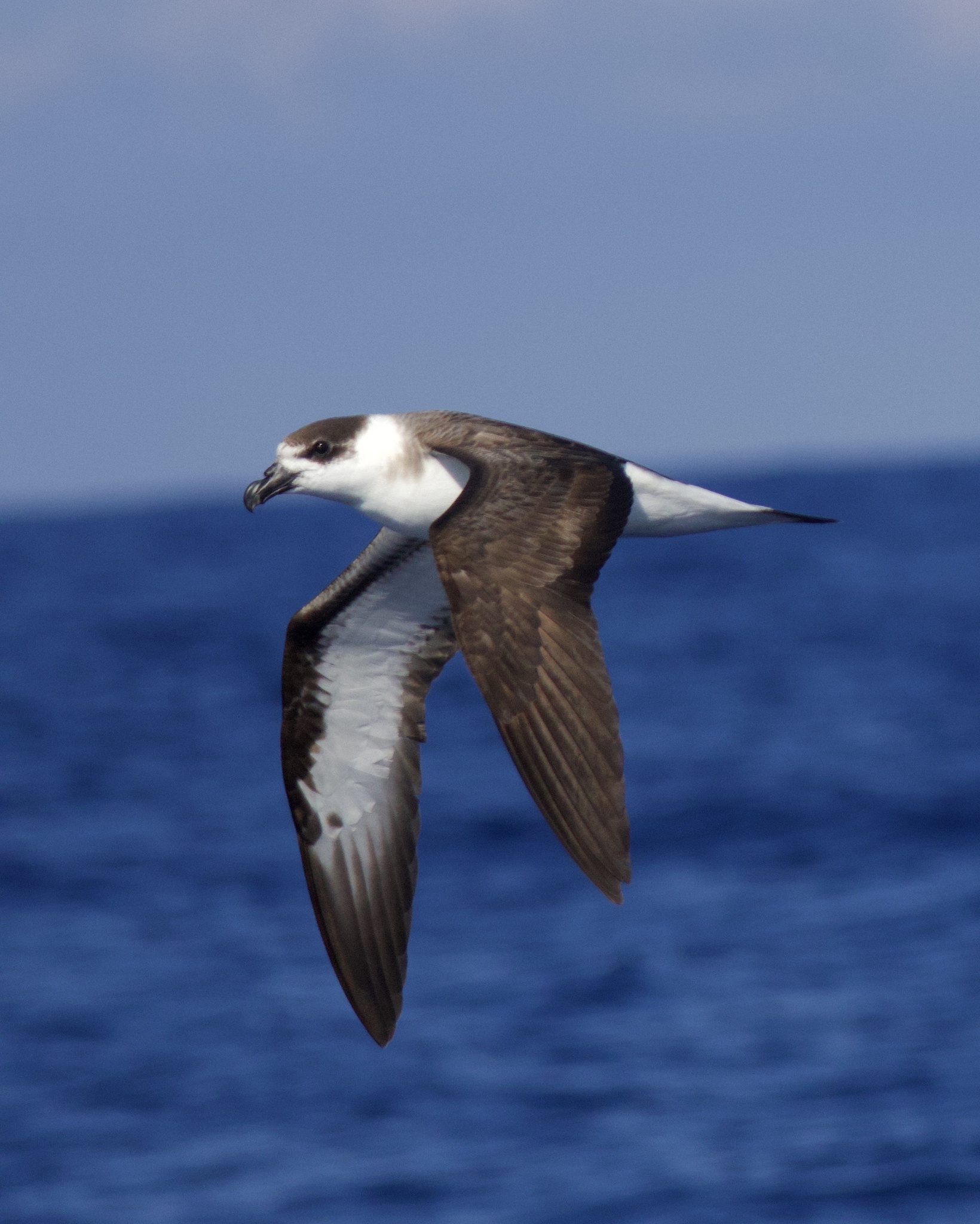
Black-capped Petrel
Pterodroma hasitata- Open Atlantic Ocean
-

Zino's Petrel
Pterodroma madeira- Open Atlantic Ocean
-
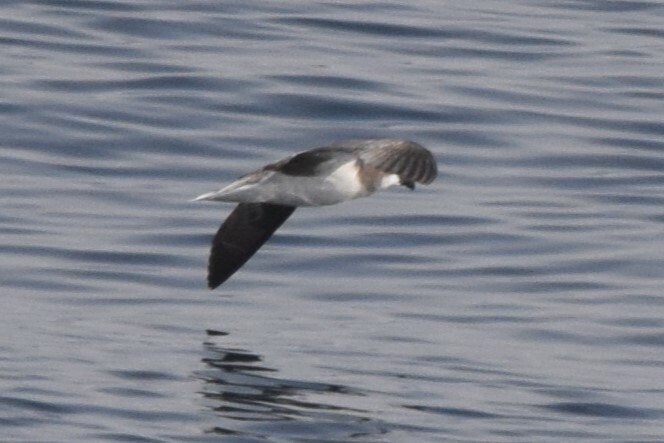
Cape Verde Petrel
Pterodroma feae- Open Atlantic Ocean