All species › Passerines › White-eyes
White-eyes | Zosteropidae
Brilvogels | Anteojitos
Small, yellowish-green songbirds instantly recognised by the white eye-ring of tiny, dense feathers. The bill is short, sharp and slightly curved, and the tongue ends in a brush-like tip used to take nectar. The diet is broad: insects and spiders gleaned from leaves and flowers, nectar, and soft fruit that they pierce. Outside the breeding season white-eyes move in busy flocks that pass rapidly from tree to tree, kept together by a constant stream of thin, high-pitched contact calls. The song is a fast, varied warbling twitter. Pairs breed alone, building a delicate cup slung like a hammock in a branch fork. Incubation and fledging are notably short, each around eleven to twelve days. Zosterops is among the fastest-diversifying bird groups on Earth. From Africa and Asia, flocks have colonised countless islands and archipelagos and split into distinct species there in remarkably little time. In southern Africa they occupy forest edge, scrub, riverine woodland, savanna and gardens.
Native species 4 species
Species that occur here by nature: breeding birds, winter visitors and passage migrants. They are arranged by genus, in the sequence of the list.
Zosterops 4 species
-
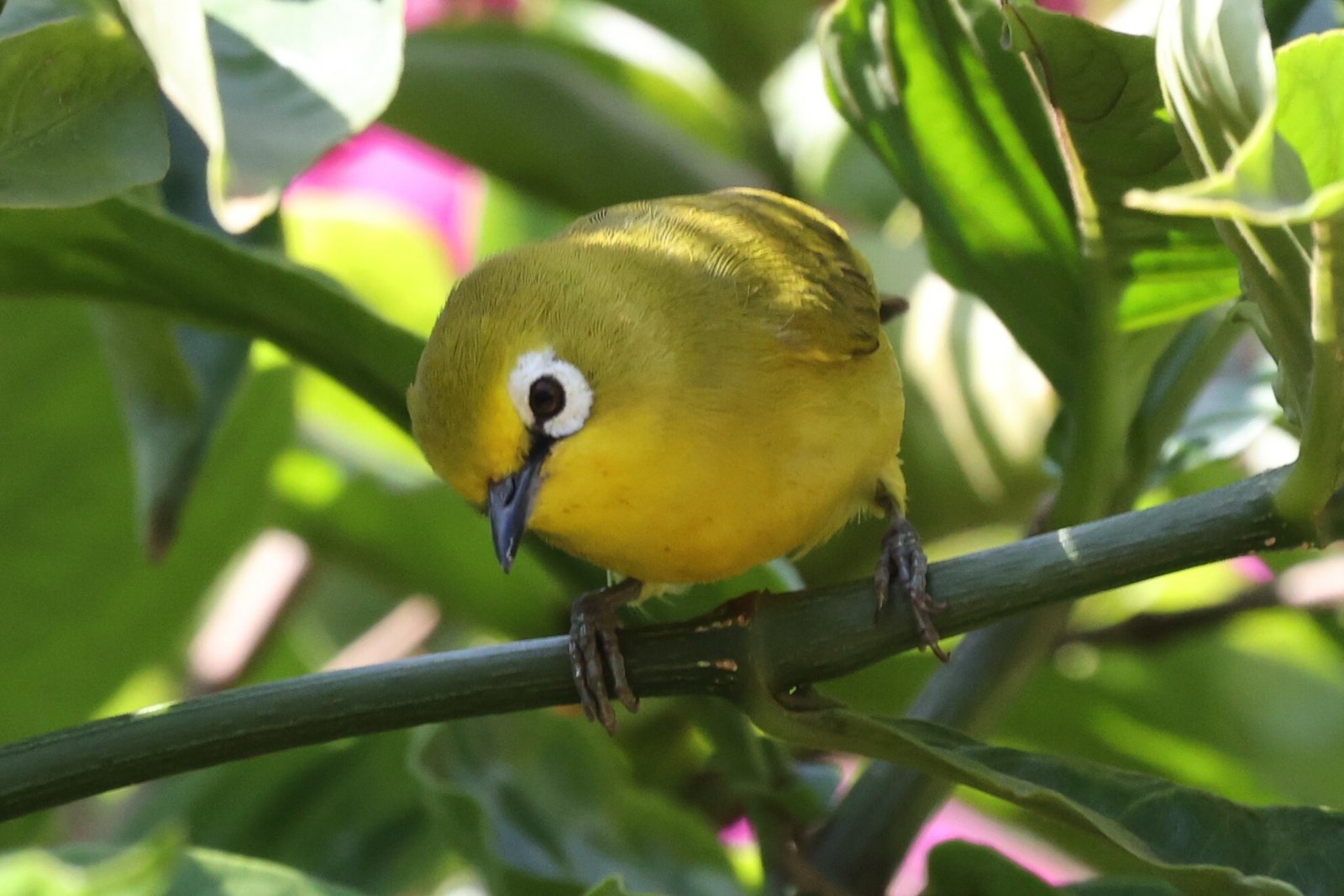
Northern Yellow White-Eye
Zosterops senegalensis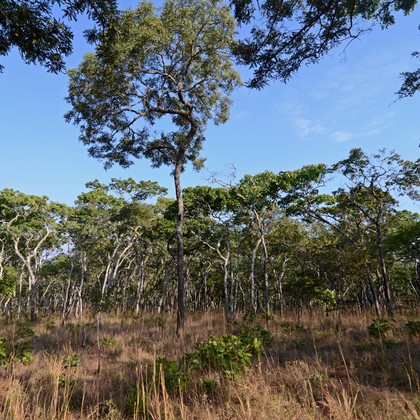 Miombo woodland
 Riverine forest
-

Orange River White-Eye
Zosterops pallidus- Riverine forest
 Nama Karoo
 Gardens and built-up land
-
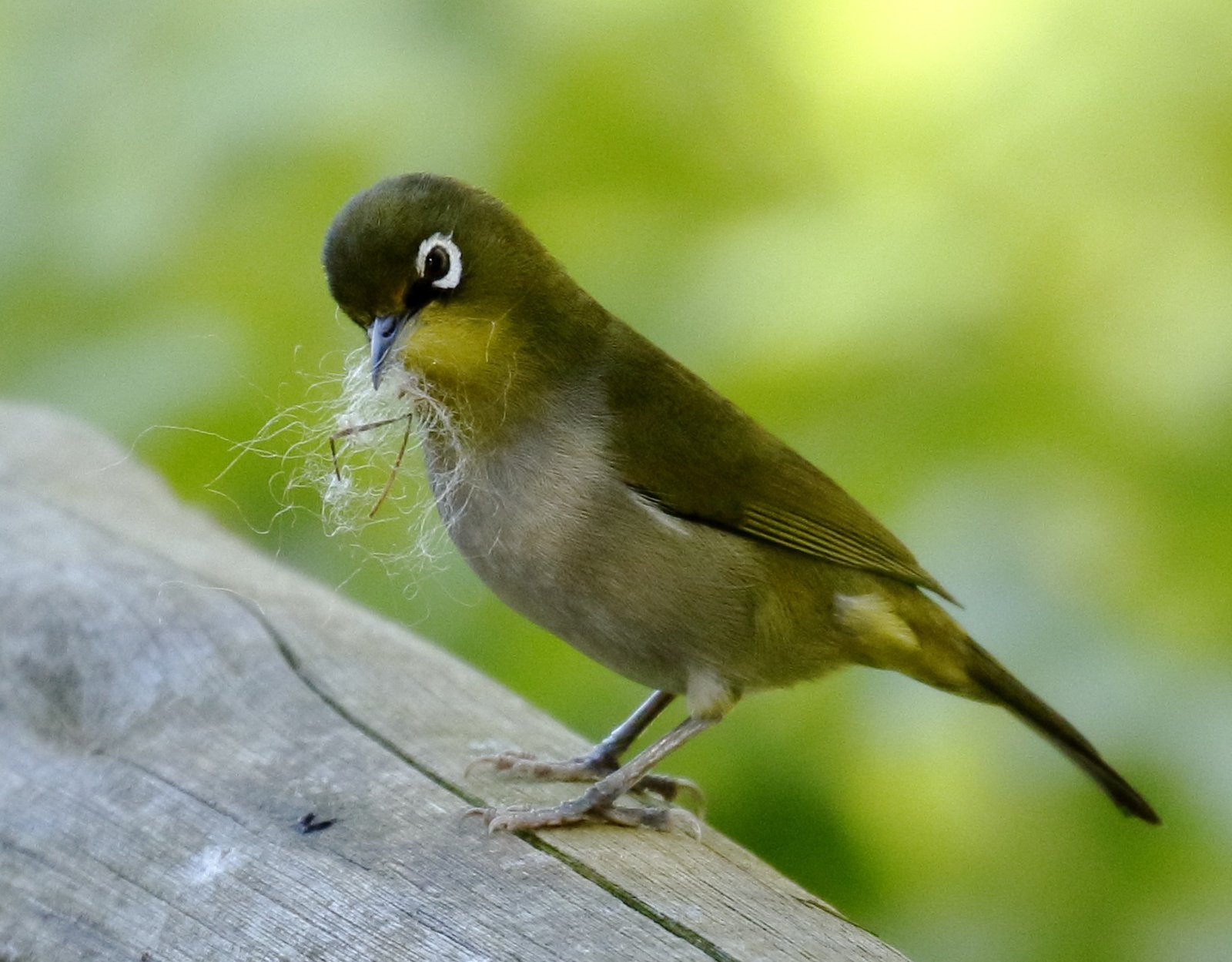
Cape White-Eye
Zosterops virens Afromontane forest
 Fynbos
- Gardens and built-up land
-
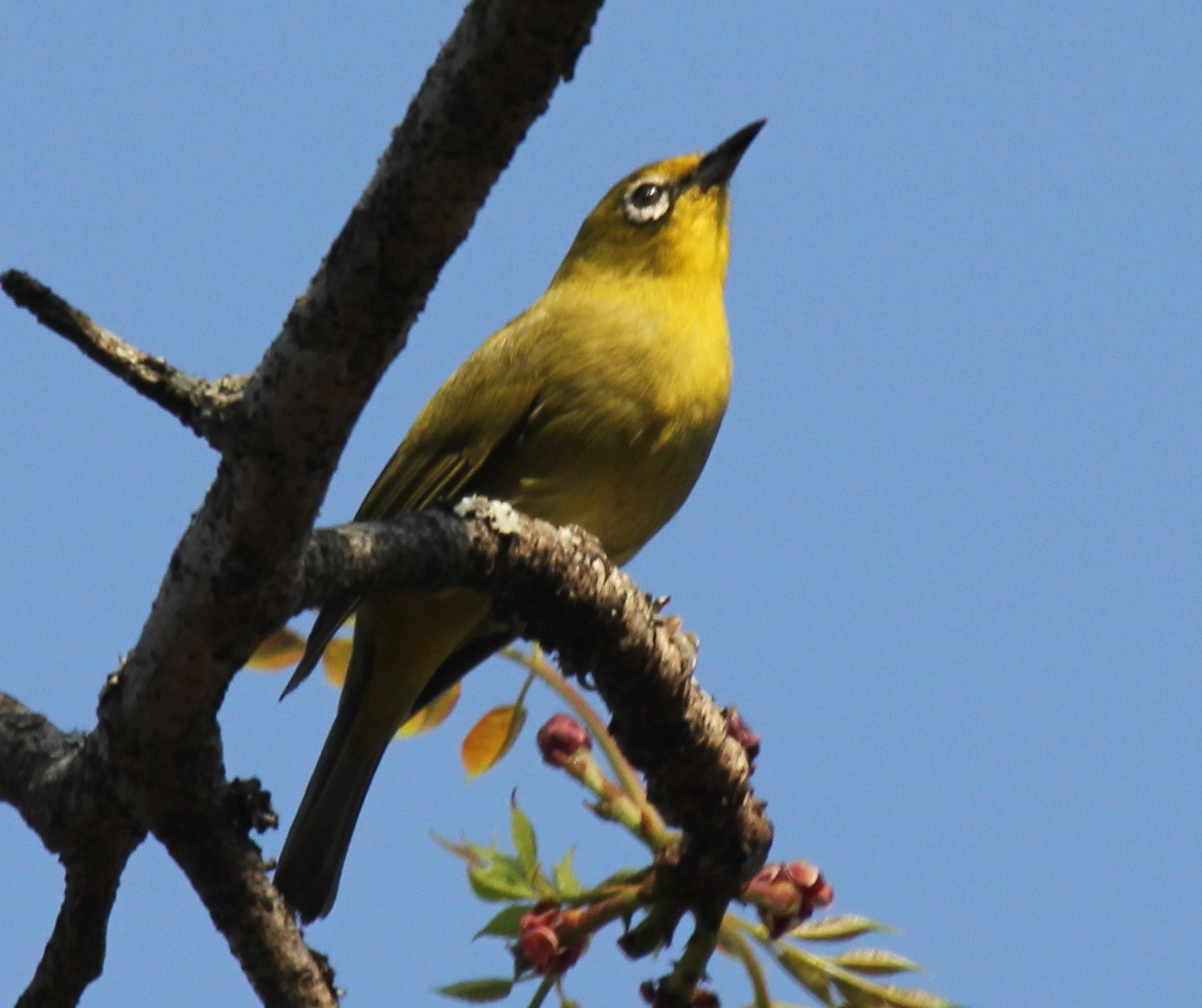
Southern Yellow White-Eye
Zosterops anderssoni- Miombo woodland
 Mixed broadleaf woodland
- Riverine forest