All species › Carnivores › Bears
Bears | Ursidae
Beren | Osos
The heaviest land carnivores, with a massive body, a short tail and plantigrade feet that set the whole sole down; the five toes carry long non-retractile claws used for digging and climbing rather than as weapons. The shearing action of the carnivore's teeth has largely disappeared in this family: the cheekteeth are broad and flat-crowned and grind berries, roots, nuts and insects, which make up most of the menu for most bears. Smell is by far the leading sense. The gait is a slow amble, but they climb and swim well and can run hard over a short distance. Winter is spent in a den in a deep rest from which the animal can be roused and in which body temperature falls only a few degrees; the cubs are born in the middle of that period, small, blind and naked. The polar bear is the exception: out on the sea ice it has become a full meat-eater again.
Native species 2 species
Species that occur here by nature, including those released to bring back a population that had gone. They are arranged by genus, in the sequence of the list.
Ursus 2 species
-
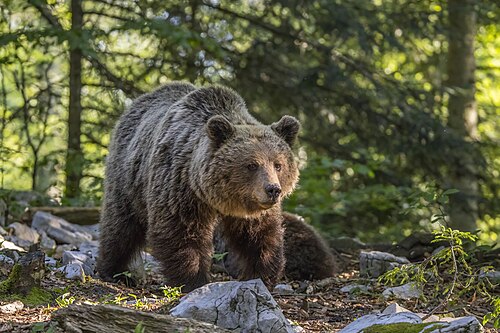
Brown Bear
Ursus arctos Broadleaved deciduous woodland
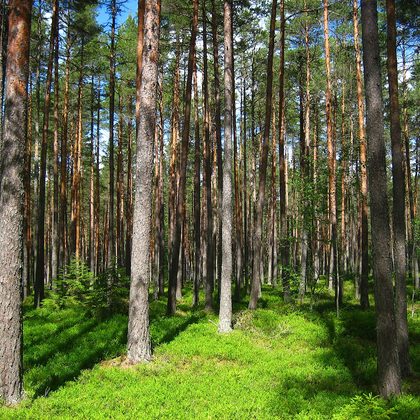 Coniferous woodland
 Mixed deciduous and coniferous woodland
 Woodland fringes, clearings and tall forb stands
 Arctic, alpine and subalpine scrub
 Alpine and subalpine grasslands
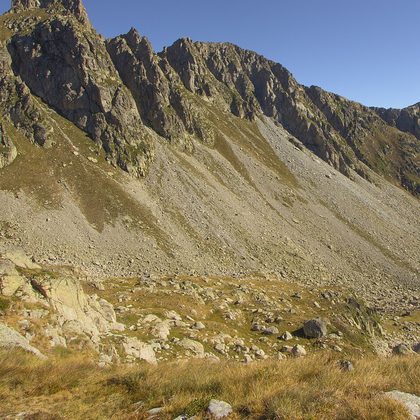 Screes
-

Polar bear
Ursus maritimus Pelagic water column
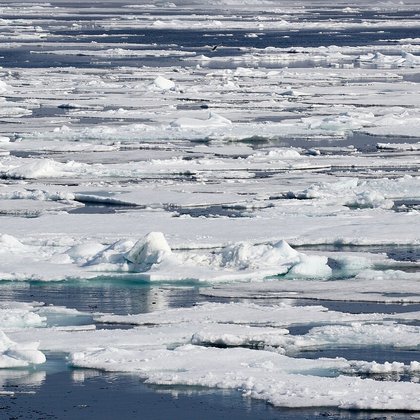 Ice-associated marine habitats
 Coastal dunes and sandy shores
 Rock cliffs, ledges and shores
 Tundra
 Snow or ice-dominated habitats