All species › Carnivores › Mustelids › Weasel
Weasel | Mustela nivalis
Wezel | Comadreja
According to the Handbook of the Mammals of the World the weasel is the smallest species in the order Carnivora. It lives throughout Europe except Ireland and Iceland, in North Africa and across much of Asia and North America. Its food is largely small rodents, and breeding follows rodent numbers: in peak years two or three litters a year are raised.
Tracks
The print is oval, 7 to 13 mm wide, with five toes and visible claws. Prints lie in groups of two, three or four, with 15 to 30 cm between groups. The scat is about 3 mm thick and 3 to 4 cm long, black to grey. Weasels use prey burrows and stone piles as rest sites and cache food. In winter a weasel may stay under the snow; tracks are then visible only where it surfaces.
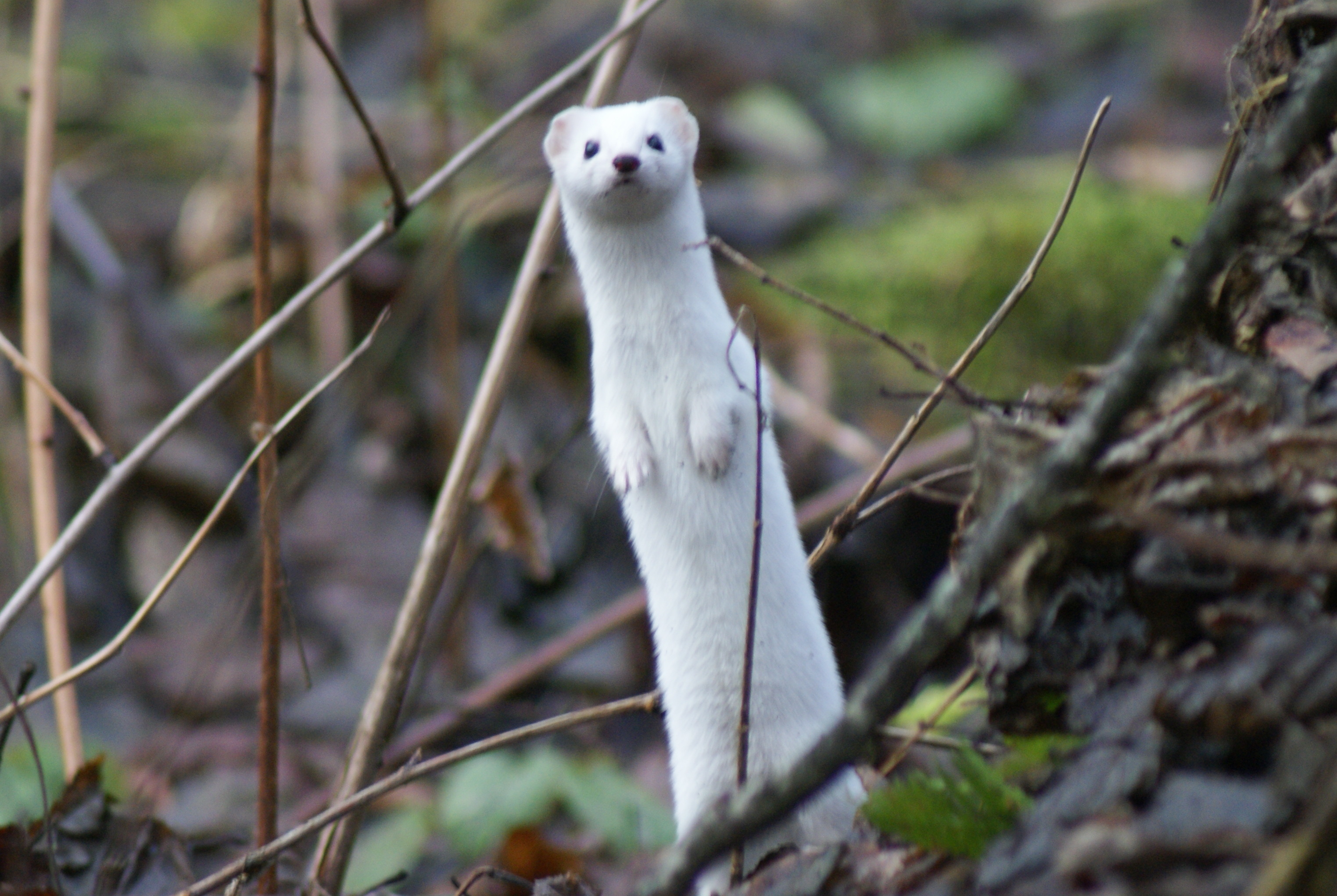
In winter coat
Identification
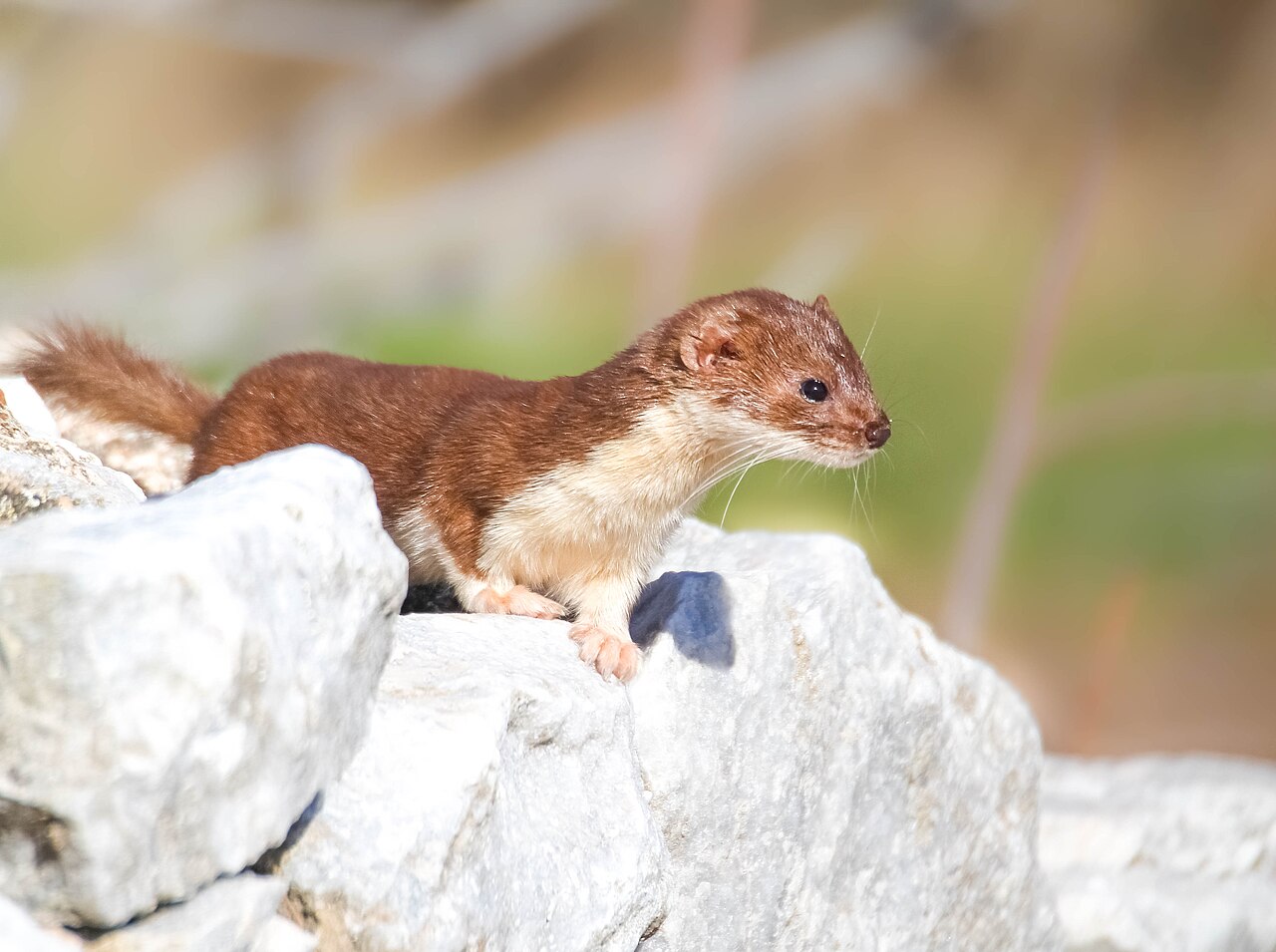
A very small, slender mustelid with short legs and a short brown tail without a black tip, less than 35% of body length. The upperparts are brown, the underparts white to cream; the line between them is wavy, and there are often dark spots on throat and chest. Size varies greatly by region: across the whole range head-body length is 11.4 to 26 cm and weight 25 to 250 g, the largest animals coming from North Africa and other warm regions. Females are clearly smaller than males. In the north of the range the coat turns wholly white in winter, without a black tail tip; in the south it stays brown all year.
Similar species
The stoat is larger, has a longer tail with a black tip and a straight line between back and belly. The black tip remains visible in white winter coat; a white weasel lacks it. A large southern European weasel and a small female stoat come close in size; then tail length and tail tip decide.
Habitat
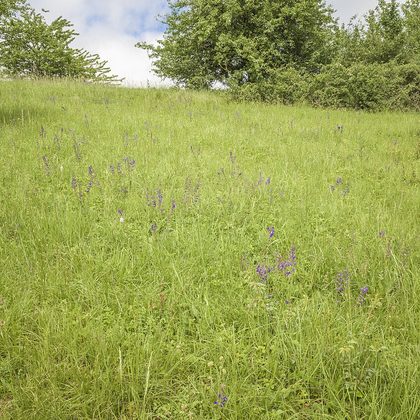
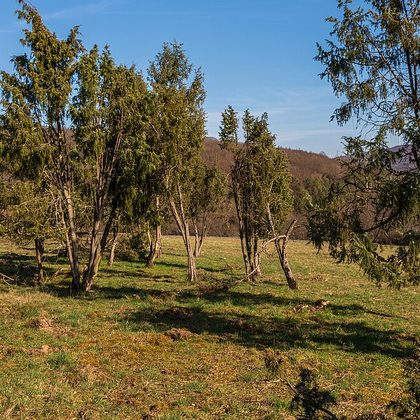
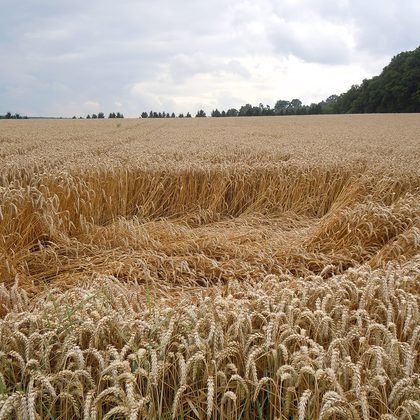
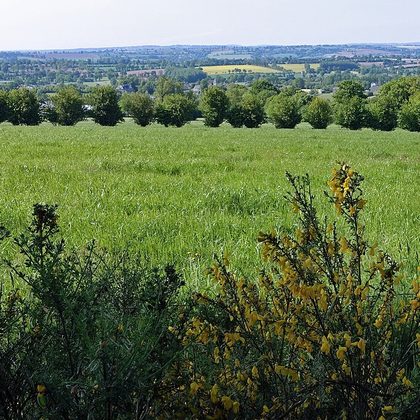
Many different habitats, in agricultural and natural landscapes: grassland, woodland, tundra, scrub and farmland. It prefers open agricultural ground. Rest sites are prey burrows, stone piles and other well-hidden places; it rarely digs its own burrow.
Where the animal is most at home, classified with EUNIS — the European standard for habitats.


Distribution
Europe except Ireland and Iceland, North Africa, much of Asia and North America. Southern Europe (Iberian Peninsula, Italy, Corsica, Sardinia, Sicily) holds the larger subspecies boccamela, North Africa numidica. It has been introduced by people to Malta, Crete and the Azores, and to New Zealand. In the Netherlands it occurs across the mainland but is absent from the Wadden Islands.
- Native
- dark = core range, pale = thinly spread
Way of life
Mainly diurnal but also active at night, with short bouts of activity and rest in quick succession; the rhythm follows that of the prey. Because of its high energy demand a weasel must eat regularly, more than half its body weight a day. Where rodents are plentiful the diet is almost entirely voles and mice; also birds' eggs, lizards, amphibians, small fish, invertebrates and carrion. Five distinct calls have been recorded in captivity. Breeding can continue all year, even in winter, but is concentrated in spring and late summer. There is no delayed implantation: after 34 to 37 days usually 4 or 5, sometimes up to 10, young of 1 to 2 g are born. Eyes open at 26 to 30 days, the young are independent at 9 to 12 weeks and females can breed at three months.
Where and when to look
Weasels are best seen where mice are numerous: ditch banks, rough field margins, hedgerows and stone walls. A weasel is rarely in view for long; it often rears up on its hind legs to look around. In years with many voles the chance of a sighting is highest.
Conservation status
Least Concern (LC, 2019). It is regarded as fairly common in Eurasia but appears rare in North America. Threats are secondary poisoning by rodenticides, persecution, traffic and the decline of open agricultural land, in parts of Europe through abandonment of farmland and elsewhere through intensification. In New Zealand, where it was introduced, it has had severe effects on the native fauna.
Scientific name
Mustela nivalis | Linnaeus, 1766
Linnaeus described the species in 1766 and placed it straight away in the genus where it still stands. Mustela is the Latin word for 'weasel'. Its further origin is uncertain: it is usually read as a diminutive of mus, 'mouse', after the animal's small size or its mousing. nivalis is Latin for 'of the snow, snow-white', from nix, genitive nivis, 'snow', after the white winter coat of the northern animals. The specimen the first description was based on came from Sweden.