All species › Carnivores › Mustelids
Mustelids | Mustelidae
Marterachtigen | Mustélidos
A long tubular body on short legs: that shape lets a weasel follow a vole down its own tunnel, but it gives much surface for little bulk, so heat leaks away without pause. No species hibernates, therefore, and the smallest must eat a substantial share of their own weight every day. The feet carry five toes with fixed claws; the badger walks on the whole sole and digs an extensive sett with it, the otter has webbing. Glands at the anus give off a penetrating scent, used to mark and, in the polecats, also to defend. The killing bite is aimed at the neck. In part of the family the fertilised egg lies floating in the womb for months before the pregnancy begins, so that mating is in summer and birth not until the following spring. The fur is dense and in the otter holds a layer of air; stoats in the north turn white in winter.
Native species 12 species
Species that occur here by nature, including those released to bring back a population that had gone. They are arranged by genus, in the sequence of the list.
Martens and wolverine | Guloninae
3 species
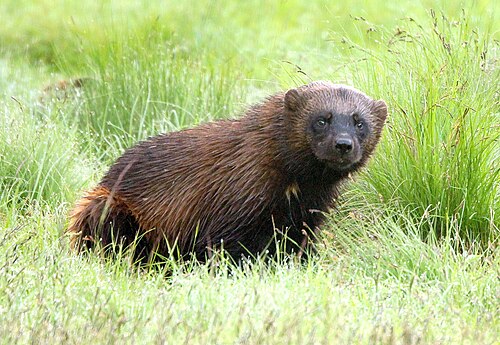

Martes 2 species
-

Stone marten
Martes foina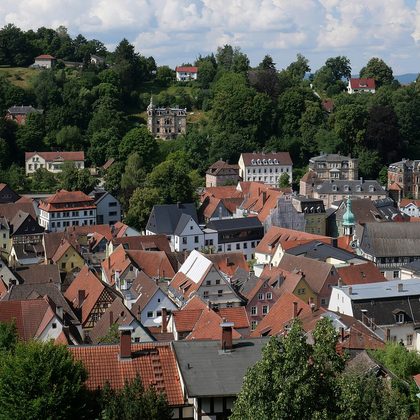 Buildings of cities, towns and villages
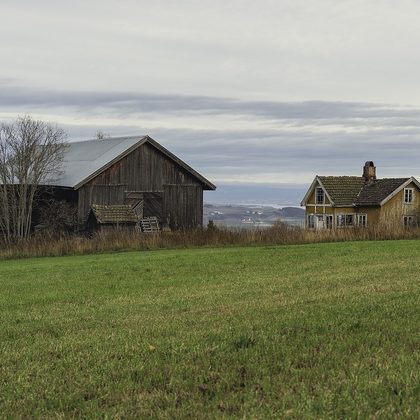 Low density buildings
 Broadleaved deciduous woodland
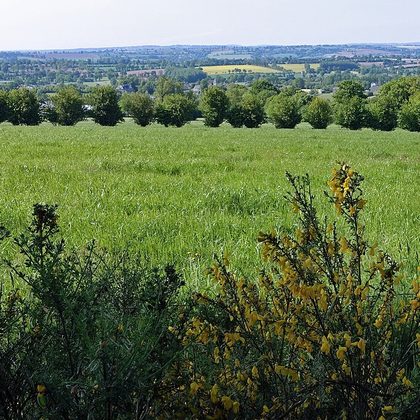 Hedgerows
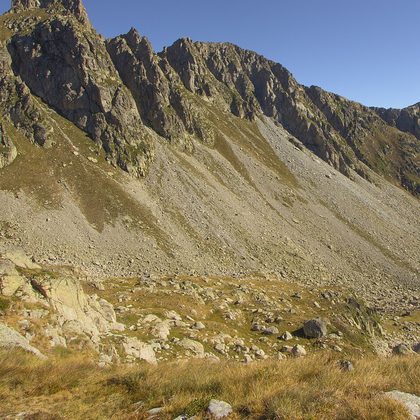
 Inland cliffs, rock pavements and outcrops
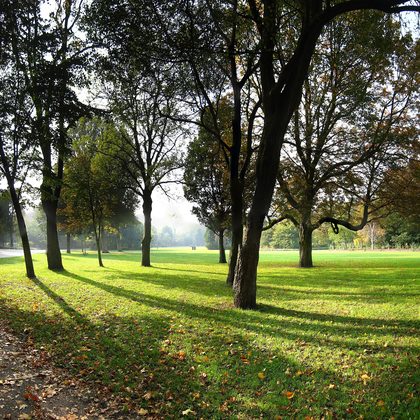 Cultivated areas of gardens and parks
 Woodland fringes, clearings and tall forb stands
-
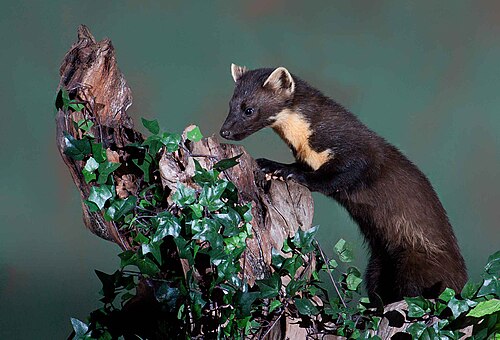
Pine marten
Martes martes- Broadleaved deciduous woodland
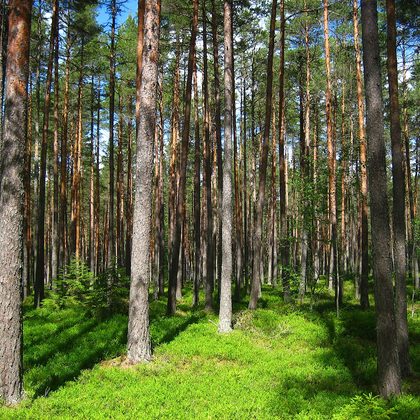 Coniferous woodland
 Mixed deciduous and coniferous woodland
 Lines of trees, small woods, felled and early-stage woodland
 Broadleaved evergreen woodland
- Hedgerows
Marbled polecats and grisons | Ictonychinae
1 species
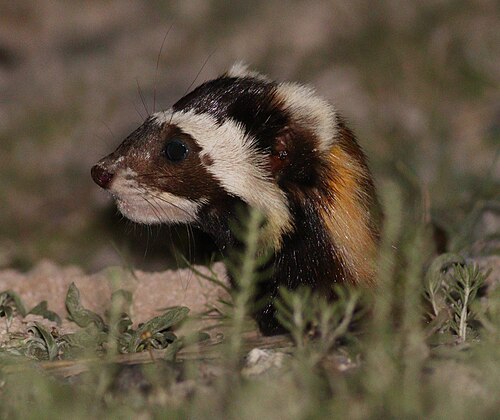
Vormela 1 species

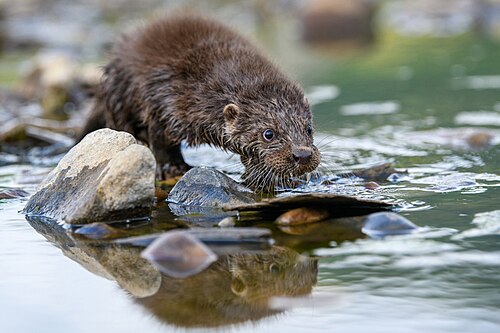
Otters | Lutrinae
1 species


Badgers | Melinae
2 species
Meles 2 species
-

Caucasian Badger
Meles canescens- Broadleaved evergreen woodland
- Broadleaved deciduous woodland
 Maquis, arborescent matorral and thermo-Mediterranean brush
 Garrigue
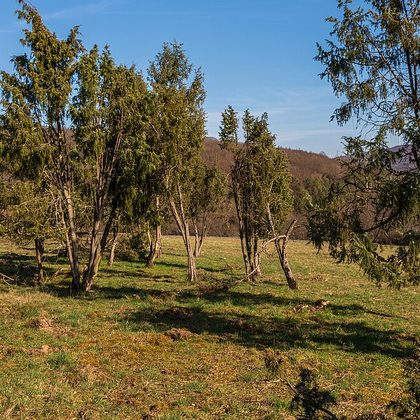 Dry grasslands
 Alpine and subalpine grasslands
-
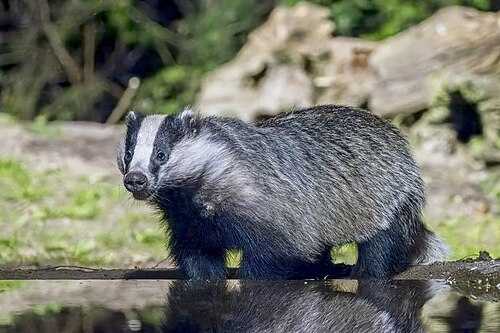
Eurasian badger
Meles meles- Broadleaved deciduous woodland
- Mixed deciduous and coniferous woodland
- Hedgerows
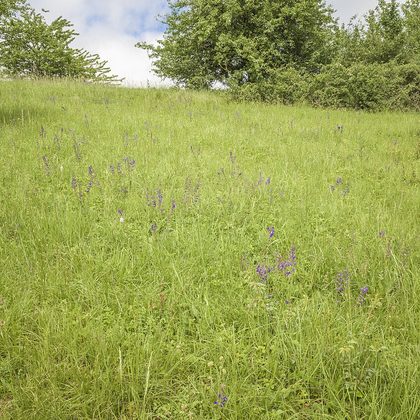 Mesic grasslands
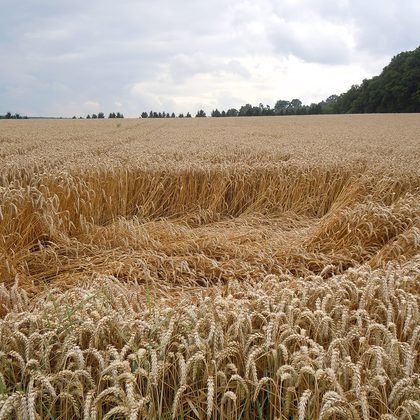 Arable land and market gardens
- Lines of trees, small woods, felled and early-stage woodland
- Maquis, arborescent matorral and thermo-Mediterranean brush
Weasels and minks | Mustelinae
5 species
Mustela 5 species
-

Stoat
Mustela erminea- Mesic grasslands
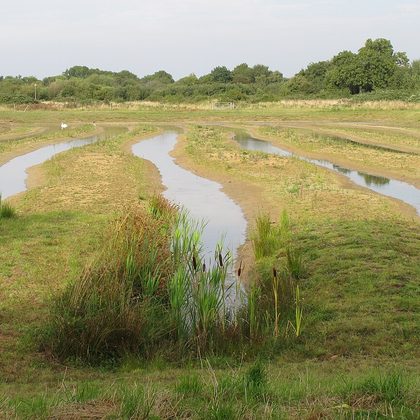 Seasonally wet and wet grasslands
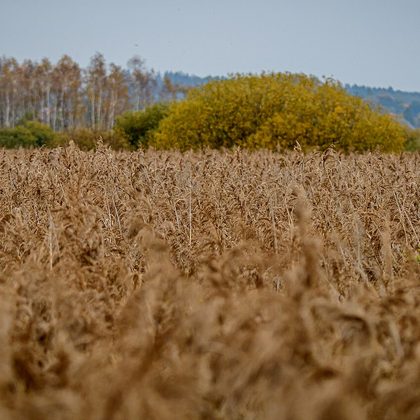 Sedge and reedbeds without free-standing water
- Hedgerows
- Alpine and subalpine grasslands
 Tundra
- Mixed deciduous and coniferous woodland
-

Steppe Polecat
Mustela eversmanii- Dry grasslands
- Mesic grasslands
- Arable land and market gardens
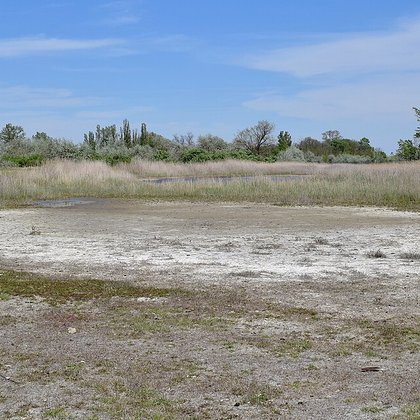 Inland salt steppes
 Extractive industrial sites
-

European mink
Mustela lutreola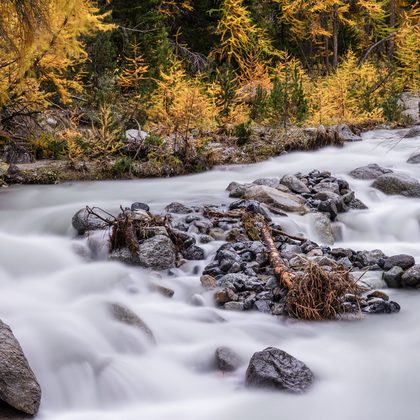 Surface running waters
 Littoral zone of inland surface waterbodies
 Riverine and fen scrub
- Sedge and reedbeds without free-standing water
- Broadleaved deciduous woodland
-
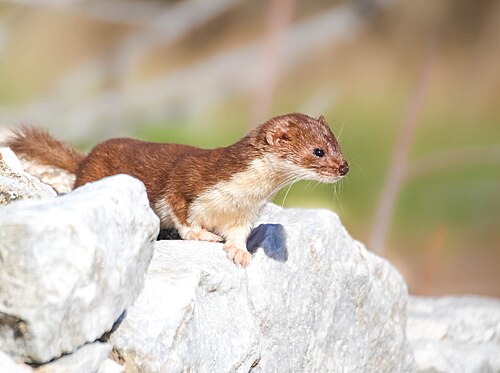
Weasel
Mustela nivalis- Mesic grasslands
- Dry grasslands
- Arable land and market gardens
- Hedgerows
- Woodland fringes, clearings and tall forb stands
- Broadleaved deciduous woodland
- Alpine and subalpine grasslands
-
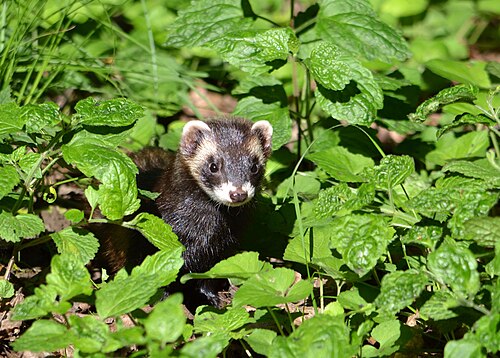
European polecat
Mustela putorius- Littoral zone of inland surface waterbodies
- Hedgerows
- Woodland fringes, clearings and tall forb stands
- Mesic grasslands
- Sedge and reedbeds without free-standing water
- Low density buildings
- Broadleaved deciduous woodland
Introduced species 1 species
Species that do not occur here by nature but were brought in or escaped and have held on since. They follow the sequence of the list, not the genera.
