All species › Parrots › Cockatoos › Galah
Galah | Eolophus roseicapilla
Roze kaketoe | Cacatúa galah
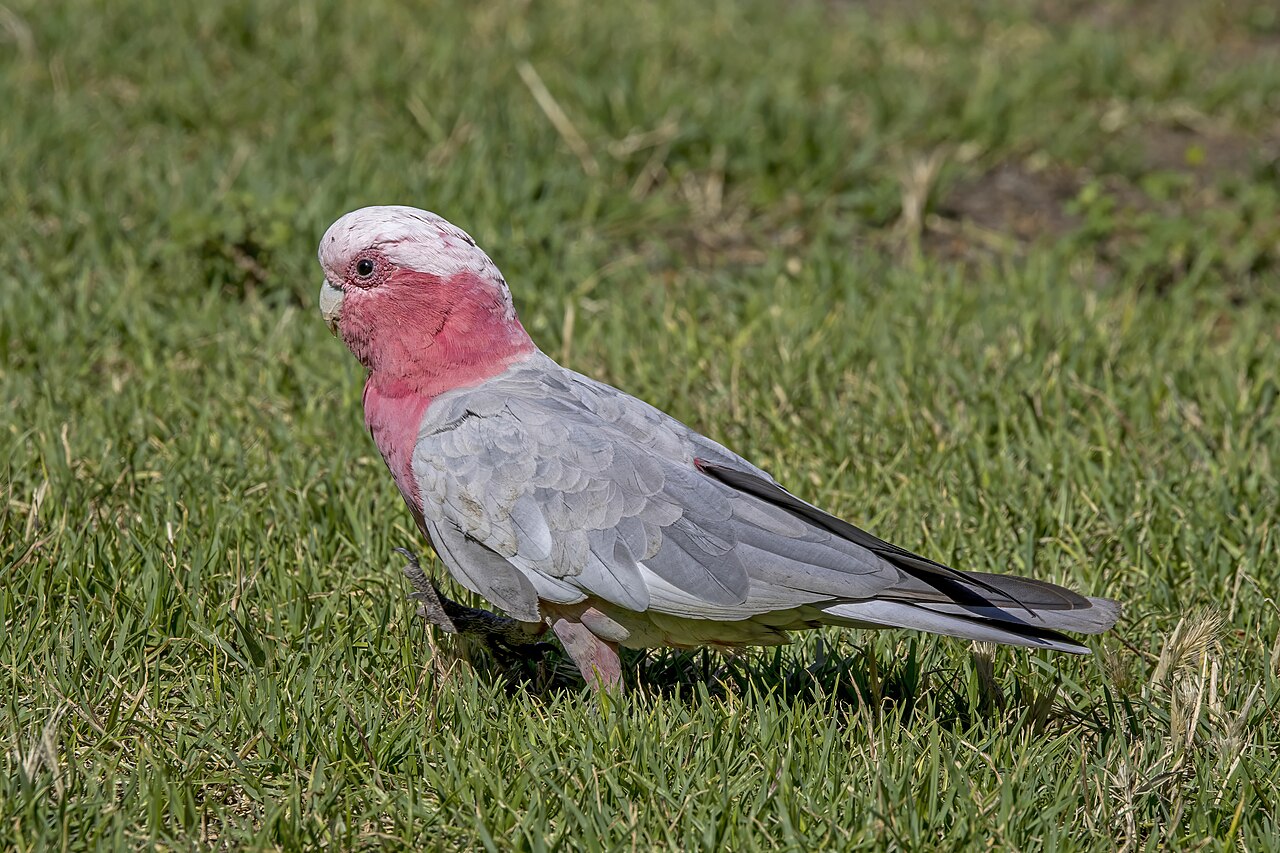
The Galah is the commonest cockatoo in Australia and, inland, the bird that sets the tone: pink below, grey above, with a short, broad pale pink crest. It has grown with agriculture — grain and stock watering points carried it into Tasmania and the south-west, where it was formerly absent.
Voice
In flight a high, slightly grating chi-chi, insistent and sharp, which betrays a passing flock well before it is in view. Perched, a softer drawn-out kreeah and a throaty muttering between partners in a tree. Measured against the Sulphur-crested Cockatoo it is modest: none of its calls has that raking, penetrating scream.
No freely licensed recording has been found for this species yet; what to listen for is described below.
Identification
A medium-sized cockatoo of 35 to 36 cm, with deep pink breast and belly, grey back and wings, and a white-pink crest that is short and broad rather than pointed. In flight the hard contrast between pink underside and grey upperside stands out, as does the loose, wheeling flight of whole flocks. The sexes are alike; the difference lies in the iris, dark brown in the male and reddish in the female. Juveniles are duller, with a greyish wash across the breast.
Confusion species
Pink Cockatoo (Cacatua leadbeateri) is paler and largely white with a salmon wash, and carries a long red-and-yellow banded crest that opens only in excitement. Little Corella (Cacatua sanguinea) has the same flocking habits and much the same voice but is entirely white with a blue eye-ring. Against the light the two flocks look alike; then watch for the dark upperside.
Habitat
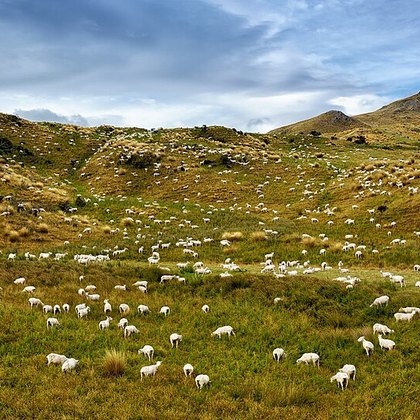
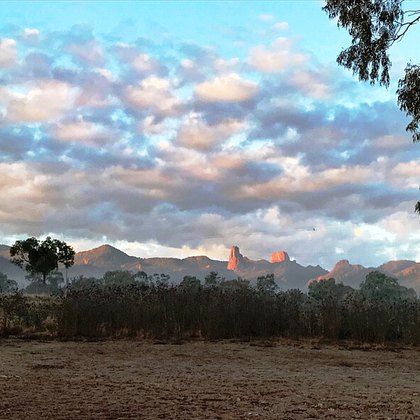
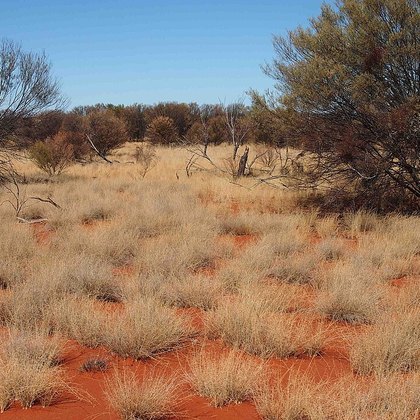
Open country with trees: pasture and cropland with scattered eucalypts, creek-line woodland, and the edges of towns and cities. It must drink daily and so stays near dams, tanks and creeks; it occupies mulga and acacia shrubland where stock water exists, but not true sand desert without it. It avoids closed forest and rainforest.
Where the bird is most often found, arranged by main group and formation.



Range and movements
Across almost all of Australia, densest in the grain belts of the east, south and south-west. In the nineteenth century it was a bird of the semi-arid interior; clearing, cereal growing and stock water then carried it to the coasts, into the south-west and, after 1848, into Tasmania. In New Zealand the birds are introductions established south of Auckland. Because it is native to Australia and its advance there was its own doing, this guide does not mark it as introduced.
- Resident
- dark = core range, pale = thinly spread
Where and when to look
Look for it in the last hour of daylight at a water point in open country: flocks arrive in waves, circle, and drop into the dead branches of a eucalypt. It grazes on stubble and along road verges, and sits in town parks all year. In the summer months of December and January families stay together with newly fledged young, which beg loudly and give the flock away.
Conservation
Abundant and increasing, and one of the few Australian birds clearly better off for agriculture. In grain districts it is locally treated as a pest and controlled, without this touching its numbers. Traffic takes a toll, and the loss of old hollow eucalypts limits nest sites here and there.
Scientific name
Eolophus roseicapilla | (Vieillot, 1817)
Vieillot described the species in 1817 as Cacatua roseicapilla; because it was later moved to another genus, author and year stand in parentheses. Bonaparte introduced the genus Eolophus in 1854, from Greek eos (dawn) and lophos (crest). roseicapilla means 'with rose-coloured hair of the head'; because capillus is a noun in apposition, the ending does not agree. The type locality reads 'in the Indies' and is understood as New South Wales. The English name Galah comes from Yuwaalaraay.