All species › Passerines › Crows, jays and magpies › Yellow-billed Magpie
Yellow-billed Magpie | Pica nuttallii
Geelsnavelekster | Urraca de Nuttall
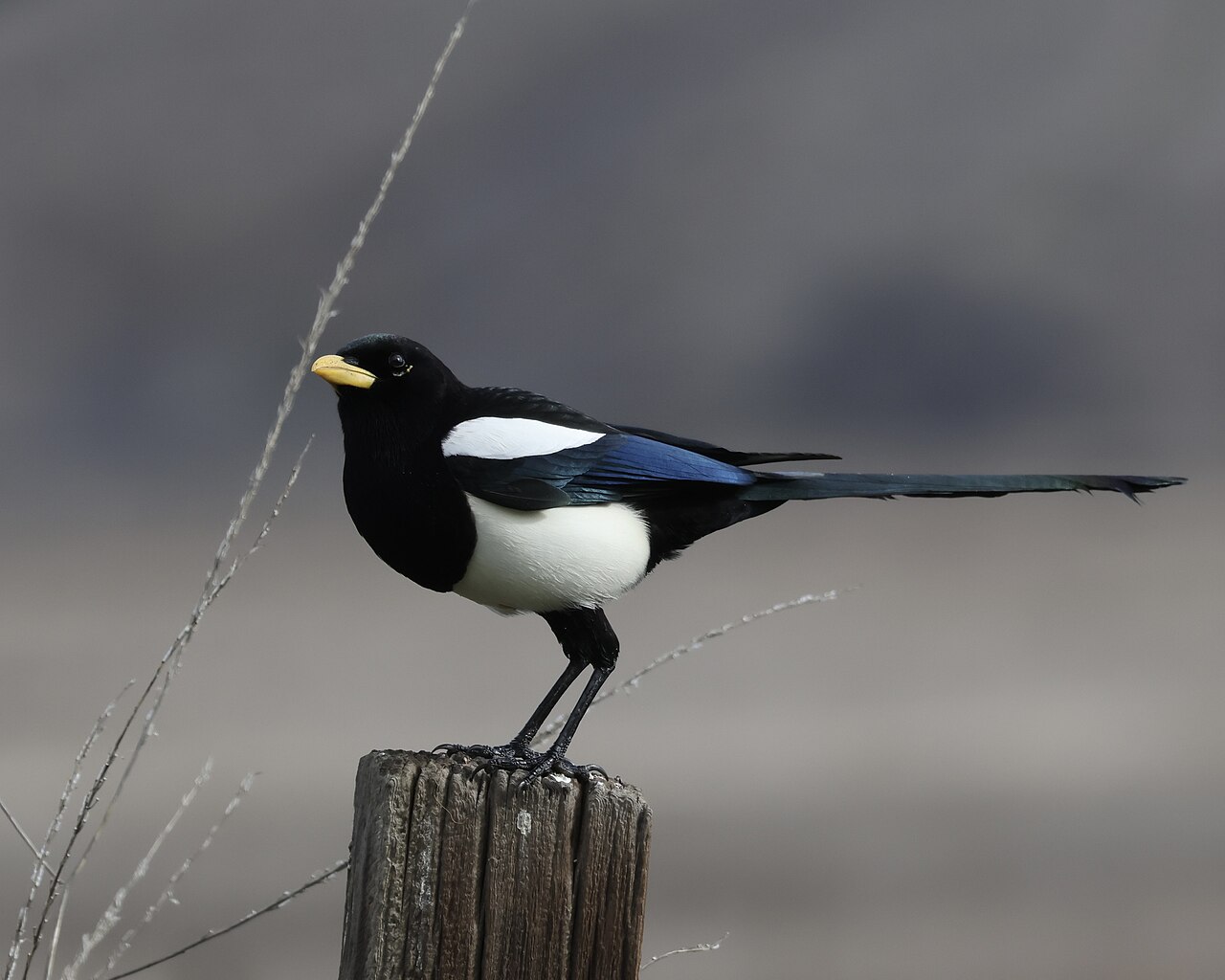
The Yellow-billed Magpie lives only in central California and nowhere else in the world. It is black and white like the Black-billed Magpie, but has a yellow bill and a yellow bare patch below the eye. Its range covers the Central Valley and the adjoining oak foothills, and no more.
Voice
The calls match those of Black-billed Magpie but are pitched slightly higher. The ordinary contact sound is a rattling ka-ka-ka; there is also a rising, questioning kweg? and a soft twittering at the nest. Colonies are audible before they are visible: a raptor or a cat sets dozens of birds rattling at once. A fixed song phrase is absent.
No freely licensed recording has been found for this species yet; what to listen for is described below.
Identification
Black and white, with a long tail glossed green to bronze and white primaries that show as two pale panels on take-off. The distinguishing mark is the yellow bill; below and around the eye lies a bare yellow patch whose extent varies between birds and with the season. The bird also averages slightly smaller than Black-billed Magpie and the tail is proportionally shorter. Young birds have a duller bill and less gloss.
Confusion species
Black-billed Magpie is the only risk and has a black bill without yellow skin, a longer tail and a larger size. In practice range separates the two almost completely: Black-billed Magpie is absent from California west of the Sierra Nevada and the Cascades, while Yellow-billed Magpie does not occur outside central California. On a magpie in poor light or against the sun the yellow bill may not show; then use the shorter tail and the place of the observation. Crows and ravens have no white in the plumage and a far shorter tail.
Habitat
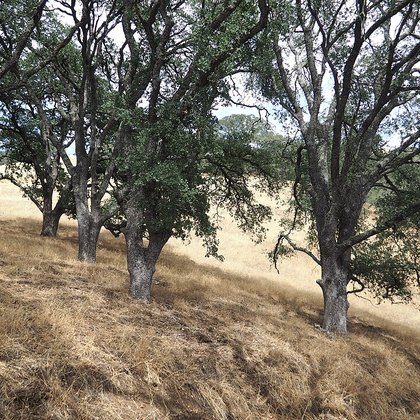
Open oak woodland and grassland with scattered oaks in the Central Valley, its foothills and the valleys of the Coast Ranges, usually near water and near grazed land. It forages on the ground for insects, carrion, acorns, grain and fruit, and nests in loose colonies: sometimes dozens of pairs together in tall trees, in a domed stick nest. Orchards, parks, school grounds and vacant lots in towns and cities are used as well.
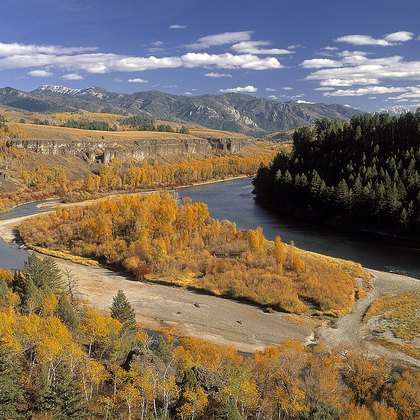
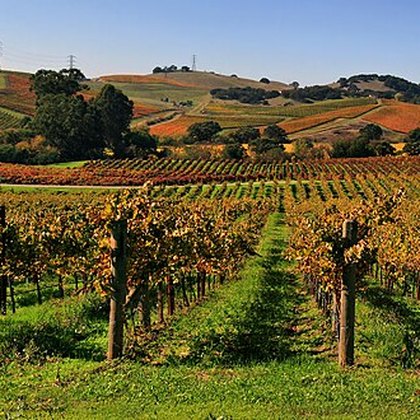
Where the bird is most often found, arranged by the USNVC — the vegetation classification of the United States and Canada — and CMECS for sea and coast.



Range and movements
A resident of central California: the Sacramento and San Joaquin valleys, the Sierra Nevada foothills and the valleys of the Coast Ranges south to roughly Santa Barbara County. The species does not migrate and rarely settles outside the existing range; the limits have stood about the same for more than a century, though large gaps have opened in the Central Valley where numbers collapsed.
- Resident
- Winter
- dark = core range, pale = thinly spread
Where and when to look
The hills and pastures along the foot of the Sierra Nevada, for instance in Yolo, Sacramento and San Luis Obispo counties, give a chance all year. Look for grassy ground with scattered oaks and watch the ground: the birds walk among the stock and the sprinklers. Against the light the bare yellow face is no help; then walk round the bird until the bill comes into the light.
Conservation
The IUCN treats the species as vulnerable. Between 2004 and 2006 an estimated half of the entire population died of West Nile virus, a mosquito-borne virus to which corvids are particularly susceptible; the habit of roosting in large groups near water raised the number of bites per bird. Over the longer term the species declined by about 83 per cent between 1968 and 2023, and Partners in Flight puts the present population at about 400,000 birds. Besides the virus outbreaks, loss of oak woodland to building and cropland and pesticides in the farmed landscape are at work. The whole range lies within one state, so an outbreak or a drought hits the entire species at once.
Scientific name
Pica nuttallii | (Audubon, 1837)
Audubon described the species in 1837 as Corvus nutalli, from a specimen from Santa Barbara in California; because it was later moved to another genus, author and year stand in parentheses. The species name honours Thomas Nuttall, the botanist and ornithologist who travelled through California in the 1830s; the original spelling with one t was later corrected to nuttallii. Pica is the Latin word for magpie.