All species › Woodpeckers and allies › Woodpeckers
Woodpeckers | Picidae
Spechten | Pájaros carpinteros | Pica-paus
A straight, chisel-shaped bill and a skull built to absorb the blows: the base of the bill rests on spongy bone, heavy neck muscles drive and steer the stroke, and the nostrils sit behind small covering feathers that keep out dust. The tongue is extremely long and tipped with barbs or sticky saliva; it is carried on two slender elongated bones that curve round the skull and push it far beyond the bill. In most species the tail feathers are stiff and pointed and serve as a third point of support in climbing, which goes up the trunk in short jerks, while the flight is undulating, a few beats and a dip on closed wings. Instead of song they drum: a fast series of blows on a resonant branch that announces the territory and draws a mate. This guide covers 59 species in nine genera. Richly represented are the piculets (Picumnus), small woodpeckers without a stiff tail, with many species of small range, such as the White-barred Piculet, and the Celeus woodpeckers, such as the Blond-crested Woodpecker, which often nest in arboreal termite nests. The forests of Amazonia and the Atlantic Forest also hold the large Dryocopus and Campephilus woodpeckers and species of Piculus, Veniliornis and Leuconotopicus; in open country, savanna and Cerrado the Campo and Green-barred Flickers (Colaptes) take much of their food on the ground, mainly ants and termites, and the White Woodpecker (Melanerpes candidus) moves in small groups through semi-open country. The Red-crowned Woodpecker (Melanerpes rubricapillus) is a bird of the north of the guide area.
Native species 59 species
Species that occur here by nature: breeding birds, winter visitors and passage migrants. They are arranged by genus, in the sequence of the list.
Picumnus 20 species
-

Bar-breasted Piculet
Picumnus aurifrons Tall terra firme forest
 Secondary forest and forest edge
 Várzea (whitewater flooded forest)
 Floating meadows and river islands
-
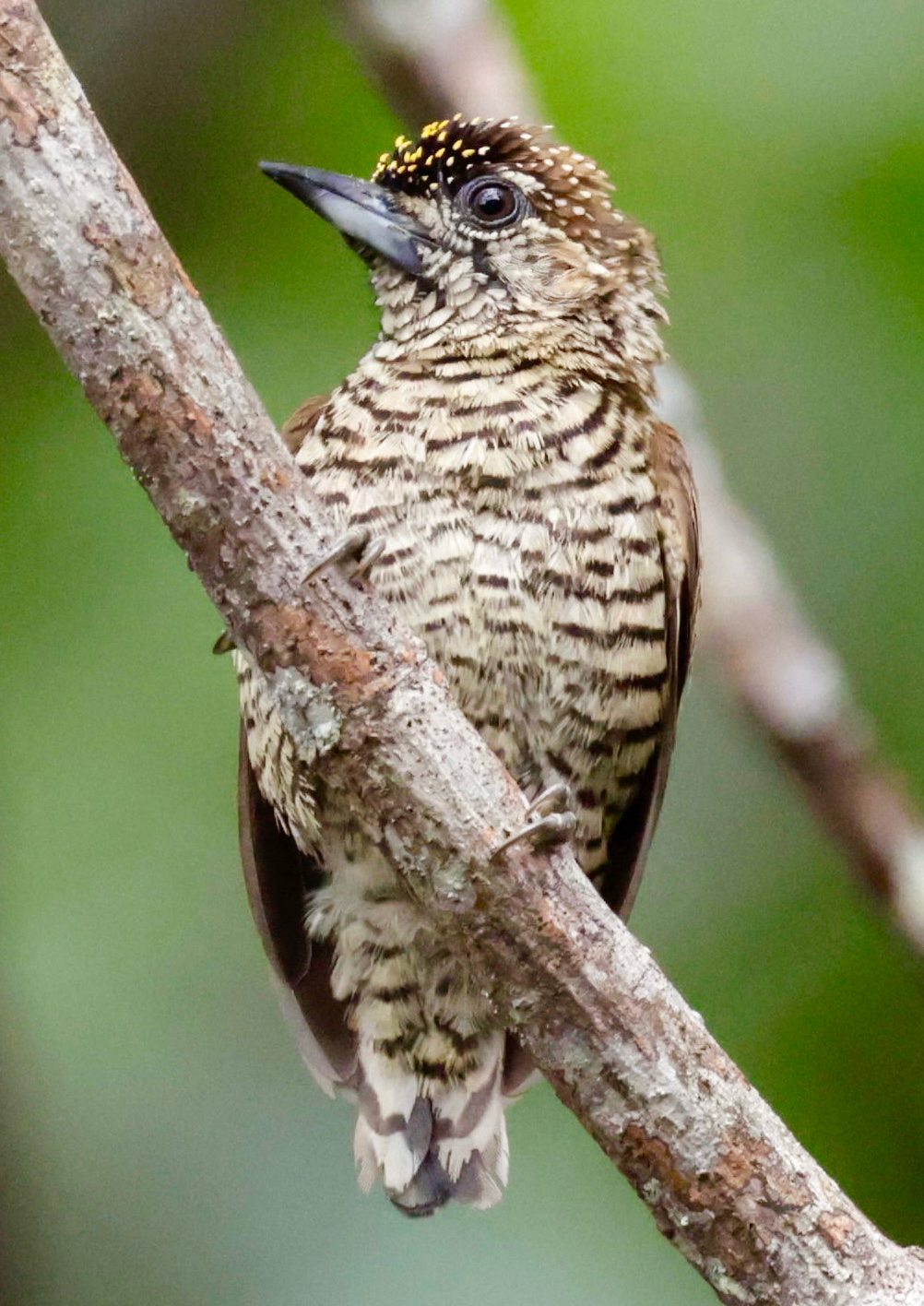
Orinoco Piculet
Picumnus pumilus- Secondary forest and forest edge
 Igapó (blackwater flooded forest)
 White-sand forest and campina
- Várzea (whitewater flooded forest)
-
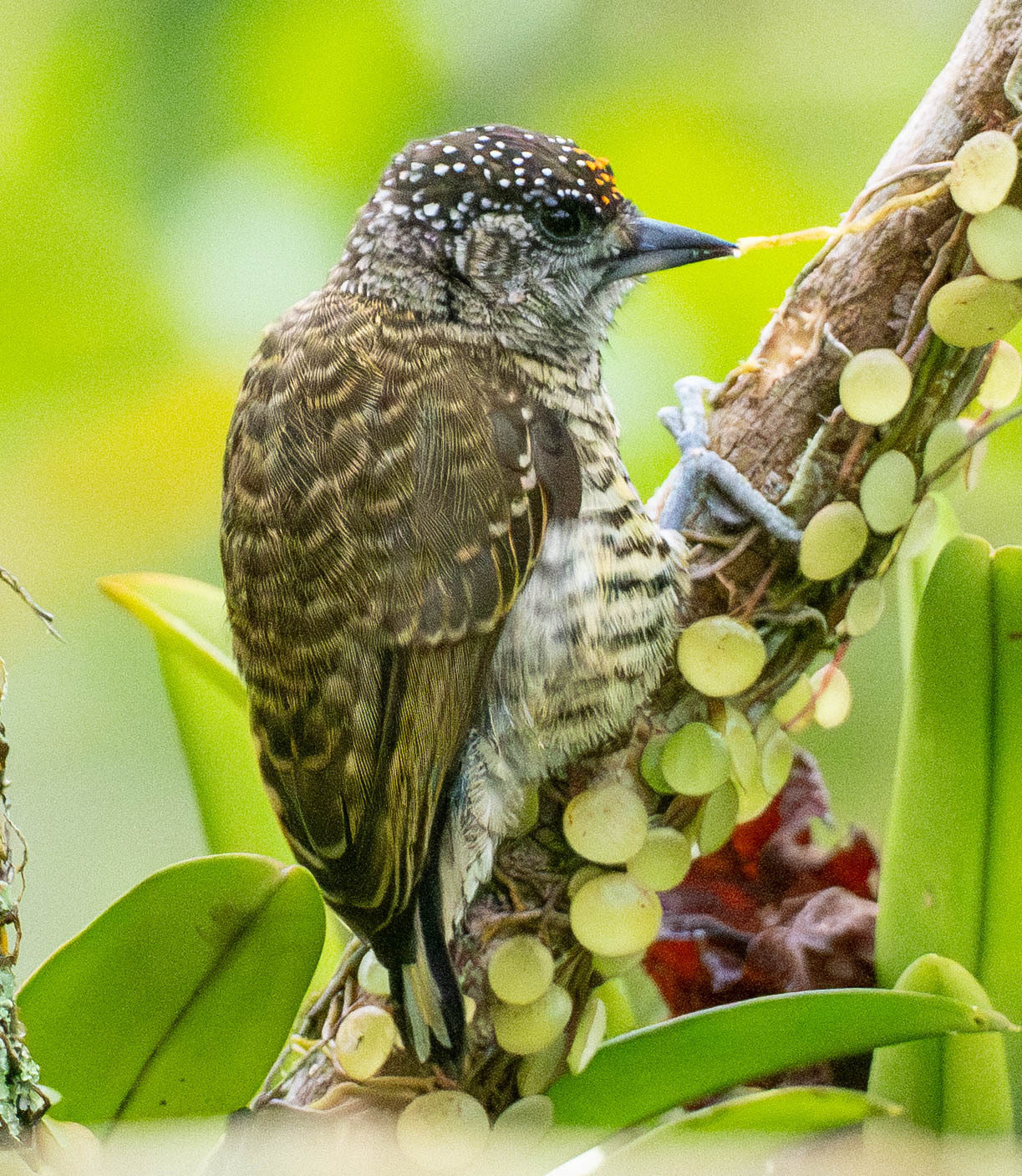
Lafresnaye's Piculet
Picumnus lafresnayi- Secondary forest and forest edge
- Tall terra firme forest
- Várzea (whitewater flooded forest)
 Towns, cities and gardens
-

Golden-spangled Piculet
Picumnus exilis- Tall terra firme forest
- Secondary forest and forest edge
- White-sand forest and campina
 Highland forest of the Guiana Shield
 Northeastern coastal forest
-

Scaled Piculet
Picumnus squamulatus Dry forest and thorn scrub of northern Venezuela
 Montane forest of the Venezuelan coastal range
 Montane forest of the Venezuelan Andes and Perijá
 Llanos savanna
 Plantations and agroforestry
-

White-bellied Piculet
Picumnus spilogaster- Várzea (whitewater flooded forest)
 Mangroves
 Savannas of the Guianas
- Llanos savanna
- Secondary forest and forest edge
-

Arrowhead Piculet
Picumnus minutissimus- Mangroves
- Secondary forest and forest edge
- Towns, cities and gardens
- Plantations and agroforestry
-

Spotted Piculet
Picumnus pygmaeus Caatinga scrub
 Dry forest of the north-east
 Cerradão and dry woodland
 Cerrado savanna
-

Varzea Piculet
Picumnus varzeae- Várzea (whitewater flooded forest)
- Floating meadows and river islands
- Secondary forest and forest edge
-

White-barred Piculet
Picumnus cirratus Interior semi-deciduous forest
 Coastal lowland forest
 Araucaria forest
- Secondary forest and forest edge
 Veredas and gallery forest
- Towns, cities and gardens
- Savannas of the Guianas
-

Ochre-collared Piculet
Picumnus temminckii- Interior semi-deciduous forest
- Coastal lowland forest
- Araucaria forest
 Montane forest of the Serra do Mar
- Towns, cities and gardens
-

White-wedged Piculet
Picumnus albosquamatus- Cerradão and dry woodland
- Veredas and gallery forest
- Cerrado savanna
 Gallery forest and woodland islands of the Pantanal
- Secondary forest and forest edge
-

Rusty-necked Piculet
Picumnus fuscus- Várzea (whitewater flooded forest)
- Secondary forest and forest edge
-

Rufous-breasted Piculet
Picumnus rufiventris Bamboo and liana forest
- Secondary forest and forest edge
- Várzea (whitewater flooded forest)
- Tall terra firme forest
-

Ochraceous Piculet
Picumnus limae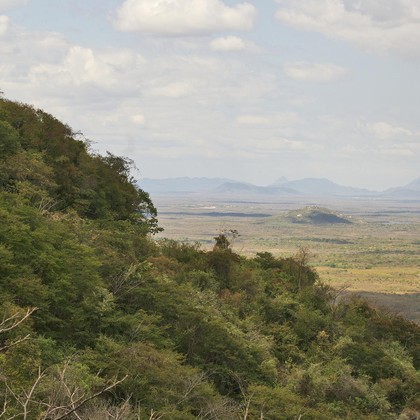 Brejos and highland forest
- Dry forest of the north-east
- Caatinga scrub
- Northeastern coastal forest
-

Mottled Piculet
Picumnus nebulosus Woodland and scrub of the southern hills
- Araucaria forest
- Interior semi-deciduous forest
-

Plain-breasted Piculet
Picumnus castelnau- Floating meadows and river islands
- Várzea (whitewater flooded forest)
- Secondary forest and forest edge
-

Fine-barred Piculet
Picumnus subtilis- Secondary forest and forest edge
- Bamboo and liana forest
- Tall terra firme forest
-

Olivaceous Piculet
Picumnus olivaceus- Montane forest of the Venezuelan Andes and Perijá
- Plantations and agroforestry
- Secondary forest and forest edge
-
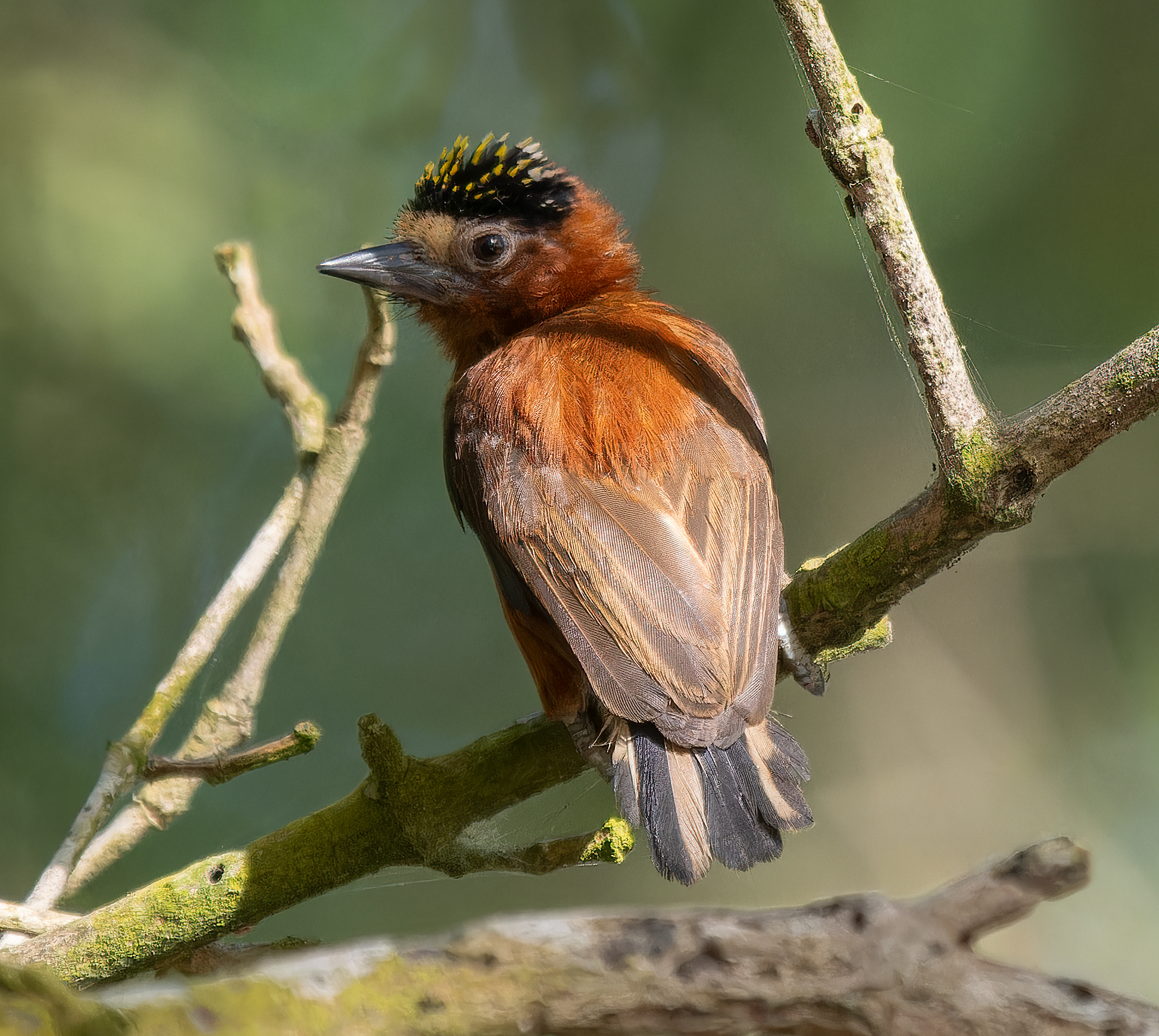
Chestnut Piculet
Picumnus cinnamomeus- Dry forest and thorn scrub of northern Venezuela
- Mangroves

Celeus 10 species
-
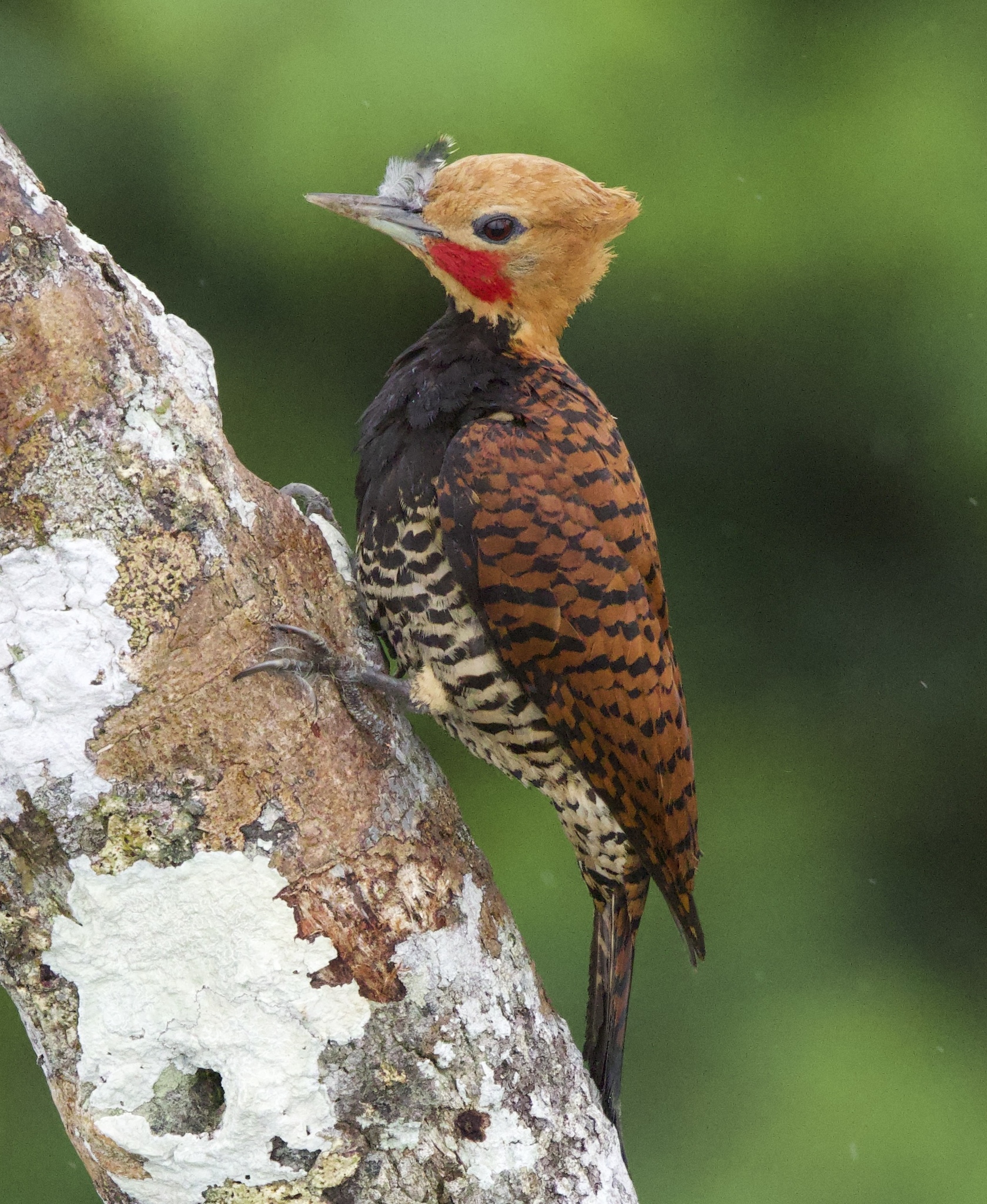
Ringed Woodpecker
Celeus torquatus- Tall terra firme forest
- Várzea (whitewater flooded forest)
- Secondary forest and forest edge
- Coastal lowland forest
-
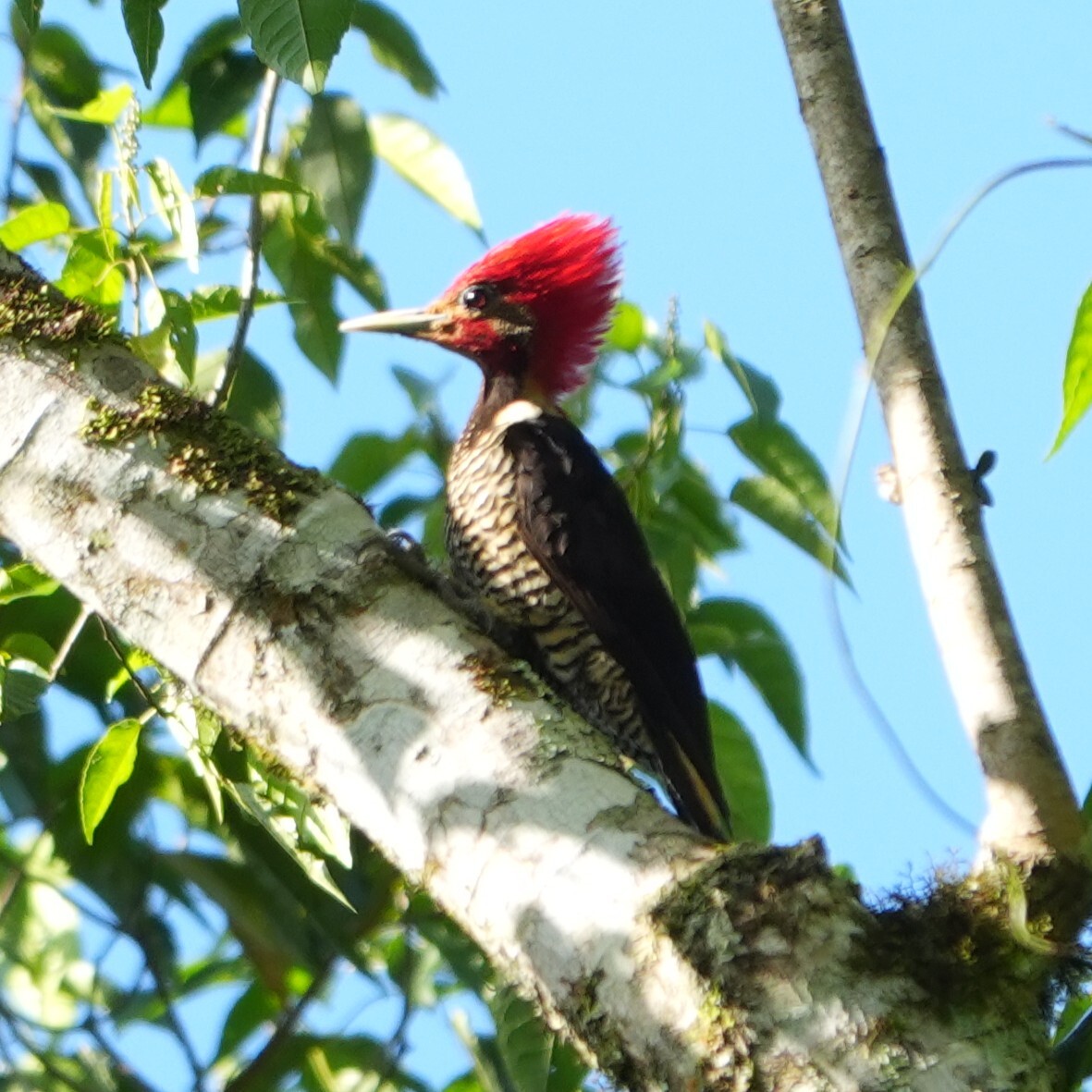
Helmeted Woodpecker
Celeus galeatus- Interior semi-deciduous forest
- Coastal lowland forest
- Araucaria forest
- Montane forest of the Serra do Mar
-

Variable Woodpecker
Celeus undatus- Tall terra firme forest
- Secondary forest and forest edge
- Várzea (whitewater flooded forest)
-

Cream-colored Woodpecker
Celeus flavus- Várzea (whitewater flooded forest)
- Igapó (blackwater flooded forest)
 Palm swamps
- Secondary forest and forest edge
- Coastal lowland forest
-
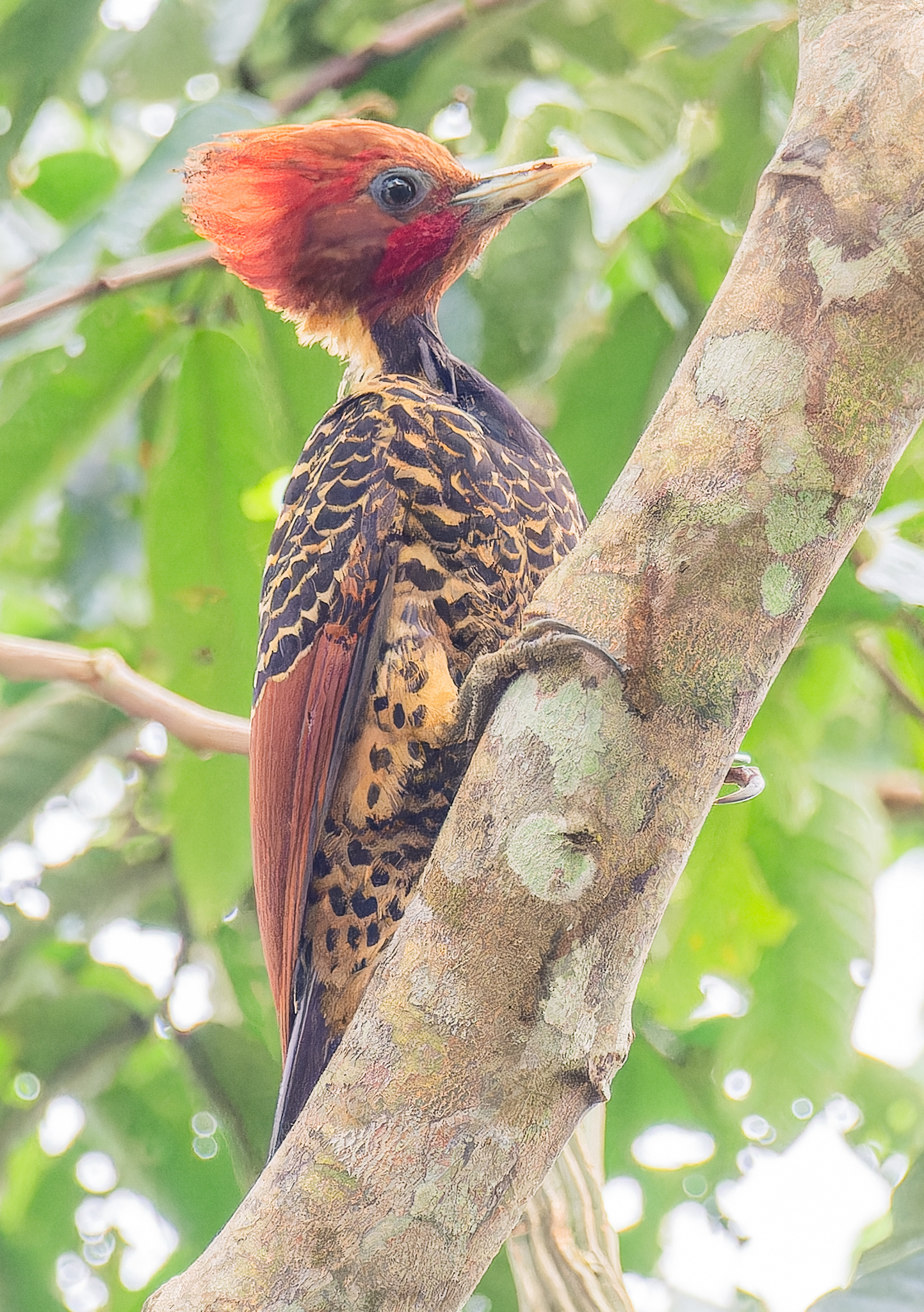
Rufous-headed Woodpecker
Celeus spectabilis- Bamboo and liana forest
- Floating meadows and river islands
- Várzea (whitewater flooded forest)
-

Kaempfer's Woodpecker
Celeus obrieni- Cerradão and dry woodland
- Veredas and gallery forest
- Cerrado savanna
-

Ochre-backed Woodpecker
Celeus ochraceus- Northeastern coastal forest
- Dry forest of the north-east
- Secondary forest and forest edge
- Cerradão and dry woodland
- Plantations and agroforestry
-

Chestnut Woodpecker
Celeus elegans- Tall terra firme forest
- Várzea (whitewater flooded forest)
- Secondary forest and forest edge
- Igapó (blackwater flooded forest)
-

Pale-crested Woodpecker
Celeus lugubris- Gallery forest and woodland islands of the Pantanal
- Cerradão and dry woodland
- Veredas and gallery forest
-

Blond-crested Woodpecker
Celeus flavescens- Interior semi-deciduous forest
- Coastal lowland forest
- Veredas and gallery forest
- Cerradão and dry woodland
- Towns, cities and gardens
Piculus 4 species
-

White-throated Woodpecker
Piculus leucolaemus- Tall terra firme forest
- Várzea (whitewater flooded forest)
- Secondary forest and forest edge
-

Yellow-throated Woodpecker
Piculus flavigula- Tall terra firme forest
- White-sand forest and campina
- Várzea (whitewater flooded forest)
- Coastal lowland forest
- Northeastern coastal forest
-

Golden-green Woodpecker
Piculus chrysochloros- Tall terra firme forest
- Várzea (whitewater flooded forest)
- Veredas and gallery forest
- Gallery forest and woodland islands of the Pantanal
- Dry forest of the north-east
- Interior semi-deciduous forest
-

Yellow-browed Woodpecker
Piculus aurulentus- Montane forest of the Serra do Mar
- Araucaria forest
- Interior semi-deciduous forest
- Coastal lowland forest
Colaptes 5 species
-

Golden-olive Woodpecker
Colaptes rubiginosus- Montane forest of the Venezuelan coastal range
- Montane forest of the Venezuelan Andes and Perijá
- Highland forest of the Guiana Shield
- Secondary forest and forest edge
- Plantations and agroforestry
- Dry forest and thorn scrub of northern Venezuela
-

Crimson-mantled Woodpecker
Colaptes rivolii- Montane forest of the Venezuelan Andes and Perijá
-

Spot-breasted Woodpecker
Colaptes punctigula- Floating meadows and river islands
- Várzea (whitewater flooded forest)
- Llanos savanna
 Flooded Llanos and esteros
- Mangroves
 Pasture and arable land
-

Green-barred Woodpecker
Colaptes melanochloros- Cerradão and dry woodland
- Cerrado savanna
- Caatinga scrub
- Interior semi-deciduous forest
- Gallery forest and woodland islands of the Pantanal
- Woodland and scrub of the southern hills
- Towns, cities and gardens
-

Campo Flicker
Colaptes campestris- Cerrado savanna
 Pampa grassland
 Seasonally flooded plain
- Pasture and arable land
- Caatinga scrub
- Savannas of the Guianas
Campephilus 5 species
-

Powerful Woodpecker
Campephilus pollens- Montane forest of the Venezuelan Andes and Perijá
-

Red-necked Woodpecker
Campephilus rubricollis- Tall terra firme forest
- Highland forest of the Guiana Shield
- White-sand forest and campina
- Várzea (whitewater flooded forest)
-

Robust Woodpecker
Campephilus robustus- Coastal lowland forest
- Montane forest of the Serra do Mar
- Araucaria forest
- Interior semi-deciduous forest
-

Crimson-crested Woodpecker
Campephilus melanoleucos- Secondary forest and forest edge
- Várzea (whitewater flooded forest)
- Veredas and gallery forest
- Gallery forest and woodland islands of the Pantanal
- Dry forest and thorn scrub of northern Venezuela
- Interior semi-deciduous forest
- Plantations and agroforestry
-

Cream-backed Woodpecker
Campephilus leucopogon- Woodland and scrub of the southern hills
- Gallery forest and woodland islands of the Pantanal
- Cerradão and dry woodland
Melanerpes 5 species
-

White Woodpecker
Melanerpes candidus- Cerrado savanna
- Seasonally flooded plain
- Caatinga scrub
- Pampa grassland
- Pasture and arable land
-

Yellow-tufted Woodpecker
Melanerpes cruentatus- Secondary forest and forest edge
- Várzea (whitewater flooded forest)
- Tall terra firme forest
- Plantations and agroforestry
- Igapó (blackwater flooded forest)
-

Yellow-fronted Woodpecker
Melanerpes flavifrons- Interior semi-deciduous forest
- Coastal lowland forest
- Montane forest of the Serra do Mar
- Plantations and agroforestry
- Towns, cities and gardens
-

White-fronted Woodpecker
Melanerpes cactorum- Woodland and scrub of the southern hills
- Gallery forest and woodland islands of the Pantanal
- Cerradão and dry woodland
- Pasture and arable land
-

Red-crowned Woodpecker
Melanerpes rubricapillus- Dry forest and thorn scrub of northern Venezuela
- Towns, cities and gardens
- Mangroves
- Llanos savanna
- Montane forest of the Venezuelan coastal range
Leuconotopicus 1 species

Veniliornis 8 species
-

Red-rumped Woodpecker
Veniliornis kirkii- Dry forest and thorn scrub of northern Venezuela
- Montane forest of the Venezuelan coastal range
- Montane forest of the Venezuelan Andes and Perijá
- Highland forest of the Guiana Shield
- Mangroves
-
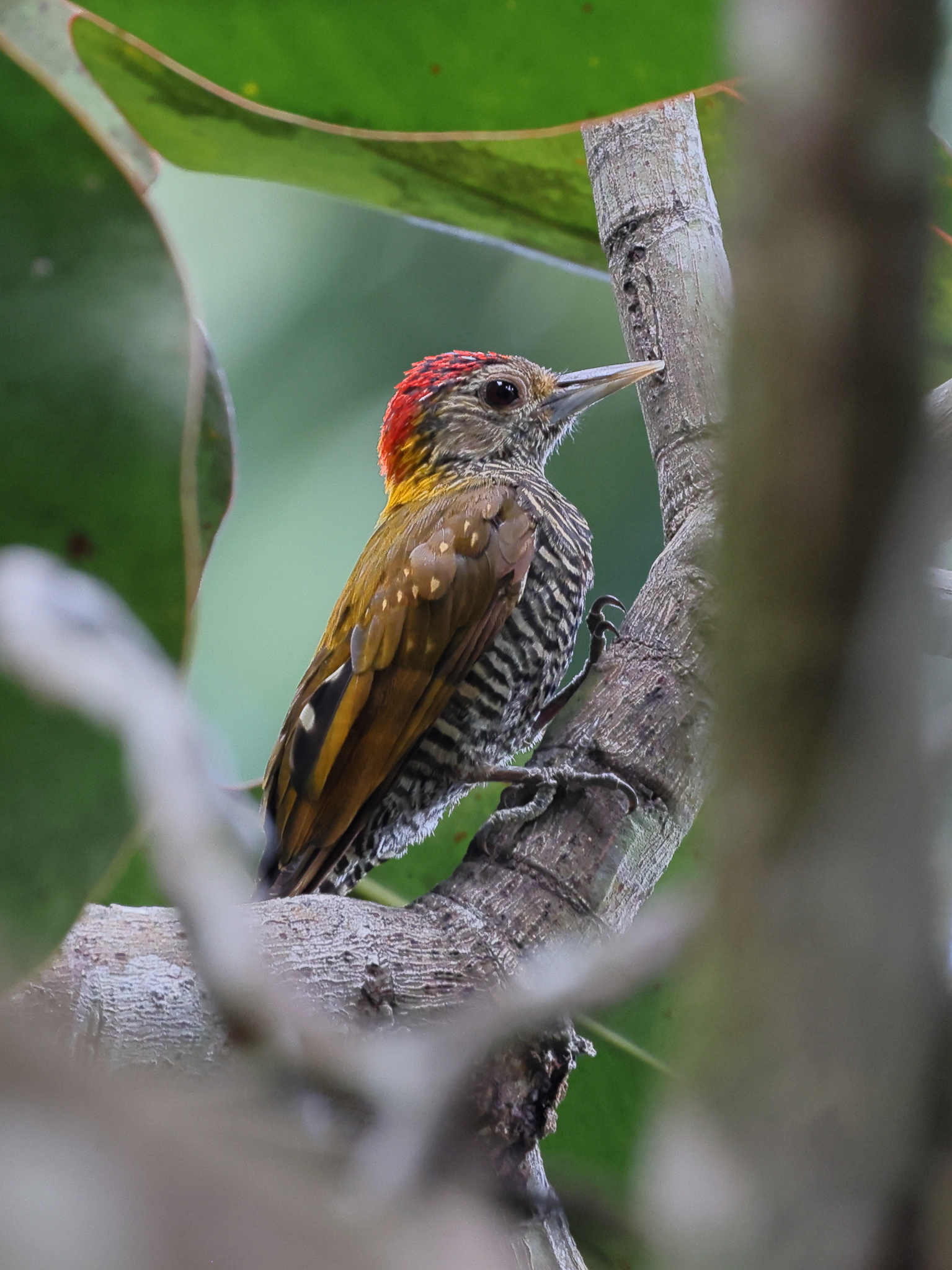
Golden-collared Woodpecker
Veniliornis cassini- Tall terra firme forest
- Secondary forest and forest edge
- Highland forest of the Guiana Shield
- White-sand forest and campina
-

White-spotted Woodpecker
Veniliornis spilogaster- Araucaria forest
- Interior semi-deciduous forest
- Montane forest of the Serra do Mar
- Coastal lowland forest
- Woodland and scrub of the southern hills
- Towns, cities and gardens
-

Checkered Woodpecker
Veniliornis mixtus- Cerrado savanna
- Cerradão and dry woodland
- Gallery forest and woodland islands of the Pantanal
- Veredas and gallery forest
- Woodland and scrub of the southern hills
-

Blood-colored Woodpecker
Veniliornis sanguineus- Mangroves
- Secondary forest and forest edge
- Plantations and agroforestry
- Towns, cities and gardens
-

Little Woodpecker
Veniliornis passerinus- Secondary forest and forest edge
- Floating meadows and river islands
- Várzea (whitewater flooded forest)
- Veredas and gallery forest
- Gallery forest and woodland islands of the Pantanal
- Dry forest of the north-east
-

Red-stained Woodpecker
Veniliornis affinis- Tall terra firme forest
- Várzea (whitewater flooded forest)
- Coastal lowland forest
- Northeastern coastal forest
- Secondary forest and forest edge
-

Yellow-eared Woodpecker
Veniliornis maculifrons- Coastal lowland forest
- Interior semi-deciduous forest
- Montane forest of the Serra do Mar
- Plantations and agroforestry