Todas as espécies › Waders, gulls and terns › Skimmers, noddies, terns and gulls
Skimmers, noddies, terns and gulls | Laridae
Meeuwen, sterns en schaarbekken | Skimmers, noddies, terns and gulls | Gaviotas, charranes y rayadores
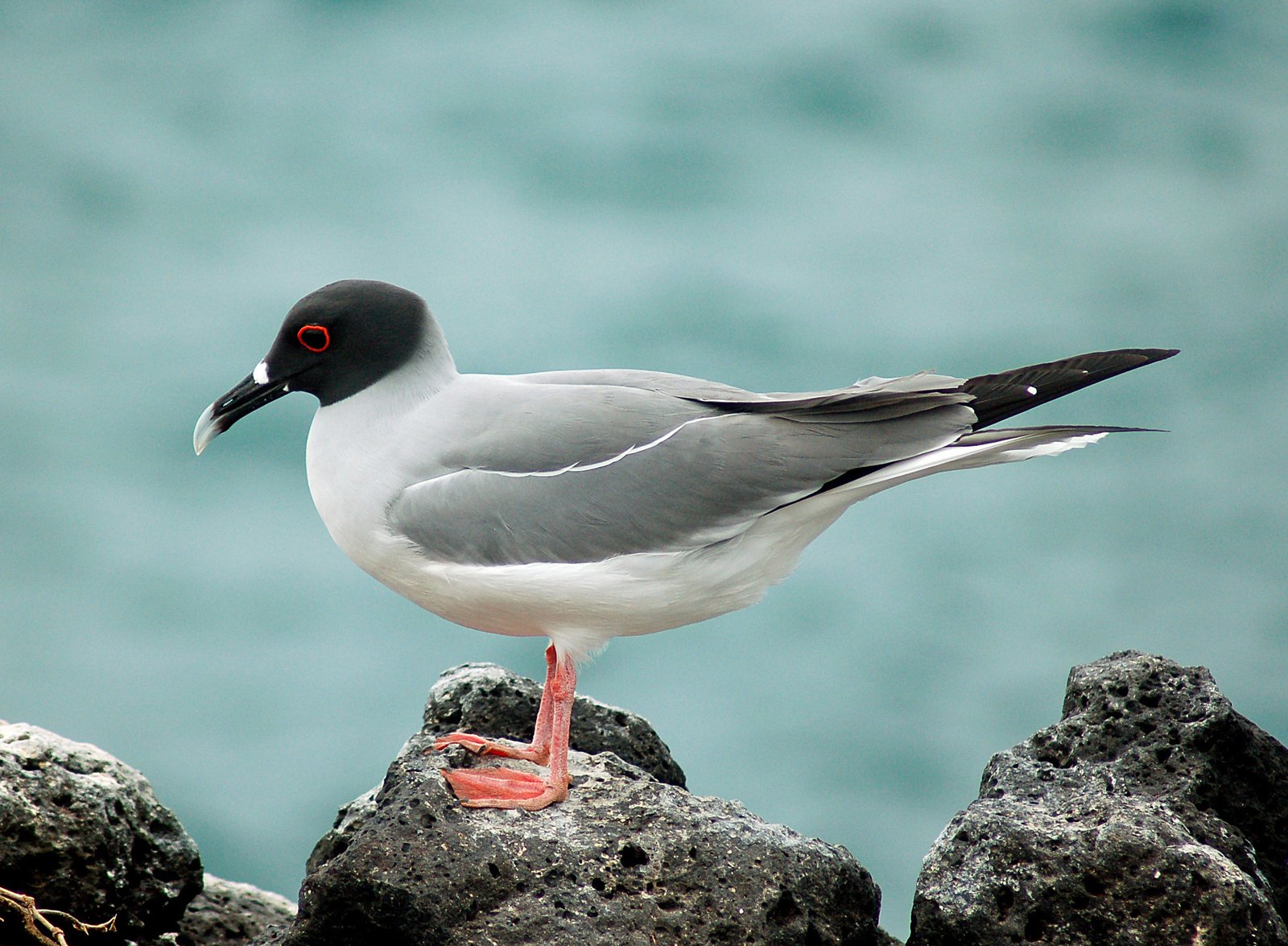
Webbed front toes and a small, raised hind toe: these birds can rest on the water, and salt glands above the eyes let them drink sea water as well. Forty-three species in seventeen genera occur in this guide, among them some remarkable ones: the Andean Gull breeds by lakes high in the Andes, the Inca Tern lives along the cold Humboldt Current, the Lava Gull is found only on the Galápagos and the Galápagos Swallow-tailed Gull is the only gull that hunts at sea by night, while Black Skimmer, Large-billed Tern and Yellow-billed Tern fish along the great lowland rivers. Two builds stand side by side within the family: heavier birds with a stout, slightly hooked bill that will eat almost anything they can get hold of, and slighter birds with a thin, pointed bill held downwards while hovering, before they drop into the water. They nest almost always in ground colonies, with one to three blotched eggs; the downy chicks stay at the nest and are fed by both parents, unlike the self-feeding young of the waders. Most species moult twice a year and show a different head pattern in winter, and in the largest species it takes two to four years before the adult plumage is complete.
Espécies nativas 33 espécies
Espécies que ocorrem aqui naturalmente: reprodutoras, visitantes de inverno e migrantes de passagem. Estão organizadas por gênero, na sequência da lista.
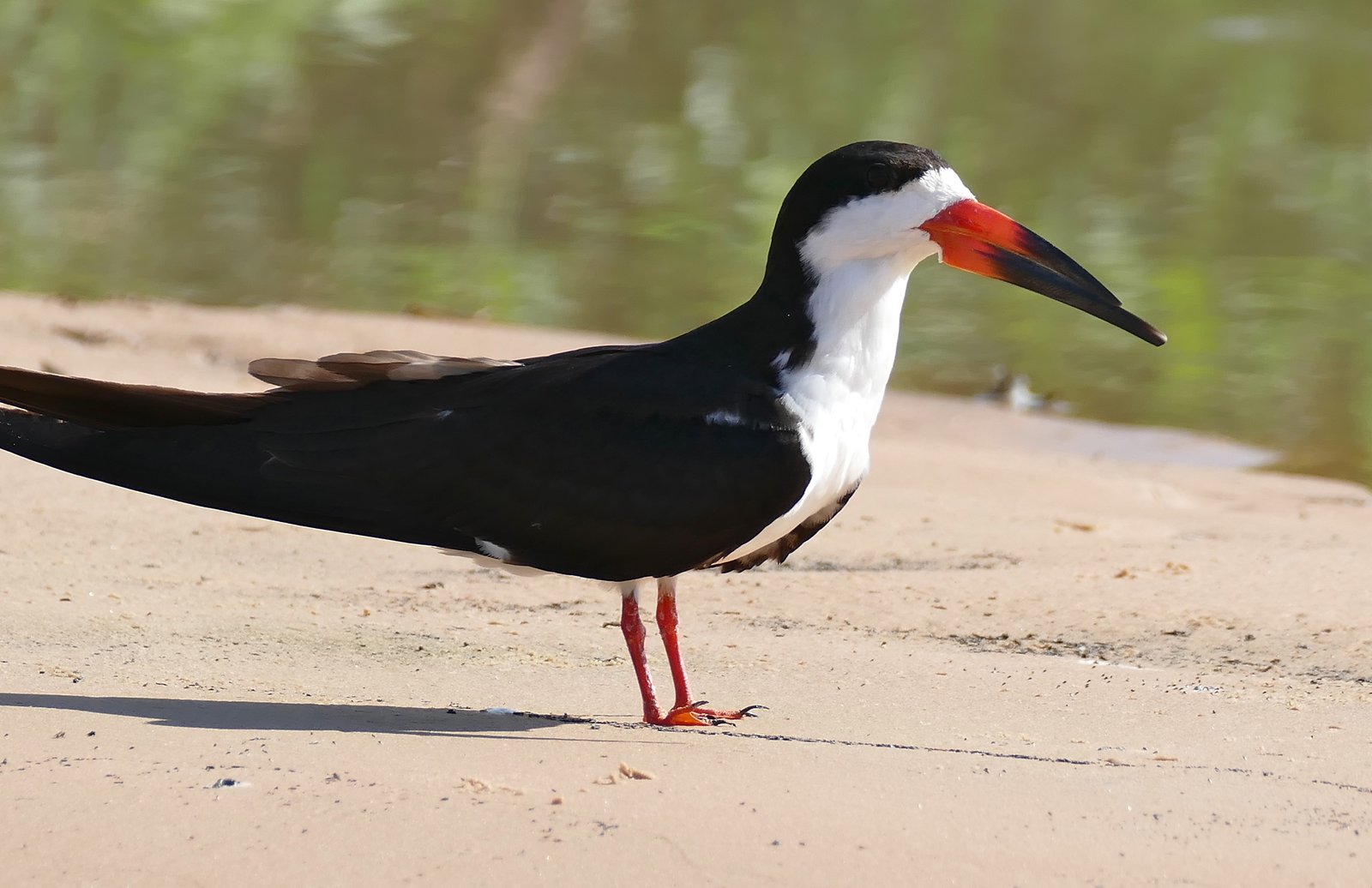
Rynchops 1 espécie
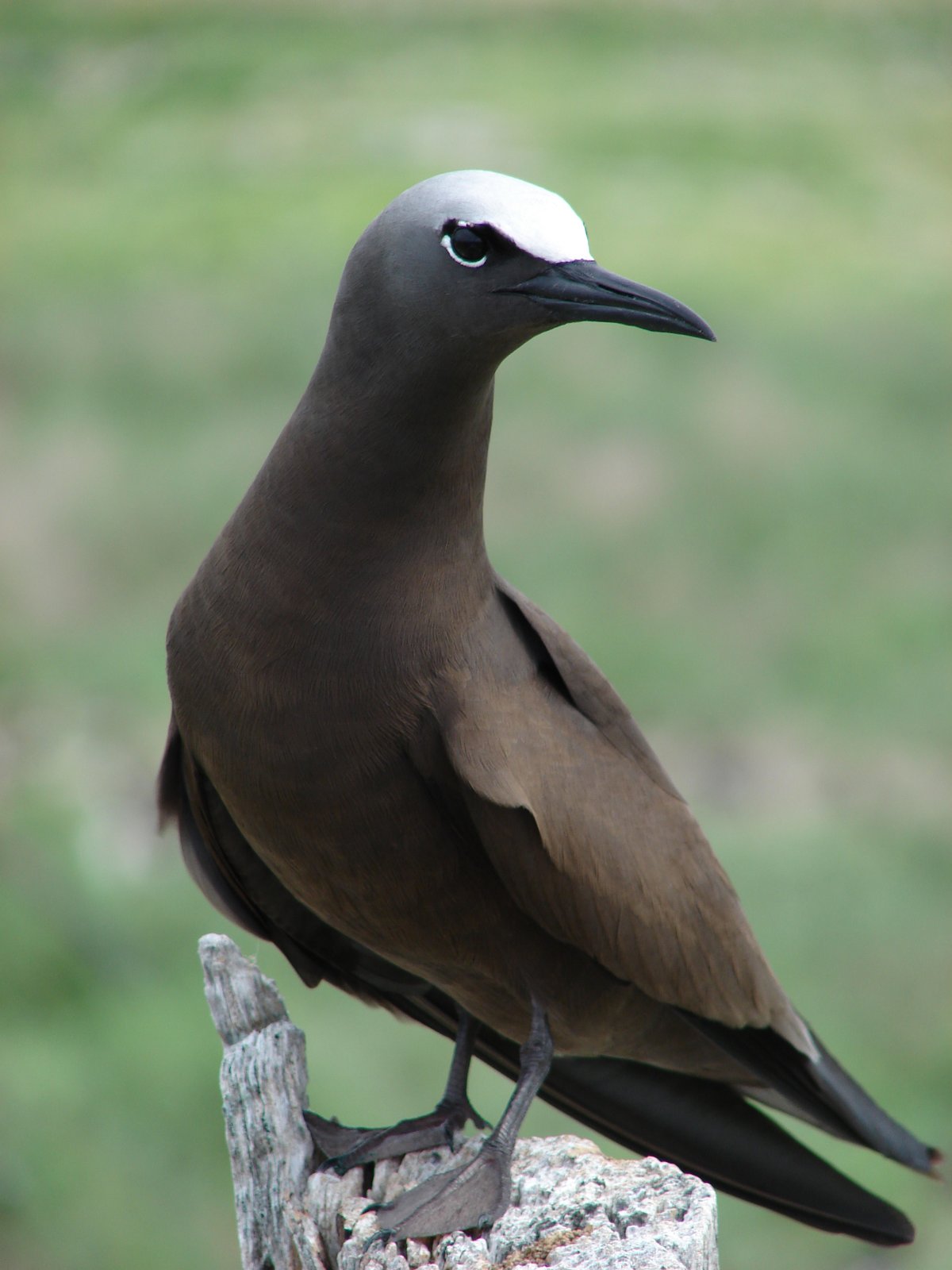
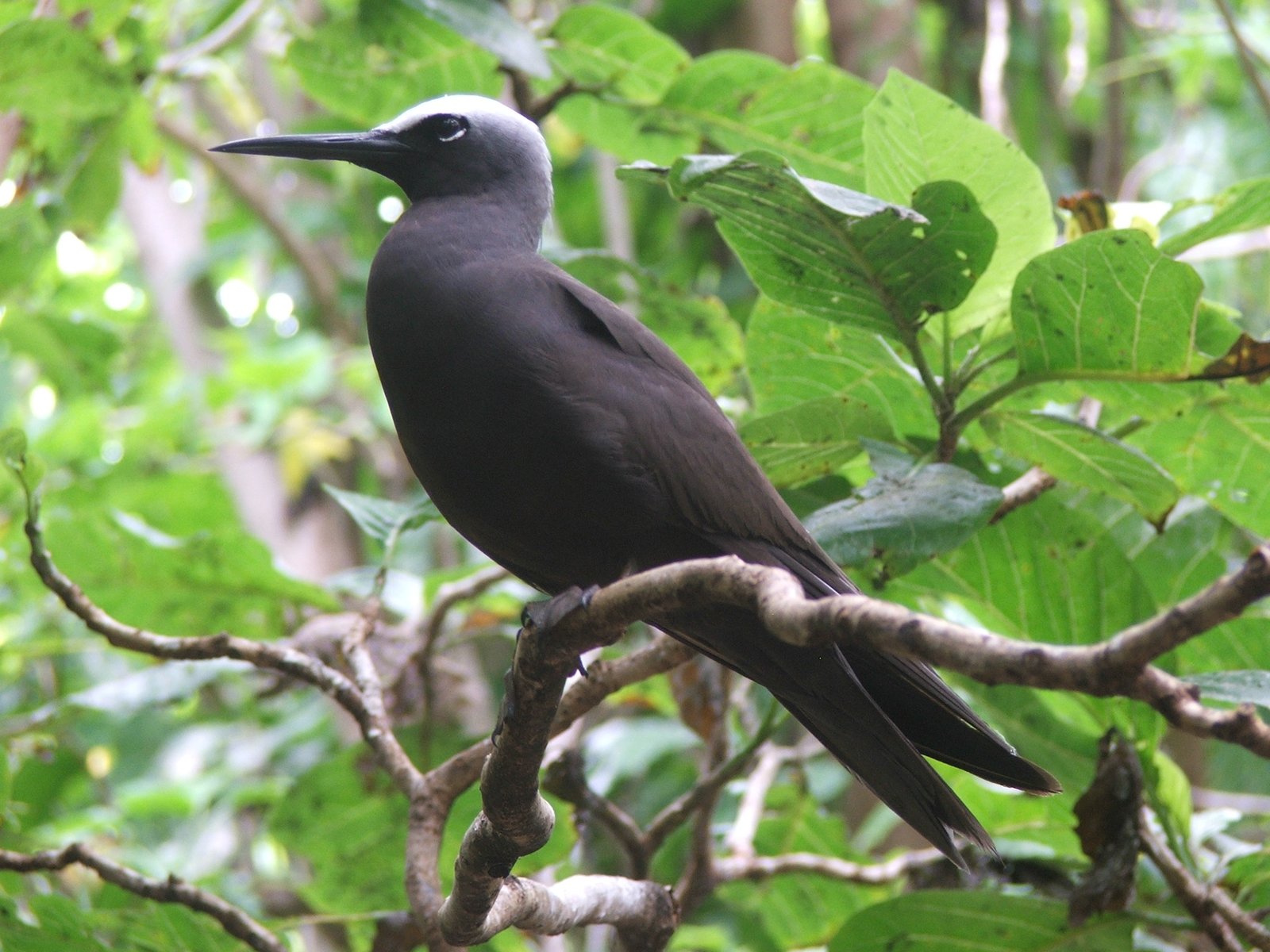
Anous 2 espécies
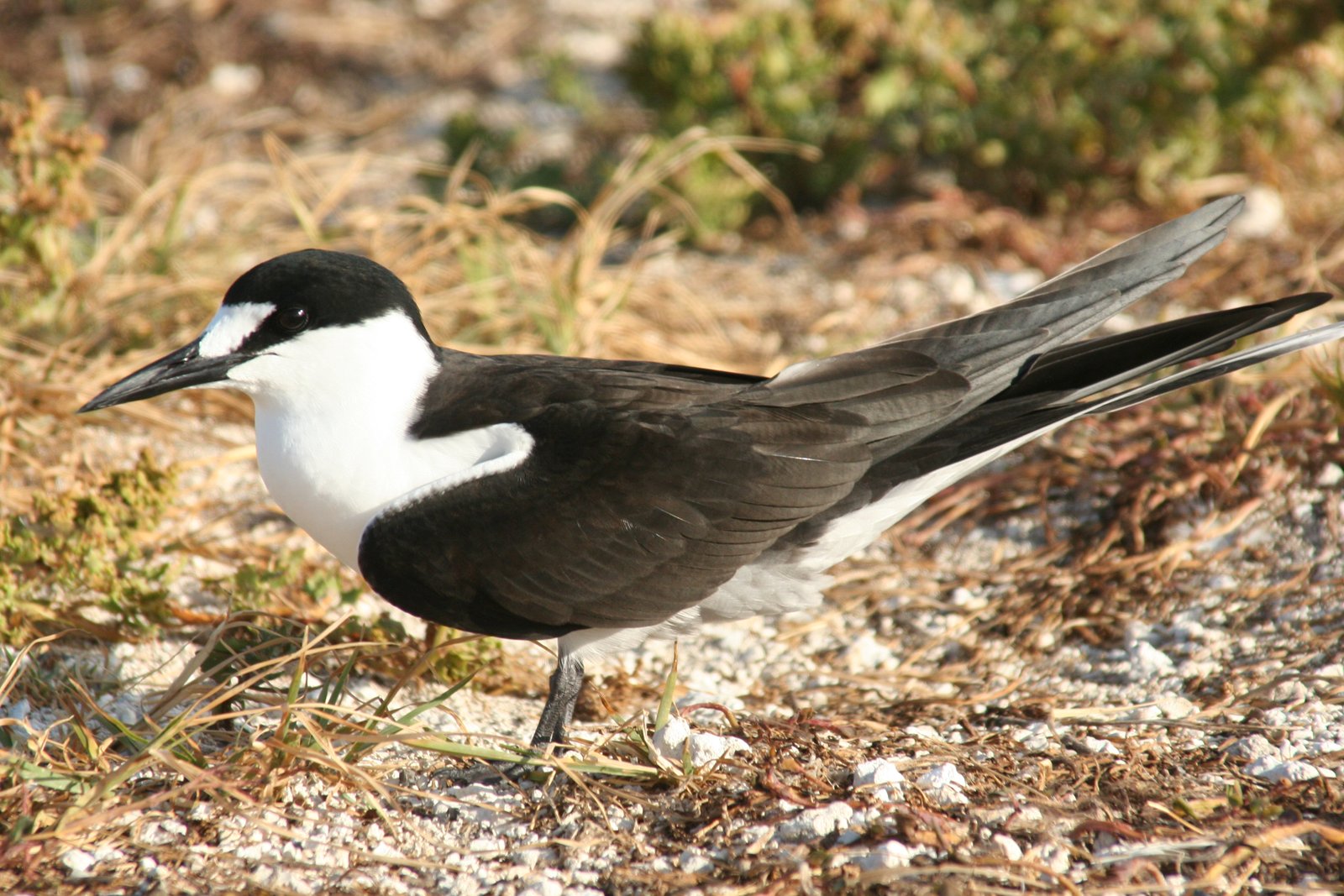
Onychoprion 2 espécies
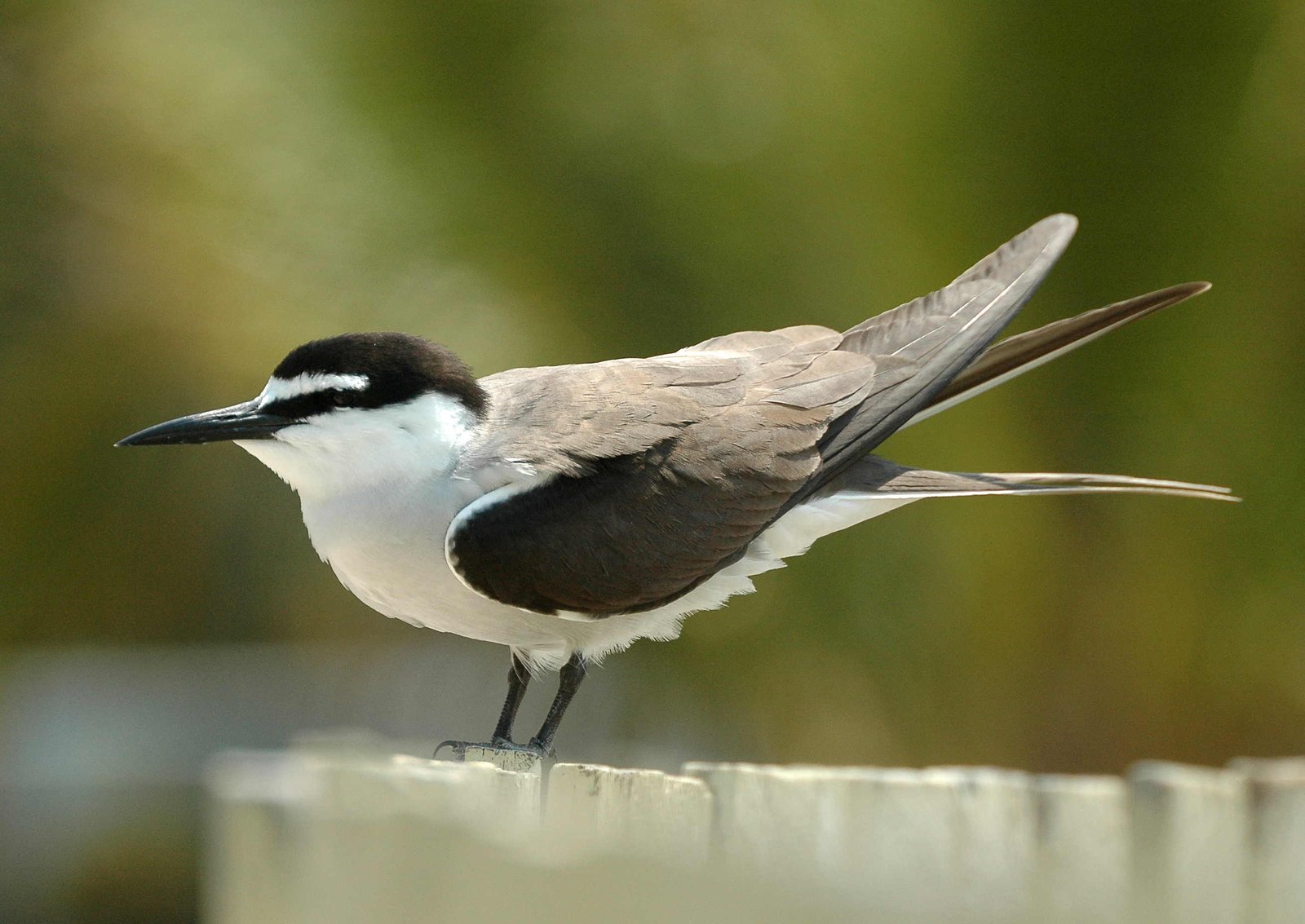
Sternula 3 espécies
-
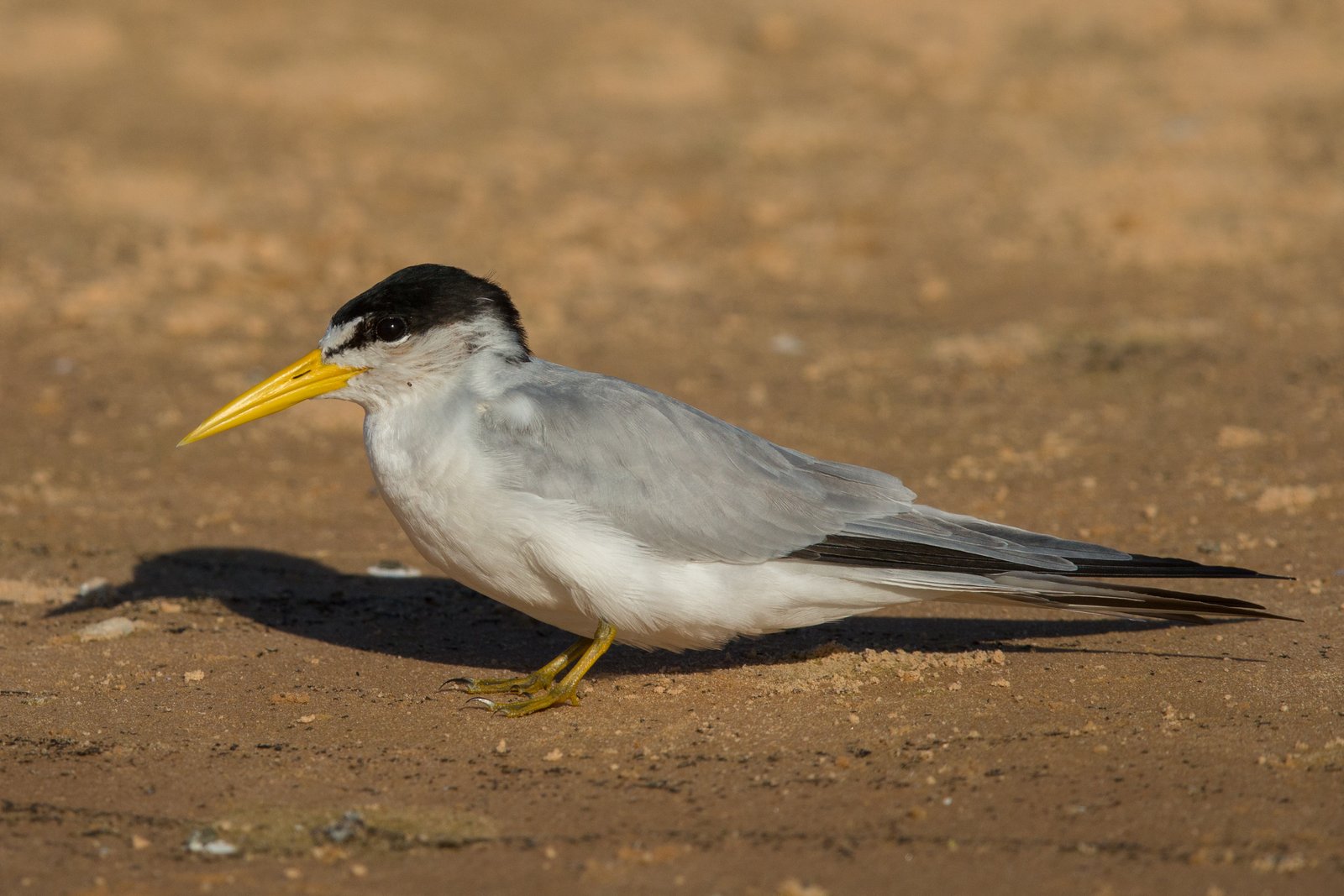
Trinta-réis-pequeno
Sternula superciliaris Lowland rivers and sandbars
 Lowland lakes and oxbows
 Várzea, igapó and river islands
 Tidal flats, lagoons and estuaries
-
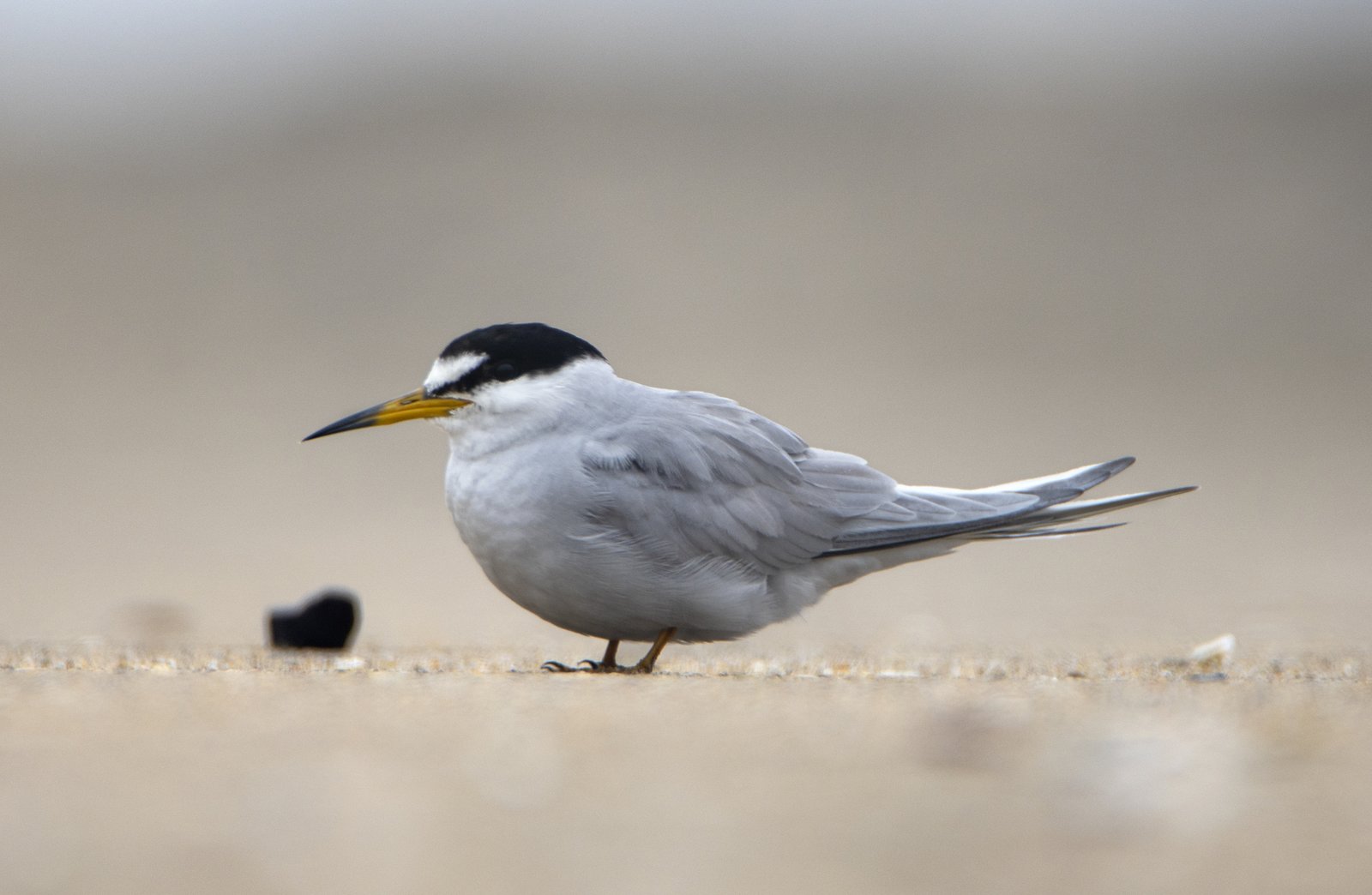
Trinta-réis-peruano
Sternula lorata Sandy beach and dunes
- Tidal flats, lagoons and estuaries
 Coastal desert
 Humboldt Current and inshore waters
 Salt marsh and salt pans
-
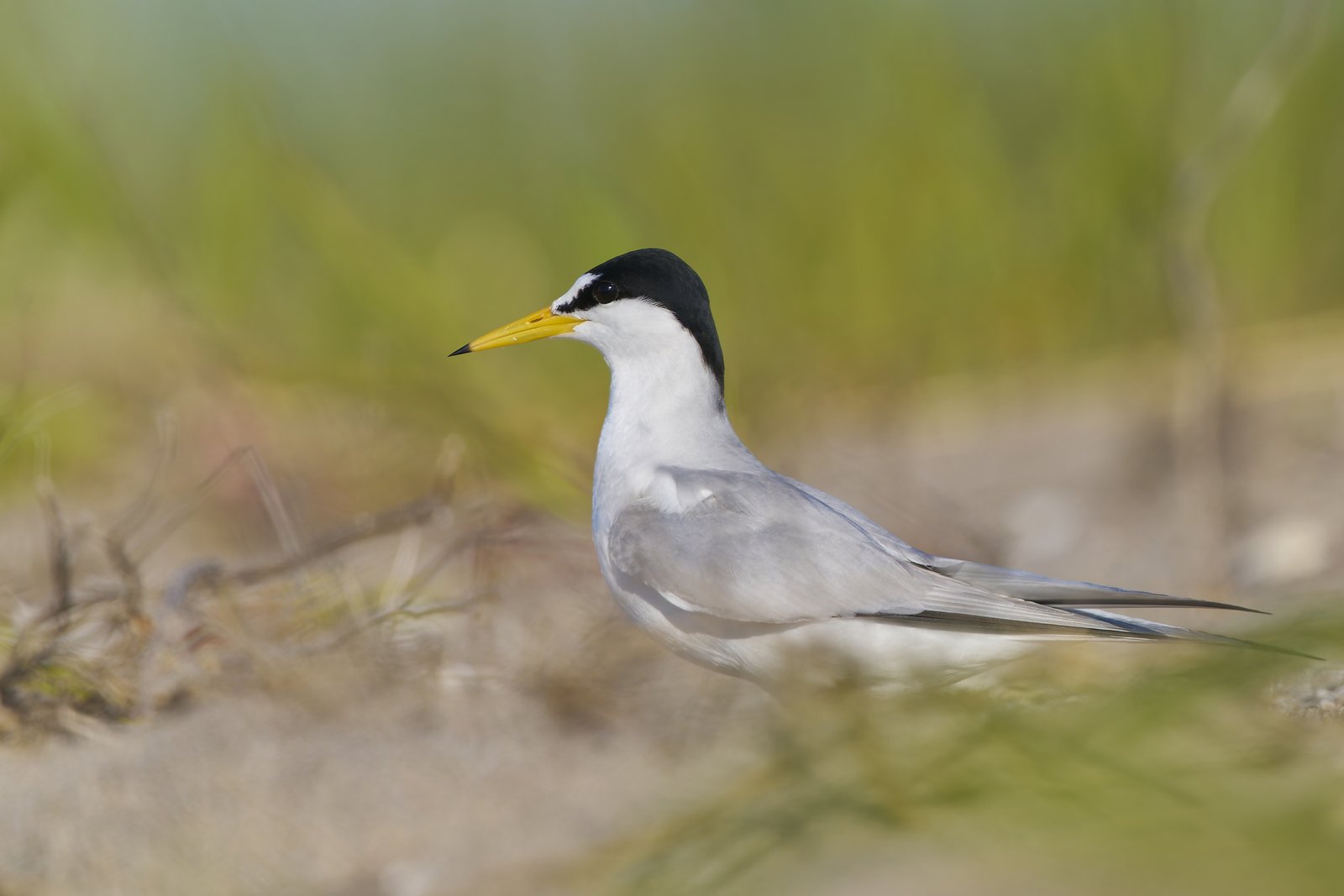
Trinta-réis-miúdo
Sternula antillarum- Sandy beach and dunes
- Tidal flats, lagoons and estuaries
- Salt marsh and salt pans
 Harbors, dumps and fish ponds
- Lowland lakes and oxbows
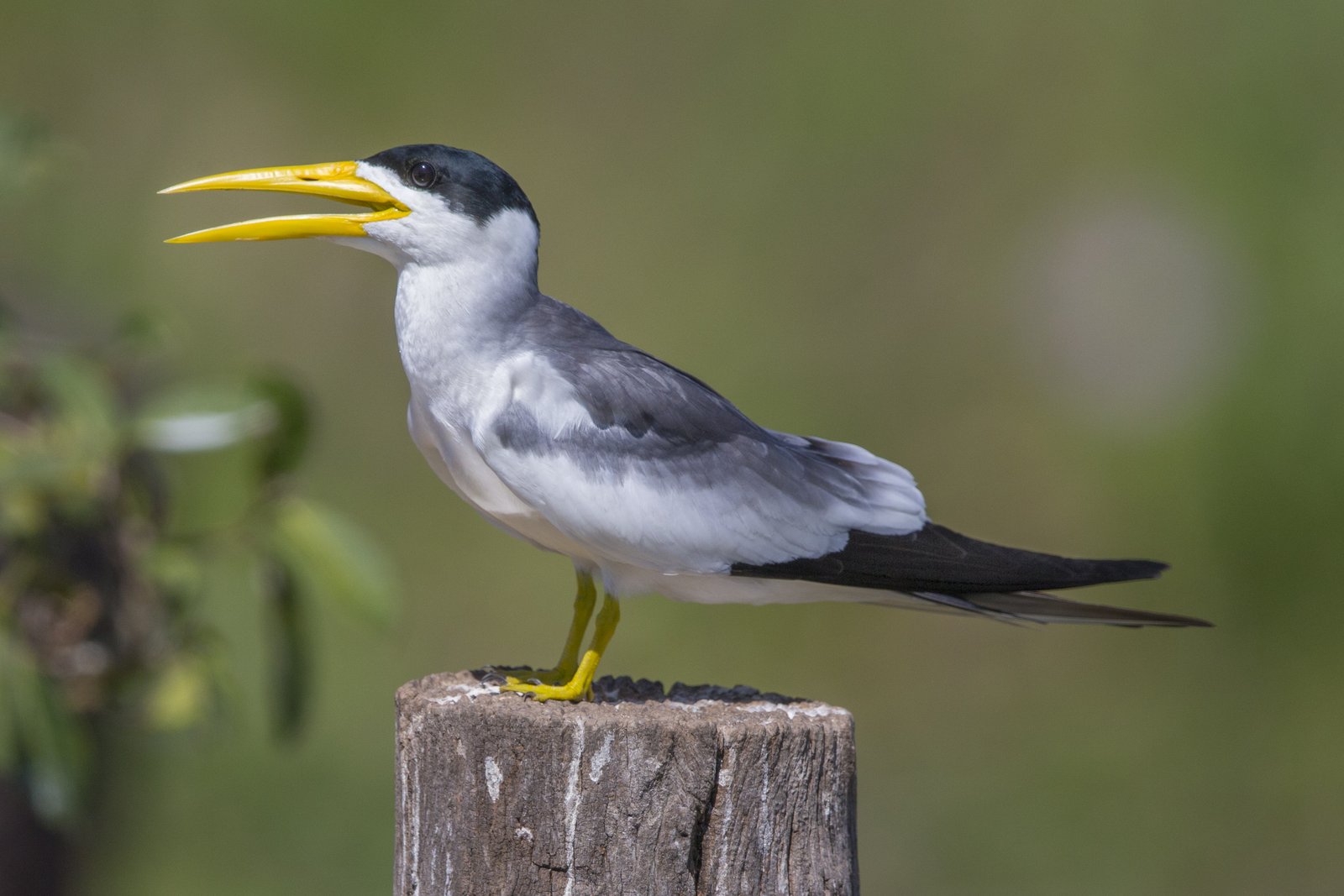

Hydroprogne 1 espécie
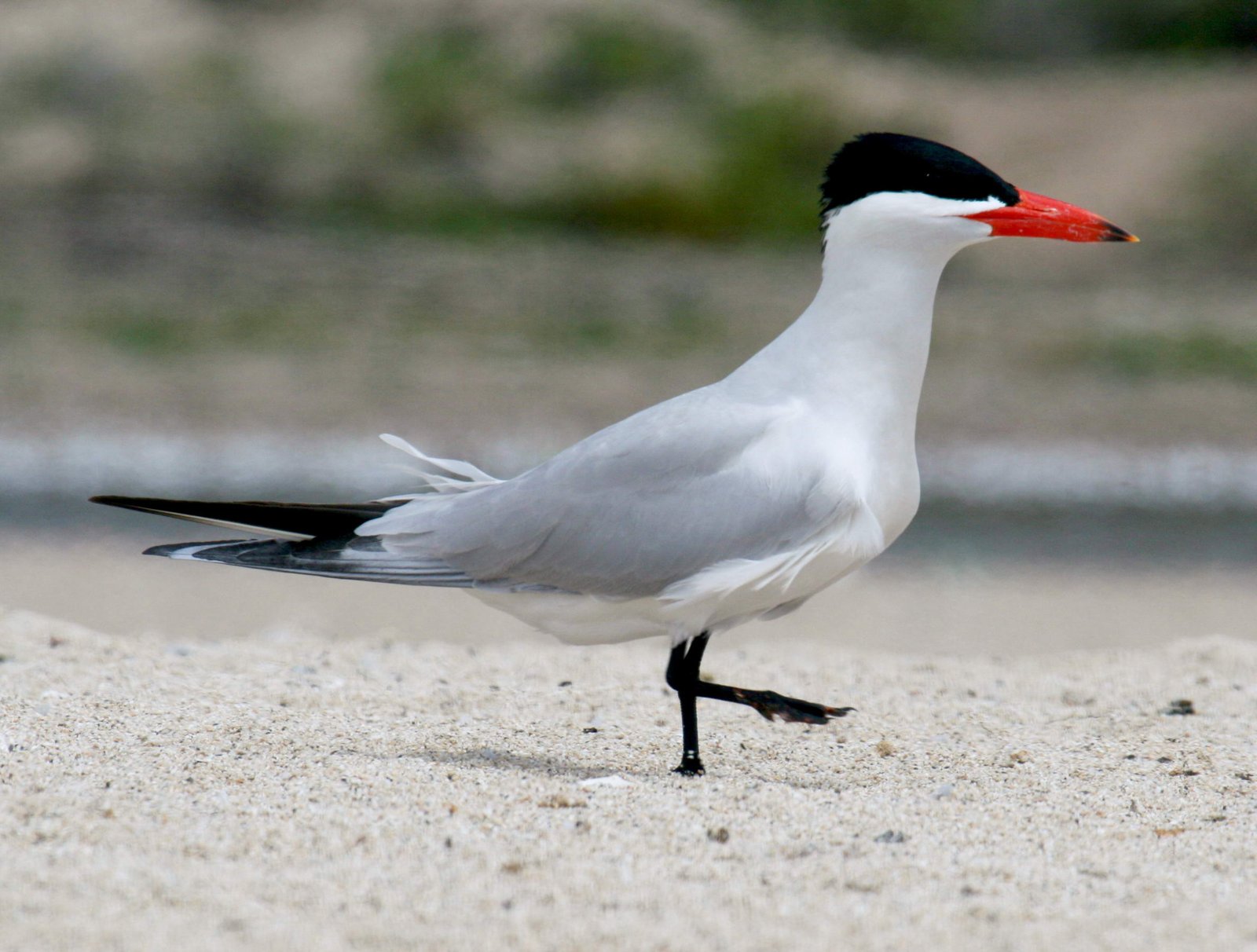
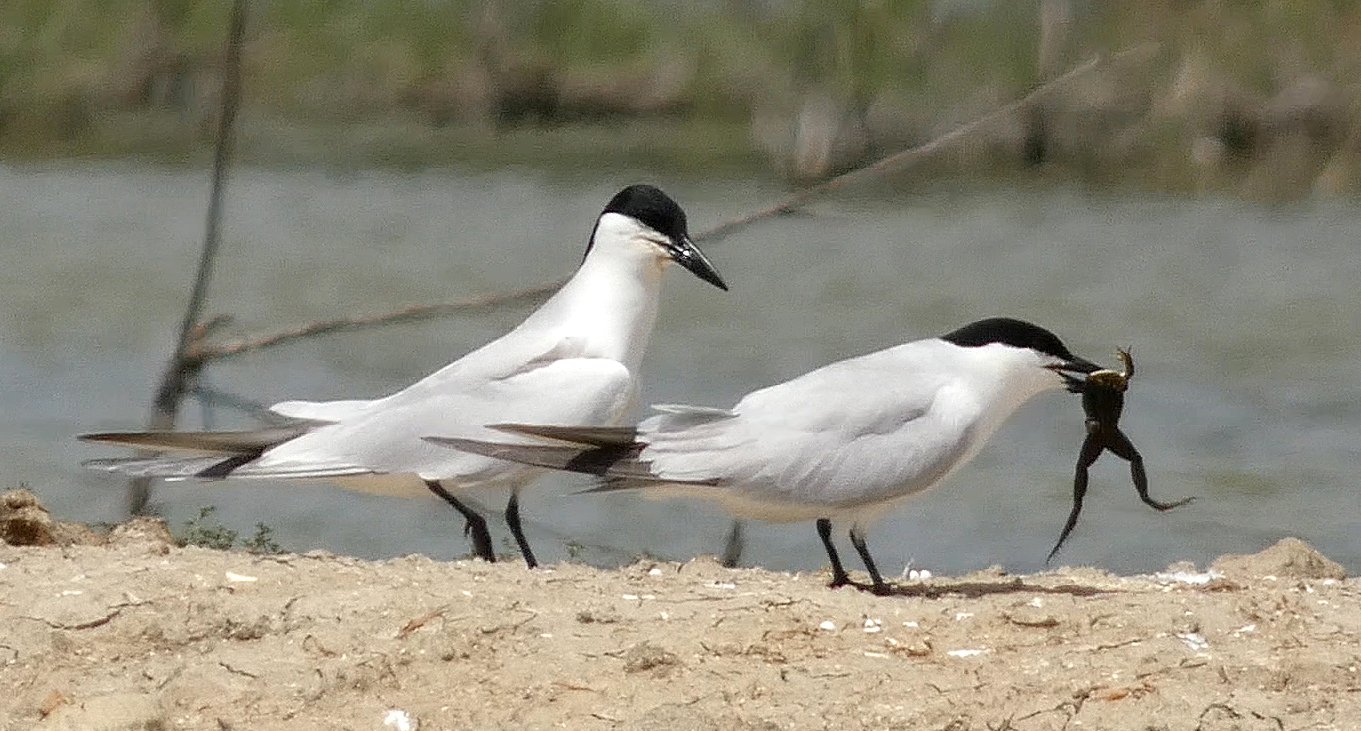
Larosterna 1 espécie
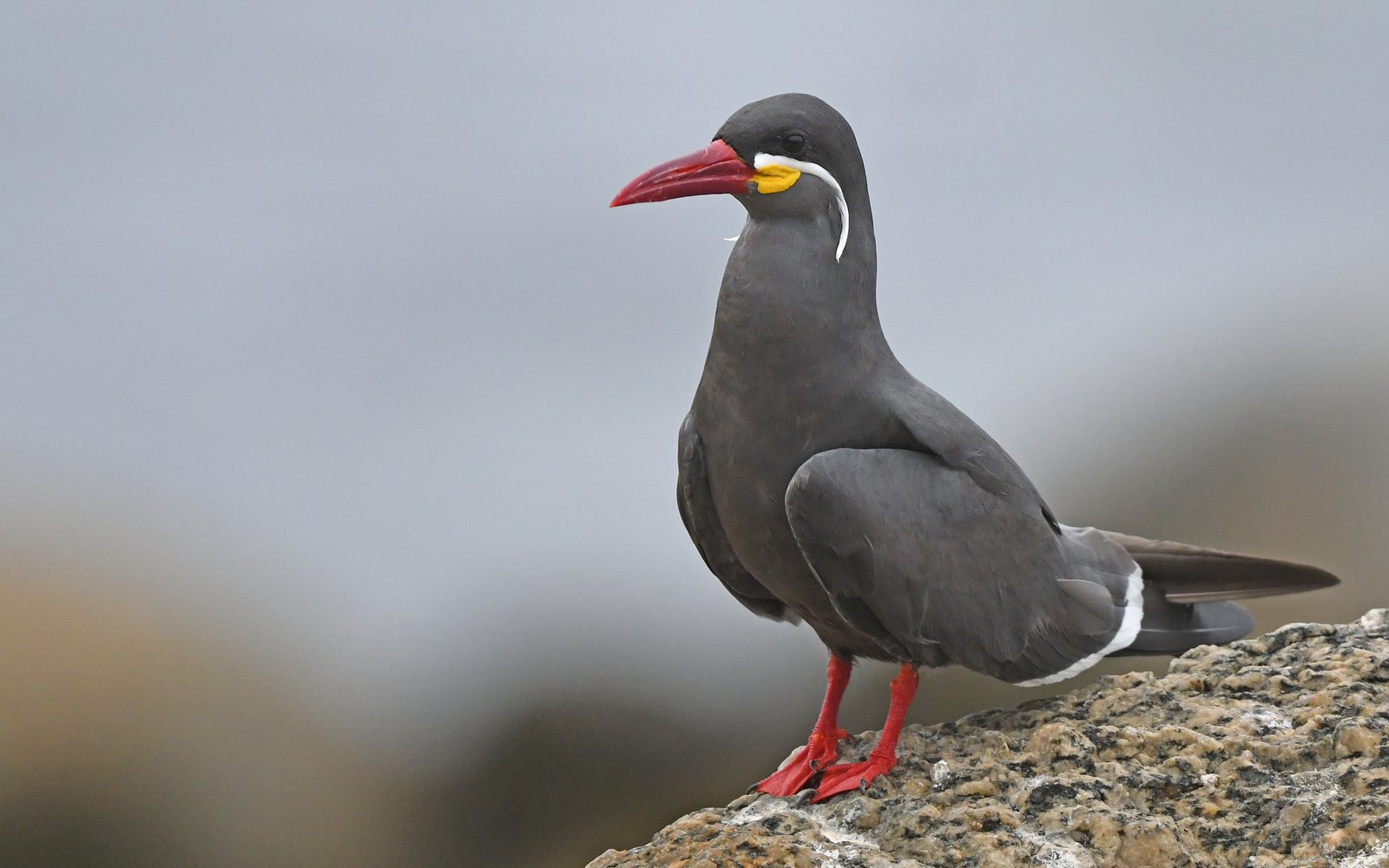
Chlidonias 1 espécie
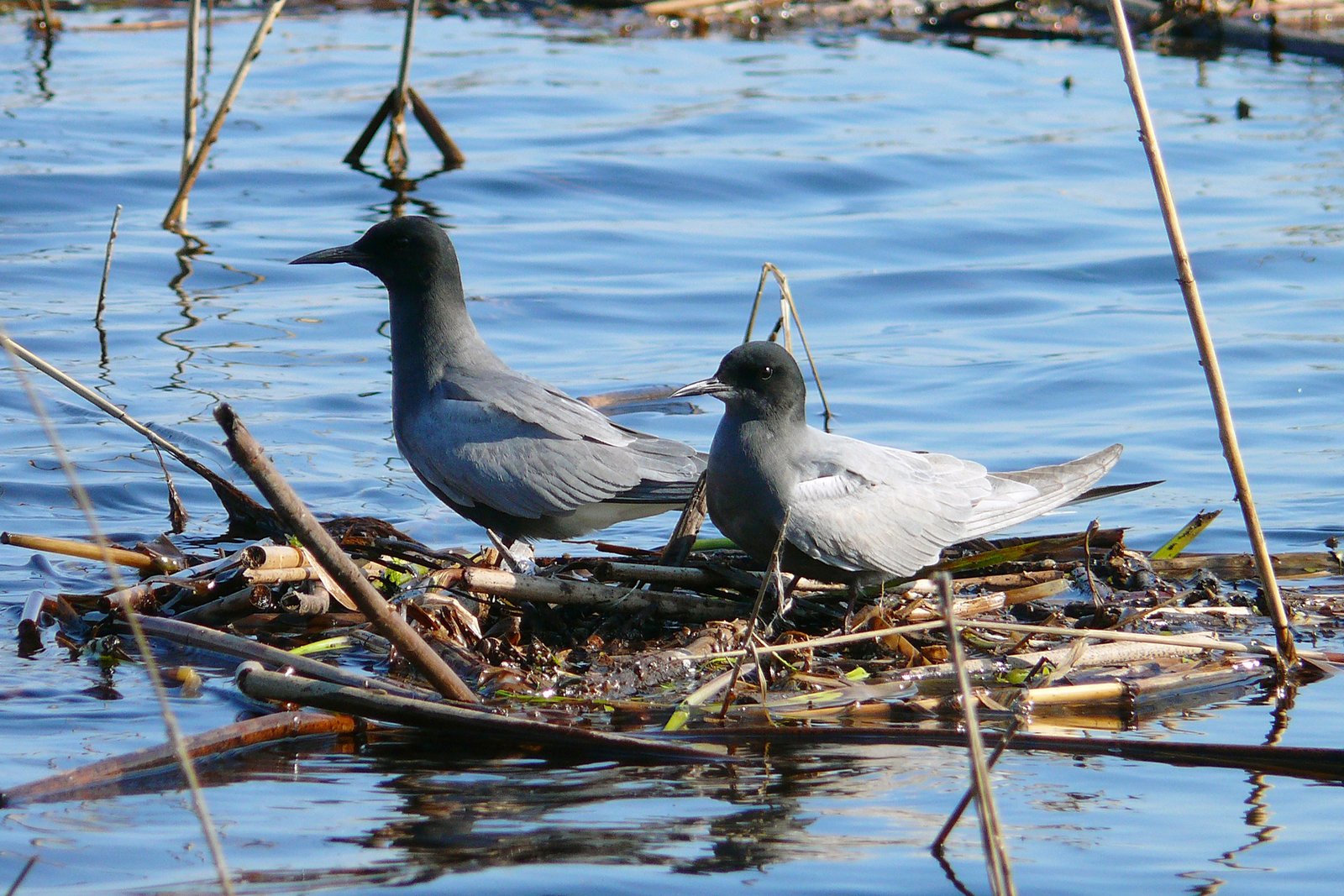
Thalasseus 3 espécies
-
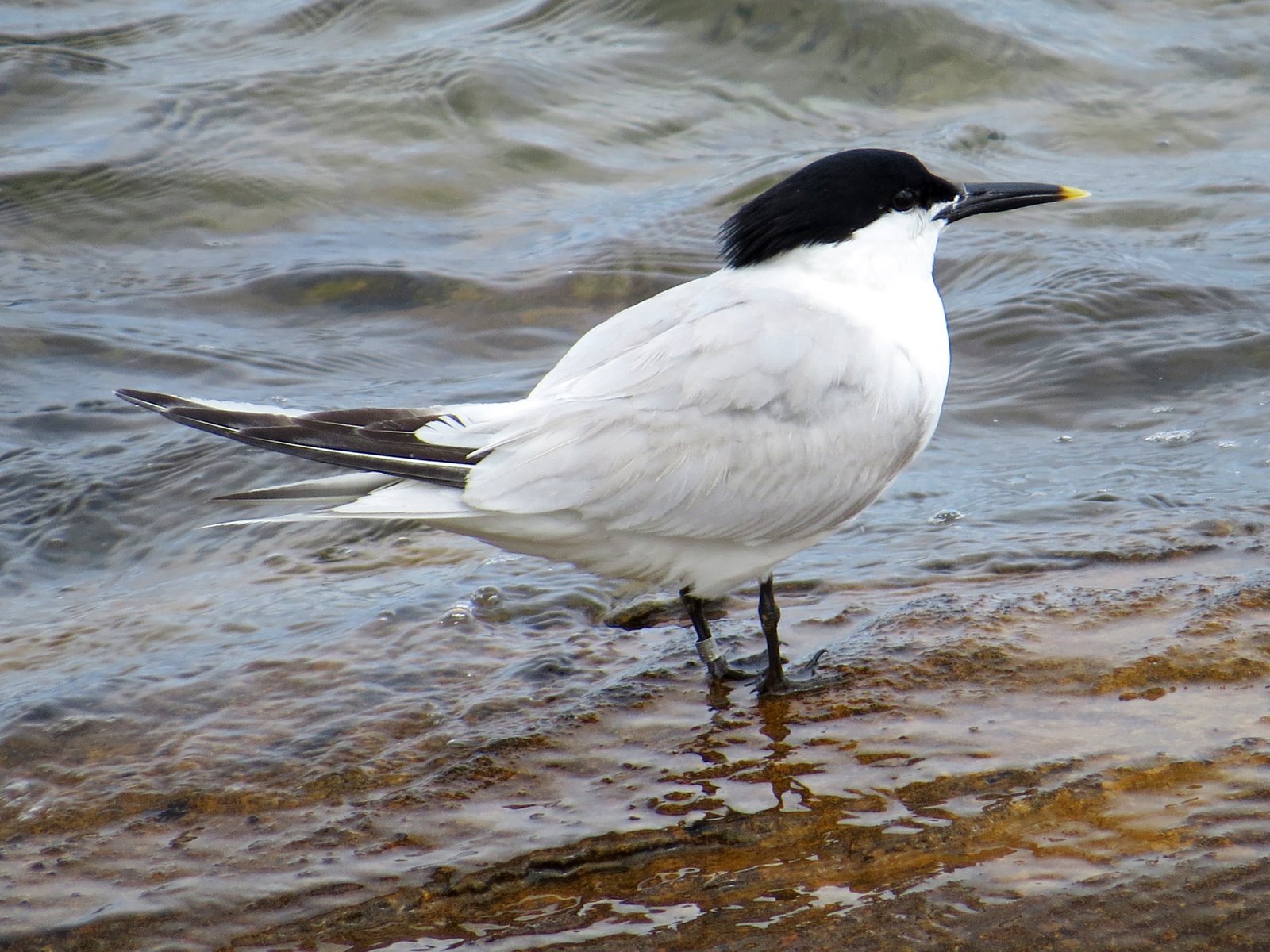
Trinta-réis-de-bando
Thalasseus sandvicensis- Sandy beach and dunes
- Tidal flats, lagoons and estuaries
- Humboldt Current and inshore waters
- Harbors, dumps and fish ponds
 Rocky shore and sea cliffs
-
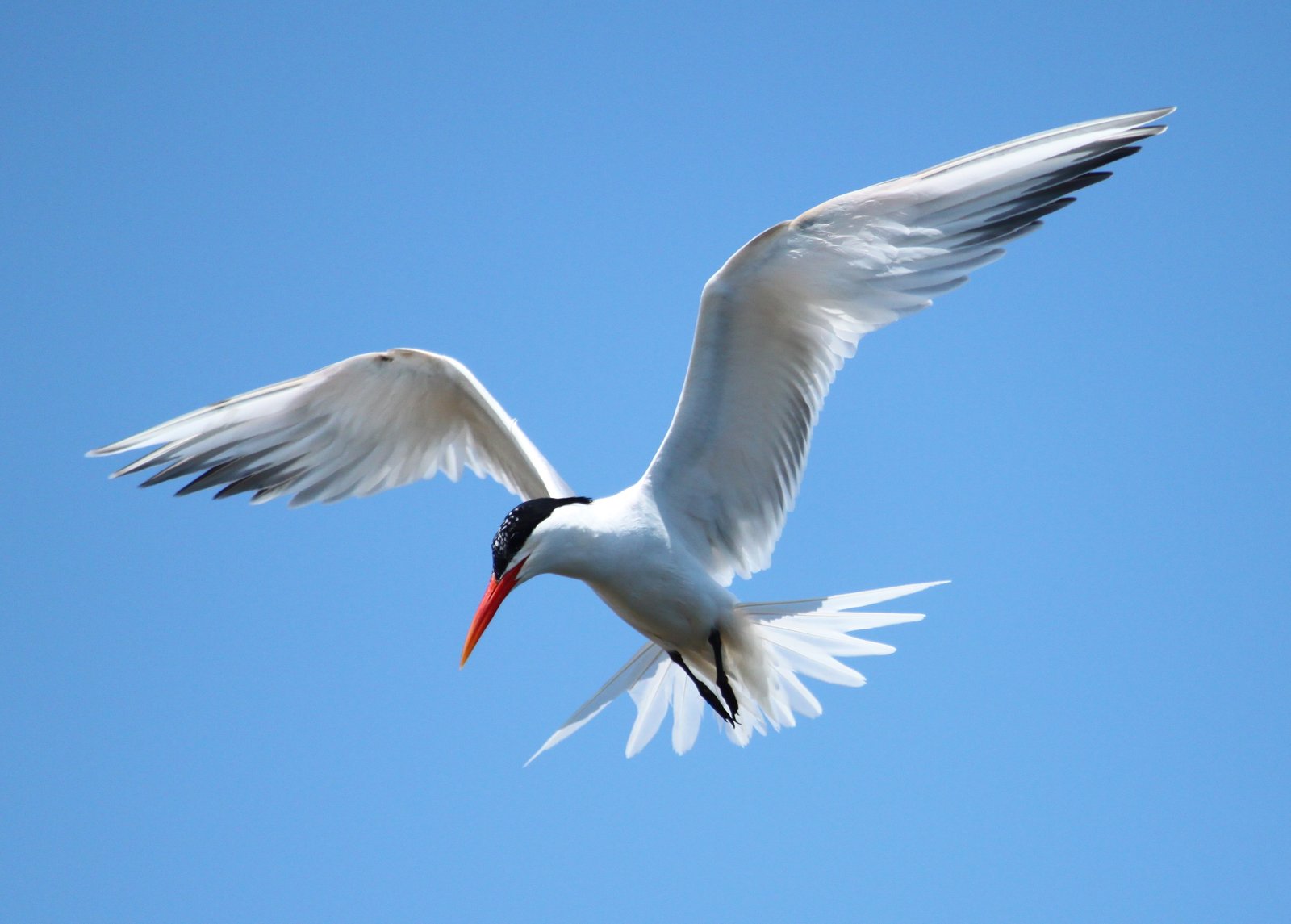
Trinta-réis-elegante
Thalasseus elegans- Sandy beach and dunes
- Tidal flats, lagoons and estuaries
- Humboldt Current and inshore waters
- Harbors, dumps and fish ponds
- Rocky shore and sea cliffs
-
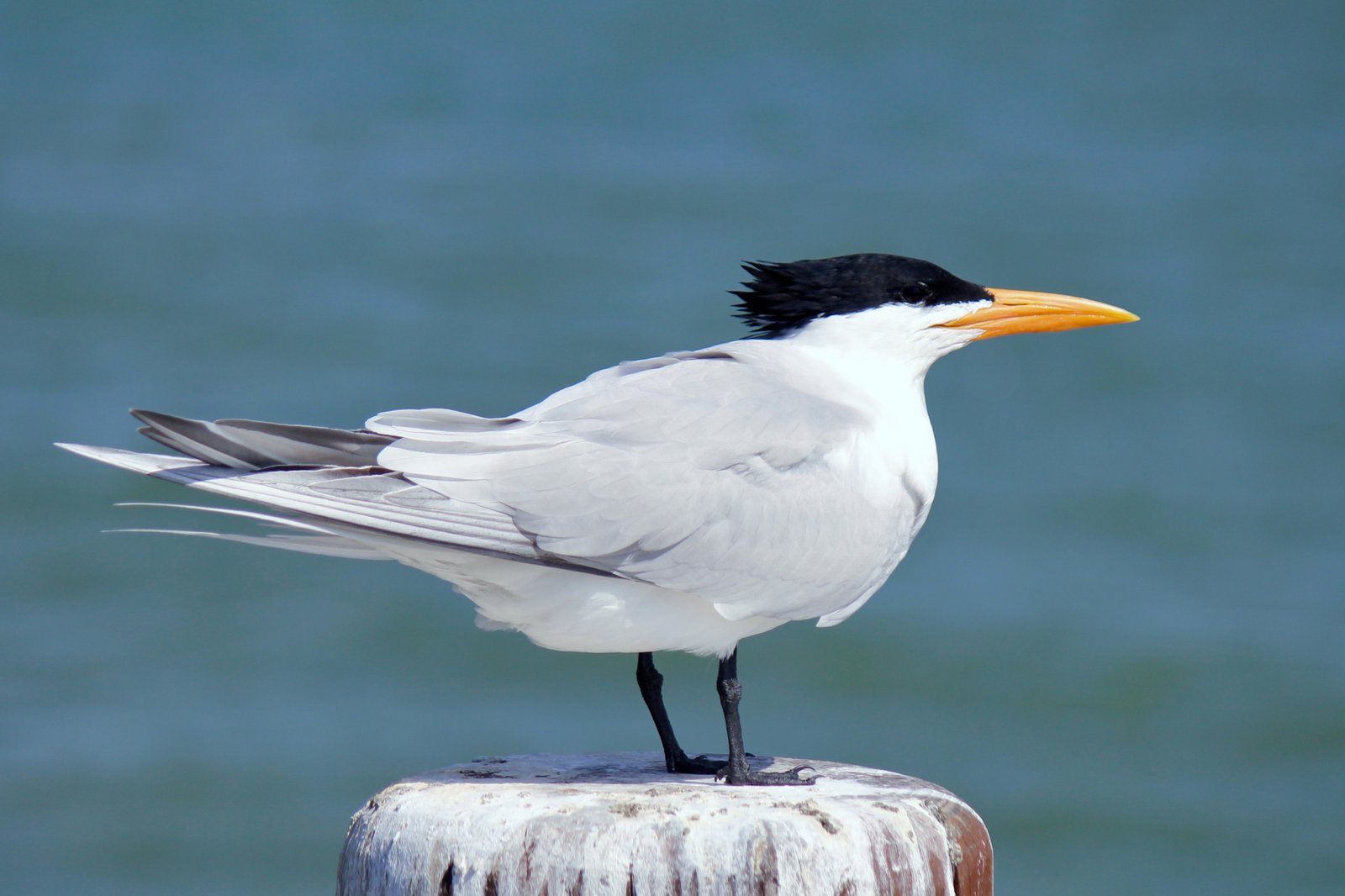
Trinta-réis-real
Thalasseus maximus- Sandy beach and dunes
- Tidal flats, lagoons and estuaries
- Humboldt Current and inshore waters
 Mangrove
- Rocky shore and sea cliffs
Sterna 4 espécies
-
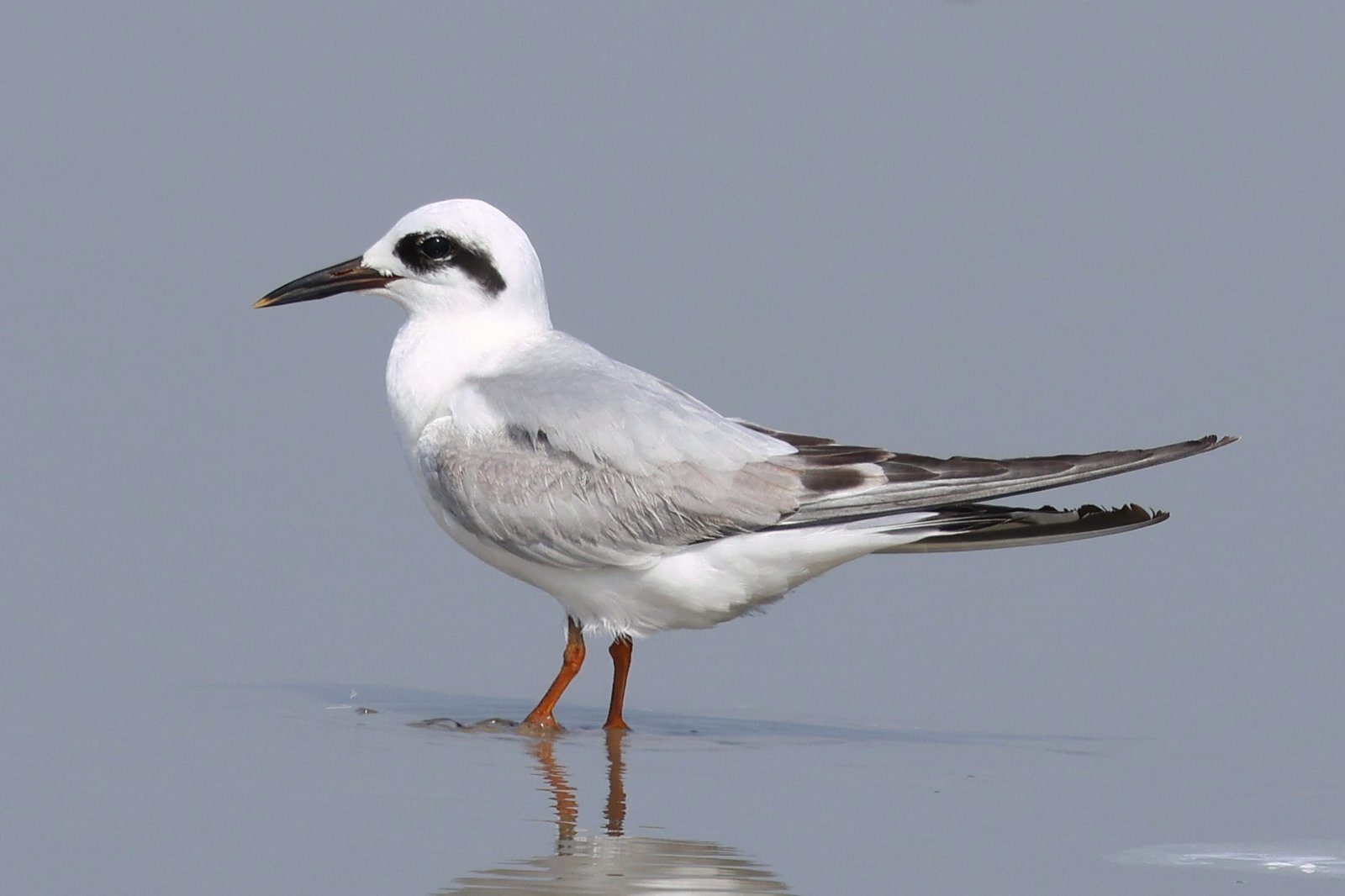
Trinta-réis-de-coroa-branca
Sterna trudeaui- Sandy beach and dunes
- Tidal flats, lagoons and estuaries
- Humboldt Current and inshore waters
- Salt marsh and salt pans
-
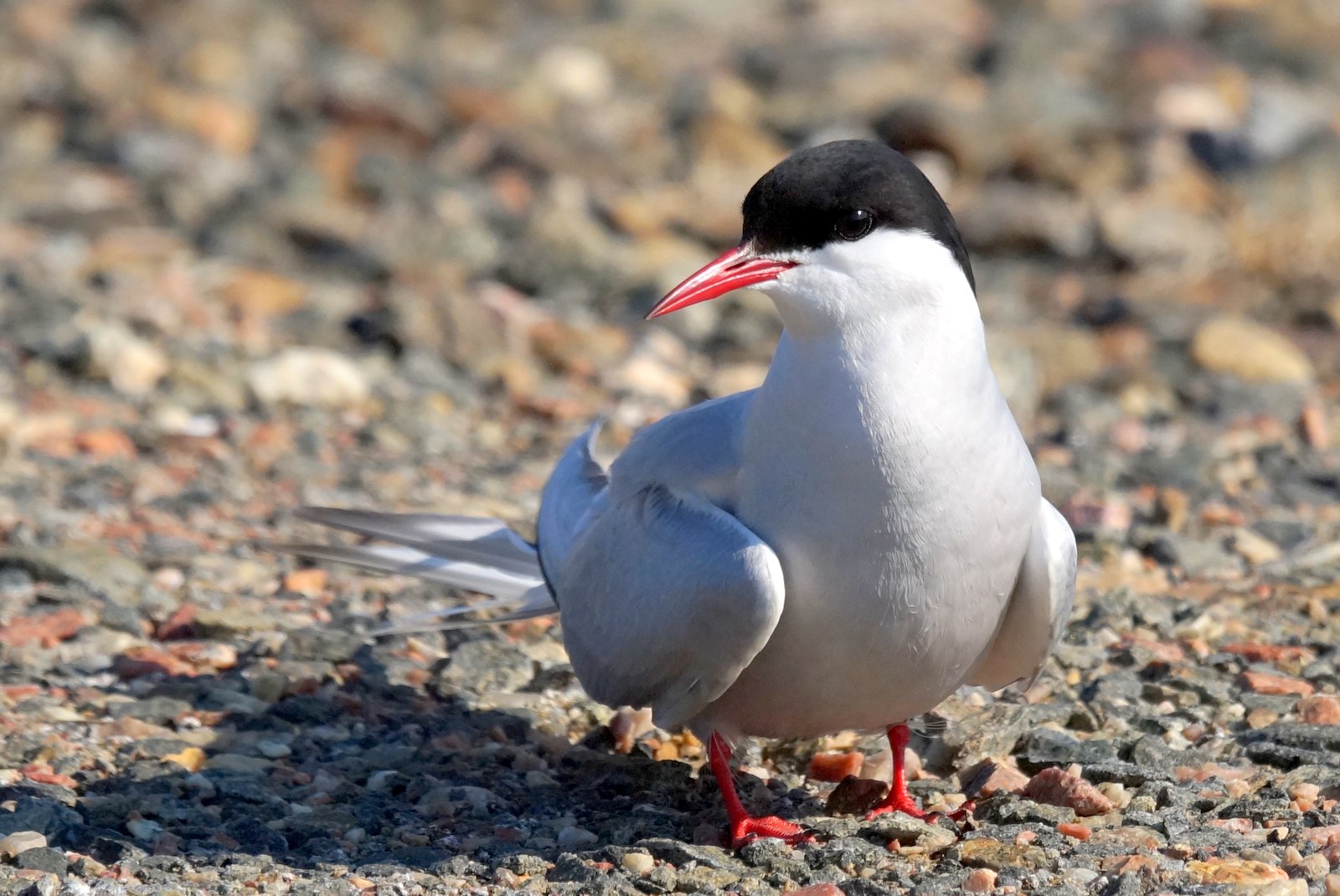
Trinta-réis-ártico
Sterna paradisaea Open ocean
- Humboldt Current and inshore waters
- Sandy beach and dunes
 Andean and high-plateau lakes
-
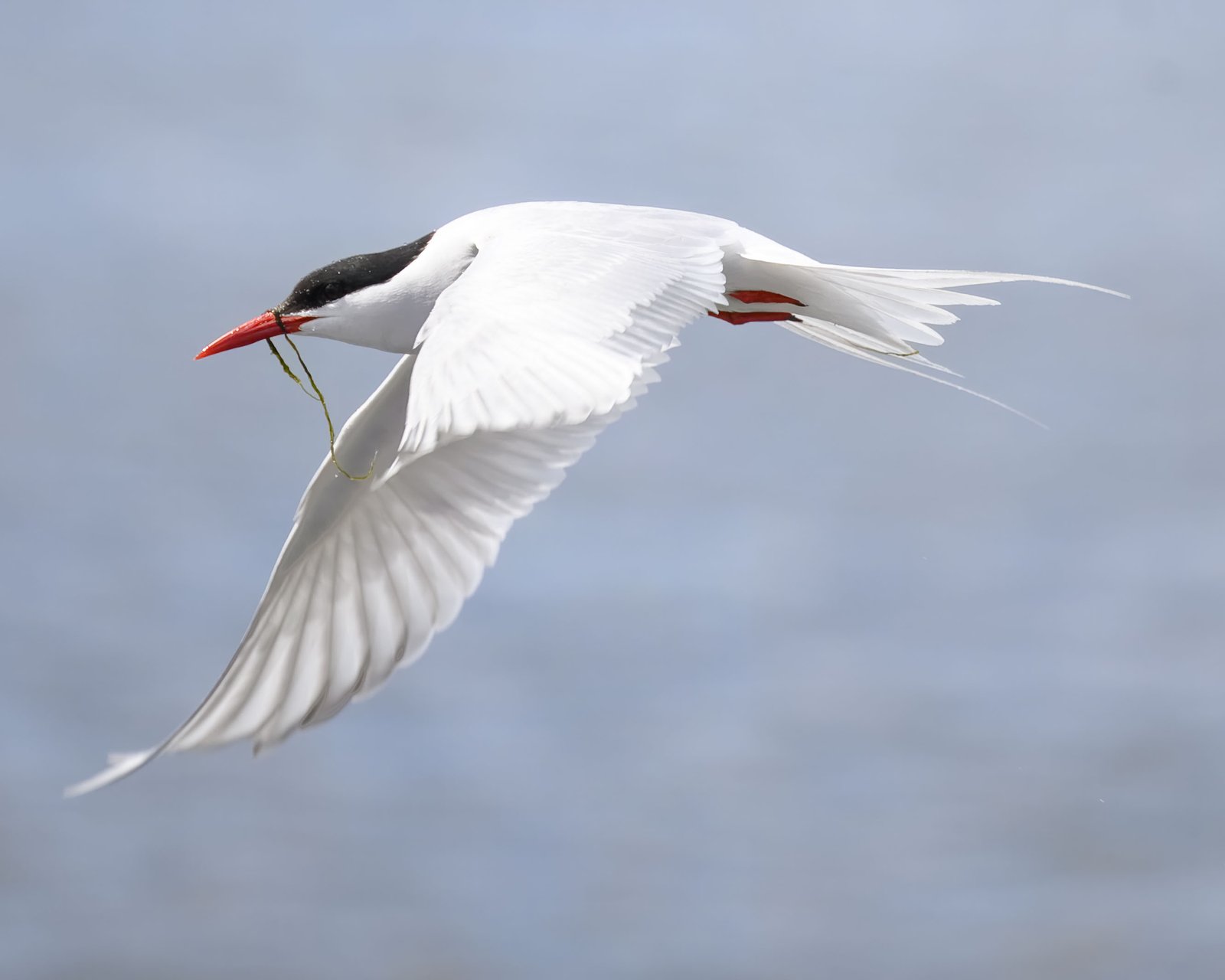
Trinta-réis-de-bico-vermelho
Sterna hirundinacea- Rocky shore and sea cliffs
- Sandy beach and dunes
- Humboldt Current and inshore waters
 Guano islands and seabird colonies
- Tidal flats, lagoons and estuaries
-
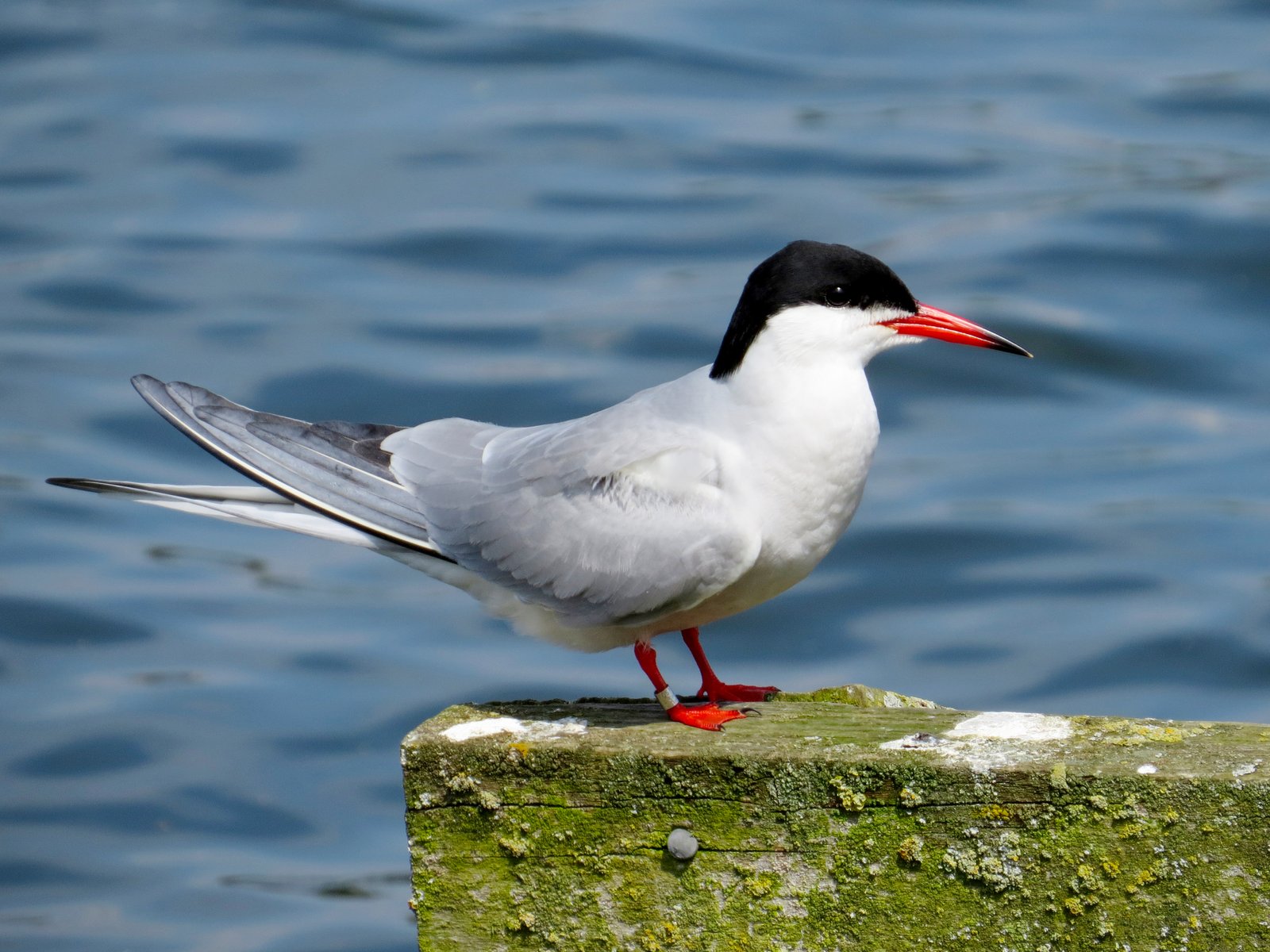
Trinta-réis-boreal
Sterna hirundo- Sandy beach and dunes
- Tidal flats, lagoons and estuaries
- Humboldt Current and inshore waters
- Salt marsh and salt pans
- Lowland rivers and sandbars
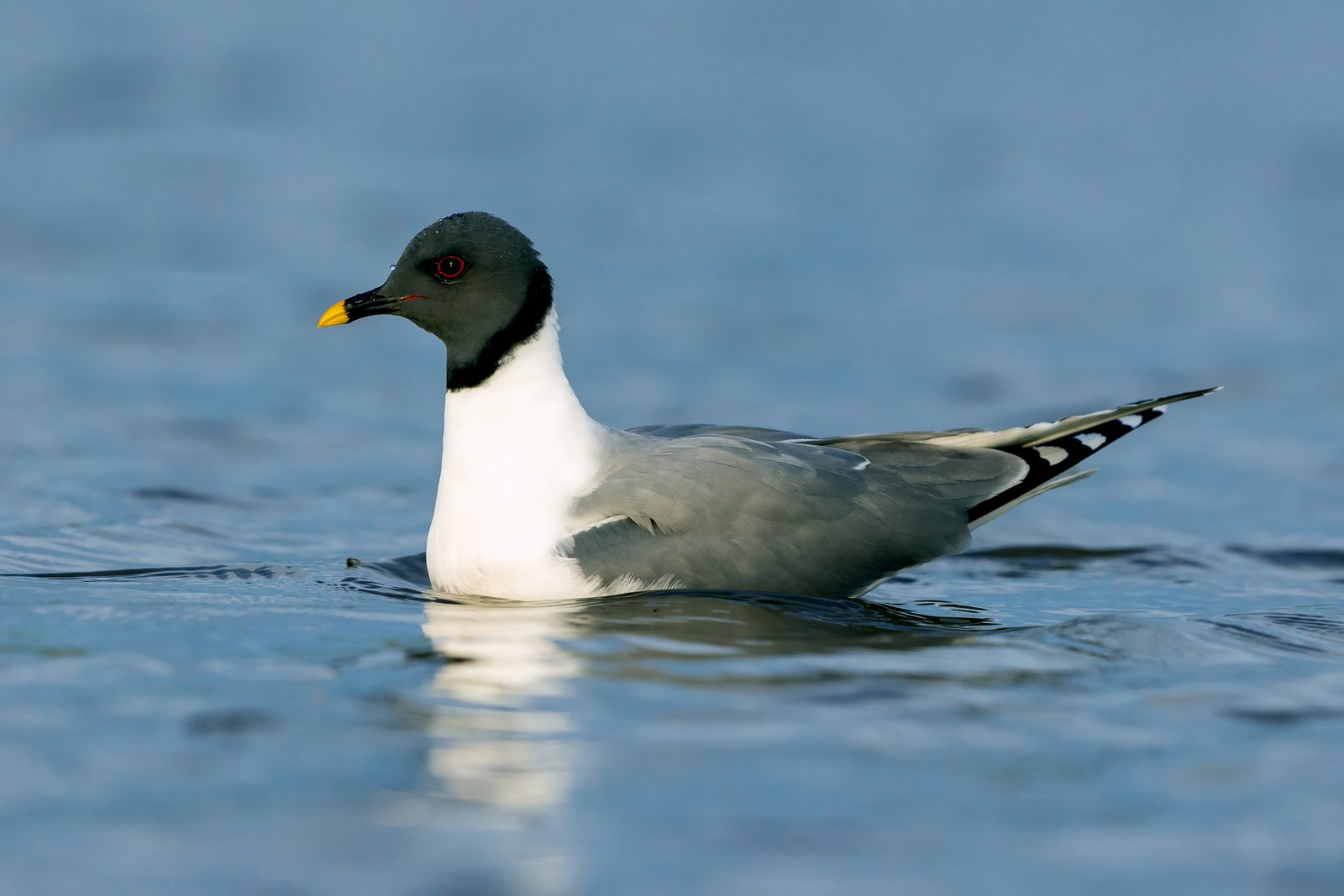
Creagrus 1 espécie
Chroicocephalus 2 espécies
-

Gaivota-de-cabeça-cinza
Chroicocephalus cirrocephalus- Tidal flats, lagoons and estuaries
- Mangrove
- Harbors, dumps and fish ponds
- Sandy beach and dunes
- Lowland lakes and oxbows
-
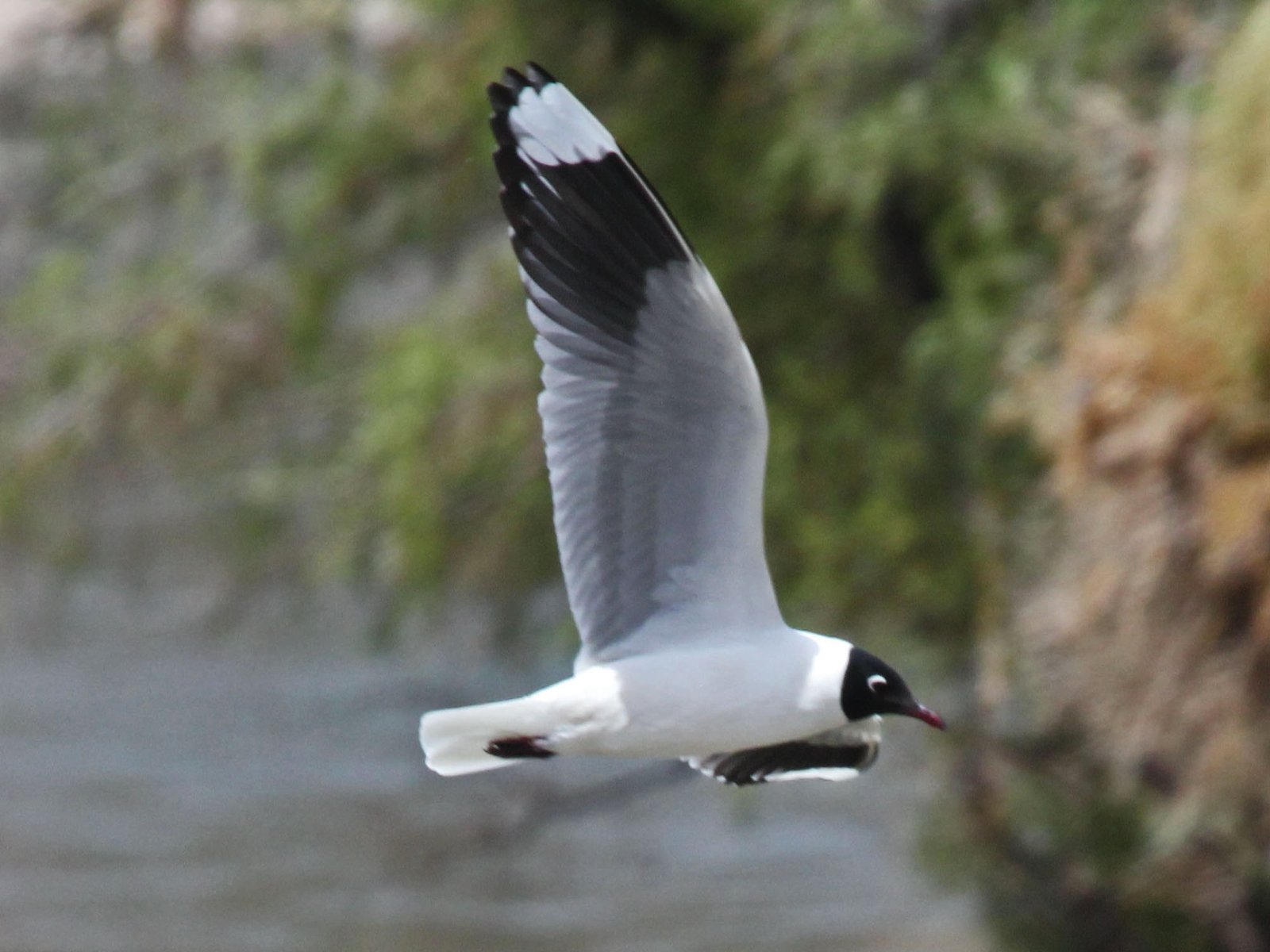
Gaivota-andina
Chroicocephalus serranus- Andean and high-plateau lakes
 Andean bogs and bofedales
 Altiplano salt lakes and salt flats
 Humid puna
 Dry puna and altiplano
- Tidal flats, lagoons and estuaries
Leucophaeus 4 espécies
-
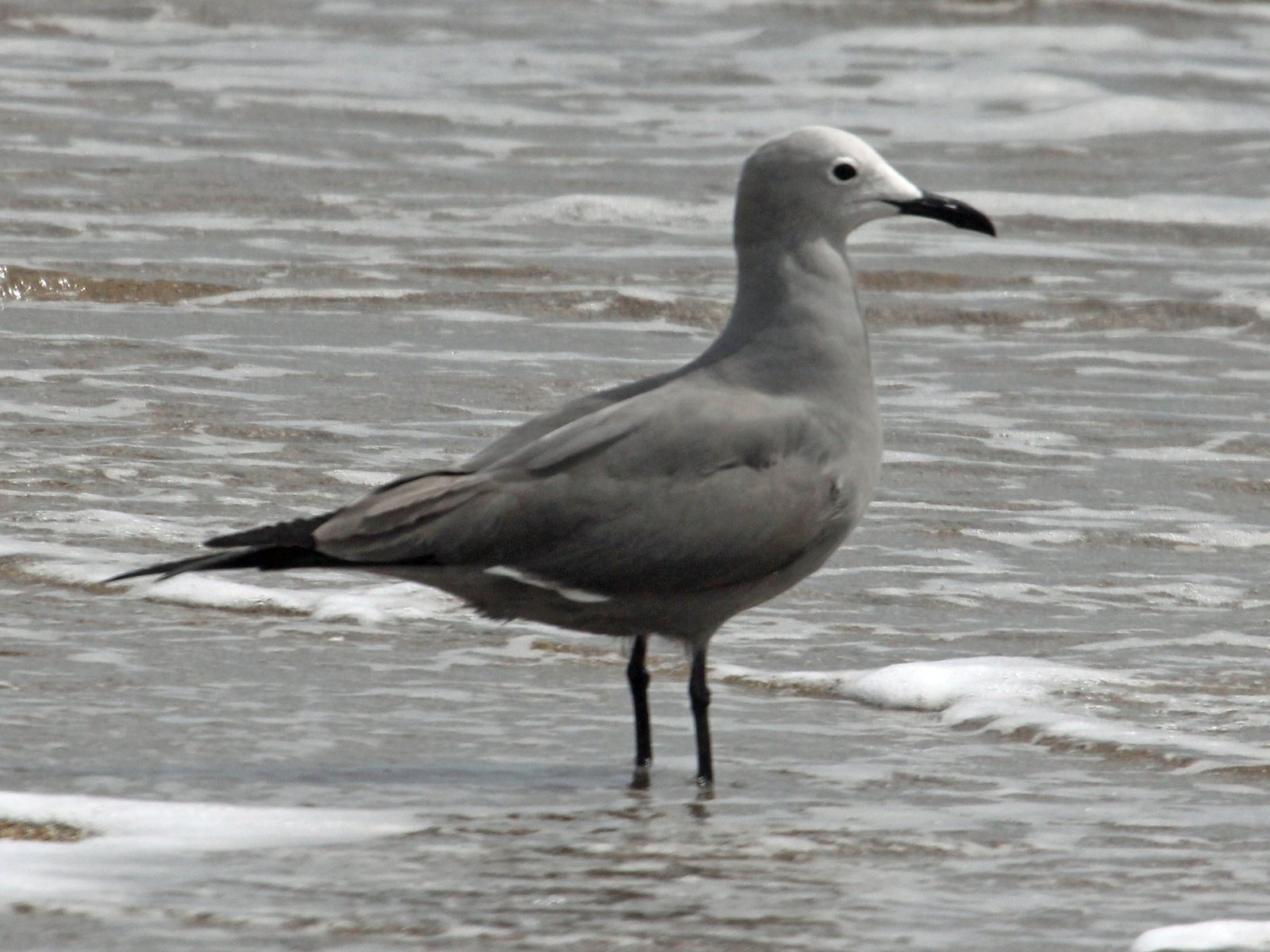
Gaivota-cinzenta
Leucophaeus modestus- Sandy beach and dunes
- Tidal flats, lagoons and estuaries
- Harbors, dumps and fish ponds
- Humboldt Current and inshore waters
- Coastal desert
-
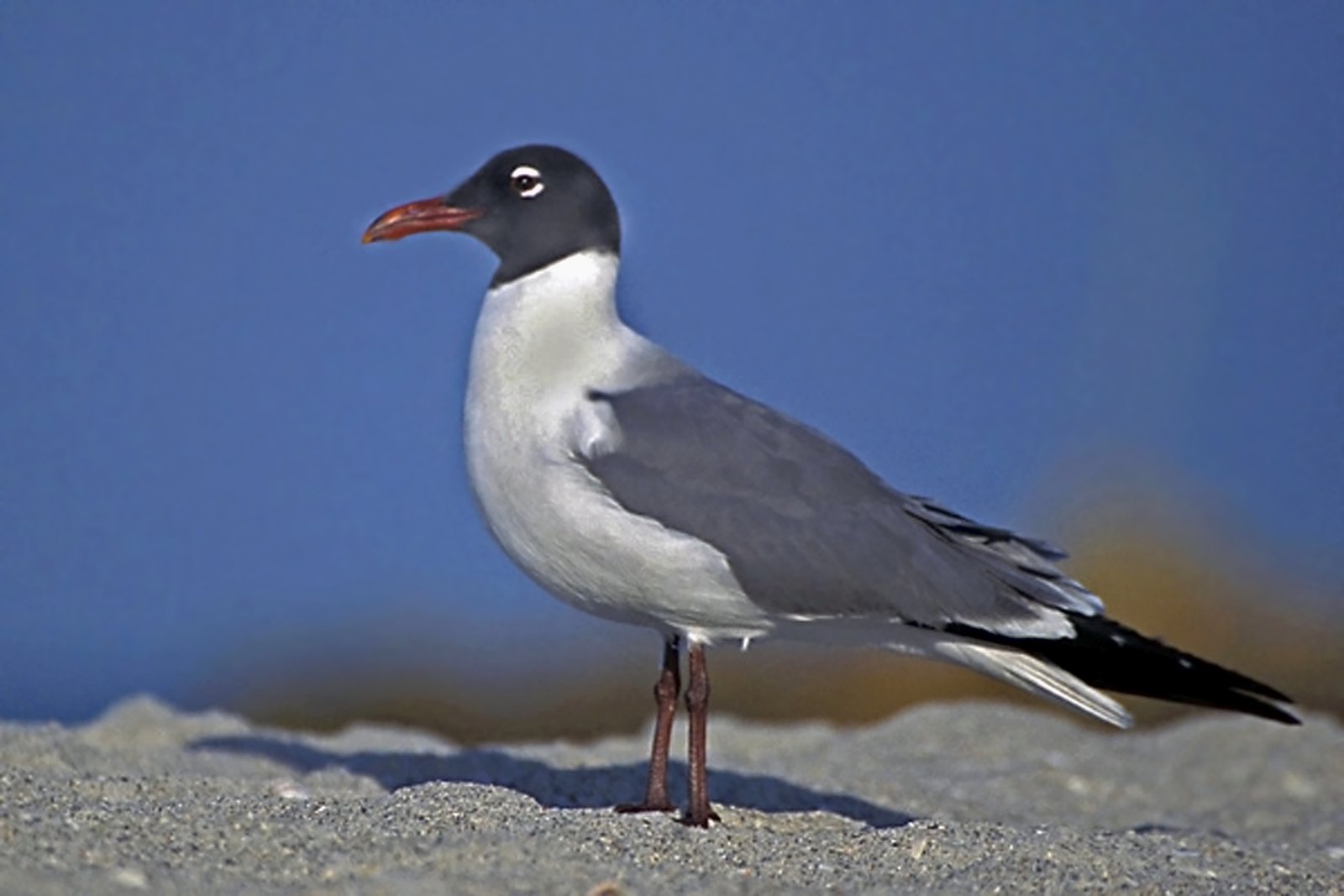
Gaivota-alegre
Leucophaeus atricilla- Tidal flats, lagoons and estuaries
- Sandy beach and dunes
- Mangrove
- Harbors, dumps and fish ponds
- Humboldt Current and inshore waters
-
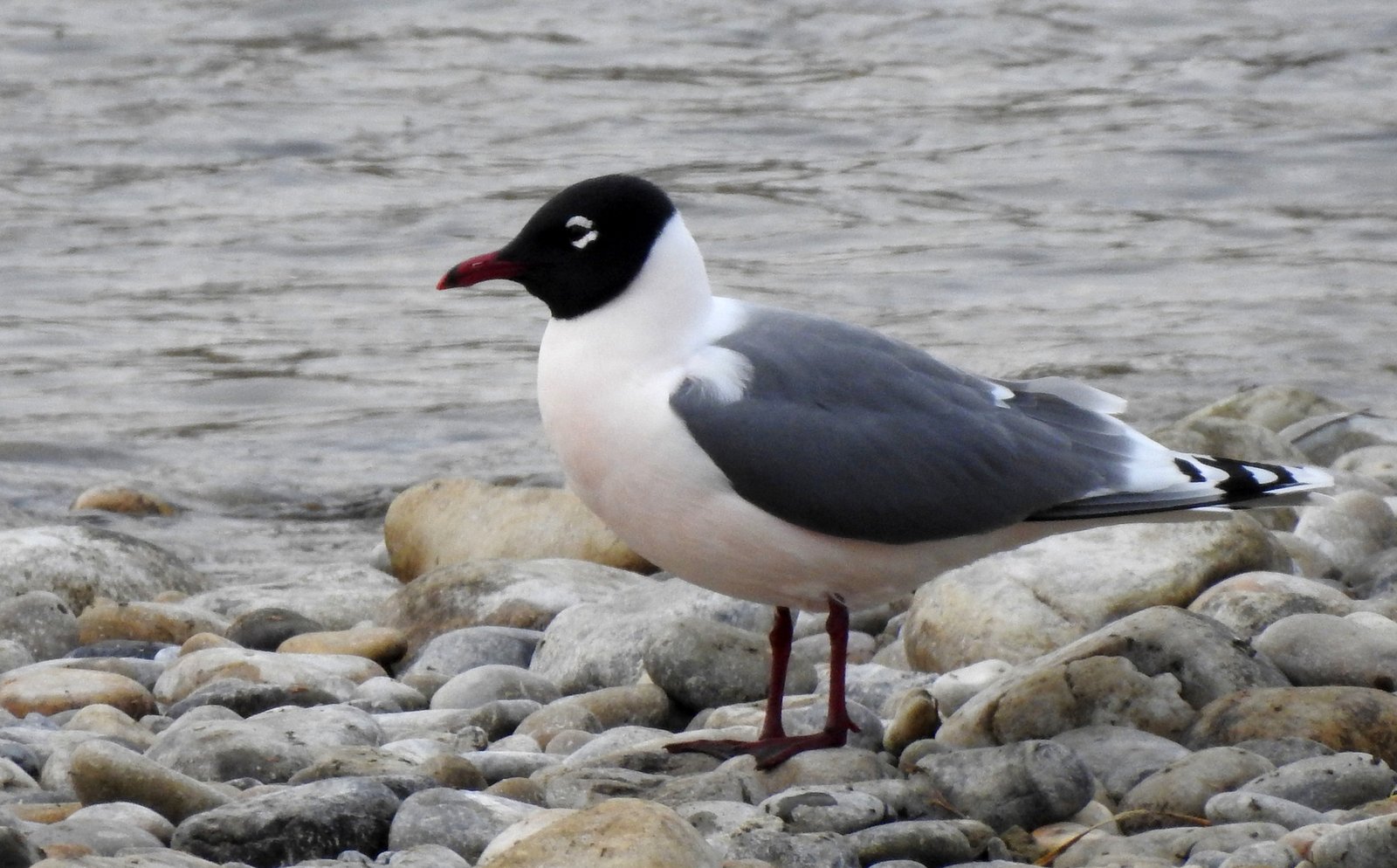
Gaivota-de-franklin
Leucophaeus pipixcan- Sandy beach and dunes
- Tidal flats, lagoons and estuaries
- Humboldt Current and inshore waters
- Harbors, dumps and fish ponds
- Andean and high-plateau lakes
 Irrigated farmland and rice fields
-
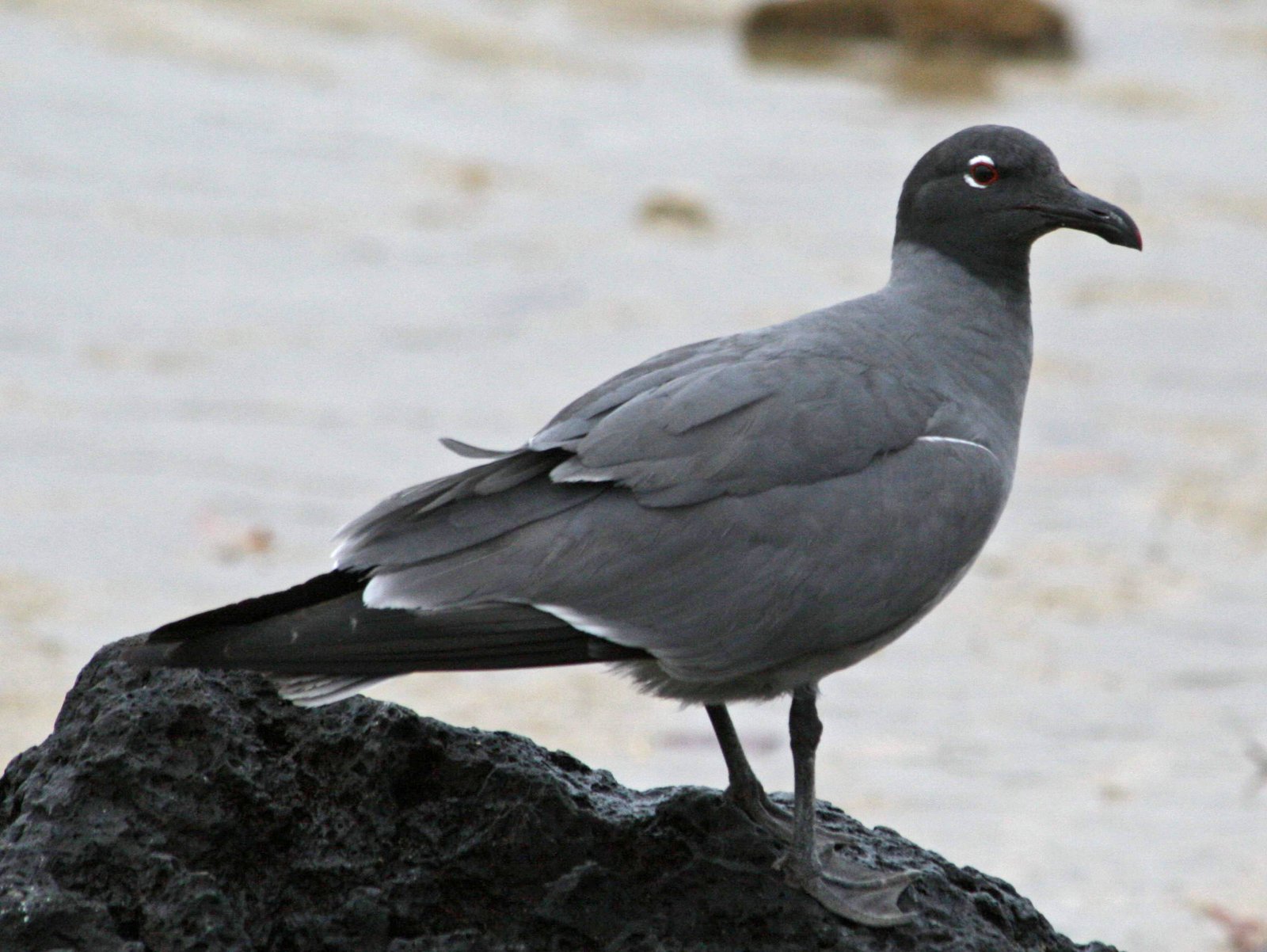
Gaivota-de-lava
Leucophaeus fuliginosus Galápagos coast and lava fields
- Tidal flats, lagoons and estuaries
- Harbors, dumps and fish ponds
- Mangrove
- Rocky shore and sea cliffs
Larus 5 espécies
-
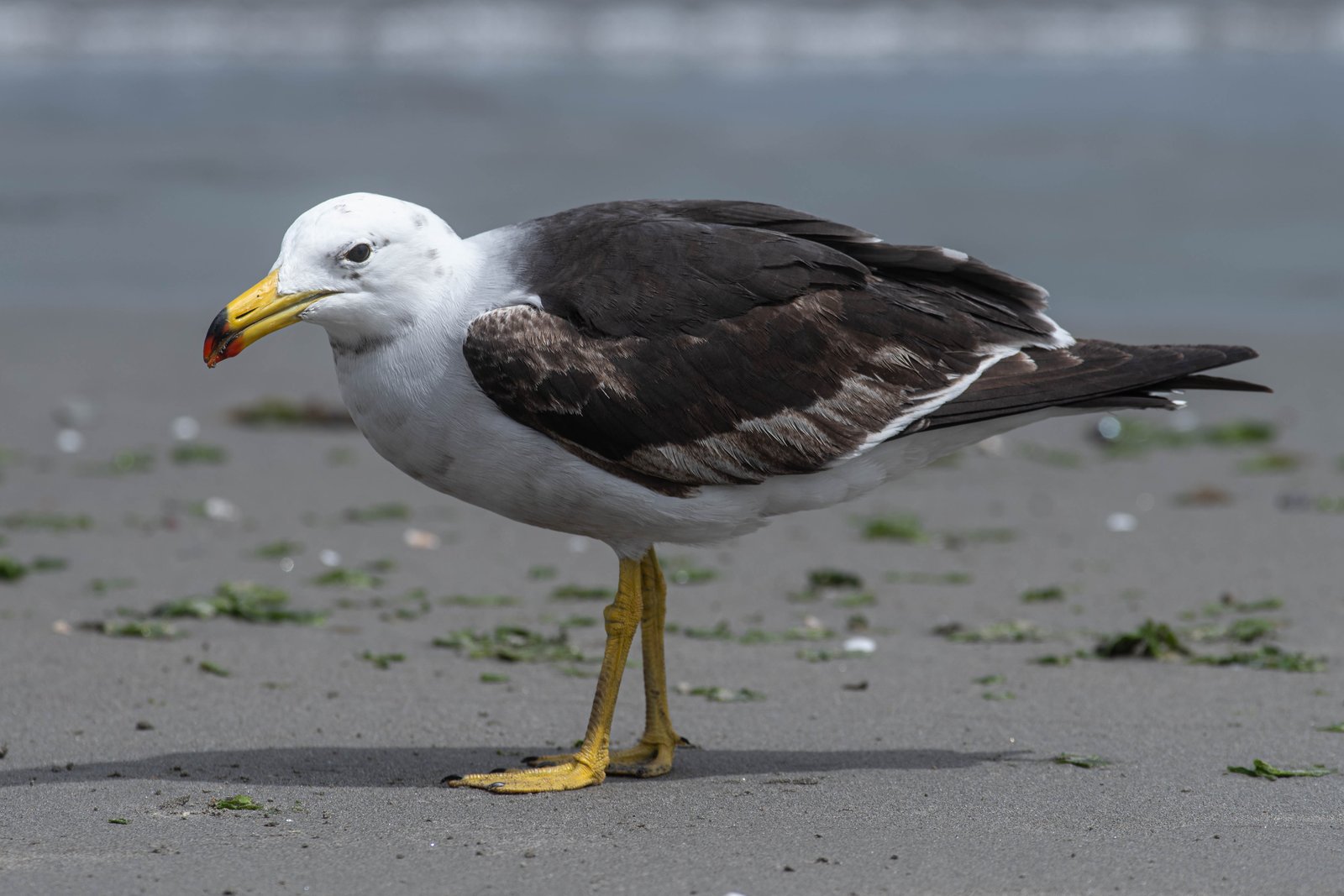
Gaivota-de-belcher
Larus belcheri- Rocky shore and sea cliffs
- Sandy beach and dunes
- Harbors, dumps and fish ponds
- Guano islands and seabird colonies
- Humboldt Current and inshore waters
-
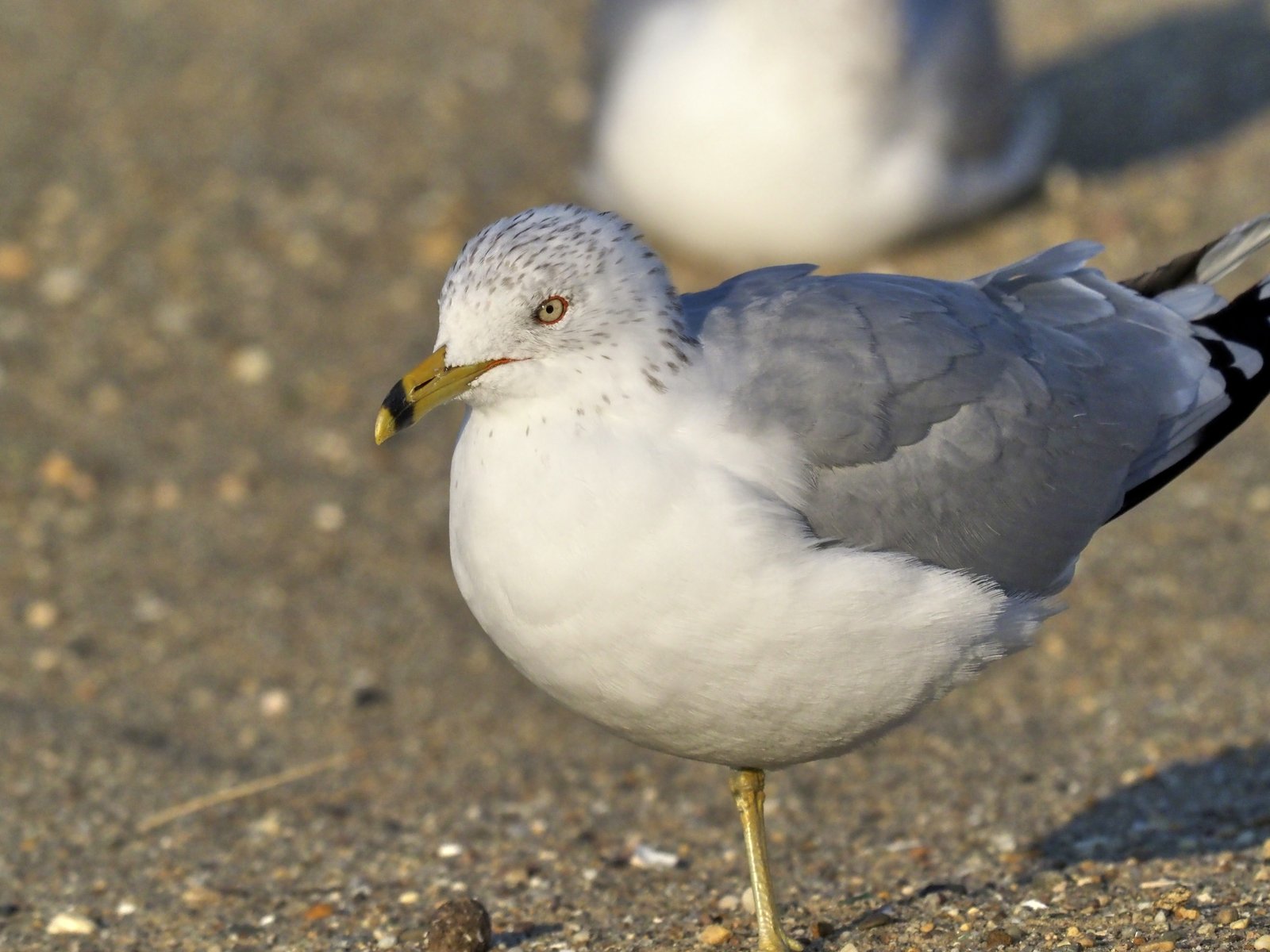
Gaivota-de-bico-manchado
Larus delawarensis- Tidal flats, lagoons and estuaries
- Sandy beach and dunes
- Harbors, dumps and fish ponds
- Lowland lakes and oxbows
-
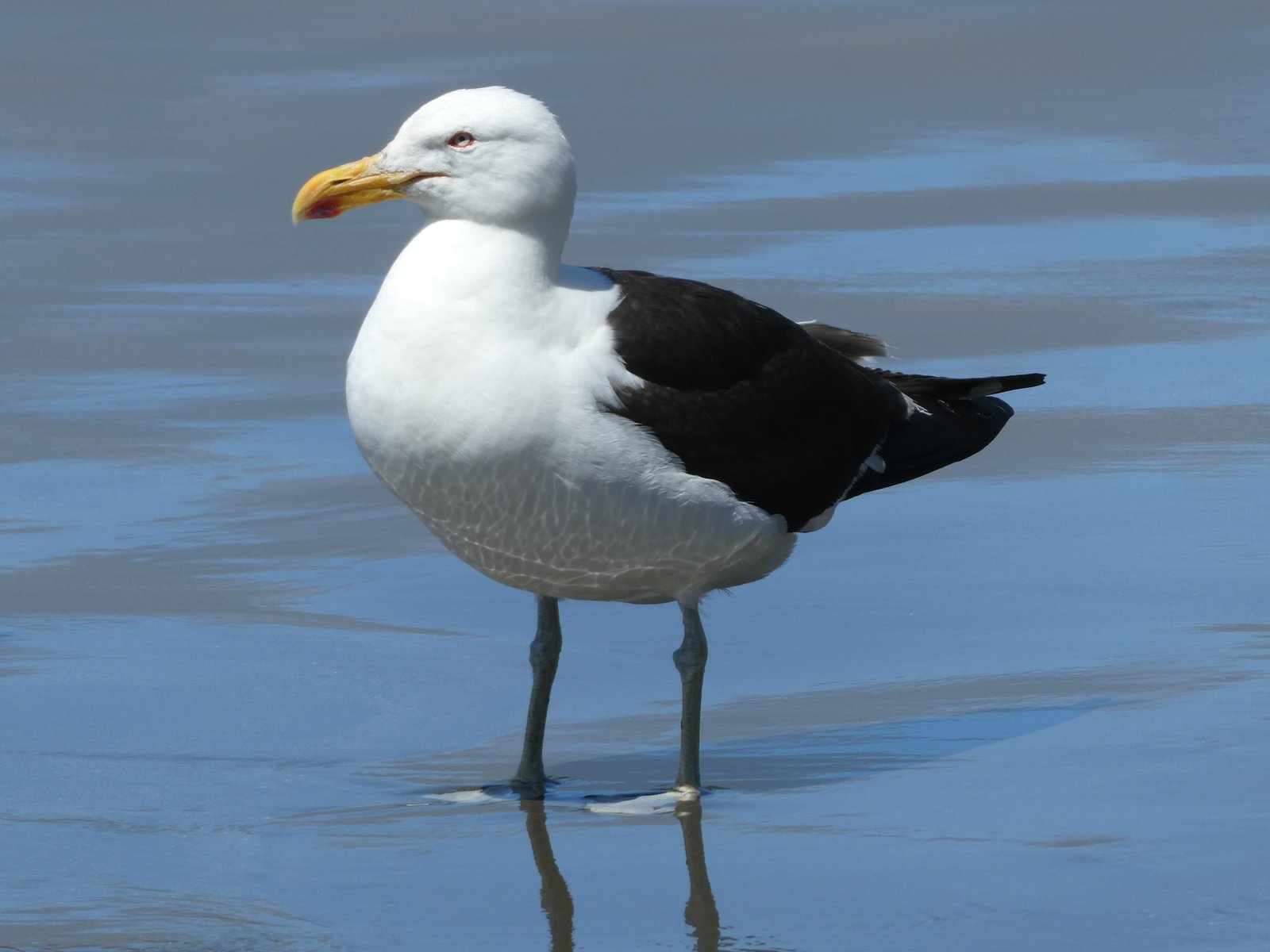
Gaivotão
Larus dominicanus- Rocky shore and sea cliffs
- Sandy beach and dunes
- Tidal flats, lagoons and estuaries
- Harbors, dumps and fish ponds
- Humboldt Current and inshore waters
-
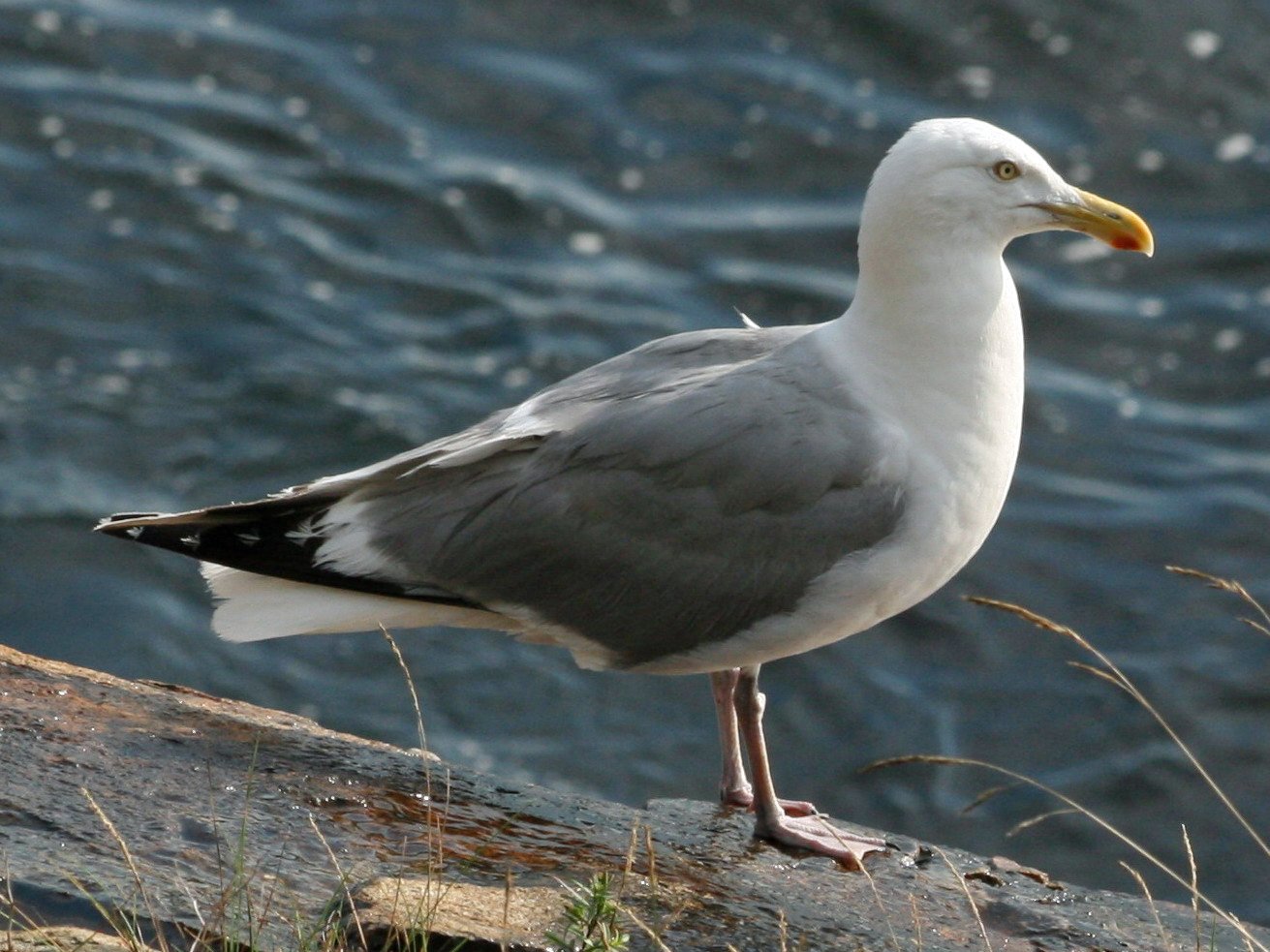
Gaivota-prateada-americana
Larus smithsonianus- Tidal flats, lagoons and estuaries
- Sandy beach and dunes
- Harbors, dumps and fish ponds
- Humboldt Current and inshore waters
- Lowland lakes and oxbows
-
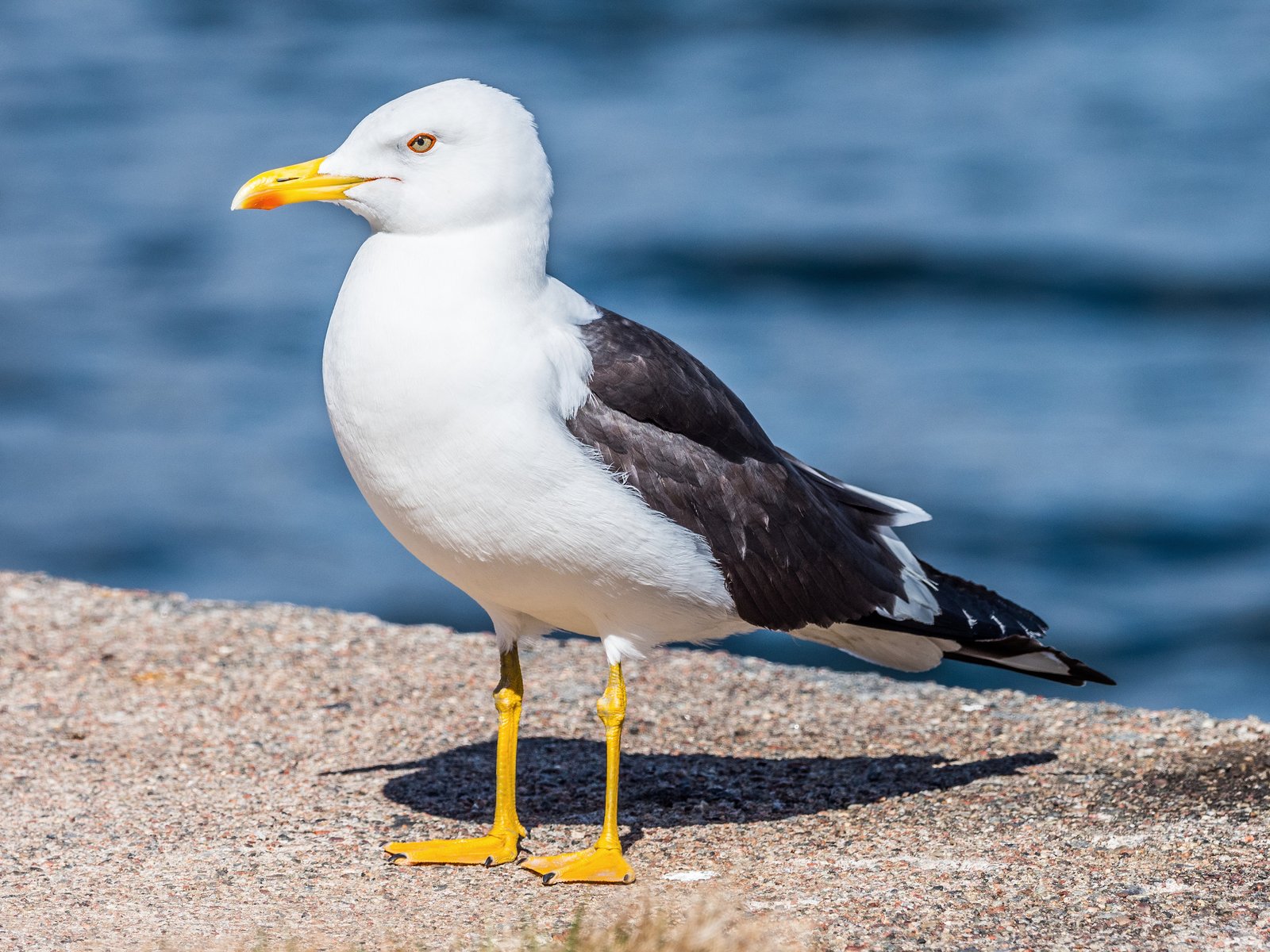
Gaivota-de-asa-escura
Larus fuscus- Tidal flats, lagoons and estuaries
- Sandy beach and dunes
- Harbors, dumps and fish ponds
- Lowland lakes and oxbows
Vagantes 9 espécies
Aves trazidas pelo vento de outros continentes. Não têm área de distribuição aqui e, por isso, não têm mapa de distribuição.
-
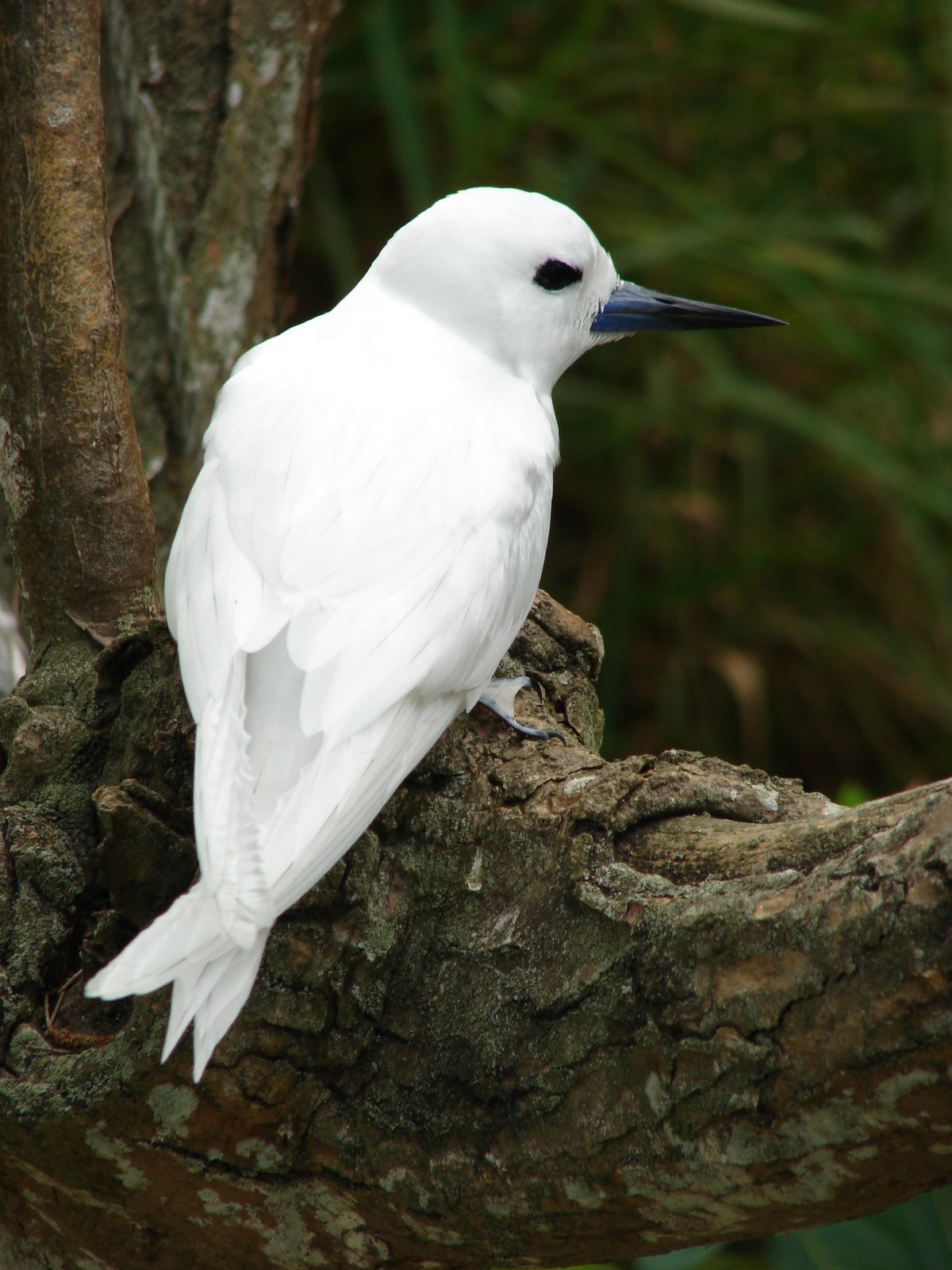
Grazina-de-bico-azul
Gygis candida- Open ocean
-
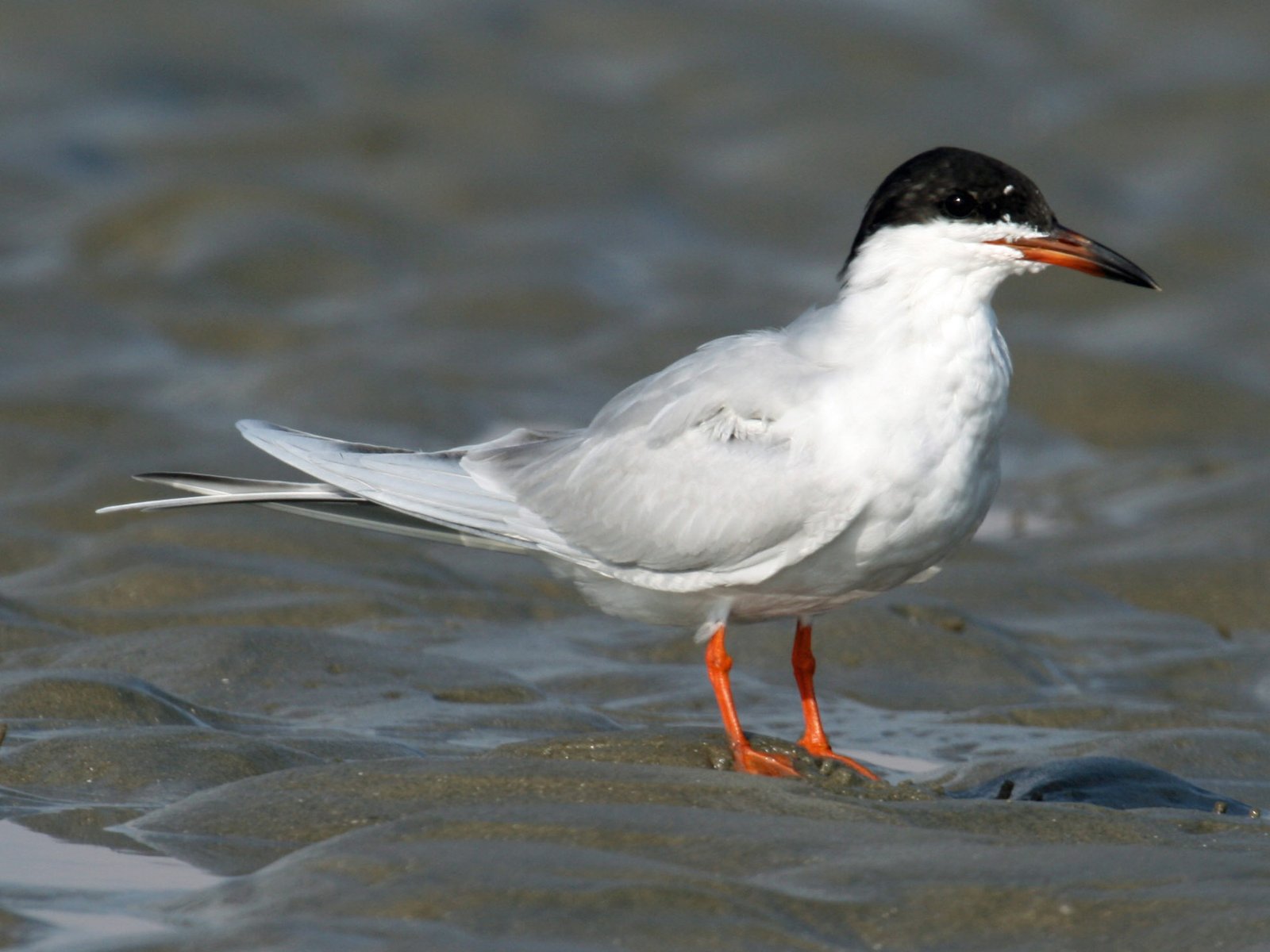
Trinta-réis-de-forster
Sterna forsteri- Tidal flats, lagoons and estuaries
- Salt marsh and salt pans
- Sandy beach and dunes
-
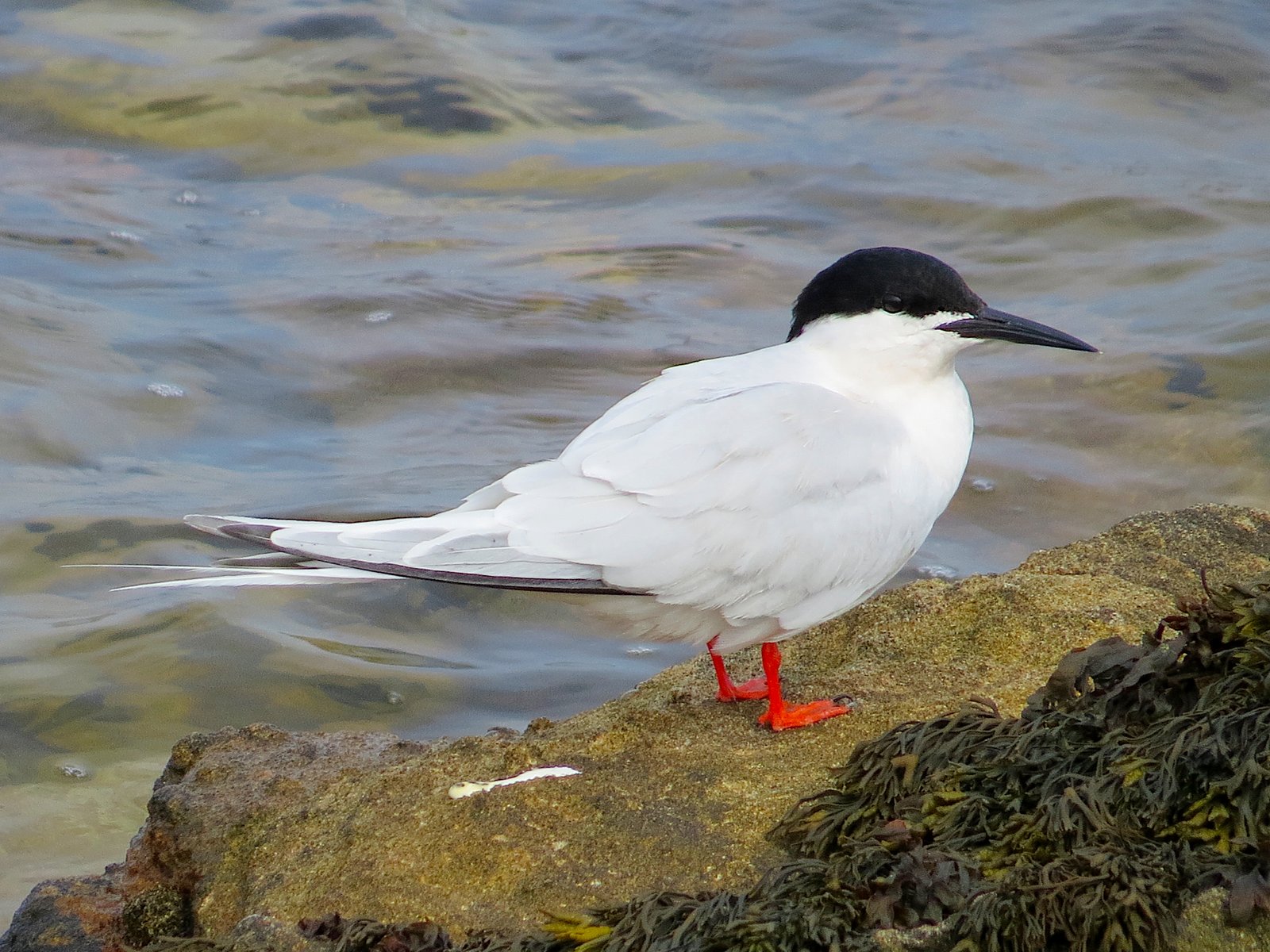
Trinta-réis-róseo
Sterna dougallii- Rocky shore and sea cliffs
- Sandy beach and dunes
- Open ocean
-
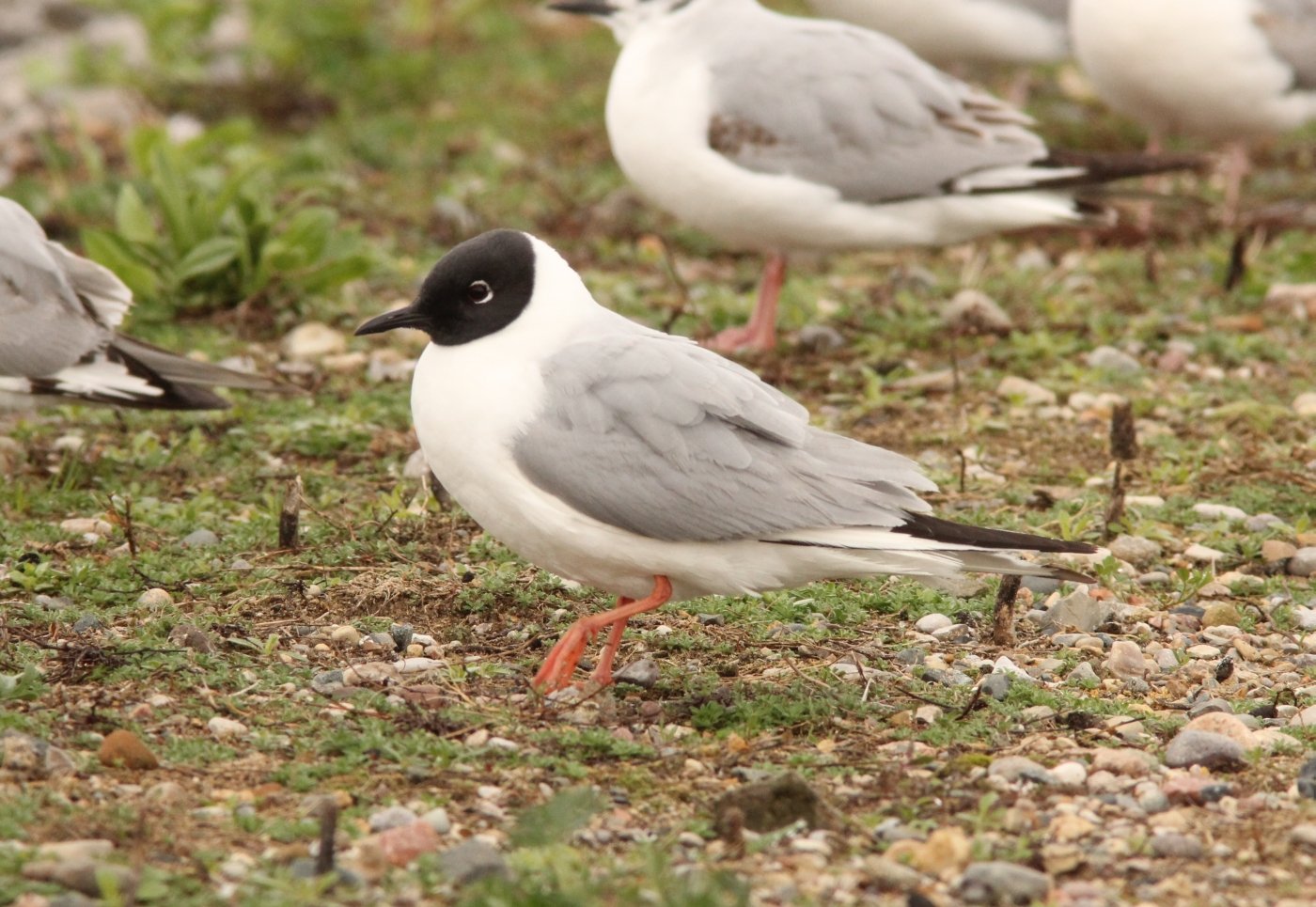
Gaivota-de-bonaparte
Chroicocephalus philadelphia- Tidal flats, lagoons and estuaries
- Humboldt Current and inshore waters
- Harbors, dumps and fish ponds
-
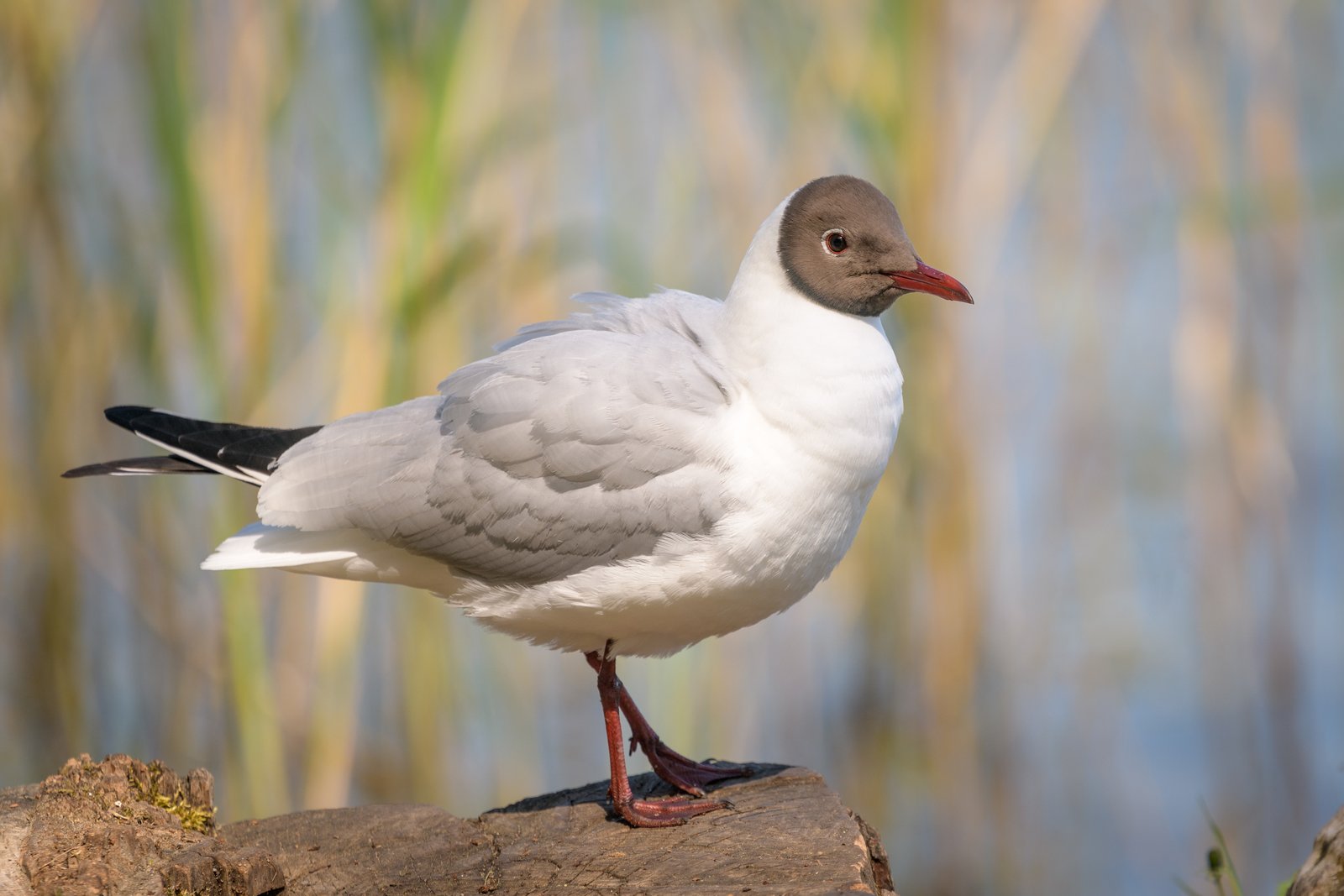
Gaivota-de-cabeça-preta
Chroicocephalus ridibundus- Tidal flats, lagoons and estuaries
- Harbors, dumps and fish ponds
- Lowland lakes and oxbows
-
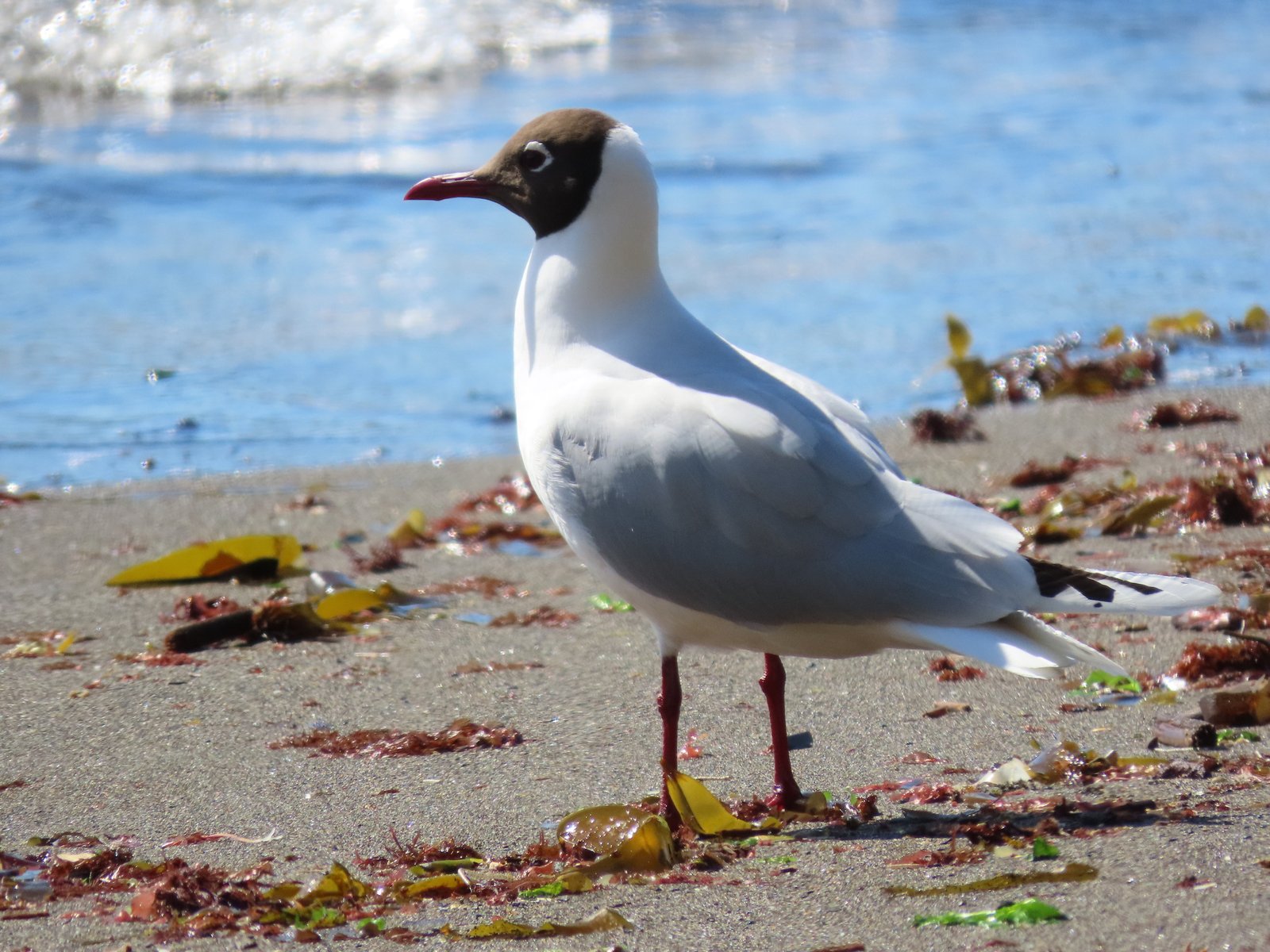
Gaivota-maria-velha
Chroicocephalus maculipennis- Tidal flats, lagoons and estuaries
- Lowland lakes and oxbows
- Harbors, dumps and fish ponds
-
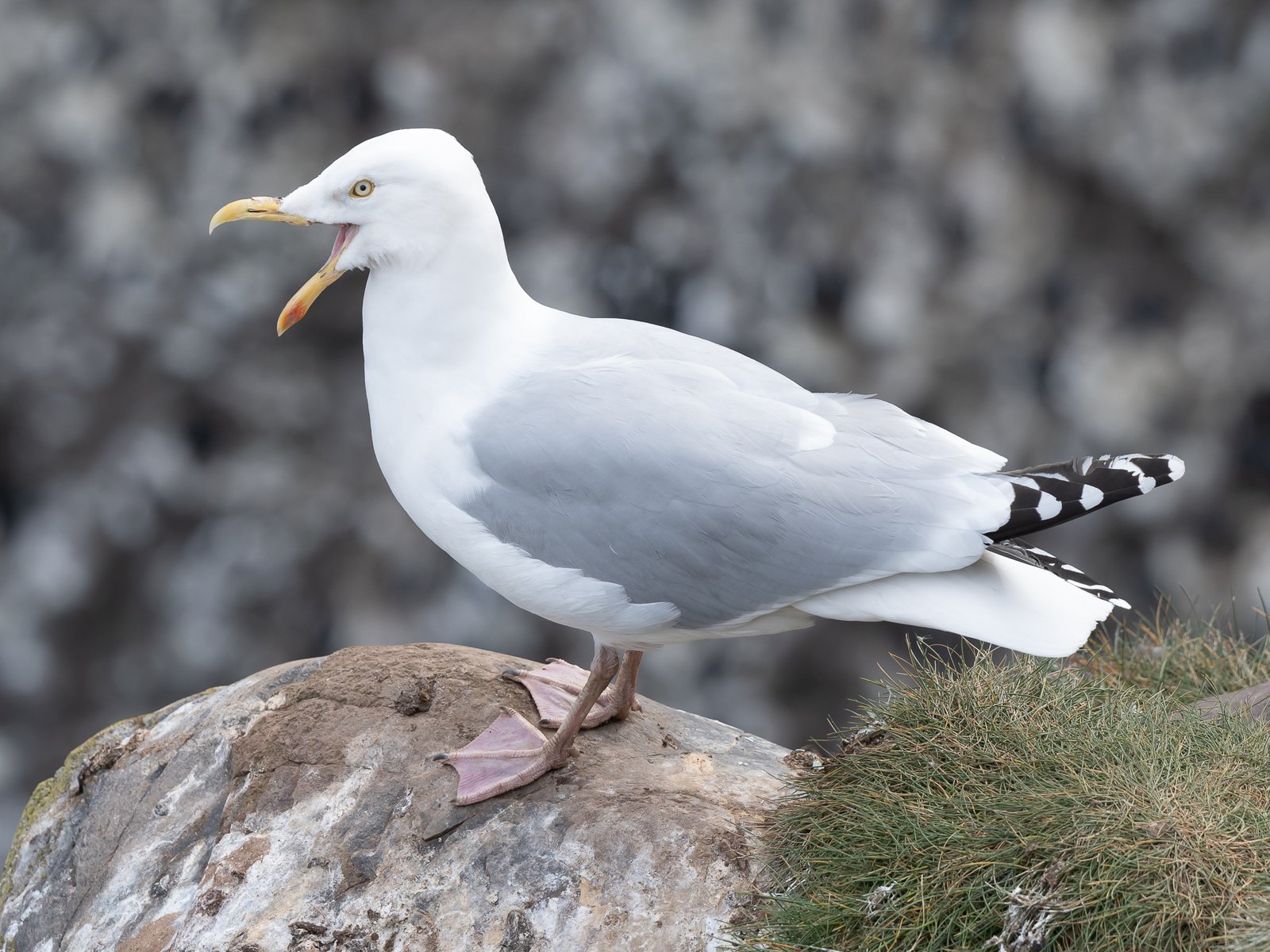
Gaivota-prateada-europeia
Larus argentatus- Tidal flats, lagoons and estuaries
- Sandy beach and dunes
- Harbors, dumps and fish ponds
-
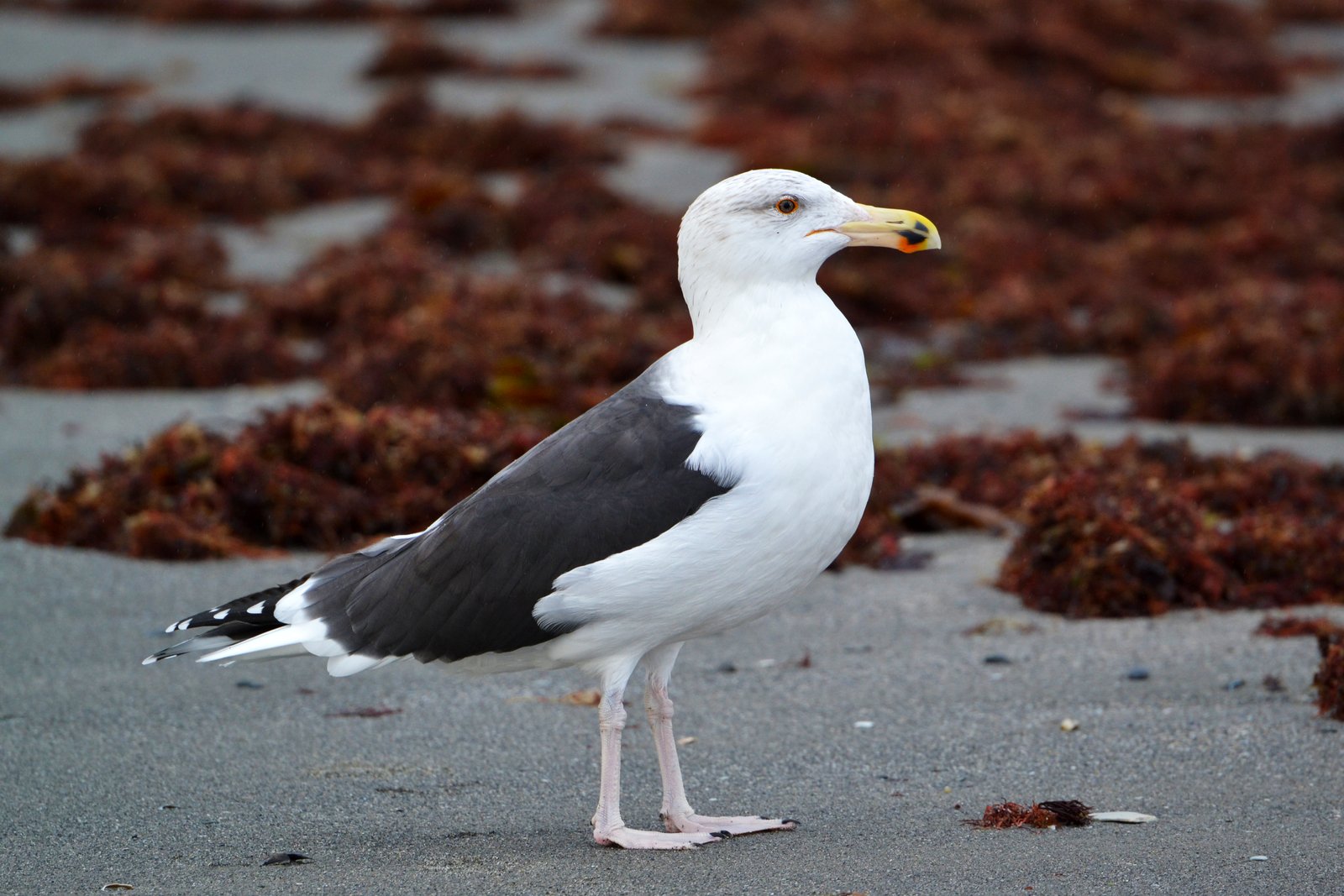
Gaivotão-de-costas-negras
Larus marinus- Tidal flats, lagoons and estuaries
- Sandy beach and dunes
- Harbors, dumps and fish ponds
-
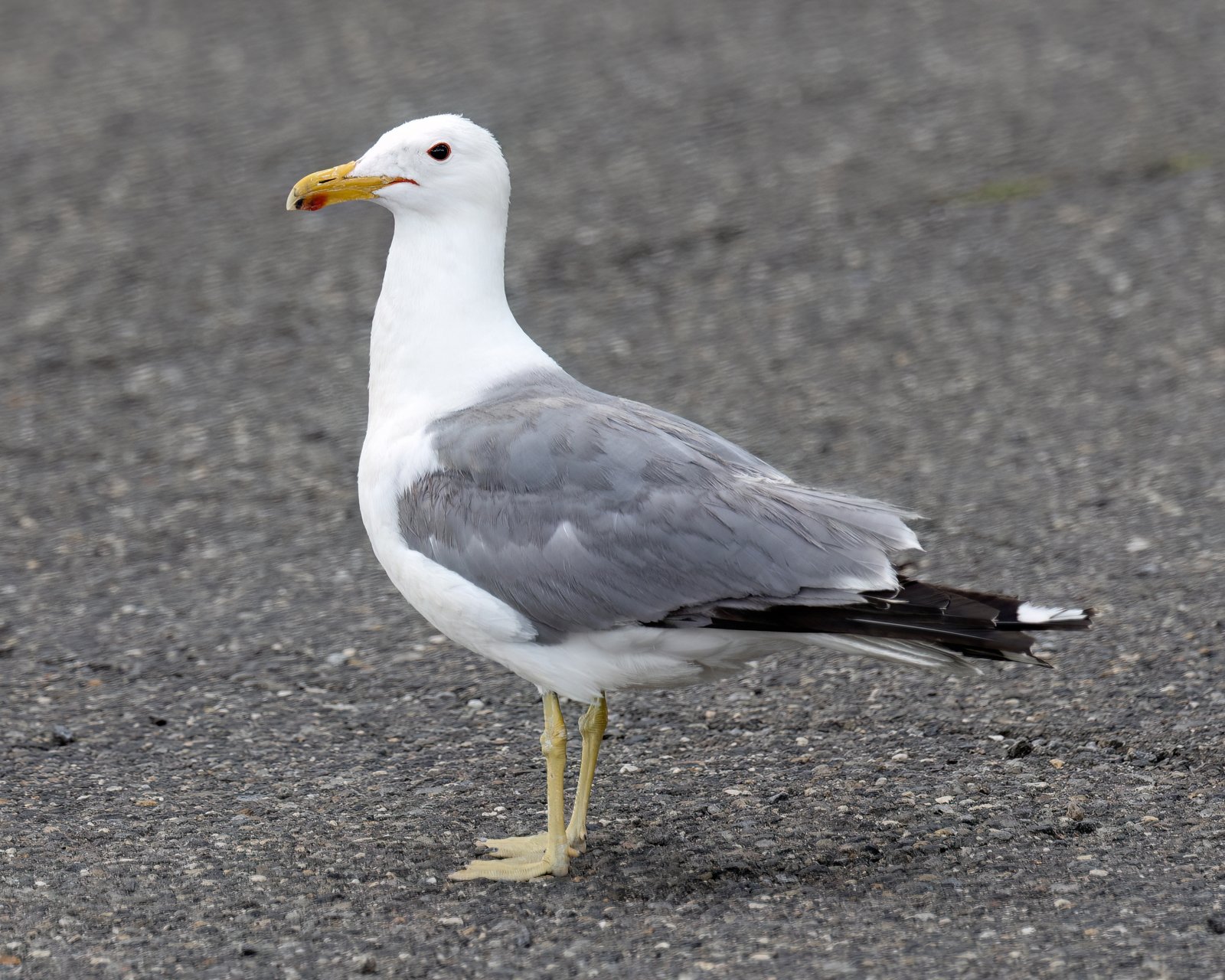
Gaivota-da-califórnia
Larus californicus- Tidal flats, lagoons and estuaries
- Sandy beach and dunes
- Harbors, dumps and fish ponds