Todas as espécies › Passerines › Tyrant flycatchers and allies
Tyrant flycatchers and allies | Tyrannidae
Tirannen | Tyrant flycatchers and allies | Tiránidos
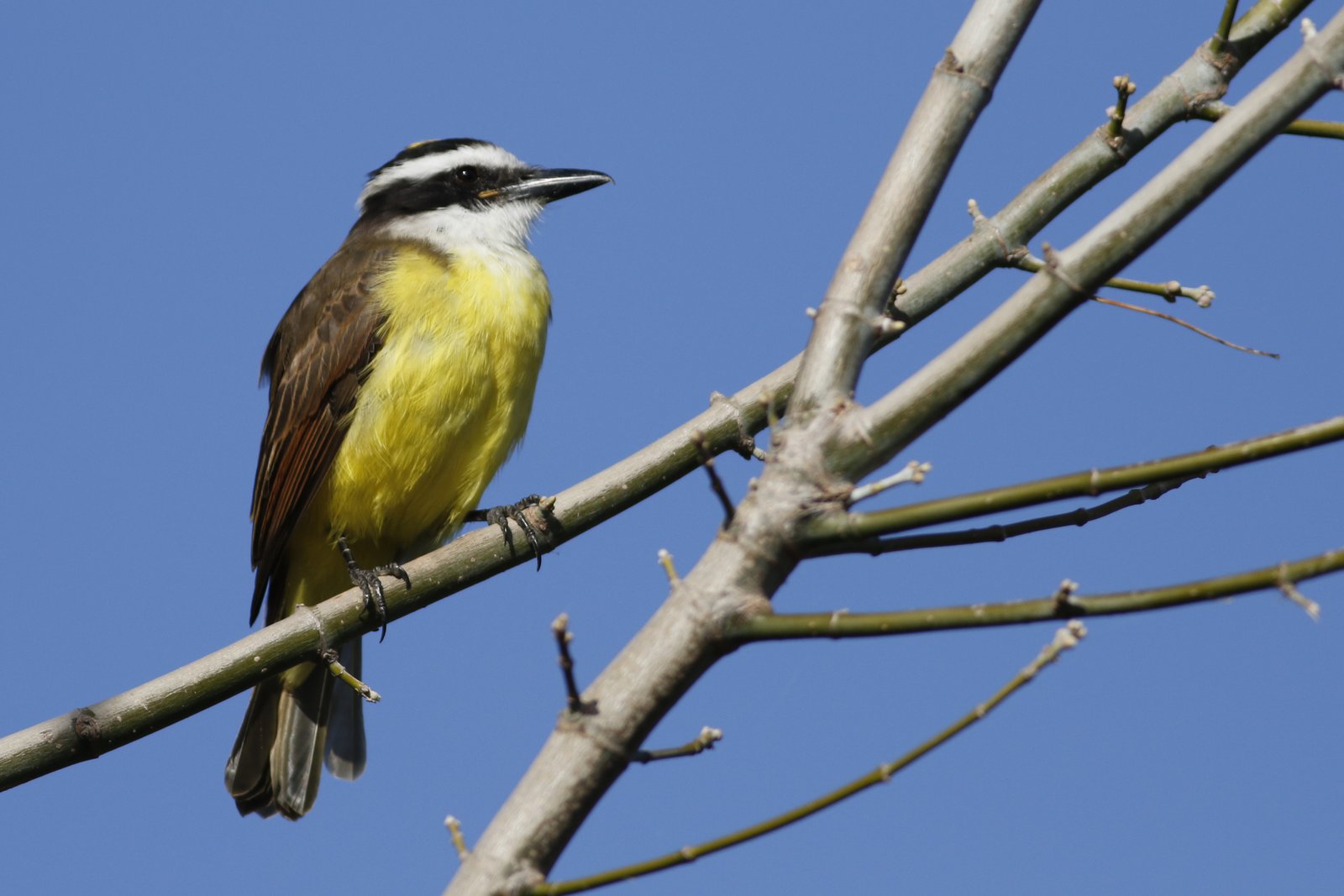
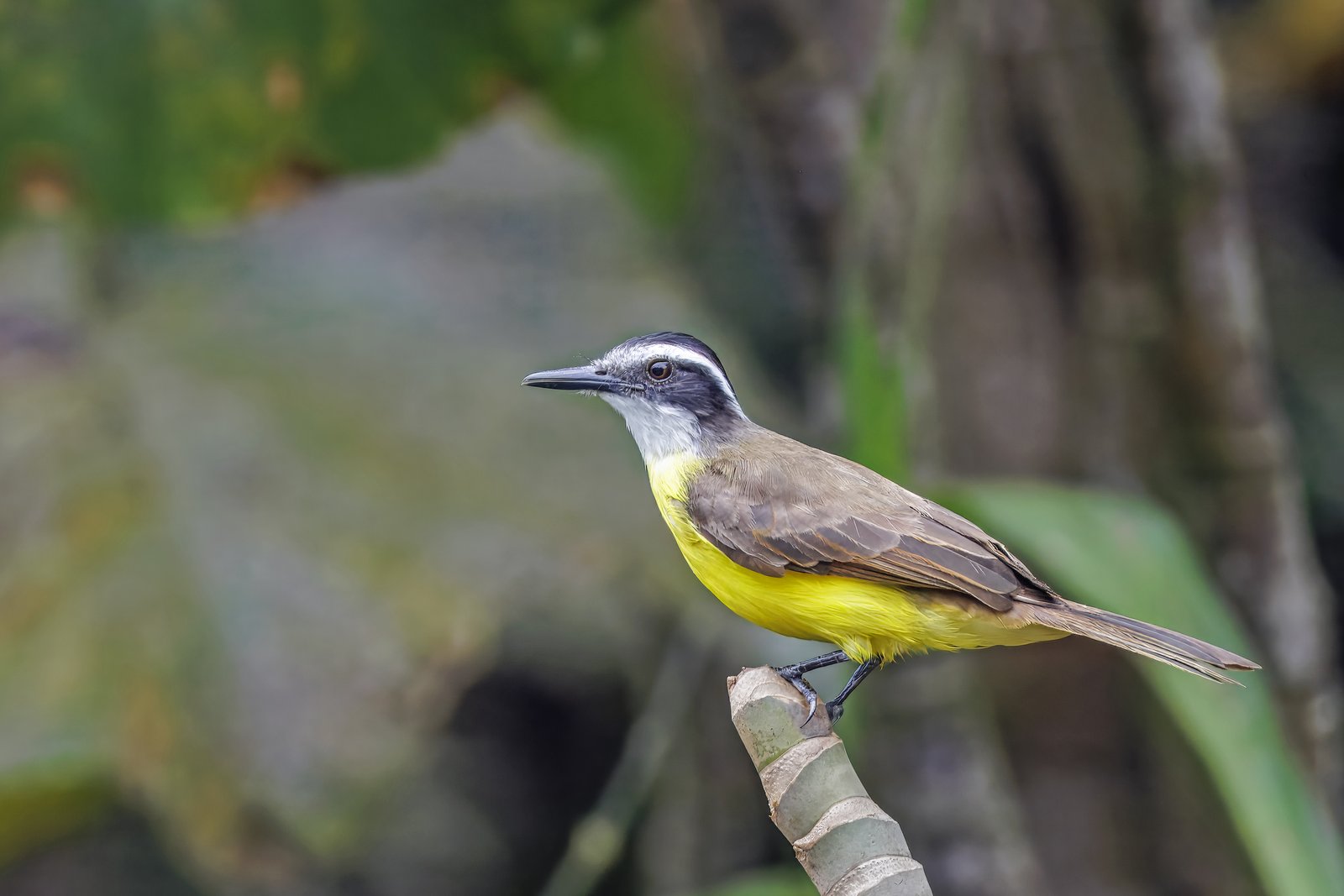
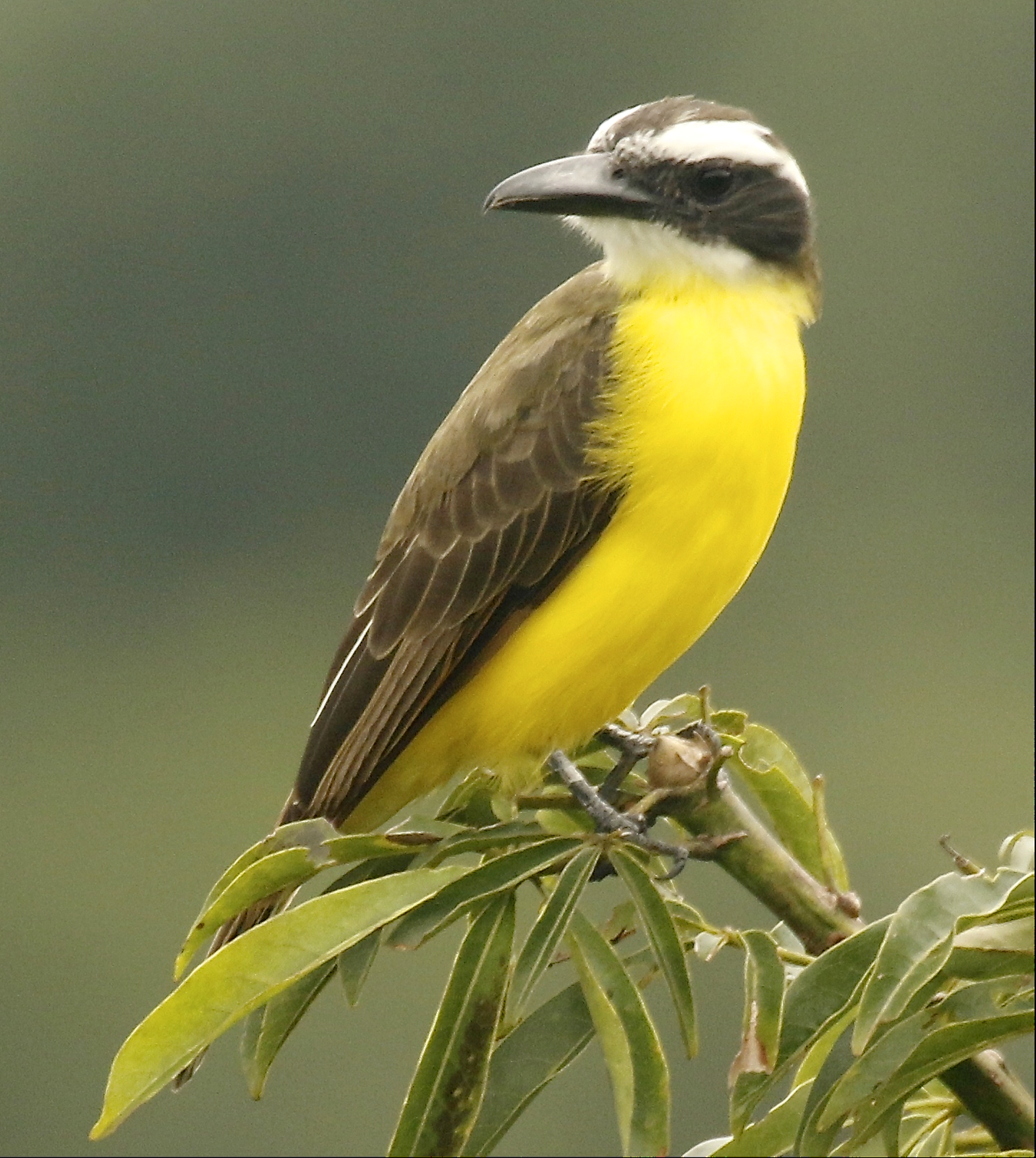
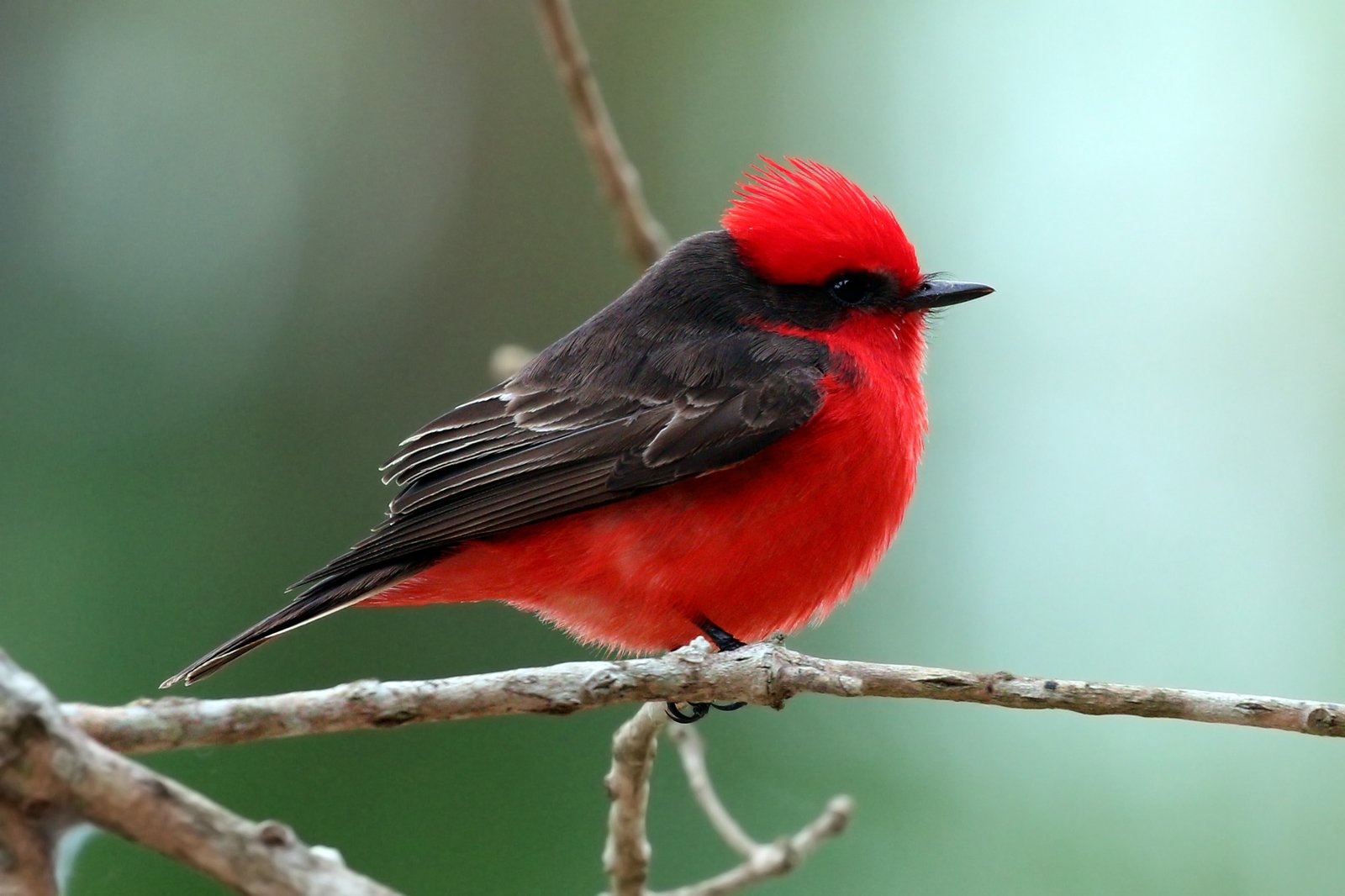
The largest bird family of the Americas and also the largest in this guide, with three hundred and one species in ninety-six genera, from the coastal desert and dry forest along the Pacific to the Amazon rainforest, cloud forest and the páramo and puna high in the Andes, and in towns and gardens. They are suboscines, whose song is innate rather than learned. Most have a rather broad, flat bill with bristles at the gape and catch insects by sallying from a perch to snatch them in flight or pick them from a leaf; many also eat fruit, and the Great Kiskadee even takes small fish and frogs. Size ranges from the pygmy tyrants, among the smallest songbirds in the world, to the robust kingbirds, which fiercely drive much larger birds from their territories. High in the Andes live the ground tyrants, which run over bare ground like wheatears, and on the Galápagos the Galapagos Flycatcher. Many species are olive and grey with wing bars and can be told apart only by voice and behaviour, but the male Vermilion Flycatcher is fiery red and the kiskadees are bright yellow with a black-and-white striped head. In the northern winter migrants from North America arrive, such as species of Empidonax and Contopus, and in the southern winter migrants from the south of the continent. Nests are highly varied: open cups, domed globes, long hanging pouches and cavities.
Espécies nativas 297 espécies
Espécies que ocorrem aqui naturalmente: reprodutoras, visitantes de inverno e migrantes de passagem. Estão organizadas por gênero, na sequência da lista.
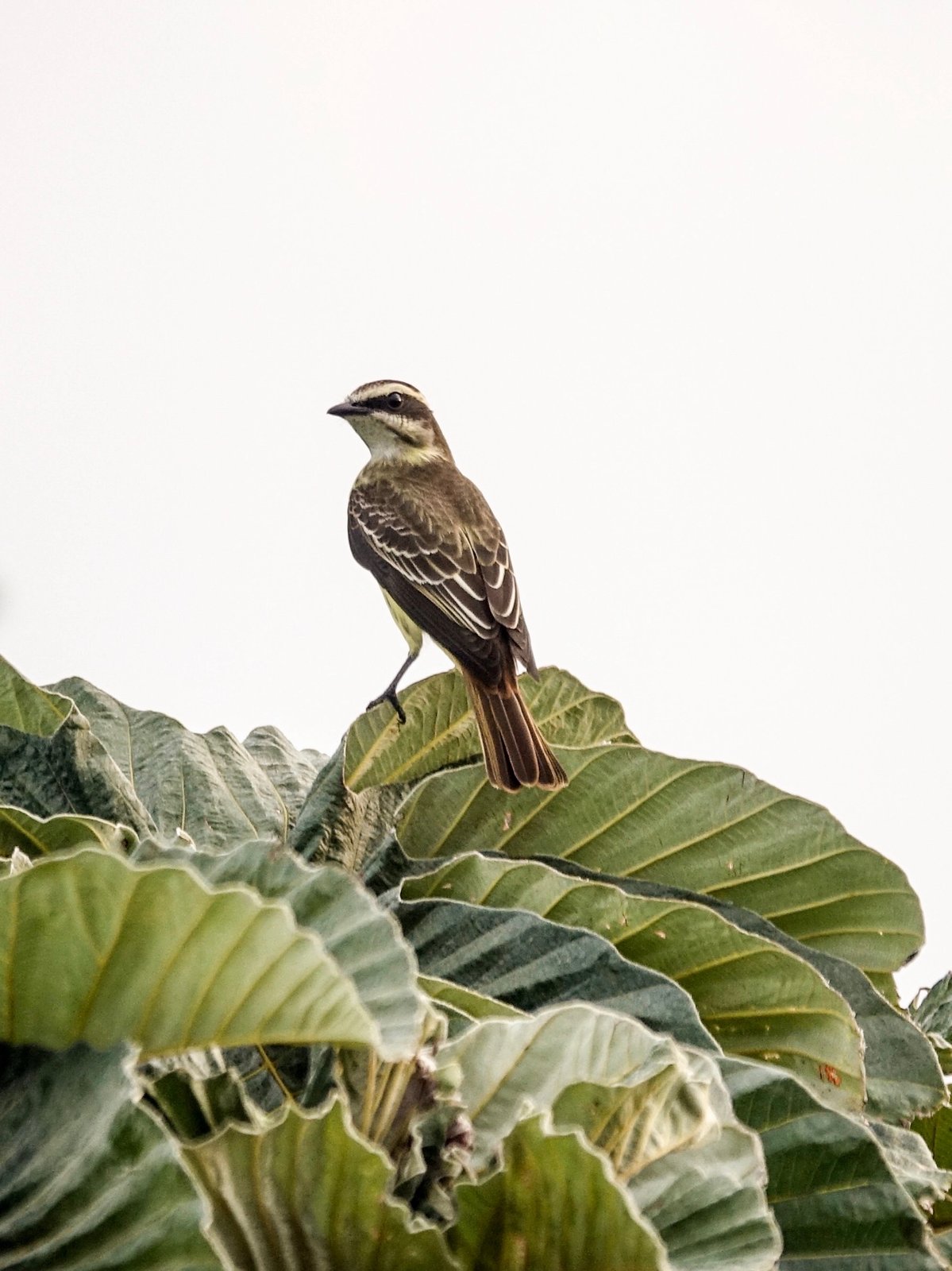
Zimmerius 7 espécies
-
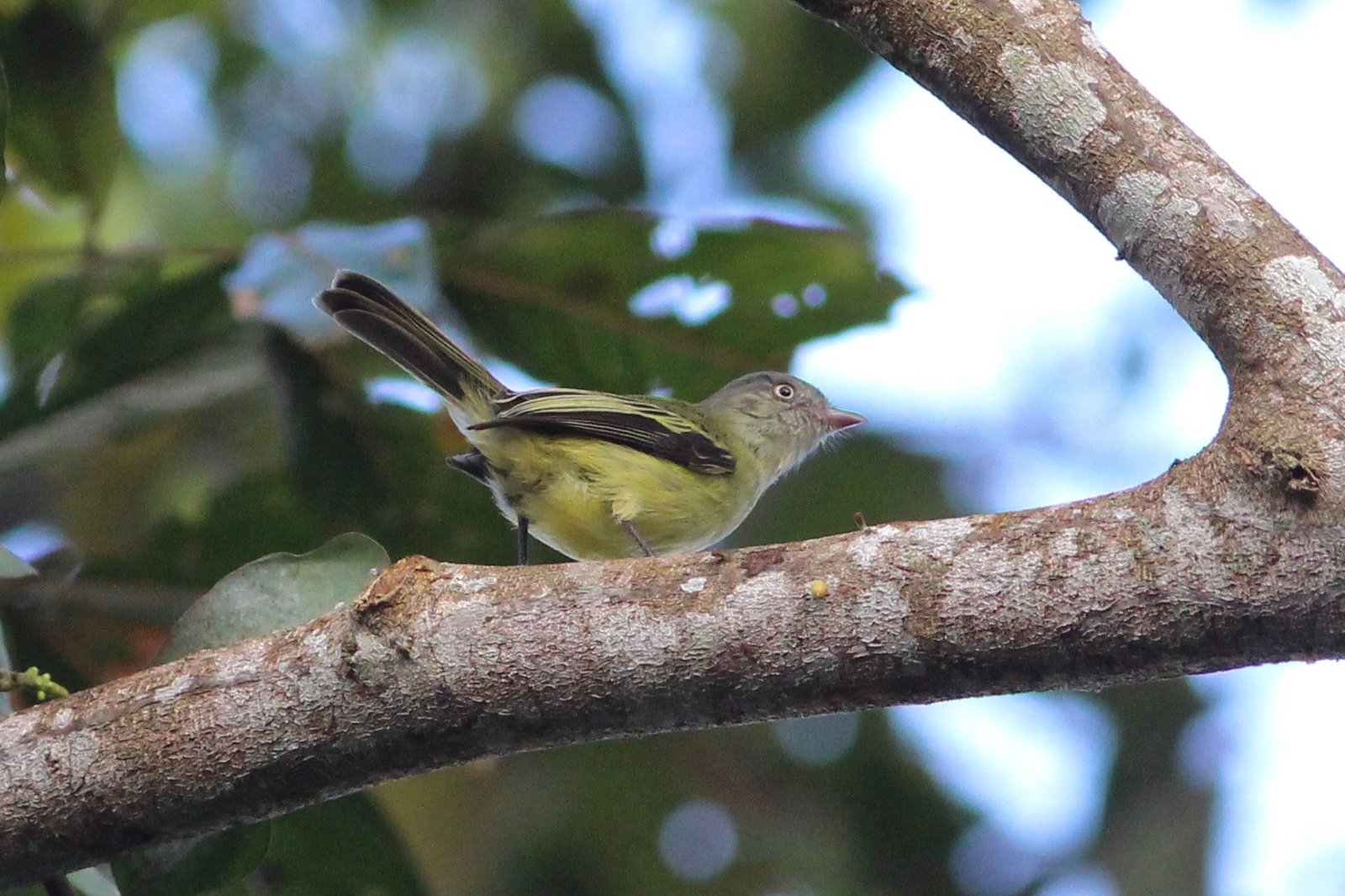
Poiaeiro-de-bico-vermelho
Zimmerius cinereicapilla Eastern Andean foothill forest
 Lower Yungas forest
 Northern Andean subtropical forest
 Secondary forest and forest edge
-
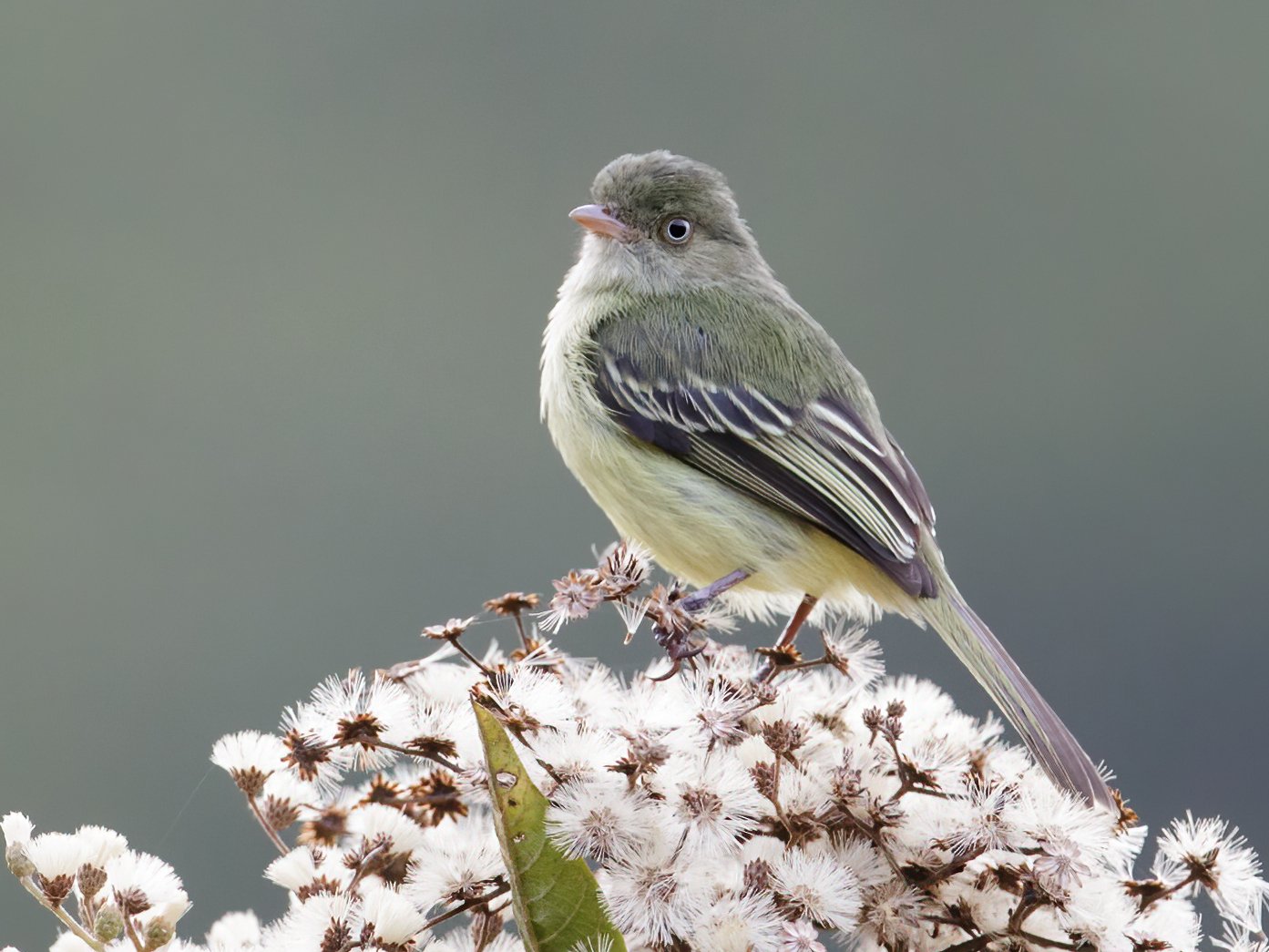
Poiaeiro-de-mishana
Zimmerius villarejoi Amazonian terra firme rainforest
- Eastern Andean foothill forest
-
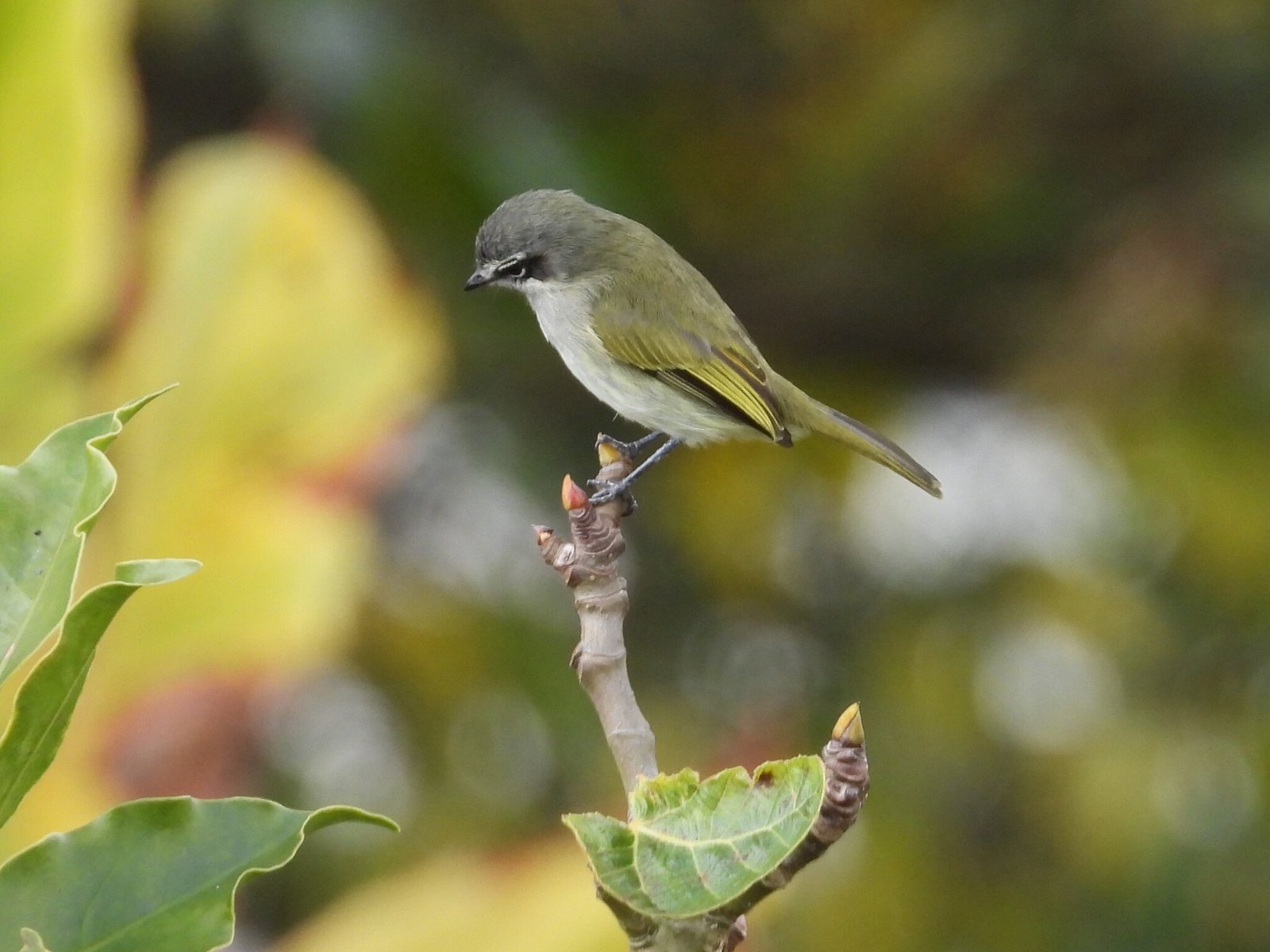
Poiaeiro-venezuelano
Zimmerius improbus- Northern Andean subtropical forest
 Northern Andean cloud forest and temperate forest
- Secondary forest and forest edge
 Coffee, cacao and agroforestry
-

Poiaeiro-de-cara-dourada
Zimmerius chrysops- Northern Andean subtropical forest
- Secondary forest and forest edge
 Western Ecuador humid forest
 Chocó rainforest
 Tumbesian dry forest and thorn scrub
- Coffee, cacao and agroforestry
-
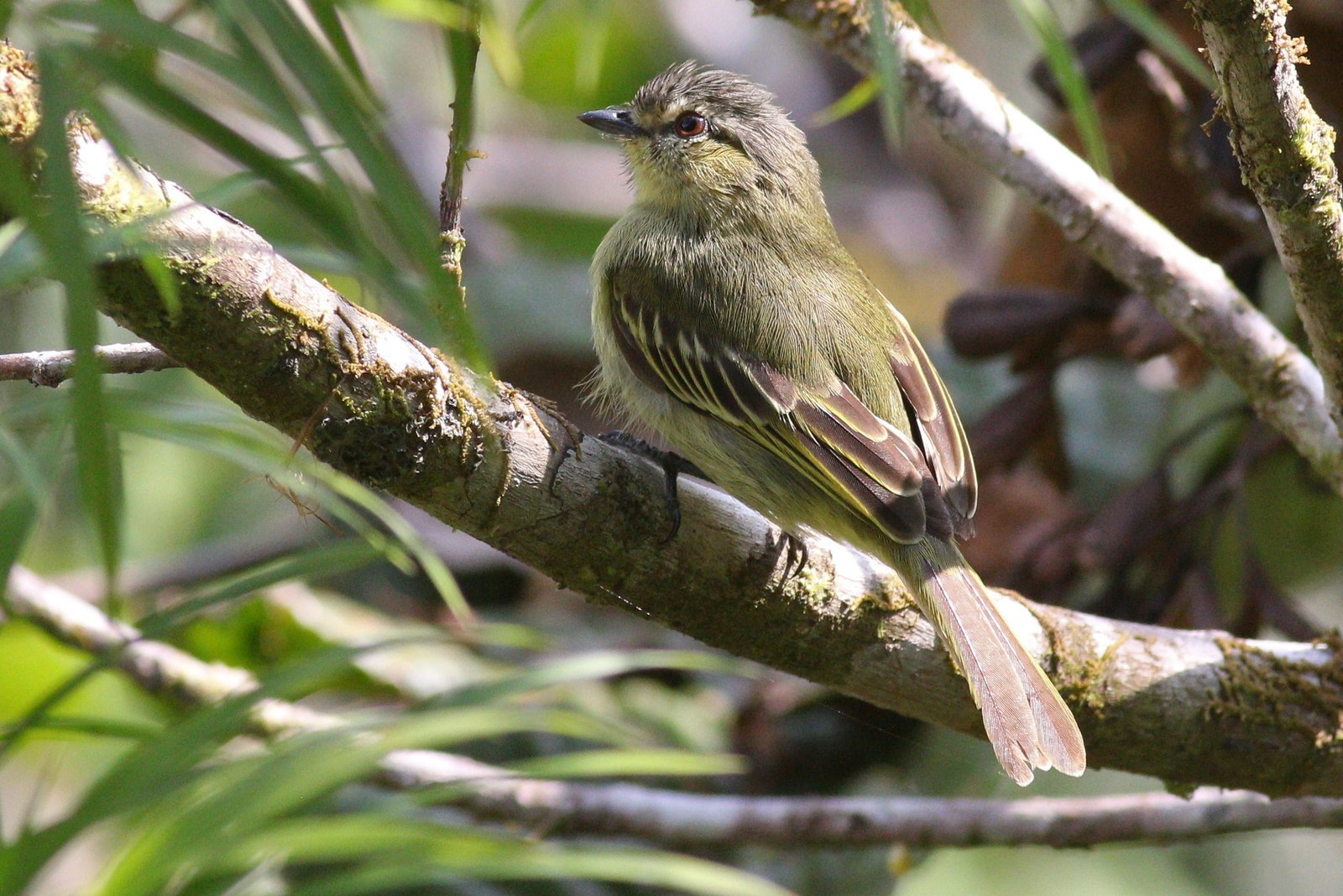
Poiaeiro-peruano
Zimmerius viridiflavus- Lower Yungas forest
- Northern Andean subtropical forest
- Secondary forest and forest edge
-
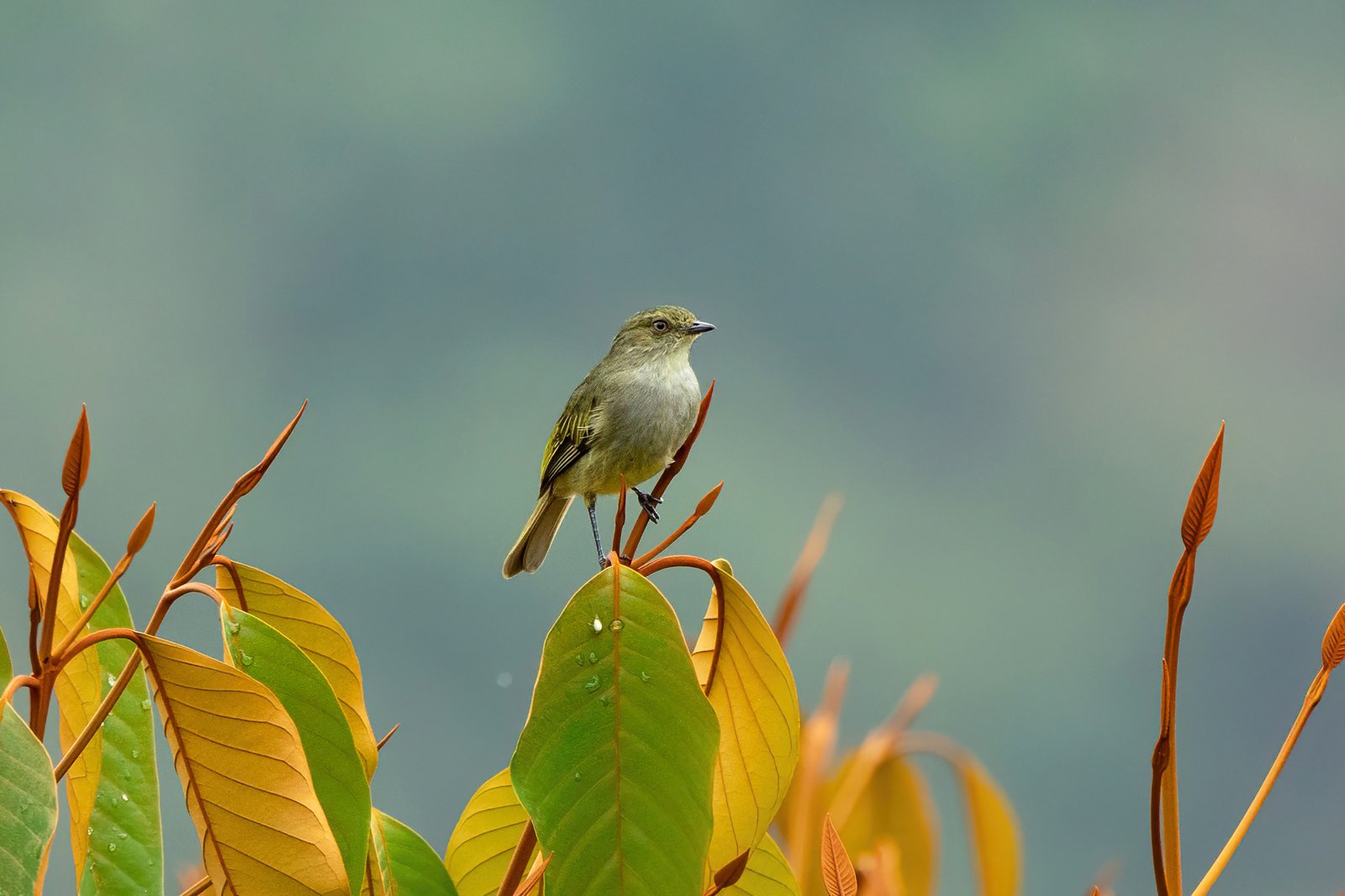
Poiaeiro-boliviano
Zimmerius bolivianus- Lower Yungas forest
 Upper Yungas cloud forest
- Secondary forest and forest edge
-
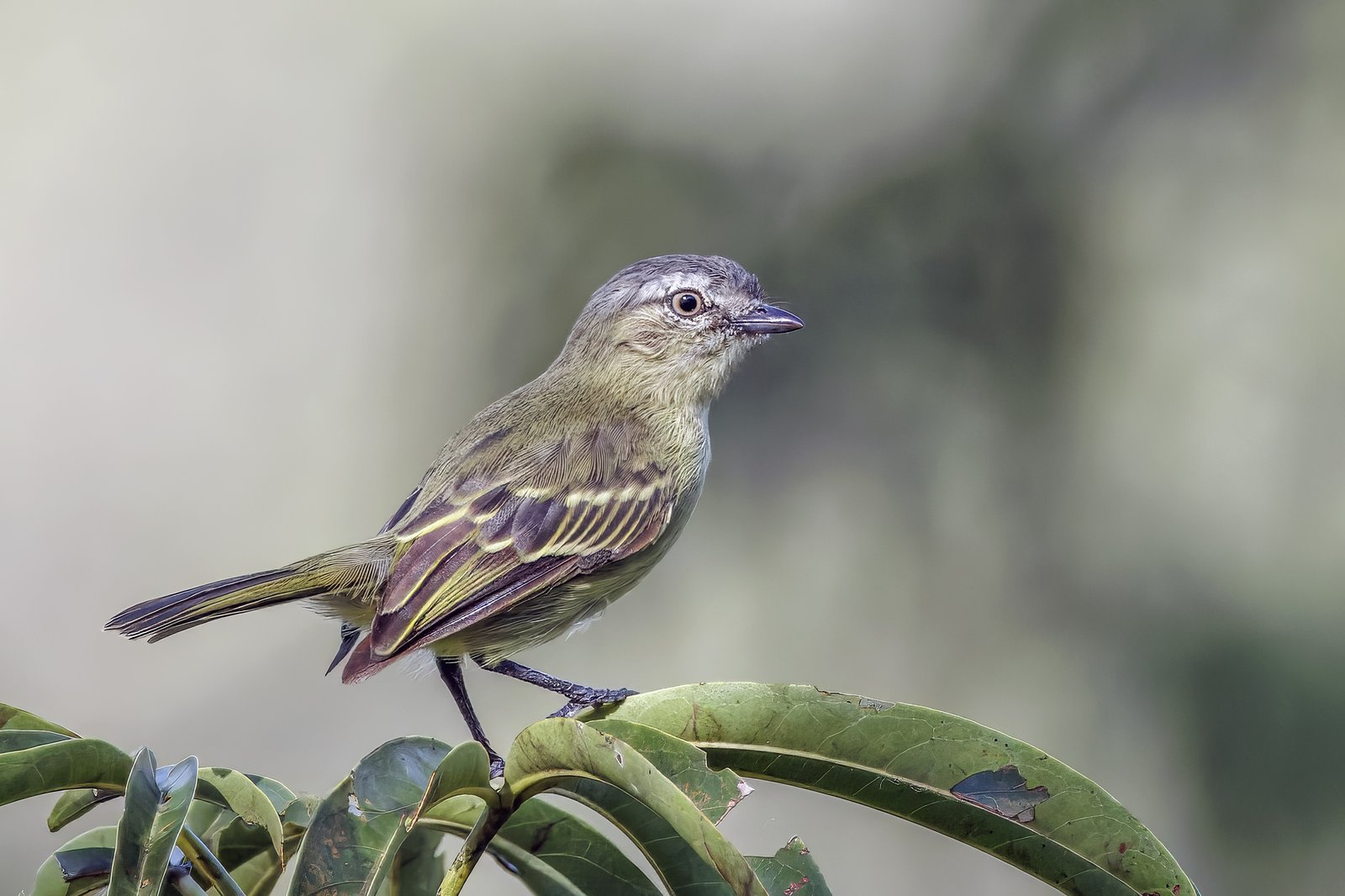
Poiaeiro-de-pata-fina
Zimmerius gracilipes- Amazonian terra firme rainforest
 Várzea, igapó and river islands
- Secondary forest and forest edge
- Eastern Andean foothill forest
Fluvicola 2 espécies
-
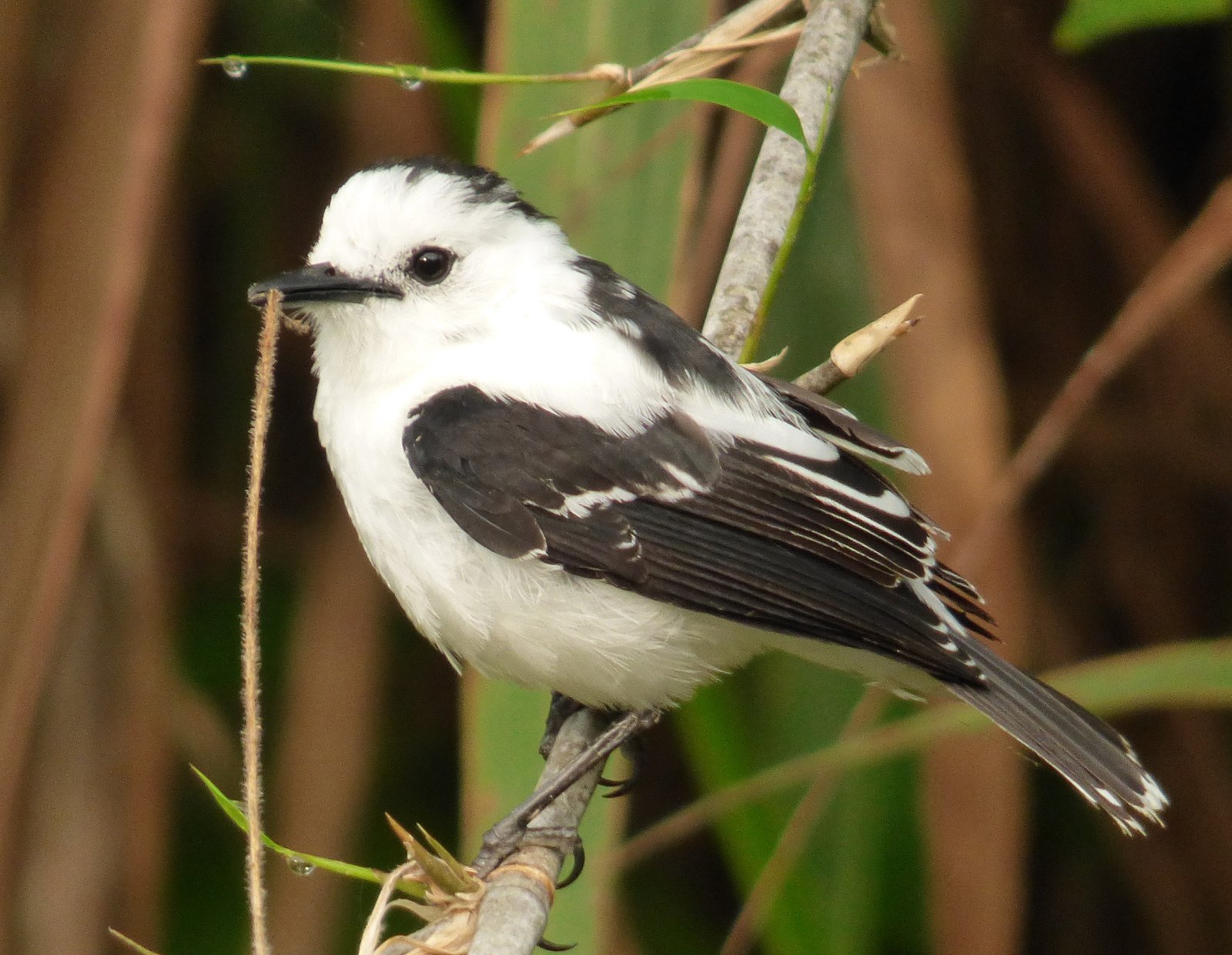
Lavadeira-do-norte
Fluvicola pica Lowland marshes and wet meadows
 Lowland lakes and oxbows
 Llanos savanna
 Beni savanna and cerrado
- Várzea, igapó and river islands
 Irrigated farmland and rice fields
-
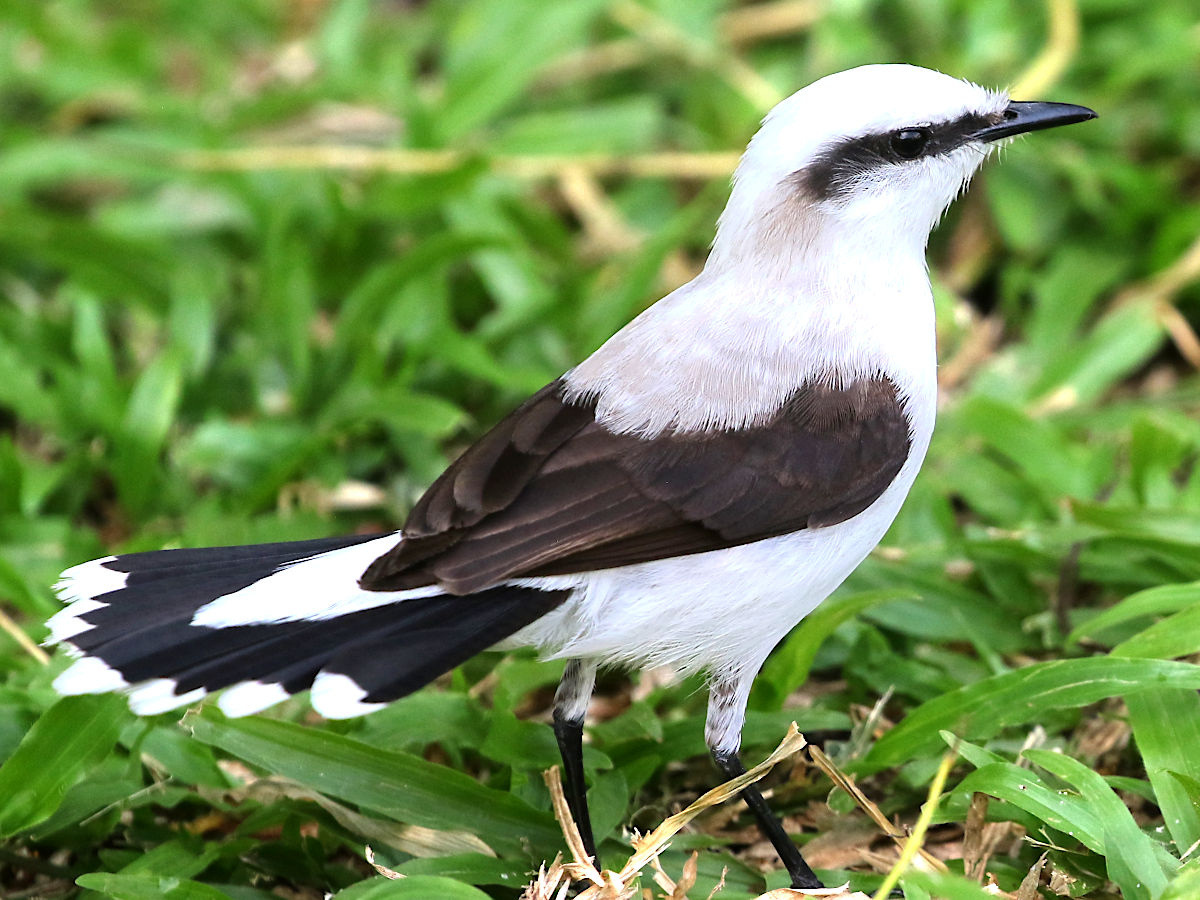
Lavadeira-mascarada
Fluvicola nengeta- Lowland marshes and wet meadows
- Lowland lakes and oxbows
- Irrigated farmland and rice fields
 Riparian woodland of the Andes and coastal valleys
 Pasture and ranchland
Mitrephanes 2 espécies
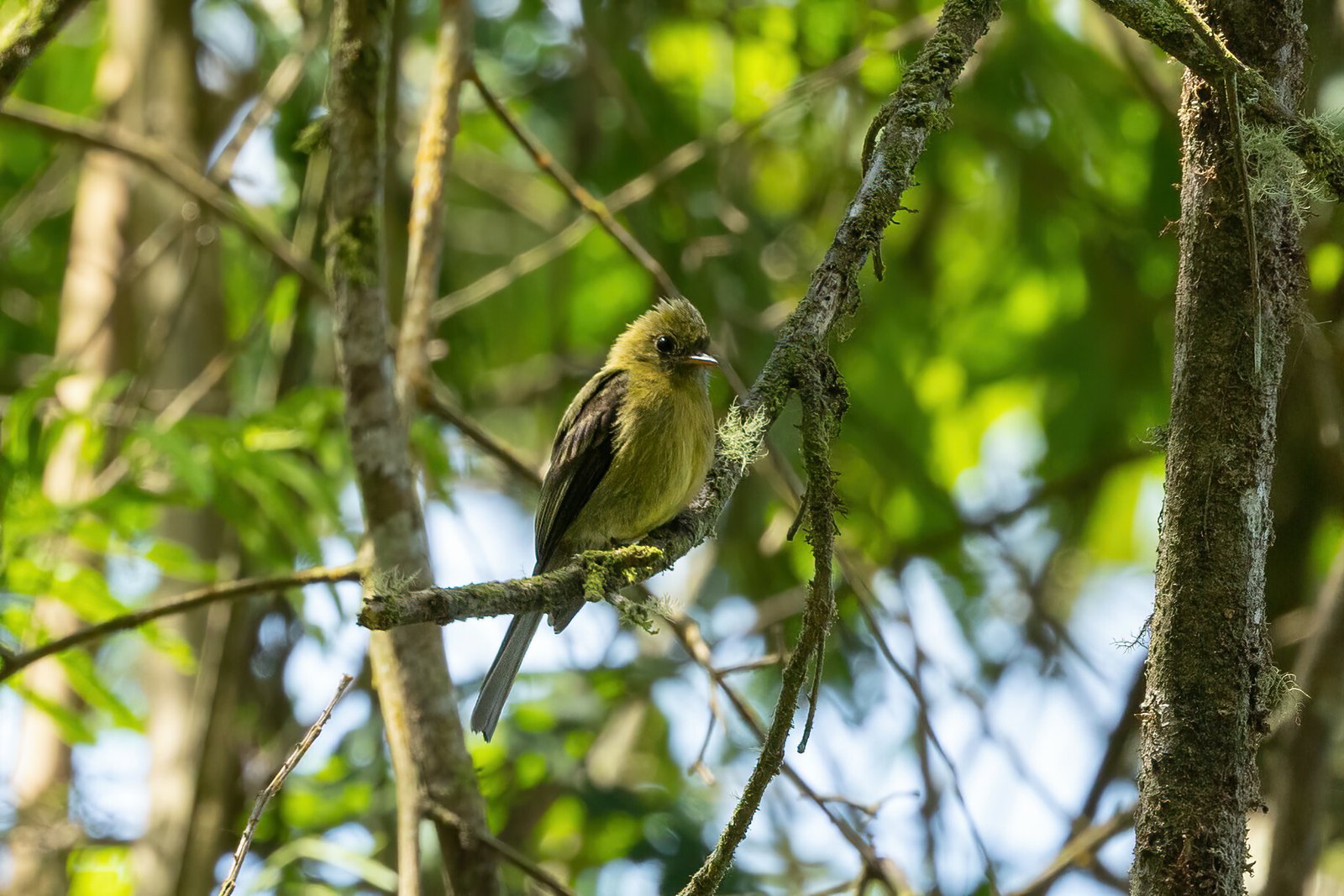
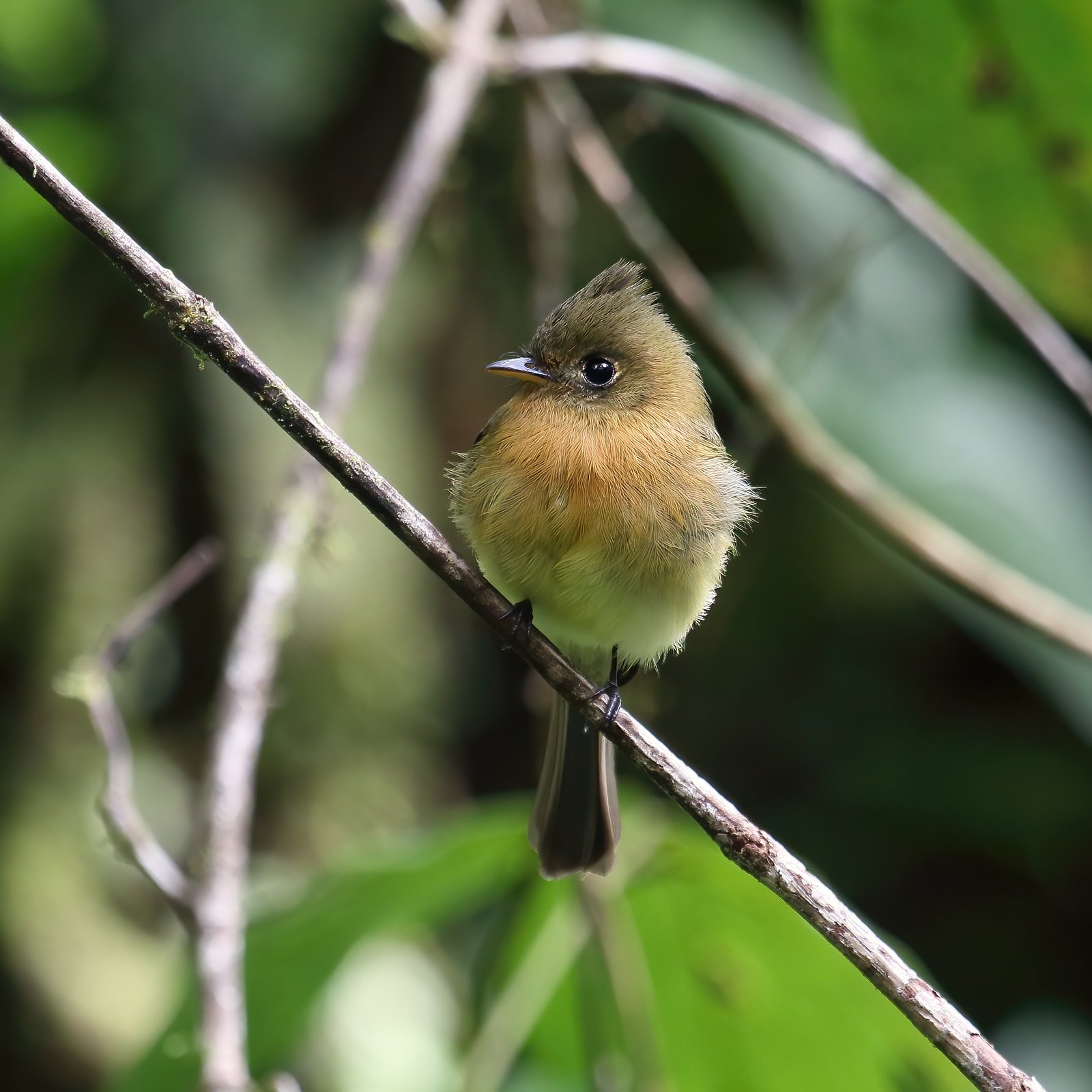
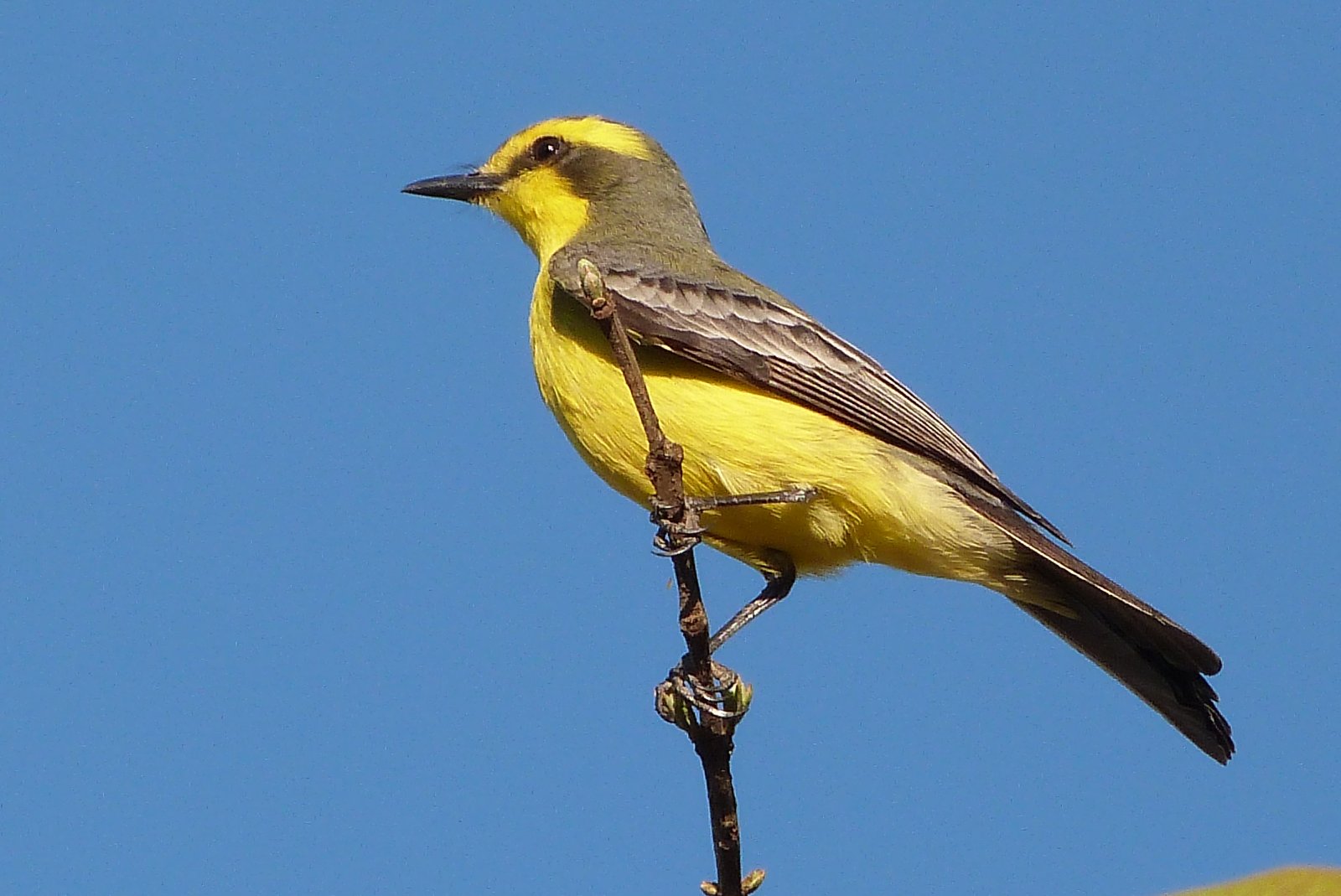
Contopus 7 espécies
-
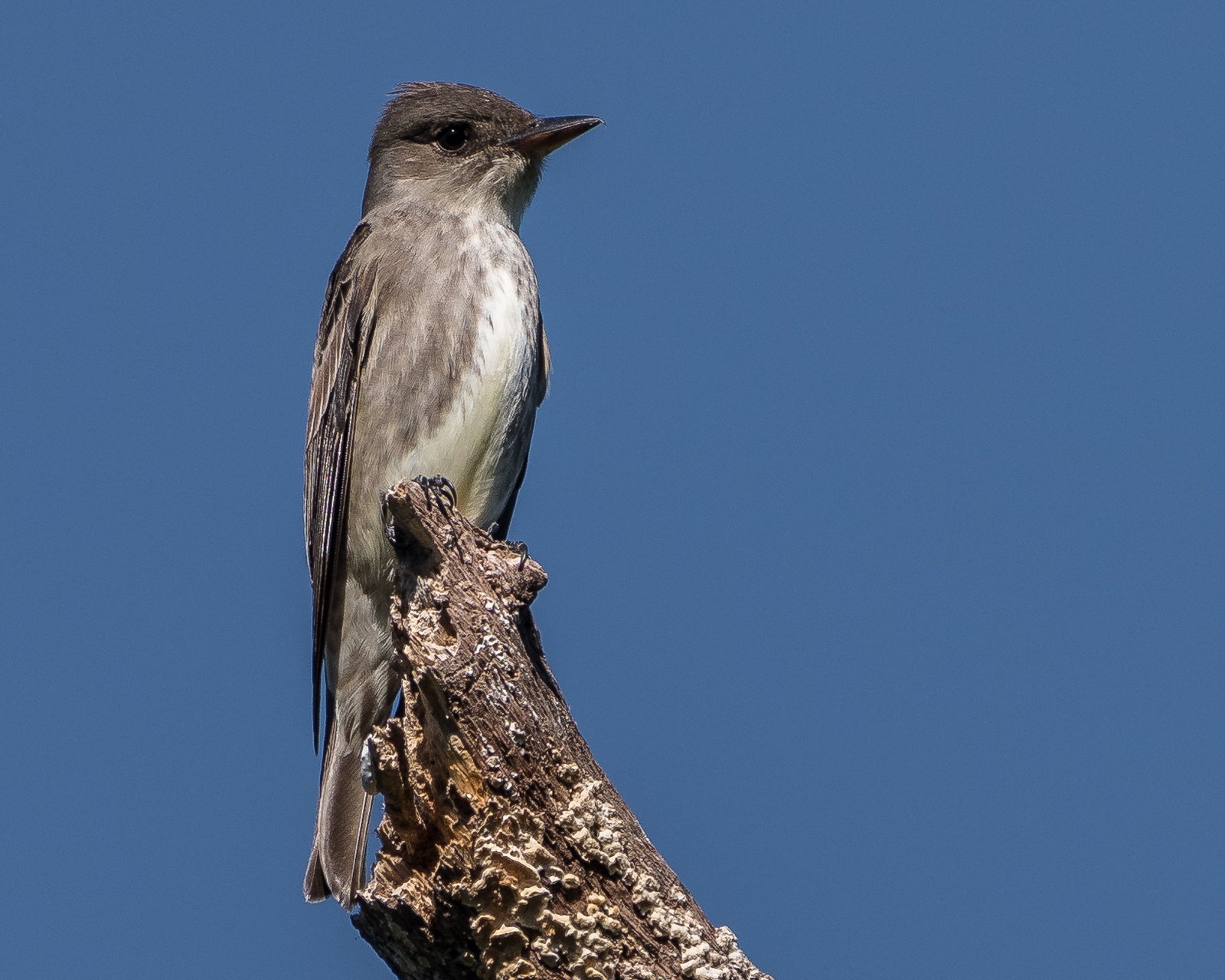
Piuí-boreal
Contopus cooperi- Northern Andean subtropical forest
- Northern Andean cloud forest and temperate forest
- Lower Yungas forest
- Eastern Andean foothill forest
- Secondary forest and forest edge
-
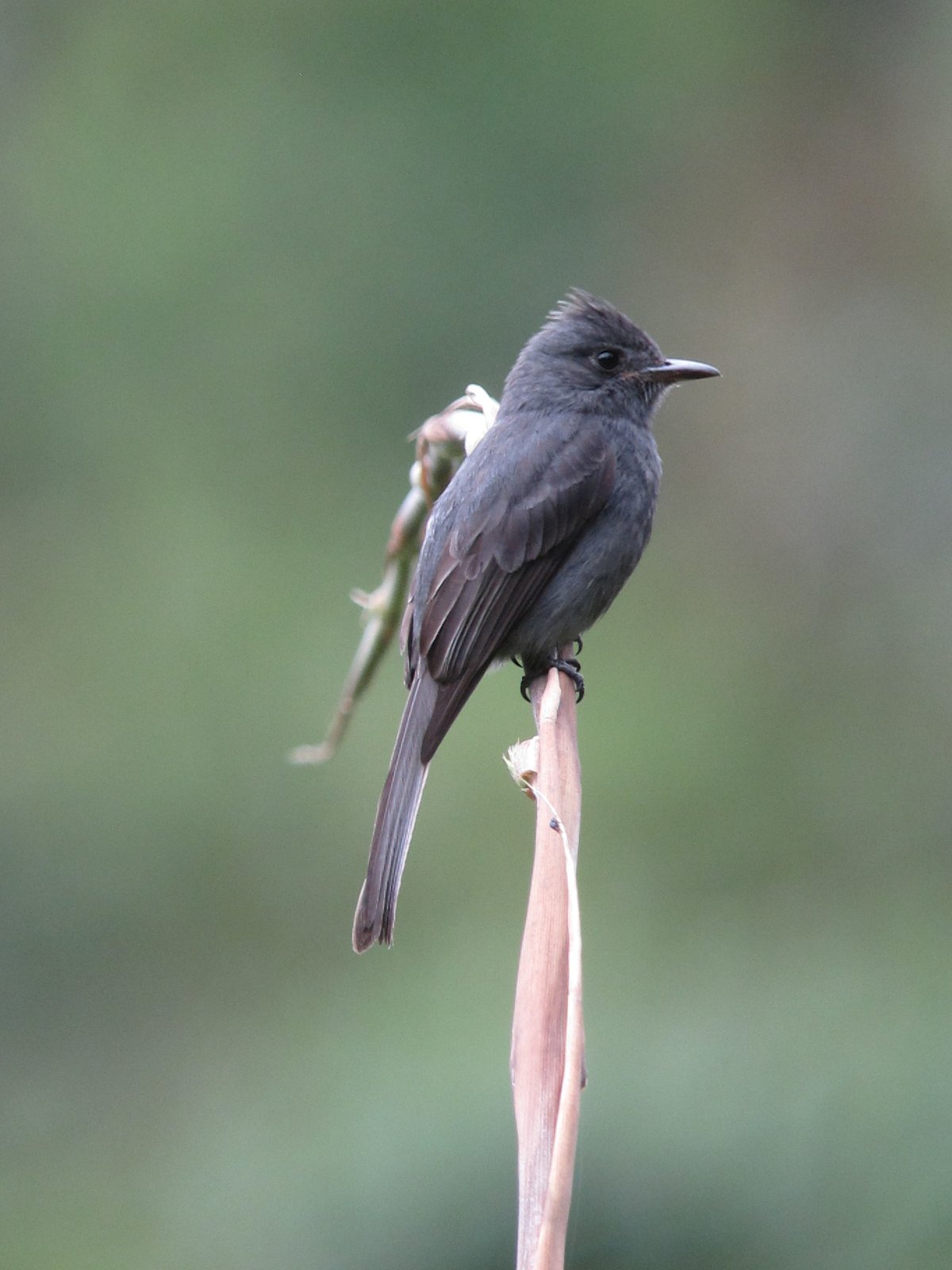
Piuí-de-topete
Contopus fumigatus- Northern Andean subtropical forest
- Northern Andean cloud forest and temperate forest
- Lower Yungas forest
- Upper Yungas cloud forest
- Eastern Andean foothill forest
- Secondary forest and forest edge
-
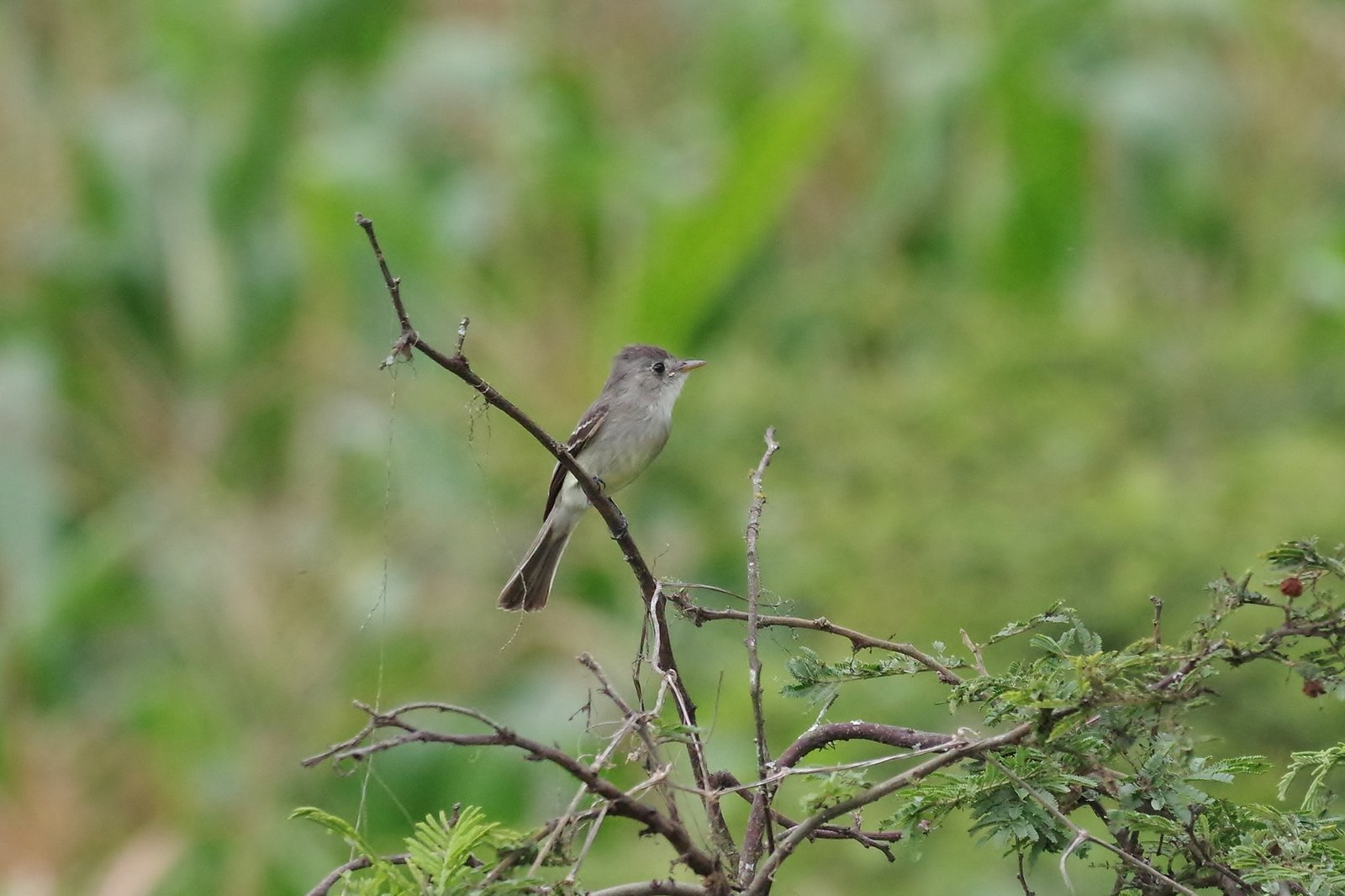
Piui-de-tumbes
Contopus punensis- Tumbesian dry forest and thorn scrub
- Secondary forest and forest edge
- Western Ecuador humid forest
- Riparian woodland of the Andes and coastal valleys
- Northern Andean subtropical forest
-
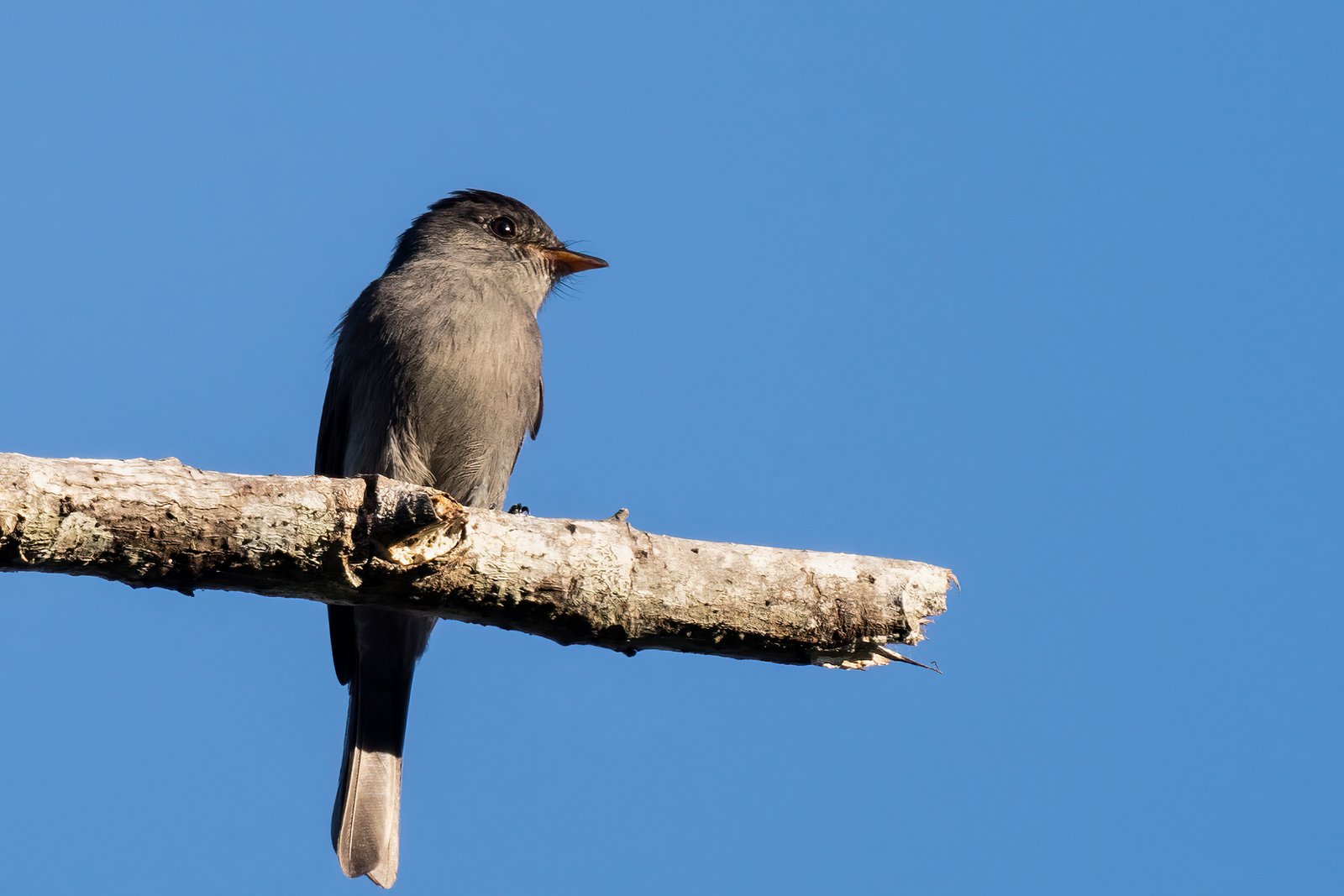
Piui-preto
Contopus nigrescens- Eastern Andean foothill forest
- Northern Andean subtropical forest
- Secondary forest and forest edge
-
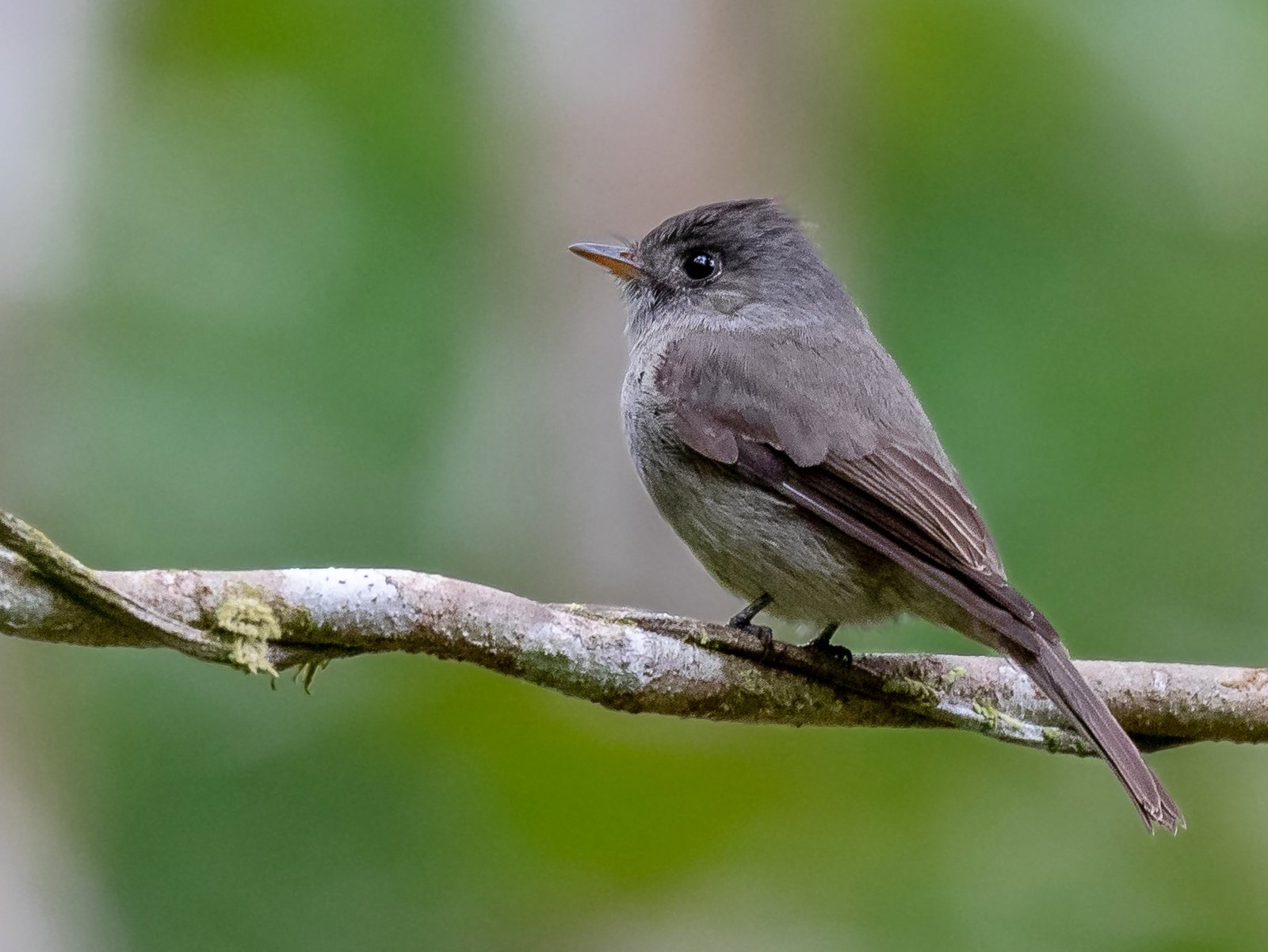
Papa-moscas-cinzento
Contopus cinereus Chiquitano dry forest and Chaco
- Secondary forest and forest edge
- Beni savanna and cerrado
- Riparian woodland of the Andes and coastal valleys
-
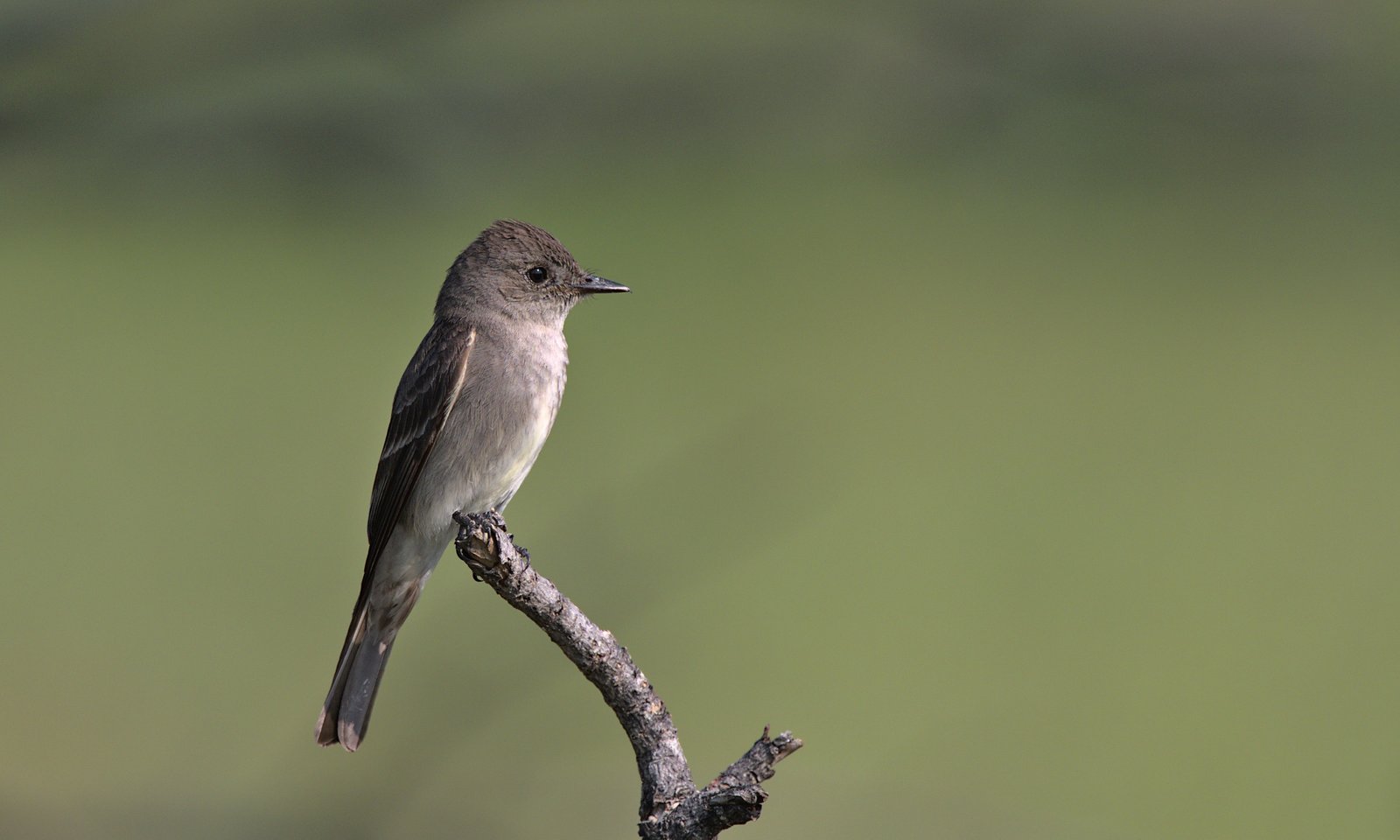
Piui-do-oeste
Contopus sordidulus- Northern Andean subtropical forest
- Eastern Andean foothill forest
- Secondary forest and forest edge
- Lower Yungas forest
- Northern Andean cloud forest and temperate forest
-
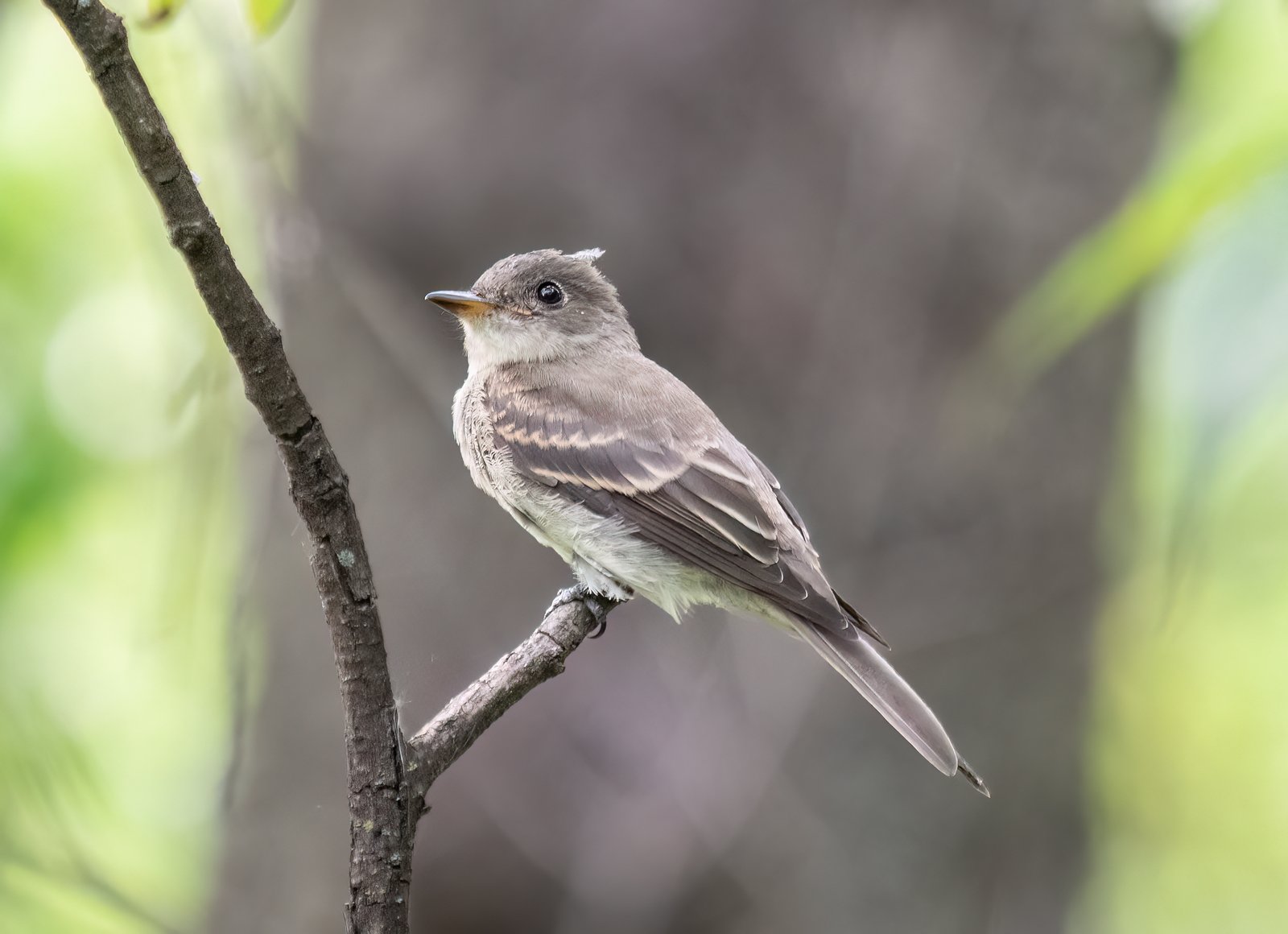
Piui-verdadeiro
Contopus virens- Secondary forest and forest edge
- Amazonian terra firme rainforest
- Eastern Andean foothill forest
- Várzea, igapó and river islands
- Northern Andean subtropical forest
Nephelomyias 3 espécies
-
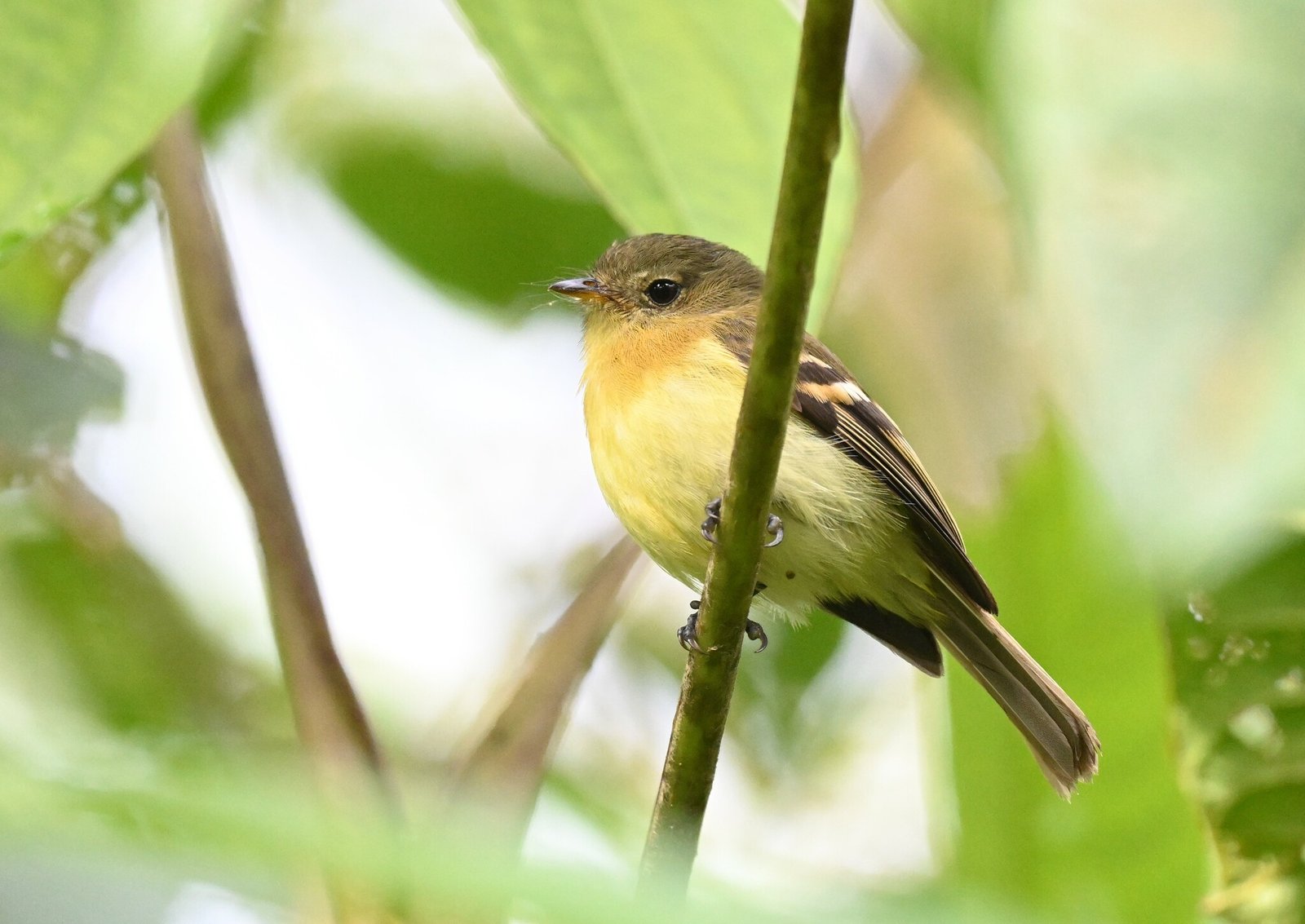
Papa-moscas-bonito
Nephelomyias pulcher- Northern Andean cloud forest and temperate forest
- Northern Andean subtropical forest
- Upper Yungas cloud forest
-
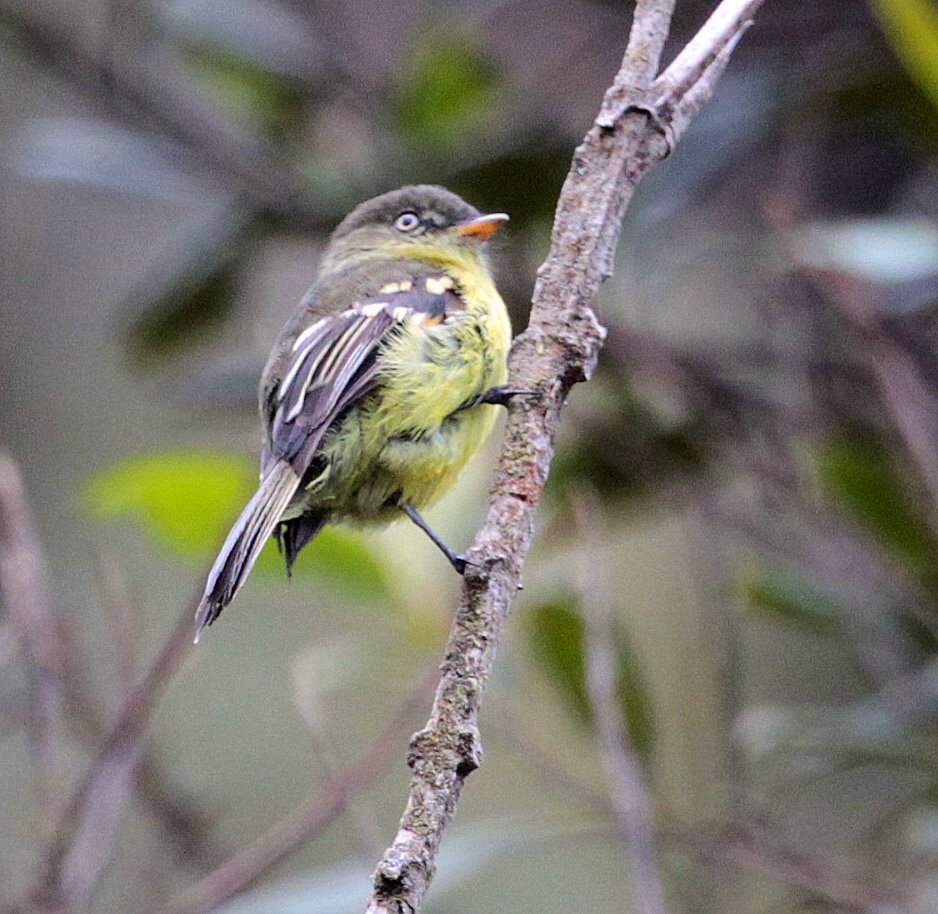
Papa-moscas-de-faixa-laranja
Nephelomyias lintoni- Northern Andean cloud forest and temperate forest
- Northern Andean subtropical forest
-
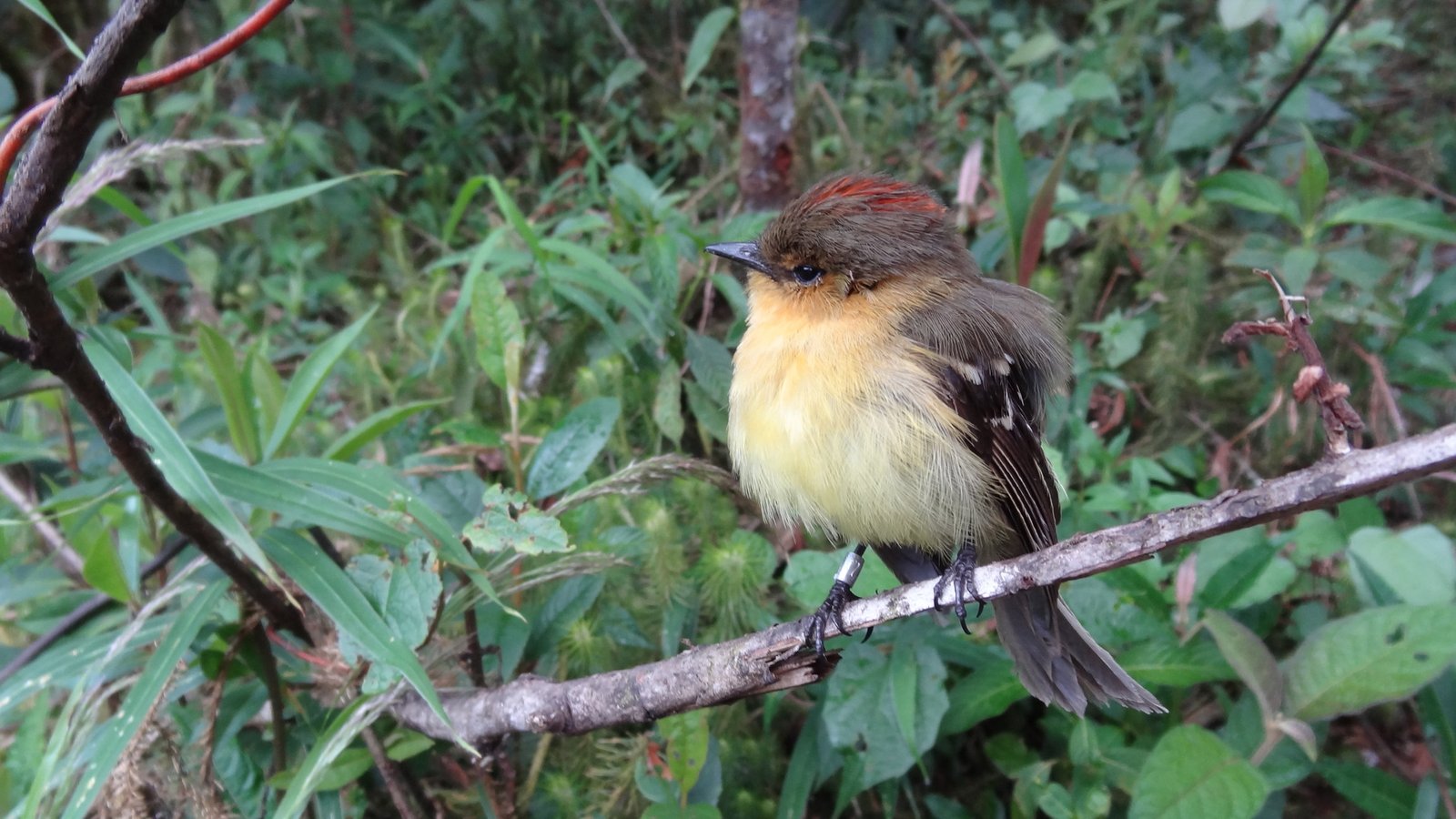
Papa-moscas-de-peito-ocráceo
Nephelomyias ochraceiventris- Upper Yungas cloud forest
- Northern Andean cloud forest and temperate forest
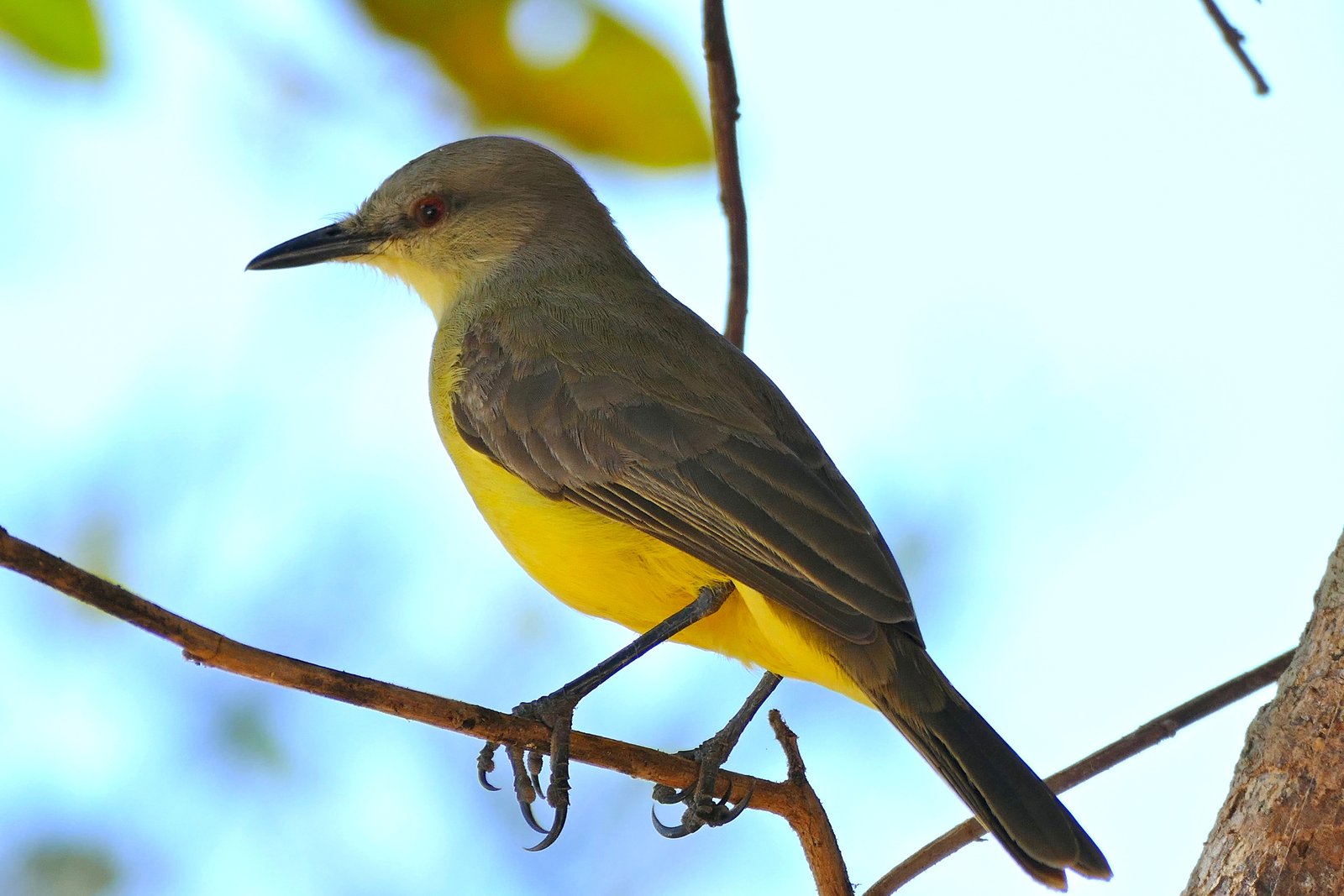
Machetornis 1 espécie
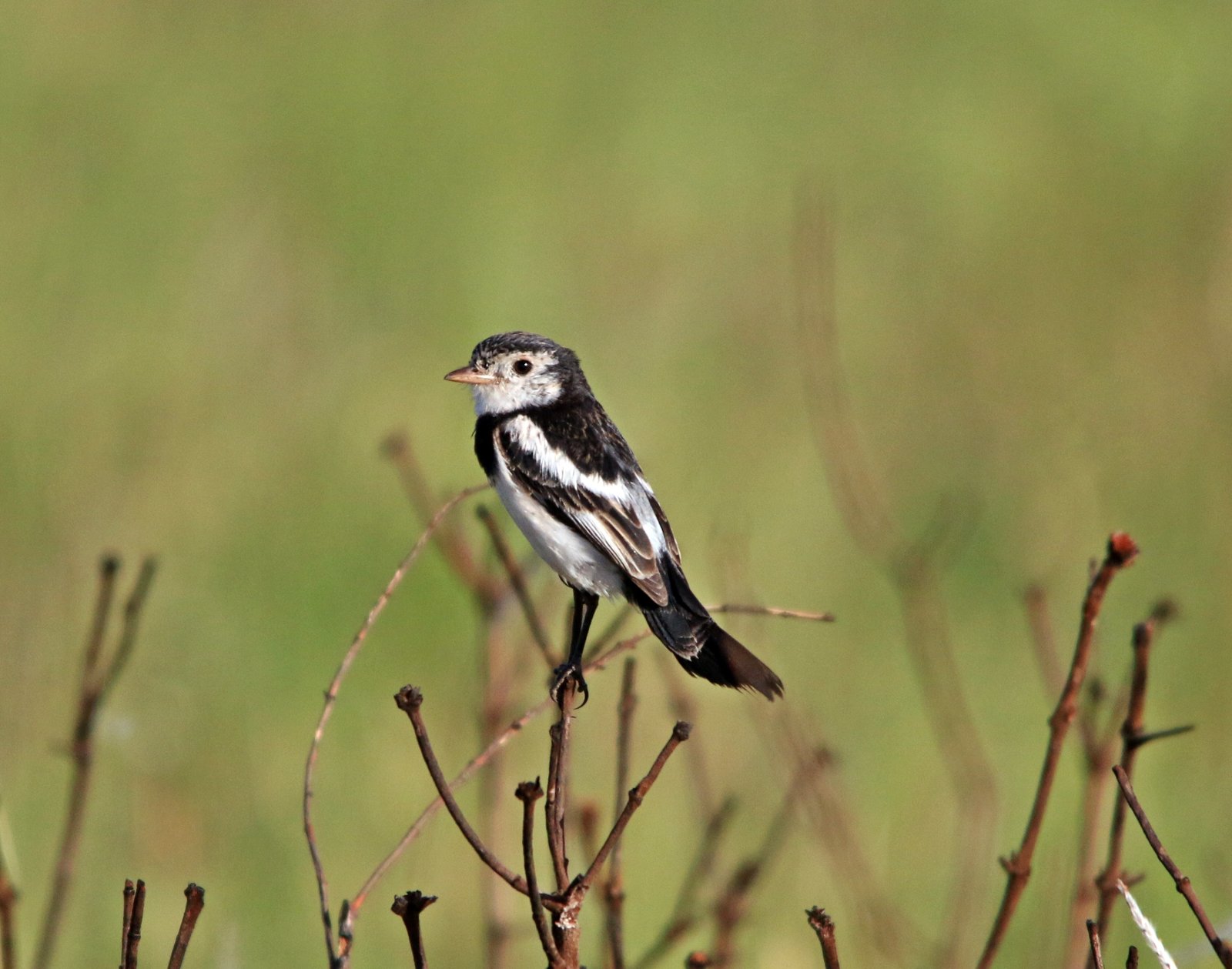
Alectrurus 1 espécie
Acrochordopus 1 espécie
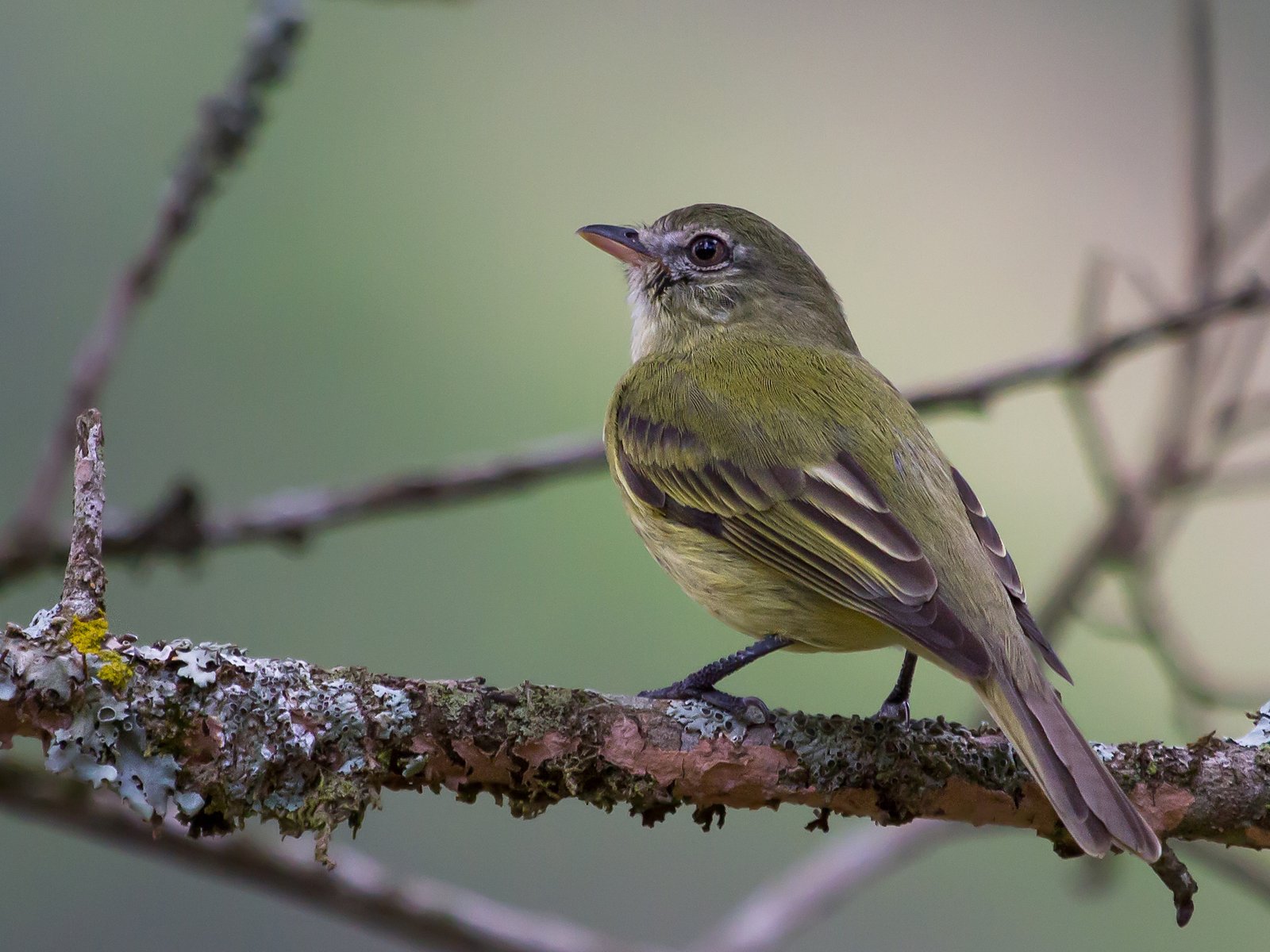
Ochthoeca 8 espécies
-
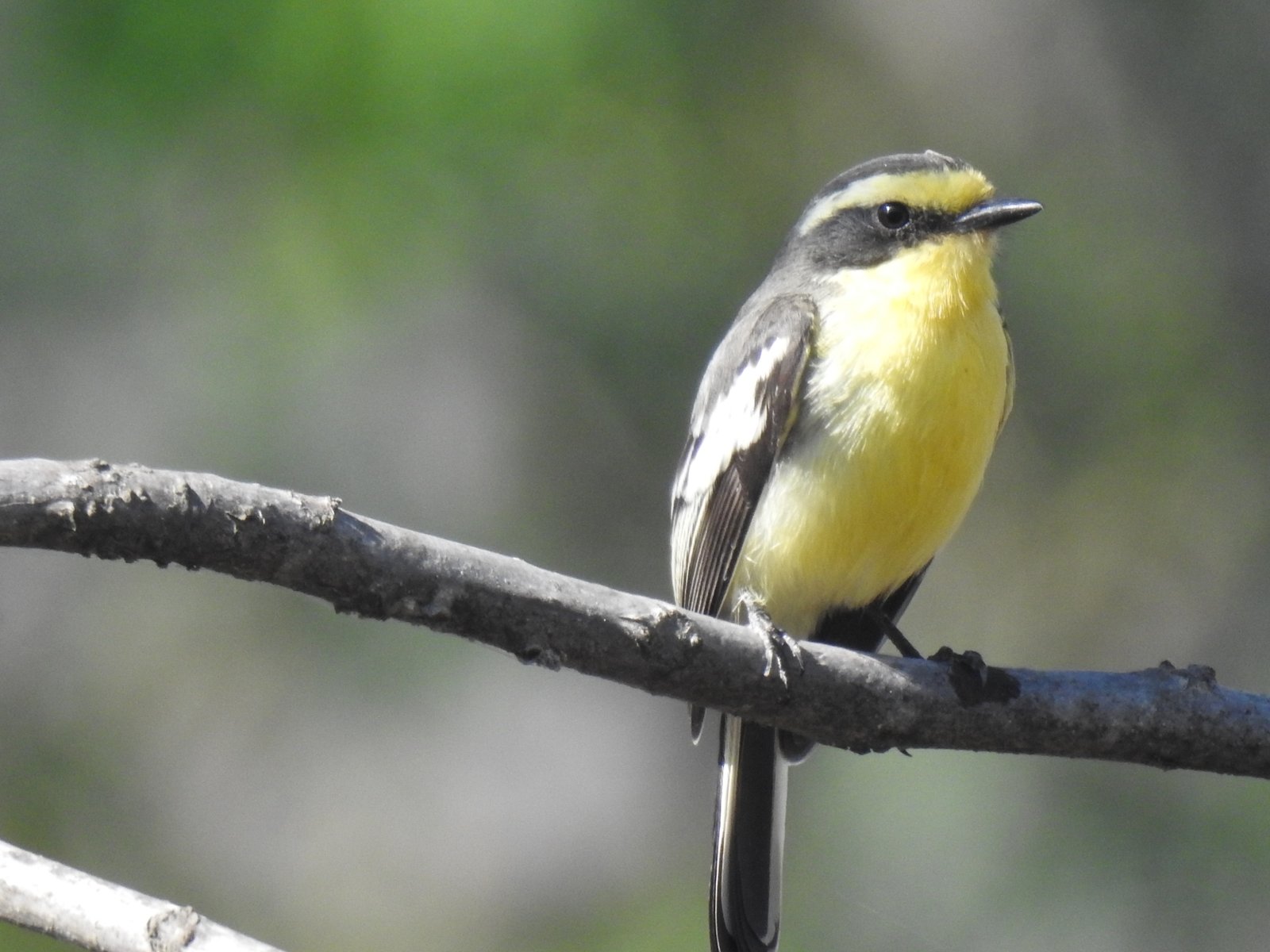
Papa-moscas-de-tumbes
Ochthoeca salvini- Tumbesian dry forest and thorn scrub
- Riparian woodland of the Andes and coastal valleys
 Marañón and northern inter-Andean dry forest
-

Papa-moscas-de-dorso-ardósia
Ochthoeca cinnamomeiventris Andean rivers and torrents
- Northern Andean cloud forest and temperate forest
- Northern Andean subtropical forest
- Riparian woodland of the Andes and coastal valleys
-
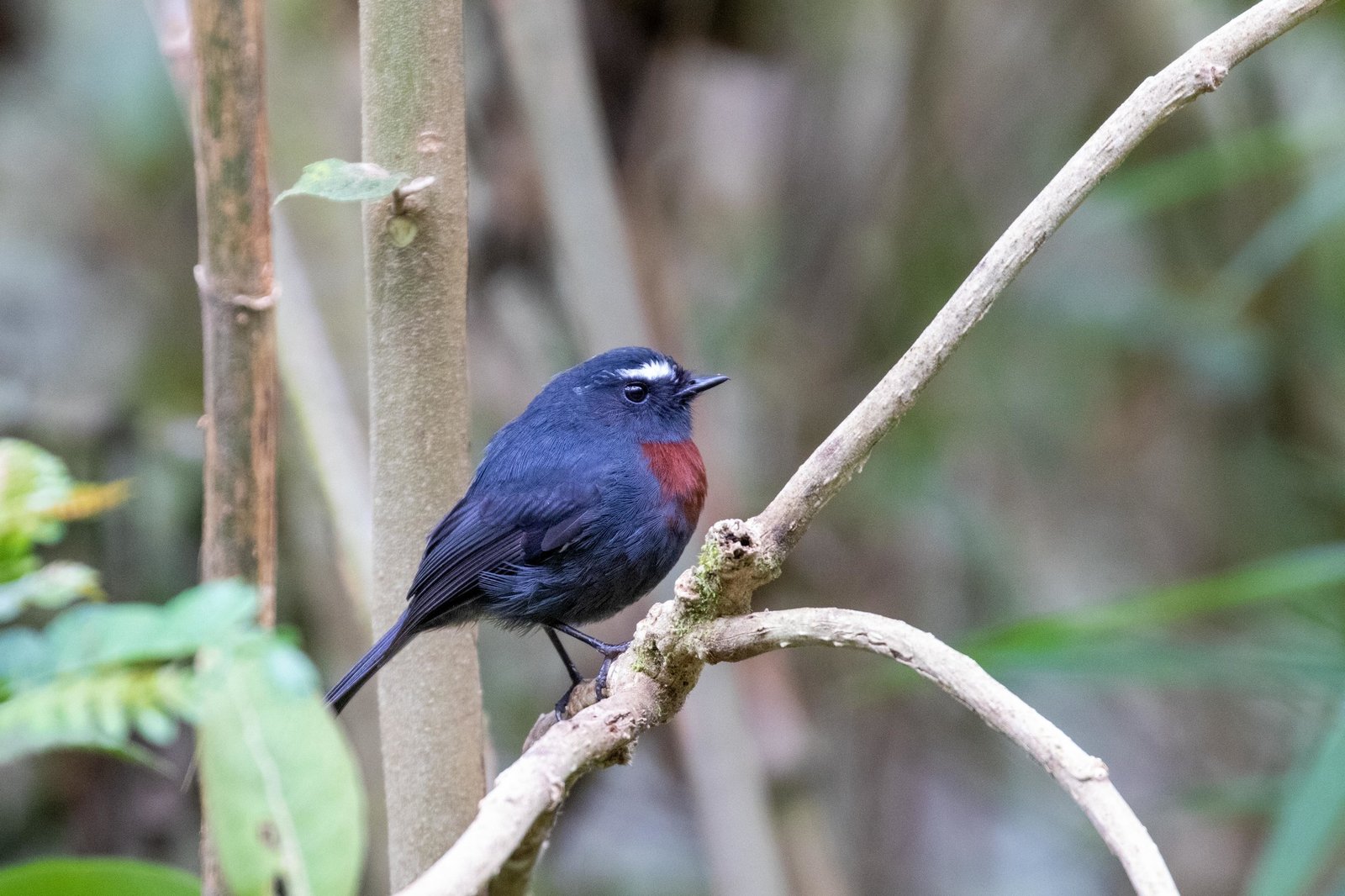
Chasco-tirano-de-cinta-castanha
Ochthoeca thoracica- Upper Yungas cloud forest
- Northern Andean cloud forest and temperate forest
- Andean rivers and torrents
- Secondary forest and forest edge
-
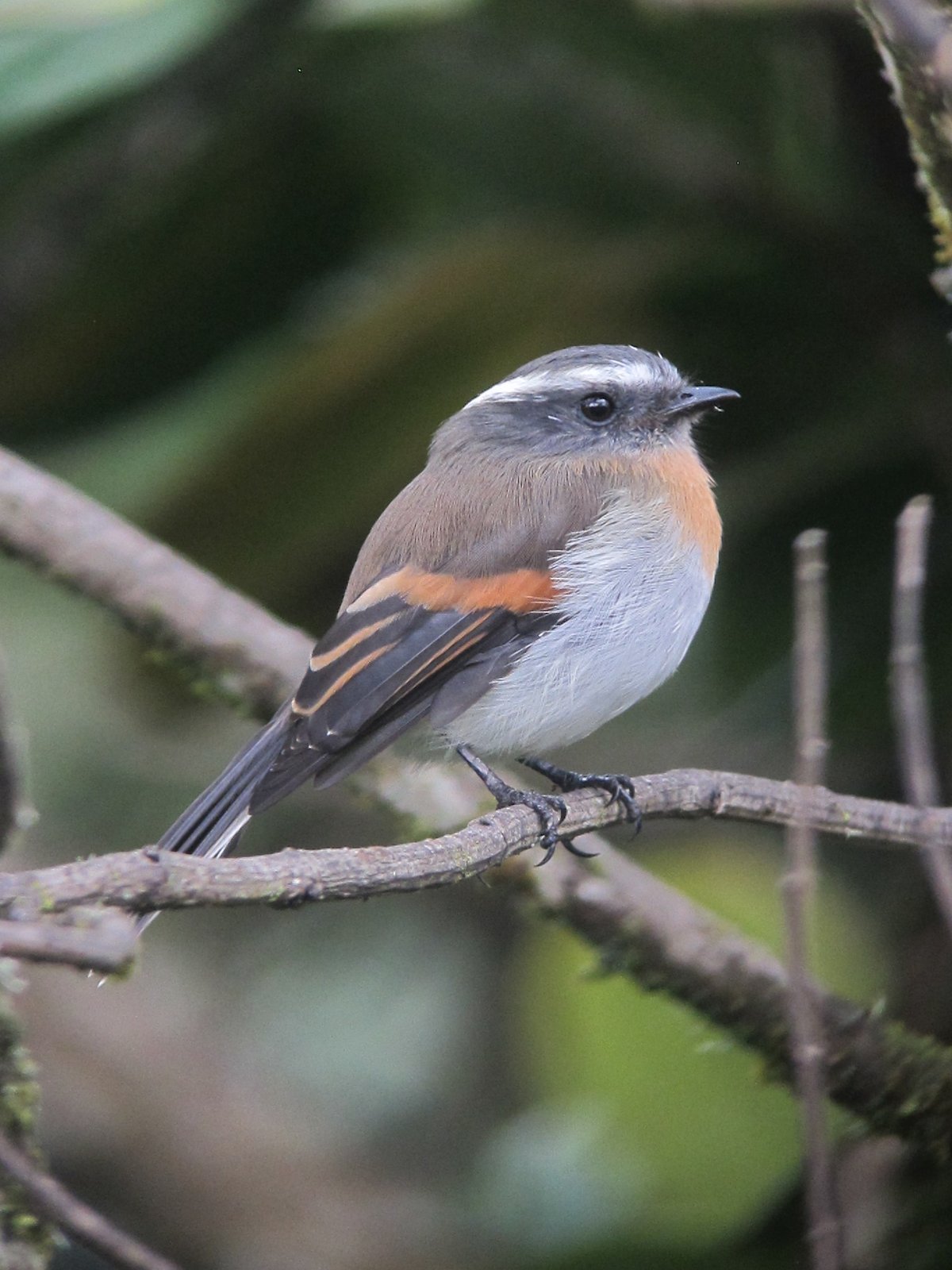
Chasco-tirano-de-peito-ruivo
Ochthoeca rufipectoralis- Northern Andean cloud forest and temperate forest
- Upper Yungas cloud forest
 Polylepis woodland
 Bamboo forest
- Secondary forest and forest edge
-
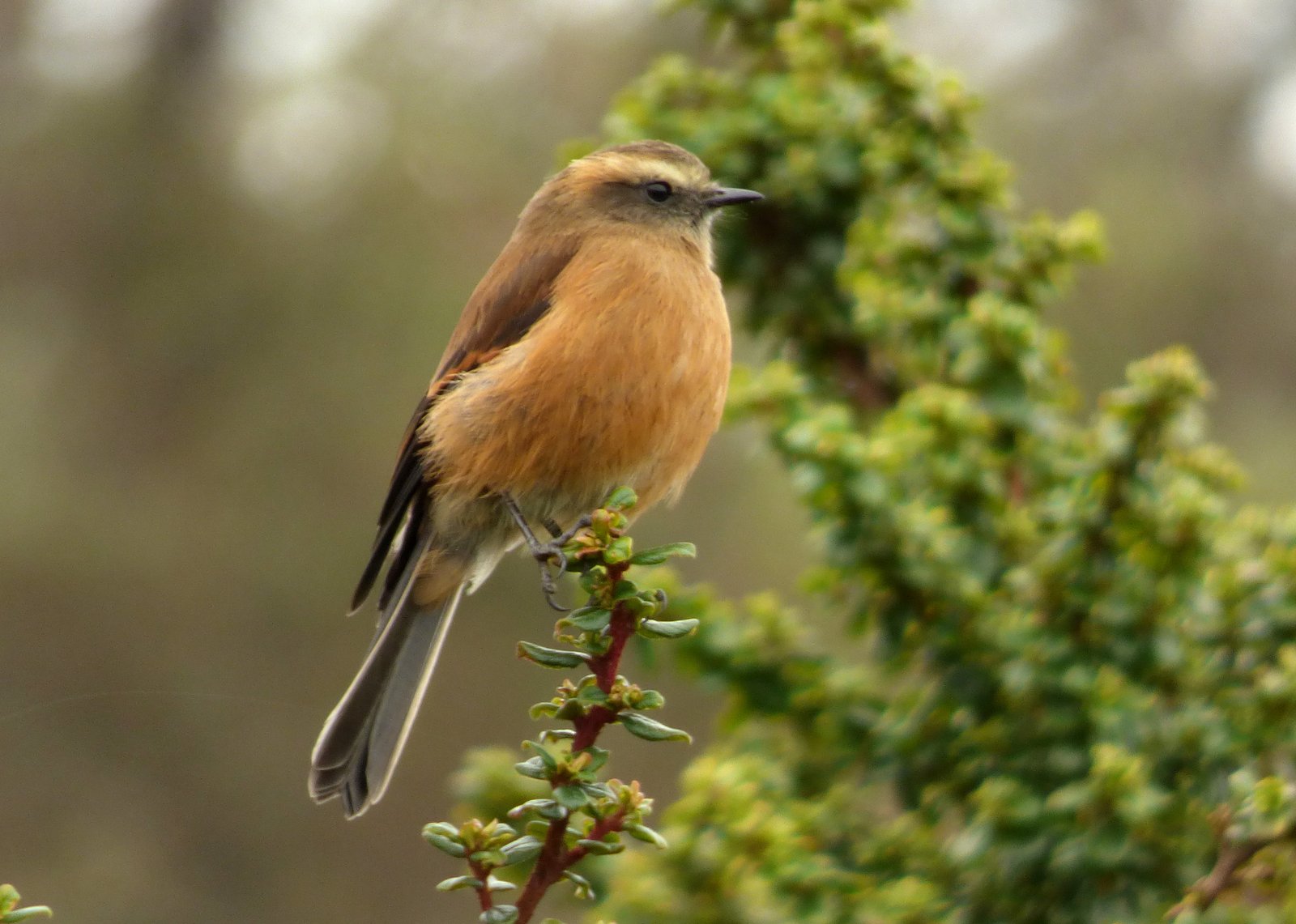
Chasco-tirano-de-dorso-pardo
Ochthoeca fumicolor Páramo
- Northern Andean cloud forest and temperate forest
- Upper Yungas cloud forest
- Polylepis woodland
 Jalca
-
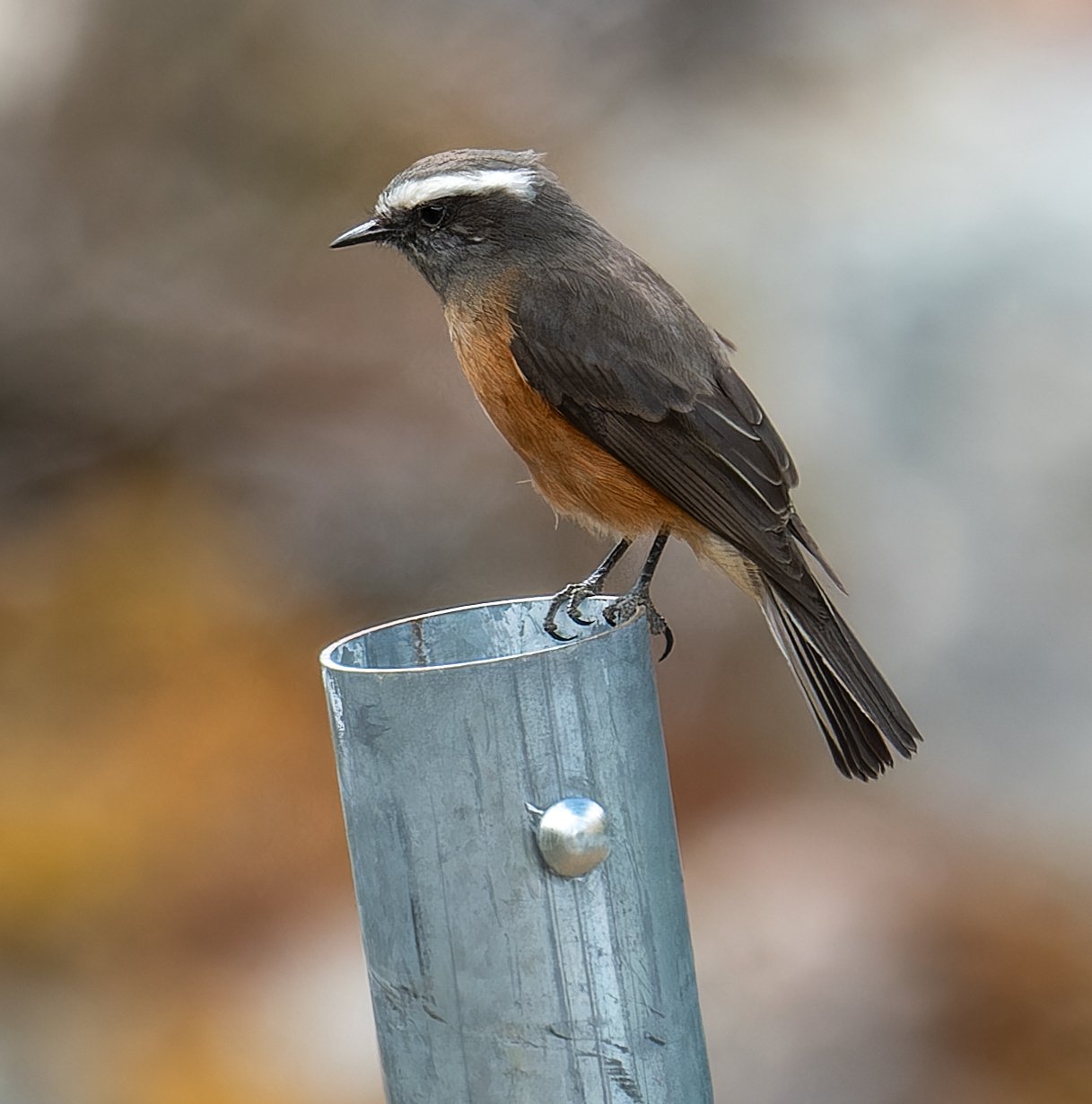
Chasco-tirano-de-d'orbigny
Ochthoeca oenanthoides- Polylepis woodland
 Dry puna and altiplano
 Humid puna
 Central Andean dry valleys
 Cliffs, gorges and canyons
-
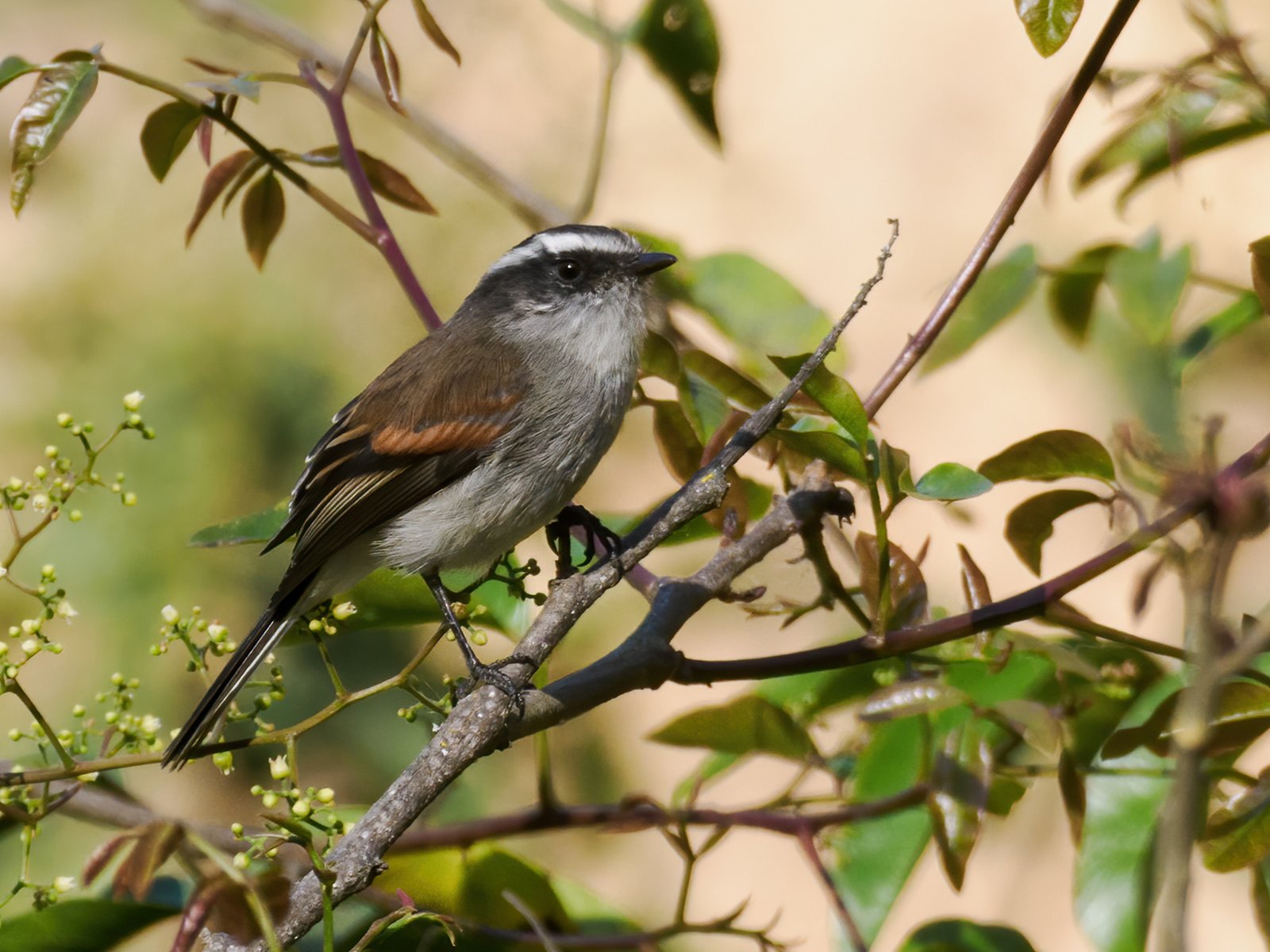
Chasco-tirano-de-piura
Ochthoeca piurae- Marañón and northern inter-Andean dry forest
- Tumbesian dry forest and thorn scrub
- Riparian woodland of the Andes and coastal valleys
-
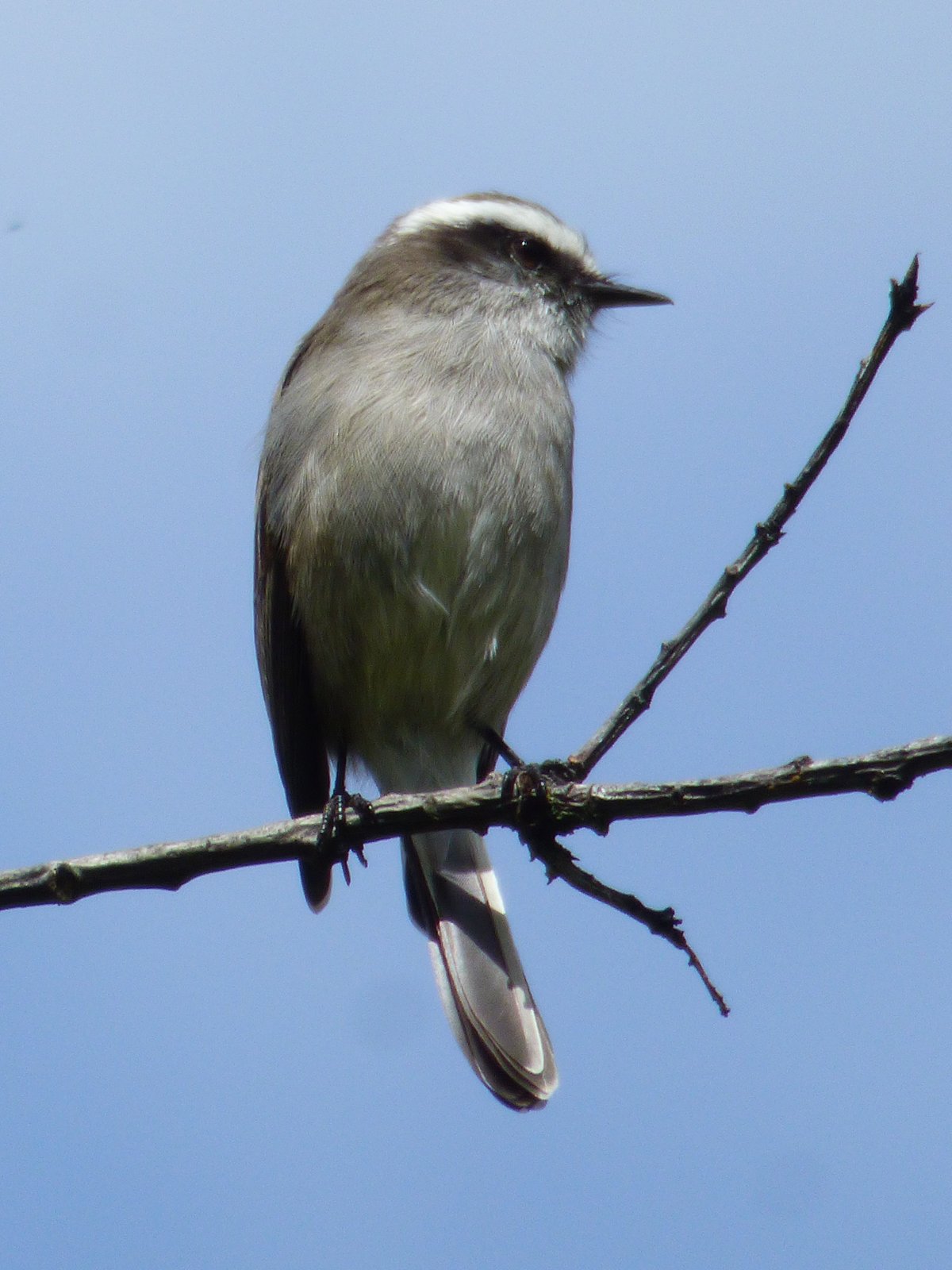
Chasco-tirano-de-sobrancelha-branca
Ochthoeca leucophrys- Central Andean dry valleys
- Riparian woodland of the Andes and coastal valleys
- Polylepis woodland
- Dry puna and altiplano
 Andean fields and terraces
Hymenops 1 espécie
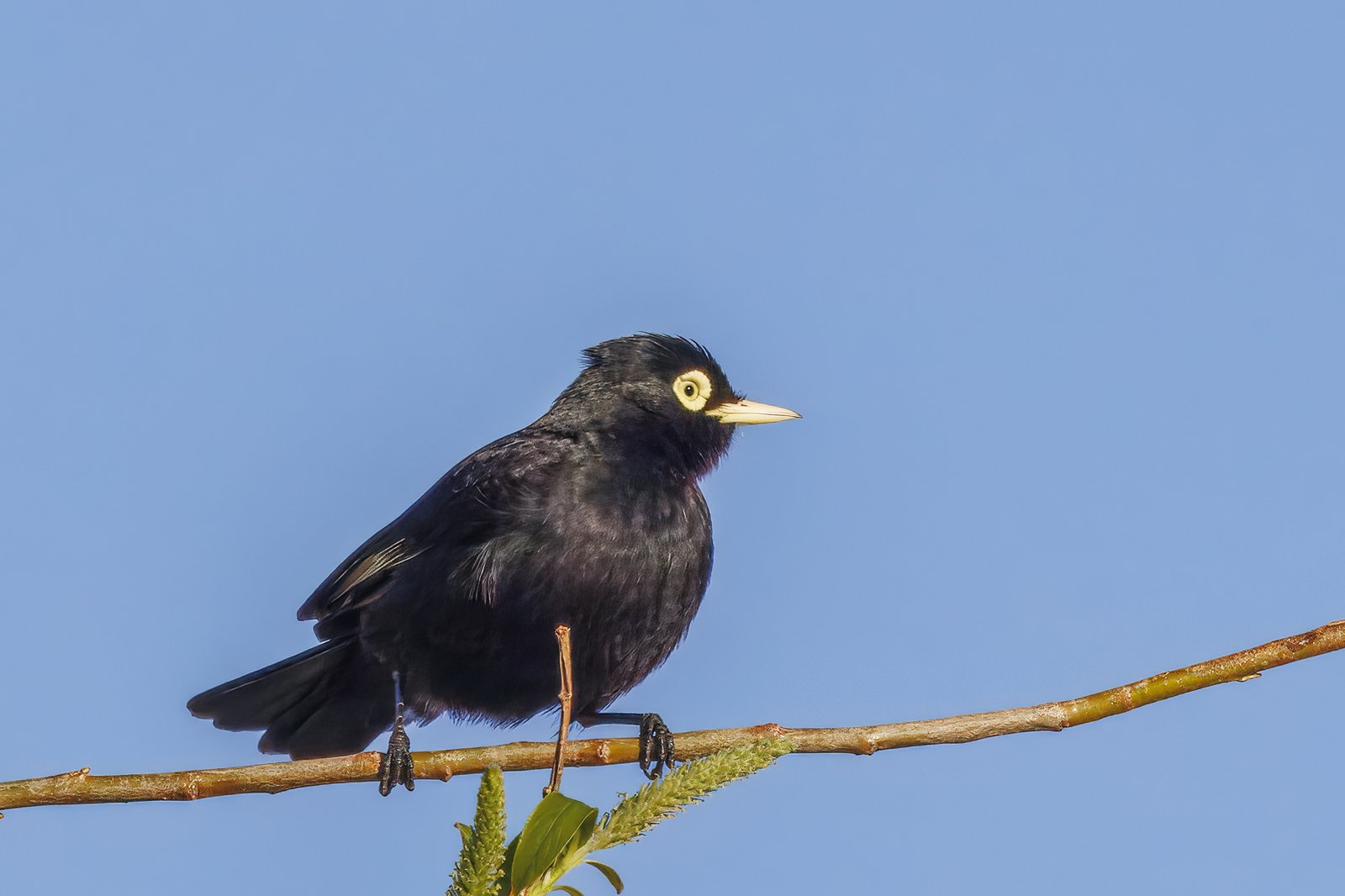
Phylloscartes 4 espécies
-
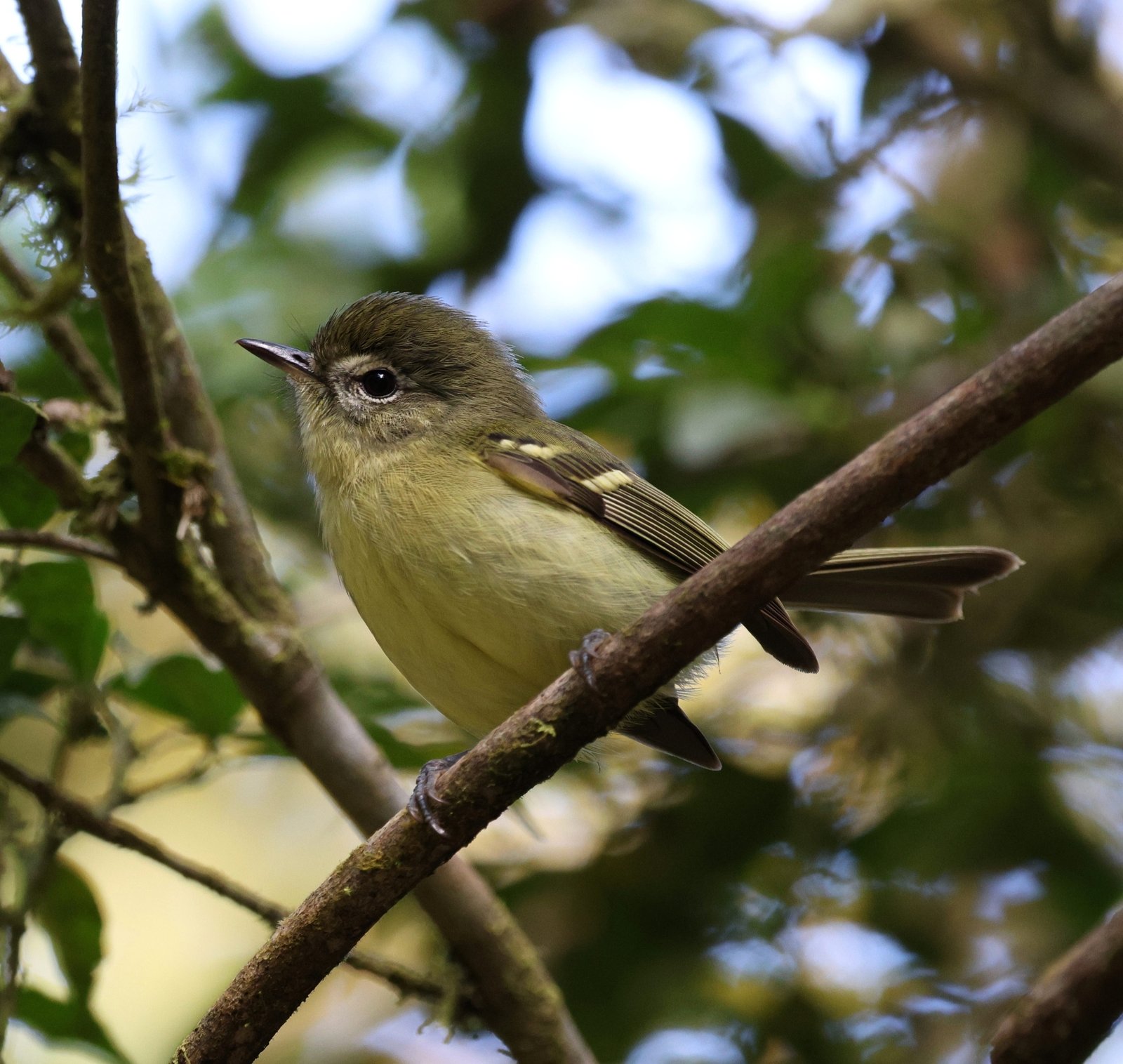
Borboletinha-do-mato
Phylloscartes ventralis- Upper Yungas cloud forest
- Lower Yungas forest
- Riparian woodland of the Andes and coastal valleys
-
Borboletinha-de-sobrancelha-ruiva
Phylloscartes superciliaris- Northern Andean subtropical forest
- Northern Andean cloud forest and temperate forest
- Eastern Andean foothill forest
-
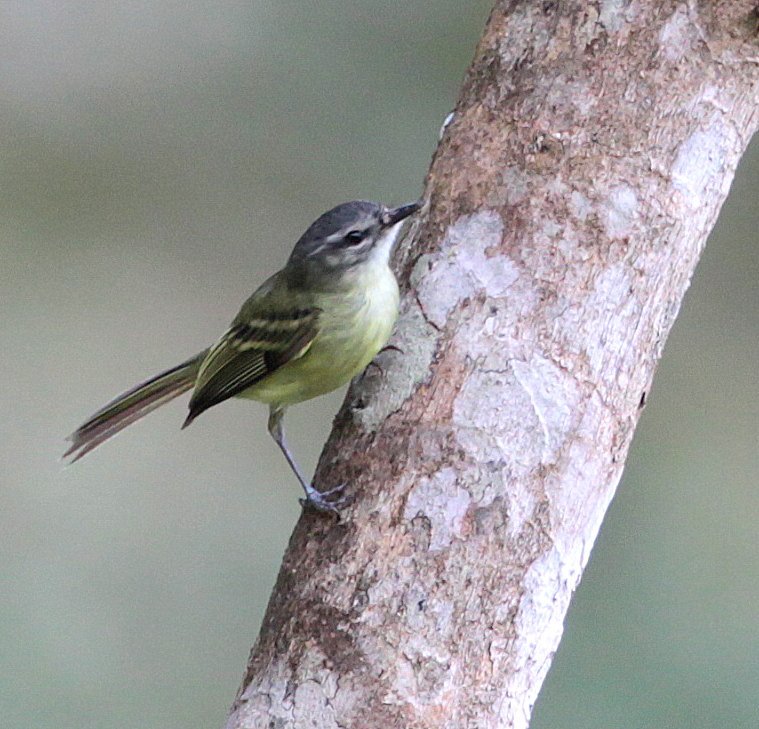
Borboletinha-equatoriana
Phylloscartes gualaquizae- Eastern Andean foothill forest
- Northern Andean subtropical forest
- Secondary forest and forest edge
-
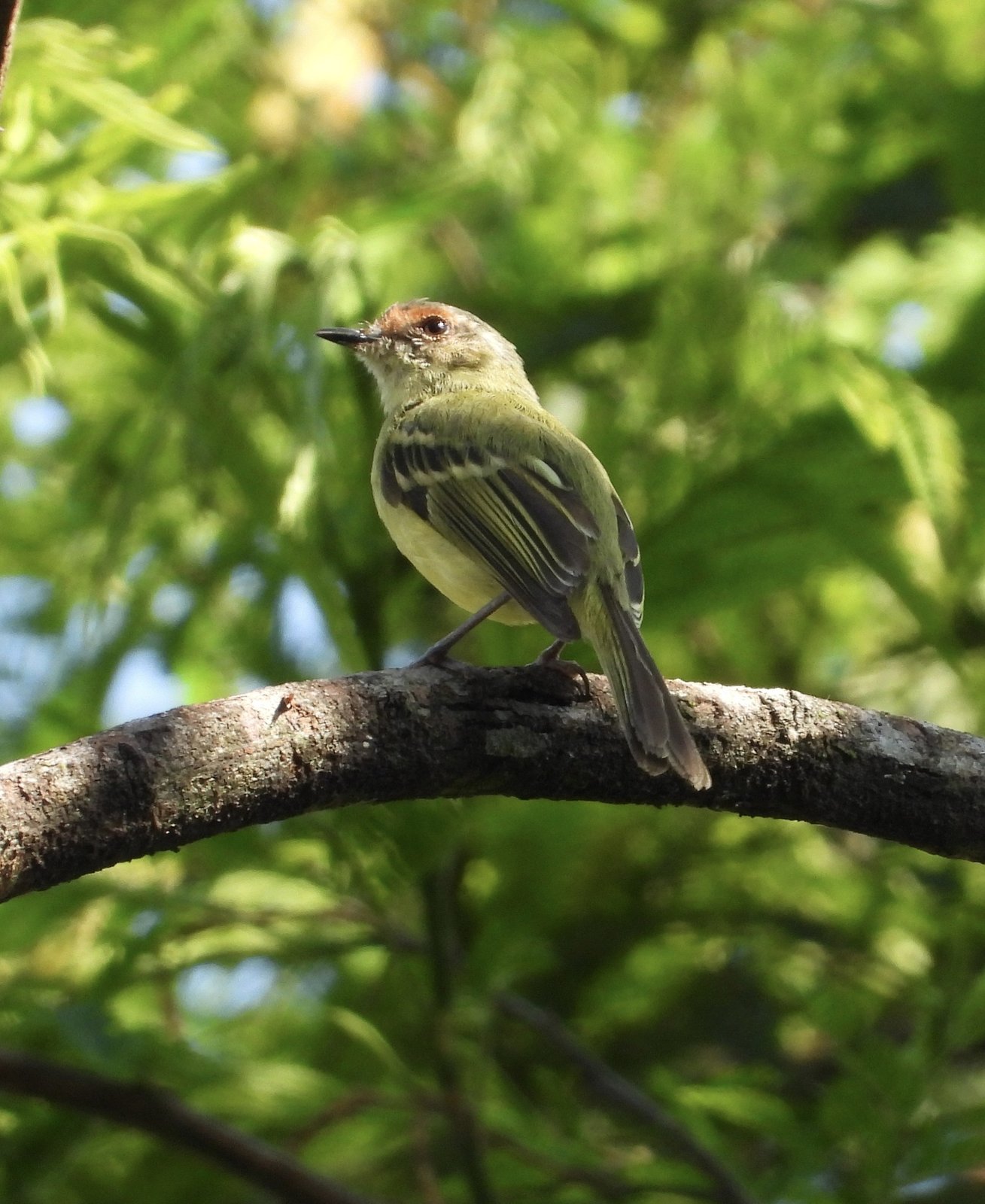
Borboletinha-de-cara-canela
Phylloscartes parkeri- Eastern Andean foothill forest
- Lower Yungas forest
- Bamboo forest
Corythopis 2 espécies
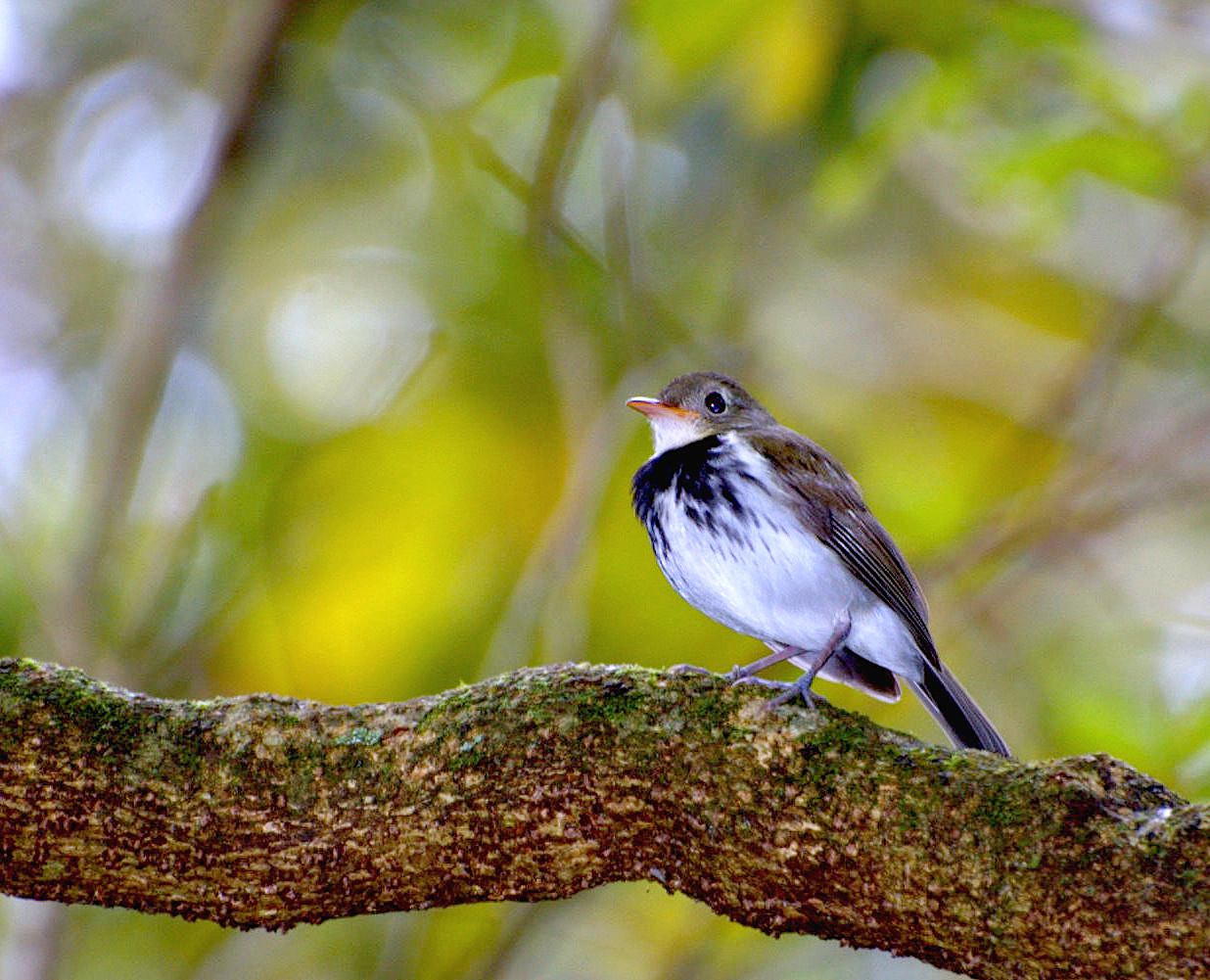
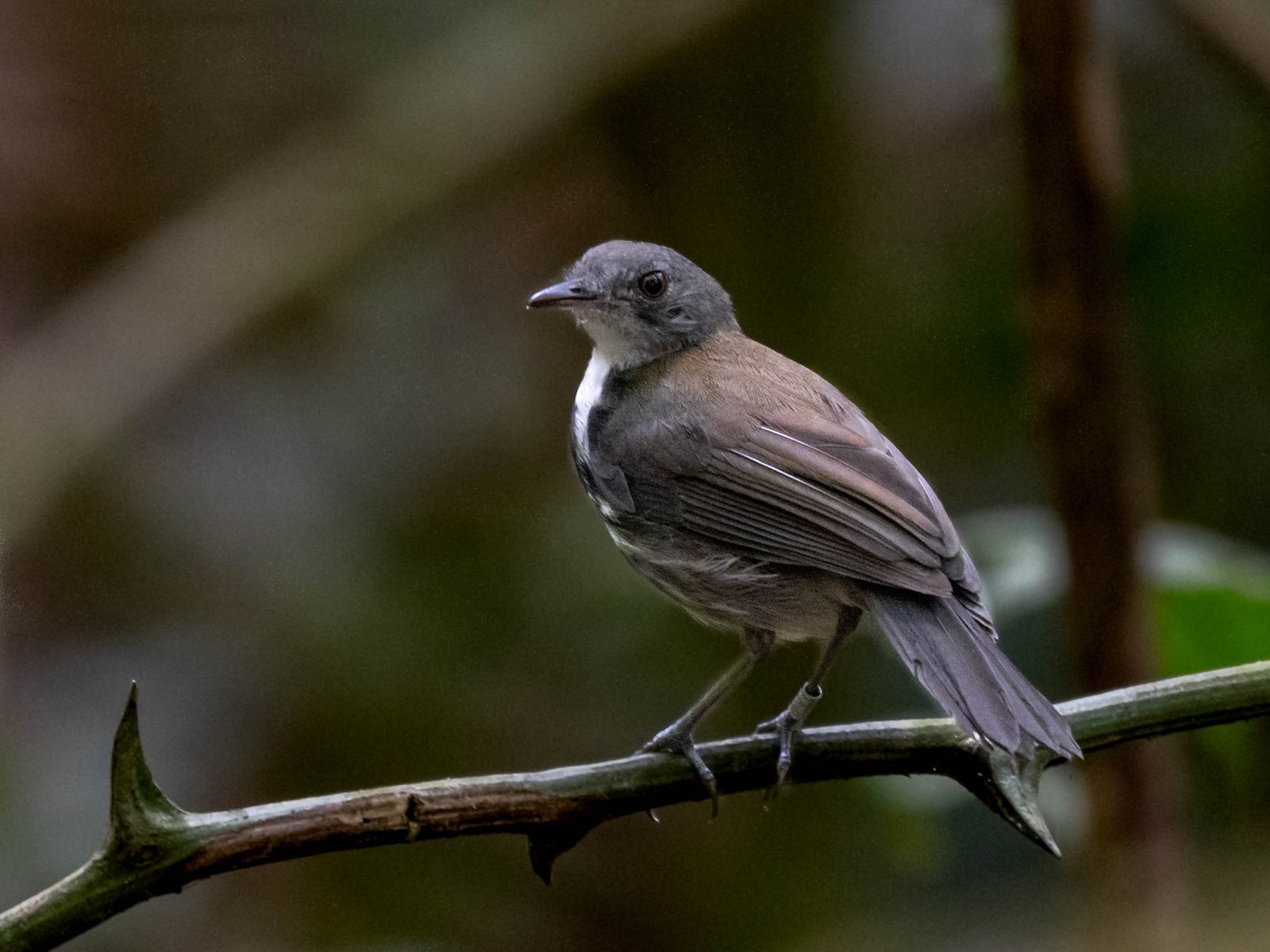
Sirystes 2 espécies
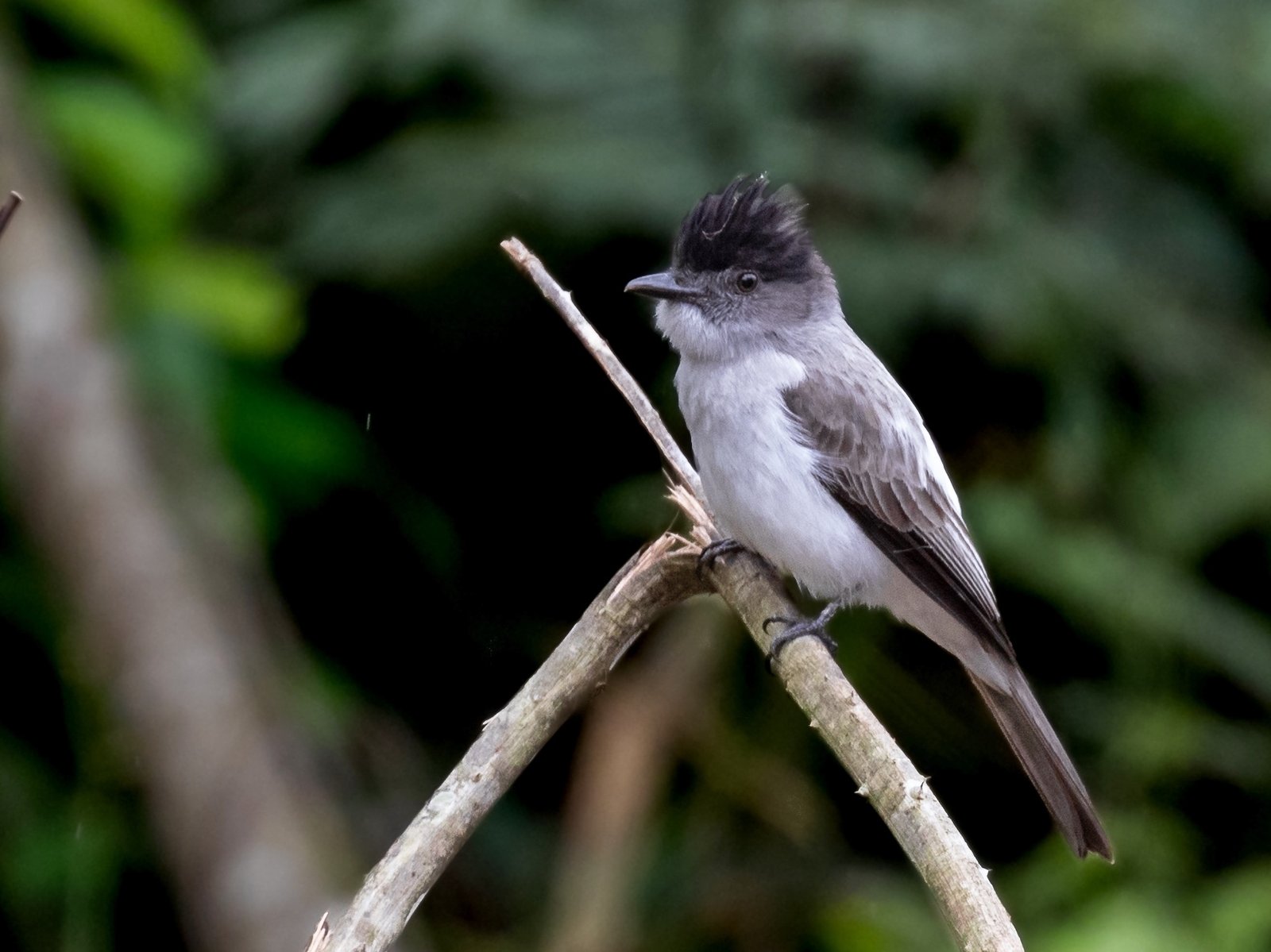

Hemitriccus 13 espécies
-
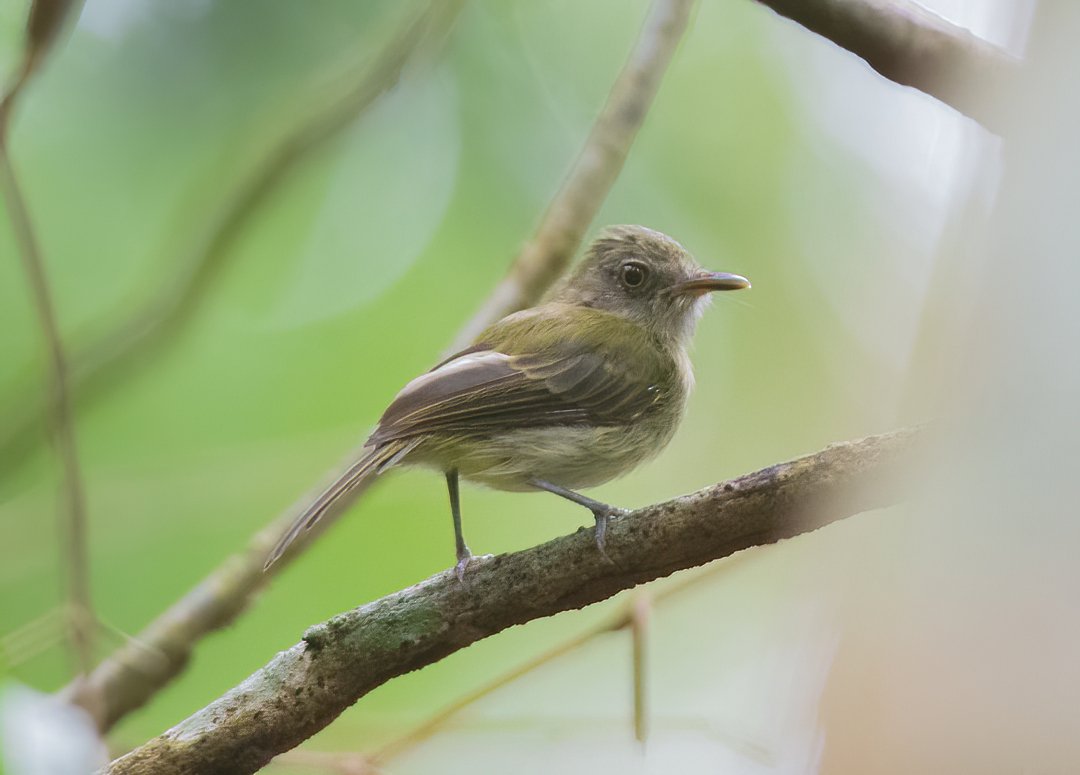
Maria-sebinha
Hemitriccus minor- Amazonian terra firme rainforest
- Secondary forest and forest edge
- Várzea, igapó and river islands
-

Maria-dos-yungas
Hemitriccus spodiops- Lower Yungas forest
- Bamboo forest
- Secondary forest and forest edge
-
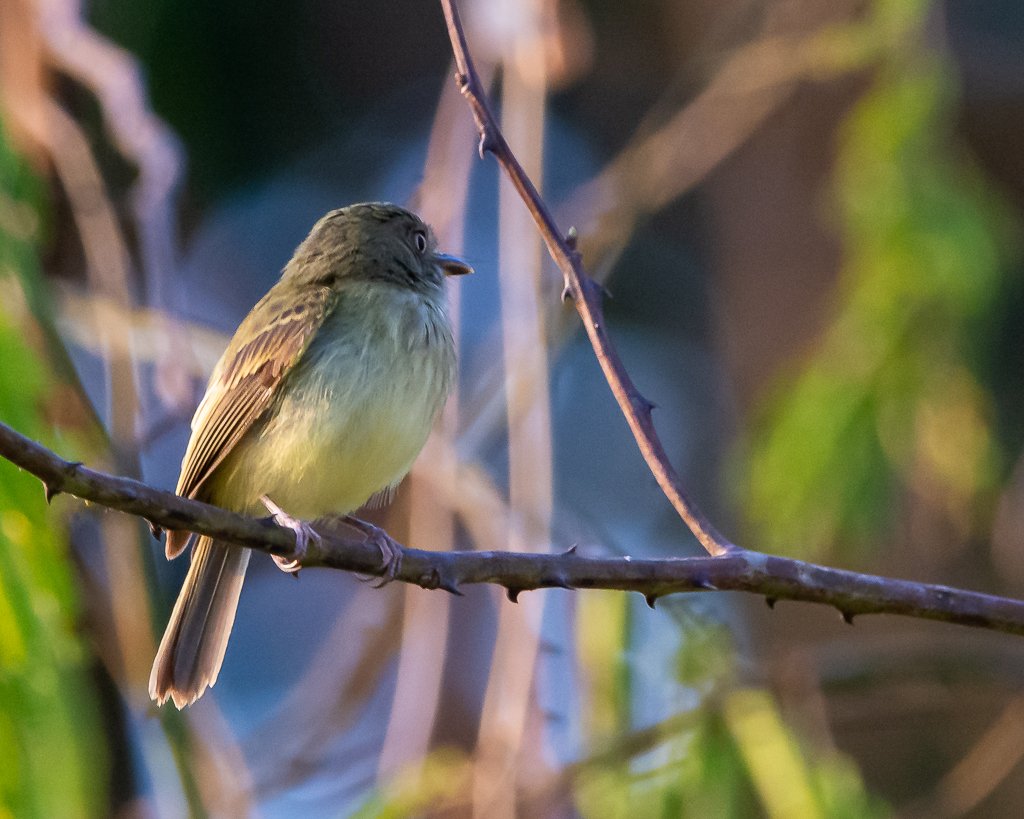
Maria-do-acre
Hemitriccus cohnhafti- Secondary forest and forest edge
- Bamboo forest
-
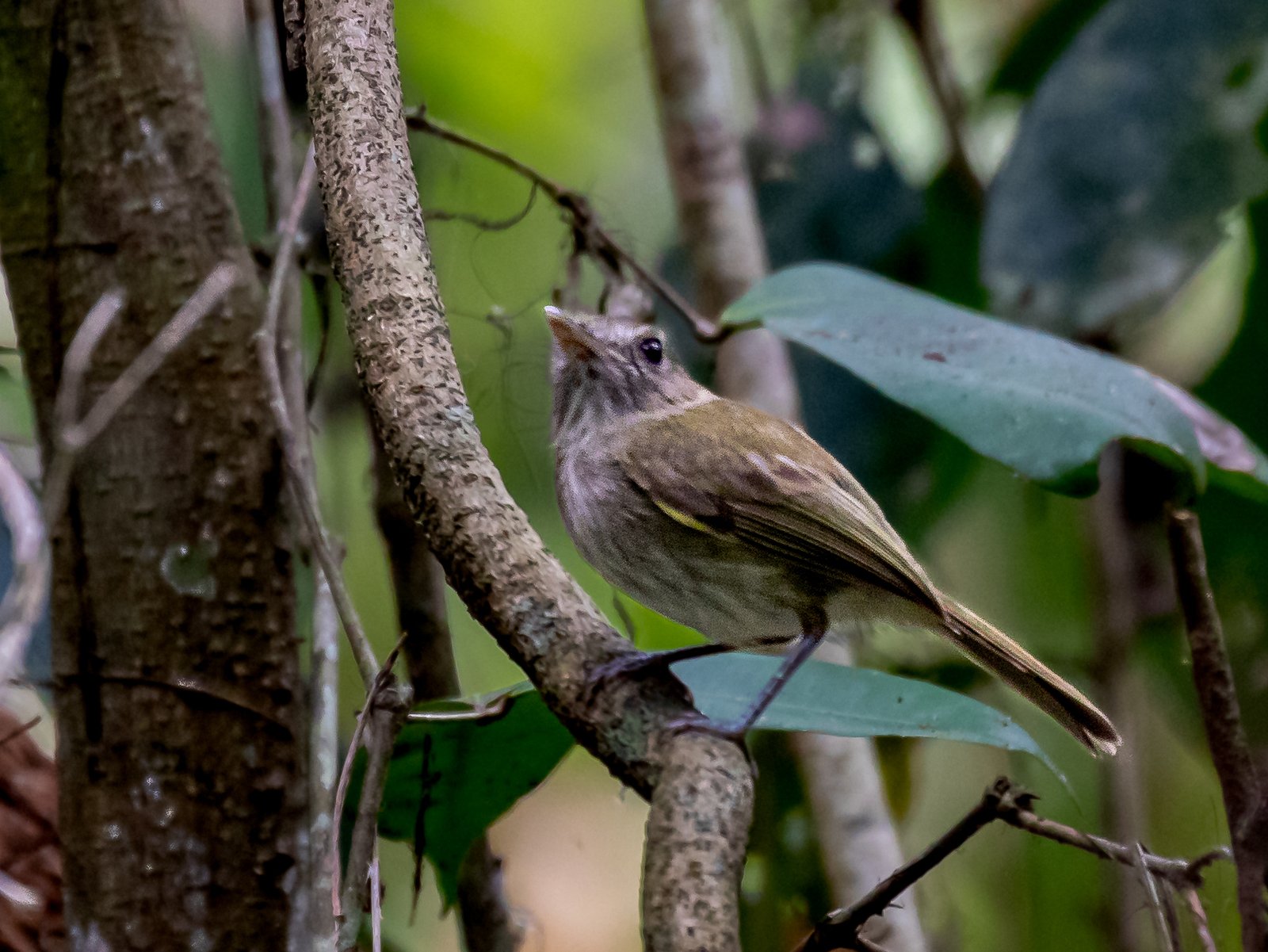
Maria-de-peito-machetado
Hemitriccus flammulatus- Bamboo forest
- Eastern Andean foothill forest
- Secondary forest and forest edge
- Amazonian terra firme rainforest
-
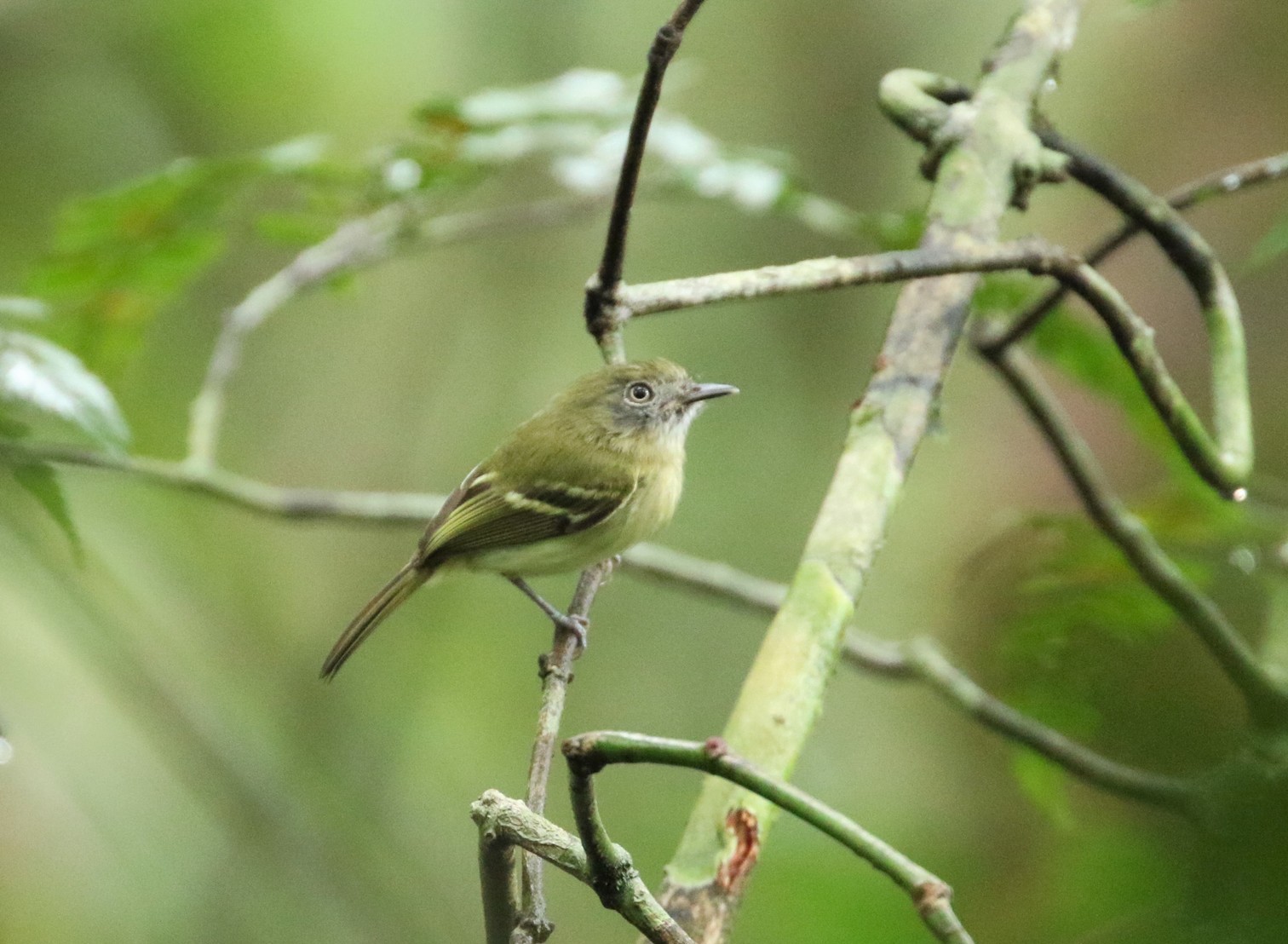
Maria-de-olho-branco
Hemitriccus zosterops- Amazonian terra firme rainforest
- Eastern Andean foothill forest
- Secondary forest and forest edge
-
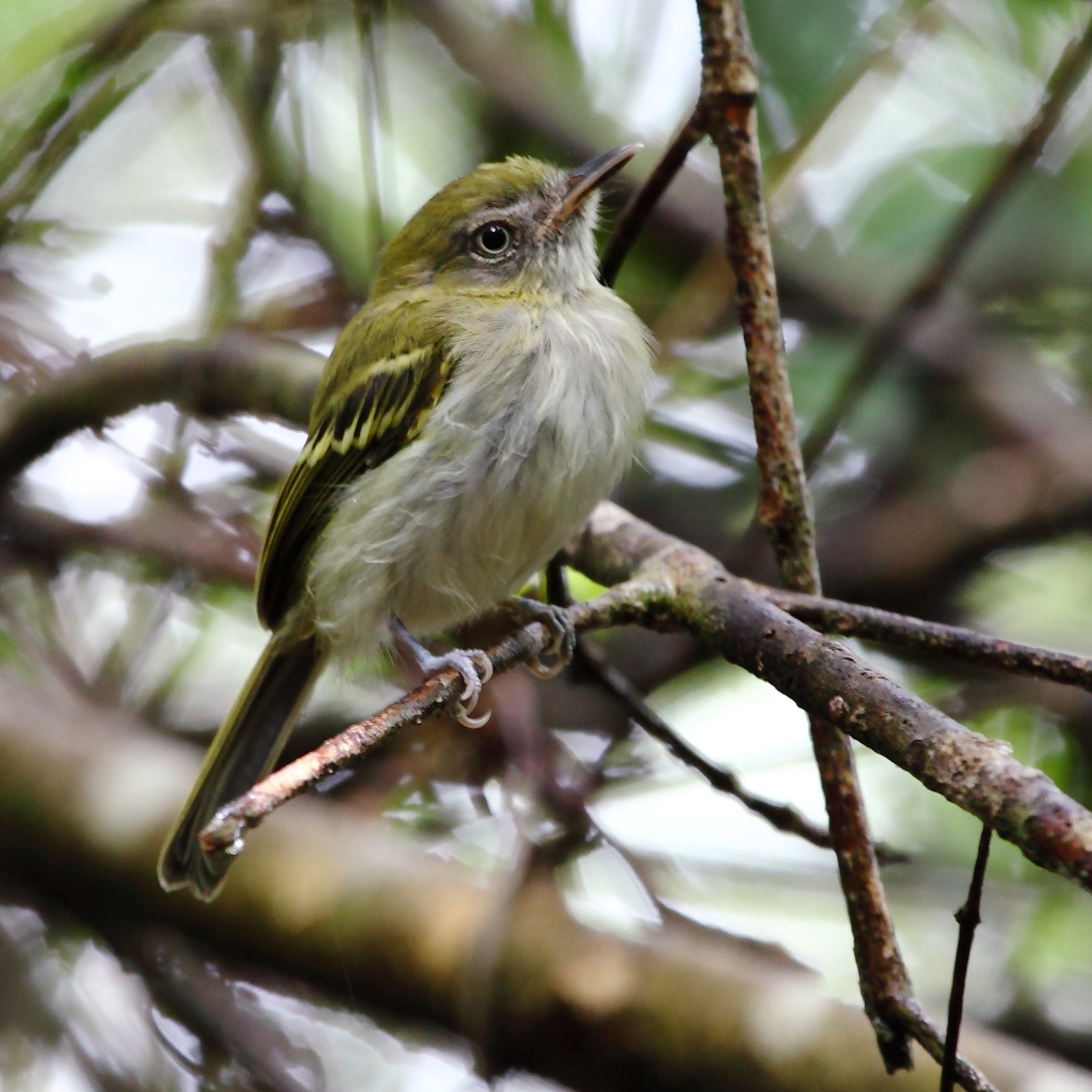
Maria-de-barriga-branca
Hemitriccus griseipectus- Amazonian terra firme rainforest
- Eastern Andean foothill forest
- Secondary forest and forest edge
-
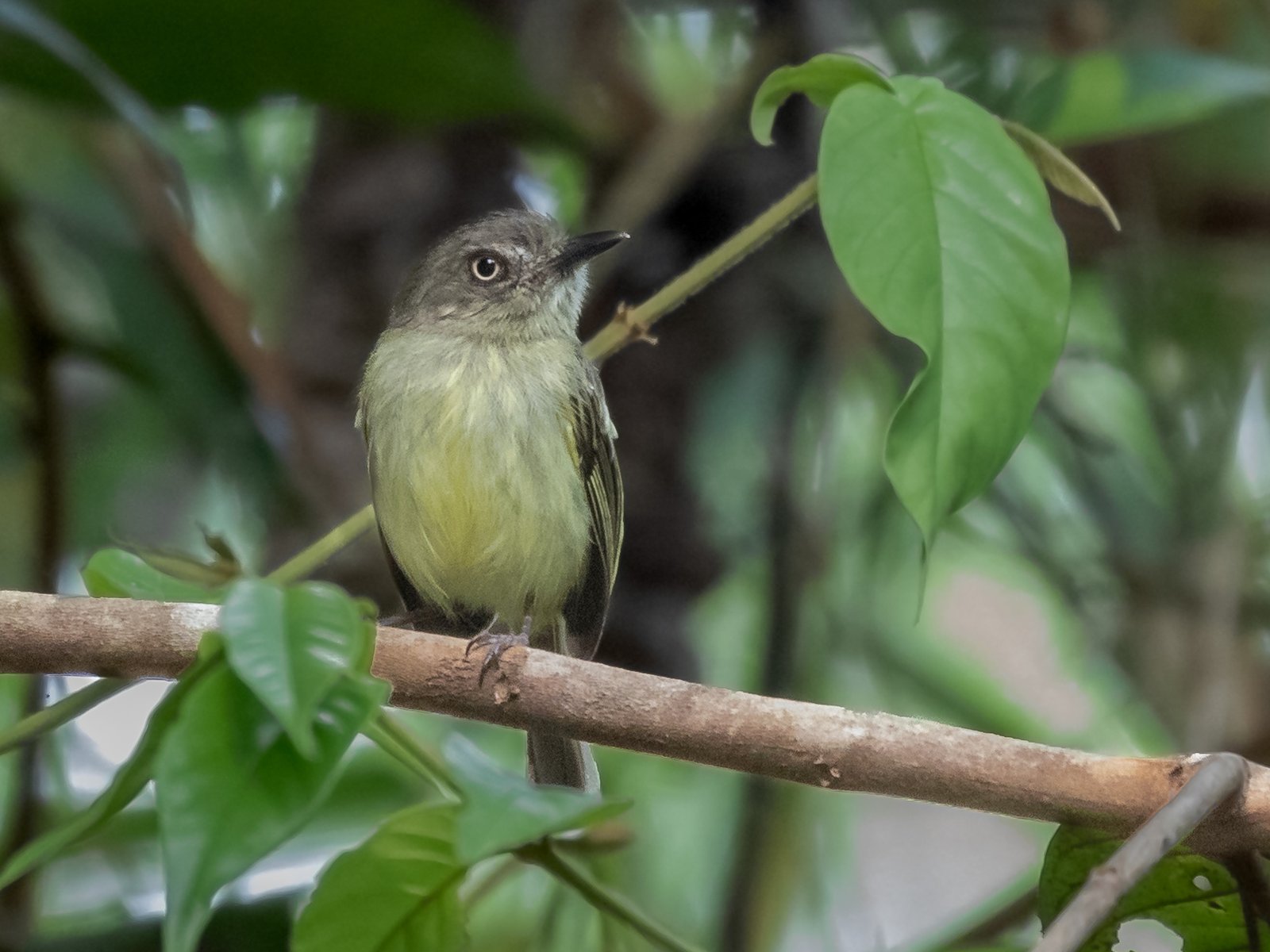
Maria-peruviana
Hemitriccus iohannis- Várzea, igapó and river islands
- Secondary forest and forest edge
 Lowland rivers and sandbars
-
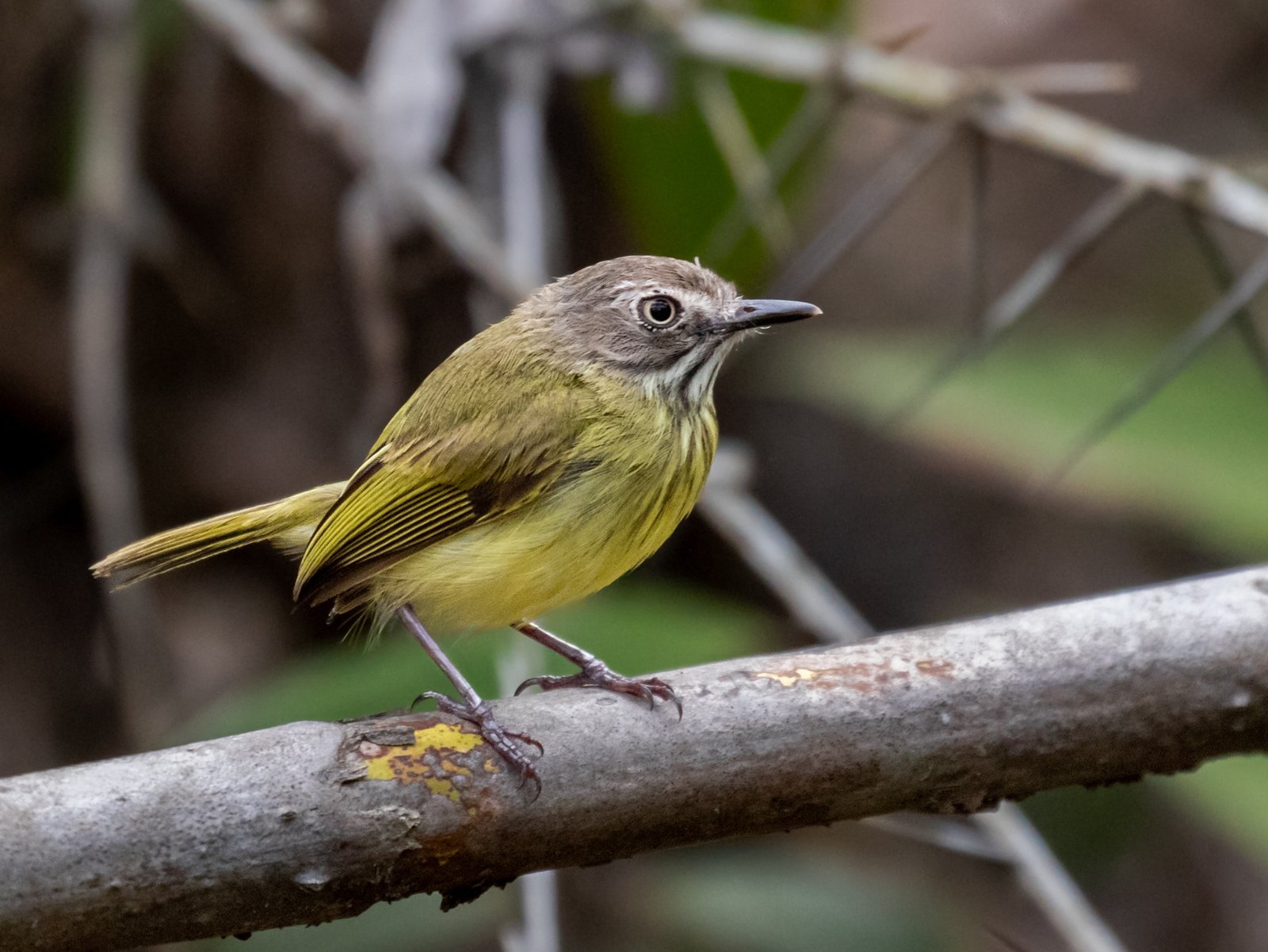
Sebinho-rajado-amarelo
Hemitriccus striaticollis- Secondary forest and forest edge
- Eastern Andean foothill forest
- Coffee, cacao and agroforestry
- Riparian woodland of the Andes and coastal valleys
-
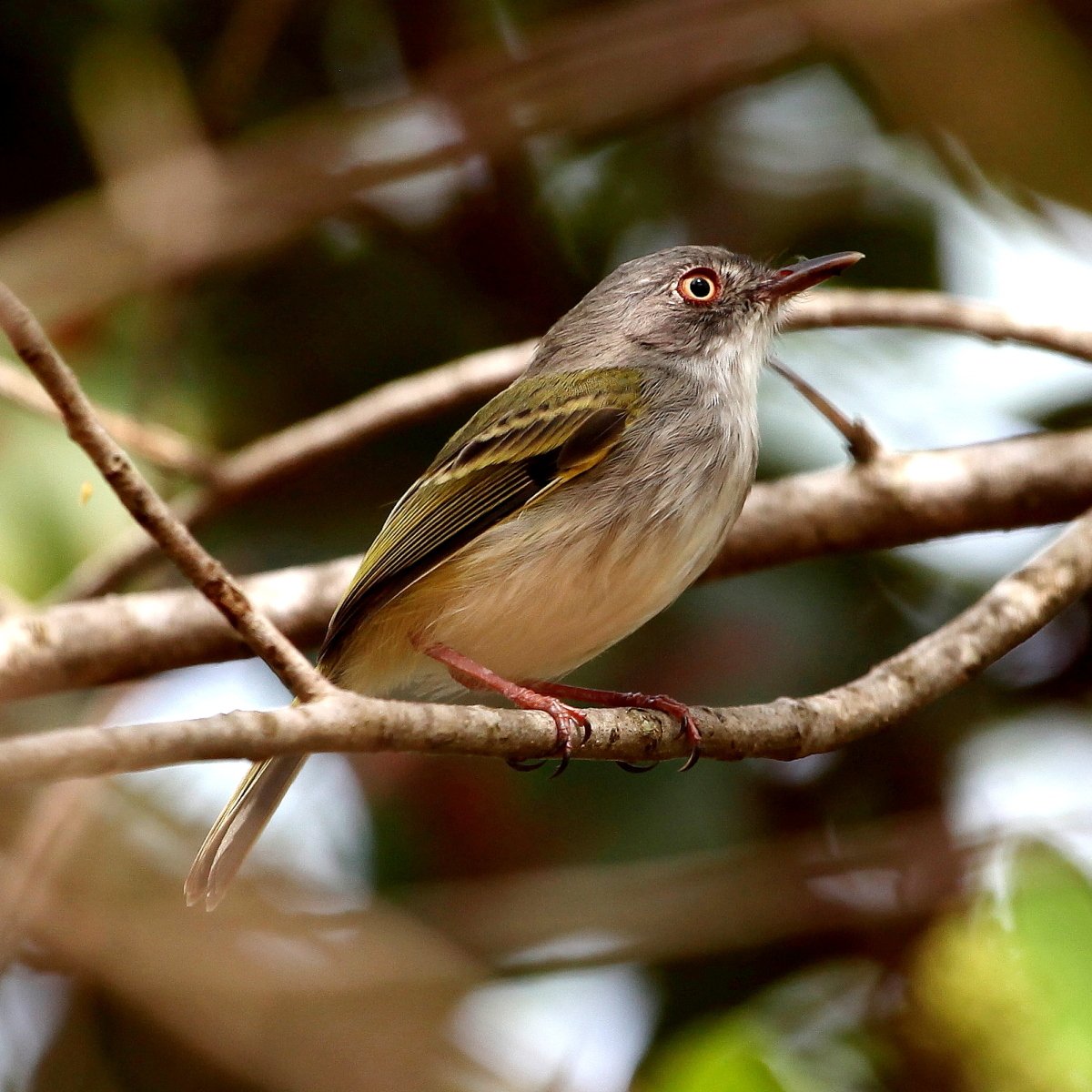
Sebinho-de-olho-de-ouro
Hemitriccus margaritaceiventer- Chiquitano dry forest and Chaco
- Central Andean dry valleys
- Beni savanna and cerrado
- Marañón and northern inter-Andean dry forest
- Secondary forest and forest edge
-
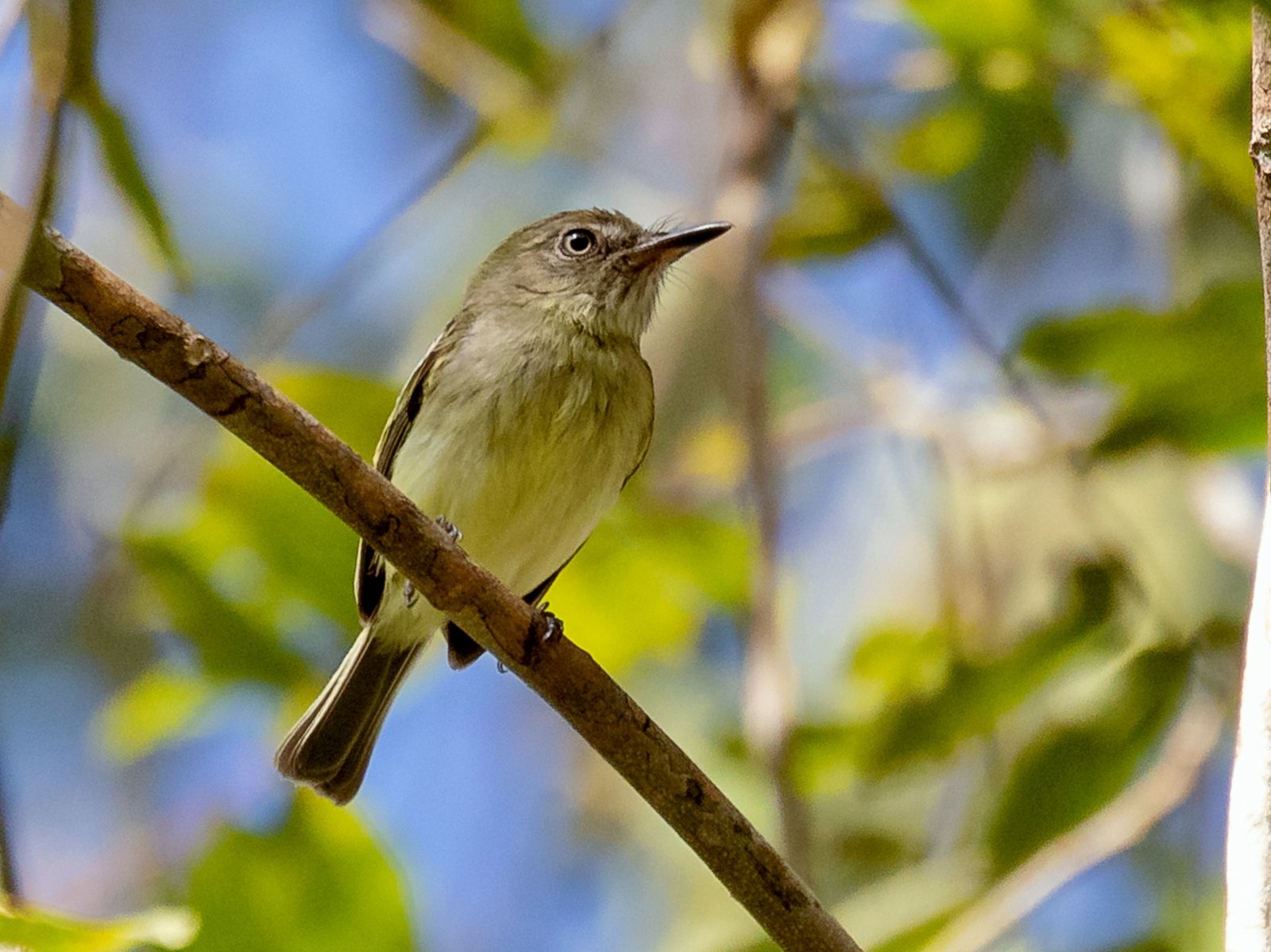
Maria-mirim
Hemitriccus minimus- Amazonian terra firme rainforest
- Secondary forest and forest edge
-
Maria-de-garganta-preta
Hemitriccus granadensis- Northern Andean cloud forest and temperate forest
- Upper Yungas cloud forest
- Northern Andean subtropical forest
- Lower Yungas forest
-
Maria-de-peito-canela
Hemitriccus cinnamomeipectus- Northern Andean cloud forest and temperate forest
- Northern Andean subtropical forest
-
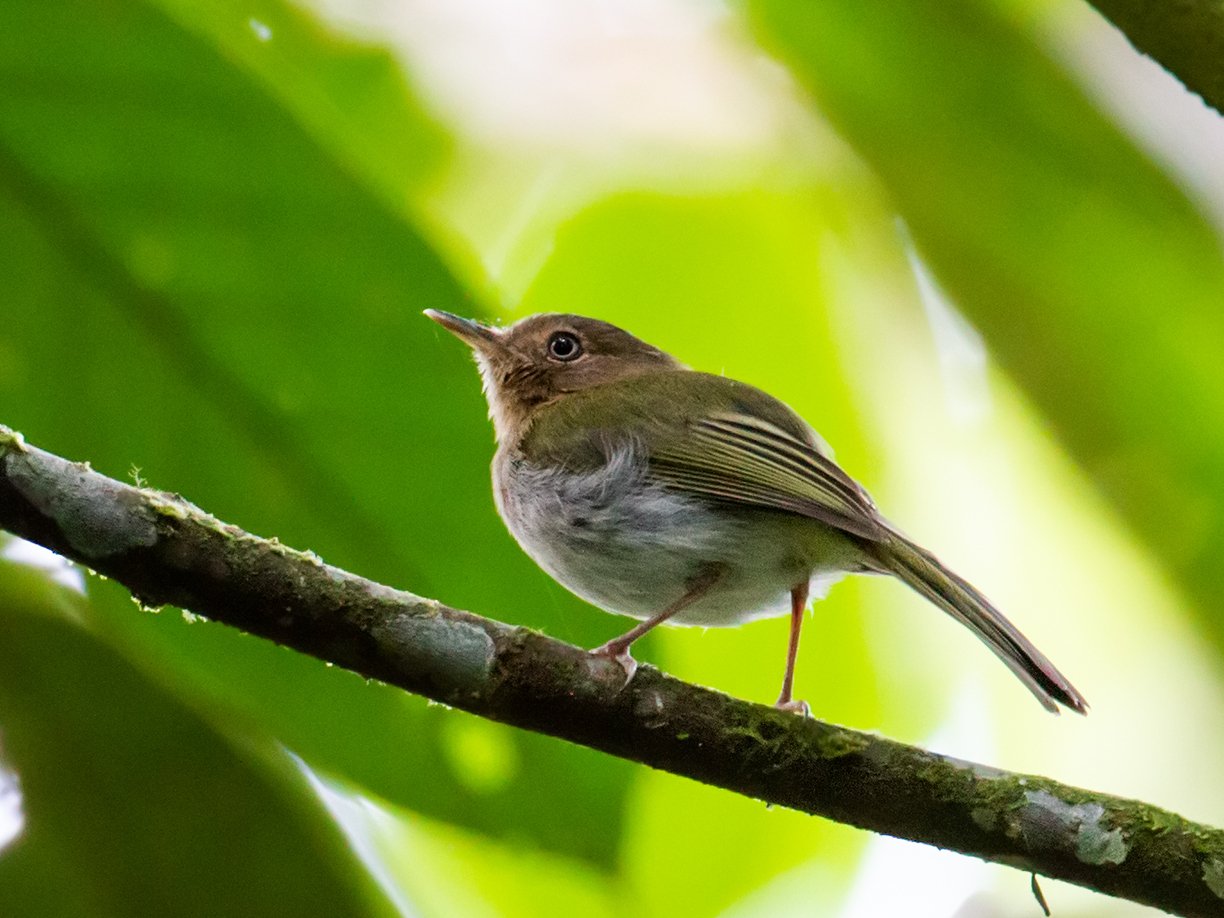
Maria-de-garganta-ocre
Hemitriccus rufigularis- Eastern Andean foothill forest
- Lower Yungas forest
- Northern Andean subtropical forest
Pseudelaenia 1 espécie

Myiodynastes 5 espécies
-

Bem-te-vi-de-barriga-dourada
Myiodynastes hemichrysus- Northern Andean cloud forest and temperate forest
- Northern Andean subtropical forest
- Secondary forest and forest edge
-

Bem-te-vi-de-coroa-dourada
Myiodynastes chrysocephalus- Northern Andean subtropical forest
- Lower Yungas forest
- Eastern Andean foothill forest
- Riparian woodland of the Andes and coastal valleys
- Secondary forest and forest edge
-
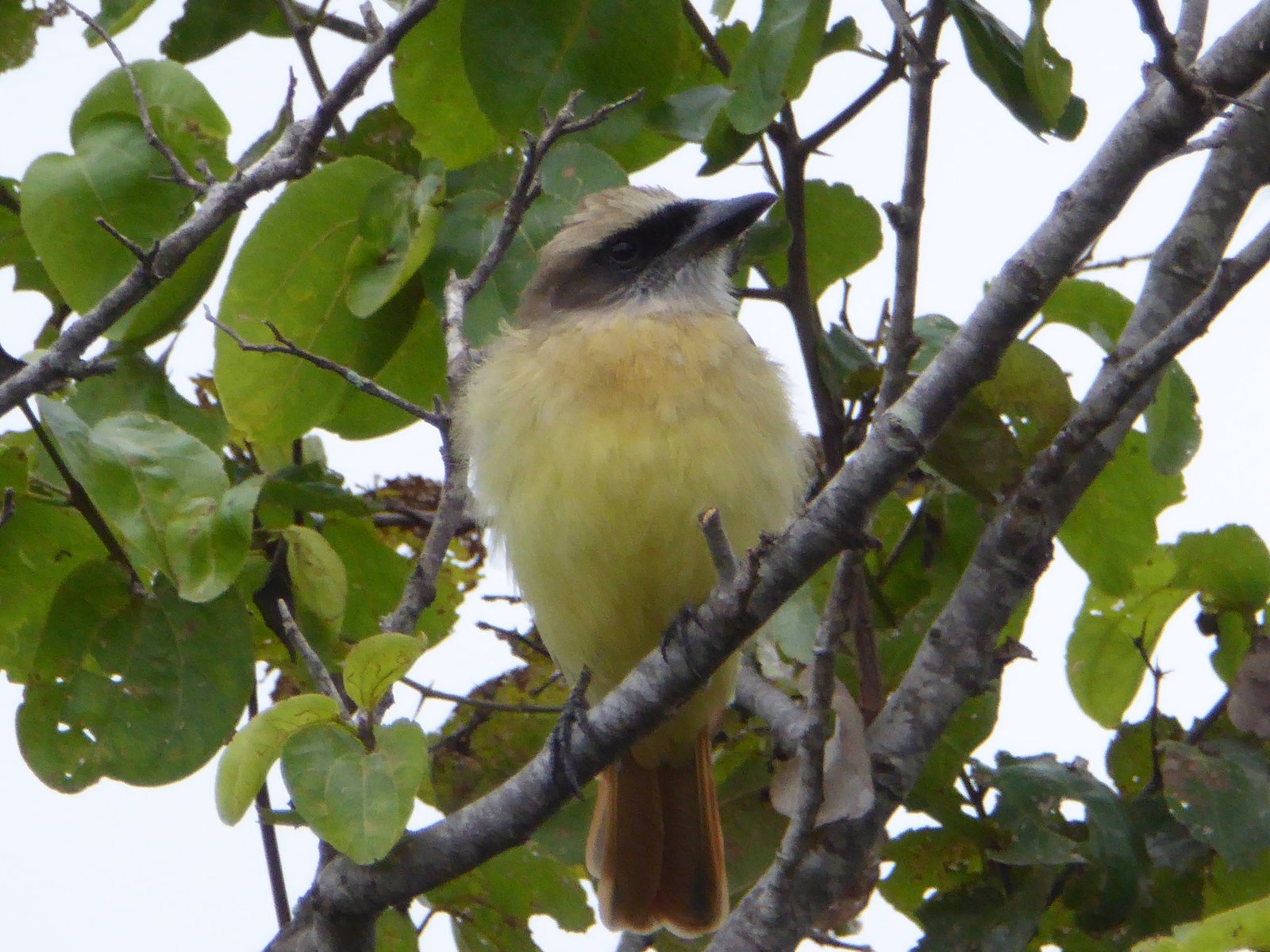
Bem-te-vi-de-baird
Myiodynastes bairdii- Tumbesian dry forest and thorn scrub
- Riparian woodland of the Andes and coastal valleys
- Secondary forest and forest edge
 Coastal desert
-
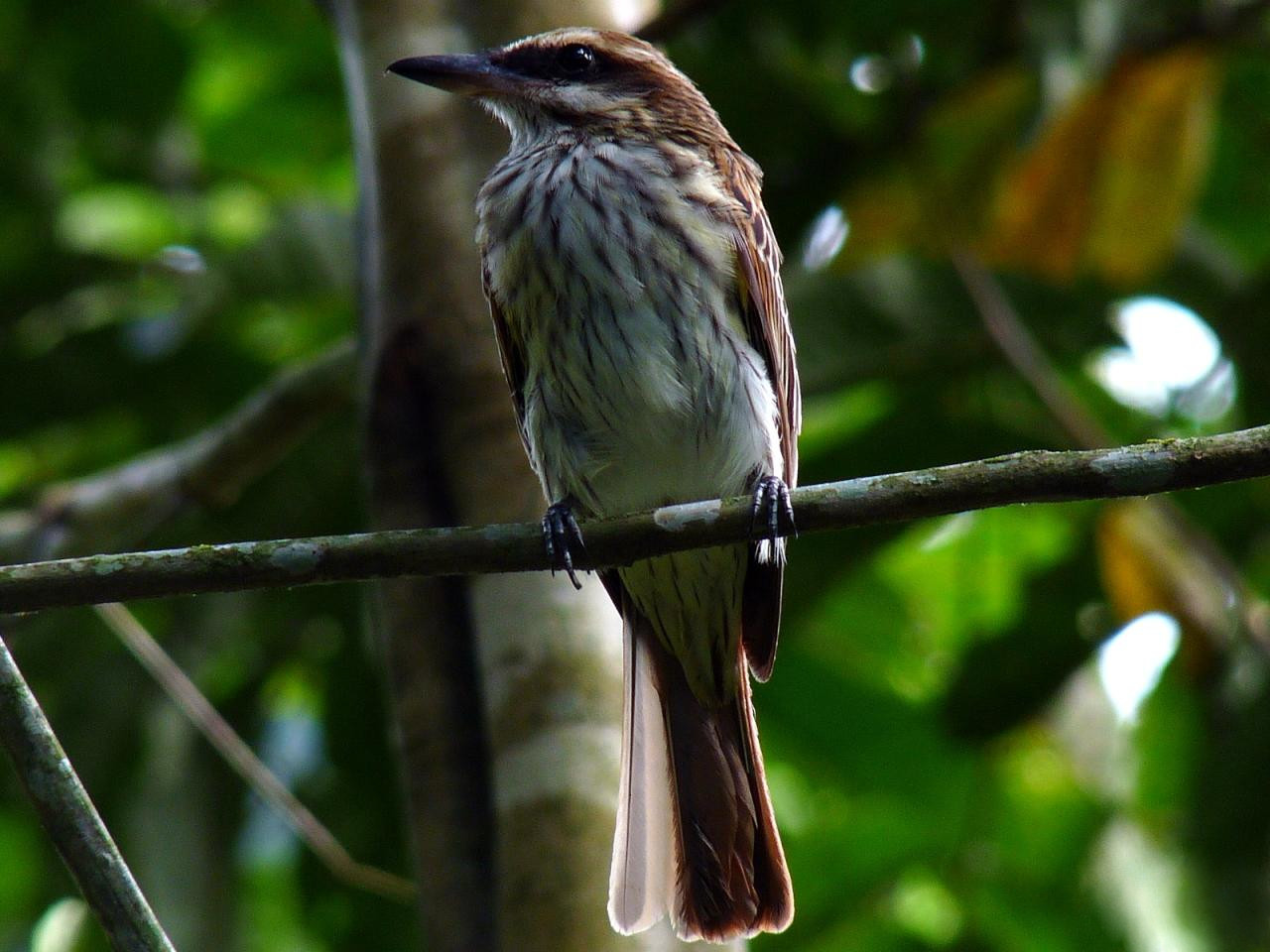
Bem-te-vi-rajado
Myiodynastes maculatus- Secondary forest and forest edge
- Várzea, igapó and river islands
- Riparian woodland of the Andes and coastal valleys
- Amazonian terra firme rainforest
- Tumbesian dry forest and thorn scrub
- Coffee, cacao and agroforestry
-
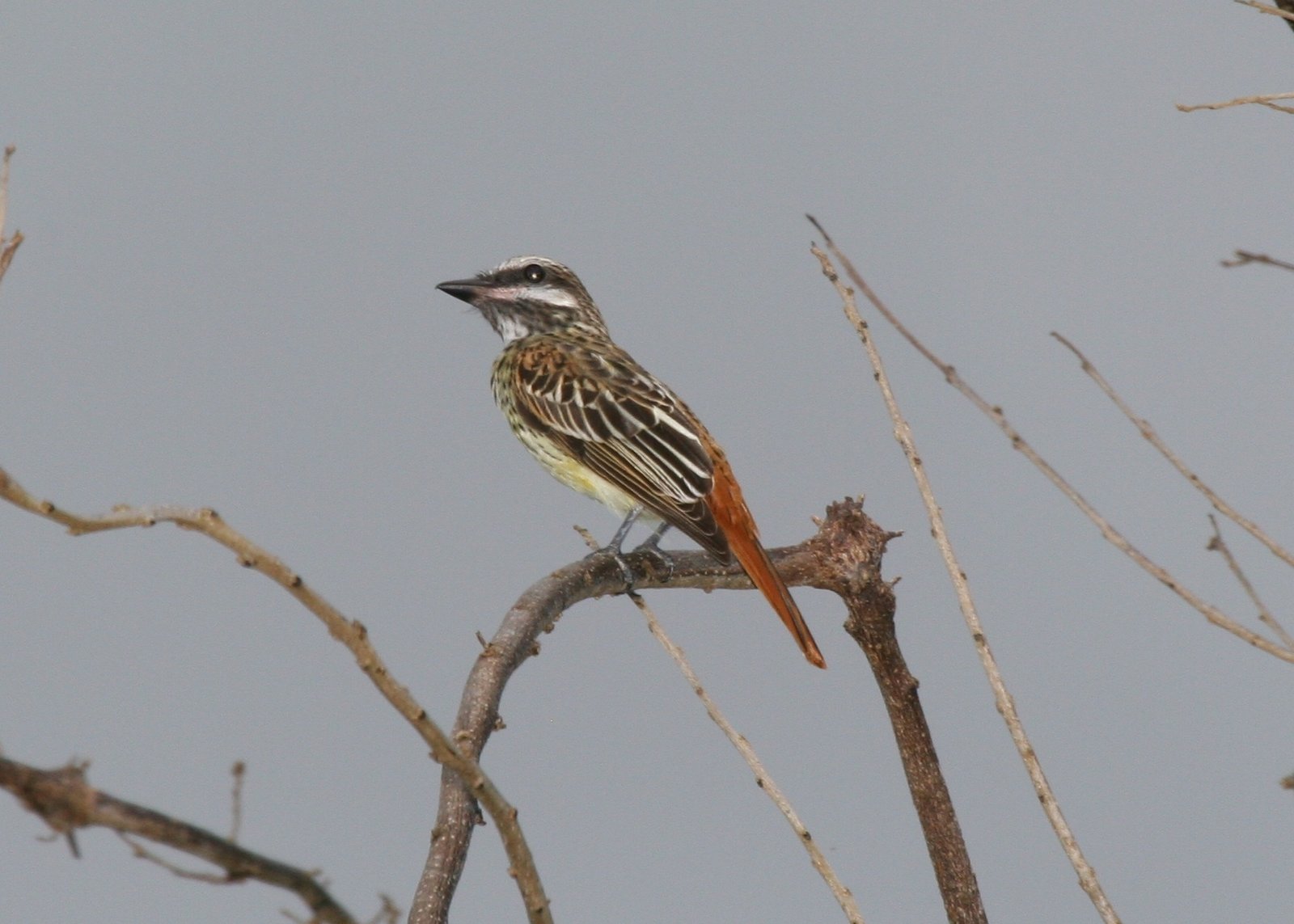
Bem-te-vi-de-barriga-sulfúrea
Myiodynastes luteiventris- Amazonian terra firme rainforest
- Secondary forest and forest edge
- Eastern Andean foothill forest
- Várzea, igapó and river islands
- Northern Andean subtropical forest
Xolmis 2 espécies
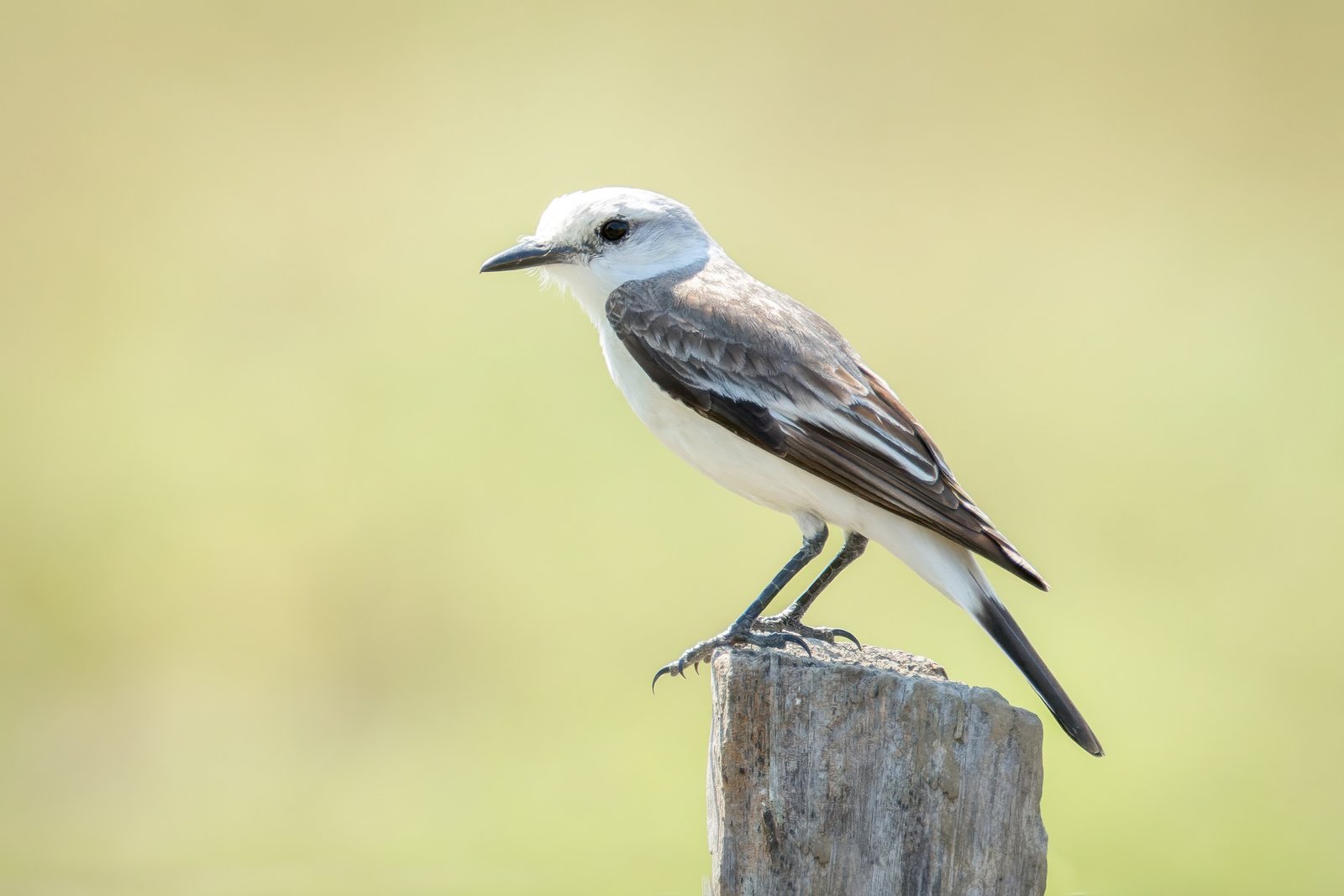
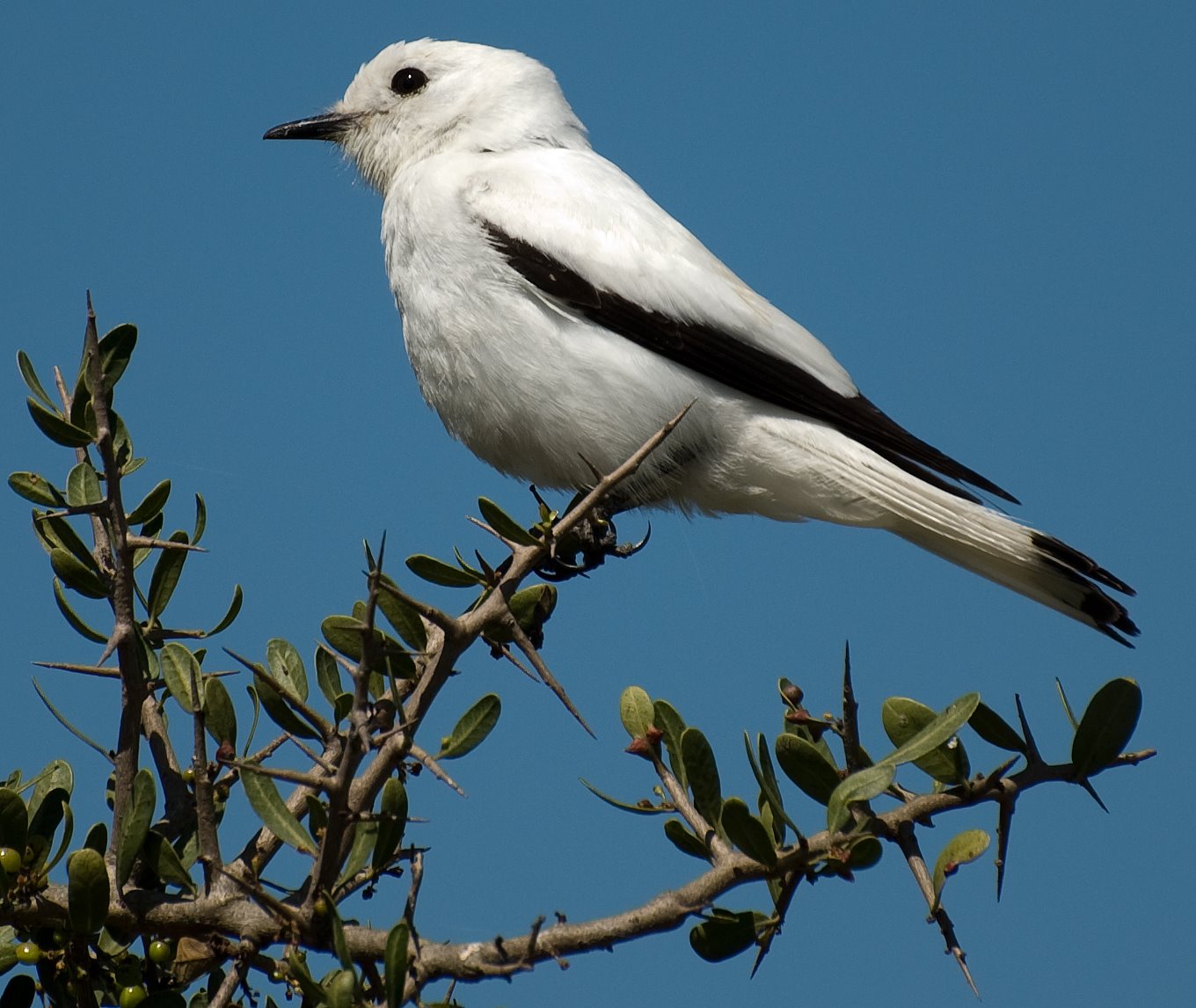
Tyrannulus 1 espécie
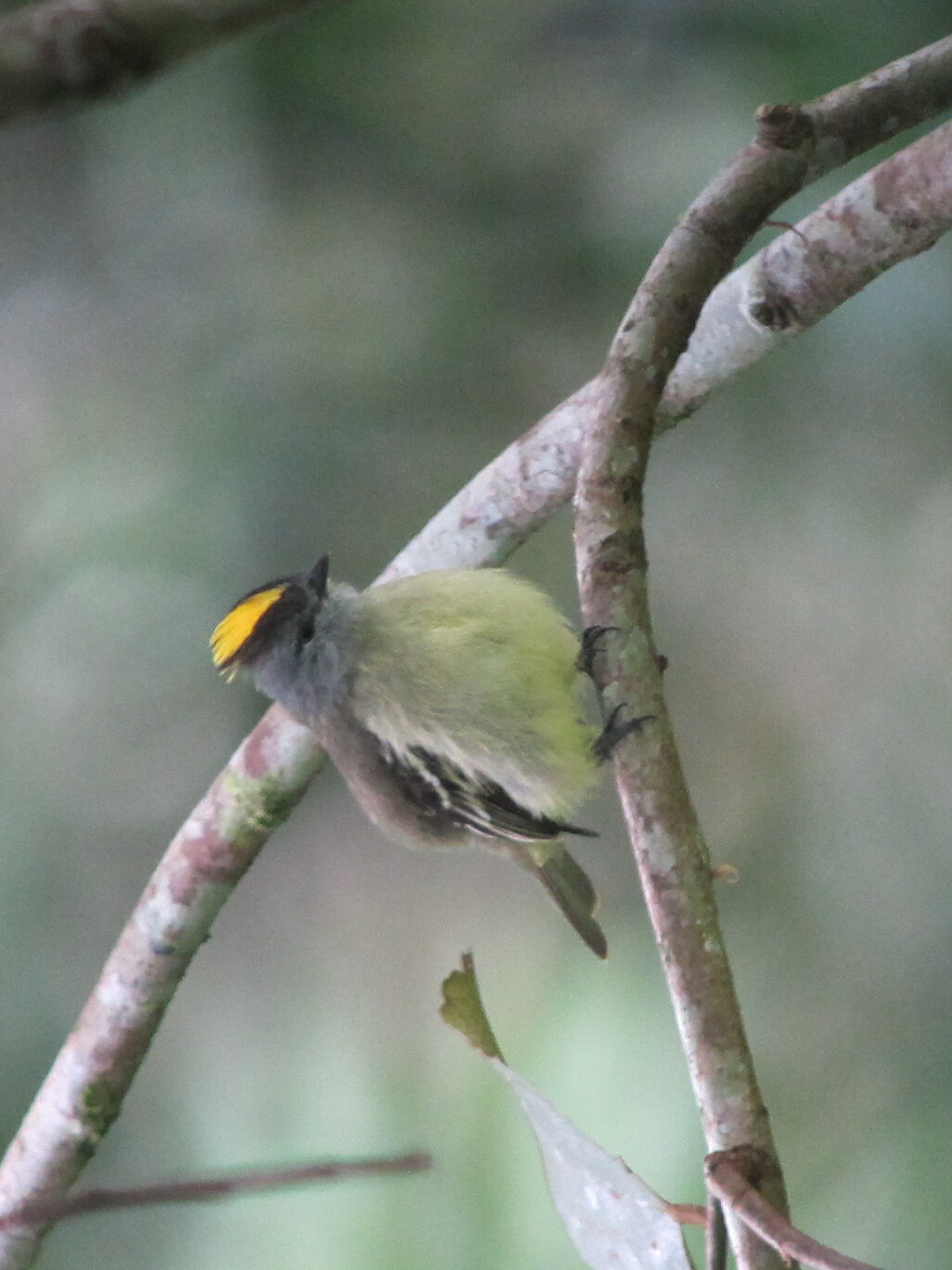
Syrtidicola 1 espécie
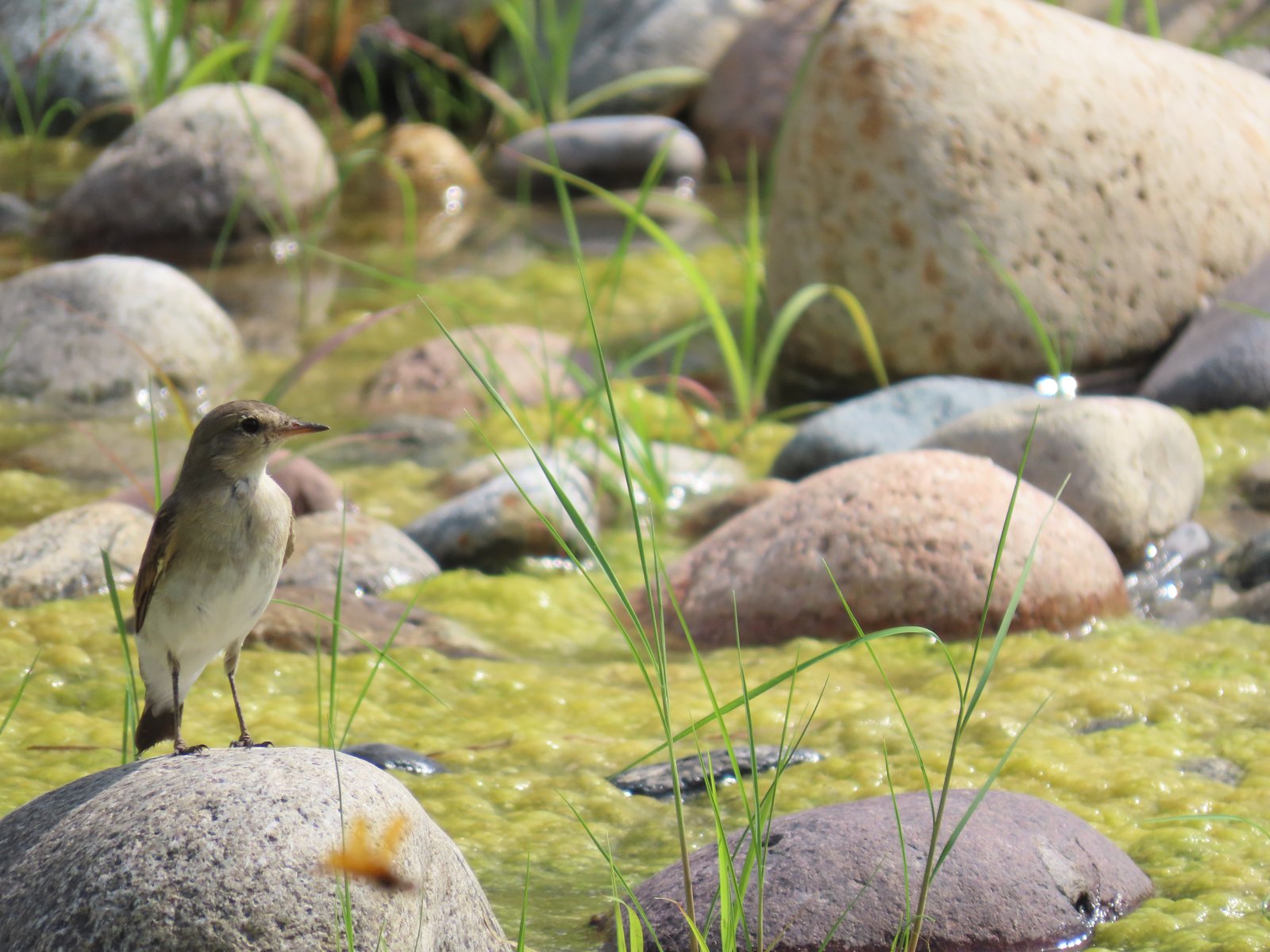
Leptopogon 4 espécies
-
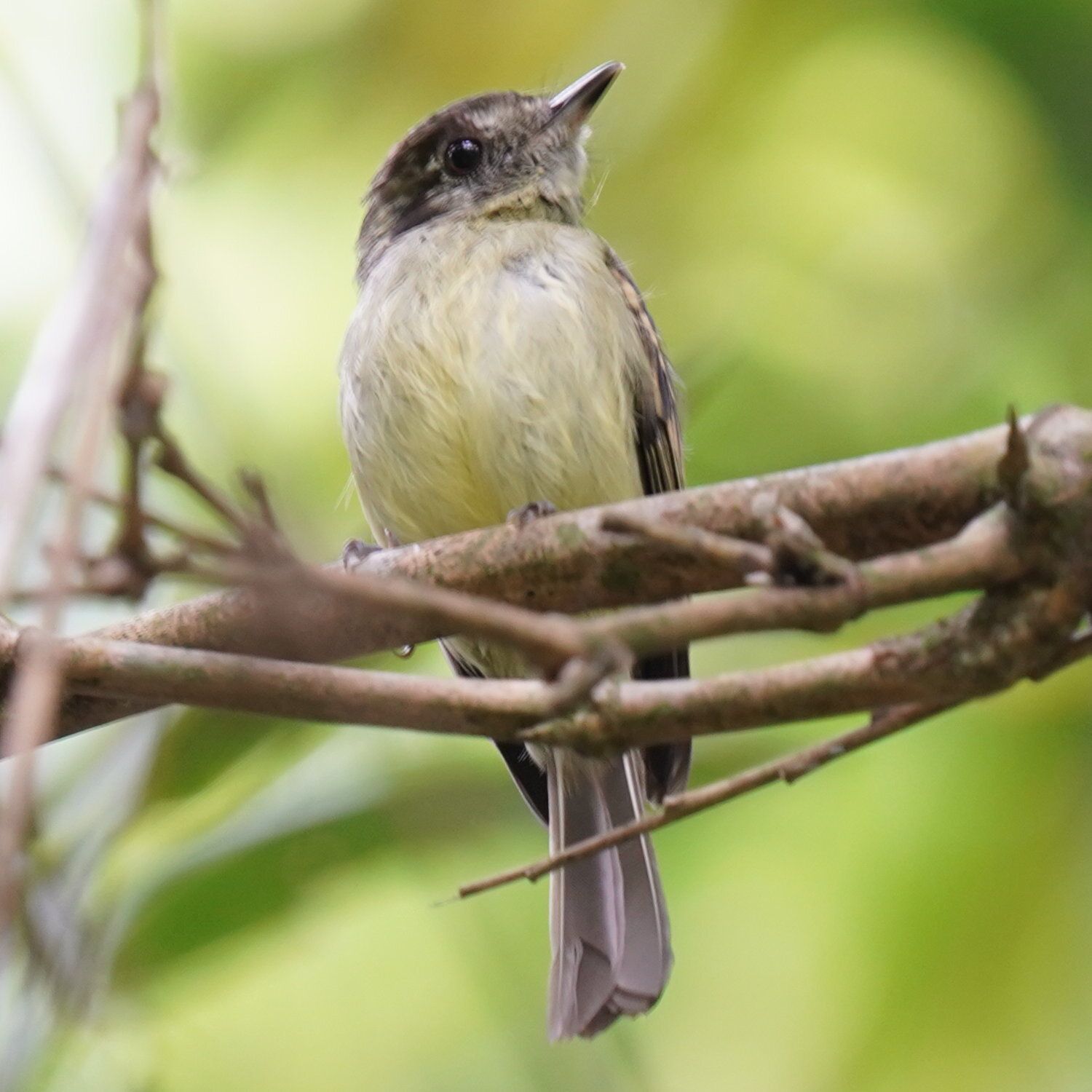
Cabeçudo
Leptopogon amaurocephalus- Amazonian terra firme rainforest
- Várzea, igapó and river islands
- Chiquitano dry forest and Chaco
- Secondary forest and forest edge
- Eastern Andean foothill forest
-

Cabeçudo-de-coroa-cinza
Leptopogon superciliaris- Northern Andean subtropical forest
- Eastern Andean foothill forest
- Lower Yungas forest
- Western Ecuador humid forest
- Chocó rainforest
-
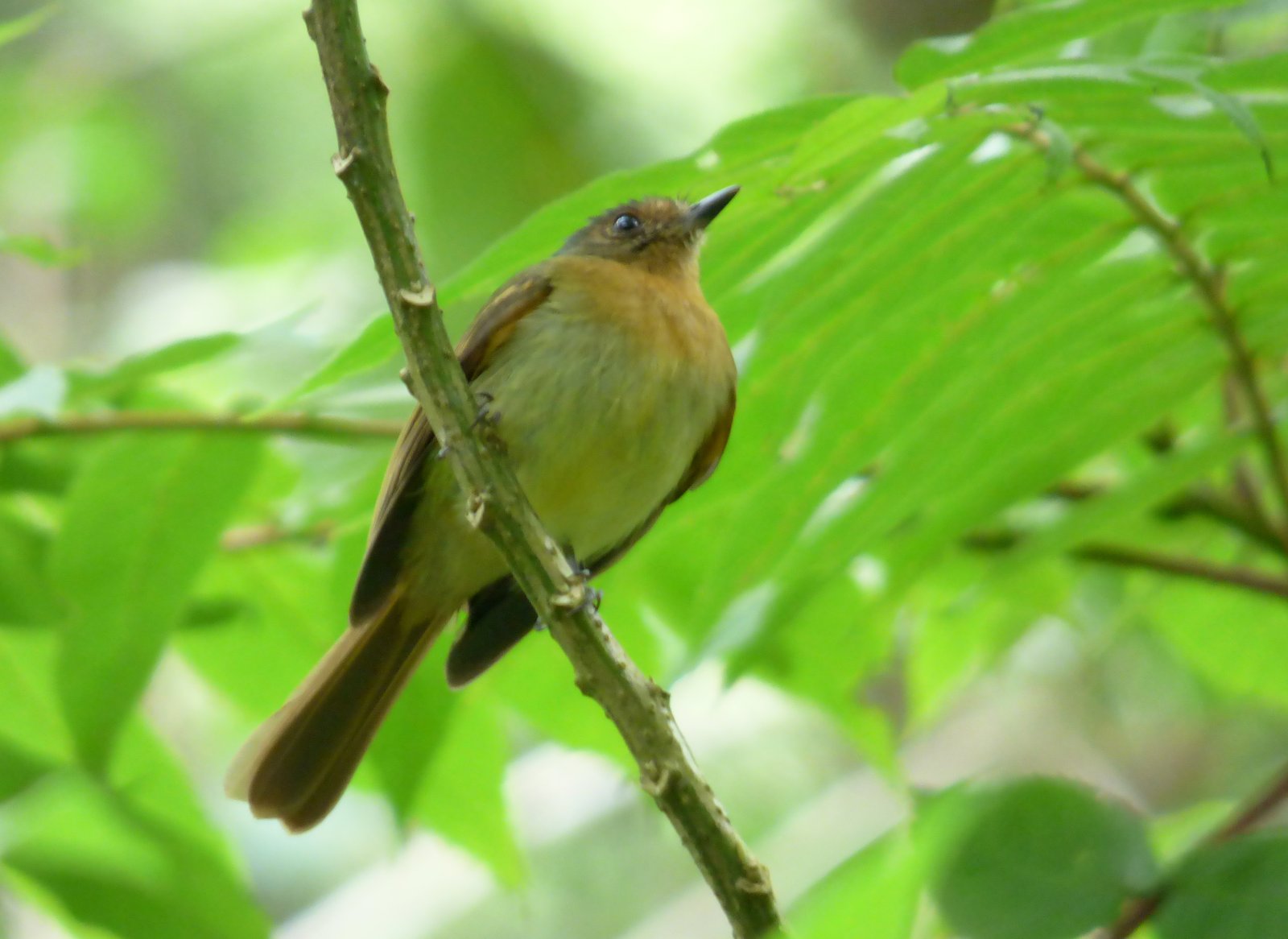
Cabeçudo-de-peito-ruivo
Leptopogon rufipectus- Northern Andean cloud forest and temperate forest
- Northern Andean subtropical forest
-
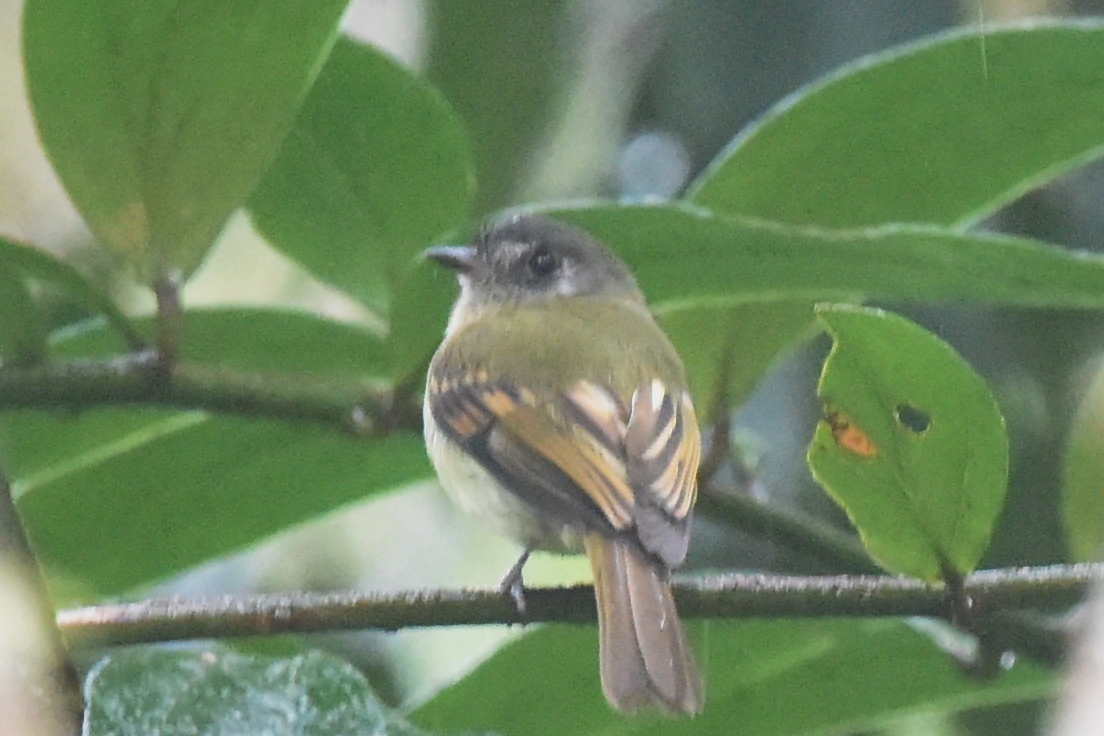
Cabeçudo-inca
Leptopogon taczanowskii- Upper Yungas cloud forest
- Lower Yungas forest
- Secondary forest and forest edge
Myiophobus 6 espécies
-

Filipe-amarelado
Myiophobus flavicans- Northern Andean cloud forest and temperate forest
- Northern Andean subtropical forest
- Upper Yungas cloud forest
- Secondary forest and forest edge
-
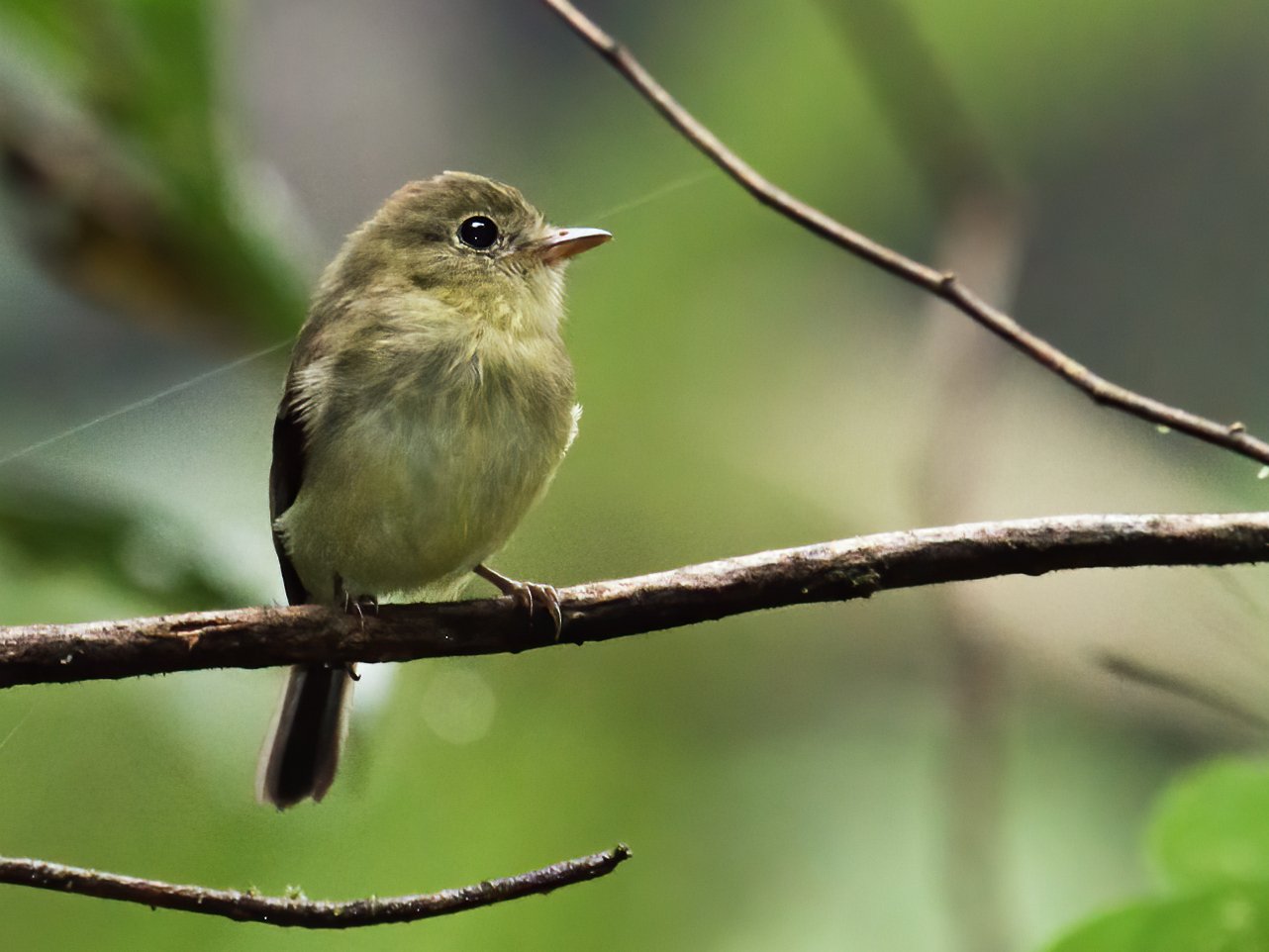
Filipe-de-crista-laranja
Myiophobus phoenicomitra- Eastern Andean foothill forest
- Chocó rainforest
- Northern Andean subtropical forest
- Western Ecuador humid forest
-
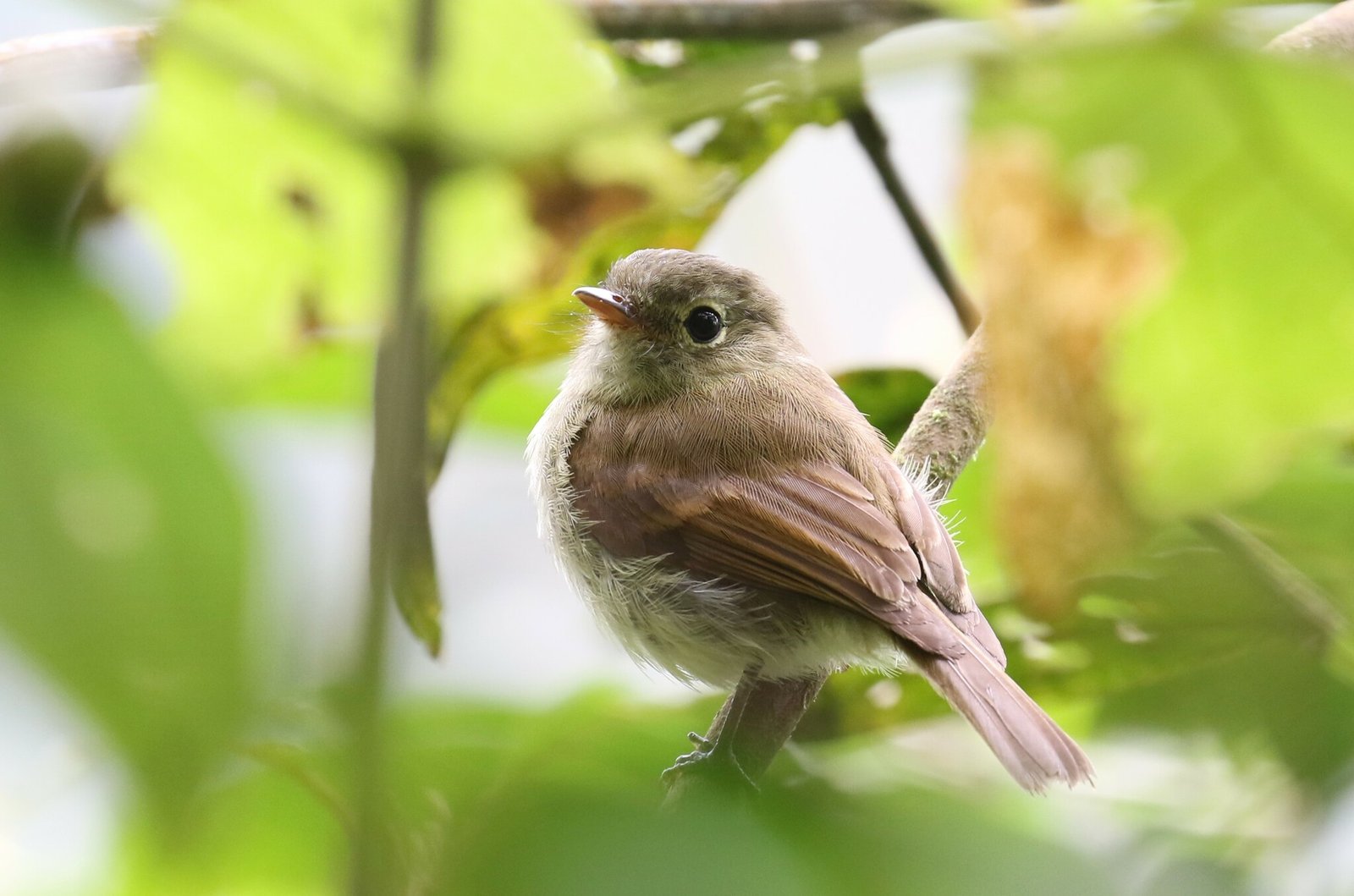
Filipe-simples
Myiophobus inornatus- Lower Yungas forest
- Eastern Andean foothill forest
- Upper Yungas cloud forest
- Secondary forest and forest edge
-
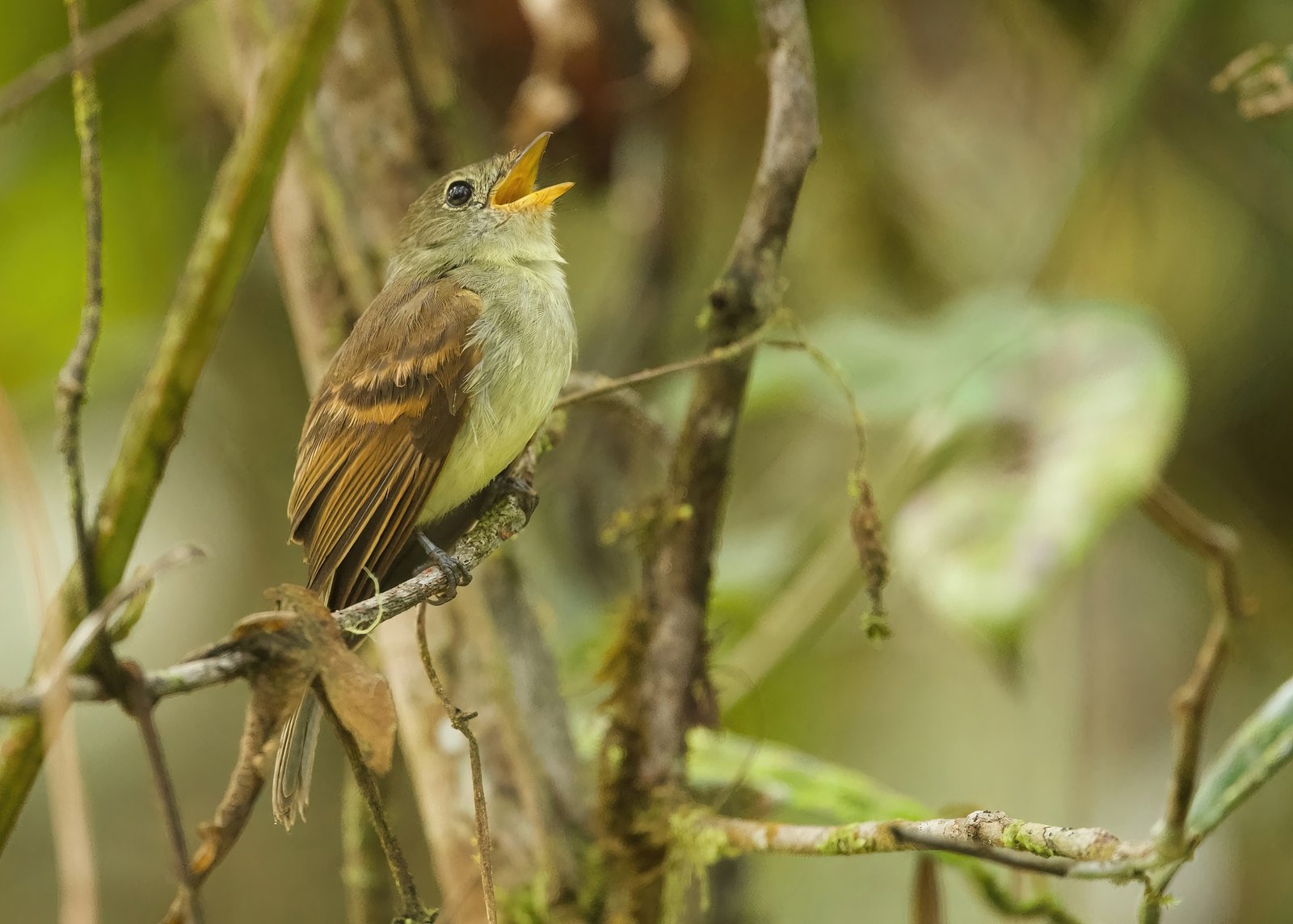
Filipe-de-roraima
Myiophobus roraimae- Eastern Andean foothill forest
- Northern Andean subtropical forest
- Lower Yungas forest
- Bamboo forest
-
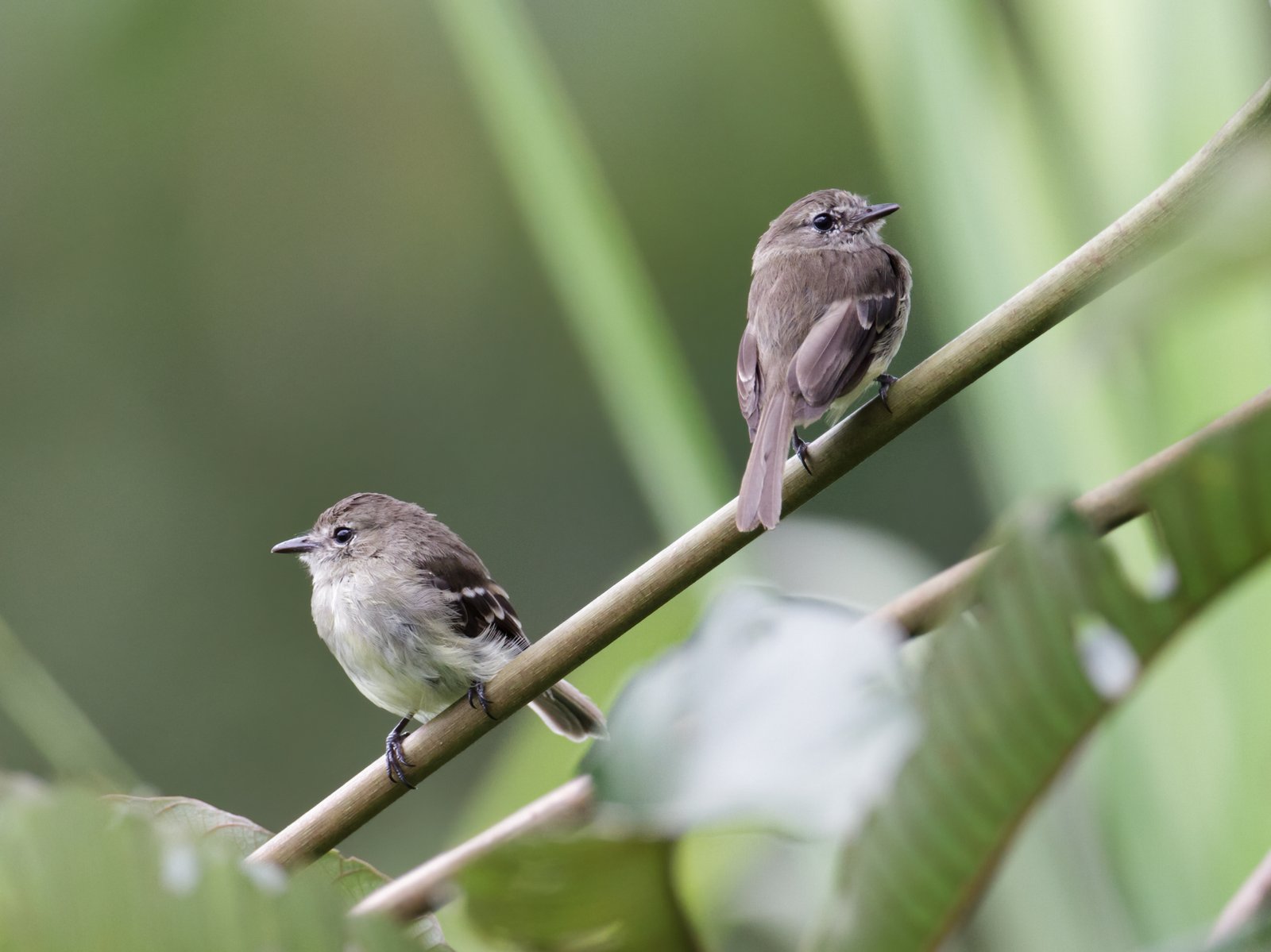
Filipe-de-peito-oliváceo
Myiophobus cryptoxanthus- Eastern Andean foothill forest
- Secondary forest and forest edge
- Northern Andean subtropical forest
- Pasture and ranchland
-
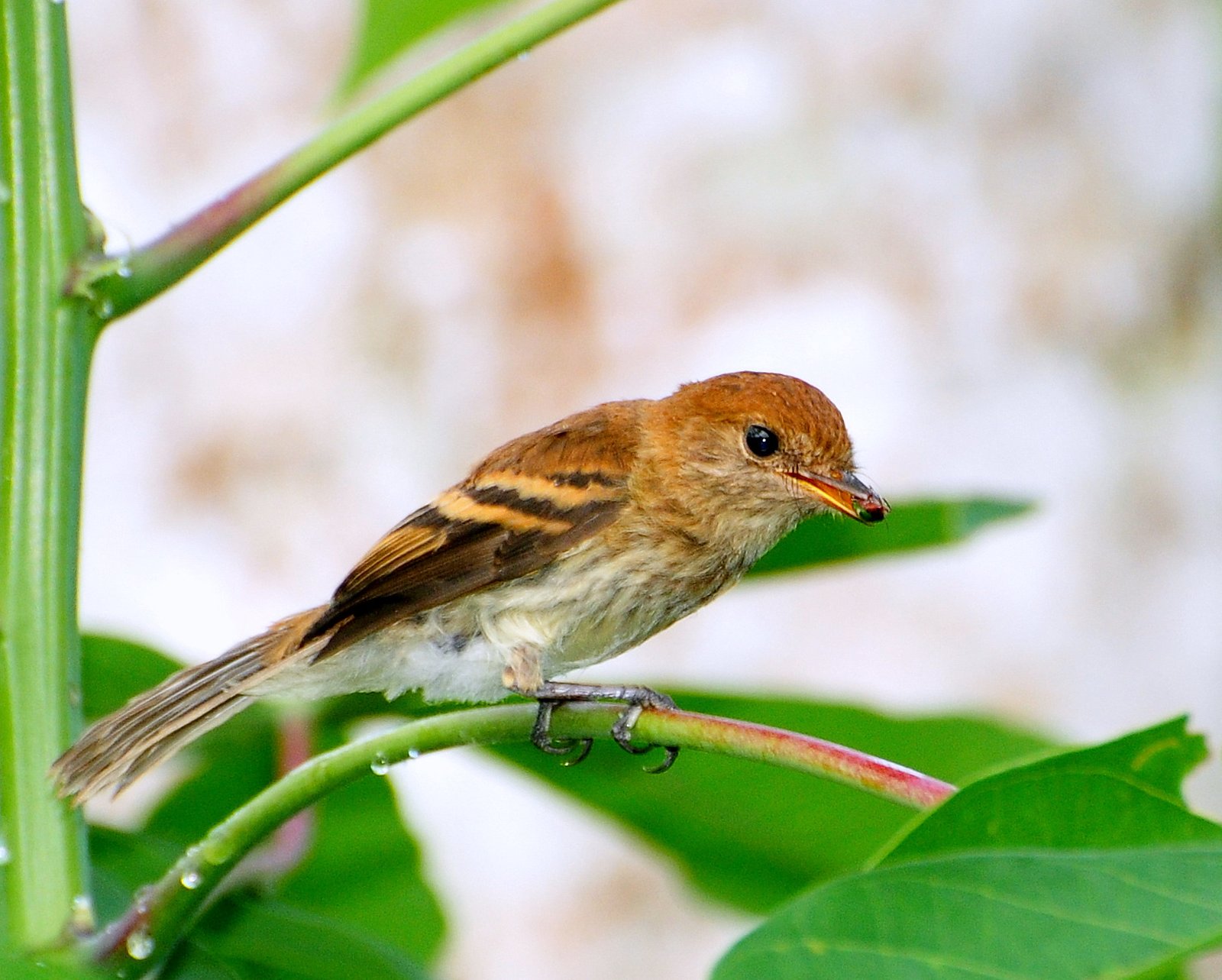
Filipe
Myiophobus fasciatus- Secondary forest and forest edge
- Riparian woodland of the Andes and coastal valleys
- Pasture and ranchland
- Tumbesian dry forest and thorn scrub
- Várzea, igapó and river islands
Poecilotriccus 8 espécies
-
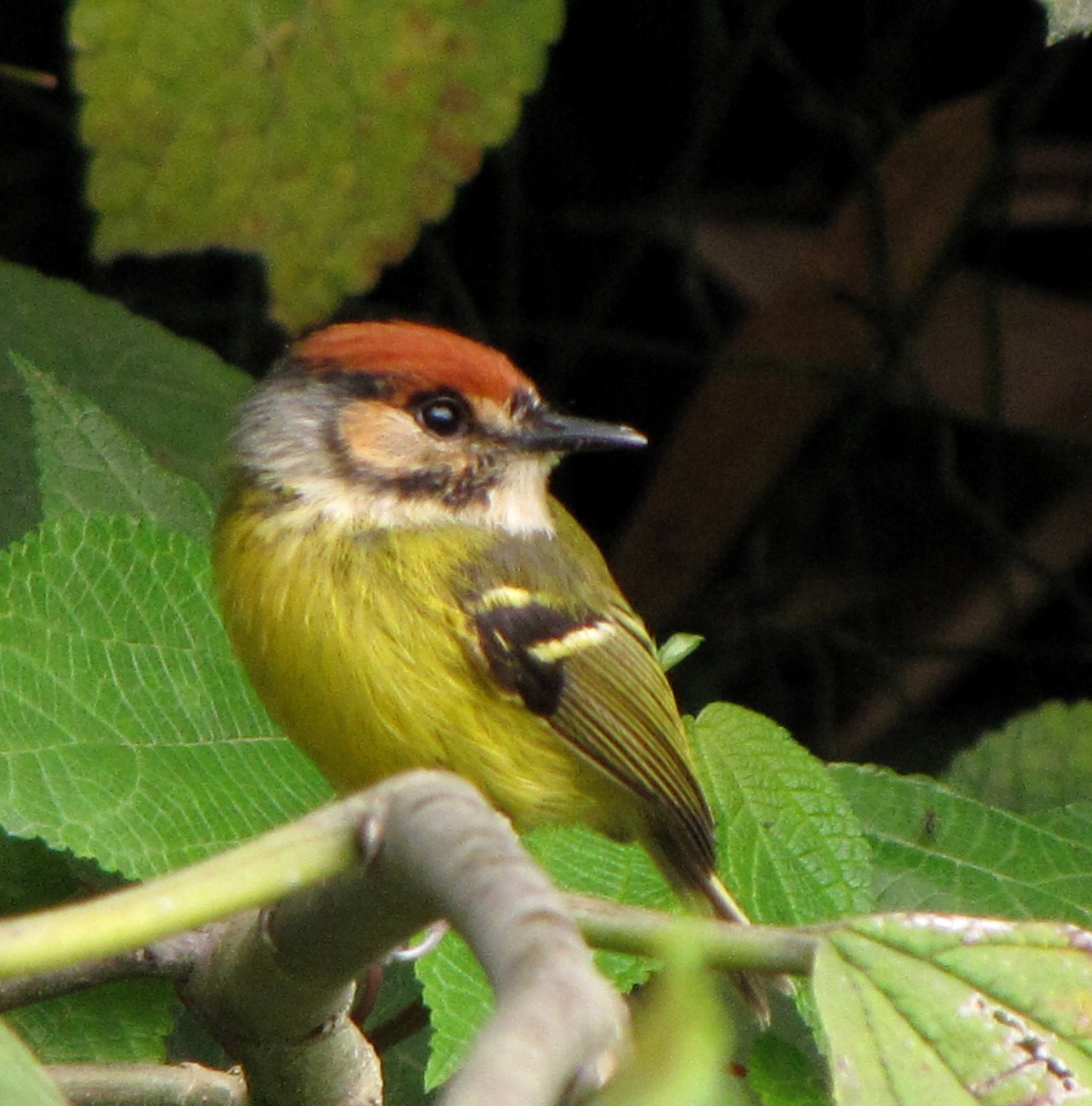
Ferreirinho-de-coroa-ruiva
Poecilotriccus ruficeps- Northern Andean cloud forest and temperate forest
- Northern Andean subtropical forest
- Páramo
-
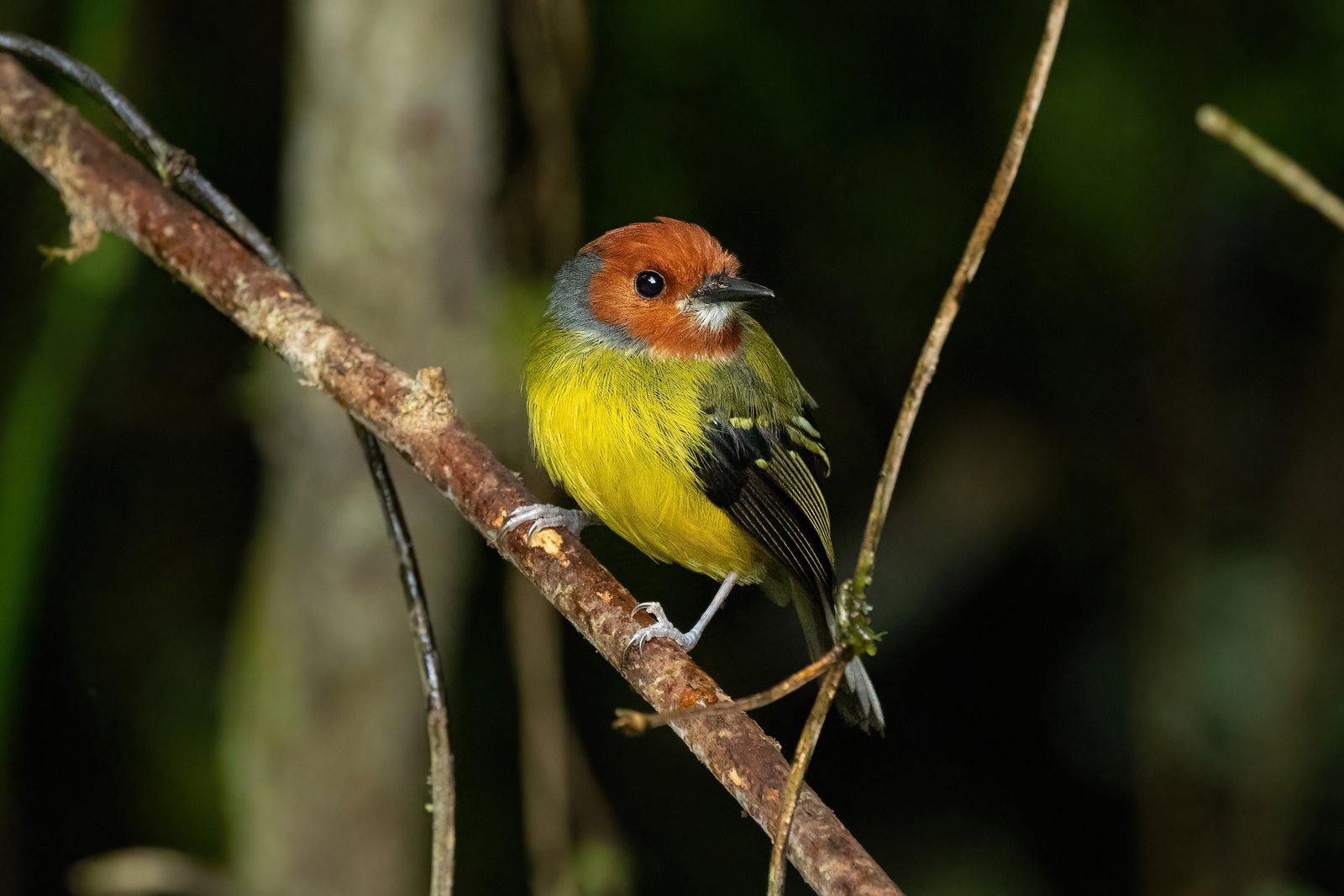
Ferreirinho-de-lulu
Poecilotriccus luluae- Northern Andean cloud forest and temperate forest
- Northern Andean subtropical forest
-
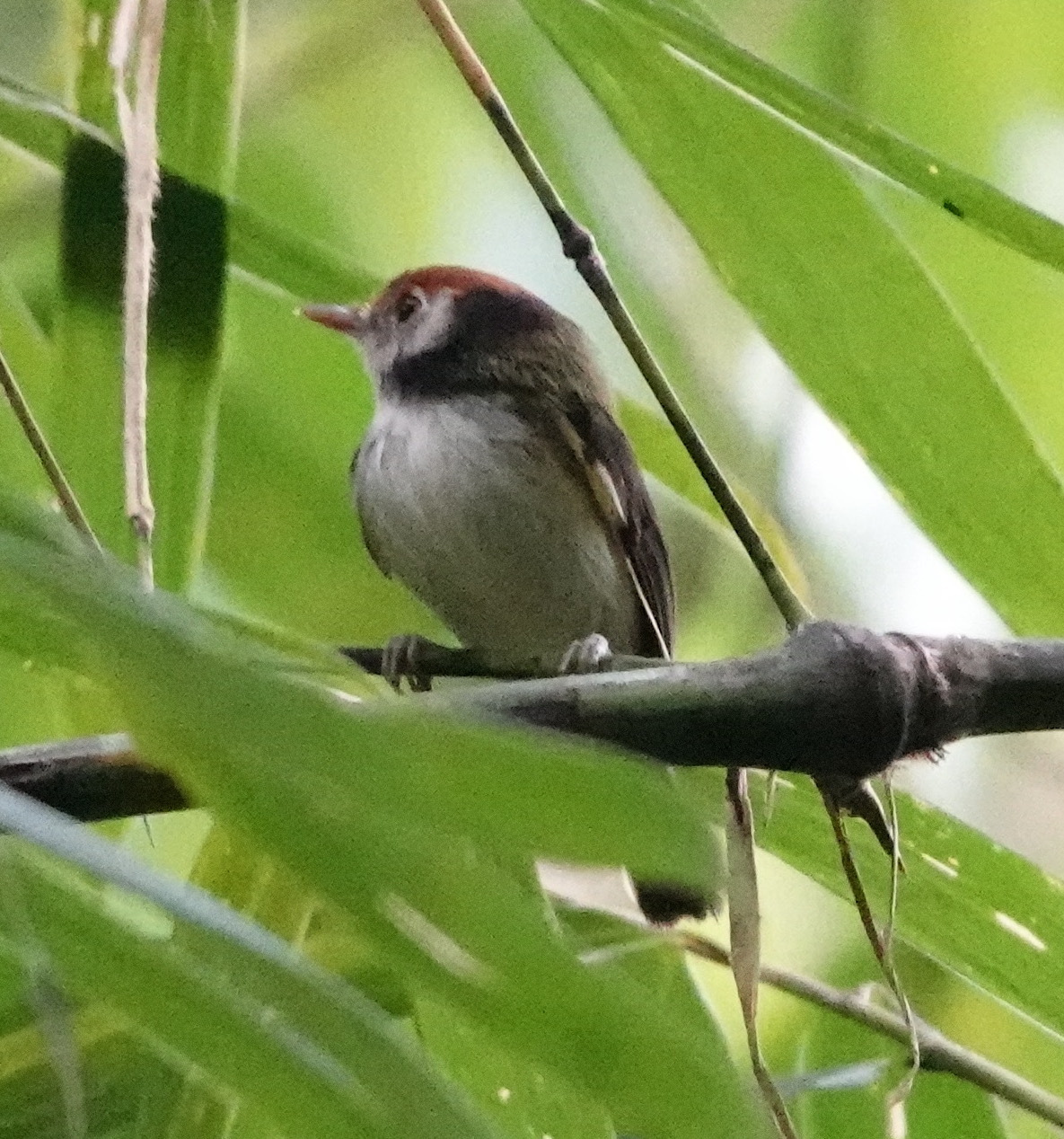
Ferreirinho-de-cara-branca
Poecilotriccus albifacies- Bamboo forest
- Eastern Andean foothill forest
- Amazonian terra firme rainforest
-
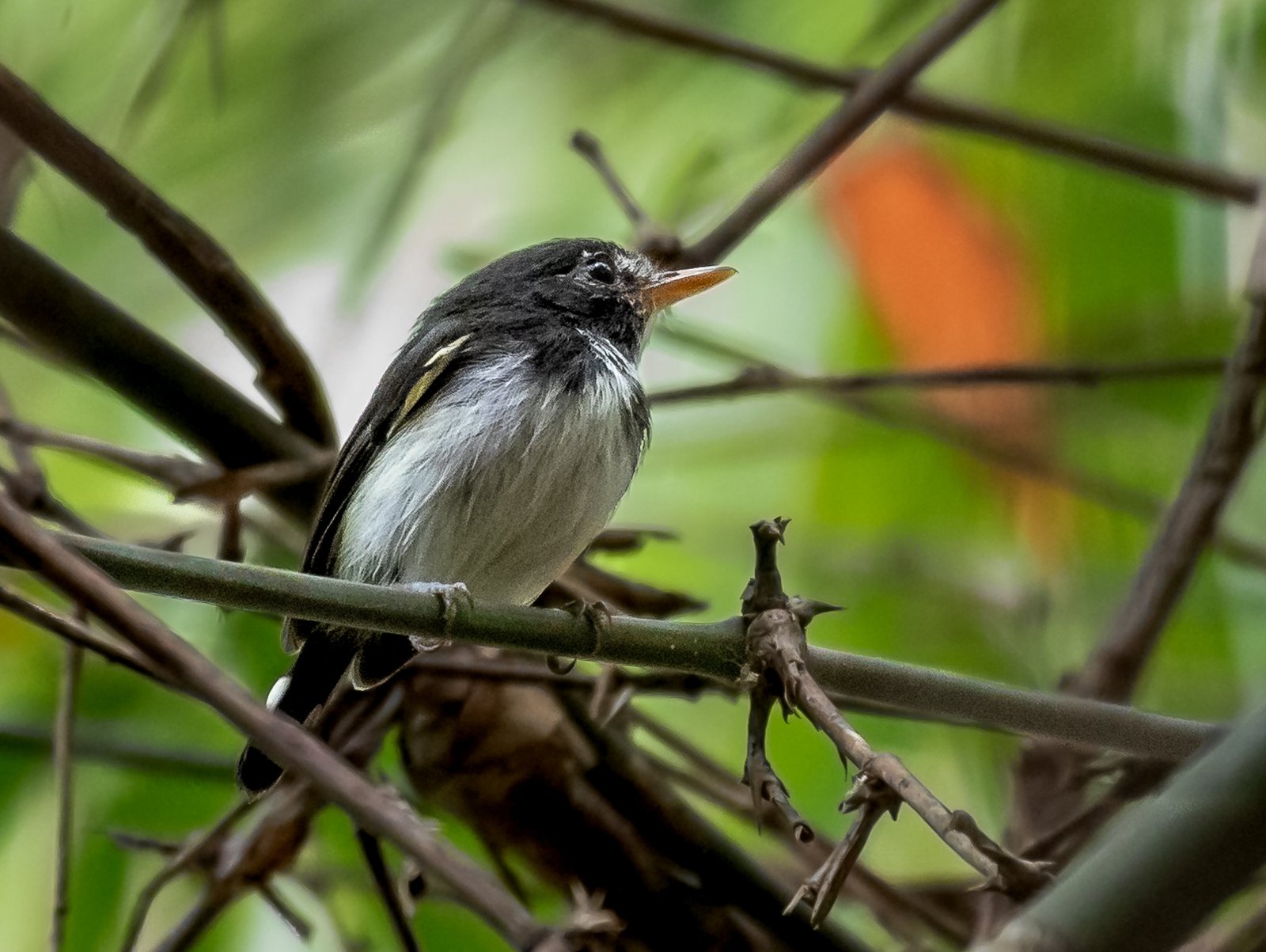
Maria-picaça
Poecilotriccus capitalis- Bamboo forest
- Eastern Andean foothill forest
- Secondary forest and forest edge
-
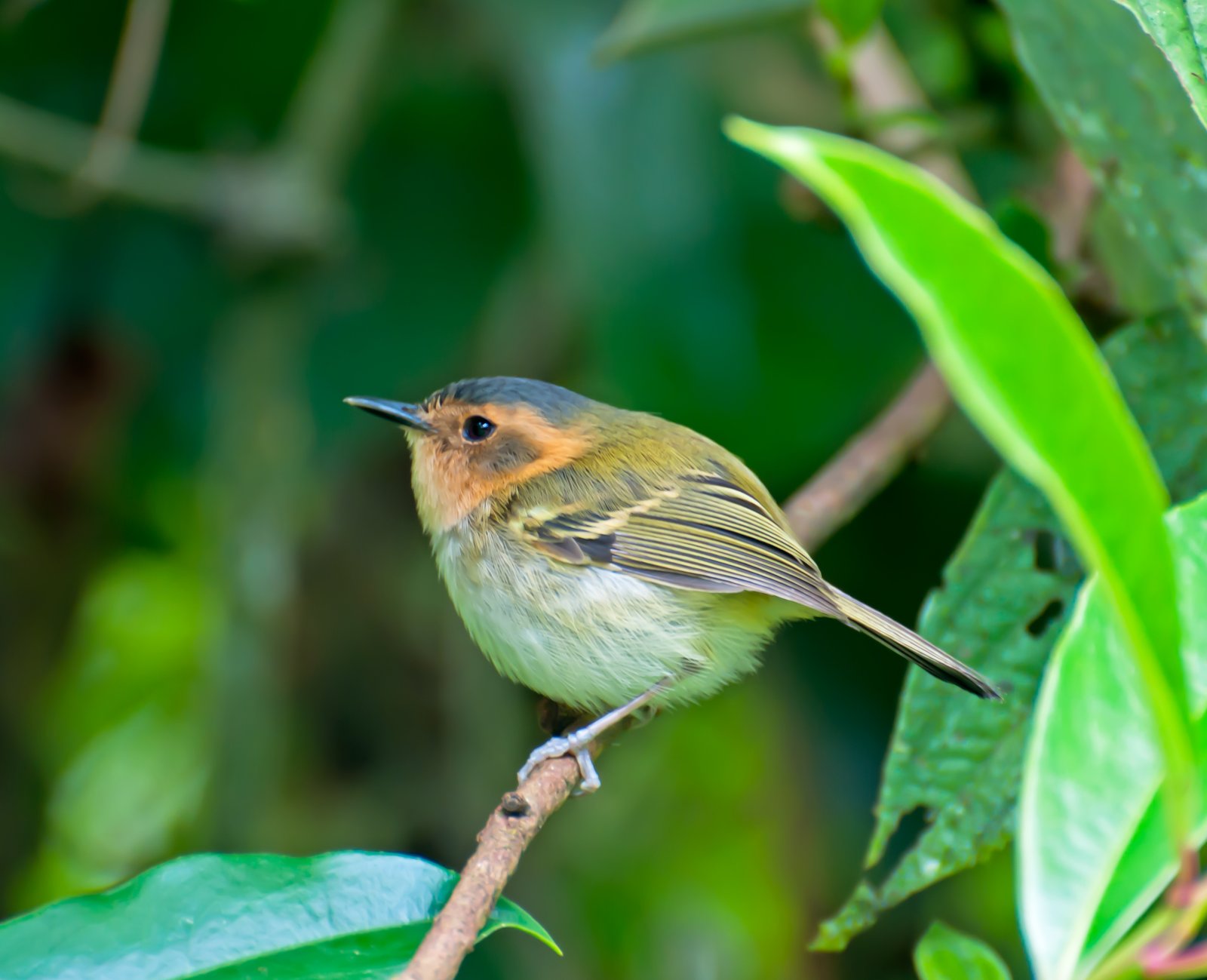
Tororó
Poecilotriccus plumbeiceps- Lower Yungas forest
- Upper Yungas cloud forest
- Bamboo forest
- Secondary forest and forest edge
-
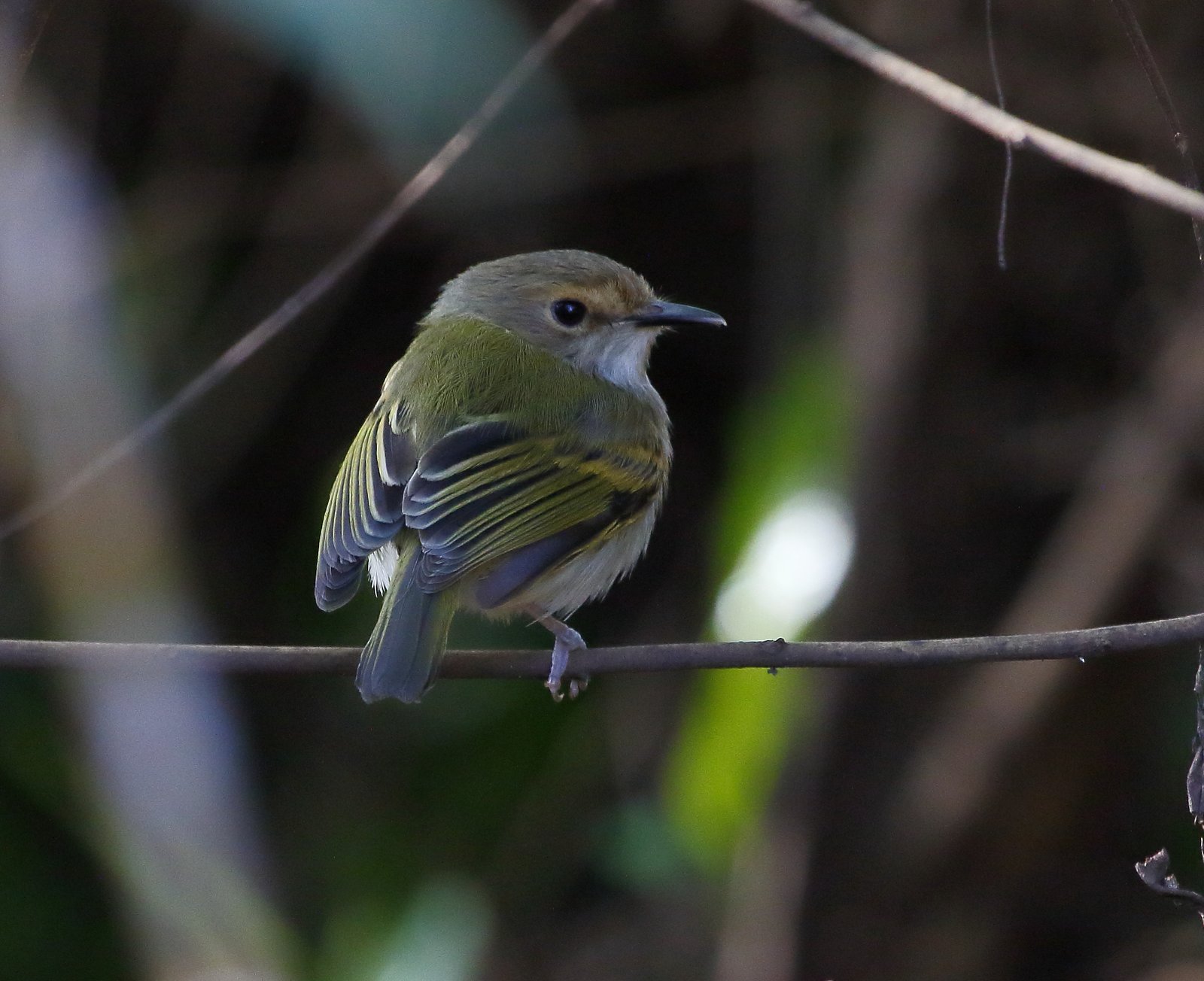
Ferreirinho-de-cara-parda
Poecilotriccus latirostris- Secondary forest and forest edge
- Várzea, igapó and river islands
- Bamboo forest
-

Ferreirinho-da-capoeira
Poecilotriccus sylvia- Secondary forest and forest edge
- Pasture and ranchland
- Coffee, cacao and agroforestry
- Riparian woodland of the Andes and coastal valleys
-

Ferreirinho-de-asa-dourada
Poecilotriccus calopterus- Secondary forest and forest edge
- Eastern Andean foothill forest
- Amazonian terra firme rainforest
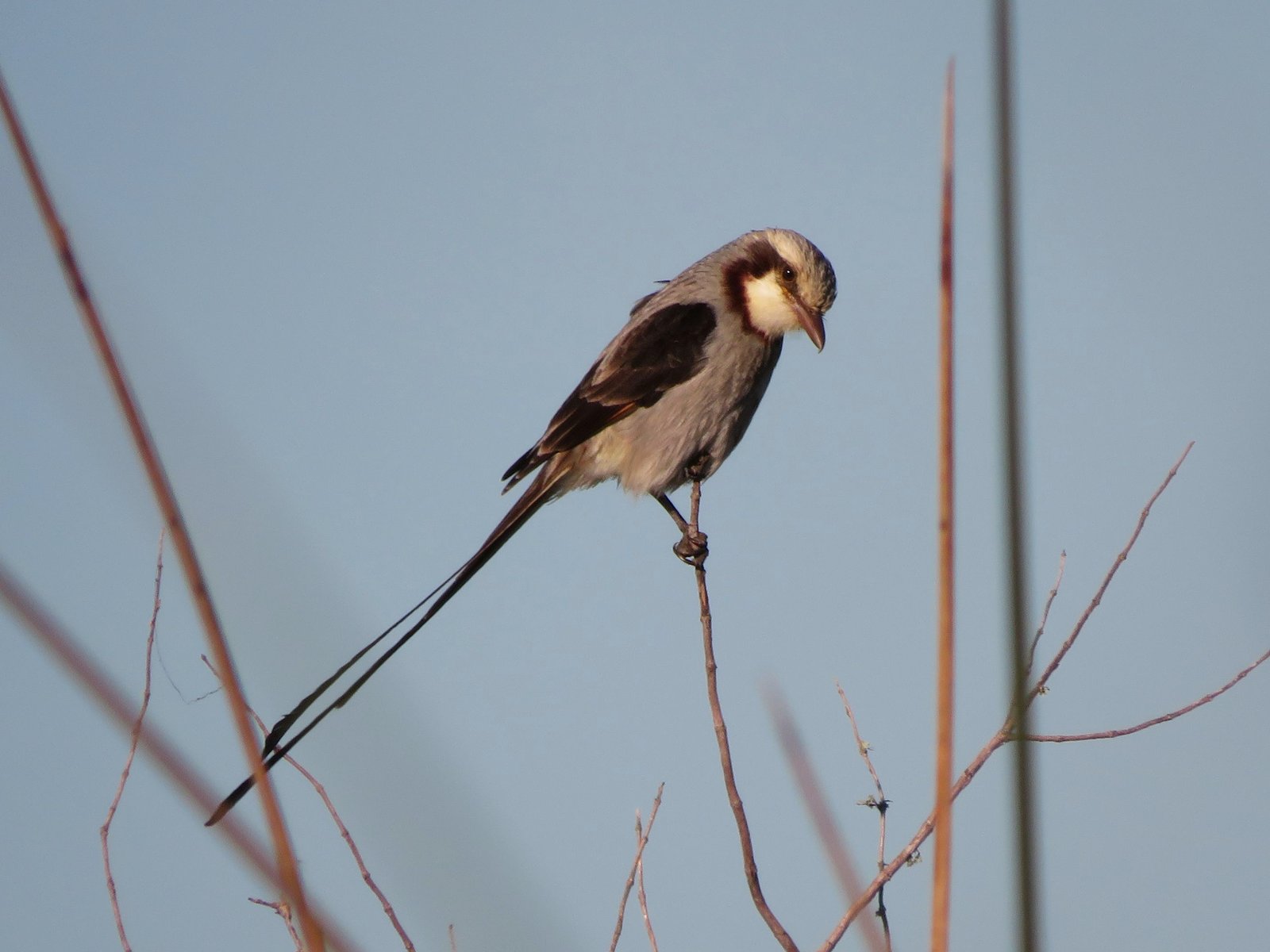
Gubernetes 1 espécie
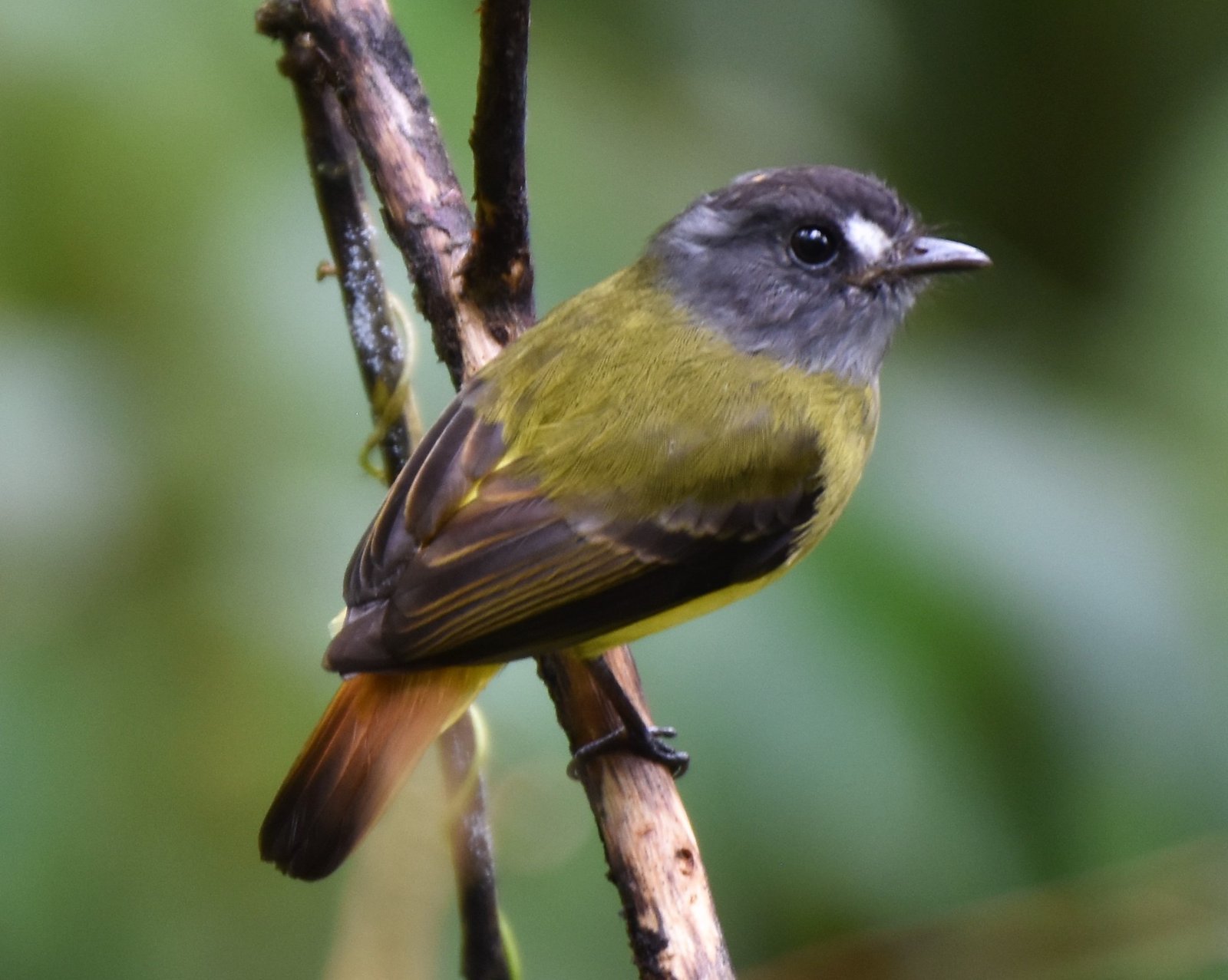
Myiotriccus 1 espécie
Piprites 1 espécie
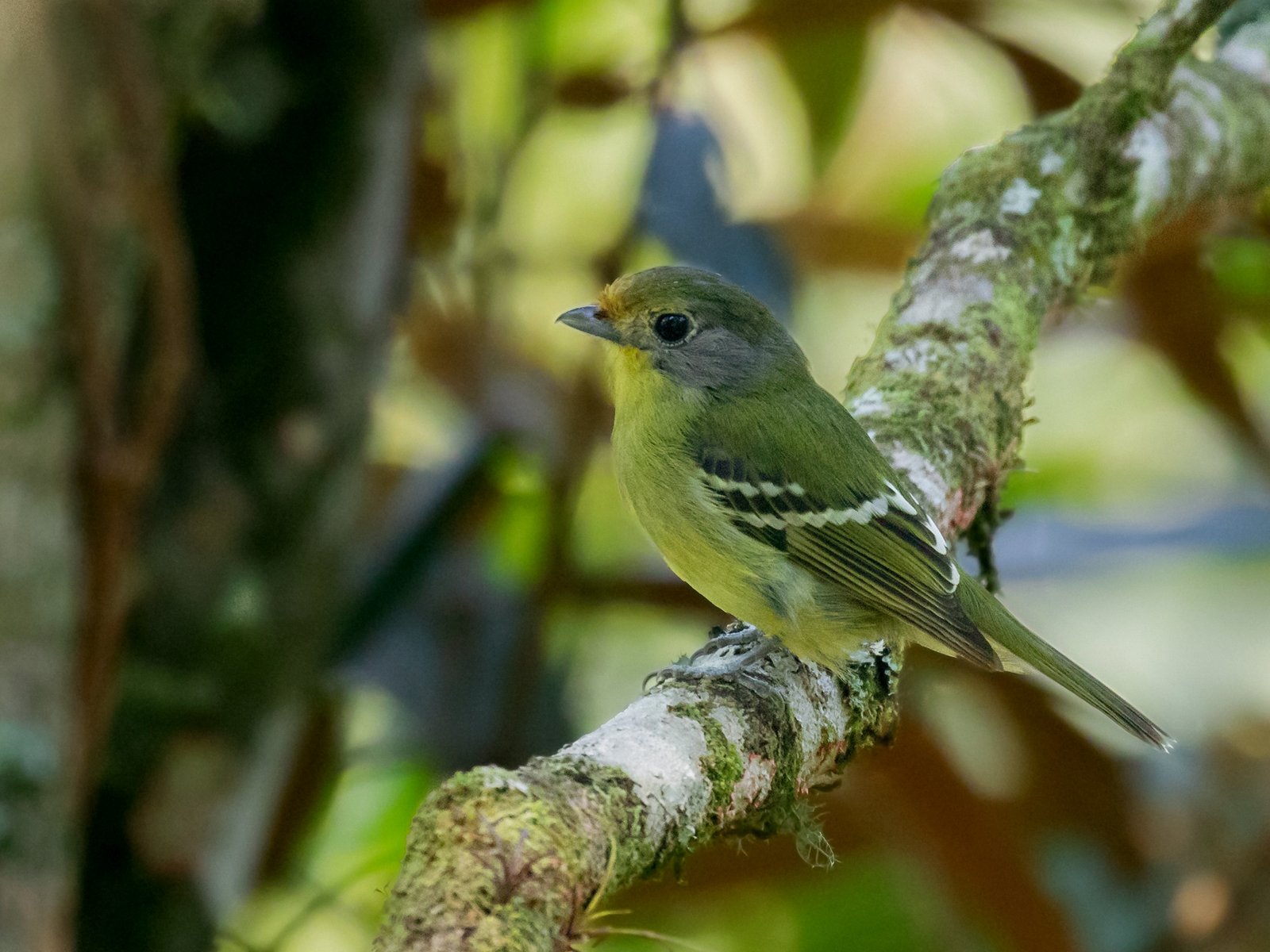
Mecocerculus 6 espécies
-
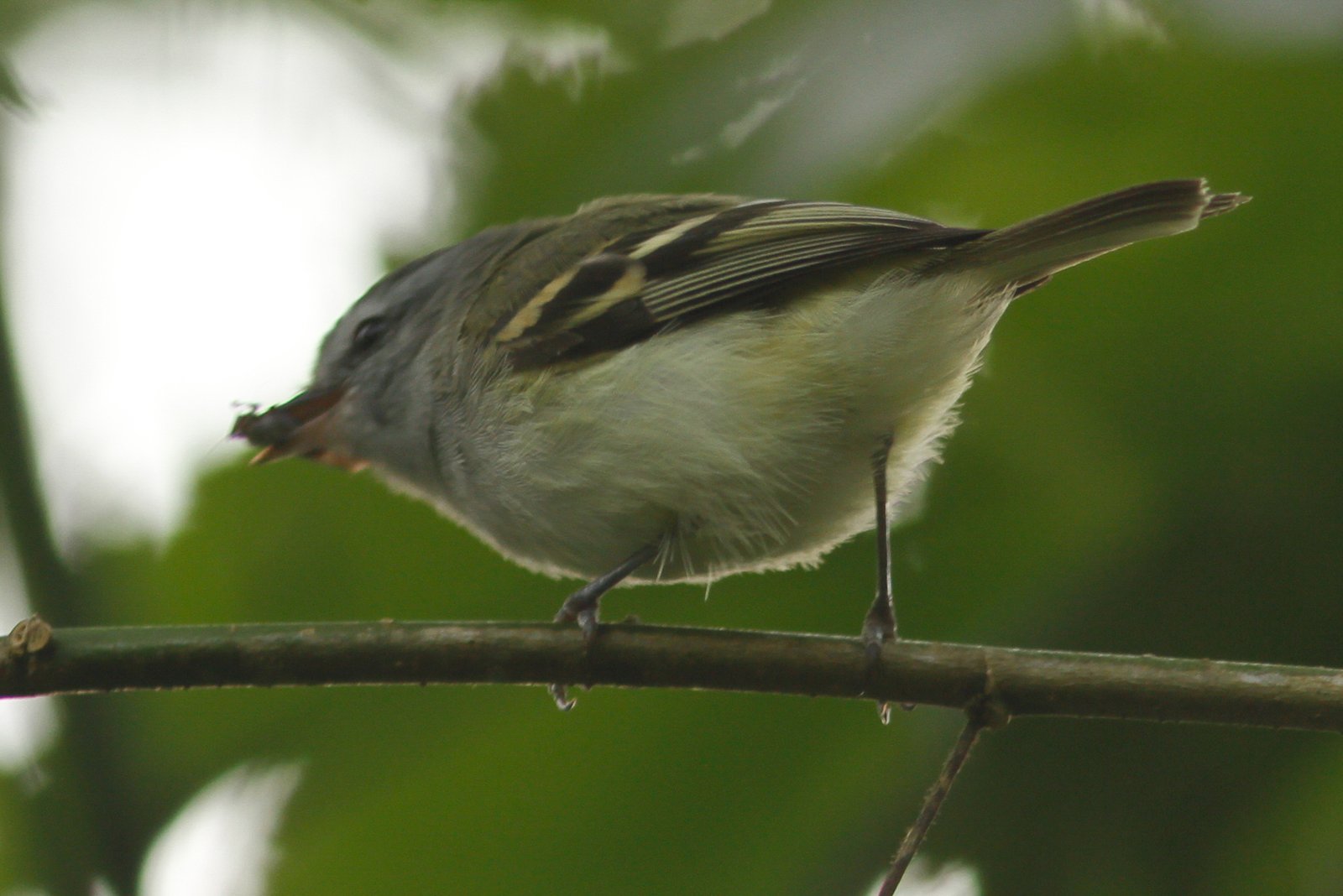
Alegrinho-de-cauda-branca
Mecocerculus poecilocercus- Northern Andean cloud forest and temperate forest
- Northern Andean subtropical forest
- Secondary forest and forest edge
-
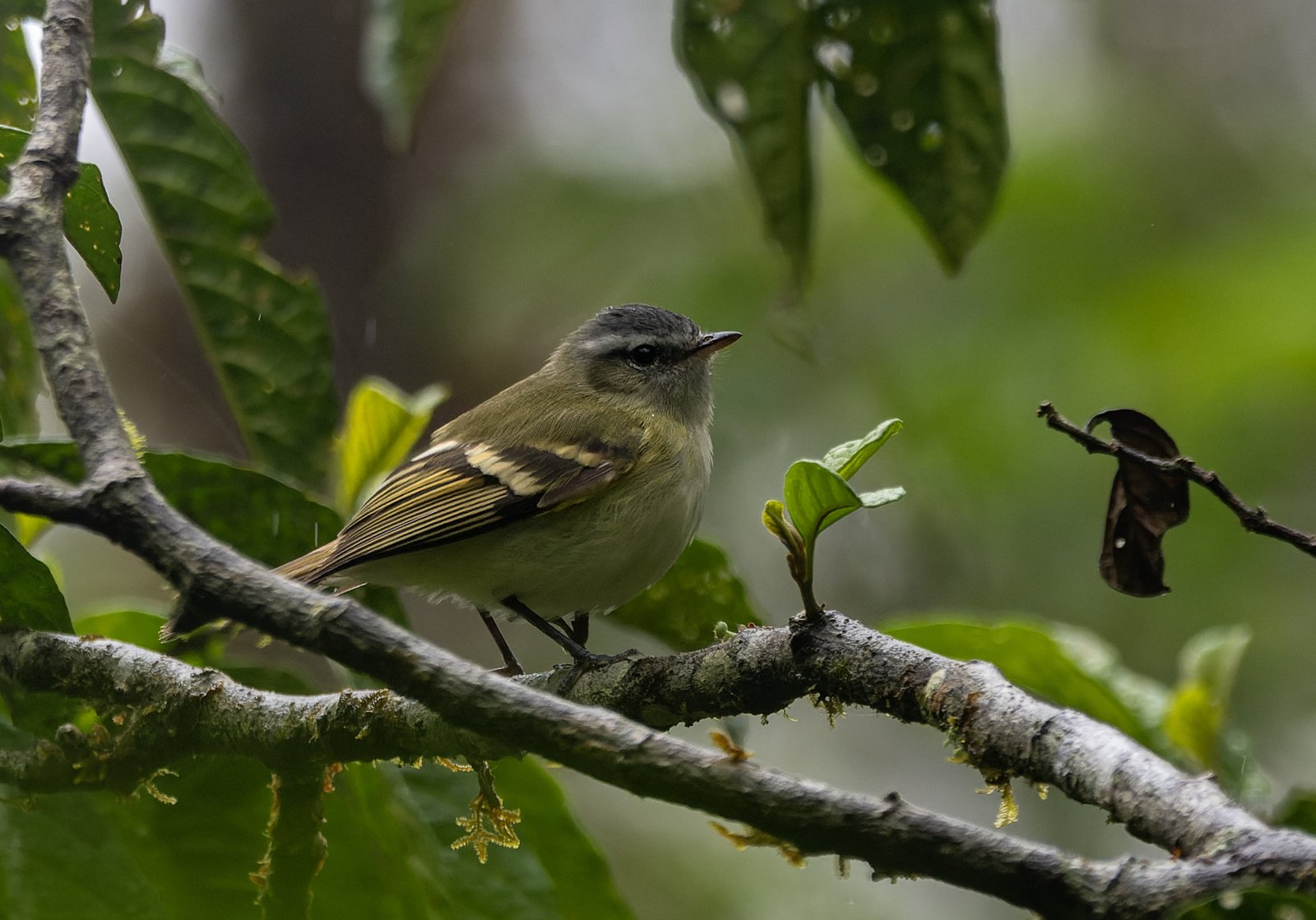
Tiranete-de-faixa-ocre
Mecocerculus hellmayri- Upper Yungas cloud forest
- Lower Yungas forest
- Riparian woodland of the Andes and coastal valleys
-
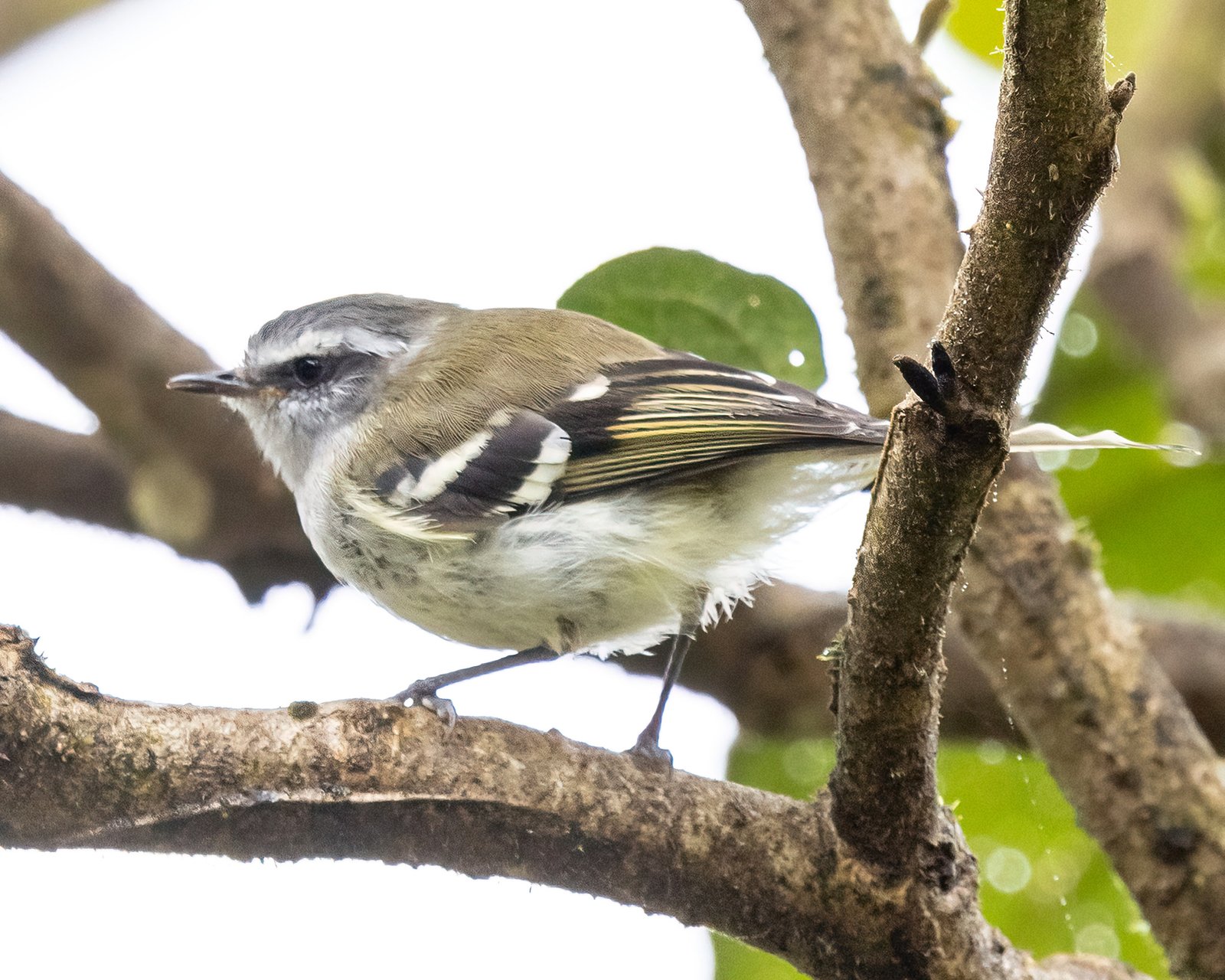
Tiranete-de-faixa-branca
Mecocerculus stictopterus- Northern Andean cloud forest and temperate forest
- Upper Yungas cloud forest
- Polylepis woodland
- Páramo
-
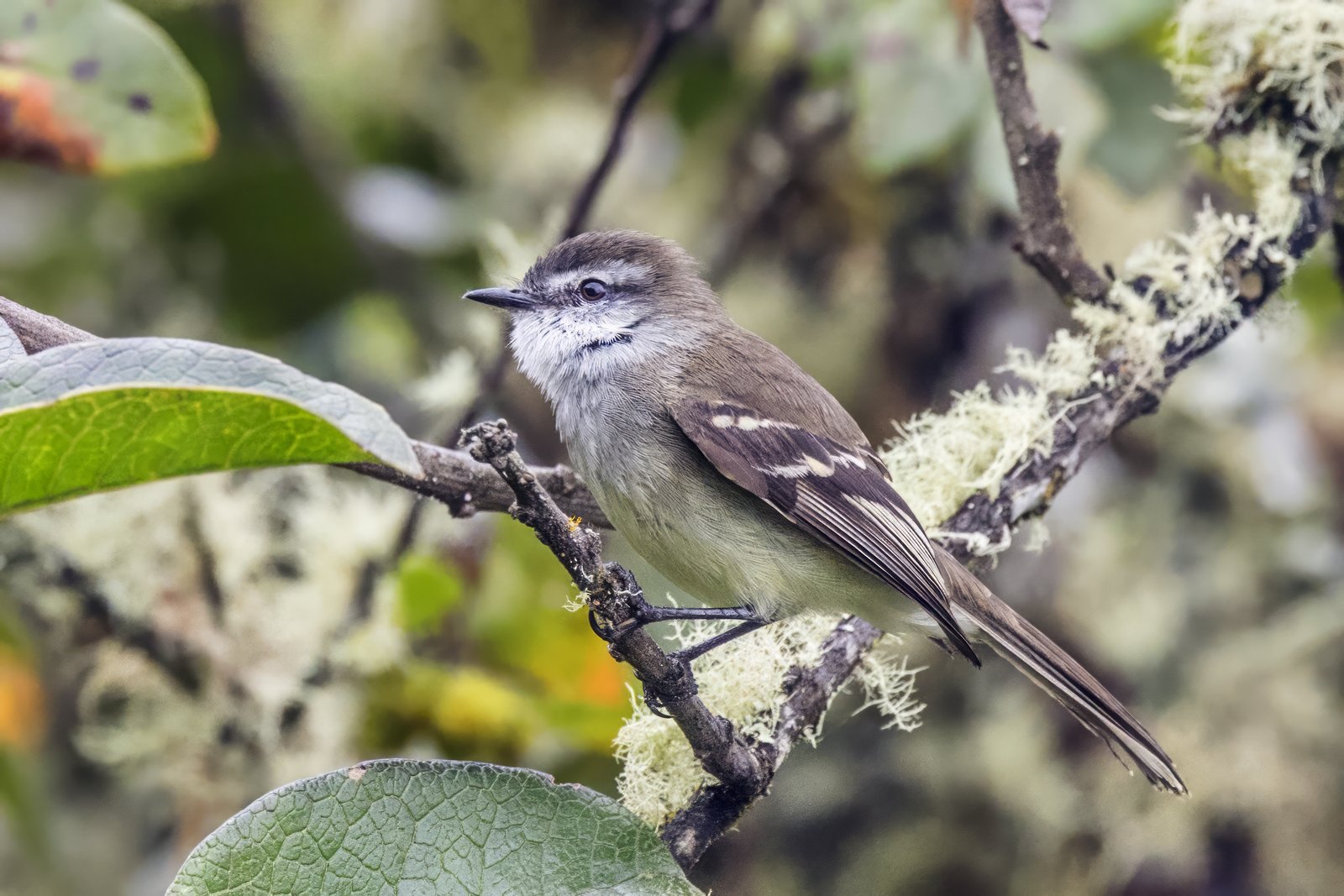
Tiranete-de-garganta-branca
Mecocerculus leucophrys- Polylepis woodland
- Northern Andean cloud forest and temperate forest
- Upper Yungas cloud forest
- Páramo
- Humid puna
-
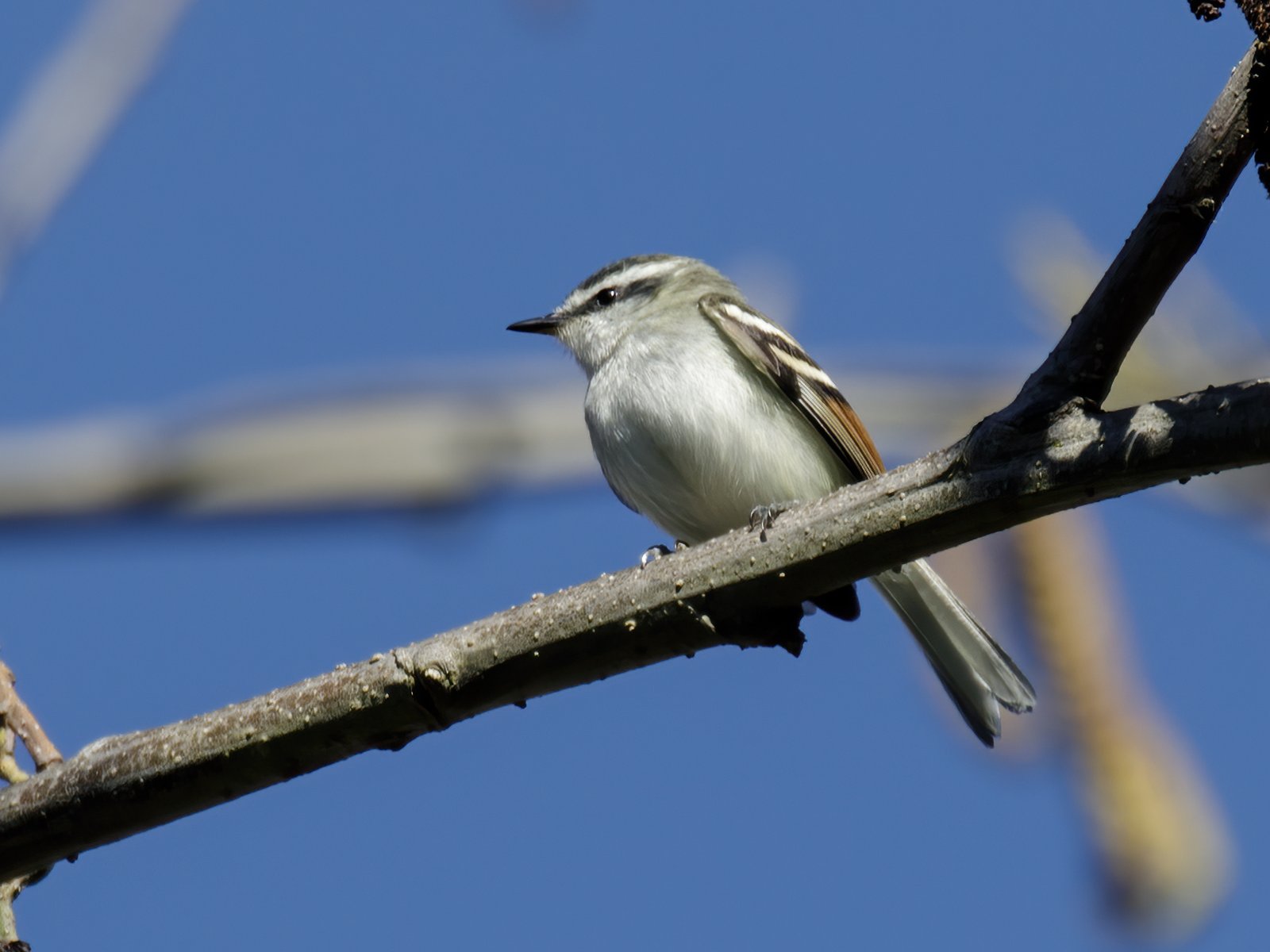
Tiranete-de-asa-ruiva
Mecocerculus calopterus- Western Ecuador humid forest
- Tumbesian dry forest and thorn scrub
- Northern Andean subtropical forest
- Secondary forest and forest edge
-
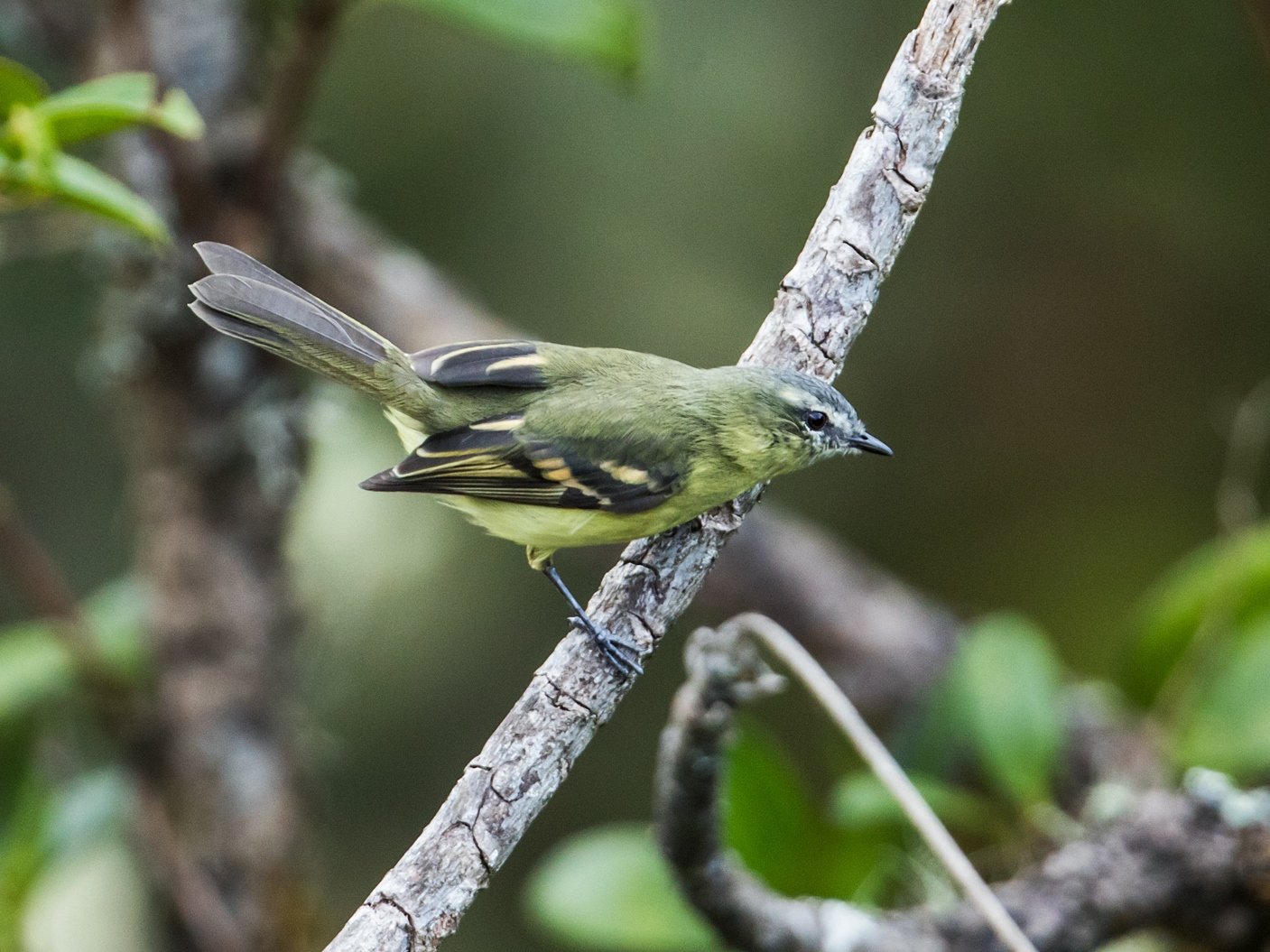
Tiranete-de-barriga-sulfúrea
Mecocerculus minor- Northern Andean cloud forest and temperate forest
- Northern Andean subtropical forest
- Secondary forest and forest edge
Tyrannopsis 1 espécie
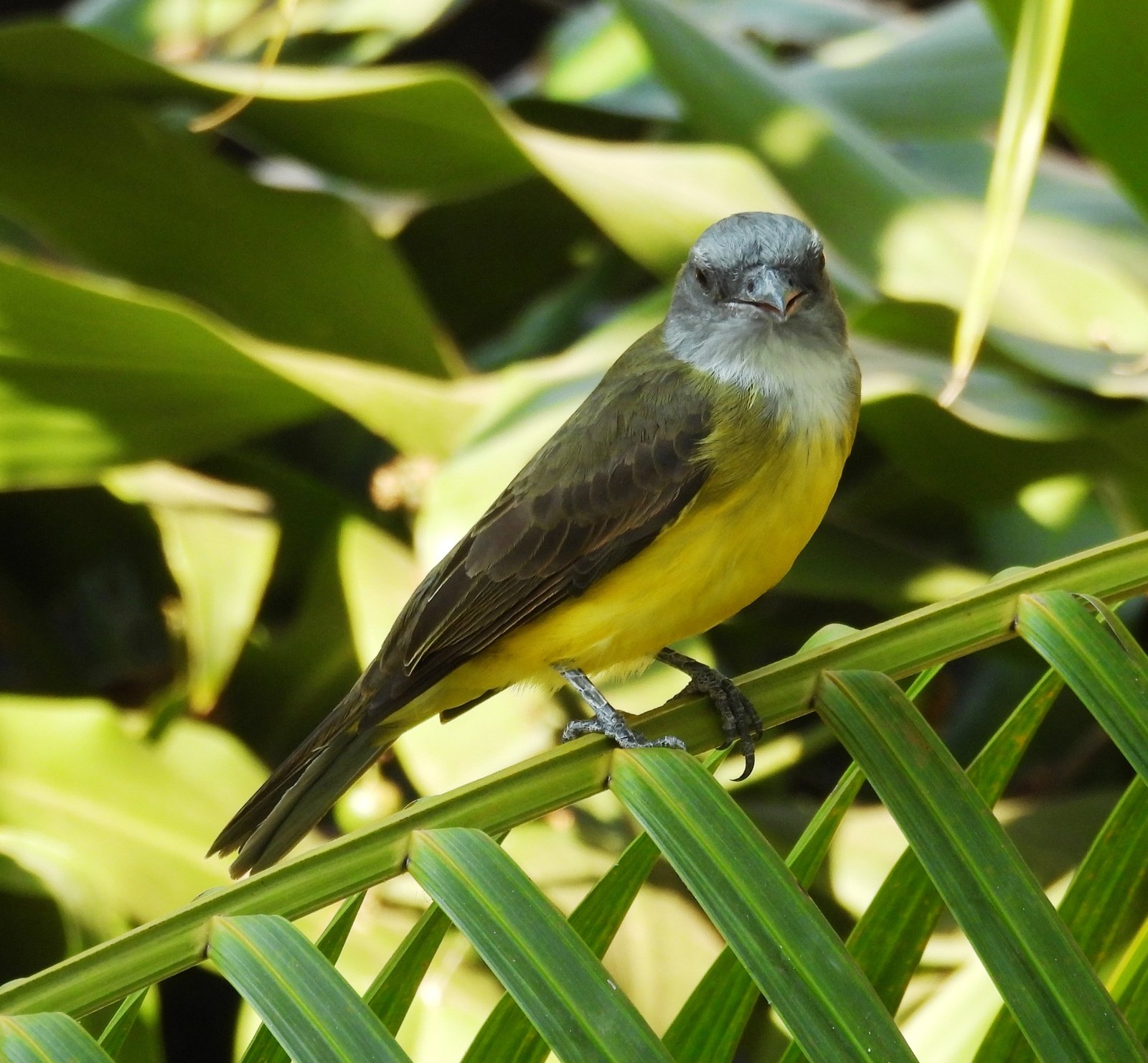
Lophotriccus 4 espécies
-
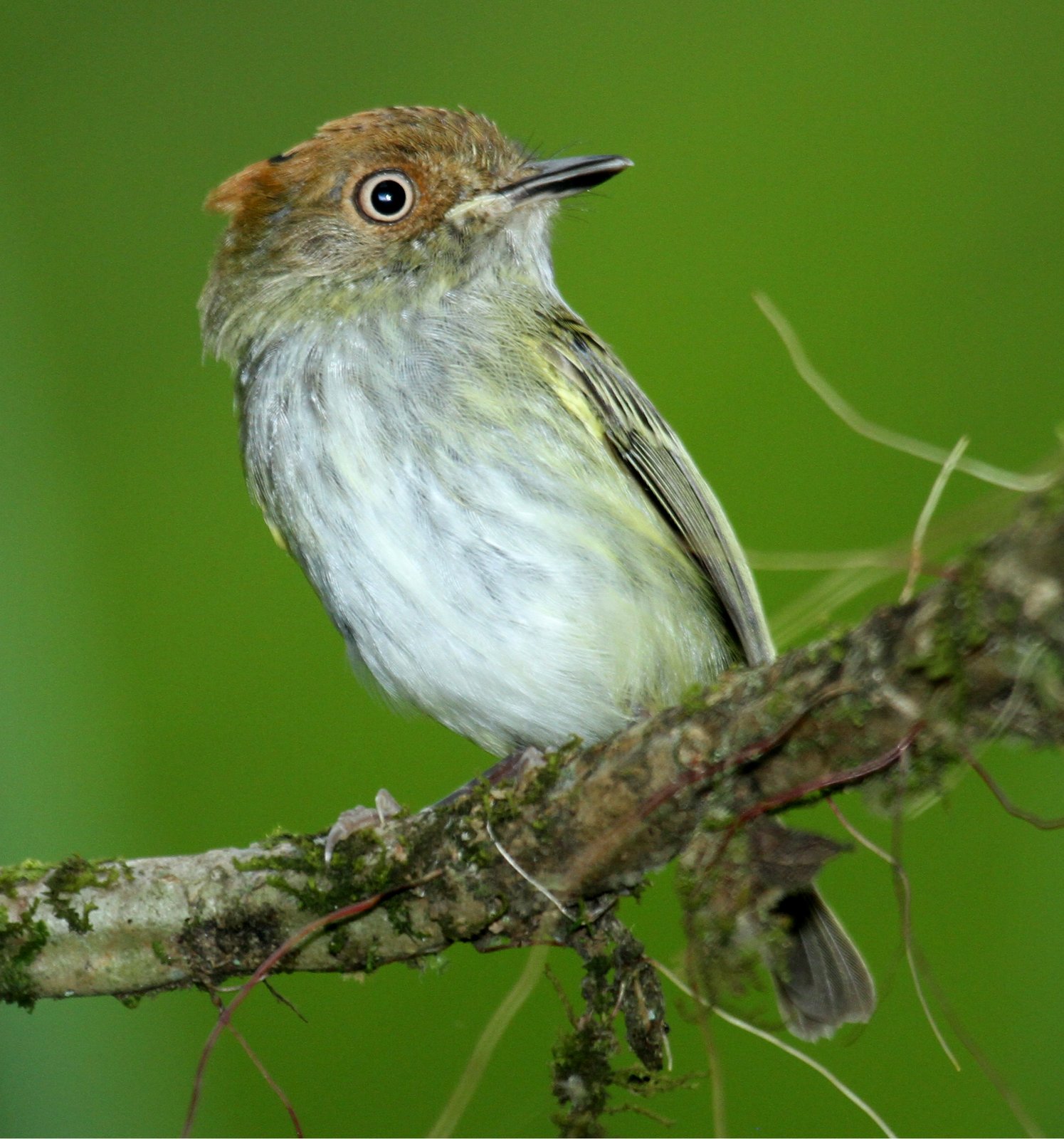
Maria-de-crista-escamada
Lophotriccus pileatus- Northern Andean subtropical forest
- Eastern Andean foothill forest
- Northern Andean cloud forest and temperate forest
- Western Ecuador humid forest
-
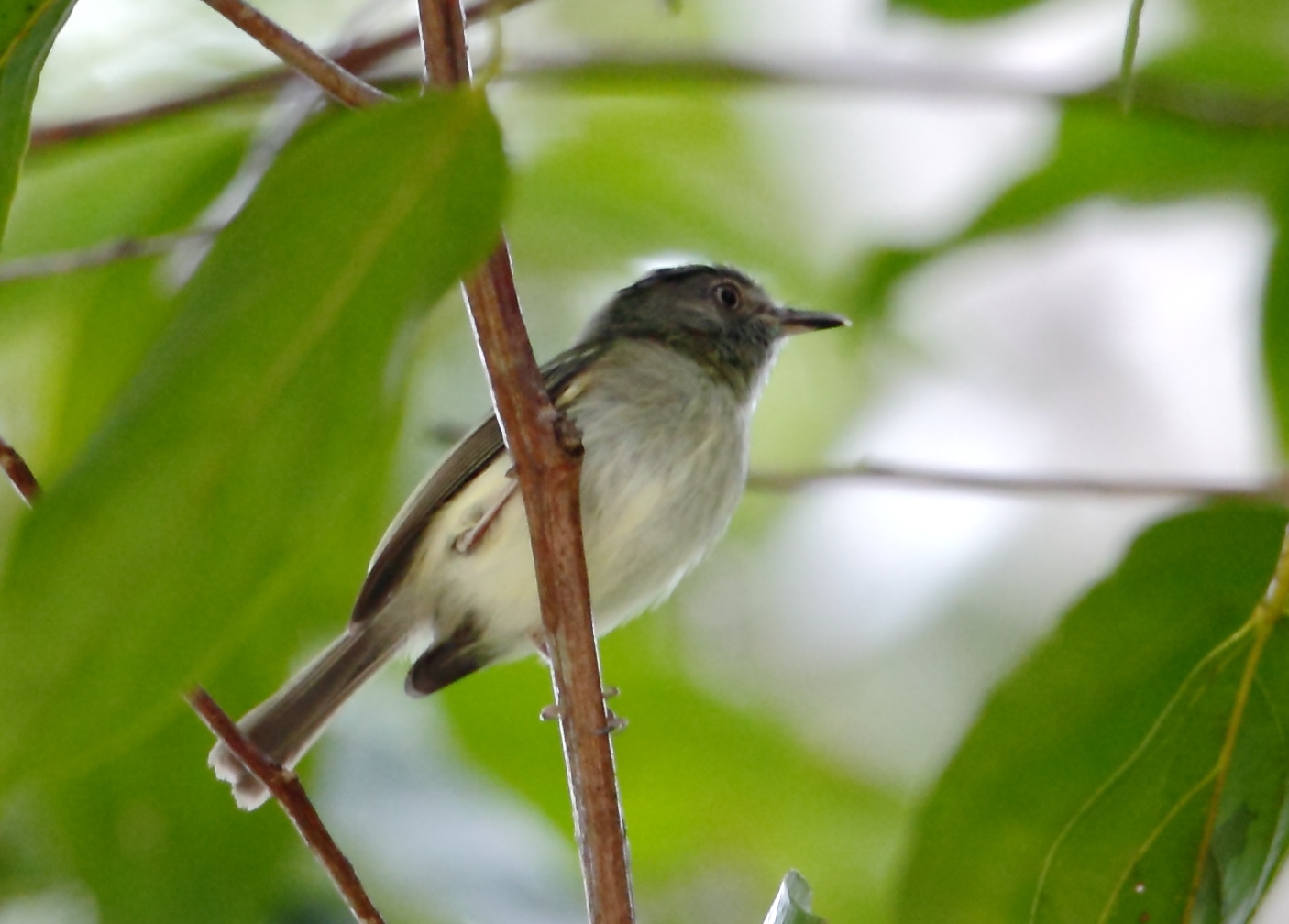
Maria-fiteira
Lophotriccus vitiosus- Amazonian terra firme rainforest
- Secondary forest and forest edge
- Várzea, igapó and river islands
- Eastern Andean foothill forest
-
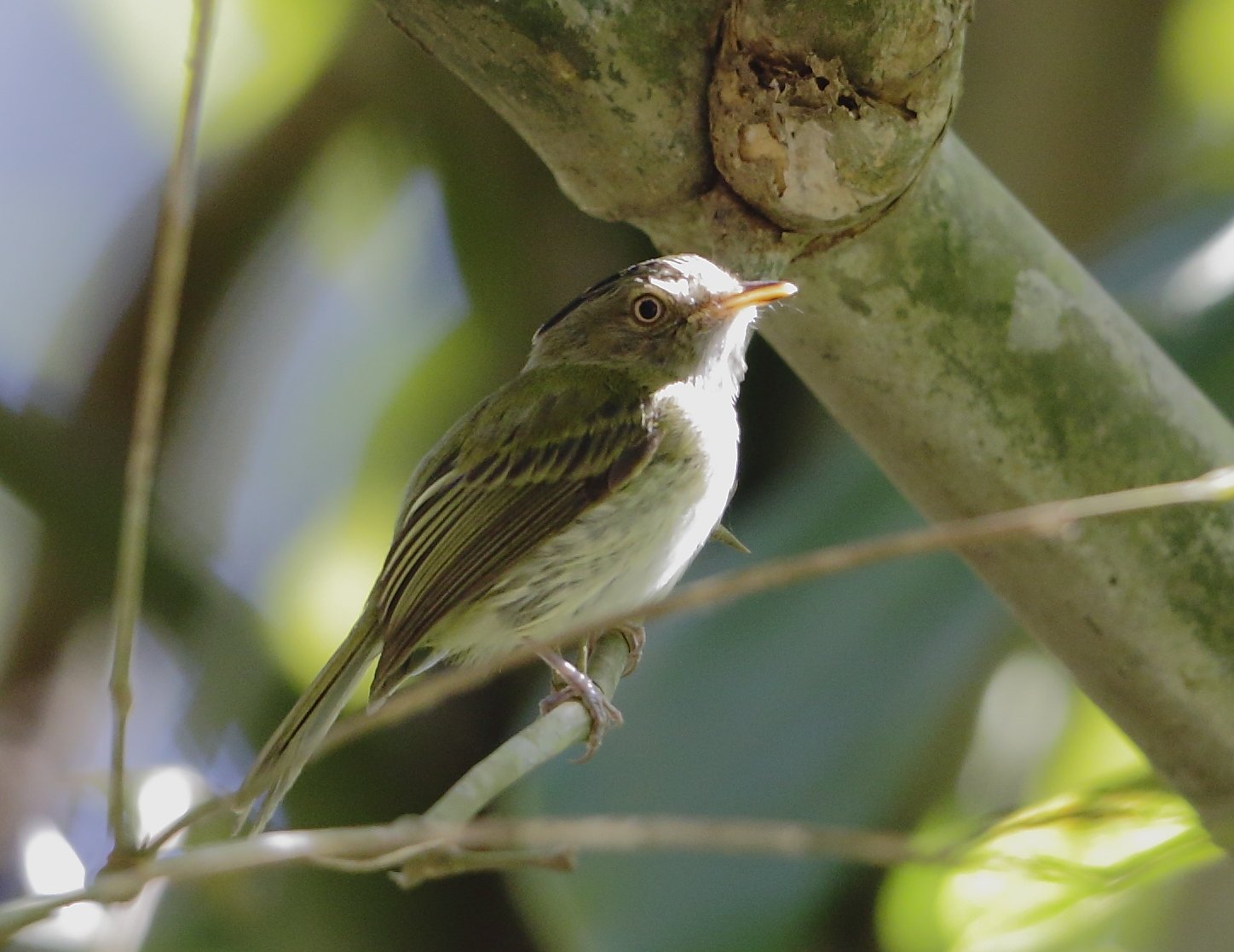
Maria-topetuda
Lophotriccus eulophotes- Bamboo forest
- Várzea, igapó and river islands
- Secondary forest and forest edge
-
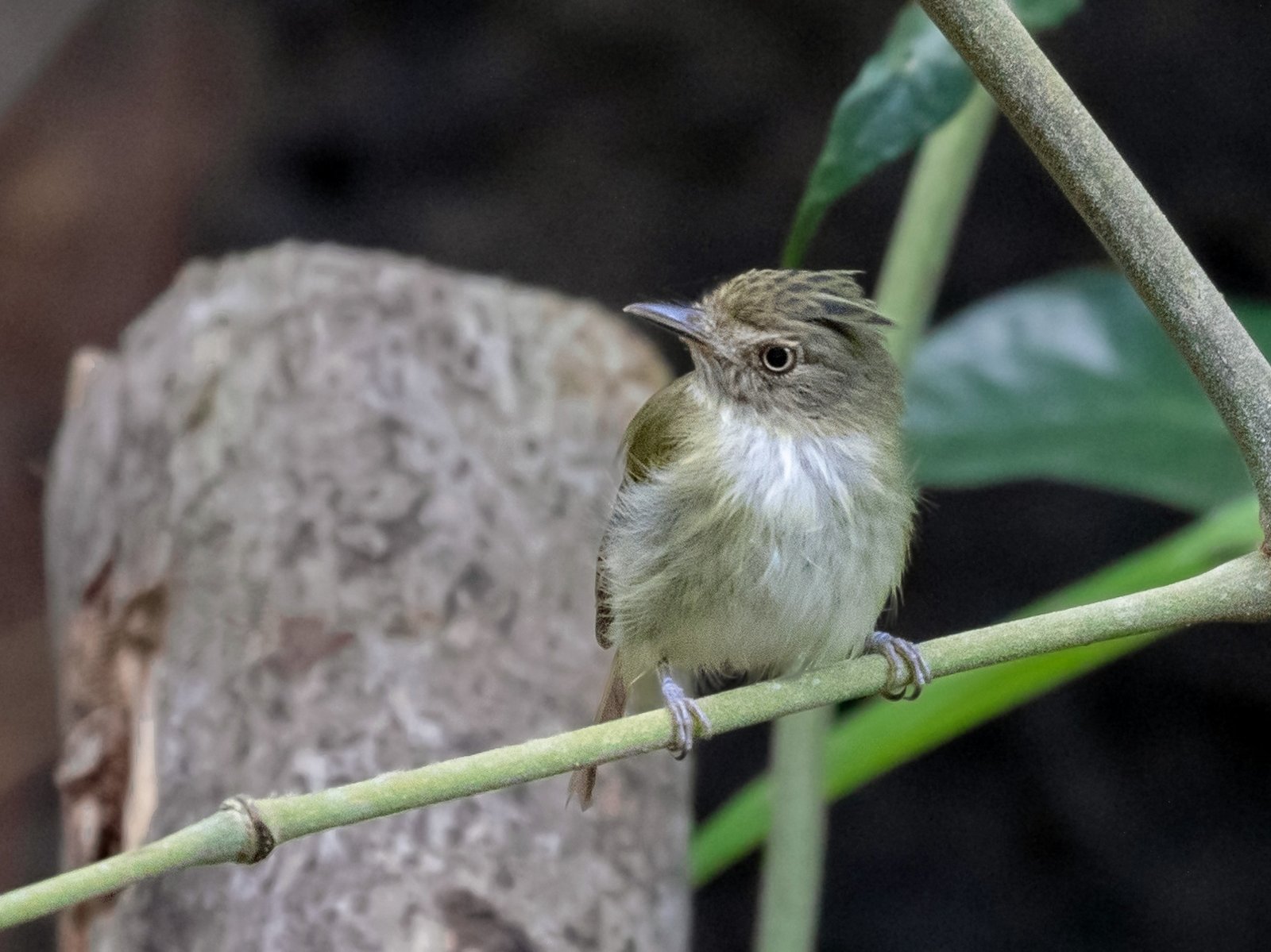
Caga-sebinho-de-penacho
Lophotriccus galeatus- Amazonian terra firme rainforest
- Secondary forest and forest edge
- Várzea, igapó and river islands
Culicivora 1 espécie
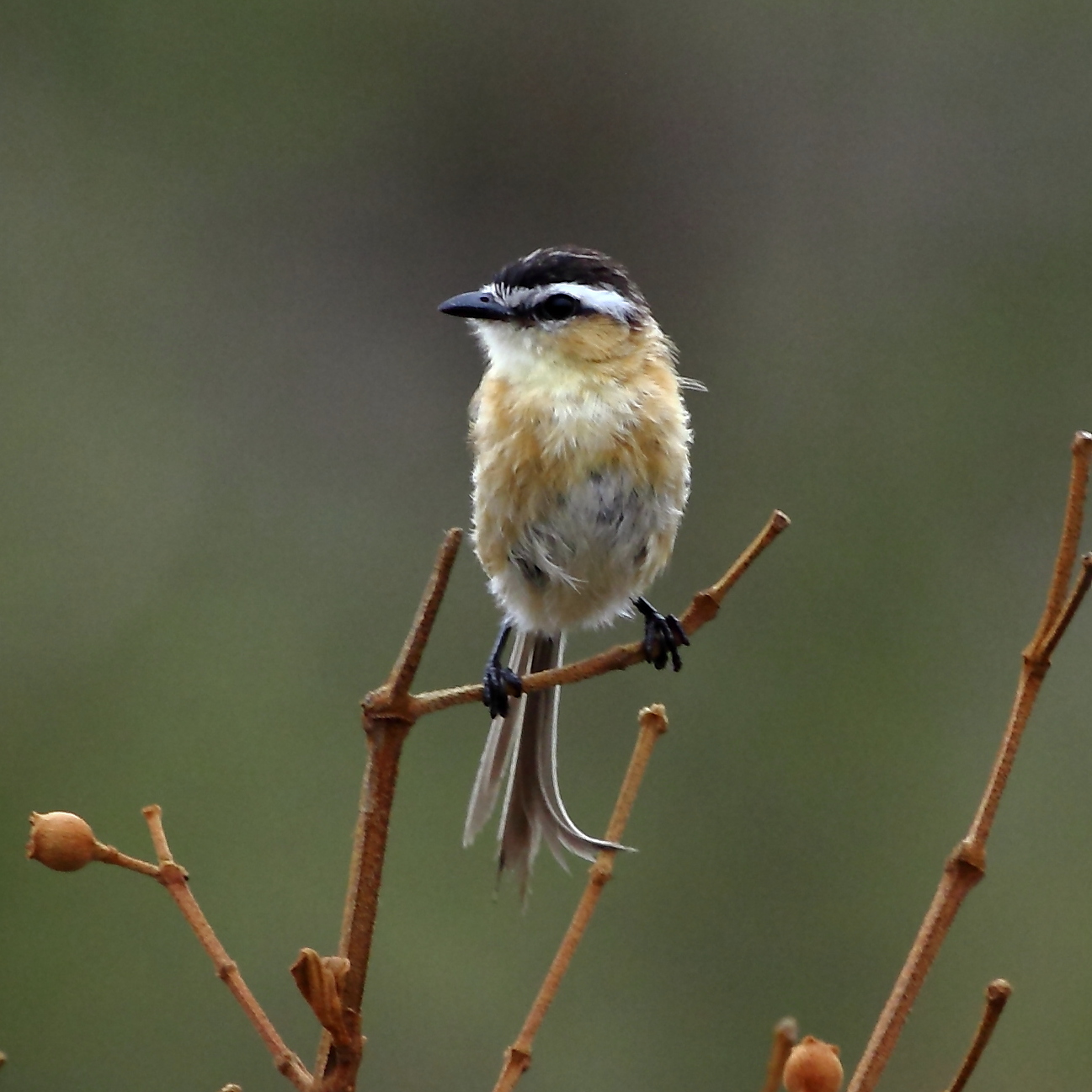
Arundinicola 1 espécie
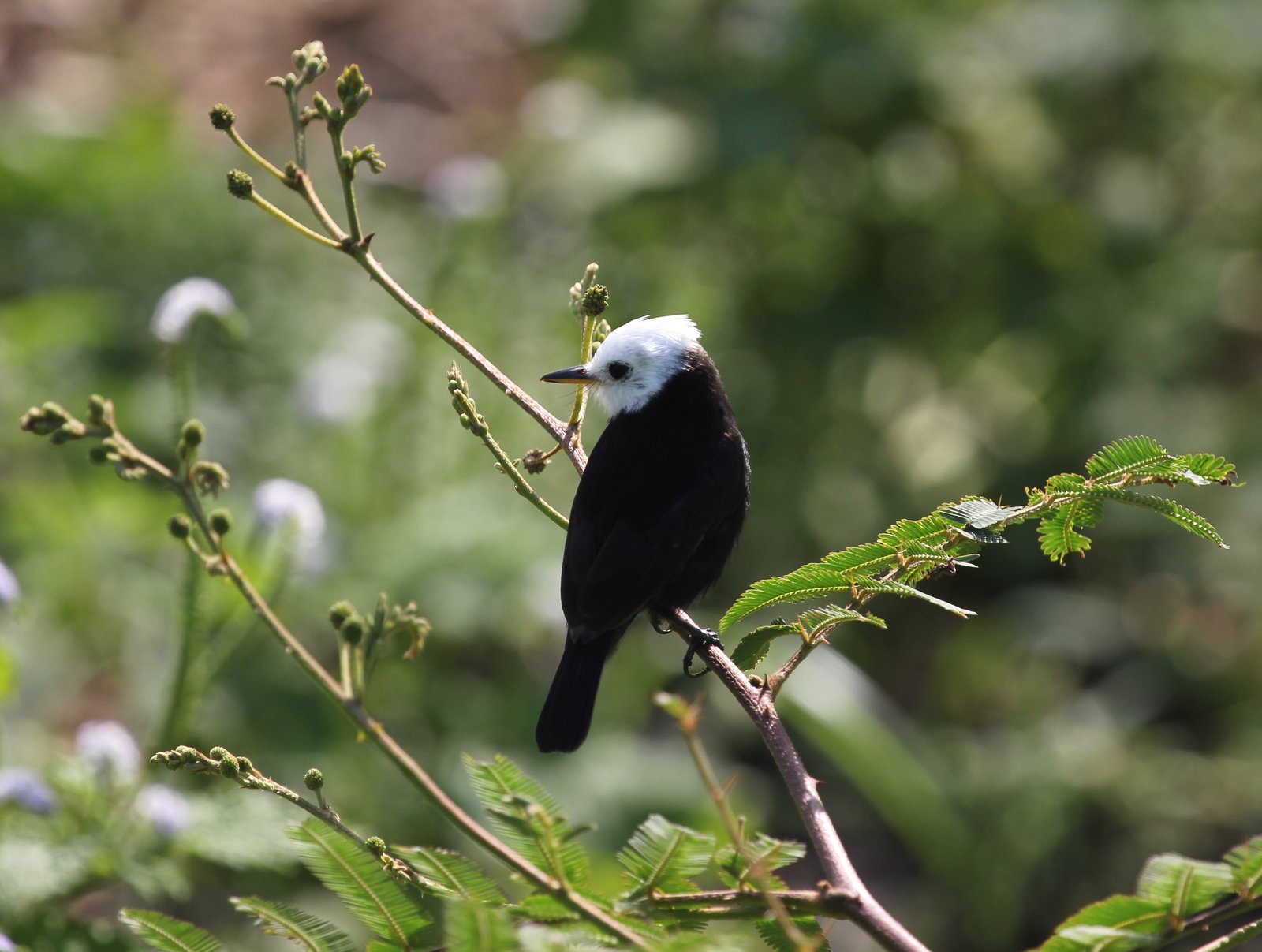
Tachuris 1 espécie
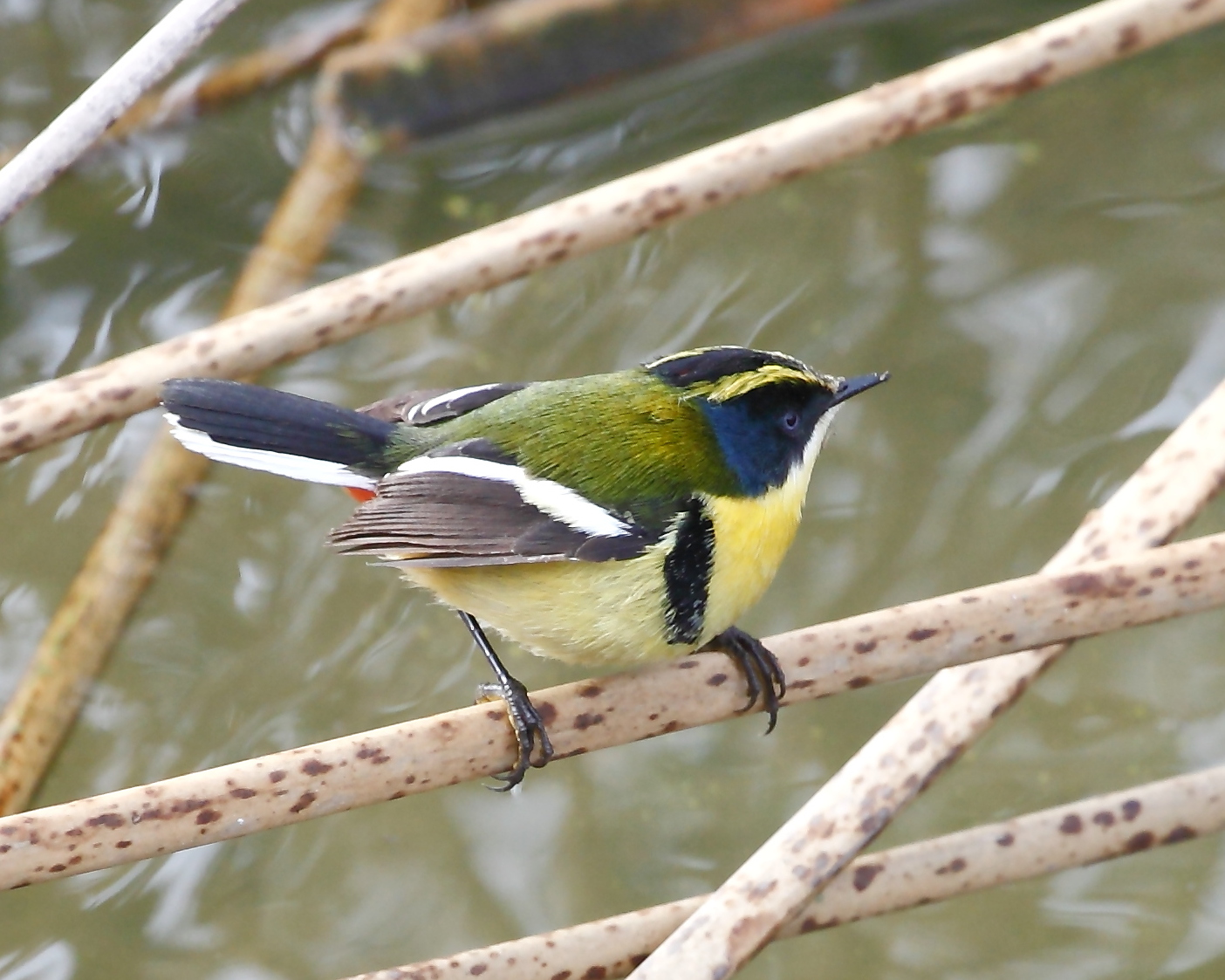

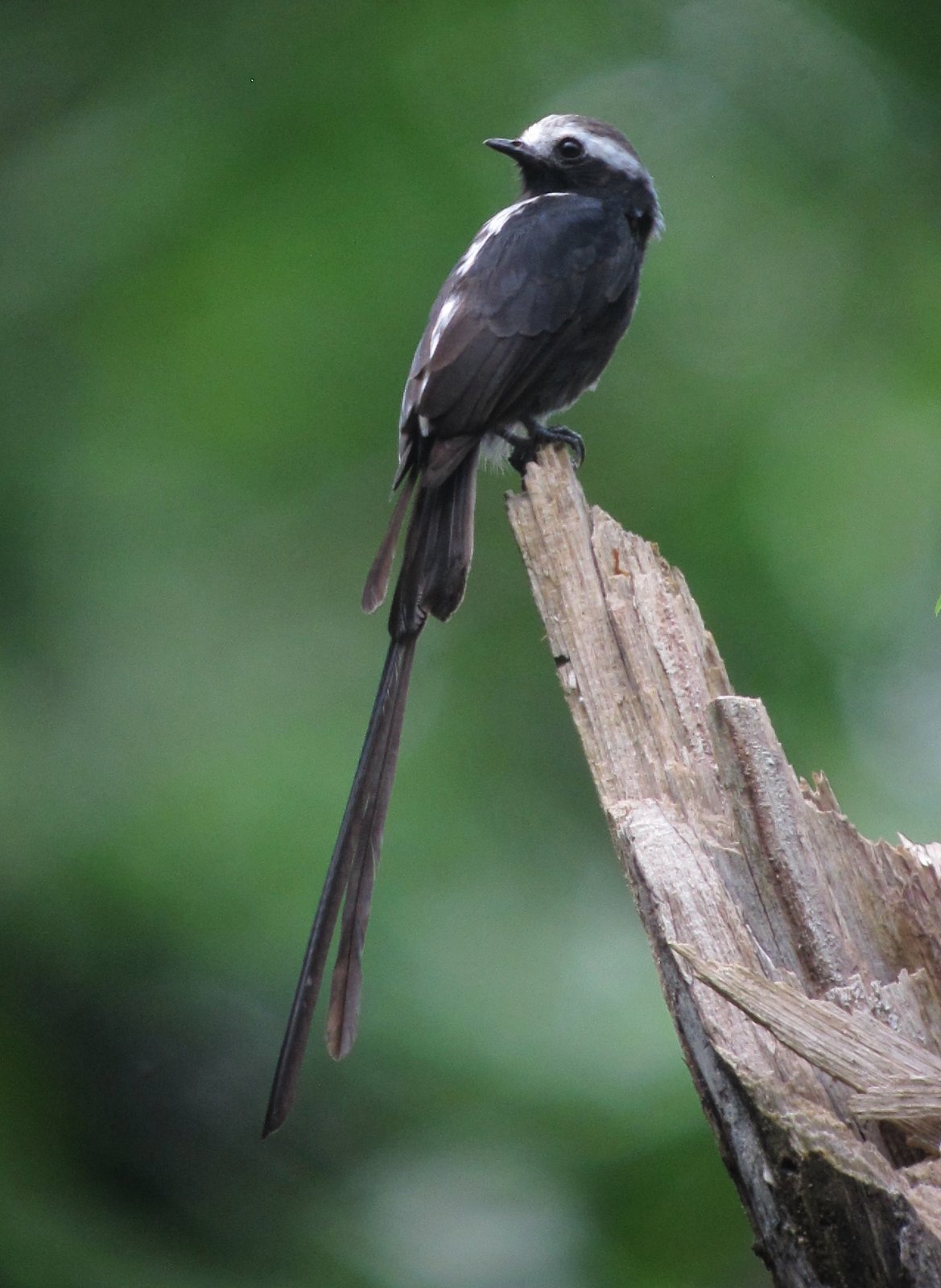
Capsiempis 1 espécie
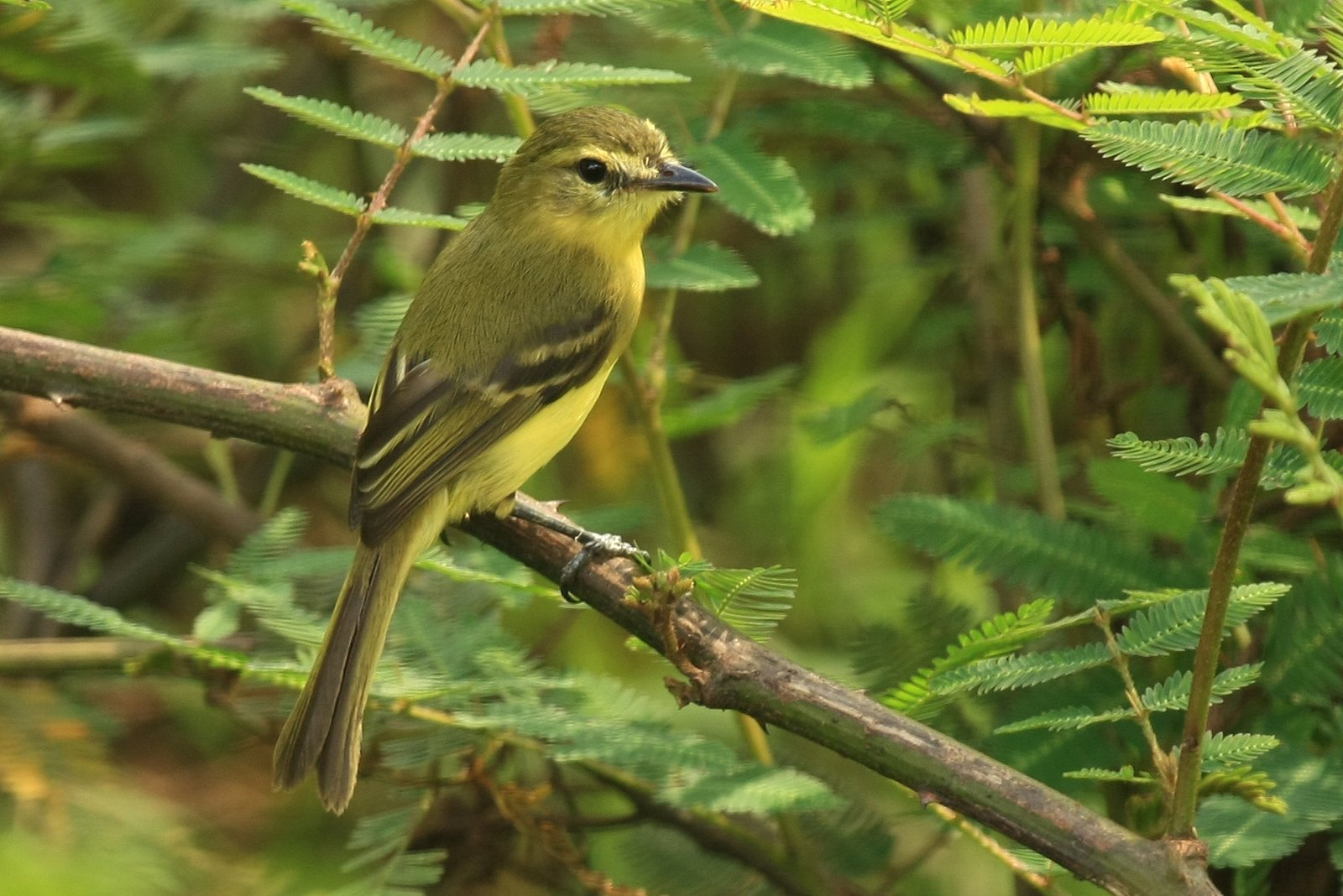
Attila 5 espécies
-
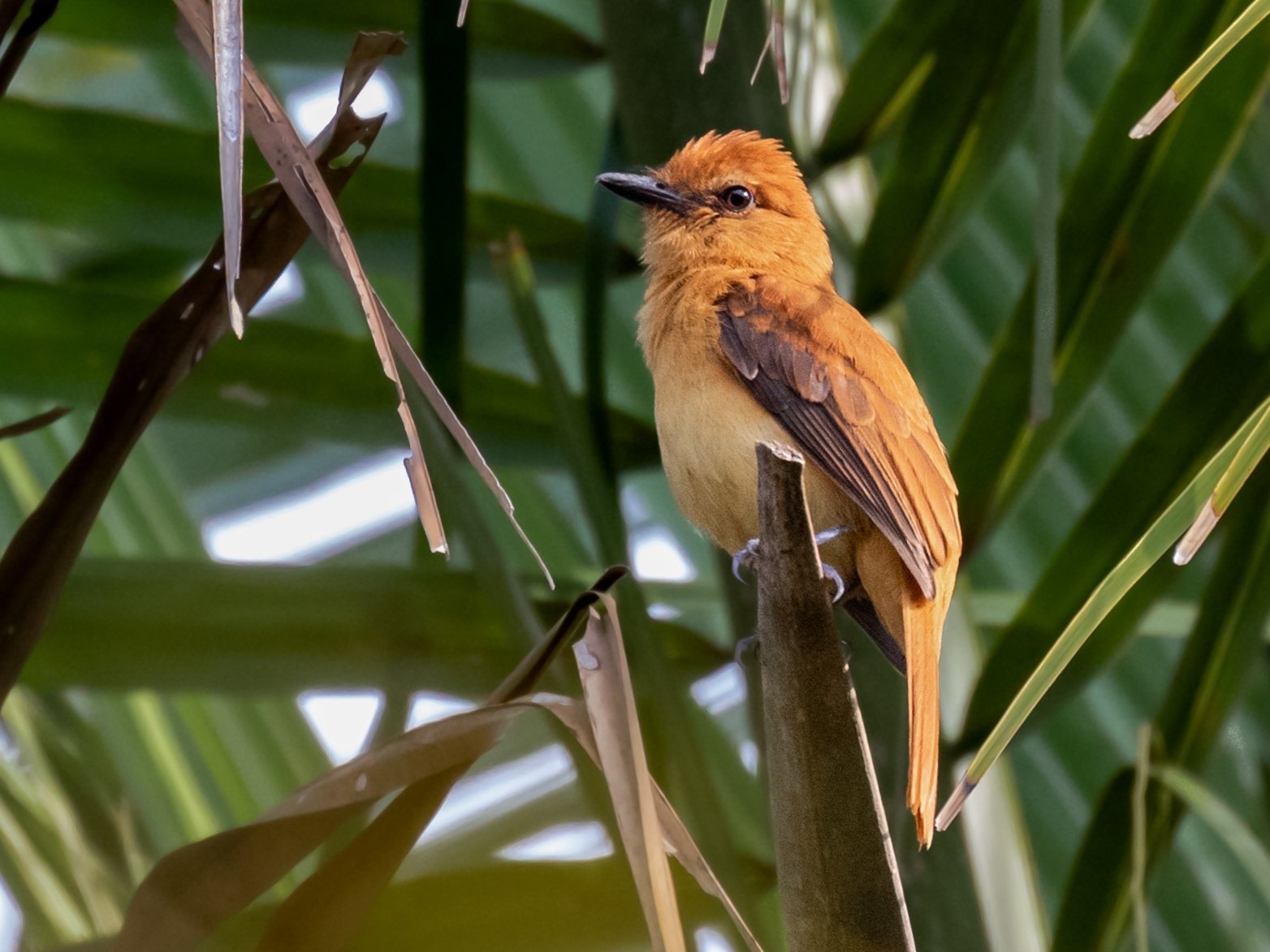
Tinguaçu-ferrugem
Attila cinnamomeus- Várzea, igapó and river islands
 Palm swamps and swamp forest
- Lowland lakes and oxbows
- Amazonian terra firme rainforest
-
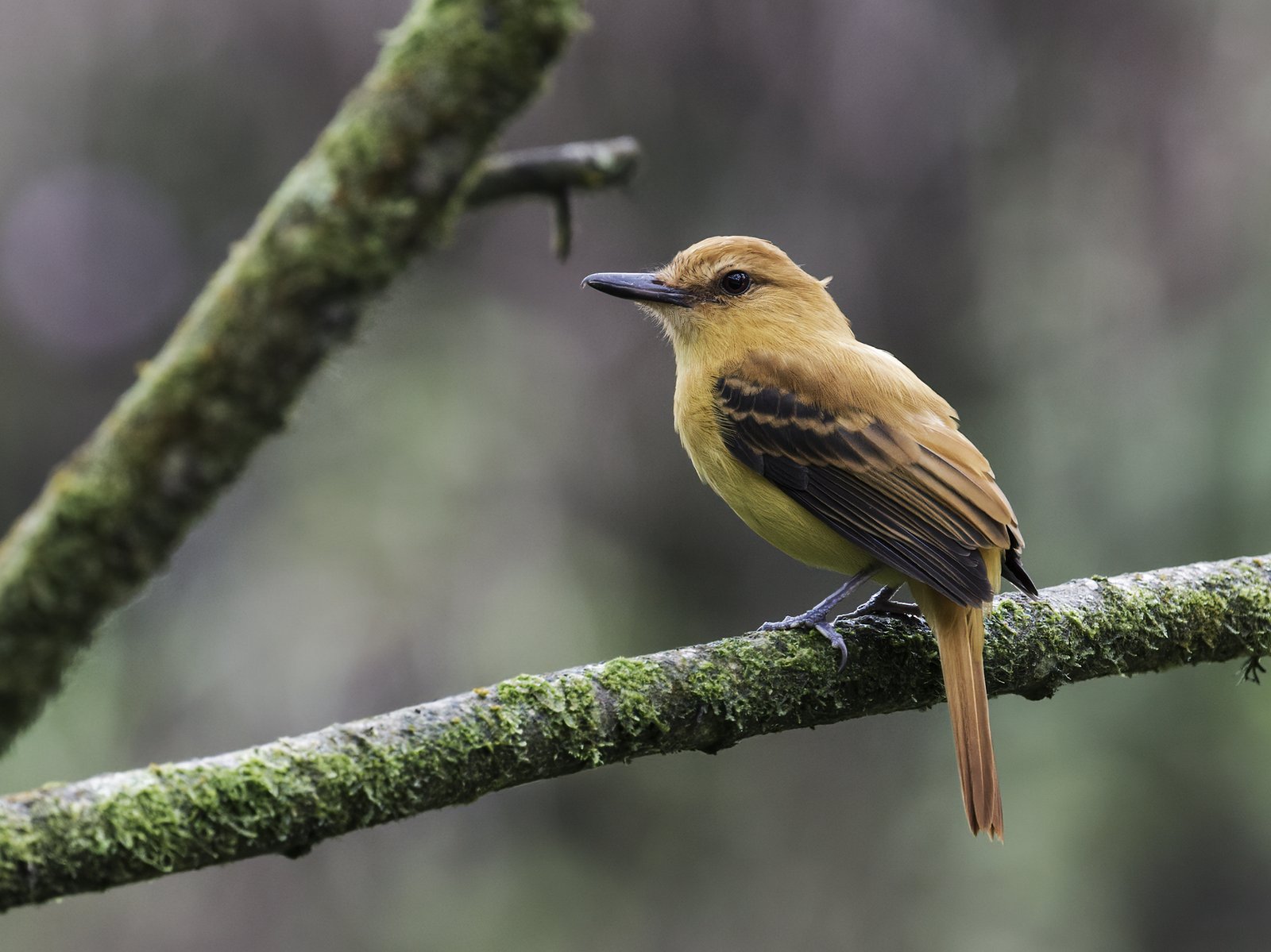
Tinguaçu-ocráceo
Attila torridus- Western Ecuador humid forest
- Tumbesian dry forest and thorn scrub
- Chocó rainforest
- Northern Andean subtropical forest
- Secondary forest and forest edge
-
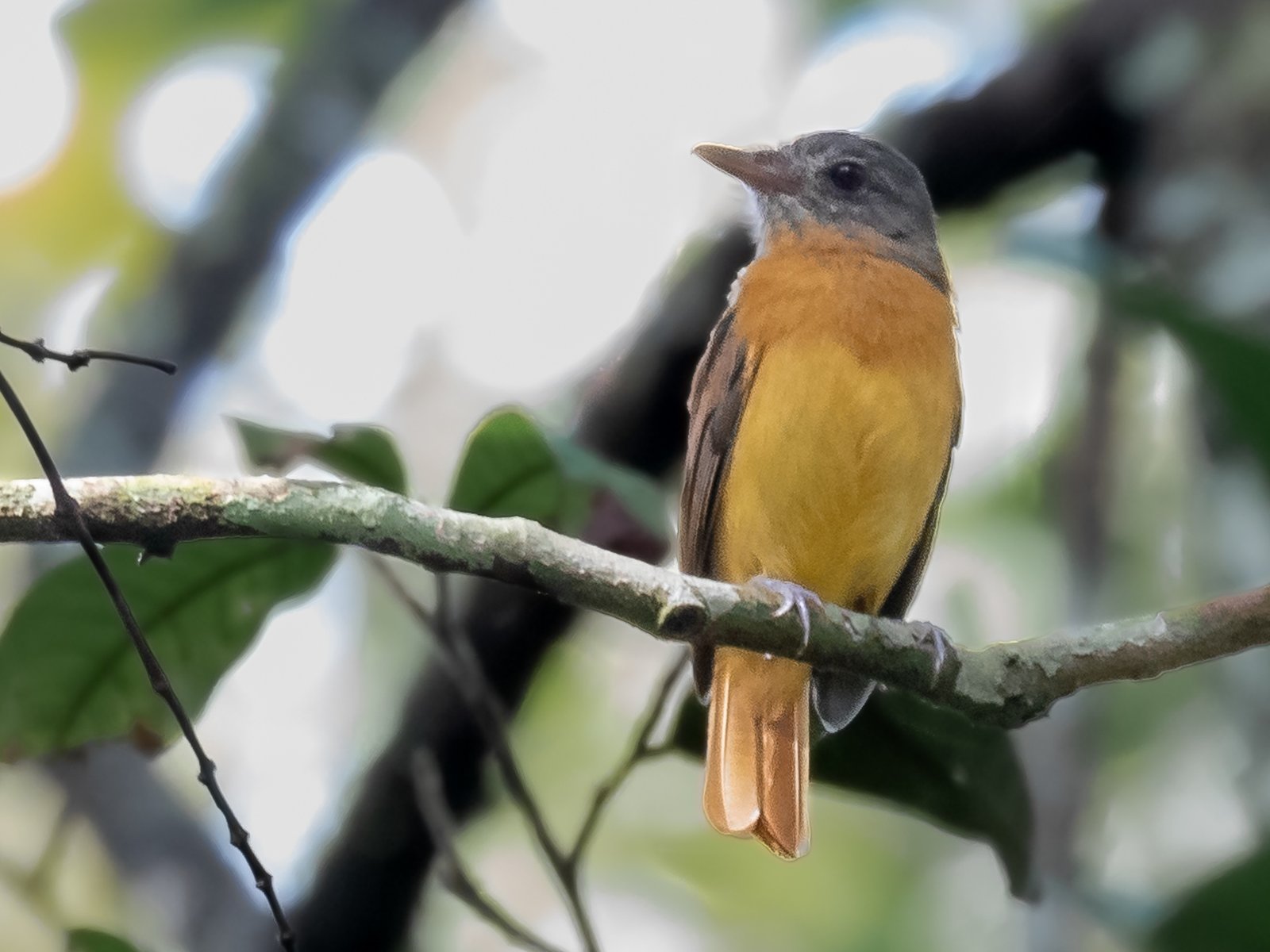
Tinguaçu-de-barriga-amarela
Attila citriniventris- Amazonian terra firme rainforest
-
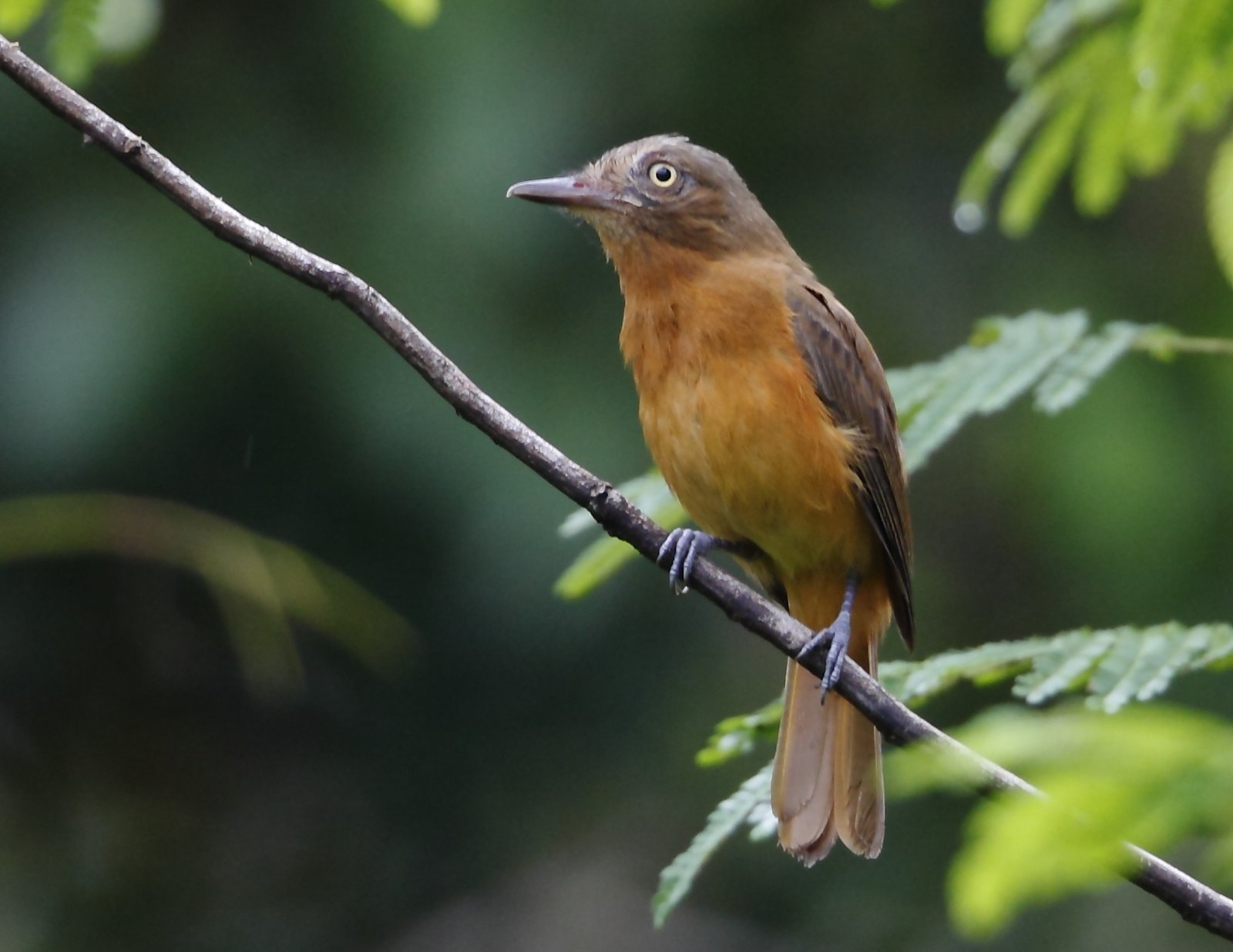
Bate-pára
Attila bolivianus- Várzea, igapó and river islands
- Secondary forest and forest edge
- Palm swamps and swamp forest
- Amazonian terra firme rainforest
- Beni savanna and cerrado
-

Capitão-de-saíra-amarelo
Attila spadiceus- Western Ecuador humid forest
- Amazonian terra firme rainforest
- Chocó rainforest
- Eastern Andean foothill forest
- Northern Andean subtropical forest
- Lower Yungas forest
- Secondary forest and forest edge
Knipolegus 8 espécies
-
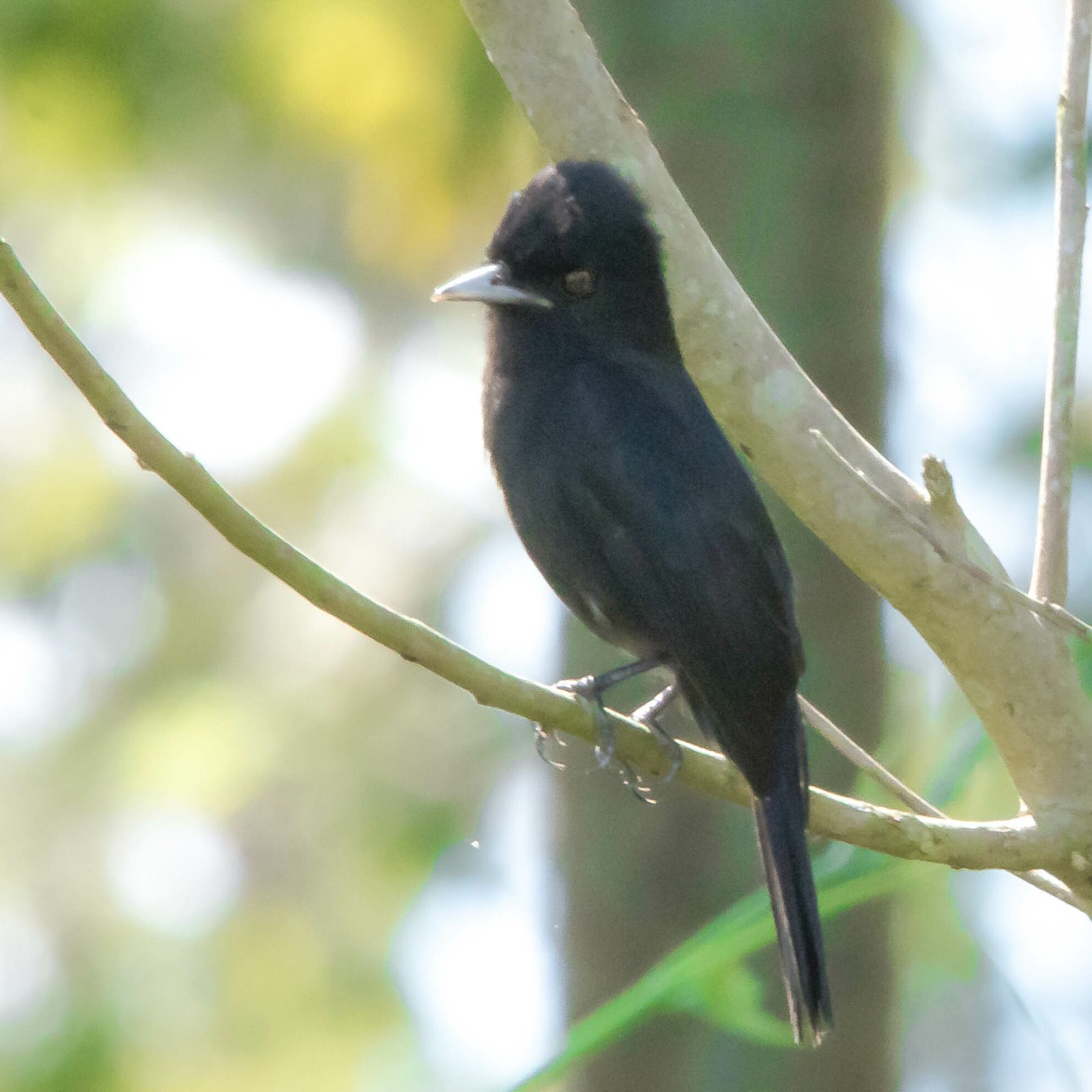
Maria-preta-ribeirinha
Knipolegus orenocensis- Várzea, igapó and river islands
- Lowland rivers and sandbars
-
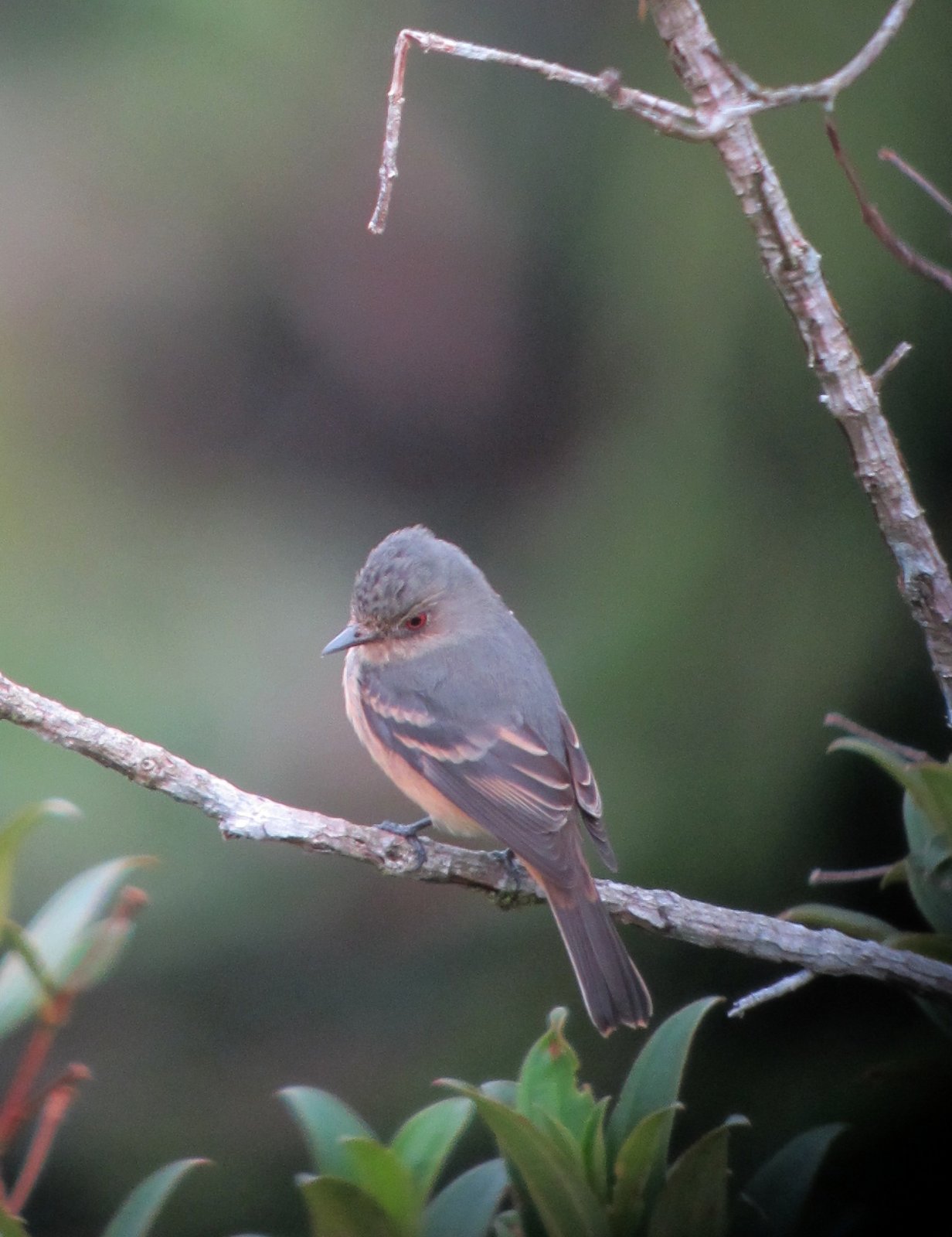
Maria-preta-de-cauda-ruiva
Knipolegus poecilurus- Northern Andean cloud forest and temperate forest
- Northern Andean subtropical forest
- Upper Yungas cloud forest
- Secondary forest and forest edge
-
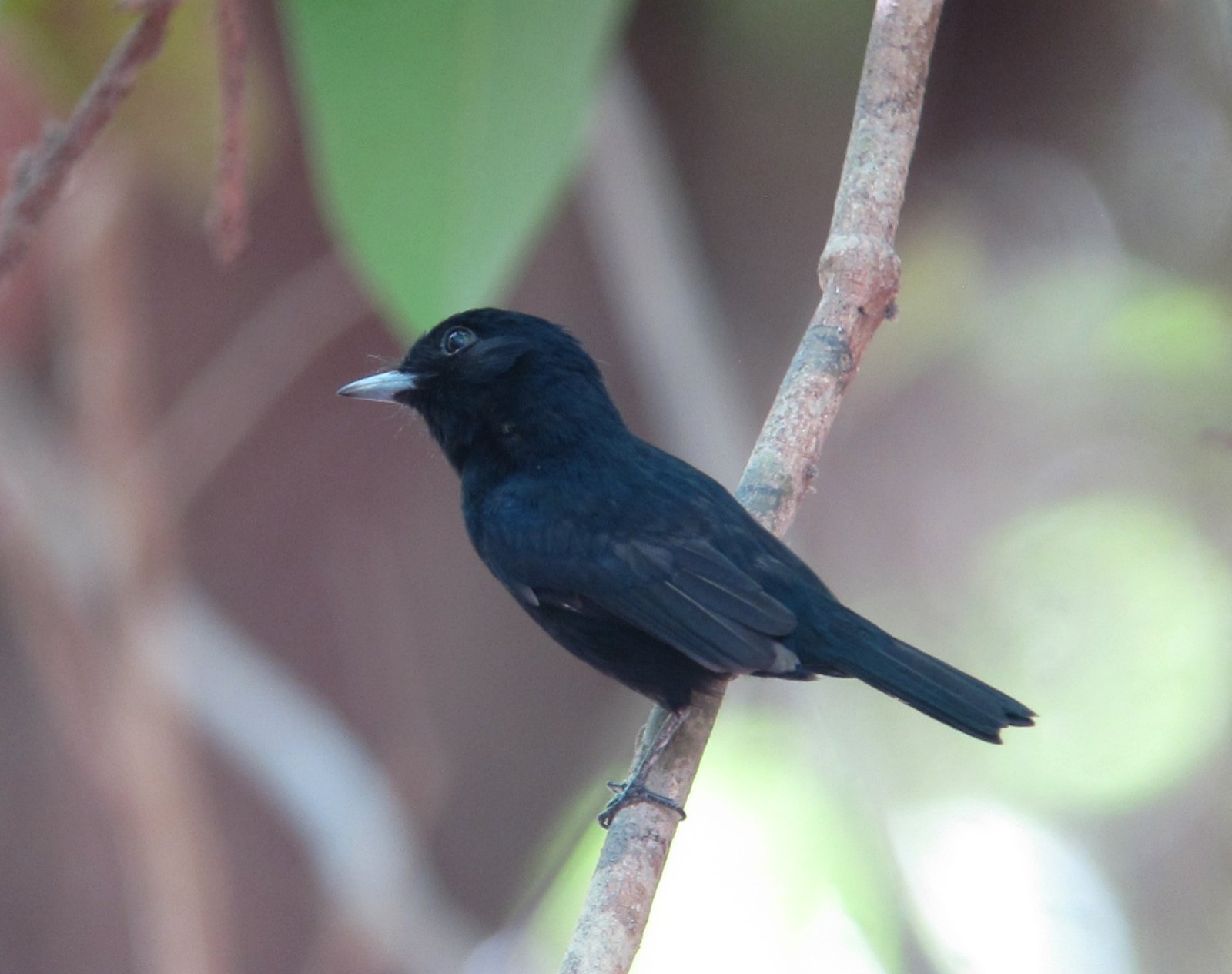
Pretinho-do-igapó
Knipolegus poecilocercus- Várzea, igapó and river islands
- Palm swamps and swamp forest
- Lowland lakes and oxbows
- Lowland rivers and sandbars
-
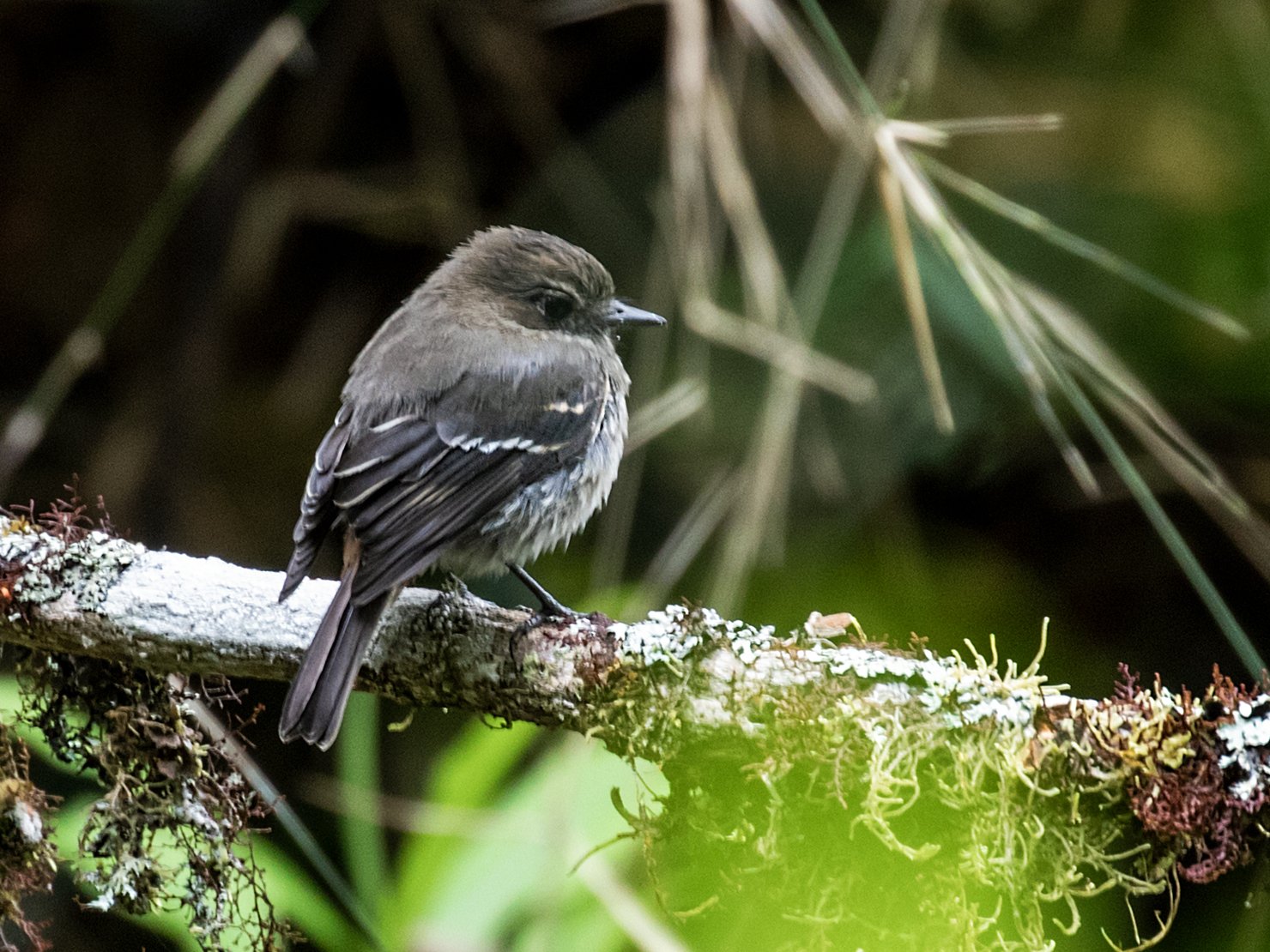
Maria-preta-andina
Knipolegus signatus- Northern Andean cloud forest and temperate forest
- Upper Yungas cloud forest
- Secondary forest and forest edge
-
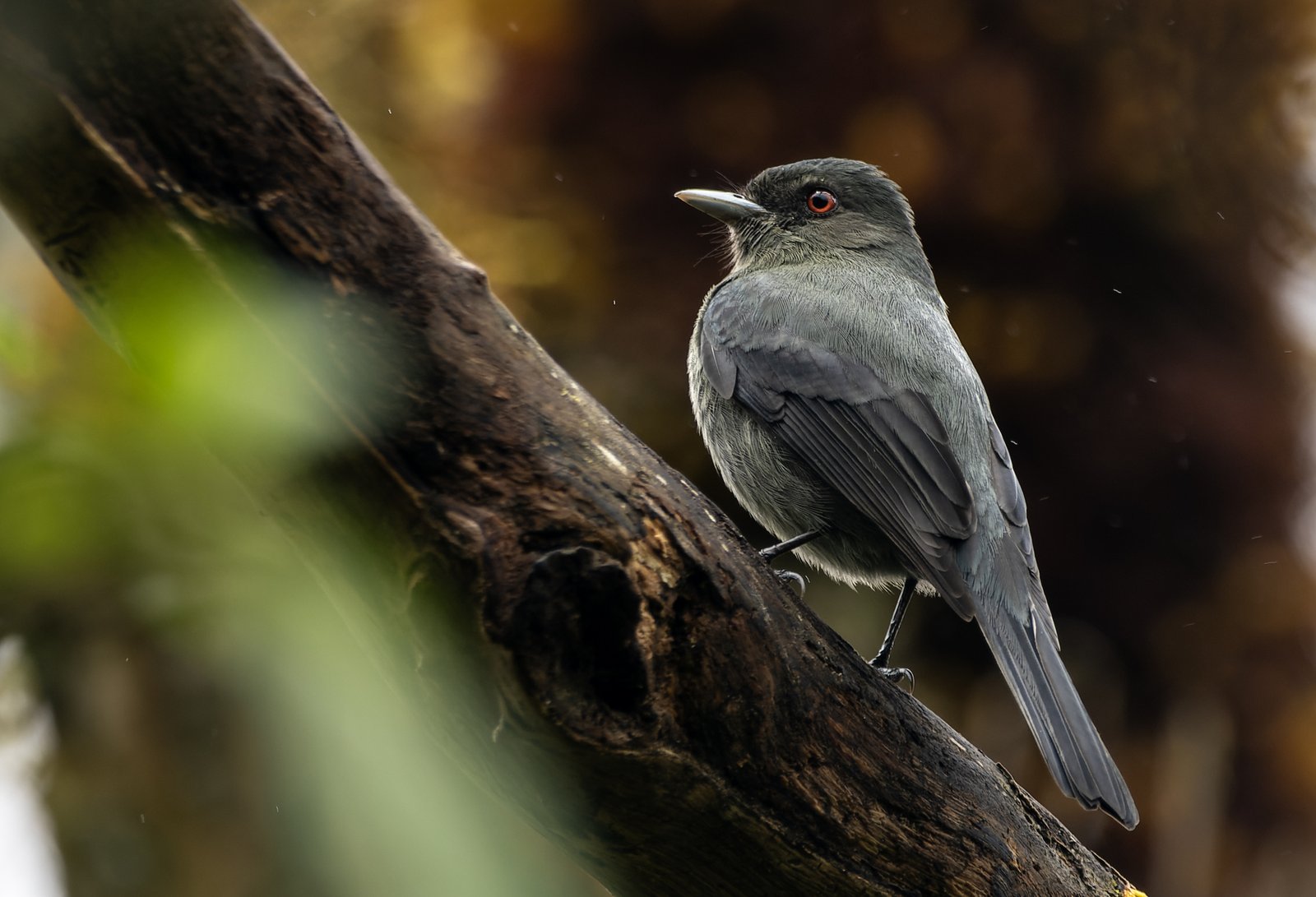
Maria-preta-plúmbea
Knipolegus cabanisi- Upper Yungas cloud forest
- Lower Yungas forest
- Secondary forest and forest edge
- Riparian woodland of the Andes and coastal valleys
-

Maria-preta-acinzentada
Knipolegus striaticeps- Chiquitano dry forest and Chaco
- Central Andean dry valleys
- Riparian woodland of the Andes and coastal valleys
-
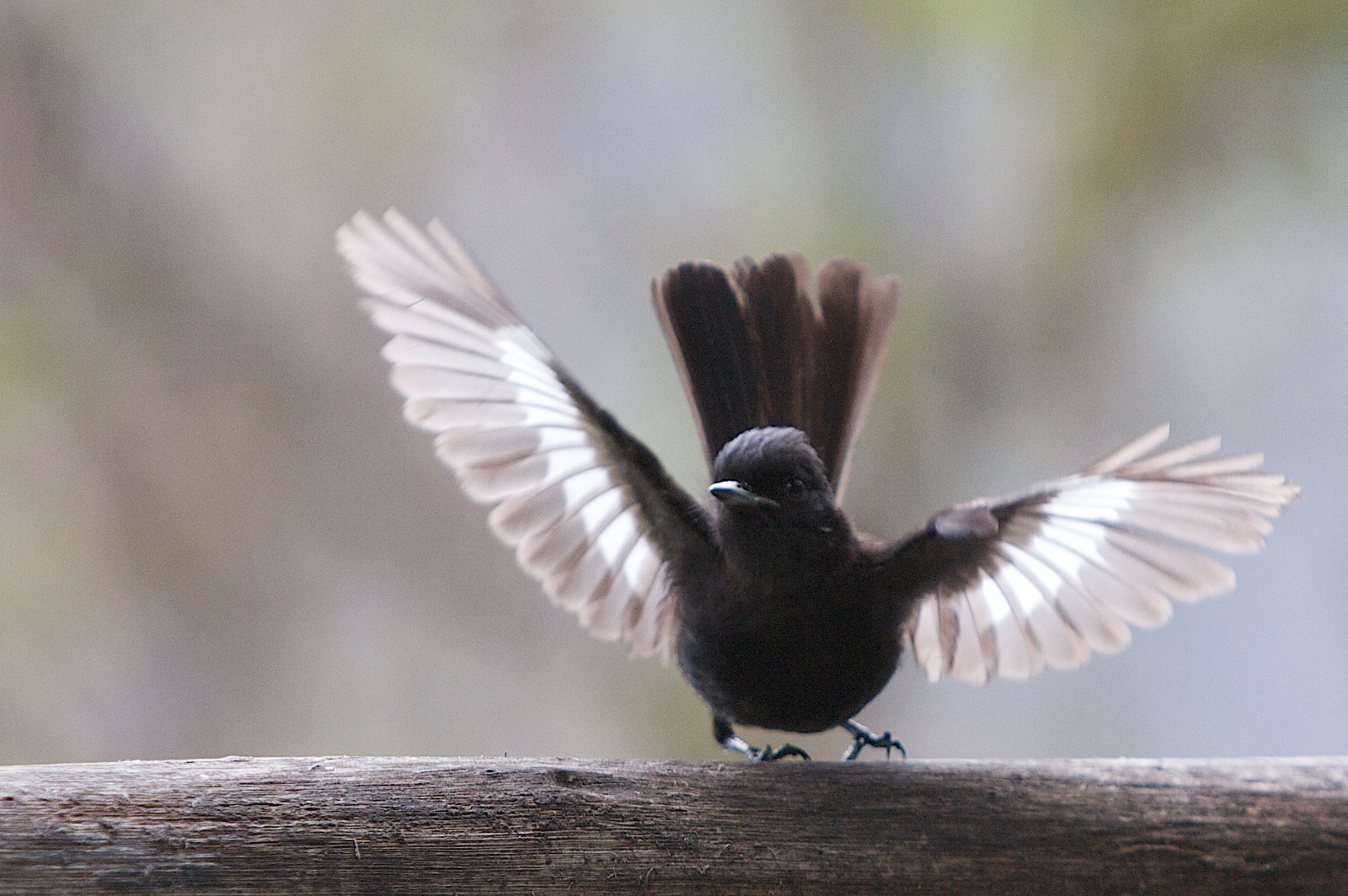
Maria-preta-bate-rabo
Knipolegus aterrimus- Central Andean dry valleys
- Marañón and northern inter-Andean dry forest
- Riparian woodland of the Andes and coastal valleys
- Andean fields and terraces
- Polylepis woodland
-
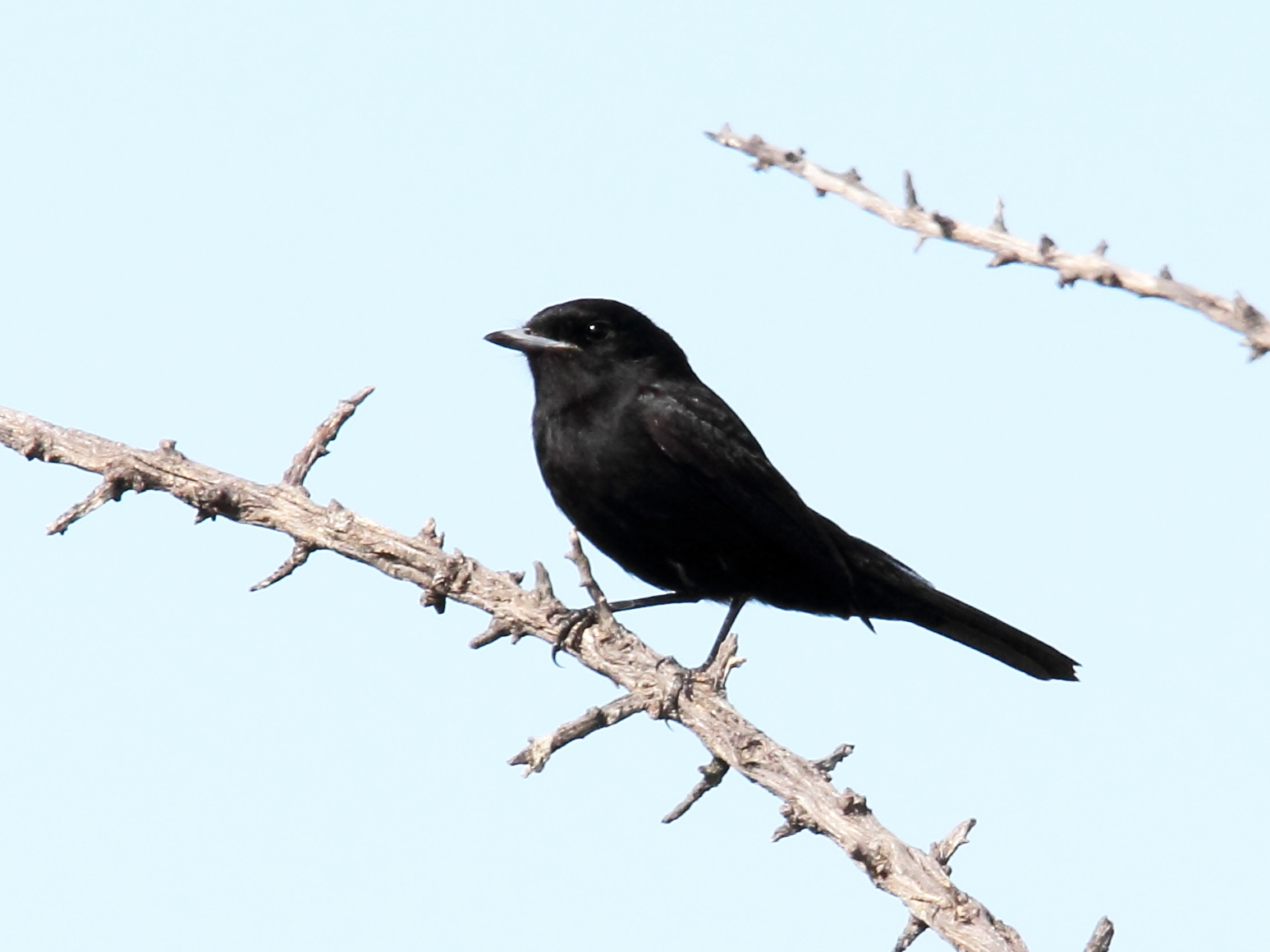
Maria-preta-do-sul
Knipolegus hudsoni- Chiquitano dry forest and Chaco
- Beni savanna and cerrado
- Pasture and ranchland
Mionectes 4 espécies
-
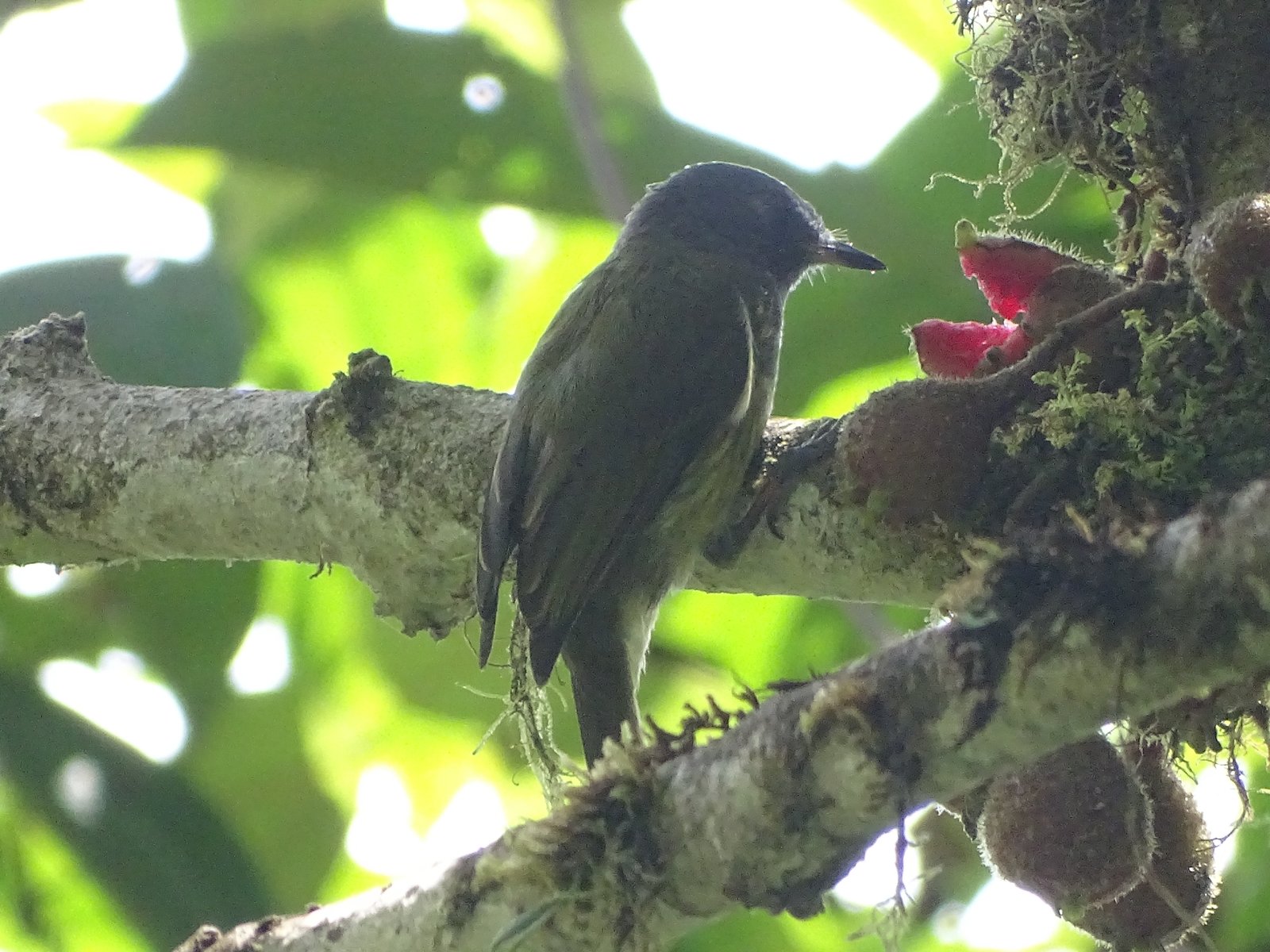
Abre-asa-de-pescoço-estriado
Mionectes striaticollis- Northern Andean cloud forest and temperate forest
- Northern Andean subtropical forest
- Upper Yungas cloud forest
- Lower Yungas forest
- Secondary forest and forest edge
-
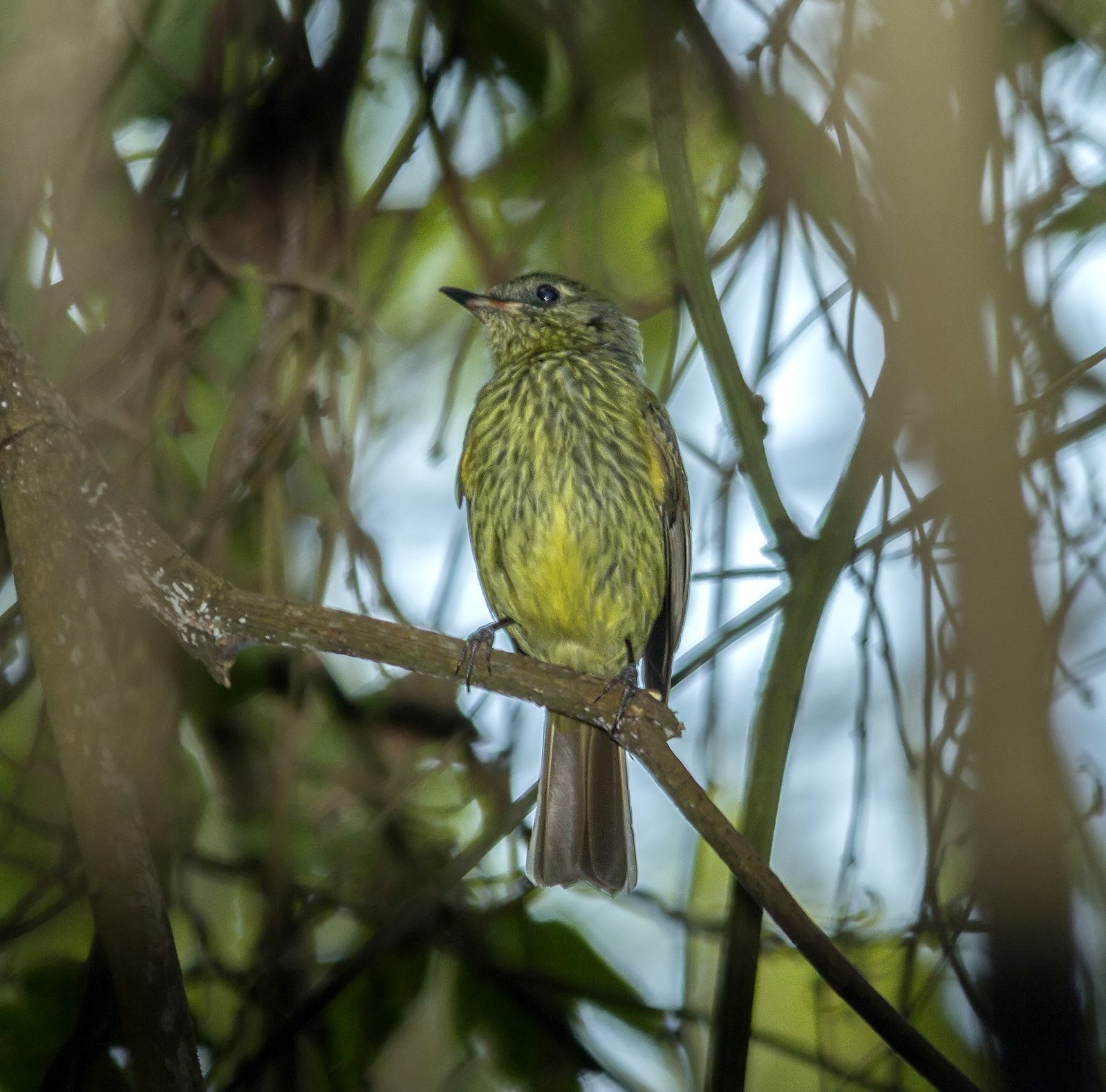
Abre-asa-listrado
Mionectes olivaceus- Northern Andean subtropical forest
- Eastern Andean foothill forest
- Western Ecuador humid forest
- Chocó rainforest
- Lower Yungas forest
- Secondary forest and forest edge
-
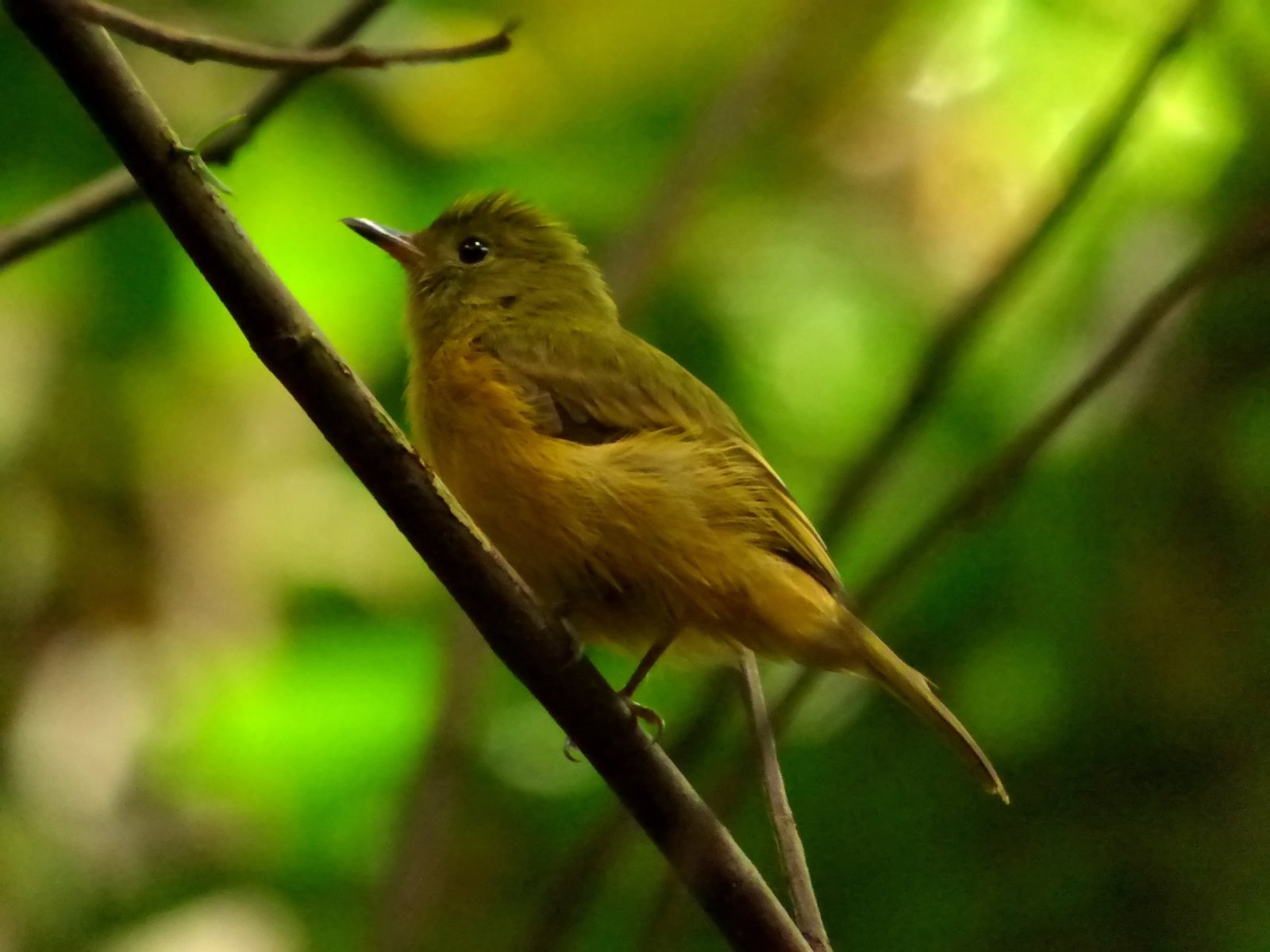
Abre-asa
Mionectes oleagineus- Amazonian terra firme rainforest
- Secondary forest and forest edge
- Western Ecuador humid forest
- Chocó rainforest
- Várzea, igapó and river islands
- Eastern Andean foothill forest
-
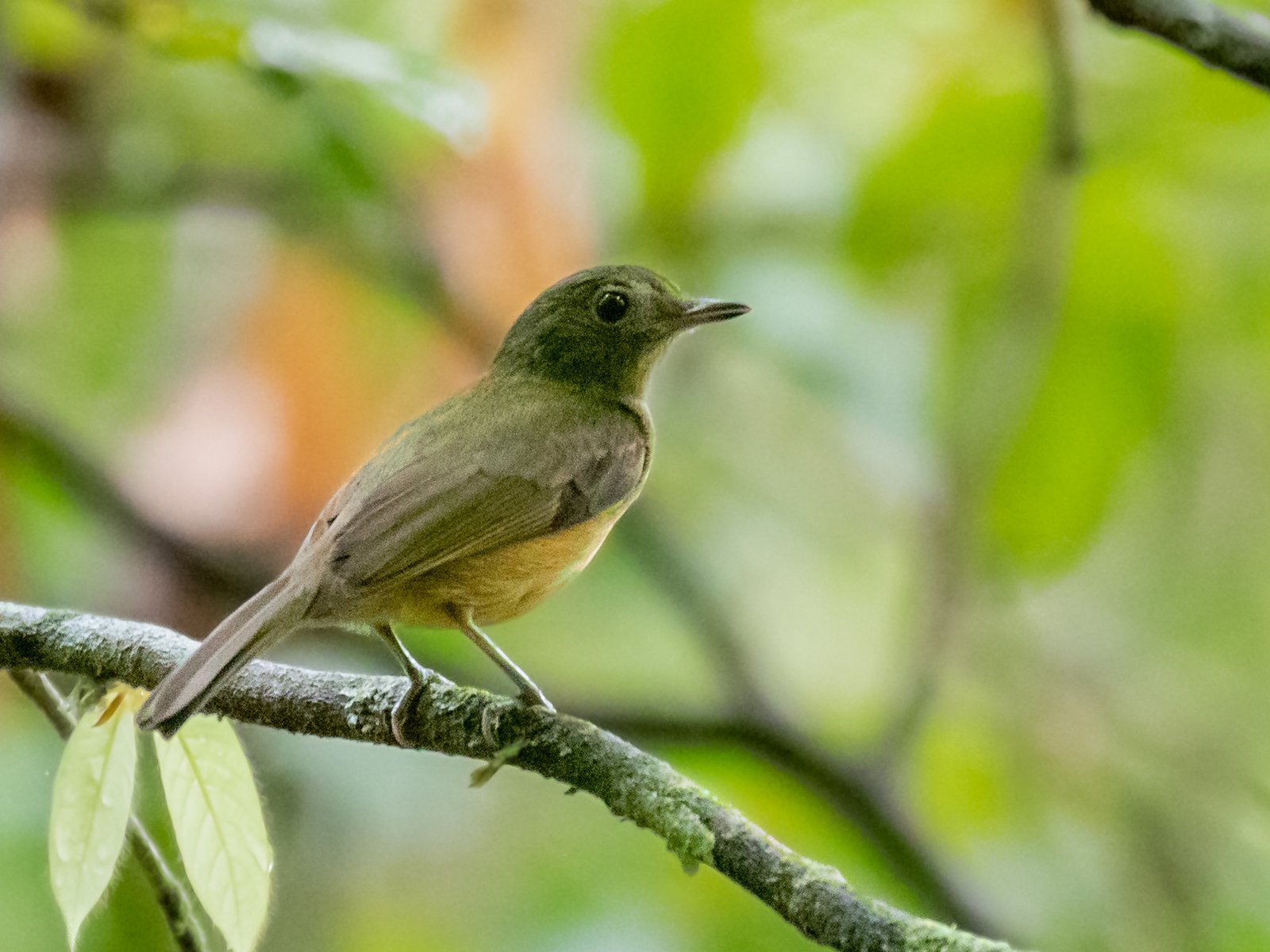
Abre-asa-da-mata
Mionectes macconnelli- Amazonian terra firme rainforest
- Eastern Andean foothill forest
- Lower Yungas forest
Suiriri 1 espécie
Philohydor 1 espécie
Oncostoma 1 espécie
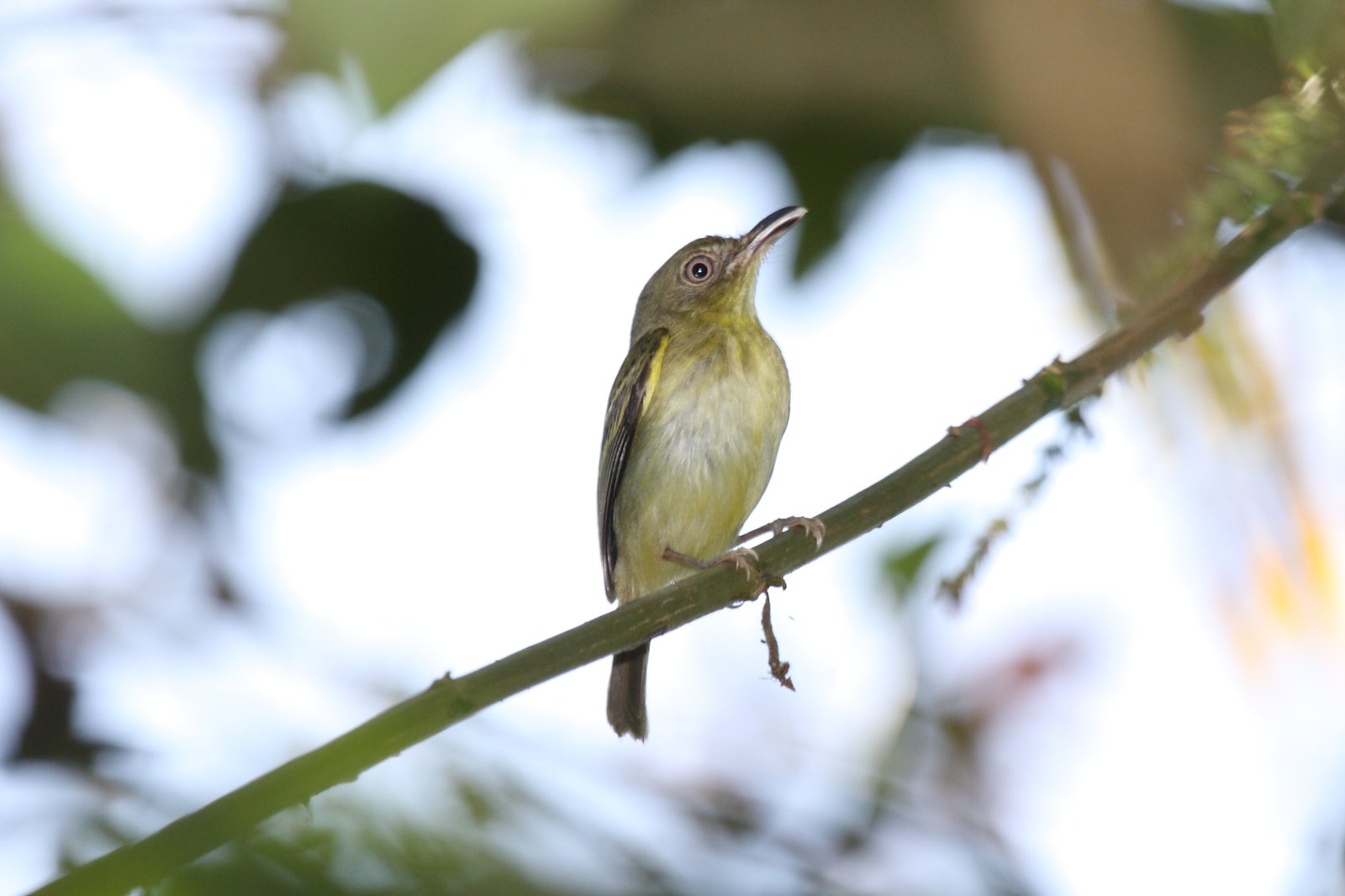
Neopipo 1 espécie
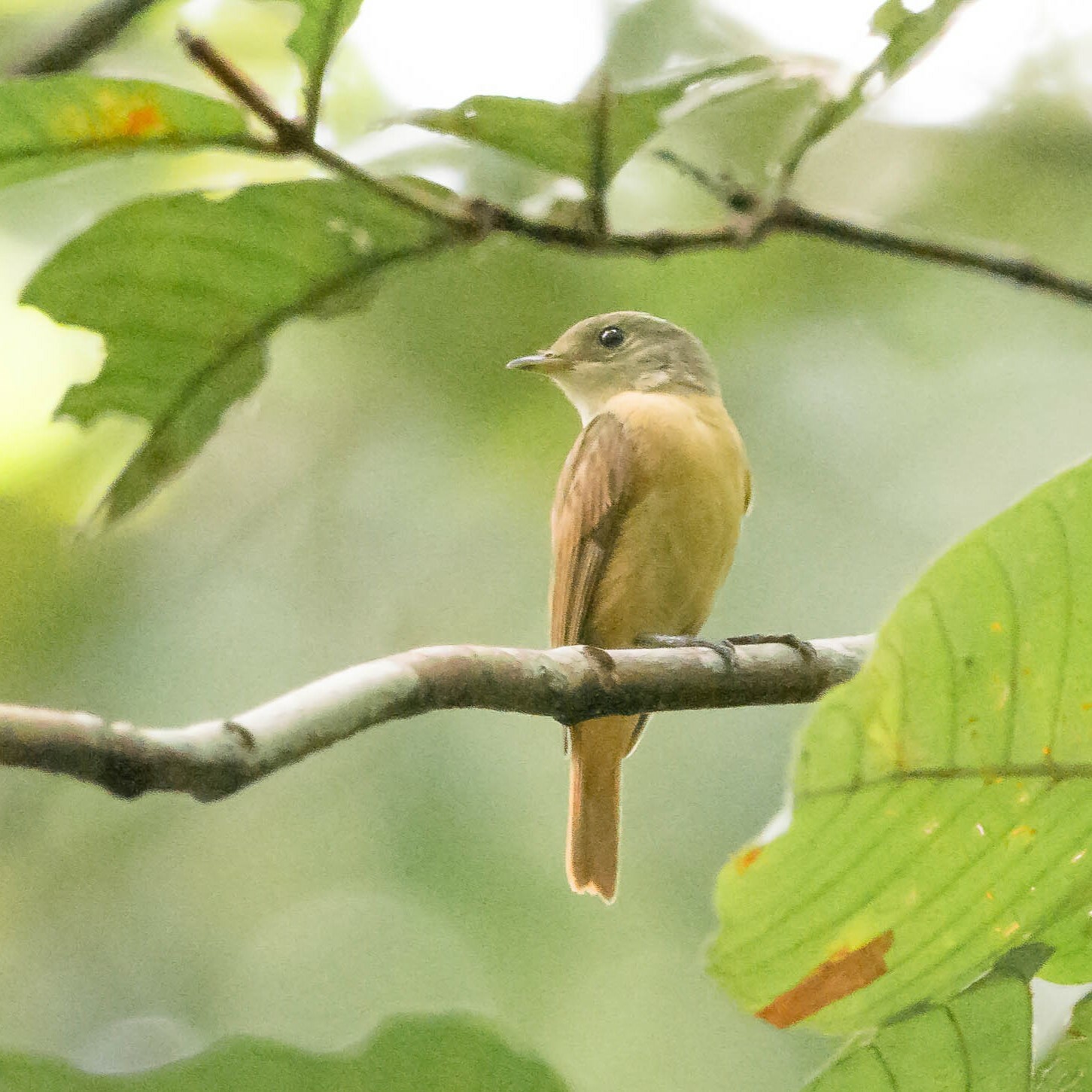
Serpophaga 5 espécies
-
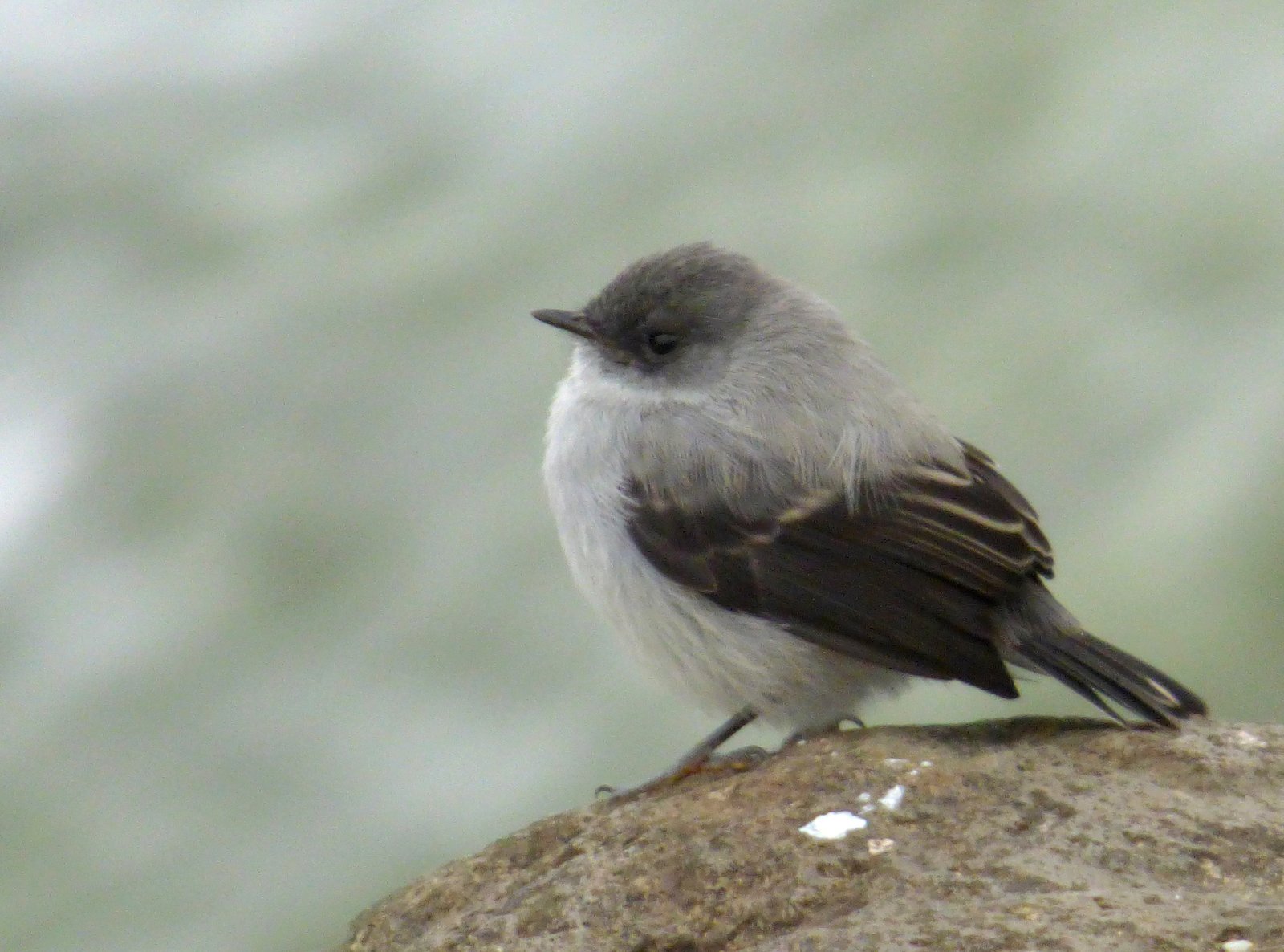
Alegrinho-das-torrentes
Serpophaga cinerea- Andean rivers and torrents
- Northern Andean cloud forest and temperate forest
- Northern Andean subtropical forest
- Upper Yungas cloud forest
- Lower Yungas forest
- Riparian woodland of the Andes and coastal valleys
-
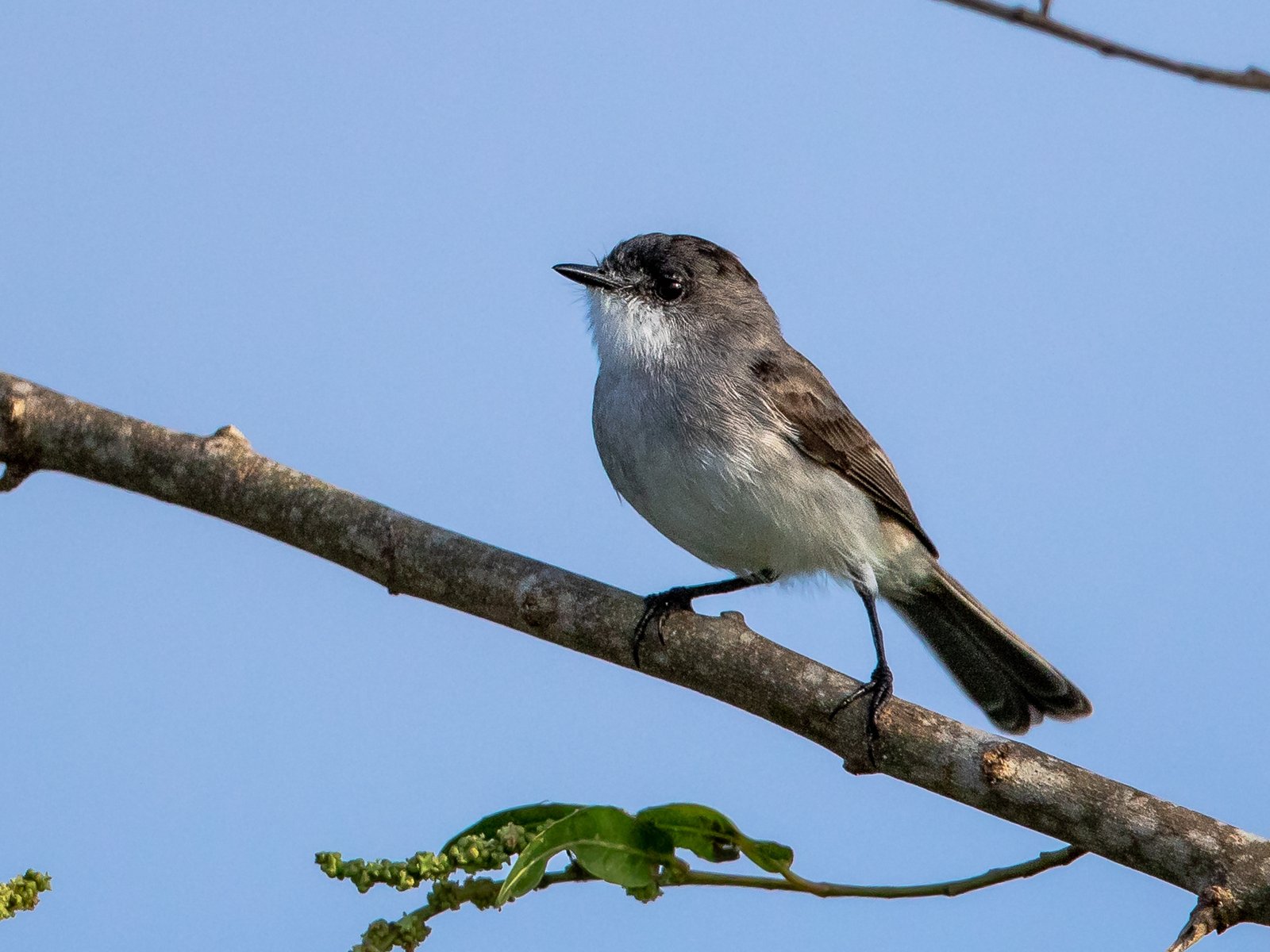
Alegrinho-do-rio
Serpophaga hypoleuca- Lowland rivers and sandbars
- Várzea, igapó and river islands
- Secondary forest and forest edge
-
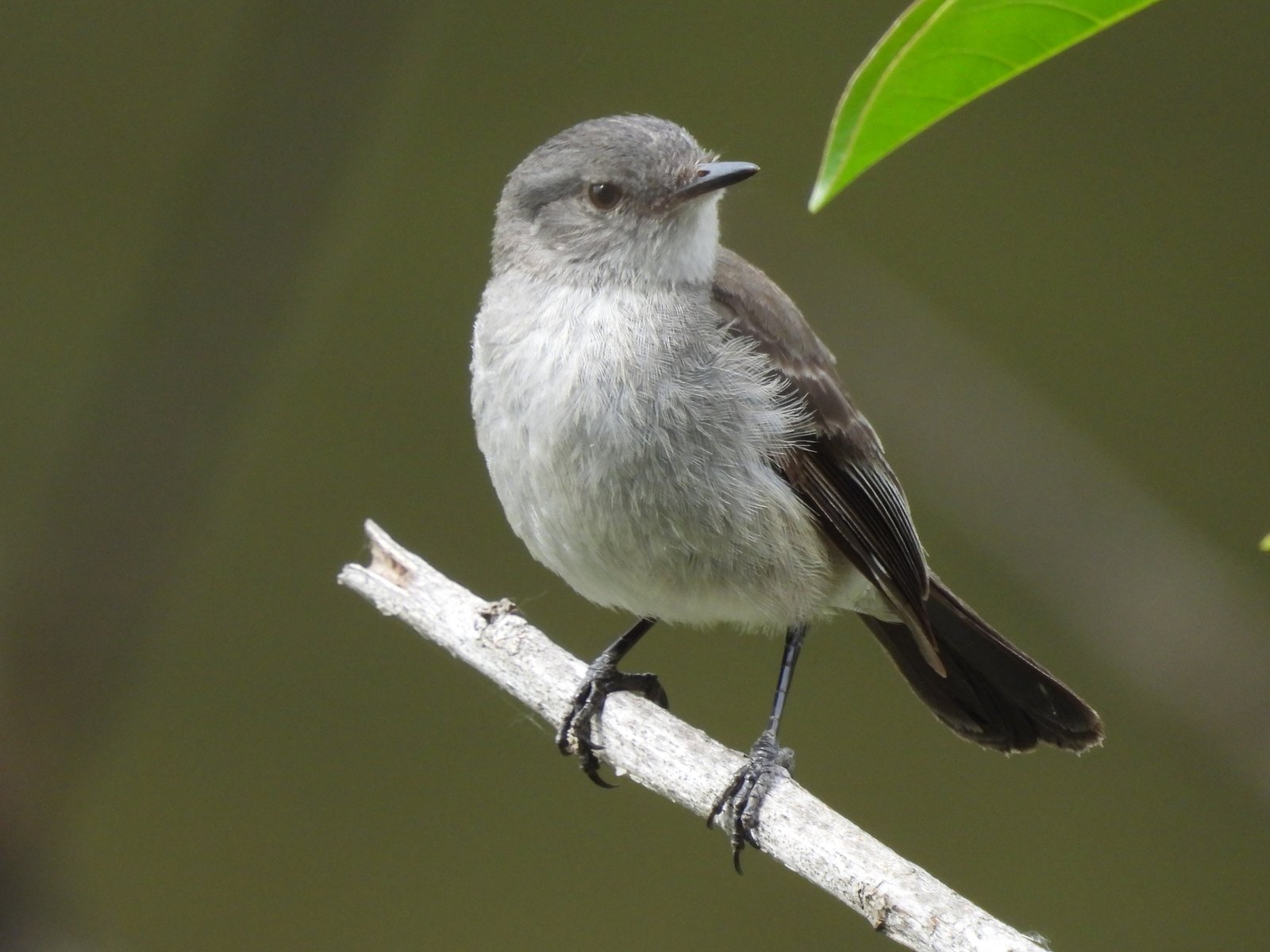
João-pobre
Serpophaga nigricans- Riparian woodland of the Andes and coastal valleys
- Lowland marshes and wet meadows
- Lowland rivers and sandbars
- Pasture and ranchland
-
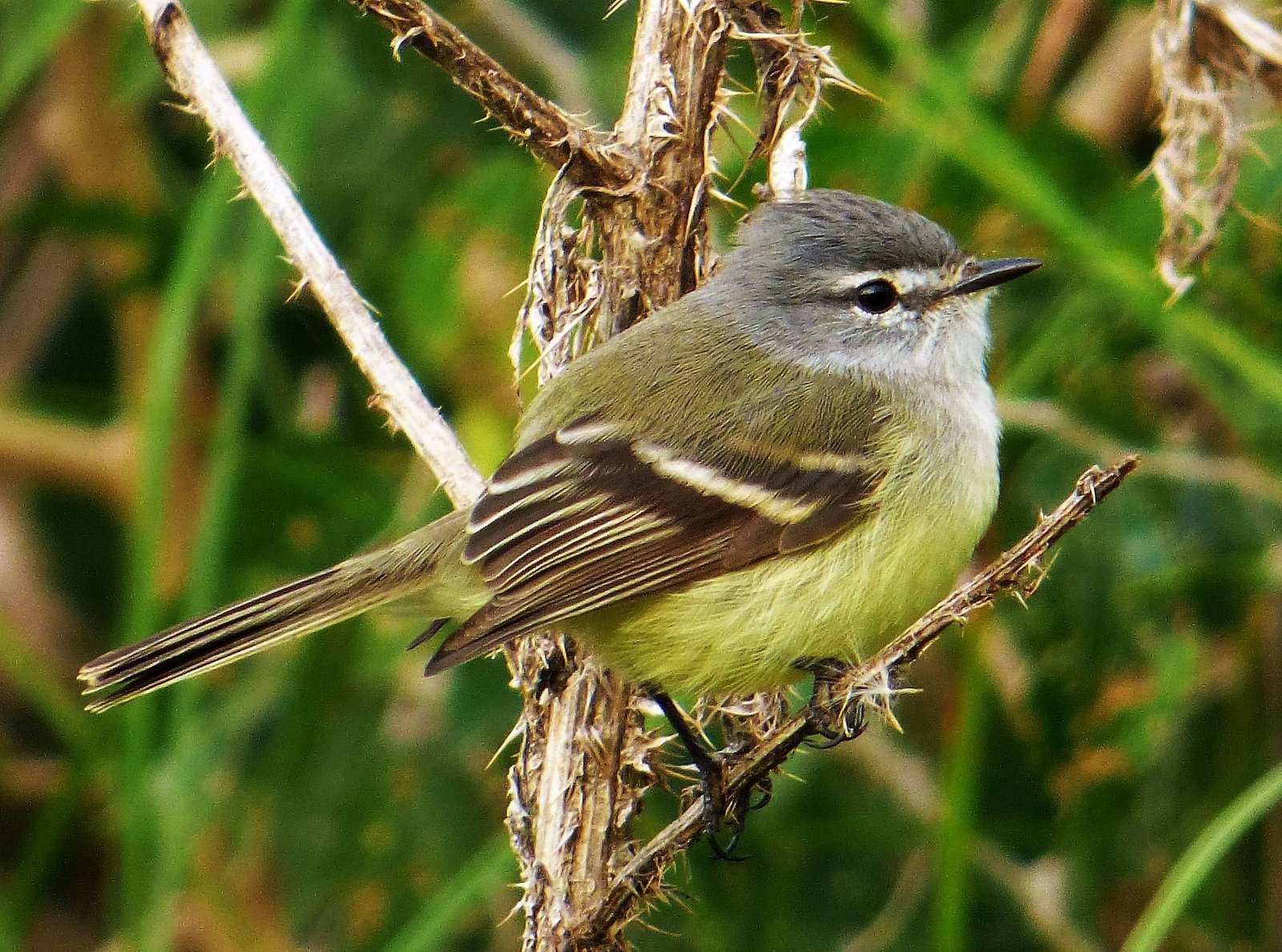
Alegrinho
Serpophaga subcristata- Chiquitano dry forest and Chaco
- Central Andean dry valleys
- Riparian woodland of the Andes and coastal valleys
- Beni savanna and cerrado
-

Alegrinho-trinador
Serpophaga griseicapilla- Chiquitano dry forest and Chaco
- Riparian woodland of the Andes and coastal valleys
- Central Andean dry valleys
- Beni savanna and cerrado
Ornithion 2 espécies
-
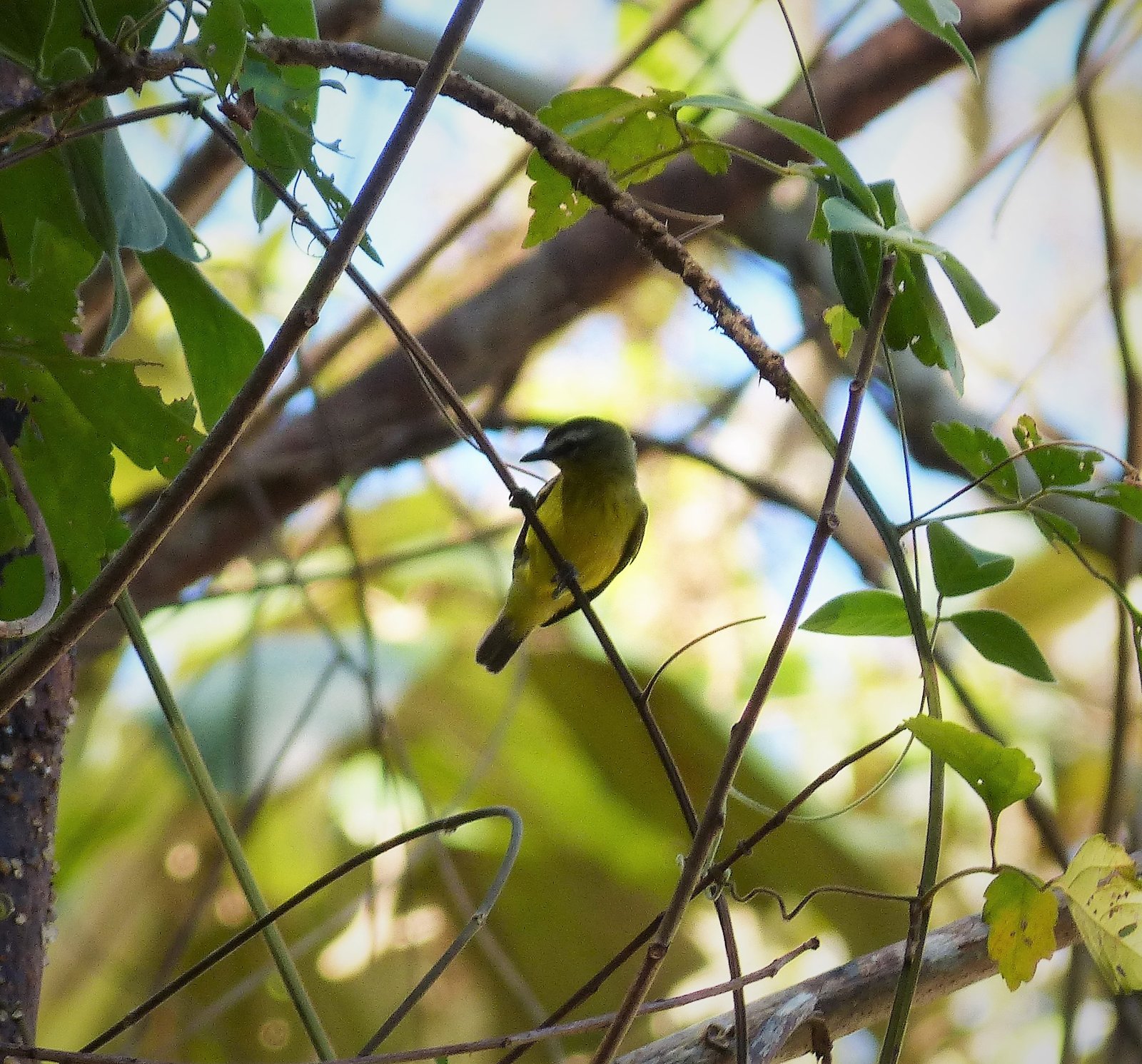
Poiaeiro-de-boné-castanho
Ornithion brunneicapillus- Chocó rainforest
- Western Ecuador humid forest
- Secondary forest and forest edge
- Coffee, cacao and agroforestry
-
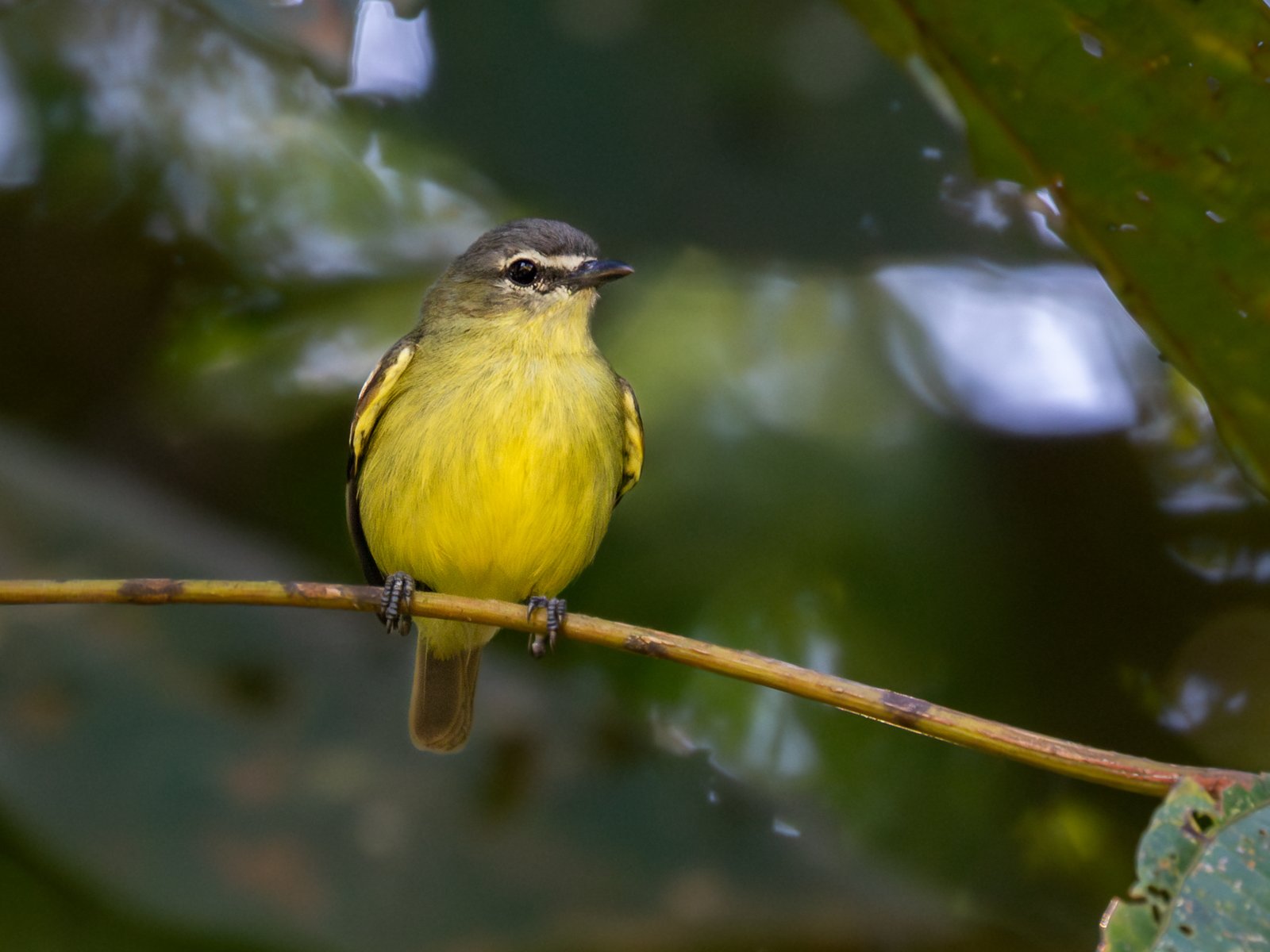
Poiaeiro-de-sobrancelha
Ornithion inerme- Amazonian terra firme rainforest
- Várzea, igapó and river islands
- Eastern Andean foothill forest
- Secondary forest and forest edge
Anairetes 5 espécies
-
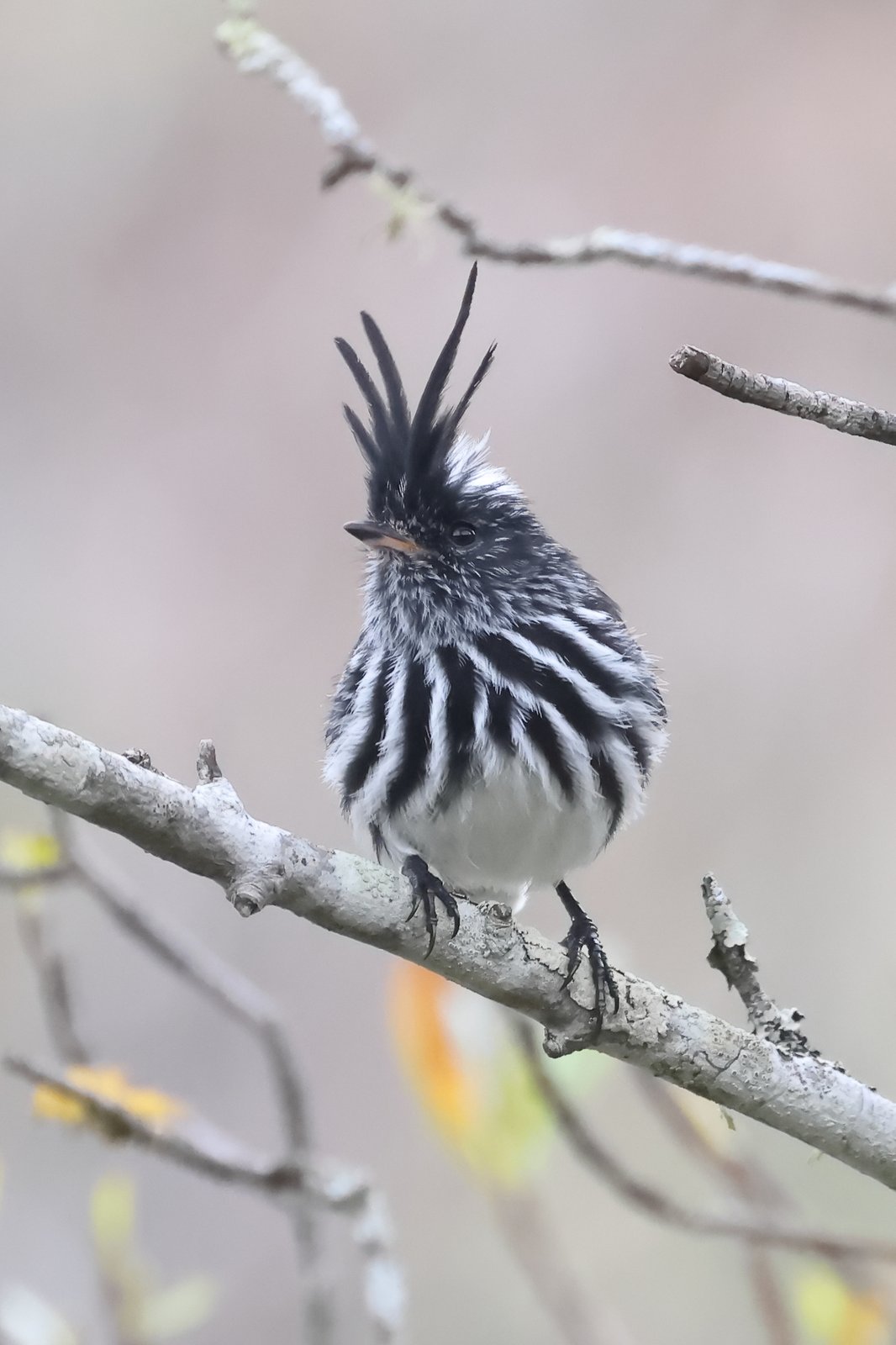
Tiranete-chapim-de-crista-preta
Anairetes nigrocristatus- Polylepis woodland
- Marañón and northern inter-Andean dry forest
- Jalca
-
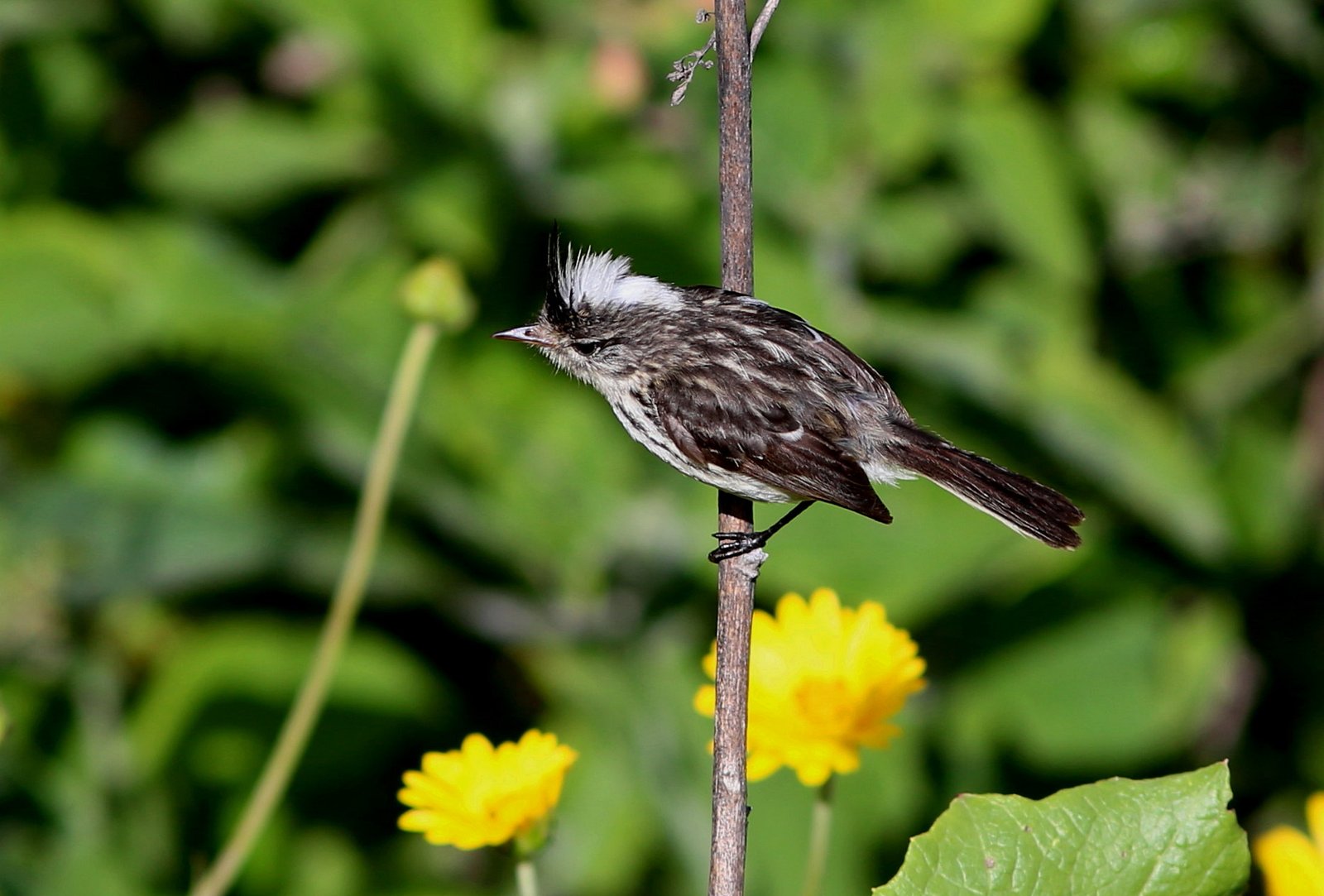
Tiranete-chapim-de-crista-malhada
Anairetes reguloides- Riparian woodland of the Andes and coastal valleys
- Central Andean dry valleys
 Lomas (fog oases)
- Andean fields and terraces
- Polylepis woodland
-

Tiranete-chapim-de-peito-cinza
Anairetes alpinus- Polylepis woodland
- Humid puna
- Dry puna and altiplano
-
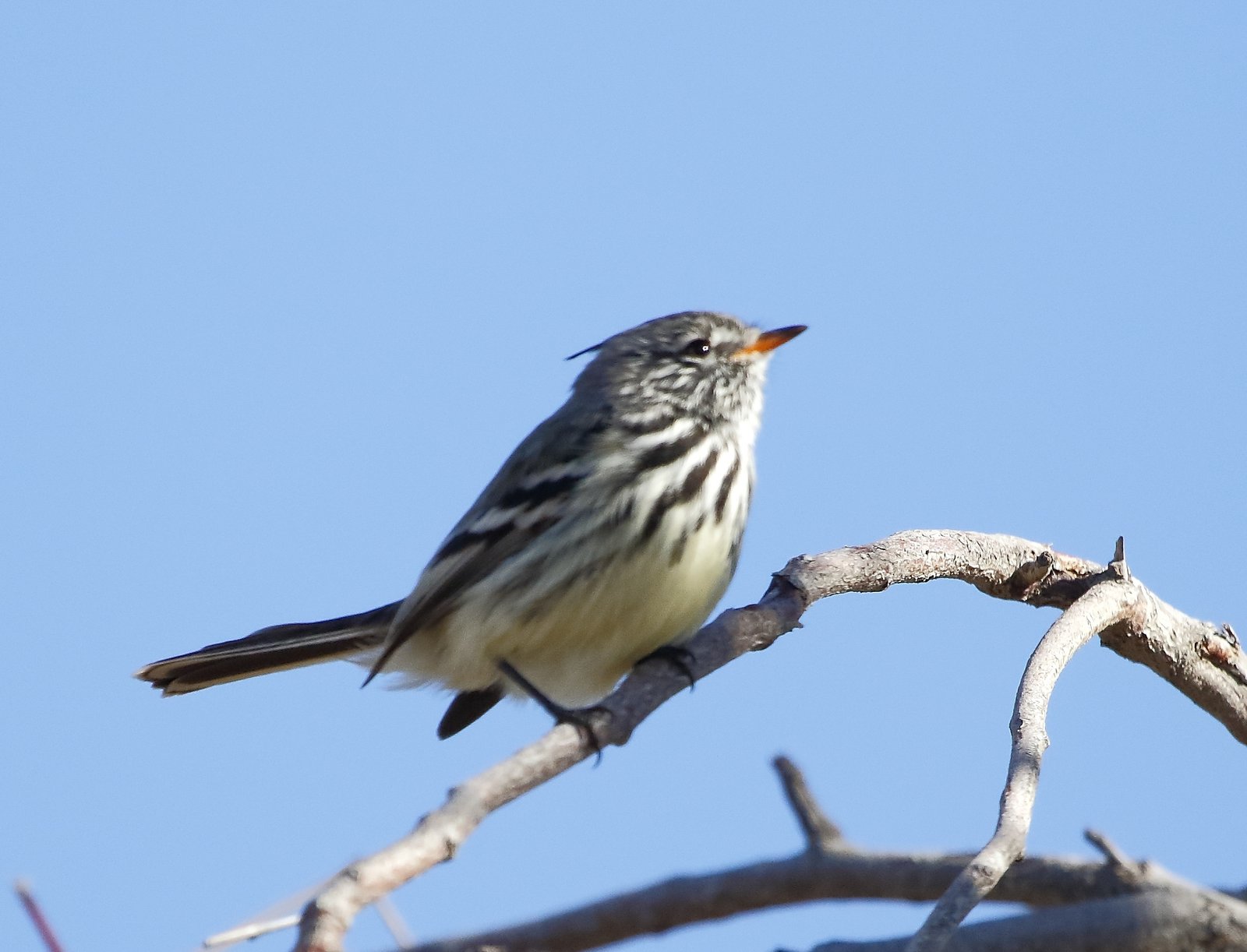
Tiranete-chapim-de-bico-amarelo
Anairetes flavirostris- Central Andean dry valleys
- Polylepis woodland
- Riparian woodland of the Andes and coastal valleys
- Lomas (fog oases)
- Andean fields and terraces
-
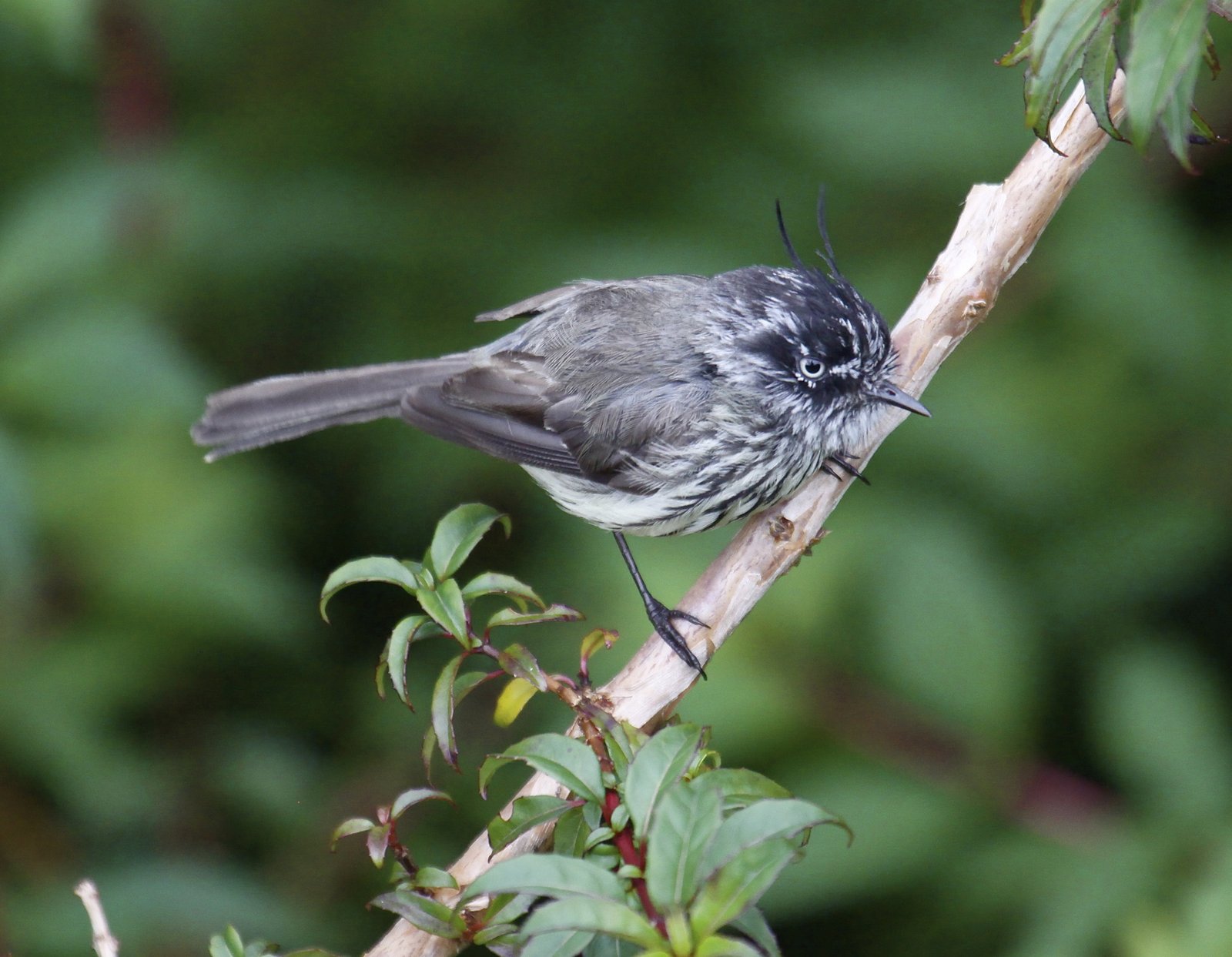
Tiranete-chapim-de-topete
Anairetes parulus- Northern Andean cloud forest and temperate forest
- Páramo
- Polylepis woodland
- Upper Yungas cloud forest
- Central Andean dry valleys
Tolmomyias 5 espécies
-
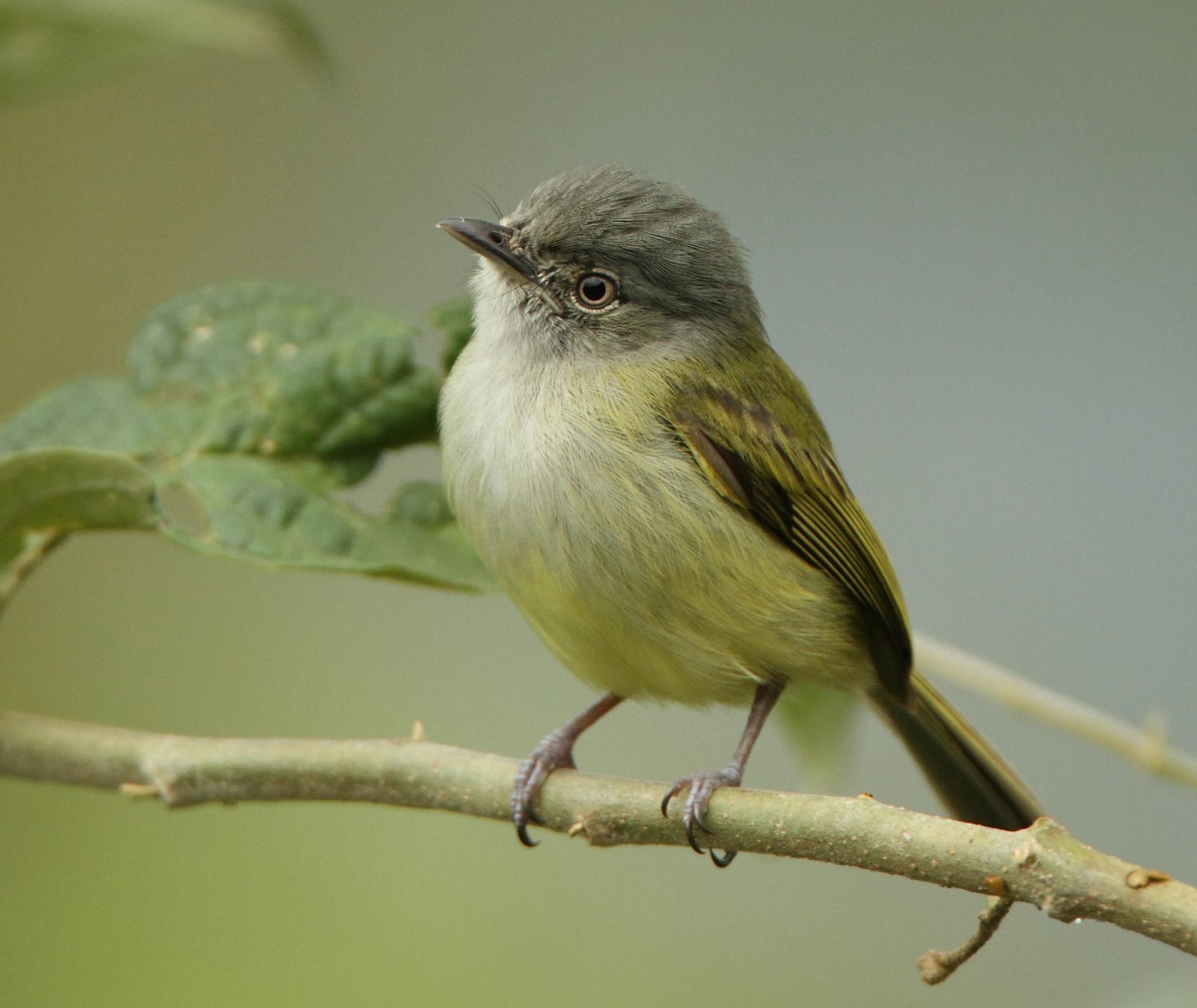
Bico-chato-de-orelha-preta
Tolmomyias sulphurescens- Secondary forest and forest edge
- Tumbesian dry forest and thorn scrub
- Eastern Andean foothill forest
- Riparian woodland of the Andes and coastal valleys
- Northern Andean subtropical forest
- Lower Yungas forest
-
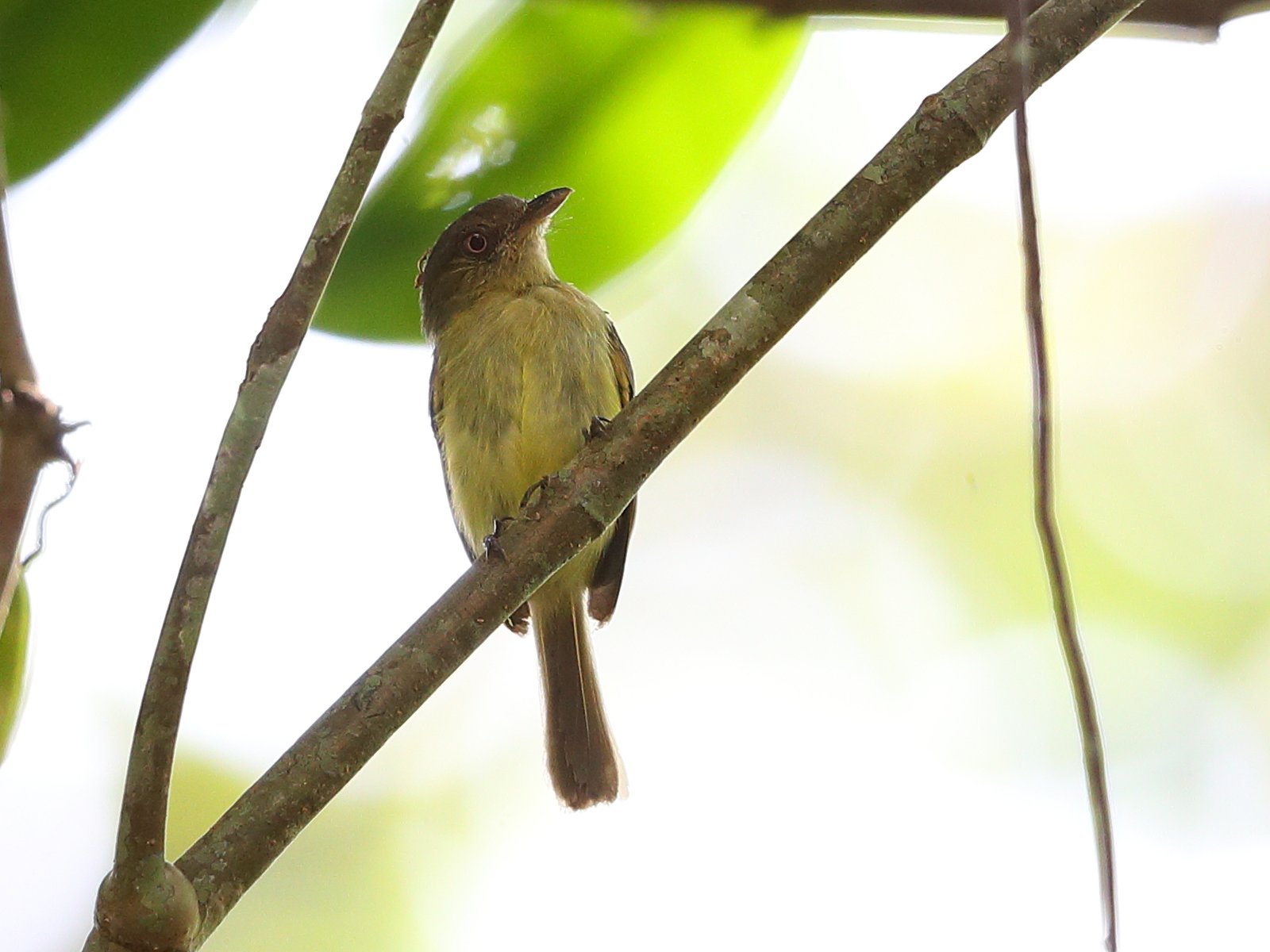
Bico-chato-de-olho-laranja
Tolmomyias traylori- Várzea, igapó and river islands
- Secondary forest and forest edge
- Lowland rivers and sandbars
- Amazonian terra firme rainforest
-
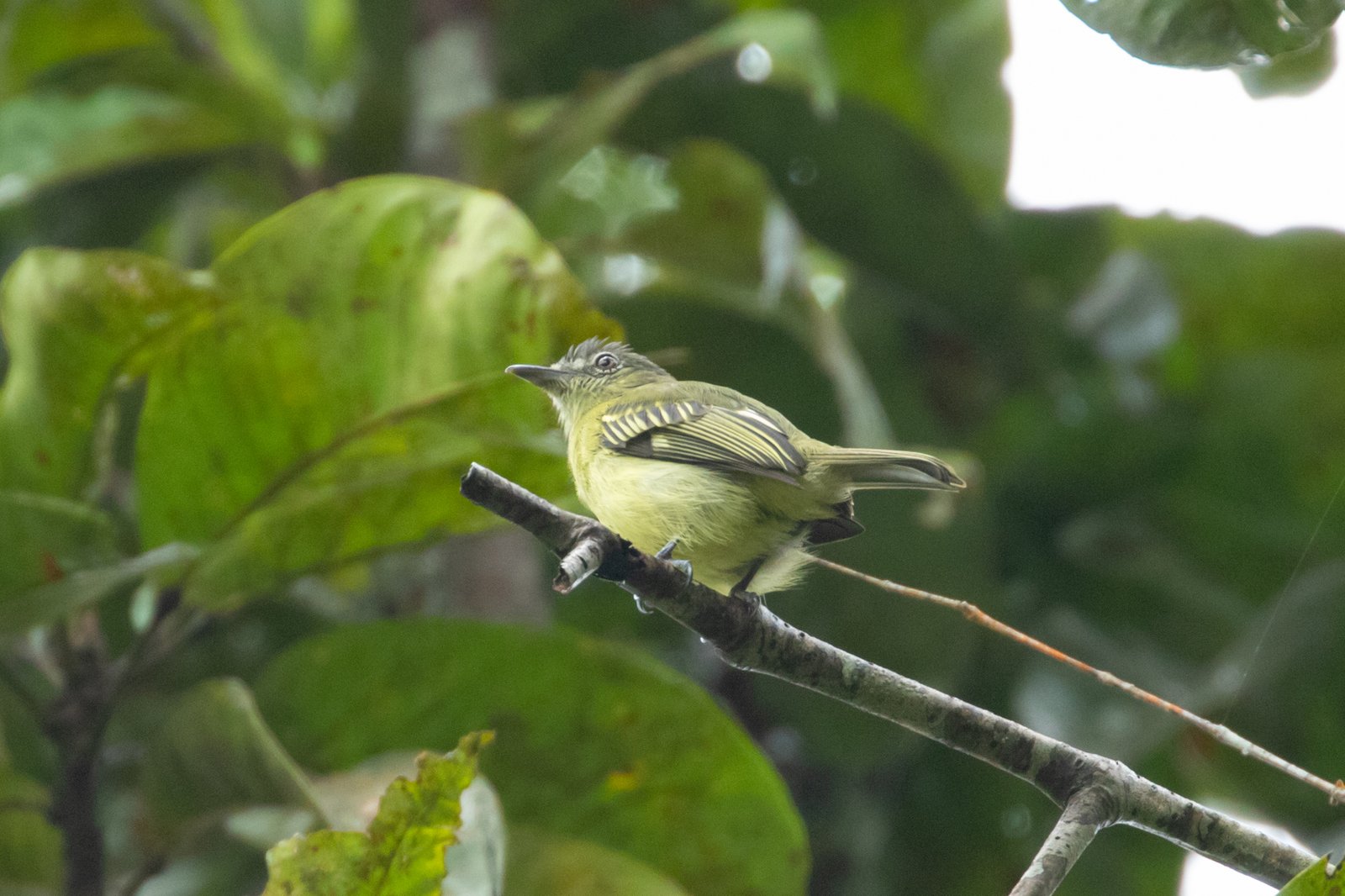
Bico-chato-da-copa
Tolmomyias assimilis- Amazonian terra firme rainforest
- Eastern Andean foothill forest
- Várzea, igapó and river islands
- Secondary forest and forest edge
-

Bico-chato-de-cabeça-cinza
Tolmomyias poliocephalus- Amazonian terra firme rainforest
- Secondary forest and forest edge
- Várzea, igapó and river islands
- Eastern Andean foothill forest
-
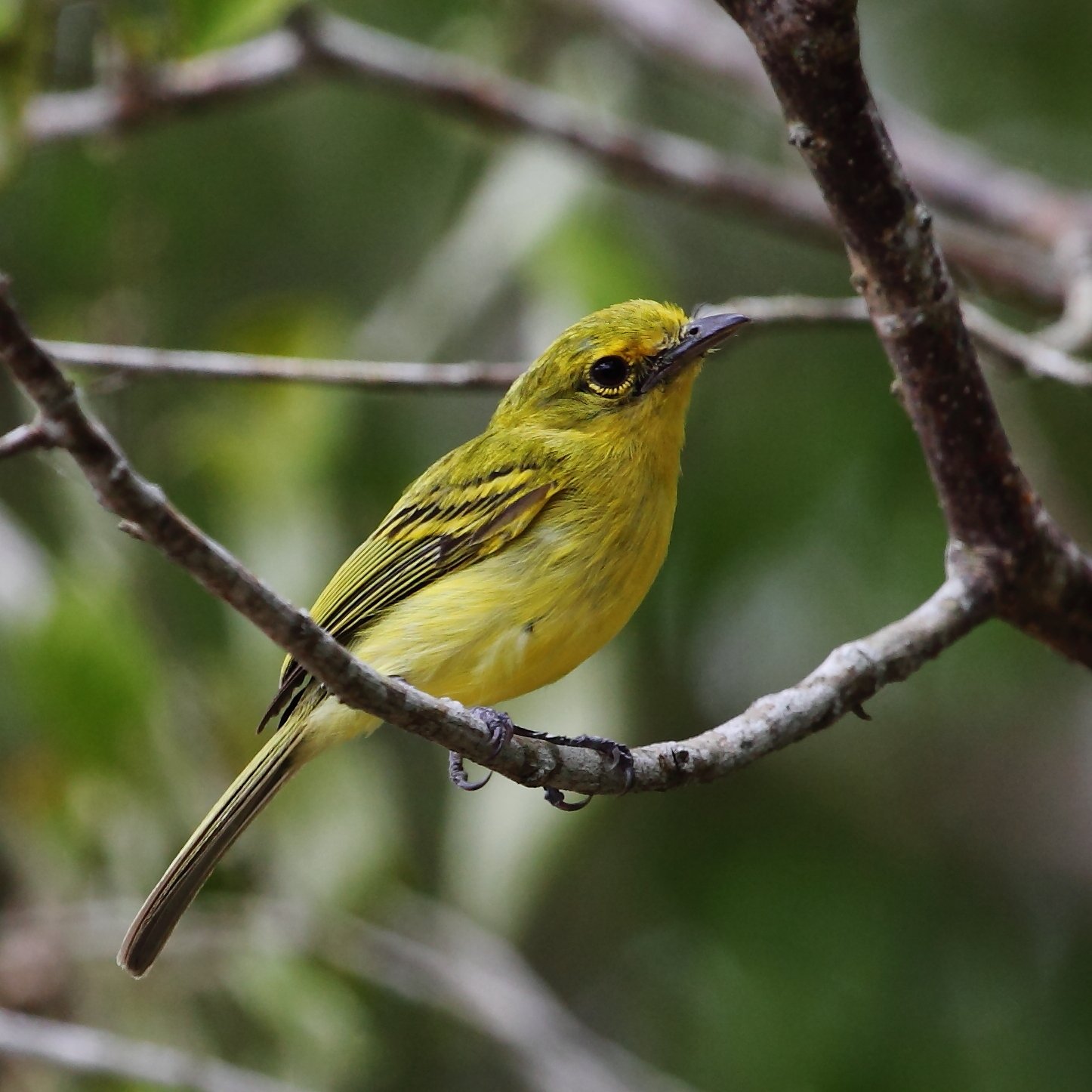
Bico-chato-amarelo
Tolmomyias flaviventris- Secondary forest and forest edge
- Várzea, igapó and river islands
- Llanos savanna
- Riparian woodland of the Andes and coastal valleys
- Amazonian terra firme rainforest
Myiozetetes 4 espécies
-
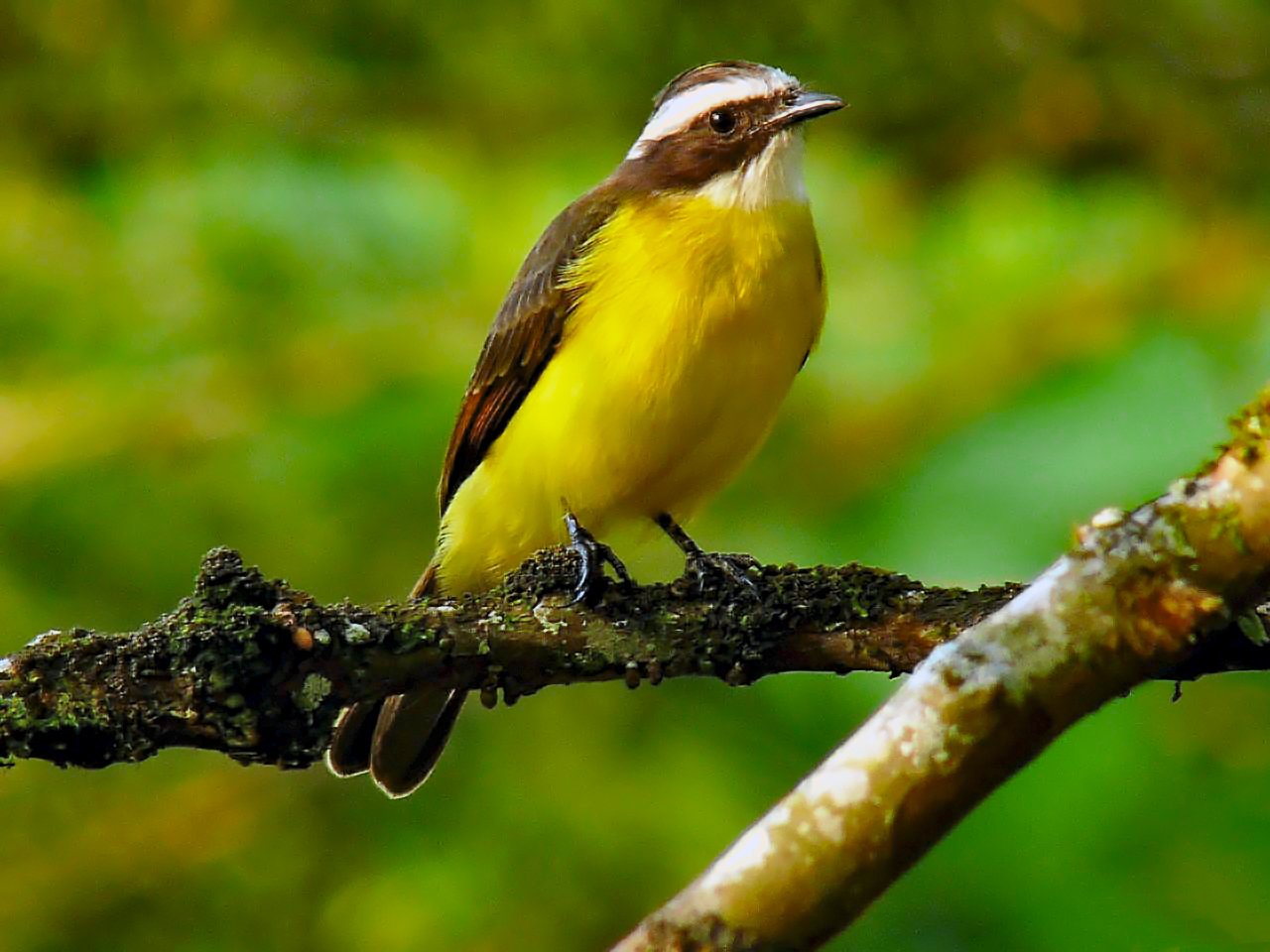
Bentevizinho-de-asa-ferrugínea
Myiozetetes cayanensis- Várzea, igapó and river islands
- Lowland lakes and oxbows
- Lowland marshes and wet meadows
- Secondary forest and forest edge
- Pasture and ranchland
-
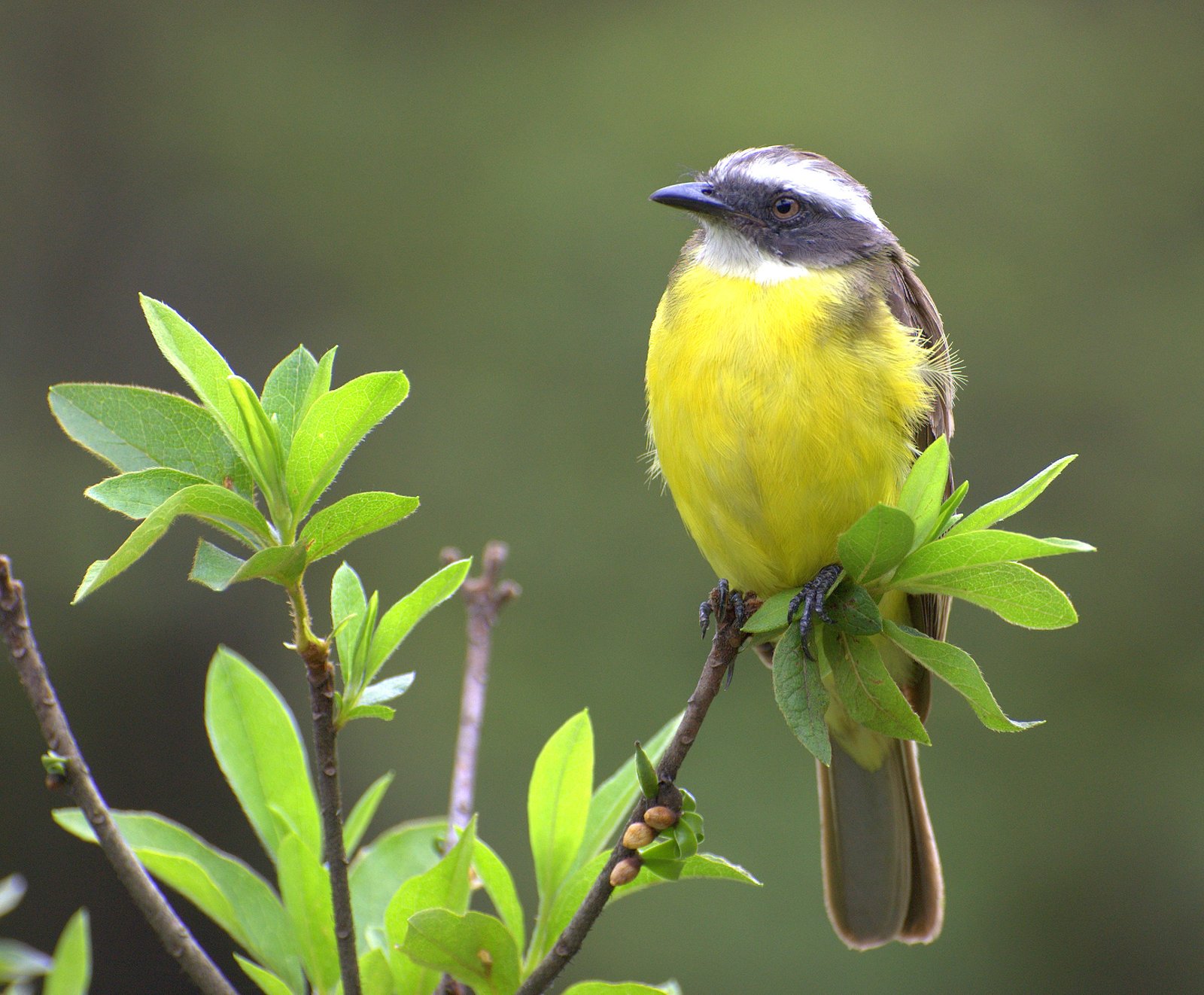
Bentevizinho-de-penacho-vermelho
Myiozetetes similis- Secondary forest and forest edge
 Towns, cities and parks
- Várzea, igapó and river islands
- Pasture and ranchland
- Coffee, cacao and agroforestry
- Lowland lakes and oxbows
-

Bem-te-vi-de-cabeça-cinza
Myiozetetes granadensis- Secondary forest and forest edge
- Várzea, igapó and river islands
- Western Ecuador humid forest
- Chocó rainforest
- Amazonian terra firme rainforest
- Coffee, cacao and agroforestry
-
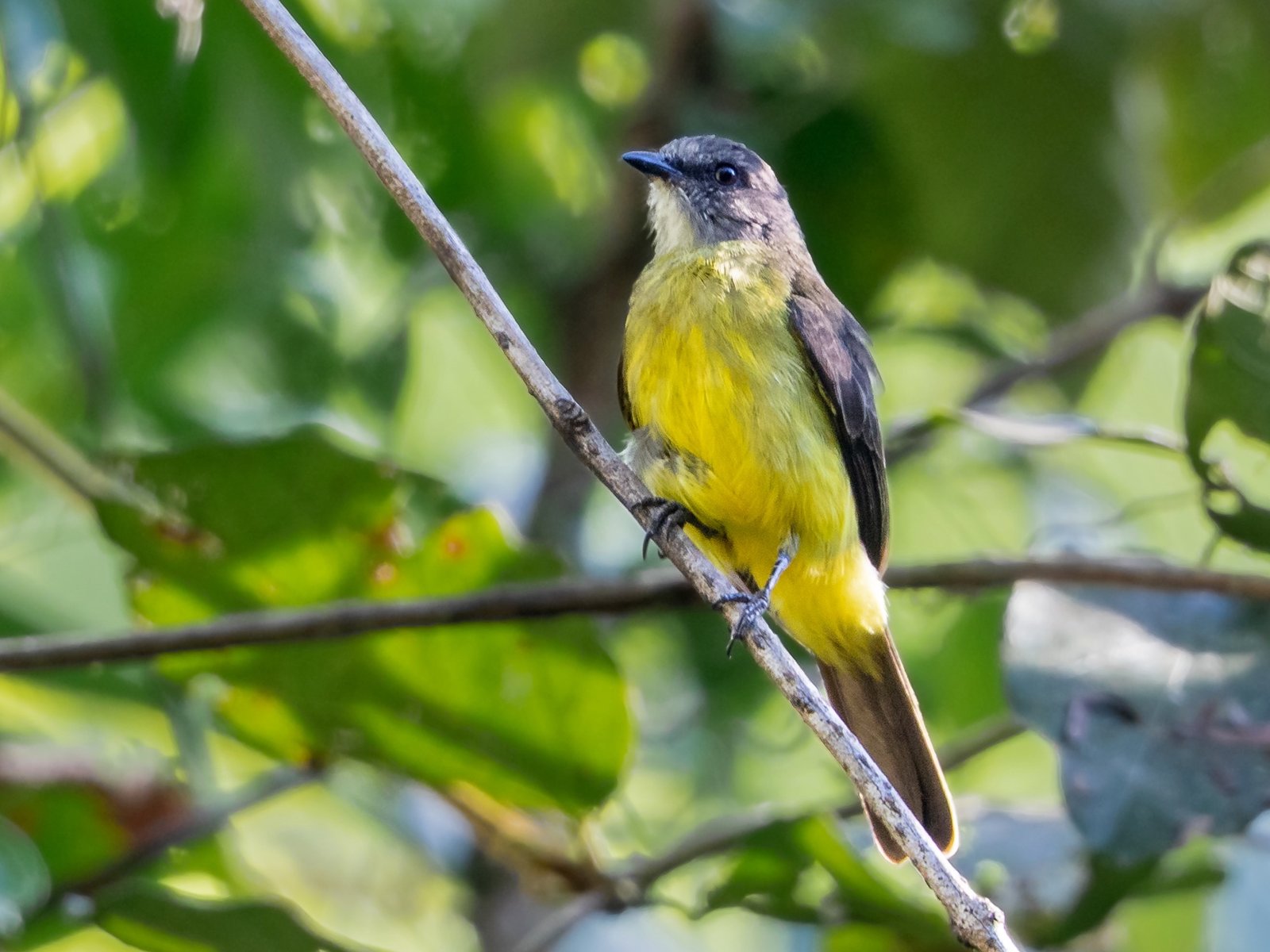
Bem-te-vi-barulhento
Myiozetetes luteiventris- Amazonian terra firme rainforest
- Secondary forest and forest edge
- Várzea, igapó and river islands
Silvicultrix 4 espécies
-
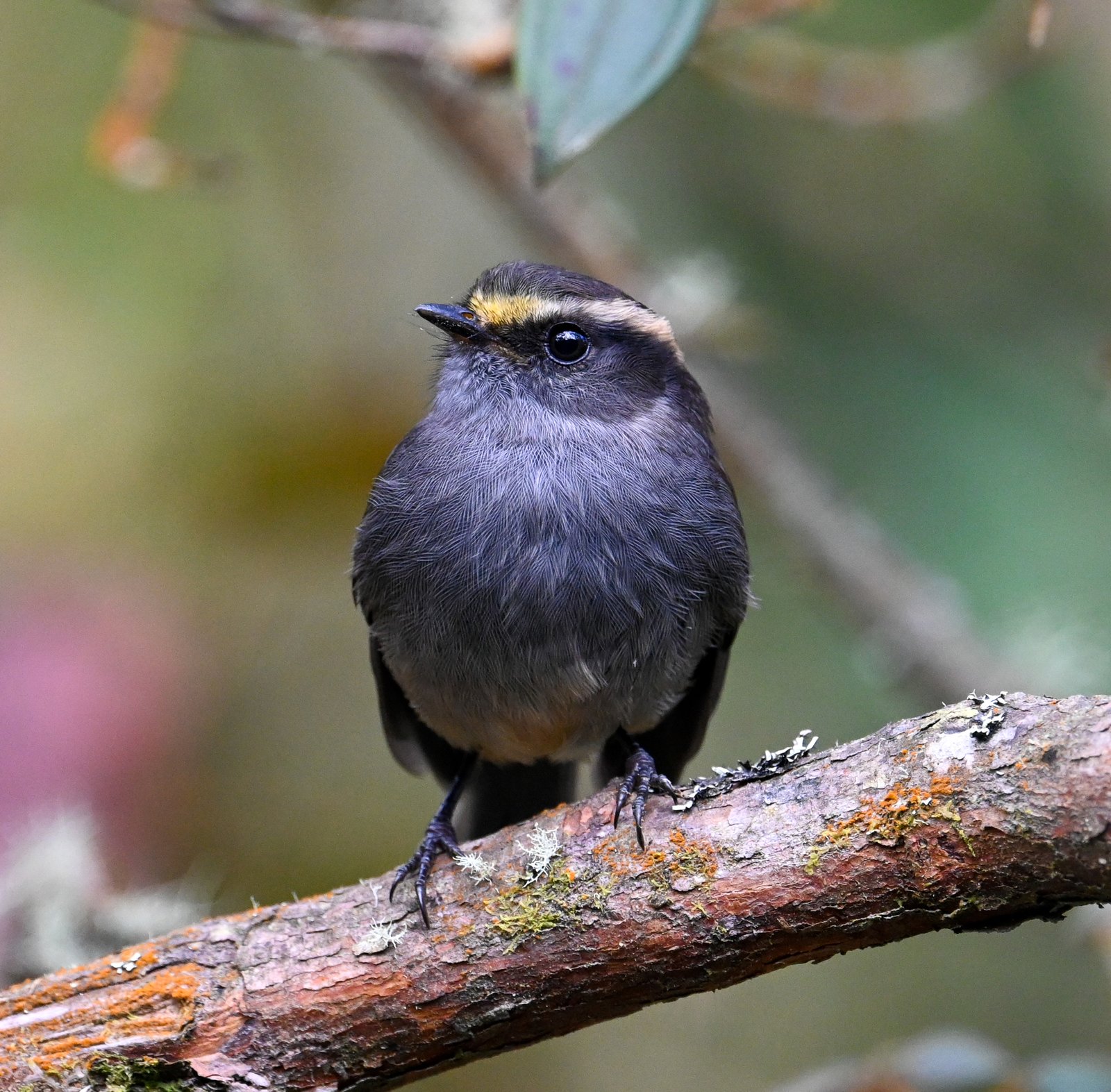
Papa-moscas-coroado
Silvicultrix frontalis- Northern Andean cloud forest and temperate forest
- Upper Yungas cloud forest
- Páramo
- Polylepis woodland
-
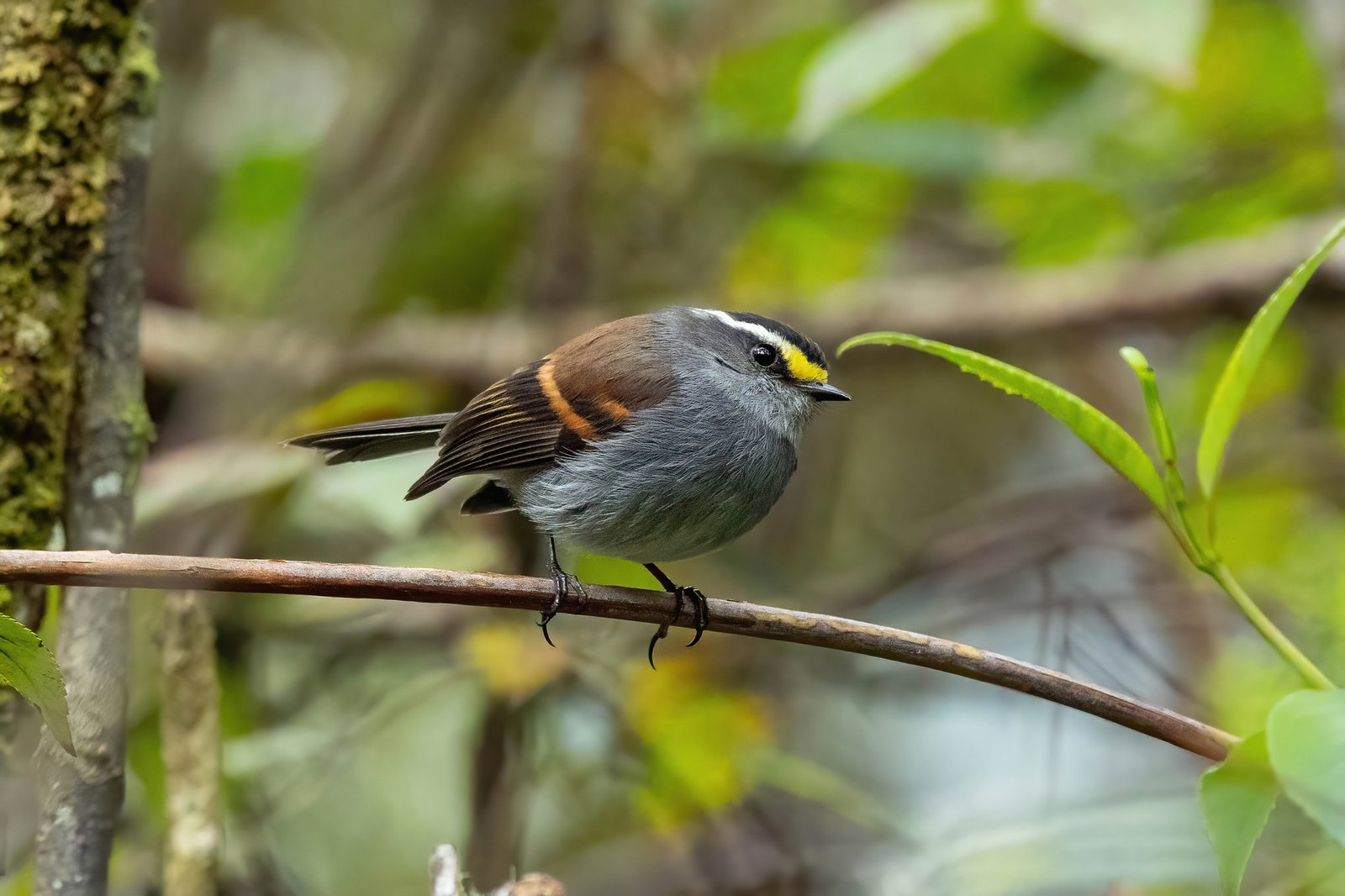
Papa-moscas-de-jelski
Silvicultrix jelskii- Northern Andean cloud forest and temperate forest
- Marañón and northern inter-Andean dry forest
- Riparian woodland of the Andes and coastal valleys
- Polylepis woodland
-

Papa-moscas-de-sobrancelha-dourada
Silvicultrix pulchella- Upper Yungas cloud forest
- Northern Andean cloud forest and temperate forest
- Lower Yungas forest
-
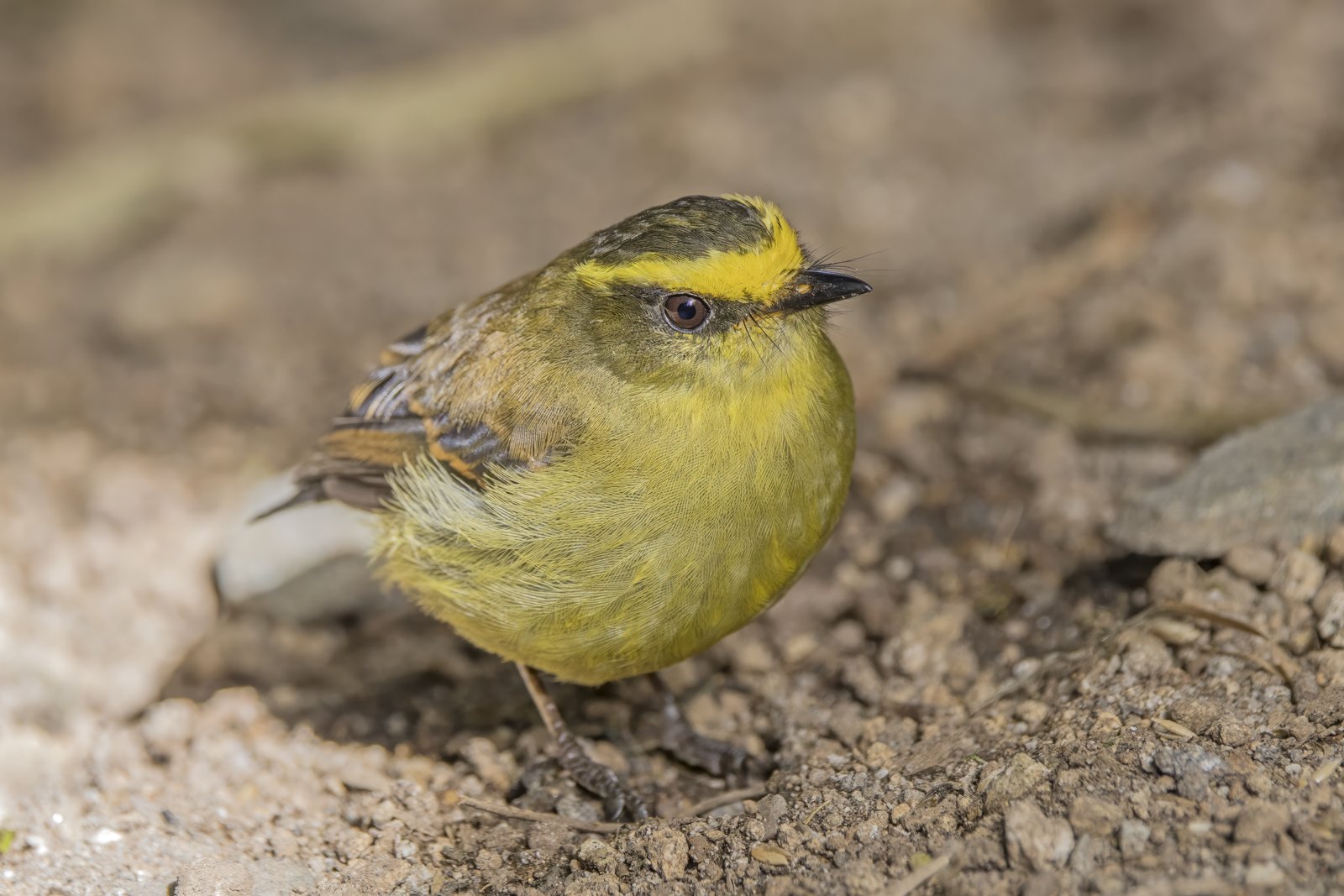
Papa-moscas-de-barriga-amarela
Silvicultrix diadema- Northern Andean cloud forest and temperate forest
- Northern Andean subtropical forest
- Bamboo forest
Neoxolmis 1 espécie
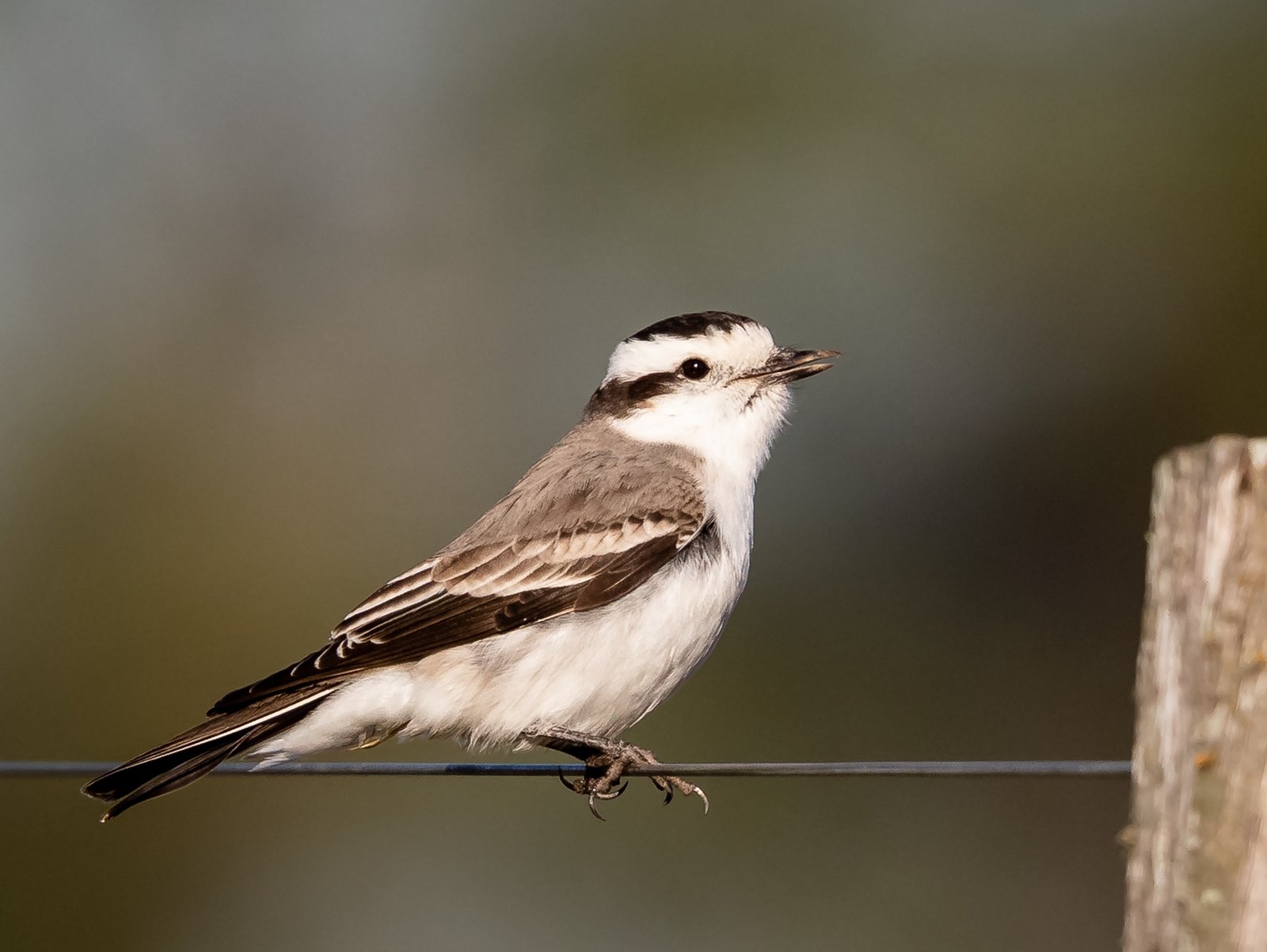
Pseudotriccus 3 espécies
-
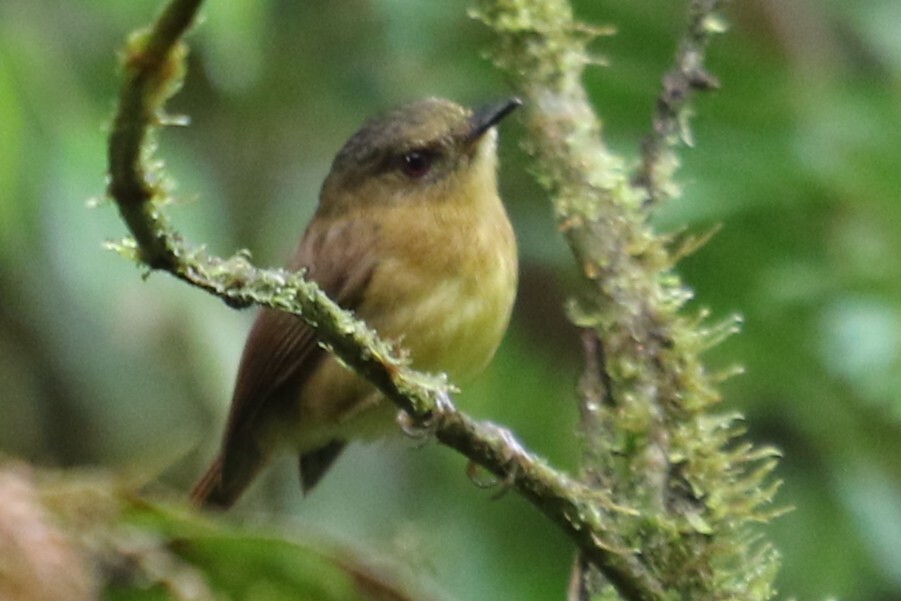
Maria-bronzeada
Pseudotriccus pelzelni- Northern Andean subtropical forest
- Eastern Andean foothill forest
- Lower Yungas forest
- Chocó rainforest
-
Maria-de-testa-avelã
Pseudotriccus simplex- Lower Yungas forest
- Eastern Andean foothill forest
-
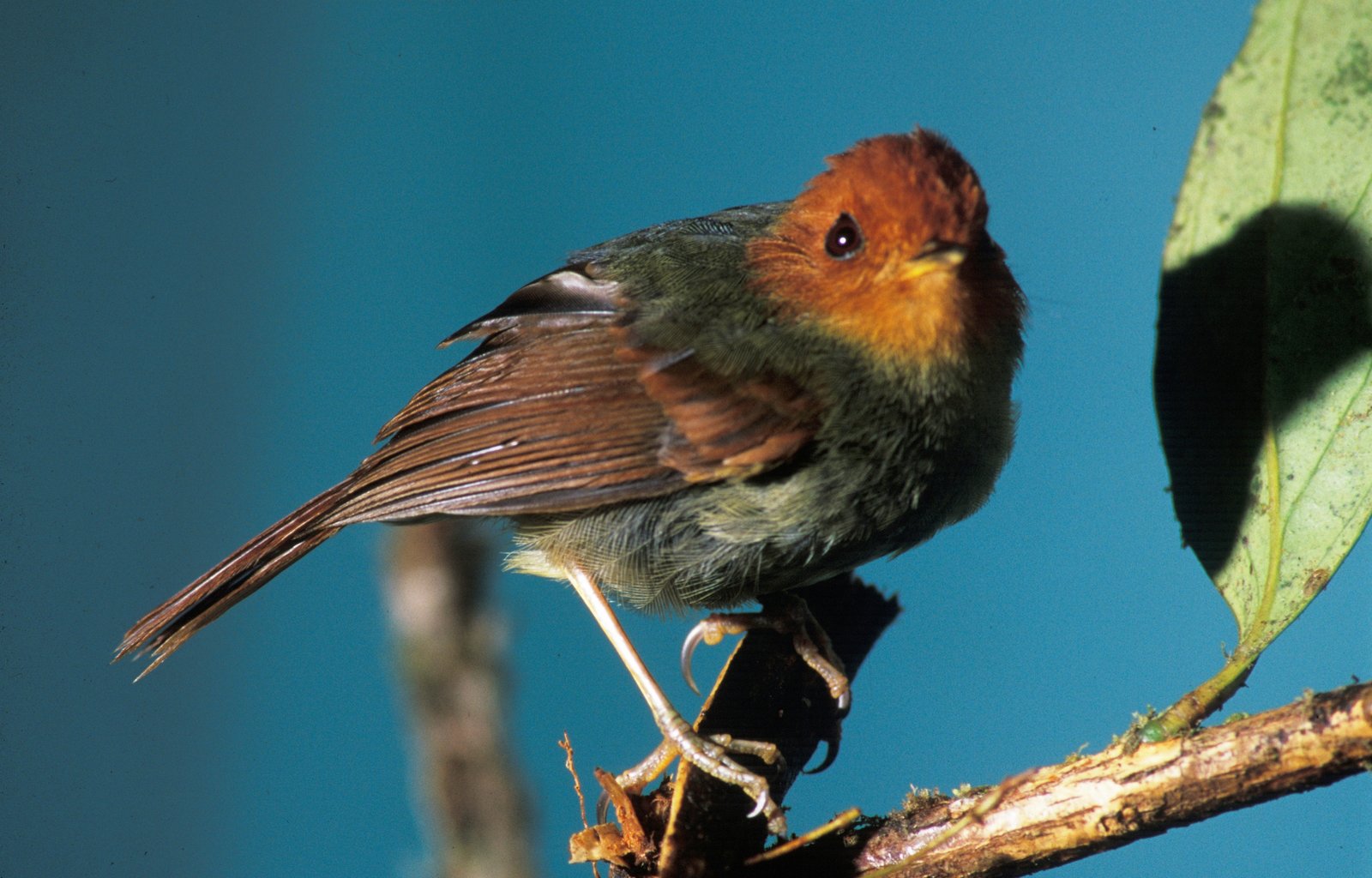
Maria-de-cabeça-ruiva
Pseudotriccus ruficeps- Northern Andean cloud forest and temperate forest
- Upper Yungas cloud forest
Hirundinea 1 espécie
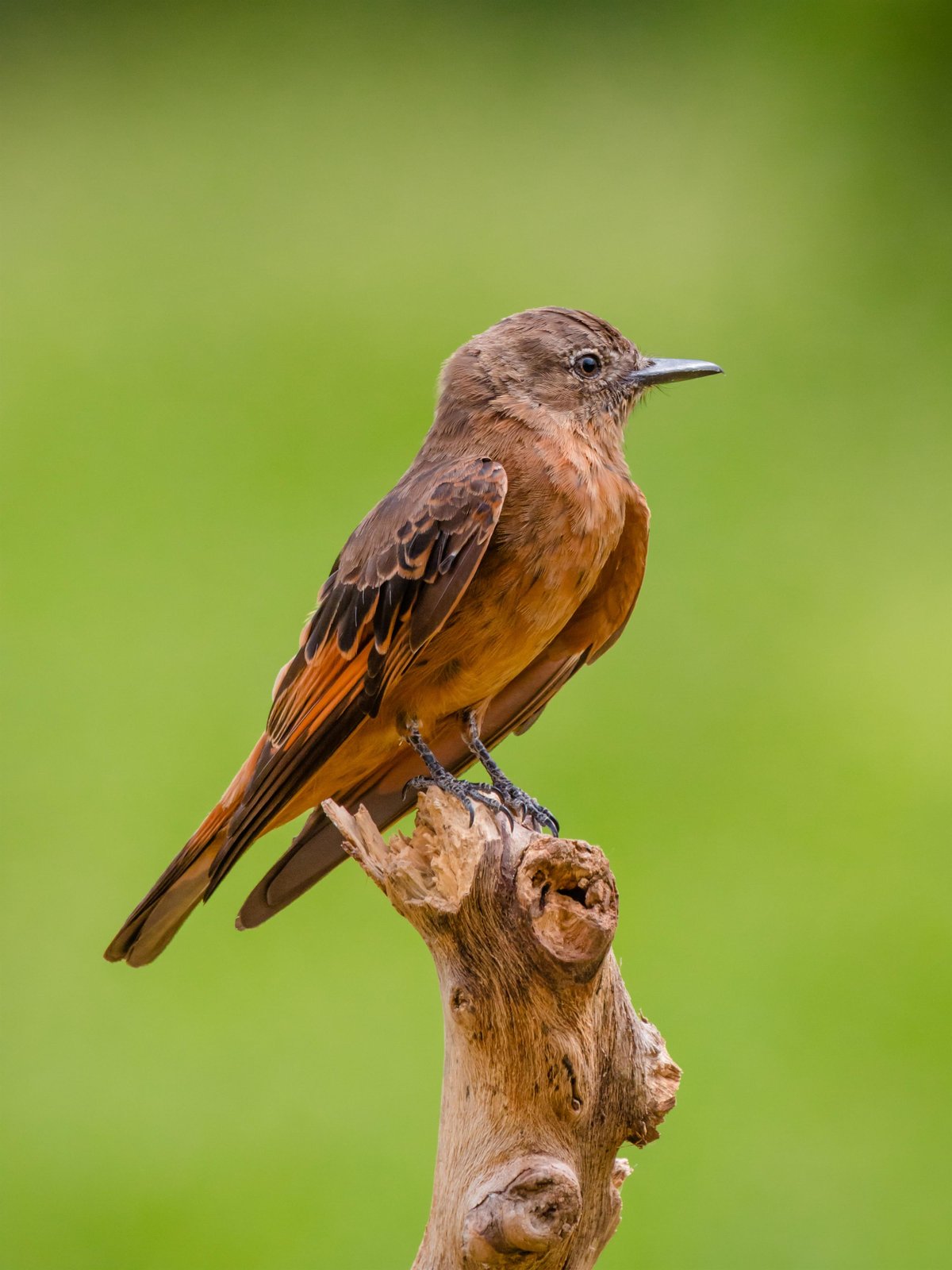
Myiotheretes 4 espécies
-
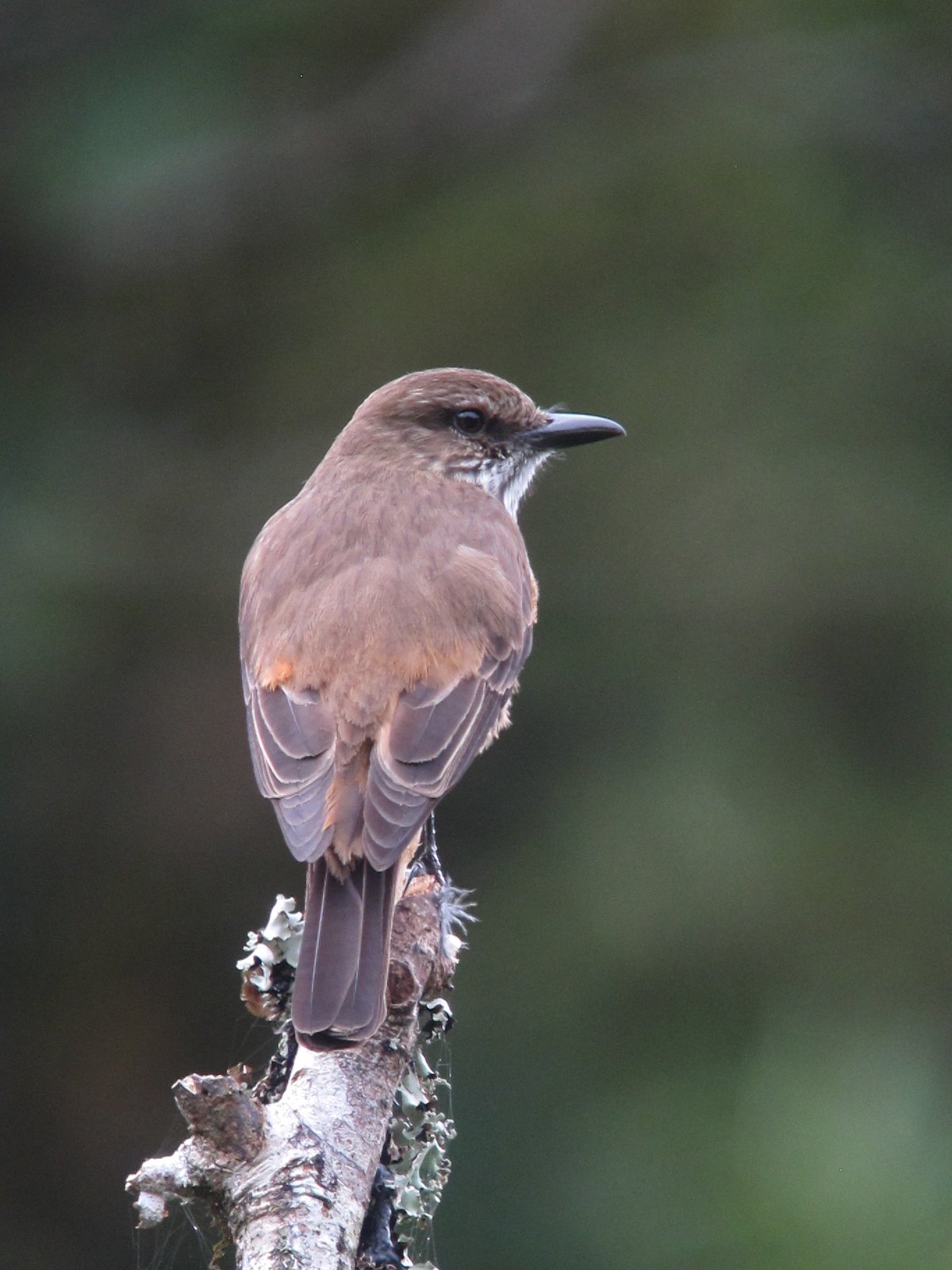
Tirano-arbustivo-de-garganta-estriada
Myiotheretes striaticollis- Northern Andean cloud forest and temperate forest
- Upper Yungas cloud forest
- Andean fields and terraces
- Secondary forest and forest edge
- Central Andean dry valleys
-
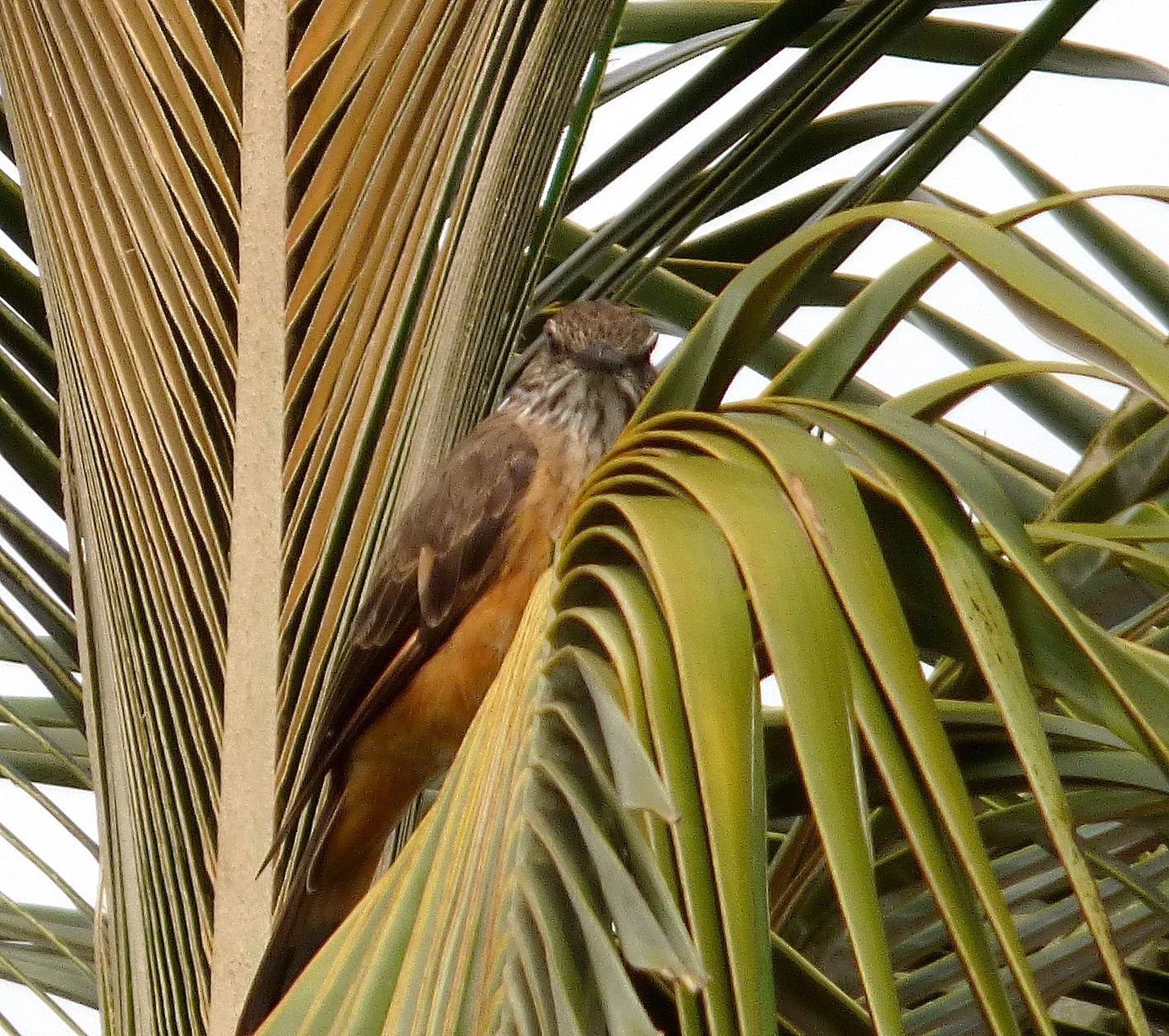
Tirano-arbustivo-de-santa-marta
Myiotheretes pernix- Northern Andean cloud forest and temperate forest
- Secondary forest and forest edge
-
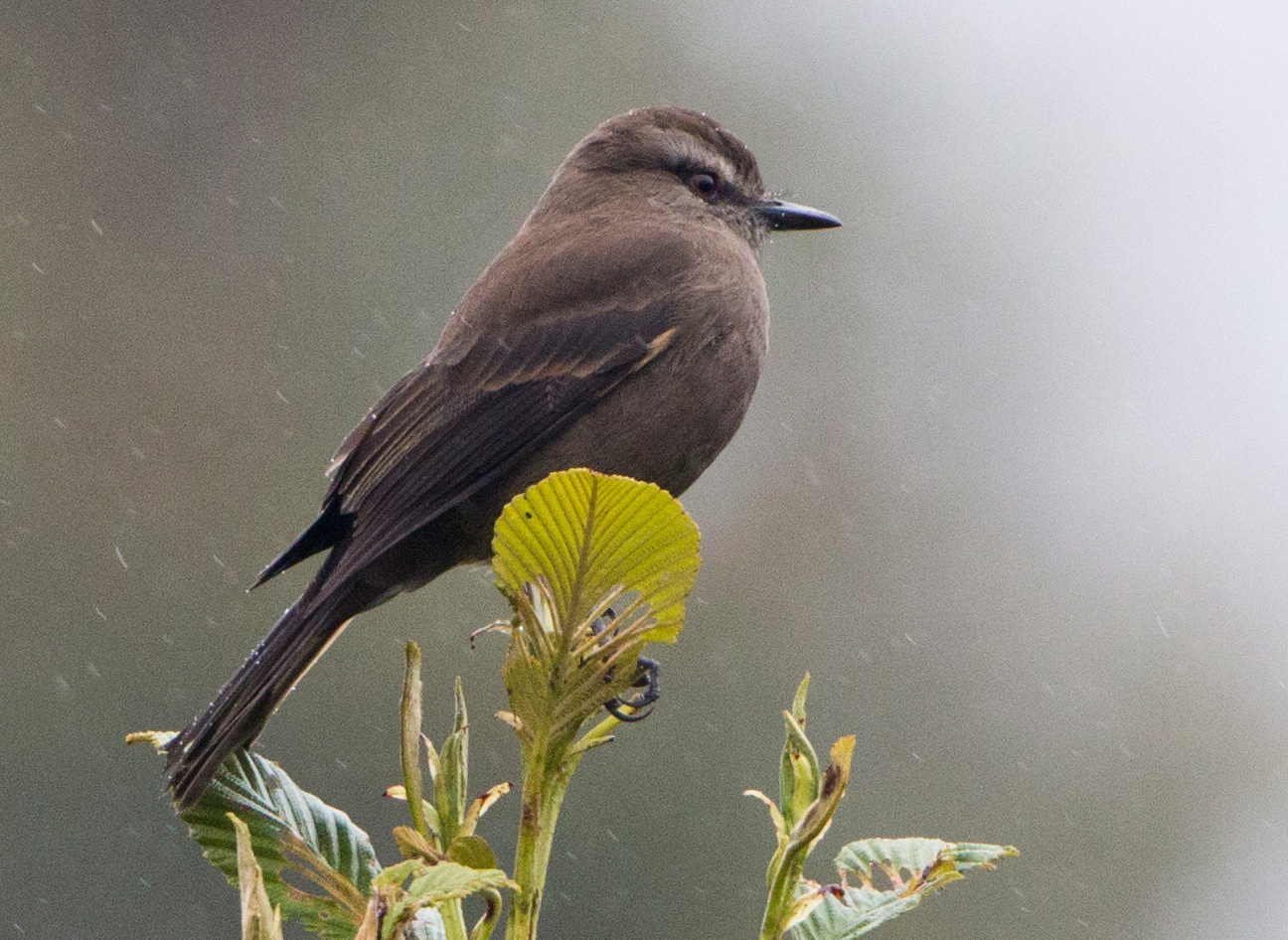
Tirano-arbustivo-fuliginoso
Myiotheretes fumigatus- Northern Andean cloud forest and temperate forest
- Upper Yungas cloud forest
- Polylepis woodland
- Páramo
-
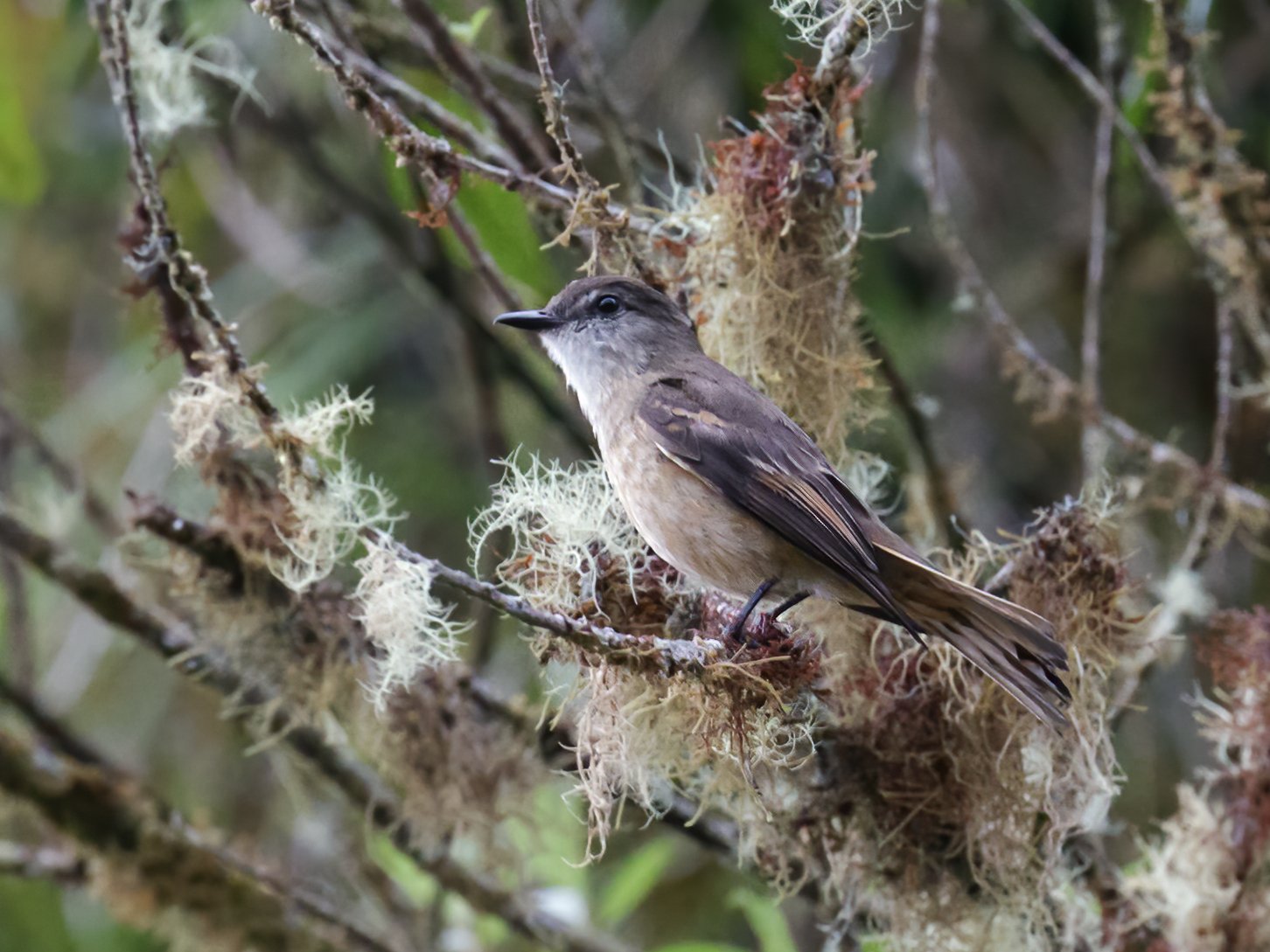
Tirano-arbustivo-de-barriga-ruiva
Myiotheretes fuscorufus- Upper Yungas cloud forest
- Northern Andean cloud forest and temperate forest
- Polylepis woodland
- Humid puna
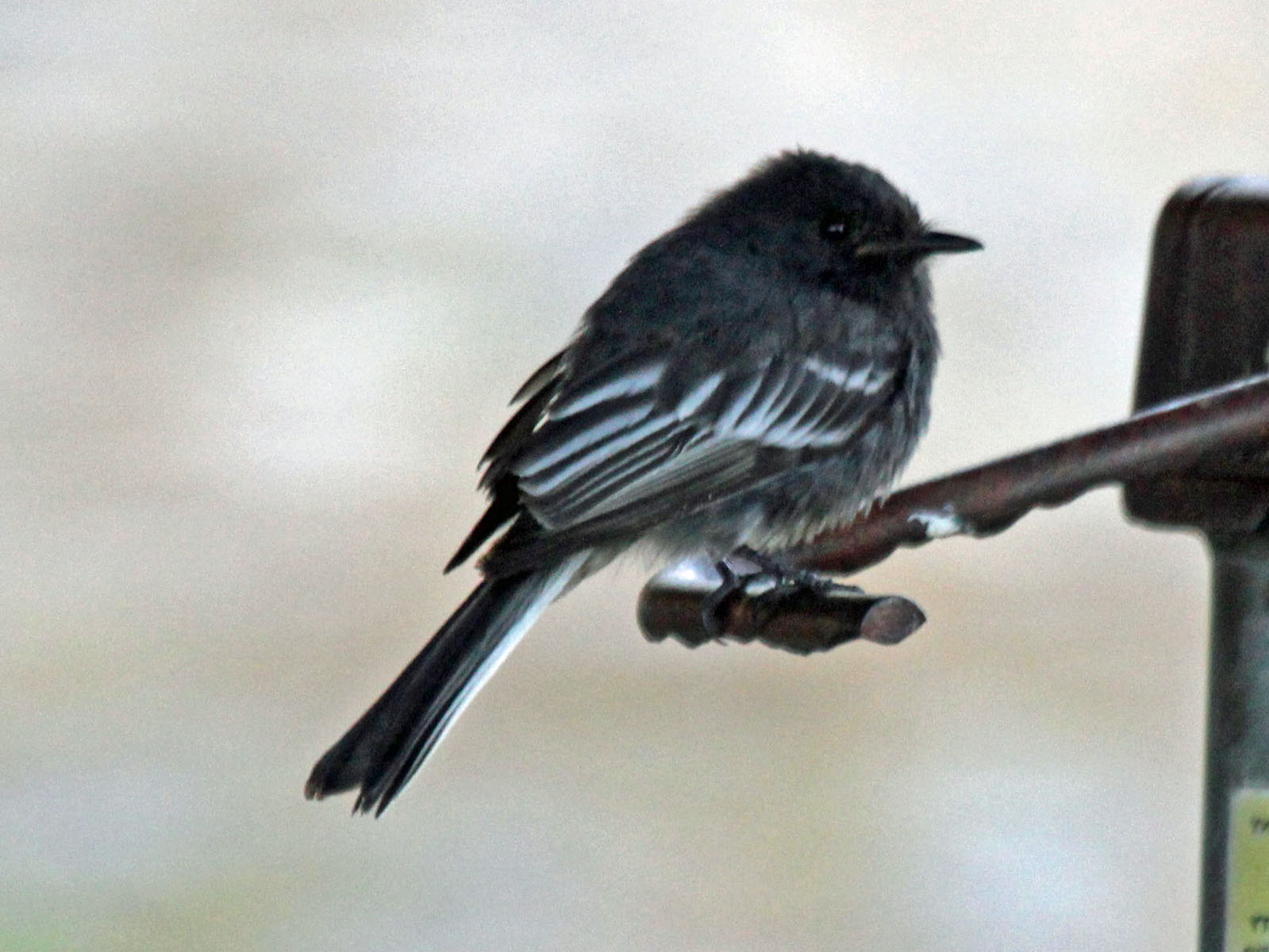
Uromyias 2 espécies
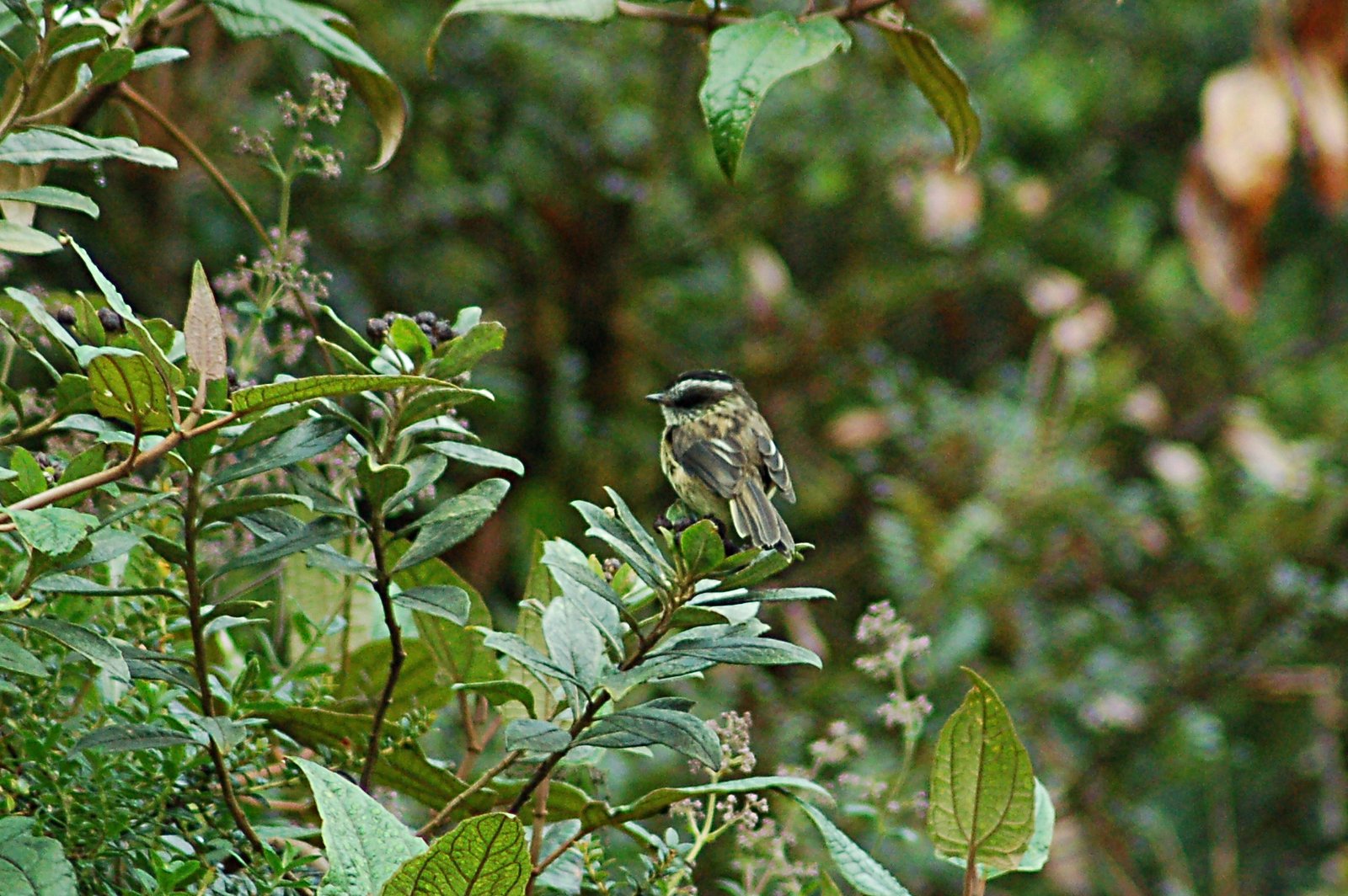
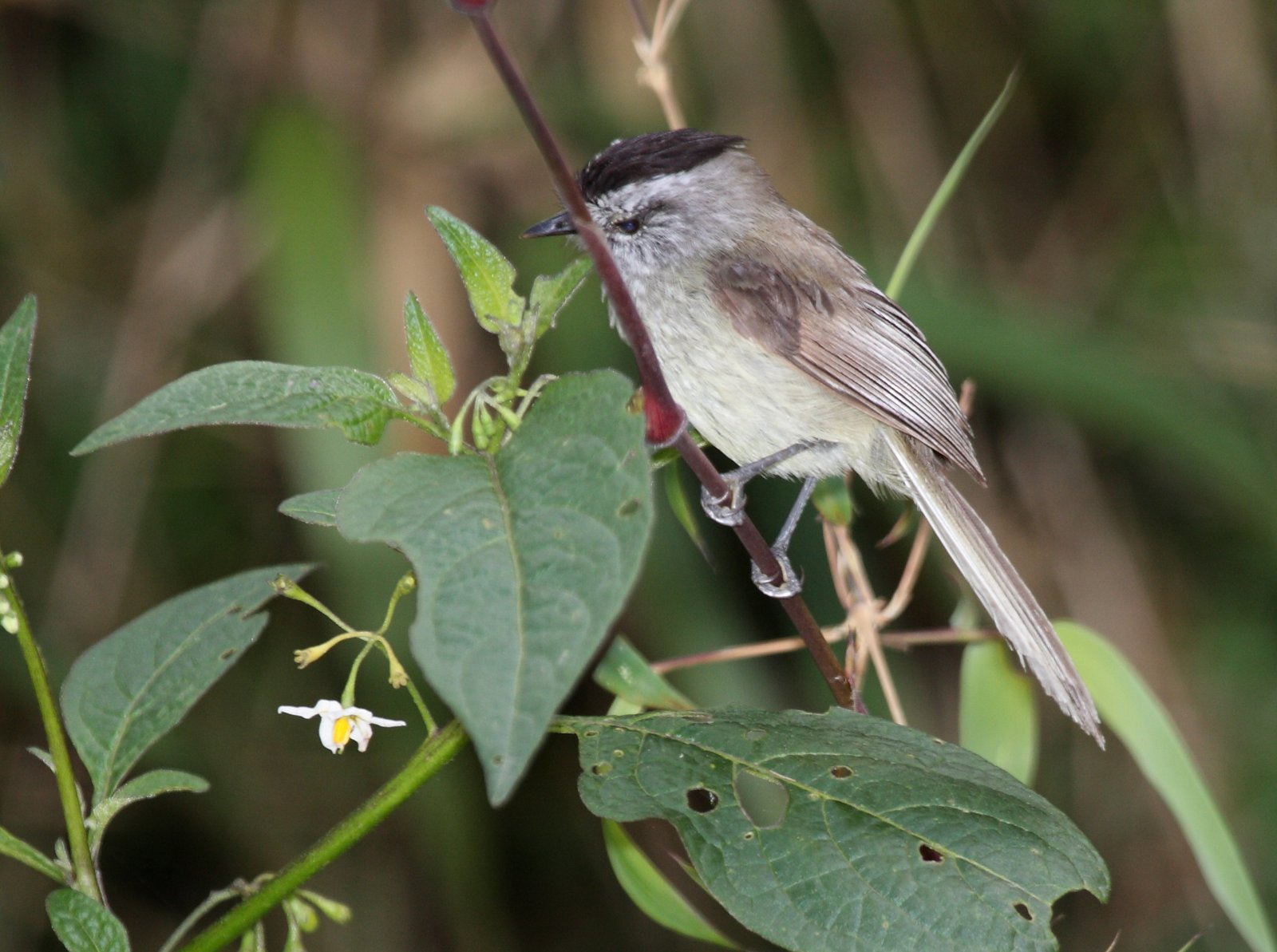
Pseudocolopteryx 3 espécies
-
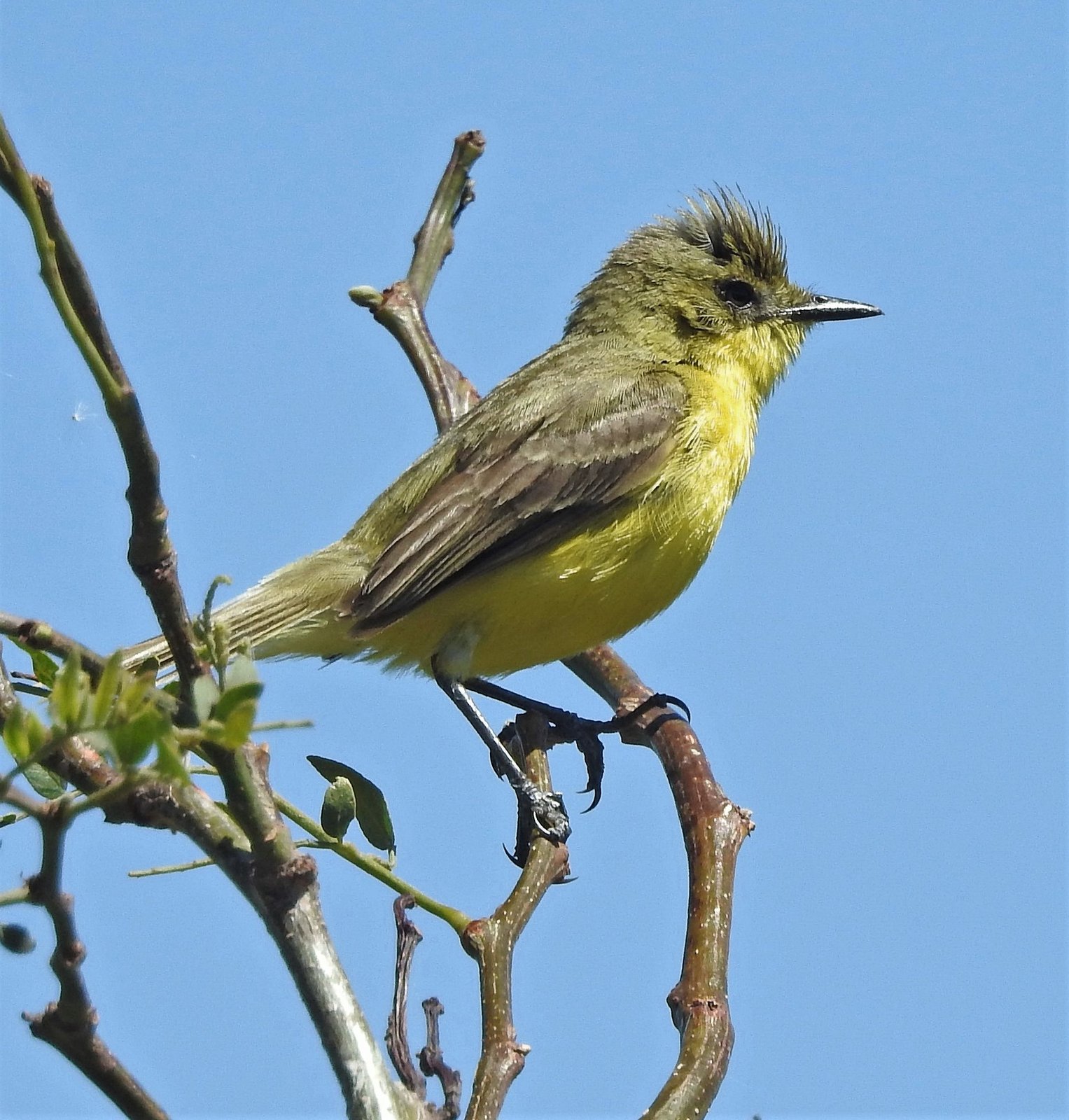
Doradito-subtropical
Pseudocolopteryx acutipennis Andean bogs and bofedales
 Andean and high-plateau lakes
- Lowland marshes and wet meadows
- Humid puna
- Páramo
-
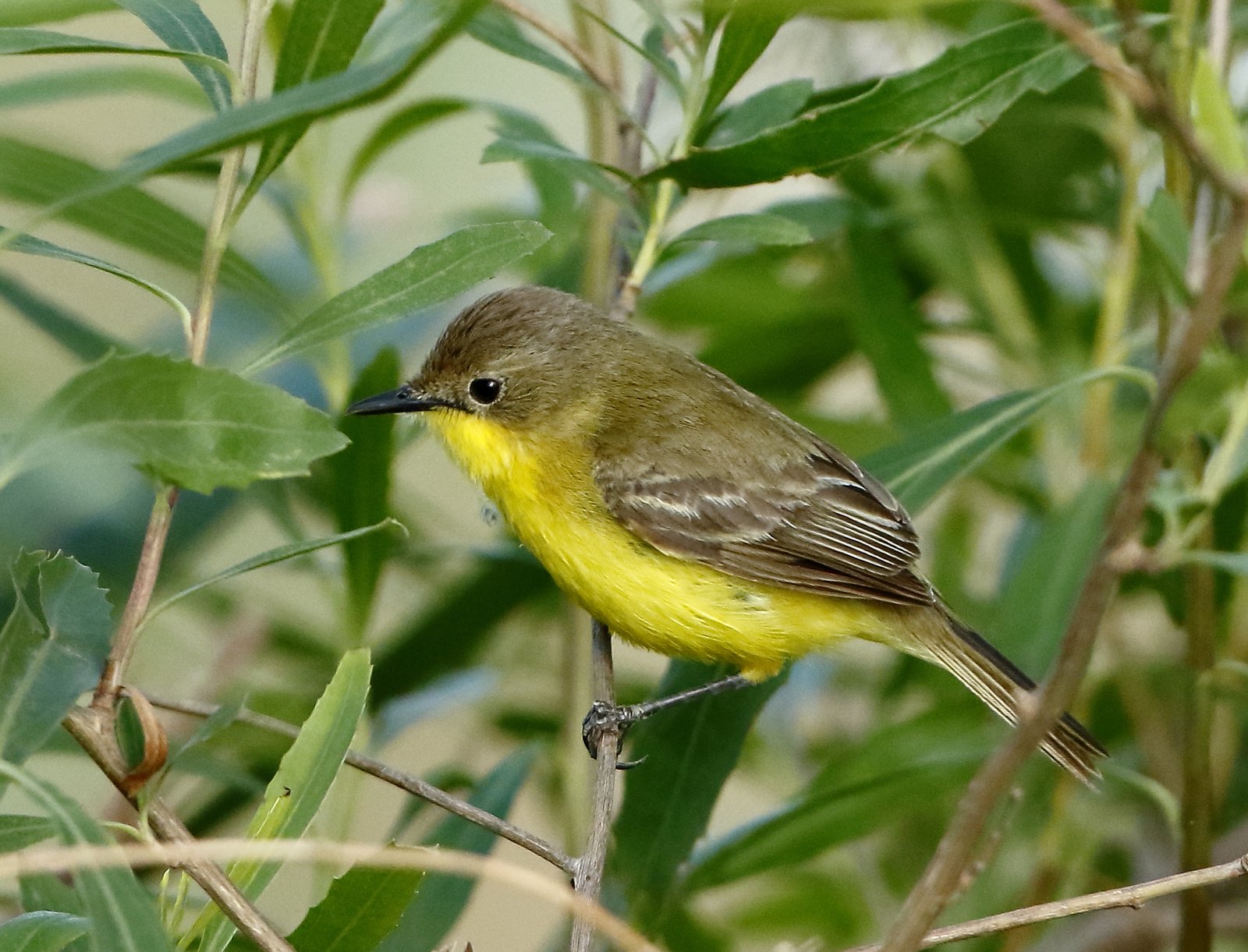
Doradito-de-dinelli
Pseudocolopteryx dinelliana- Lowland marshes and wet meadows
- Chiquitano dry forest and Chaco
- Riparian woodland of the Andes and coastal valleys
-
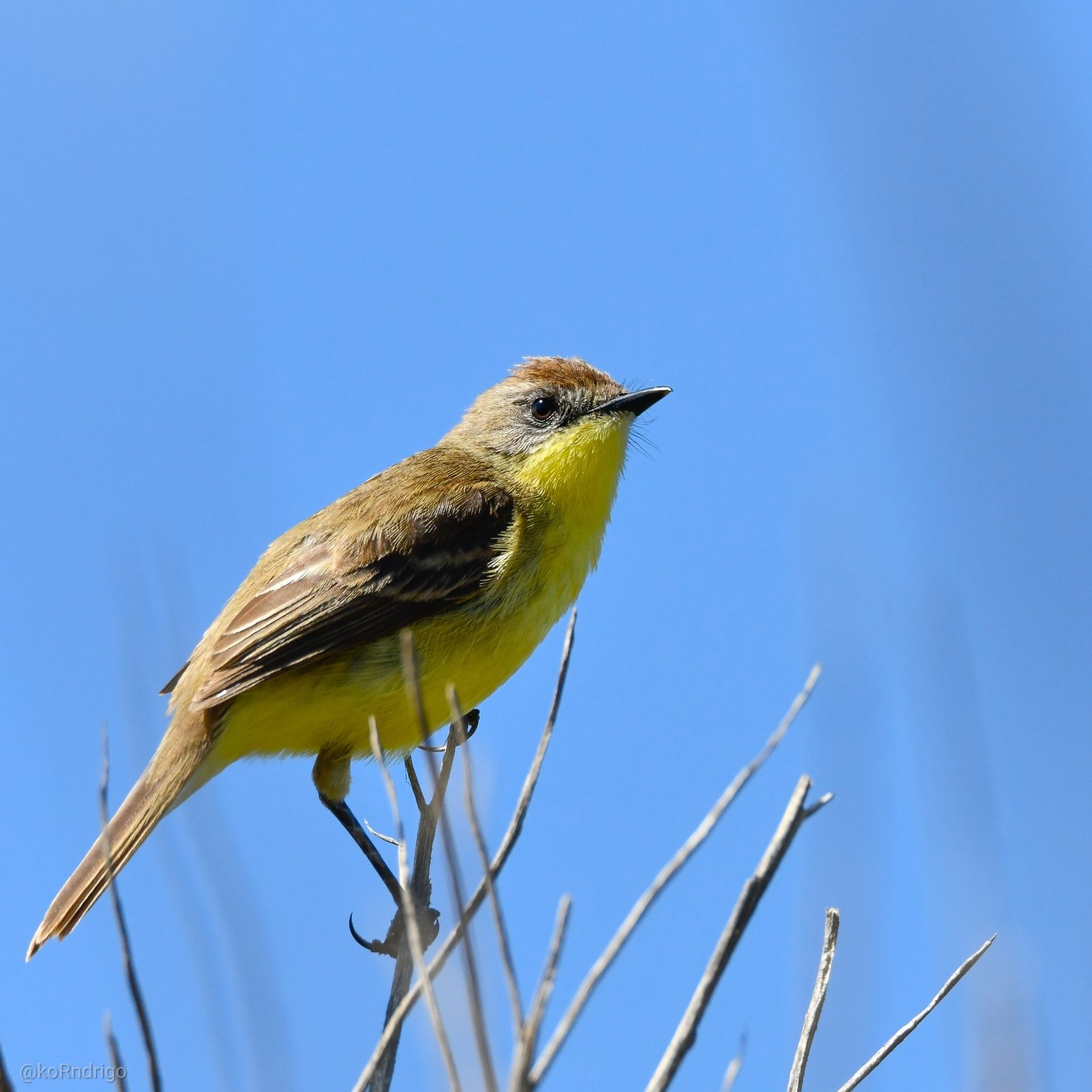
Doradito-limão
Pseudocolopteryx citreola- Lowland marshes and wet meadows
- Central Andean dry valleys
- Riparian woodland of the Andes and coastal valleys
- Chiquitano dry forest and Chaco
Cnipodectes 2 espécies
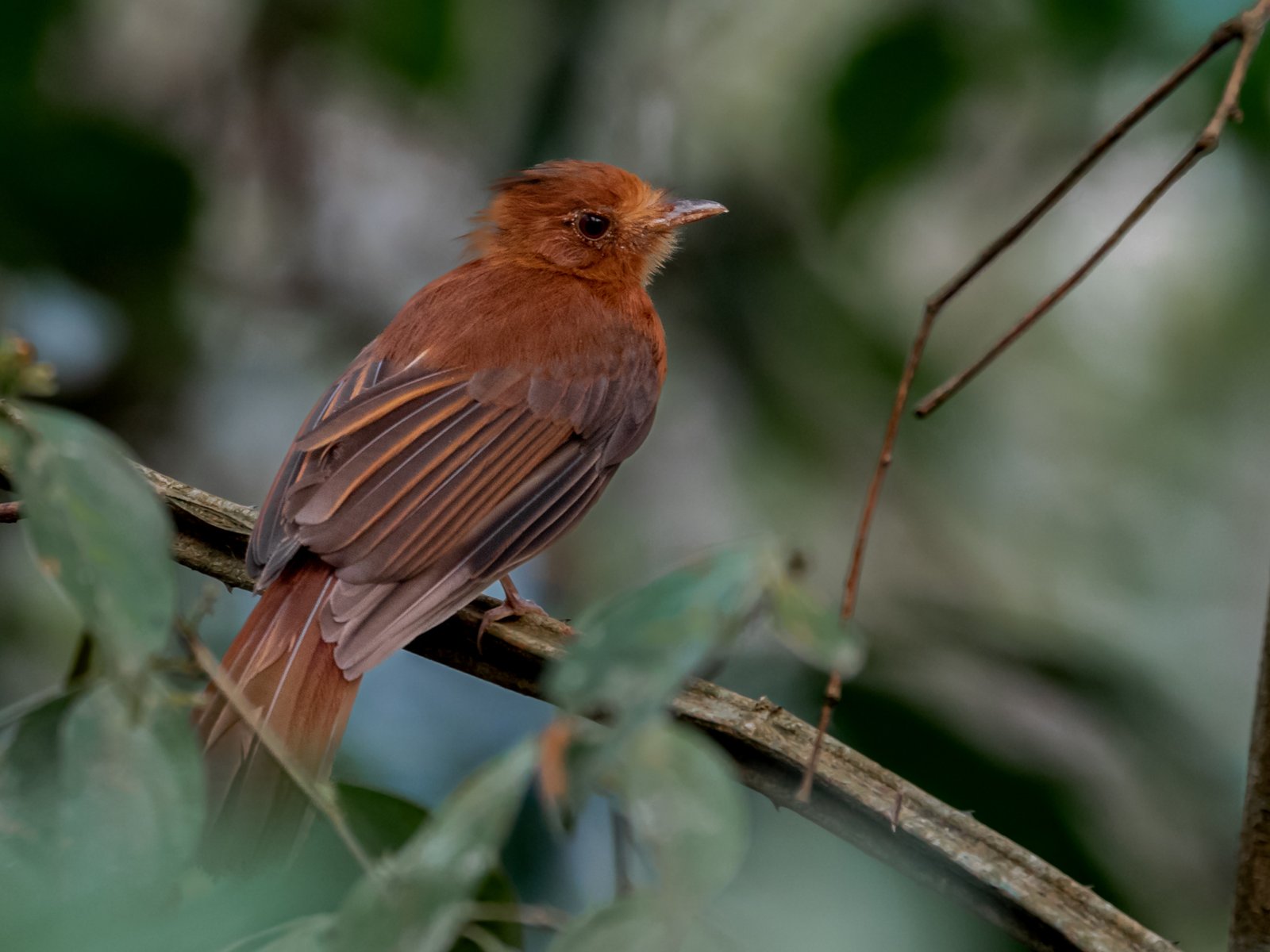
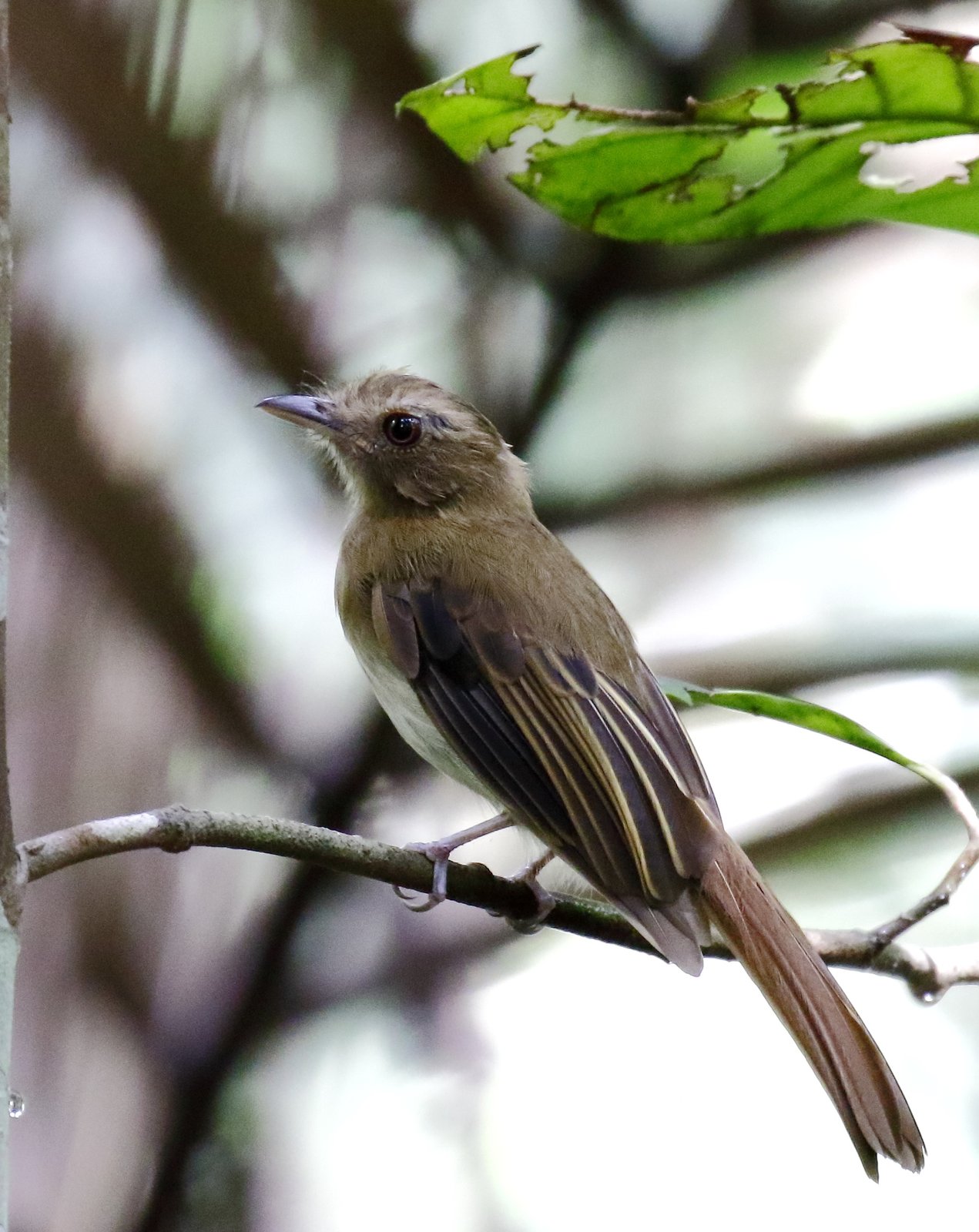
Rhytipterna 3 espécies
-
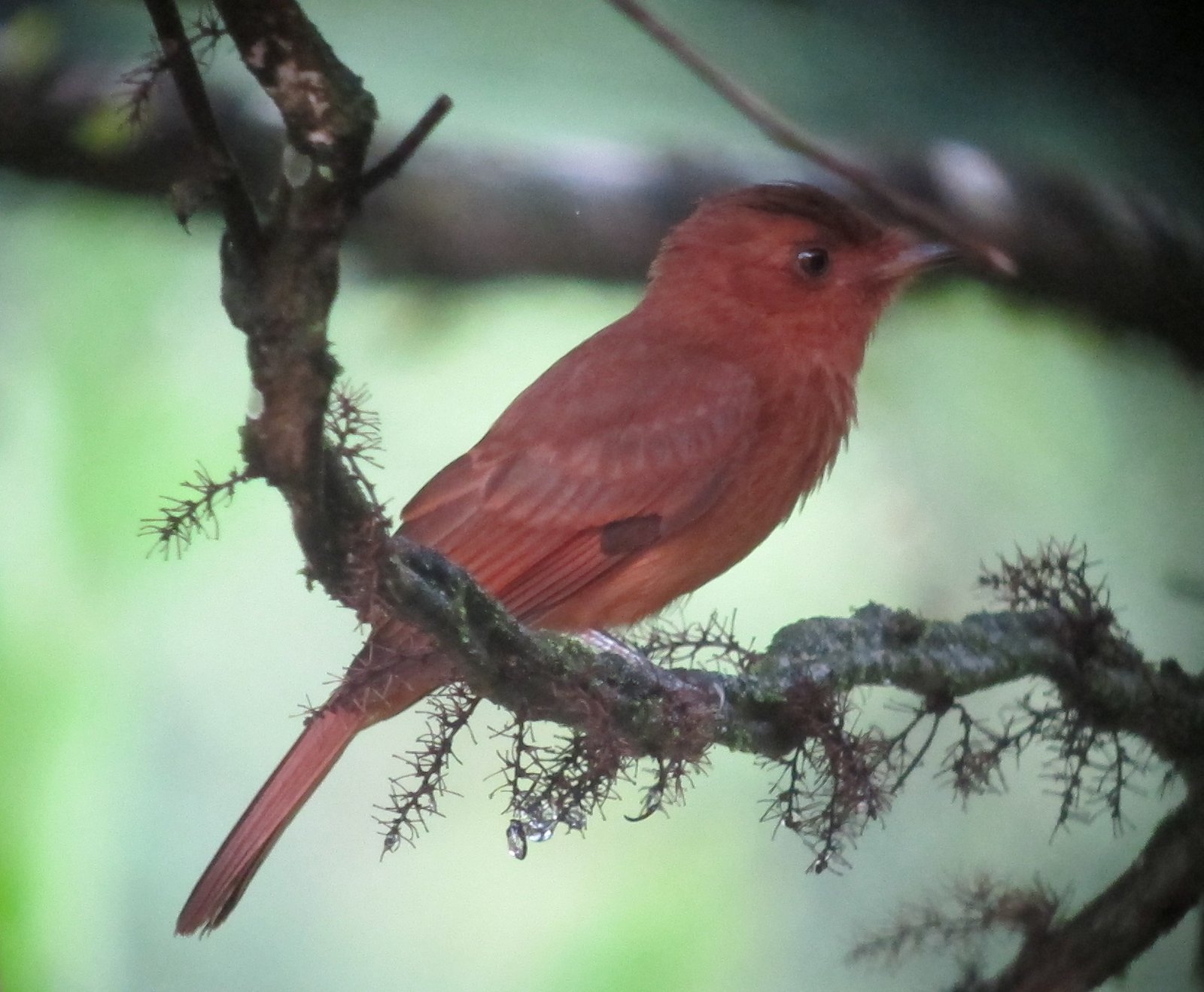
Vissiá-ruivo
Rhytipterna holerythra- Chocó rainforest
- Western Ecuador humid forest
- Secondary forest and forest edge
- Northern Andean subtropical forest
-
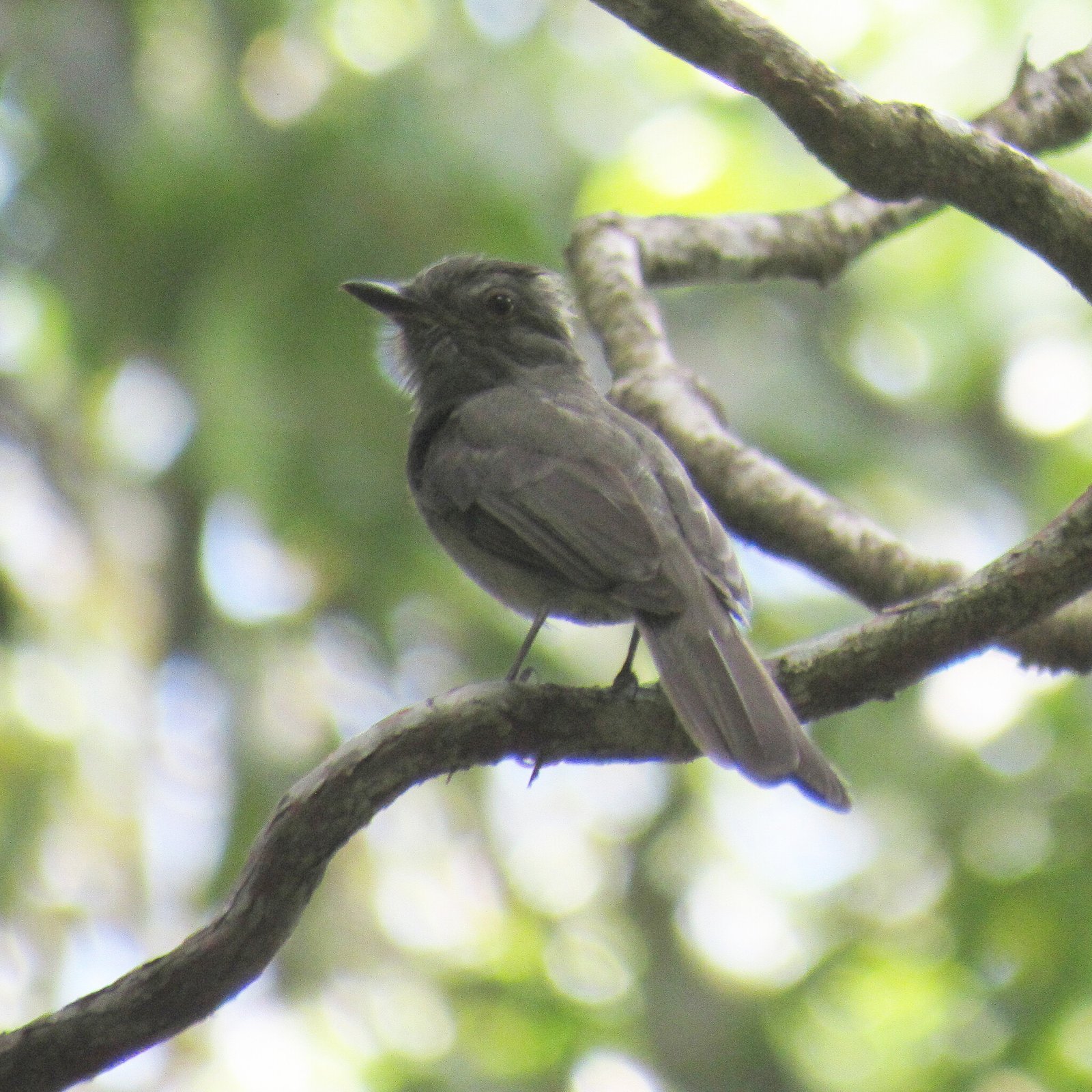
Vissiá
Rhytipterna simplex- Amazonian terra firme rainforest
- Eastern Andean foothill forest
- Secondary forest and forest edge
-
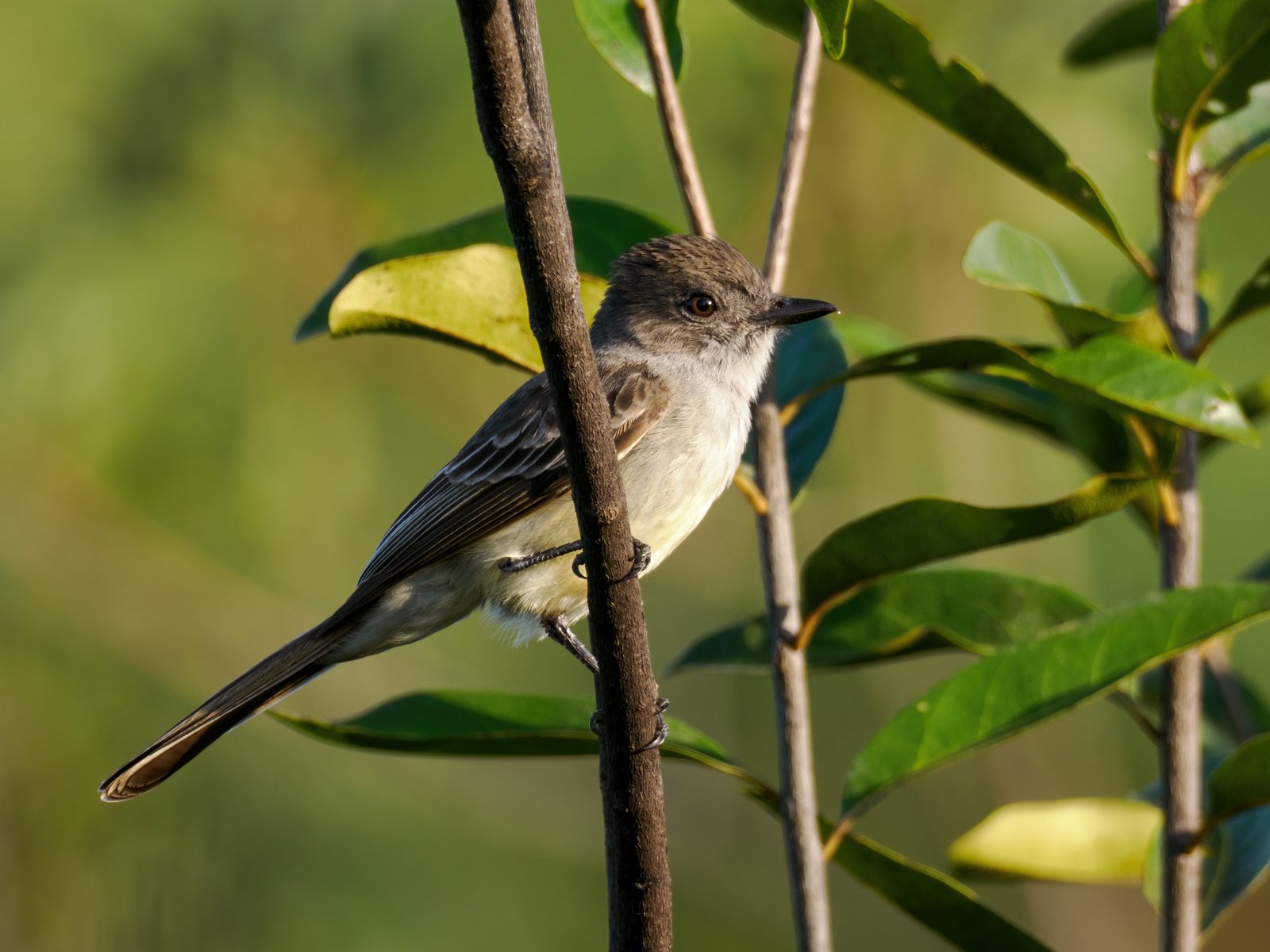
Vissiá-cantor
Rhytipterna immunda- Beni savanna and cerrado
- Llanos savanna
- Várzea, igapó and river islands
- Secondary forest and forest edge
Todirostrum 4 espécies
-

Ferreirinho-estriado
Todirostrum maculatum- Várzea, igapó and river islands
- Secondary forest and forest edge
- Lowland rivers and sandbars
- Towns, cities and parks
-
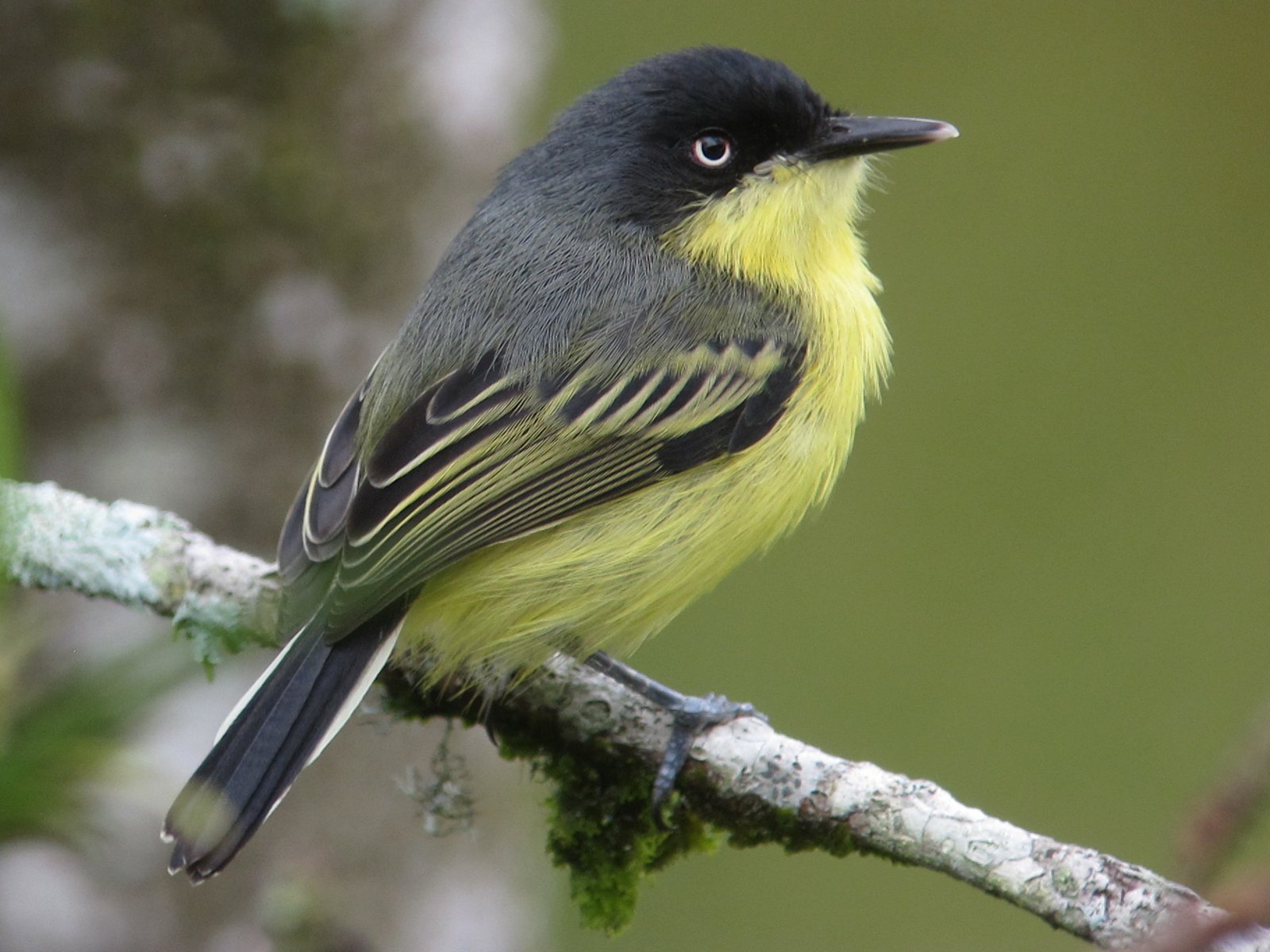
Ferreirinho-relógio
Todirostrum cinereum- Secondary forest and forest edge
- Coffee, cacao and agroforestry
- Towns, cities and parks
- Tumbesian dry forest and thorn scrub
- Western Ecuador humid forest
- Riparian woodland of the Andes and coastal valleys
-
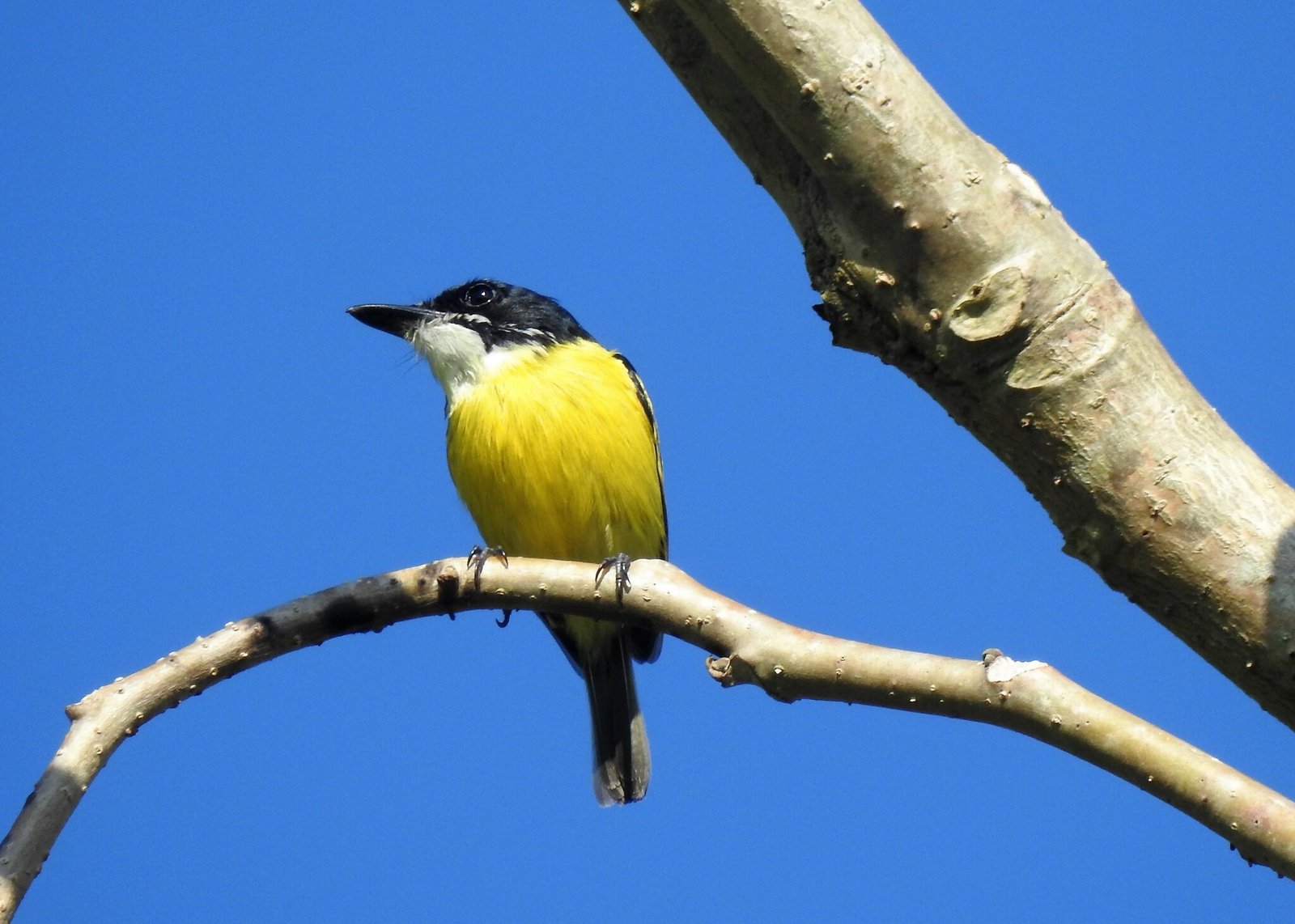
Ferreirinho-de-cabeça-preta
Todirostrum nigriceps- Chocó rainforest
- Western Ecuador humid forest
- Secondary forest and forest edge
- Coffee, cacao and agroforestry
-
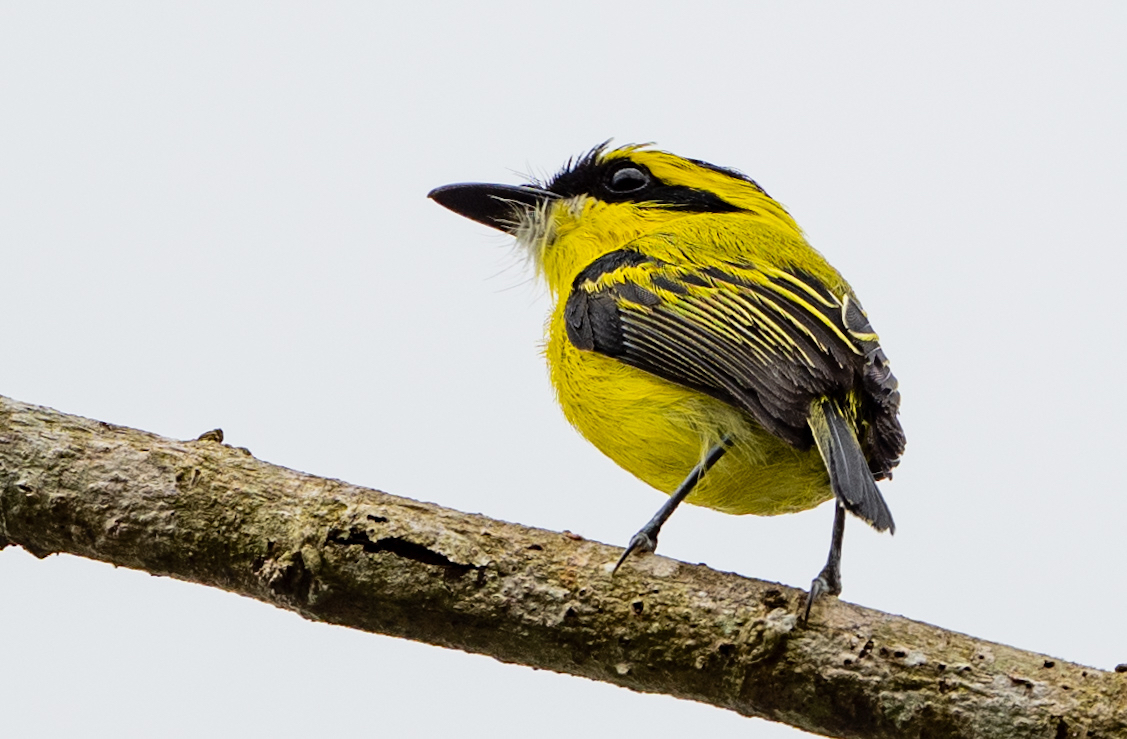
Ferreirinho-de-sobrancelha
Todirostrum chrysocrotaphum- Amazonian terra firme rainforest
- Várzea, igapó and river islands
- Eastern Andean foothill forest
- Secondary forest and forest edge
Empidonax 3 espécies
-
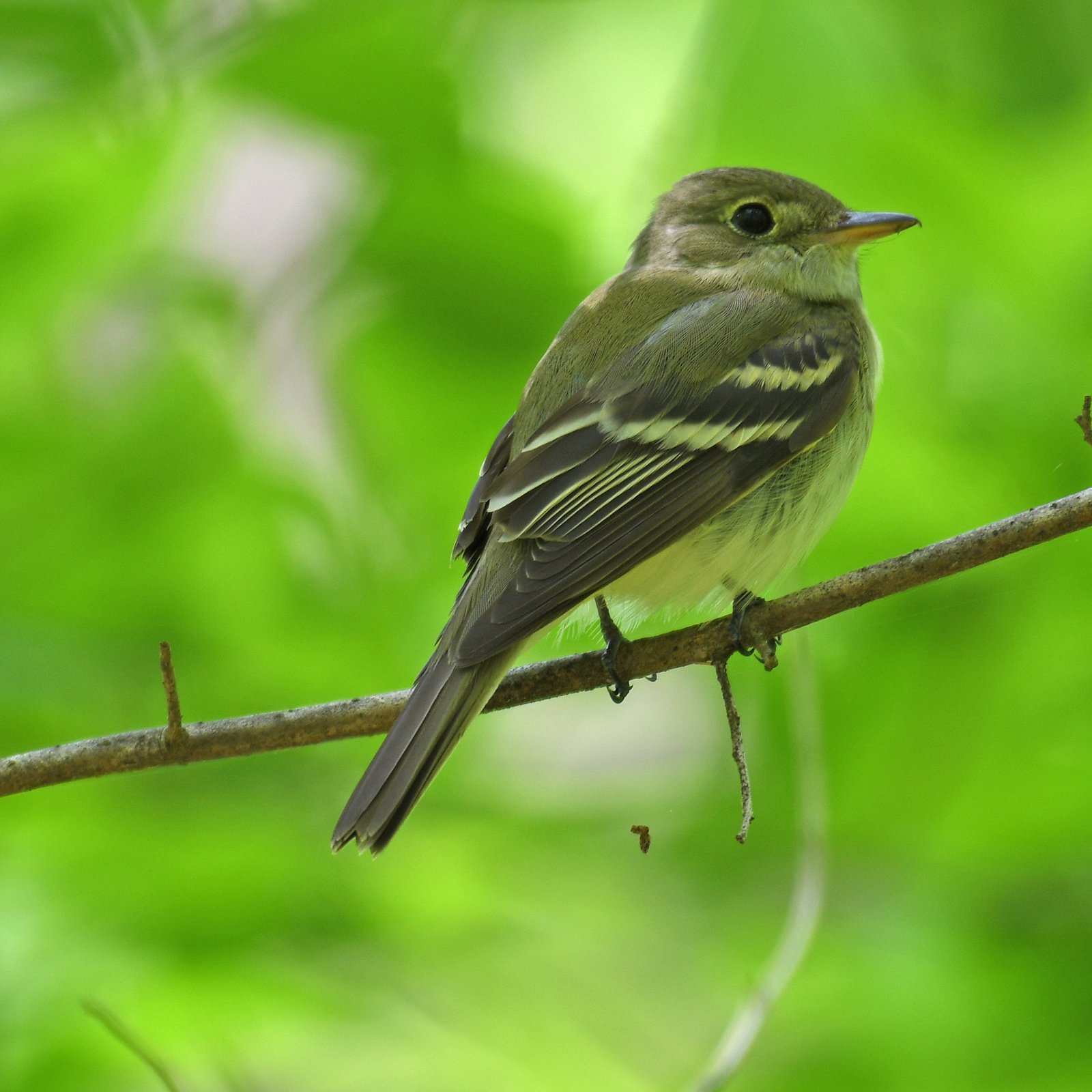
Papa-moscas-acadiano
Empidonax virescens- Chocó rainforest
- Western Ecuador humid forest
- Northern Andean subtropical forest
- Secondary forest and forest edge
- Coffee, cacao and agroforestry
-
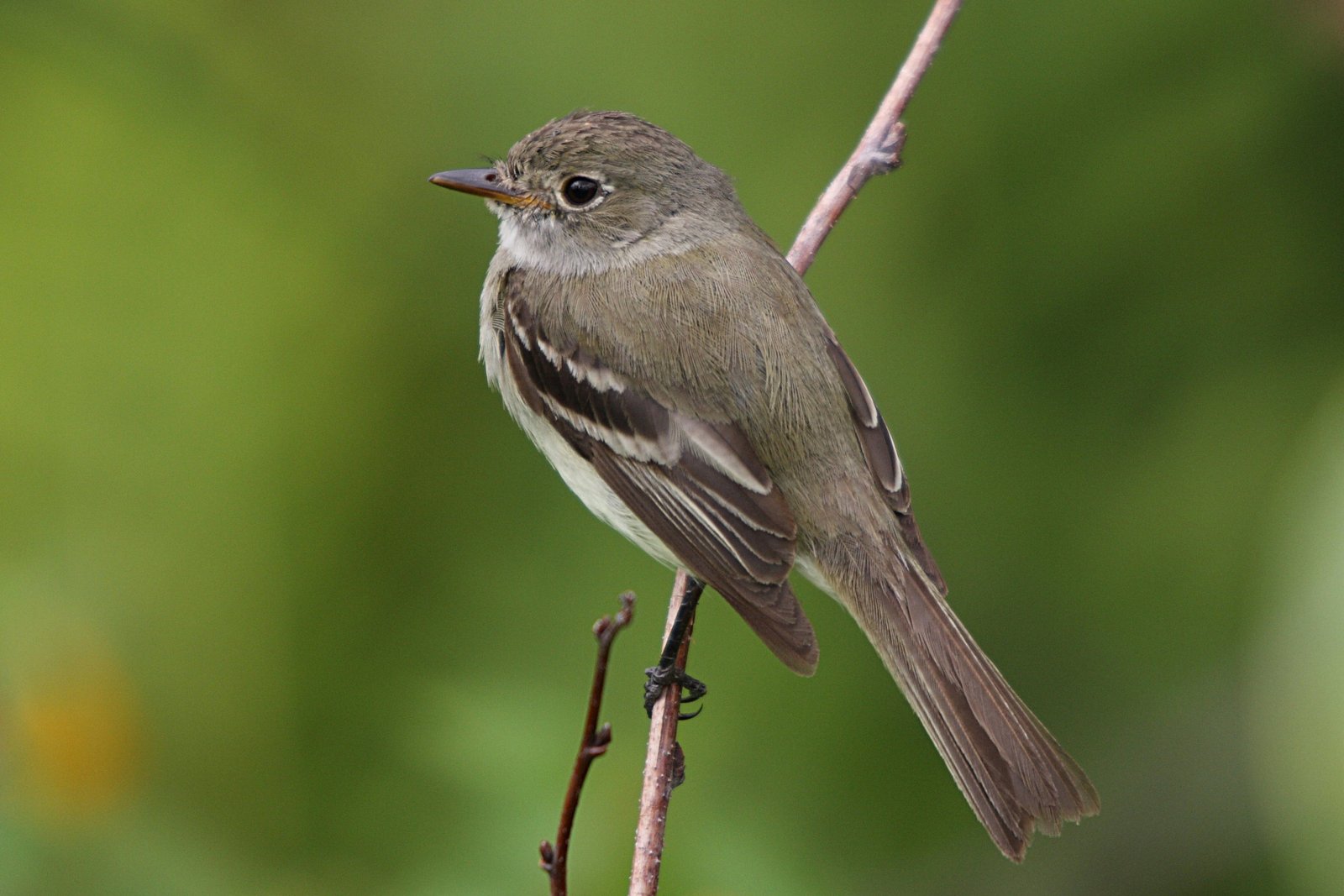
Papa-moscas-de-alder
Empidonax alnorum- Várzea, igapó and river islands
- Lowland rivers and sandbars
- Secondary forest and forest edge
- Riparian woodland of the Andes and coastal valleys
-
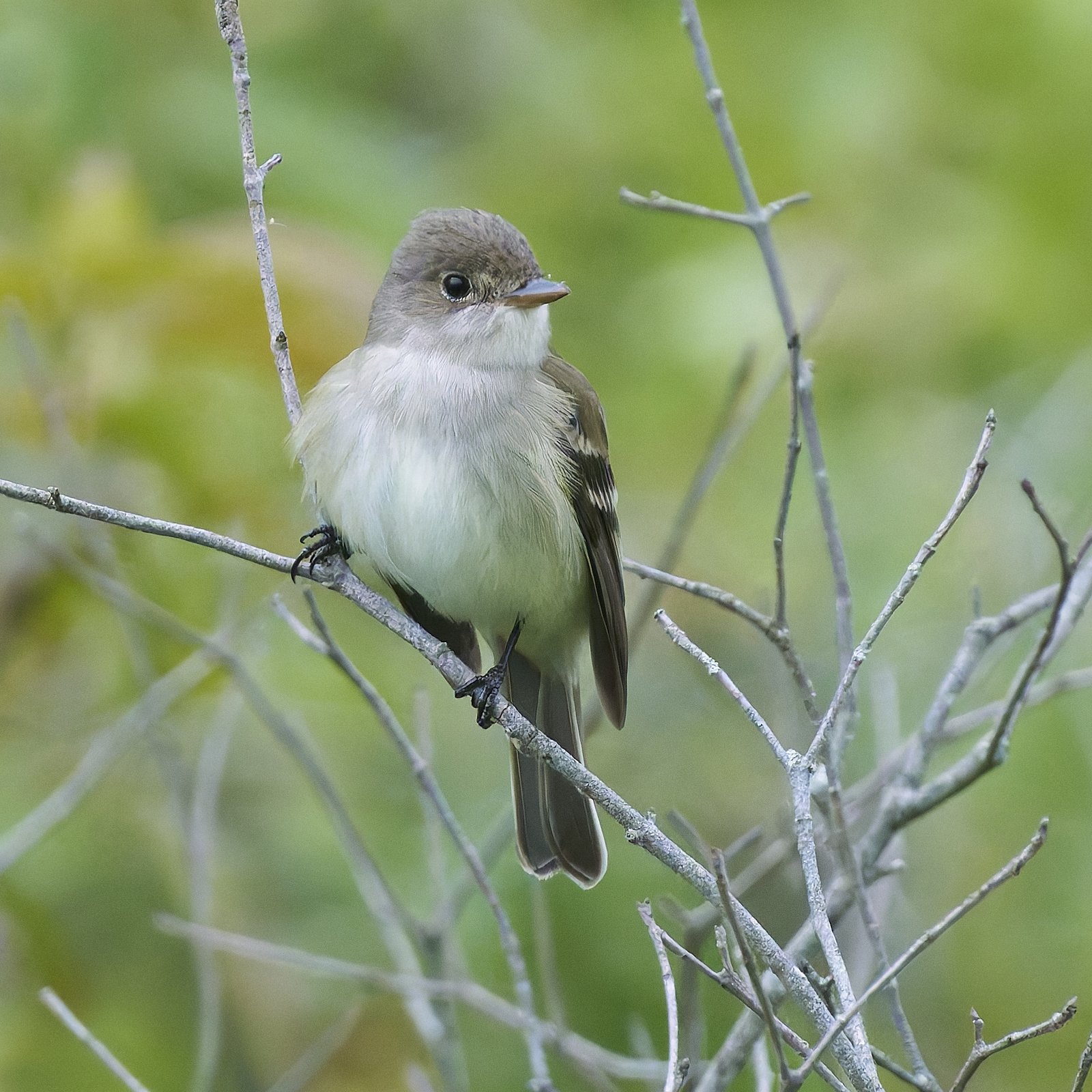
Papa-moscas-do-salgueiro
Empidonax traillii- Secondary forest and forest edge
- Riparian woodland of the Andes and coastal valleys
- Lowland marshes and wet meadows
- Pasture and ranchland
Stigmatura 2 espécies
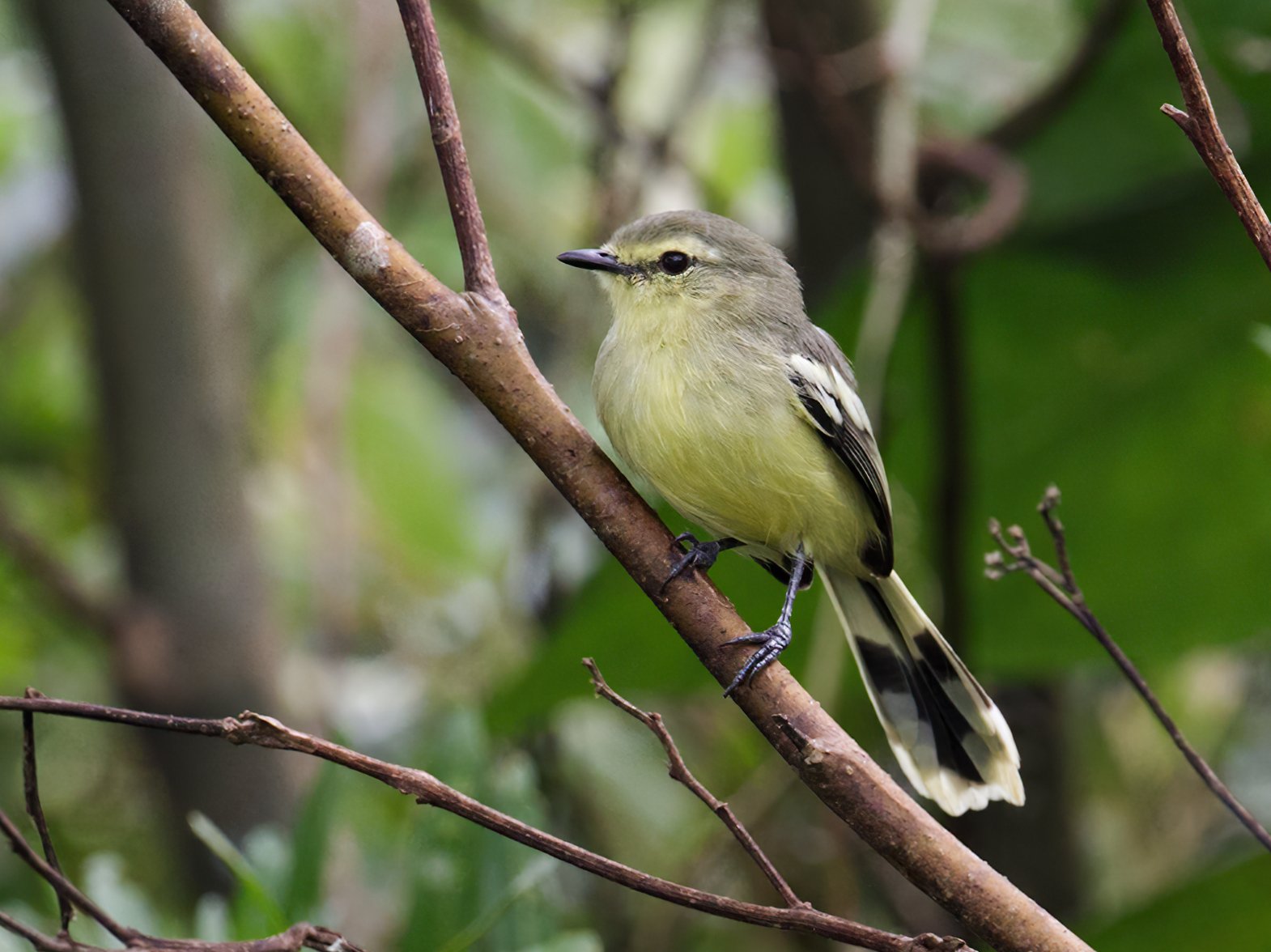
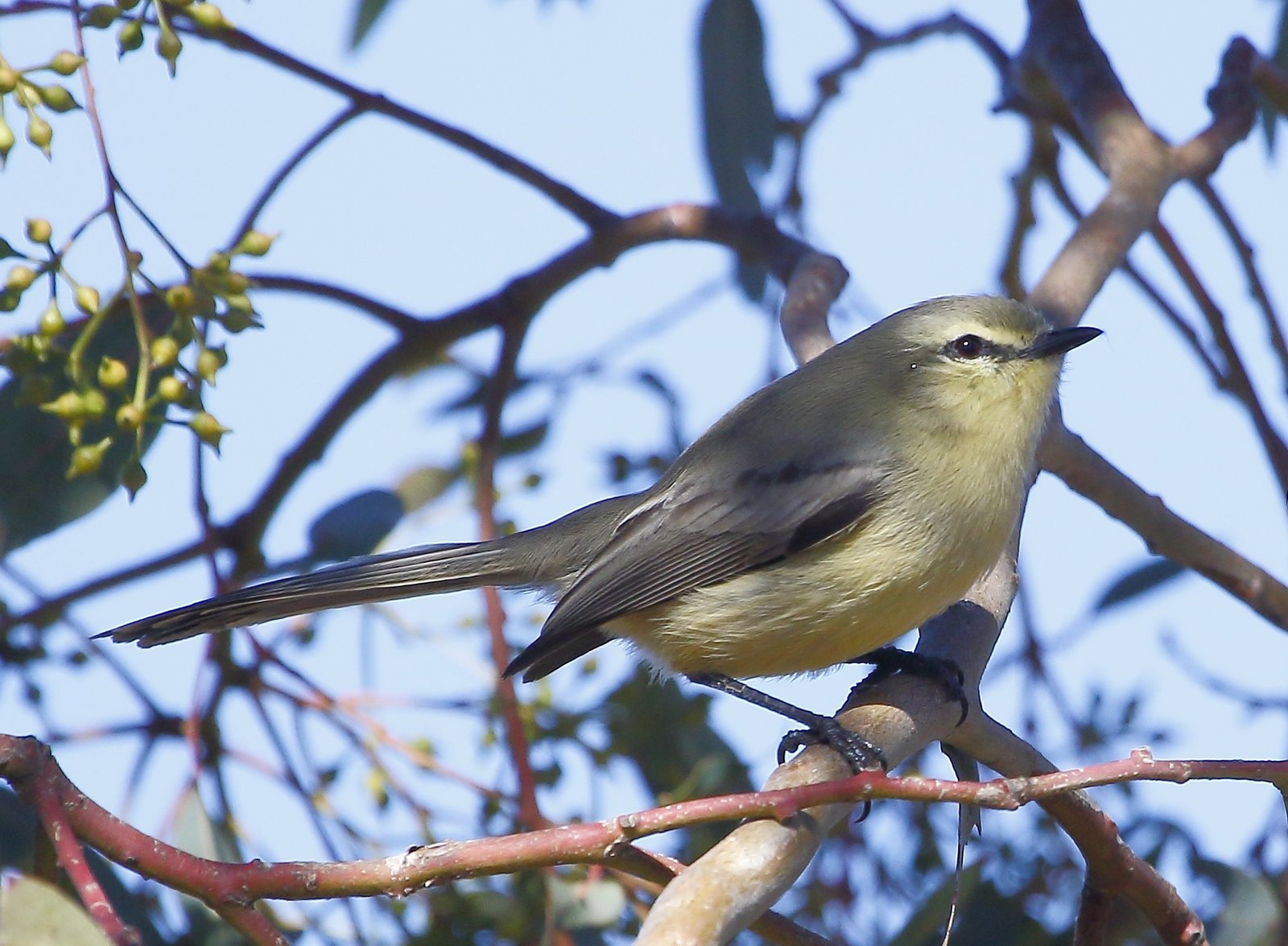
Myiarchus 12 espécies
-
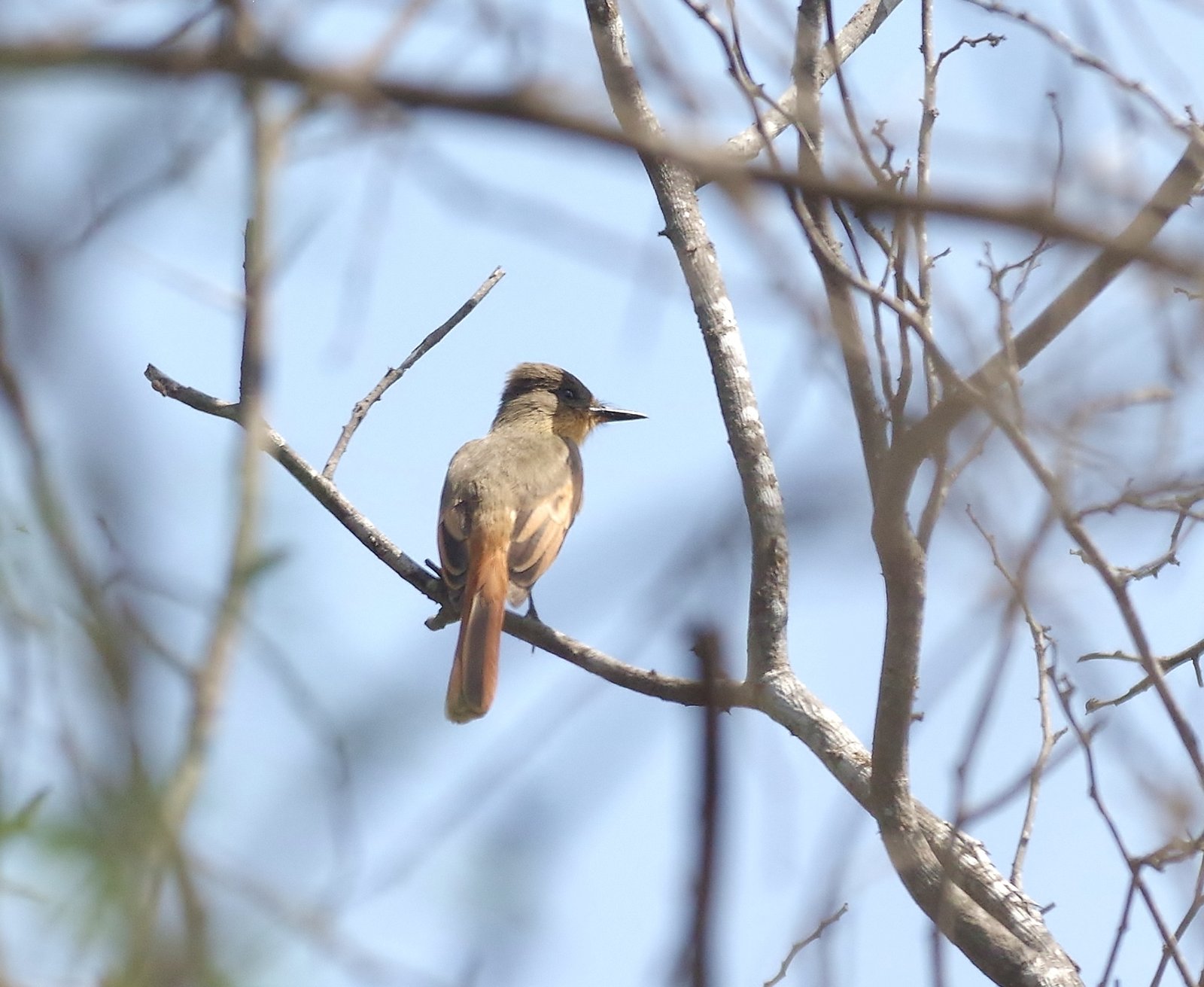
Maria-cavaleira-ruiva
Myiarchus semirufus- Tumbesian dry forest and thorn scrub
- Coastal desert
- Riparian woodland of the Andes and coastal valleys
- Irrigated farmland and rice fields
-
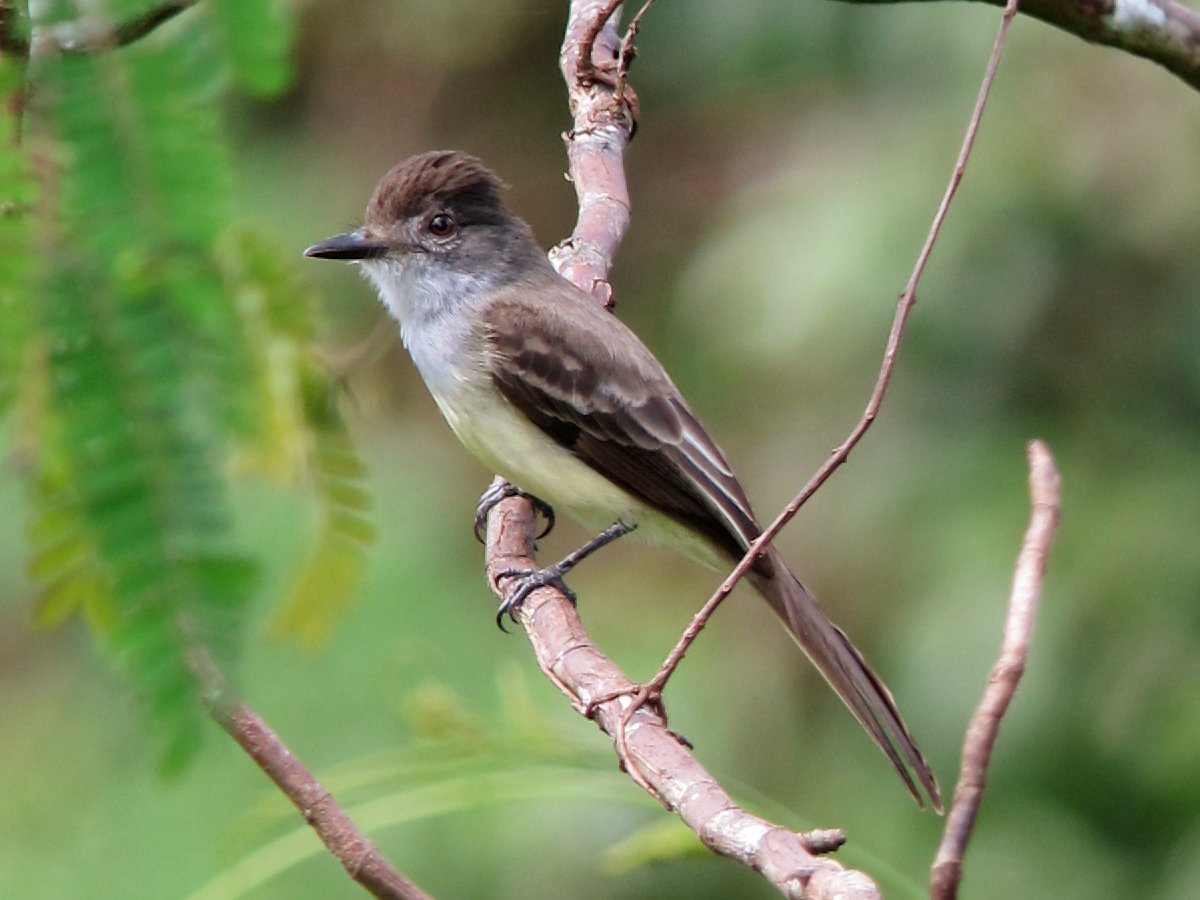
Maria-cavaleira-pequena
Myiarchus tuberculifer- Secondary forest and forest edge
- Amazonian terra firme rainforest
- Western Ecuador humid forest
- Northern Andean subtropical forest
- Lower Yungas forest
- Tumbesian dry forest and thorn scrub
-
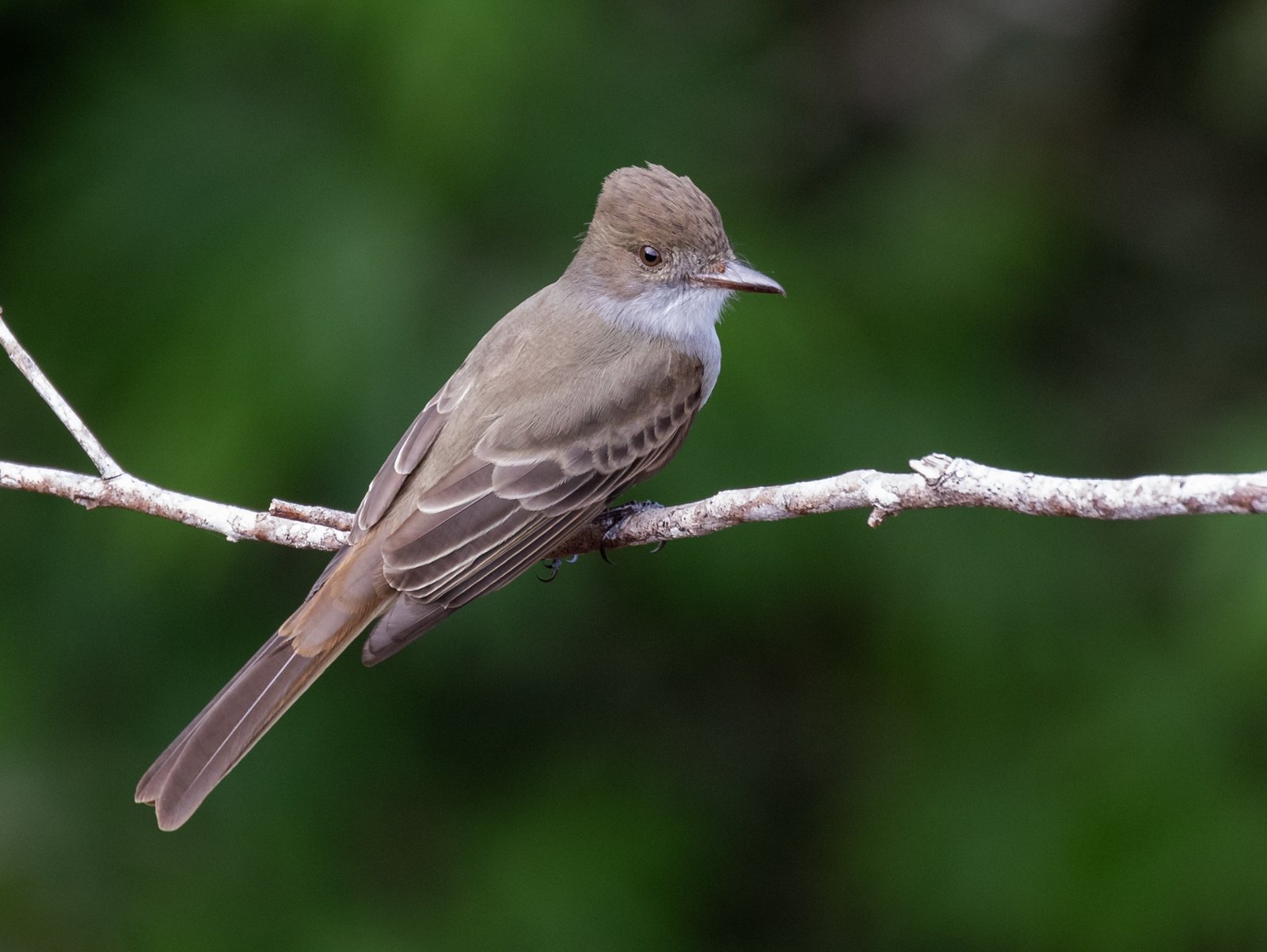
Irré
Myiarchus swainsoni- Secondary forest and forest edge
- Várzea, igapó and river islands
- Beni savanna and cerrado
- Chiquitano dry forest and Chaco
- Llanos savanna
-
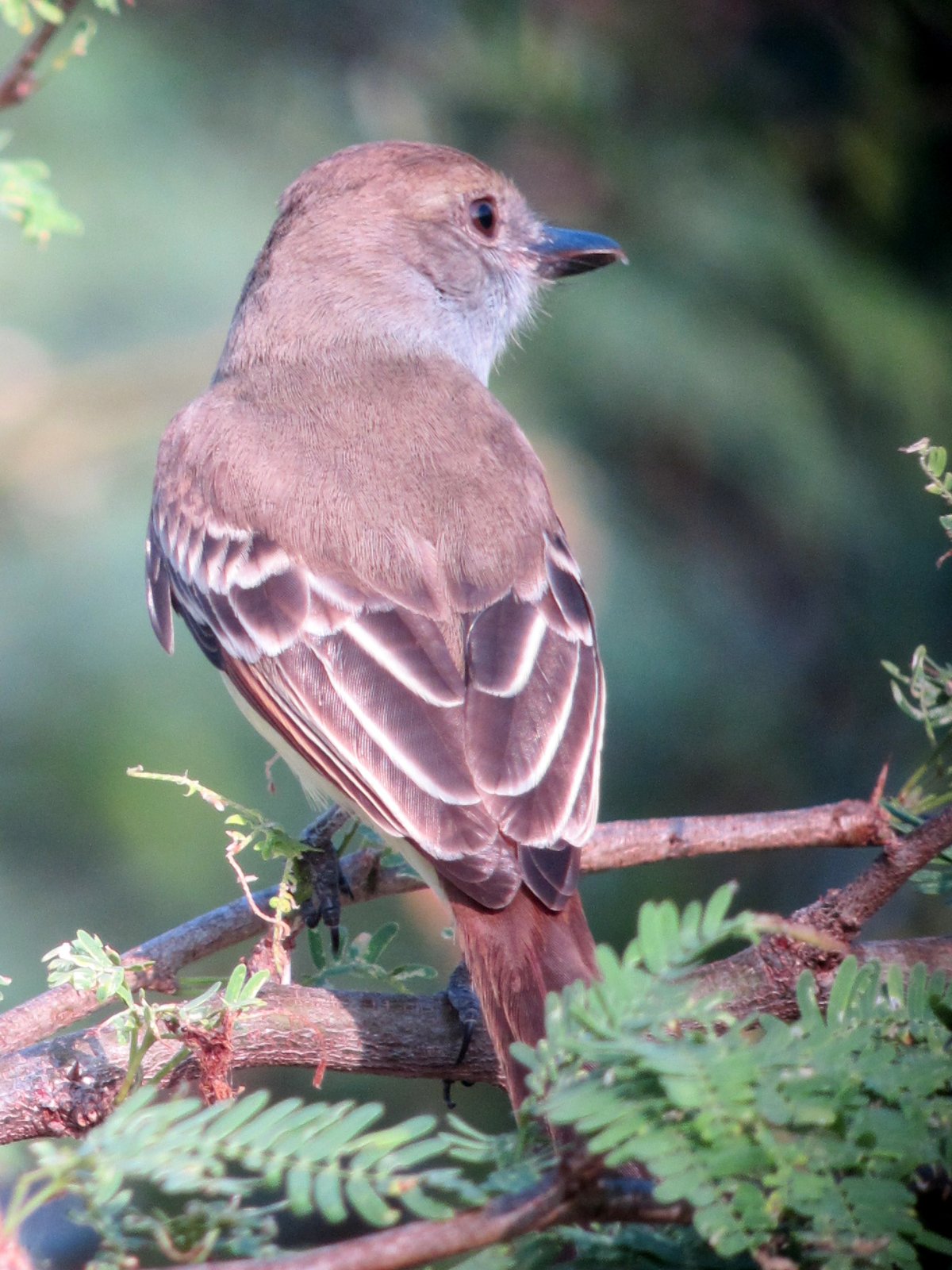
Maria-cavaleira-venezuelana
Myiarchus venezuelensis- Tumbesian dry forest and thorn scrub
- Secondary forest and forest edge
- Riparian woodland of the Andes and coastal valleys
- Pasture and ranchland
-
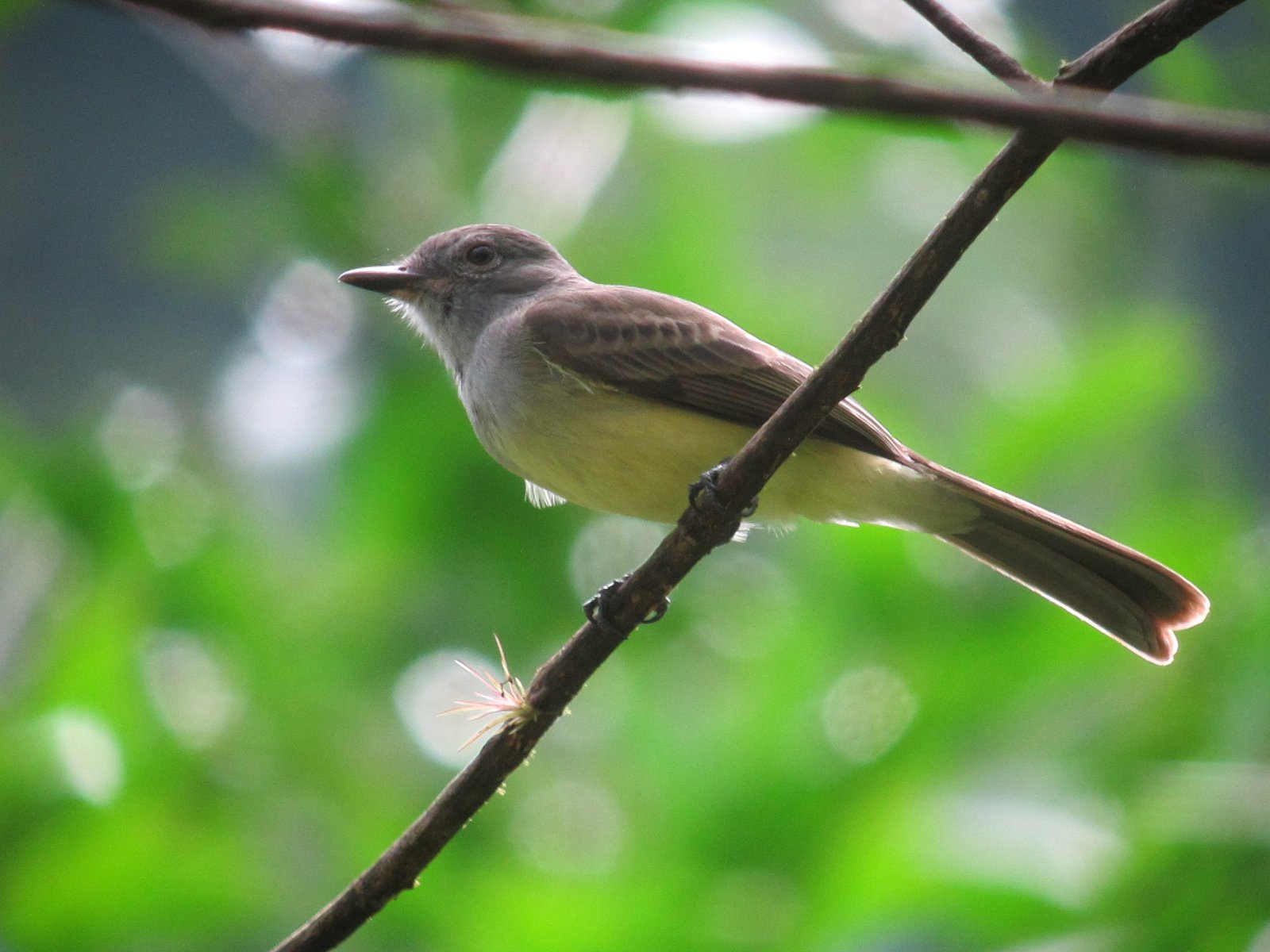
Maria-cavaleira-do-panamá
Myiarchus panamensis Mangrove
- Secondary forest and forest edge
- Riparian woodland of the Andes and coastal valleys
- Pasture and ranchland
- Chocó rainforest
-
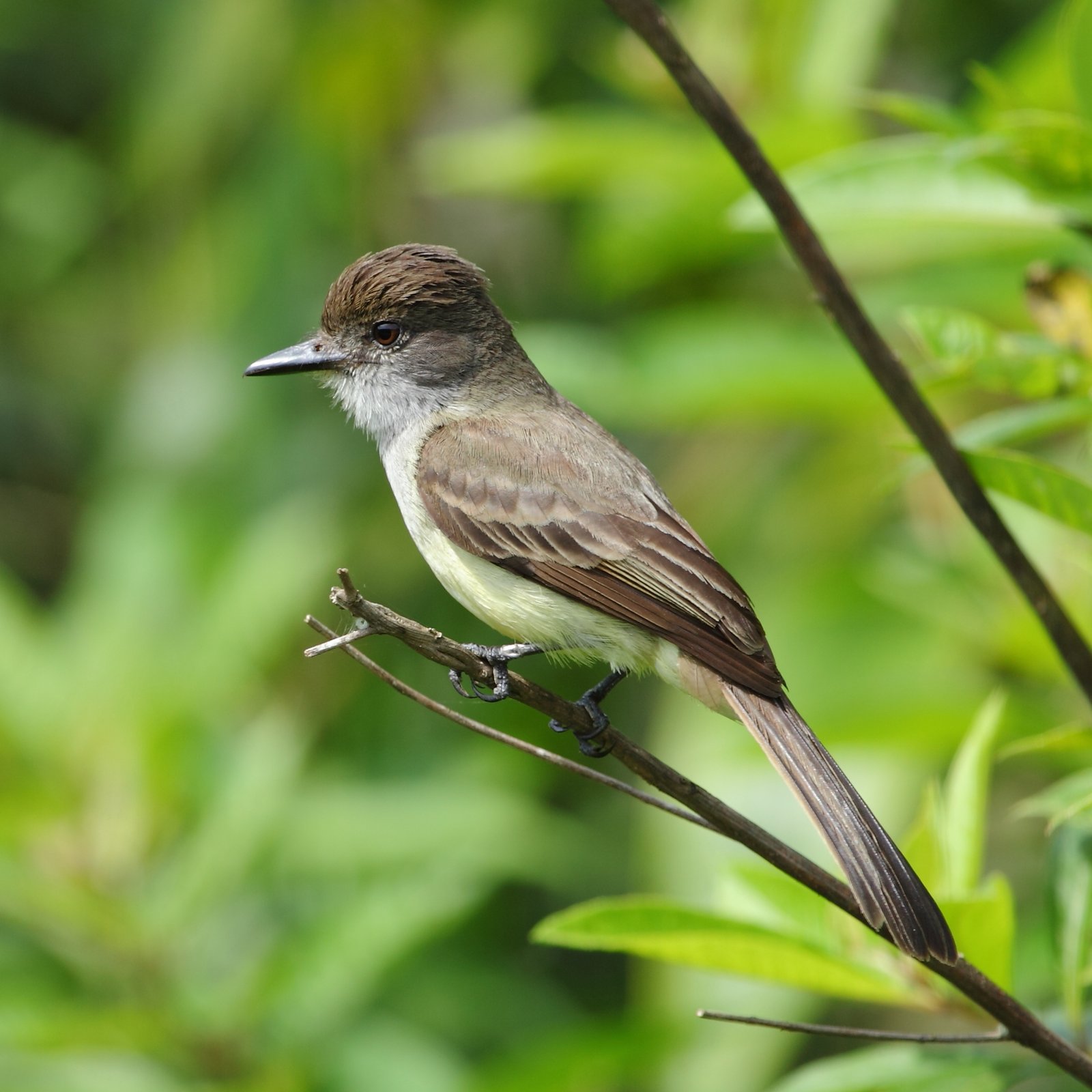
Maria-cavaleira
Myiarchus ferox- Secondary forest and forest edge
- Várzea, igapó and river islands
- Amazonian terra firme rainforest
- Palm swamps and swamp forest
- Eastern Andean foothill forest
-
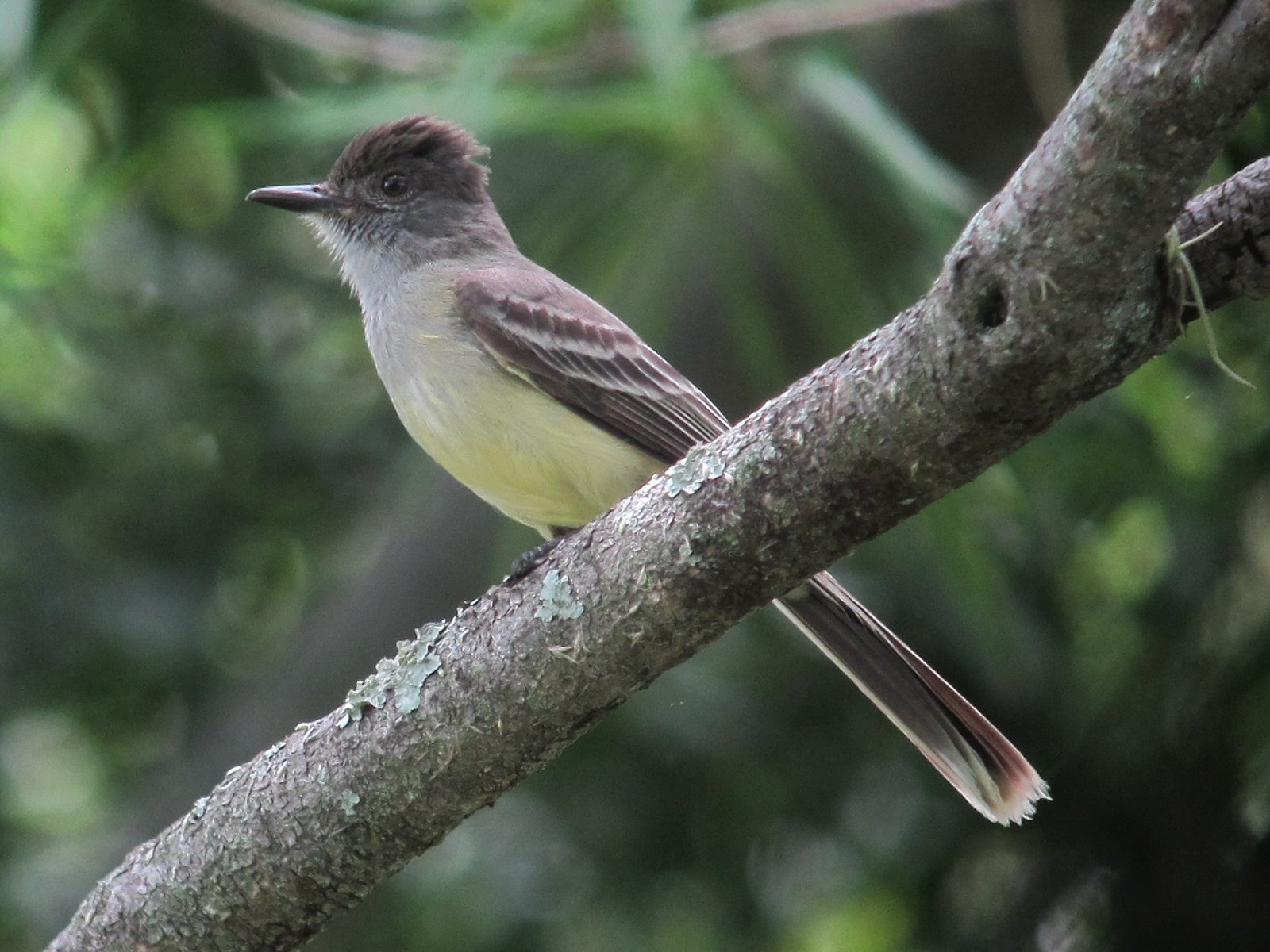
Maria-cavaleira-apical
Myiarchus apicalis- Marañón and northern inter-Andean dry forest
- Secondary forest and forest edge
- Riparian woodland of the Andes and coastal valleys
- Pasture and ranchland
-
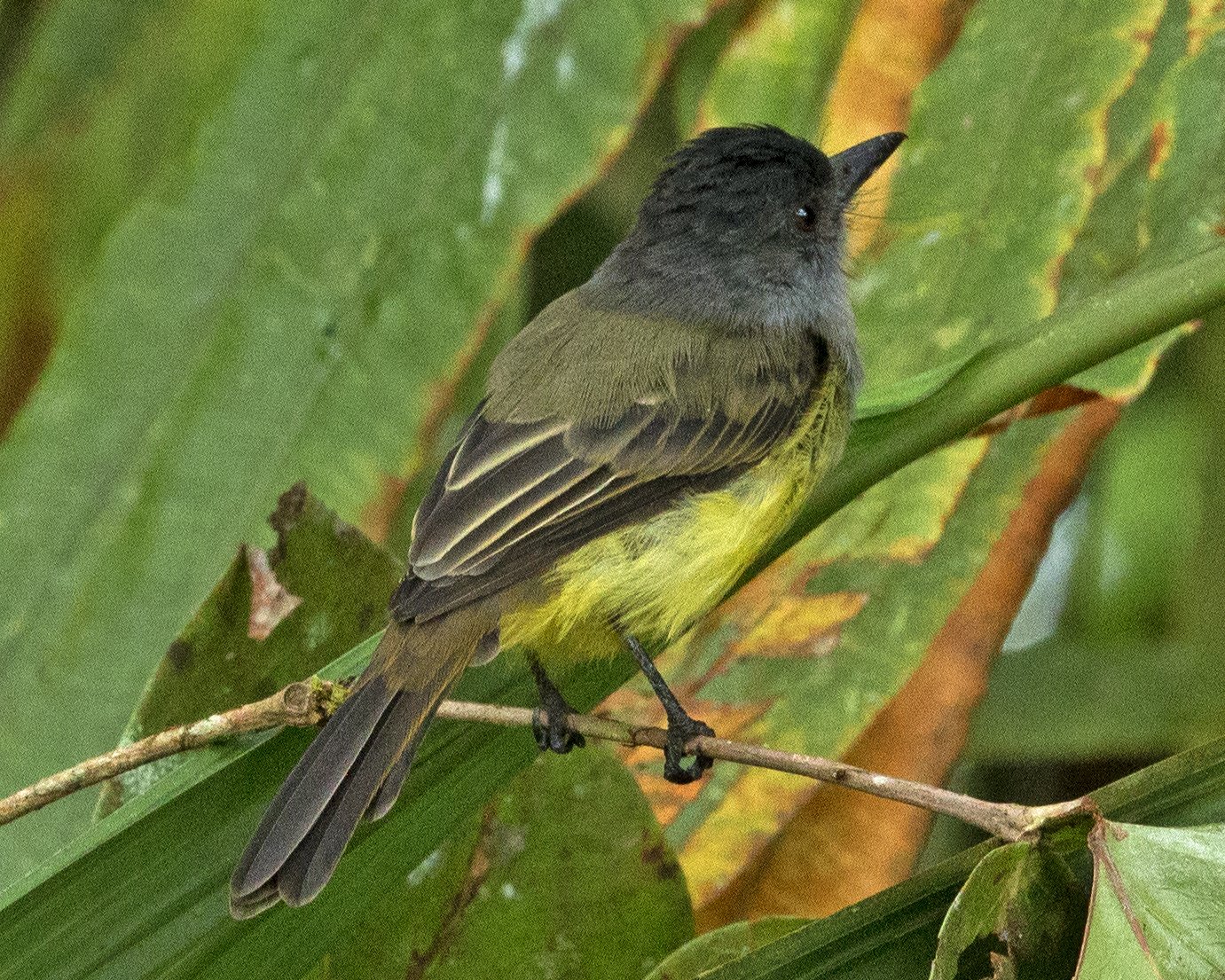
Maria-cavaleira-de-coroa-fuliginosa
Myiarchus phaeocephalus- Tumbesian dry forest and thorn scrub
- Marañón and northern inter-Andean dry forest
- Western Ecuador humid forest
- Riparian woodland of the Andes and coastal valleys
- Secondary forest and forest edge
-
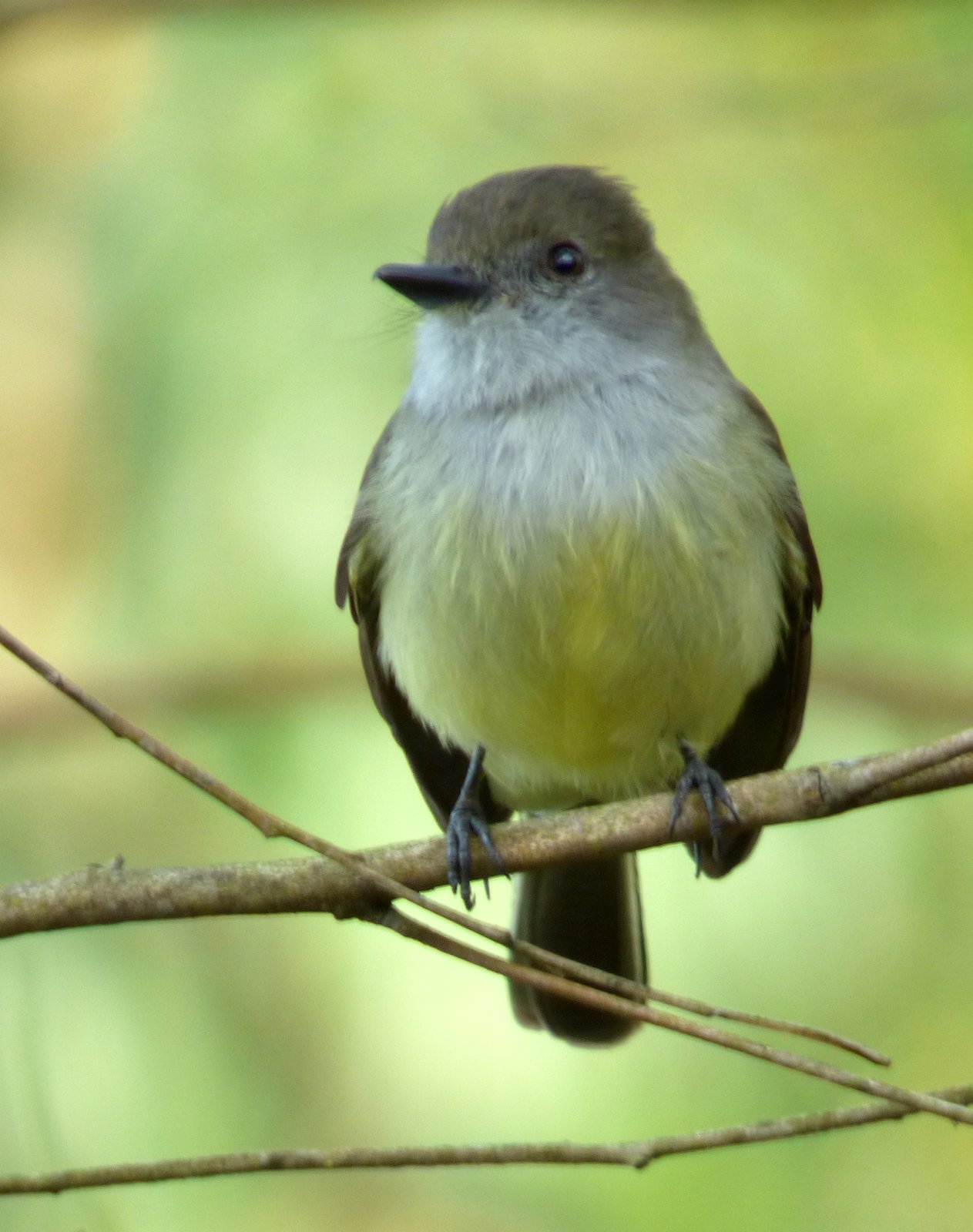
Maria-cavaleira-de-borda-clara
Myiarchus cephalotes- Northern Andean cloud forest and temperate forest
- Northern Andean subtropical forest
- Upper Yungas cloud forest
- Lower Yungas forest
- Secondary forest and forest edge
-
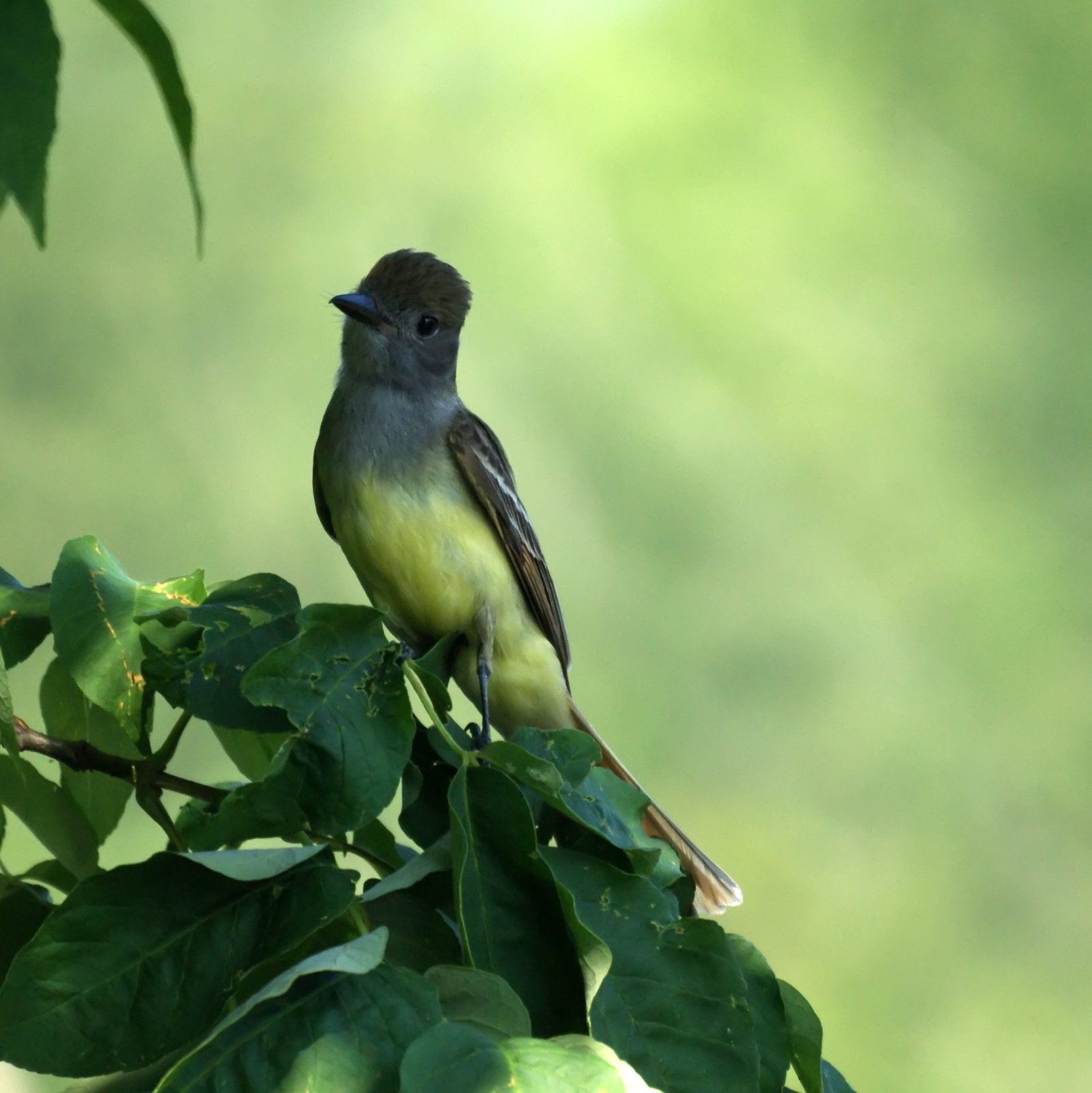
Maria-cavaleira-de-crista-grande
Myiarchus crinitus- Secondary forest and forest edge
- Eastern Andean foothill forest
- Riparian woodland of the Andes and coastal valleys
- Coffee, cacao and agroforestry
- Amazonian terra firme rainforest
-
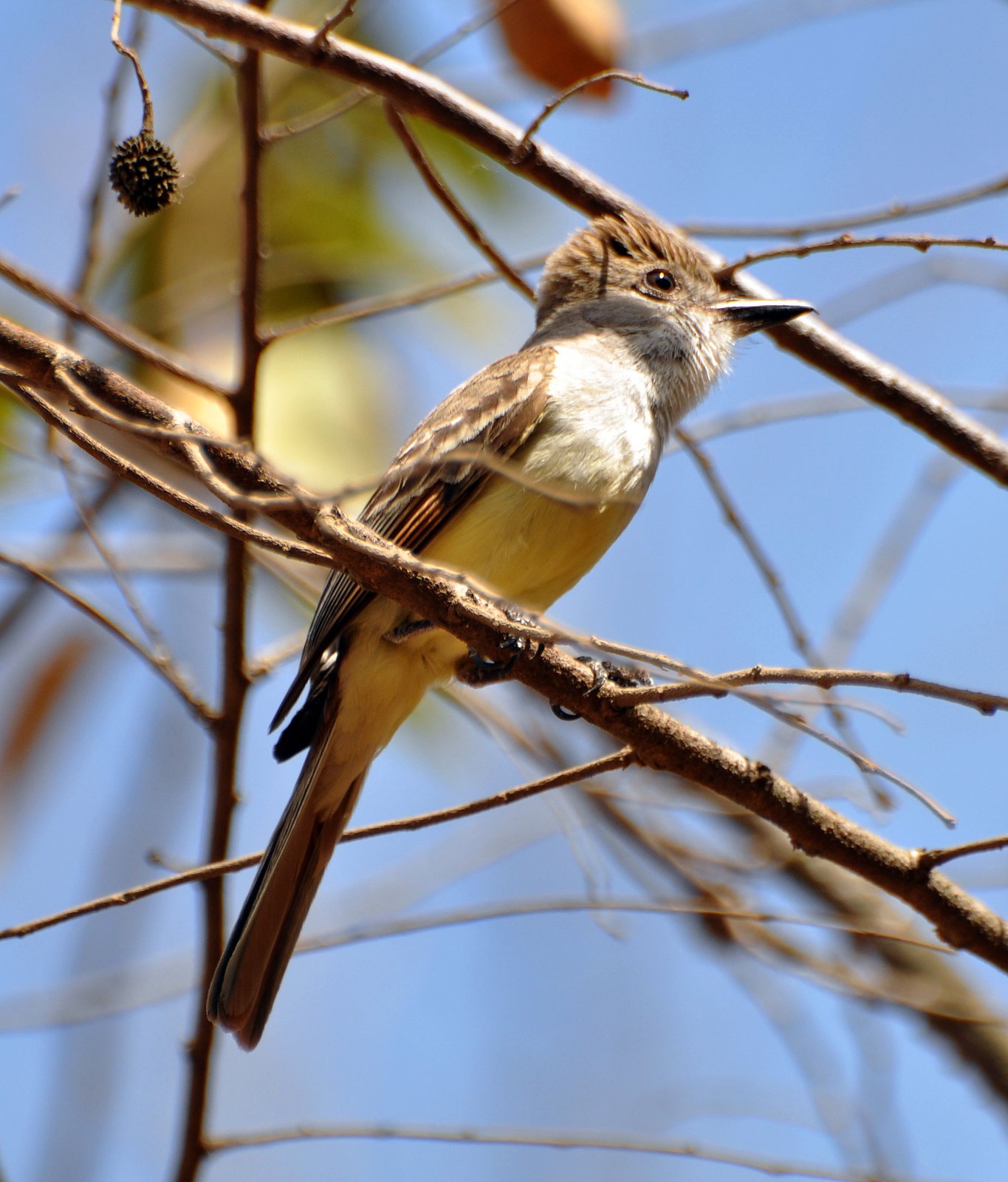
Maria-cavaleira-de-rabo-enferrujado
Myiarchus tyrannulus- Chiquitano dry forest and Chaco
- Llanos savanna
- Beni savanna and cerrado
- Riparian woodland of the Andes and coastal valleys
- Secondary forest and forest edge
-
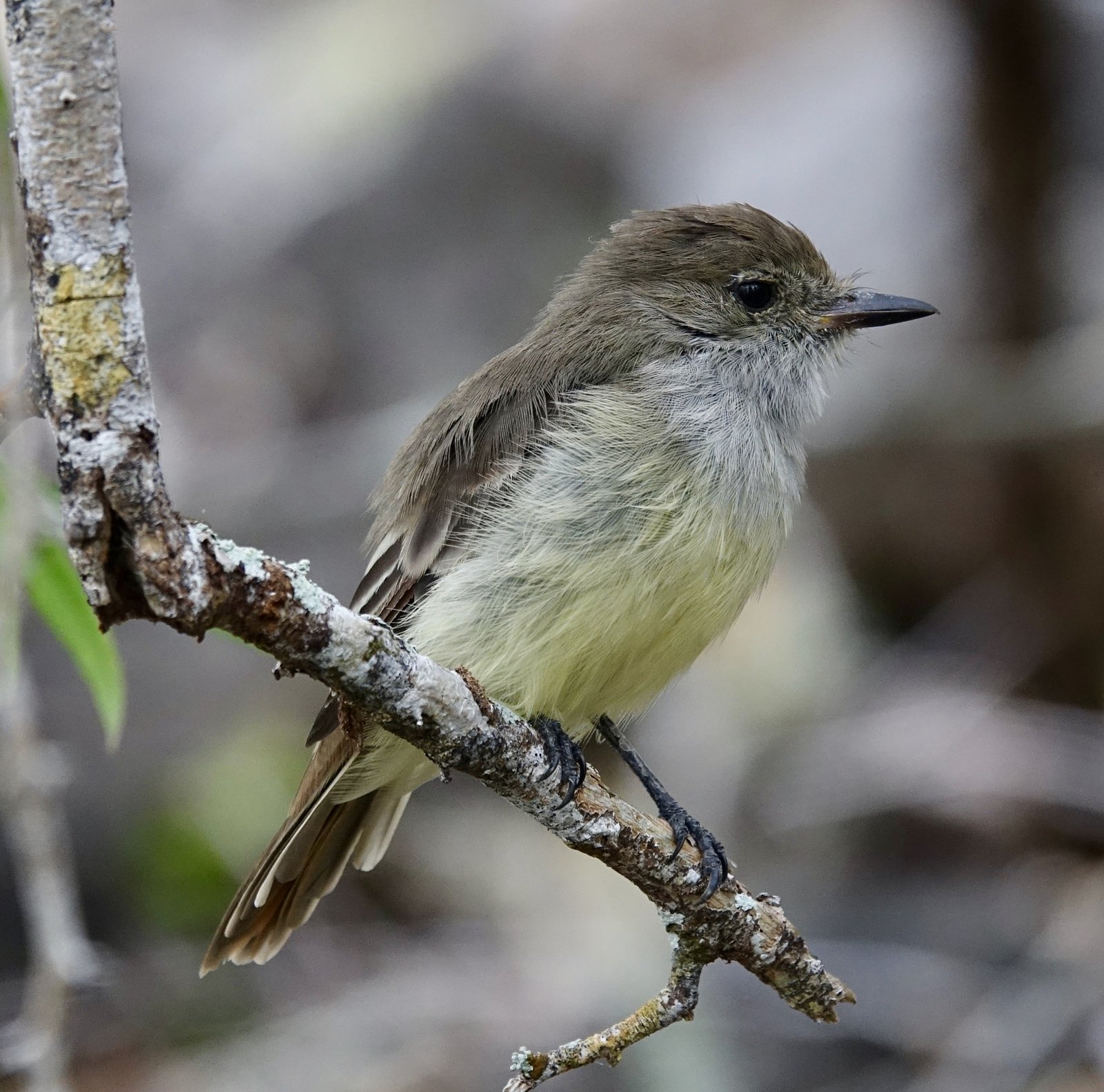
Maria-cavaleira-de-galápagos
Myiarchus magnirostris Galápagos arid zone
 Galápagos coast and lava fields
- Mangrove
 Scalesia forest
 Galápagos humid highlands
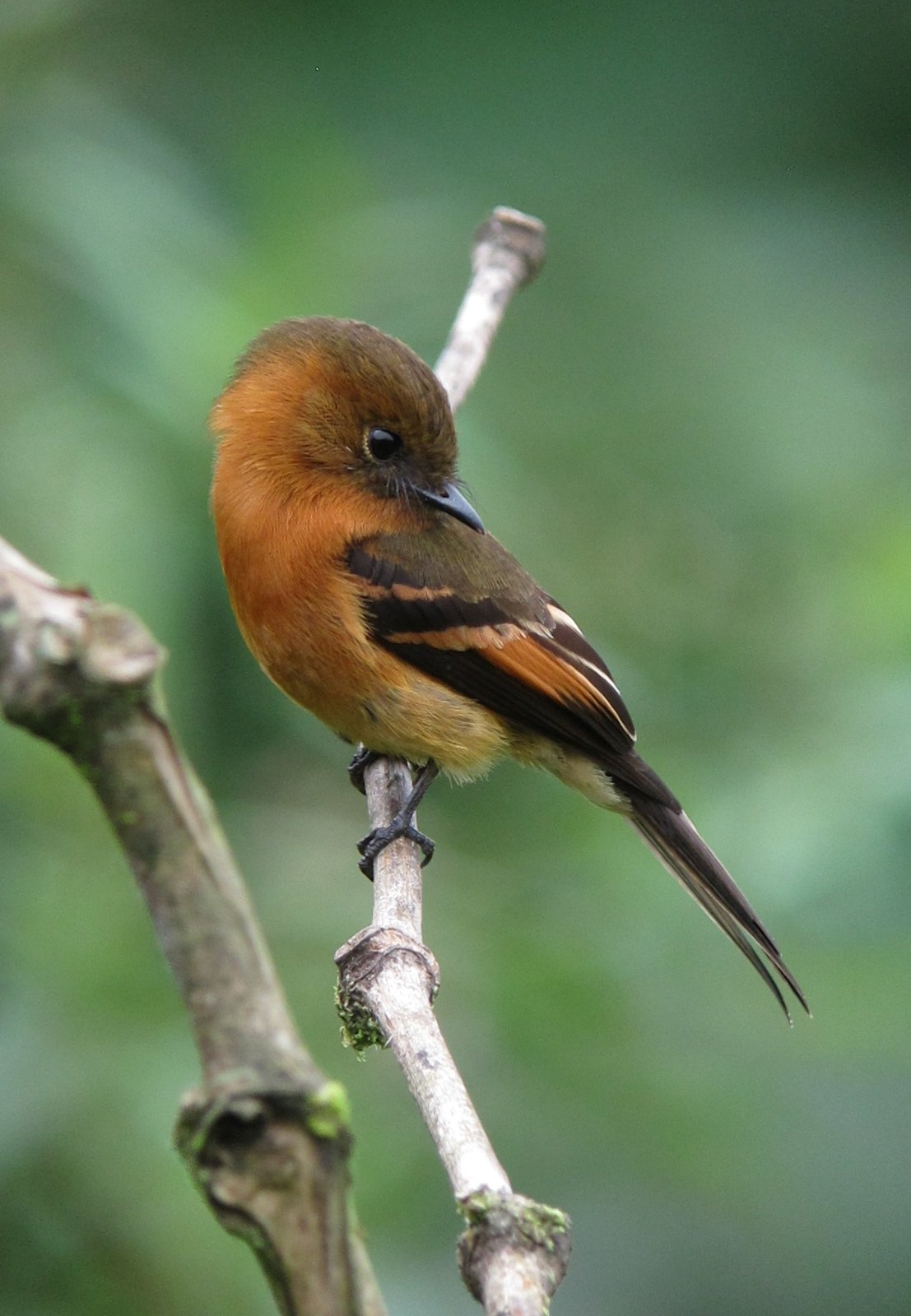
Lathrotriccus 2 espécies
-

Enferrujado-de-peito-cinza
Lathrotriccus griseipectus- Tumbesian dry forest and thorn scrub
- Western Ecuador humid forest
- Secondary forest and forest edge
-
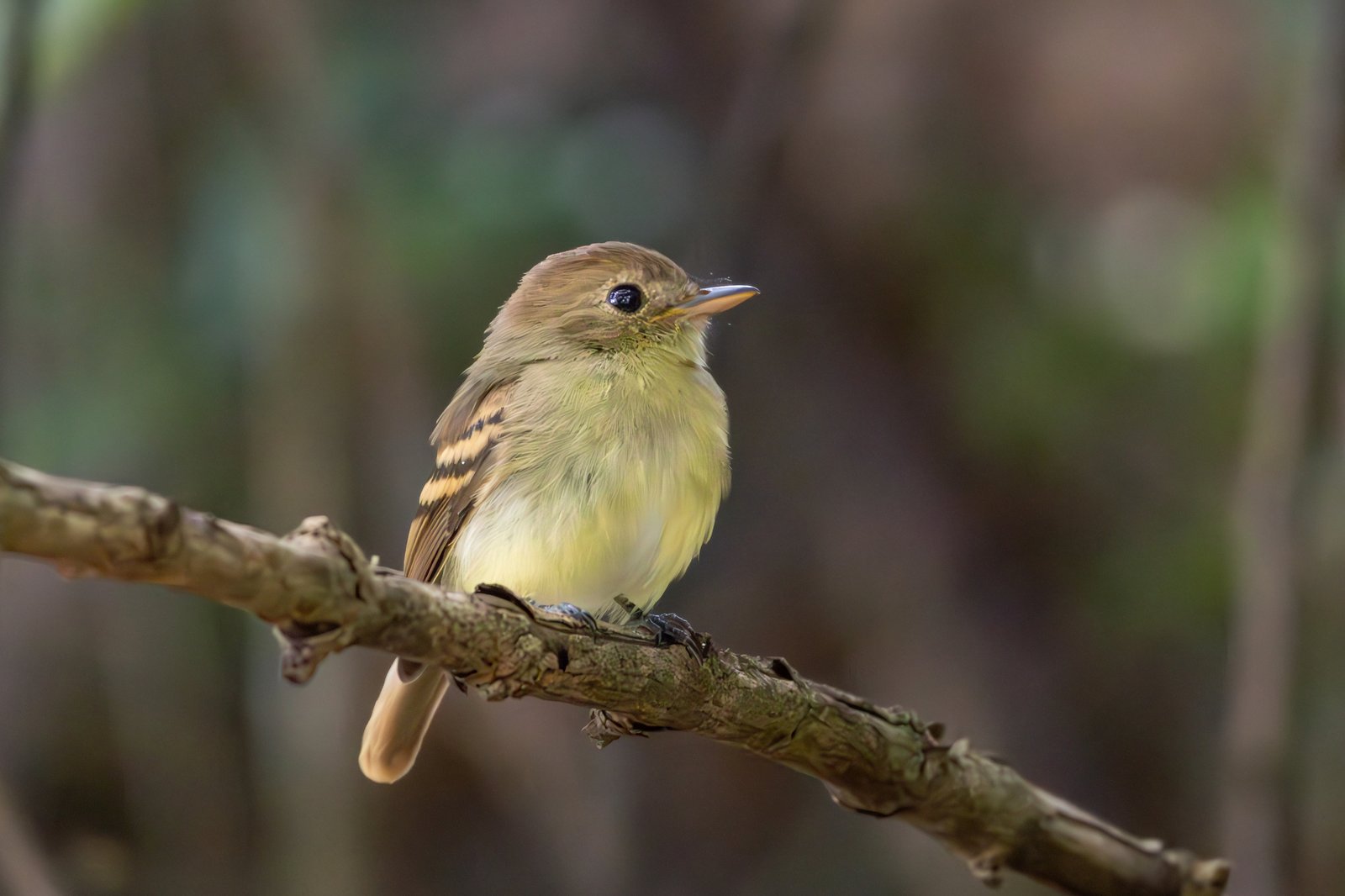
Enferrujado
Lathrotriccus euleri- Amazonian terra firme rainforest
- Secondary forest and forest edge
- Eastern Andean foothill forest
- Várzea, igapó and river islands
- Lower Yungas forest
Phyllomyias 5 espécies
-
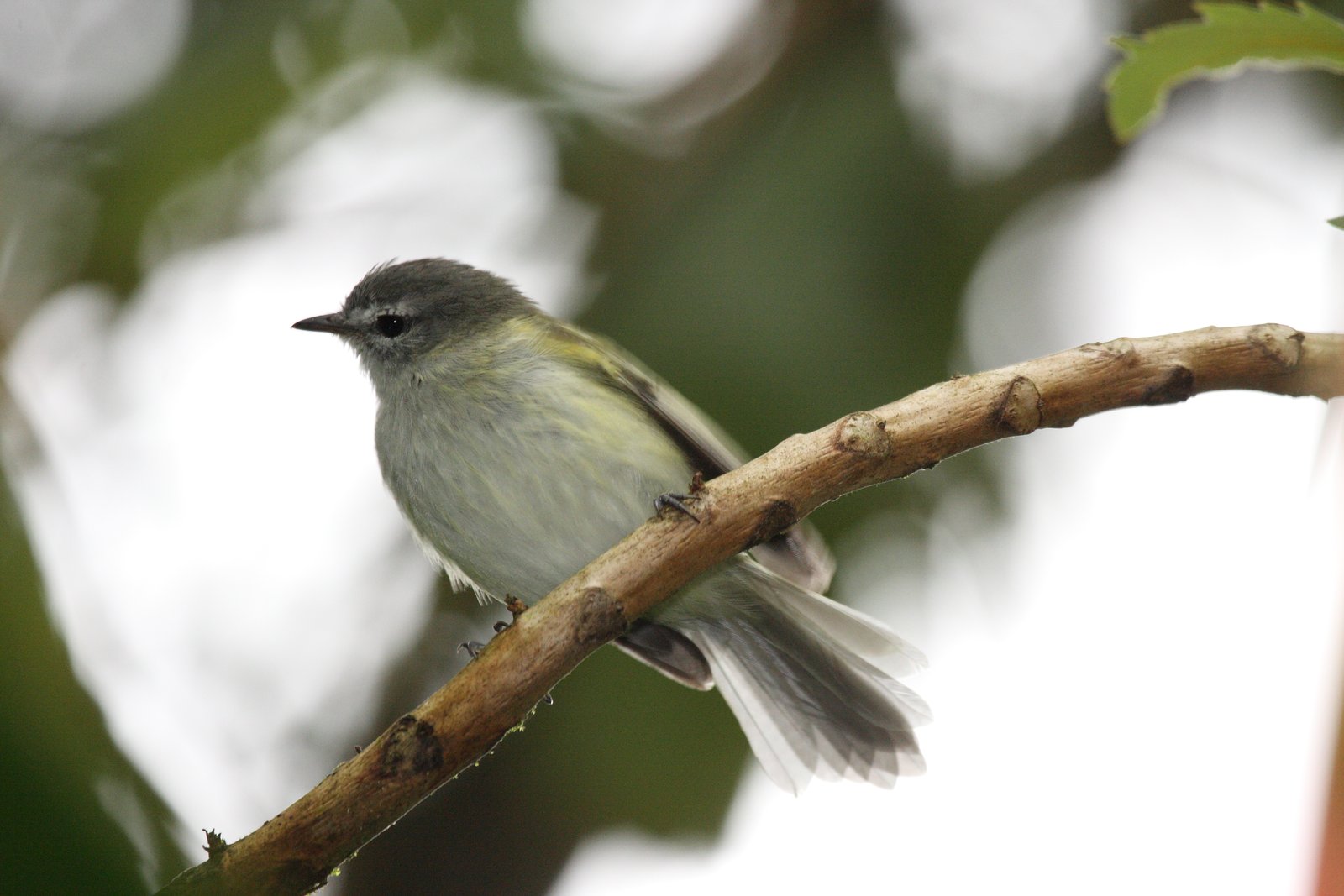
Piolhinho-de-sclater
Phyllomyias sclateri- Upper Yungas cloud forest
- Lower Yungas forest
- Secondary forest and forest edge
-
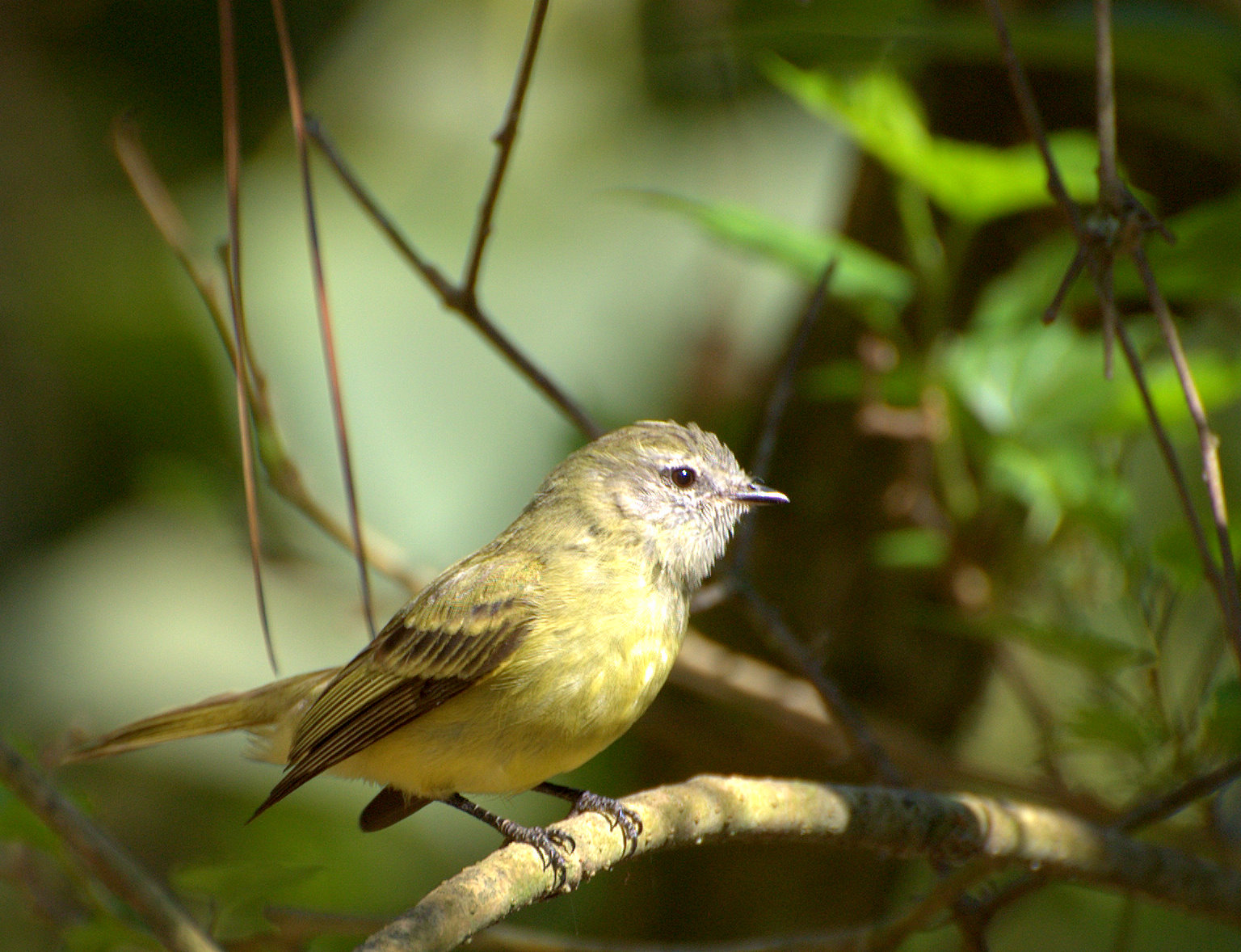
Piolhinho
Phyllomyias fasciatus- Secondary forest and forest edge
- Chiquitano dry forest and Chaco
- Beni savanna and cerrado
-
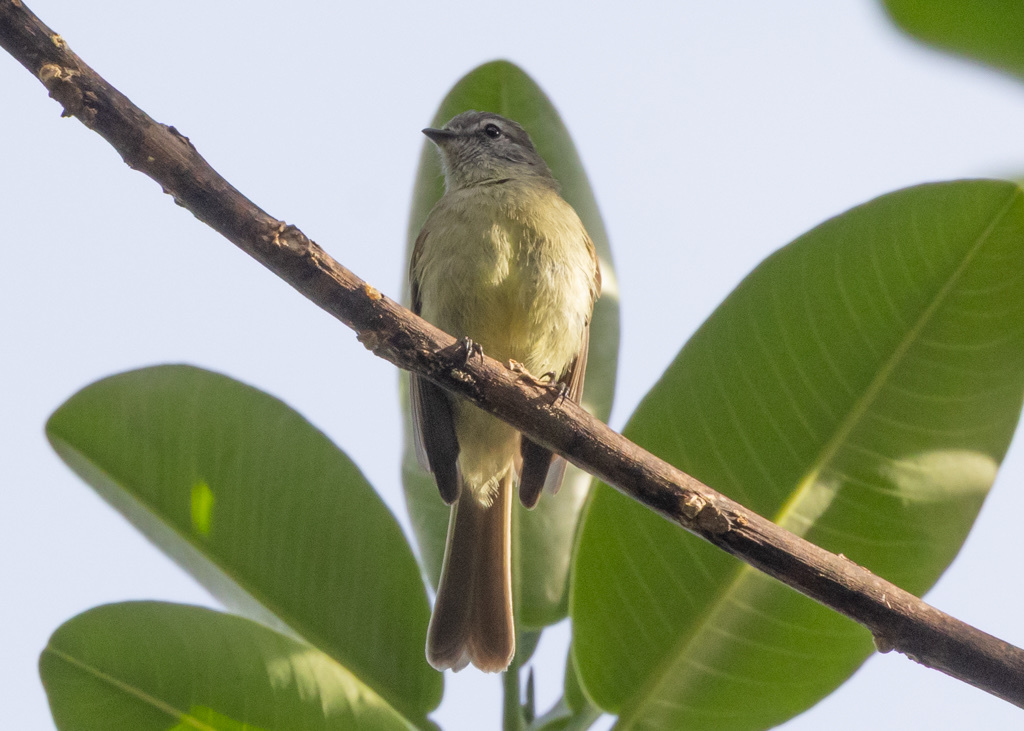
Piolhinho-das-yungas
Phyllomyias weedeni- Lower Yungas forest
- Eastern Andean foothill forest
- Secondary forest and forest edge
-
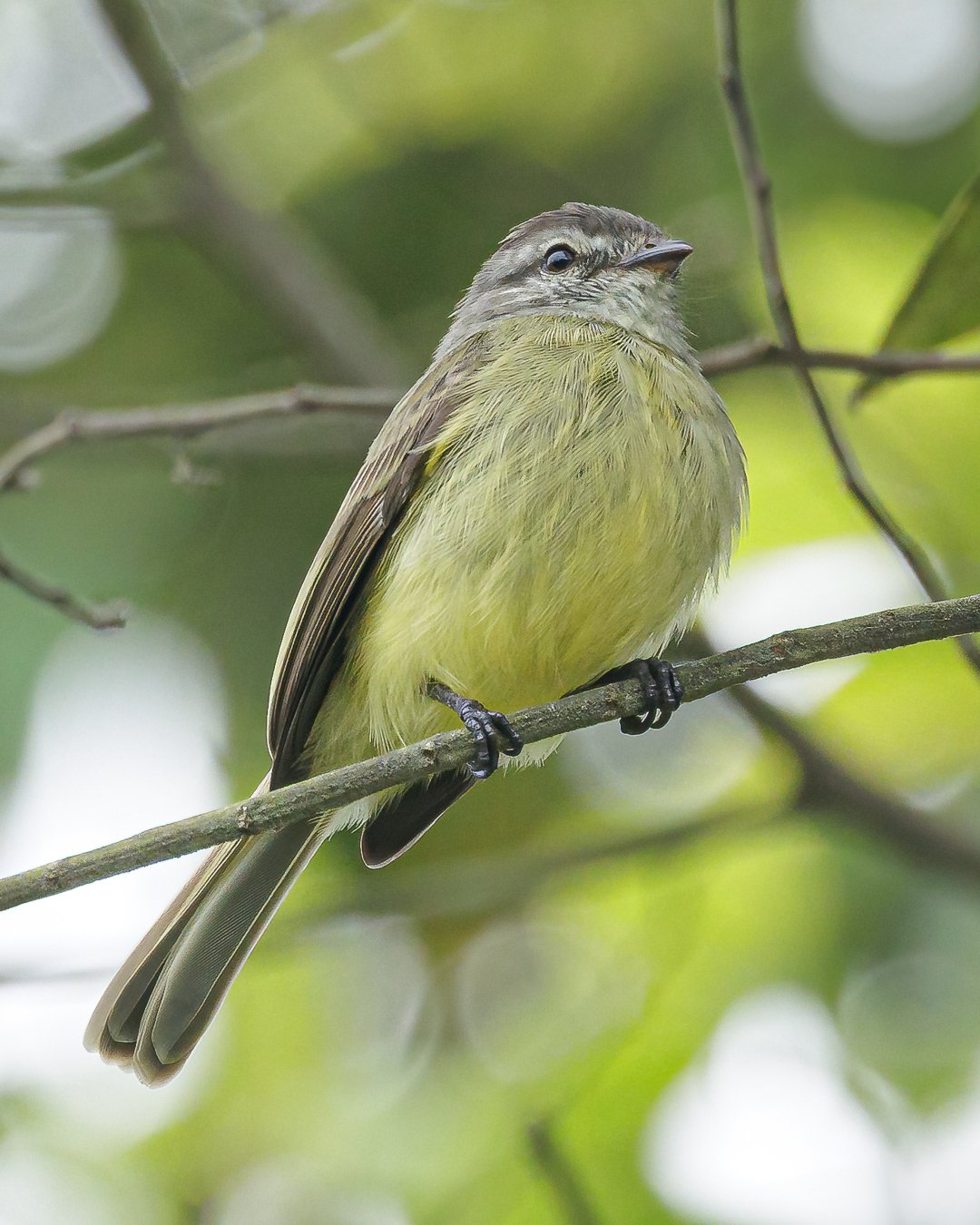
Piolhinho-de-cabeça-cinza
Phyllomyias griseiceps- Secondary forest and forest edge
- Western Ecuador humid forest
- Eastern Andean foothill forest
- Amazonian terra firme rainforest
- Coffee, cacao and agroforestry
-
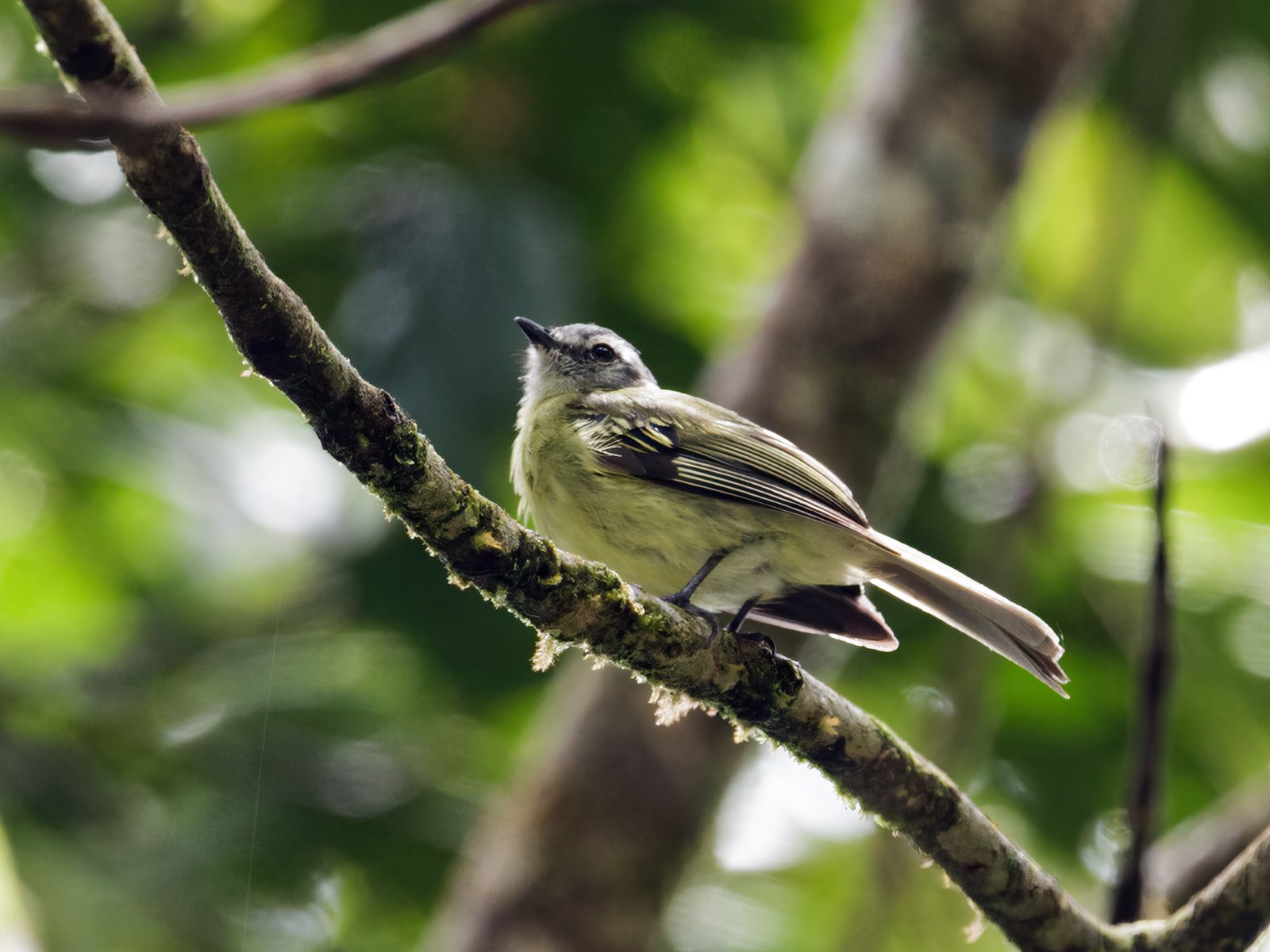
Piolhinho-de-coroa-plúmbea
Phyllomyias plumbeiceps- Northern Andean subtropical forest
- Northern Andean cloud forest and temperate forest
- Eastern Andean foothill forest
- Secondary forest and forest edge
Muscisaxicola 12 espécies
-
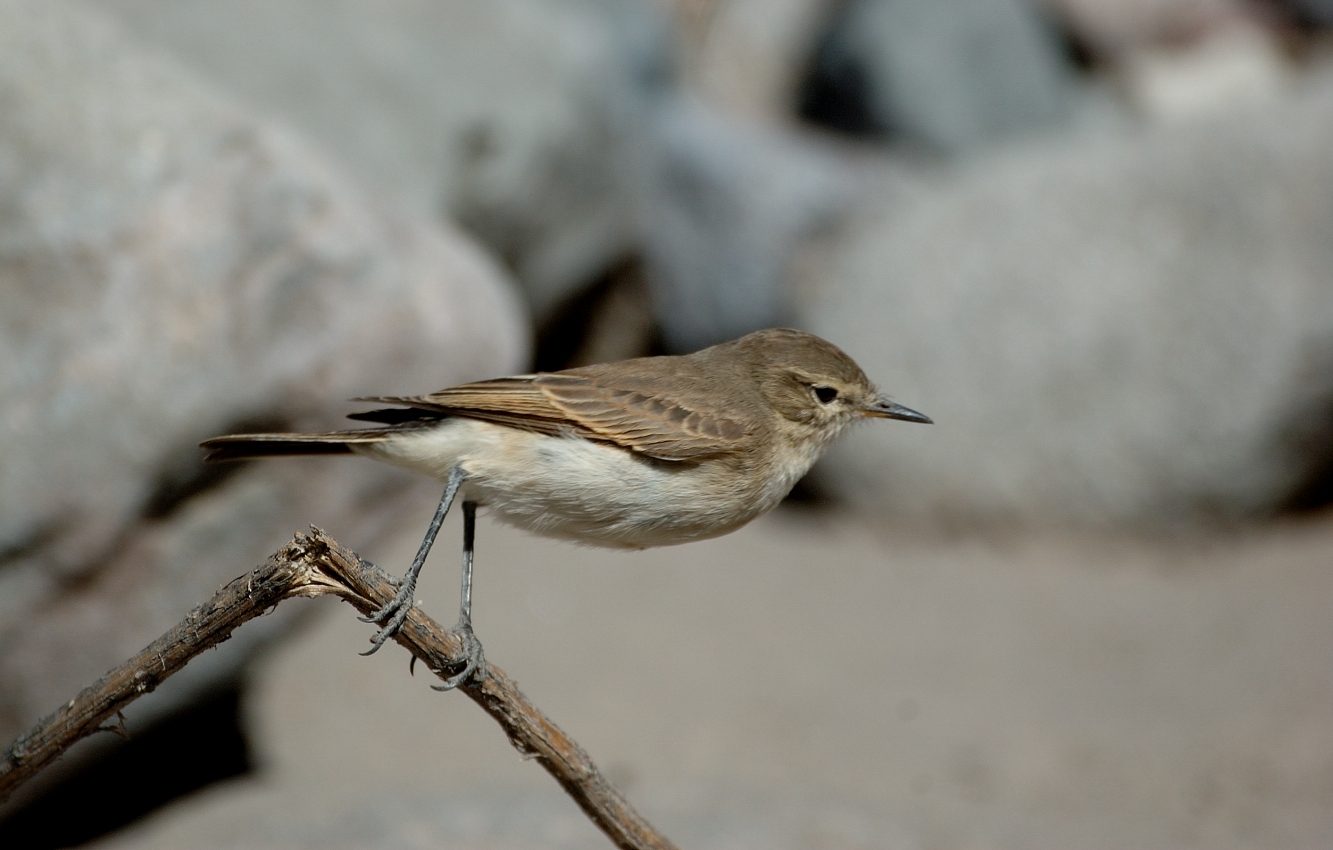
Gaúcha-de-bico-pintado
Muscisaxicola maculirostris- Central Andean dry valleys
- Humid puna
- Dry puna and altiplano
- Andean fields and terraces
- Páramo
-
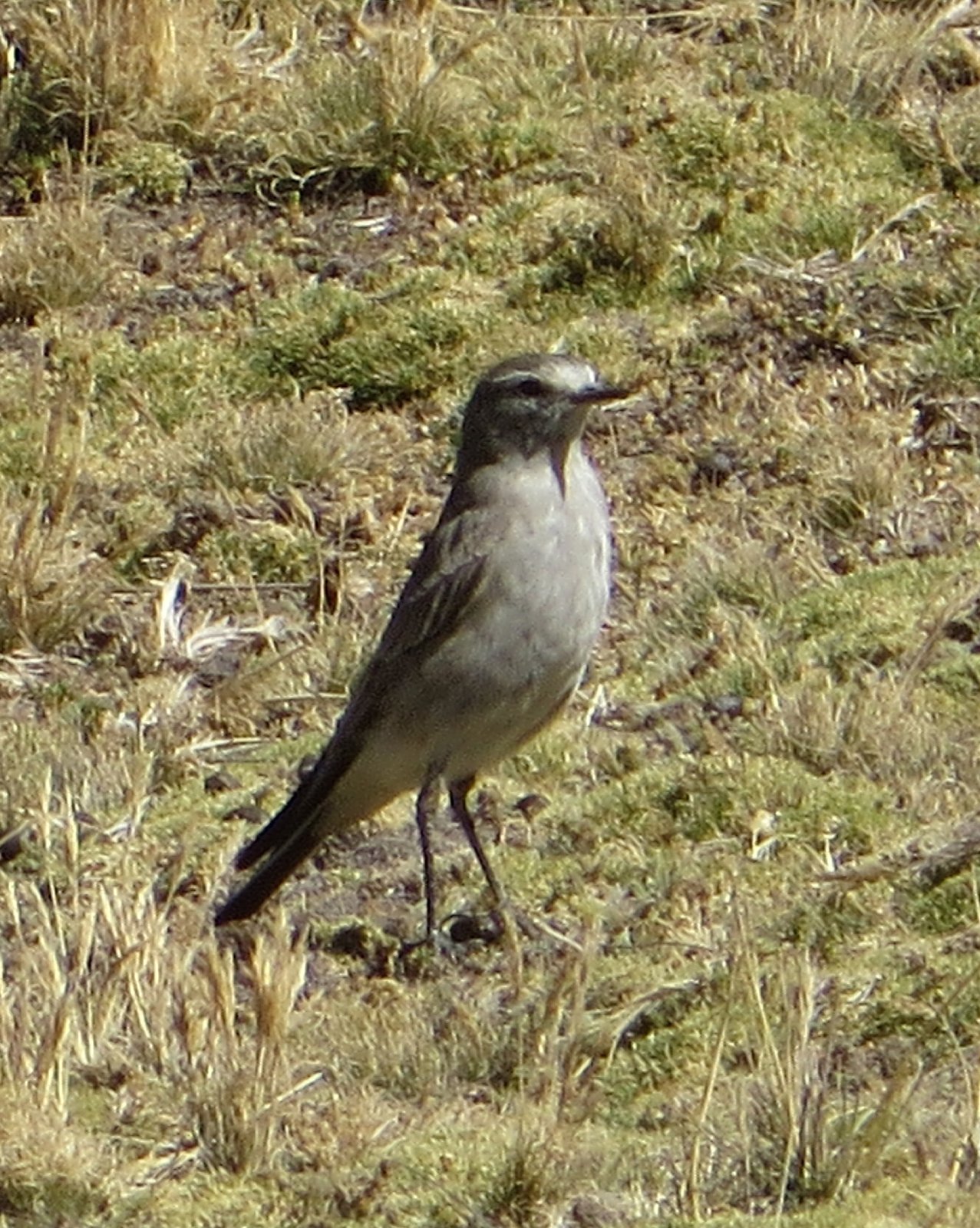
Dormilona-de-taczanowski
Muscisaxicola griseus- Humid puna
- Jalca
- Dry puna and altiplano
- Andean bogs and bofedales
-
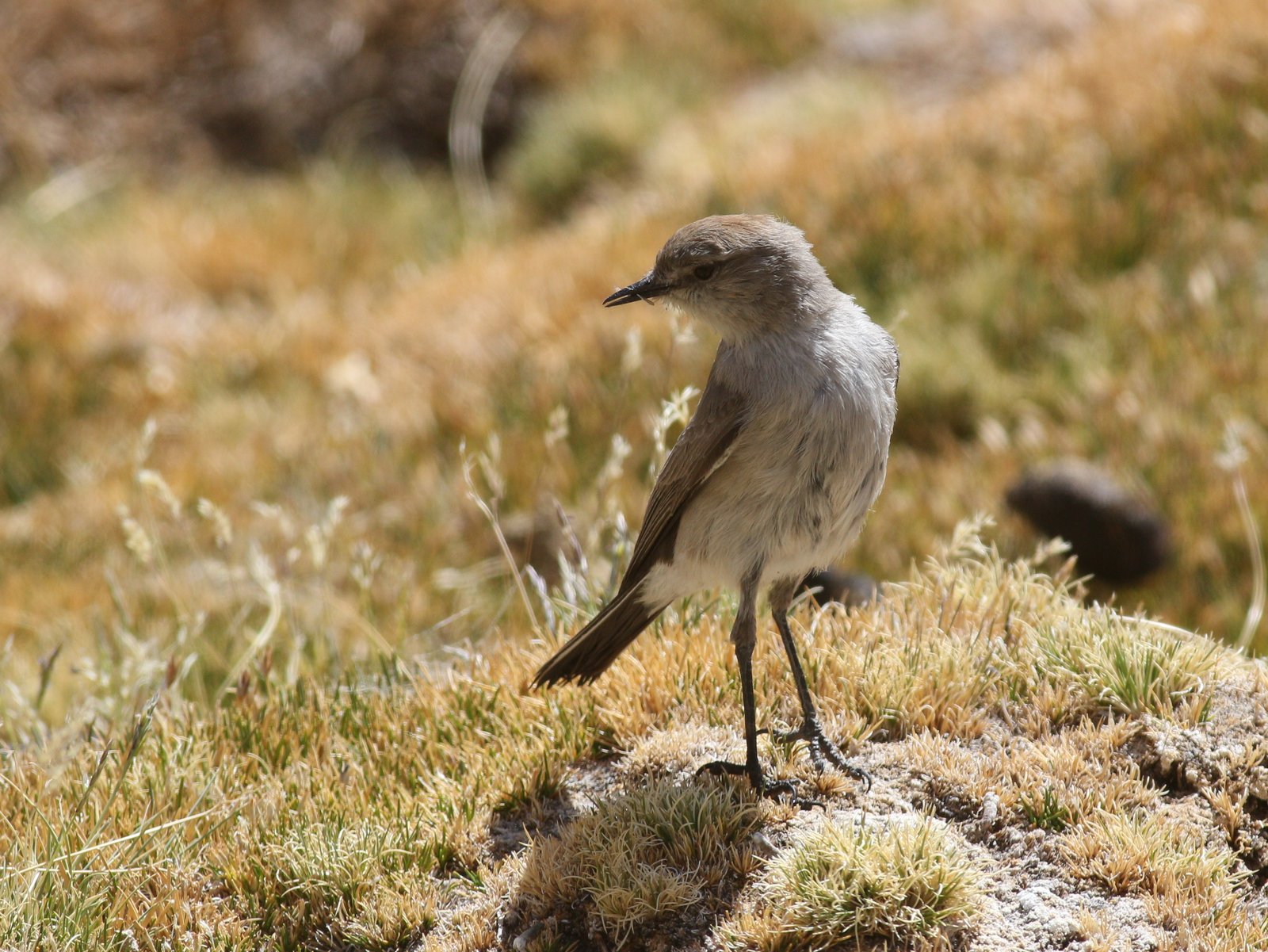
Dormilona-da-puna
Muscisaxicola juninensis- Dry puna and altiplano
- Humid puna
- Andean bogs and bofedales
 Glaciers, snowline and scree
-
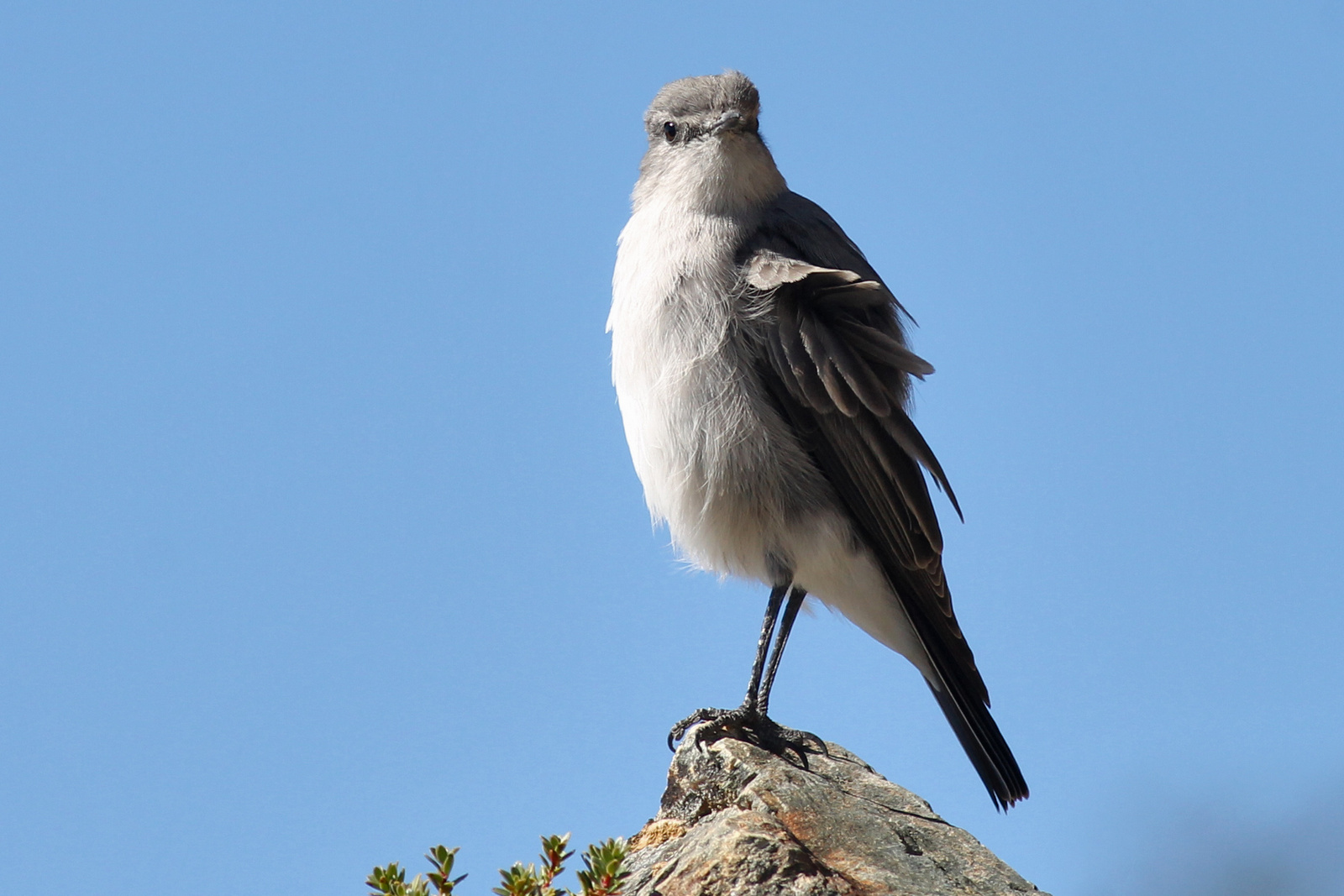
Dormilona-cinzenta
Muscisaxicola cinereus- Dry puna and altiplano
- Glaciers, snowline and scree
- Humid puna
- Andean bogs and bofedales
-
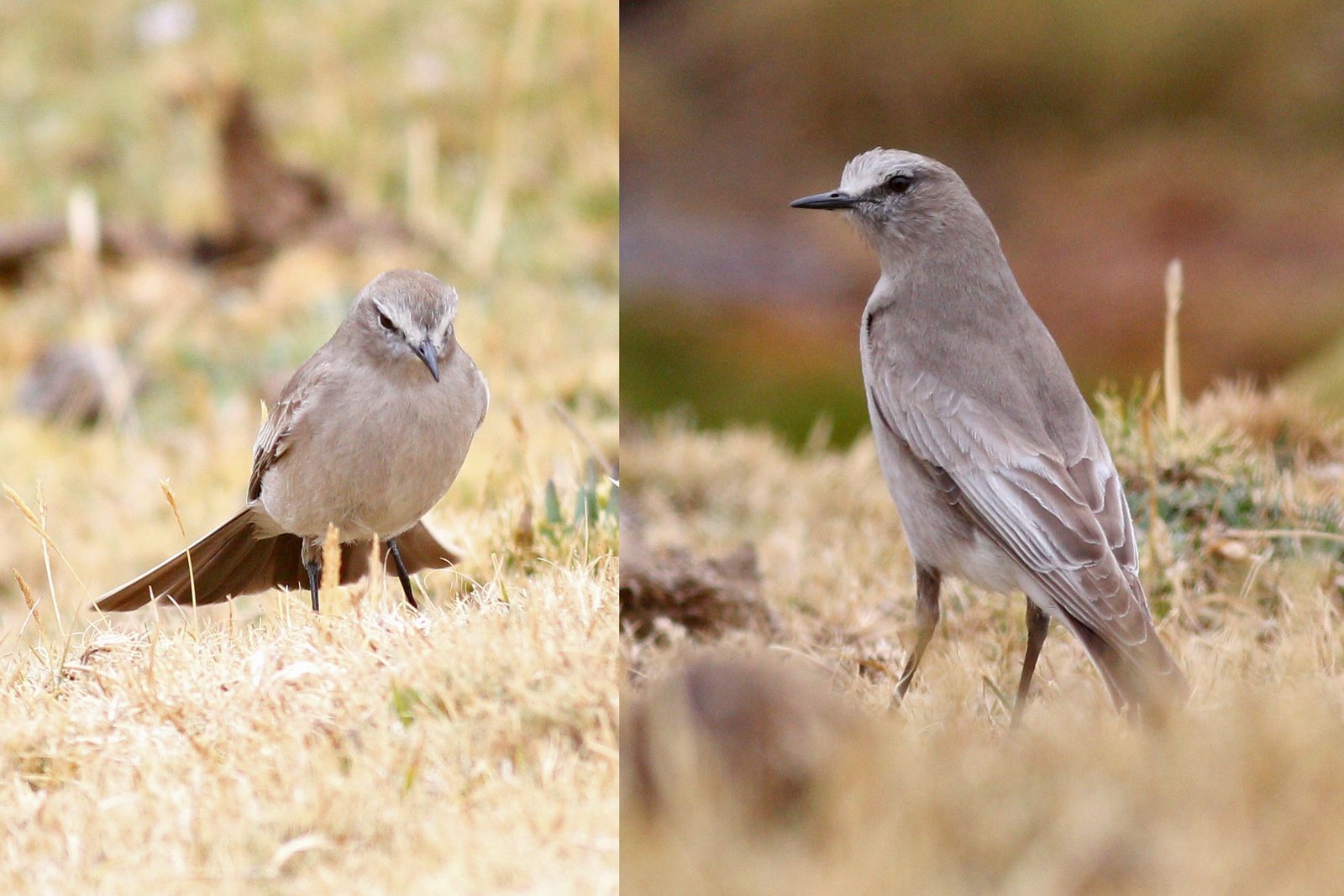
Dormilona-de-testa-branca
Muscisaxicola albifrons- Andean bogs and bofedales
- Glaciers, snowline and scree
- Dry puna and altiplano
- Humid puna
-
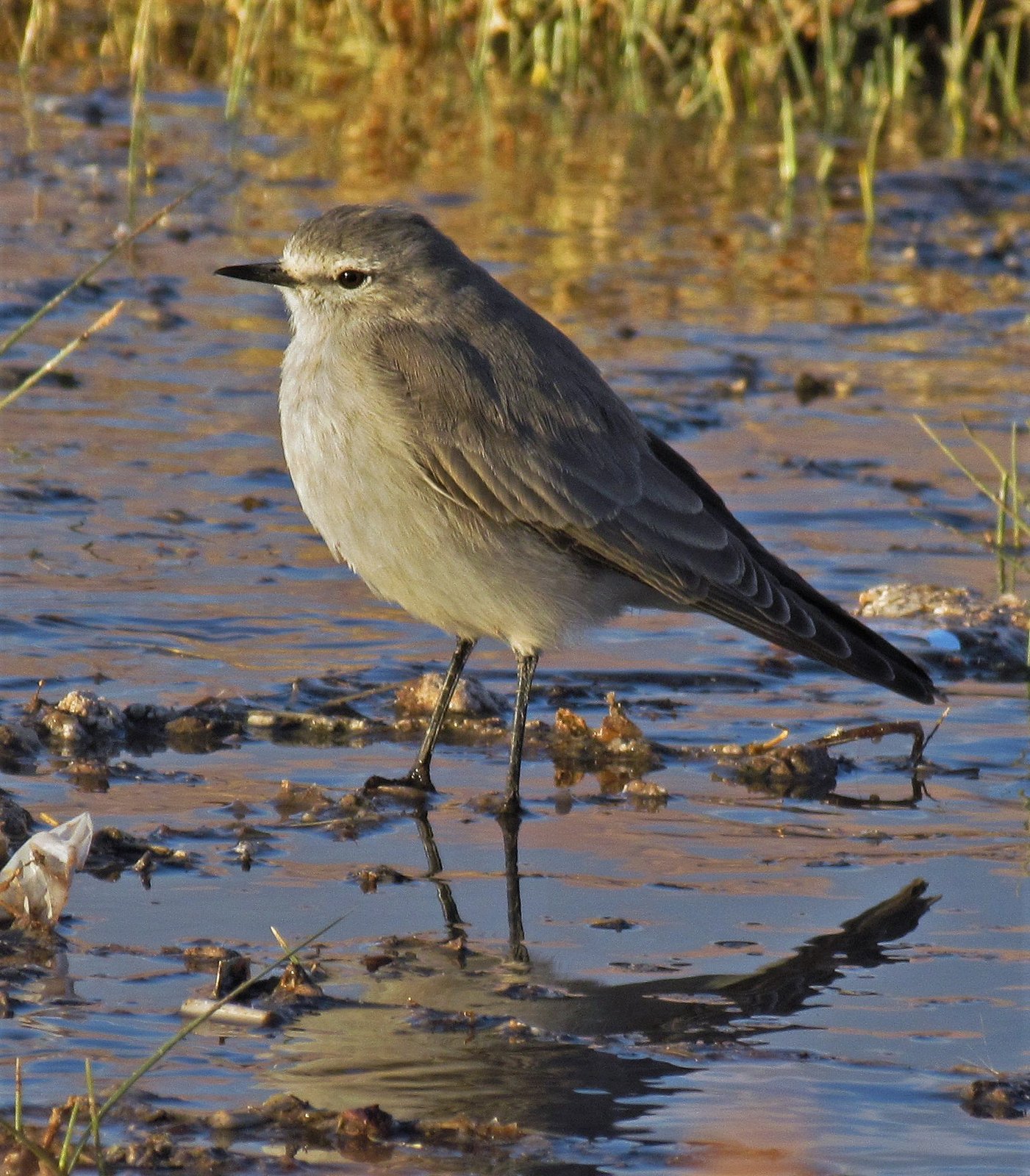
Dormilona-de-nuca-ocre
Muscisaxicola flavinucha- Dry puna and altiplano
- Humid puna
- Andean bogs and bofedales
- Glaciers, snowline and scree
-
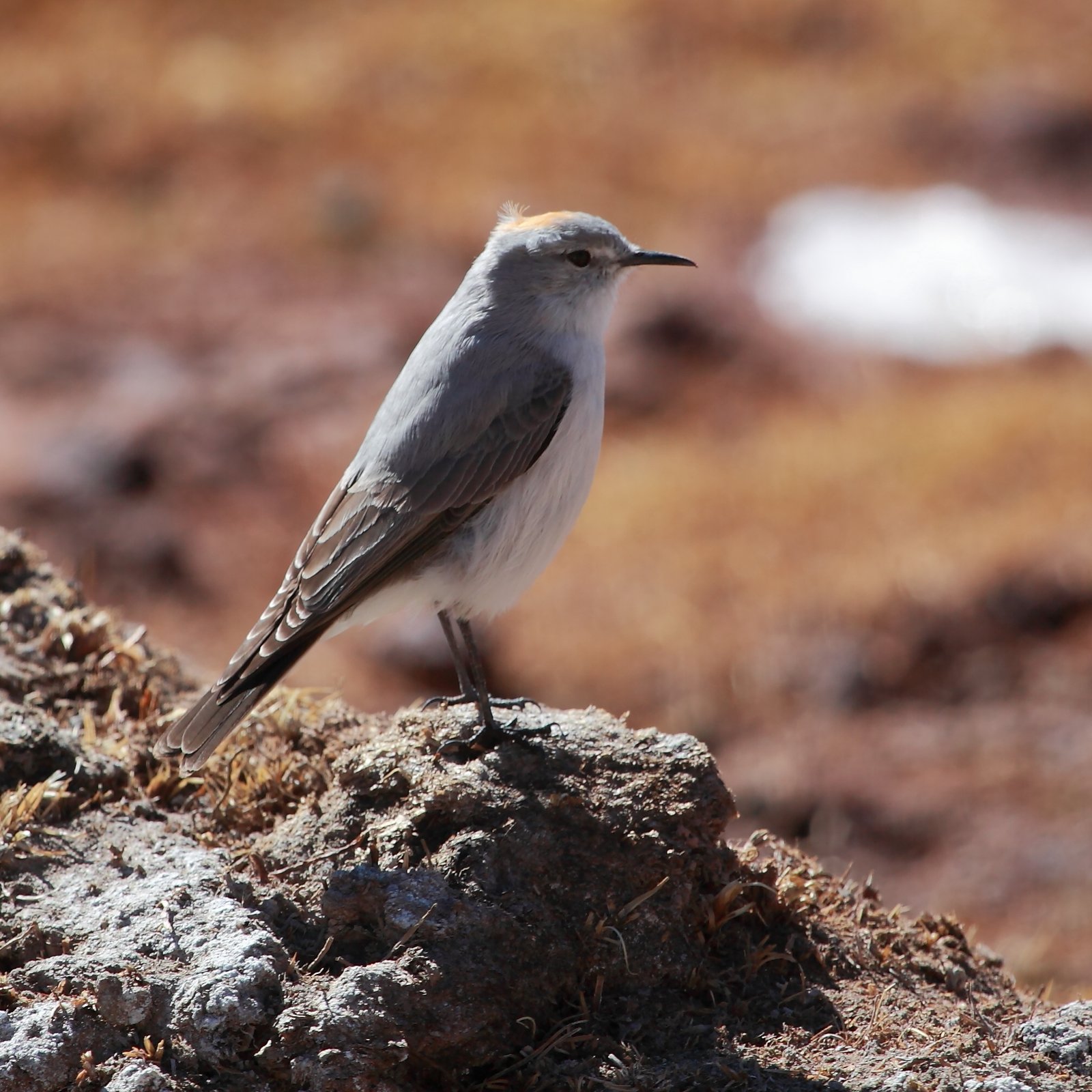
Dormilona-de-nuca-ruiva
Muscisaxicola rufivertex- Dry puna and altiplano
- Central Andean dry valleys
- Humid puna
- Andean fields and terraces
-
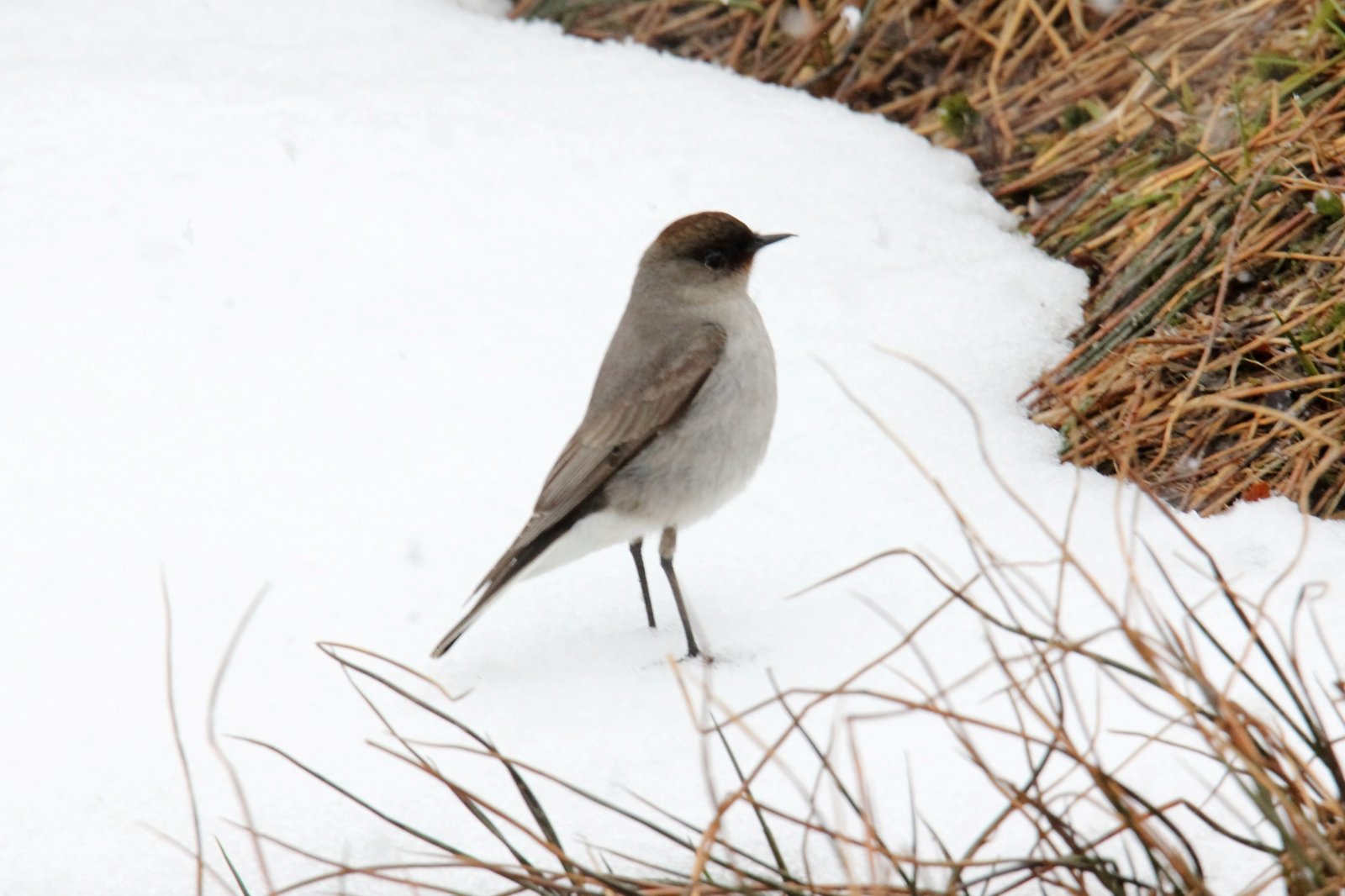
Dormilona-de-cara-escura
Muscisaxicola maclovianus- Irrigated farmland and rice fields
 Sandy beach and dunes
- Coastal desert
- Lomas (fog oases)
-
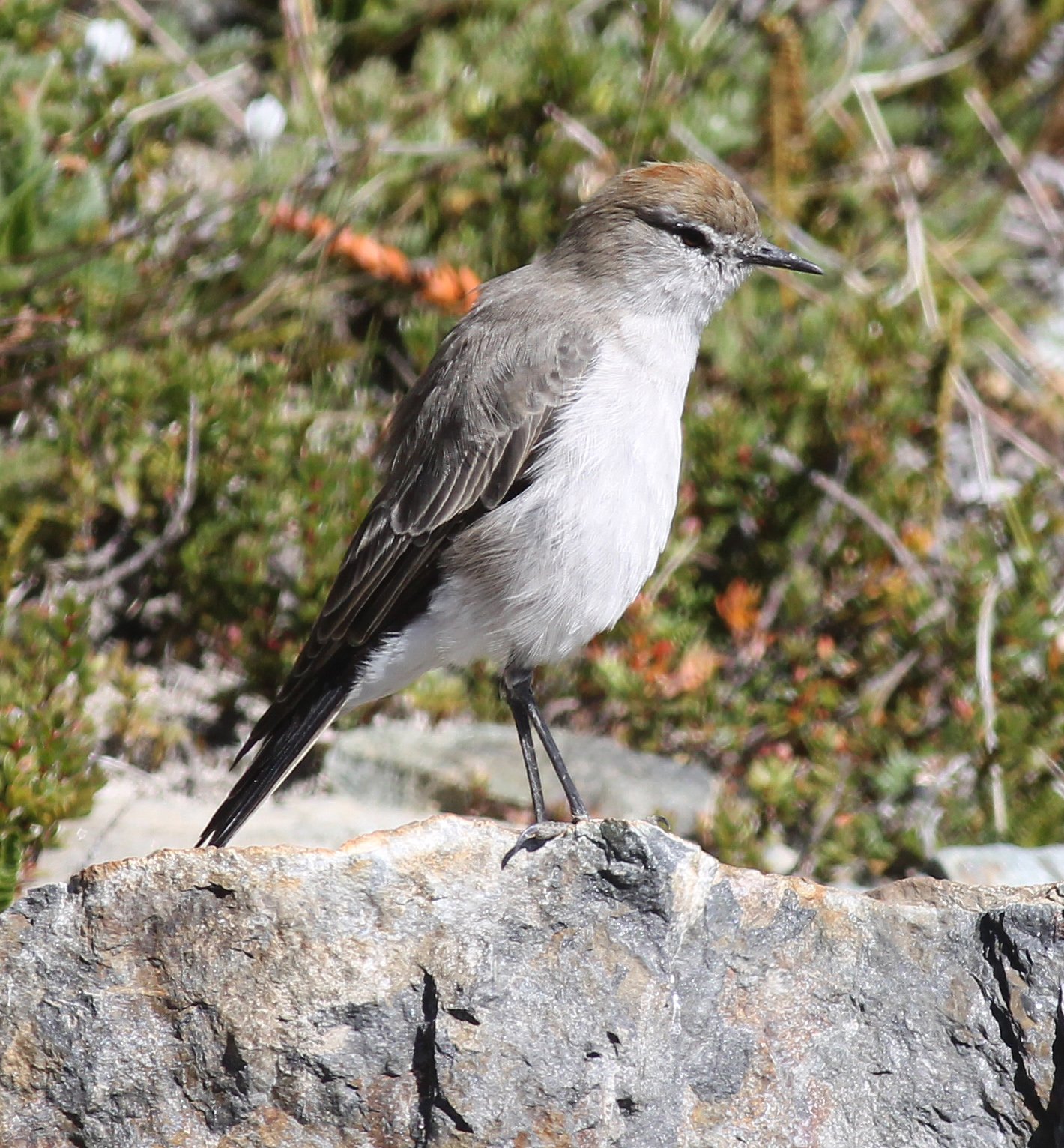
Dormilona-de-sobrancelha-branca
Muscisaxicola albilora- Andean bogs and bofedales
- Humid puna
- Dry puna and altiplano
- Páramo
-
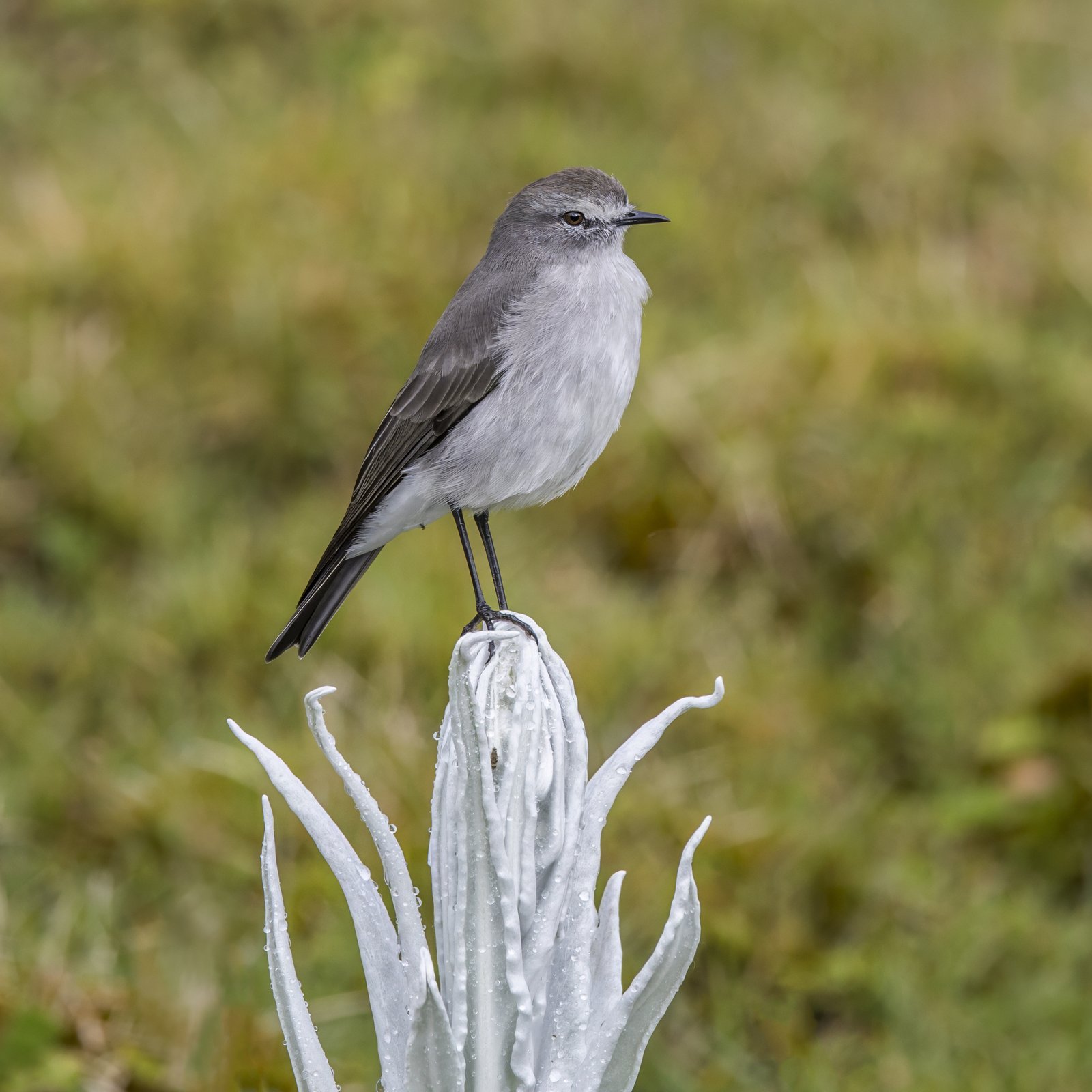
Dormilona-do-páramo
Muscisaxicola alpinus- Páramo
- Glaciers, snowline and scree
- Andean bogs and bofedales
- Jalca
-
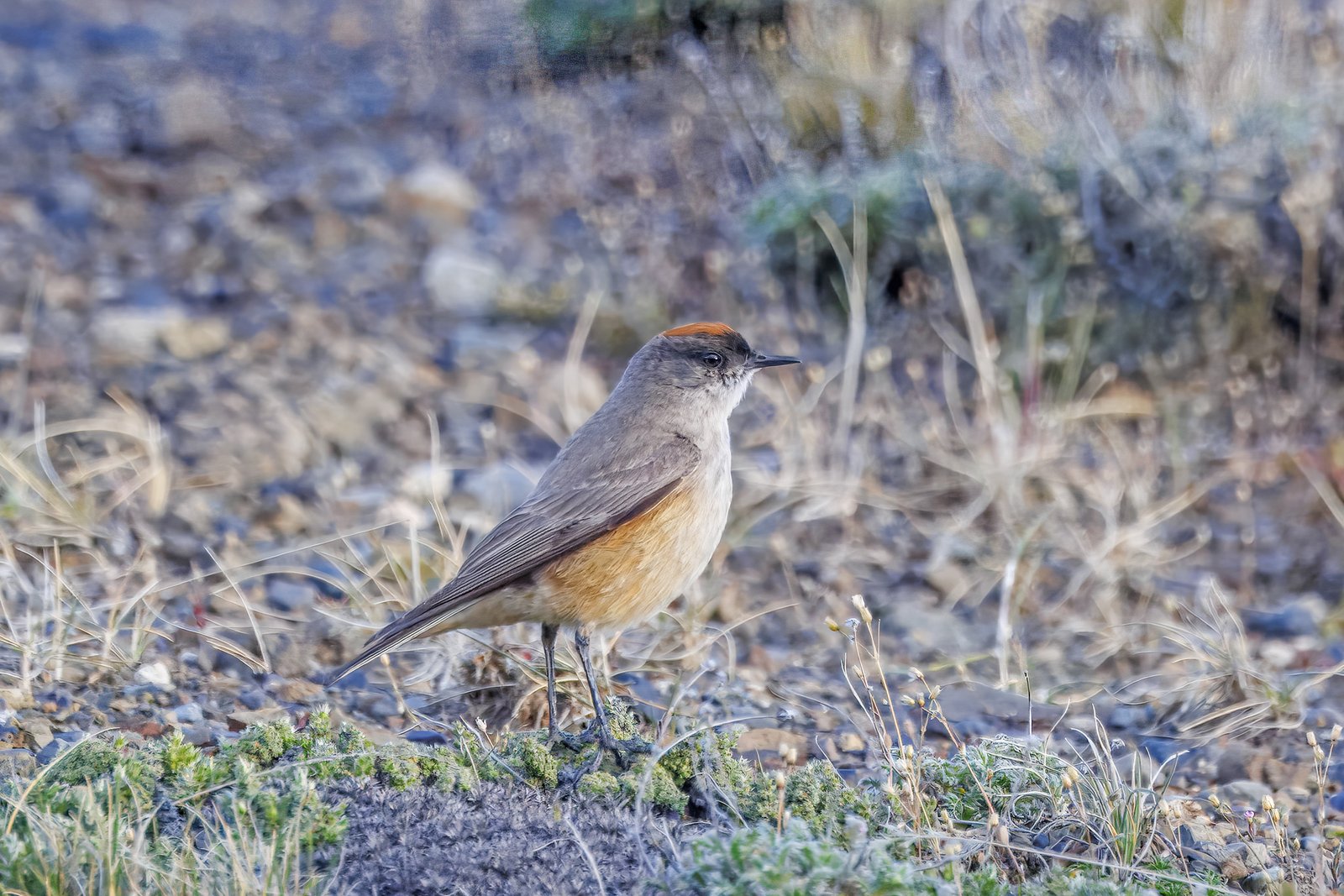
Dormilona-de-barriga-canela
Muscisaxicola capistratus- Dry puna and altiplano
- Humid puna
- Andean bogs and bofedales
- Andean and high-plateau lakes
-
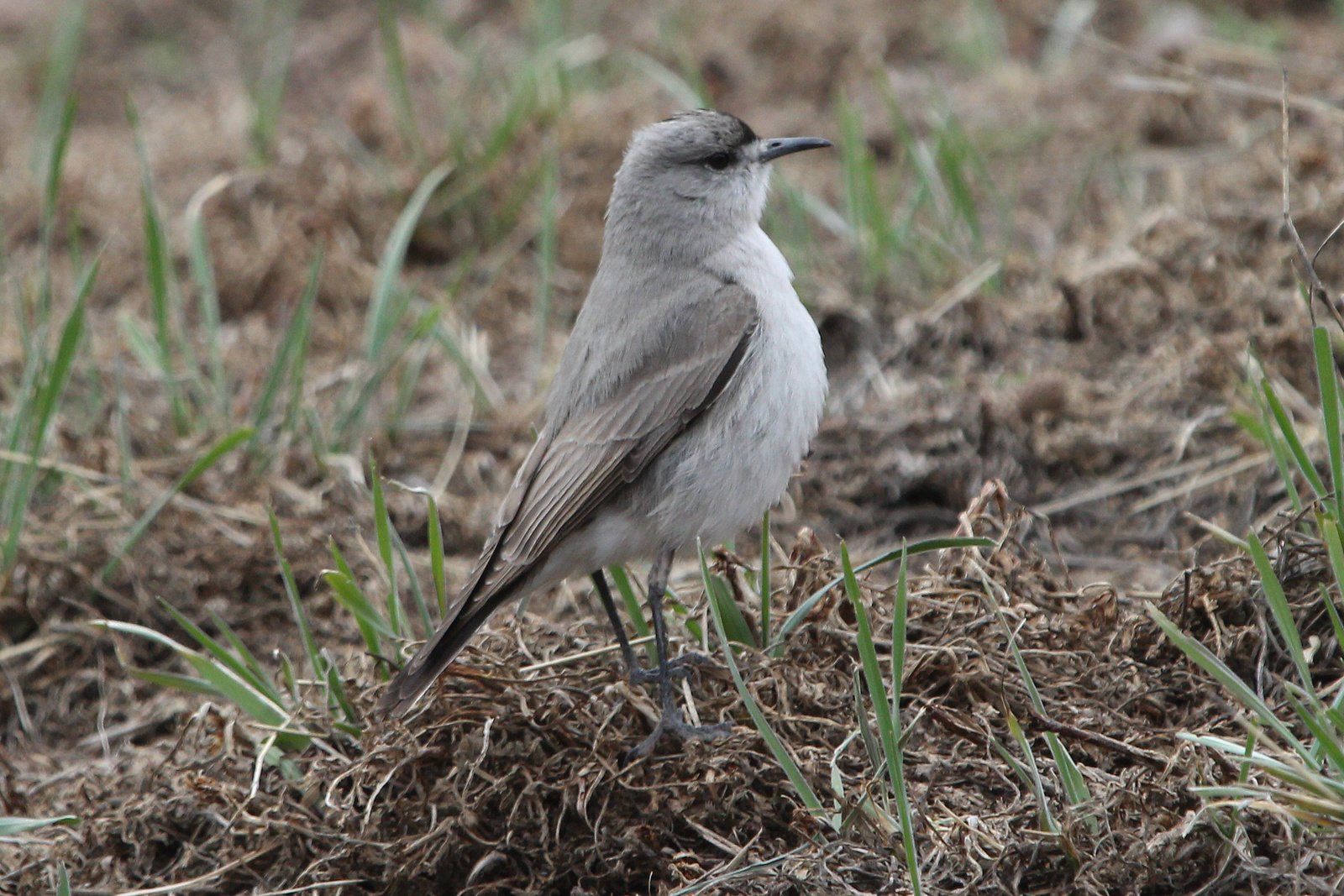
Dormilona-de-testa-preta
Muscisaxicola frontalis- Dry puna and altiplano
- Humid puna
- Glaciers, snowline and scree
- Andean bogs and bofedales
Platyrinchus 5 espécies
-
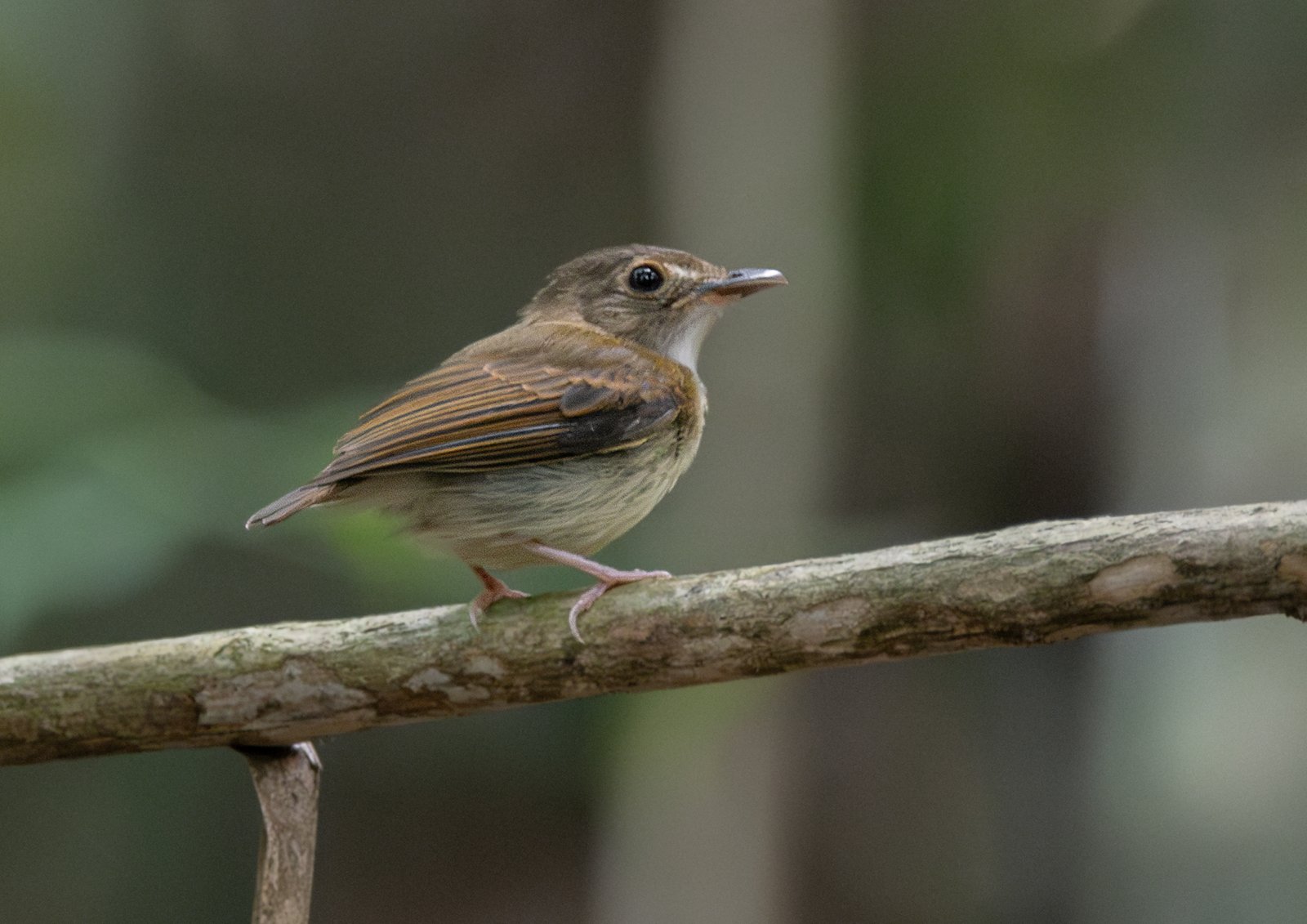
Patinho-escuro
Platyrinchus saturatus- Amazonian terra firme rainforest
-
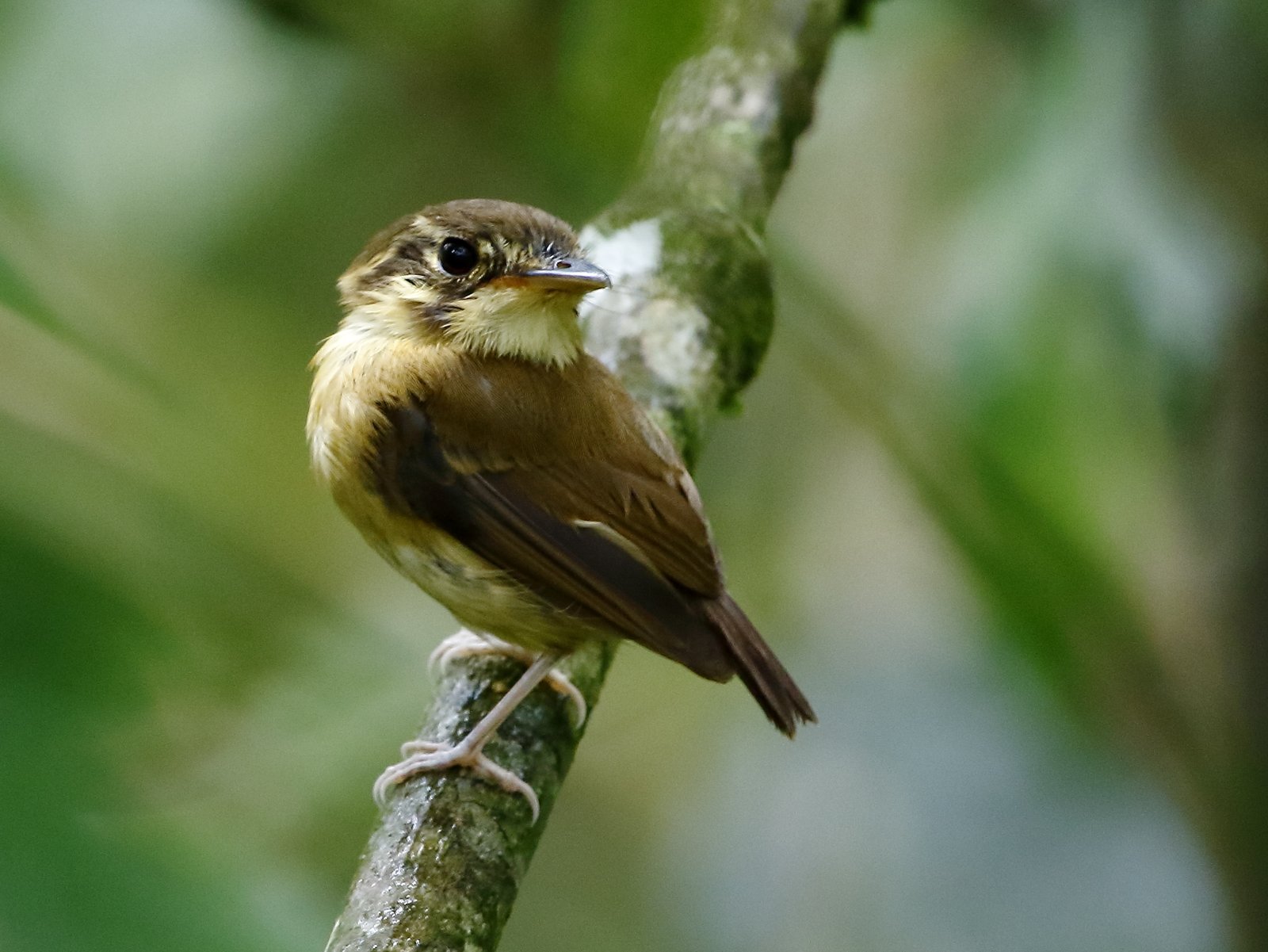
Patinho
Platyrinchus mystaceus- Northern Andean subtropical forest
- Lower Yungas forest
- Northern Andean cloud forest and temperate forest
- Eastern Andean foothill forest
- Upper Yungas cloud forest
-
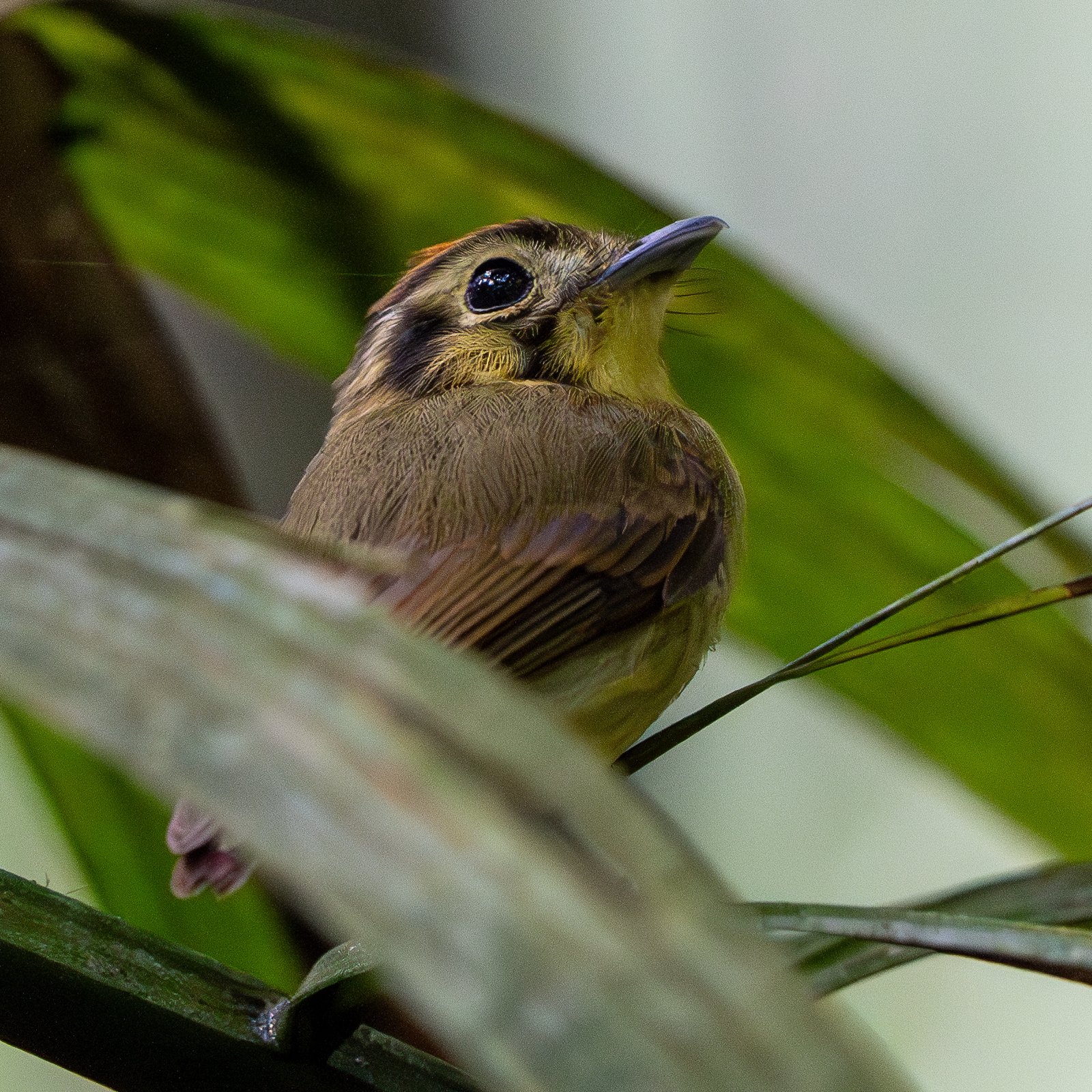
Patinho-de-coroa-dourada
Platyrinchus coronatus- Amazonian terra firme rainforest
- Chocó rainforest
- Western Ecuador humid forest
- Eastern Andean foothill forest
- Secondary forest and forest edge
-
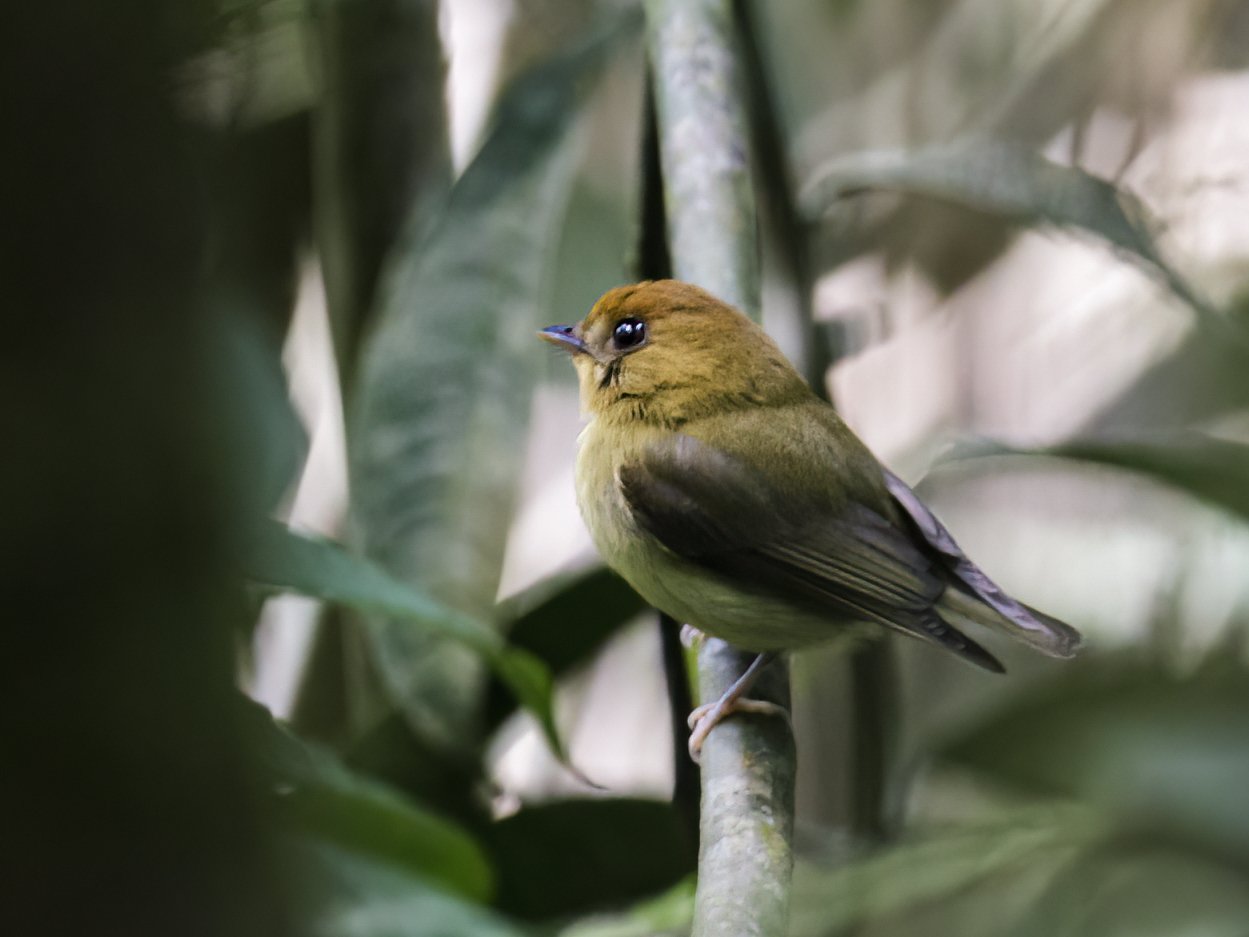
Patinho-de-garganta-amarela
Platyrinchus flavigularis- Northern Andean subtropical forest
- Northern Andean cloud forest and temperate forest
- Eastern Andean foothill forest
-
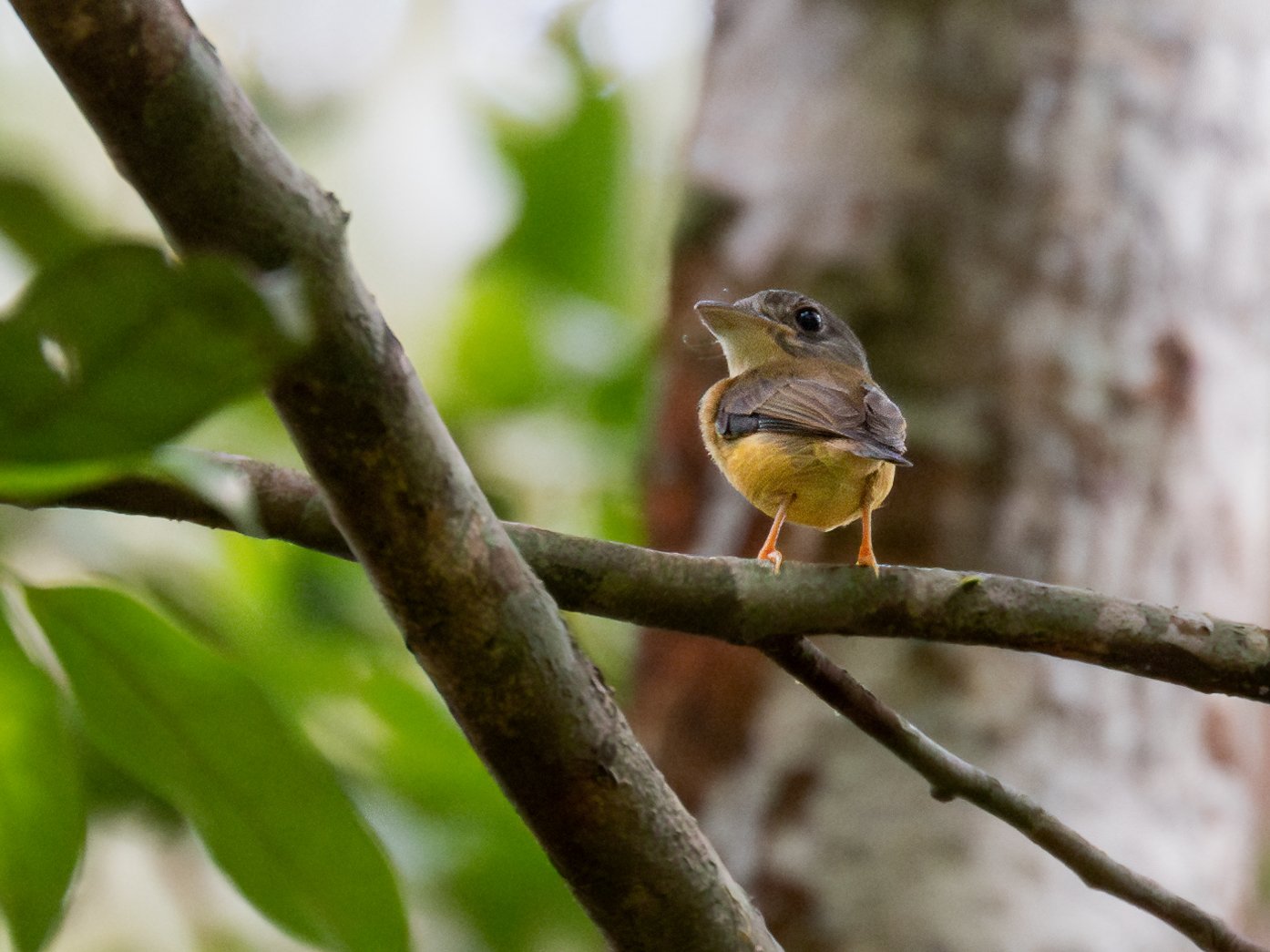
Patinho-de-coroa-branca
Platyrinchus platyrhynchos- Amazonian terra firme rainforest
- Eastern Andean foothill forest
Polystictus 1 espécie
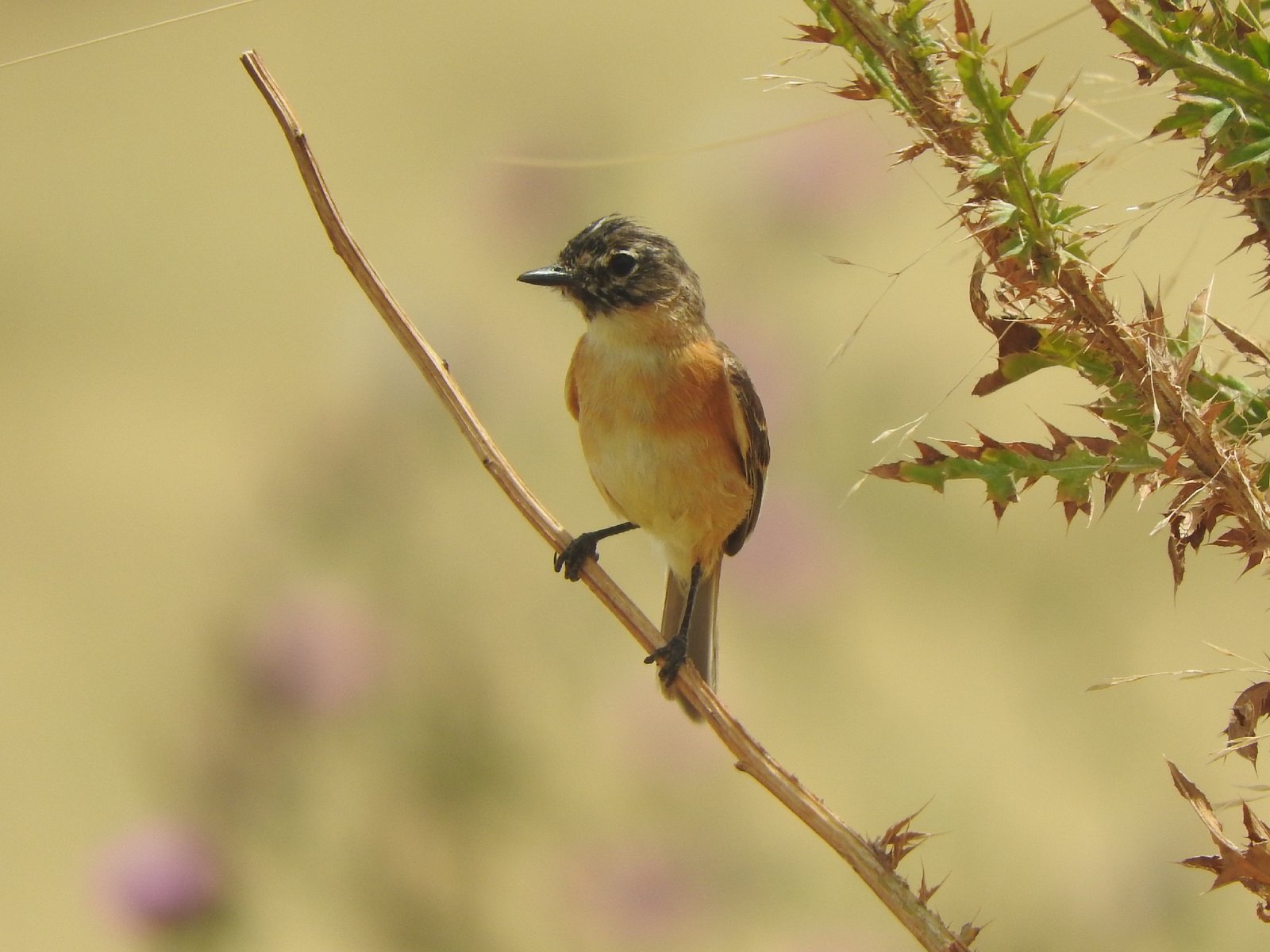
Nesotriccus 1 espécie
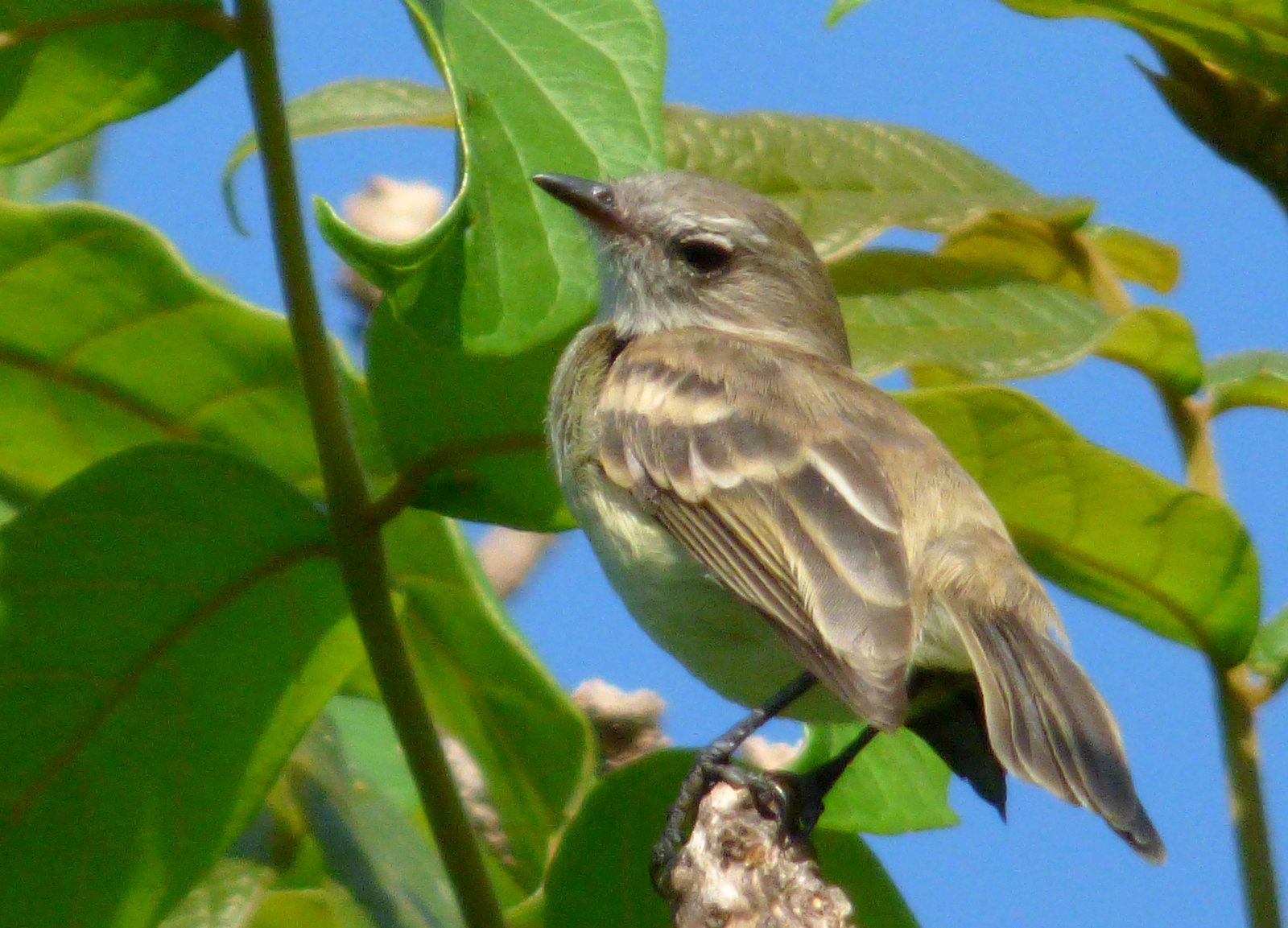
Myiopagis 6 espécies
-
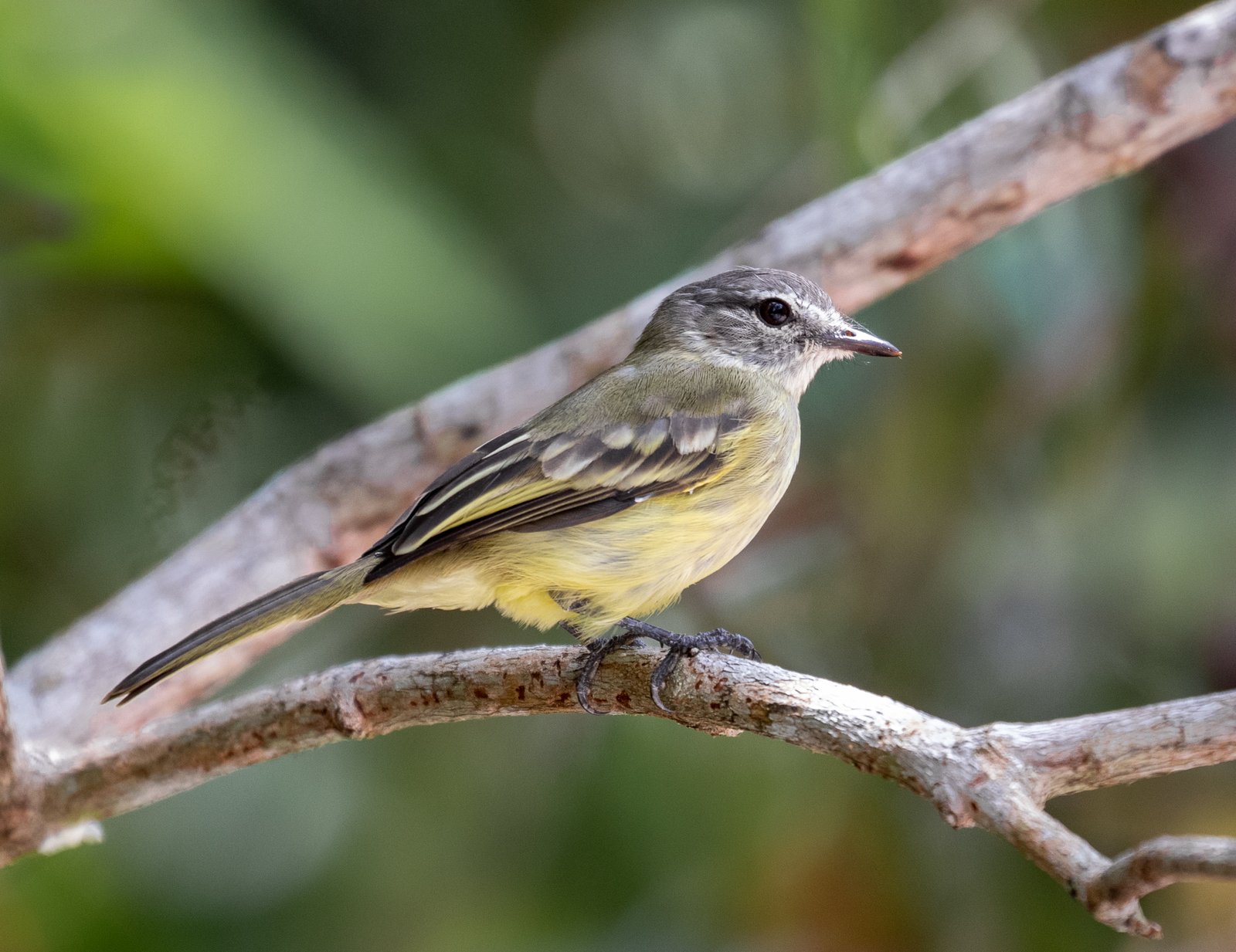
Maria-pechim
Myiopagis gaimardii- Amazonian terra firme rainforest
- Várzea, igapó and river islands
- Secondary forest and forest edge
- Eastern Andean foothill forest
-
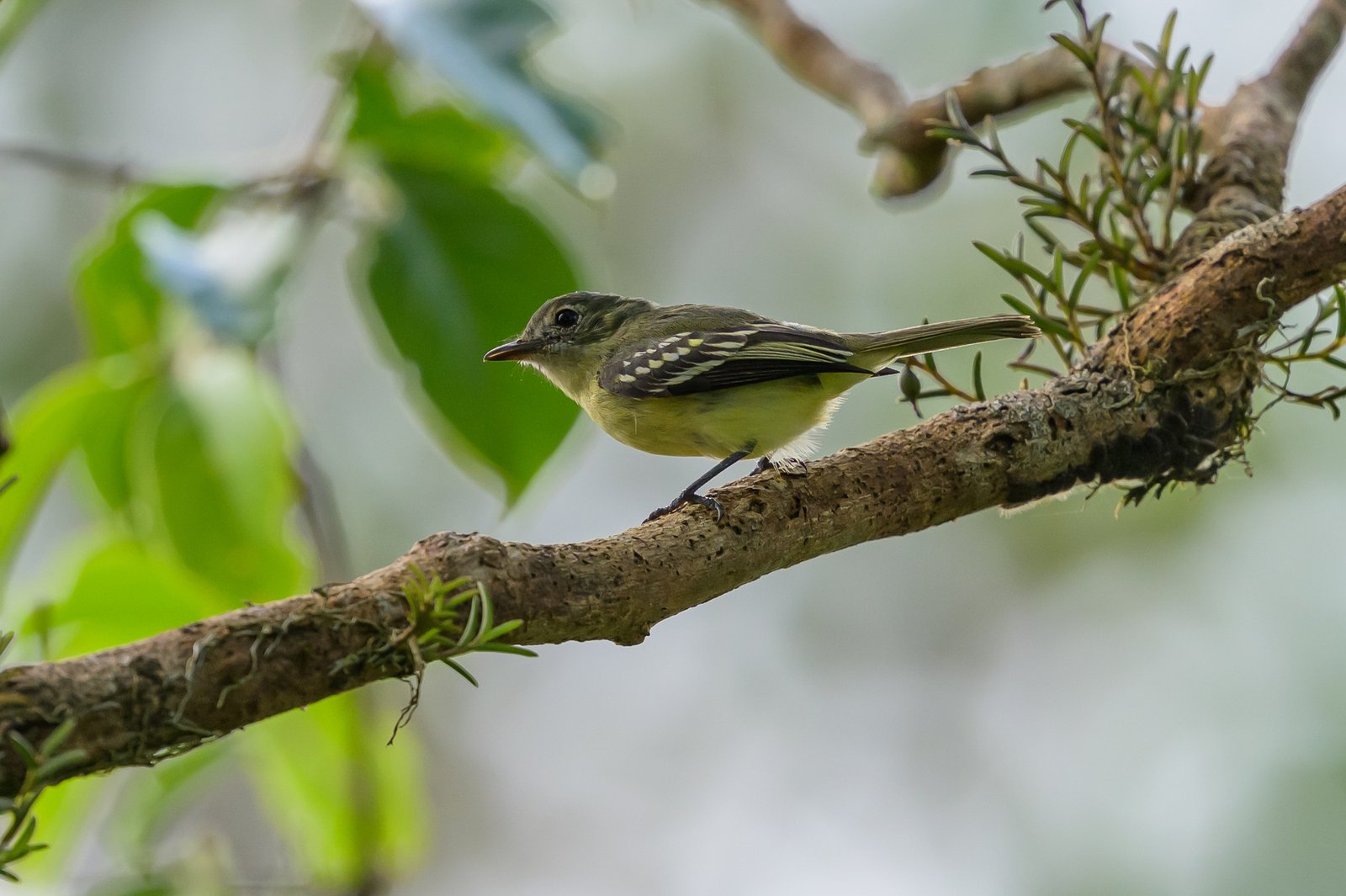
Guaracava-do-sopé
Myiopagis olallai- Eastern Andean foothill forest
- Northern Andean subtropical forest
- Lower Yungas forest
-
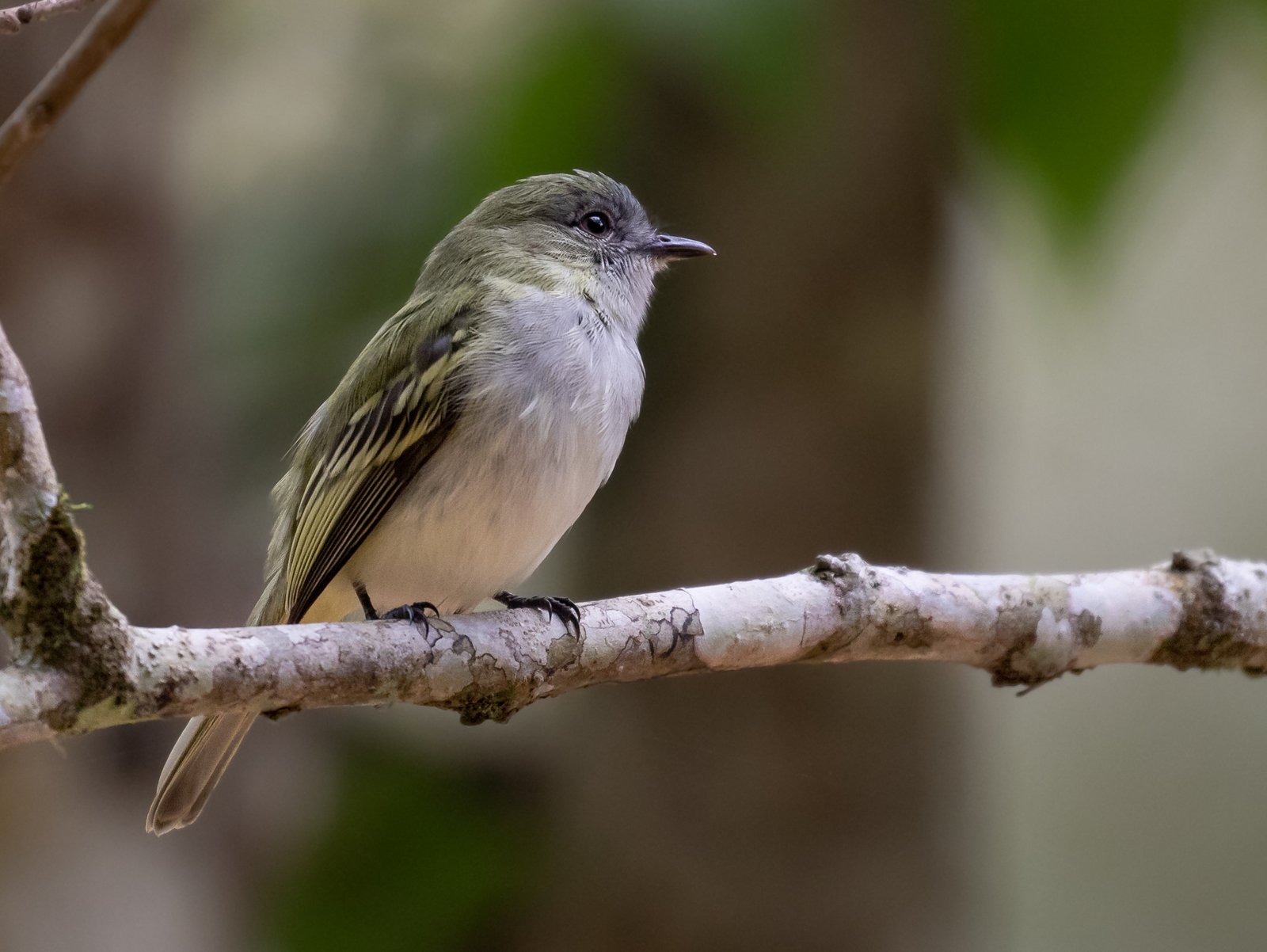
Guaracava-cinzenta
Myiopagis caniceps- Amazonian terra firme rainforest
- Eastern Andean foothill forest
- Chocó rainforest
- Western Ecuador humid forest
- Secondary forest and forest edge
-
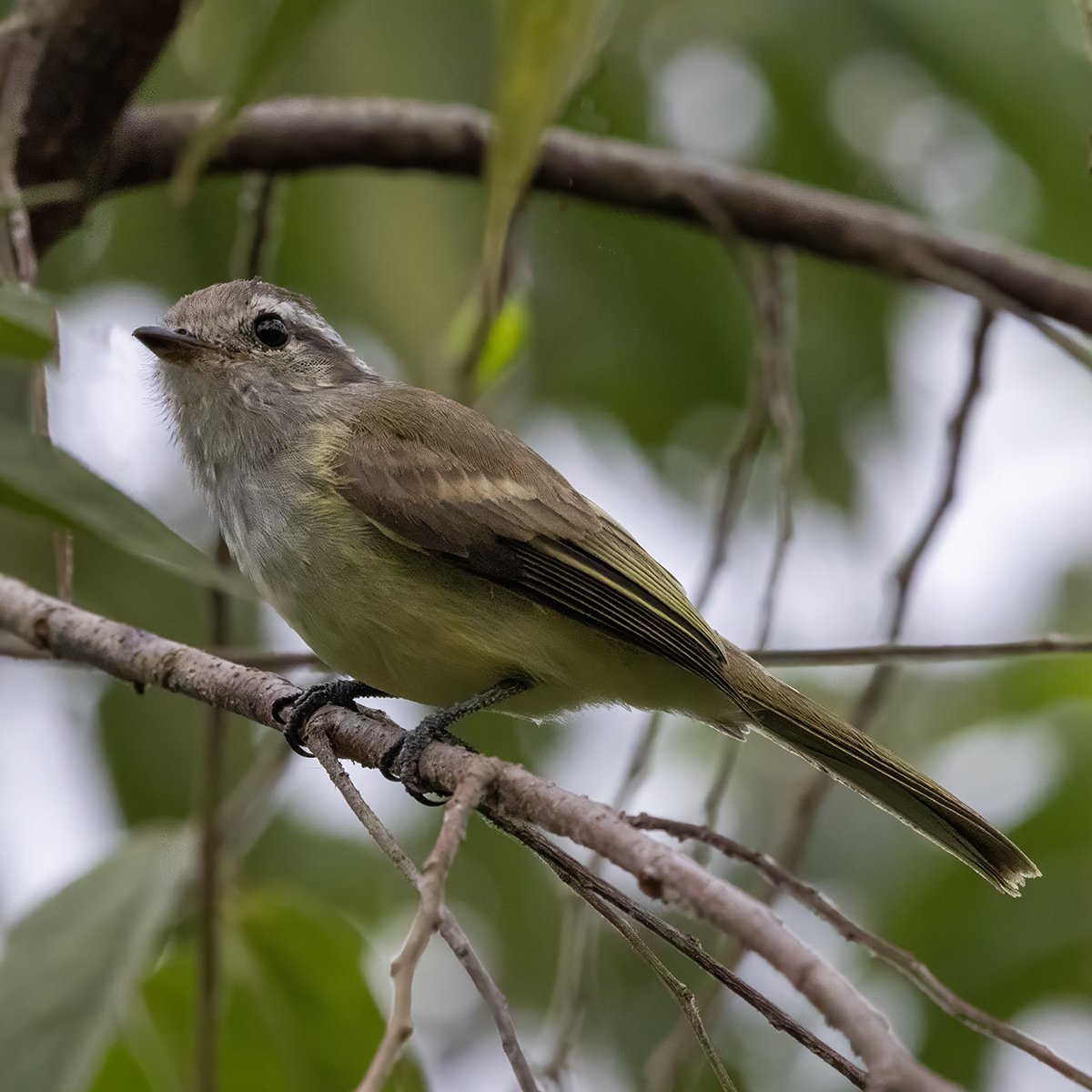
Guaracava-do-pacífico
Myiopagis subplacens- Tumbesian dry forest and thorn scrub
- Western Ecuador humid forest
- Secondary forest and forest edge
-
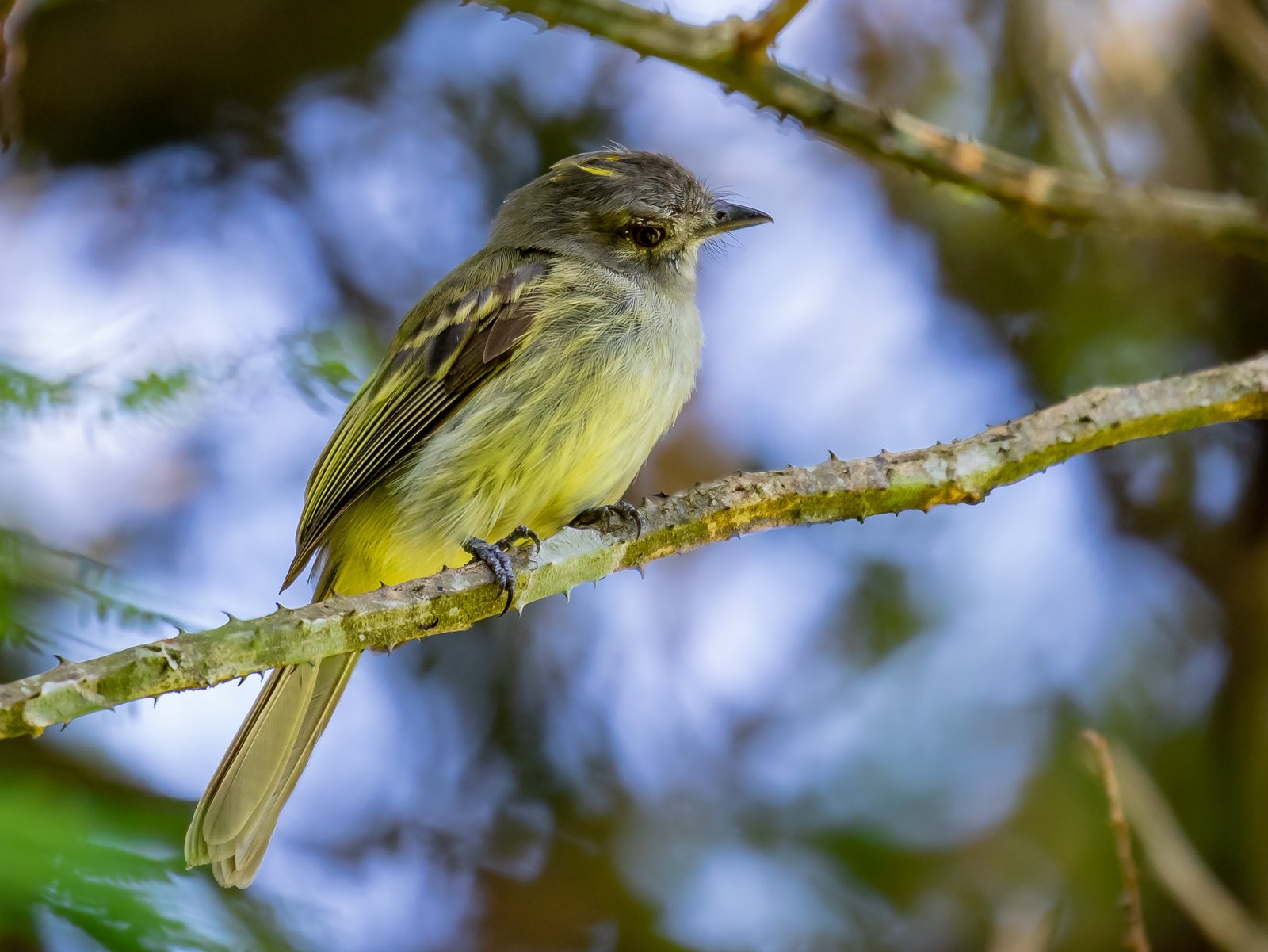
Guaracava-de-penacho-amarelo
Myiopagis flavivertex- Várzea, igapó and river islands
- Palm swamps and swamp forest
- Amazonian terra firme rainforest
-
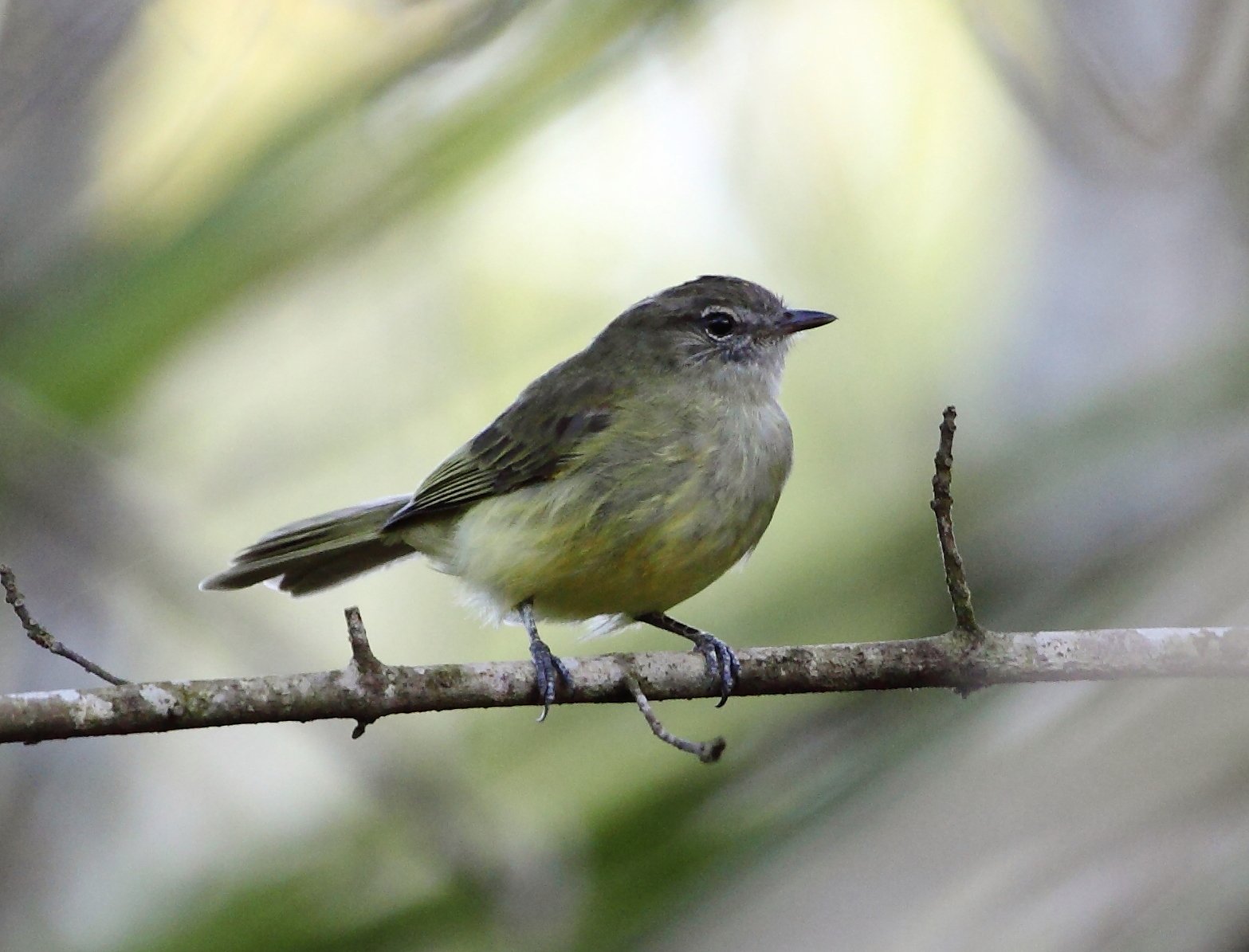
Guaracava-de-crista-alaranjada
Myiopagis viridicata- Tumbesian dry forest and thorn scrub
- Secondary forest and forest edge
- Chiquitano dry forest and Chaco
- Western Ecuador humid forest
- Riparian woodland of the Andes and coastal valleys
Elaenia 15 espécies
-
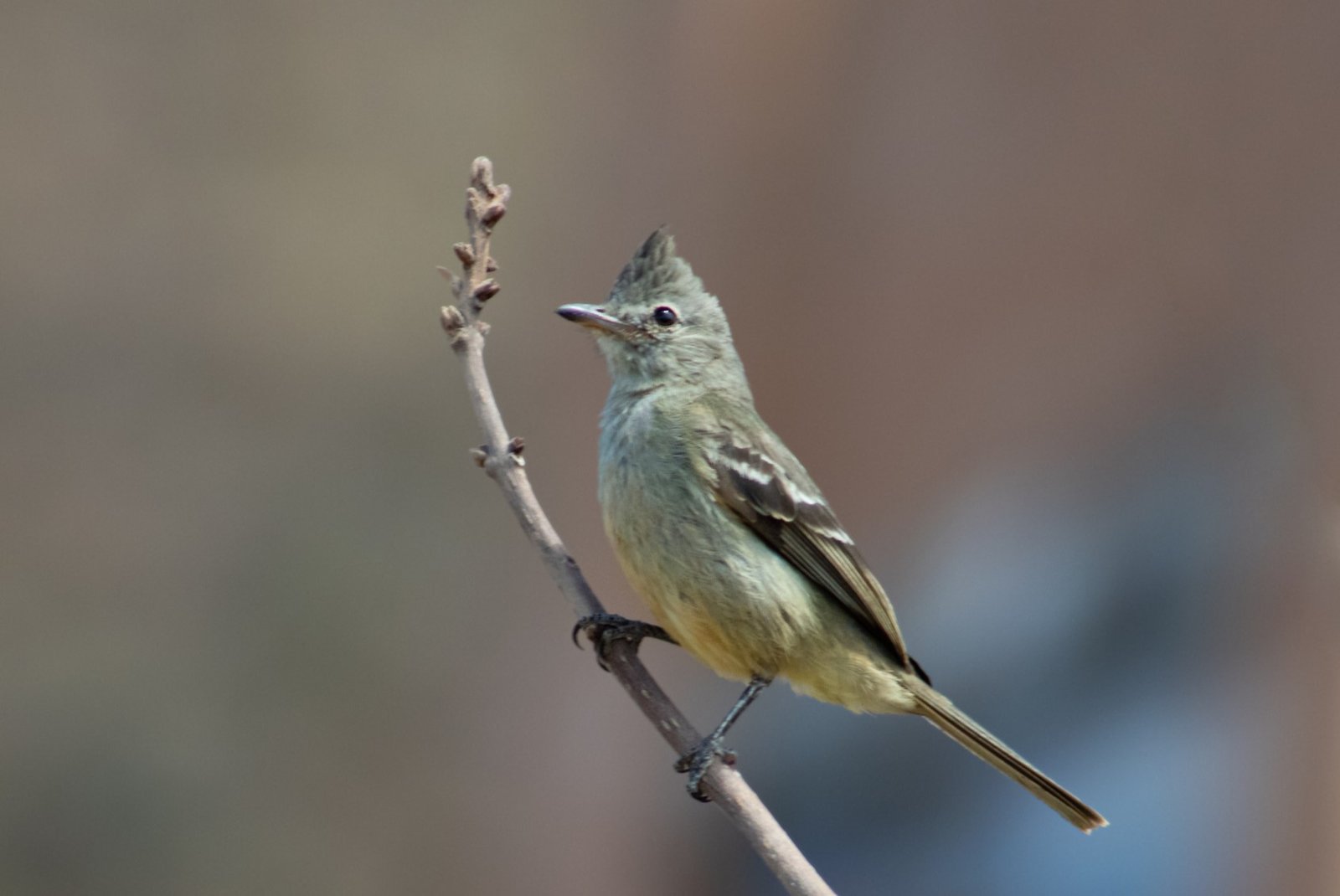
Guaracava-de-topete-uniforme
Elaenia cristata- Beni savanna and cerrado
- Llanos savanna
-
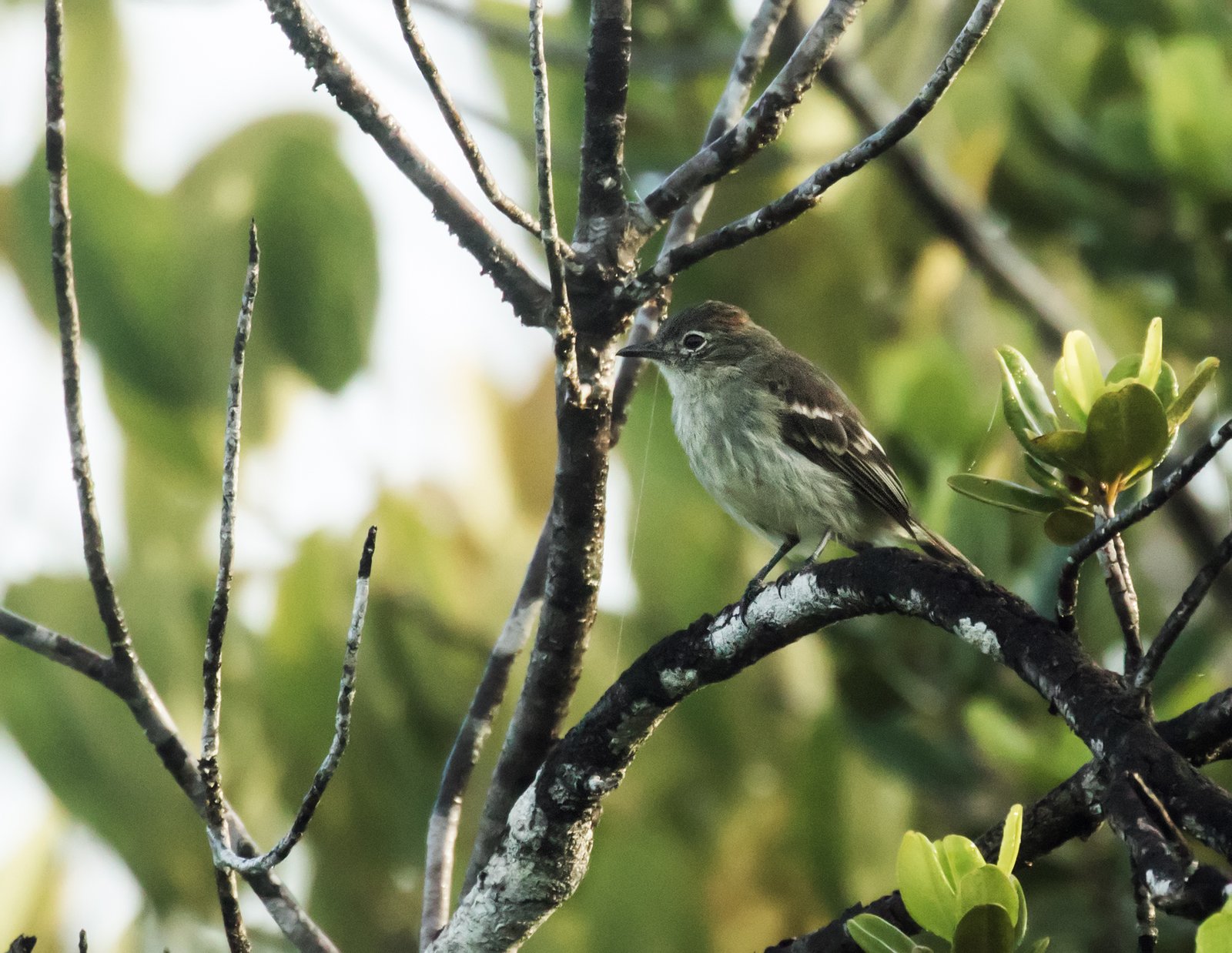
Guaracava-de-topete-vermelho
Elaenia ruficeps- Llanos savanna
- Secondary forest and forest edge
-
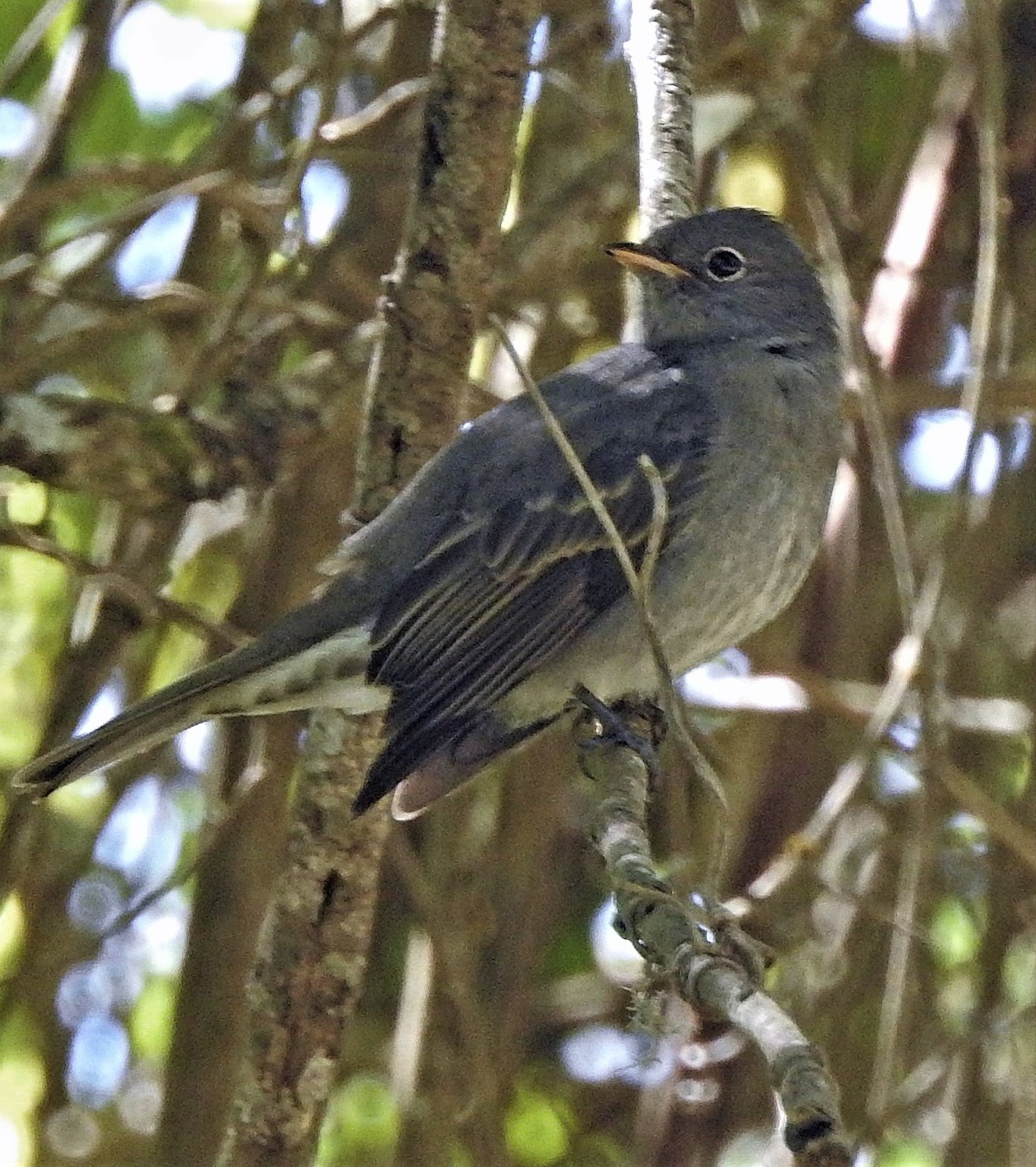
Guaracava-cinzenta
Elaenia strepera- Lower Yungas forest
- Upper Yungas cloud forest
- Secondary forest and forest edge
- Várzea, igapó and river islands
-
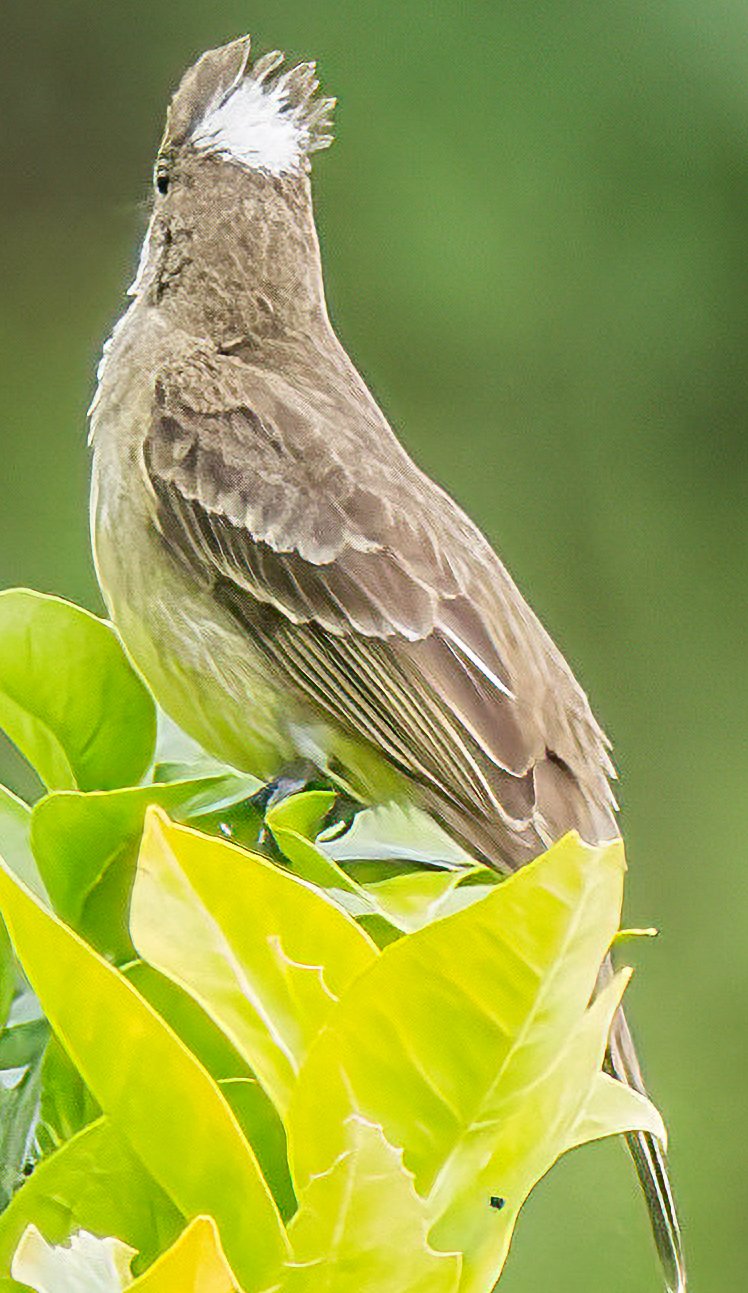
Guaracava-gigante
Elaenia gigas- Secondary forest and forest edge
- Eastern Andean foothill forest
- Lowland rivers and sandbars
-
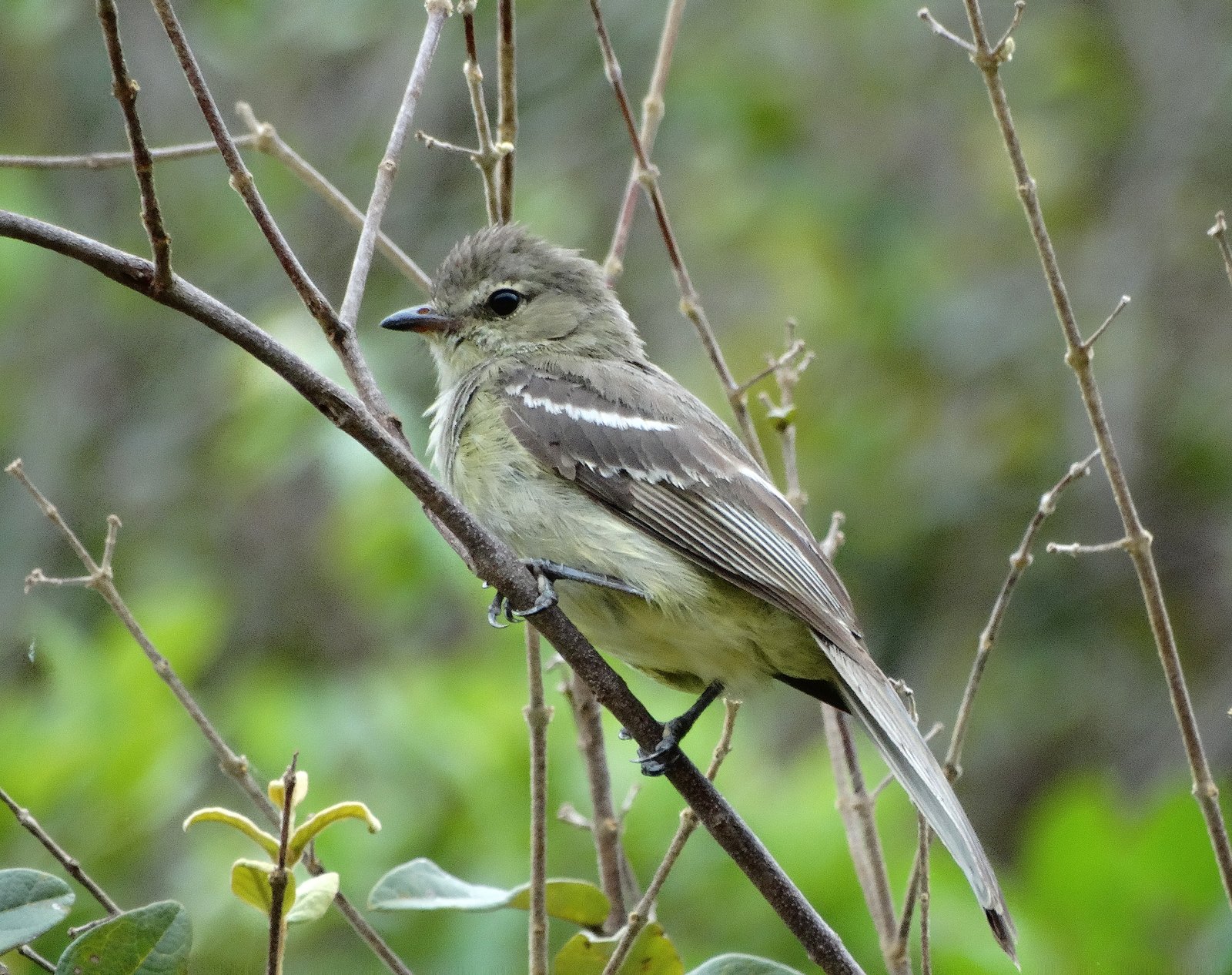
Guaracava-das-terras-altas
Elaenia obscura- Upper Yungas cloud forest
- Northern Andean cloud forest and temperate forest
- Polylepis woodland
- Secondary forest and forest edge
-
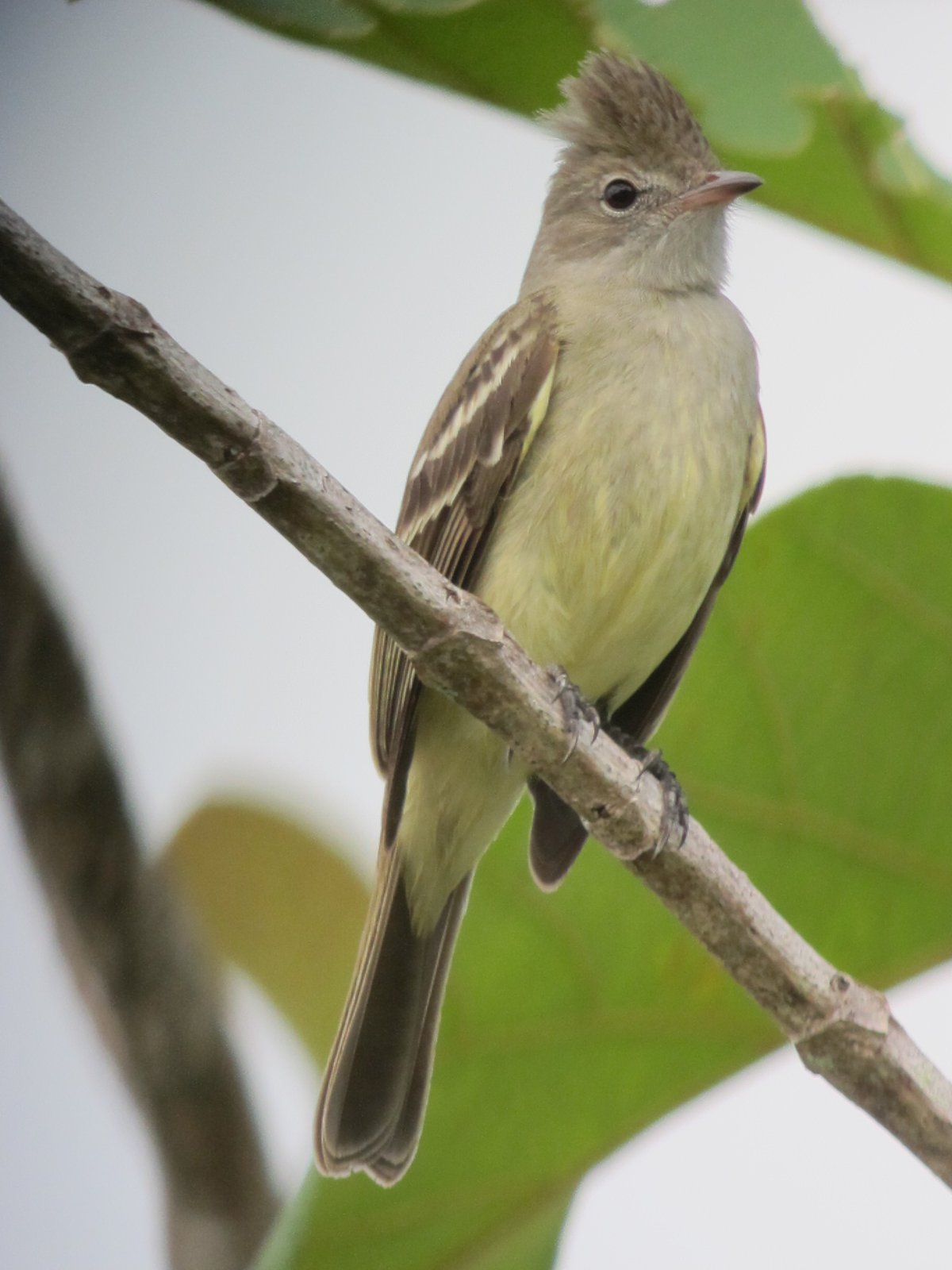
Guaracava-de-barriga-amarela
Elaenia flavogaster- Secondary forest and forest edge
- Pasture and ranchland
- Towns, cities and parks
- Coffee, cacao and agroforestry
- Tumbesian dry forest and thorn scrub
-
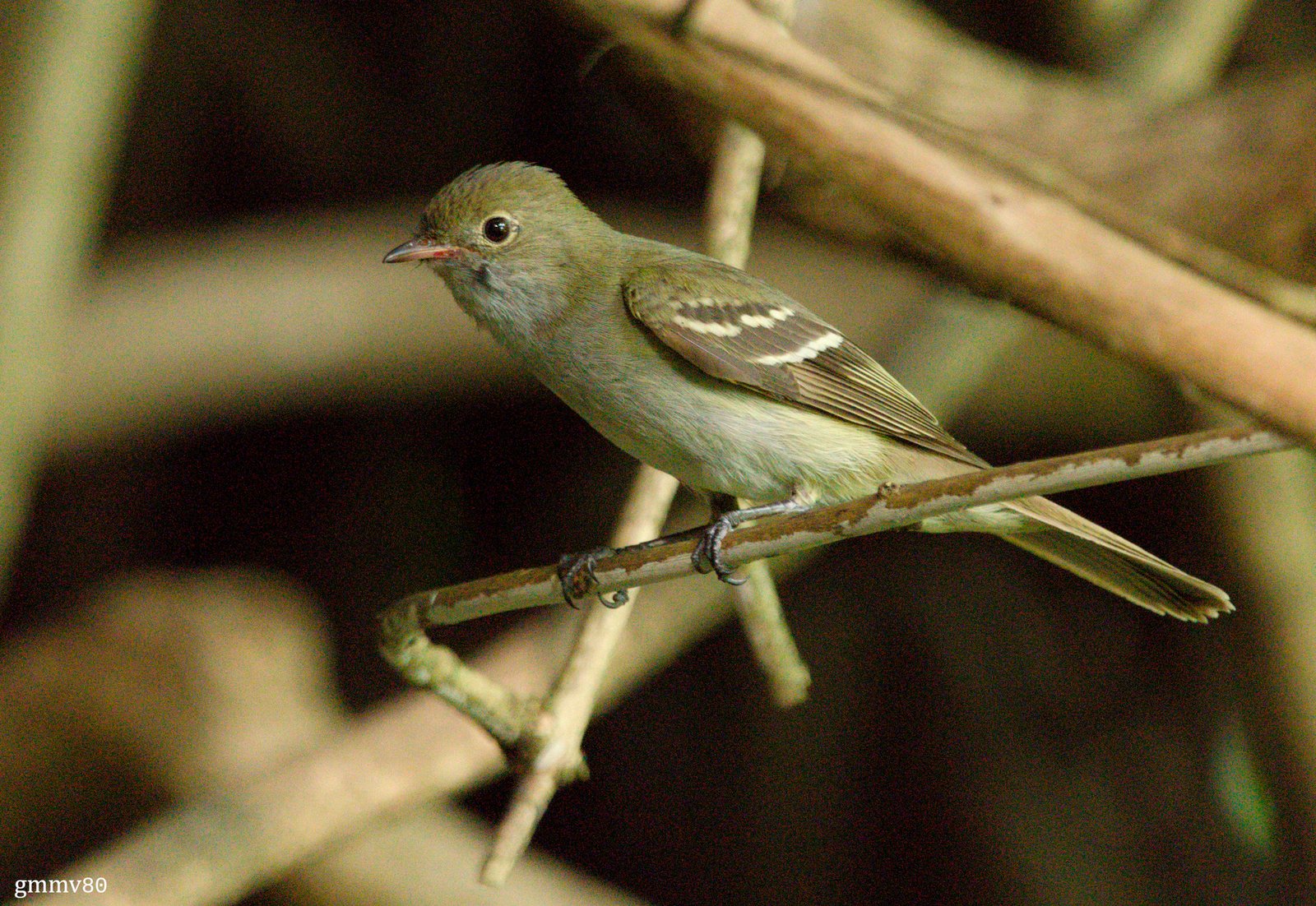
Guaracava-de-bico-curto
Elaenia parvirostris- Secondary forest and forest edge
- Várzea, igapó and river islands
- Chiquitano dry forest and Chaco
- Beni savanna and cerrado
-
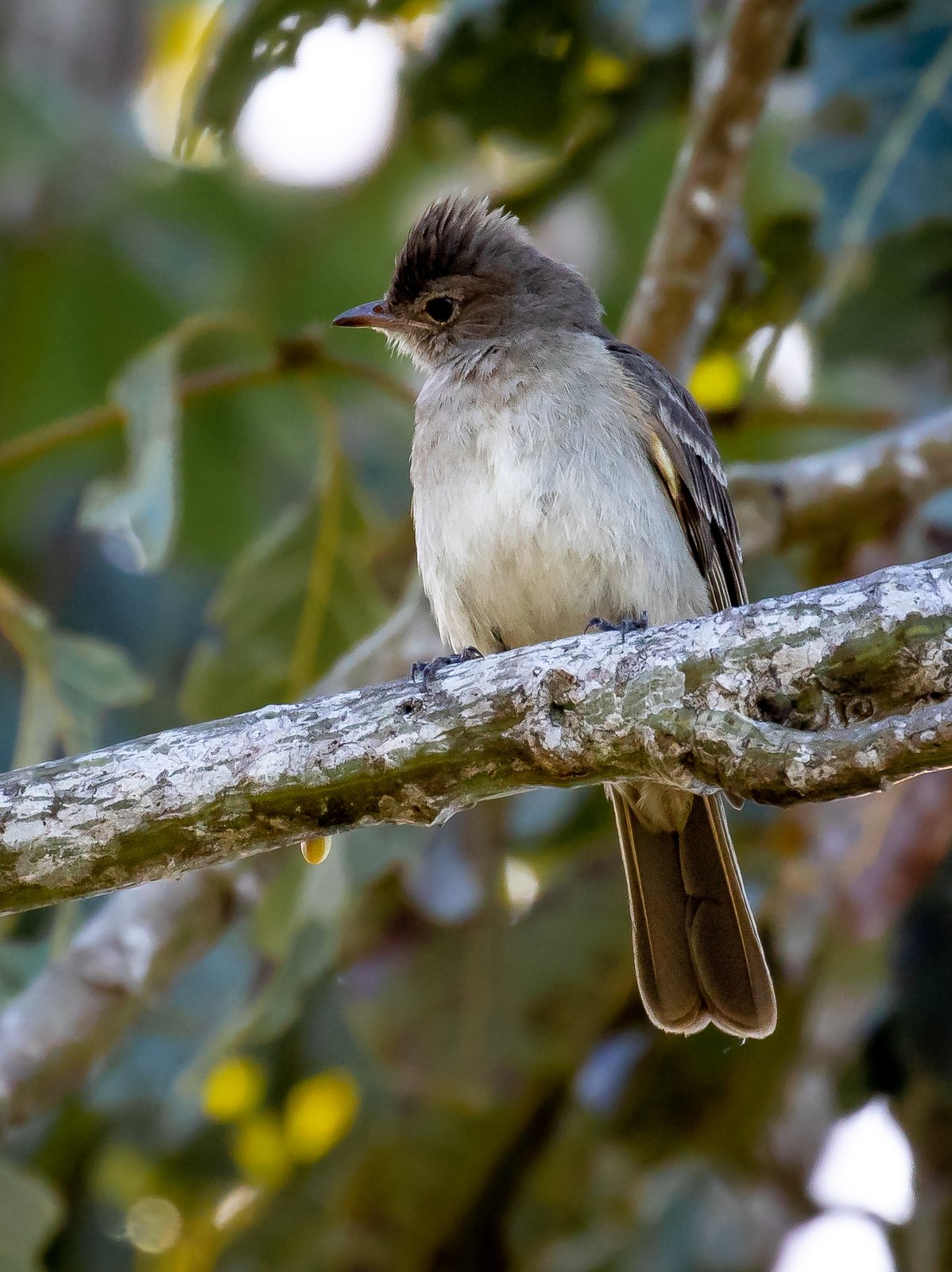
Guaracava-parda
Elaenia pelzelni- Várzea, igapó and river islands
- Lowland rivers and sandbars
- Secondary forest and forest edge
-
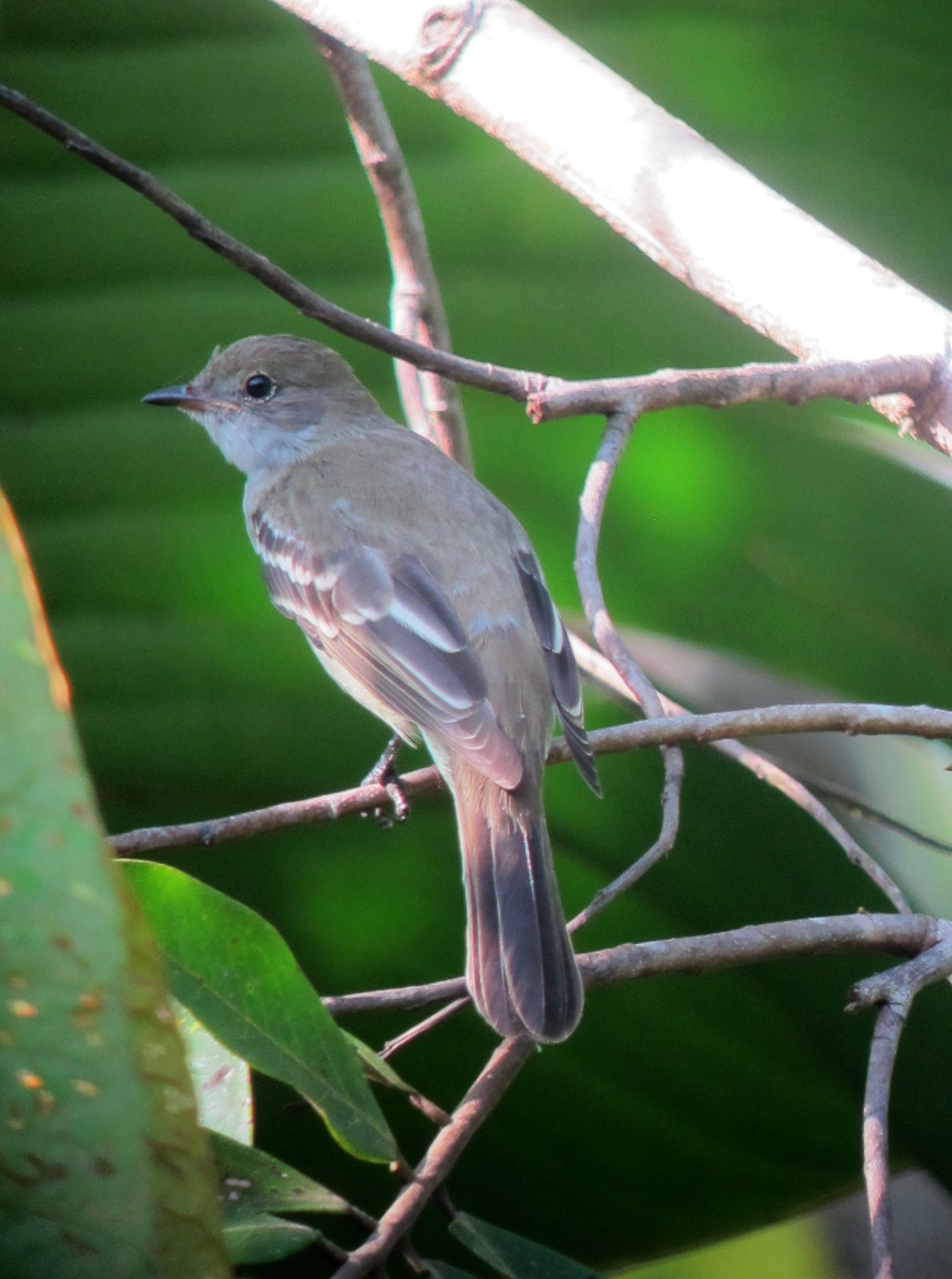
Guaracava-grande
Elaenia spectabilis- Secondary forest and forest edge
- Várzea, igapó and river islands
- Chiquitano dry forest and Chaco
- Amazonian terra firme rainforest
-
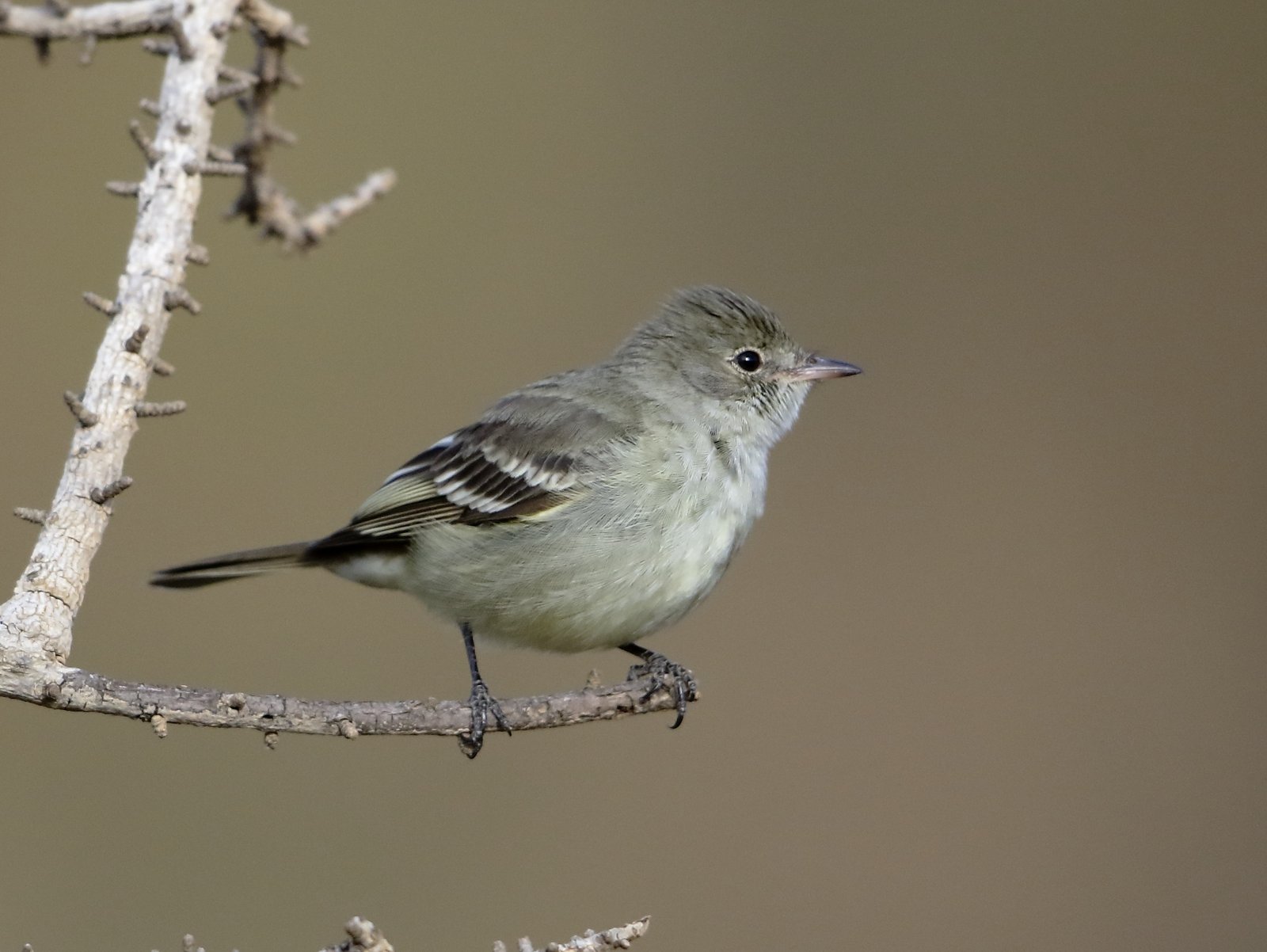
Chibum
Elaenia chiriquensis- Llanos savanna
- Beni savanna and cerrado
- Secondary forest and forest edge
- Pasture and ranchland
-
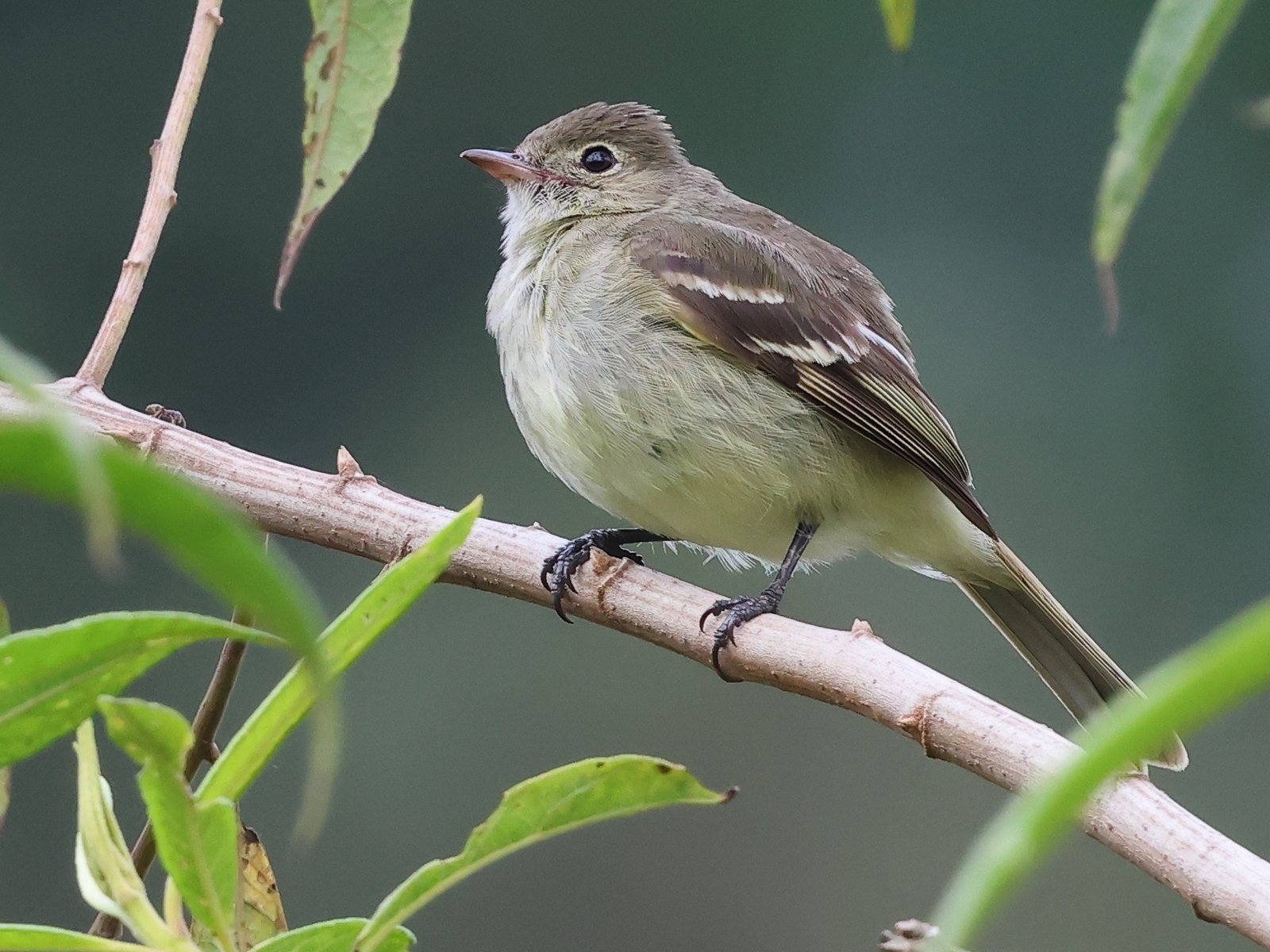
Chibum-de-coopmans
Elaenia brachyptera- Secondary forest and forest edge
- Northern Andean subtropical forest
- Pasture and ranchland
- Coffee, cacao and agroforestry
-
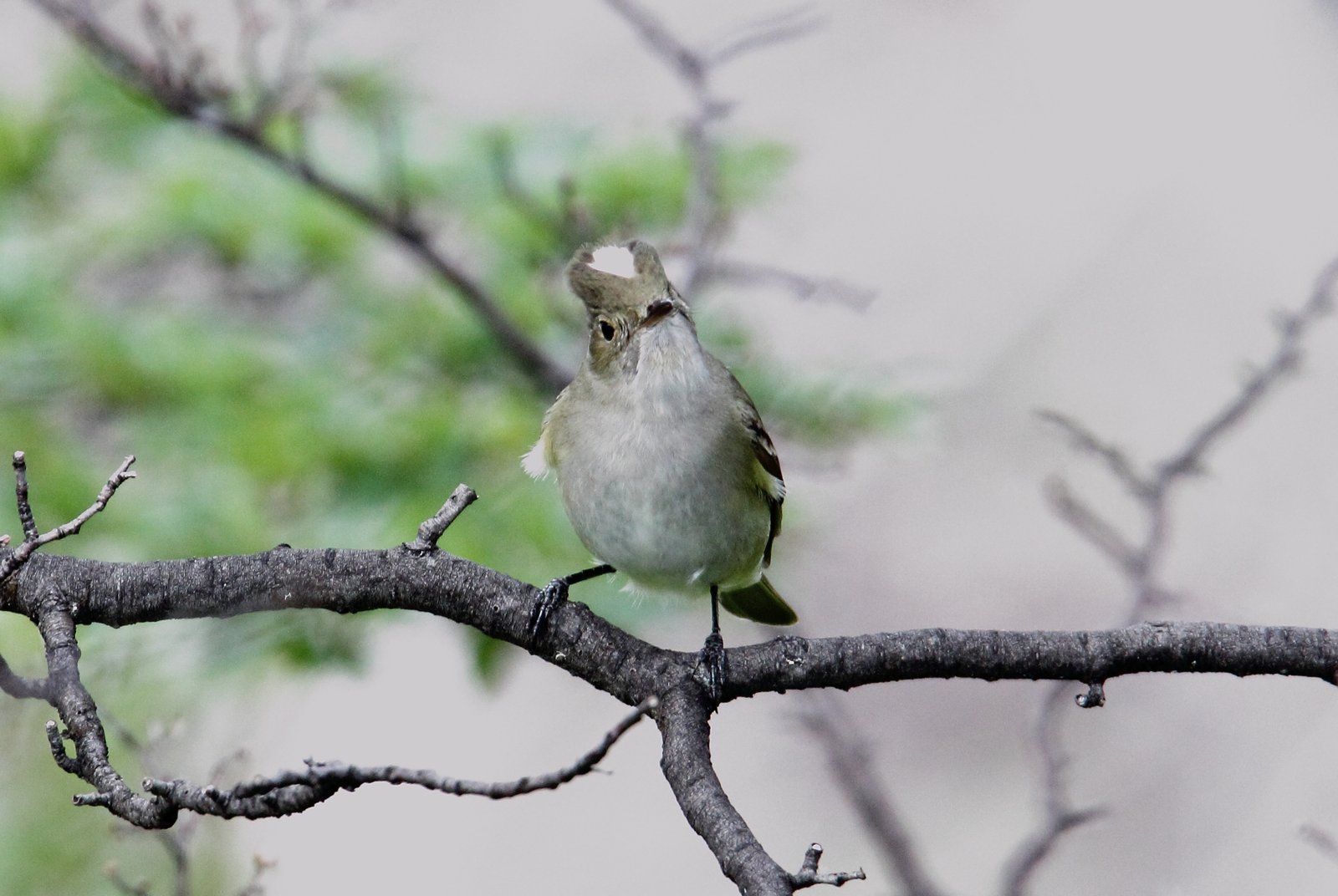
Guaracava-de-crista-branca
Elaenia albiceps- Northern Andean cloud forest and temperate forest
- Upper Yungas cloud forest
- Riparian woodland of the Andes and coastal valleys
- Central Andean dry valleys
- Secondary forest and forest edge
-
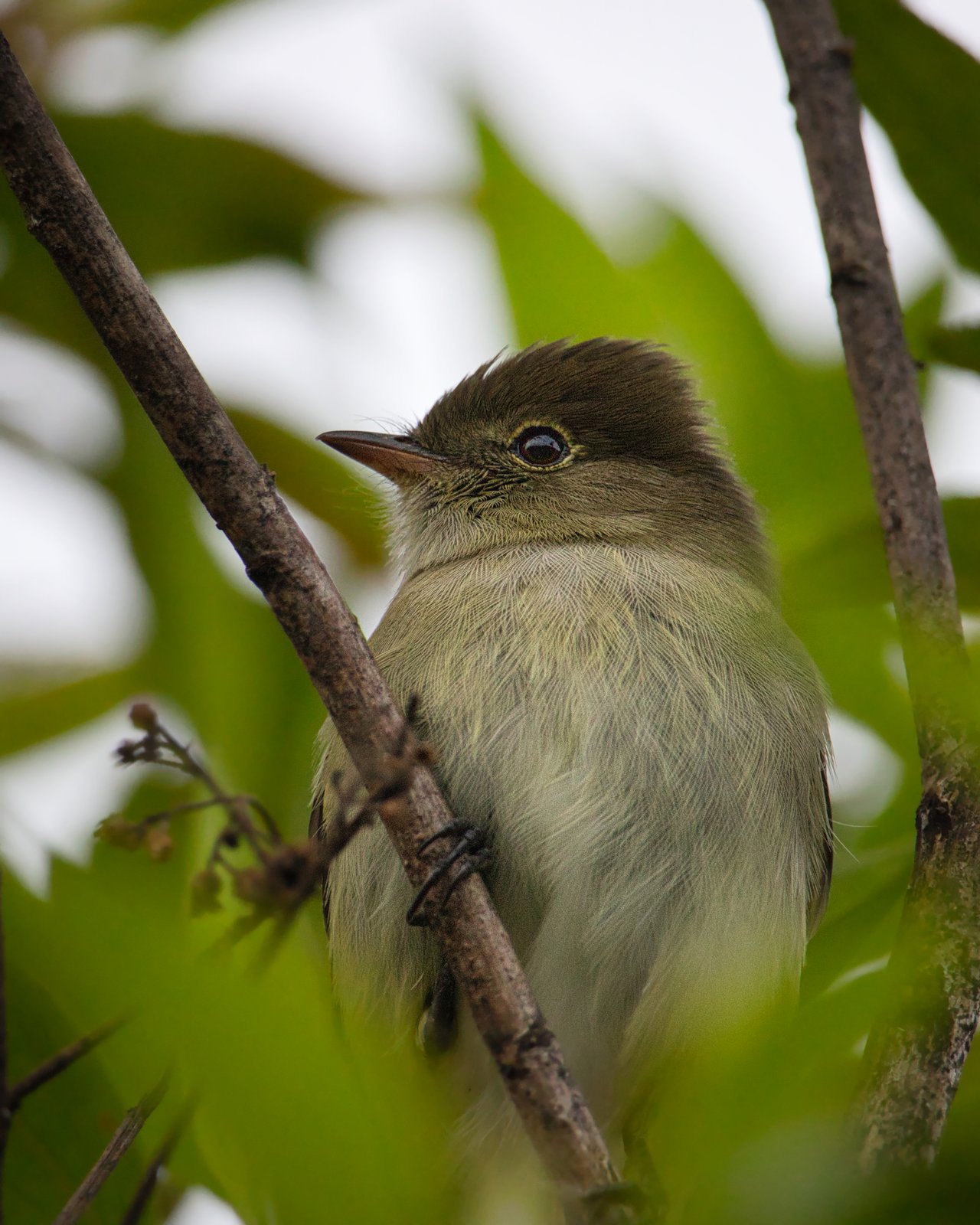
Guaracava-serrana
Elaenia pallatangae- Northern Andean cloud forest and temperate forest
- Upper Yungas cloud forest
- Northern Andean subtropical forest
- Lower Yungas forest
- Andean fields and terraces
-
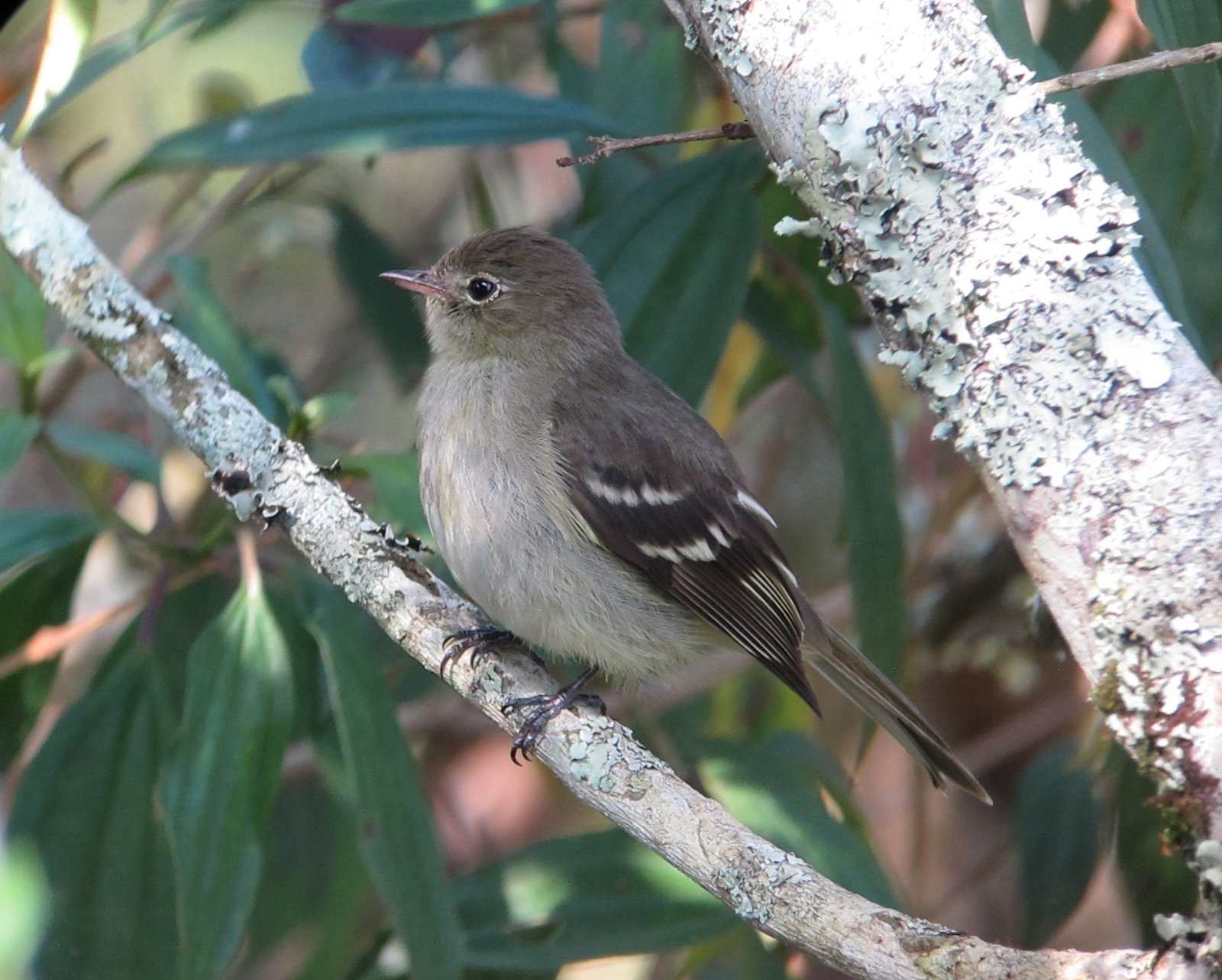
Guaracava-montanhesa
Elaenia frantzii- Northern Andean cloud forest and temperate forest
- Northern Andean subtropical forest
- Coffee, cacao and agroforestry
- Pasture and ranchland
-
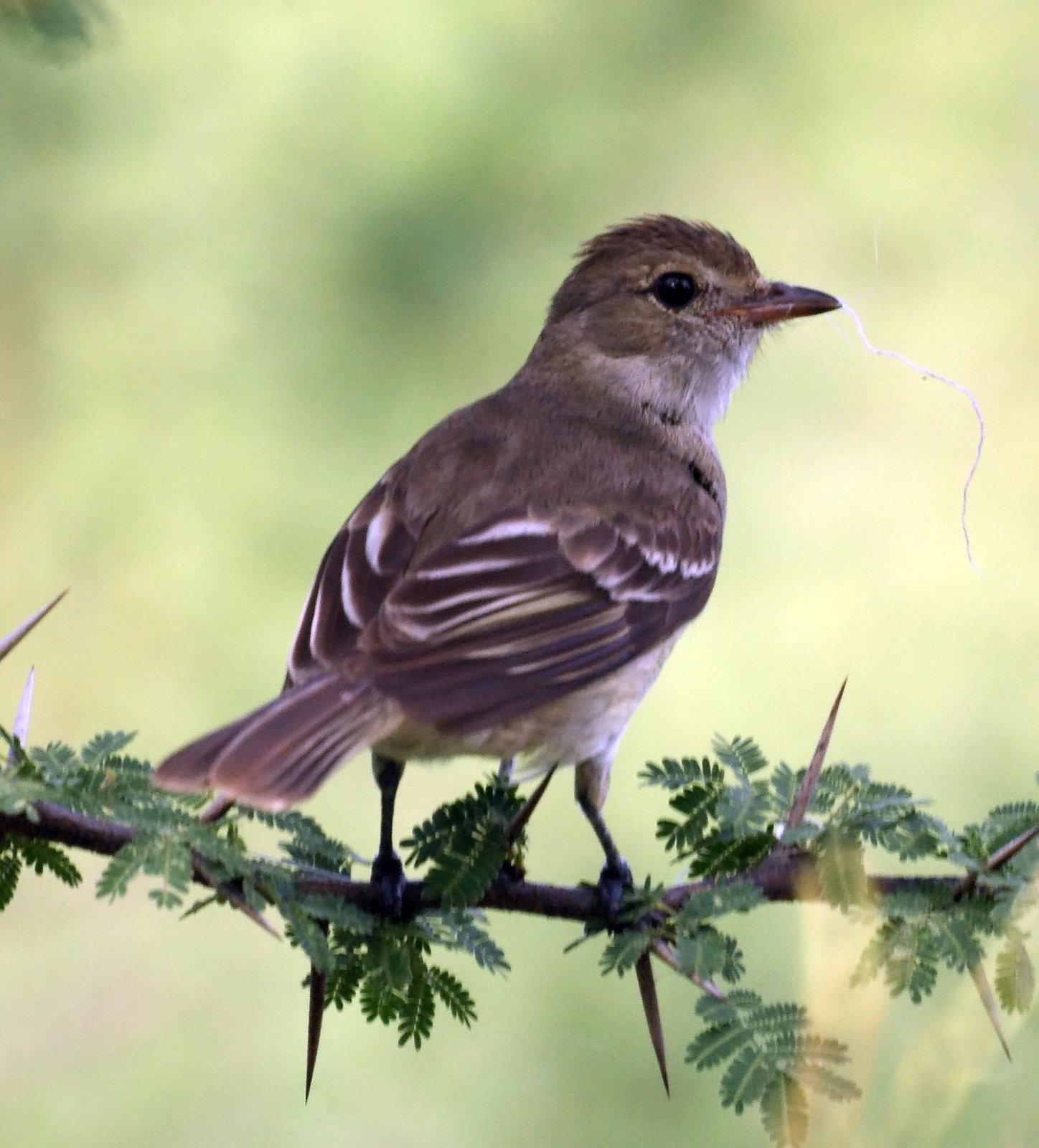
Guaracava-do-caribe
Elaenia martinica- Secondary forest and forest edge
- Mangrove
- Towns, cities and parks
Empidonomus 2 espécies
-
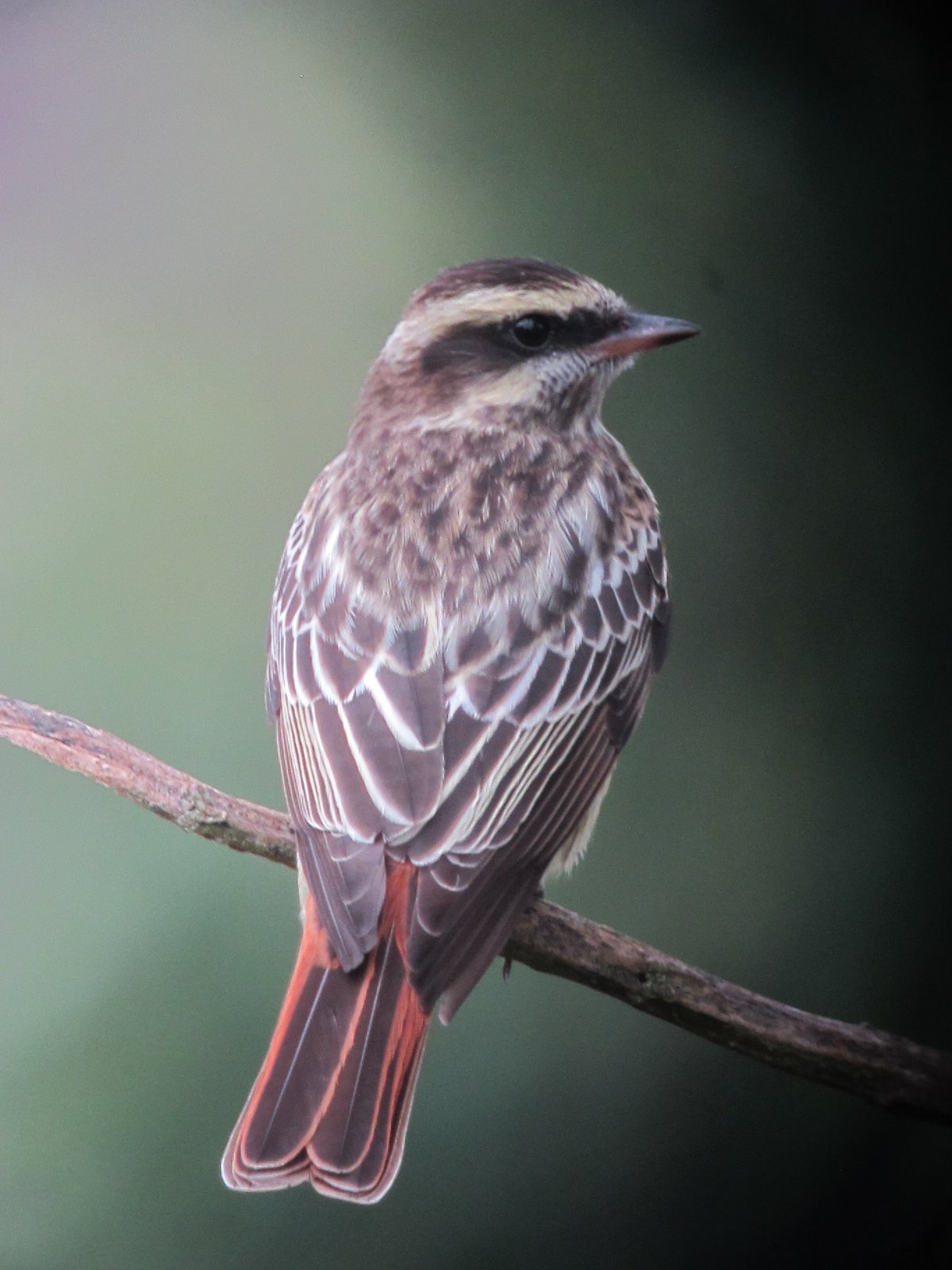
Peitica
Empidonomus varius- Secondary forest and forest edge
- Várzea, igapó and river islands
- Beni savanna and cerrado
- Chiquitano dry forest and Chaco
- Amazonian terra firme rainforest
-
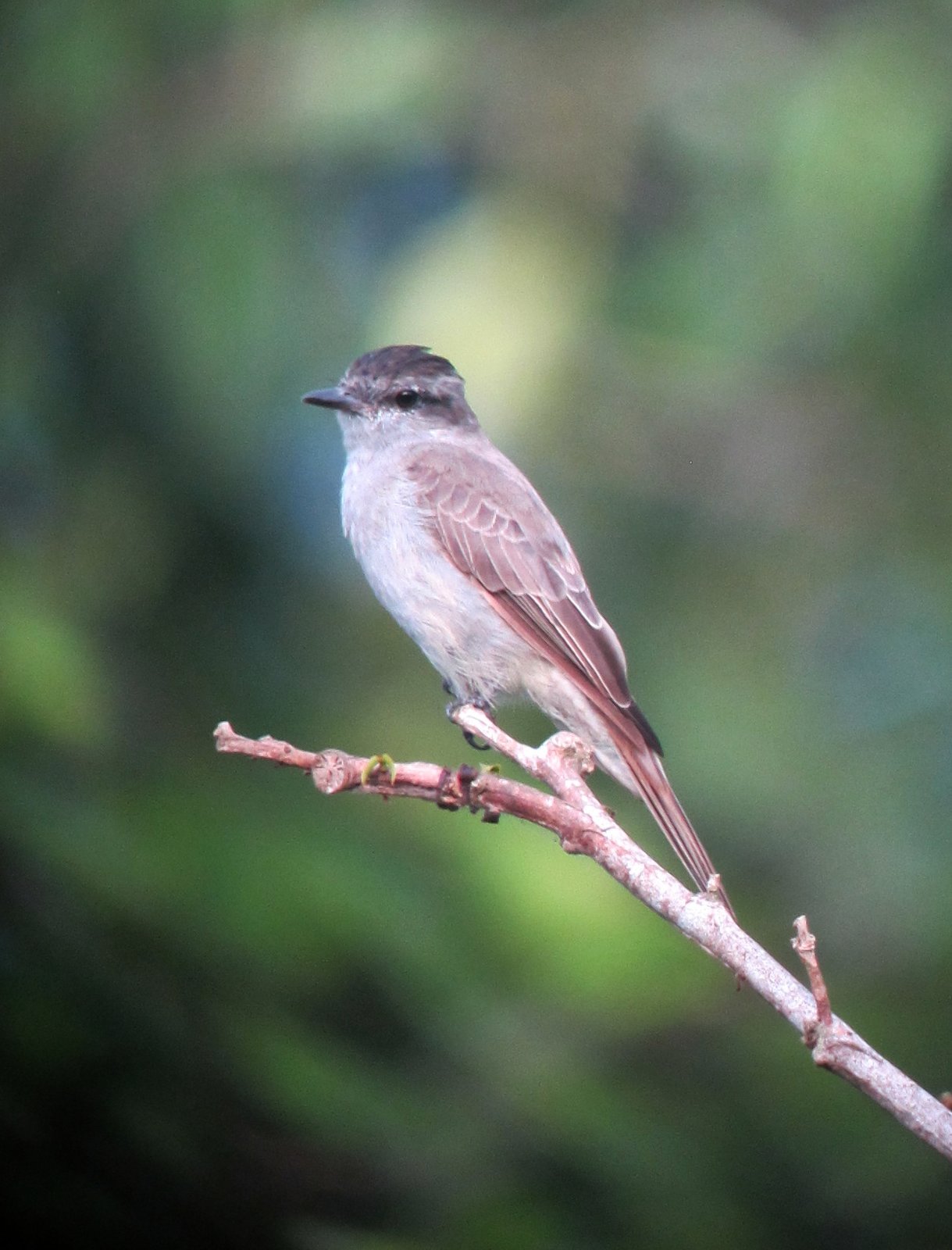
Peitica-de-chapéu-preto
Empidonomus aurantioatrocristatus- Secondary forest and forest edge
- Várzea, igapó and river islands
- Amazonian terra firme rainforest
- Chiquitano dry forest and Chaco
- Beni savanna and cerrado
Aphanotriccus 1 espécie
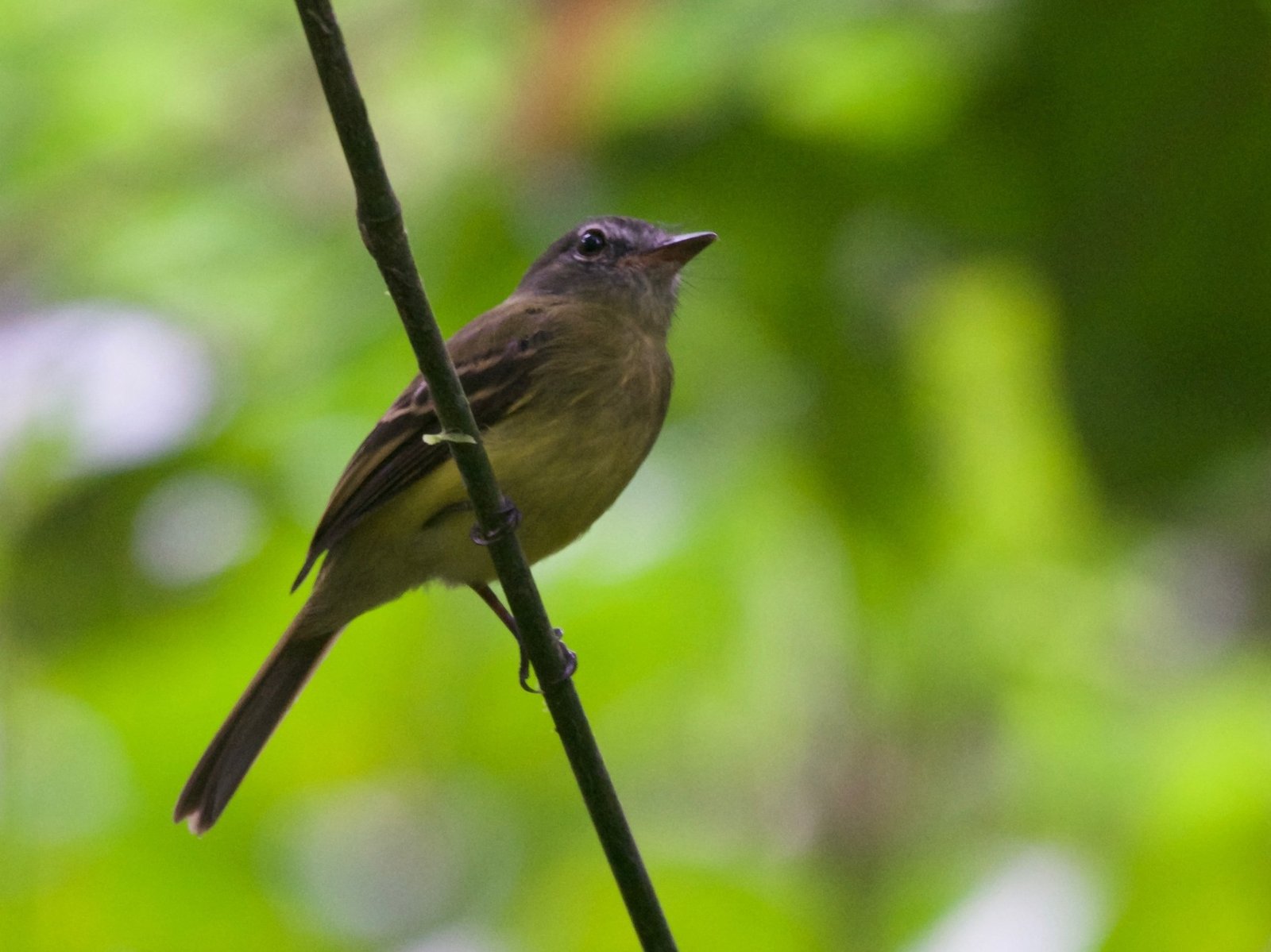
Tyranniscus 3 espécies
-
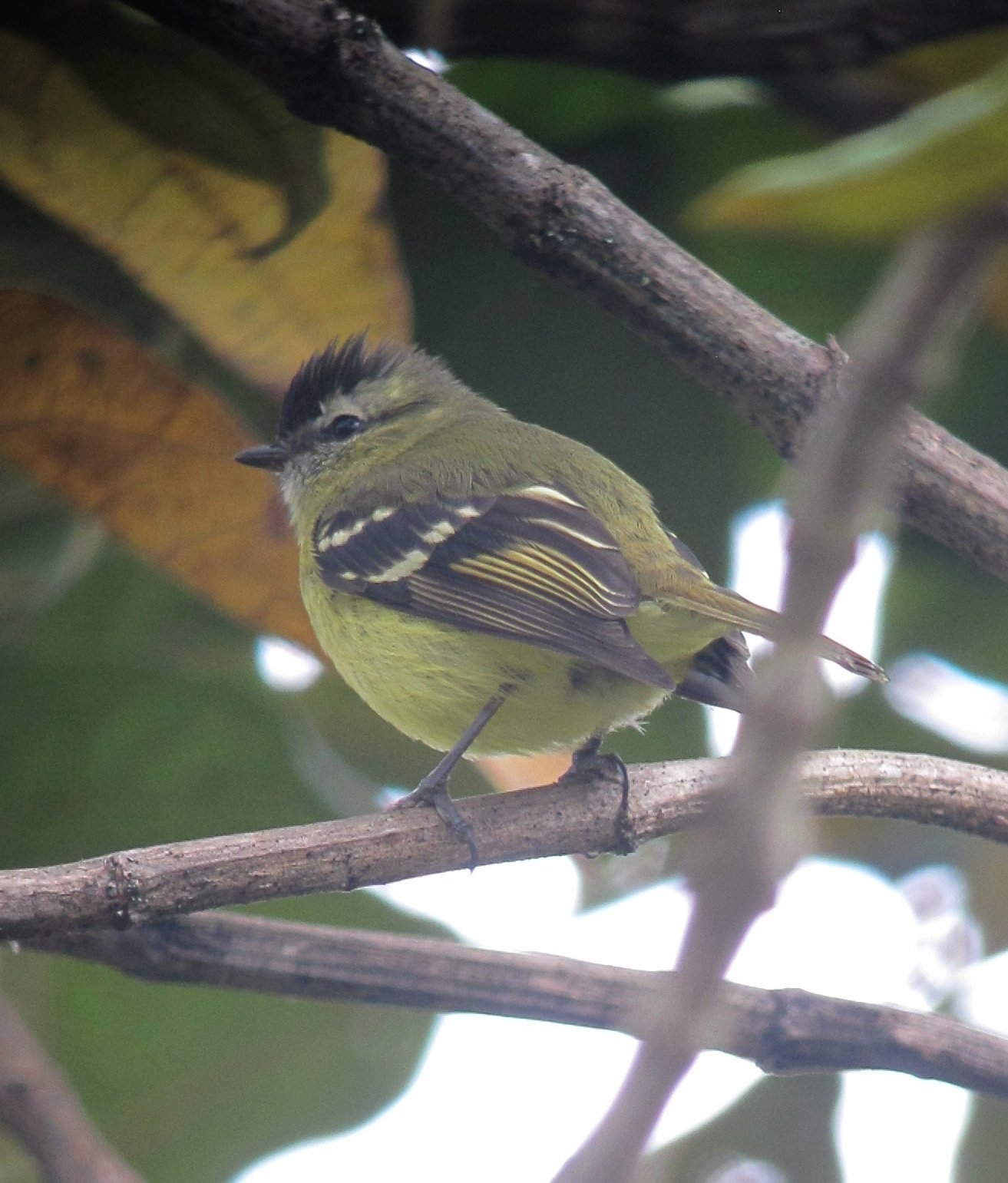
Piolhinho-de-boné-preto
Tyranniscus nigrocapillus- Northern Andean cloud forest and temperate forest
- Upper Yungas cloud forest
- Páramo
-

Piolhinho-de-cabeça-cinérea
Tyranniscus cinereiceps- Northern Andean subtropical forest
- Lower Yungas forest
- Northern Andean cloud forest and temperate forest
- Secondary forest and forest edge
-
Piolhinho-de-uropígio-fulvo
Tyranniscus uropygialis- Northern Andean cloud forest and temperate forest
- Upper Yungas cloud forest
- Central Andean dry valleys
- Marañón and northern inter-Andean dry forest
- Secondary forest and forest edge
Pogonotriccus 4 espécies
-
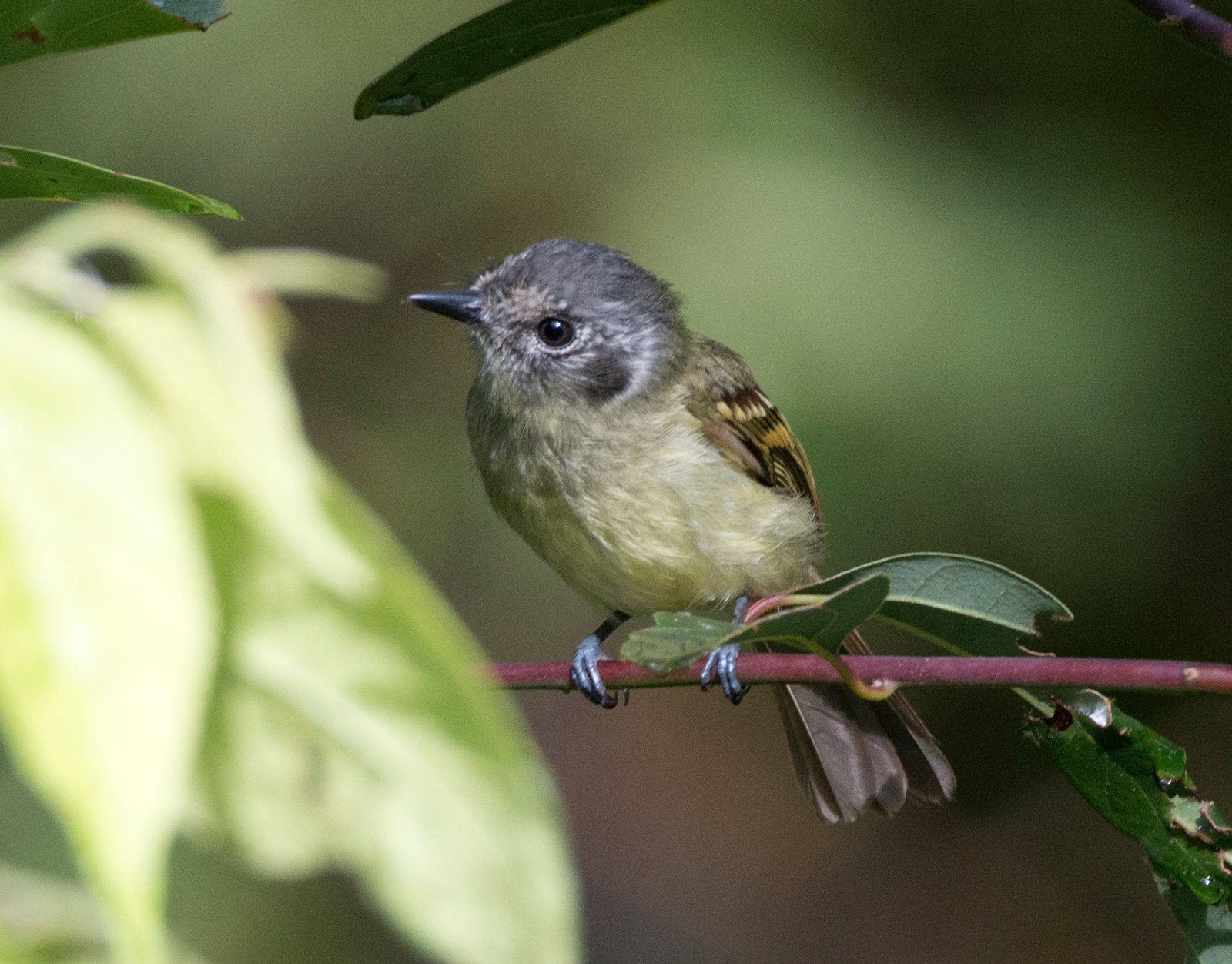
Barbudinho-de-face-marmorizada
Pogonotriccus ophthalmicus- Northern Andean subtropical forest
- Northern Andean cloud forest and temperate forest
- Lower Yungas forest
- Eastern Andean foothill forest
-
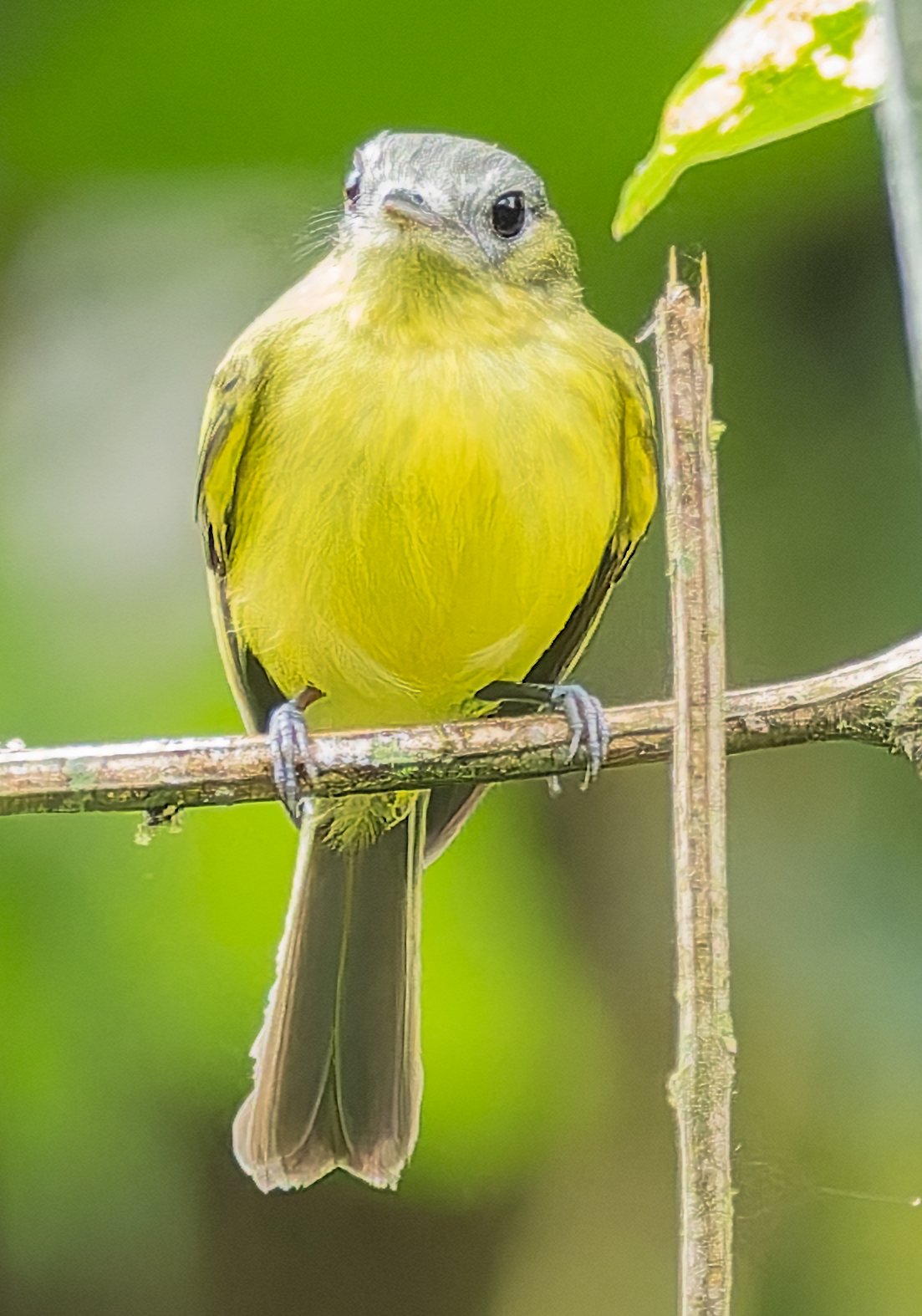
Barbudinho-de-antioquia
Pogonotriccus lanyoni- Northern Andean subtropical forest
- Secondary forest and forest edge
-
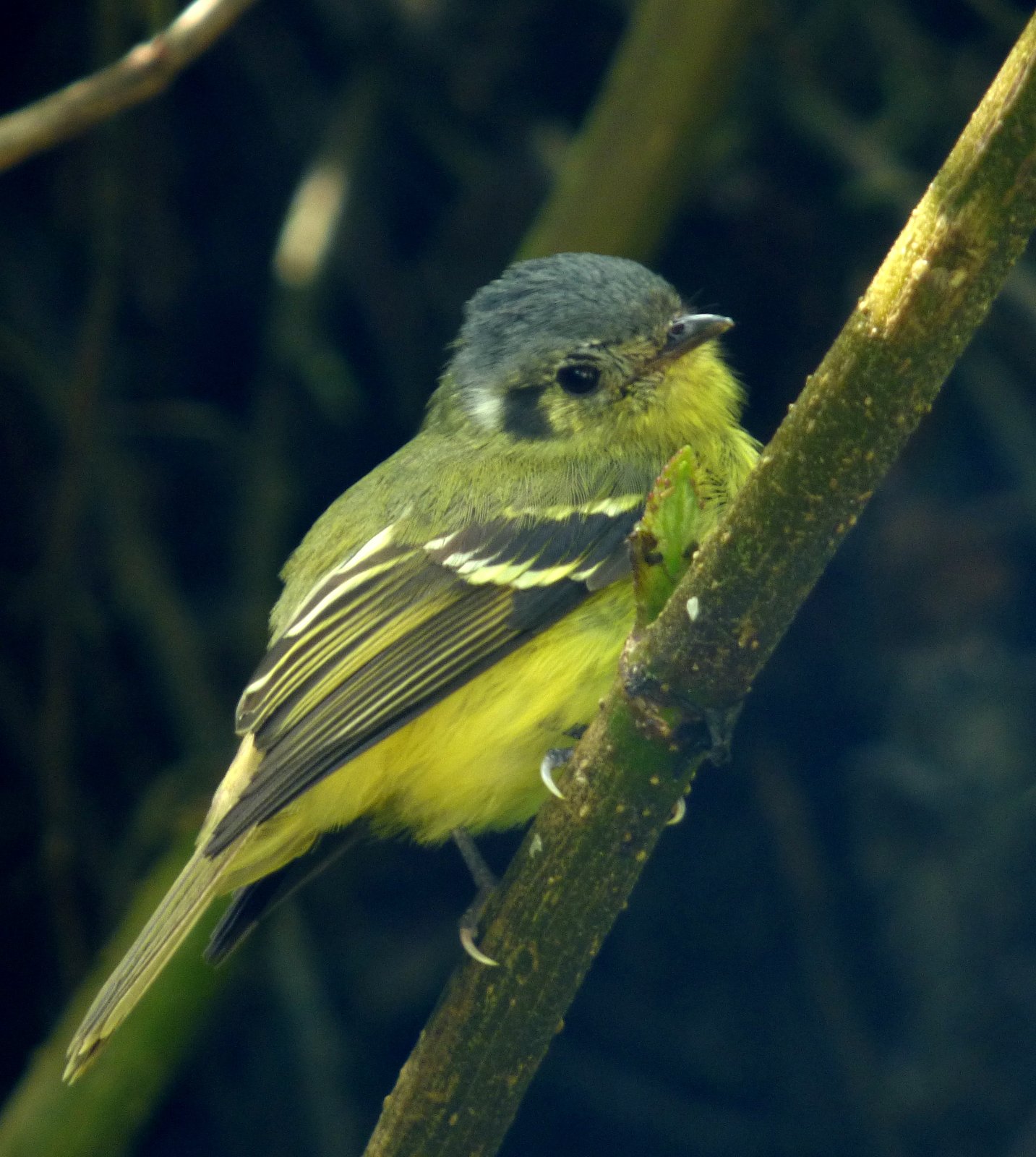
Barbudinho-variegado
Pogonotriccus poecilotis- Northern Andean cloud forest and temperate forest
- Northern Andean subtropical forest
- Upper Yungas cloud forest
- Eastern Andean foothill forest
-
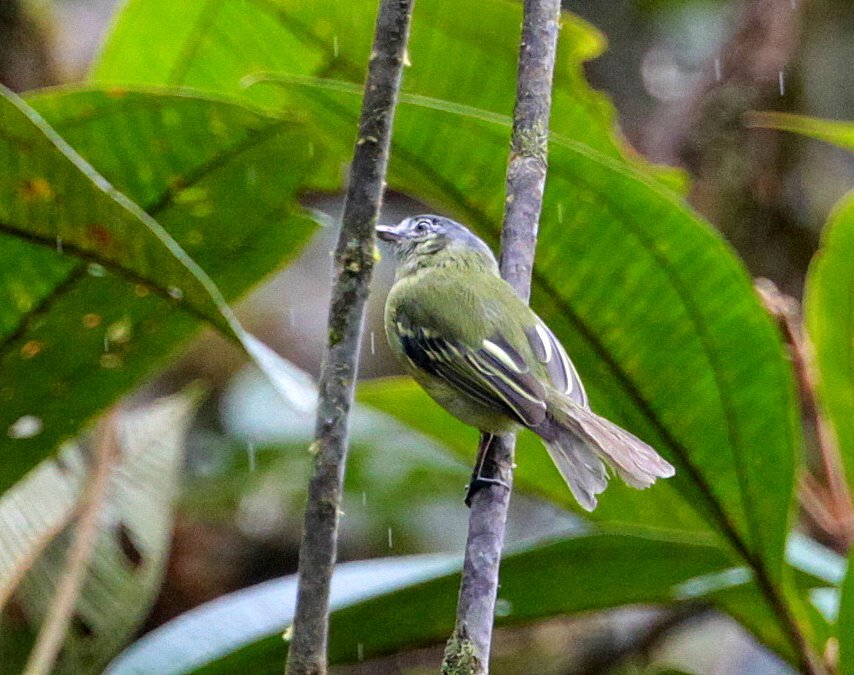
Barbudinho-de-óculos
Pogonotriccus orbitalis- Eastern Andean foothill forest
- Northern Andean subtropical forest
- Lower Yungas forest
Inezia 4 espécies
-
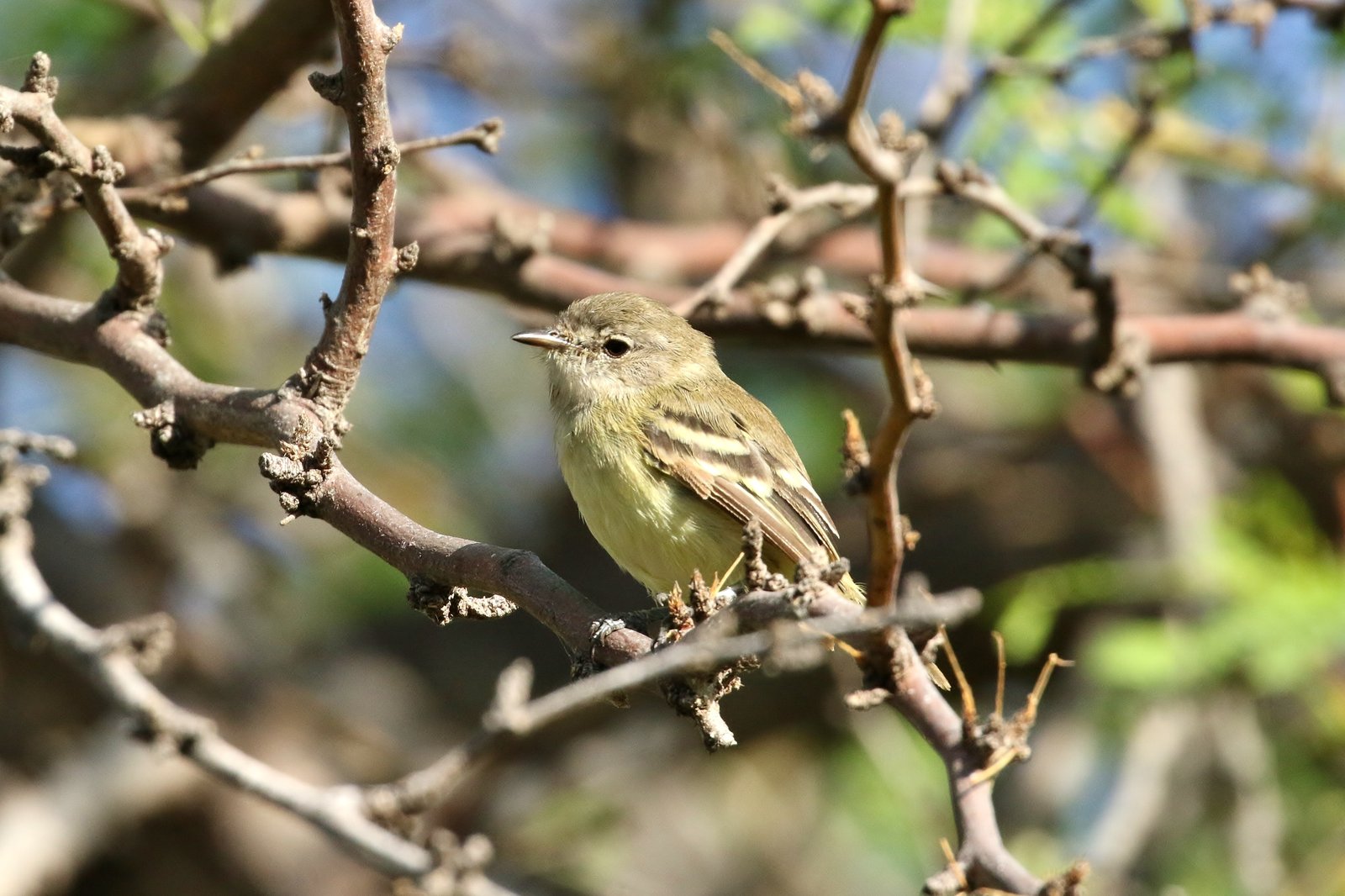
Alegrinho-de-bico-fino
Inezia tenuirostris- Marañón and northern inter-Andean dry forest
- Secondary forest and forest edge
-

Alegrinho-do-chaco
Inezia inornata- Chiquitano dry forest and Chaco
- Várzea, igapó and river islands
- Secondary forest and forest edge
- Riparian woodland of the Andes and coastal valleys
-
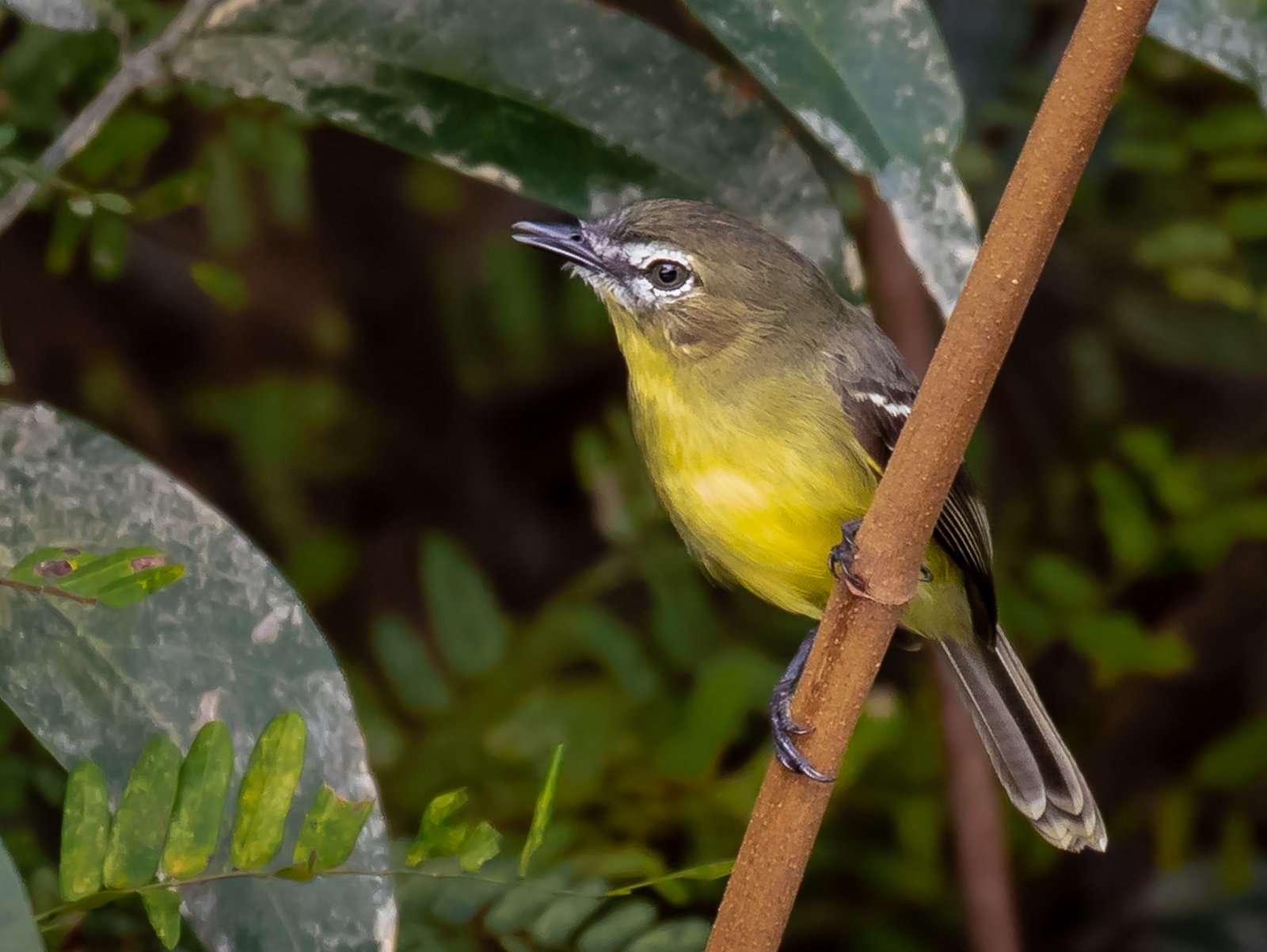
Amarelinho
Inezia subflava- Várzea, igapó and river islands
- Palm swamps and swamp forest
- Lowland marshes and wet meadows
-
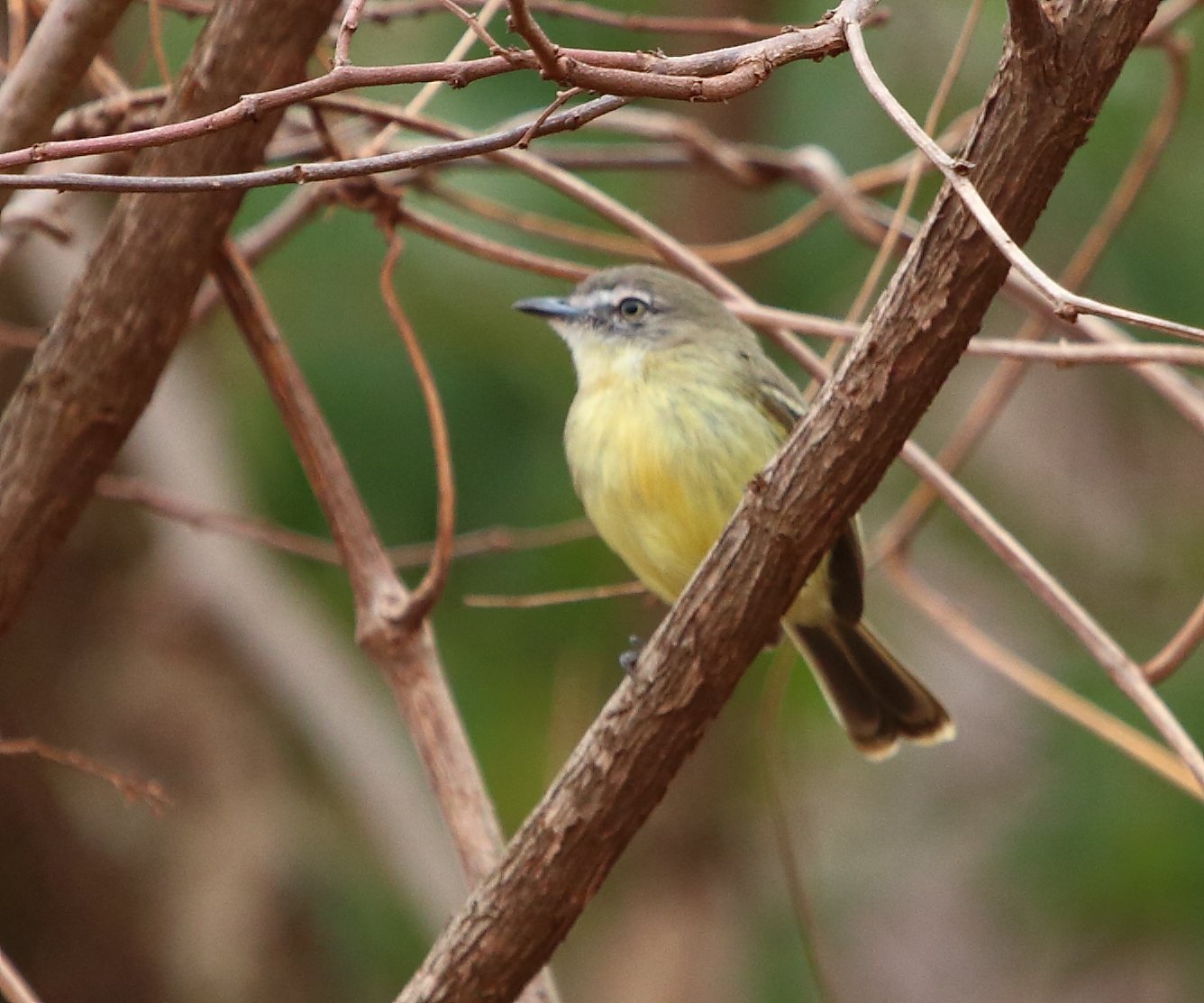
Amarelinho-de-ponta-clara
Inezia caudata- Secondary forest and forest edge
- Riparian woodland of the Andes and coastal valleys
- Mangrove
- Llanos savanna
Lessonia 2 espécies
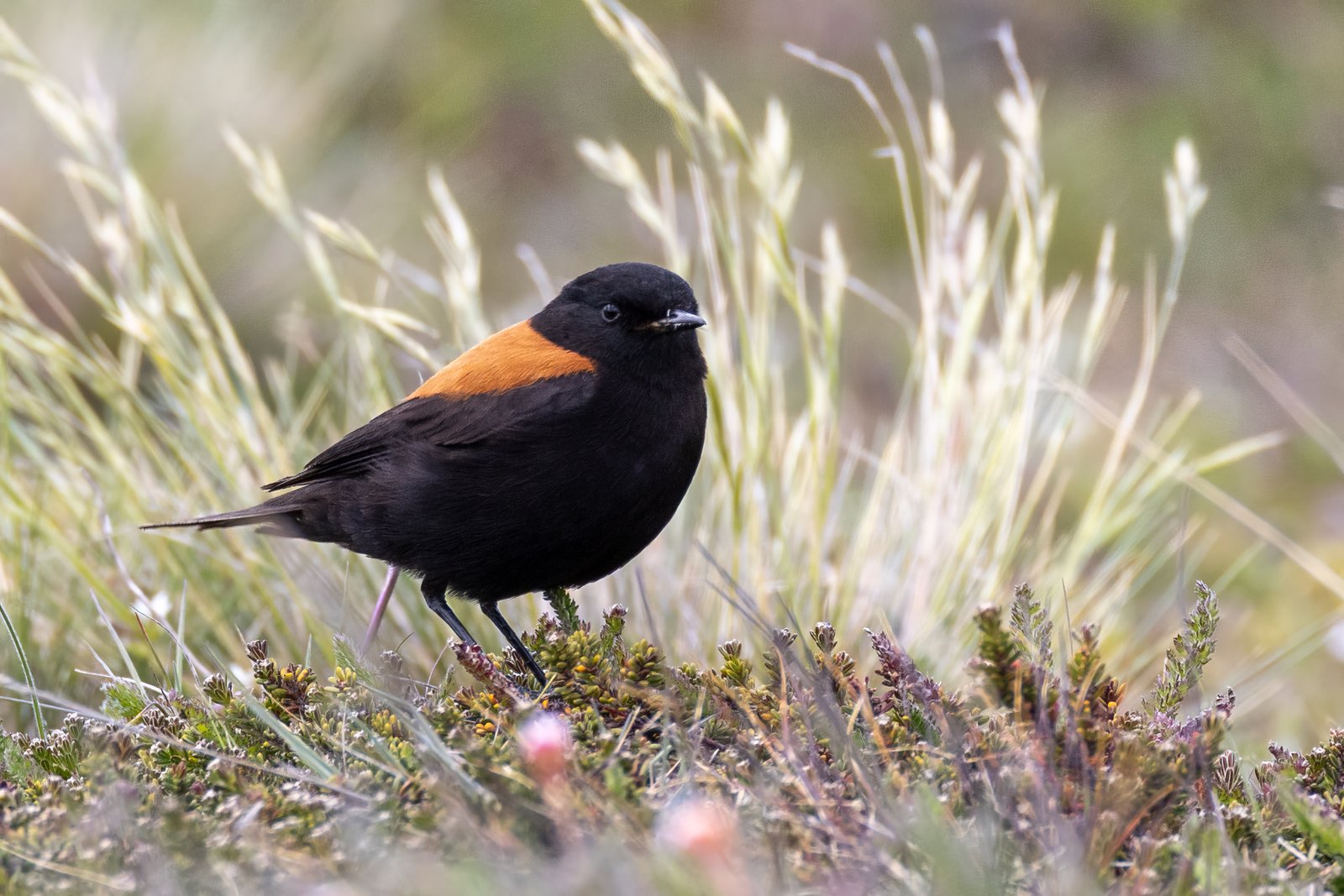
Conopias 3 espécies
-
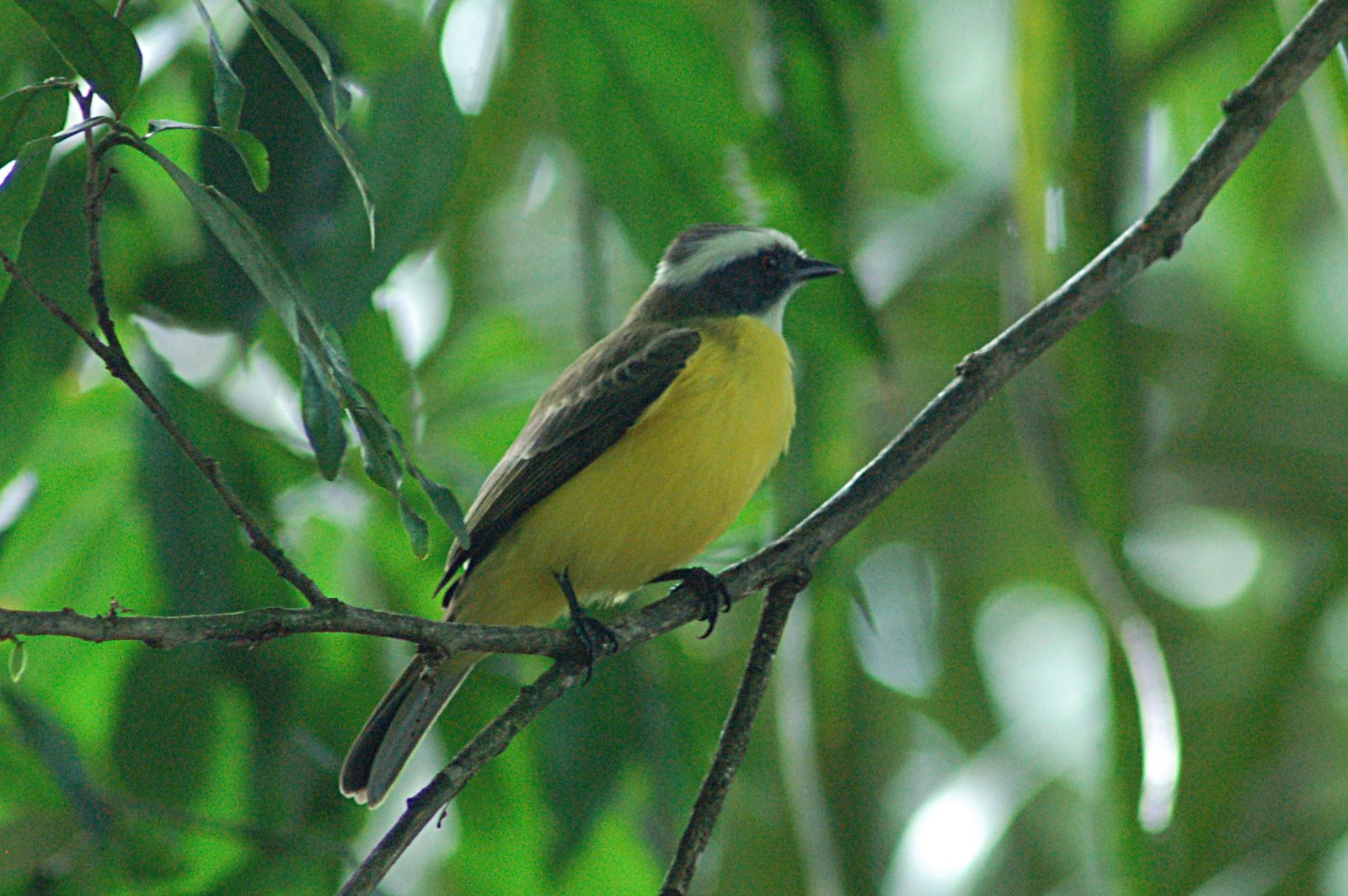
Bem-te-vi-da-copa
Conopias albovittatus- Chocó rainforest
- Amazonian terra firme rainforest
- Secondary forest and forest edge
- Várzea, igapó and river islands
-
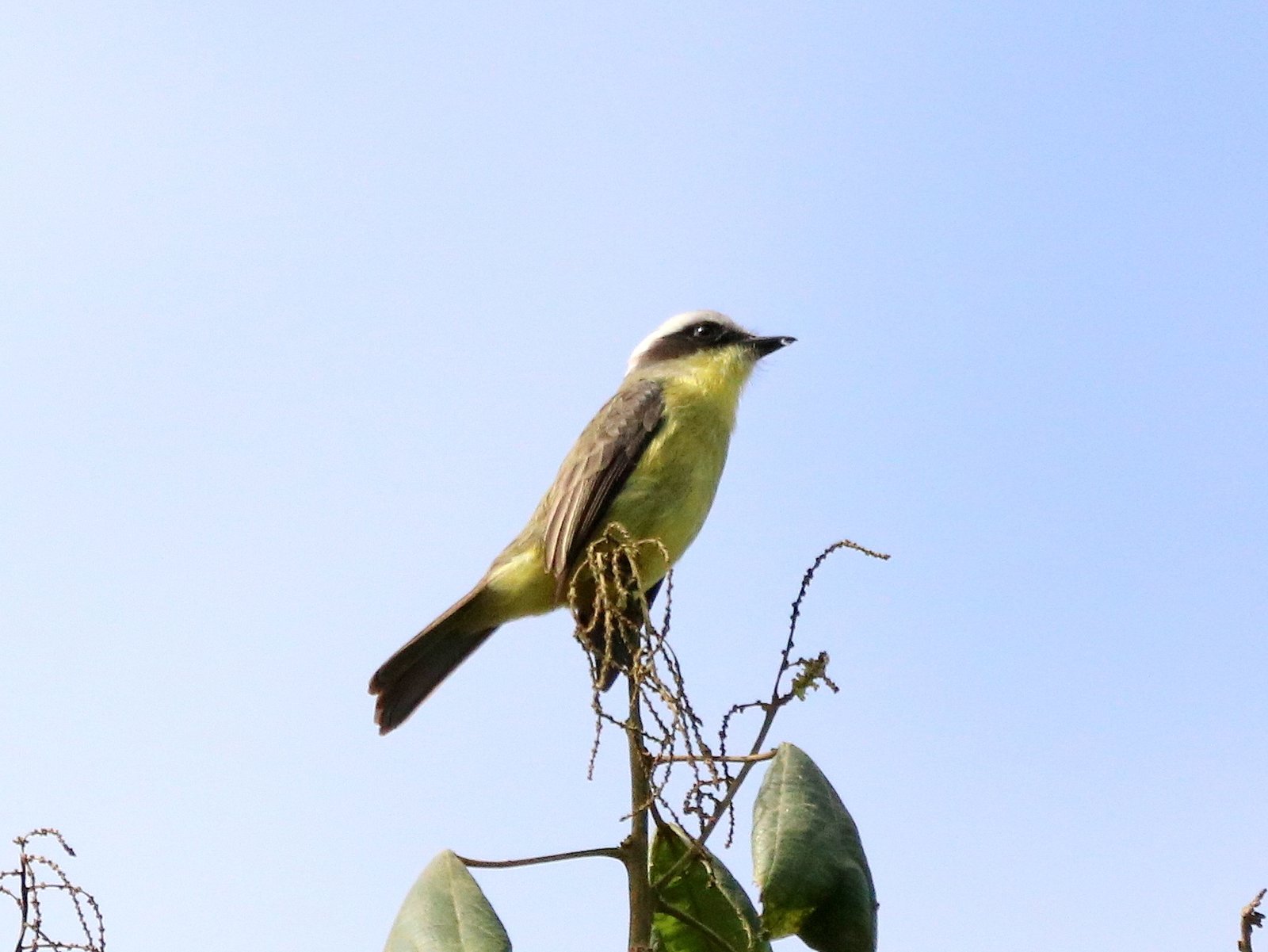
Bem-te-vi-pequeno
Conopias trivirgatus- Várzea, igapó and river islands
- Secondary forest and forest edge
- Amazonian terra firme rainforest
-
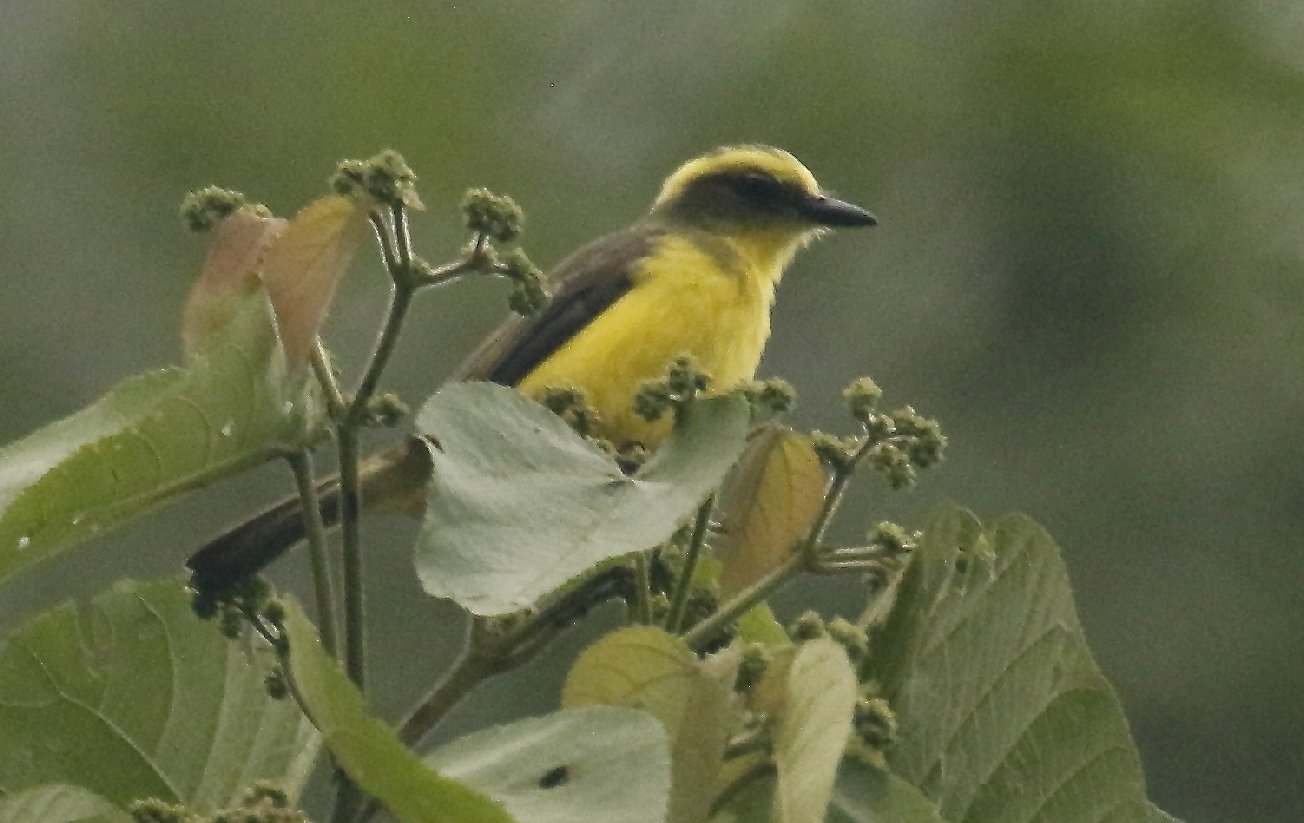
Bem-te-vi-de-sobrancelha-limão
Conopias cinchoneti- Northern Andean subtropical forest
- Lower Yungas forest
- Eastern Andean foothill forest
- Secondary forest and forest edge
Sublegatus 3 espécies
-
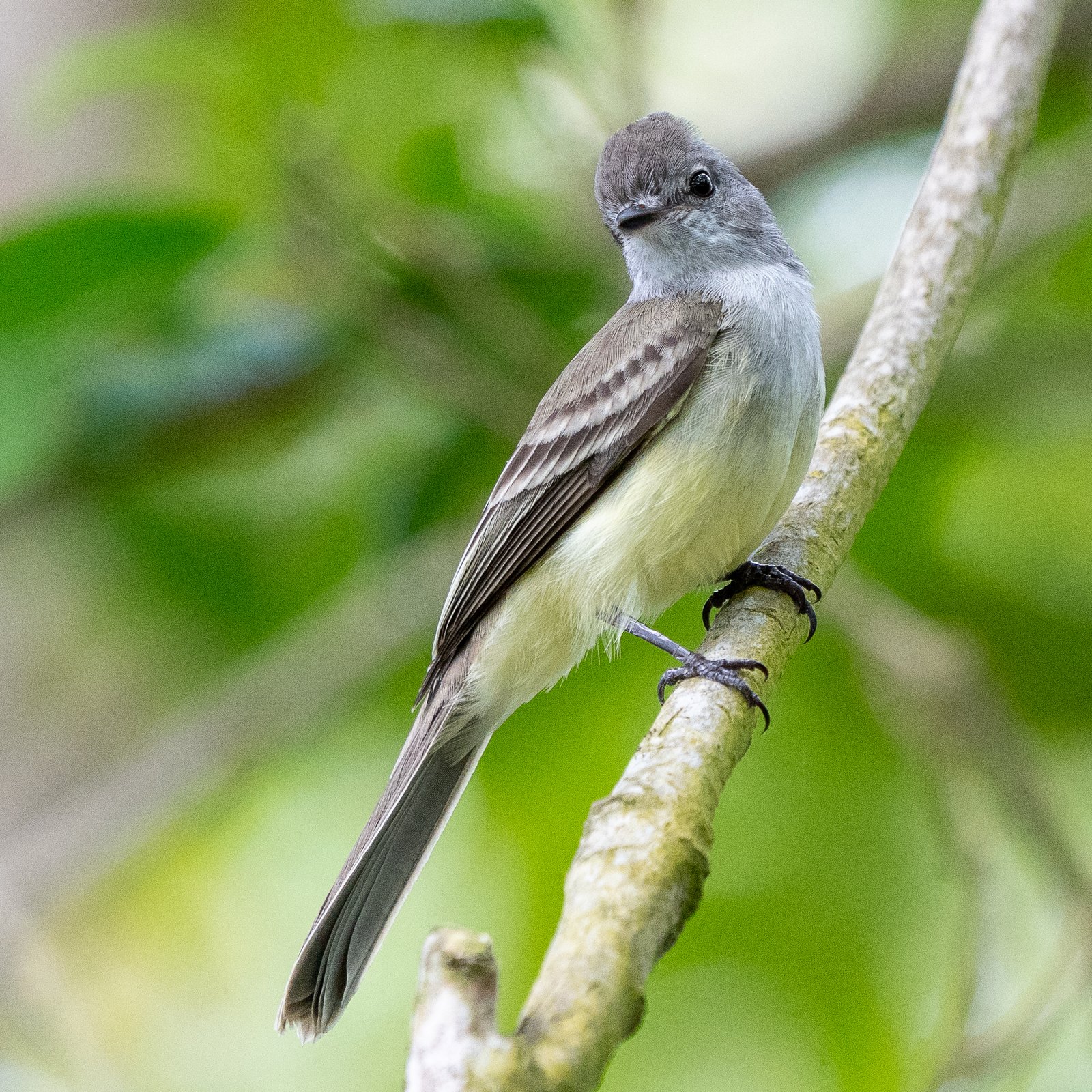
Sertanejo-do-norte
Sublegatus arenarum- Secondary forest and forest edge
- Mangrove
- Llanos savanna
- Pasture and ranchland
-
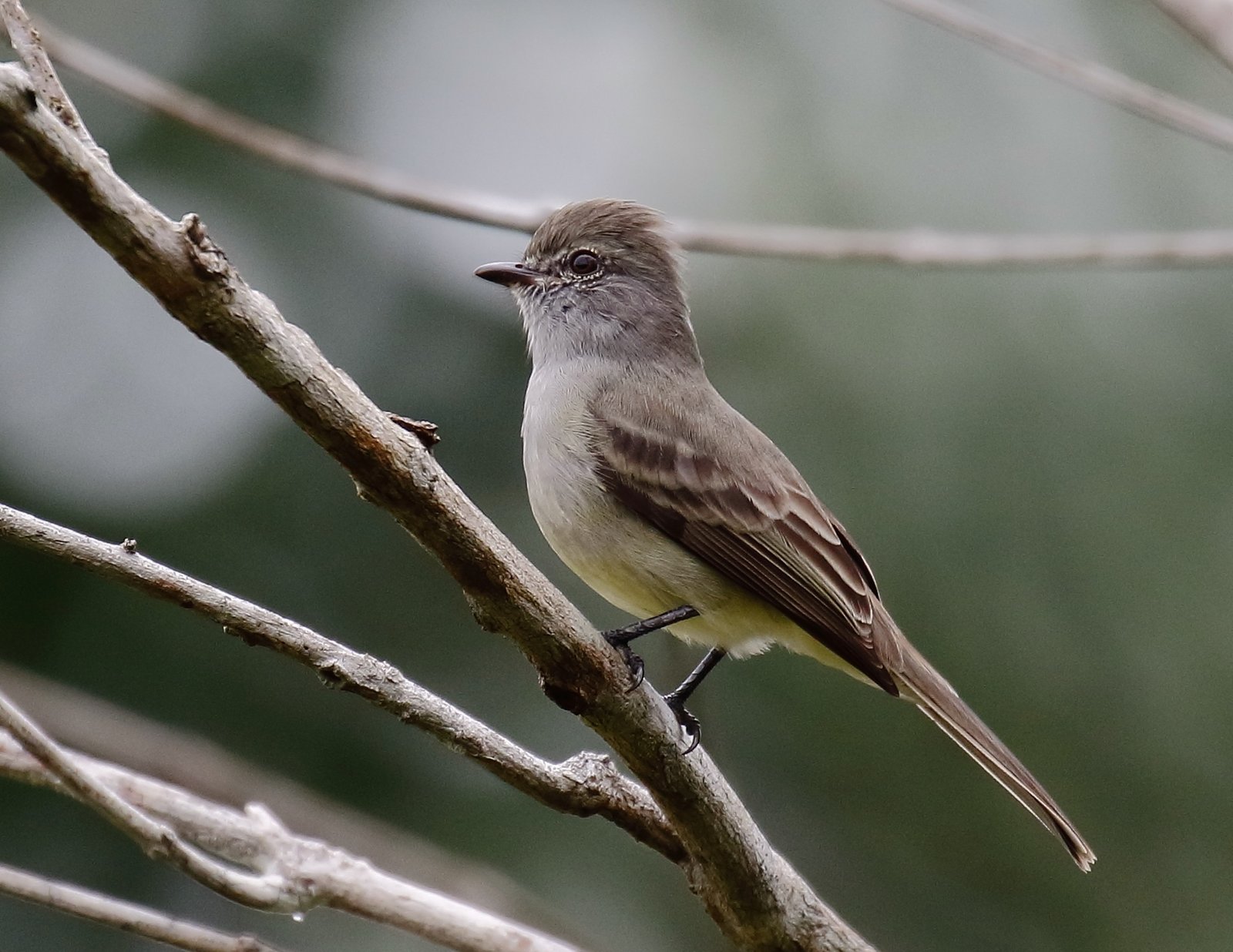
Sertanejo-escuro
Sublegatus obscurior- Secondary forest and forest edge
- Várzea, igapó and river islands
- Beni savanna and cerrado
- Amazonian terra firme rainforest
-
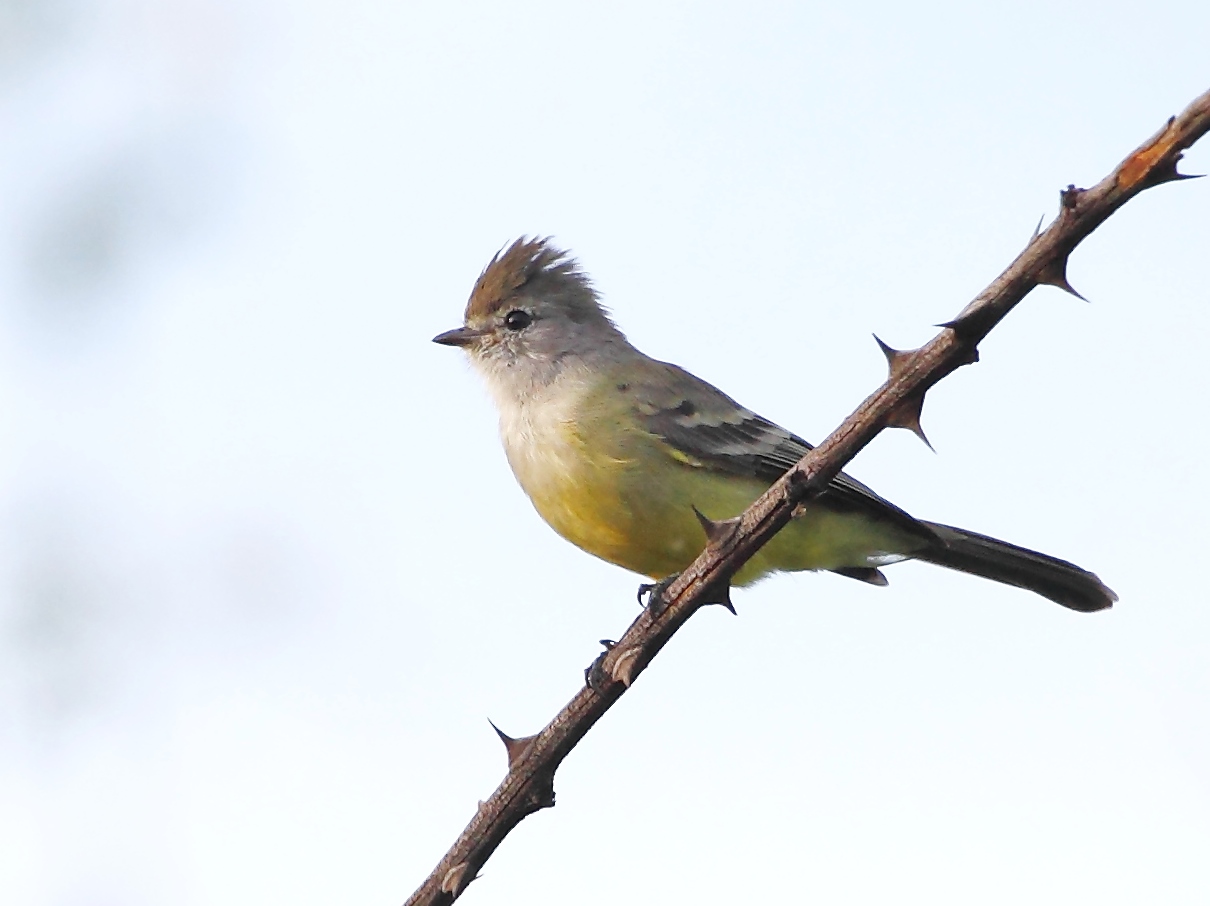
Guaracava-modesta
Sublegatus modestus- Chiquitano dry forest and Chaco
- Beni savanna and cerrado
- Central Andean dry valleys
- Secondary forest and forest edge
- Várzea, igapó and river islands
Ramphotrigon 3 espécies
-
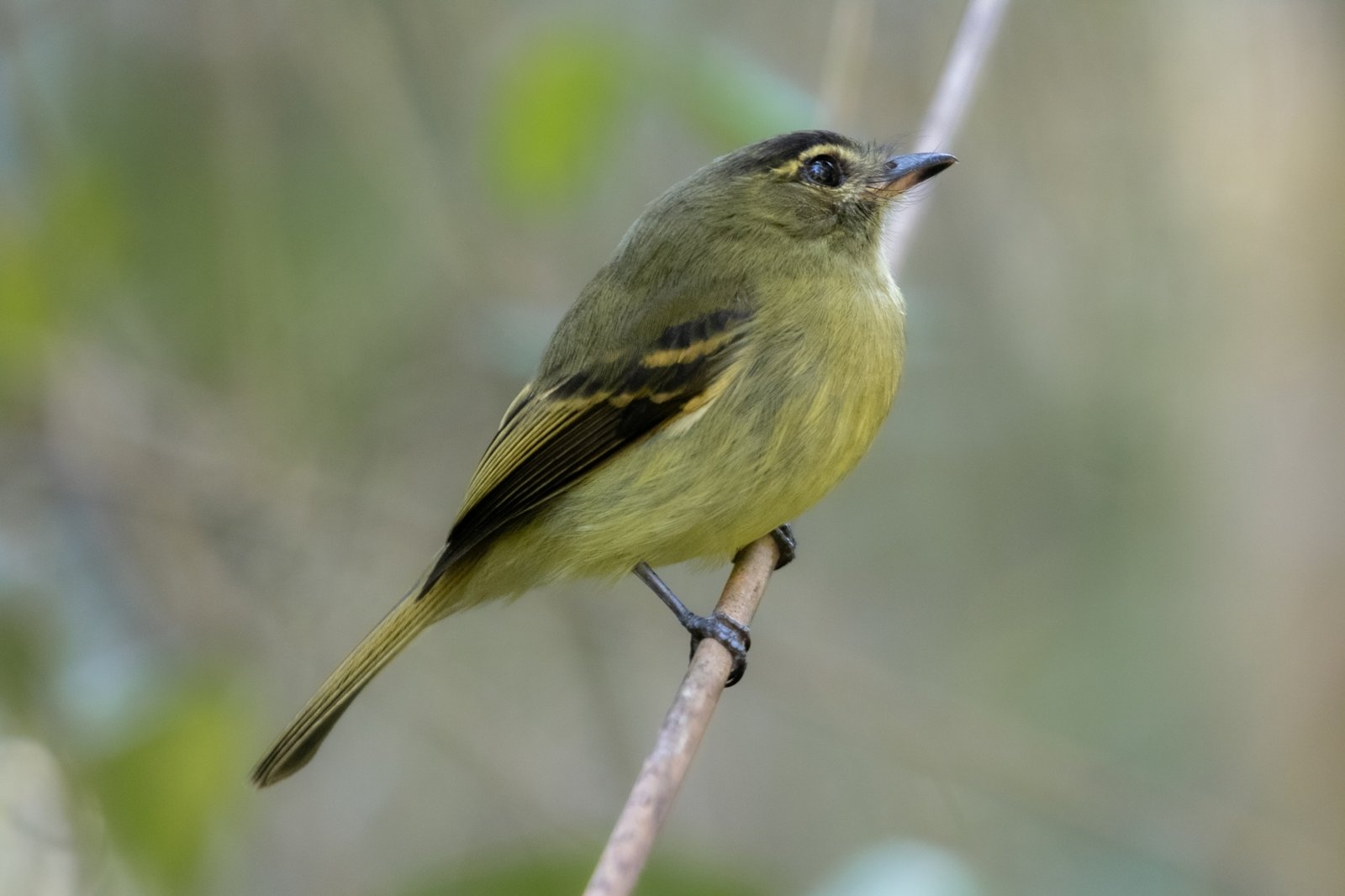
Maria-cabeçuda
Ramphotrigon megacephalum- Bamboo forest
- Amazonian terra firme rainforest
- Várzea, igapó and river islands
- Eastern Andean foothill forest
-
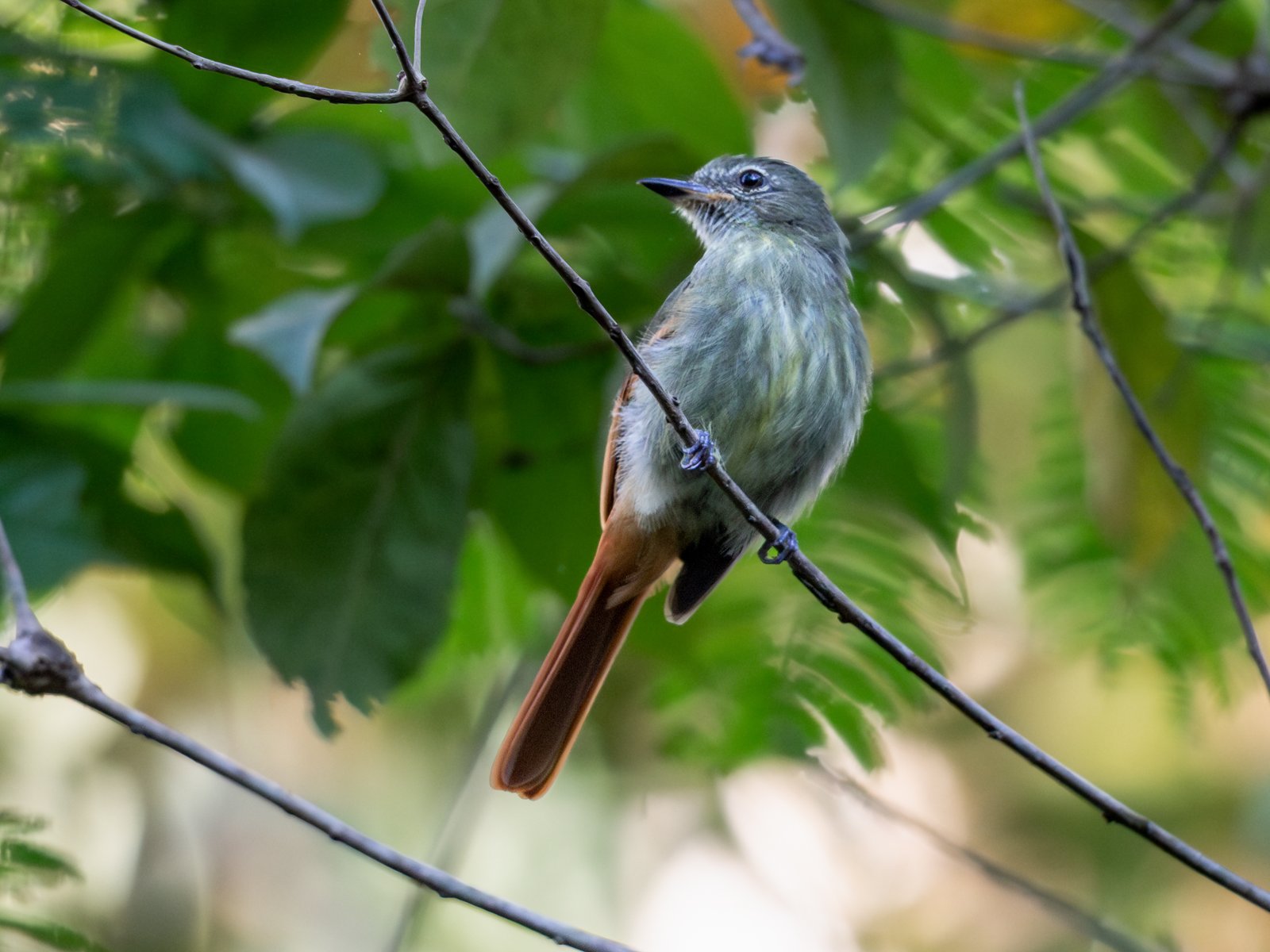
Bico-chato-de-rabo-vermelho
Ramphotrigon ruficauda- Amazonian terra firme rainforest
- Várzea, igapó and river islands
- Secondary forest and forest edge
-
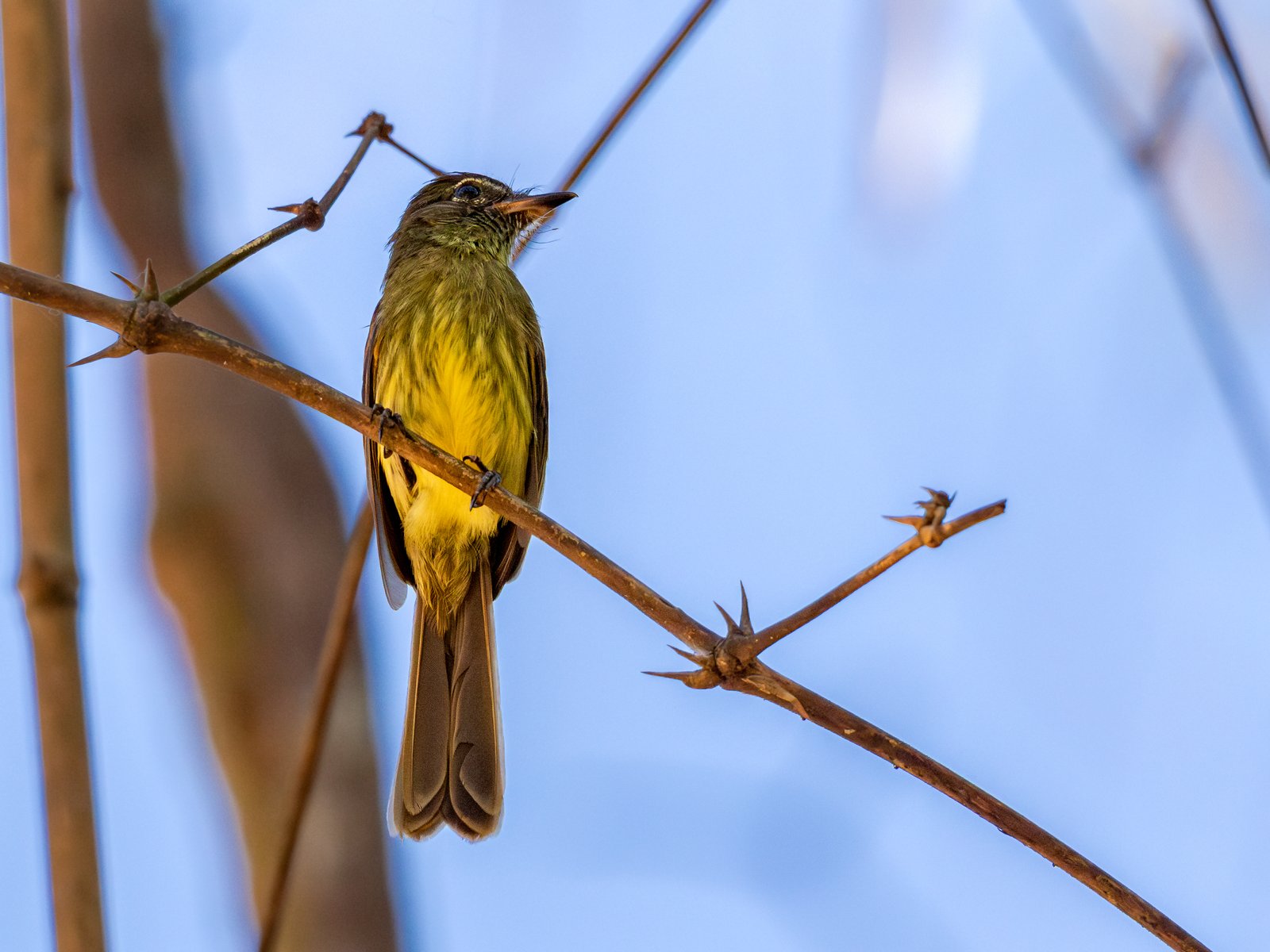
Maria-de-cauda-escura
Ramphotrigon fuscicauda- Bamboo forest
- Amazonian terra firme rainforest
- Eastern Andean foothill forest
Phelpsia 1 espécie
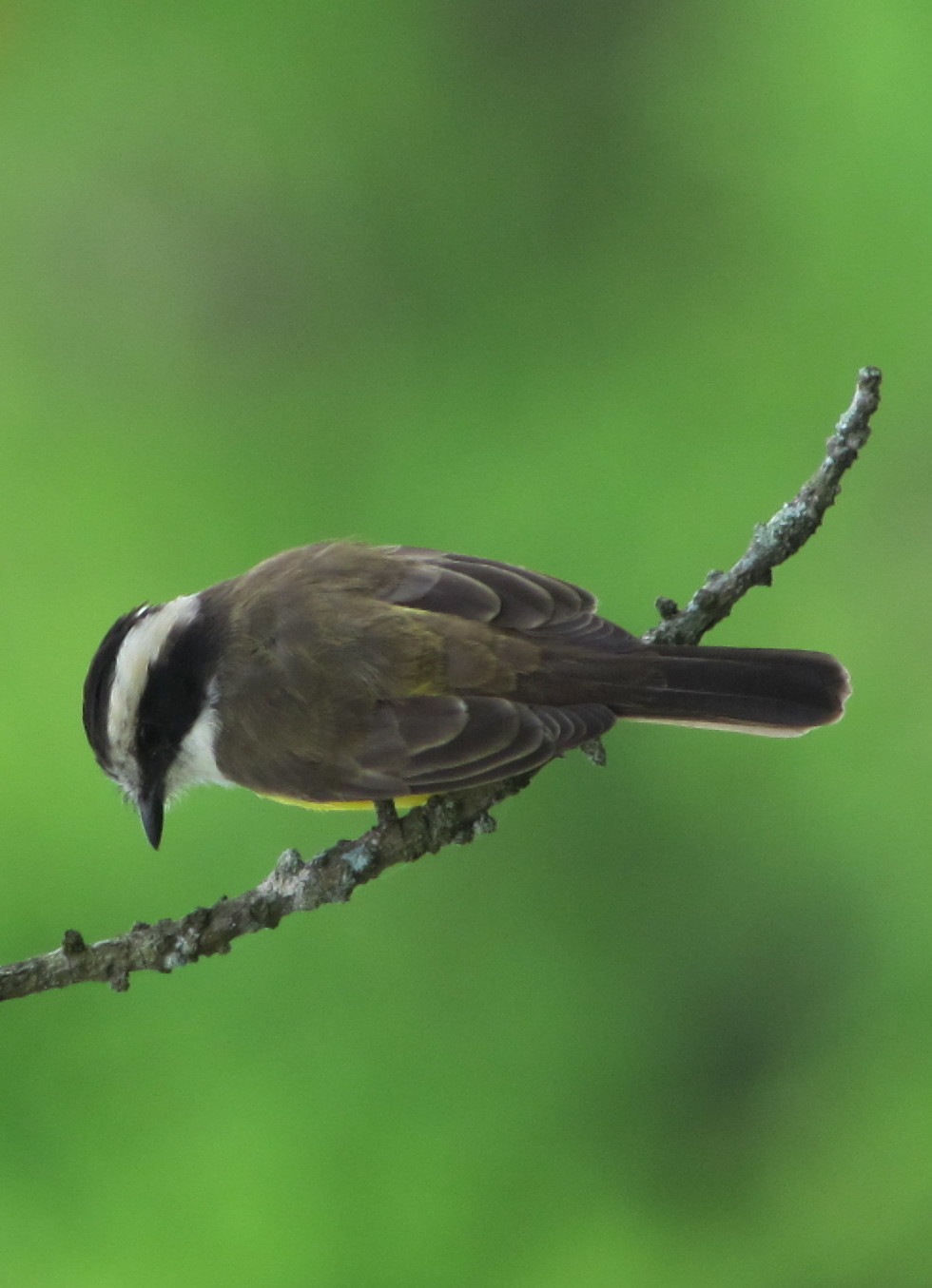
Myiornis 3 espécies
-
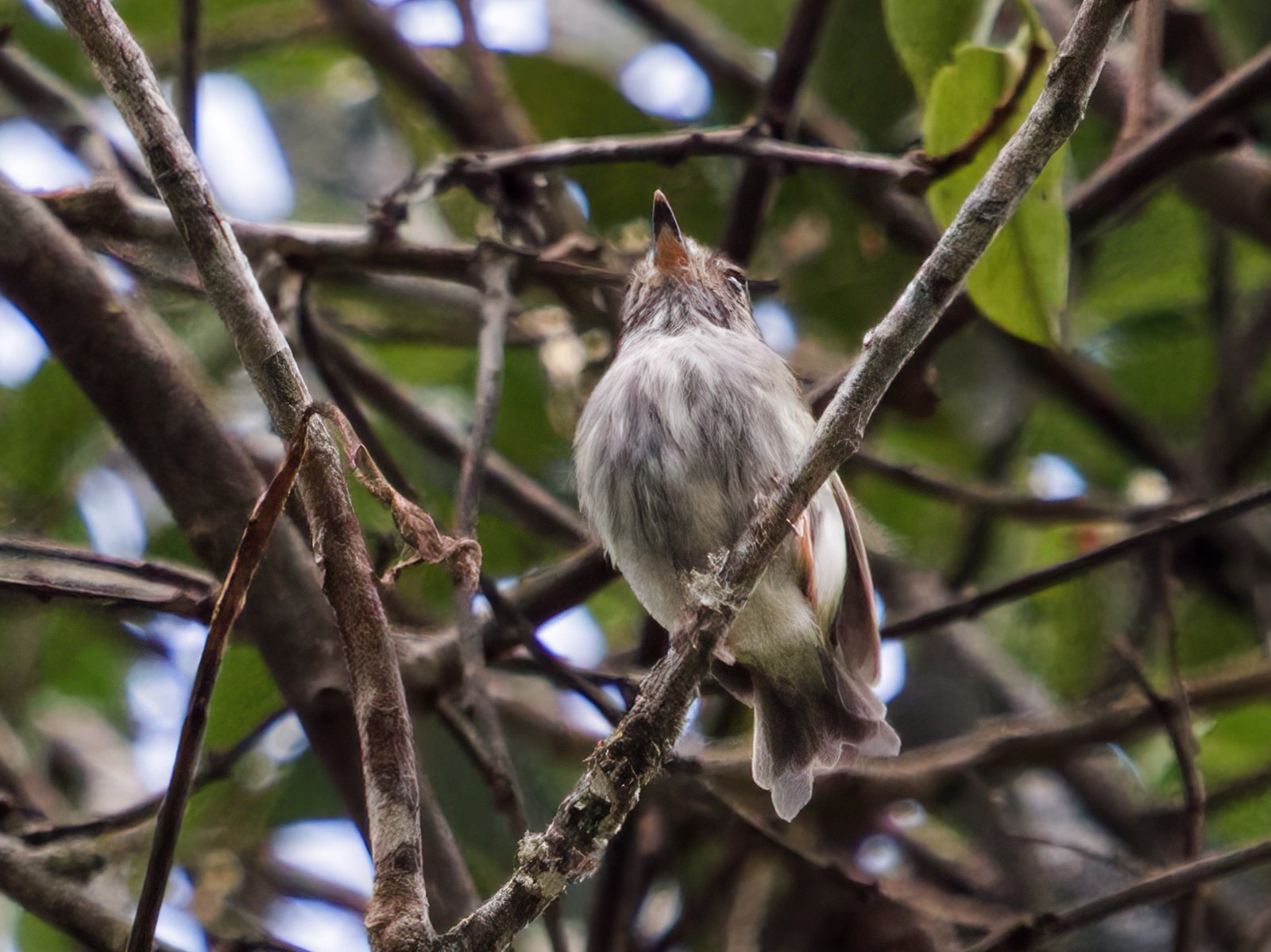
Caçula-de-barriga-branca
Myiornis albiventris- Eastern Andean foothill forest
- Lower Yungas forest
- Secondary forest and forest edge
-
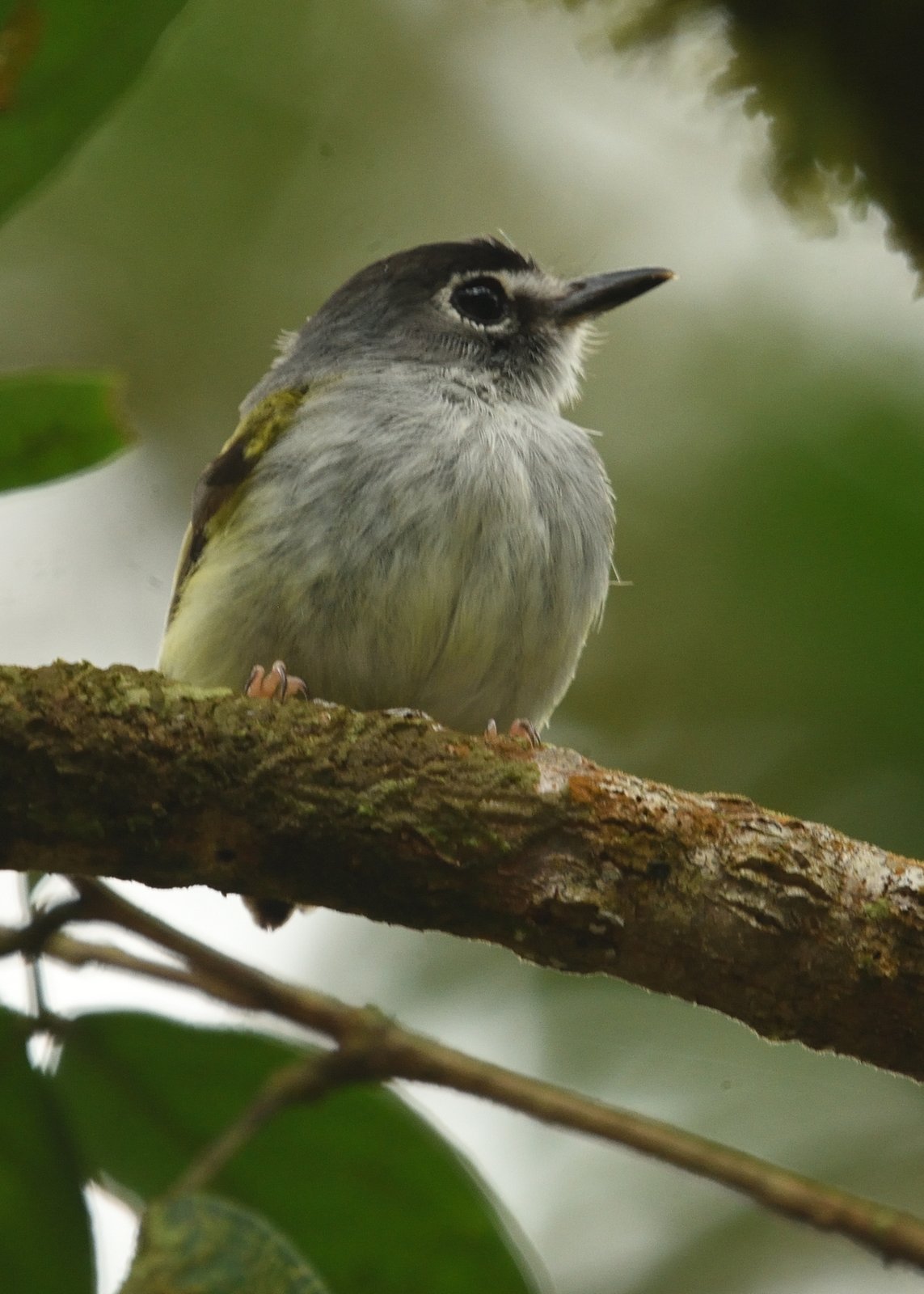
Caçula-de-boné-preto
Myiornis atricapillus- Chocó rainforest
- Western Ecuador humid forest
- Secondary forest and forest edge
-
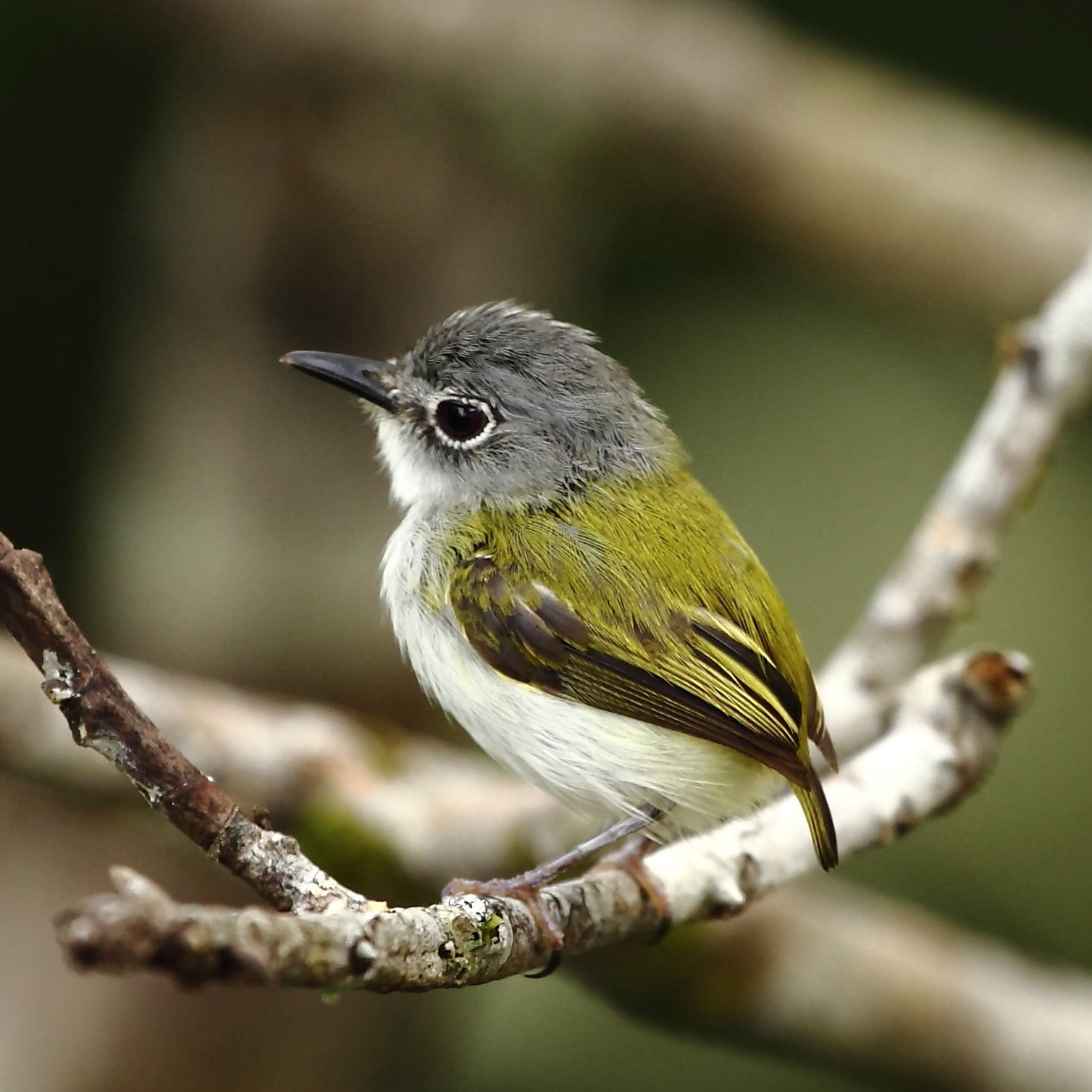
Caçula
Myiornis ecaudatus- Amazonian terra firme rainforest
- Várzea, igapó and river islands
- Secondary forest and forest edge
- Eastern Andean foothill forest
Euscarthmus 3 espécies
-
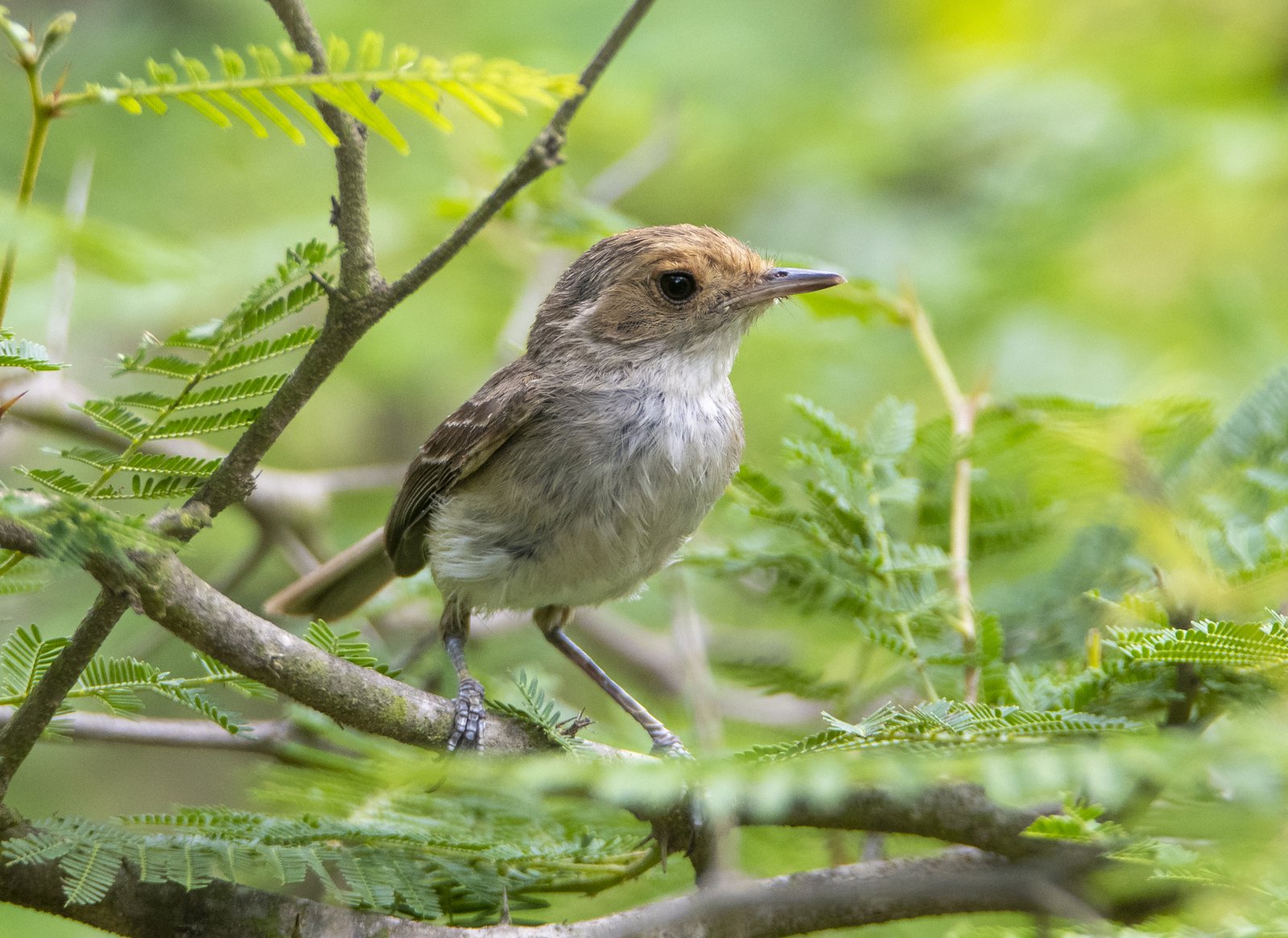
Barulhento-de-cara-fulva
Euscarthmus fulviceps- Tumbesian dry forest and thorn scrub
- Marañón and northern inter-Andean dry forest
- Riparian woodland of the Andes and coastal valleys
- Secondary forest and forest edge
-
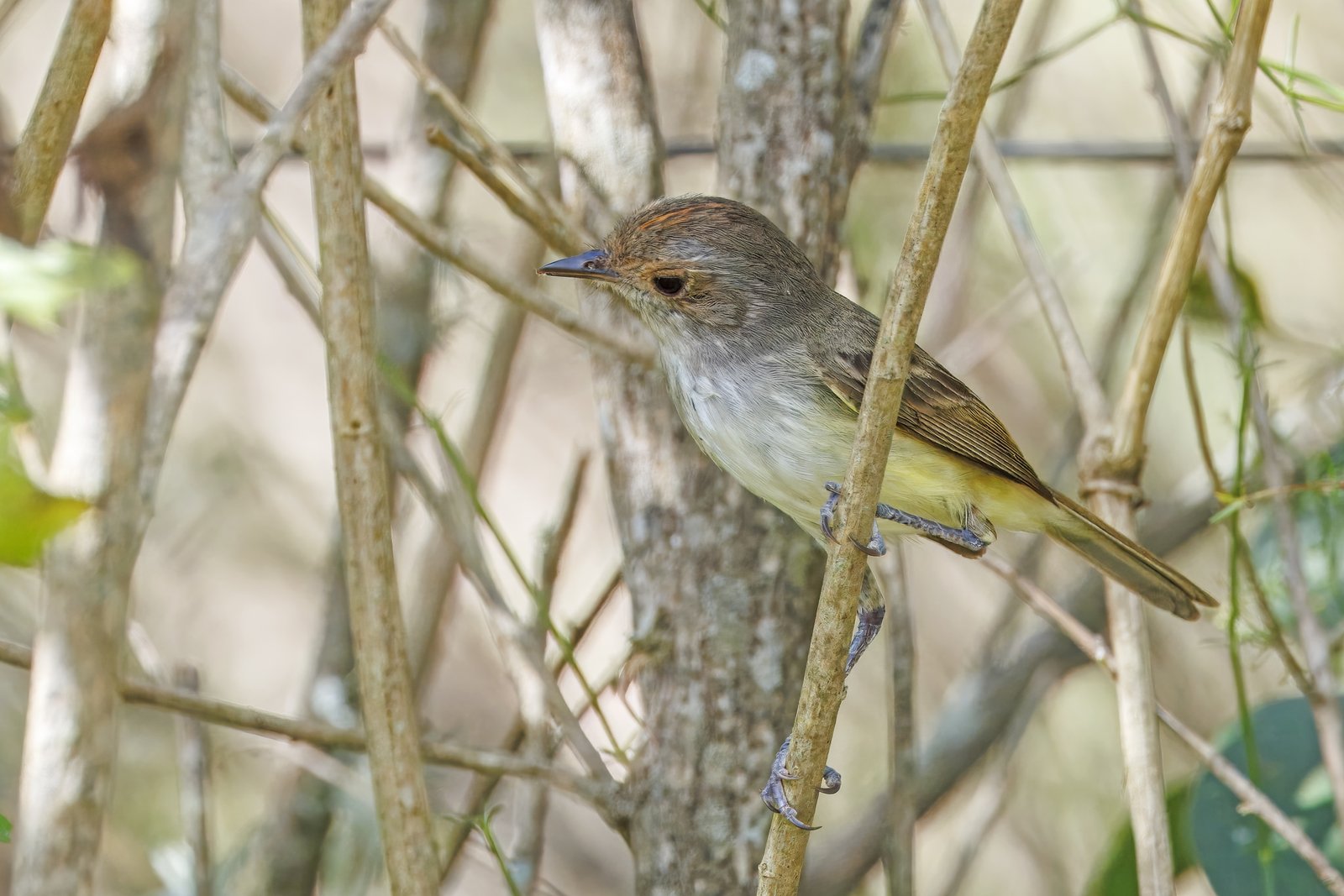
Barulhento
Euscarthmus meloryphus- Chiquitano dry forest and Chaco
- Marañón and northern inter-Andean dry forest
- Secondary forest and forest edge
- Beni savanna and cerrado
- Central Andean dry valleys
-
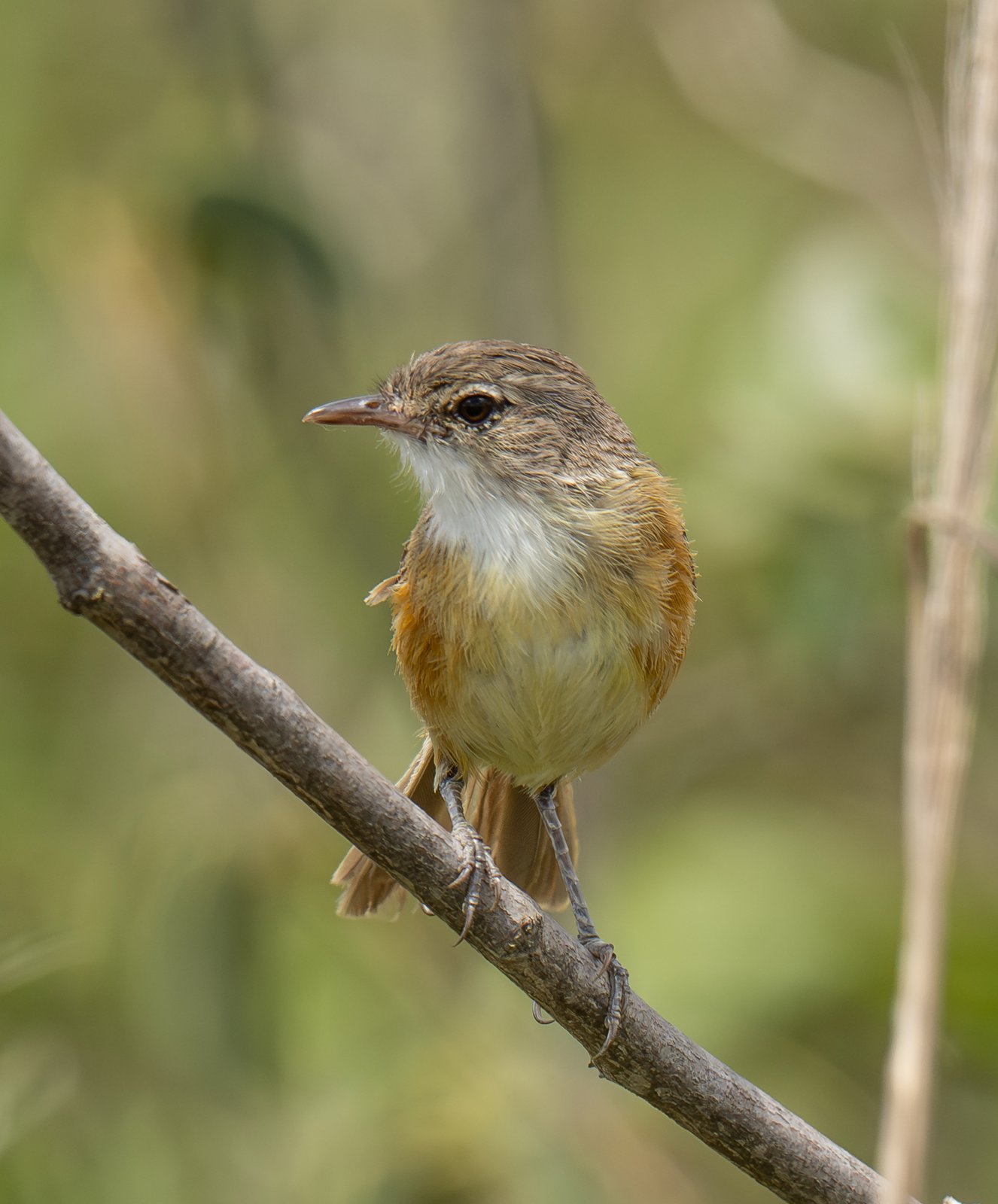
Maria-corruíra
Euscarthmus rufomarginatus- Beni savanna and cerrado
- Lowland marshes and wet meadows
Tyrannus 7 espécies
-
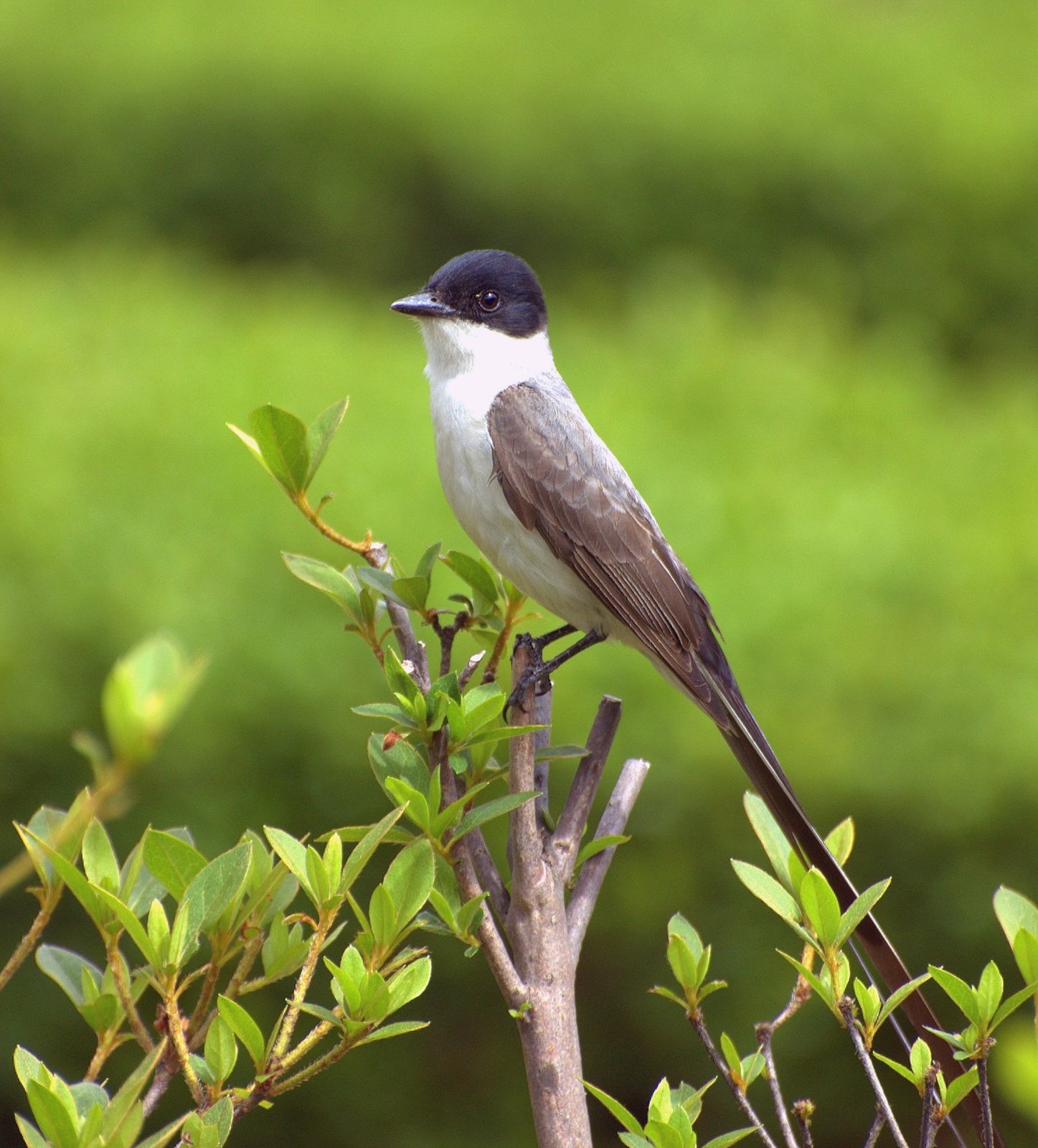
Tesourinha
Tyrannus savana- Llanos savanna
- Beni savanna and cerrado
- Pasture and ranchland
- Lowland marshes and wet meadows
- Secondary forest and forest edge
- Várzea, igapó and river islands
-
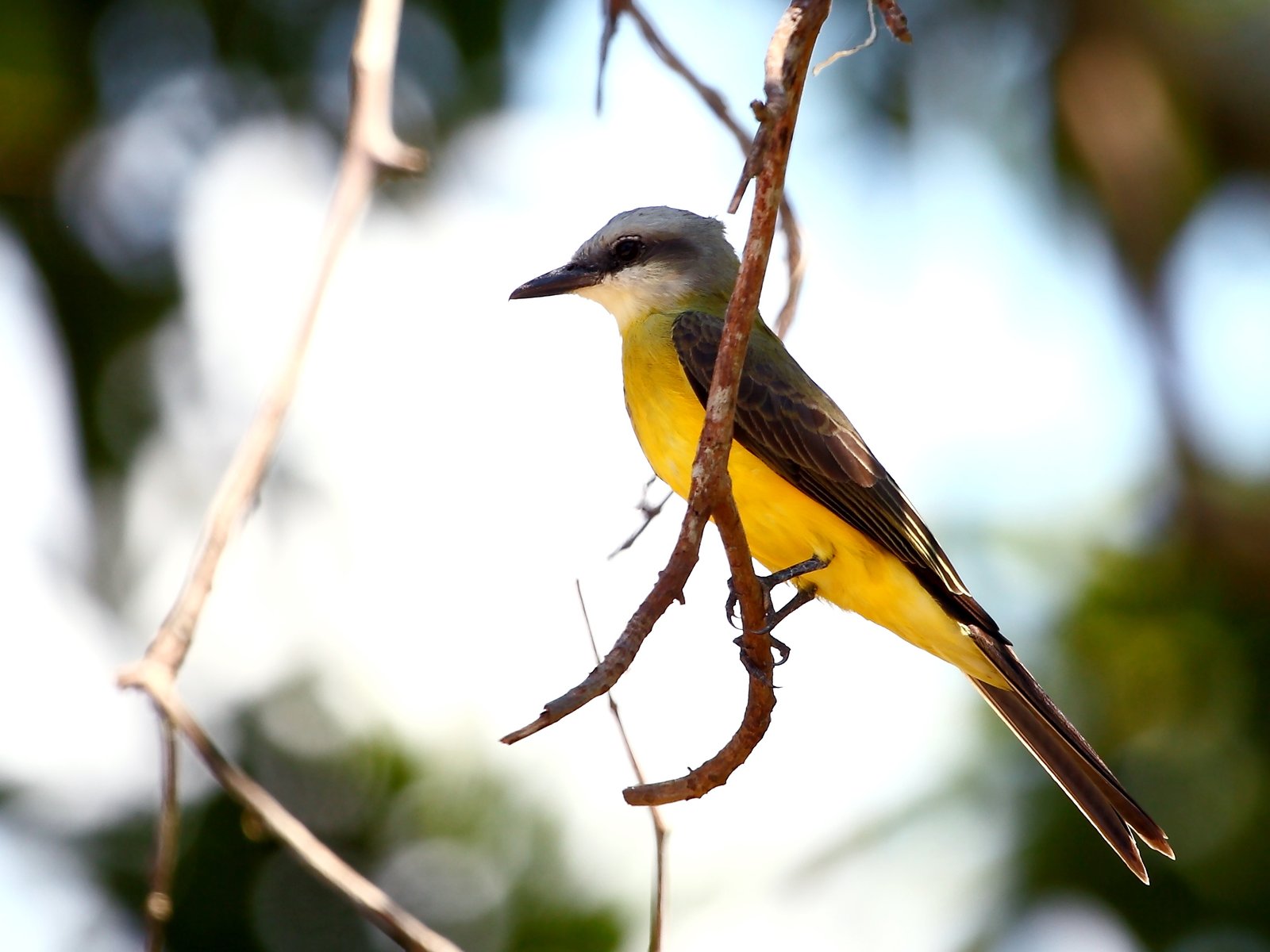
Suiriri-de-garganta-branca
Tyrannus albogularis- Várzea, igapó and river islands
- Beni savanna and cerrado
- Secondary forest and forest edge
- Lowland rivers and sandbars
- Pasture and ranchland
-
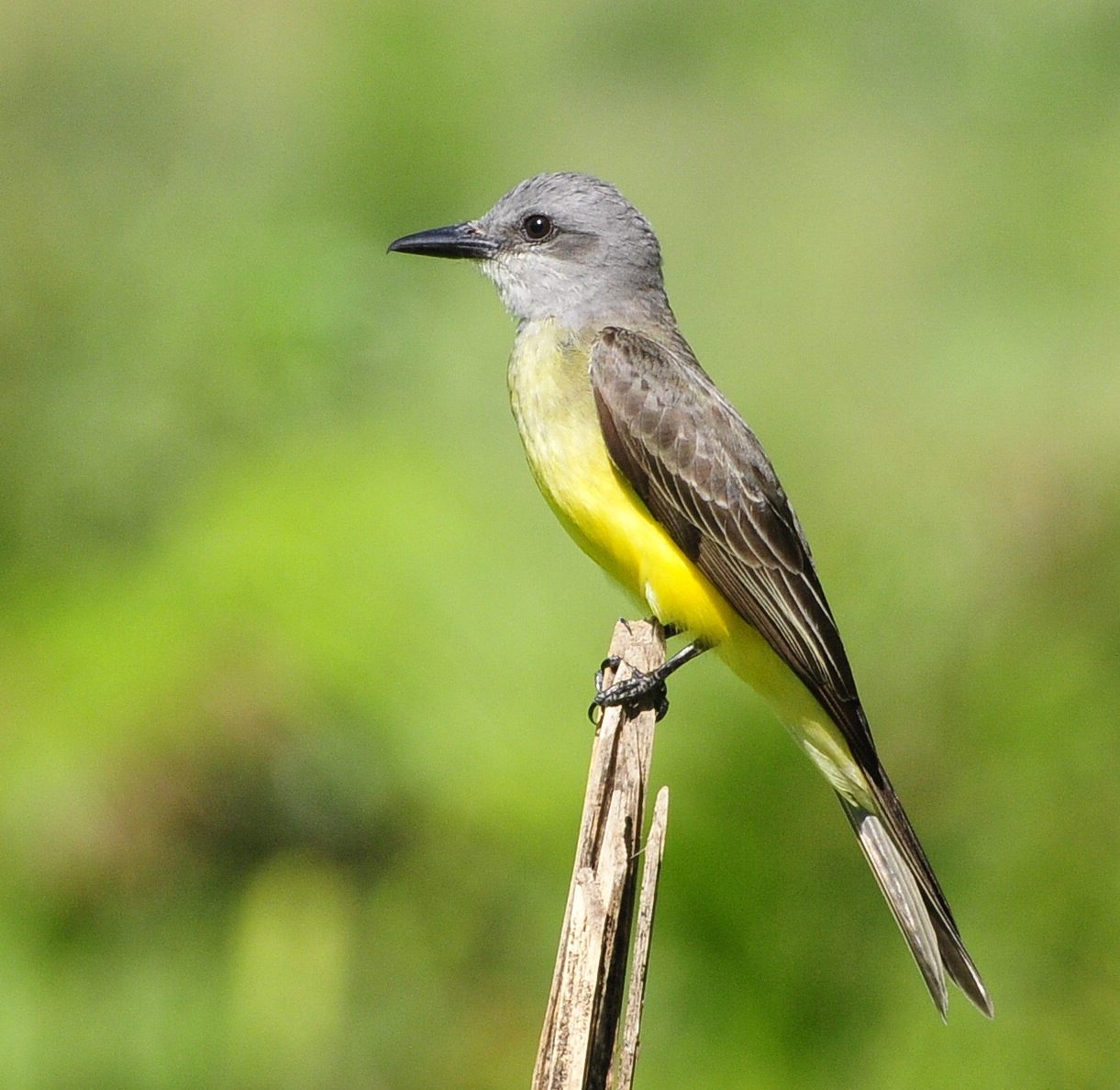
Suiriri
Tyrannus melancholicus- Secondary forest and forest edge
- Towns, cities and parks
- Pasture and ranchland
- Riparian woodland of the Andes and coastal valleys
- Tumbesian dry forest and thorn scrub
- Coffee, cacao and agroforestry
- Várzea, igapó and river islands
-
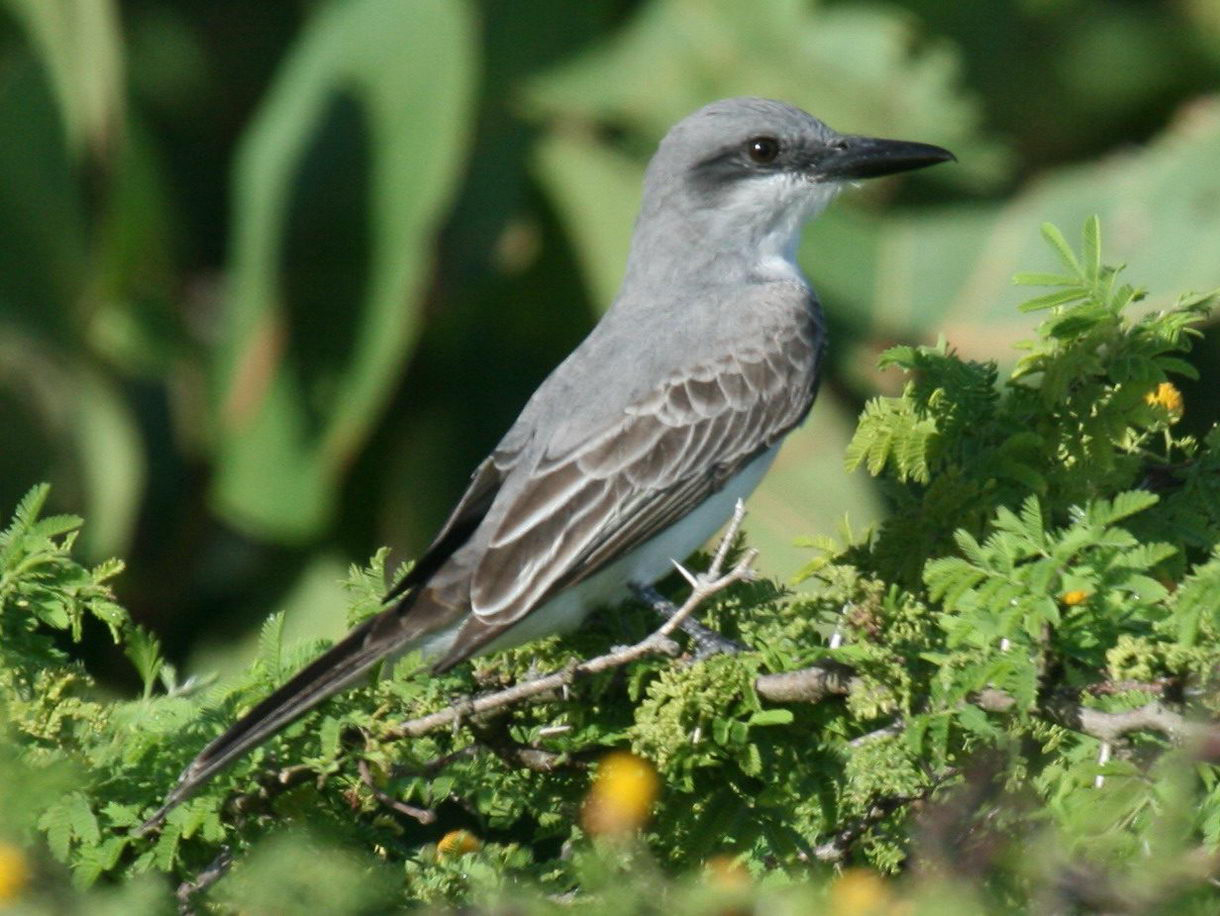
Suiriri-cinza
Tyrannus dominicensis- Mangrove
- Towns, cities and parks
- Secondary forest and forest edge
- Pasture and ranchland
- Llanos savanna
-
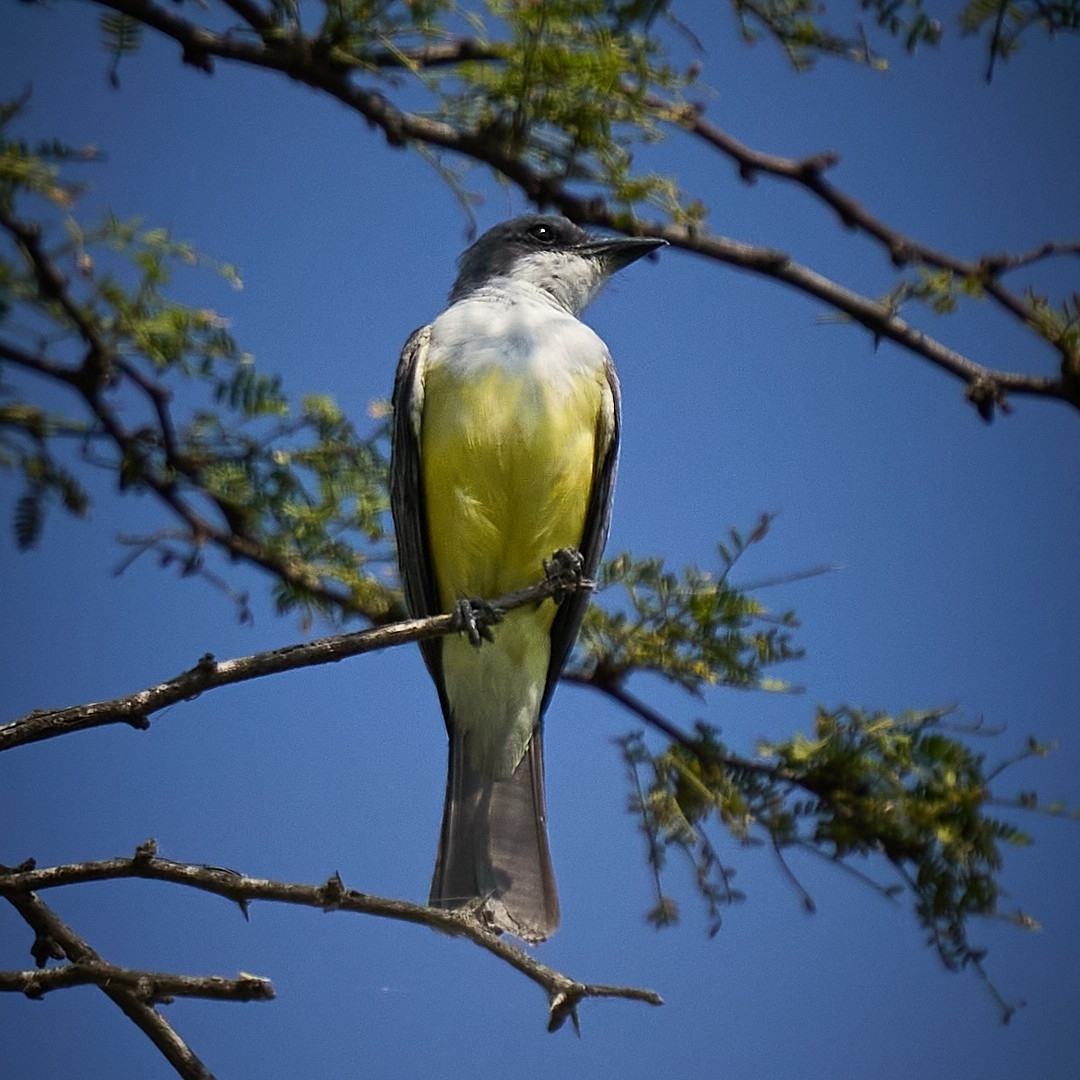
Suiriri-de-garganta-nívea
Tyrannus niveigularis- Tumbesian dry forest and thorn scrub
- Coastal desert
- Irrigated farmland and rice fields
- Riparian woodland of the Andes and coastal valleys
- Pasture and ranchland
-
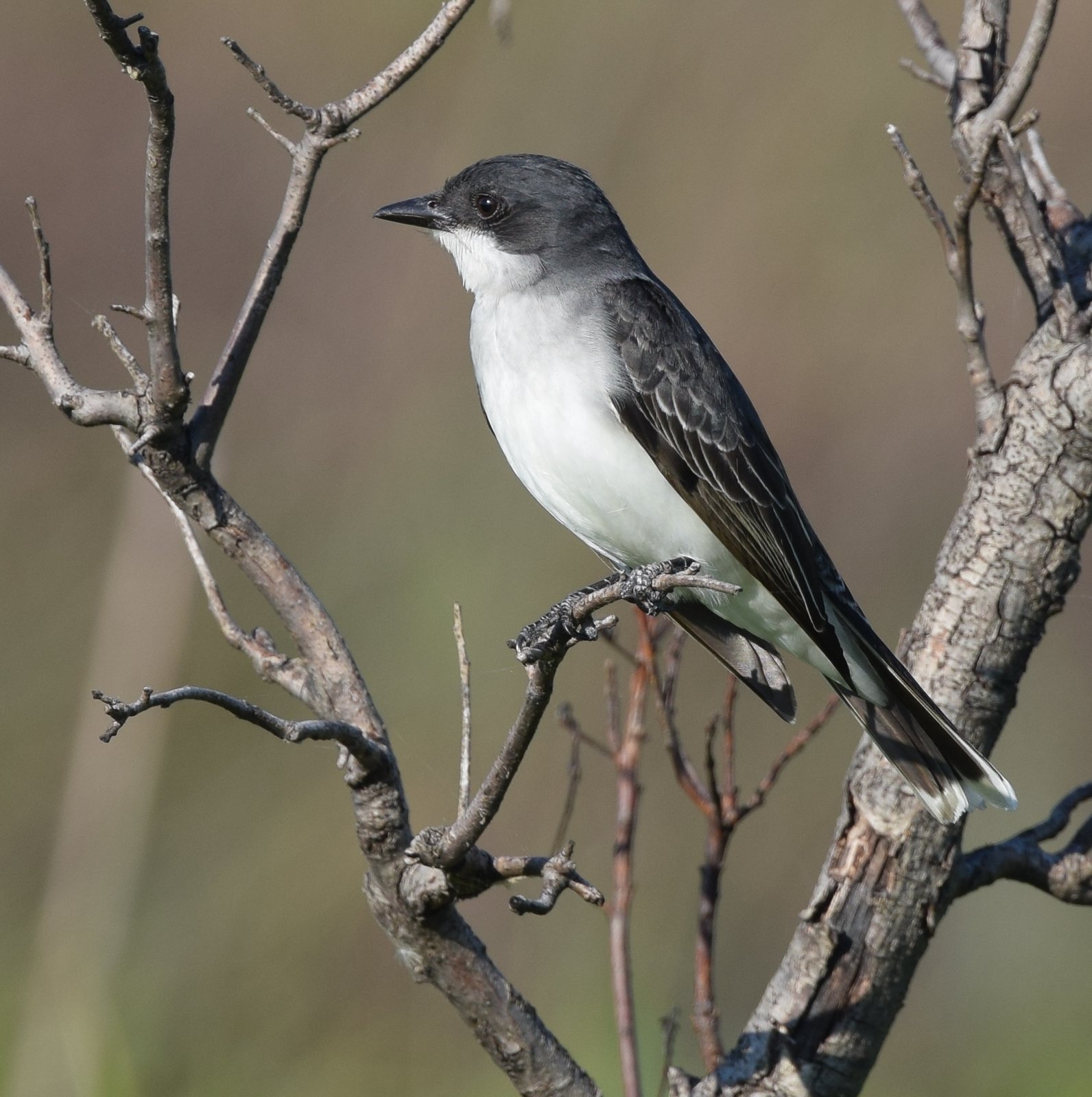
Suiriri-valente
Tyrannus tyrannus- Amazonian terra firme rainforest
- Várzea, igapó and river islands
- Lowland rivers and sandbars
- Secondary forest and forest edge
- Pasture and ranchland
-
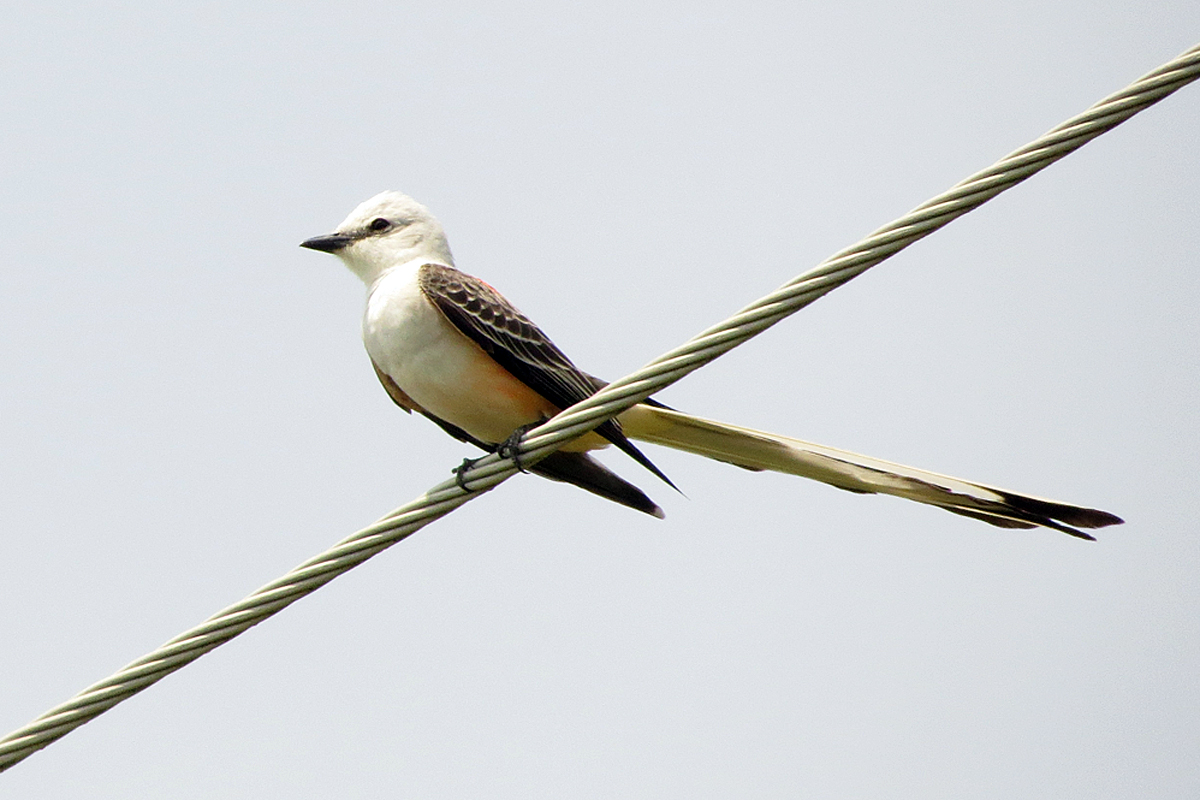
Tesourinha-rosada
Tyrannus forficatus- Pasture and ranchland
- Secondary forest and forest edge
- Towns, cities and parks
- Llanos savanna
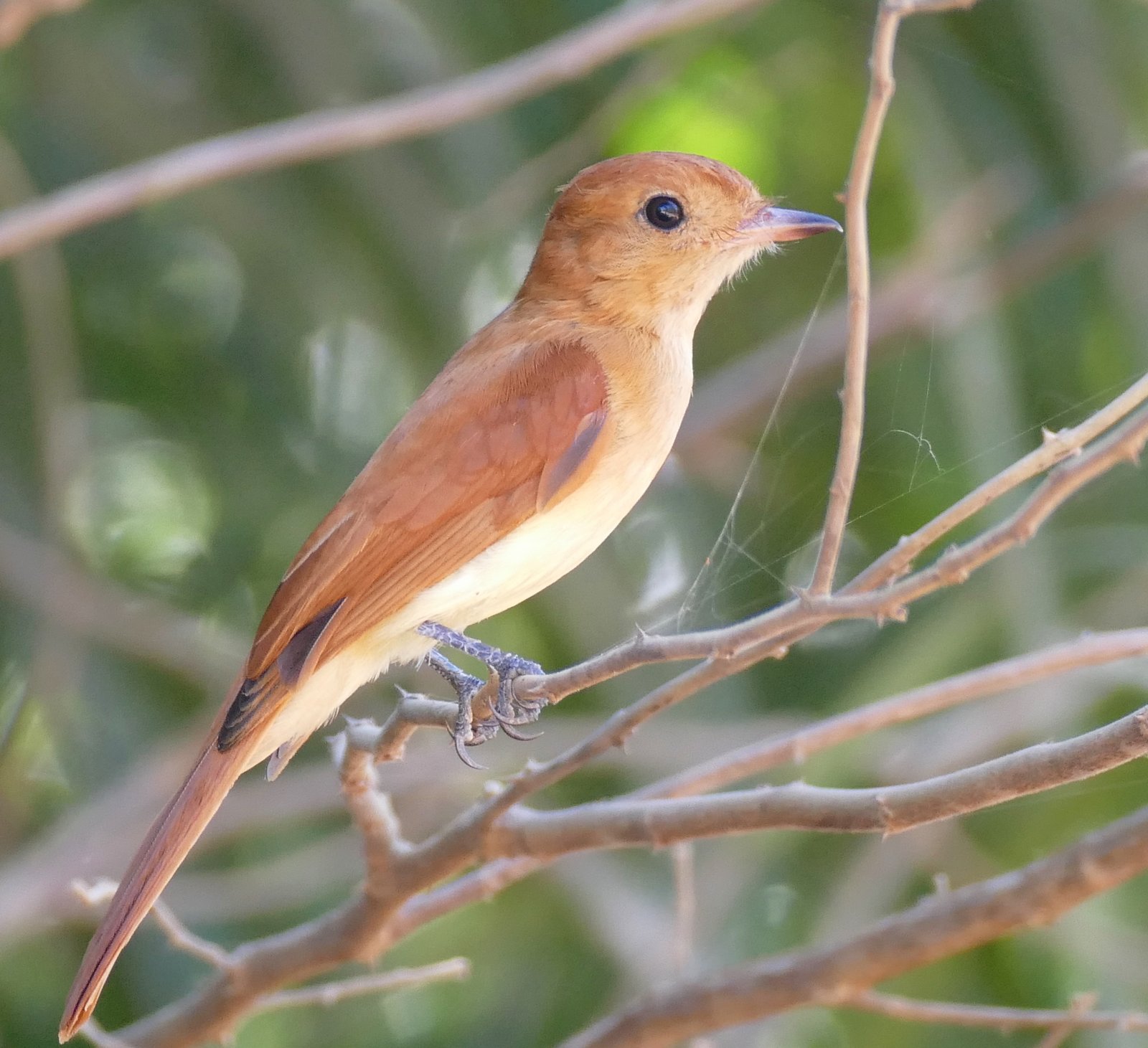
Agriornis 4 espécies
-
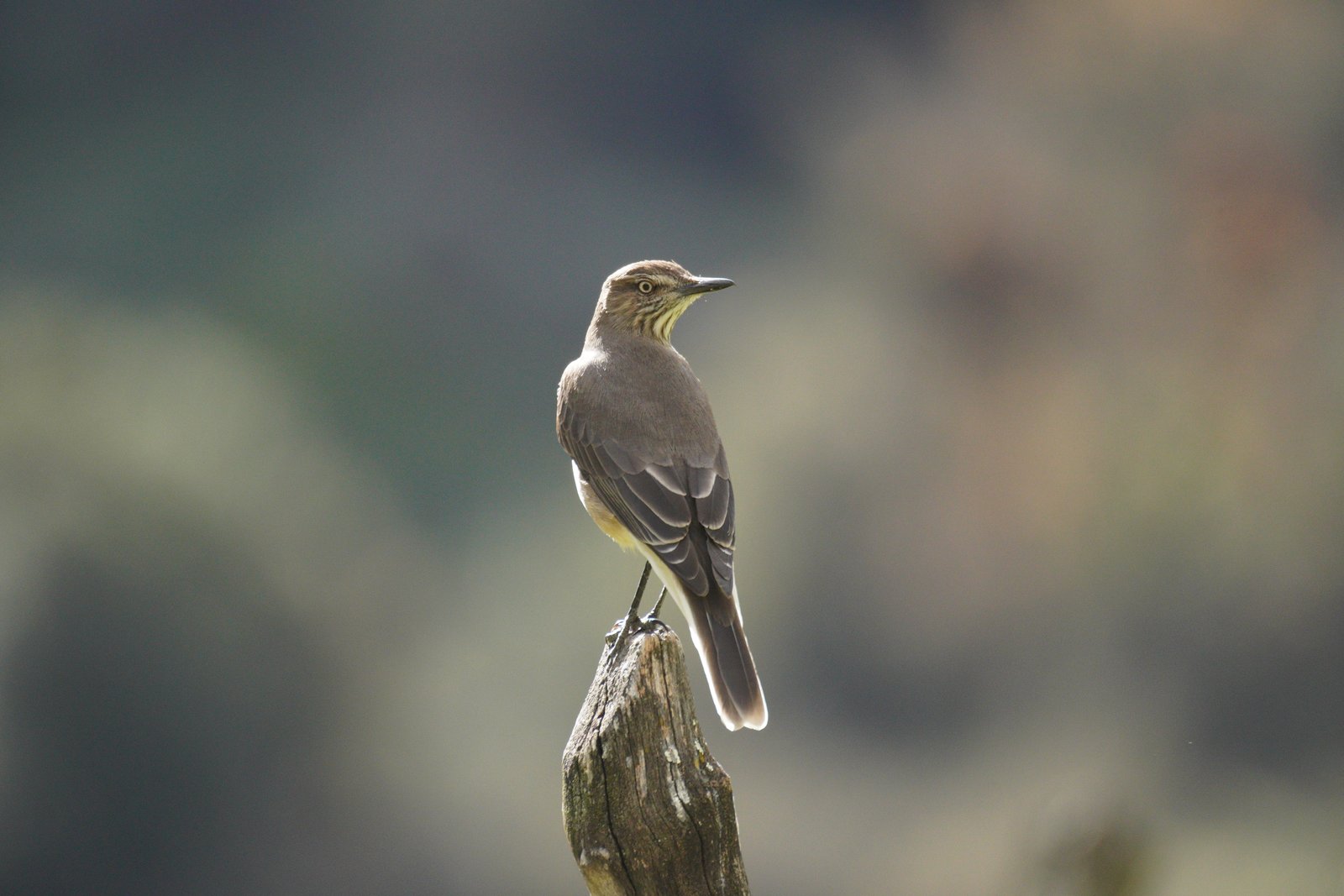
Gaúcho-de-bico-preto
Agriornis montanus- Dry puna and altiplano
- Humid puna
- Central Andean dry valleys
- Andean fields and terraces
- Cliffs, gorges and canyons
- Páramo
-
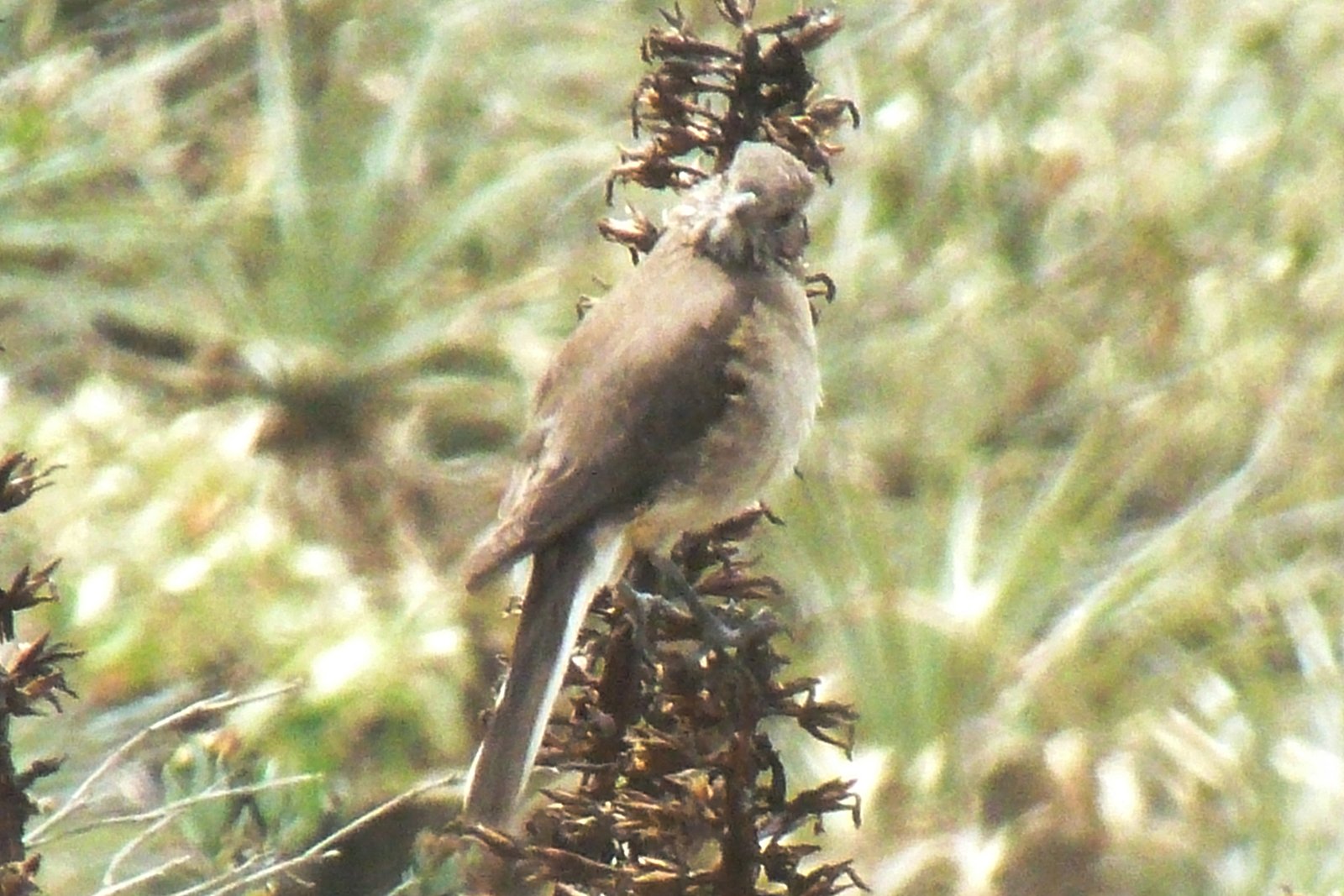
Gaúcho-de-cauda-branca
Agriornis albicauda- Humid puna
- Dry puna and altiplano
- Polylepis woodland
- Andean fields and terraces
- Cliffs, gorges and canyons
-

Gaúcho-de-barriga-cinza
Agriornis micropterus- Dry puna and altiplano
- Central Andean dry valleys
- Cliffs, gorges and canyons
- Chiquitano dry forest and Chaco
-
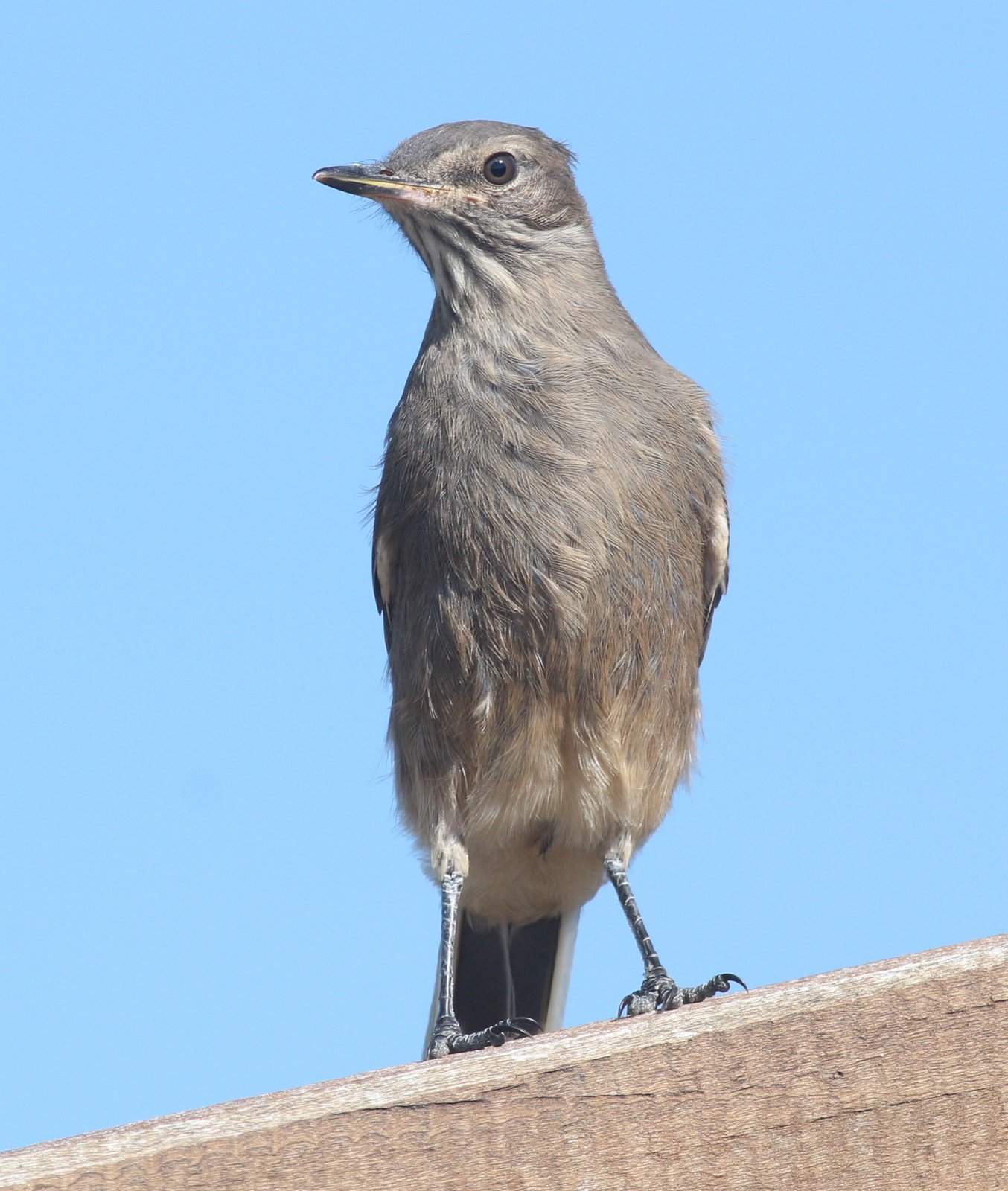
Gaúcho-pequeno
Agriornis murinus- Chiquitano dry forest and Chaco
- Beni savanna and cerrado
- Pasture and ranchland
Cnemotriccus 1 espécie
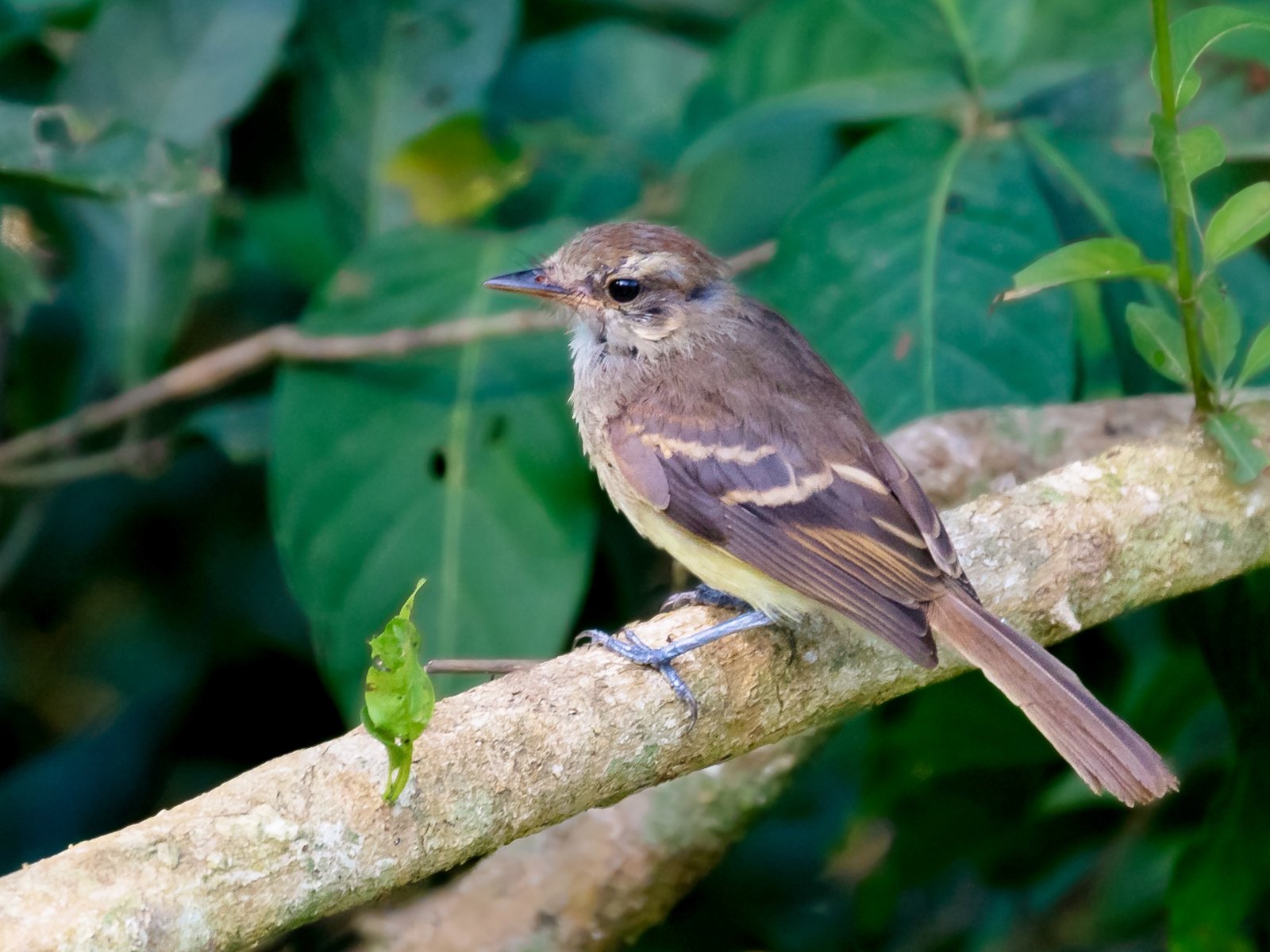
Rhynchocyclus 4 espécies
-
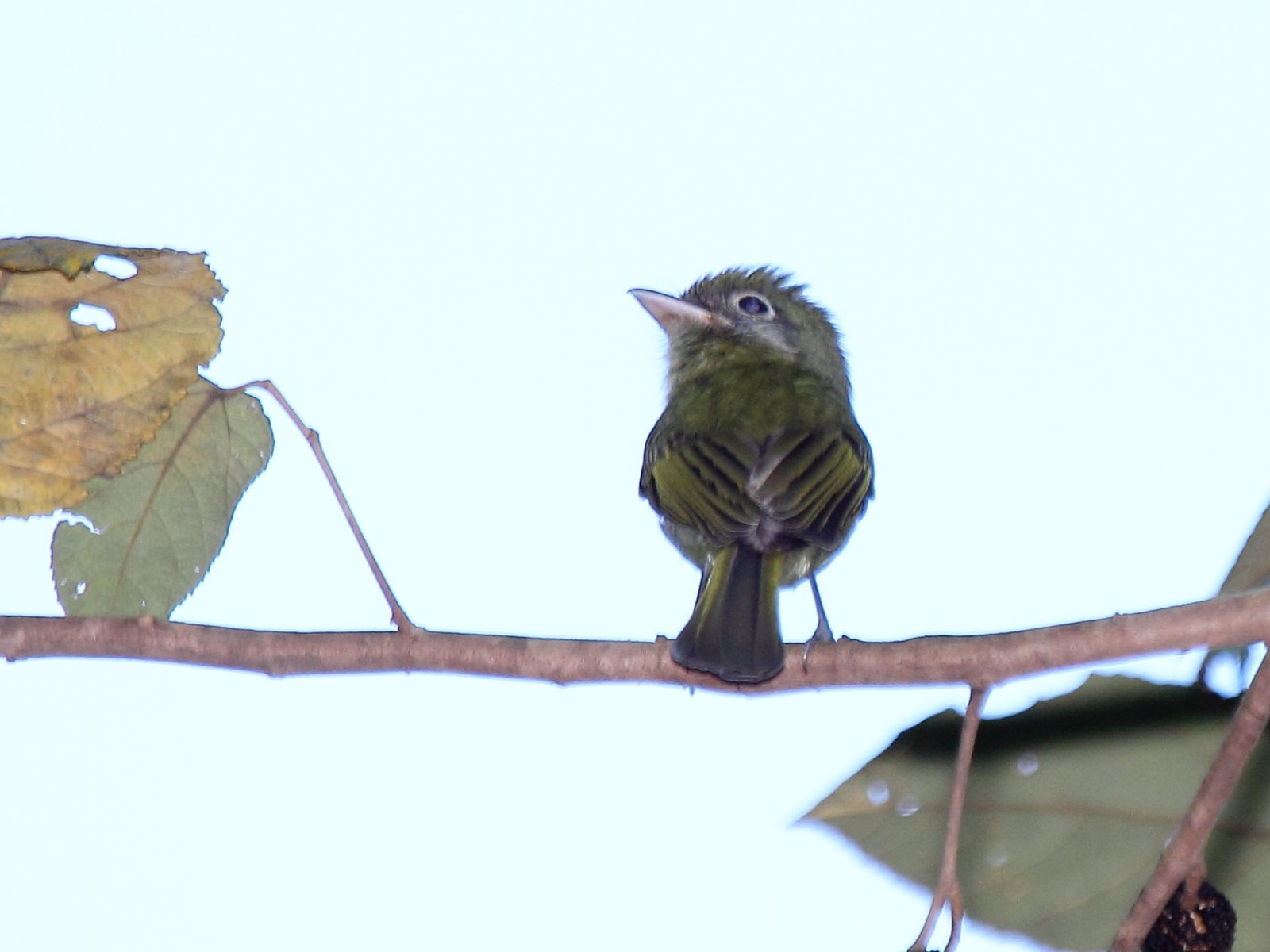
Bico-chato-de-óculos
Rhynchocyclus brevirostris- Chocó rainforest
- Northern Andean subtropical forest
- Secondary forest and forest edge
-
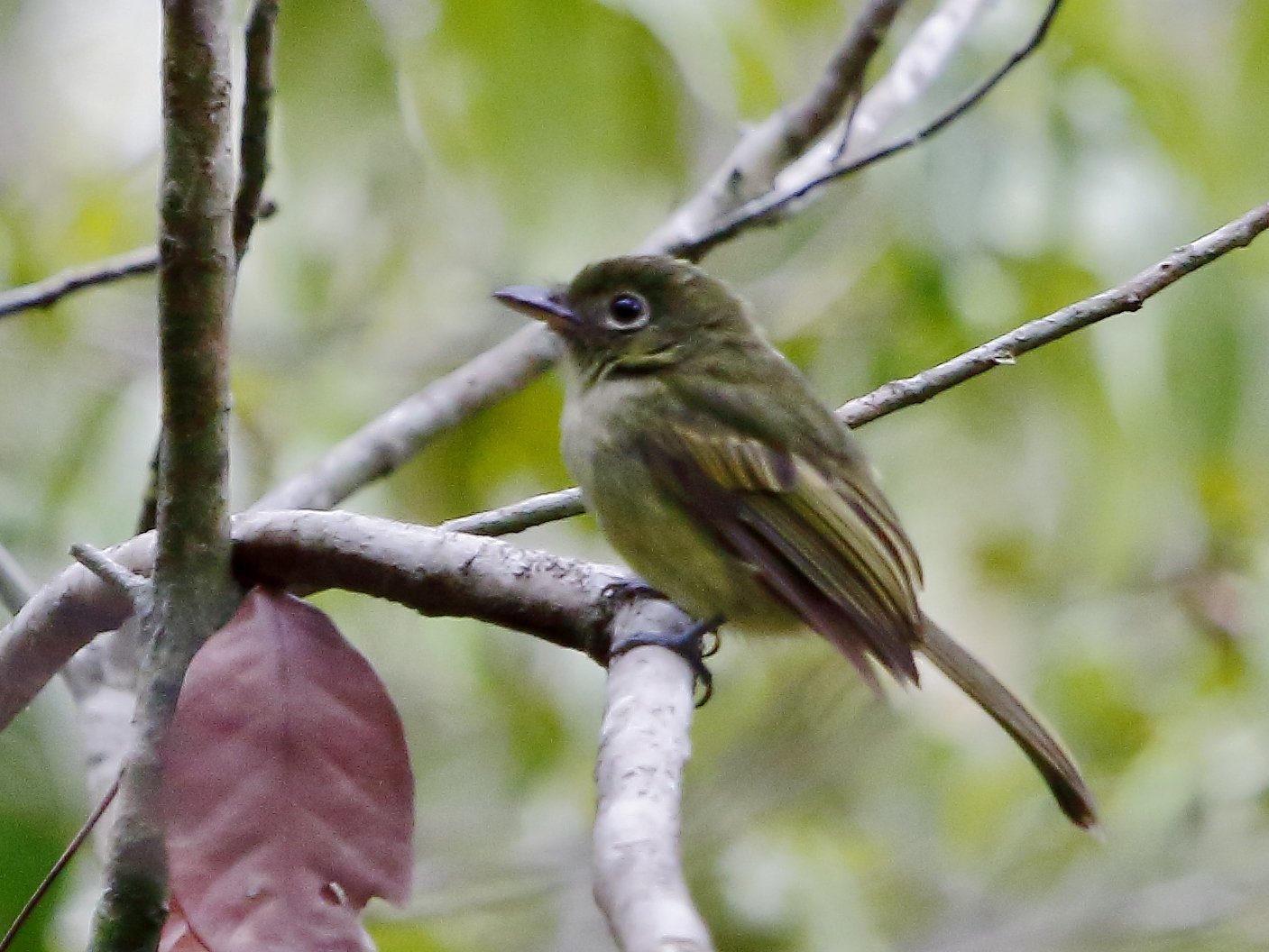
Bico-chato-grande
Rhynchocyclus olivaceus- Amazonian terra firme rainforest
- Secondary forest and forest edge
- Várzea, igapó and river islands
-
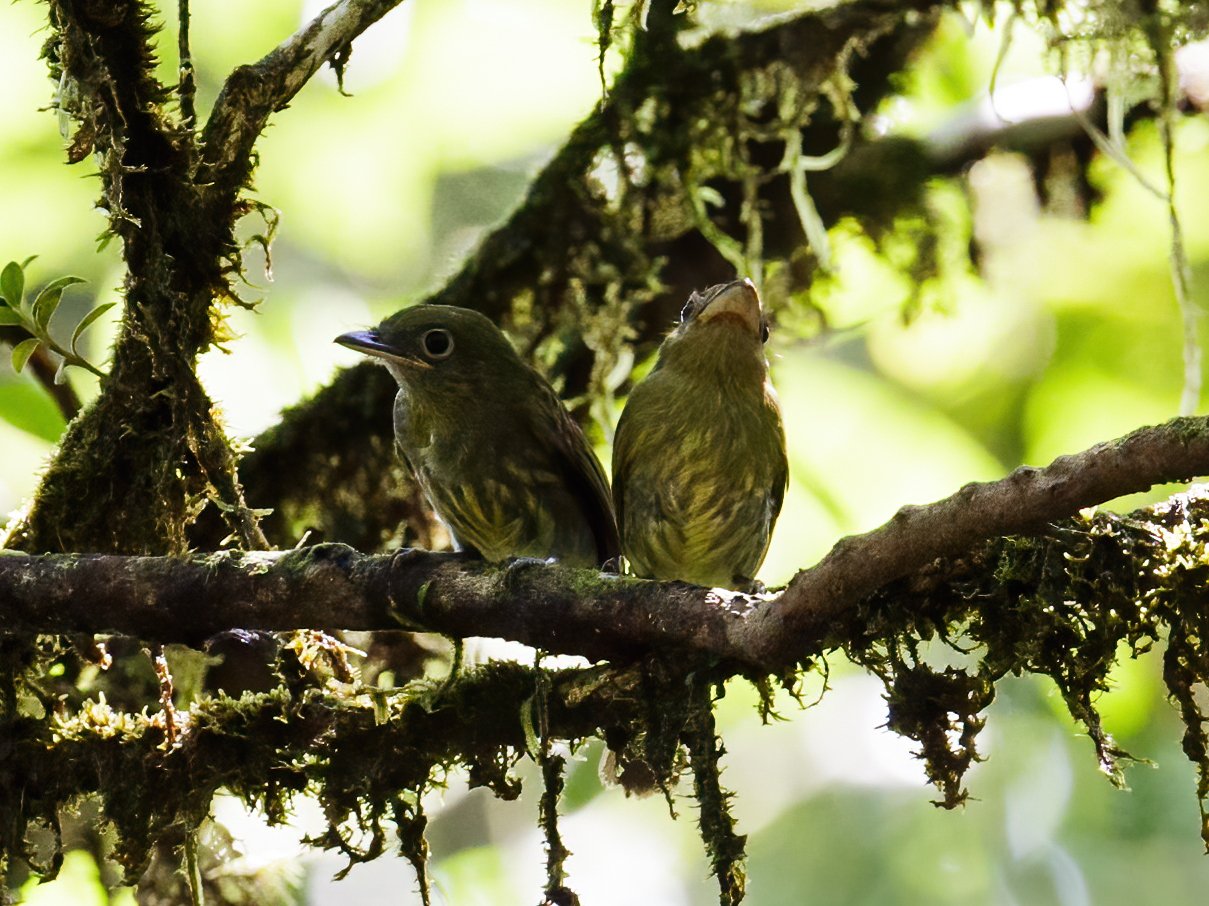
Bico-chato-do-pacífico
Rhynchocyclus pacificus- Chocó rainforest
- Western Ecuador humid forest
- Northern Andean subtropical forest
-
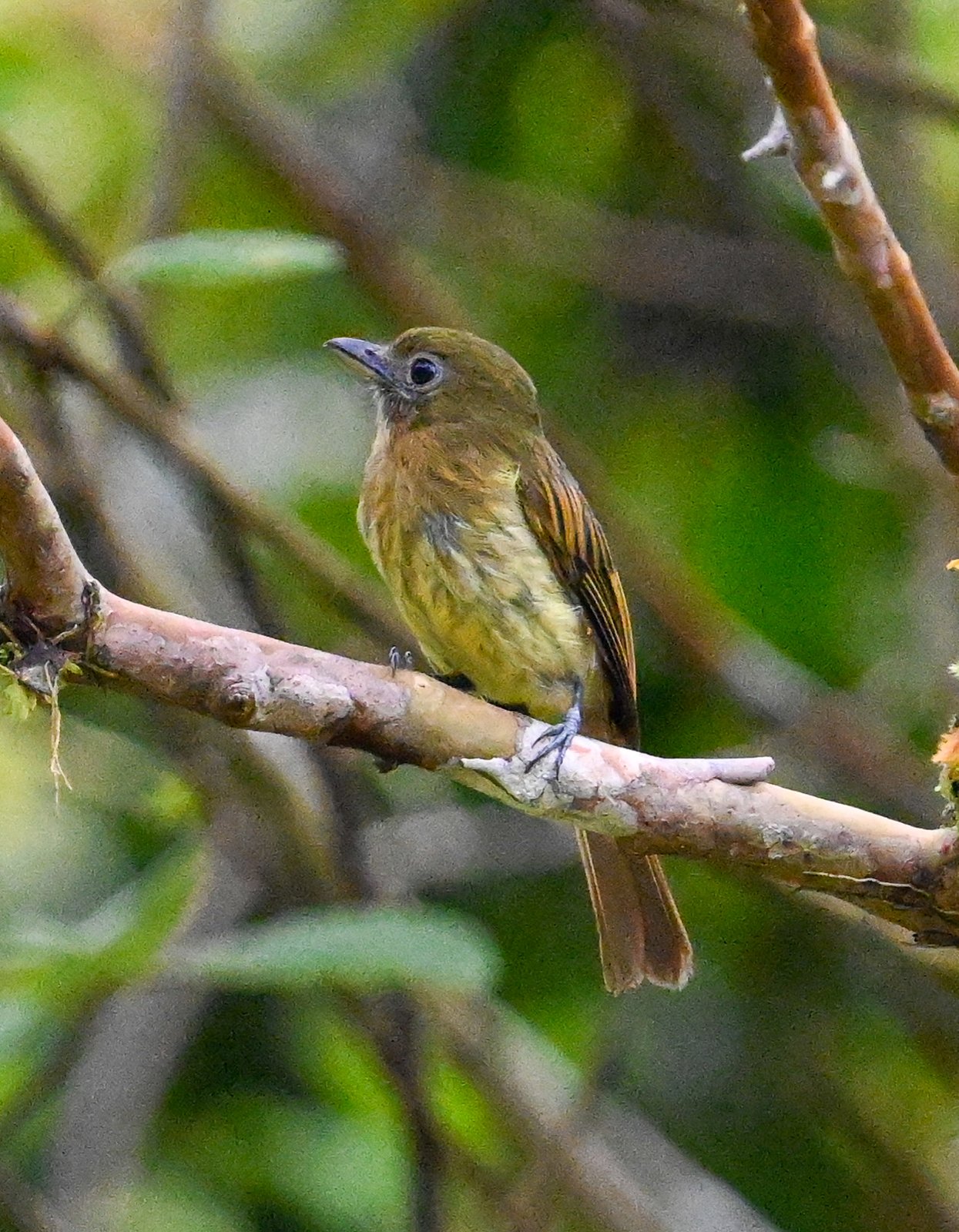
Bico-chato-de-peito-fulvo
Rhynchocyclus fulvipectus- Northern Andean subtropical forest
- Lower Yungas forest
- Eastern Andean foothill forest
- Secondary forest and forest edge
Ochthornis 1 espécie
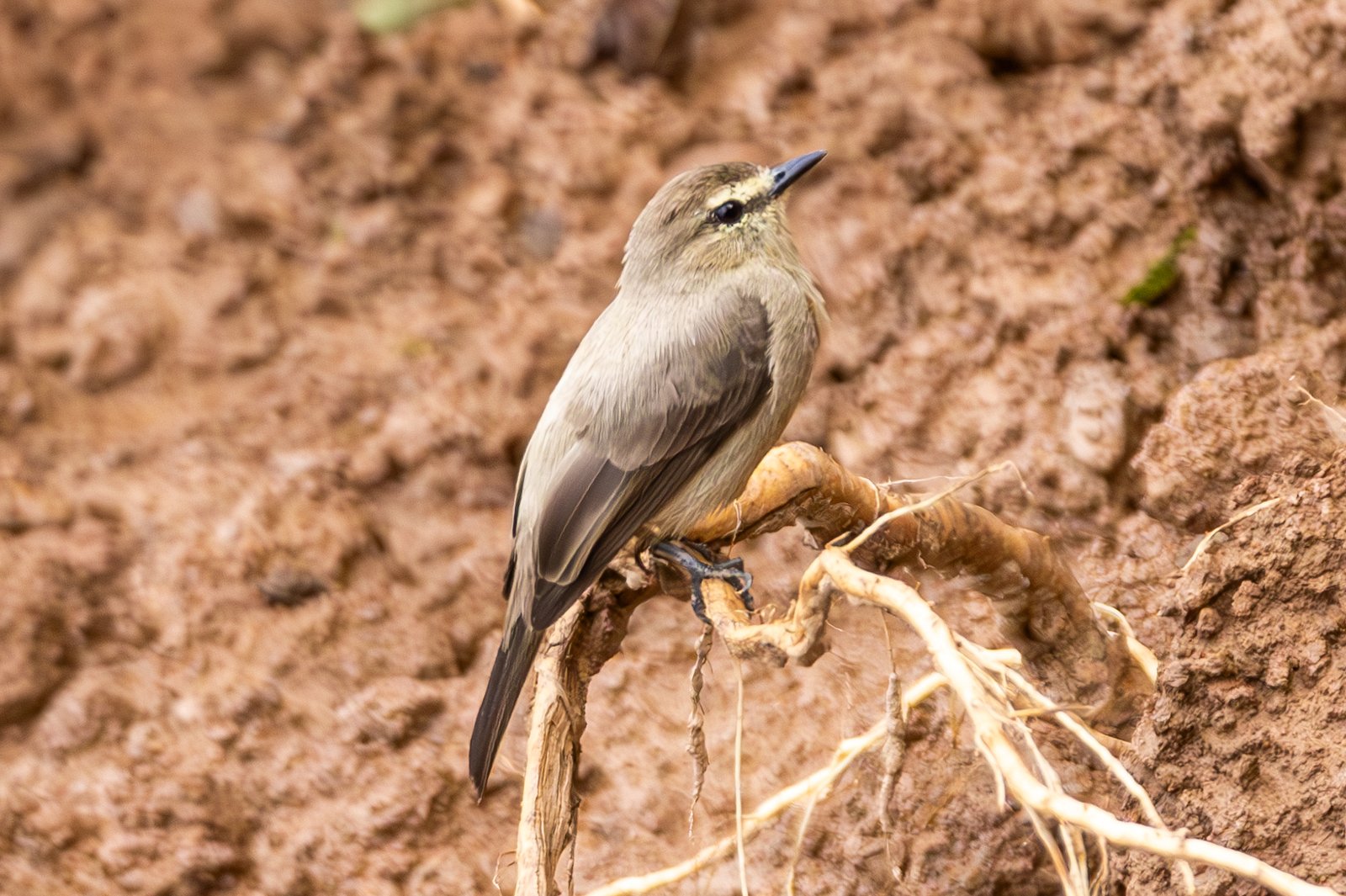
Atalotriccus 1 espécie
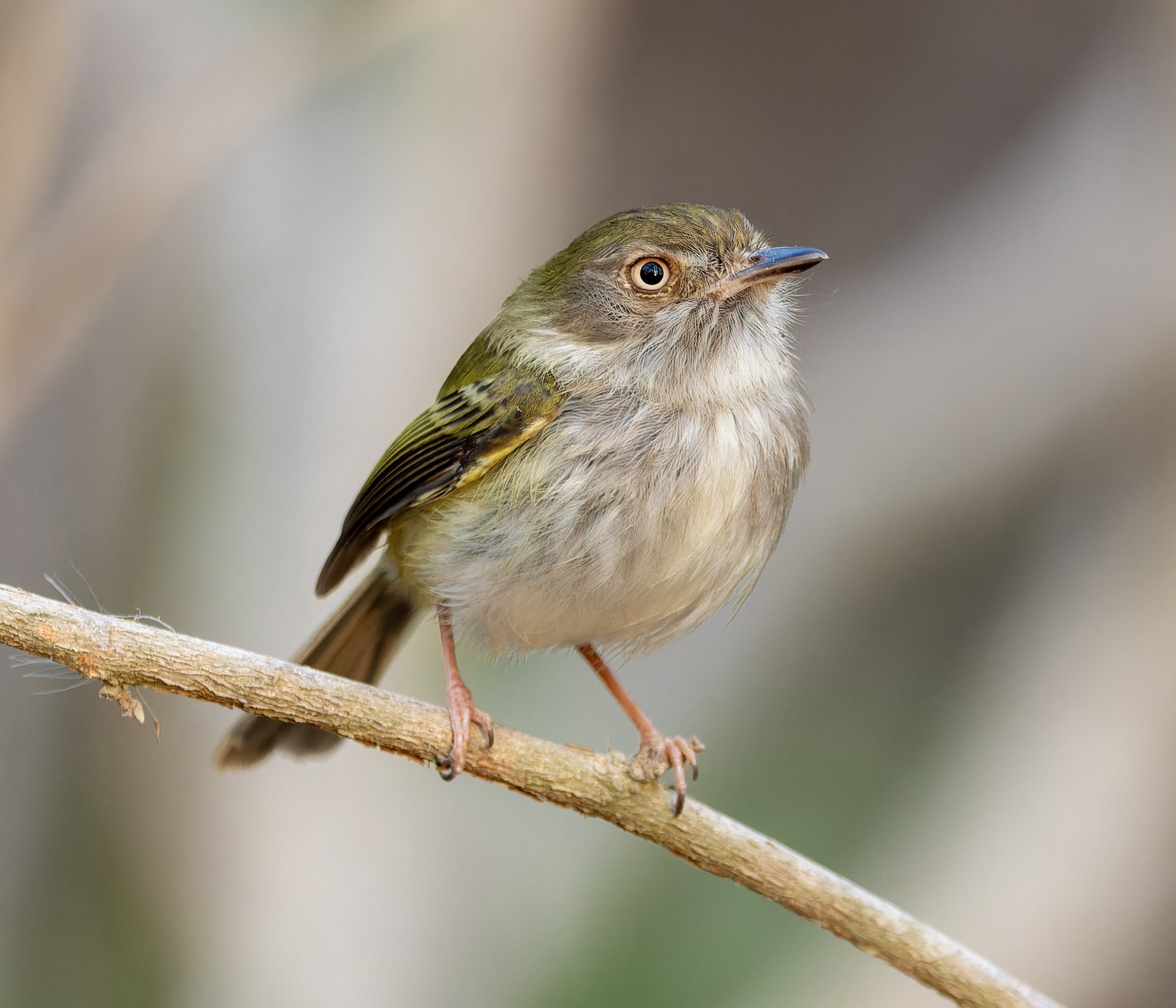
Nengetus 1 espécie
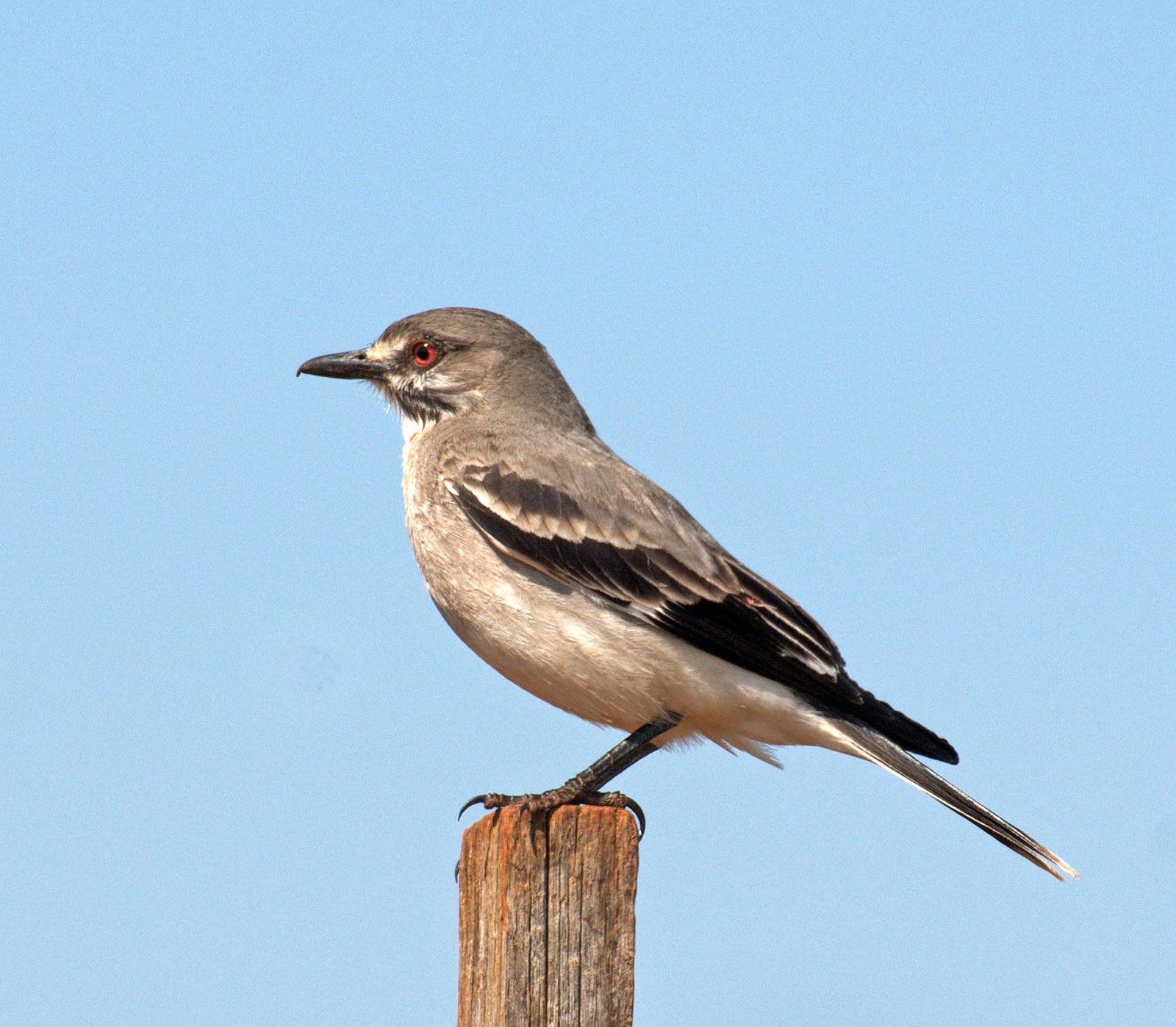
Cnemarchus 2 espécies
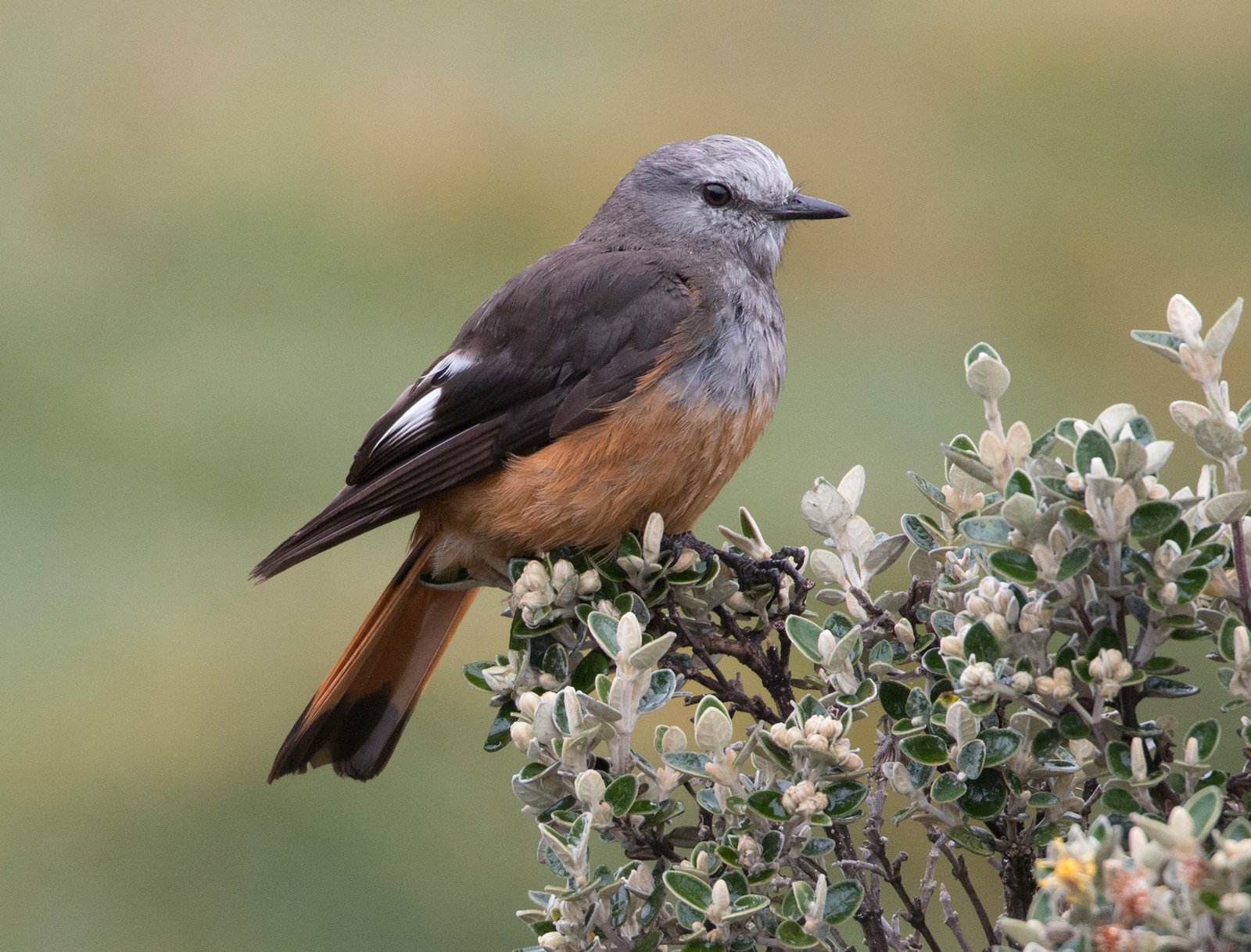
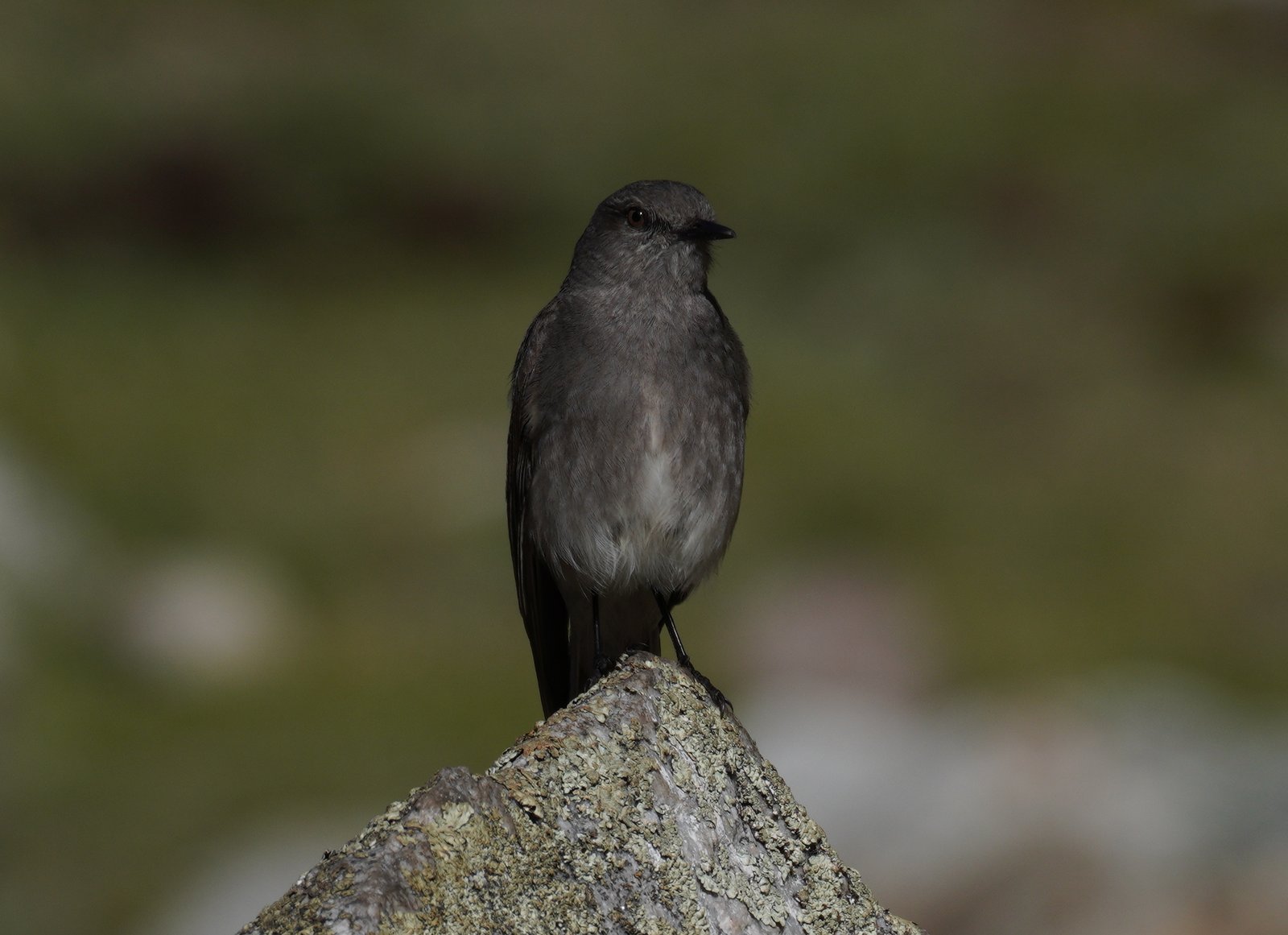
Vagantes 4 espécies
Aves trazidas pelo vento de outros continentes. Não têm área de distribuição aqui e, por isso, não têm mapa de distribuição.
-
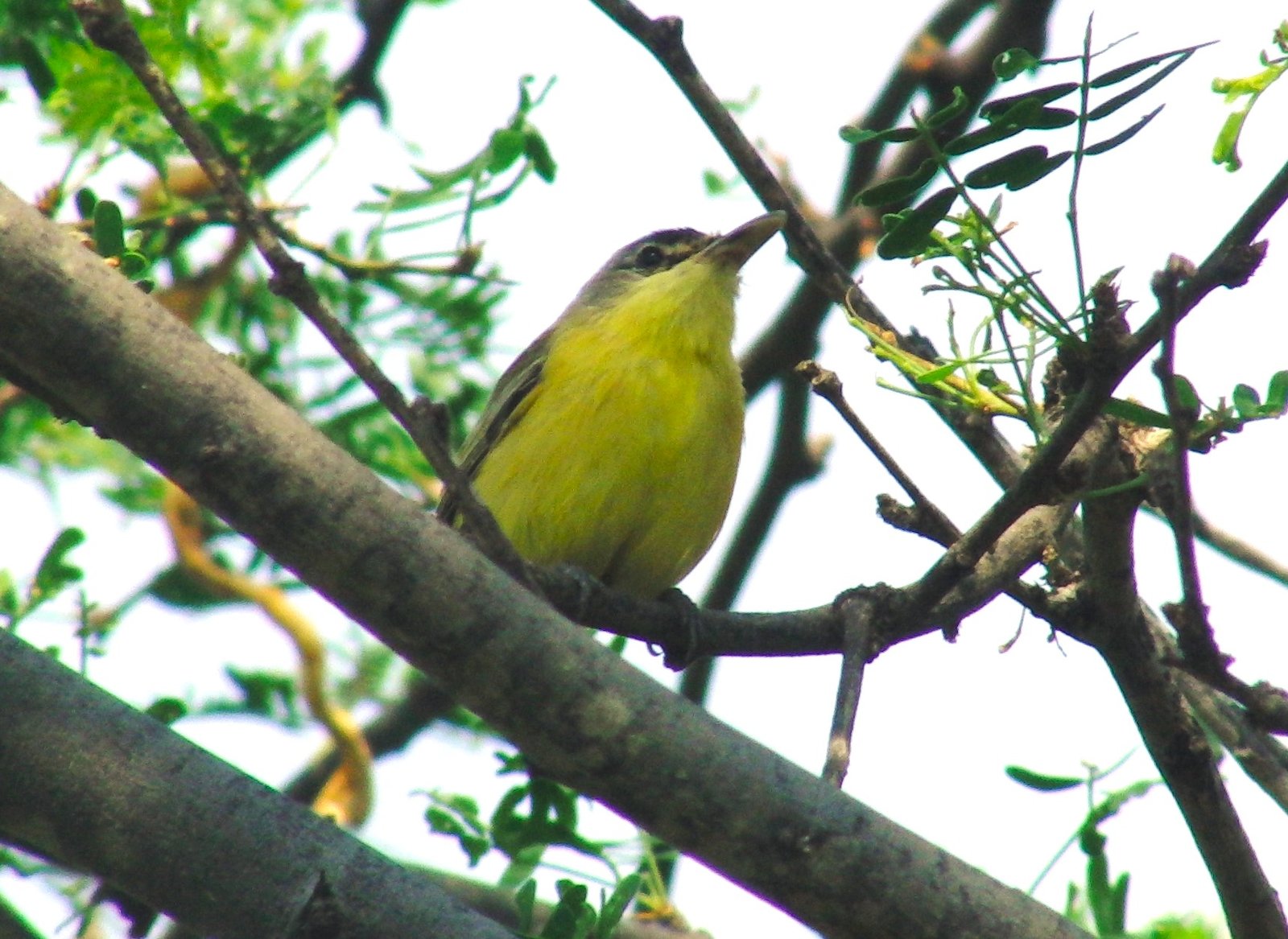
Ferreirinho-de-maracaibo
Todirostrum viridanum- Tumbesian dry forest and thorn scrub
- Mangrove
-
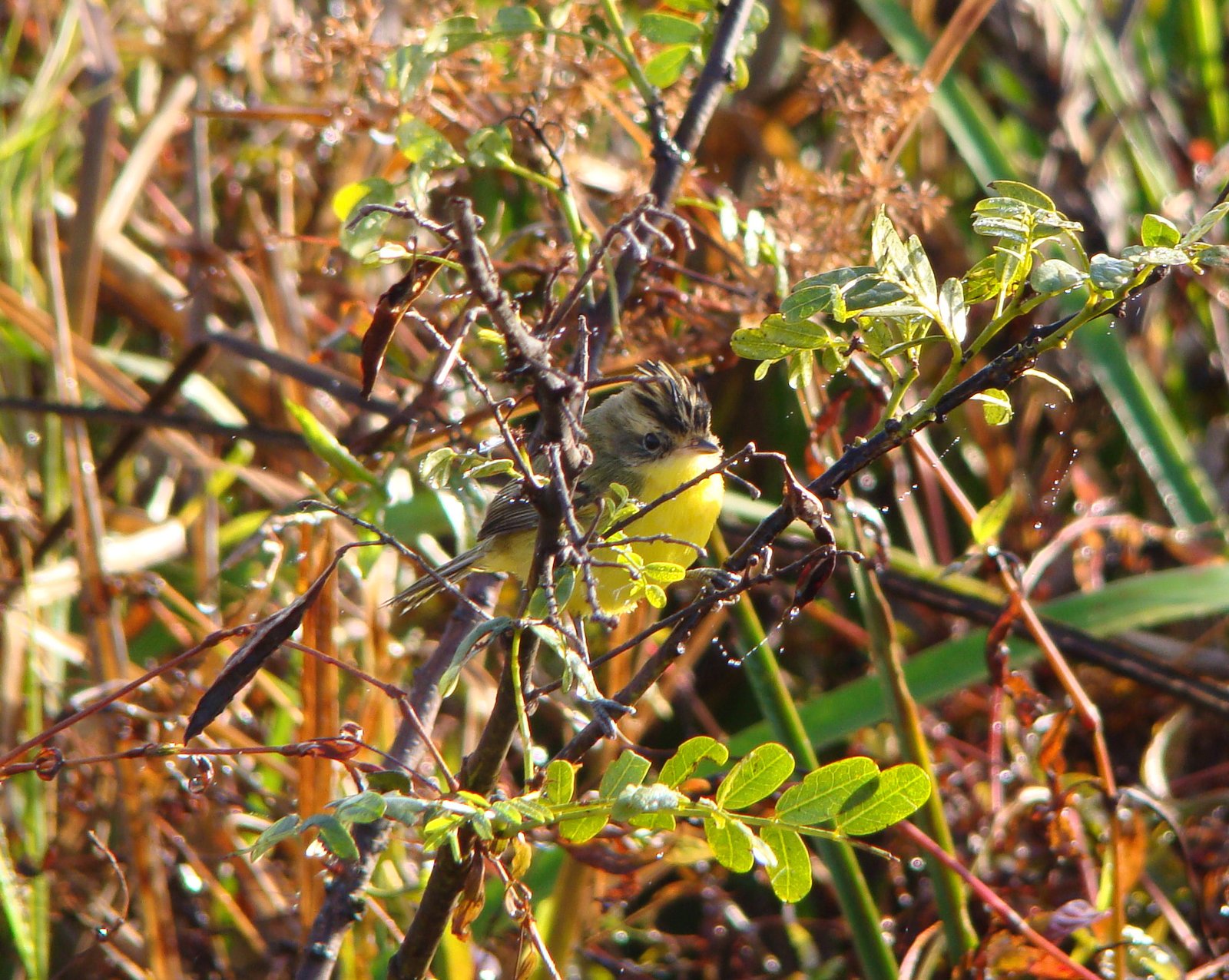
Tricolino
Pseudocolopteryx sclateri- Lowland marshes and wet meadows
- Beni savanna and cerrado
-
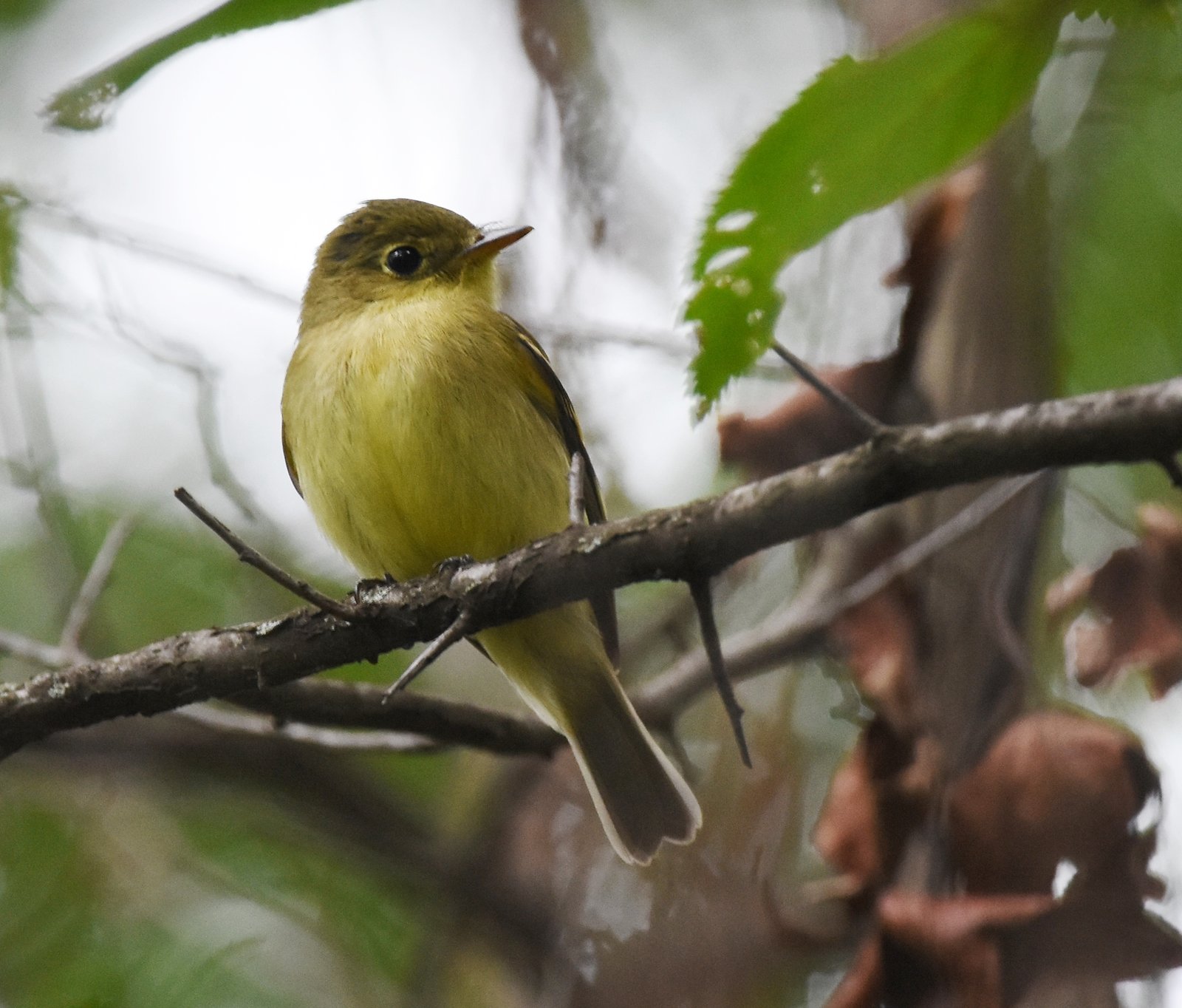
Papa-moscas-de-ventre-amarelo
Empidonax flaviventris- Secondary forest and forest edge
- Chocó rainforest
-
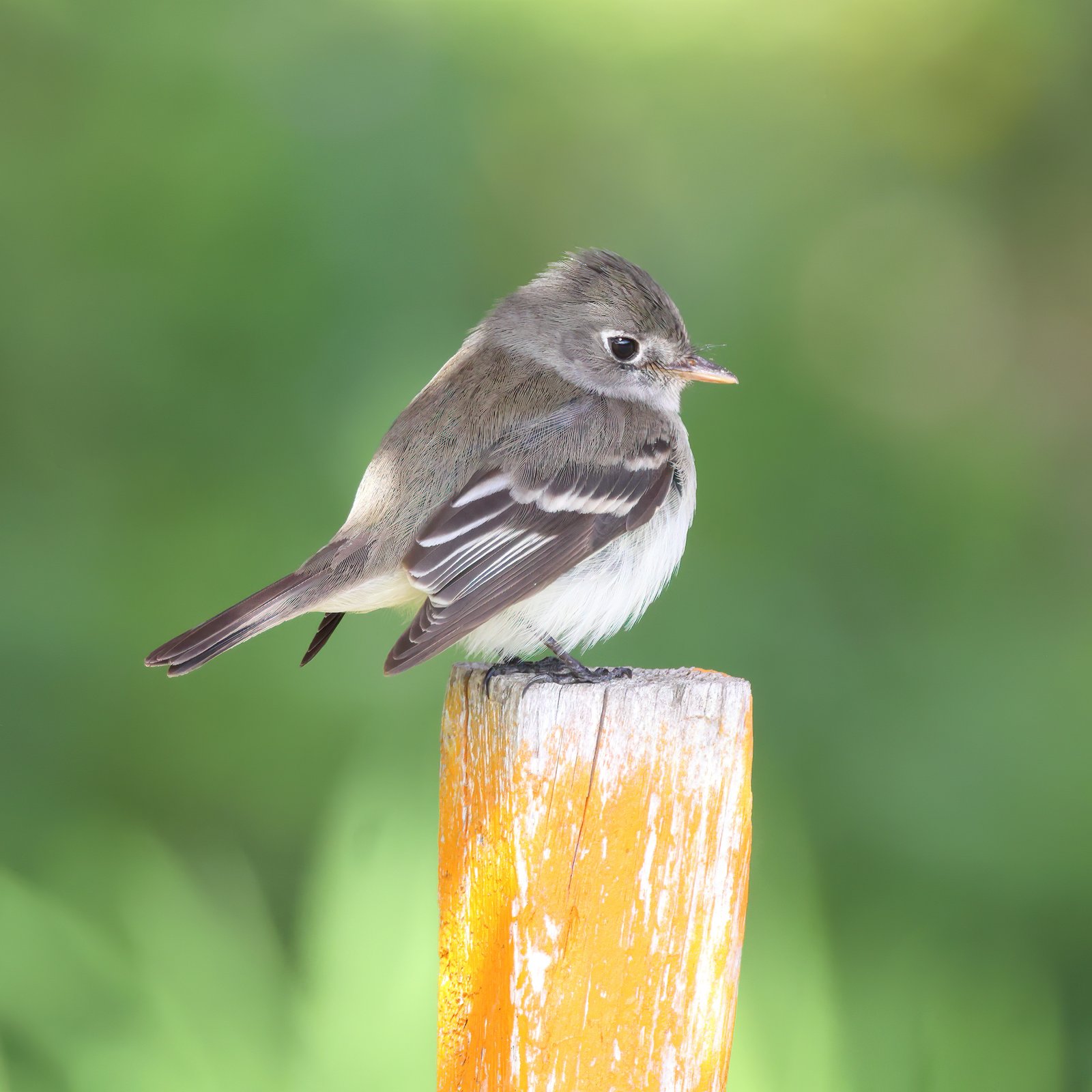
Papa-moscas-mínimo
Empidonax minimus- Secondary forest and forest edge
- Coffee, cacao and agroforestry