All species › Passerines › Finches › Common redpoll
Common redpoll | Acanthis flammea
Grote barmsijs | Pardillo sizerín
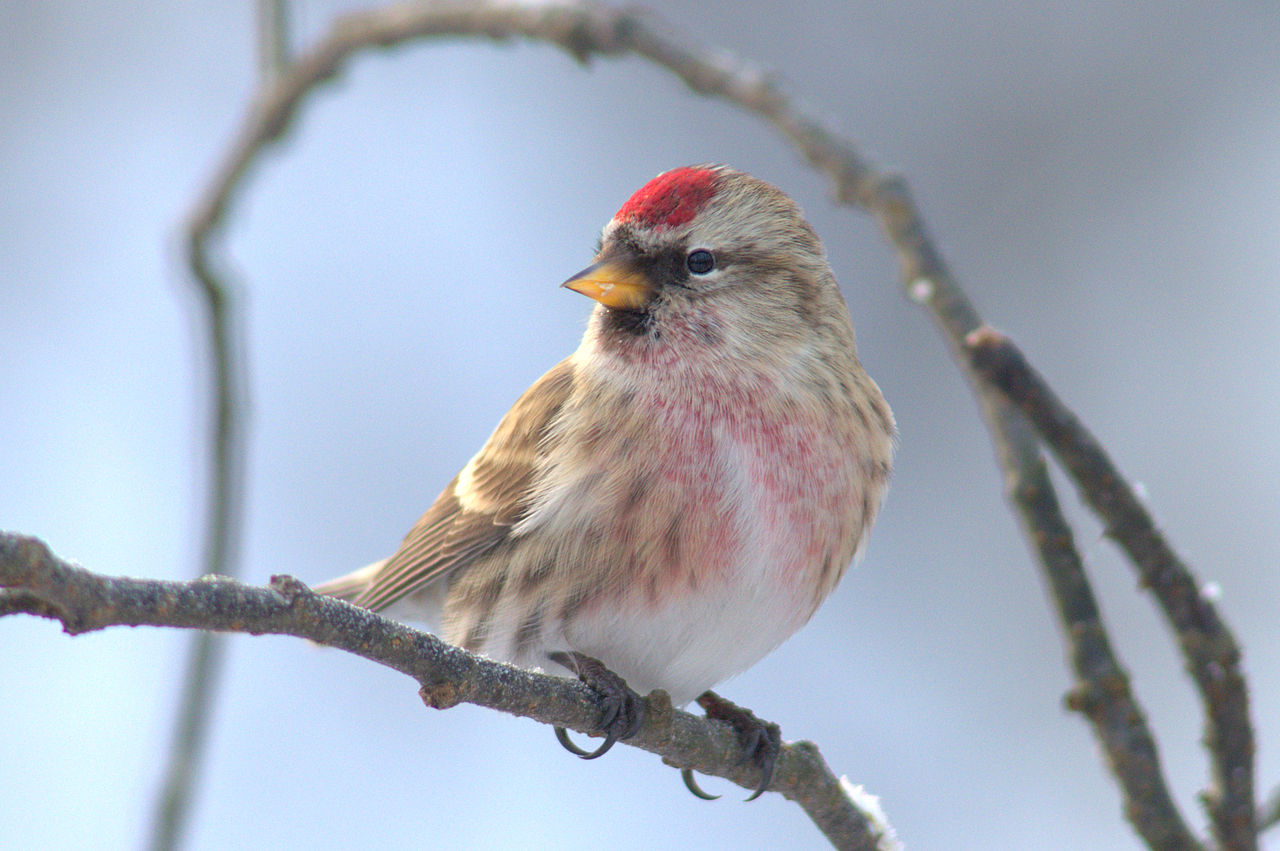
The Redpoll is the small streaked finch with a crimson forecrown and a black chin that hangs in parties from birch and alder catkins. The lesser and the mealy redpoll have been treated as one species since AviList 2025, so everything below covers both forms.
Voice
The flight call is a hard, dry, fast rattle chett-chett-chett, the first thing you hear from a party going over; alongside it a drawn-out, plaintive, nasal tsooeee. The song is that rattle laced with trills, often given in a slow song flight on stiff, beating wings above the birches, from April into July.
No freely licensed recording is available for this species yet.
Identification
Small and streaked, with a short forked tail, a small yellow conical bill, a crimson forecrown and a black chin patch. In spring the male has a pink wash across breast and rump. Two pale wing bars, fine streaking on flanks and undertail coverts. The forms differ strikingly in tone: northern flammea is bigger, cold grey-white and frosted, central European cabaret smaller, warm brown and dark.
Confusion species
Within the species, rump and bill separate the two forms. Northern flammea has a broad whitish rump with only fine streaks, a white wing bar and a cold white ground colour; cabaret has a brown, clearly streaked rump, a buffish wing bar and a warm dark ground colour, and is noticeably smaller. The bill of flammea looks longer and finer, that of cabaret shorter and blunter. Outside the species the main candidate is Siskin, which is yellow-green rather than brown and lacks the red forecrown and black chin.
Habitat
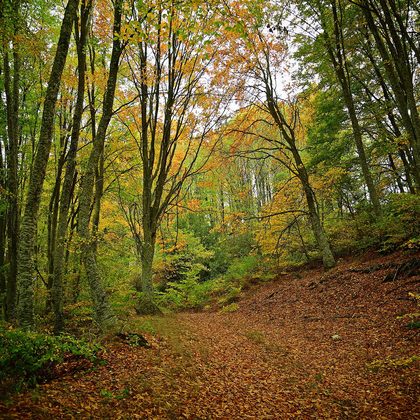
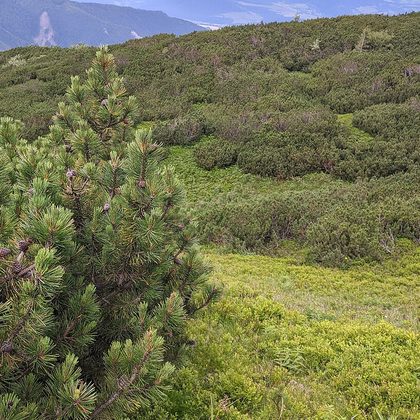
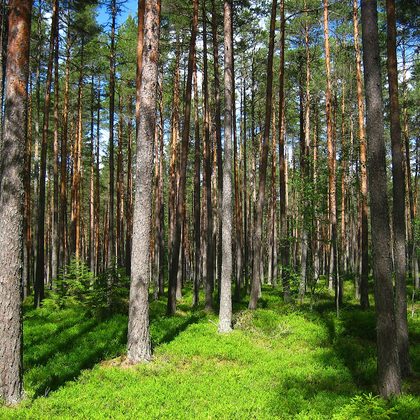
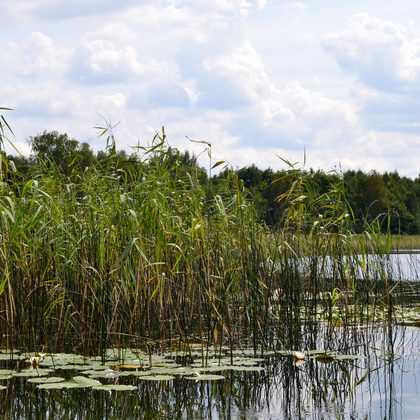
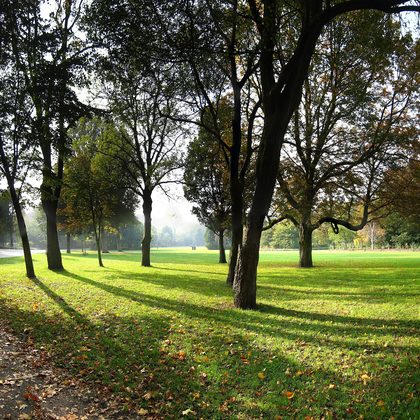
Breeds in birch woods and birch scrub, in willow and alder carr, in young conifer plantation and in the dwarf birch zone at the tree line. Outside the breeding season it works birches and alders along streams and pools, waste ground with orache, and gardens with nyjer seed.
Where the bird is most at home, classified with EUNIS — the European standard for habitats.
Range and movements
Breeds across northern Europe, from Iceland and northern Scandinavia far into Russia, and also in the Alps, Scotland, Ireland, England, Denmark and the Low Countries — the last of these mainly in the small dark form. In winter it wanders south, in some years in irruptive numbers as far as central and southern Europe, while in others hardly one can be found.
- Resident
- Breeding (summer)
- Winter
- Passage
- Migration direction
- dark = core range, pale = thinly spread
Where and when to look
From November to March find a line of birches on sandy ground or an alder edge beside a pool and listen first: the dry rattle stands out among the plaintive calls of Siskins. Then check every bird for the rump — which takes patience, since you see it only when the bird turns — and for the overall tone. A genuinely white, frosted bird among a party of warm brown ones is the northern form.
Conservation status
Not globally threatened (IUCN: Least Concern). In Britain and the Low Countries the small dark form increased strongly through the second half of the twentieth century and then fell back again, in step with the planting and then the ageing of conifer forest. The northern population is large and fluctuates with the birch and spruce seed crop.
Scientific name
Acanthis flammea (Linnaeus, 1758)
Linnaeus described the species in 1758 as Fringilla flammea; because it was later moved to another genus, the author and year stand in brackets. The genus Acanthis was introduced in 1797 by Borkhausen. Acanthis is Ancient Greek: akanthis was a classical name for a small bird that can no longer be identified with certainty. flammea is Latin for 'flame-coloured', after the red of the crown and breast. The specimen the first description was based on came from Norrland, Sweden.