All species › Passerines › New World warblers
New World warblers | Parulidae
Amerikaanse zangers | Reinitas
Small, short-billed insect-eaters of the foliage, nine to fifteen centimetres long and seldom heavier than fifteen grams. They work a crown methodically, picking caterpillars and aphids from the undersides of leaves, hanging at a twig tip or taking an insect in a short sally. The plumage is what makes the family notorious: in spring the males carry sharply bounded blocks of yellow, black, blue, orange or chestnut, and after the autumn moult male, female and young bird all stand there greenish and vaguely marked, so that an autumn bird has to be named on a handful of details — undertail coverts, leg colour, wingbars, the rump. Nearly all of them migrate, some for thousands of kilometres and a few straight across the Gulf of Mexico or the Atlantic, in a body of ten grams. Despite the name they have nothing to do with the warblers of Europe: they are placed in a family of their own, confined to the Americas.
Vagrants 3 species
Birds blown in from other continents. They have no range here, and so no distribution map.
-

Tennessee warbler
Leiothlypis peregrina Cultivated areas of gardens and parks
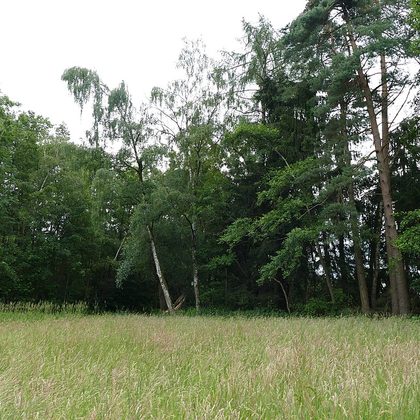 Woodland fringes, clearings and tall forb stands
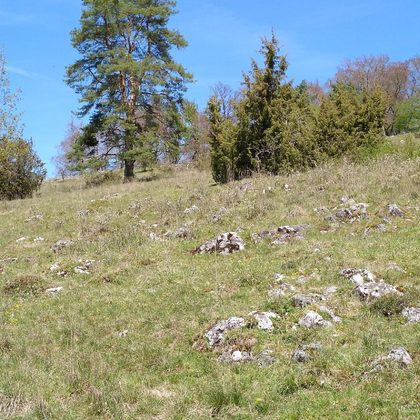 Temperate and mediterranean-montane scrub
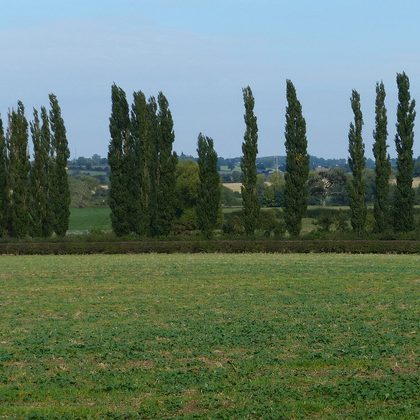 Lines of trees, small woods, felled and early-stage woodland
-

Blackpoll warbler
Setophaga striata- Cultivated areas of gardens and parks
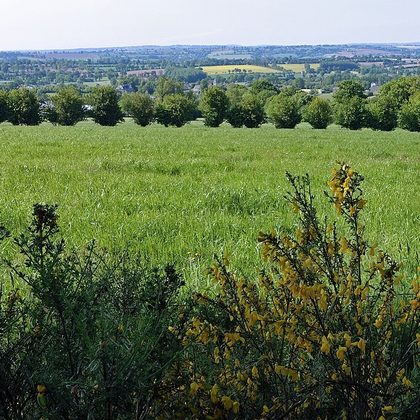 Hedgerows
- Temperate and mediterranean-montane scrub
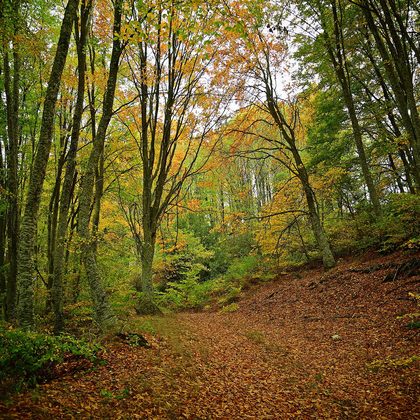 Broadleaved deciduous woodland
-

Yellow-rumped warbler
Setophaga coronata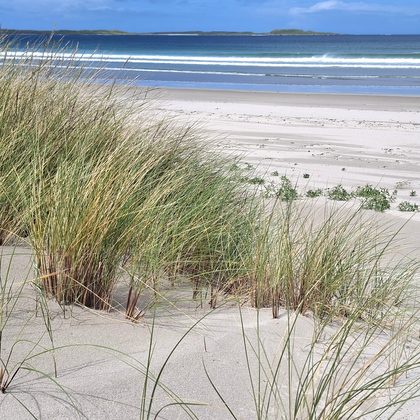 Coastal dunes and sandy shores
- Temperate and mediterranean-montane scrub
- Cultivated areas of gardens and parks
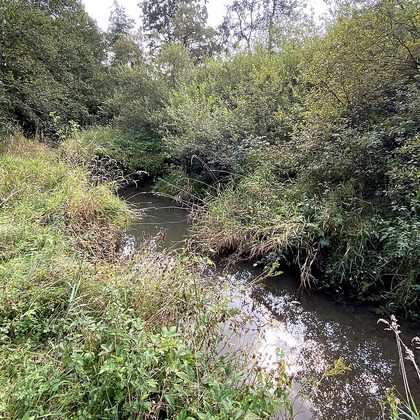 Riverine and fen scrub