All species › Passerines › Waxbills
Waxbills | Estrildidae
Prachtvinken | Estrildidos
Small to very small seed-eaters with a short, thick conical bill — bright coral red in many species, silver-grey or blue-black in others — a compact body and short, rounded wings. They live in parties the year round and take their food from the seed head itself, clambering, hanging or riding the stem down under their own weight, and from the ground beneath. The nest is a closed ball of interwoven grass with an entrance at the side, often drawn out into a short tube, set low in a tussock, a thorn bush or dense reed; both parents build and take turns to incubate. The nestlings carry a fixed pattern of black spots and lines at the back of the gaping bill, with coloured papillae at the gape that light up in the dark of the nest and point the parents to the food. That food is seed brought up softened in the crop and given out one chick at a time.
Introduced species 6 species
Species that do not occur here by nature but were brought in or escaped and have held on since. They follow the sequence of the list, not the genera.
-

Indian silverbill
Euodice malabarica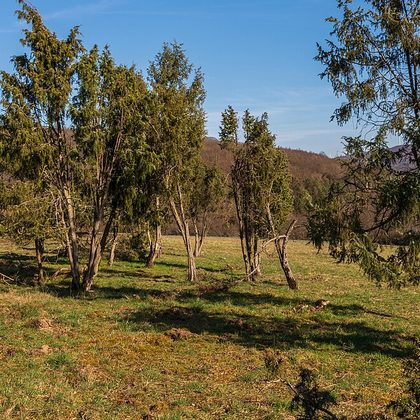 Dry grasslands
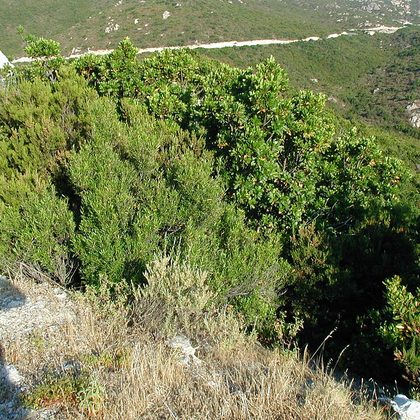 Maquis, arborescent matorral and thermo-Mediterranean brush
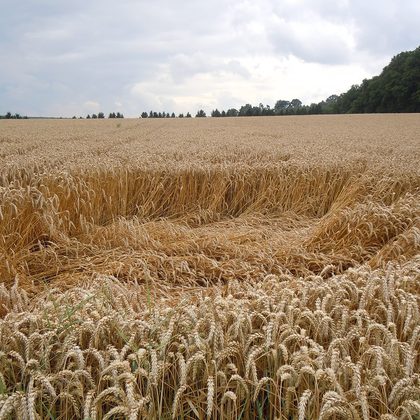 Arable land and market gardens
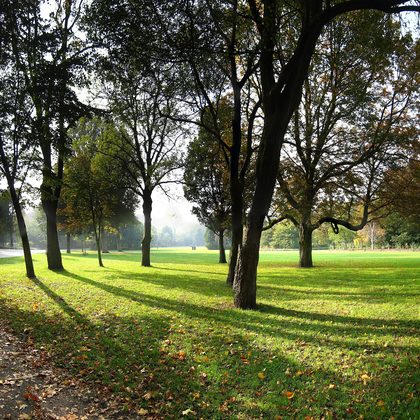 Cultivated areas of gardens and parks
-

Scaly-breasted munia
Lonchura punctulata- Arable land and market gardens
- Dry grasslands
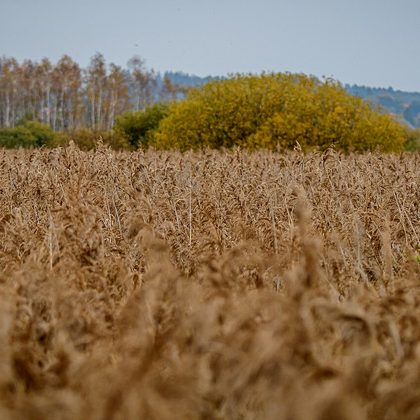 Sedge and reedbeds without free-standing water
- Cultivated areas of gardens and parks
-

Orange-cheeked waxbill
Estrilda melpoda- Sedge and reedbeds without free-standing water
- Dry grasslands
- Arable land and market gardens
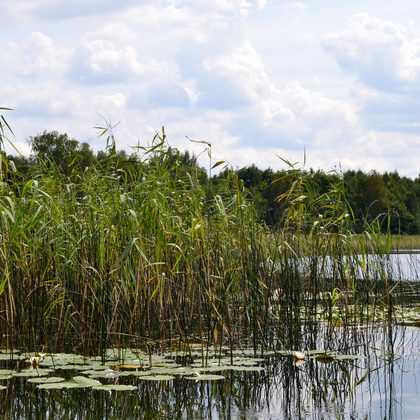 Littoral zone of inland surface waterbodies
-

Common waxbill
Estrilda astrild- Sedge and reedbeds without free-standing water
- Littoral zone of inland surface waterbodies
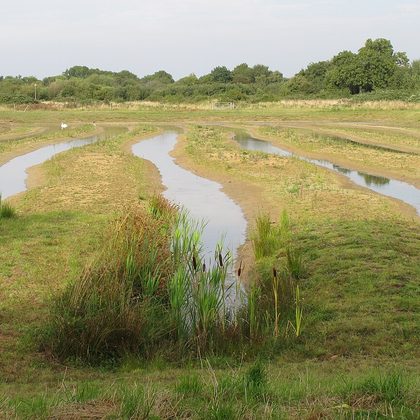 Seasonally wet and wet grasslands
- Arable land and market gardens
- Cultivated areas of gardens and parks
-

Black-rumped waxbill
Estrilda troglodytes- Sedge and reedbeds without free-standing water
- Arable land and market gardens
- Dry grasslands
- Littoral zone of inland surface waterbodies
-

Red avadavat
Amandava amandava- Sedge and reedbeds without free-standing water
- Arable land and market gardens
- Littoral zone of inland surface waterbodies
- Seasonally wet and wet grasslands