All species › Swifts › Swifts
Swifts | Apodidae
Gierzwaluwen | Vencejos | Andorinhões
Twenty-four species in eight genera occur in this guide, from the Atlantic coast and the Amazonian lowlands to the tepuis of the Guiana Highlands and the Venezuelan Andes. A cigar-shaped body, long scythe-like wings held stiff in a glide, and a short tail, square or forked; the bill is tiny, but the gape tears open to below the eye, so that the head itself is the net. Almost everything happens in the air: the catching of drifting insects and spiders, drinking, bathing, picking up nest material and mating; the large White-collared Swifts (Streptoprocne zonaris) hunt in noisy flocks over ridges, valleys and forest. Some of the Chaetura species migrate: Chaetura meridionalis breeds in the south of the guide area and moves north in the southern winter, as far as Amazonia. The catch is bound together in the throat with saliva into a ball and given to the chick. The nest too is fixed with saliva: a cup of moss and mud on a wet rock ledge behind a waterfall in the Streptoprocne and Cypseloides species, as in the Great Dusky Swift (Cypseloides senex), which nests in colonies behind the great waterfalls of southern Brazil; a half-saucer in a hollow tree or chimney in the Chaetura species; a pouch against a hanging palm frond, often of the moriche palm (Mauritia), in the Fork-tailed Palm Swift (Tachornis squamata); and a long, hanging tube of plant down in the Lesser Swallow-tailed Swift (Panyptila). Aeronautes is represented by the White-tipped Swift (Aeronautes montivagus), in the uplands of Venezuela and northern Brazil. Two Old World swifts, from the genera Tachymarptis and Apus, have been recorded as vagrants. One to three white eggs, a long stay in the nest, and a fledgling that leaves with a fully grown wing; the short legs carry strong hooked claws, and in several genera the shafts of the tail feathers end in spines with which the bird props itself against a rock face or wall.
Native species 22 species
Species that occur here by nature: breeding birds, winter visitors and passage migrants. They are arranged by genus, in the sequence of the list.
Streptoprocne 4 species
-

Chestnut-collared Swift
Streptoprocne rutila Montane forest of the Venezuelan Andes and Perijá
 Montane forest of the Venezuelan coastal range
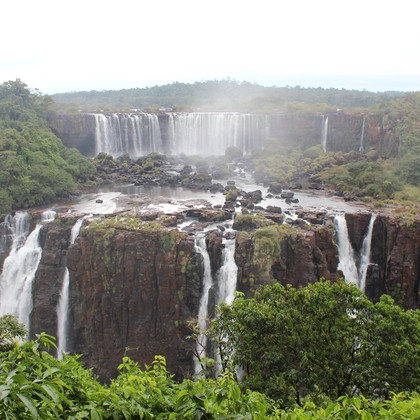 Rapids and waterfalls
-

Tepui Swift
Streptoprocne phelpsi Highland forest of the Guiana Shield
 Tepui summits and sandstone scrub
- Rapids and waterfalls
 Tall terra firme forest
-

White-collared Swift
Streptoprocne zonaris Montane forest of the Serra do Mar
- Highland forest of the Guiana Shield
- Montane forest of the Venezuelan Andes and Perijá
- Montane forest of the Venezuelan coastal range
 Campo rupestre and mountain grassland
- Rapids and waterfalls
- Tall terra firme forest
-

Biscutate Swift
Streptoprocne biscutata- Montane forest of the Serra do Mar
- Rapids and waterfalls
- Campo rupestre and mountain grassland
 Interior semi-deciduous forest
 Caatinga scrub
Cypseloides 5 species
-

American Black Swift
Cypseloides niger- Tall terra firme forest
 Várzea (whitewater flooded forest)
 Large rivers and sandbars
-
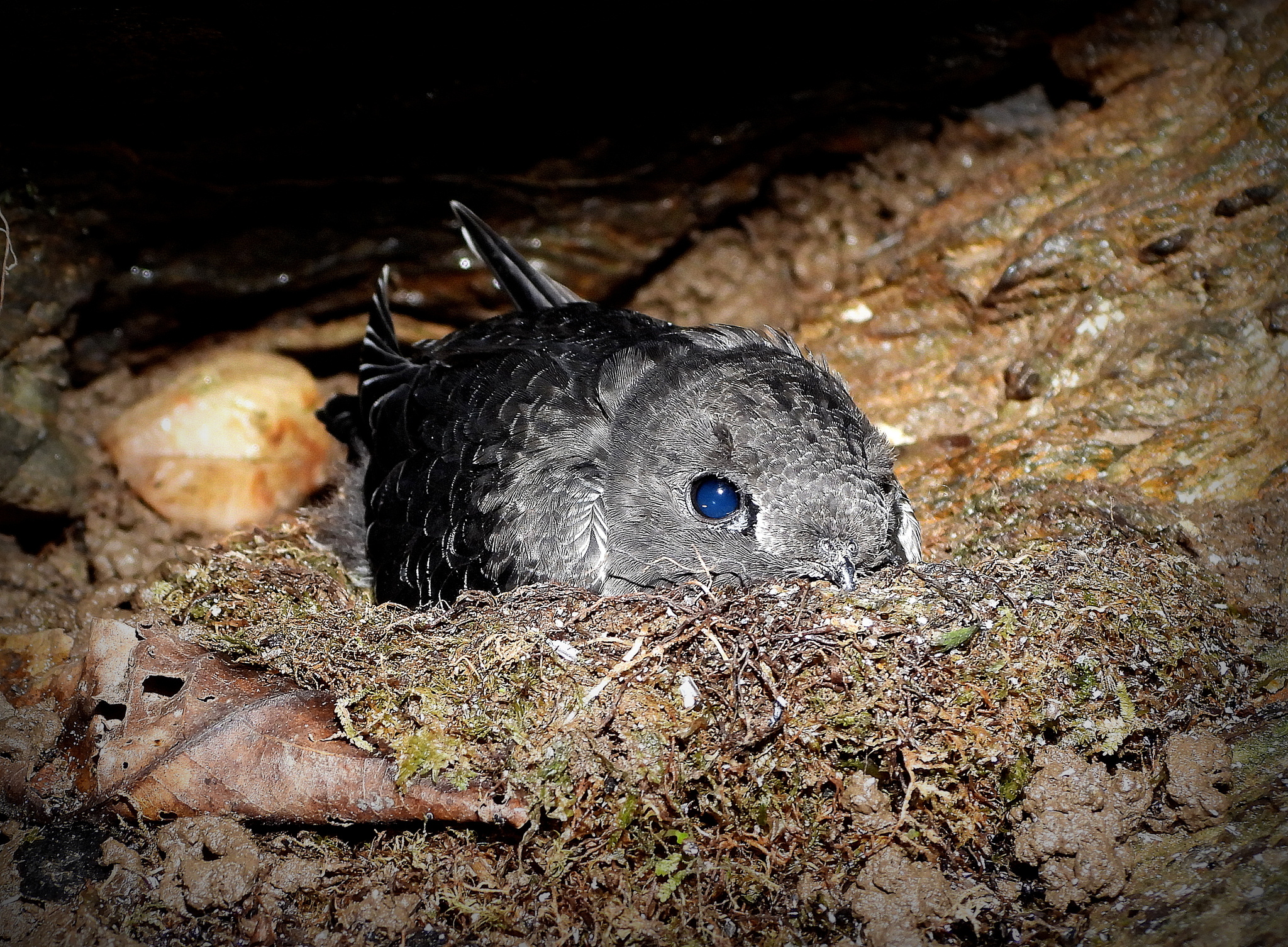
Sooty Swift
Cypseloides fumigatus- Rapids and waterfalls
- Montane forest of the Serra do Mar
 Coastal lowland forest
 Araucaria forest
-

White-chinned Swift
Cypseloides cryptus- Highland forest of the Guiana Shield
- Rapids and waterfalls
- Tall terra firme forest
- Montane forest of the Venezuelan coastal range
- Montane forest of the Venezuelan Andes and Perijá
-

Spot-fronted Swift
Cypseloides cherriei- Montane forest of the Venezuelan Andes and Perijá
- Montane forest of the Venezuelan coastal range
- Rapids and waterfalls
-

Great Dusky Swift
Cypseloides senex- Rapids and waterfalls
- Interior semi-deciduous forest
 Veredas and gallery forest
 Cerradão and dry woodland
- Montane forest of the Serra do Mar
Chaetura 9 species
-

Grey-rumped Swift
Chaetura cinereiventris- Tall terra firme forest
 Secondary forest and forest edge
- Várzea (whitewater flooded forest)
- Coastal lowland forest
- Montane forest of the Serra do Mar
-

Band-rumped Swift
Chaetura spinicaudus- Tall terra firme forest
- Secondary forest and forest edge
- Várzea (whitewater flooded forest)
 Igapó (blackwater flooded forest)
 Blackwater rivers and small streams
-

Pale-rumped Swift
Chaetura egregia- Tall terra firme forest
- Várzea (whitewater flooded forest)
- Large rivers and sandbars
- Secondary forest and forest edge
-

Chimney Swift
Chaetura pelagica- Tall terra firme forest
- Large rivers and sandbars
- Várzea (whitewater flooded forest)
 Towns, cities and gardens
-

Vaux's Swift
Chaetura vauxi- Montane forest of the Venezuelan coastal range
- Montane forest of the Venezuelan Andes and Perijá
 Dry forest and thorn scrub of northern Venezuela
- Towns, cities and gardens
-

Chapman's Swift
Chaetura chapmani- Tall terra firme forest
- Várzea (whitewater flooded forest)
- Secondary forest and forest edge
 Llanos savanna
-
Ashy-tailed Swift
Chaetura andrei- Dry forest and thorn scrub of northern Venezuela
- Llanos savanna
-
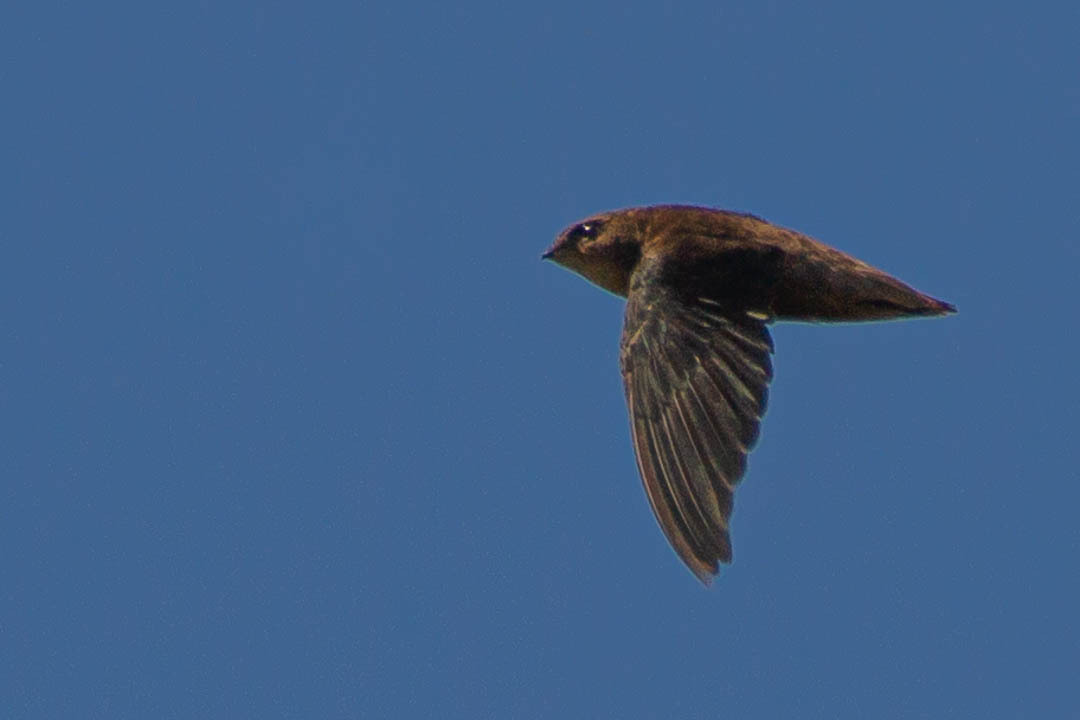
Sick's Swift
Chaetura meridionalis- Coastal lowland forest
- Interior semi-deciduous forest
- Cerradão and dry woodland
- Tall terra firme forest
- Towns, cities and gardens
-

Short-tailed Swift
Chaetura brachyura- Secondary forest and forest edge
- Tall terra firme forest
- Várzea (whitewater flooded forest)
- Towns, cities and gardens
- Llanos savanna

Tachornis 2 species
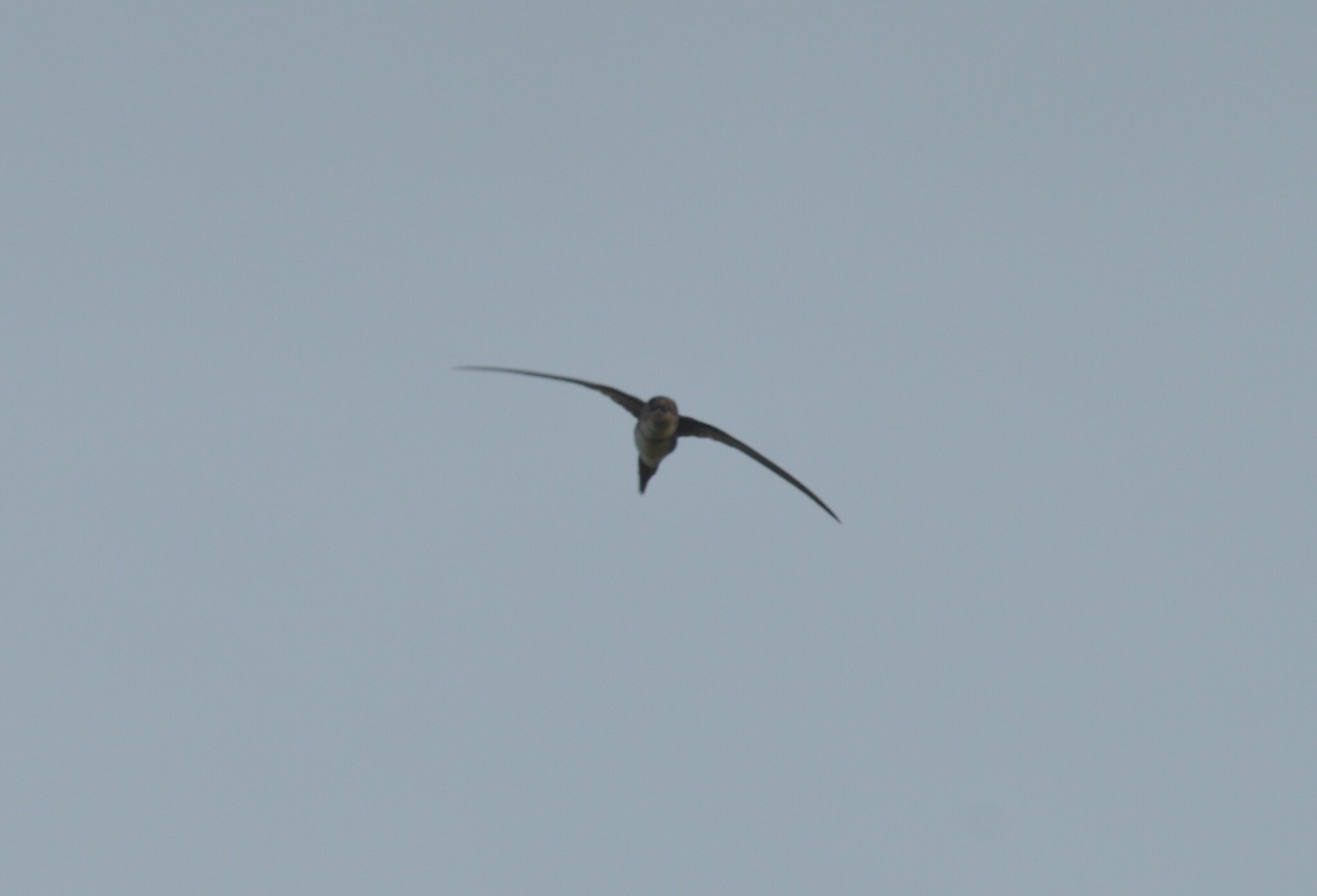




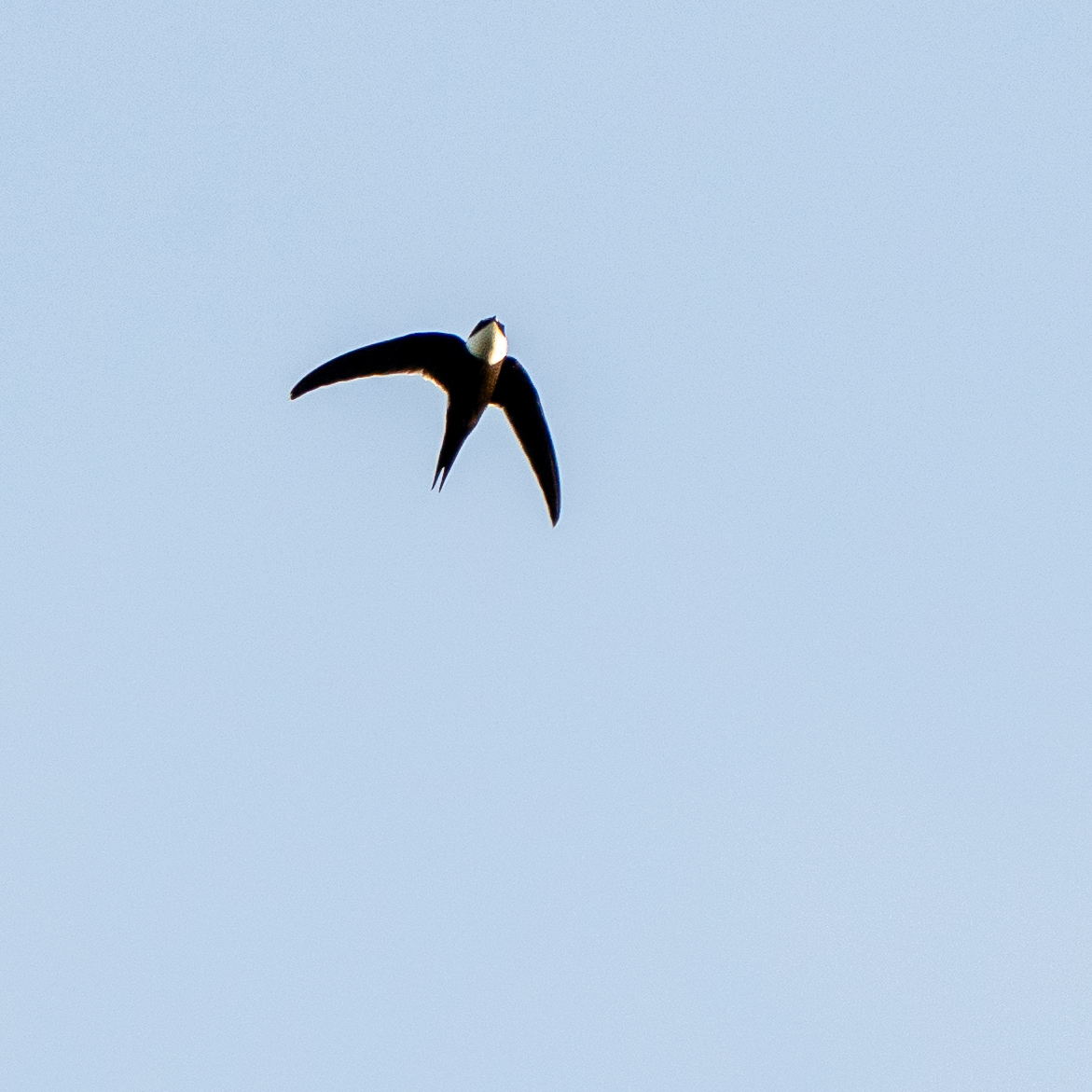
Vagrants 2 species
Birds blown in from other continents. They have no range here, and so no distribution map.



