All species › Passerines › New World warblers
New World warblers | Parulidae
Amerikaanse zangers | Reinitas | Mariquitas
Small, short-billed insect-eaters of the foliage, nine to fifteen centimetres long and rarely heavier than fifteen grams. They work through a tree crown systematically, picking caterpillars and aphids from the undersides of leaves, hanging from a twig tip or catching an insect in a short sally. This guide covers 54 species in fourteen genera, of which Setophaga, Myiothlypis, Myioborus, Basileuterus and Geothlypis are the largest. In the migratory species the plumage changes strongly with the season: in spring the males wear sharply defined patches of yellow, black, blue, orange or chestnut, and after the moult male, female and young bird often look greenish and vaguely marked, so that a wintering bird has to be identified on details such as undertail coverts, leg colour and wing bars. A large share of the species are such migrants from North America that winter in the north of the guide area, such as American Redstart, Prothonotary Warbler in mangrove and flooded forest, and Blackpoll Warbler, which after a long flight over the Atlantic winters as far as Amazonia; seven species are vagrants here. There are also many resident species, such as Golden-crowned Warbler and the species of Myiothlypis, among them Riverbank Warbler along streams and White-browed Warbler in the Atlantic Forest, the Myioborus species that flush insects with a spread tail, several of them found only on the tepuis or in the mountains of Venezuela, the yellowthroats (Geothlypis) of rank growth and marsh, and the Mangrove Warbler along the coast. The family is found only in the Americas.
Native species 47 species
Species that occur here by nature: breeding birds, winter visitors and passage migrants. They are arranged by genus, in the sequence of the list.
Seiurus 1 species
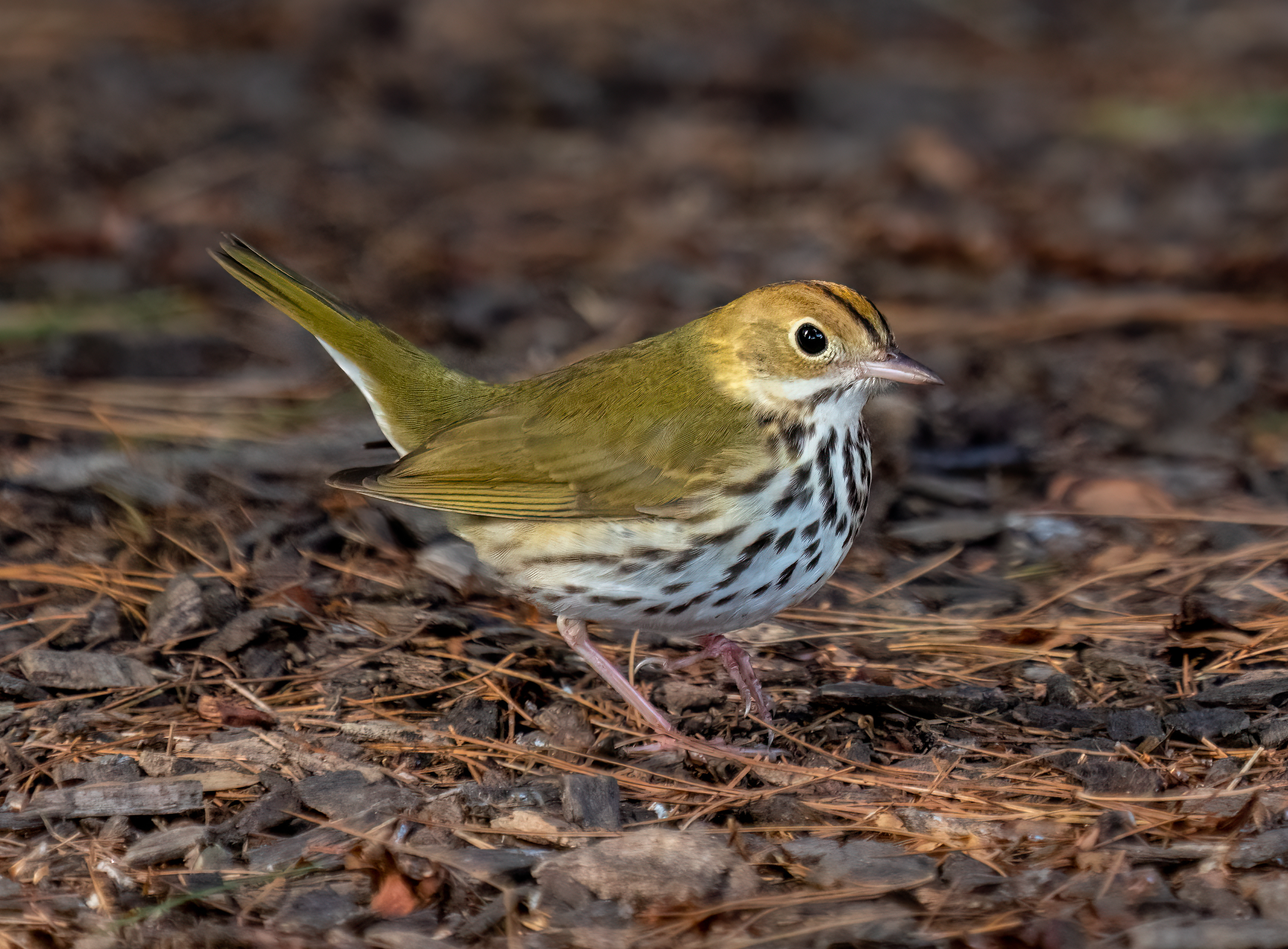
Parkesia 2 species
-

Northern Waterthrush
Parkesia noveboracensis Mangroves
 Várzea (whitewater flooded forest)
 Igapó (blackwater flooded forest)
 Blackwater rivers and small streams
 Secondary forest and forest edge
-

Louisiana Waterthrush
Parkesia motacilla Montane forest of the Venezuelan Andes and Perijá
 Montane forest of the Venezuelan coastal range
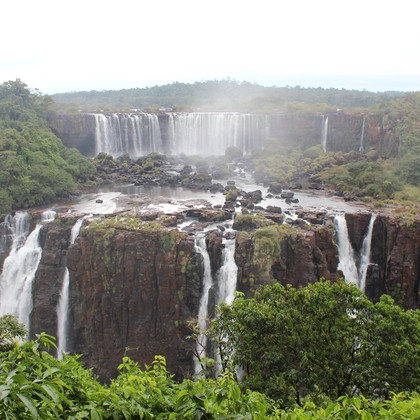 Rapids and waterfalls

Protonotaria 1 species

Vermivora 1 species


Geothlypis 4 species
-

Mourning Warbler
Geothlypis philadelphia- Secondary forest and forest edge
- Montane forest of the Venezuelan Andes and Perijá
- Montane forest of the Venezuelan coastal range
 Plantations and agroforestry
-

Southern Yellowthroat
Geothlypis velata Southern marshes and lagoons
 Veredas and gallery forest
 Seasonally flooded plain
 Pasture and arable land
-

Masked Yellowthroat
Geothlypis aequinoctialis Flooded Llanos and esteros
 Savannas of the Guianas
 Floating meadows and river islands
- Pasture and arable land
 Llanos savanna
-

Kentucky Warbler
Geothlypis formosa- Montane forest of the Venezuelan Andes and Perijá
- Montane forest of the Venezuelan coastal range
- Secondary forest and forest edge
Setophaga 13 species
-

American Redstart
Setophaga ruticilla- Secondary forest and forest edge
- Montane forest of the Venezuelan coastal range
- Montane forest of the Venezuelan Andes and Perijá
 Dry forest and thorn scrub of northern Venezuela
- Plantations and agroforestry
- Mangroves
-

Hooded Warbler
Setophaga citrina- Montane forest of the Venezuelan coastal range
- Montane forest of the Venezuelan Andes and Perijá
- Secondary forest and forest edge
-

Cerulean Warbler
Setophaga cerulea- Montane forest of the Venezuelan Andes and Perijá
- Montane forest of the Venezuelan coastal range
- Plantations and agroforestry
-

Northern Parula
Setophaga americana- Dry forest and thorn scrub of northern Venezuela
- Montane forest of the Venezuelan coastal range
- Mangroves
 Towns, cities and gardens
-

Tropical Parula
Setophaga pitiayumi Montane forest of the Serra do Mar
 Interior semi-deciduous forest
- Veredas and gallery forest
- Montane forest of the Venezuelan coastal range
- Montane forest of the Venezuelan Andes and Perijá
 Highland forest of the Guiana Shield
 Coastal lowland forest
-

Magnolia Warbler
Setophaga magnolia- Montane forest of the Venezuelan coastal range
- Dry forest and thorn scrub of northern Venezuela
- Secondary forest and forest edge
- Towns, cities and gardens
-

Blackburnian Warbler
Setophaga fusca- Montane forest of the Venezuelan Andes and Perijá
- Montane forest of the Venezuelan coastal range
- Highland forest of the Guiana Shield
- Plantations and agroforestry
-

Blackpoll Warbler
Setophaga striata Tall terra firme forest
- Várzea (whitewater flooded forest)
- Secondary forest and forest edge
- Igapó (blackwater flooded forest)
- Mangroves
-

Bay-breasted Warbler
Setophaga castanea- Montane forest of the Venezuelan coastal range
- Montane forest of the Venezuelan Andes and Perijá
- Dry forest and thorn scrub of northern Venezuela
- Secondary forest and forest edge
- Plantations and agroforestry
-

Chestnut-sided Warbler
Setophaga pensylvanica- Montane forest of the Venezuelan Andes and Perijá
- Montane forest of the Venezuelan coastal range
- Secondary forest and forest edge
-

American Yellow Warbler
Setophaga aestiva- Secondary forest and forest edge
- Floating meadows and river islands
- Mangroves
- Towns, cities and gardens
- Dry forest and thorn scrub of northern Venezuela
-

Mangrove Warbler
Setophaga petechia- Mangroves
 Mudflats, lagoons and salt flats
- Dry forest and thorn scrub of northern Venezuela
-

Cape May Warbler
Setophaga tigrina- Towns, cities and gardens
- Dry forest and thorn scrub of northern Venezuela
- Montane forest of the Venezuelan coastal range
- Secondary forest and forest edge
Myiothlypis 11 species
-
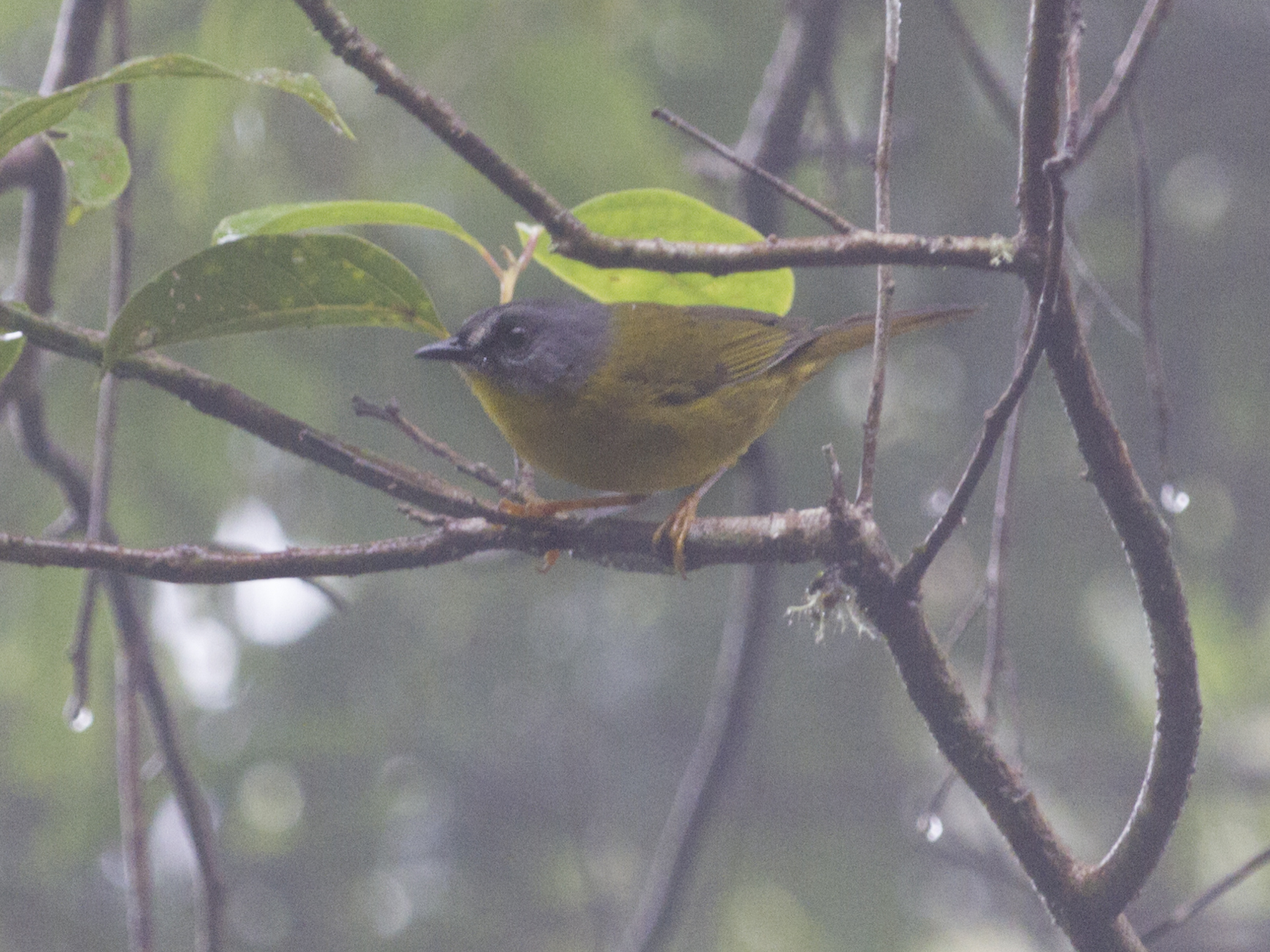
Grey-headed Warbler
Myiothlypis griseiceps- Montane forest of the Venezuelan coastal range
-

Citrine Warbler
Myiothlypis luteoviridis- Montane forest of the Venezuelan Andes and Perijá
-

White-striped Warbler
Myiothlypis leucophrys- Veredas and gallery forest
 Cerradão and dry woodland
-

Flavescent Warbler
Myiothlypis flaveola- Cerradão and dry woodland
 Dry forest of the north-east
- Veredas and gallery forest
- Dry forest and thorn scrub of northern Venezuela
- Interior semi-deciduous forest
-

White-rimmed Warbler
Myiothlypis leucoblephara- Montane forest of the Serra do Mar
 Araucaria forest
- Interior semi-deciduous forest
 Woodland and scrub of the southern hills
-

Black-crested Warbler
Myiothlypis nigrocristata- Montane forest of the Venezuelan Andes and Perijá
- Montane forest of the Venezuelan coastal range
-

Buff-rumped Warbler
Myiothlypis fulvicauda- Blackwater rivers and small streams
- Tall terra firme forest
- Rapids and waterfalls
-

Riverbank Warbler
Myiothlypis rivularis- Blackwater rivers and small streams
- Tall terra firme forest
- Coastal lowland forest
- Igapó (blackwater flooded forest)
-
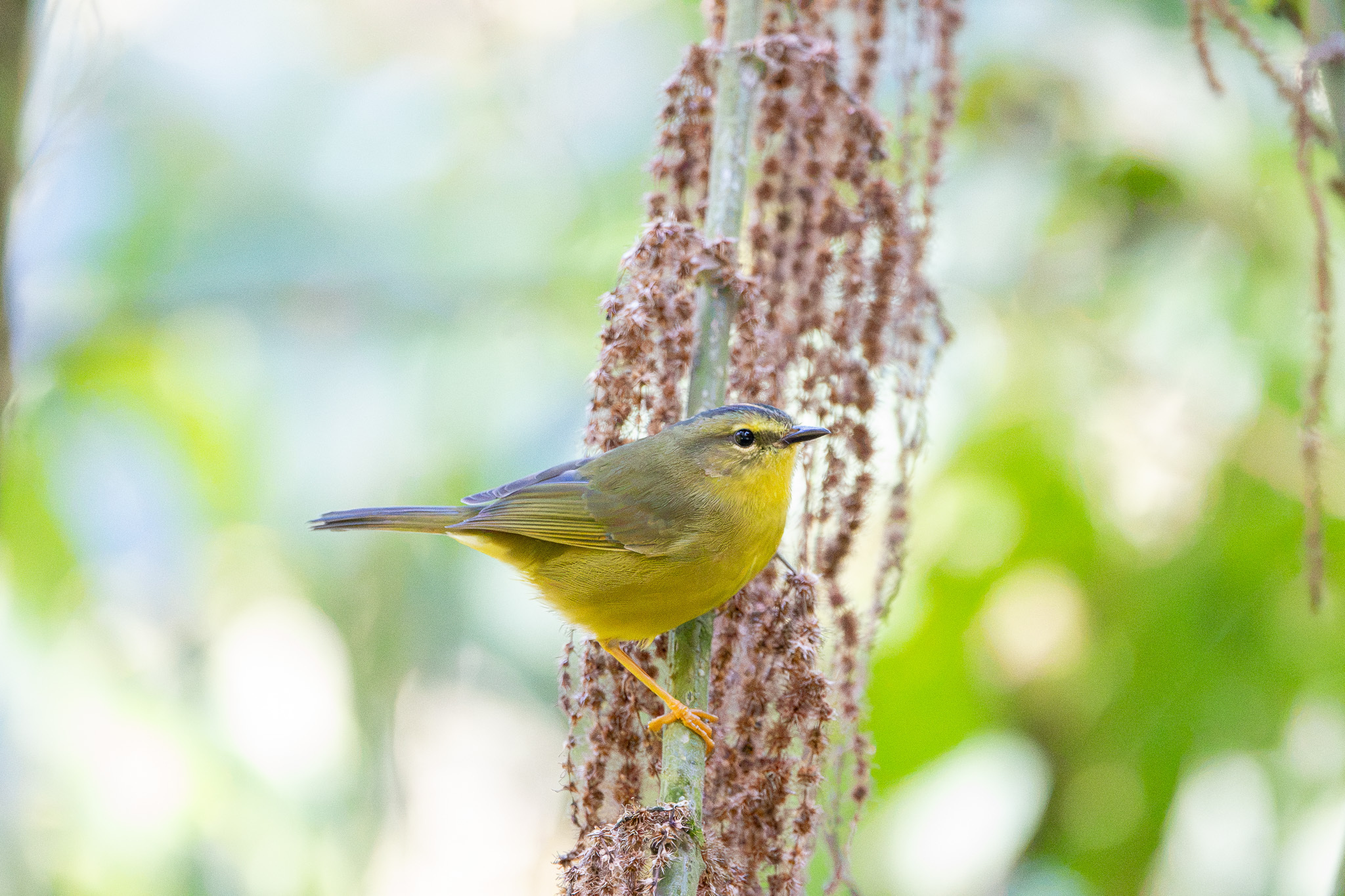
Two-banded Warbler
Myiothlypis bivittata- Highland forest of the Guiana Shield
- Secondary forest and forest edge
-

Grey-throated Warbler
Myiothlypis cinereicollis- Montane forest of the Venezuelan Andes and Perijá
- Plantations and agroforestry
-

Russet-crowned Warbler
Myiothlypis coronata- Montane forest of the Venezuelan Andes and Perijá
Basileuterus 3 species
-

Rufous-capped Warbler
Basileuterus rufifrons- Montane forest of the Venezuelan Andes and Perijá
- Dry forest and thorn scrub of northern Venezuela
- Plantations and agroforestry
-

Golden-crowned Warbler
Basileuterus culicivorus- Montane forest of the Serra do Mar
- Interior semi-deciduous forest
- Coastal lowland forest
- Veredas and gallery forest
- Montane forest of the Venezuelan coastal range
- Montane forest of the Venezuelan Andes and Perijá
- Highland forest of the Guiana Shield
-

Three-striped Warbler
Basileuterus tristriatus- Montane forest of the Venezuelan coastal range
- Montane forest of the Venezuelan Andes and Perijá
Cardellina 1 species

Myioborus 7 species
-

Slate-throated Whitestart
Myioborus miniatus- Montane forest of the Venezuelan Andes and Perijá
- Montane forest of the Venezuelan coastal range
- Highland forest of the Guiana Shield
-
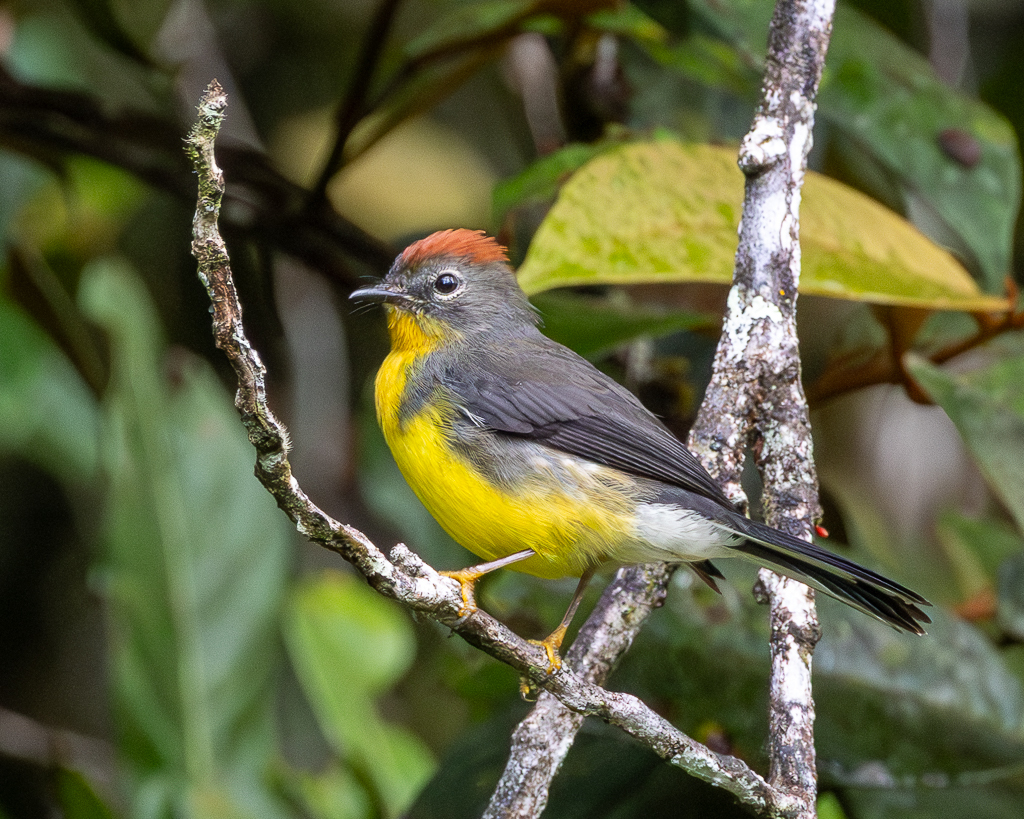
Tepui Whitestart
Myioborus castaneocapilla- Highland forest of the Guiana Shield
 Tepui summits and sandstone scrub
-
Paria Whitestart
Myioborus pariae- Montane forest of the Venezuelan coastal range
- Plantations and agroforestry
-
Guaiquinima Whitestart
Myioborus cardonai- Highland forest of the Guiana Shield
- Tepui summits and sandstone scrub
-
White-faced Whitestart
Myioborus albifacies- Highland forest of the Guiana Shield
- Tepui summits and sandstone scrub
-

Golden-fronted Whitestart
Myioborus ornatus- Montane forest of the Venezuelan Andes and Perijá
-

White-fronted Whitestart
Myioborus albifrons- Montane forest of the Venezuelan Andes and Perijá
Vagrants 7 species
Birds blown in from other continents. They have no range here, and so no distribution map.
-

Worm-eating Warbler
Helmitheros vermivorum- Montane forest of the Venezuelan coastal range
- Montane forest of the Venezuelan Andes and Perijá
- Secondary forest and forest edge
-

Blue-winged Warbler
Vermivora cyanoptera- Montane forest of the Venezuelan coastal range
- Montane forest of the Venezuelan Andes and Perijá
- Secondary forest and forest edge
-

Black-throated Blue Warbler
Setophaga caerulescens- Montane forest of the Venezuelan coastal range
- Montane forest of the Venezuelan Andes and Perijá
- Towns, cities and gardens
-
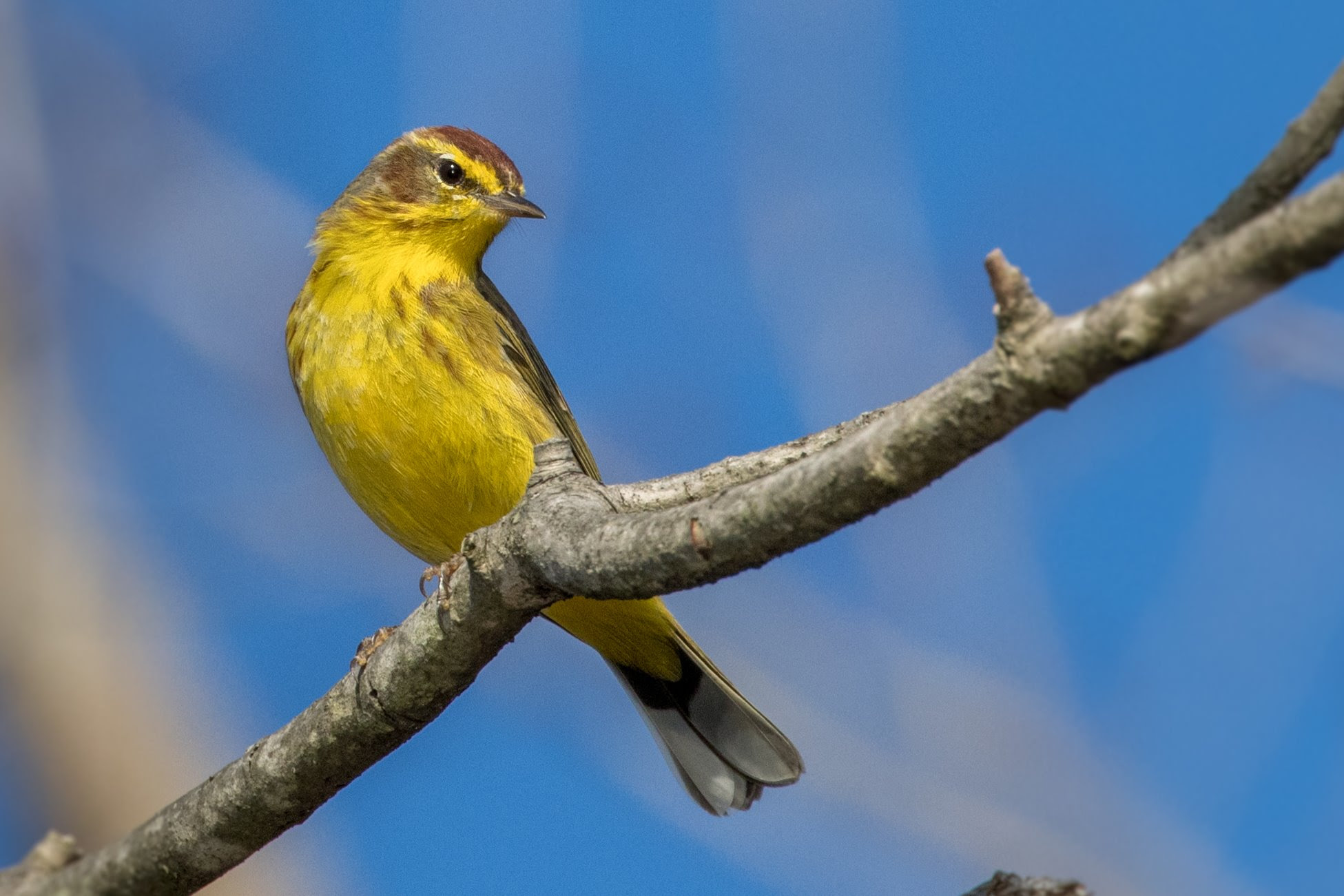
Palm Warbler
Setophaga palmarum- Towns, cities and gardens
- Pasture and arable land
- Dry forest and thorn scrub of northern Venezuela
-

Yellow-throated Warbler
Setophaga dominica- Towns, cities and gardens
- Dry forest and thorn scrub of northern Venezuela
- Montane forest of the Venezuelan coastal range
-

Prairie Warbler
Setophaga discolor- Dry forest and thorn scrub of northern Venezuela
- Mangroves
- Towns, cities and gardens
-

Black-throated Green Warbler
Setophaga virens- Montane forest of the Venezuelan Andes and Perijá
- Montane forest of the Venezuelan coastal range
- Plantations and agroforestry