All species › Passerines › Shrike-babblers, Erpornis and vireos
Shrike-babblers, Erpornis and vireos | Vireonidae
Vireo's | Vireos | Pteruthius, erpornis e juruviaras
Vireos are small to medium-sized songbirds; besides the American vireos the family also includes the shrike-babblers and the Erpornis of Asia. In this guide the family numbers 25 species in six genera. Some are true vireos (Vireo): greenish or grey above, pale below, with a stouter bill than a warbler's and a small hook at the tip, and with head and eye-stripe pattern as the main feature. In addition there are the small, warbler-like greenlets (Hylophilus, Pachysylvia, Tunchiornis), the bright green shrike-vireos (Vireolanius) of the high canopy and the peppershrikes (Cyclarhis) with their heavy, strongly hooked bill, among them the widespread Rufous-browed Peppershrike. Most species are resident, such as Brown-capped Vireo of the montane forest in Venezuela, Tepui Vireo of the tepuis and Noronha Vireo, which lives only on the Fernando de Noronha archipelago off the coast of Brazil. Besides resident forms of Red-eyed Vireo, northern forms of that species, Yellow-green Vireo and Black-whiskered Vireo come from the north after the breeding season to winter in Amazonia, Yellow-throated Vireo reaches the north of the region, and White-eyed and Philadelphia Vireos have been recorded as vagrants. They move slowly and deliberately through the canopy, picking caterpillars and other insects from the leaves and also eating berries and small fruits. The nest is a deep, cup-shaped structure suspended in a fork. They sing all day long, even in the midday heat.
Native species 23 species
Species that occur here by nature: breeding birds, winter visitors and passage migrants. They are arranged by genus, in the sequence of the list.

Hylophilus 7 species
-

Grey-eyed Greenlet
Hylophilus amaurocephalus Dry forest of the north-east
 Cerradão and dry woodland
 Caatinga scrub
 Interior semi-deciduous forest
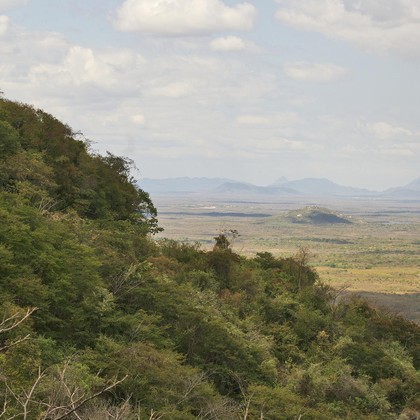 Brejos and highland forest
-
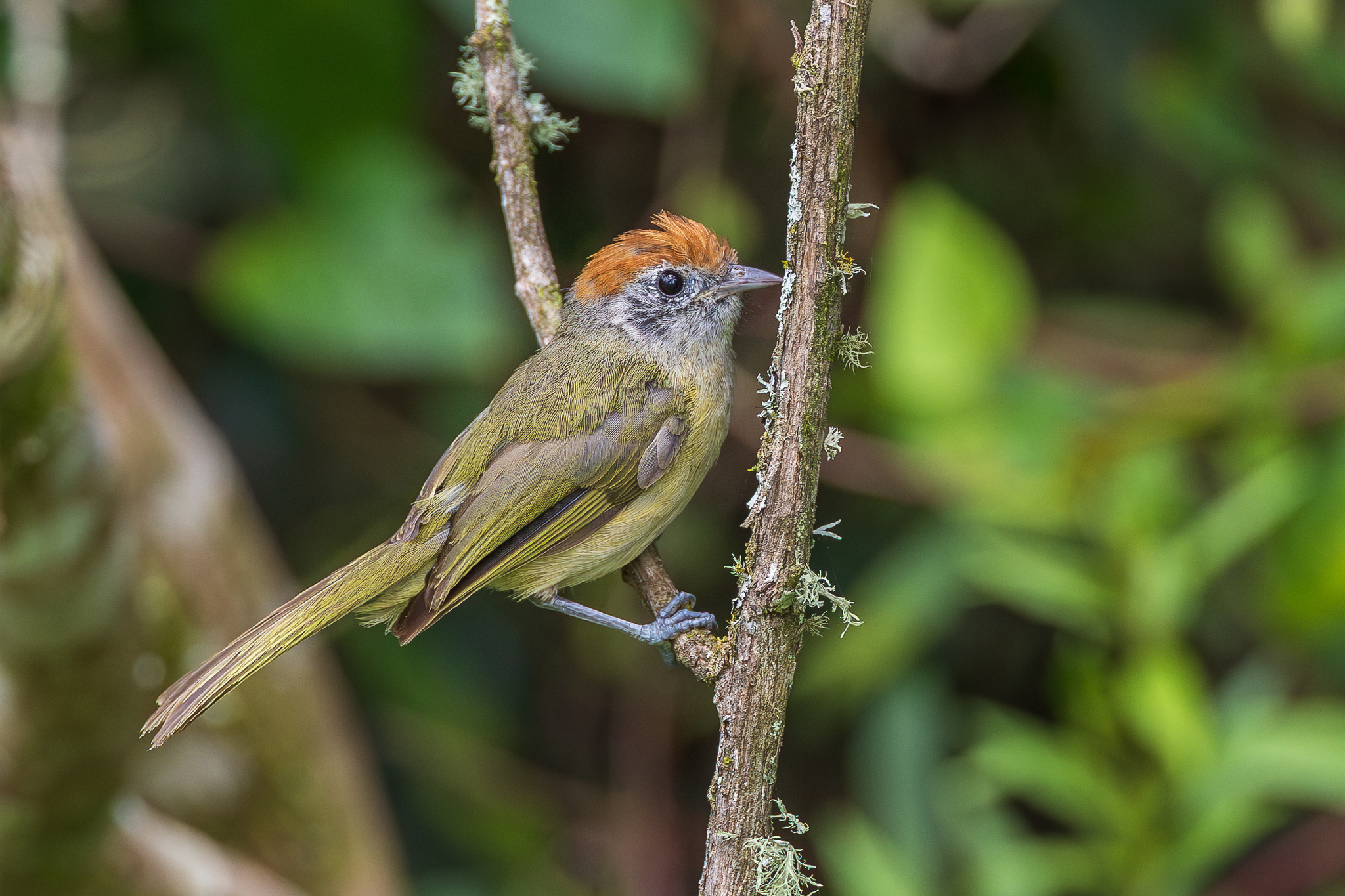
Rufous-crowned Greenlet
Hylophilus poicilotis Montane forest of the Serra do Mar
 Coastal lowland forest
- Interior semi-deciduous forest
 Araucaria forest
-

Ashy-headed Greenlet
Hylophilus pectoralis Secondary forest and forest edge
 Várzea (whitewater flooded forest)
 Mangroves
 Veredas and gallery forest
 Gallery forest and woodland islands of the Pantanal
 Plantations and agroforestry
-
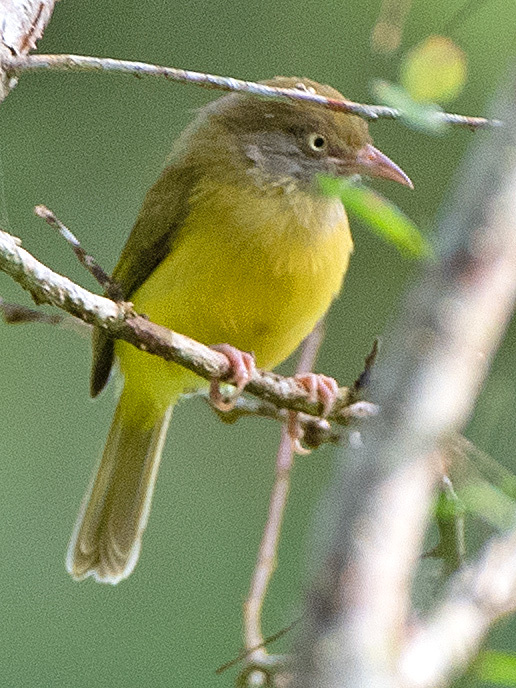
Scrub Greenlet
Hylophilus flavipes Dry forest and thorn scrub of northern Venezuela
 Llanos savanna
 Towns, cities and gardens
-
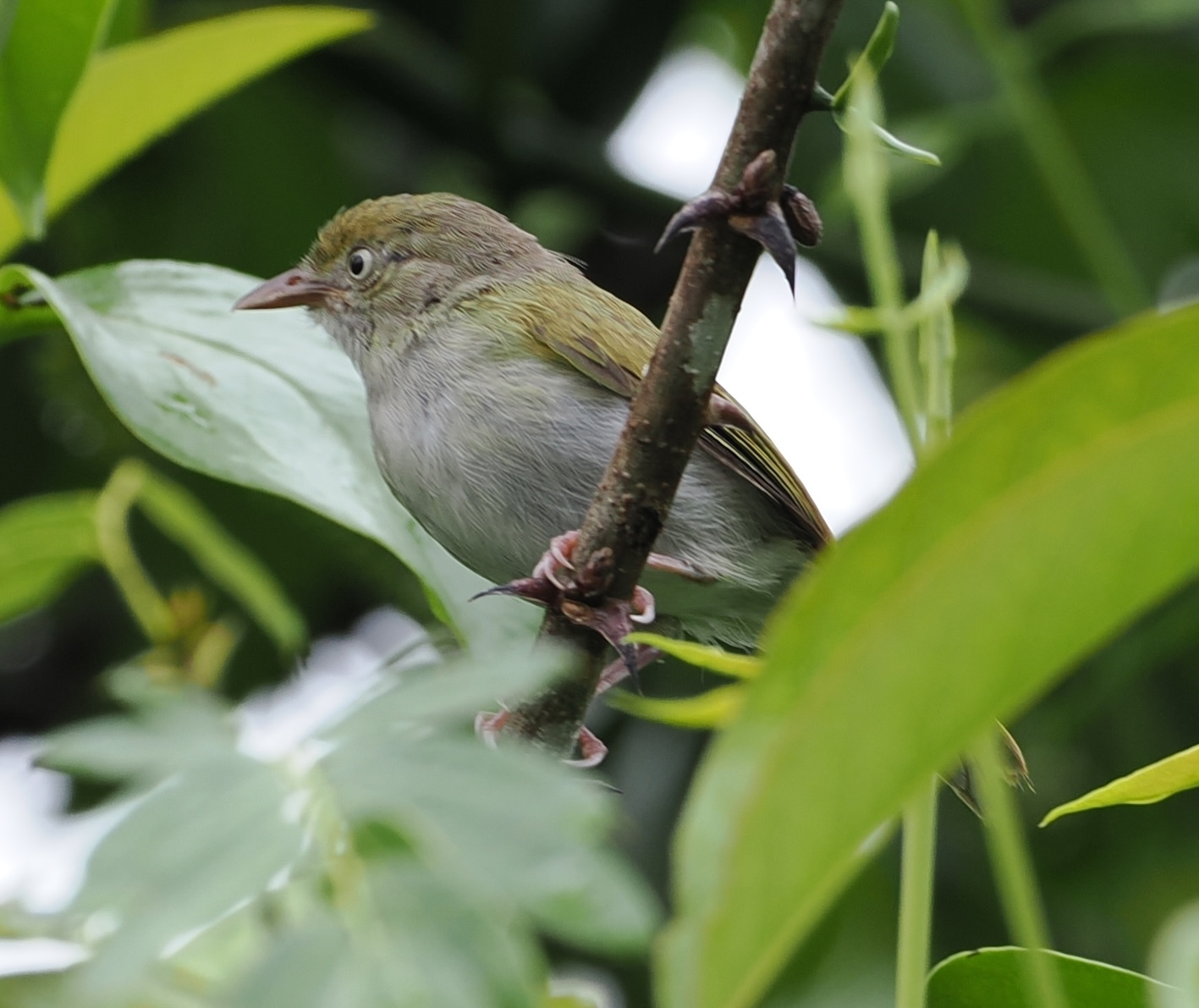
Grey-chested Greenlet
Hylophilus semicinereus- Várzea (whitewater flooded forest)
- Secondary forest and forest edge
 Igapó (blackwater flooded forest)
 Tall terra firme forest
-

Brown-headed Greenlet
Hylophilus brunneiceps White-sand forest and campina
- Igapó (blackwater flooded forest)
- Várzea (whitewater flooded forest)
-

Lemon-chested Greenlet
Hylophilus thoracicus- Tall terra firme forest
- Várzea (whitewater flooded forest)
- Secondary forest and forest edge
- Coastal lowland forest
- Montane forest of the Serra do Mar
Vireolanius 2 species


Tunchiornis 2 species


Pachysylvia 4 species
-

Dusky-capped Greenlet
Pachysylvia hypoxantha- Tall terra firme forest
- Várzea (whitewater flooded forest)
- Secondary forest and forest edge
-
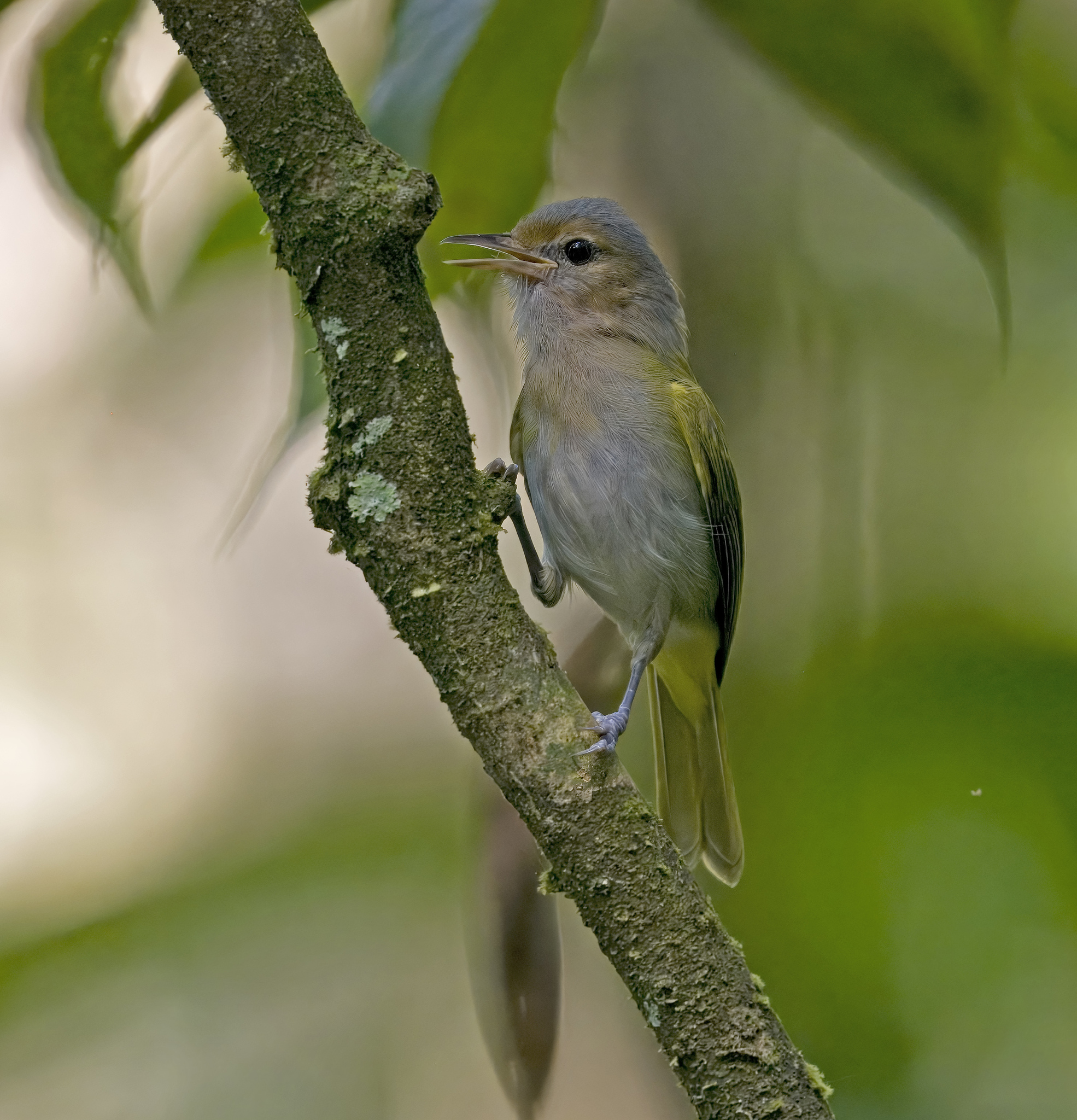
Buff-cheeked Greenlet
Pachysylvia muscicapina- Tall terra firme forest
- Várzea (whitewater flooded forest)
- Secondary forest and forest edge
 Highland forest of the Guiana Shield
- Veredas and gallery forest
-

Golden-fronted Greenlet
Pachysylvia aurantiifrons- Dry forest and thorn scrub of northern Venezuela
 Montane forest of the Venezuelan coastal range
- Plantations and agroforestry
- Llanos savanna
- Towns, cities and gardens
-

Rufous-naped Greenlet
Pachysylvia semibrunnea Montane forest of the Venezuelan Andes and Perijá
- Plantations and agroforestry
Vireo 7 species
-
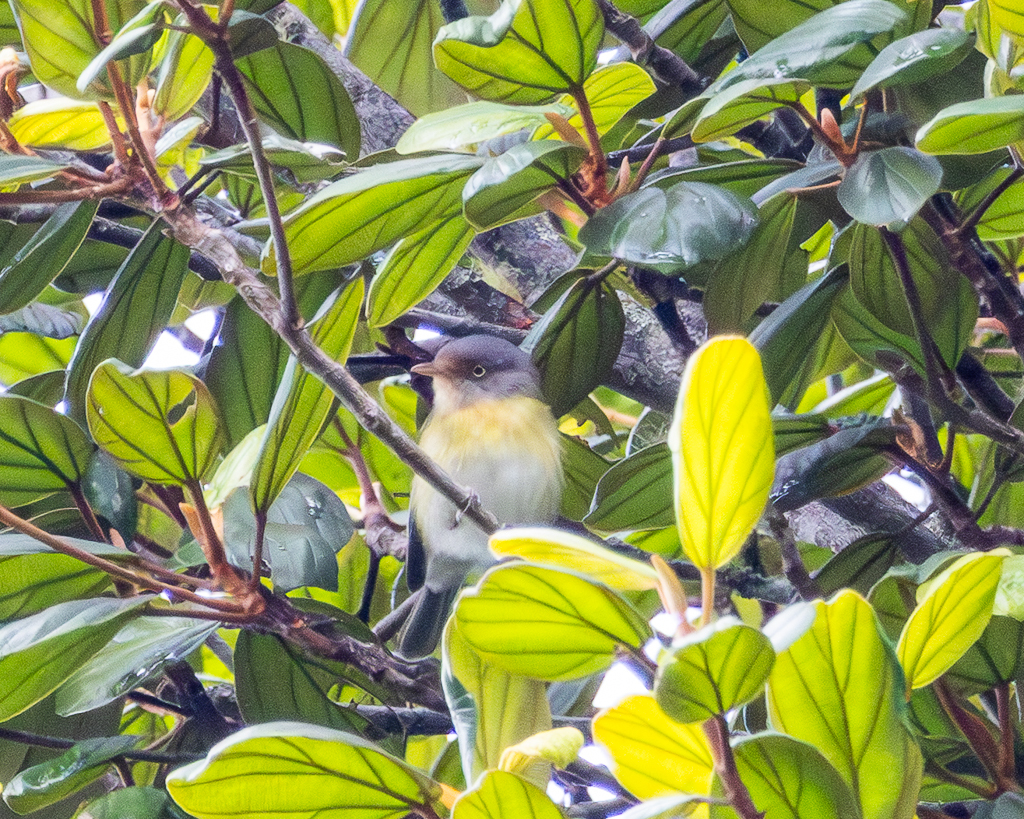
Tepui Vireo
Vireo sclateri- Highland forest of the Guiana Shield
-

Brown-capped Vireo
Vireo leucophrys- Montane forest of the Venezuelan Andes and Perijá
- Montane forest of the Venezuelan coastal range
-

Yellow-green Vireo
Vireo flavoviridis- Várzea (whitewater flooded forest)
 Floating meadows and river islands
- Secondary forest and forest edge
- Towns, cities and gardens
-

Red-Eyed Vireo
Vireo olivaceus- Secondary forest and forest edge
- Várzea (whitewater flooded forest)
- Tall terra firme forest
- Coastal lowland forest
- Interior semi-deciduous forest
- Veredas and gallery forest
- Towns, cities and gardens
-

Black-whiskered Vireo
Vireo altiloquus- Tall terra firme forest
- Várzea (whitewater flooded forest)
- Secondary forest and forest edge
- Mangroves
- Dry forest and thorn scrub of northern Venezuela
-

Noronha Vireo
Vireo gracilirostris Oceanic islands and rocks
- Towns, cities and gardens
-

Yellow-throated Vireo
Vireo flavifrons- Montane forest of the Venezuelan coastal range
- Montane forest of the Venezuelan Andes and Perijá
- Plantations and agroforestry
- Dry forest and thorn scrub of northern Venezuela
Vagrants 2 species
Birds blown in from other continents. They have no range here, and so no distribution map.

