All species › Kingfishers, bee-eaters and rollers › Motmots
Motmots | Momotidae
Motmots | Momotos | Motmots
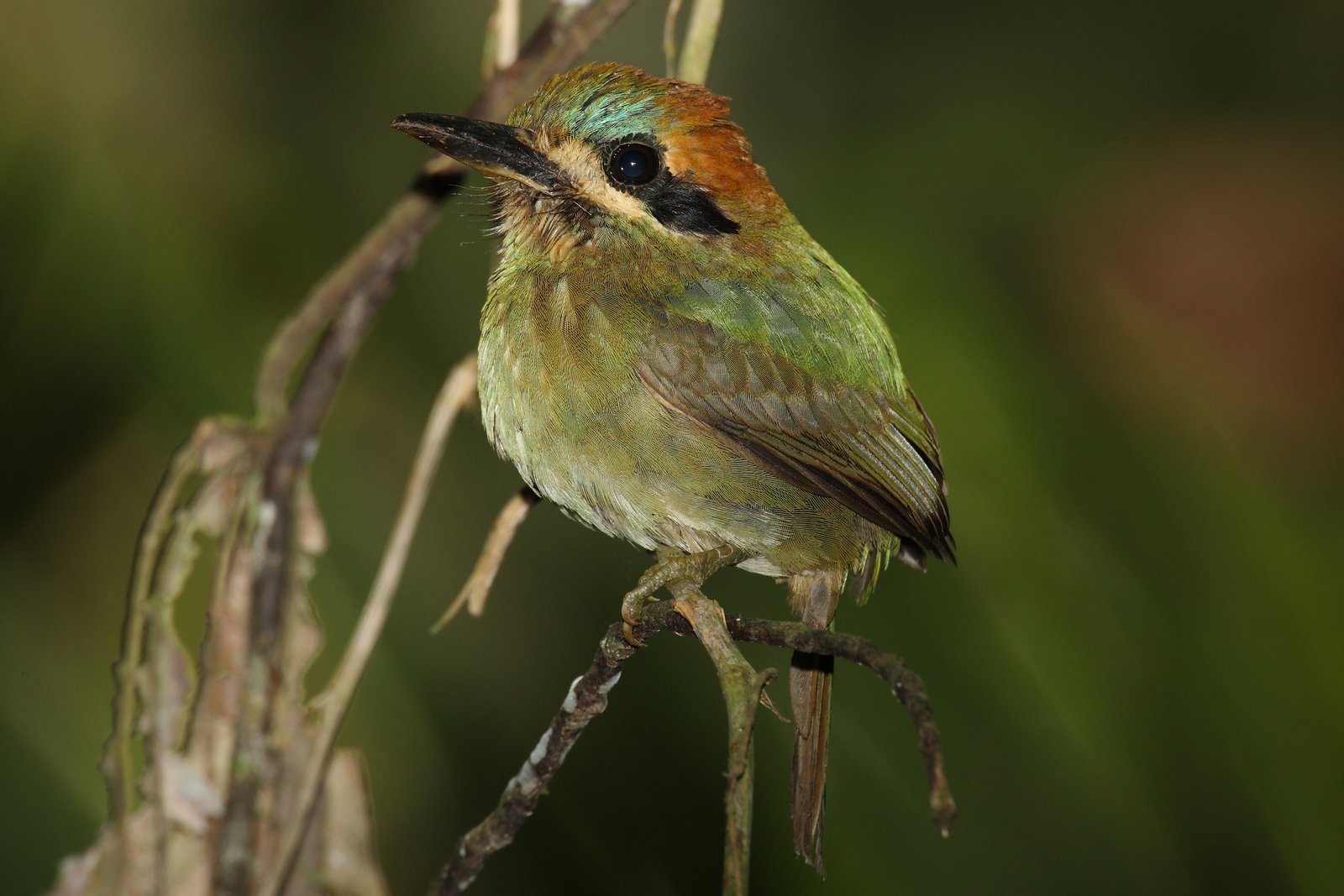
A small family of tropical America: this guide includes seven species in four genera, from dry forest on the Pacific side of Ecuador and northern Peru and in northern Colombia through the humid Chocó and the Amazonian lowlands to the cloud forest of the Andes, where the Andean Motmot still occurs high on the slopes. Motmots are related to kingfishers and bee-eaters, with a large head, short legs with partly fused toes and a stout, slightly curved bill with finely serrated edges. The plumage is green and cinnamon with blue or turquoise on the head and wings, often with a black breast spot. In most species the two long central tail feathers end in a racket: the barbs just above it are weakly attached and fall away through preening and wear, leaving a bare stretch of shaft. When disturbed the bird swings its tail from side to side like a pendulum, apparently signalling to predators that they have been seen. Motmots sit still in the shade for long periods and then sally out for large insects, spiders, small lizards and frogs, and they also eat fruit. The voice is a deep, hollow hoot, often doubled, given mostly at dawn and dusk. The nest is at the end of a self-dug tunnel in an earth bank or the side of a pit, with three or four white eggs.
Native species 7 species
Species that occur here by nature: breeding birds, winter visitors and passage migrants. They are arranged by genus, in the sequence of the list.
Hylomanes 1 species
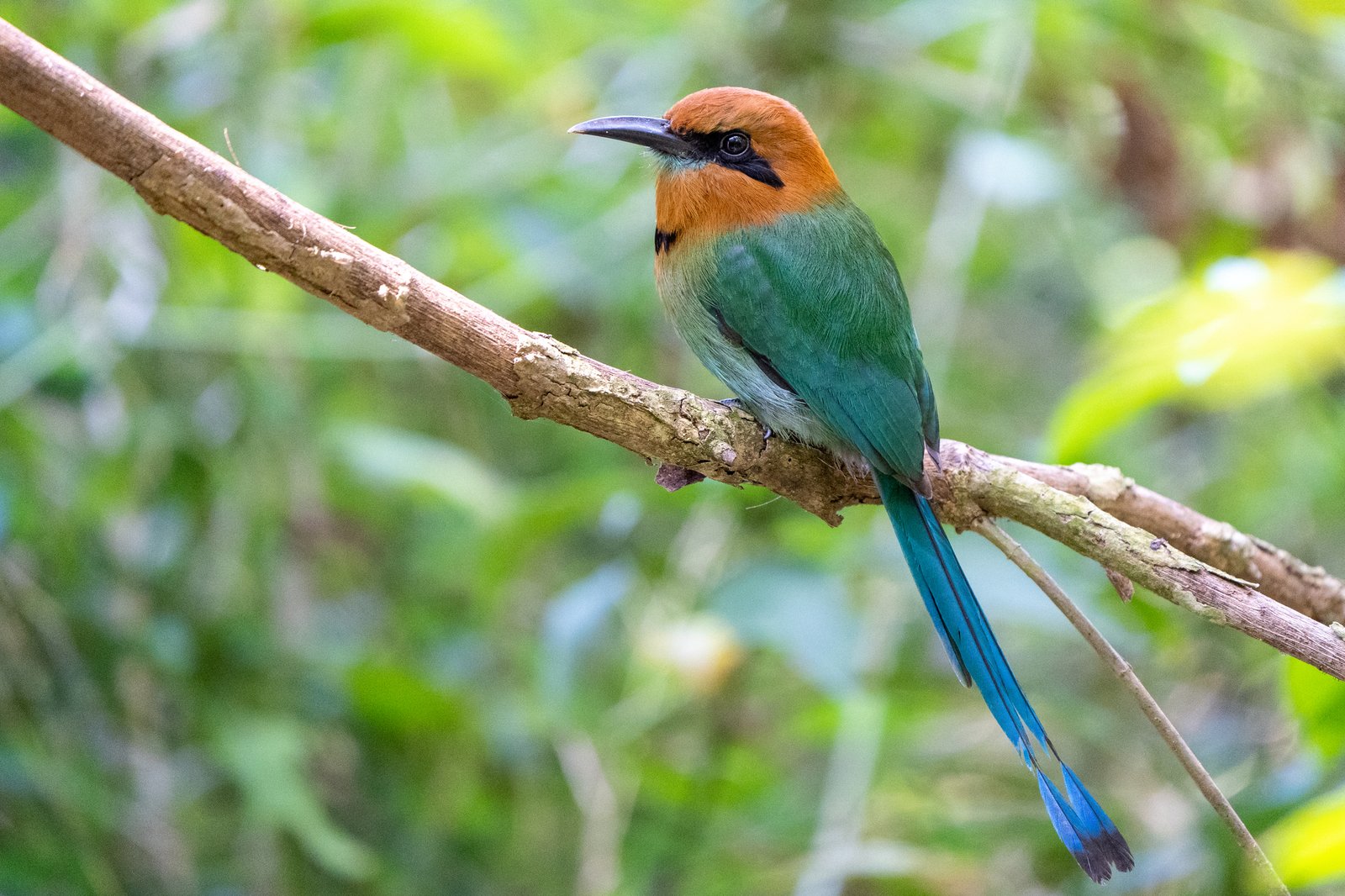
Baryphthengus 2 species
-
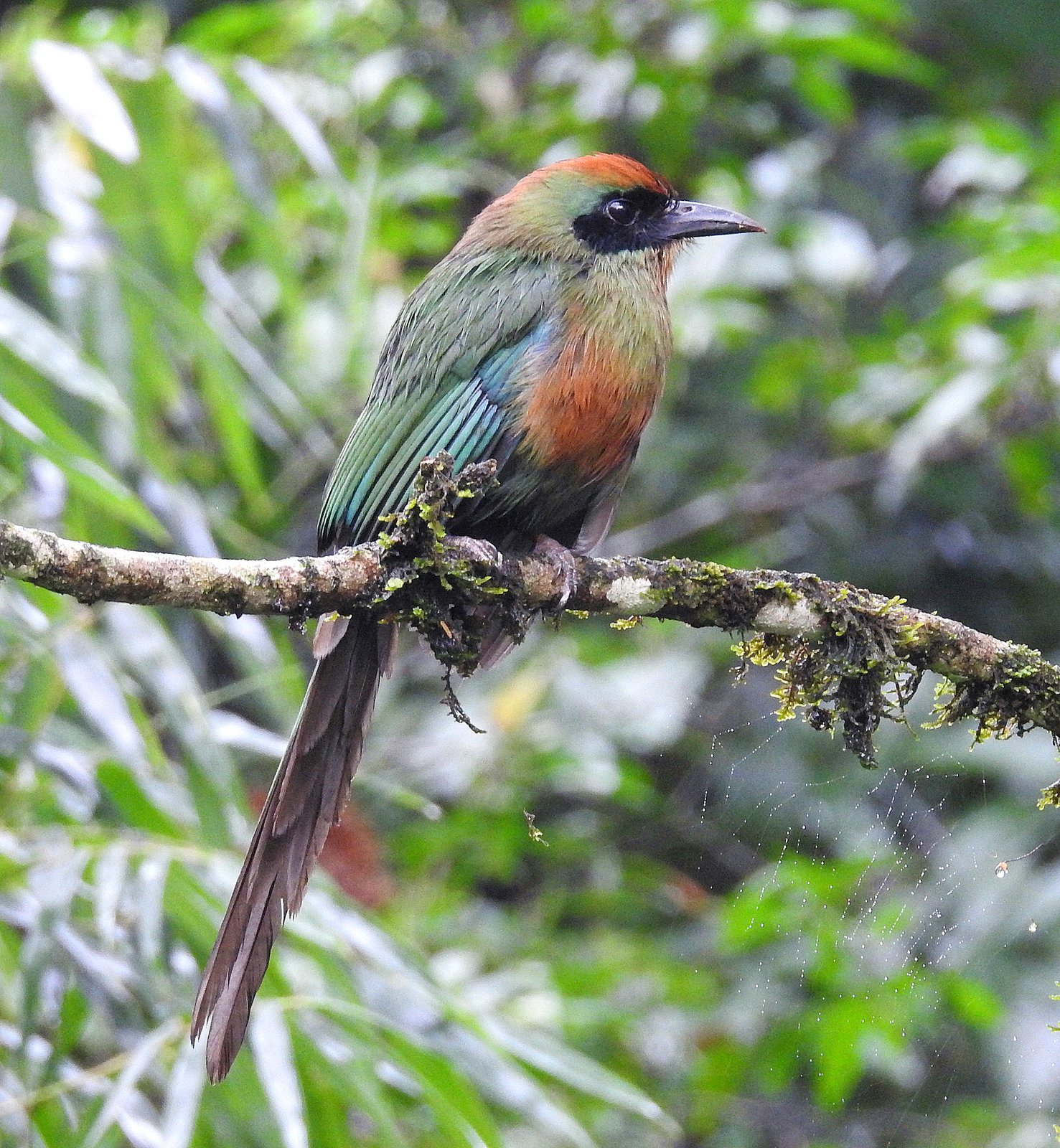
Rufous-capped Motmot
Baryphthengus ruficapillus Amazonian terra firme rainforest
 Secondary forest and forest edge
-
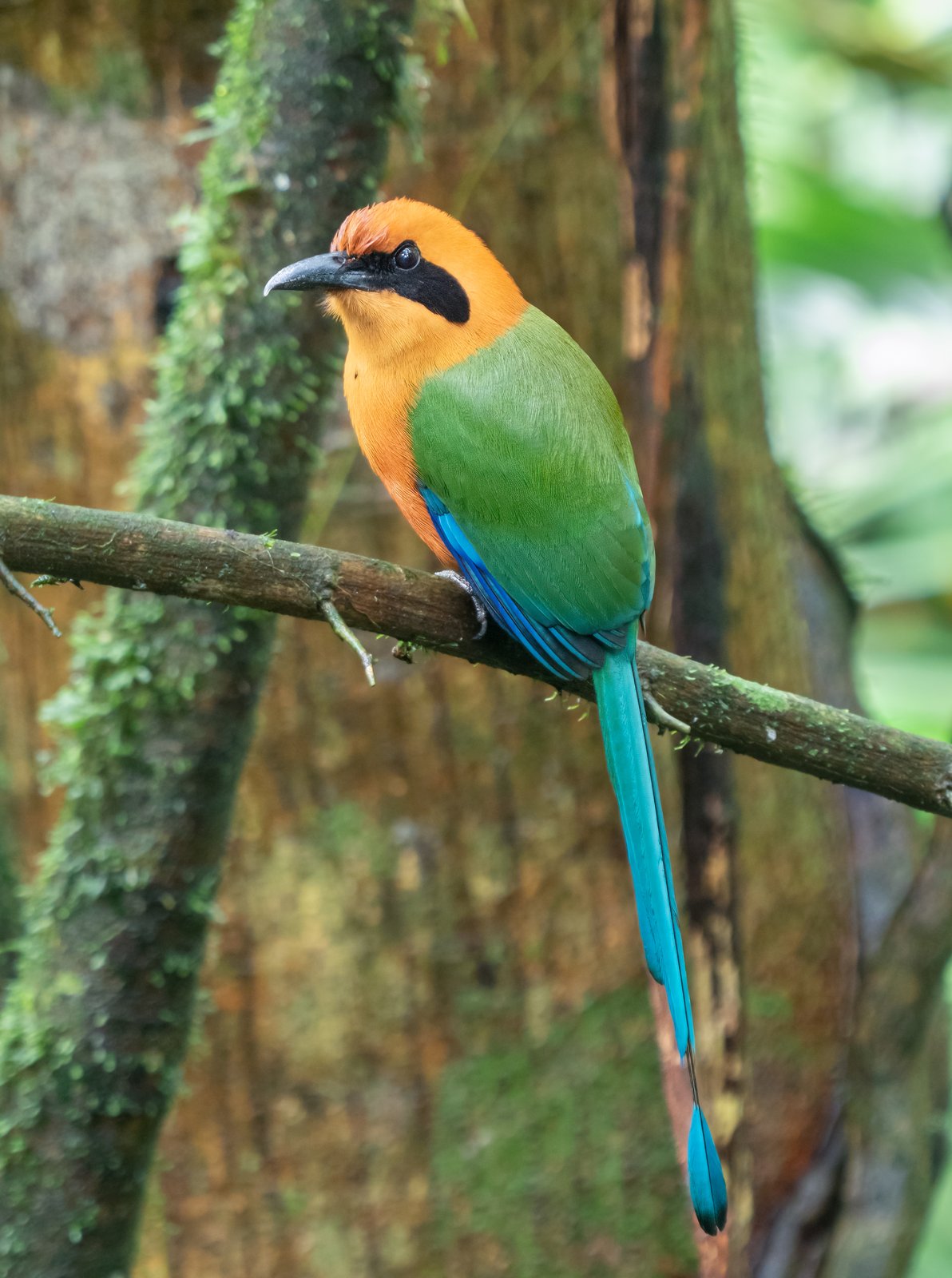
Rufous Motmot
Baryphthengus martii- Amazonian terra firme rainforest
 Chocó rainforest
 Eastern Andean foothill forest
 Western Ecuador humid forest
 Várzea, igapó and river islands
- Secondary forest and forest edge
Momotus 3 species
-
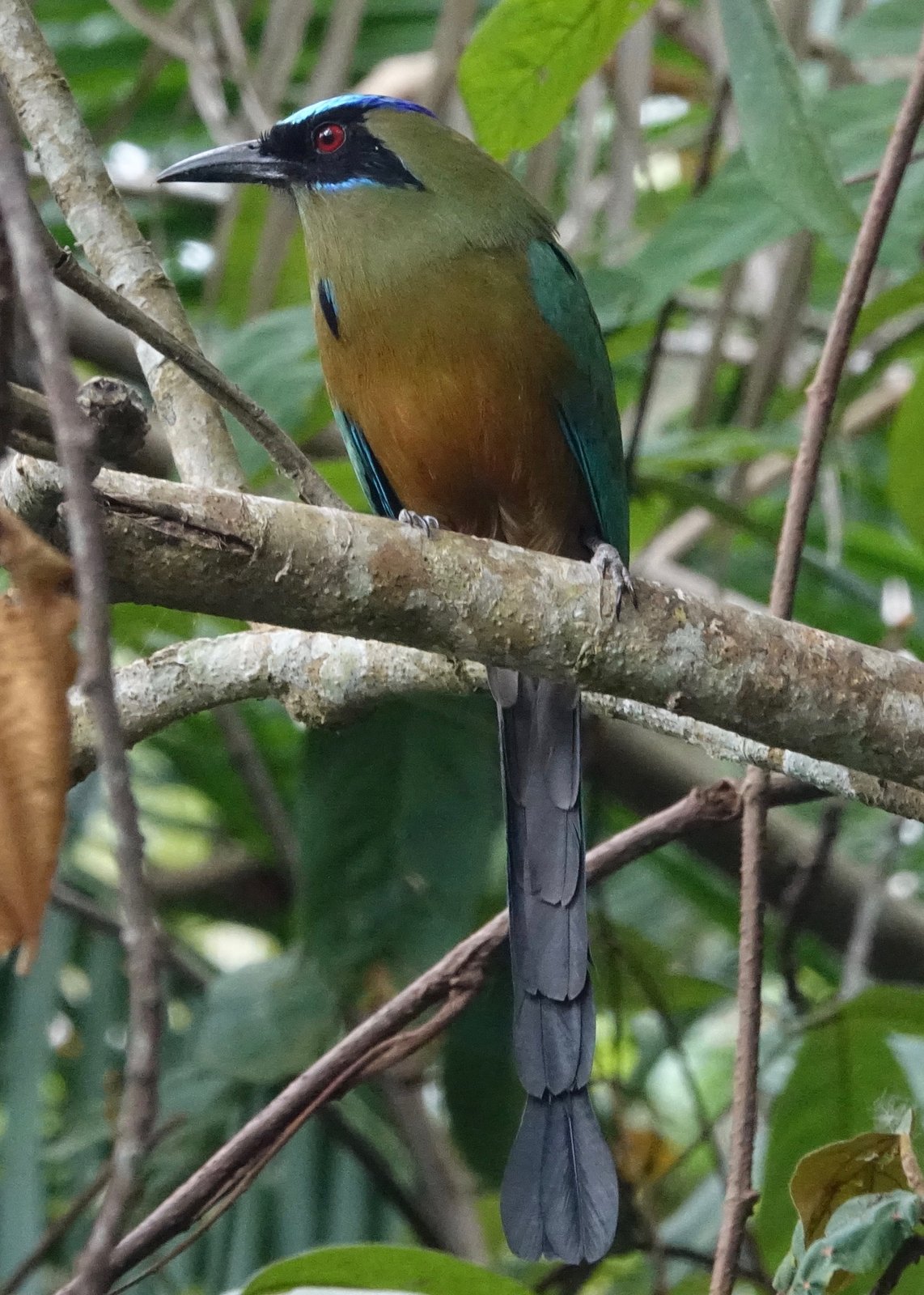
Whooping Motmot
Momotus subrufescens Tumbesian dry forest and thorn scrub
- Western Ecuador humid forest
- Secondary forest and forest edge
 Riparian woodland of the Andes and coastal valleys
 Coffee, cacao and agroforestry
 Marañón and northern inter-Andean dry forest
-
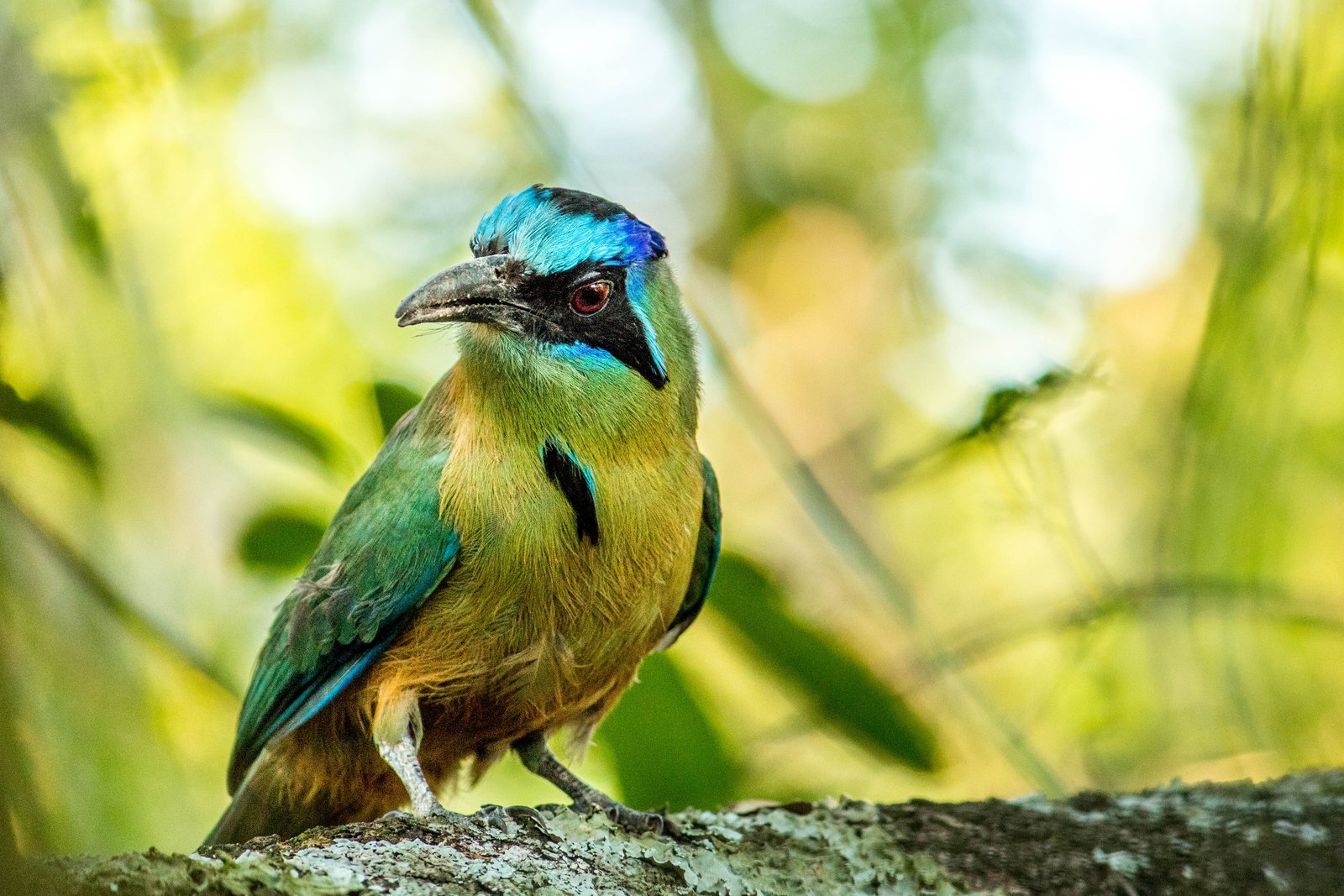
Amazonian Motmot
Momotus momota- Amazonian terra firme rainforest
- Secondary forest and forest edge
- Várzea, igapó and river islands
- Eastern Andean foothill forest
 Chiquitano dry forest and Chaco
- Coffee, cacao and agroforestry
-
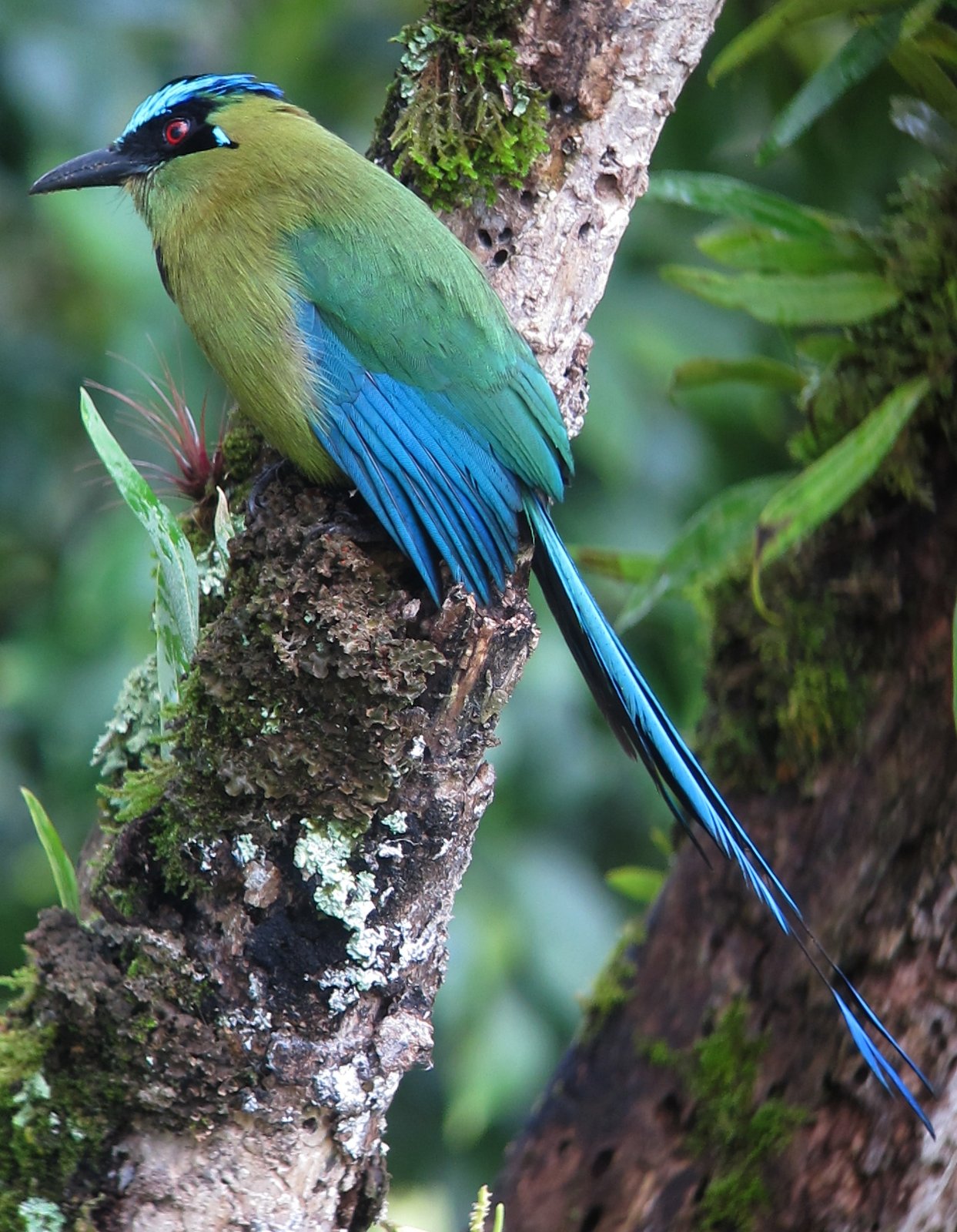
Andean Motmot
Momotus aequatorialis Northern Andean subtropical forest
 Lower Yungas forest
 Northern Andean cloud forest and temperate forest
- Coffee, cacao and agroforestry
- Secondary forest and forest edge
- Riparian woodland of the Andes and coastal valleys