All species › Woodpeckers and allies › Honeyguides
Honeyguides | Indicatoridae
Honingspeurders | Indicadores
An Old World family centred on Africa, with eight species of Indicator and Prodotiscus in this region. Honeyguides are plain grey-brown to olive birds with short, stout bills. Their zygodactyl feet have two toes forward and two back. Many show white outer tail feathers that flash in flight. All are brood parasites. Indicator species lay in the cavity nests of barbets, woodpeckers, bee-eaters and kingfishers, and the female sometimes punctures the host's eggs. The hatchling carries needle-sharp hooks on the bill tips, used to kill the host's young; the hooks are later lost. The honeybirds (Prodotiscus) instead parasitise small passerines with open cup nests, such as white-eyes and flycatchers. The family is unique in being able to digest beeswax, aided by gut microbes. Wax is eaten alongside bee brood, other insects and scale-insect secretions, and thick skin gives protection against stings. The Greater Honeyguide actively leads people to wild bee colonies. It attracts attention with a persistent, rattling chatter, flies ahead in short stages and waits to be followed. It then feeds on the comb left behind once the nest has been opened. In northern Mozambique, honey-hunters summon the bird with a traditional call, and experiments have shown it responds specifically. Guiding of honey badgers is often claimed but scarcely documented.
Native species 8 species
Species that occur here by nature: breeding birds, winter visitors and passage migrants. They are arranged by genus, in the sequence of the list.
Indicator 5 species
-
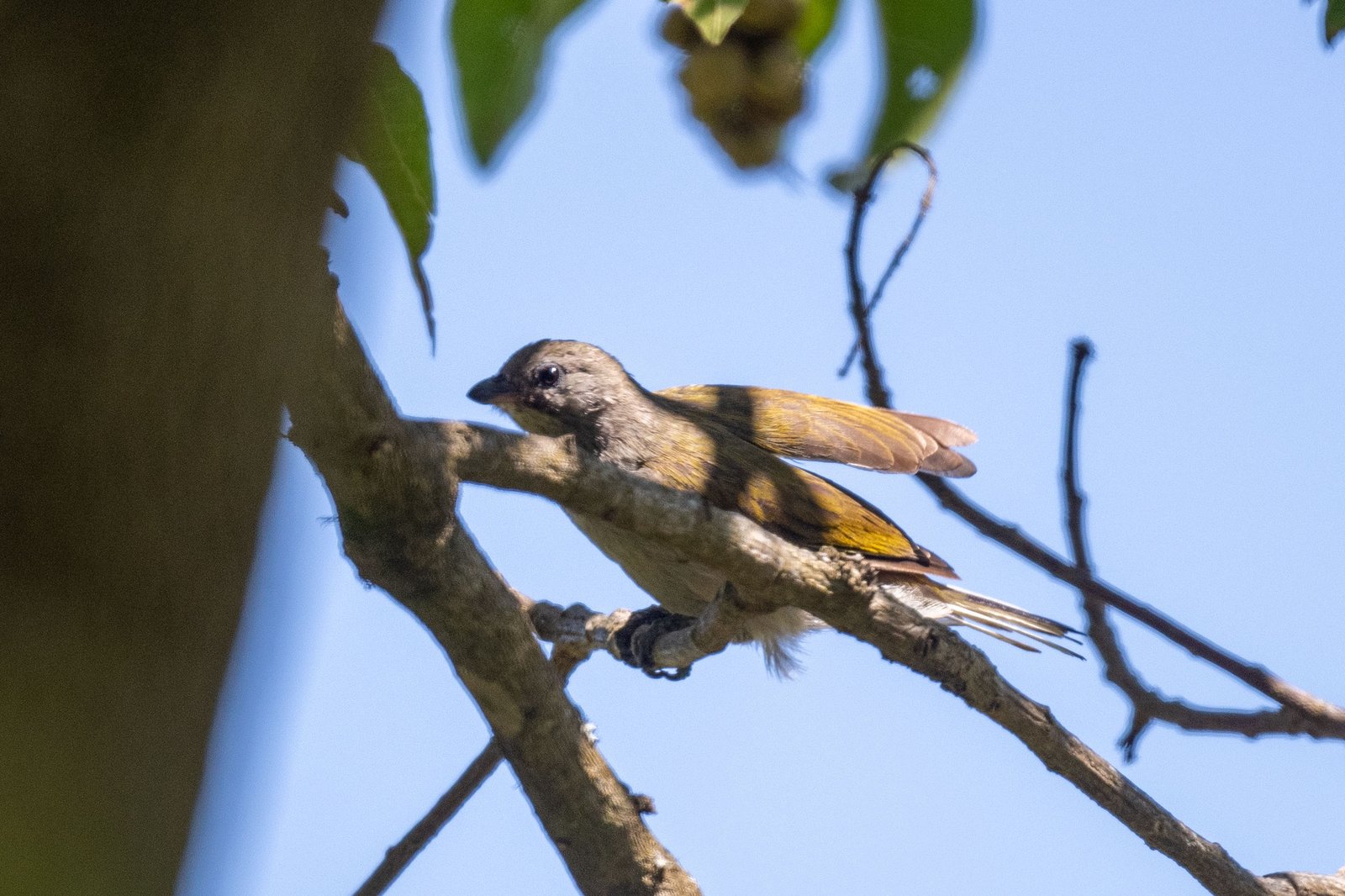
Pallid Honeyguide
Indicator meliphilus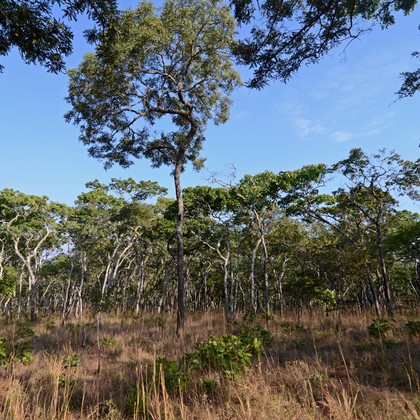 Miombo woodland
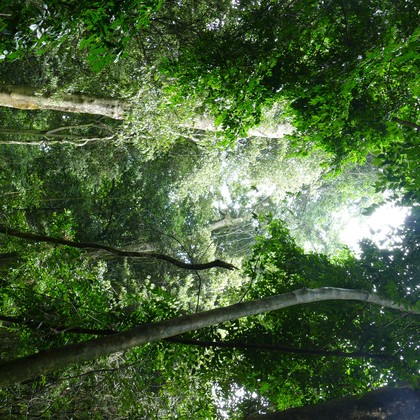 Subtropical lowland and coastal forest
 Riverine forest
-

Least Honeyguide
Indicator exilis- Riverine forest
- Subtropical lowland and coastal forest
-

Lesser Honeyguide
Indicator minor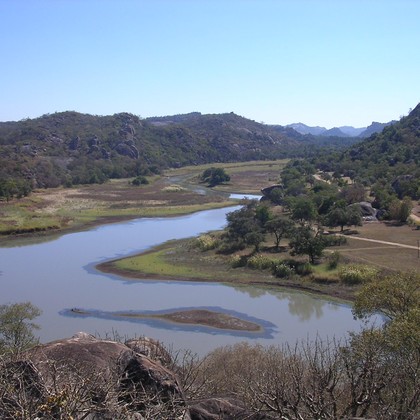 Mixed broadleaf woodland
- Riverine forest
 Gardens and built-up land
-

Scaly-Throated Honeyguide
Indicator variegatus Afromontane forest
- Riverine forest
- Subtropical lowland and coastal forest
-
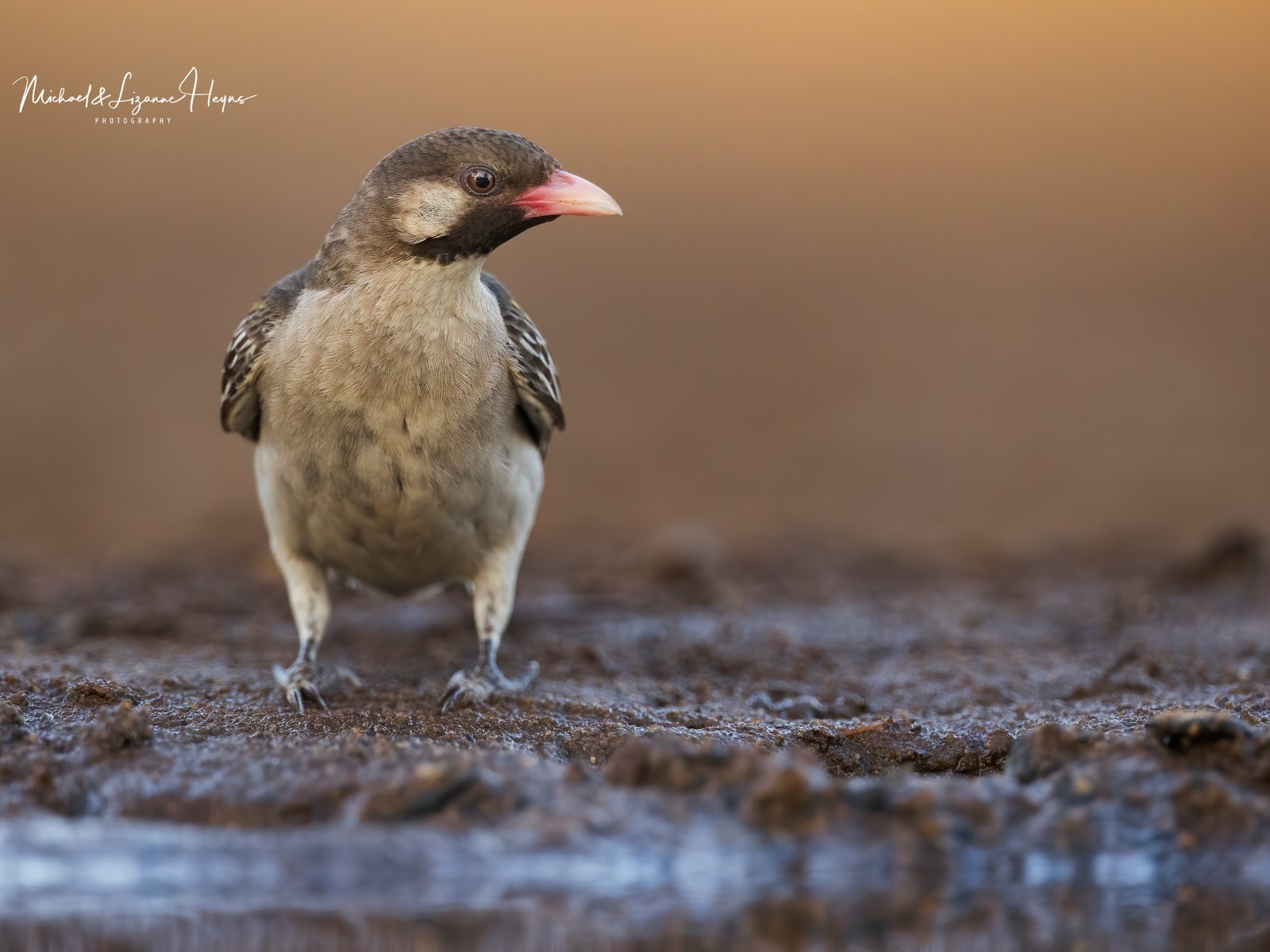
Greater Honeyguide
Indicator indicator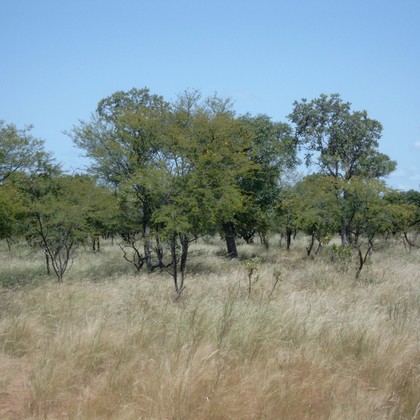 Acacia savanna and thornveld
- Mixed broadleaf woodland
- Miombo woodland