All species › New World vultures › New World vultures
New World vultures | Cathartidae
Nieuwewereldgieren | Buitres del Nuevo Mundo | New World vultures
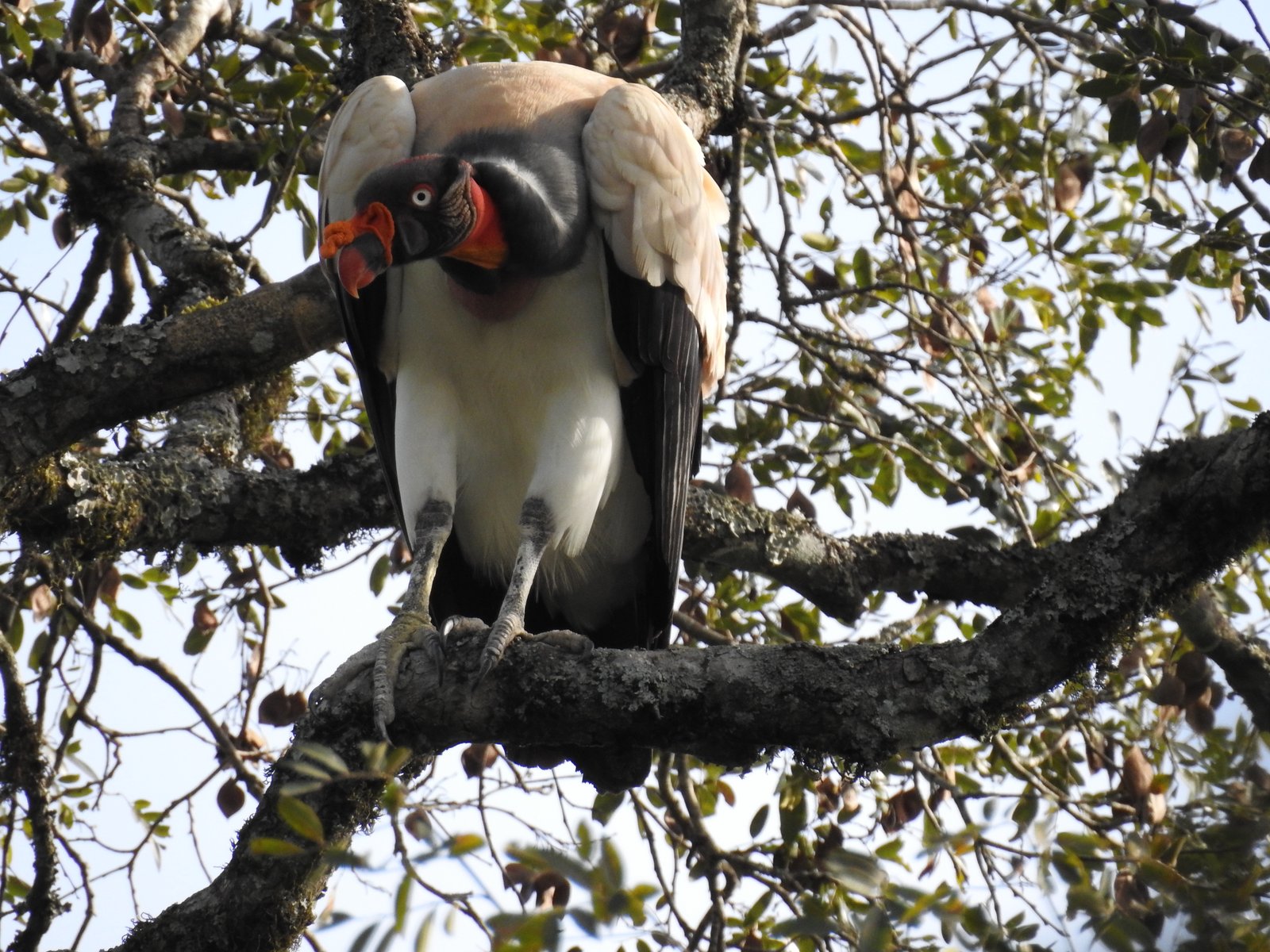
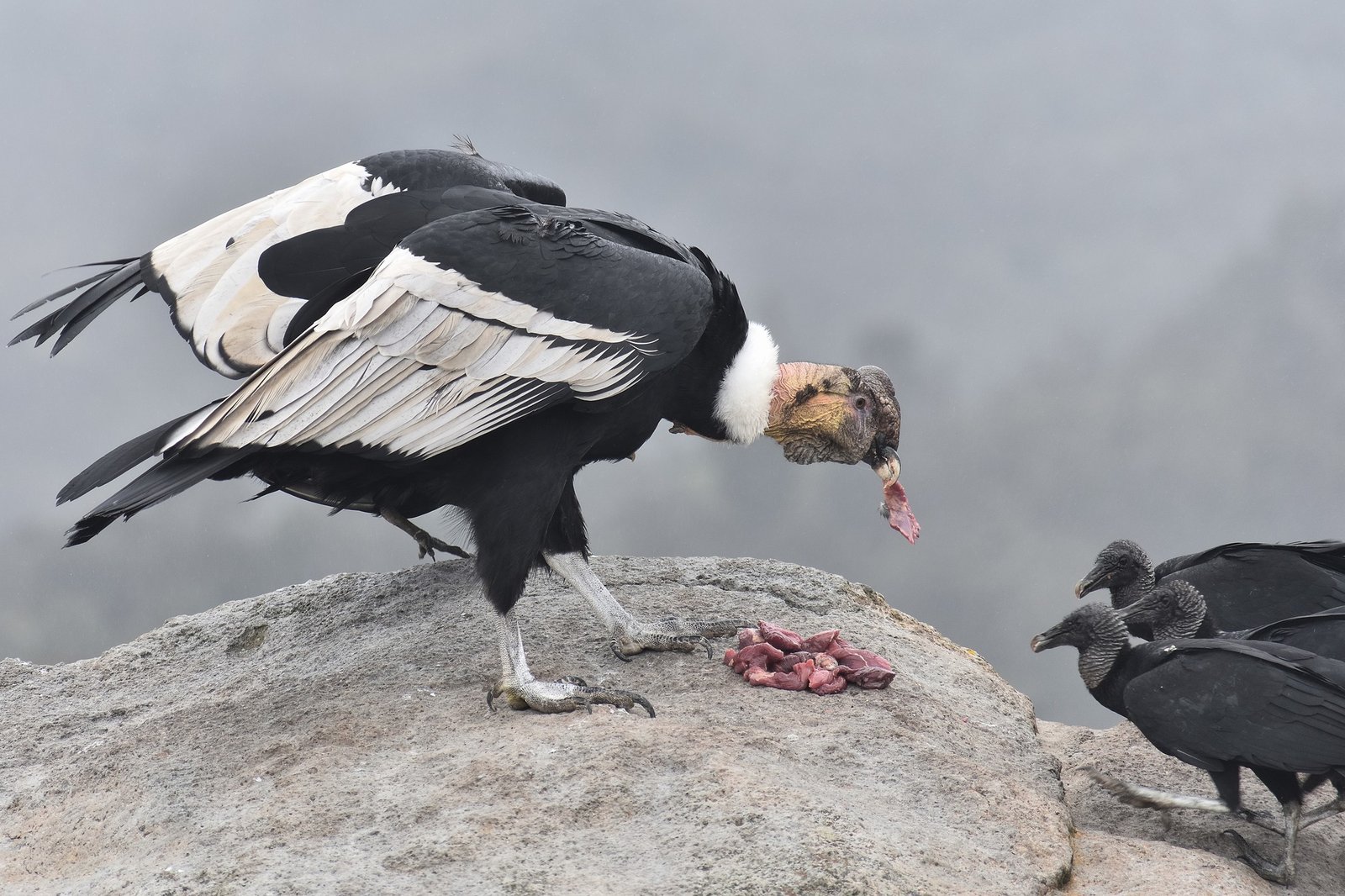
The area of this guide holds six species in four genera: Black and Turkey Vultures can be seen almost everywhere, from towns and rubbish dumps to open country, coastal desert and mountain valleys, the Lesser Yellow-headed Vulture glides low over savanna and marsh, the Greater Yellow-headed Vulture and the King Vulture live above undisturbed lowland forest of the Amazonian foothills, and the Andean Condor soars over the high Andes and locally along the coast of Peru. The head and often the neck are bare, which makes it easier to keep clean when feeding on carcasses; in the King Vulture this skin is bright orange, red and purple. The wings are long and broad, and the birds soar for hours without flapping. Turkey and yellow-headed vultures find carrion by smell, a sense developed this well in few other birds, and other vultures follow them to it. The feet are weak and not used for grasping, the nostrils are perforate and a voice box is lacking, so only hisses and grunts are heard. In hot weather they soil their legs with droppings to cool down. No nest is built: one or two eggs lie in a hollow tree, a rock crevice or on a ledge, and the young are fed on regurgitated food.
Native species 6 species
Species that occur here by nature: breeding birds, winter visitors and passage migrants. They are arranged by genus, in the sequence of the list.
Sarcoramphus 1 species


Vultur 1 species


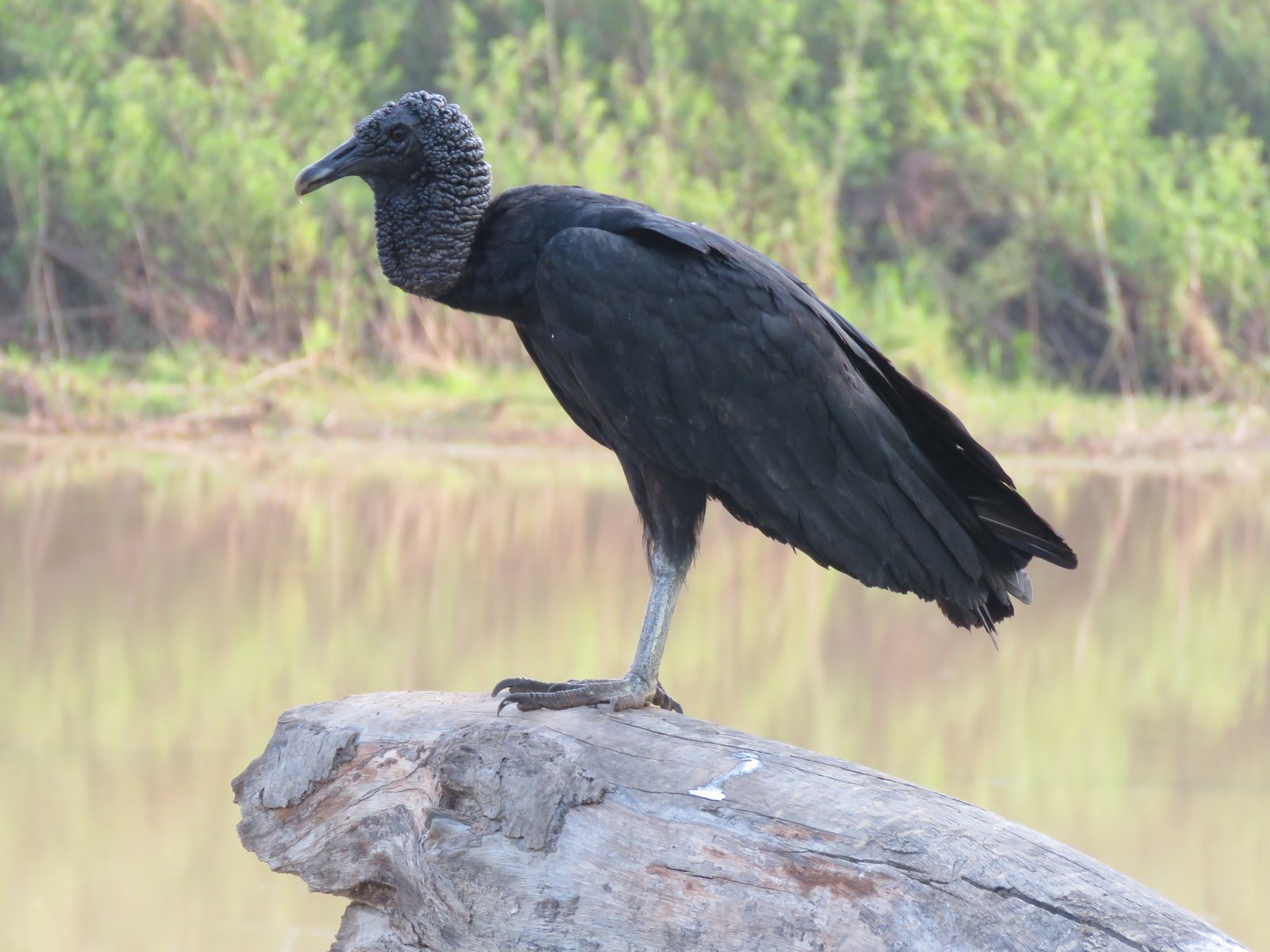


Cathartes 3 species
-
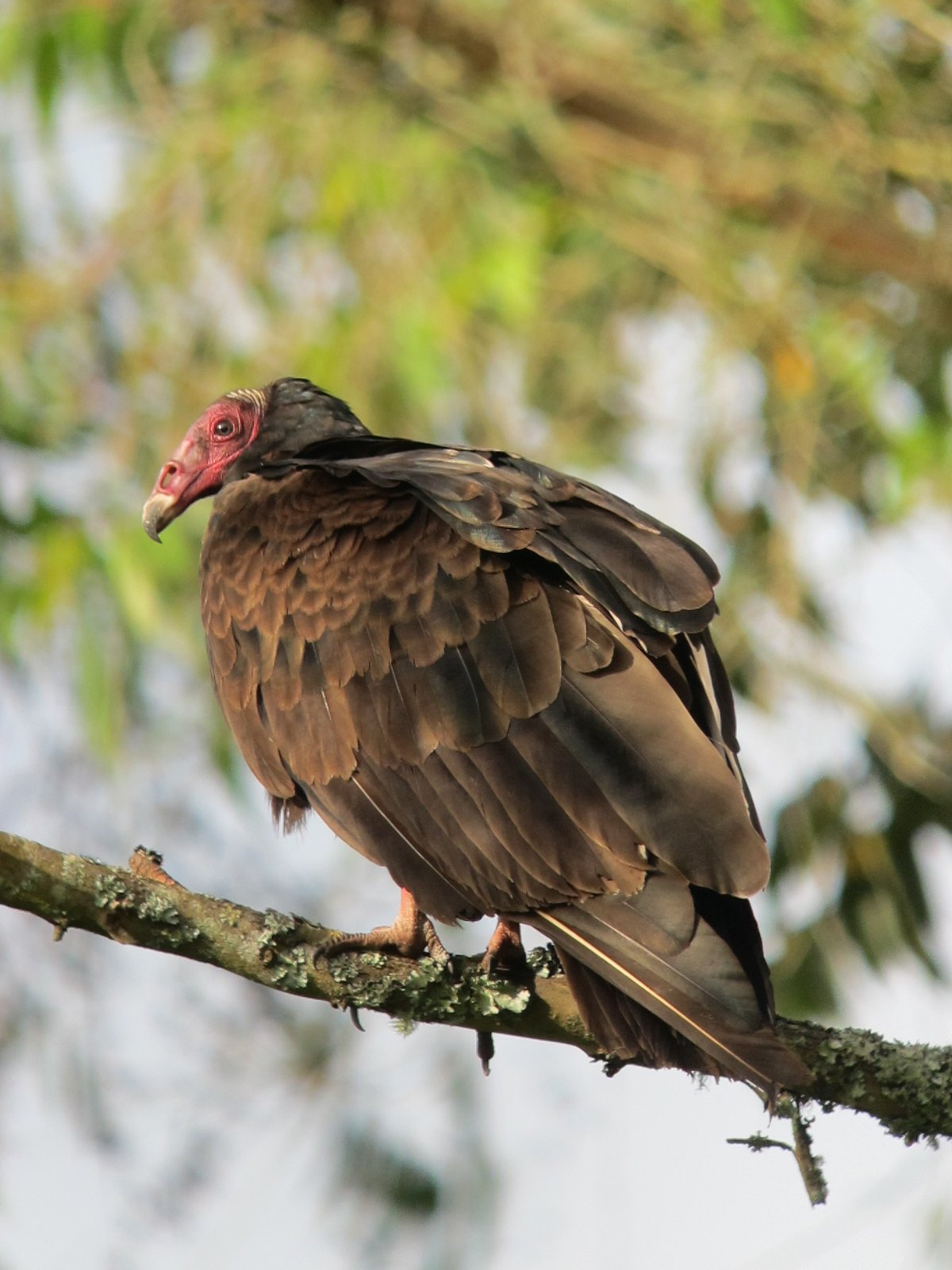
Turkey Vulture
Cathartes aura Pasture and ranchland
 Coastal desert
 Tumbesian dry forest and thorn scrub
 Central Andean dry valleys
 Secondary forest and forest edge
 Andean fields and terraces
 Sandy beach and dunes
-
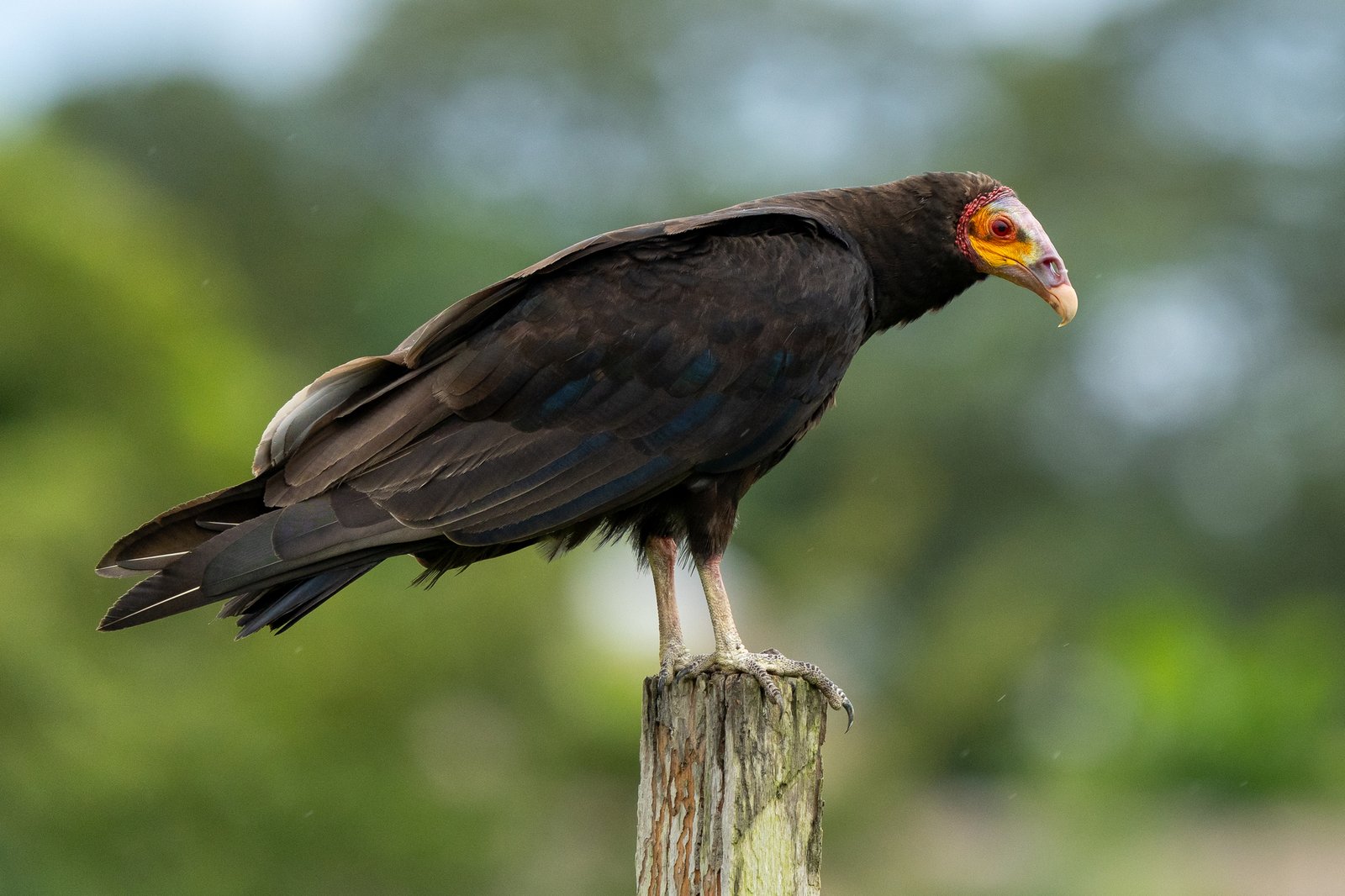
Lesser Yellow-headed Vulture
Cathartes burrovianus Llanos savanna
 Beni savanna and cerrado
 Lowland marshes and wet meadows
 Lowland rivers and sandbars
- Pasture and ranchland
-
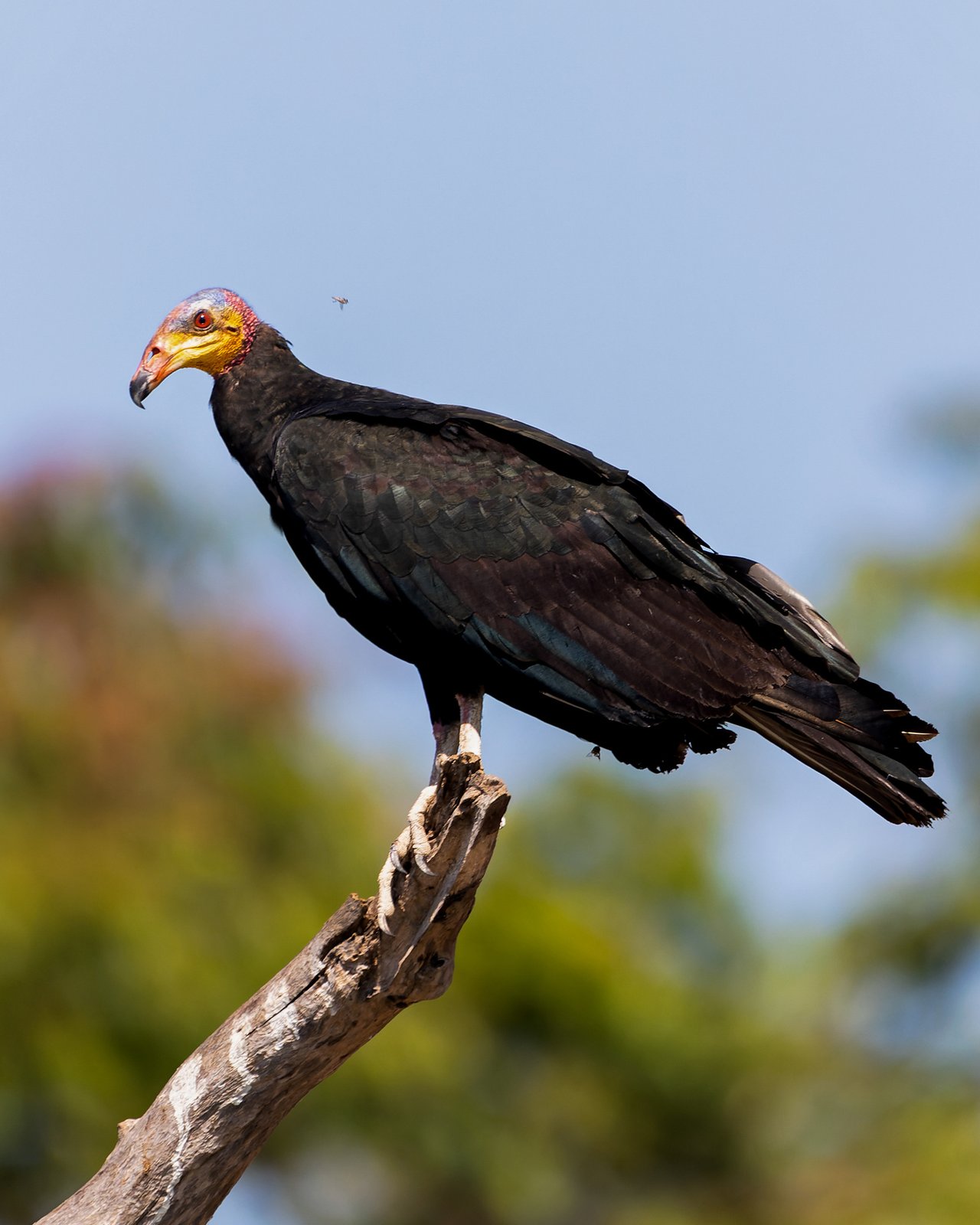
Greater Yellow-headed Vulture
Cathartes melambrotus Amazonian terra firme rainforest
 Várzea, igapó and river islands
 Palm swamps and swamp forest
 Eastern Andean foothill forest
- Lowland rivers and sandbars