All species › Pelicans, herons and ibises › Herons and bitterns
Herons and bitterns | Ardeidae
Reigers | Garzas y avetoros
The middle of the neck is built of shortened vertebrae, so the neck folds into a Z and can shoot forward in one movement, with the straight, pointed bill working as a spear or a pair of forceps. They hunt standing or walking slowly in shallow water for fish, amphibians, insects and small mammals, and they are the only long-legged waders that fly with the neck drawn back between the shoulders and the legs trailing past the tail. Patches of powder down on the breast and flanks crumble continuously; using the comb-like serrated claw of the middle toe they work that powder through the plumage to bind slime and fish oil. The nest is a platform of sticks or reeds, usually in a colony, and three to six eggs are laid with incubation starting from the first, so the chicks hatch a day or two apart and differ sharply in size.
Native species 19 species
Species that occur here by nature: breeding birds, winter visitors and passage migrants. They are arranged by genus, in the sequence of the list.
Ardea 7 species
-
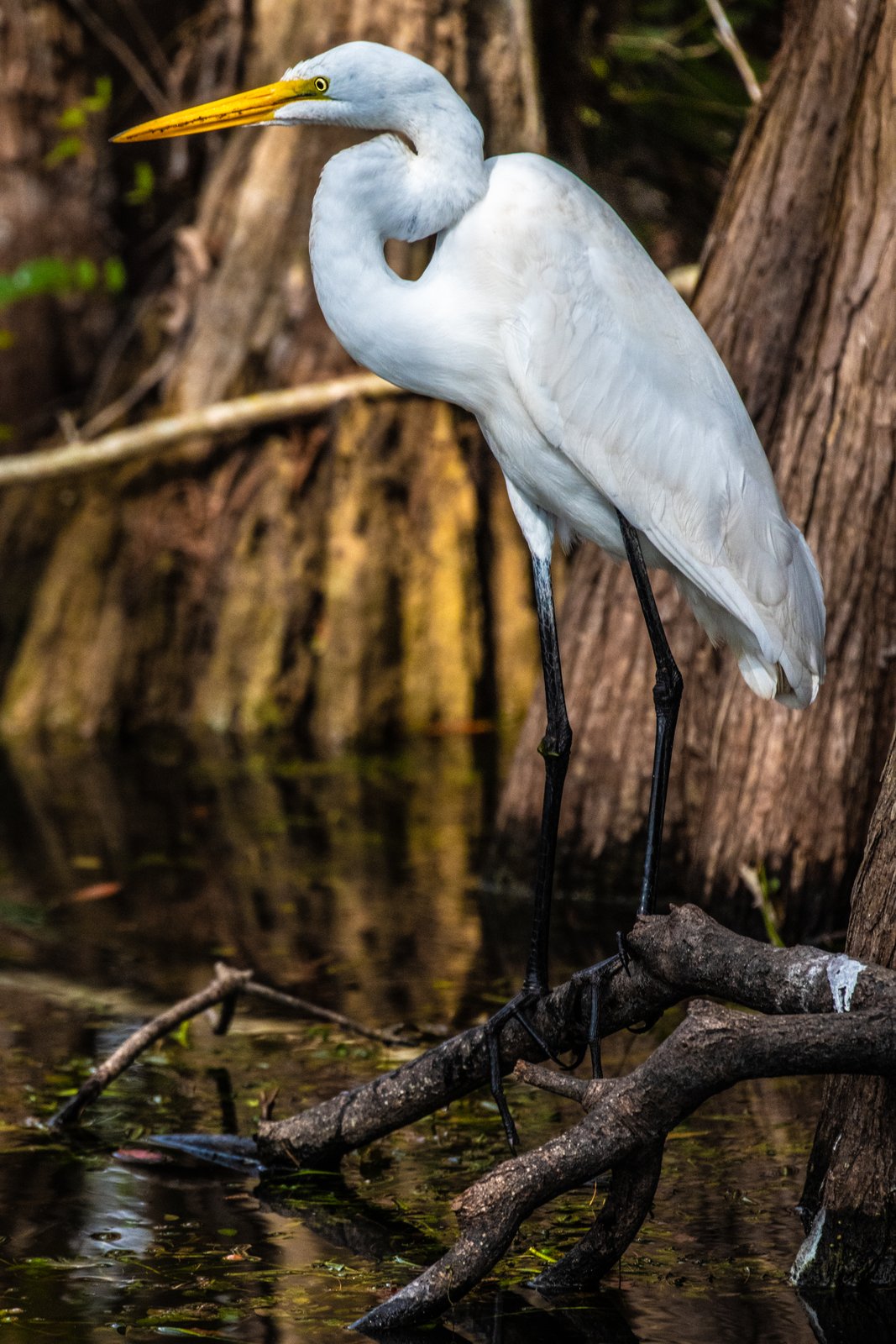
Great Egret
Ardea alba Rivers, marshes and vleis
 Mangrove and coastal marsh
-
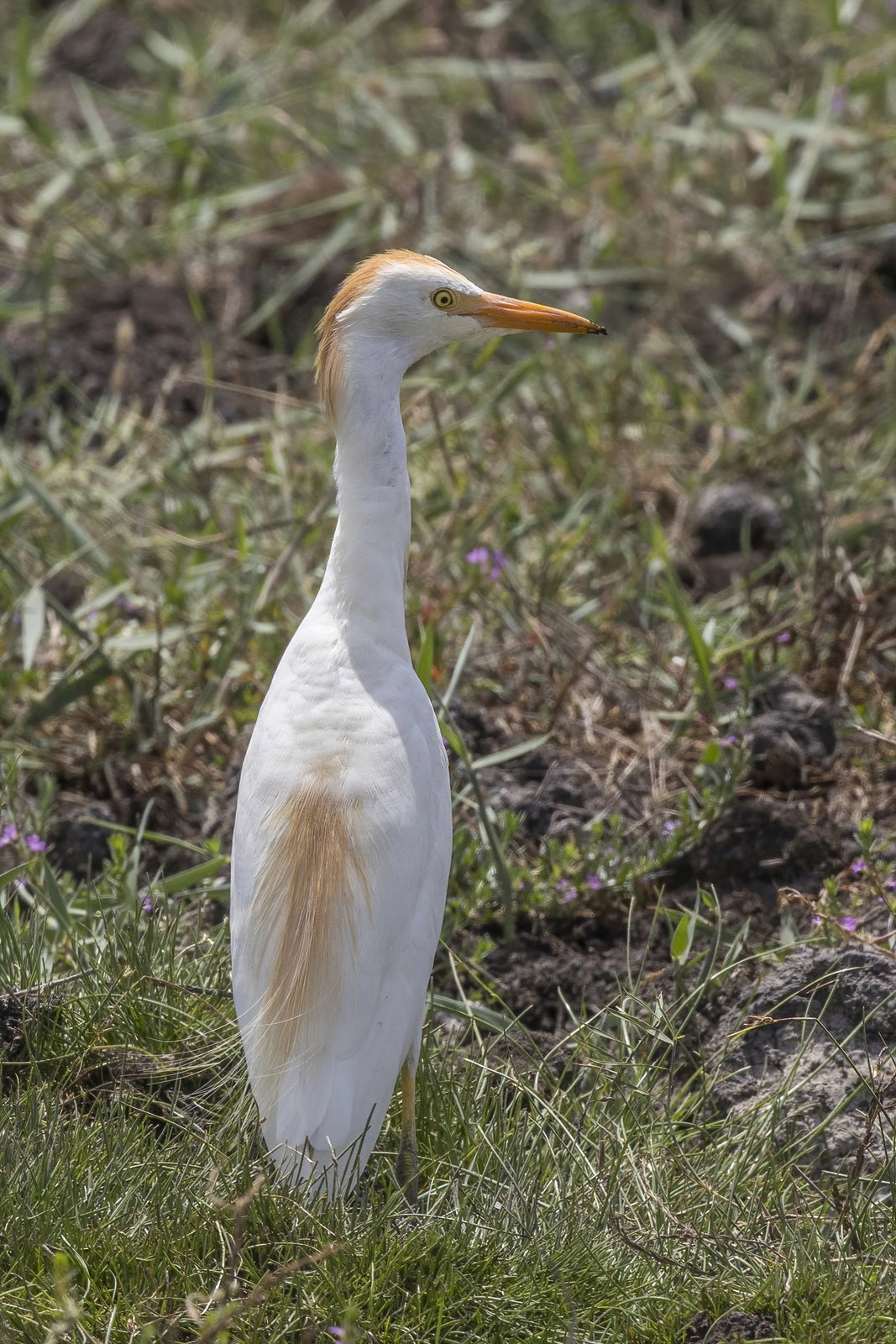
Western Cattle Egret
Ardea ibis Farmland
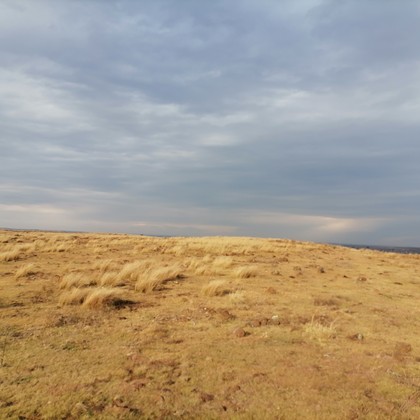 Highveld grassland
- Rivers, marshes and vleis
-

Purple Heron
Ardea purpurea- Rivers, marshes and vleis
-
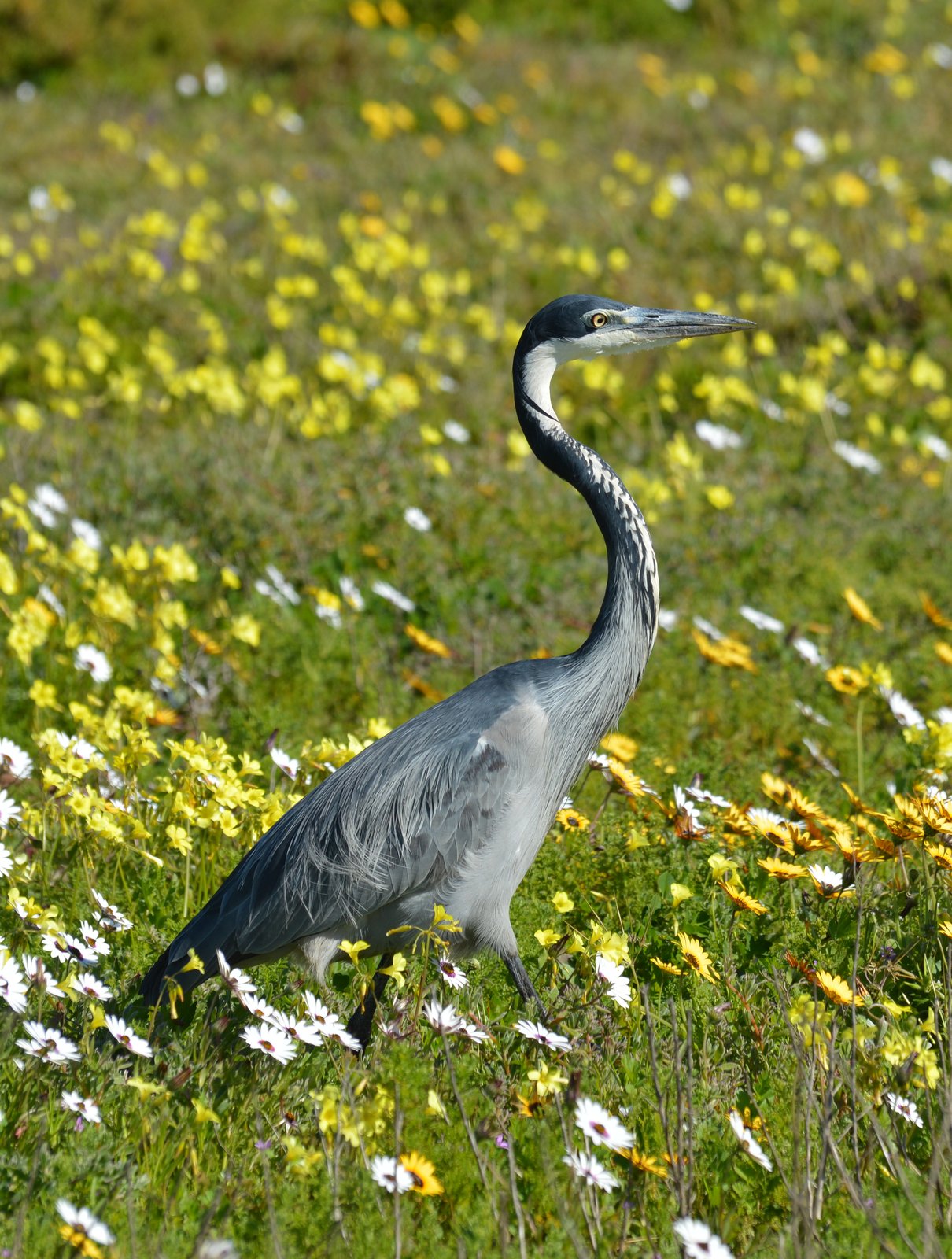
Black-Headed Heron
Ardea melanocephala- Highveld grassland
- Farmland
- Rivers, marshes and vleis
-

Goliath Heron
Ardea goliath- Rivers, marshes and vleis
- Mangrove and coastal marsh
-
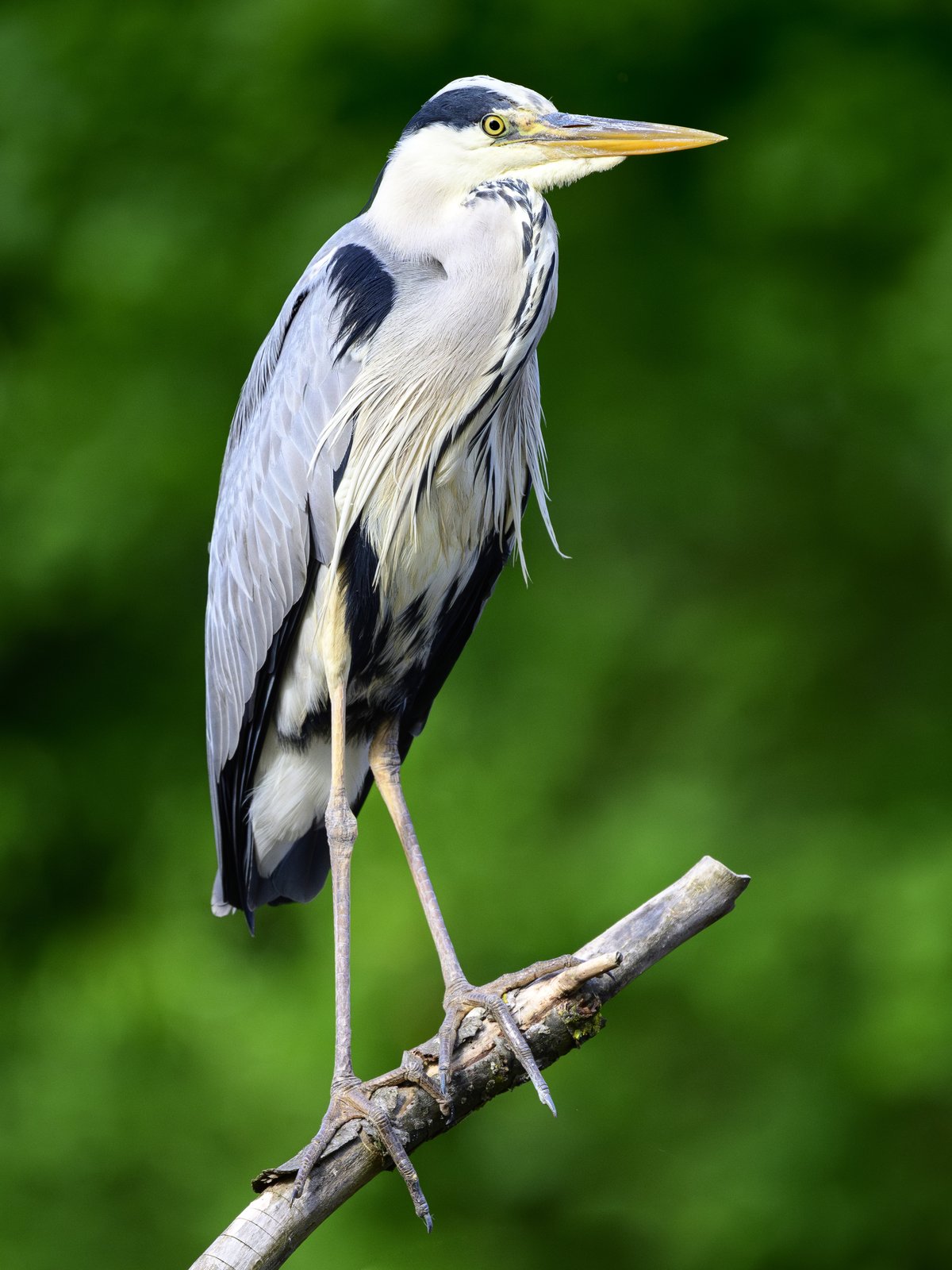
Grey Heron
Ardea cinerea- Rivers, marshes and vleis
- Mangrove and coastal marsh
-
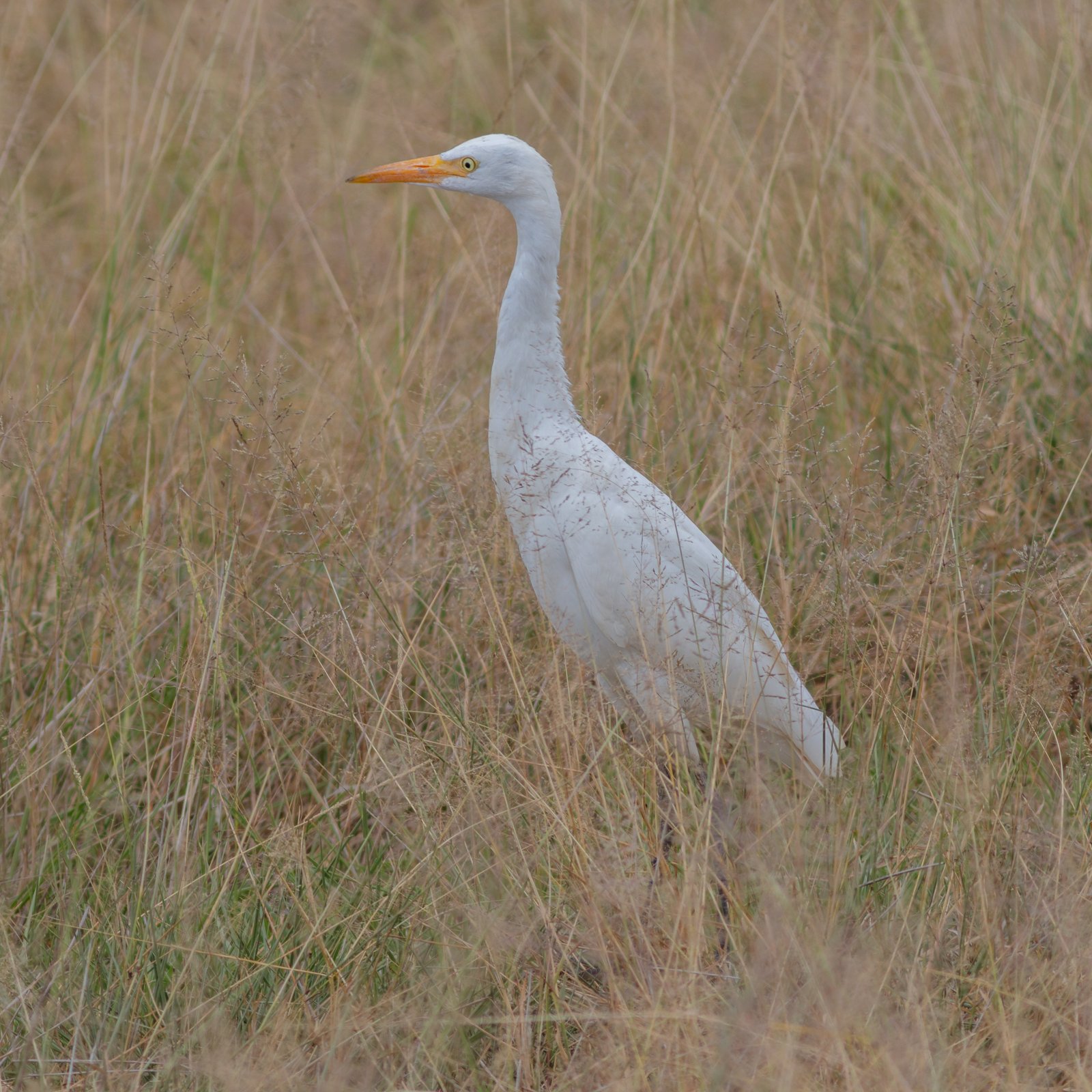
Yellow-Billed Egret
Ardea brachyrhyncha- Rivers, marshes and vleis
- Farmland
Ardeola 3 species

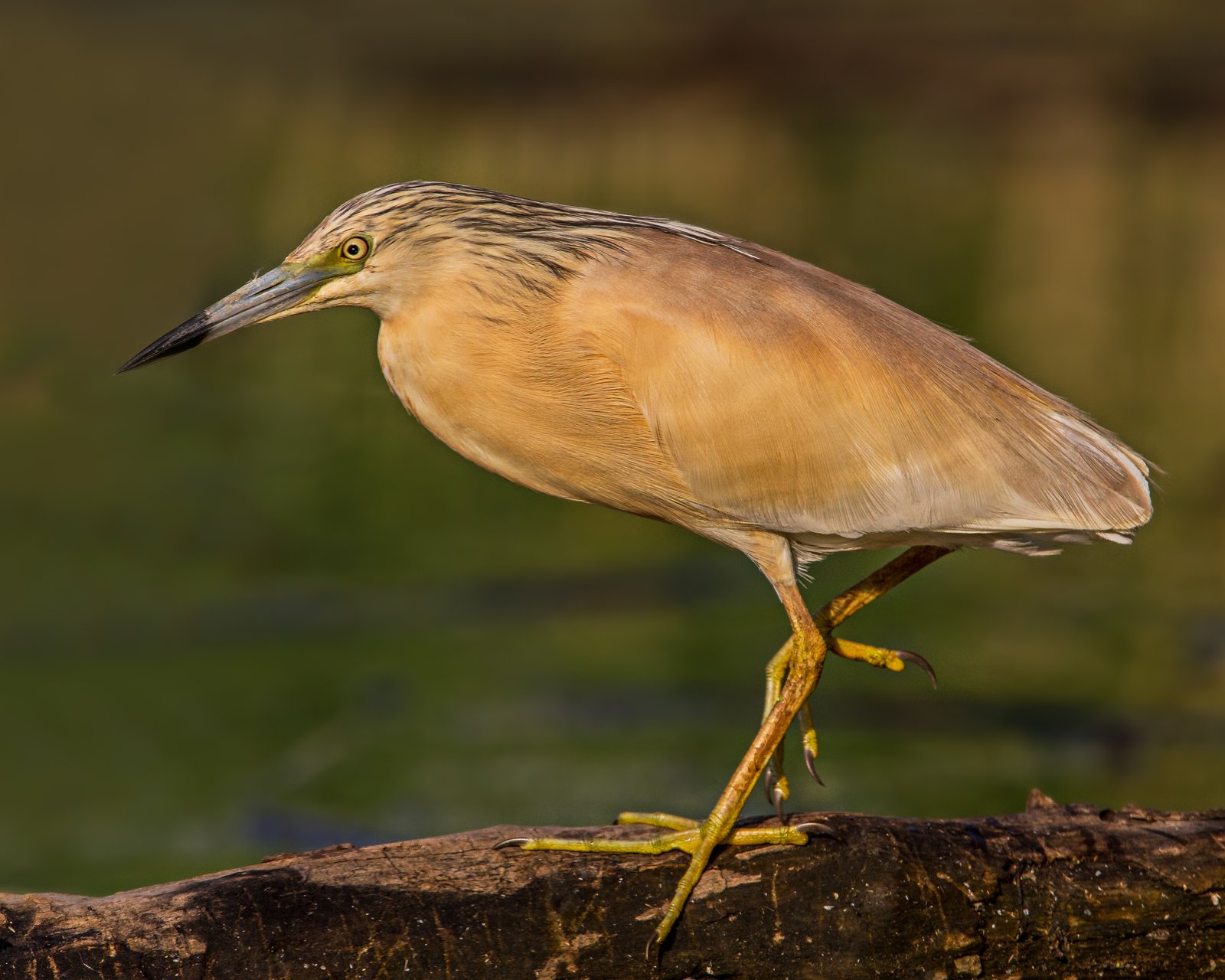

Botaurus 3 species


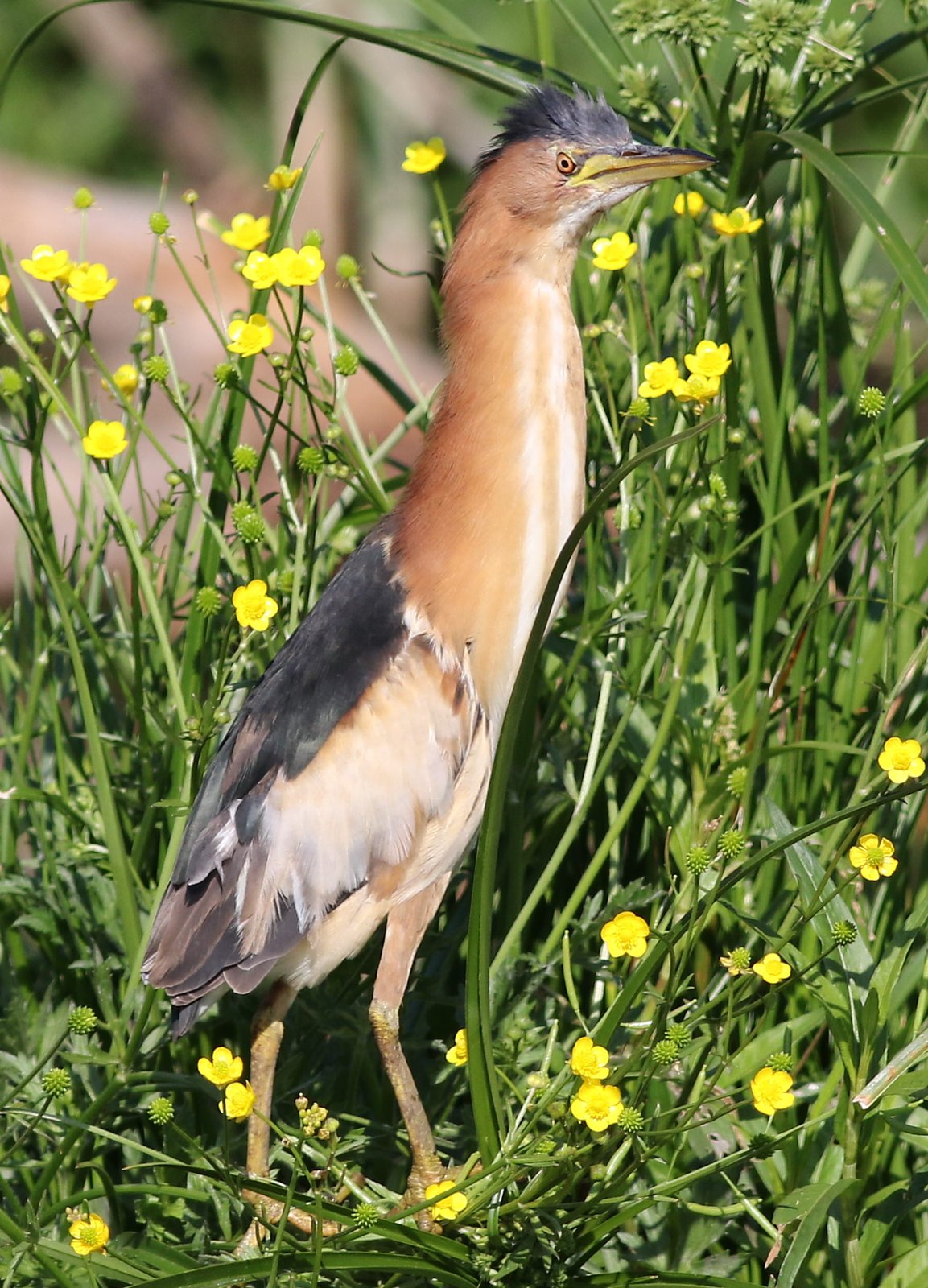
Butorides 1 species
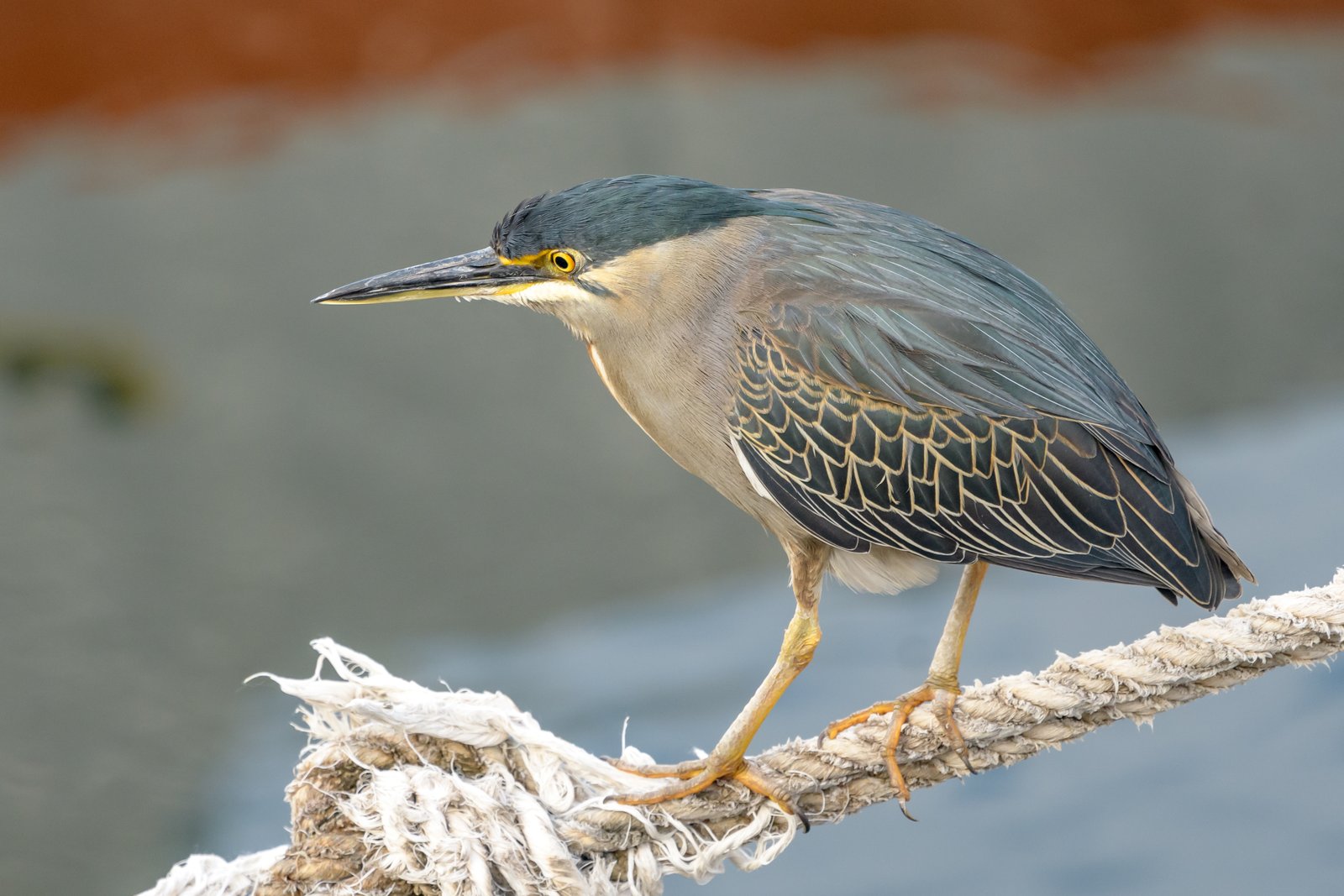
Calherodius 1 species
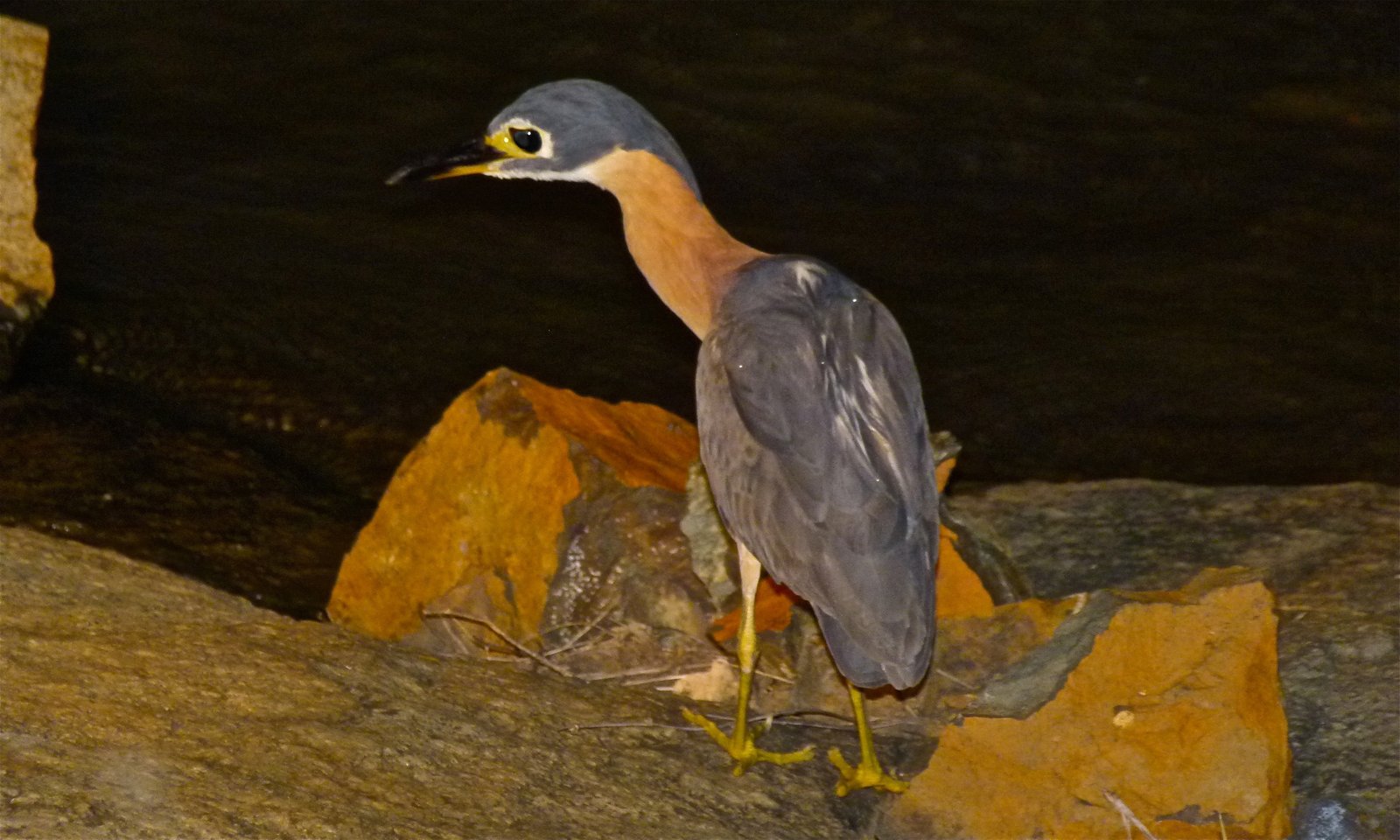

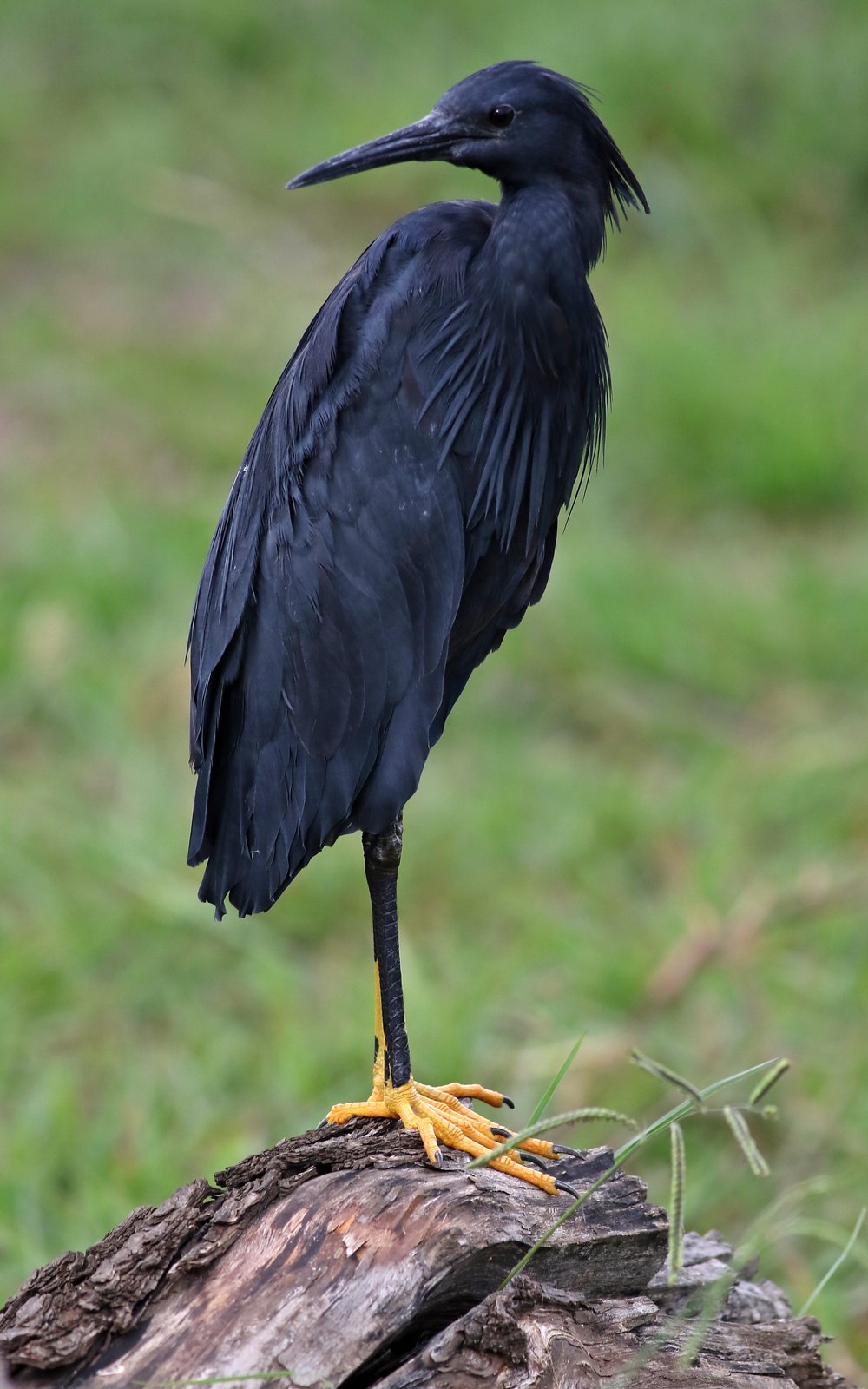
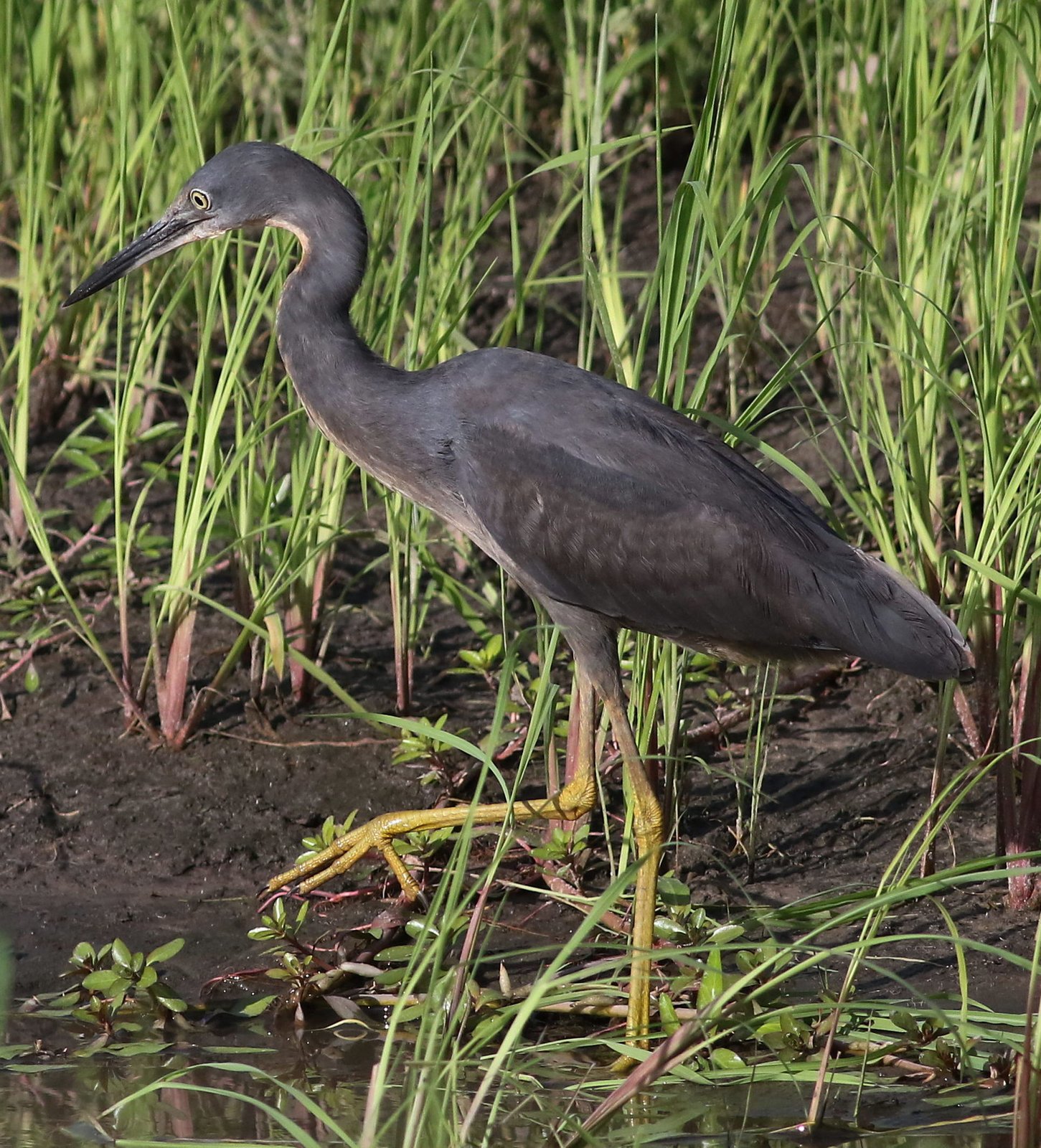
Egretta 3 species

Nycticorax 1 species