All species › Woodpeckers and allies › New World barbets
New World barbets | Capitonidae
Amerikaanse baardvogels | Cabezones | New World barbets
A family of tropical South America that is well represented in the region: this guide includes fourteen species in two genera, in humid lowland forest of the Amazonian foothills and the Chocó, in foothill forest and up into the cloud forest on the Andean slopes. They are stocky, short-tailed birds with a large head and a thick, conical bill, related to the toucans and woodpeckers and, like them, with a zygodactyl foot, two toes forward and two back. The plumage is colourful, with red, yellow, orange and black, and male and female often differ clearly; in the Red-headed Barbet the male has a bright red head, the female a head marked with blue and green. They eat ripe fruit and insects and often join mixed foraging flocks in the canopy. There they like to probe dead, curled leaves and clumps of moss for invertebrates, sometimes clinging upside down to do so. The voice is a low, dry rattle or a series of short, hollow notes. The nest is a cavity they excavate themselves in rotten wood, unlined, with white eggs.
Native species 14 species
Species that occur here by nature: breeding birds, winter visitors and passage migrants. They are arranged by genus, in the sequence of the list.
Eubucco 4 species
-
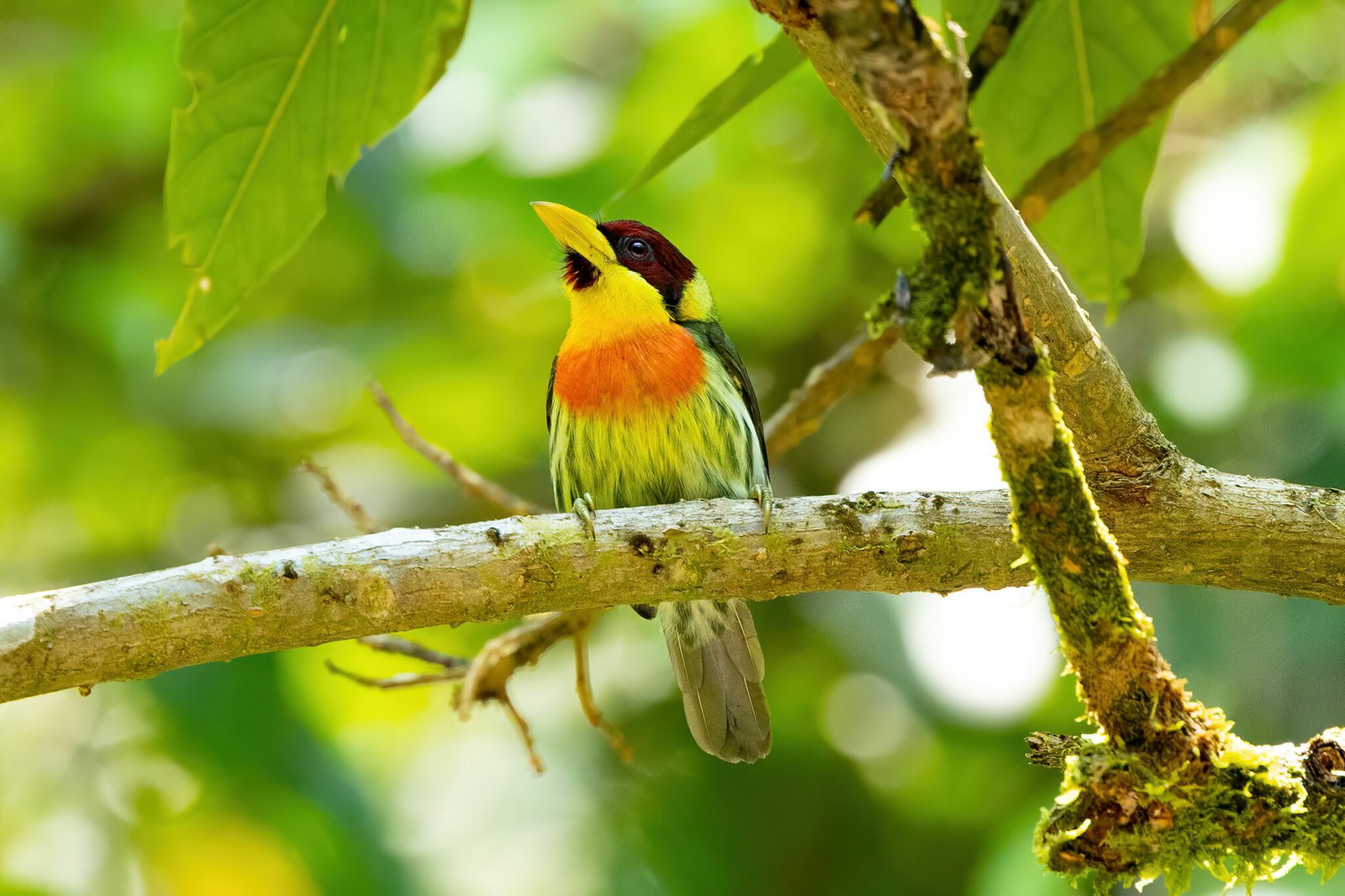
Lemon-throated Barbet
Eubucco richardsoni Amazonian terra firme rainforest
 Várzea, igapó and river islands
 Secondary forest and forest edge
 Eastern Andean foothill forest
-
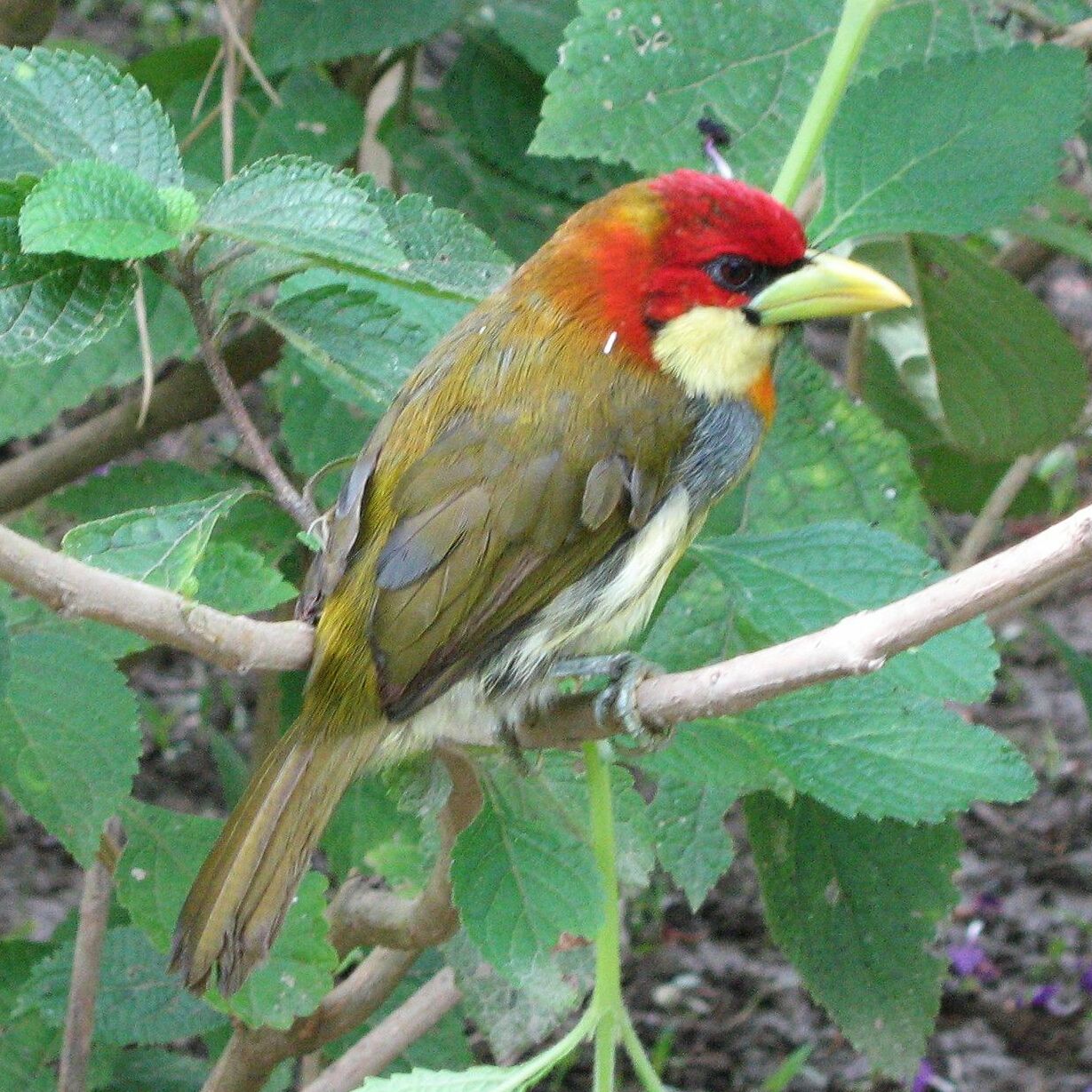
Scarlet-hooded Barbet
Eubucco tucinkae- Várzea, igapó and river islands
- Secondary forest and forest edge
 Palm swamps and swamp forest
- Amazonian terra firme rainforest
-
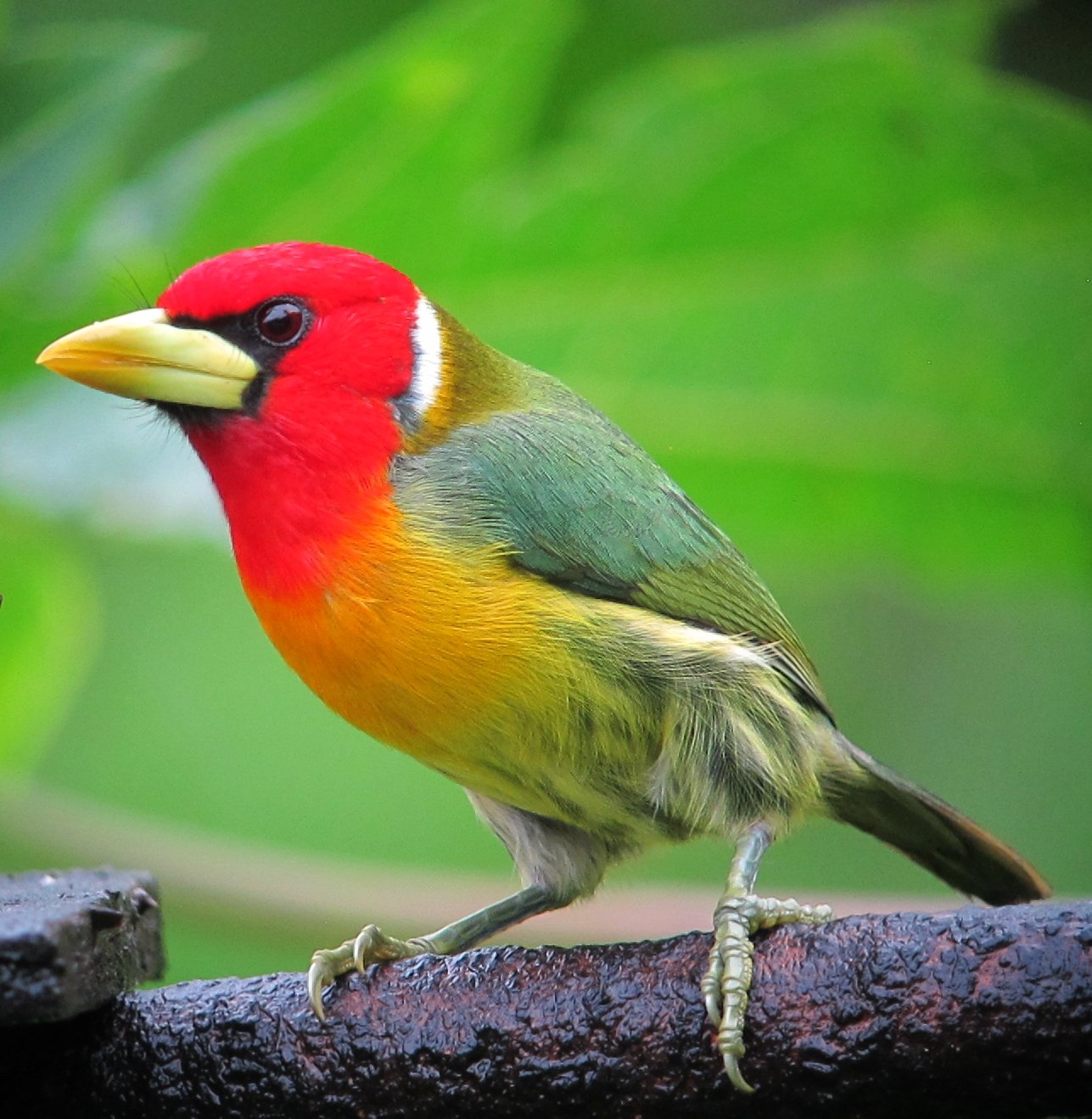
Red-headed Barbet
Eubucco bourcierii Northern Andean subtropical forest
- Eastern Andean foothill forest
 Northern Andean cloud forest and temperate forest
 Chocó rainforest
- Secondary forest and forest edge
-
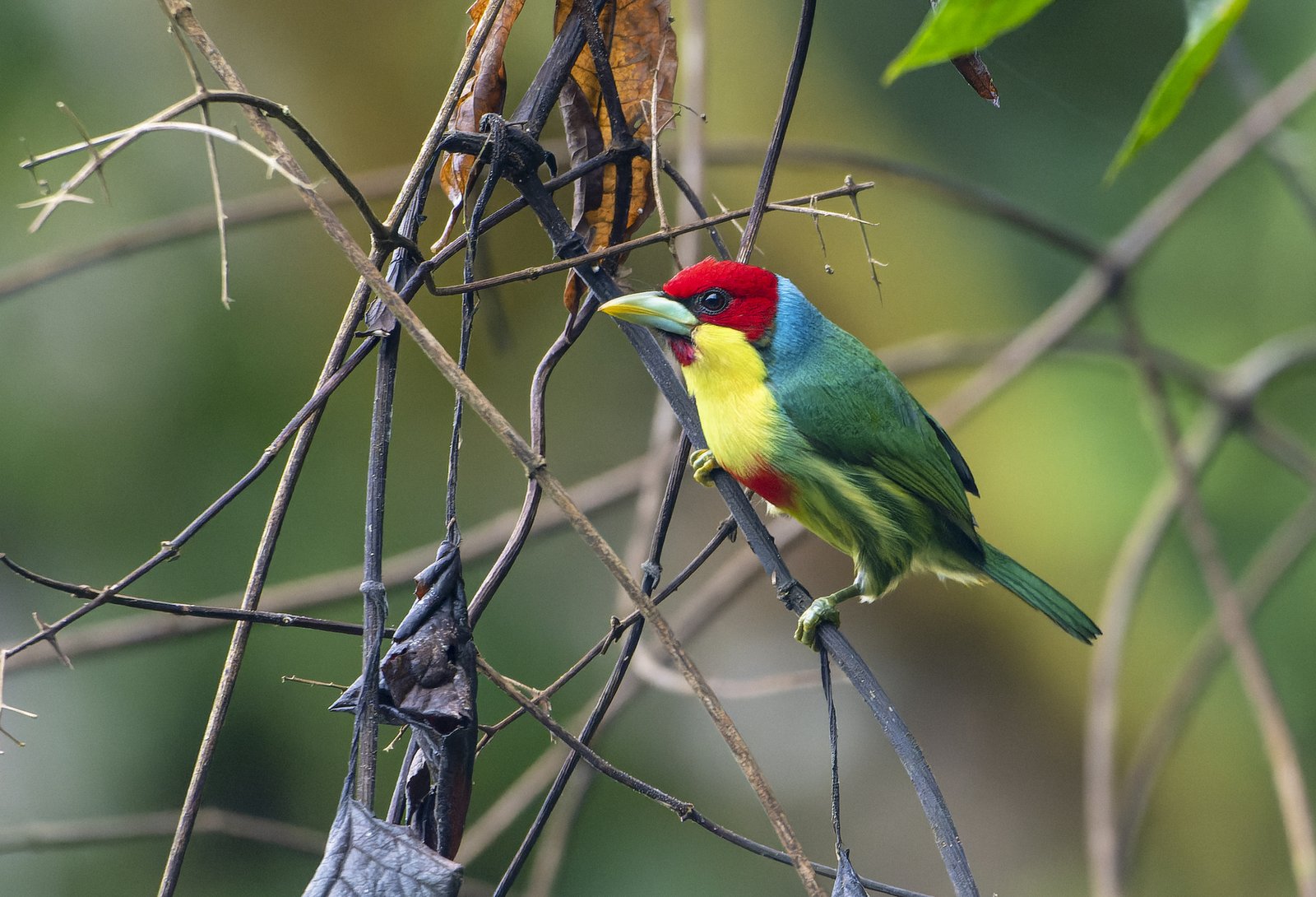
Versicolored Barbet
Eubucco versicolor Lower Yungas forest
- Eastern Andean foothill forest
 Upper Yungas cloud forest
- Secondary forest and forest edge
Capito 10 species
-
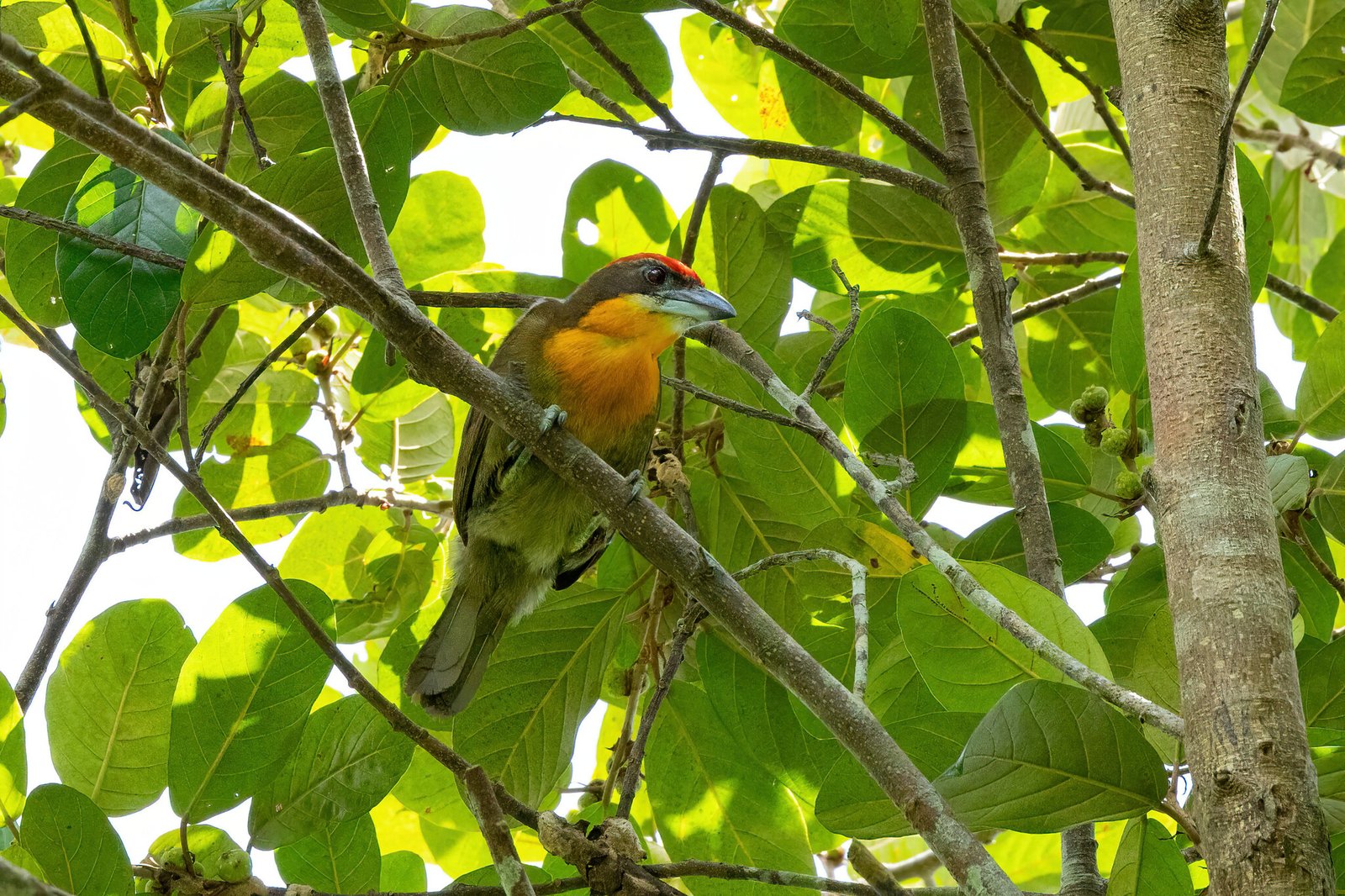
Scarlet-crowned Barbet
Capito aurovirens- Várzea, igapó and river islands
- Palm swamps and swamp forest
- Secondary forest and forest edge
 Lowland rivers and sandbars
-

Black-girdled Barbet
Capito dayi- Amazonian terra firme rainforest
- Várzea, igapó and river islands
- Secondary forest and forest edge
-
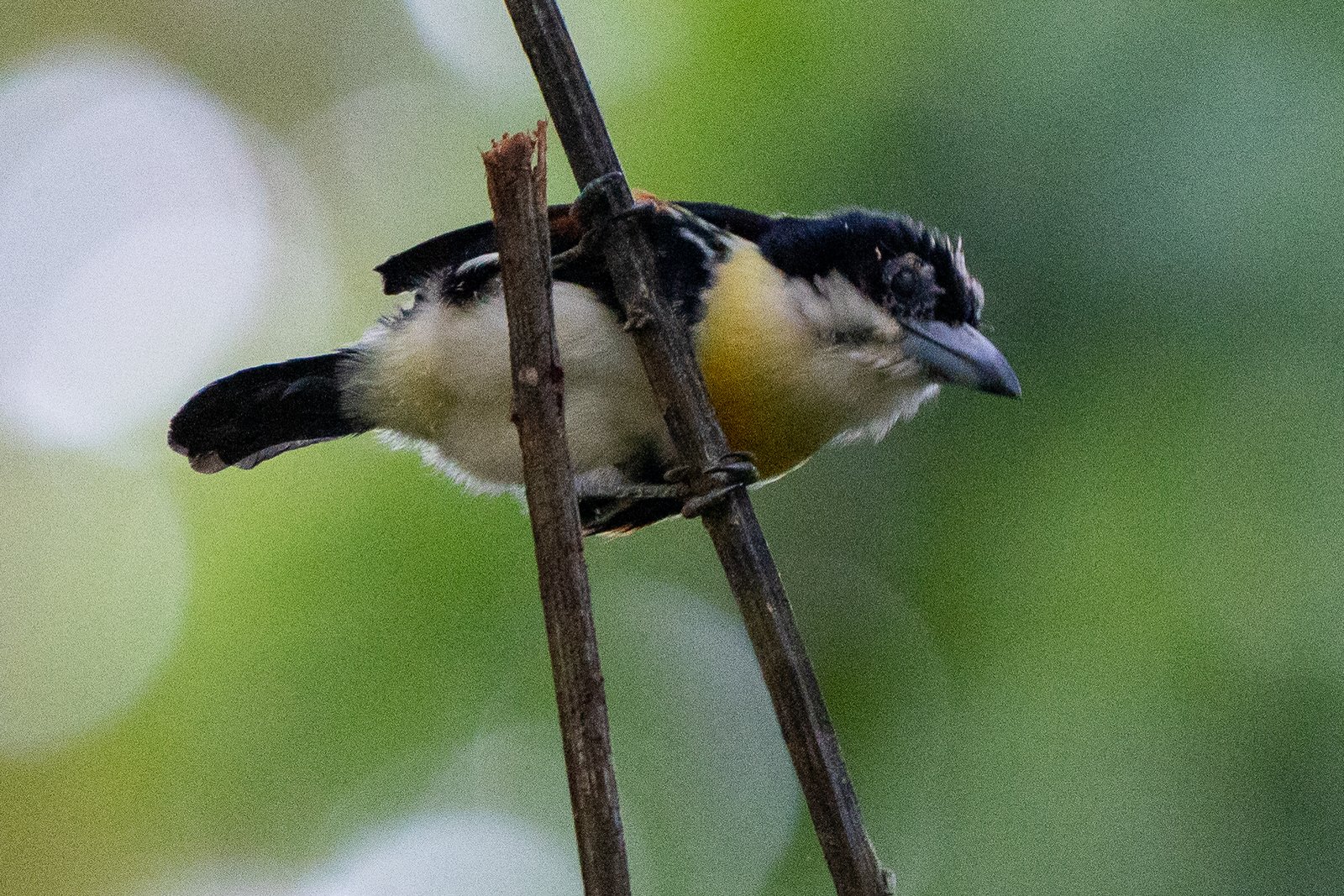
Spot-crowned Barbet
Capito maculicoronatus- Chocó rainforest
- Secondary forest and forest edge
 Coffee, cacao and agroforestry
-
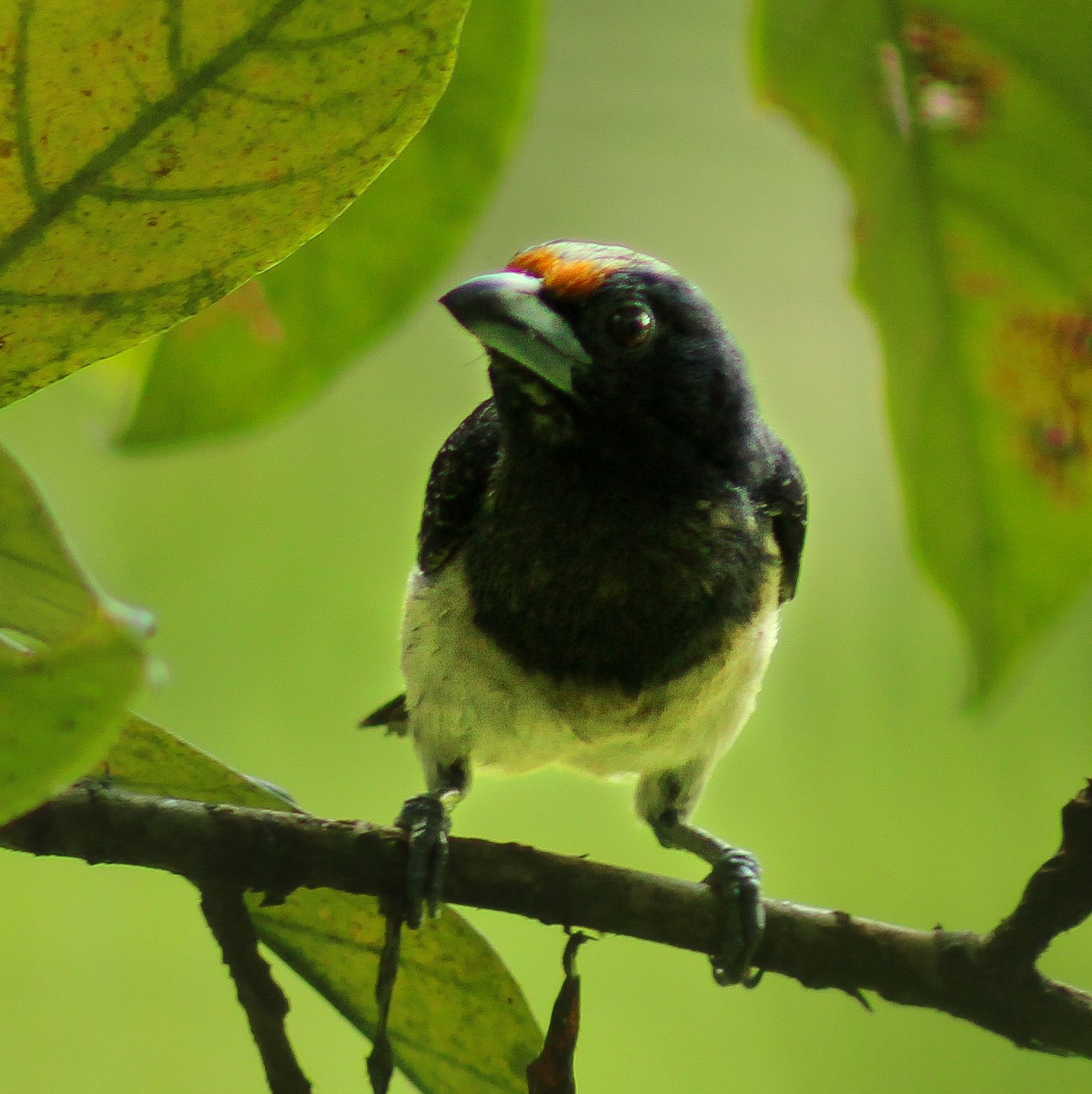
Orange-fronted Barbet
Capito squamatus Western Ecuador humid forest
- Chocó rainforest
- Secondary forest and forest edge
- Coffee, cacao and agroforestry
- Northern Andean subtropical forest
-
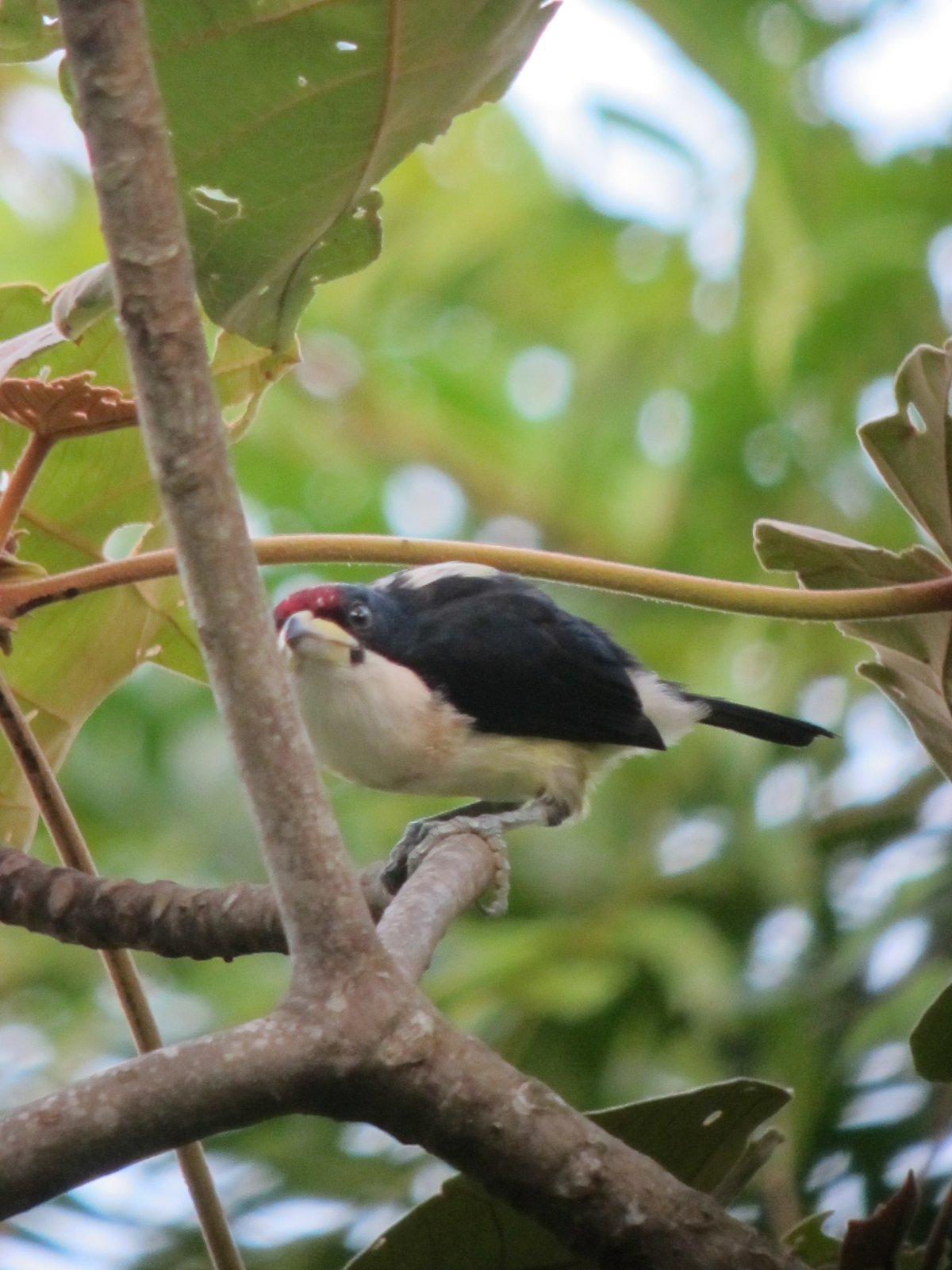
White-mantled Barbet
Capito hypoleucus- Northern Andean subtropical forest
- Secondary forest and forest edge
- Coffee, cacao and agroforestry
 Banana, oil palm and tree plantations
-
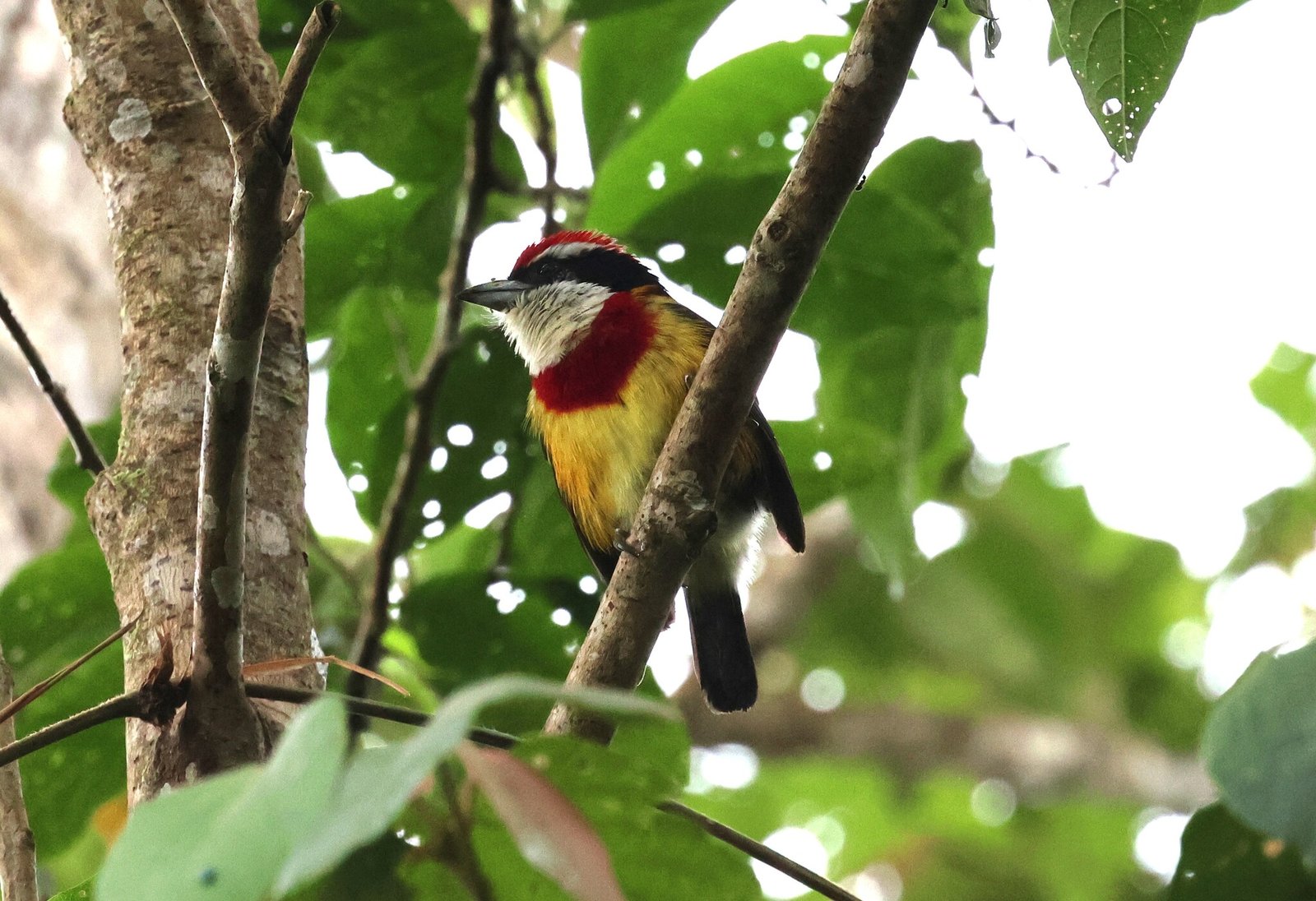
Scarlet-banded Barbet
Capito wallacei- Lower Yungas forest
- Eastern Andean foothill forest
-
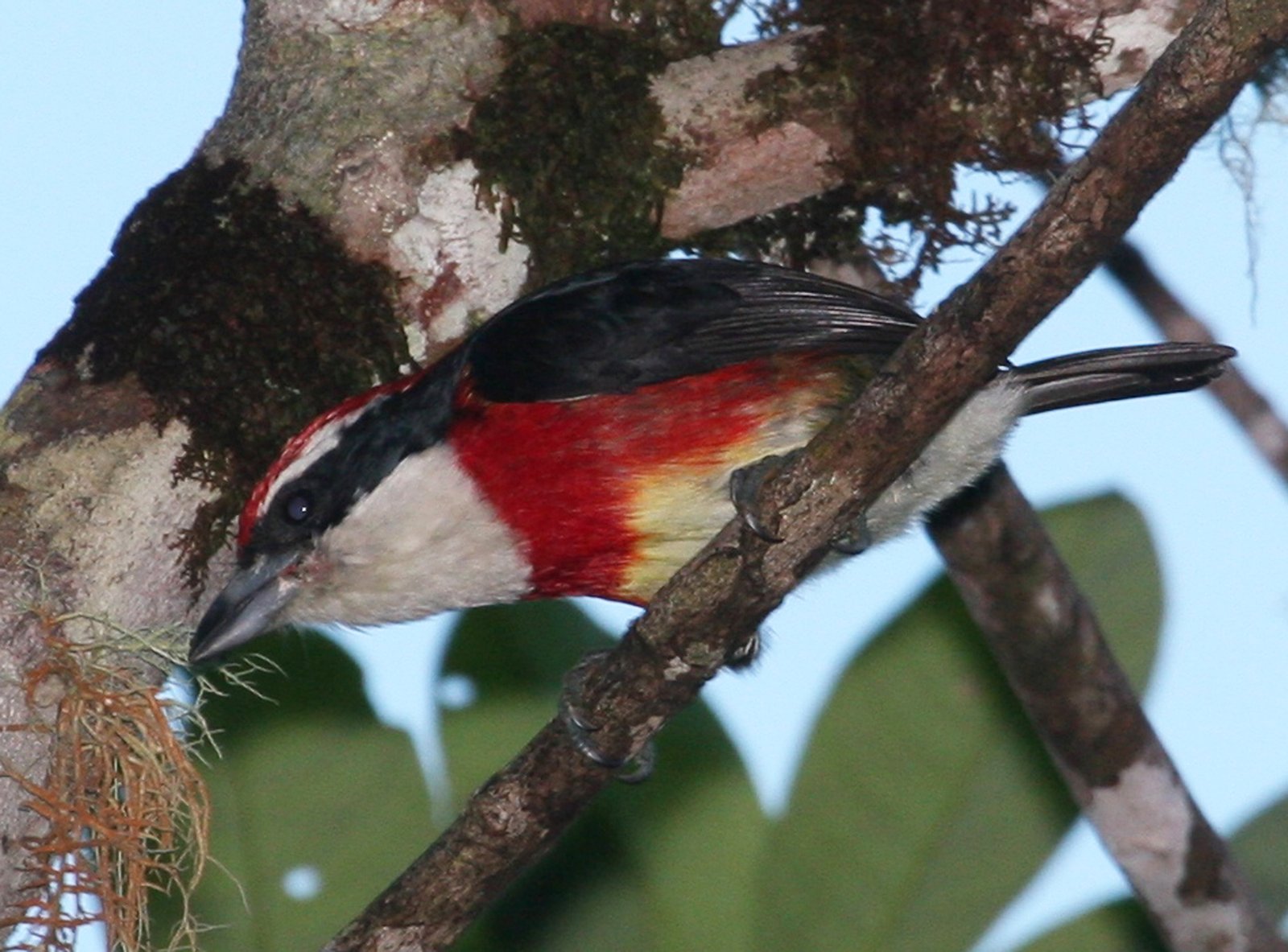
Sira Barbet
Capito fitzpatricki- Lower Yungas forest
- Eastern Andean foothill forest
-
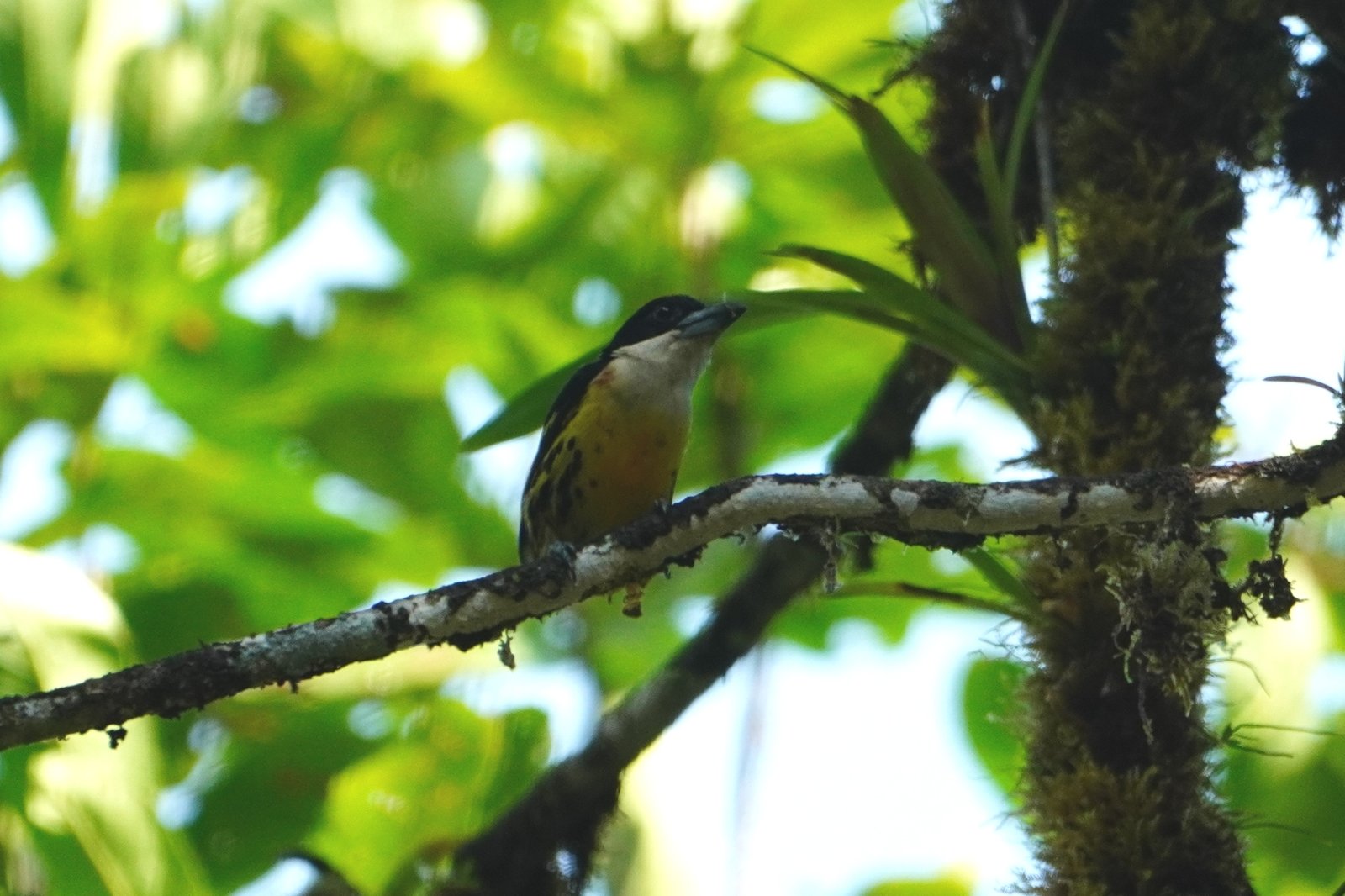
Five-colored Barbet
Capito quinticolor- Chocó rainforest
- Secondary forest and forest edge
- Palm swamps and swamp forest
-
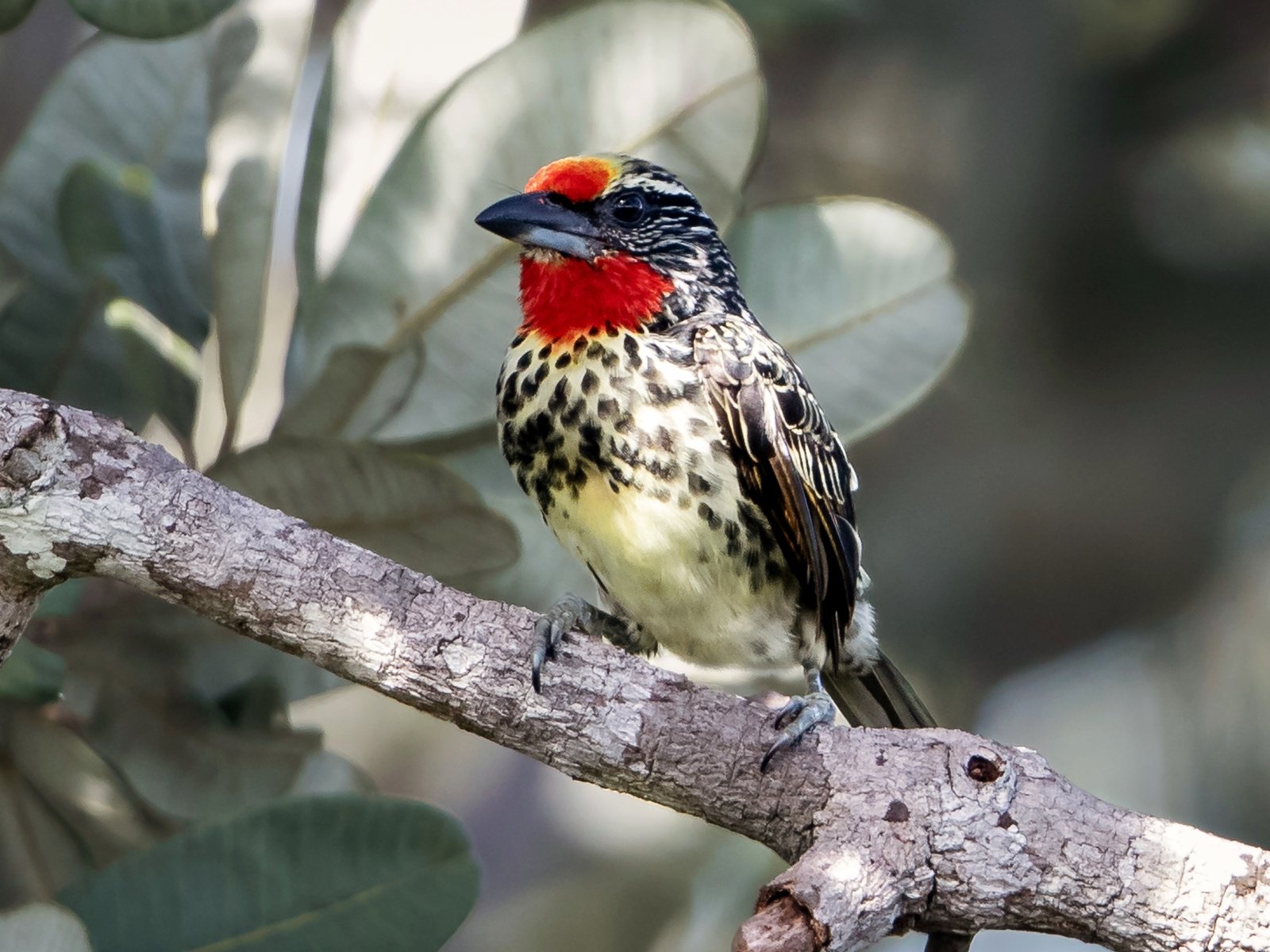
Black-spotted Barbet
Capito niger- Amazonian terra firme rainforest
- Secondary forest and forest edge
-

Gilded Barbet
Capito auratus- Amazonian terra firme rainforest
- Eastern Andean foothill forest
- Várzea, igapó and river islands
- Secondary forest and forest edge