All species › Nightjars › Nightjars and nighthawks
Nightjars and nighthawks | Caprimulgidae
Nachtzwaluwen | Chotacabras
Long pointed wings and a long tail give a light, floating flight in which insects are hawked low over open ground and along woodland edges. The claw of the middle toe is drawn out along one side into a small comb with fine teeth, with which the bird grooms its head and facial bristles. The song is a long, mechanical churring delivered from a perch; in display the male shows white spots at the wingtips and tail corners and claps his wings together above his back. Two eggs are laid straight onto the litter with no nest; hunting goes best by moonlight, and breeding is timed so that the young are being raised through the bright half of the lunar month.
Native species 18 species
Species that occur here by nature: breeding birds, winter visitors and passage migrants. They are arranged by genus, in the sequence of the list.
Lurocalis 1 species
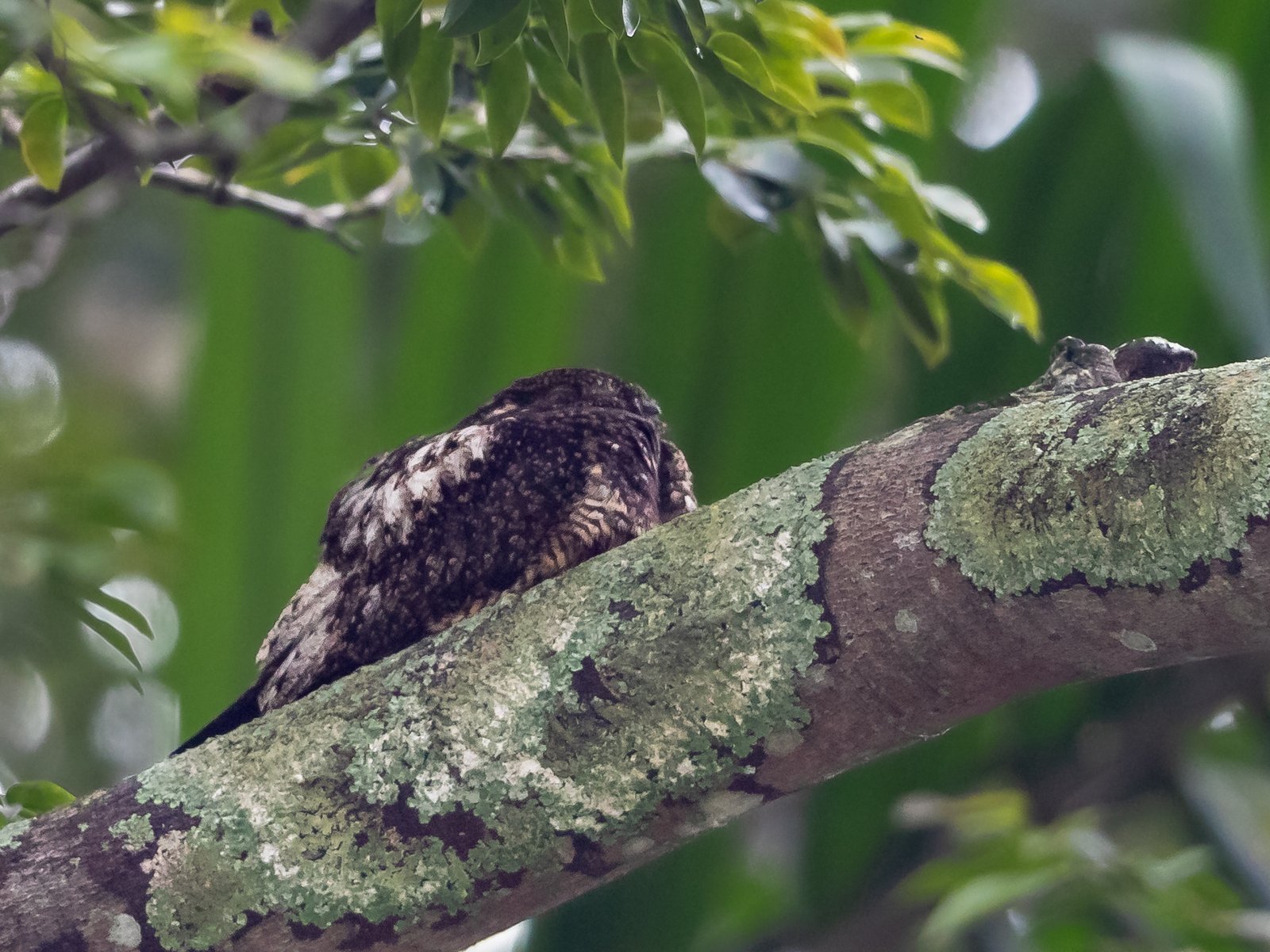
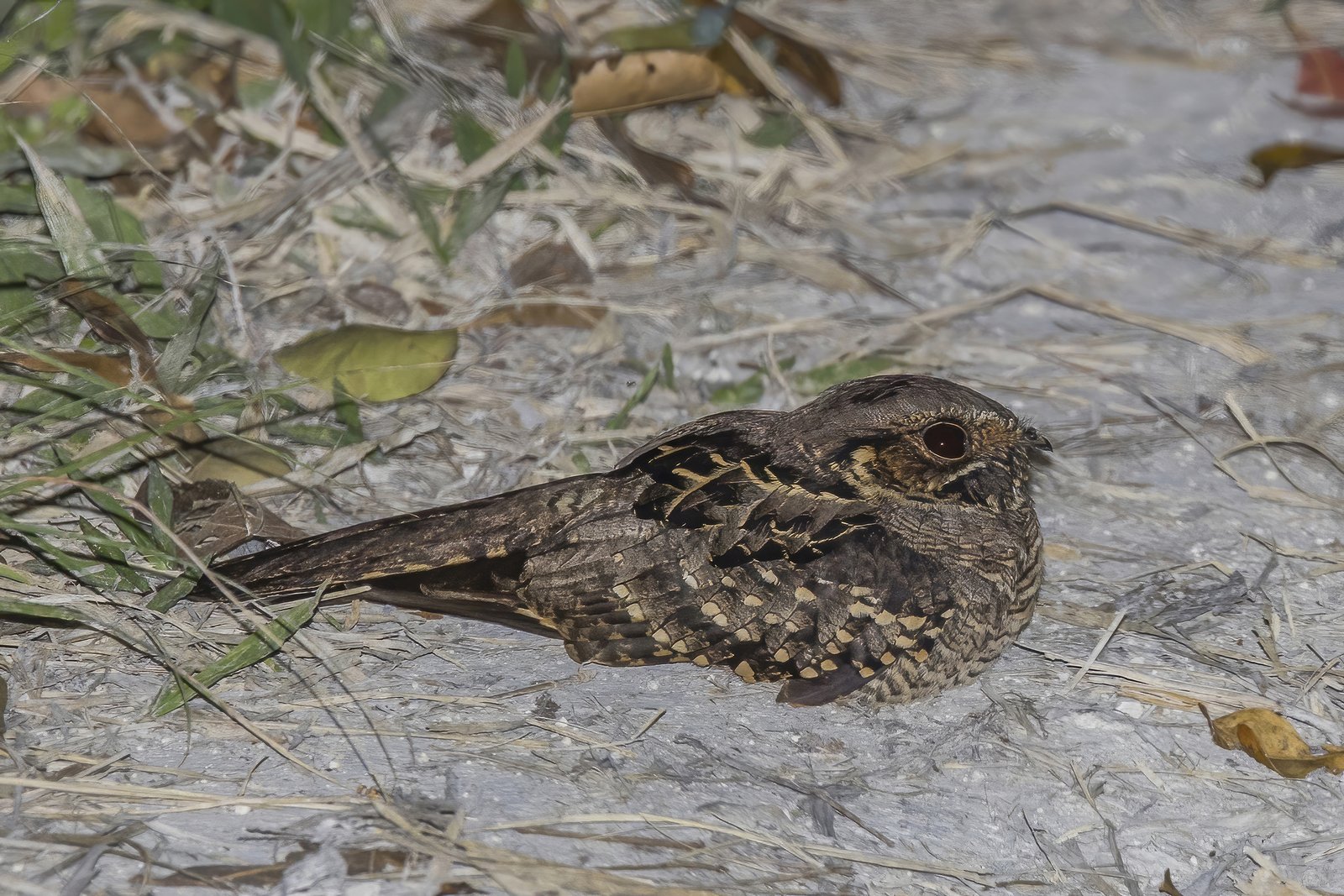
Antiurus 1 species
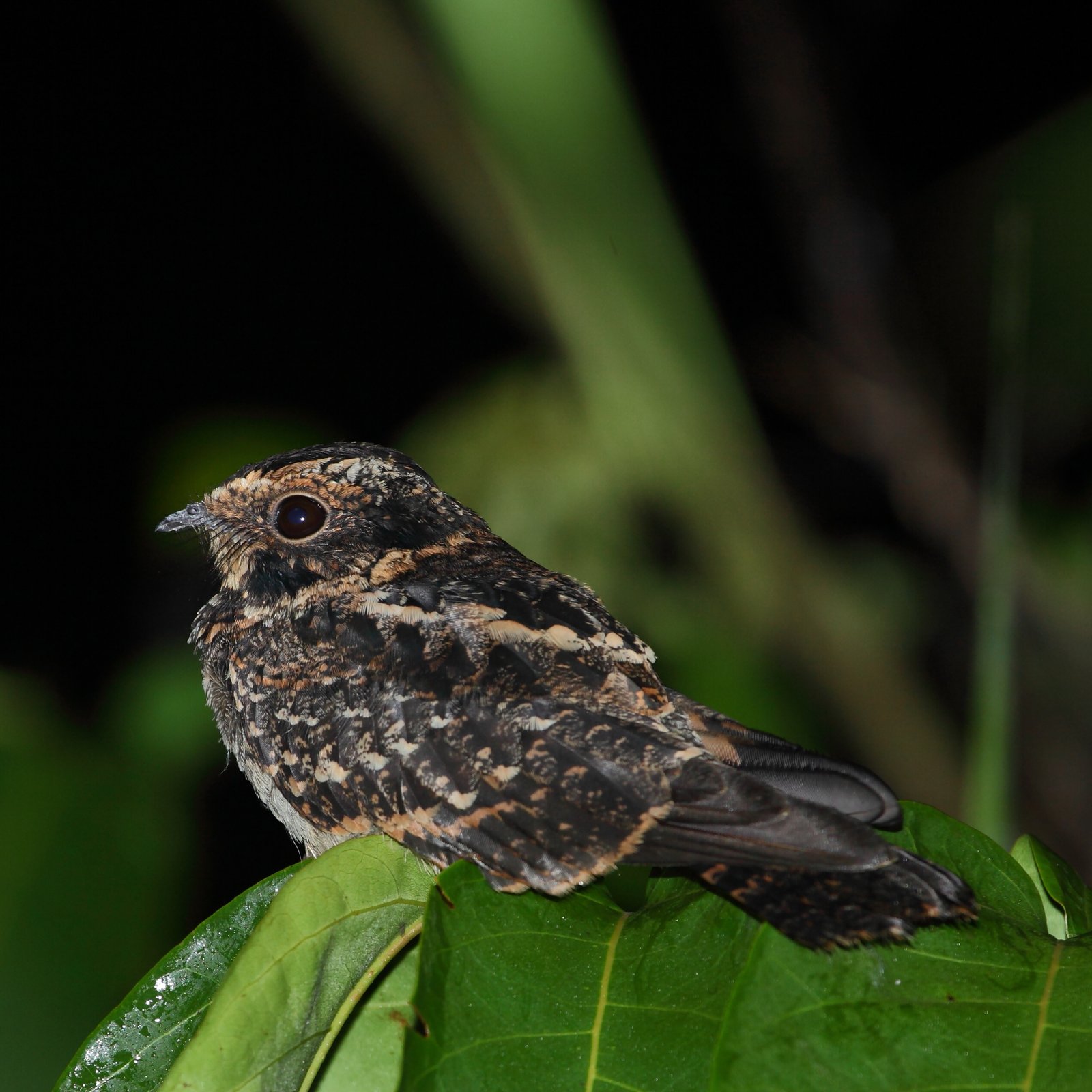
Hydropsalis 1 species

Nyctiphrynus 3 species
-
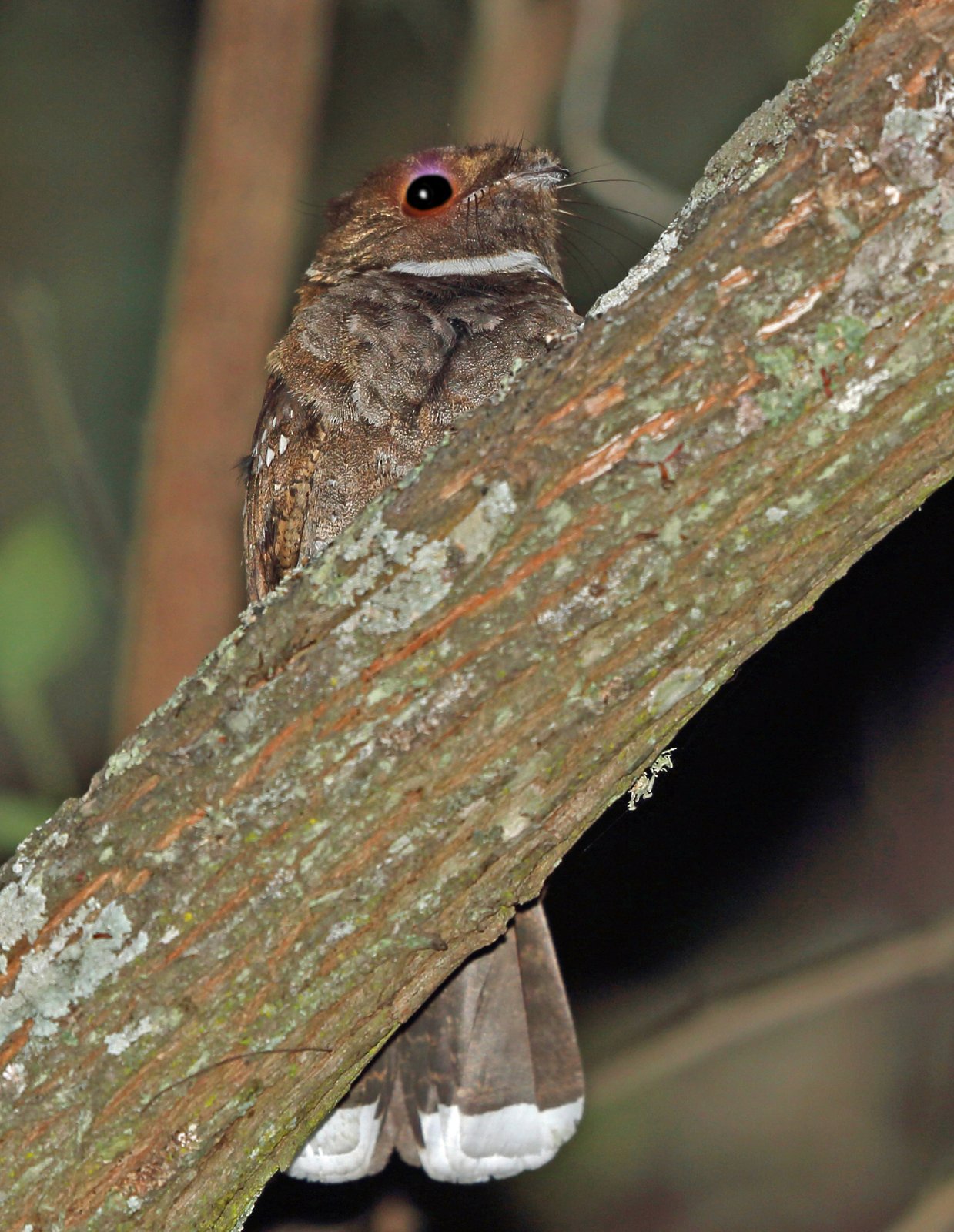
Eared Poorwill
Nyctiphrynus mcleodii Pacific tropical dry forest
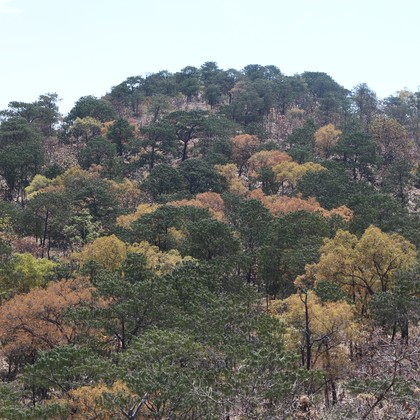 Madrean oak and pine-oak woodland
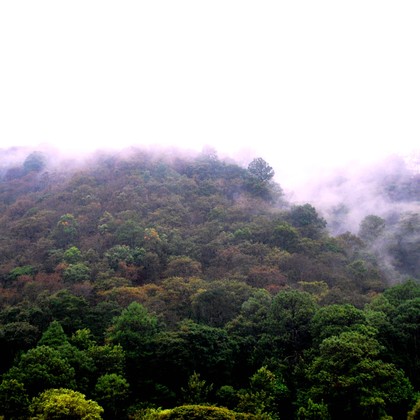 Tropical highland pine-oak forest
-

Yucatan Poorwill
Nyctiphrynus yucatanicus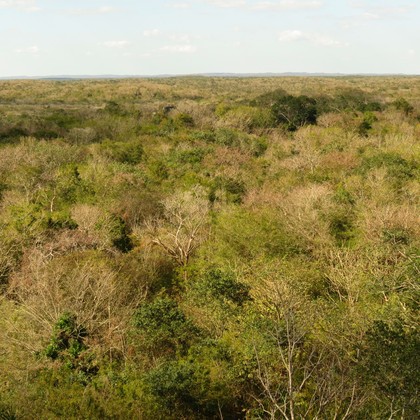 Yucatán and Caribbean-interior seasonal forest
 Lowland rainforest
 Secondary forest and forest edge
-
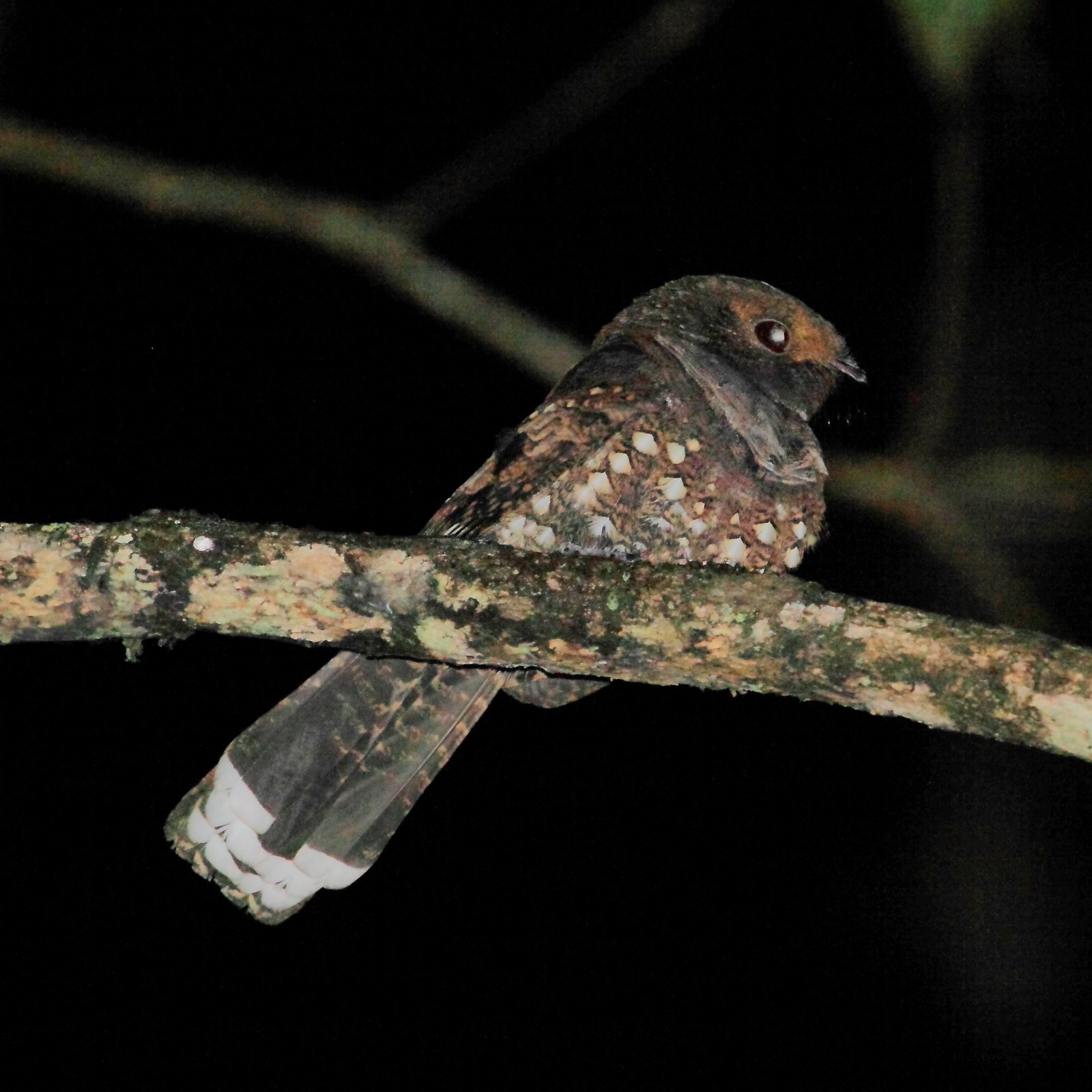
Ocellated Poorwill
Nyctiphrynus ocellatus- Lowland rainforest
 Foothill (submontane) forest
- Secondary forest and forest edge


Antrostomus 8 species
-
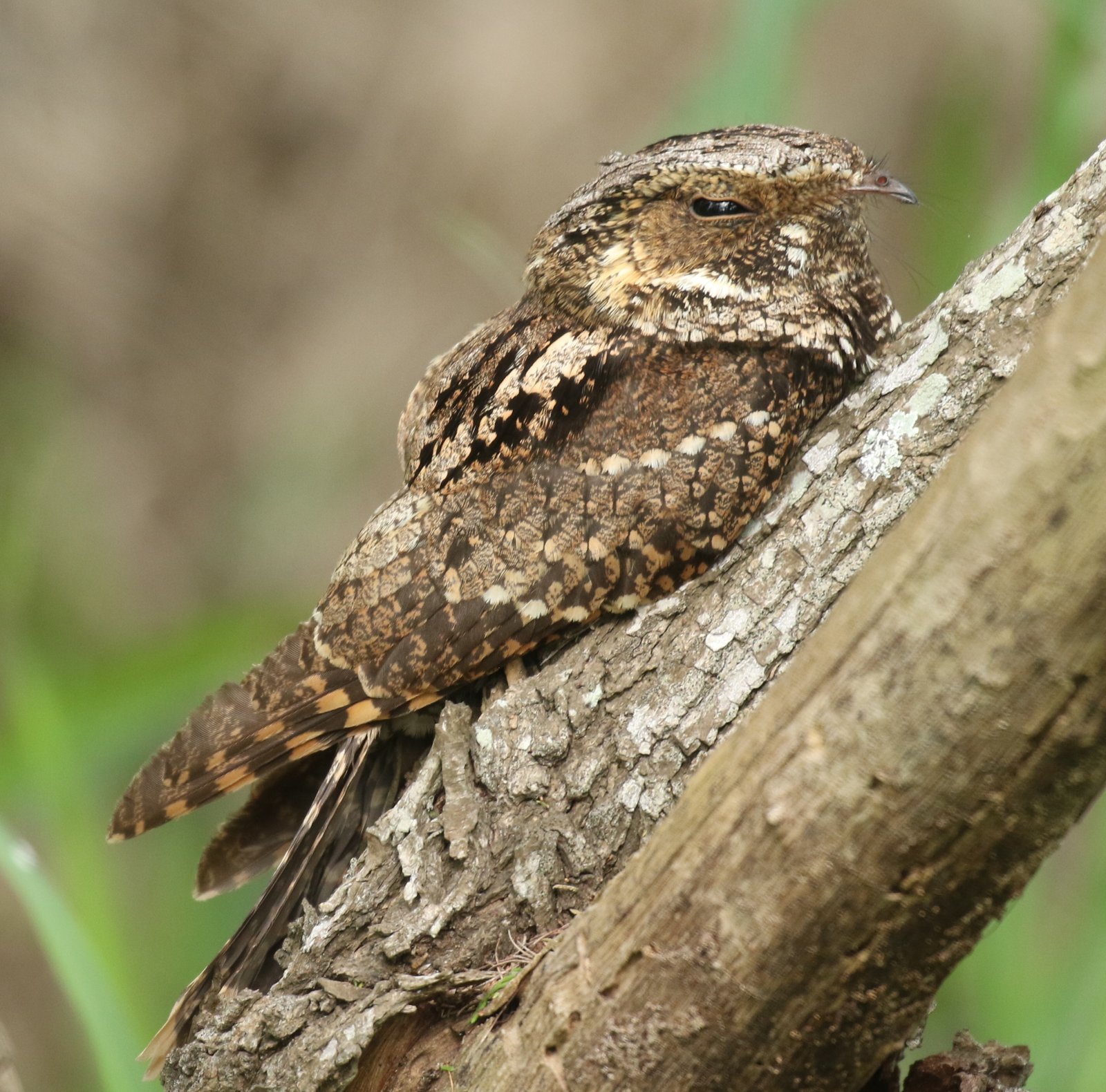
Chuck-will's-widow
Antrostomus carolinensis- Yucatán and Caribbean-interior seasonal forest
- Pacific tropical dry forest
- Secondary forest and forest edge
- Foothill (submontane) forest
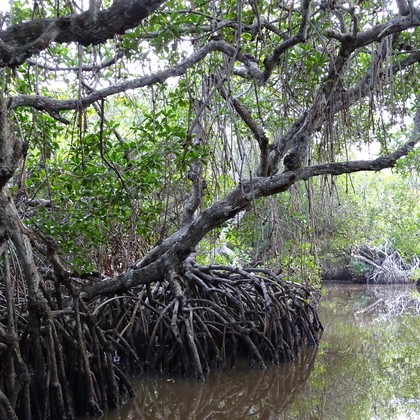 Mangrove
- Tropical highland pine-oak forest
-

Rufous Nightjar
Antrostomus rufus- Pacific tropical dry forest
- Secondary forest and forest edge
- Foothill (submontane) forest
 Pasture and grazing land with trees
-

Tawny-collared Nightjar
Antrostomus salvini- Foothill (submontane) forest
- Secondary forest and forest edge
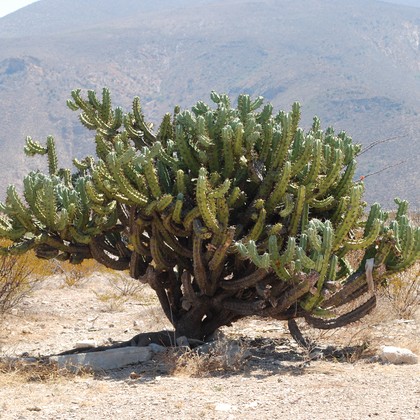 Thorn scrub and cactus forest
- Pasture and grazing land with trees
-
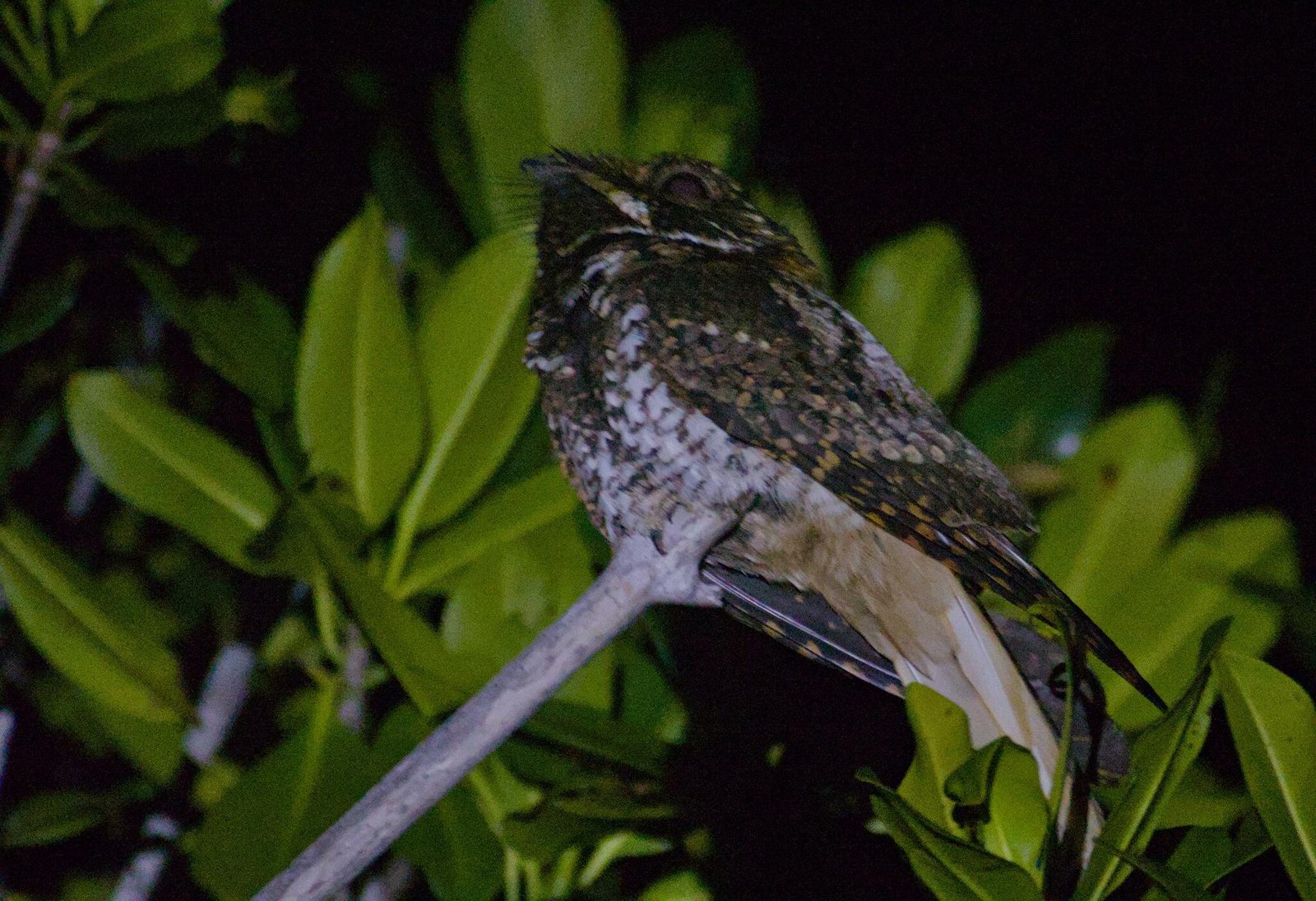
Yucatan Nightjar
Antrostomus badius- Yucatán and Caribbean-interior seasonal forest
- Secondary forest and forest edge
- Lowland rainforest
- Pasture and grazing land with trees
-
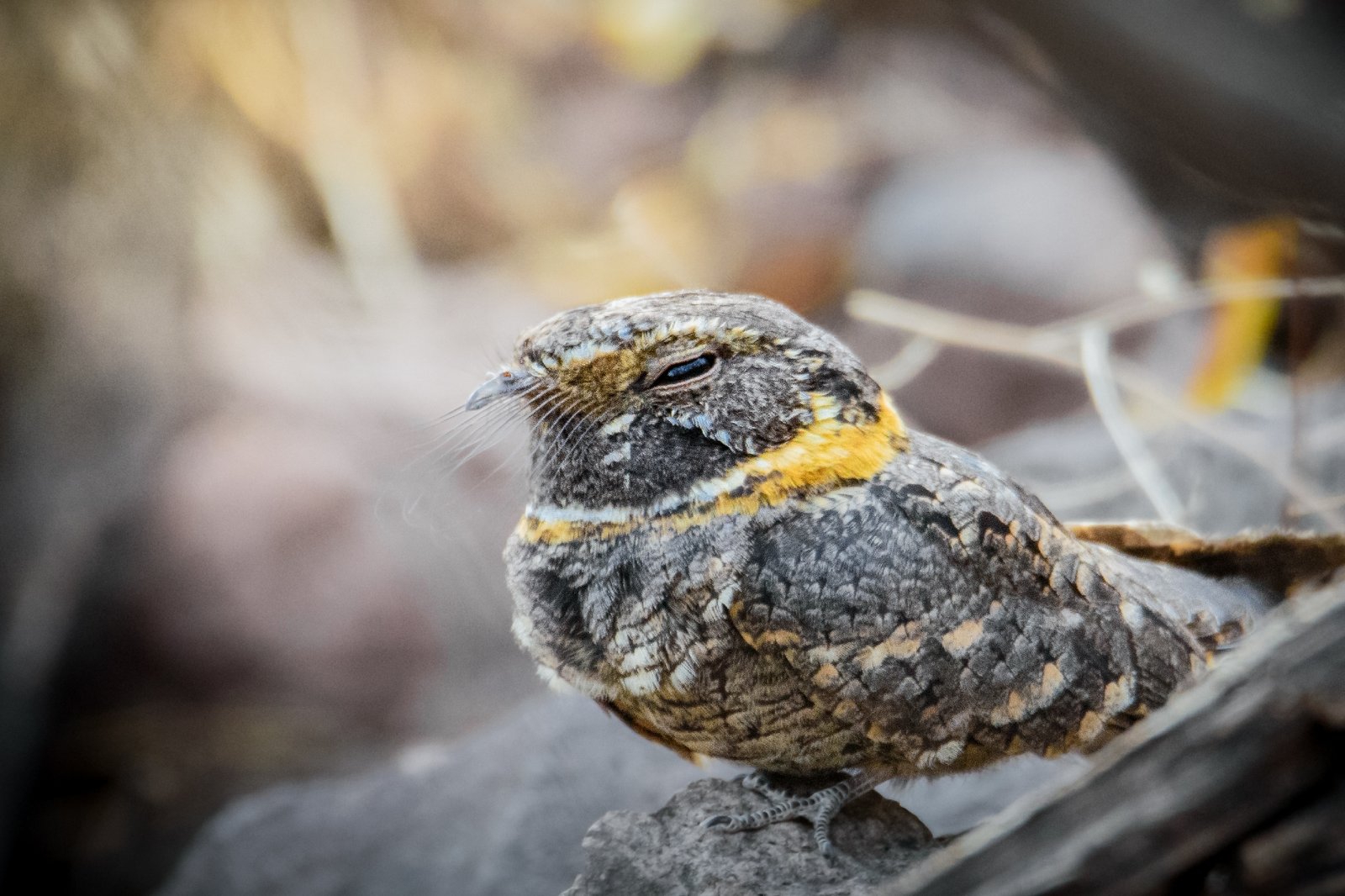
Buff-collared Nightjar
Antrostomus ridgwayi- Thorn scrub and cactus forest
- Pacific tropical dry forest
 Cliffs, canyons and rocky slopes
 Sonoran Desert
-
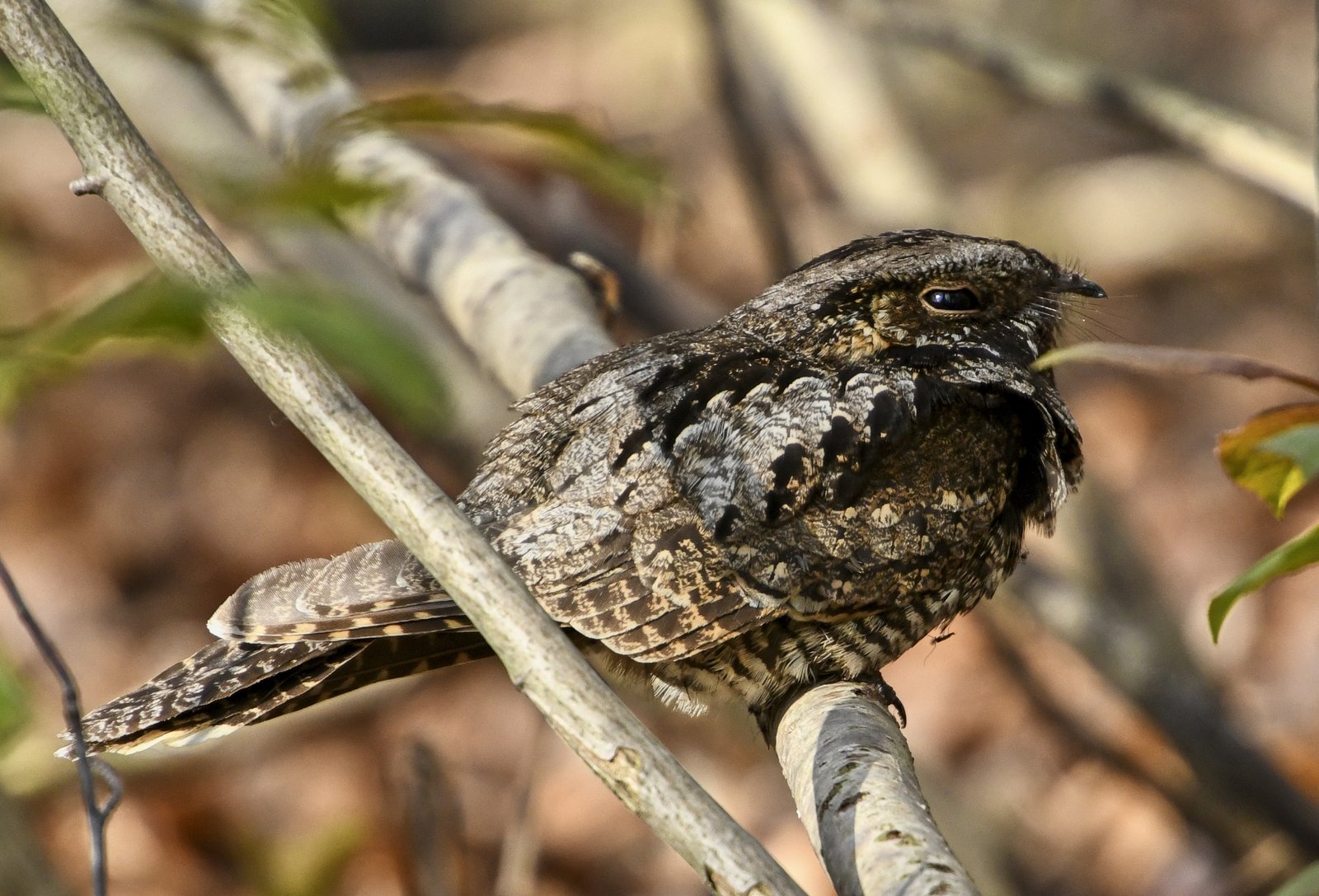
Eastern Whip-poor-will
Antrostomus vociferus- Foothill (submontane) forest
- Secondary forest and forest edge
- Yucatán and Caribbean-interior seasonal forest
- Pacific tropical dry forest
 Floodplain and gallery forest
- Tropical highland pine-oak forest
-
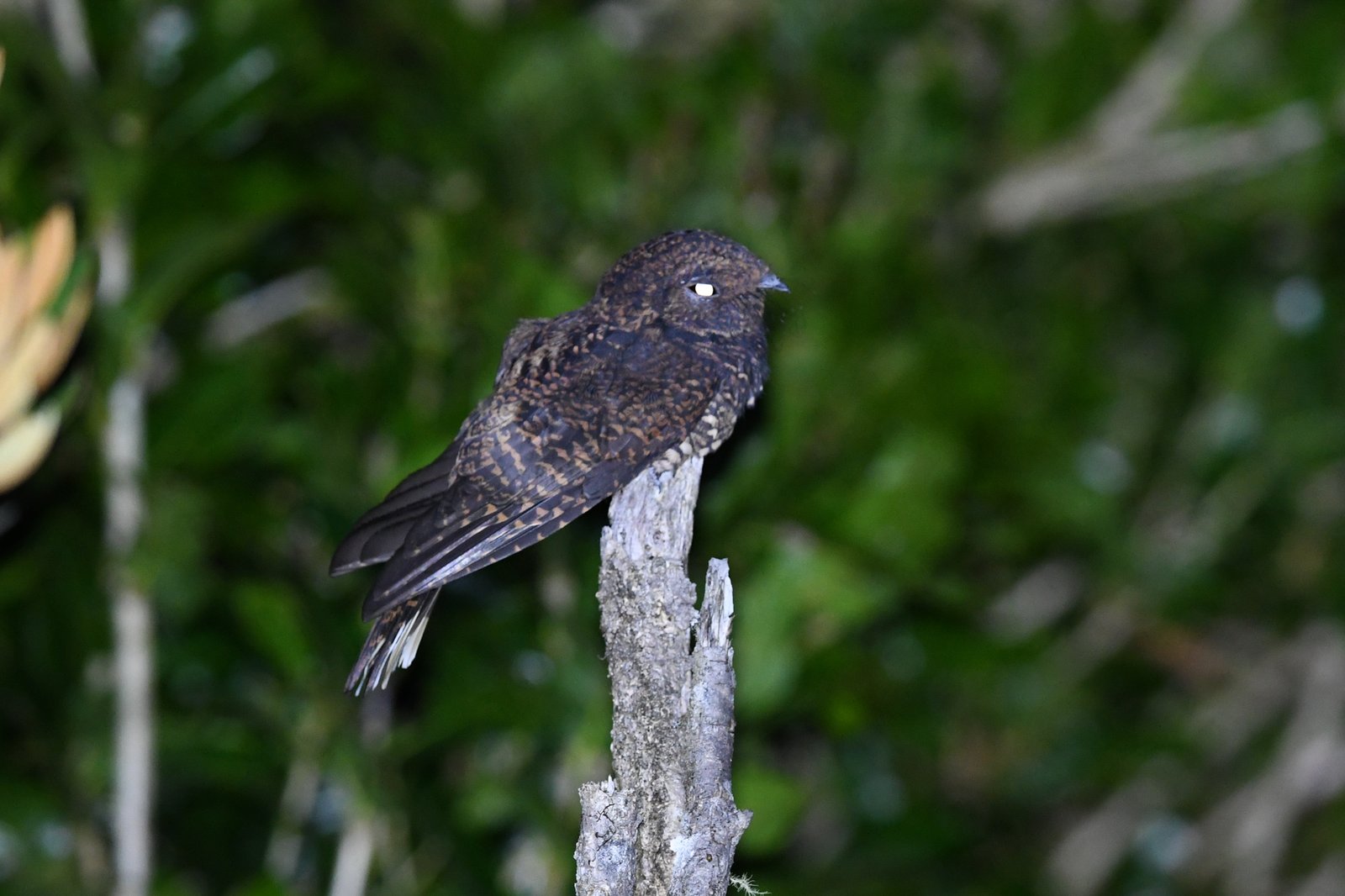
Dusky Nightjar
Antrostomus saturatus Costa Rica-Panama highland forest
 Montane grassland, zacatonal and páramo
- Secondary forest and forest edge
- Pasture and grazing land with trees
-
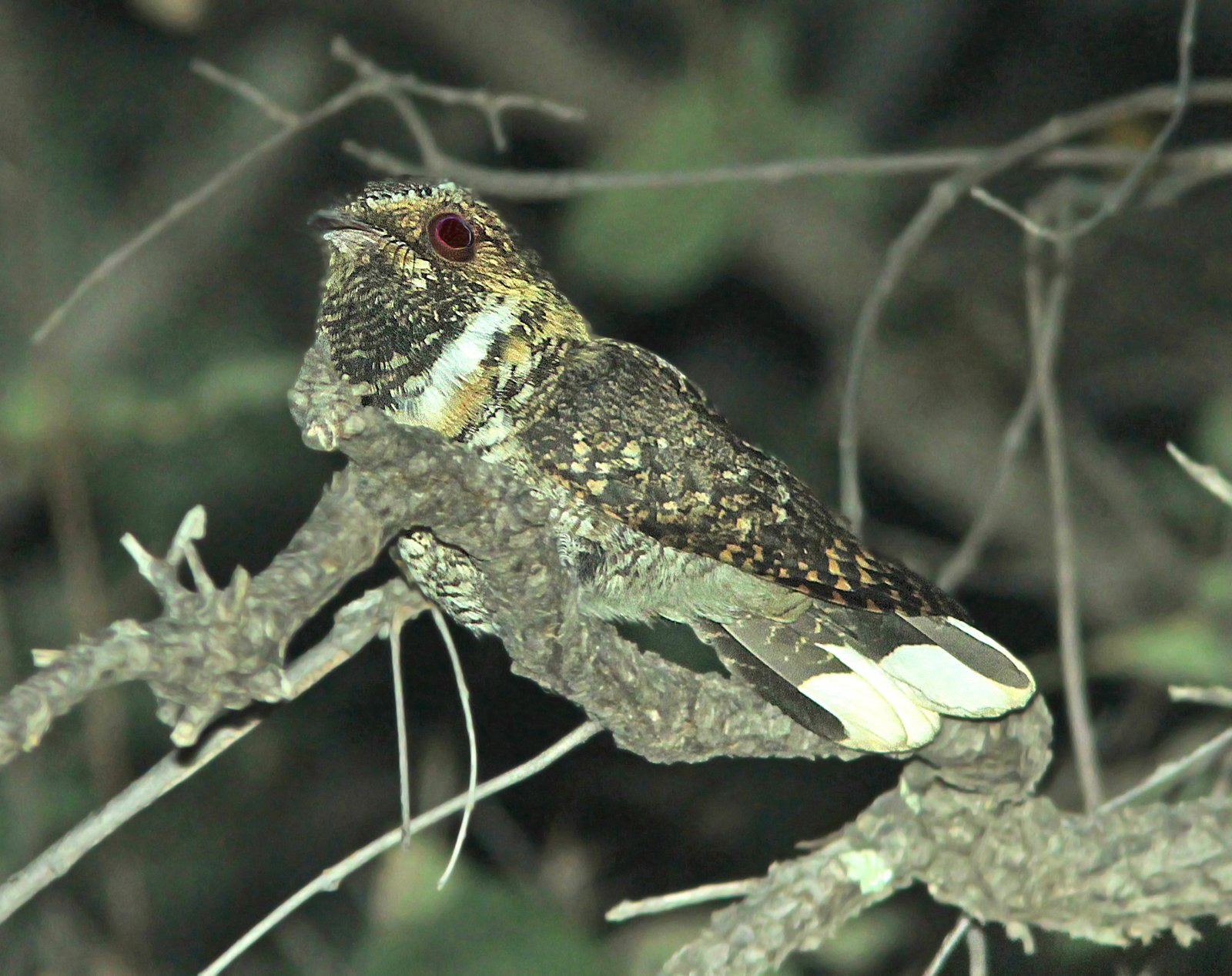
Mexican Whip-poor-will
Antrostomus arizonae- Tropical highland pine-oak forest
- Madrean oak and pine-oak woodland
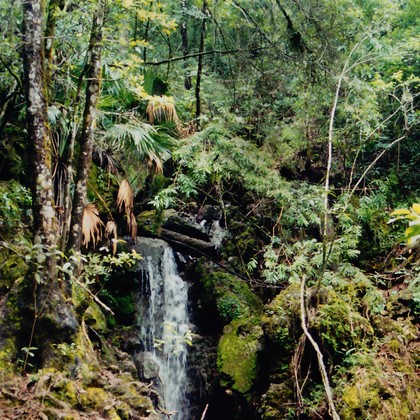 Northern Middle American cloud forest
 High montane conifer forest
- Foothill (submontane) forest
Chordeiles 2 species
-

Lesser Nighthawk
Chordeiles acutipennis- Thorn scrub and cactus forest
- Sonoran Desert
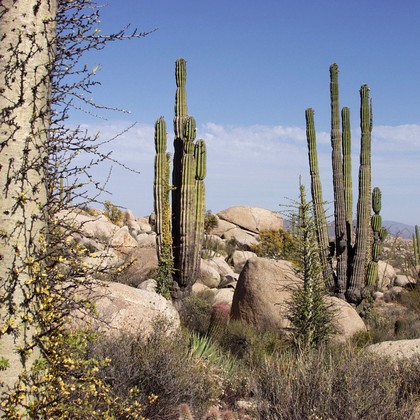 Baja California desert
 Lowland savanna and open grassland
 Sandy beach and dunes
 Freshwater marsh and wet grassland
 Rice fields and fish ponds
-

Common Nighthawk
Chordeiles minor- Lowland savanna and open grassland
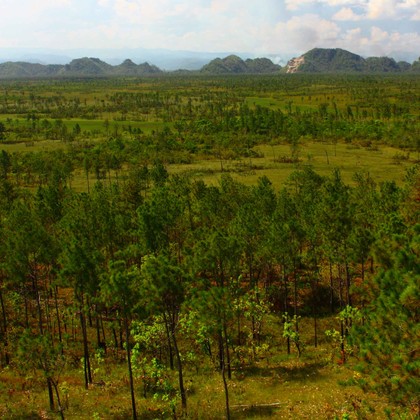 Pine savanna
- Tropical highland pine-oak forest
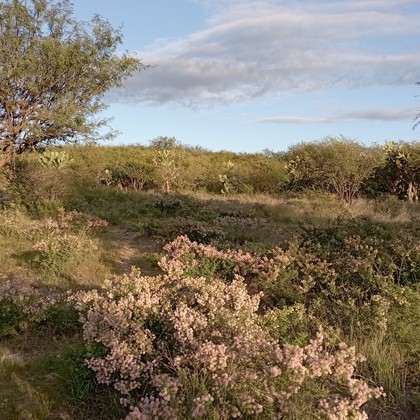 Semi-desert grassland
- Pasture and grazing land with trees
 Villages, towns, gardens and parks
- Sandy beach and dunes