All species › Trogons › Trogons
Trogons | Trogonidae
Trogons | Trogones | Trogons
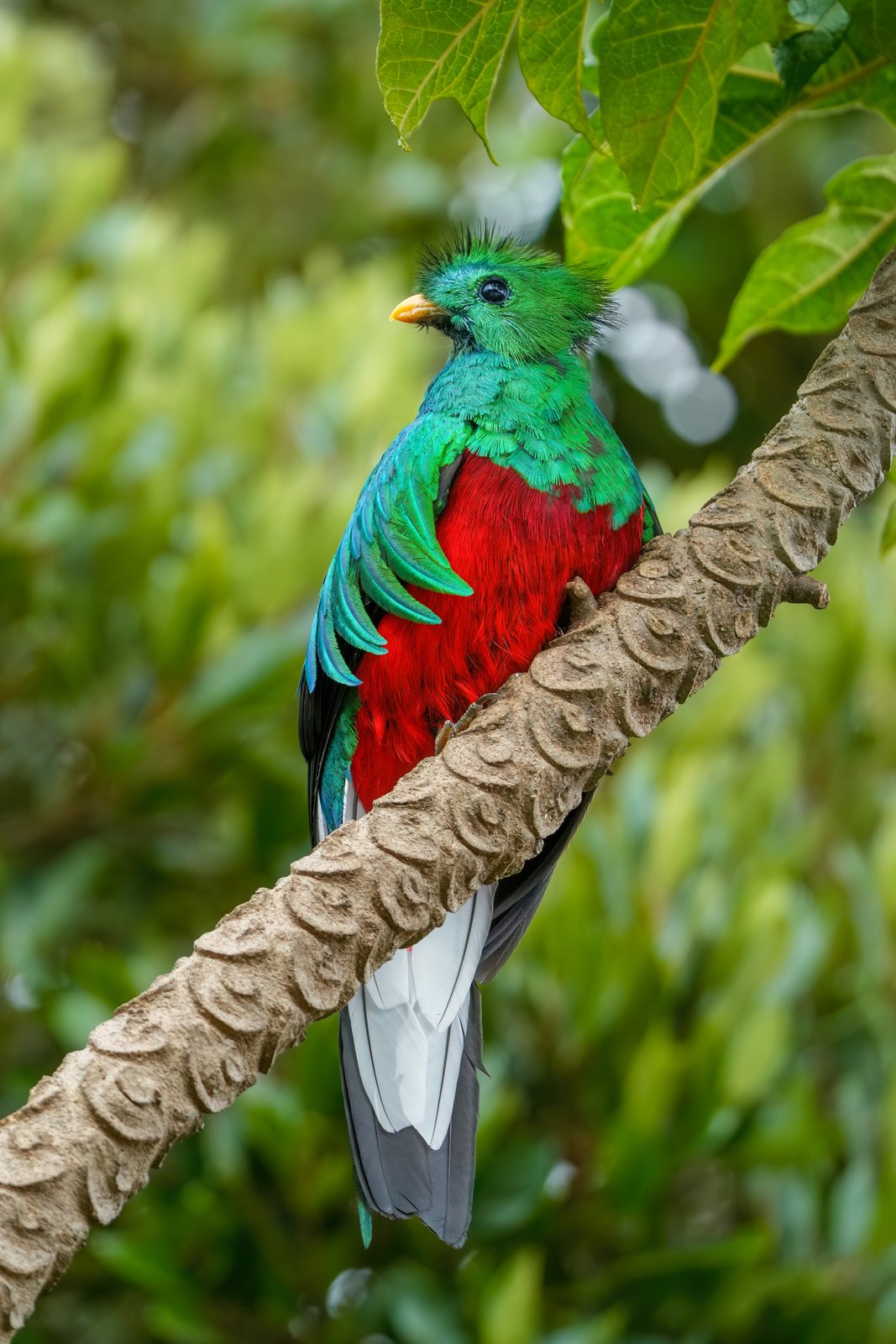
Eighteen species in two genera occur in this guide: the trogons and the quetzals. They live in almost every forest type, from the dry forest of the Tumbesian region and the wet lowland forest of the Chocó and the Amazonian foothills to the cloud forest of the Andean slopes, where the quetzals are most numerous. The body is compact, the head large and the neck short, and the bird sits upright and almost motionless for long periods on a branch in the mid-storey, turning only its head; often it is the series of hollow or barking calls that first betrays its presence. Insects and fruit are plucked from leaf or twig in a short fluttering sally. In the males head, breast and back are metallic green or blue-violet and the belly red or yellow; the sheen comes from the feather structure rather than pigment. The pattern on the underside of the tail differs between species and is a key identification feature. In male quetzals the upper tail coverts are elongated and reach to or beyond the tip of the tail. The nest is a cavity gnawed out in rotten wood, an arboreal termite nest or a wasp nest, with two or three unmarked eggs.
Native species 17 species
Species that occur here by nature: breeding birds, winter visitors and passage migrants. They are arranged by genus, in the sequence of the list.
Pharomachrus 4 species
-
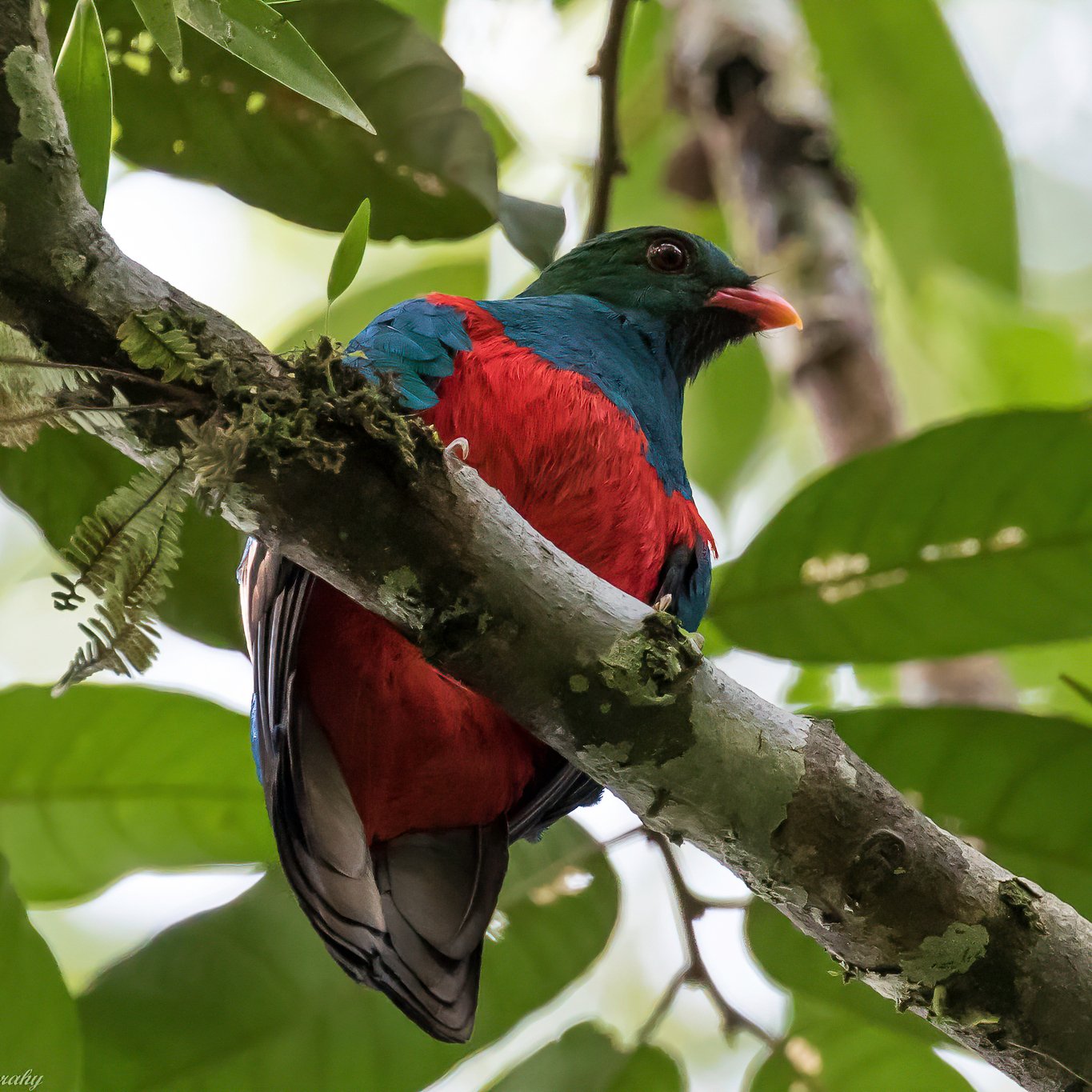
Pavonine Quetzal
Pharomachrus pavoninus Amazonian terra firme rainforest
 Várzea, igapó and river islands
 Eastern Andean foothill forest
 Secondary forest and forest edge
-

Golden-headed Quetzal
Pharomachrus auriceps Northern Andean subtropical forest
 Lower Yungas forest
 Northern Andean cloud forest and temperate forest
 Upper Yungas cloud forest
- Eastern Andean foothill forest
-
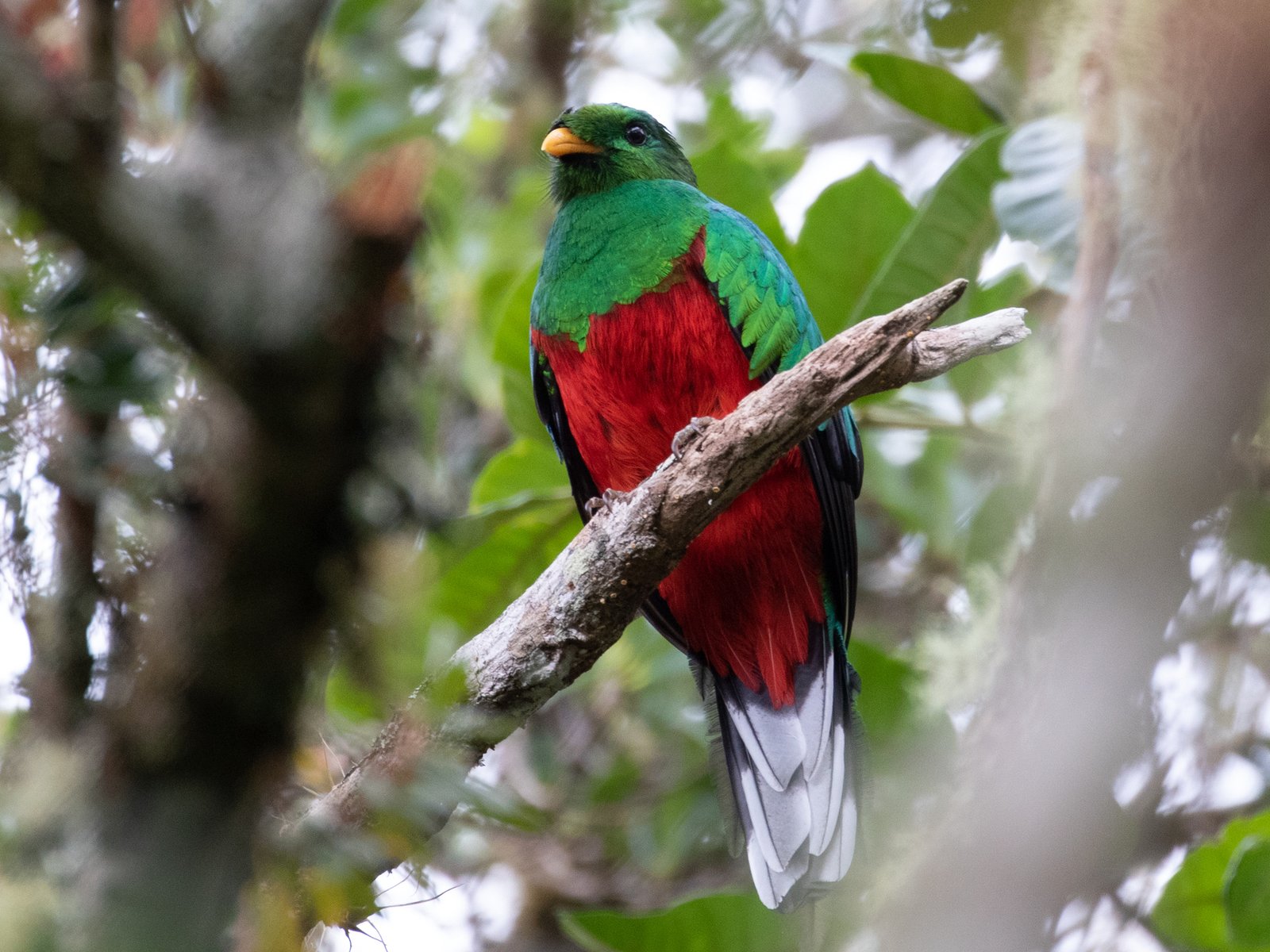
White-tipped Quetzal
Pharomachrus fulgidus- Northern Andean cloud forest and temperate forest
- Northern Andean subtropical forest
- Secondary forest and forest edge
-
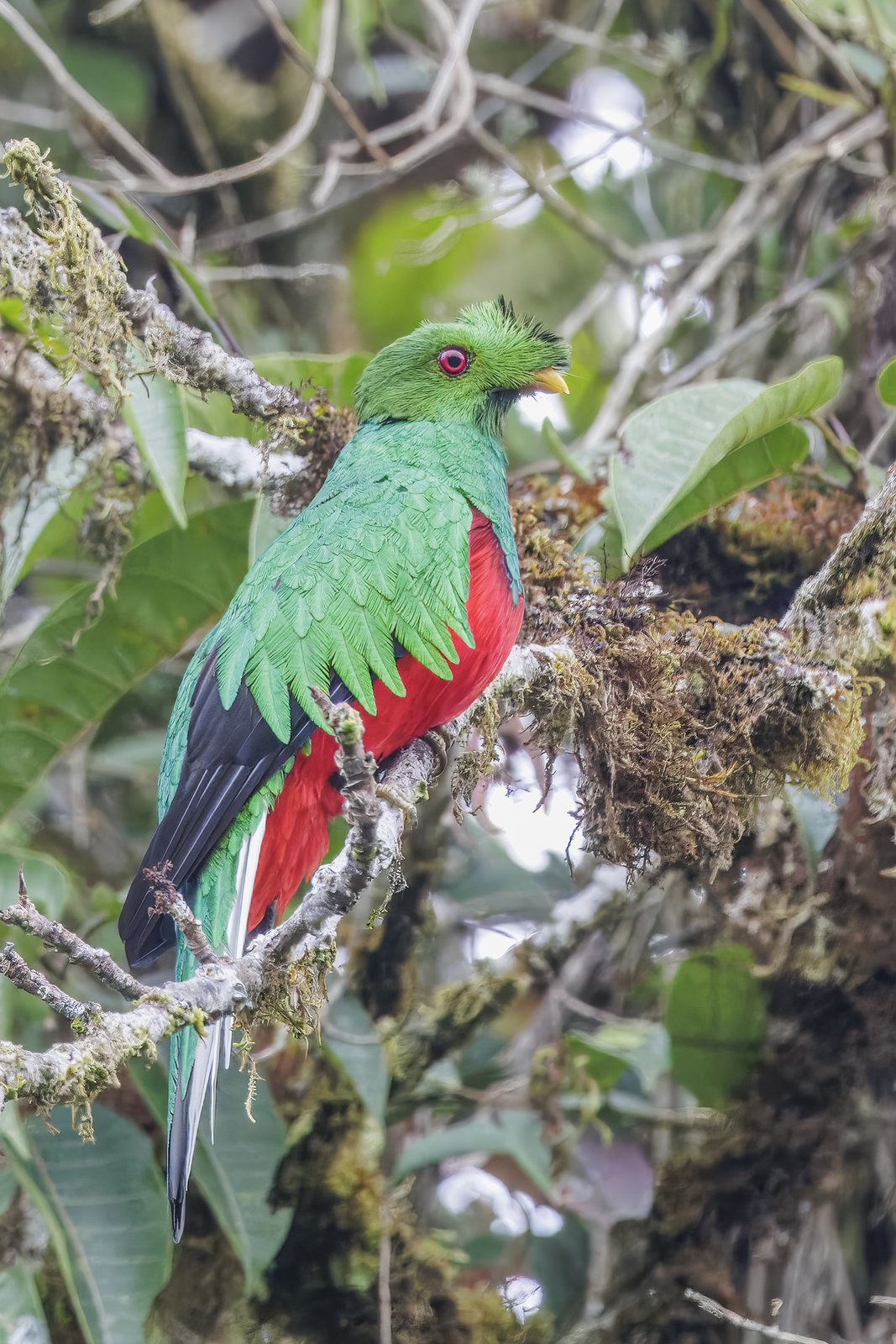
Crested Quetzal
Pharomachrus antisianus- Northern Andean cloud forest and temperate forest
- Upper Yungas cloud forest
- Northern Andean subtropical forest
- Lower Yungas forest
Trogon 13 species
-
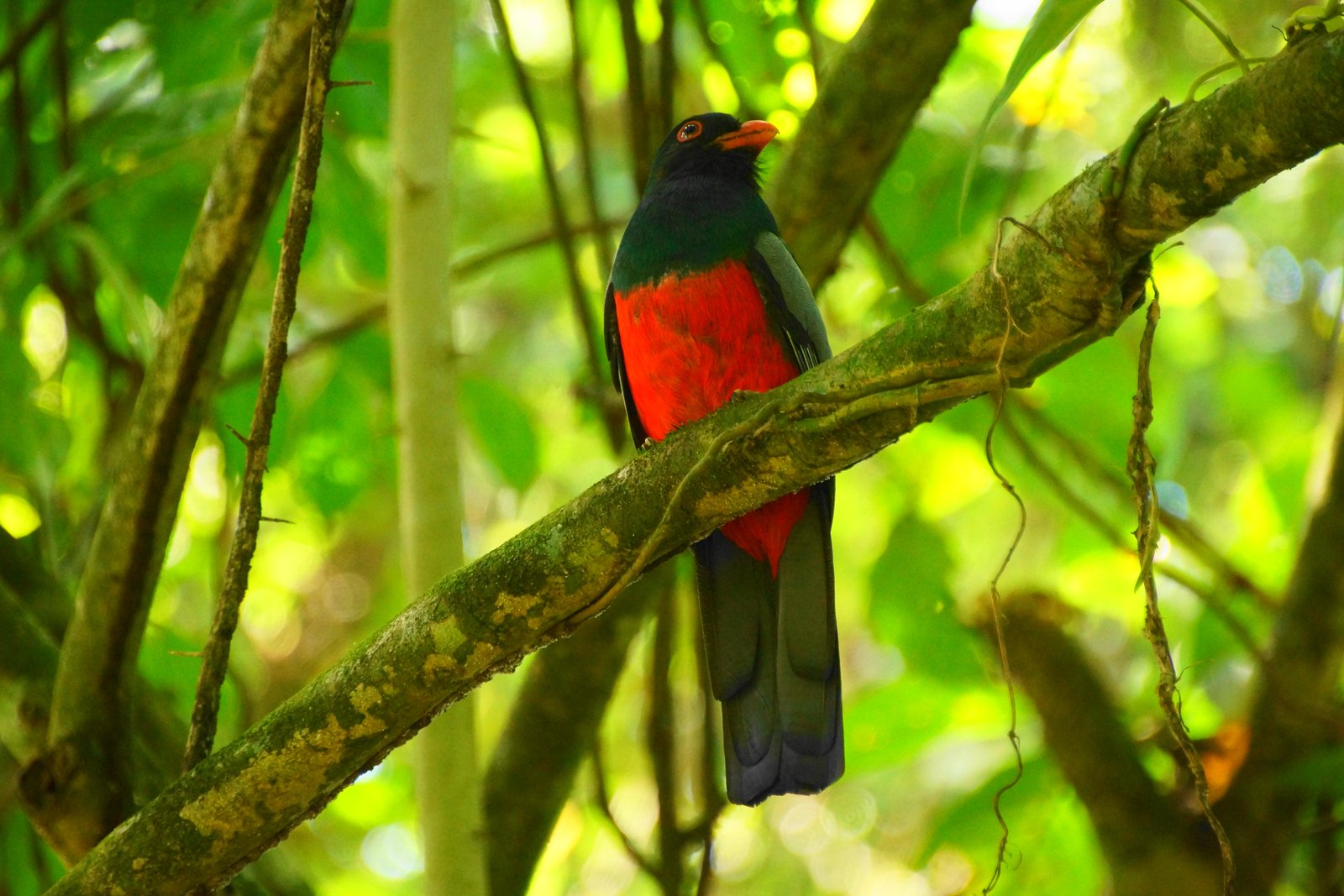
Slaty-tailed Trogon
Trogon massena Chocó rainforest
 Western Ecuador humid forest
- Secondary forest and forest edge
 Mangrove
-
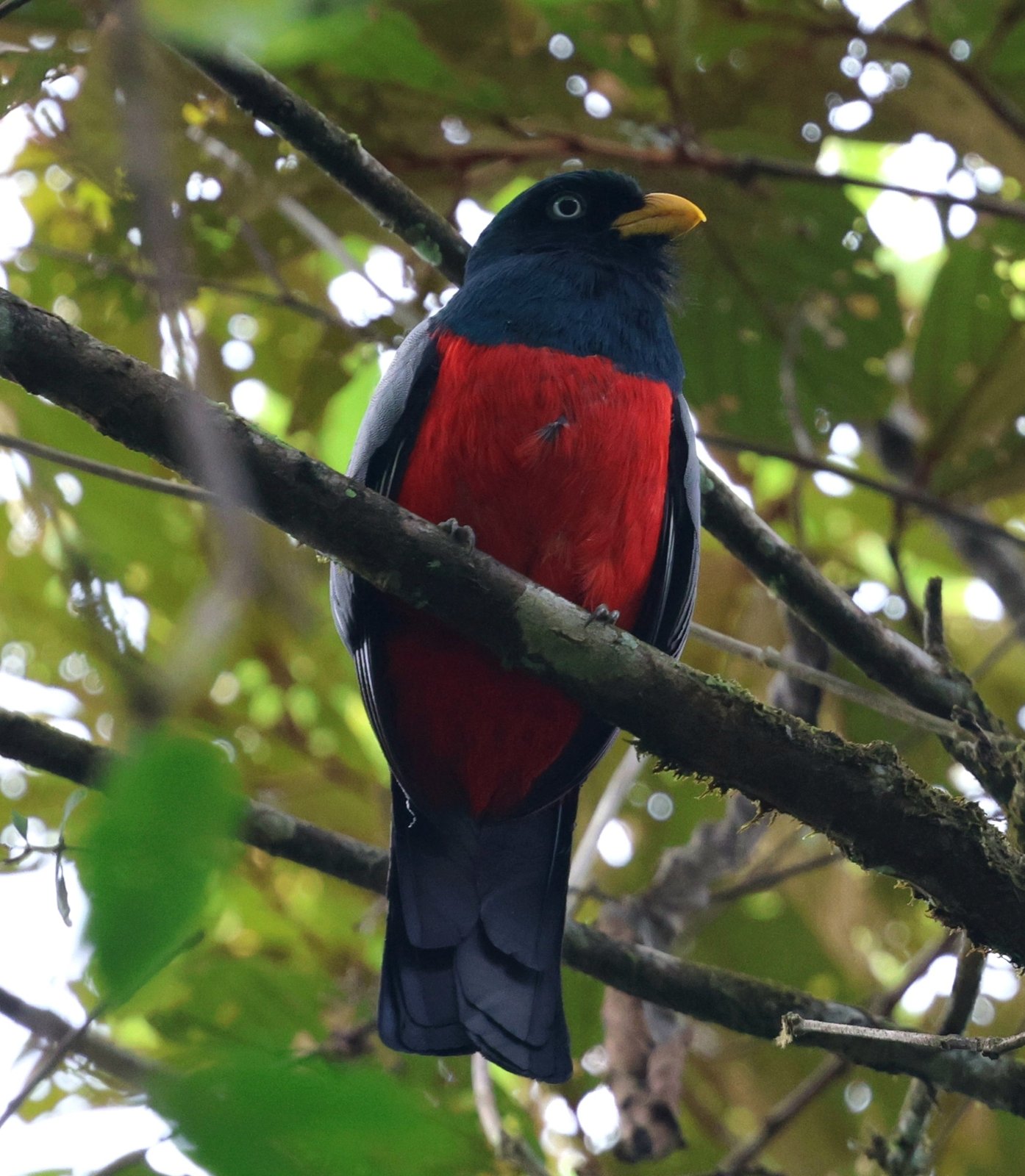
Choco Trogon
Trogon comptus- Chocó rainforest
- Western Ecuador humid forest
- Northern Andean subtropical forest
- Secondary forest and forest edge
-
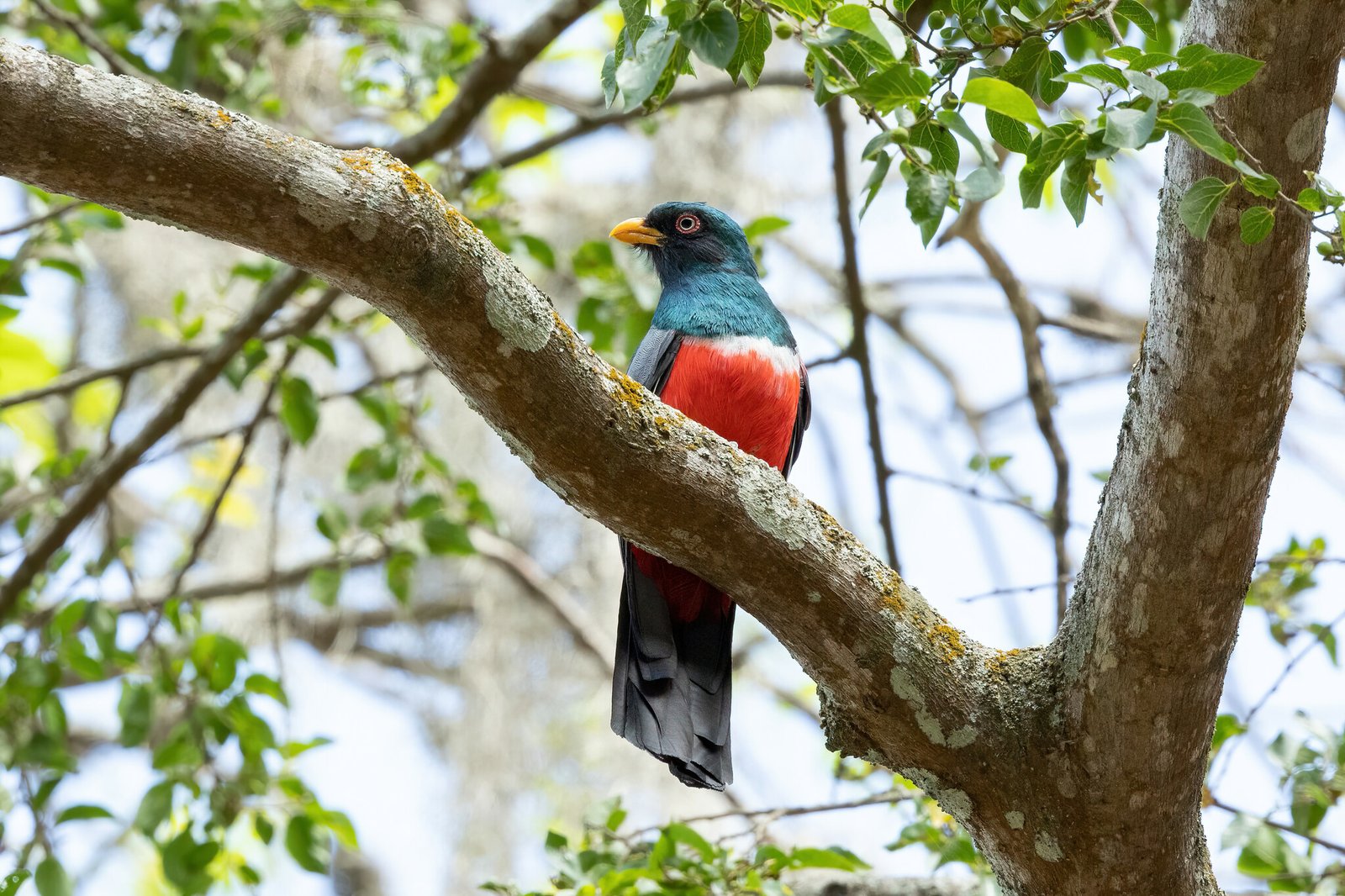
Ecuadorian Trogon
Trogon mesurus Tumbesian dry forest and thorn scrub
- Western Ecuador humid forest
- Secondary forest and forest edge
 Coffee, cacao and agroforestry
-
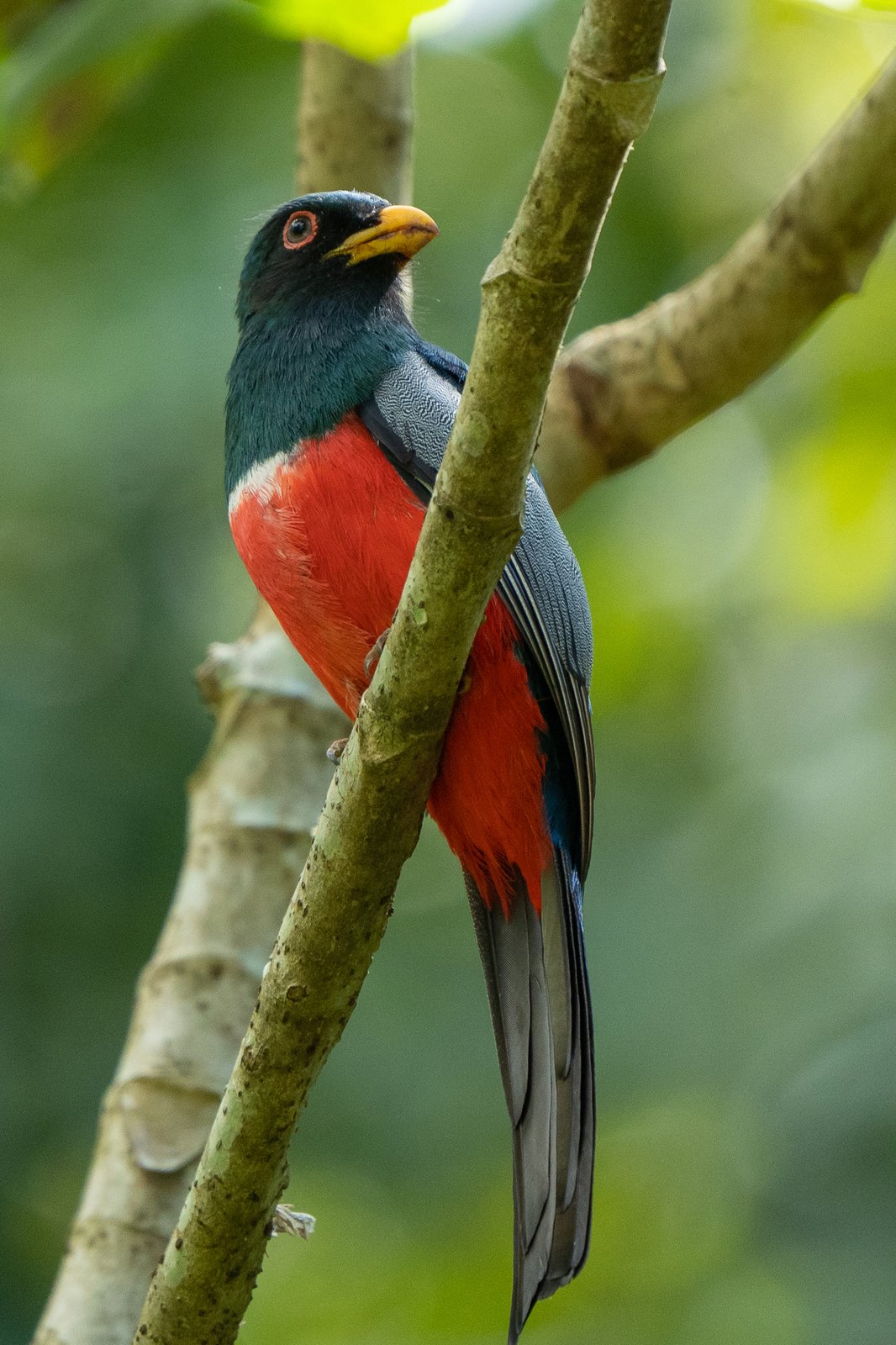
Black-tailed Trogon
Trogon melanurus- Amazonian terra firme rainforest
- Várzea, igapó and river islands
- Secondary forest and forest edge
- Eastern Andean foothill forest
 Palm swamps and swamp forest
-
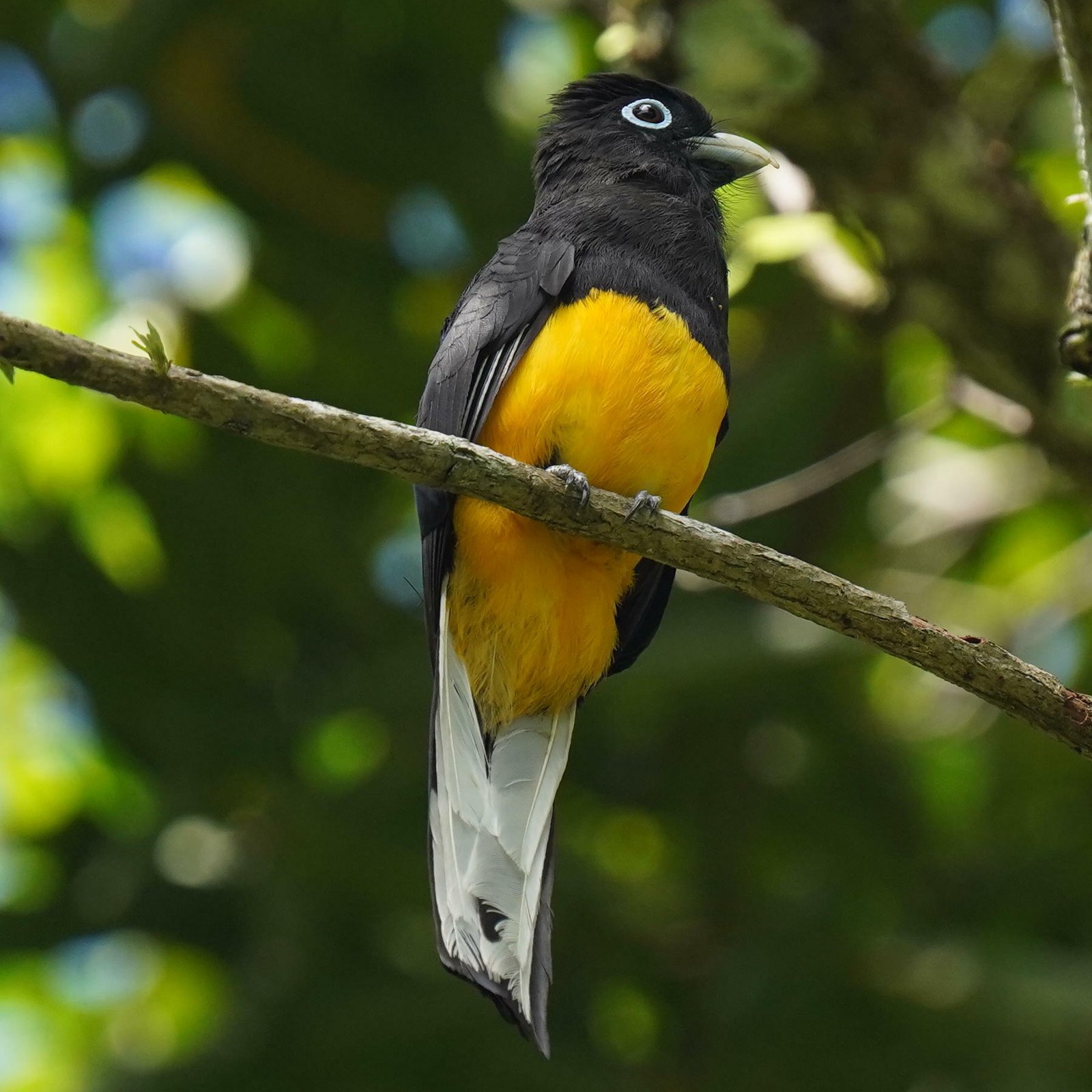
White-tailed Trogon
Trogon chionurus- Chocó rainforest
- Western Ecuador humid forest
- Secondary forest and forest edge
- Coffee, cacao and agroforestry
-
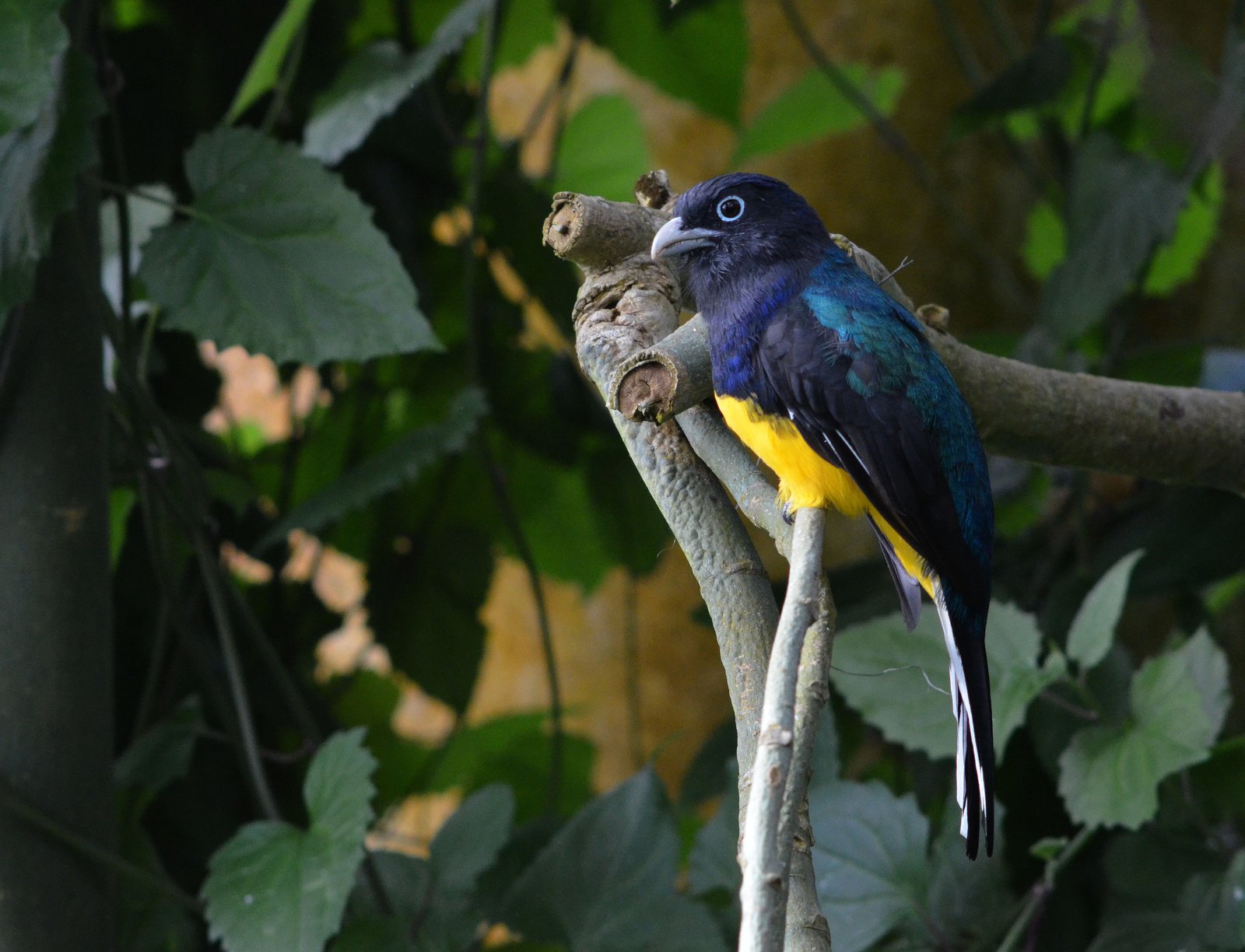
Green-backed Trogon
Trogon viridis- Amazonian terra firme rainforest
- Várzea, igapó and river islands
- Secondary forest and forest edge
- Eastern Andean foothill forest
- Palm swamps and swamp forest
-

Gartered Trogon
Trogon caligatus- Western Ecuador humid forest
- Chocó rainforest
- Tumbesian dry forest and thorn scrub
- Secondary forest and forest edge
- Coffee, cacao and agroforestry
-
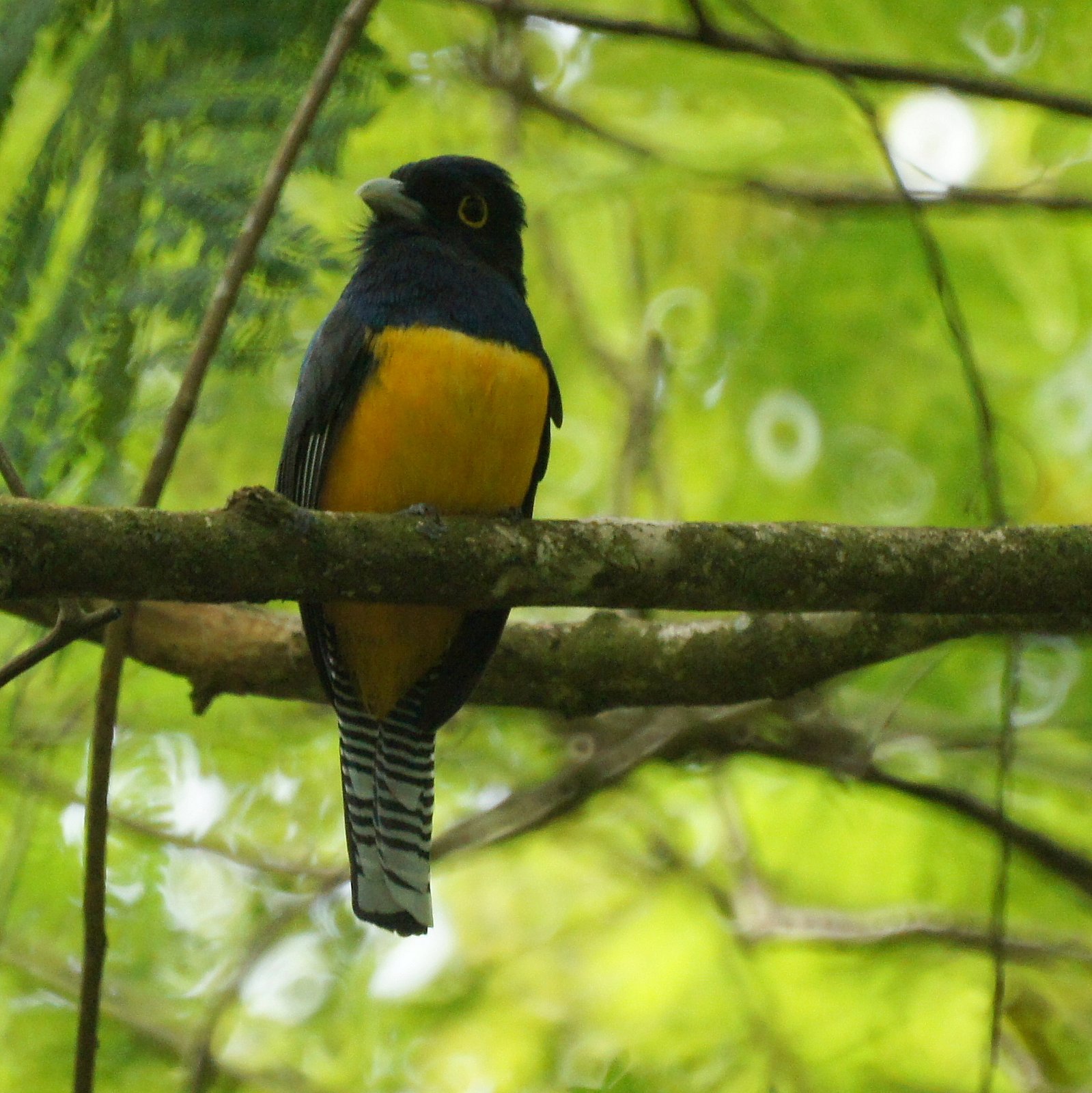
Guianan Trogon
Trogon violaceus- Amazonian terra firme rainforest
- Secondary forest and forest edge
 Llanos savanna
-
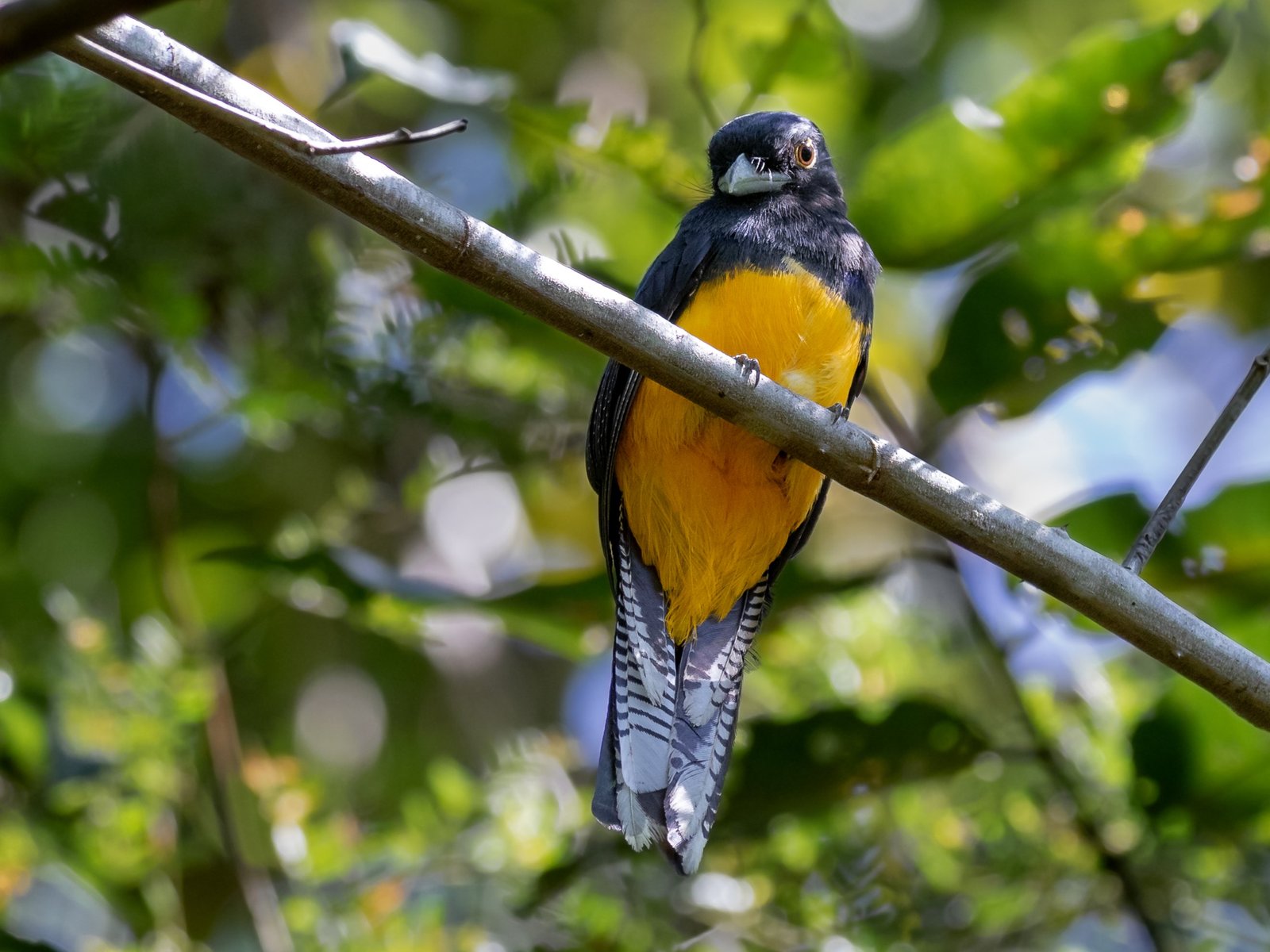
Amazonian Trogon
Trogon ramonianus- Amazonian terra firme rainforest
- Várzea, igapó and river islands
- Secondary forest and forest edge
- Eastern Andean foothill forest
- Palm swamps and swamp forest
-
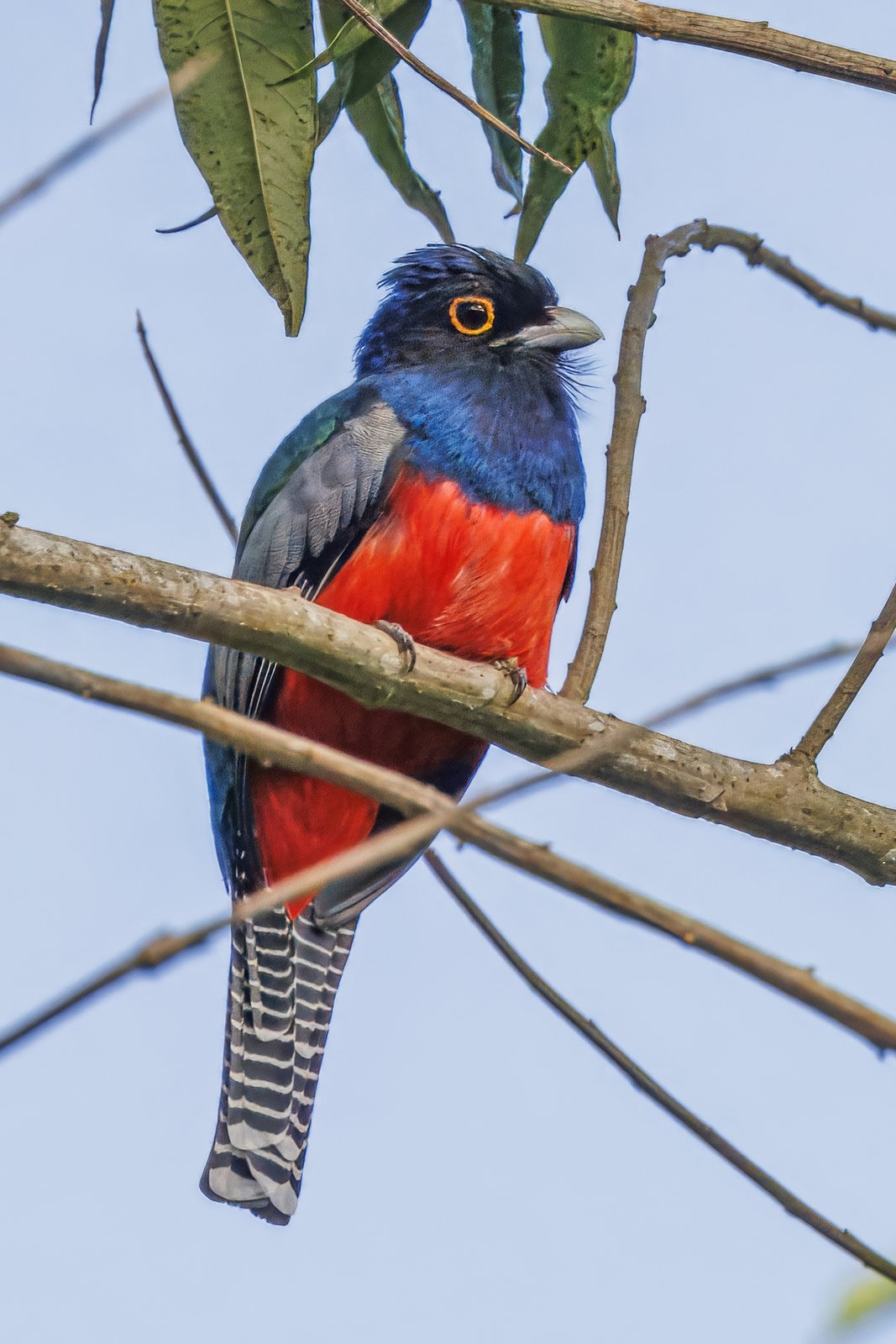
Blue-crowned Trogon
Trogon curucui- Amazonian terra firme rainforest
- Várzea, igapó and river islands
- Secondary forest and forest edge
- Eastern Andean foothill forest
 Chiquitano dry forest and Chaco
-
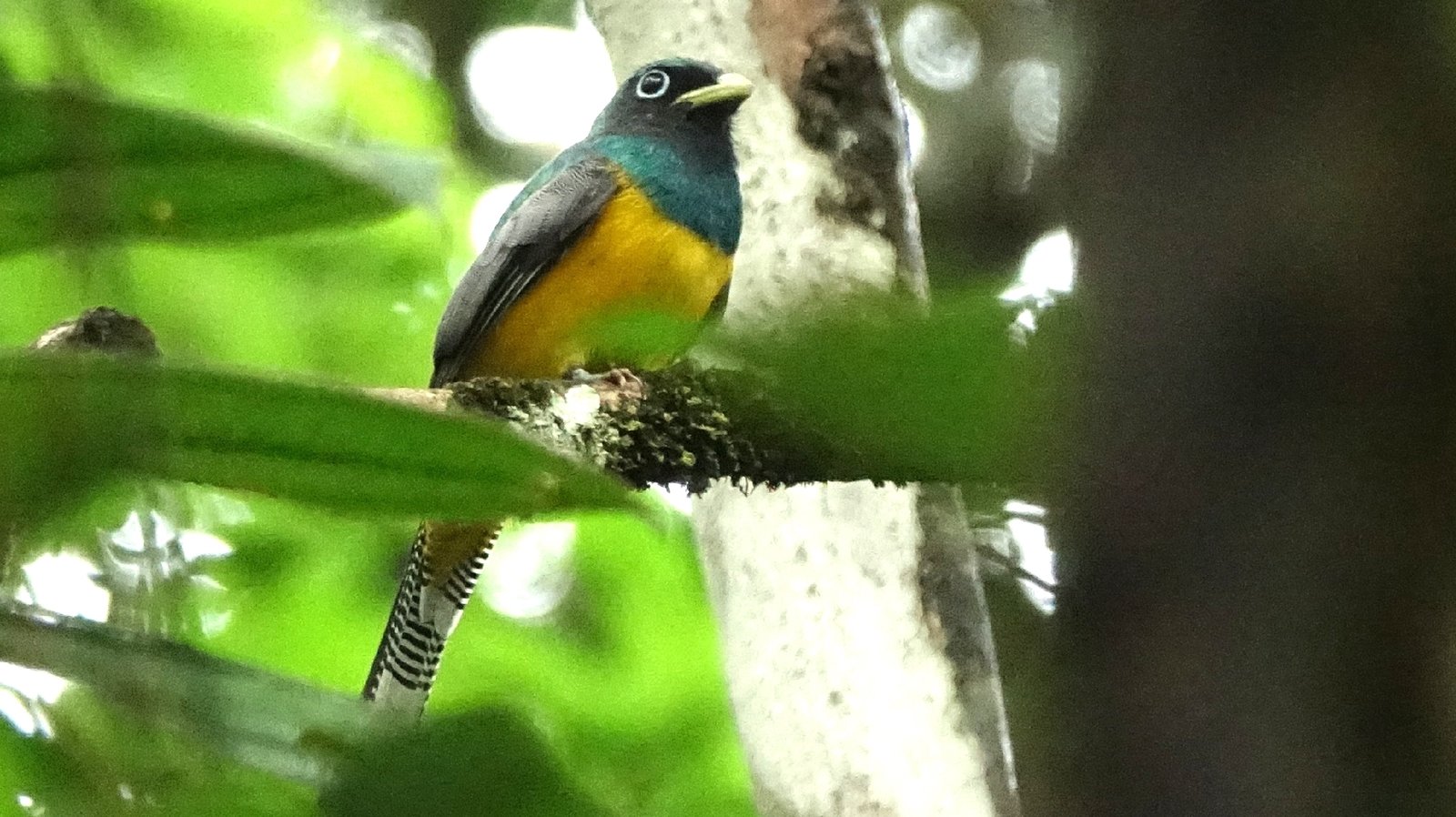
Amazonian Black-throated Trogon
Trogon rufus- Amazonian terra firme rainforest
- Várzea, igapó and river islands
- Eastern Andean foothill forest
- Secondary forest and forest edge
-
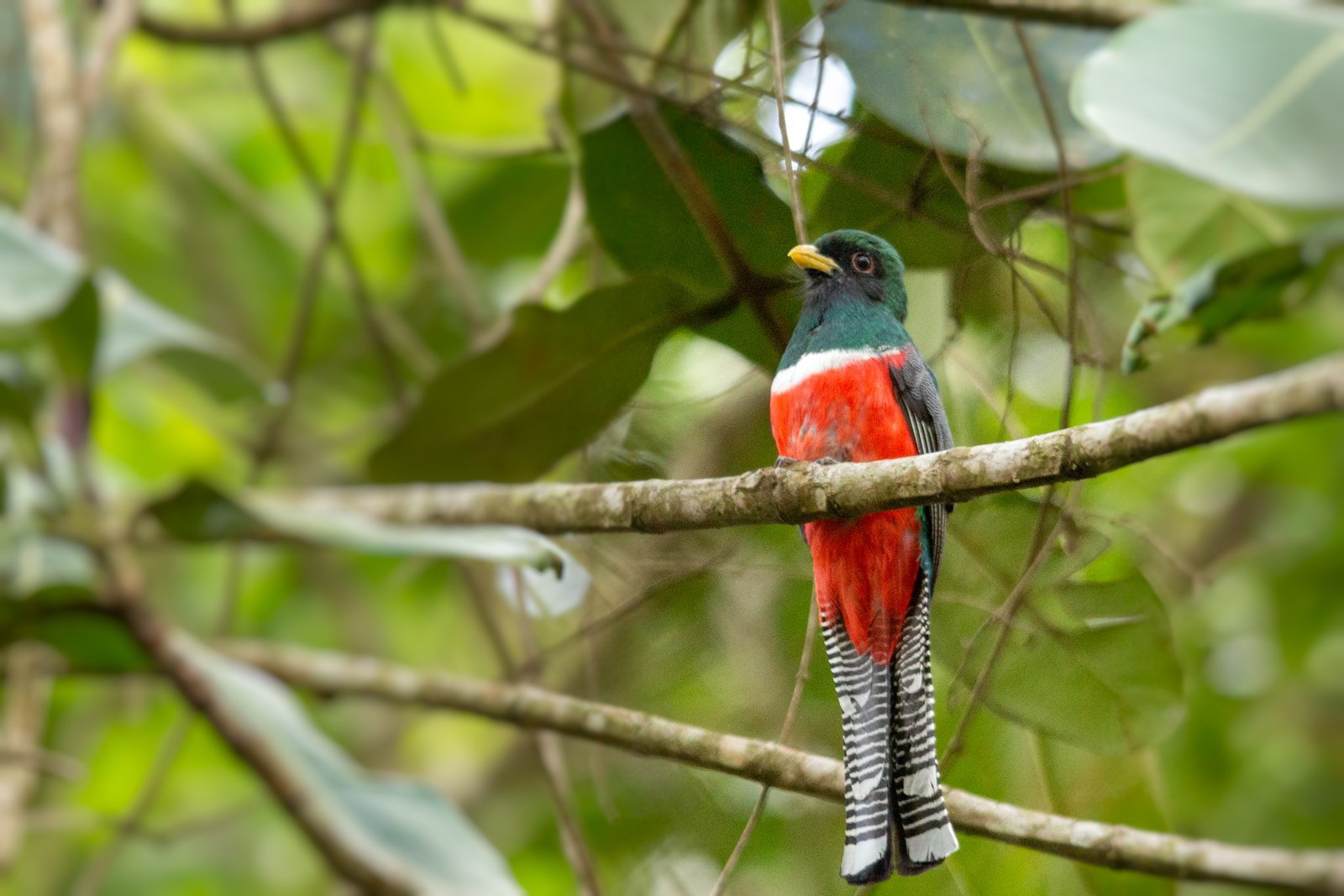
Collared Trogon
Trogon collaris- Northern Andean subtropical forest
- Eastern Andean foothill forest
- Lower Yungas forest
- Amazonian terra firme rainforest
- Chocó rainforest
- Western Ecuador humid forest
-
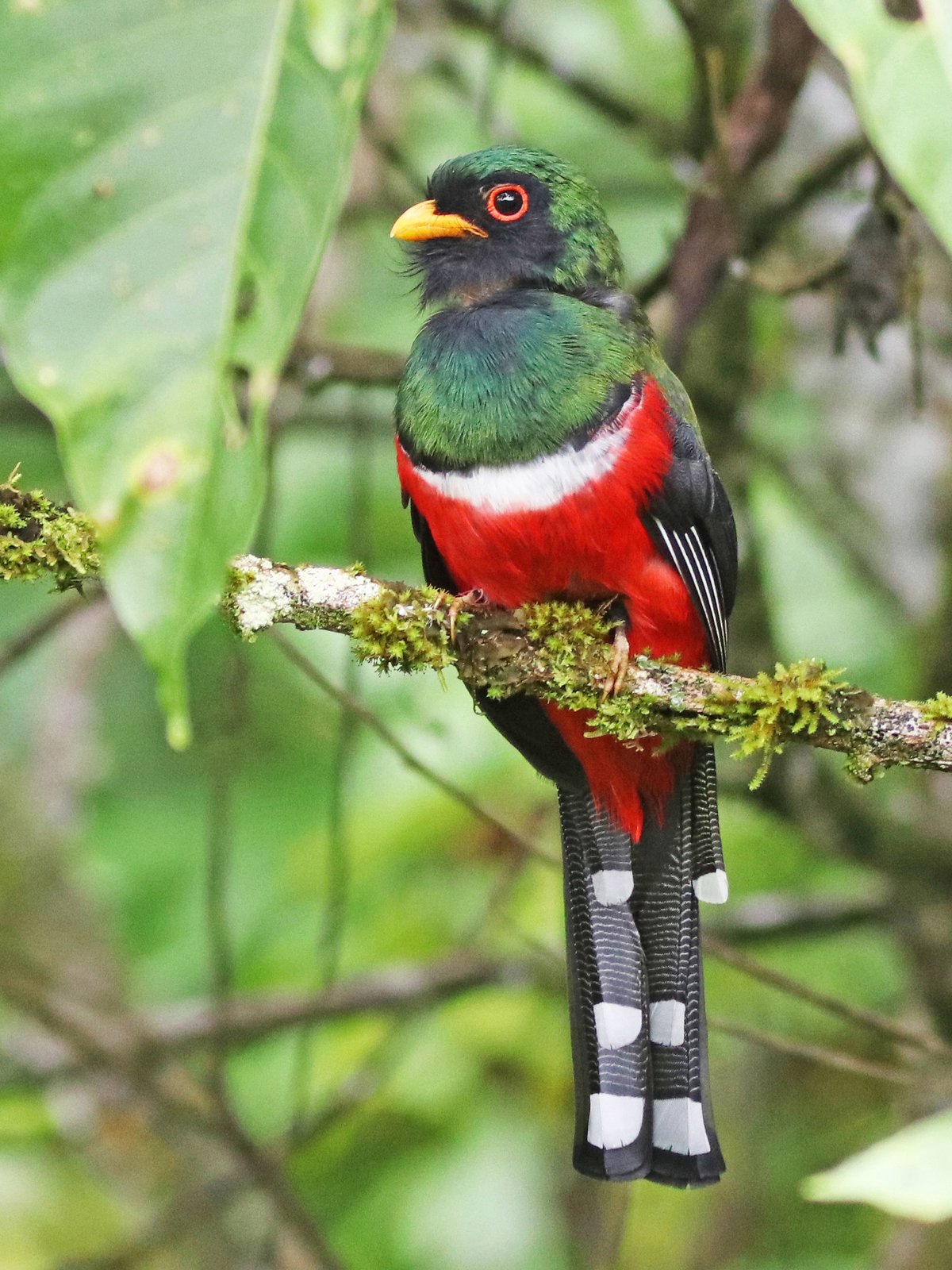
Masked Trogon
Trogon personatus- Northern Andean cloud forest and temperate forest
- Upper Yungas cloud forest
- Northern Andean subtropical forest
- Lower Yungas forest
Vagrants 1 species
Birds blown in from other continents. They have no range here, and so no distribution map.